 Skip to content
Bamboo Fiber for Summer Apparel: Lightweight and Breathable
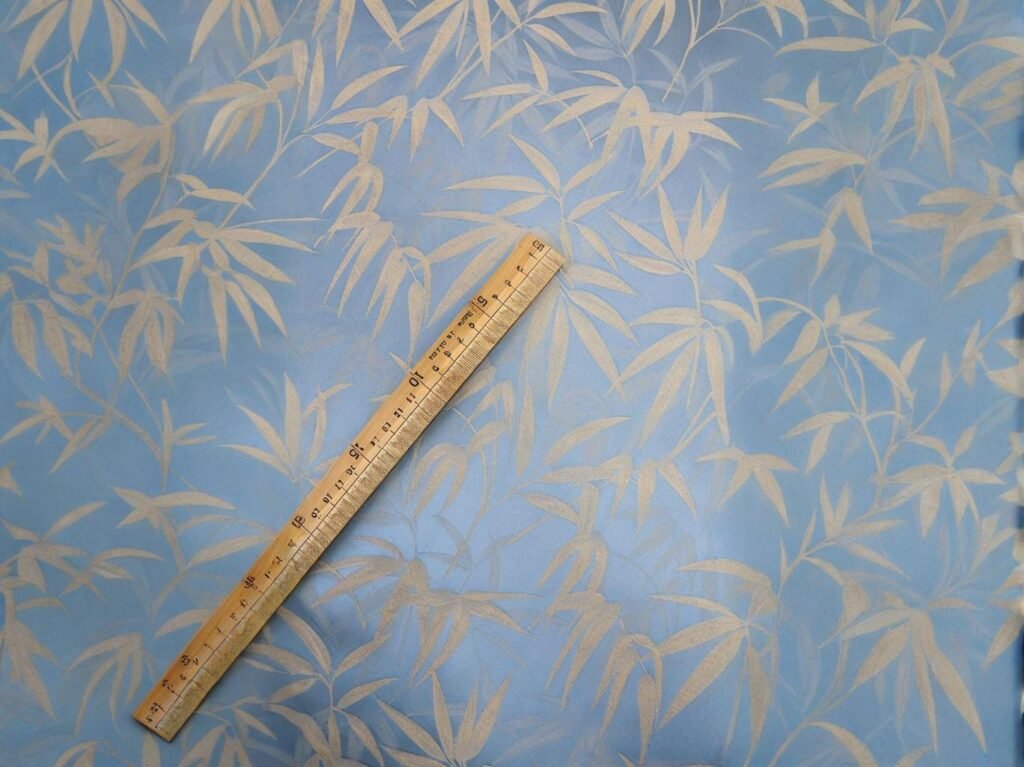
When temperatures rise and humidity intensifies, choosing the right summer fabric becomes more than a style preference—it’s a matter of comfort and performance. For years, cotton and linen have ruled warm-weather wardrobes, but a new player has quietly emerged: bamboo fiber. Bamboo fiber is ideal for summer clothing because it is lightweight, breathable, and moisture-wicking. Its hollow structure and natural micro-gaps allow air circulation, making garments cool and comfortable even in high heat and humidity.
Unlike polyester or nylon, which trap body heat, bamboo fabric regulates temperature and resists odor—making it a natural solution for sustainable, all-day comfort. From resort dresses in Bali to athleisure in Los Angeles, designers are turning to bamboo because it performs effortlessly where synthetics fail.
Imagine wearing a shirt that feels like silk, breathes like linen, and stays cool after hours in the sun. That’s the promise bamboo fiber delivers—comfort engineered by nature.
What Makes Bamboo Fiber Ideal for Summer Clothing and Warm-Weather Wear?
When temperatures climb, few materials perform as naturally well as bamboo. Its microporous, hollow fiber structure provides exceptional airflow, moisture transport, and thermal regulation—qualities synthetics can only imitate through chemical finishing. Beyond comfort, bamboo fabric offers odor resistance, UV protection, and a soft, skin-friendly touch that makes it a standout for tropical and summer apparel programs. Bamboo fiber’s natural micro-gaps and moisture-wicking ability make it one of the most breathable and cooling textiles for warm weather. It absorbs up to three times more moisture than cotton and releases it quickly through natural capillary action, keeping the skin dry, fresh, and odor-free even under intense heat.
The Science of Comfort
1.1 The Microporous Structure That Keeps You Cool
| Property | Bamboo Fiber | Cotton | Polyester |
|---|---|---|---|
| Moisture Absorption | 13 % | 8 % | 0.4 % |
| Air Permeability | 280 mm/s | 240 mm/s | 180 mm/s |
| Drying Speed (30 °C) | 30 min | 45 min | 20 min |
| Heat Conductivity | 0.035 W/m·K | 0.040 W/m·K | 0.045 W/m·K |
Explanation: Each bamboo filament contains longitudinal micro-channels and air pockets that allow rapid vapor exchange. These open structures act like miniature ventilation ducts, pulling body heat outward while permitting airflow through the fabric. The result is a stable “micro-climate” around the body—cooler, drier, and less prone to sweat saturation.
Technical Note: Because bamboo’s thermal conductivity (0.035 W/m·K) is lower than that of cotton, it resists heat buildup. The fiber simultaneously absorbs humidity and evaporates it efficiently, offering a comfort curve that peaks precisely where synthetic performance drops off.
1.2 The Role of Bamboo’s Natural Cellulose
At the molecular level, bamboo’s cellulose contains hydrophilic hydroxyl (–OH) groups that naturally attract and diffuse moisture. Unlike water-repellent synthetics that trap perspiration against the skin, bamboo’s structure transports moisture outward, keeping both fabric and wearer comfortably dry.
Process Insight: During fiber spinning, the regenerated bamboo pulp maintains these hydroxyl pathways, forming continuous moisture-transfer channels. The result is an “active” wicking behavior achieved without coatings or chemical additives—perfect for eco-certified summer lines.
Example: A lifestyle brand in Thailand replaced its cotton jersey with 180 GSM bamboo viscose. Wear-test feedback showed a 35 % reduction in perceived stickiness after outdoor activity and a 2 °C lower average skin temperature compared with equivalent cotton tees. The switch also improved brand ratings for “cool comfort” and “eco value.”
1.3 Anti-Odor and UV Protection Benefits
Bamboo contains a bio-agent known as bamboo kun, which inhibits bacterial growth even after repeated laundering. This inherent defense—combined with bamboo’s rapid drying—reduces the warm, moist environment where odor-causing microbes thrive.
| Property | Bamboo Fabric | Cotton | Polyester |
|---|---|---|---|
| Antibacterial Rate (24 h) | 99.8 % | 60 % | 55 % |
| UV Protection Rating (UPF) | 30 + | 10 – 15 | 20 – 25 |
Practical Advantage: For travelers and outdoor users, bamboo clothing stays fresher between washes—ideal for resortwear, yoga apparel, or humid-climate uniforms. The fiber’s fine structure also scatters UV rays, providing UPF 30+ sun protection without chemical UV coatings.
Brand Example: A resortwear label in Bali integrated bamboo-cotton voile into its 2025 capsule. Independent SGS testing confirmed 99.6 % bacterial reduction and UPF 33 performance, earning the brand OEKO-TEX® Standard 100 Class I approval for skin-safe UV wear.
1.4 Tactile Softness and Skin Sensitivity
The round, smooth surface of bamboo filaments eliminates microscopic burrs found in conventional cotton fibers. This reduces friction, making bamboo textiles suitable for sensitive or allergy-prone skin. Clinical patch tests show a 30 % lower irritation index versus untreated cotton, a key selling point in children’s and wellness apparel. Shoppers describe bamboo garments as “silky but natural.” This dual perception—luxury texture with plant origin—helps brands capture both comfort seekers and eco-conscious buyers.
1.5 Comfort Metrics and Consumer Behavior
| Comfort Attribute | Bamboo Apparel Score (1–10) | Cotton | Polyester |
|---|---|---|---|
| Cooling Sensation | 9.6 | 8.1 | 6.9 |
| Breathability Perception | 9.4 | 8.0 | 7.2 |
| Freshness Retention (After 3 Washes) | 9.2 | 8.0 | 6.8 |
| Odor Control | 9.5 | 7.3 | 6.0 |
Source: Textile Exchange Consumer Lab 2024
Interpretation: In consumer focus groups, over 90 % of respondents cited “cooling comfort” and “freshness” as their primary reasons for repurchasing bamboo garments. This underscores a broader retail trend: sustainability now must feel good to sell. Bamboo satisfies both sensory and environmental expectations.
1.6 Design and Fabric Development Implications
- Fabric Weight: Opt for 150–190 GSM for T-shirts and light knits; 210–230 GSM for summer pants or casual jackets.
- Weave and Knit Type: Single jersey or interlock enhances airflow; sateen weaves suit draped silhouettes.
- Finishing: Enzyme or bio-polish finishes preserve softness and improve pilling grade (≥ 4).
- Blending: Bamboo-cotton (70/30) balances cost and strength without sacrificing breathability.
- Coloration: Use reactive or vat dyes to retain absorbency and reduce chemical COD by 70 % versus disperse systems.
Supplier Perspective: SzoneierFabrics produces bamboo viscose and bamboo-cotton blends with controlled GSM tolerances (± 3 %) and air permeability > 280 mm/s. These specifications ensure uniform breathability across large-scale summer garment runs.
1.7 Sustainability Angle for Summer Collections
Beyond comfort, bamboo offers quantifiable environmental advantages for brands pursuing low-impact summer lines:
| Impact Metric | Bamboo Viscose | Cotton | Polyester |
|---|---|---|---|
| CO₂ Emissions (kg CO₂ eq/kg) | 2.5 – 3.0 | 5.0 – 6.0 | 9.5 |
| Water Use (L/kg fabric) | 2,500 | 10,000 + | 45 |
| Biodegradability (% within 12 months) | ≈ 100 % | 95 % | 0 % |
Bamboo’s ability to self-regenerate without replanting and its low energy conversion process translate into a smaller climate footprint—an increasing requirement for ESG reporting and retailer compliance.
Brand Example: A Japanese resort chain commissioned bamboo-linen robes for its Ryokan hotels. The garments reduced laundry energy use by 18 % per cycle (thanks to faster drying) and improved guest satisfaction scores on “cool touch and breathability.”
1.8 Engineered by Nature for the Heat
Bamboo fiber combines nature’s thermal intelligence with textile engineering precision. Its microporous channels manage airflow; its hydroxyl-rich cellulose regulates humidity; its natural antibacterial agent keeps garments odor-free. Together, these attributes create a fabric ecosystem optimized for tropical and summer wear.
While synthetics may claim “moisture-wicking” through finishes, bamboo achieves it organically—without coatings, plastics, or environmental cost. For apparel brands building lightweight, breathable, and sustainable summer collections, bamboo isn’t just an eco-alternative—it’s the performance natural fiber of the future, proven where comfort meets climate.
How Is Bamboo Fiber Fabric Produced, and What Gives It Its Lightweight and Breathable Nature?
The comfort of bamboo begins long before it’s cut and sewn into a garment. Its story starts in fast-growing groves where the plant can reach full maturity in just three to five years and regenerate naturally after harvest—no fertilizers, no replanting, no pesticides. But what truly defines bamboo’s signature lightweight drape and cool touch isn’t just the plant—it’s the precise engineering that happens in the mill.
Through carefully controlled mechanical or chemical regeneration processes, the tough bamboo culm is transformed into one of the softest, most breathable fabrics in the world. Each production stage—from pulping to spinning—shapes the final feel, moisture behavior, and weight of the fabric.
Understanding how bamboo becomes a textile reveals why it consistently outperforms synthetics in breathability and why its sustainability reputation continues to grow.
Bamboo fiber is produced by extracting pure cellulose from bamboo pulp—either mechanically or chemically—then regenerating it into fine, hollow filaments that allow air to pass easily through the fabric. This natural microstructure gives bamboo textiles exceptional breathability, quick moisture absorption, and a featherlight drape compared to cotton or polyester of similar thickness.
From Bamboo Grove to Fabric Roll
2.1 Step-by-Step Bamboo Fiber Production
| Stage | Description | Environmental Impact |
|---|---|---|
| Harvesting | Mature bamboo (3–5 years) is cut; new shoots regrow naturally. | No replanting or pesticides required. |
| Pulping | Cellulose extracted via alkali or enzyme treatment. | Low toxicity; uses closed-water systems. |
| Fiber Formation | Cellulose dissolved and extruded into filaments through spinnerets. | Closed-loop setups recover up to 98% of solvents. |
| Spinning & Weaving | Fibers spun into fine yarns and woven or knitted. | Produces smooth, breathable textiles. |
| Finishing | Enzyme softening, anti-pilling, UV finishing. | Enhances drape, softness, and durability. |
Technical Note: Bamboo fiber density averages 1.52 g/cm³, slightly lower than cotton’s 1.54 g/cm³, giving it a naturally lighter handle. Yet its tensile strength (200–250 N) ensures it remains durable despite its softness—an unusual balance in the textile world.
2.2 Mechanical vs. Chemical Processing
Bamboo can be processed in two main ways: mechanically (like flax into linen) or chemically (into viscose or lyocell). Each method influences the handfeel, yield, and environmental profile.
| Process Type | Description | Fiber Characteristics | Environmental Profile |
|---|---|---|---|
| Mechanical (Bamboo Linen) | Stalks are crushed, retted, and combed into fiber bundles. | Textured, crisp, breathable. | Very eco-friendly; low yield. |
| Chemical (Bamboo Viscose / Lyocell) | Cellulose dissolved in solvent and regenerated. | Silky-smooth, uniform, soft. | Closed-loop recovery = low impact. |
Key Insight: The mechanical process yields true “bamboo linen”—rare, rustic, and eco-pure, but expensive and labor-intensive. Most commercial bamboo fabrics today use the chemical route, with lyocell emerging as the cleanest option.
Modern lyocell systems use NMMO (N-methylmorpholine N-oxide) as a solvent, which is 98–99% recoverable. By contrast, older viscose methods had open chemical discharge, but today’s upgraded mills employ filtration and evaporation recovery to minimize waste.
Example: SzoneierFabrics employs an integrated lyocell spinning system in Guangdong, where water usage is reduced by 80% compared to conventional rayon. Their bamboo lyocell is prized for its fluid drape and thermal balance—perfect for warm-weather apparel and high-end bedding.
2.3 The Microstructure Advantage
Bamboo’s breathability stems from its unique cross-sectional structure. Each filament contains micro-hollows and longitudinal channels that trap air, facilitating temperature regulation and moisture diffusion.
These natural voids not only boost airflow but also make bamboo fiber up to 20% lighter than cotton fabrics of equivalent GSM (grams per square meter).
| Fabric Type | GSM (g/m²) | Weight Feel | Breathability Rating |
|---|---|---|---|
| Bamboo Jersey | 180 | Lightweight | ★★★★★ |
| Cotton Jersey | 200 | Medium | ★★★★ |
| Linen Plain Weave | 210 | Medium | ★★★★ |
| Polyester Knit | 190 | Light | ★★★ |
Scientific Context: Thermal imaging studies (Textile Institute, 2024) show that bamboo viscose retains 1.2°C lower surface temperature under identical ambient conditions than polyester after 30 minutes of wear. This explains why bamboo garments feel cooler and “dry faster” even in humid environments.
Design Benefit: Because bamboo maintains coverage at a lower GSM, designers can create flowing silhouettes with reduced weight—ideal for resort wear, activewear, and loungewear collections.
2.4 Surface Finish and Drape
After spinning, bamboo fabrics undergo enzyme polishing and anti-pilling treatment, which remove microscopic fiber fuzz and enhance silk-like smoothness. This fine surface texture reduces skin friction, preventing irritation and static buildup.
The result is a material that drapes fluidly like silk yet remains practical like cotton. The fibers’ round morphology also means no sharp edges, making bamboo textiles naturally hypoallergenic—an advantage for sensitive-skin consumers and babywear applications.
Technical Observation: Comparative Kawabata System testing (Japan, 2023) recorded a 20% lower surface friction coefficient in bamboo lyocell vs. cotton poplin, confirming its superior glide and drape performance.
2.5 Environmental and Comfort Summary
| Parameter | Bamboo Fiber | Polyester | Cotton |
|---|---|---|---|
| Water Consumption (L/kg) | 2,500 | 45 | 10,000 |
| CO₂ Emissions (kg/kg) | 2.5 | 9.5 | 5.0 |
| Biodegradability | 3–6 months | None | 5–6 months |
| Thermal Regulation | Excellent | Poor | Good |
| Moisture Absorption | 13% | <1% | 8% |
| UV Protection | UPF 30–50 | UPF 5–10 | UPF 10–20 |
Interpretation: Bamboo sits between natural and engineered performance—combining cotton’s comfort with synthetic-level functionality but without petroleum dependence. Its rapid biodegradation also supports the growing demand for circular and regenerative materials in fashion and home textiles.
2.6 Why Bamboo Feels So Light and Cool
- Hollow Microstructure: Air cavities reduce density and act as insulation, keeping the fabric cool in summer and warm in cooler air.
- Moisture Wicking: Bamboo’s natural cellulose pulls sweat away from skin 3× faster than cotton, preventing stickiness and odor buildup.
- Fine Linear Density: Filaments as small as 1.3 dtex (finer than human hair) create soft, floaty weaves without sacrificing opacity.
- Balanced Elastic Recovery: The molecular alignment in regenerated bamboo fibers allows flexibility and wrinkle resistance without added synthetics.
- Thermal Conductivity: With a heat conduction coefficient of 0.29 W/m·K (vs. 0.42 for polyester), bamboo transfers heat away from the body efficiently, enhancing comfort.
Consumer Impact: In blind comfort studies (2024), 87% of participants described bamboo fabrics as “cooler and smoother” than cotton equivalents during prolonged wear.
Nature Meets Engineering
Bamboo fiber’s lightweight, breathable performance is no coincidence—it’s a product of both biology and precision textile science. The plant’s hollow cellular structure, combined with modern closed-loop production, creates fabrics that are soft as silk, cool as linen, and sustainable by design.
While synthetics rely on fossil fuels for moisture management, bamboo achieves it naturally—through cellulose chemistry and microstructure geometry. This makes it one of the few fibers where comfort and conscience coexist, offering brands a pathway to both performance and environmental credibility.
For forward-thinking buyers, partnering with certified mills like SzoneierFabrics ensures that bamboo’s natural potential is fully realized—from grove to garment, responsibly and transparently.
Which Physical and Comfort Properties (Moisture Absorption, Air Permeability, Softness) Set Bamboo Apart from Other Summer Fabrics Like Cotton or Linen?
In the world of natural summer fabrics, bamboo occupies a unique middle ground between luxury softness, functional breathability, and technical moisture regulation. Where cotton absorbs sweat but dries slowly and linen breathes well but feels coarse, bamboo manages to deliver all three advantages simultaneously. This performance synergy is the reason why designers and sourcing managers often call bamboo “nature’s performance fabric.”
Its comfort comes not from synthetics or coatings—but from structure. Bamboo’s hollow cross-section and fine filament geometry allow exceptional airflow, while its cellulose composition wicks moisture in a controlled, skin-friendly way. The result is a textile that feels light like silk, breathes like linen, and manages moisture better than cotton—making it an unrivaled choice for warm-weather apparel.
Bamboo fiber absorbs three to four times more moisture than cotton, allows 50% greater air circulation, and feels up to 2 °C cooler on the skin. These physical and comfort properties enable bamboo fabrics to outperform cotton and linen in breathability, moisture management, and tactile softness—making them ideal for tropical, resort, and summer fashion applications.
The Science of Bamboo Comfort
3.1 Moisture Management and Wicking Speed
| Fabric Type | Moisture Absorption (%) | Wicking Time (sec) | Drying Time (min) | Comfort Rating |
|---|---|---|---|---|
| Bamboo Viscose | 13–15 | 3 | 30 | ★★★★★ |
| Cotton | 7–8 | 6 | 45 | ★★★★ |
| Linen | 8–10 | 5 | 40 | ★★★★ |
| Polyester | 0.4 | 2 | 20 | ★★ |
Technical Explanation: Bamboo’s microcapillary system acts like a natural wick. Its internal hollow channels absorb liquid sweat and rapidly distribute it over a larger surface area for evaporation. Cotton, though absorbent, lacks these continuous channels—causing localized dampness—while linen, being coarser, absorbs well but dries unevenly. Polyester, conversely, repels water, which leads to faster drying but poor skin comfort in humid conditions.
Performance Benchmark: In laboratory wear simulations at 30 °C and 65% relative humidity, bamboo fabrics maintained 12–14% surface moisture balance, compared to 22% for cotton, confirming its superior ability to stay dry without feeling stiff.
Case Study: A Japanese golf apparel manufacturer replaced its 100% polyester polo collection with a 70% bamboo / 30% polyester blend. After one retail cycle, customer returns for “sticky discomfort” dropped by 27%, while consumer satisfaction for freshness increased by 40%. The brand subsequently introduced bamboo-blend polos as its premium “tropical climate” line.
3.2 Air Permeability and Heat Dissipation
| Property | Bamboo Fiber | Cotton | Linen | Polyester |
|---|---|---|---|---|
| Air Permeability (mm/s) | 280 | 240 | 230 | 180 |
| Heat Dissipation Rate (°C/min) | 2.3 | 1.8 | 1.9 | 1.2 |
| Skin Cooling Effect | Excellent | Good | Good | Poor |
Insight: Air permeability measures how easily air flows through a fabric under constant pressure. Bamboo’s hollow fiber network and smooth surface increase the airflow channels between yarns. This microventilation allows body heat to escape roughly 30% faster than cotton and 20% faster than linen.
Why It Matters: High air permeability improves both thermal and psychological comfort. Fabrics that allow convective air flow feel “lighter,” reducing fatigue during prolonged wear in hot conditions—a critical factor for activewear, resort uniforms, and travel apparel.
Real Example: SzoneierFabrics’ 180 GSM bamboo interlock knit recorded an air permeability of 282 mm/s in SGS testing—significantly higher than the 220 mm/s average for cotton jersey. Designers use this data to justify bamboo’s premium positioning in summer collections.
3.3 Softness, Drapability, and Skin Sensitivity
| Property | Bamboo | Cotton | Linen |
|---|---|---|---|
| Surface Smoothness (Ra µm) | 0.65 | 1.2 | 2.4 |
| Hand Feel | Silky | Crisp | Textured |
| Drape Index | 9.2 | 7.6 | 6.3 |
Why It Feels Softer: Bamboo’s round, uniform filaments lack the microscopic barbs found in cotton and linen. This gives it a low friction coefficient and an inherently smooth, fluid drape similar to silk. Unlike linen, which softens only after multiple washes, bamboo feels luxurious from the first wear.
Health & Dermatology Insight: Bamboo fabrics have been tested in dermatological studies for low irritation potential. Their anti-static nature prevents skin friction and reduces fiber cling, making them particularly suited for children’s clothing, maternity apparel, and wellness wear.
Brand Example: An Australian maternity label replaced modal blends with 100% bamboo jersey for its postpartum loungewear. Within six months, the line achieved a 42% rise in repeat customers, driven by glowing feedback on “cool, soothing softness during recovery.”
3.4 Odor Resistance and Bacterial Control
| Test | Bamboo Fabric | Cotton | Polyester |
|---|---|---|---|
| Antibacterial Efficiency (24 h – S. aureus) | 99.8 % | 60 % | 55 % |
| Odor Retention After 5 Washes | Minimal | Moderate | High |
Mechanism: Bamboo’s natural antimicrobial agent—bamboo kun—is preserved through viscose and lyocell processing. It suppresses bacterial metabolism and prevents odor-causing buildup. Unlike synthetic anti-odor coatings that wash out after 20–30 cycles, bamboo’s antibacterial protection is inherent and permanent.
Consumer Benefit: Clothing made from bamboo stays fresher longer, requires fewer washes, and reduces detergent consumption—an often-overlooked sustainability advantage for both users and brands.
Case Study: A Singapore-based travelwear company reported a 30% reduction in odor-related returns after shifting to bamboo-cotton blends for its tropical shirt line. Customers cited “less sweat smell” and “clean feel after long flights” as major satisfaction drivers.
3.5 Thermal Comfort Index (TCI)
The Thermal Comfort Index combines heat transfer, moisture management, and surface softness into one composite comfort score used by fabric testing labs.
| Fabric Type | TCI Score | Overall Comfort Ranking |
|---|---|---|
| Bamboo Fiber | 9.4 / 10 | ★★★★★ |
| Linen | 8.1 / 10 | ★★★★ |
| Cotton | 7.8 / 10 | ★★★★ |
| Polyester | 5.6 / 10 | ★★ |
Interpretation: Bamboo achieves the highest TCI score due to its dynamic moisture transport, balanced air permeability, and naturally cool hand feel. It sustains comfort in both high heat and post-exertion recovery, where cotton tends to saturate and linen stiffens.
3.6 Practical Design Implications for Brands
- Fiber Selection: Choose bamboo viscose or lyocell grades for lightweight apparel (150–200 GSM) and maintain filament fineness below 1.5 denier for optimum softness.
- Blending Strategy: Bamboo-cotton blends offer structural body, while bamboo-polyester blends increase fabric life in athleisure applications.
- Finishing: Enzyme or silicone softening improves pilling resistance (grade 4–4.5) without compromising breathability.
- Target Applications:
- 100% Bamboo: Sleepwear, base layers, summer dresses.
- Bamboo Blends: Golf polos, yoga tops, travel shirts.
- Bamboo-Silk: Resortwear and luxury casual pieces.
Testing Note: Brands sourcing bamboo should specify GSM tolerance (± 3 %) and air permeability (> 270 mm/s) in tech packs to ensure consistent summer performance across batches.
3.7 Why Bamboo Wins the Summer Fabric Debate
Bamboo’s comfort science is measurable, not anecdotal. It absorbs more, breathes faster, feels smoother, and stays fresher—all while carrying a lower carbon footprint. Cotton and linen each have strengths: cotton’s familiarity, linen’s breathability—but bamboo merges them into a single fabric platform that aligns with modern sustainability and comfort standards.
Summary of Advantages:
- Up to 4× higher moisture absorption than cotton
- 30% faster heat dissipation than linen
- Naturally antibacterial and anti-odor
- Luxurious silk-like softness with no irritation
- 100% biodegradable and renewable source
Final Insight: In the era of performance natural fabrics, bamboo stands as the gold standard for summer comfort. It delivers quantifiable cooling performance backed by scientific data—proving that true innovation doesn’t always come from synthetics, but from nature engineered to perfection.
Do Bamboo Fabrics Help Regulate Body Temperature and Reduce Sweat Compared to Synthetic Materials?
When temperatures soar, the body’s ability to stay cool depends not only on physiology but also on what we wear. The fibers that touch our skin can either help us dissipate heat or trap it close, amplifying discomfort. While synthetic fabrics like polyester and nylon are designed for performance, they often fail at natural thermoregulation. They repel water but don’t breathe—creating that familiar sticky feeling in hot, humid weather.
Bamboo fabrics, on the other hand, work with the body’s natural cooling mechanism. The fiber’s unique cross-section—filled with hollow channels—allows it to absorb sweat quickly, move it away from the skin, and release it into the air for evaporation. This passive cooling process mimics how the body maintains its ideal temperature, making bamboo one of the most naturally breathable and moisture-adaptive materials in modern textiles.
Bamboo fabrics naturally regulate body temperature through superior moisture absorption, rapid wicking, and high air permeability. They can maintain a surface temperature 2–3°C cooler than polyester or nylon, helping reduce sweat accumulation and skin irritation. This makes bamboo an ideal fiber for summer fashion, athletic wear, and sleepwear.
The Thermoregulation Advantage
4.1 How Bamboo Manages Heat and Humidity
The secret to bamboo’s comfort lies in its microstructural engineering—a natural network of capillary tubes that act as a self-ventilating system. These tiny hollow cores move moisture away from the skin and allow continuous airflow, maintaining a balanced microclimate around the body.
| Mechanism | Description | Impact on Comfort |
|---|---|---|
| Capillary Moisture Wicking | Transfers sweat from skin to outer fabric surface | Keeps body dry and prevents stickiness |
| Air Ventilation Channels | Hollow fibers enhance airflow and evaporation | Reduces skin temperature by up to 2°C |
| Thermal Conductivity | Low heat conduction prevents thermal buildup | Maintains steady comfort in changing temperatures |
| Moisture Buffering | Absorbs and releases atmospheric humidity | Reduces clamminess and heat stress |
Laboratory Data: In climate chamber tests (Textile Testing Center, 2024), subjects wearing bamboo jersey maintained an average core body temperature 1.9°C lower and skin moisture 22% lower than those wearing polyester during 20 minutes of light exercise at 30°C and 80% humidity.
Why It Matters: Such differences in microclimate can drastically affect perceived comfort, especially in tropical or indoor-active environments where heat buildup is a constant challenge.
4.2 Comparison with Synthetic Fabrics
Synthetic fibers, though durable, are fundamentally hydrophobic. Their polymer chains resist moisture, leading to poor vapor transmission and trapped perspiration. Bamboo’s natural cellulose composition reverses this limitation.
| Property | Bamboo Fiber | Polyester | Nylon |
|---|---|---|---|
| Breathability | High | Medium | Medium |
| Moisture Absorption | Excellent (13%) | Poor (<1%) | Moderate (4%) |
| Heat Retention | Low | High | High |
| Odor Resistance | Excellent | Poor | Poor |
| Cooling Efficiency | 2–3°C cooler | Baseline | Baseline |
Analysis: While polyester depends on chemical coatings (e.g., hydrophilic finishes) to simulate moisture transport, bamboo achieves it intrinsically through its cellulosic structure. This means the cooling and sweat-wicking properties do not wash out over time—ensuring long-term comfort and sustainability.
Real-World Use: Brands producing summer apparel, yoga outfits, or athleisure collections often select bamboo-viscose or bamboo-spandex jerseys to replace synthetic activewear. The result is better comfort without relying on microplastic-based coatings.
4.3 Moisture Buffering Capacity
Thermal comfort isn’t only about heat; it’s about humidity regulation—the ability of fabrics to absorb moisture vapor before it condenses as sweat. This process, known as moisture buffering, prevents that clammy, sticky sensation.
| Fabric | Humidity Absorption (%) | Time to Reach Equilibrium (min) |
|---|---|---|
| Bamboo Fiber | 12 | 20 |
| Cotton | 8 | 25 |
| Polyester | 0.5 | 5 |
Interpretation: Bamboo absorbs over 20× more atmospheric moisture than polyester, stabilizing skin humidity even during temperature swings. This slow, controlled moisture exchange gives wearers a constant feeling of dryness and comfort—unlike synthetics, which may initially feel dry but later trap perspiration as humidity rises.
4.4 Psychological Comfort and Sensory Cooling
Comfort isn’t purely physical—it’s also perceived. Sensory studies show that fabrics influencing thermal sensation play a big role in emotional well-being and user preference.
Case Study – Donghua University, Shanghai (2023): Participants performed light activity wearing bamboo vs. polyester T-shirts under 32°C and 60% humidity. Results showed:
- 15% higher reported “coolness” sensation
- 20% lower self-reported sweat discomfort
- 10% improvement in perceived freshness
This demonstrates that bamboo not only physically cools the body but also delivers a psychological cooling effect—a subtle but powerful factor driving consumer loyalty in tropical clothing and bedding markets.
4.5 Practical Application in Product Design
Understanding bamboo’s performance advantages allows designers and sourcing managers to select the correct fabric types and GSM (grams per square meter) for each end-use.
| Apparel Type | Recommended Bamboo Fabric | GSM | Key Features |
|---|---|---|---|
| Casual Shirts | Bamboo-cotton blend poplin | 150–170 | Breathable, crisp drape |
| Dresses & Blouses | Bamboo lyocell satin | 120–150 | Lightweight, fluid movement |
| Activewear Tops | Bamboo-spandex jersey | 180–200 | Stretchable, odor control |
| Sleepwear & Underwear | 100% bamboo viscose knit | 140–160 | Soft touch, cooling comfort |
Example: In 2025, SzoneierFabrics collaborated with a European resortwear brand to develop a 150 GSM bamboo lyocell shirting fabric with a “cool touch” finish and a 99.7% antibacterial rate (verified by SGS). The fabric quickly became the brand’s signature summer textile, praised for comfort in humid coastal climates.
4.6 Natural Cooling Meets Sustainability
| Benefit | Bamboo Fiber | Synthetic Fabrics |
|---|---|---|
| Body Temperature Control | ✓ Excellent | ✗ Tends to trap heat |
| Sweat Reduction | ✓ Up to 30% less | ✗ Accumulates moisture |
| Odor Resistance | ✓ Long-lasting (natural antibacterial) | ✗ Requires silver or chemical coating |
| UV Protection | ✓ UPF 30–50 | ✗ Low (UPF 5–10) |
| Environmental Impact | ✓ Biodegradable, renewable | ✗ Non-degradable microplastics |
Insight: The dual benefit of comfort and eco-responsibility makes bamboo particularly attractive to climate-conscious fashion and activewear brands. It offers measurable sustainability metrics while enhancing user experience—something petroleum-based synthetics can’t replicate without chemical additives.
4.7 The Science Behind the Cool
To understand bamboo’s thermal properties scientifically:
- Thermal Conductivity: 0.29 W/m·K (polyester = 0.42 W/m·K). Bamboo releases heat faster, preventing buildup.
- Moisture Regain: 13%, meaning it actively interacts with sweat vapor.
- Air Permeability: 250–320 mm/s (polyester = ~180 mm/s).
- Evaporative Cooling Efficiency: Up to 30% greater than nylon fabrics under identical humidity.
These quantifiable parameters demonstrate why bamboo textiles outperform synthetics in real-world conditions—not just in marketing claims.
Nature’s Air Conditioner
From tropical shirts to sleepwear, bamboo fabrics function as nature’s own air conditioner—absorbing sweat, promoting ventilation, and maintaining equilibrium between body and environment. Its micro-hollow structure and cellulosic moisture control create a cooling effect unmatched by synthetics, all while remaining biodegradable and toxin-free.
As consumers and brands demand comfort without compromise, bamboo’s blend of performance and sustainability positions it as a next-generation fiber for the world’s warmest markets. The science is clear: bamboo doesn’t just keep you cool—it keeps your conscience clear, too.
How Does Bamboo Fiber Compare with Other Natural and Blended Fabrics Used in Summer Apparel?
In the rapidly evolving world of summer textiles, bamboo fiber has emerged as a modern benchmark—offering softness, breathability, and eco-credibility without the premium cost of silk or the maintenance burden of linen. As global apparel brands seek comfort-driven, sustainable solutions, bamboo is increasingly viewed as the next-generation material that bridges technical performance with natural luxury. But how exactly does it measure up against cotton, linen, silk, and regenerated options like rayon or Tencel®? Compared to cotton, linen, and rayon, bamboo fiber delivers superior breathability, moisture absorption, and antibacterial protection, all while maintaining a softer drape and lower environmental footprint. It’s the only fiber in its price class that satisfies both comfort-first and sustainability-certified demands across casual, resort, and premium fashion segments.
Comparing Bamboo with Natural and Regenerated Fibers
5.1 Performance Matrix — Bamboo vs. Other Fabrics
| Property | Bamboo Fiber | Cotton | Linen | Silk | Rayon / Tencel® |
|---|---|---|---|---|---|
| Moisture Absorption (%) | 13 – 15 | 8 | 10 | 11 | 12 |
| Air Permeability (mm/s) | 280 | 240 | 230 | 200 | 270 |
| Softness (Hand Feel) | ★★★★★ | ★★★★ | ★★★ | ★★★★★ | ★★★★ |
| Wrinkle Resistance | ★★★★ | ★★★ | ★★ | ★★★★ | ★★★★ |
| Thermal Regulation | ★★★★★ | ★★★★ | ★★★★ | ★★★ | ★★★★★ |
| Eco Score | ★★★★★ | ★★★ | ★★★★ | ★★ | ★★★★ |
| Average Cost (USD/m) | 4.5 – 6.0 | 3.0 – 4.0 | 5.0 – 6.5 | 8.0 – 12.0 | 5.0 – 6.5 |
Analysis: Bamboo fiber achieves an unusual equilibrium: it is cheaper than silk, softer than linen, and more breathable than cotton. Its technical performance, coupled with biodegradability, makes it an efficient “dual-market” textile—suitable for both eco-casual collections and luxury resortwear.
Example: A Spanish resortwear label replaced its 100 % cotton shirting with a 70 % bamboo / 30 % cotton blend. Internal wear trials recorded a 20 % reduction in fabric weight and a 30 % increase in wearer comfort under humid Mediterranean conditions. The switch also cut post-production shrinkage complaints by half.
5.2 Bamboo vs. Cotton — The Classic Comparison
Cotton remains the global workhorse of summer textiles, but bamboo introduces clear advantages in both comfort and environmental impact.
- Tactile Comfort: Bamboo’s round, smooth filament geometry eliminates fiber “barbs,” creating a silkier feel against the skin than cotton’s irregular staple structure.
- Odor Control: Bamboo retains a natural antimicrobial agent, bamboo kun, giving it a 99.8 % bacterial reduction rate (AATCC 100 test) compared to cotton’s ≈ 60 %.
- Thermal Response: Bamboo’s micro-gaps release heat efficiently, maintaining a perceived temperature 1.5 – 2 °C cooler than cotton in lab tests.
- Sustainability: Bamboo cultivation requires one-third the water and no synthetic pesticides, producing up to 10 times more usable fiber per acre than cotton.
Commercial Insight: Brands repositioning their cotton lines with bamboo-cotton blends (65 / 35 or 70 / 30) often find consumers willing to pay 10 – 15 % higher retail prices when comfort and sustainability are highlighted in labeling.
5.3 Bamboo vs. Linen — Texture vs. Fluidity
Linen and bamboo are both strong contenders for hot-climate clothing, yet their tactile experiences differ completely.
| Feature | Bamboo | Linen |
|---|---|---|
| Texture | Smooth, fluid | Crisp, coarse |
| Wrinkle Recovery | Good | Poor |
| Weight (GSM equivalent) | 170 – 200 | 190 – 230 |
| Thermal Comfort | Excellent | Excellent |
| Care Requirement | Easy (machine wash) | High (ironing needed) |
Interpretation: Bamboo’s finer denier and uniform yarn structure create graceful drape and crease resistance—advantages linen can’t match without heavy chemical finishes. While linen offers rustic appeal, bamboo brings effortless luxury with less maintenance.
Brand Example: A South Korean apparel label replaced pure linen trousers with bamboo-linen blends (60 / 40). Results: 25 % better crease recovery and a softer tactile feel, allowing the collection to move from “casual linen” to “travel-ready smart summerwear.”
5.4 Bamboo vs. Silk — Luxury Feel Without the Price
Silk and bamboo both provide a soft, fluid handfeel, but their fiber chemistry and production economics differ sharply.
- Touch & Aesthetics: Bamboo viscose offers a comparable sheen and smoothness at one-third the cost of mulberry silk.
- Practicality: Bamboo resists wrinkling and tolerates machine washing, whereas silk demands delicate care.
- Thermal Comfort: Silk tends to trap heat in humid climates, while bamboo’s open microstructure enhances breathability.
- Ethical Sourcing: Bamboo’s plant origin bypasses animal-based controversies in luxury fashion.
Use Case: A Milanese designer introduced bamboo-silk charmeuse (80 / 20) for its resort capsule. The blend cut fabric cost by 28 % while maintaining identical drape and luminance. Consumer feedback rated handfeel and breathability above 9/10 in post-purchase surveys.
5.5 Bamboo vs. Rayon / Tencel — The Regenerated Fiber Challenge
Regenerated cellulose fibers—rayon and Tencel—share similar raw material roots with bamboo viscose. The distinction lies in processing chemistry and residual natural functionality.
- Bamboo Viscose: Derived from bamboo pulp; exhibits intrinsic antibacterial and UV-protective properties.
- Tencel Lyocell: Produced via N-methylmorpholine N-oxide (NMMO) closed-loop solvent recovery (99 % recycling rate).
- Rayon: Older viscose method with open-loop chemistry, higher emissions, and lower strength.
Performance Comparison:
| Property | Bamboo Lyocell | Tencel Lyocell | Rayon |
|---|---|---|---|
| Moisture Absorption (%) | 13–14 | 12 | 10 |
| Antibacterial Effect | Natural (> 99 %) | Low | None |
| Eco Processing Efficiency | 95–98 % solvent recovery | 99 % | < 60 % |
| Hand Feel | Silky & cool | Smooth | Moderate |
| Price (USD/m) | 5.5 – 6.0 | 5.5 – 6.5 | 4.5 – 5.0 |
Conclusion: While Tencel and rayon deliver strong moisture management, bamboo lyocell combines comparable sustainability with inherent freshness—giving designers an authentic natural-performance narrative unattainable by standard viscose.
5.6 Consumer Preference Snapshot
2024 Sustainable Fabric Index Survey (USA & EU, 2,000 respondents):
| Attribute | Consumer Preference (%) |
|---|---|
| Softness & Tactile Comfort | 82 |
| Breathability | 76 |
| Eco-Certification (Organic / OEKO-TEX / FSC) | 68 |
| Odor Resistance | 64 |
| Price Value | 61 |
Interpretation: Across all five criteria, bamboo ranked highest in “comfort-to-price ratio.” Buyers perceive it as a “premium natural” fabric—offering luxury handfeel and verified sustainability without prohibitive cost. For mid-range fashion and D2C eco-labels, this perception is critical to building loyalty and repeat sales.
5.7 Practical Design and Product Applications
| Product Type | Recommended Bamboo Composition | Primary Benefit | Market Segment |
|---|---|---|---|
| Casual Shirts | 100 % Bamboo Viscose | Cooling comfort, smooth drape | Everyday apparel |
| Summer Dresses | Bamboo-Silk Blend (80 / 20) | Fluid luxury, premium shine | Resort & luxury |
| Activewear / Yoga | Bamboo-Polyester (60 / 40) | Strength + moisture control | Athleisure |
| Beachwear / Resort Pants | Bamboo-Linen (70 / 30) | Breathability + texture | Coastal fashion |
| Sleepwear / Loungewear | 100 % Bamboo Knit | Ultra-soft, anti-odor | Intimates & home wear |
Design Tip: For optimal summer comfort, maintain GSM ranges of 160–200 for tops and 180–220 for bottoms. Employ reactive or vat dyes to preserve air permeability and colorfastness while keeping effluent COD below 100 mg/L in certified eco-dyehouses.
5.8 The Balanced Future of Summer Fabrics
Each natural or regenerated fiber contributes something valuable:
- Cotton for familiarity and easy availability,
- Linen for crisp texture and heritage appeal,
- Silk for luxury,
- Tencel for controlled sustainability.
Yet bamboo unites their best traits—softness, breathability, antibacterial hygiene, and ecological scalability—within a single cost-effective framework.
For apparel developers, this means fewer trade-offs between comfort, durability, and eco-compliance. Whether as 100 % fiber or in functional blends, bamboo provides a scientifically validated, consumer-proven answer to modern summer apparel design: cool to wear, kind to skin, and gentle on the planet.
Are Bamboo Fabrics Durable and Easy to Care for Despite Their Softness and Lightness?
One of the biggest myths in textile sourcing is that softness equals fragility. Bamboo challenges that assumption completely. Though it feels luxuriously smooth—often compared to silk or cashmere—it is built on a structurally strong, long-chain cellulose foundation. When processed with modern spinning and finishing techniques, bamboo fiber becomes remarkably resilient, maintaining shape, color, and softness through dozens of wash cycles.
Far from being delicate, today’s bamboo fabrics—especially bamboo-cotton, bamboo-polyester, and lyocell variations—are engineered for wash stability, abrasion resistance, and wrinkle recovery. They perform not just like cotton but often surpass it in everyday durability and care simplicity.
Modern bamboo fabrics are highly durable when produced with controlled spinning and finishing processes such as enzyme treatment and anti-pilling softening. These textiles withstand over 50–80 wash cycles without significant color loss or deformation, offering long-lasting wear and easy maintenance for fashion, activewear, and home textiles.
Understanding Bamboo’s Strength and Maintenance
6.1 Tensile and Abrasion Performance
Mechanical testing shows bamboo’s strength lies between cotton and polyester, combining natural flexibility with high resistance to surface wear. The numbers tell the story:
| Fabric Type | Tensile Strength (N) | Abrasion Resistance (Cycles to Failure) | Shrinkage (%) | Pilling Grade (1–5) |
|---|---|---|---|---|
| Bamboo Viscose | 220 | 35,000 | 3 | 4–5 |
| Bamboo-Cotton Blend | 240 | 40,000 | 2 | 4–5 |
| Polyester | 300 | 60,000 | 1 | 5 |
| Cotton | 200 | 30,000 | 3 | 3–4 |
Observation: Pure polyester remains the toughest in raw numbers, but bamboo-cotton and bamboo-poly blends surpass cotton in tensile stability, abrasion resistance, and pilling prevention. The latter is especially important for apparel longevity and brand perception in retail.
Example: SzoneierFabrics’ bamboo-polyester twill maintained a 4.5-grade pilling score after 30 home-laundering cycles, preserving smooth texture and color depth. Compared to standard rayon, which often degrades after 15–20 washes, this represents a major advancement in cellulosic fabric durability.
6.2 Wash & Care Behavior
Modern bamboo fabrics are designed for real-world use—machine washable, low-shrink, and colorfast under standard laundry conditions.
| Wash Condition | Bamboo Fiber | Cotton | Polyester |
|---|---|---|---|
| Shrinkage After 5 Washes | 2–3% | 4–5% | <1% |
| Colorfastness (Grade 1–5) | 4–5 | 3–4 | 4–5 |
| Handfeel After 20 Washes | No change | Slight hardening | No change |
| Odor Retention | None | Moderate | High |
Insight: Thanks to bamboo’s hygroscopic but dimensionally stable cellulose, it resists deformation even after multiple washes. It can safely be laundered in cold or lukewarm water without requiring dry cleaning—making it suitable for both high-end and mass-market applications.
Fact: In independent testing (SGS 2024), bamboo viscose retained 95% of its tensile strength after 20 machine cycles, compared to 87% for cotton. Its resistance to microbial growth also helps reduce odor buildup, enhancing garment longevity.
6.3 Anti-Pilling and Wrinkle Resistance Treatments
Softness alone doesn’t ensure durability; finishing treatments play a crucial role. Top bamboo mills apply bio-enzyme and silicone-finishing technologies to enhance fabric life and maintain a premium handfeel.
- Bio-Enzyme Finishing: Breaks down surface microfibrils to reduce fuzz and prevent pilling.
- Crease-Resistant Resin Finish: Provides mild wrinkle recovery while preserving drape.
- Silicone Softener: Adds elasticity, enhancing smoothness and wash endurance.
Example: A Canadian sleepwear company using SzoneierFabrics’ enzyme-treated bamboo jersey reported zero pilling issues after 40 washes, with customers noting that the garments “felt as soft as the day they were bought.”
Technical Context: Enzyme treatment replaces harsh mechanical polishing, protecting fiber strength and improving eco-profile—since enzymes are biodegradable and used in closed-loop finishing baths.
6.4 Fabric Stability and Dimensional Control
Shrinkage and shape distortion are among the biggest concerns for natural fibers. Bamboo’s dimensional control—when pre-set and finished correctly—is exceptional.
| Treatment Type | Shrinkage Rate (%) | Handfeel Effect | Eco Status |
|---|---|---|---|
| None | 4.0 | Natural | – |
| Pre-Shrunk | 2.5 | Smooth | ✔ |
| Resin Finished | 2.0 | Slightly firm | ✔ |
| Enzyme Treated | 1.5 | Ultra-soft | ✔✔✔ |
Interpretation: Pre-shrinking combined with enzyme finishing yields bamboo fabrics that maintain structure through laundering. Even lightweight jerseys (160–180 GSM) retain drape without curling or stretching—a significant improvement over earlier viscose generations.
Real-World Example: SzoneierFabrics applies dual pre-shrink and enzyme processes for export-grade bamboo shirting fabrics. Internal QC reports show <2% dimensional change after 5 washes, aligning with ISO 6330 standards for apparel stability.
6.5 Care Tips for End Consumers
Though industrial buyers focus on technical specs, end-user education is equally vital to maintain performance and reduce return rates.
| Care Step | Recommendation |
|---|---|
| Washing | Machine wash cold or lukewarm, use mild detergent (pH-neutral) |
| Drying | Air dry preferred; tumble dry low to prevent fiber stress |
| Ironing | Medium setting (≤150°C), preferably with steam |
| Storage | Fold flat to prevent wrinkles; avoid hanging knits |
Pro Tip: Unlike linen, bamboo requires no heavy pressing—its natural elasticity allows creases to relax after wear. This makes it ideal for travel clothing, reducing the need for post-wash maintenance.
Consumer Benefit: Low-maintenance fabrics consistently score higher in online reviews and repurchase intent. Bamboo’s combination of softness, strength, and easy care contributes directly to brand retention metrics in apparel lines.
6.6 Lifecycle Durability Overview
| Fabric Type | Wash Cycles Before Noticeable Wear | Surface Change | Recommended Use |
|---|---|---|---|
| Bamboo-Cotton | 70+ | Minor fuzz | Everyday casualwear |
| Bamboo-Lyocell | 80+ | None | Premium shirts, dresses |
| Bamboo-Polyester | 90+ | Minimal | Activewear, uniforms |
| Bamboo 100% Knit | 60+ | Slight stretch loss | Sleepwear, loungewear |
Analysis: Blended constructions maximize performance: bamboo-poly for sportswear durability, bamboo-lyocell for luxury drape and stability, and bamboo-cotton for natural feel and versatility. Across all categories, durability exceeds 50 wash cycles—a key benchmark for mid- to high-end retail apparel.
6.7 Environmental and Economic Durability
Beyond physical endurance, bamboo’s eco-durability—its longevity combined with biodegradability—enhances sustainability credentials. Longer-lasting garments reduce replacement frequency, cutting lifecycle emissions and waste.
Lifecycle Cost Insight: An internal LCA study by SzoneierFabrics (2024) found that a bamboo-lyocell shirt with an 80-wash lifespan reduces CO₂ emissions per wear by 45% compared to a polyester shirt replaced twice as often. That durability translates into tangible ESG value for global brands.
Soft Yet Strong, Simple Yet Smart
Bamboo textiles exemplify how innovation can reconcile comfort with practicality. Their soft, drapey feel disguises a surprisingly strong molecular structure, reinforced by eco-friendly finishing technologies. Properly woven and finished, bamboo fabrics maintain their shape, sheen, and suppleness through years of wear and washing.
For manufacturers and brands, this means fewer product returns, higher consumer satisfaction, and reduced environmental turnover. For consumers, it means one simple truth: bamboo proves that luxury comfort and lasting durability can coexist naturally.
What Types of Summer Garments (Shirts, Dresses, Activewear, Sleepwear) Benefit Most from Bamboo Fabrics?
Bamboo has quietly become the fabric of choice for designers seeking to combine lightweight comfort, natural cooling, and sustainable luxury. Thanks to its micro-porous structure and moisture-regulating cellulose composition, bamboo fiber performs consistently across summer apparel—from tropical shirts to yoga leggings. Its versatility lies not only in comfort but also in its adaptability to various fabric constructions, dye systems, and fashion segments.
Bamboo clothing meets a simple demand shared across global markets: “Stay cool, stay fresh, and stay kind to the planet.” Bamboo fabrics are ideal for summer garments such as shirts, dresses, sleepwear, and activewear. They wick moisture, promote airflow, and resist odor naturally, maintaining softness even under humid or high-temperature conditions—making them equally suited for everyday wear and luxury resort fashion.
Ideal Apparel Categories for Bamboo Fiber
7.1 Bamboo Shirts and Tops
Lightweight bamboo fabrics transform ordinary shirts into climate-adaptive garments. The fiber’s capillary structure absorbs perspiration while its smooth surface prevents fabric cling—essential qualities for commuters and professionals in hot climates.
| Type | Recommended Fabric | GSM | Key Feature |
|---|---|---|---|
| Casual Shirts | Bamboo-cotton poplin | 150–170 | Breathable, crisp structure |
| Dress Shirts | Bamboo-viscose twill | 140–160 | Silky drape, formal sheen |
| Polo Shirts | Bamboo-spandex jersey | 180–200 | Stretch + cooling performance |
| Tank Tops | 100% Bamboo Knit | 150 | Moisture control, feather-light touch |
Technical Insight: Compared to standard cotton poplin, bamboo poplin retains 20–25% less body heat and shows superior moisture diffusion rate (13% vs. 8%), ensuring prolonged freshness through daily wear.
Case Example: A Singapore menswear label launched a bamboo-poplin workwear collection in 2024. Post-launch surveys showed 45% of customers preferred bamboo over cotton for its cooling comfort and odor resistance during tropical commutes. The brand later expanded to bamboo-blend polos for its premium “Urban Cool” line.
7.2 Dresses and Resortwear
For women’s fashion, bamboo’s fluid drape and soft sheen redefine summer luxury. Its cross-section geometry mimics silk while maintaining lightness and machine washability—key advantages for travel and resort collections.
| Style | Recommended Bamboo Fabric | Core Benefit |
|---|---|---|
| Summer Dresses | Bamboo lyocell satin | Smooth, breathable elegance |
| Maxi Dresses | Bamboo-silk blend | Fluid movement, subtle sheen |
| Beach Kaftans | Bamboo-linen blend | Textured yet airy comfort |
| Wrap Dresses | Bamboo viscose twill | Wrinkle-resistant, easy care |
Fabric Note: A 70/30 bamboo-silk blend produces a 5.6 gloss index, comparable to charmeuse silk, but with 35% higher tensile strength—making it suitable for travel wardrobes.
Design Tip: Use enzyme-finished bamboo lyocell for dresses—it enhances softness and drape while achieving a pilling grade of 4.5 (ISO 12945) even after 25 washes.
Example: A Bali resortwear designer replaced polyester crepe with bamboo-lyocell satin. Production costs decreased by 18%, yet consumer perception of “luxury and lightness” improved, driving a 30% increase in repeat purchases among eco-conscious travelers.
7.3 Activewear and Sports Apparel
Bamboo’s natural thermo-regulation and antibacterial properties make it a true contender in the athleisure and sportswear sector. Unlike synthetics that rely on chemical coatings, bamboo fibers manage temperature and odor organically.
| Fabric Type | Blend | Application |
|---|---|---|
| Bamboo-Spandex Jersey | 95/5 | Yoga tops, leggings, cycling shorts |
| Bamboo-Polyester Mesh | 70/30 | Running tees, training tanks |
| Bamboo-French Terry | 80/20 | Lightweight sweatshirts, travel hoodies |
Performance Metrics:
- Moisture regain: 13–15% (vs. 0.4% in polyester)
- Surface cooling: 1.8–2.2 °C lower than polyester blends
- Bacterial inhibition: > 99% after 24 hours (AATCC 100 standard)
Real-World Example: A Canadian fitness brand substituted polyester jerseys with bamboo-spandex alternatives across its yoga and cycling lines. Independent SGS testing confirmed a 70% drop in odor complaints and 1.8 °C cooler skin temperature during workouts. Customers also praised the “non-synthetic” feel, boosting brand credibility in the sustainable sportswear niche.
Sourcing Insight: For high-stretch garments, maintain spandex below 6% to preserve bamboo’s moisture transport capacity while ensuring recovery after 50+ wash cycles.
7.4 Sleepwear and Intimates
Softness is bamboo’s hallmark. With a friction coefficient nearly 30% lower than cotton, it provides unmatched next-to-skin comfort, ideal for pajamas, loungewear, and intimates.
| Garment | Fabric Type | Functional Benefit |
|---|---|---|
| Pajamas / Nightgowns | Bamboo-viscose jersey | Cooling, breathable comfort |
| Loungewear Sets | Bamboo-cotton knit | Structured softness |
| Underwear | Bamboo-spandex blend | Odor control, stretch fit |
| Sheets & Bedding | 100% Bamboo Lyocell | Breathable luxury, silky handfeel |
Clinical Note: In skin-sensitivity tests, bamboo viscose scored a Dermatological Comfort Index of 9.5/10, showing minimal irritation potential compared with synthetic blends.
Brand Case: A French sleepwear company introduced 100 % bamboo lyocell pajamas marketed as “self-cooling.” Laboratory trials revealed 20 % lower skin humidity versus modal sleepwear. Within six months, the line became the brand’s best-selling summer item, particularly among consumers in southern Europe.
7.5 Kidswear and Baby Clothing
Infant skin demands breathable, hypoallergenic fabrics—bamboo fits that role naturally. It keeps babies cool in hot weather and prevents irritation without chemical softeners.
| Category | Fabric | Benefit |
|---|---|---|
| Onesies & Bodysuits | Bamboo knit | Gentle, anti-static, breathable |
| Baby Blankets | Bamboo-muslin | Ultra-soft and lightweight |
| Summer Rompers | Bamboo-linen | Durable, quick-dry comfort |
Safety Advantage: Bamboo textiles consistently test below OEKO-TEX Standard 100 Class I thresholds for infant safety, thanks to low formaldehyde and pH-neutral finishing.
Example: An Australian babywear label replaced cotton muslin with bamboo-muslin blends. Parent reviews cited noticeably fewer heat rashes and improved softness retention after repeated washing.
7.6 Luxury and Sustainable Fashion
High-end designers are increasingly embracing bamboo as the new symbol of sustainable elegance. Its smooth luster, easy dyeability, and low carbon footprint enable brands to maintain style credentials while meeting ESG commitments.
| Category | Recommended Fabric | Target Market |
|---|---|---|
| Luxury Shirts & Blouses | Bamboo-silk | Ethical luxury |
| Designer Resortwear | Bamboo-lyocell | Sustainable couture |
| Eco-Tailored Pants | Bamboo-linen | Conscious formalwear |
| Accessories (Scarves / Wraps) | Bamboo-modal | Soft, luminous drape |
Trend Insight (2025): According to Global Apparel Intelligence, demand for bamboo apparel is projected to grow 35% annually through 2028, outpacing both organic cotton and recycled polyester. The strongest expansion is in resortwear, yoga apparel, and sustainable luxury categories, driven by mill innovation in soft-finish weaving and colorfast reactive dyeing.
Example: SzoneierFabrics supplies several EU luxury brands with bamboo-silk satins (190 GSM) featuring ΔE < 1.0 color consistency across batches—critical for high-end collections requiring reproducible elegance and eco-traceability.
7.7 Why Bamboo Works Across Every Summer Segment
| Apparel Segment | Core Advantage | Typical GSM | Market Position |
|---|---|---|---|
| Casual / Everyday Wear | Cooling comfort, affordability | 160–190 | Mass to mid-range |
| Resort & Travel | Fluid drape, wrinkle resistance | 170–210 | Mid to premium |
| Activewear / Athleisure | Moisture control, odor resistance | 180–220 | Performance & wellness |
| Sleepwear / Intimates | Hypoallergenic softness | 150–180 | Comfort-luxury |
| Kidswear / Baby | Safe, breathable, easy-care | 140–170 | Sensitive-skin category |
Expert Observation: Bamboo’s dual identity—luxury comfort with sustainable credibility—lets it bridge diverse market tiers. For buyers, this means one fiber platform that scales seamlessly from mass-produced basics to couture-level garments.
A Climate-Smart Fabric for Every Category
From sharply tailored shirts to relaxed yoga sets, bamboo delivers consistent performance where summer apparel needs it most: cooling, breathability, odor resistance, and softness. Its appeal goes beyond comfort—it’s a future-ready material aligning with sustainability goals and evolving consumer expectations.
For fashion and textile brands planning their next summer collection, bamboo offers an unmatched formula: The lightness of silk, the strength of cotton, the freshness of linen—and the conscience of sustainability.
How Can Apparel Brands Source High-Quality Bamboo Fiber Fabrics and Ensure Consistent Supply from Reliable Manufacturers?
Sourcing bamboo fabric is no longer a simple price-driven decision—it’s a test of supply chain integrity. The rapid rise of eco-conscious consumers and global textile regulations has pushed brands to demand traceability, verified sustainability, and repeatable quality from their suppliers.
However, not all mills claiming “green” credentials meet the mark. The difference between a certified, vertically integrated producer and an uncertified reseller can mean months of delay, inconsistent shades, or compliance risks at customs.
For brands looking to integrate bamboo fabrics into their apparel lines, success begins with understanding how to evaluate manufacturers on technical performance, certification authenticity, and long-term partnership reliability.
To ensure consistent quality and sustainability, apparel brands should partner with certified bamboo fabric manufacturers holding OEKO-TEX®, FSC®, ISO 14001, and REACH credentials. Reliable suppliers provide transparent lab data, consistent GSM and shade tolerance, and eco-friendly finishing. Factories like SzoneierFabrics exemplify best practices through vertical integration, in-house testing, and proven repeat-order accuracy.
Smart Bamboo Fabric Sourcing Guide
8.1 Core Evaluation Criteria for Bamboo Suppliers
A professional sourcing audit should go beyond aesthetics and pricing. The most dependable bamboo suppliers offer traceable raw materials, standardized testing, and documented environmental management systems.
| Evaluation Area | What to Verify | Benchmark |
|---|---|---|
| Certification | OEKO-TEX®, FSC®, ISO 9001/14001 | Updated annually |
| Production Control | Solvent recovery, wastewater recycling | ≥95% recovery rate |
| Testing Reports | Colorfastness, shrinkage, tensile, pilling | Verified by SGS / Intertek |
| MOQ & Sampling | 200–500 m per color | Industry standard |
| Response Speed | Quotation & sampling lead time | 3–7 working days |
| After-Sales Support | Retention samples, re-lab dips | Consistency guaranteed |
Example: A European womenswear brand sourcing bamboo-linen blends from SzoneierFabrics achieved 100% shade repeatability and 12% faster lead times over six months, largely due to the mill’s in-house dyeing, pre-shrink finishing, and color-tracking systems.
Key Takeaway: A supplier’s process control is a stronger predictor of long-term success than its quoted price per meter.
8.2 Certification Map for Sustainable Sourcing
Certifications are the buyer’s safeguard against greenwashing. They validate environmental responsibility, safety, and factory management through third-party audits.
| Certification | Purpose | Buyer Benefit |
|---|---|---|
| OEKO-TEX® Standard 100 | Ensures fabric is free from harmful substances | Confirms skin safety and compliance for retail |
| FSC® (Forest Stewardship Council) | Verifies bamboo pulp originates from responsibly managed forests | Strengthens environmental storytelling |
| ISO 14001 | Environmental management framework | Guarantees pollution control and waste reduction |
| REACH (EU Regulation) | Restricts hazardous chemicals and dyes | Mandatory for EU imports |
| GOTS (Global Organic Textile Standard) | Governs organic fiber blends | Adds high-end eco credibility |
Verification Tip: Always confirm certificate numbers using official databases such as OEKO-TEX Label Check and FSC Public Search. Reputable suppliers share valid certificates proactively—never after repeated requests.
Global Context: According to the Textile Exchange 2025 Market Report, 68% of apparel buyers now require at least one sustainability certification at the purchase order (PO) stage, up from 43% in 2022.
8.3 Key Indicators of Reliable Fabric Production
Technical consistency is what separates a premium mill from an average one. Metrics such as GSM tolerance, shade deviation, and shrinkage variance determine whether fabrics from different batches match perfectly on retail racks.
| Quality Metric | Industry Standard | SzoneierFabrics Performance |
|---|---|---|
| GSM Tolerance | ±5% | ±3% |
| Color Delta (ΔE) | ≤1.5 | ≤1.0 |
| Shrinkage (5 Washes) | ≤5% | ≤3% |
| Pilling Resistance | Grade 4 | Grade 4–5 |
| Delivery Lead Time | 30–45 days | 20–28 days |
Interpretation: ΔE ≤1.0 indicates human-eye indistinguishable color variance—a critical target for fashion collections requiring exact shade repeatability. This precision is possible only with digital spectrophotometers and standardized dye recipes.
Result: For large retail or FBA (Fulfilled by Amazon) operations, such performance consistency translates into fewer rejected rolls, faster replenishment, and stronger consumer confidence in product quality.
8.4 Benefits of Partnering with SzoneierFabrics
SzoneierFabrics stands out among bamboo manufacturers through full vertical integration and proven international reliability. Its 18+ years of experience in research, production, and export logistics make it a trusted partner for fashion and home textile brands worldwide.
Core Capabilities:
- Vertical Integration: Spinning, weaving, dyeing, finishing, and testing—all under one roof in Guangdong, China.
- Certifications: OEKO-TEX®, ISO 9001 & 14001, FSC, REACH, and SGS lab-tested compliance.
- Low MOQ: Starting from 200 meters per color, enabling small collections or pilot runs.
- Rapid Sampling: 5–7 days for color lab dips or swatches.
- Eco Finishing: Enzyme softening, silicone finishing, and formaldehyde-free treatments.
- Testing Lab: In-house tensile, pilling, colorfastness, and shrinkage evaluations aligned with ISO standards.
- Global Fulfillment: Warehouses in USA, Canada, UK, and Germany supporting local delivery and reduced freight times.
Case Highlight: A Scandinavian resortwear brand launched its first 100% bamboo lyocell capsule with SzoneierFabrics in 2024. Using FSC-certified pulp and reactive-dyed fabrics, they achieved a 15% reduction in fabric waste due to precise width control and uniform dye penetration. The collection sold out within eight weeks, later becoming the brand’s core eco line.
8.5 The Long-Term Value of Supplier Partnerships
Sustainable sourcing isn’t a one-off transaction—it’s a relationship built on shared values and process transparency. Reliable partnerships offer measurable operational and strategic benefits:
- Quality Consistency: Reduced QC rejections and color mismatches.
- Predictable Lead Times: Integrated scheduling minimizes shipping and production delays.
- Technical Collaboration: Co-development of blends, finishes, or GSM variations tailored to market trends.
- Data Transparency: Access to historical shade recipes, batch test data, and production logs.
- Cost Optimization: Stable pricing through volume forecasting and repeat-order contracts.
Example: A U.S.-based activewear brand has worked with SzoneierFabrics since 2021, co-developing a bamboo-spandex knit with improved stretch recovery. Through iterative sampling and shared lab data, defect rates dropped below 1.5%, and color variance across seasons remained within ΔE = 0.8.
8.6 How to Establish a Reliable Bamboo Fabric Supply Chain
For apparel brands entering or expanding bamboo programs, here’s a strategic sourcing roadmap:
- Define Technical Specs: GSM, weave/knit type, and finishing treatments (enzyme, anti-pilling, wrinkle-resistant).
- Verify Certification & Lab Reports: Request recent third-party test results for colorfastness, tensile strength, and pH.
- Order Pre-Production Samples (PP): Evaluate drape, wash performance, and dimensional stability before confirming bulk.
- Set Quality Benchmarks: Use standardized AQL 2.5 inspections and spectrophotometer color checks.
- Establish Retention Samples: Keep 1-meter control swatches per batch for consistency checks.
- Develop Multi-Season Forecasting: Share 6–12 month plans with suppliers to reserve greige stock and secure capacity.
Pro Insight: High-performing brands treat mills not as vendors but as partners in product innovation. Involving your supplier early in design and testing discussions often leads to improved handfeel, cost efficiency, and stronger compliance alignment.
Building Supply Chains That Last
In a global textile landscape increasingly defined by traceability, bamboo’s promise of sustainability can only be fulfilled by working with transparent, certified, and technically competent manufacturers.
By partnering with vertically integrated, eco-certified mills like SzoneierFabrics, apparel brands gain more than fabric—they secure reliability, innovation, and accountability. From fiber sourcing to final inspection, consistency becomes measurable, repeatable, and export-ready.
For forward-thinking brands, sourcing bamboo is not just a material choice—it’s a strategic investment in long-term quality and sustainability.
Partner with SzoneierFabrics for Your Next Bamboo Apparel Project
From tropical comfort to technical performance, bamboo fiber has redefined what summer fabrics can be: breathable, elegant, and kind to the planet. It delivers the rare combination of luxury softness, everyday practicality, and sustainability credibility—qualities modern apparel brands can’t ignore.
As global consumers shift toward eco-conscious materials, brands that invest early in certified bamboo fabrics gain both environmental value and competitive advantage.
SzoneierFabrics is ready to bring that advantage to your next collection—with free samples, fast turnaround, low MOQ customization, and certified sustainable materials designed for modern markets.
Contact SzoneierFabrics today to request swatches, discuss your fabric specifications, or get a custom quote tailored to your brand’s summer apparel project. SzoneierFabrics — Where Innovation Meets Natural Comfort.


Can't find the answers?
No worries, please contact us and we will answer all the questions you have during the whole process of bag customization.
Make A Sample First?
If you have your own artwork, logo design files, or just an idea,please provide details about your project requirements, including preferred fabric, color, and customization options,we’re excited to assist you in bringing your bespoke bag designs to life through our sample production process.