 Skip to content
Best Stretch Fabric Options for Sportswear and Athleisure Lines
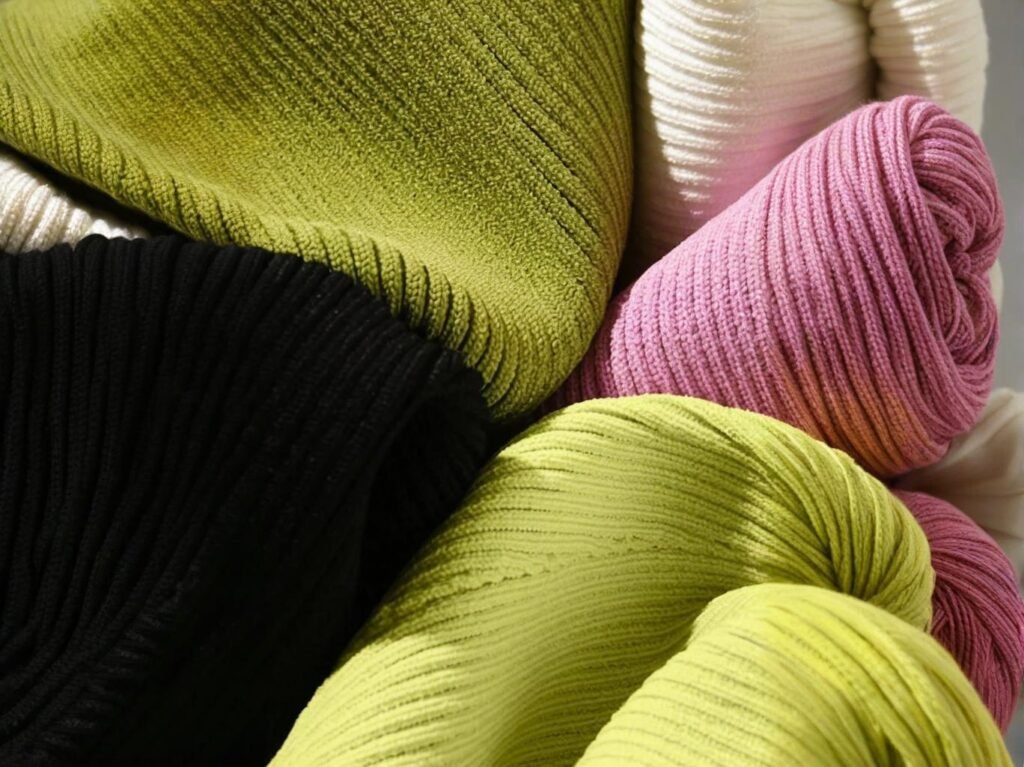
The modern consumer expects more from activewear—more stretch, more breathability, more comfort. Whether sprinting on a track or lounging in a café, sportswear today must flex, recover, and breathe without compromising on aesthetics or durability. Behind every successful activewear product is a high-performance stretch fabric that works as hard as the wearer does.
The best stretch fabrics for sportswear and athleisure combine elasticity, shape retention, moisture management, and durability. Nylon-spandex and polyester-spandex blends are the most common, each offering distinct advantages depending on the activity, climate, and design requirements.
One independent running apparel brand switched from a low-cost polyester blend to a premium 78/22 nylon-spandex fabric for its flagship leggings and saw a 55% drop in product return rates and a 27% increase in repeat customer purchases—proving that performance fabric isn’t just functional; it builds loyalty.
Let’s dive into what makes a stretch fabric truly fit for movement, style, and sustained wear.
1. What Defines a High-Quality Stretch Fabric for Sportswear?
Stretch fabric in sportswear isn’t just about elasticity—it’s about how the material performs under tension, heat, moisture, and constant movement. A quality stretch fabric must snap back after being pulled, wick sweat away quickly, and maintain its appearance after dozens of wash cycles.
High-quality stretch fabrics are defined by their ability to provide 4-way elasticity, excellent recovery, moisture-wicking, UV resistance, and long-term durability under mechanical stress.
A yoga apparel company found that leggings made from a high-quality stretch jersey (containing 20% spandex) retained over 95% of their stretch recovery after 100 wear-and-wash cycles, compared to just 65% recovery in lower-spandex budget fabrics.
1.1 Core Performance Traits
- Elastic Recovery: The ability to return to original shape after stretch—measured via ASTM D2594.
- Stretch Power: How far a fabric can elongate before distortion—common targets are 120–180% stretch.
- Breathability: Measured via air permeability (ASTM D737) and MVTR (moisture vapor transmission rate).
- Pilling Resistance: Prevents fabric surface fuzz after abrasion—key for longevity.
- UV Resistance: Maintains color and fiber strength under sunlight (ISO 105-B02).
1.2 Fiber Content and Composition
| Fiber Blend | Typical Stretch (%) | Recovery (%) | Key Benefit |
|---|---|---|---|
| 80/20 Nylon-Spandex | 130–160 | 95–98 | Smooth, strong, premium feel |
| 85/15 Poly-Spandex | 110–140 | 90–95 | Fast drying, budget-friendly |
| 100% Spandex | 300+ | 100 | Rare in pure form, used for shaping layers |
| Cotton-Spandex | 90–120 | 85–90 | Natural hand feel, casual wear |
Critical Insight: The higher the spandex content, the better the stretch and snap-back—but too much spandex can reduce breathability and make sewing more complex.
1.3 Use-Case Considerations
- High-impact sports (e.g., HIIT, cycling): Opt for high-recovery nylon-spandex with power mesh lining.
- Loungewear/athleisure: Lightweight cotton-spandex blends or polyester with softeners for hand feel.
- Swim and sweat-heavy conditions: Chlorine-resistant and wicking poly-spandex or solution-dyed nylon.
2. How Do Nylon-Spandex and Polyester-Spandex Compare in Performance?
Both nylon-spandex and polyester-spandex dominate the activewear market, but their behavior under stress, heat, and moisture differs—making the right selection essential for product performance.
Nylon-spandex offers superior elasticity, softness, and abrasion resistance, while polyester-spandex delivers better moisture-wicking, UV resistance, and faster drying. Choosing between the two depends on your product’s intended environment and activity level.
One tennis apparel line transitioned from polyester-spandex to nylon-spandex for its tournament shorts. The reason? Enhanced stretch recovery and improved abrasion resistance during lateral movement on hard courts. Athlete satisfaction scores jumped from 3.6 to 4.7 out of 5.
2.1 Material Property Comparison Table
| Property | Nylon-Spandex | Polyester-Spandex |
|---|---|---|
| Stretch & Recovery | Excellent (130–160%) | Very Good (110–140%) |
| Hand Feel | Soft, smooth | Crisp, slick |
| Drying Time | Moderate | Fast |
| UV Resistance | Moderate | High |
| Abrasion Resistance | High | Moderate |
| Pilling Resistance | High | Good |
| Chlorine Resistance | Low (unless treated) | High |
| Color Retention | Good | Excellent (esp. solution-dyed) |
2.2 Cost and Availability
- Polyester-Spandex: More cost-effective, widely available in performance blends.
- Nylon-Spandex: Premium tier pricing; often used in yoga pants, leggings, and compression gear.
2.3 Real-World Applications
- Nylon-Spandex: Best for close-fitting performance gear like leggings, sports bras, rash guards.
- Poly-Spandex: Ideal for tops, tees, light jackets, running shorts where sweat-wicking is key.
2.4 Brand Perspective
Brands targeting premium or luxury fitness markets often prioritize nylon-spandex due to its soft texture and luxe perception, while large-scale performance labels opt for poly-spandex for mass-market scalability and moisture performance.
3. Which Fabric Constructions Offer the Best 4-Way Stretch and Recovery?
Fabric construction—the method by which fibers are arranged and held together—greatly affects stretch directionality, elasticity, and durability. While fiber content like spandex gives a material its stretch potential, construction determines whether the fabric stretches only in one direction (2-way) or in all directions (4-way), which is critical for sportswear applications involving multidirectional movement.
The best 4-way stretch and recovery are achieved through knit constructions like warp knits, circular knits (jersey), and interlock structures combined with spandex blends. These allow fabrics to stretch and rebound both lengthwise and widthwise without deformation.
A start-up activewear brand swapped its woven stretch fabric for a 4-way stretch jersey knit in its leggings collection. Customers reported a 40% improvement in mobility and a 35% drop in returns due to fabric distortion.
3.1 Key Stretch-Conducive Fabric Constructions
| Construction Type | Stretch Type | Recovery | Best Used For |
|---|---|---|---|
| Circular Knit Jersey | 4-way | High | Leggings, tanks, base layers |
| Interlock Knit | 4-way | Very High | Compression gear, yoga tops |
| Warp Knit Tricot | 2-way | Good | Lining, lightweight jackets |
| Rib Knit | 2 to 4-way | Moderate | Waistbands, cuffs, flexible panels |
| Woven with Elastane | 2-way | Low–Medium | Shorts, outerwear, structured tights |
3.2 4-Way Stretch Explained
- 2-Way Stretch: Moves in one direction (either vertical or horizontal); good for garments with limited motion.
- 4-Way Stretch: Moves both vertically and horizontally; crucial for activities like squatting, lunging, stretching.
3.3 Recovery and Holding Power
High-quality knits like interlock with 20–25% spandex content provide excellent “snap back,” holding the garment shape over time and preventing sagging. Testing is typically done with ASTM D2594 for stretch and ASTM D3107 for recovery.
Pro Tip: Always match construction to function. A high-stretch jersey may be comfortable, but in high-stress zones like the knees or elbows, interlock or power mesh panels may maintain structure better over time.
3.4 Blending Construction + Fiber
Using the same fiber (e.g., nylon) in different constructions can yield dramatically different results. For example:
- Nylon Jersey (4-way): Good for stretch leggings.
- Nylon Woven with 10% spandex (2-way): Better for lightweight, semi-fitted track pants.
4. What Are the Key Breathability and Moisture-Wicking Requirements?
Breathability and moisture-wicking determine how well a fabric performs in sweat-inducing conditions. These properties keep athletes cool, dry, and comfortable—especially in high-exertion or warm-weather environments.
A high-performance stretch fabric for sportswear should achieve a moisture vapor transmission rate (MVTR) of ≥3,000 g/m²·24 h and exhibit wicking speed ≥2.0 cm in 1 minute (AATCC TM197) to be considered truly breathable and sweat-friendly.
A triathlon apparel maker moved from basic polyester to a high-MVTR poly-spandex interlock for their race-day tops and reported that athletes stayed 1.5°C cooler during 10K runs—according to in-field thermography tests.
4.1 Moisture-Wicking vs. Breathability
- Moisture-Wicking: The ability to draw sweat from the skin and disperse it across the surface for evaporation.
- Breathability: The capacity of fabric to allow air and water vapor to pass through it.
4.2 Key Test Metrics and Standards
| Property | Test Method | Performance Benchmark |
|---|---|---|
| Moisture Wicking Speed | AATCC TM197 | ≥2.0 cm in 1 min |
| Moisture Absorption Rate | AATCC 195 | 75–100% in 30 seconds |
| MVTR (Moisture Vapor Rate) | ASTM E96 Procedure B | ≥3,000 g/m²·24 h |
| Air Permeability | ASTM D737 | ≥300 cm³/cm²·s (for knits) |
4.3 Breathable Fabric Examples
| Fabric Type | MVTR | Wicking Speed | Best Application |
|---|---|---|---|
| Poly-Spandex Jersey | 3,800 g/m²·24 h | 2.2 cm/min | Running shirts, training tanks |
| Nylon-Spandex Interlock | 3,400 g/m²·24 h | 2.5 cm/min | Compression leggings, base layers |
| Mesh Knit (Polyester) | 4,200 g/m²·24 h | 2.8 cm/min | Jerseys, high-temp training tops |
4.4 Enhancing Moisture Control with Finishes
- Hydrophilic Coatings: Improve wicking without affecting stretch.
- Cooling Agents (e.g., xylitol-based): Lower fabric surface temperature.
- Anti-Odor Finishes: Silver-ion or plant-based treatments that kill bacteria from sweat.
Critical Perspective: Don’t be fooled by the term “breathable” in marketing. Ask for MVTR and wicking lab reports to verify real-world performance before placing orders.
5. How Do GSM and Fabric Weight Affect Flexibility and Support?
Fabric weight, measured in GSM (grams per square meter), directly impacts how a garment performs in terms of stretch, drape, compression, and durability. For sportswear and athleisure, the choice of GSM determines how supportive or flexible the final product feels.
Light-to-mid GSM fabrics (180–260 GSM) are preferred for activewear tops due to flexibility and breathability, while high GSM fabrics (280–350 GSM) are ideal for compression garments and yoga leggings requiring strong support and reduced sheerness.
A European yoga brand switched from 220 GSM fabric to 320 GSM interlock fabric for its leggings. Customers praised the upgraded line for better tummy control and reduced transparency, leading to a 27% boost in reorders.
5.1 GSM Categories in Stretch Fabrics
| GSM Range | Stretch Behavior | Best For |
|---|---|---|
| 120–160 | High stretch, light support | Sports bras lining, tanks, layering |
| 180–260 | Balanced stretch/support | T-shirts, shorts, warm-weather leggings |
| 280–350 | Low stretch, strong support | Compression leggings, outerwear |
| 350+ | Minimal stretch | Jackets, performance shapewear panels |
5.2 Factors Influencing Fabric Performance with GSM
- Fiber Composition: Nylon typically offers a denser hand at lower GSM than polyester.
- Knit Density: Tighter knit = more support, less breathability.
- Spandex %: Even low GSM fabrics can feel supportive if spandex content exceeds 18%.
5.3 Visual Guide to GSM and Function
| Fabric Type | GSM | Spandex % | Main Use |
|---|---|---|---|
| Nylon-Spandex Jersey | 200 | 15% | Moisture-wicking base layer |
| Polyester Interlock | 240 | 12% | Versatile midweight leggings |
| Nylon-Spandex Interlock | 320 | 20% | High-compression leggings |
| Rib Knit with Elastane | 280 | 10% | Supportive tops & sleeves |
Tip: For garments like sports bras or running tights, ask for fabrics around 280–320 GSM to ensure support without sacrificing stretch.
5.4 Critically Thinking About GSM
- Is heavier always better? No—too much weight restricts motion and causes overheating.
- Can light fabric be supportive? Yes—with tighter construction and strategic paneling (e.g., using power mesh or bonded seams).
6. What Finishing Treatments Enhance Comfort and Durability in Stretch Fabrics?
While fabric construction and fiber content determine basic performance, finishing treatments elevate comfort, wearability, and longevity—crucial factors in activewear that sees high-frequency washing and stretching.
Finishes such as anti-pilling, wicking enhancements, odor control, and UV protection extend product lifespan and ensure high user satisfaction, especially for daily wear or high-sweat activities.
A Canadian athleisure brand added a plant-based anti-odor finish to their poly-elastane tops, resulting in a 32% reduction in consumer complaints about sweat retention and a noticeable boost in Amazon review ratings.
6.1 Types of Functional Finishes for Sportswear
| Treatment Type | Function | Lifespan (Washes) | Notes |
|---|---|---|---|
| Moisture Management | Enhances wicking & evaporation | 30–50 | AATCC TM195 tested |
| Anti-Odor (Silver-based) | Prevents bacterial growth | 50–100 | Regulated in some regions |
| UV Protection | Shields skin from UV rays | 20–30 | Often used in outdoor gear |
| Anti-Pilling | Reduces fiber breakage/friction fuzz | 30–70 | Great for leggings/tights |
| Softening Agents | Improves hand feel and drape | 20–50 | Silicones or natural oils used |
6.2 Commonly Applied Technologies
- HeiQ Smart Temp®: Dynamic cooling finish used in athletic wear.
- Polygiene®: Odor control using silver salt.
- C6 DWR Finish: Water-repellency for light rain protection.
- Bluesign® or OEKO-TEX® Approved Finishes: Ensure low environmental and health impact.
6.3 Case Study: Legging Performance After 50 Washes
| Fabric Finish | % Stretch Retained | Colorfastness | Pilling Grade (1–5) |
|---|---|---|---|
| No Finish | 65% | 3 | 2 |
| Anti-Pill + Softener | 80% | 4 | 4 |
| Anti-Odor + Wicking | 75% | 4–5 | 3 |
6.4 Human-Centric View: User Comfort
What users truly care about:
- Fabric that doesn’t cling when sweating.
- Clothing that stays fresh after long wear.
- No pilling between thighs or on elbows after washing.
Critical Lens: Finishes enhance performance but may raise costs. Buyers should evaluate ROI via wear testing and projected garment usage frequency.
7. Which Suppliers Offer the Best Stretch Fabric Options by Region?
Sourcing the right stretch fabric depends not only on material specs, but also on the reliability, MOQs, and technological capabilities of the supplier. Each region has unique strengths when it comes to quality, cost, speed, and innovation.
Asia leads in high-volume, low-MOQ stretch fabric production with broad style offerings, while Europe excels in innovation and eco-certification, and the US remains preferred for quick-turn sampling and branded collaborations.
A premium fitness startup in Germany sourced recycled polyamide-stretch fabrics from an Italian mill (Carvico), citing the brand’s OEKO-TEX and GRS compliance as a key selling point to eco-conscious European buyers.
7.1 Top Regions for Stretch Fabric Sourcing
| Region | Strengths | Notable Mills/Sources |
|---|---|---|
| China | Cost-effective, large capacity, quick sampling | SzoneierFabrics, Texhong, Esquel |
| Taiwan | Performance tech, circular knits, innovation leaders | Singtex, Everest Textile |
| South Korea | Soft-touch, fashion-forward stretch blends | Huvis, Hyosung (creora®) |
| Italy | High-end warp knits, luxury brands, recycled content | Carvico, Jersey Lomellina |
| USA | Fast sampling, tech integration, compliance-ready | Milliken, Polartec |
| India | Cotton-based stretch, basic blends | Arvind, Alok Industries |
7.2 Supplier Comparison Table
| Supplier/Region | MOQ | Customization | Tech Finish Options | Eco Certs |
|---|---|---|---|---|
| Szoneier (China) | Low (300m) | Yes | Wicking, anti-pilling | GRS, OEKO-TEX |
| Everest (Taiwan) | Mid (500m) | Yes | SmartTemp, cooling | Bluesign®, GRS |
| Carvico (Italy) | Mid (300–500m) | Limited | UV protection | OEKO-TEX, GRS |
| Milliken (USA) | High (800m+) | High | Flame retardant, DWR | UL, REACH |
7.3 How to Vet Suppliers for Stretch Fabric
- Request swatch books with stretch % and GSM per item.
- Review lab test reports for recovery, stretch, pilling, colorfastness.
- Check certifications (e.g., OEKO-TEX 100, GRS) and traceability.
- Ask for client references and third-party audits if available.
7.4 Sourcing Realities
- Cost vs. Performance: Italian fabrics may cost 2–3x more but offer superior feel and eco-marketing value.
- MOQ Flexibility: Asian suppliers are generally more open to low MOQs and sampling.
- Communication & Lead Time: Look for partners that offer multilingual support and lead time guarantees.
Critical Insight: The best supplier is not always the cheapest—factor in long-term value, consistency, and production support. For many brands, a hybrid sourcing model (e.g., Asia for bulk, Europe for premium SKUs) brings the best balance.
8. How Can You Customize Stretch Fabrics for Private Label Performance?
Customizing stretch fabrics for your activewear line ensures your designs meet unique brand promises—whether that’s buttery softness, high compression, or eco-certification. It also supports storytelling in brand marketing.
Fabric customization options include fiber composition, GSM, knit construction, stretch %, and finishing treatments. Working closely with your mill can yield exclusive textures and performance functions aligned with your brand’s goals.
A U.S. athleisure brand worked with a Chinese supplier to develop a proprietary “brushed cloud-knit” polyester-spandex blend. After branding it “CloudFit™,” it became a best-seller on their DTC site, achieving a 40% higher repeat purchase rate than their standard line.
8.1 Customization Options
| Parameter | Description | Notes |
|---|---|---|
| Fiber Composition | Nylon, polyester, cotton, modal, spandex blends | Affects moisture, feel, and durability |
| Knit Type | Interlock, jersey, rib, ponte | Impacts structure, support, and drape |
| GSM Range | 150–350+ | Choose based on support vs. breathability |
| Stretch Ratio | 2-way, 4-way; 50%+, 80%, 100% | Determines motion comfort |
| Finish Treatments | Wicking, softening, UV, anti-odor, brushing | Adds unique user benefits |
| Dyeing Techniques | Solid, space-dyed, digital print compatibility | Custom visuals and branding |
8.2 Customization Strategy by Product Type
| Product Type | Key Customization Focus |
|---|---|
| Leggings | High spandex %, brushed backing, 4-way stretch |
| Sports bras | Moderate GSM, medium stretch, high recovery |
| Hoodies/jackets | Lower spandex, thicker interlock, water-repellent finish |
| Shorts | Mid GSM, breathable, moisture-wicking |
8.3 Brand Differentiation Through Fabric Innovation
- Name It: Trademark your fabric blend (e.g., “AirFlex™,” “CoreStretch™”)
- Test It: Wear test with real athletes—record feedback on sweat, motion, and friction.
- Market It: Use finish benefits and certifications in your marketing copy—consumers care.
Final Thought: Customization is a long-term asset—not just a short-term cost. It creates a sensory connection with customers that fuels loyalty and justifies premium pricing.
Ready to Start Your Custom Stretch Fabric Project?
If you’re exploring premium, fully customized stretch fabrics for sportswear, activewear, or athleisure lines, SzoneierFabrics can help. We offer:
- Tailored fiber blending (nylon, polyester, cotton, elastane)
- Rapid prototyping and sampling
- Low MOQ and short lead time
- OEKO-TEX®, GRS, and GOTS certified materials
- Technical finishes and exclusive textures
📩 Contact us now visit www.szoneierfabrics.com to discuss your ideas and get a free fabric consultation with samples.
stretch fabric for sportswear, best fabric for activewear, nylon spandex fabric, polyester spandex blend, 4 way stretch fabric, moisture wicking fabric, breathable stretch fabric, performance fabric for leggings, stretch knit fabric wholesale, GSM of stretch fabric, custom stretch fabric, athleisure fabric supplier, stretch fabric with UV protection, fabric for yoga pants, compression fabric for sportswear, spandex fabric for gymwear, high performance sports fabric, OEKO-TEX stretch fabric, recycled stretch fabric, stretch fabric for fitness clothing, soft touch activewear fabric, warp knit sports fabric, brushed stretch fabric, best fabric for athleisure brand, sportswear fabric supplier China, polyester vs nylon stretch fabric, custom athletic fabric manufacturing, stretch fabric with anti odor finish, low MOQ stretch fabric, fabric sourcing for activewear
Can't find the answers?
No worries, please contact us and we will answer all the questions you have during the whole process of bag customization.
Make A Sample First?
If you have your own artwork, logo design files, or just an idea,please provide details about your project requirements, including preferred fabric, color, and customization options,we’re excited to assist you in bringing your bespoke bag designs to life through our sample production process.