 Skip to content
Can I Print on Neoprene Fabric?
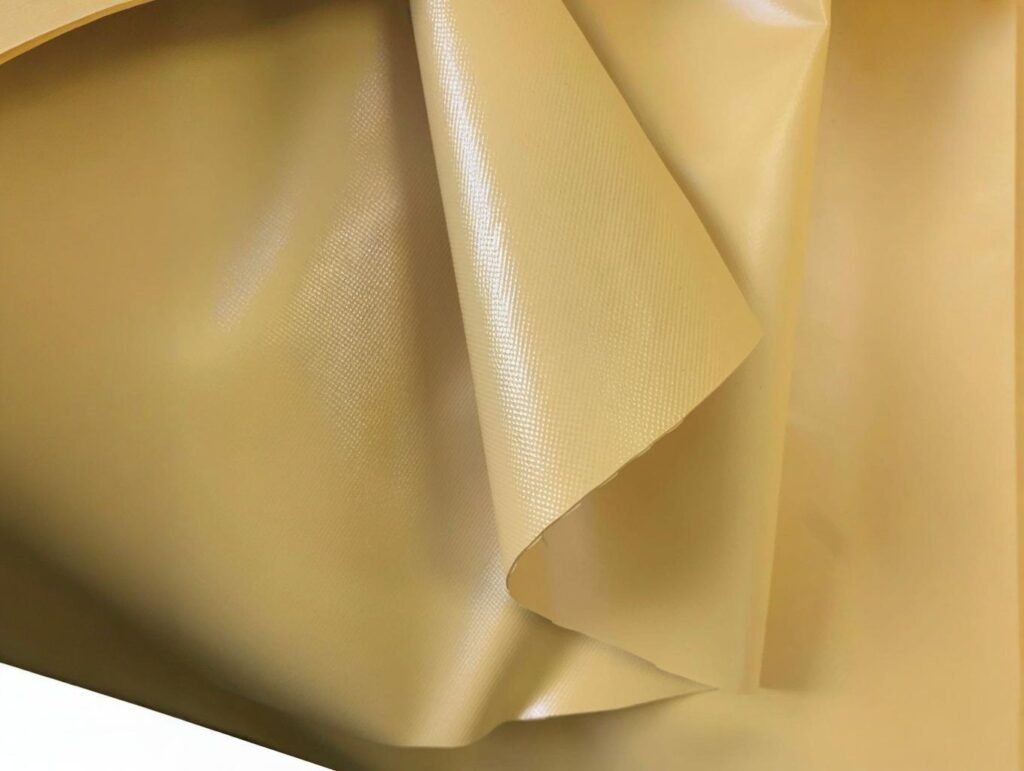
In a world where customization is king, neoprene has emerged as a popular material across industries—from sports gear and fashion to medical supports and insulated bags. But while its versatility is unmatched, printing on neoprene fabric poses unique challenges. Whether you’re launching a branded laptop sleeve or manufacturing private-label wetsuits, understanding how to effectively print on neoprene can make or break your product line.
Yes, you can print on neoprene fabric, but the success of your print depends on the type of neoprene, surface lamination, print method, and pre-treatment steps. Sublimation, screen printing, and heat transfer are among the most effective techniques, especially when paired with polyester-laminated neoprene.
For example, a U.S.-based beverage brand attempted to print their logo directly onto unlaminated neoprene can coolers using low-temperature inkjet transfers—only to find the designs peeled after two weeks. Once they switched to sublimation on polyester-laminated neoprene with a pre-heated base, durability and print vibrancy improved drastically.
In this guide, we’ll break down the science, practicality, and real-world considerations of printing on neoprene for industrial and commercial purposes.
1. What Makes Neoprene Fabric Challenging or Unique for Printing?
Neoprene’s rubber-like core and closed-cell foam structure make it non-porous, elastic, and temperature-sensitive, which creates significant hurdles for ink adhesion and curing. These same characteristics that make neoprene flexible and waterproof also make it resistant to standard textile printing processes.
Neoprene’s Material Behavior and Print Compatibility
Neoprene Core vs. Surface Lamination
- Raw neoprene (unlaminated) is rubbery and slick—hard for ink to bond with.
- Most commercial neoprene products are laminated with nylon or polyester fabric, which determines how well the surface accepts ink.
Material Properties That Affect Printing
- Elasticity: Ink must stretch without cracking or flaking.
- Heat Sensitivity: Overheating during curing may deform or burn the foam.
- Moisture Resistance: Some inks won’t dry properly without a pre-treatment layer.
- Surface Texture: A smooth, consistent face is easier to print than a brushed or textured one.
| Property | Impact on Printing |
|---|---|
| Non-porous | Difficult for ink absorption |
| Flexible/stretchy | Inks must be elastic or they’ll crack |
| Laminated surface | Determines what print method is viable |
| Heat resistance | Requires precise temperature control |
Why Standard Fabric Printing Often Fails
- Inkjet printing on untreated neoprene typically leads to smearing or poor color bonding.
- UV printing may crack due to lack of stretch compliance.
- Screen printing often needs special inks and precise curing times to avoid bubbling or delamination.
A Malaysian factory producing custom camera bags initially tried digital printing on neoprene roll stock but saw 30% defect rates due to misalignment and ink bleed. They later adopted rotary screen printing on polyester-laminated neoprene and reduced reject rates to under 5%.
2. Which Printing Methods Work Best on Neoprene Material?
The most successful print techniques for neoprene include sublimation, silkscreen printing, and heat transfer vinyl (HTV)—but the ideal choice depends on the type of lamination and desired product use. Each method has unique setup needs and limitations.
Pros and Cons of Common Printing Techniques
Sublimation Printing
- Works best on white polyester-laminated neoprene.
- Involves transferring dye into the fabric using heat and pressure.
- Produces vibrant, long-lasting prints that don’t peel or crack.
- Not compatible with nylon lamination or dark-colored neoprene.
Screen Printing (Silkscreen)
- Uses mesh screens and plastisol or rubber-based inks.
- Suitable for both nylon and polyester laminates.
- Ideal for bold logos, patterns, or limited color runs.
- Requires curing at controlled temperature to avoid scorching neoprene.
Heat Transfer Vinyl (HTV)
- Involves cutting designs from vinyl sheets and heat-pressing them onto neoprene.
- Suitable for small runs or personalized branding.
- Offers crisp finish but may reduce elasticity of the surface.
Digital Printing (DTG or UV)
- Direct-to-garment (DTG) or UV ink is rarely used due to ink cracking on stretch and poor bonding.
- Requires pre-treatment coatings or primed surfaces, which increase cost.
| Print Method | Lamination Compatibility | Stretch Durability | Cost Efficiency | Print Detail Quality |
|---|---|---|---|---|
| Sublimation | Polyester only | Excellent | High (bulk only) | High |
| Screen Printing | Nylon or polyester | Good | Moderate | Moderate–High |
| Heat Transfer Vinyl | Polyester preferred | Moderate | Low (short runs) | High |
| DTG/UV | Requires coating | Low | High | High (but fragile) |
A Brazilian swimwear manufacturer saw a 40% reduction in misprints after switching from screen printing to sublimation for their neoprene bikini top line—enabled by transitioning to white poly-laminated neoprene and investing in dual-head heat presses.
3. How Does the Lamination Type (e.g. nylon, polyester) Affect Print Results?
The outer fabric laminated onto neoprene—typically nylon or polyester—plays a critical role in determining how well the material can hold ink. Since neoprene itself is non-printable, the laminate layer becomes the actual print surface, meaning its fiber type, color, and weave structure directly impact print performance.
Nylon vs. Polyester Lamination for Neoprene Printing
Polyester-Laminated Neoprene
- Best suited for sublimation printing, which requires polyester fibers to absorb and lock in dye.
- Allows heat transfers and screen prints to cure more effectively without ink bleed.
- Common in fashion items, can coolers, sportwear, and promotional accessories.
Nylon-Laminated Neoprene
- Has a tighter weave, making it trickier for inks to bond without a pre-treatment.
- Compatible with silkscreen printing and some HTV, but not sublimation.
- Found in wetsuits, gloves, orthopedic braces, and other stretch-heavy products.
Lamination Surface Color
- Sublimation requires white or light-colored polyester to achieve vivid colors.
- Dark surfaces limit sublimation and require vinyl or silkscreen with opaque inks.
| Laminate Type | Sublimation Compatible | Screen Printing | HTV Compatibility | Application Suitability |
|---|---|---|---|---|
| Polyester | ✅ Excellent | ✅ Good | ✅ Good | Apparel, accessories, promo items |
| Nylon | ❌ Not suitable | ✅ Good | ✅ Moderate | Sports gear, medical products |
| Rubber-faced | ❌ Not suitable | ❌ Difficult | ❌ Poor | Technical marine and sealed items |
Surface Texture & Print Fidelity
- Smooth laminates yield higher print resolution.
- Brushed or textured surfaces may diffuse ink or vinyl edges, leading to fuzzy graphics.
A U.K.-based fitness brand noticed inconsistent print clarity on its neoprene belts. After analysis, the issue was traced to a brushed nylon outer layer. Switching to a smooth polyester jersey improved edge sharpness and reduced ink pooling.
4. Do You Need Pre-Treatment or Coating Before Printing on Neoprene?
Yes—depending on the printing technique, fabric type, and intended durability, pre-treatment can be critical for success. It helps improve ink adhesion, color vibrancy, and wash resistance, especially when working with nylon-laminated neoprene or attempting digital print methods.
When and Why Pre-Treatment Is Necessary
Why Pre-Treat?
- Neoprene’s laminated surface may contain residues or oils that repel ink.
- Pre-treatment creates a micro-textured or chemically receptive surface.
- Helps prevent common issues like:
- Ink bleeding
- Poor color saturation
- Print cracking after curing
Common Pre-Treatment Options
- Heat Pressing (Pre-flattening)
- Gently heat the surface (120–150°C for 10–15 sec) to flatten and remove moisture.
- Especially useful before sublimation or vinyl transfer.
- Adhesion Promoters / Primers
- Liquid coatings brushed or sprayed onto the surface.
- Often used for UV or solvent printing on difficult substrates.
- Must be cured or heat-set before printing.
- Cleaning with Solvent or Isopropyl Alcohol
- Removes surface dust, oils, or silicone-based contaminants.
| Pre-Treatment Method | Use Case | Time Required | Common with Print Type |
|---|---|---|---|
| Heat pressing | Flattening + moisture removal | 10–15 seconds | Sublimation, HTV |
| Adhesion promoter | Enhanced bonding | 1–2 hours | UV, solvent inkjet |
| Alcohol cleaning | Basic surface prep | 1 minute | Screen printing, HTV |
Risks of Skipping Pre-Treatment
- Inconsistent ink bonding
- Ink rubbing off or washing out
- Blurred graphics or dye migration
A U.S. custom wetsuit maker introduced a primer coating on nylon-faced neoprene before silkscreen printing. This pre-treatment reduced smudging complaints by 50% and allowed finer design elements to print with sharper detail.
5. What Are the Most Common Print Durability Issues on Neoprene?
While neoprene is flexible and durable as a material, its printed surfaces are often prone to cracking, fading, or peeling—especially when printed with improper techniques or under suboptimal conditions. These issues can negatively impact product quality and customer satisfaction in commercial and B2B applications.
Why Printed Neoprene Fails and How to Prevent It
1. Ink Cracking or Peeling
- Occurs when the ink layer is too rigid to accommodate the neoprene’s stretch.
- Especially common with UV-cured inks and non-stretch vinyl transfers.
- Prevention: Use flexible inks (e.g., plastisol or water-based rubberized inks) and limit print coverage in high-stretch zones.
2. Poor Adhesion to Laminate
- Ink may flake or wash off if applied to untreated nylon or oily polyester surfaces.
- This is a direct result of skipping pre-treatment or using low-quality laminates.
3. Fading from UV or Washing
- Neoprene products like can coolers, sports wraps, and marine gear often face repeated sun and water exposure.
- Inks not rated for outdoor or marine use may lose color intensity quickly.
4. Color Bleed or Migration
- Particularly noticeable when dark neoprene is printed with bright designs.
- Caused by incompatible dye and fabric interactions, often in sublimation or screen prints on nylon.
| Problem Type | Typical Cause | Prevention Strategy |
|---|---|---|
| Cracking | Rigid ink, overstretching | Use flexible/stretch ink systems |
| Peeling | Inadequate bonding | Clean + pre-treat laminate; proper curing |
| UV Fading | Non-lightfast inks | Use UV-resistant ink formulas |
| Bleeding | Sublimation on nylon or poor control | Stick to polyester or add base layers |
A surf accessory brand received a high return rate for printed neoprene leash wraps. Analysis showed the heat transfer vinyl used cracked after exposure to saltwater. By switching to sublimation on white polyester-laminated neoprene, they achieved 4x longer durability and near-zero returns over two seasons.
6. Is Sublimation Printing Possible on Neoprene, and When Should It Be Used?
Yes, sublimation printing is not only possible—but one of the best methods—for printing on neoprene, provided the outer lamination is 100% polyester and light-colored. Sublimation delivers vibrant, durable prints that won’t peel, crack, or fade easily. However, it is not compatible with nylon-faced neoprene or dark backgrounds.
Sublimation Process and Application Limits
How Sublimation Works
- Uses heat (usually 180–200°C) to convert solid dye into gas, which penetrates polyester fibers and dye-bonds at the molecular level.
- Unlike ink sitting on the surface, sublimated prints are embedded in the fabric, making them extremely durable.
Ideal Conditions for Sublimation
- Outer layer must be white or very light polyester.
- Neoprene thickness should be 2–5mm to allow full press pressure.
- Printing should avoid high-stretch zones or use contour templates.
Why Sublimation Is Ideal for B2B Buyers
- No cracking or peeling—perfect for logo branding or intricate artwork.
- Mass-producible: Roll-to-roll sublimation or flatbed heat press setups are scalable for bulk orders.
- Great color depth and detail for promotional or fashion-oriented products.
Limitations of Sublimation on Neoprene
- Cannot be used on nylon-laminated or black neoprene.
- Requires significant heat and pressure, which may affect foam thickness or texture.
- Setup costs can be high for short runs or custom SKUs.
| Feature | Sublimation on Neoprene (Polyester Face) |
|---|---|
| Color durability | Excellent – won’t fade or wash out |
| Elasticity retention | High – print moves with the material |
| Waterproof integrity | Maintained |
| Unit cost (low volume) | Moderate to High |
| Unit cost (bulk) | Very Competitive |
A lifestyle luggage brand in Singapore used sublimation printing on polyester-faced neoprene to create tropical-printed laptop sleeves. They achieved vivid color payoff, zero delamination, and 20% higher product reorders from retailers after switching from HTV.
7. How Do Industrial Printers Handle Bulk Neoprene Printing for B2B Orders?
When it comes to large-scale production, printing on neoprene requires specialized equipment, skilled handling, and careful process control to ensure consistent results. Whether producing for global retail brands or industrial OEM clients, factories follow strict protocols to balance quality, efficiency, and material integrity.
Bulk Printing Workflow for Neoprene Products
1. Material Preparation
- Neoprene sheets are first laminated with polyester fabric if not already.
- Rolls are then preheated or flattened to reduce curl and improve ink transfer consistency.
2. Design Placement and Template Cutting
- In many factories, printing occurs before cutting to avoid alignment issues.
- CAD templates ensure logo or artwork positions are correct post-cut.
3. Printing Execution
- Most commonly, roll-to-roll sublimation machines or rotary screen presses are used.
- In some cases, heat-transfer presses (manual or pneumatic) are used for localized logos or small-batch customization.
4. Curing and Cooling
- Post-print, sheets go through cooling tunnels to stabilize the print and reduce warping.
- Print durability is tested using rub, stretch, and wash simulations.
5. Quality Control & Inspection
- Critical for identifying misalignment, ink bleeding, or color inconsistency.
- Defective panels are either spot-fixed or discarded before final product assembly.
| Process Stage | Key Equipment Used | Common Challenges |
|---|---|---|
| Material prep | Heat press, flattening machines | Curling edges, foam bubbling |
| Large-format printing | Sublimation rollers, flatbeds | Color shift, ghosting |
| Cutting & assembly | CAD laser or die cutters | Misalignment of design after stitching |
| QC & packaging | Visual inspection, durability tests | Ink lifting, uneven press marks |
A U.S. fitness equipment brand outsourced production of neoprene dumbbell wraps to a factory using sublimation on polyester-faced neoprene. Their product line expanded from 3 SKUs to 12 SKUs after the factory demonstrated tight logo alignment and batch color consistency using roll-fed sublimation + automatic cutting.
8. What Should B2B Buyers Consider When Customizing Printed Neoprene Products?
For B2B buyers—especially sourcing managers, brand developers, and product engineers—printing on neoprene isn’t just about artwork. It’s about ensuring the print survives transport, stretch, abrasion, and actual use. Success in printed neoprene production hinges on material selection, method compatibility, and manufacturer expertise.
Strategic Considerations Before Ordering Printed Neoprene
1. End-Use Conditions
- Will the product face water, UV exposure, or heavy wear? Choose sublimation or screen printing with lightfast inks.
- Will the product stretch significantly (e.g., braces, straps)? Use flexible inks or sublimation.
2. Print Design Complexity
- Full-color or photographic designs = sublimation on white polyester.
- Spot logos or simple text = silkscreen or heat transfer.
3. Order Volume
- Sublimation is ideal for bulk production (500+ units).
- HTV and screen printing better suit short runs or niche variations.
4. Lamination Type
- Always confirm the outer lamination (poly vs nylon) with your supplier.
- Ask for swatches before confirming print techniques.
5. Factory Capability
- Not all neoprene suppliers have in-house printing—some outsource to third-party printers.
- Choose suppliers with integrated printing + cutting to ensure quality control.
| Buyer Concern | Best Practice Recommendation |
|---|---|
| Design Accuracy | Provide vector files, CMYK references |
| Waterproofing After Print | Request test reports on hydrostatic performance |
| Branding Protection | Use heat- and rub-resistant inks |
| Visual Impact | Go for sublimation if color intensity is vital |
Always request pre-production samples—especially if your product will carry prominent logos, QR codes, or brand-sensitive artwork. Minor misalignments on stretchable neoprene can look distorted if not tested in full production context.
Can You Print on Neoprene Fabric Successfully?
Absolutely—but only when you choose the right combination of lamination, print method, surface preparation, and production control. Whether you’re printing a vibrant brand pattern on a neoprene sleeve or a technical logo on a brace or cooler, knowing the material behavior and factory options is essential.
For B2B buyers, working with a skilled supplier like SzoneierFabrics ensures not just quality printing—but consistent scaling, low defect rates, and rapid turnaround.
Ready to Launch Custom Printed Neoprene Products?
At SzoneierFabrics, we help international brands and businesses bring their neoprene designs to life with:
- ✅ High-definition sublimation, screen, and transfer printing
- ✅ Polyester and nylon laminated neoprene in a range of thicknesses
- ✅ Free sampling, fast prototyping, and flexible MOQ starting at 50 pieces
- ✅ OEM/ODM production with 100% quality inspection before shipment
- ✅ Responsive communication and secure global shipping
Start your custom neoprene printing project today.
Can't find the answers?
No worries, please contact us and we will answer all the questions you have during the whole process of bag customization.
Make A Sample First?
If you have your own artwork, logo design files, or just an idea,please provide details about your project requirements, including preferred fabric, color, and customization options,we’re excited to assist you in bringing your bespoke bag designs to life through our sample production process.