 Skip to content
Canvas Cloth Material vs. Polyester: Which Is Better for Bulk Manufacturing?
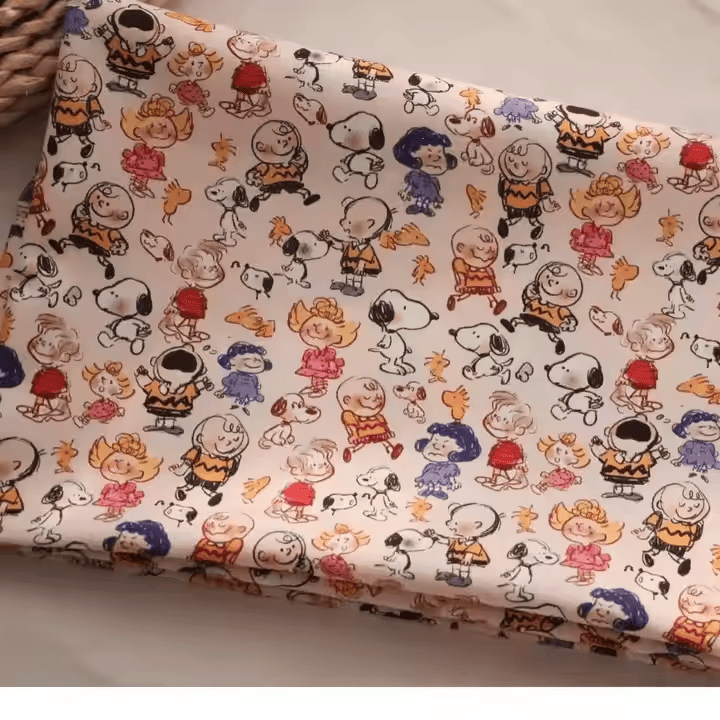
When it comes to bulk production of apparel, bags, tents, upholstery, or industrial goods, one question never gets old: should you go with canvas cloth or polyester? These two powerhouse materials dominate the global textile market—but each brings its own unique strengths, weaknesses, and sourcing considerations. In 2025, the debate has become more complex as sustainability, customization, and performance demands reshape how decision-makers choose their base fabrics. Canvas is a natural, heavy-duty fabric with excellent breathability and aesthetic appeal, making it ideal for fashion-forward and eco-conscious products. Polyester, on the other hand, offers superior water resistance, wrinkle control, and cost-efficiency—making it a favorite for outdoor, technical, and high-volume applications. The better choice depends entirely on your product’s performance requirements, brand positioning, and manufacturing goals.
So how do you decide? This article will break down every critical factor—performance, cost, customization, sustainability, and use case—using real data and brand experience. And yes, there’s a true story involving a luxury backpack brand that switched from canvas to polyester (and then back again) when customer complaints spiked. But first, let’s start with the basics.
What Are the Core Differences Between Canvas Cloth and Polyester Fabric?
Canvas and polyester differ significantly in their material origins, weave structures, textures, and end-use behaviors. Understanding these foundational distinctions is key to choosing the right fabric. Canvas is typically made from natural cotton or hemp and features a plain or duck weave with a rugged texture. Polyester is a synthetic fiber created through polymerization and offers a smoother, more uniform finish. These differences impact everything from breathability to water resistance and fabric feel.
A Closer Look at Structure and Composition
Material Origin
| Property | Canvas Cloth | Polyester Fabric |
|---|---|---|
| Raw Material | Cotton or hemp (natural) | Petroleum-based (synthetic) |
| Weave | Plain or duck | Knitted or woven |
| Surface Texture | Coarse, rugged | Smooth, sleek |
| Fiber Behavior | Breathable, absorbent | Water-repellent, quick-dry |
Tactile Experience & Look
Canvas often appears matte, earthy, and vintage—great for artisanal or eco-brand vibes. Polyester tends to be glossier, more vibrant in color, and sleeker—ideal for modern, tech-oriented products.
Heat and Shrinkage Resistance
- Canvas: Shrinks under heat unless pre-shrunk (sanforized); wrinkles easily.
- Polyester: Highly heat-resistant; holds its shape well even after multiple washes.
Moisture Behavior
Canvas absorbs moisture and is breathable, making it great for warm climates or casual wear. Polyester resists moisture—perfect for rainwear, sportswear, and tents.
Real Brand Insight: A French furniture startup launched a line of canvas lounge chairs but had to recall 30% of stock due to mildew in humid markets. They later switched to coated polyester for their tropical distribution line.
Which Material Performs Better in Durability and Abrasion Resistance?
Durability is non-negotiable when it comes to bulk production—especially for items that must withstand frequent use, movement, weather, or wash cycles. Polyester fabric typically offers superior durability in terms of abrasion resistance, tear strength, and color retention under stress. Canvas, while strong, is more prone to fraying and wear over time unless treated or blended with synthetic fibers.
Testing the Toughness—Durability Metrics Comparison
A. Abrasion Resistance (Martindale & Wyzenbeek Tests)
| Fabric Type | Abrasion Resistance (Martindale) | Ideal Applications |
|---|---|---|
| Canvas (12oz) | 20,000–30,000 cycles | Bags, workwear, décor |
| Polyester (600D) | 40,000–100,000 cycles | Tents, sportswear, gear |
Polyester excels in high-friction environments. Canvas, while tough, tends to wear faster without coatings.
B. Tear Strength and Tensile Strength
| Test Type | Canvas Cloth (12oz) | Polyester (600D) |
|---|---|---|
| Tear Strength | 45–60N | 70–90N |
| Tensile Strength | 350–400N | 500–650N |
C. Colorfastness to Rubbing, Washing, and Light
Polyester:
- Rubbing (dry/wet): 4–5 / 4
- Washing: 5
- Light: 4–5
Canvas:
- Rubbing (dry/wet): 3–4 / 2–3
- Washing: 4
- Light: 3–4
D. Weather and UV Resistance
Polyester handles UV and weather exposure better due to its hydrophobic nature. Coated polyester can withstand up to 1000+ hours of UV before degradation. Canvas fades faster without UV treatment.
Real-World Use Case: A North American tent brand used untreated cotton canvas for a “natural glamping tent” collection. After receiving mold complaints from customers in Southeast Asia, they transitioned to polyester canvas (PU-coated), resulting in a 72% drop in returns.
How Do Canvas and Polyester Compare in Cost and Production Efficiency?
When manufacturing at scale, every cent and second counts. From material pricing to energy costs during production, the difference between canvas and polyester can significantly impact your profit margins, especially across thousands of units. Polyester is generally more cost-efficient in both raw material price and production scalability. It offers faster dyeing, lower energy use, and minimal fabric waste during cutting. Canvas, although more premium in feel and perceived quality, tends to cost more due to cotton pricing volatility, shrinkage control, and additional treatments required for performance.
A Cost-Performance Breakdown
A. Material Cost Per Yard (2025 Averages)
| Fabric Type | Price per Yard (USD) | Notes |
|---|---|---|
| Cotton Canvas (10oz–12oz) | $2.80–$4.50 | Prices vary by region, finishing |
| Polyester (600D) | $1.90–$3.20 | Includes coated and plain versions |
Polyester offers more stable pricing due to synthetic supply chains and fewer agricultural dependencies.
B. Yield Efficiency
Canvas requires allowance for:
- Shrinkage (3–5% for untreated)
- Fraying edges (must be serged or hemmed)
Polyester offers:
- Better roll uniformity
- Minimal shrinkage (<1%)
- Cleaner cuts with heat or ultrasonic sealing
C. Production Time & Energy Consumption
| Process Step | Canvas (Cotton) | Polyester (Synthetic) |
|---|---|---|
| Pre-washing/Shrinkage | Often required | Not required |
| Dyeing | Longer process (natural) | Faster, more vivid results |
| Finishing | More steps (e.g., UV/mildew) | Often integrated with coating |
Polyester wins in speed and efficiency, especially for large-volume, repeat runs.
D. Waste and Reusability
- Canvas offcuts can be reused for patches, accessories, or upcycled projects.
- Polyester cutting creates clean waste, easier to recycle in technical systems—but less biodegradable.
Real Brand Insight: A Brazilian promotional bag company reported a 23% increase in cutting yield after switching from cotton canvas to polyester for high-volume runs. They saved both labor time and edge binding costs.
Is Polyester or Canvas More Suitable for Outdoor and Industrial Use?
If your product is exposed to sun, rain, abrasion, or heavy weight-bearing use, fabric selection can’t rely on just aesthetics—it must be engineered for endurance. Let’s see how these two materials stand up in rugged environments. Polyester is more suitable for most outdoor and industrial applications due to its inherent water resistance, UV resilience, mildew resistance, and tensile strength. Canvas can be modified to meet some of these demands, but requires additional coatings or treatments.
Comparing Outdoor and Heavy-Duty Use Scenarios
A. Moisture and Water Resistance
| Fabric Type | Water Resistance | Treatment Needed? |
|---|---|---|
| Canvas (Untreated) | Low | Yes (wax, PU, acrylic) |
| Polyester (600D) | High | Often pre-coated |
Polyester is naturally hydrophobic, ideal for rainwear, marine gear, or moisture-prone environments.
B. UV Exposure & Fading
Polyester:
- Withstands 1000+ hours of UV (ISO 105-B02)
- Less prone to yellowing or fading
- Ideal for tents, umbrellas, awnings
Canvas:
- Fades more quickly under direct sunlight
- Needs UV coating or solution-dyed threads
C. Mold and Mildew Resistance
Canvas:
- Absorbs moisture and may support mildew growth if not treated
- Needs anti-fungal treatments
Polyester:
- Naturally mildew-resistant
- Lower maintenance in tropical or rainy conditions
D. Strength & Load Bearing
| Fabric Type | Tensile Strength | Ideal Use Cases |
|---|---|---|
| Canvas (12oz) | 300–400N | Artisanal bags, casual furniture |
| Polyester (600D) | 500–650N | Tactical gear, tarps, tents |
E. Maintenance and Washability
Canvas:
- May shrink or wrinkle
- Requires special care when heavily soiled
Polyester:
- Easy to clean, quick-drying
- Holds shape and color over time
Use Case Example: A UAE logistics company switched from cotton canvas tarps to polyester laminated canvas for long-haul trucks. The polyester versions lasted 60% longer in desert sun, saved on waterproofing re-treatments, and reduced tarp replacements by half over two years.
What Are the Sustainability and Environmental Impacts of Each Material?
As sustainability becomes a non-negotiable value across industries, understanding the environmental impact of your materials is critical—not just for certifications and consumer appeal, but also for long-term brand positioning. Both canvas and polyester come with distinct environmental trade-offs. Canvas (especially organic cotton canvas) is biodegradable and renewable but requires high water and pesticide use during cultivation. Polyester is recyclable and resource-efficient during manufacturing but is petroleum-based and non-biodegradable. The better choice for sustainability depends on sourcing origin, treatment processes, and recycling systems in place.
Comparing Sustainability Profiles
A. Environmental Footprint in Raw Material Sourcing
| Factor | Canvas (Cotton-Based) | Polyester (Synthetic) |
|---|---|---|
| Source | Renewable (plant-based) | Non-renewable (petroleum-based) |
| Water Consumption | 2,700L per cotton shirt (avg.) | Minimal during production |
| Pesticide Use | High unless organic certified | None |
| Carbon Emissions | Moderate | High (1.5x more CO₂ than cotton) |
Canvas wins on biodegradability, but polyester wins on water conservation and land usage.
B. Biodegradability & Waste Impact
- Canvas: Breaks down in landfills in ~5–12 months (uncoated); leaves no microplastic.
- Polyester: Takes 200+ years to degrade; contributes to microplastic pollution through washing.
C. Recyclability
| Material | Recyclable? | Infrastructure Availability |
|---|---|---|
| Cotton Canvas | Limited (downcycling to insulation, etc.) | Low–Moderate |
| Polyester (rPET) | Yes (mechanical or chemical recycling) | Moderate–High |
rPET (recycled polyester) has gained traction—transforming water bottles into fabric. Brands like Adidas, Patagonia, and IKEA now use rPET in large-scale collections.
D. Certifications to Look For
| Certification | Applies To | What It Ensures |
|---|---|---|
| GOTS | Canvas (organic) | Organic cultivation, no toxic chemicals |
| OEKO-TEX Standard 100 | Both | Human-ecological textile safety |
| GRS (Global Recycled Std) | Polyester | Verifies recycled content and responsible sourcing |
| Bluesign® | Both | Environmental safety across the supply chain |
Real-World Perspective: A Dutch apparel startup opted for GOTS-certified canvas for its minimalist shoe uppers. Though slightly more expensive per yard than virgin polyester, the brand attracted ethical fashion retailers across 6 European markets and reported a 34% higher sell-through rate.
E. Long-Term Impact Consideration
While polyester offers impressive durability and resource efficiency, canvas is often chosen by brands wanting to build a story of natural appeal, biodegradability, and artisan craftsmanship. Both can be sustainable if used in the right context with the right sourcing practices.
How Does Each Fabric Handle Customization, Printing, and Dyeing?
Whether you’re designing fashion accessories, promotional merchandise, or custom interiors, fabric customizability—including dyeing, screen printing, digital printing, or heat transfer—is often a deal-breaker. So how do canvas and polyester stack up in terms of creative freedom? Canvas offers a natural matte surface ideal for screen printing, embroidery, and pigment-based inks. Polyester supports vibrant digital printing, heat transfer, and sublimation but requires special inks and coating treatments. Your printing method and design complexity will guide the best fabric choice.
A Creative Comparison of Customization Properties
A. Dye and Color Retention
| Feature | Canvas (Cotton) | Polyester |
|---|---|---|
| Dye Absorption | High (reactive or pigment dyes) | Low without treatment |
| Colorfastness (Washing) | 4/5 (reactive dyes) | 5/5 (disperse/sublimation dyes) |
| Fading Resistance (UV) | Moderate (needs coating) | High (especially solution-dyed) |
B. Printing Compatibility
| Printing Method | Canvas Compatibility | Polyester Compatibility |
|---|---|---|
| Screen Printing | Excellent | Good (with coatings) |
| Digital Printing (DTG) | Good | Limited |
| Sublimation | Not Suitable | Excellent |
| Heat Transfer Vinyl | Good | Excellent |
| Embroidery | Excellent | Good |
Canvas Wins:
- For artisanal aesthetics, eco-themed brands, and textured finishes.
- Easier to print small batches without expensive setup.
Polyester Wins:
- For vibrant, high-resolution prints.
- Large-volume sublimation printing with near-zero fading.
C. Coating and Finishing Options
| Finish Type | Canvas Cloth | Polyester Fabric |
|---|---|---|
| Waterproof Coating | Wax, PU, Acrylic | PU, PVC, Teflon |
| Fire Retardant | Add-on treatment | Often integrated |
| Anti-Microbial | Available (hospital use) | Widely available |
| Stain Resistant | Requires coating | Available in nano-finishes |
Real-Life Example: An Italian yoga mat brand used printed cotton canvas for a soft-touch grip layer with reactive dyes and herbal wash finish. Their high-resolution branding looked premium—but the mats wore out faster with regular cleaning. When they switched to digitally printed polyester, longevity improved, but some customers missed the natural texture.
D. MOQ Considerations for Customization
| Fabric Type | Minimum for Custom Color | Minimum for Custom Print |
|---|---|---|
| Canvas | 300–500 yards | 500–1000 yards |
| Polyester | 200–400 yards | 300–800 yards |
SzoneierFabrics offers flexible MOQs for both fabric types, with free sampling and support for color matching, coating, and print technique selection based on your product’s end use.
Which Fabric Offers Better Long-Term Value for Bulk Manufacturing?
Short-term price is easy to calculate—but long-term value includes durability, brand perception, ease of maintenance, consumer satisfaction, and reorder consistency. For bulk manufacturing, the better investment depends on more than fabric price per yard. Polyester typically offers better long-term value for high-wear, outdoor, or technical products due to its superior durability and lower maintenance. Canvas, while more premium and natural, may incur higher upkeep costs and shrinkage unless specially treated. However, canvas shines in high-margin lifestyle products where brand story and natural aesthetics matter.
Understanding Long-Term Return on Fabric Investment
A. Lifecycle Durability
| Fabric Type | Average Lifecycle (Use Cycles) | Suitable For |
|---|---|---|
| Canvas (Cotton) | 1–2 years (daily use, untreated) | Apparel, fashion bags, rustic upholstery |
| Polyester | 2–4 years (daily use, treated) | Outdoor gear, luggage, commercial uniforms |
Polyester leads in outdoor and industrial contexts. Canvas suits brands focused on heritage, sustainability, or craft.
B. Care and Maintenance
| Factor | Canvas Cloth | Polyester Fabric |
|---|---|---|
| Wash Requirements | Gentle/spot cleaning | Machine washable |
| Wrinkle Resistance | Low | High |
| Stain Resistance | Low (unless treated) | High |
| Drying Time | Slow | Fast |
Canvas may degrade in humid or urban environments unless protected. Polyester performs better with less effort, especially in hospitality or logistics sectors.
C. Consumer Perception & Brand Fit
- Canvas is often perceived as artisanal, organic, or luxury—ideal for handmade bags, eco brands, or high-end décor.
- Polyester is seen as modern, sporty, and functional—perfect for activewear, travel gear, and durable basics.
Use Case Insight: A Canadian heritage bag company shifted from polyester to waxed canvas to align with its “slow fashion” ethos. Despite higher production costs, their customer retention rose by 18% and average order value increased by 22% in the following year.
D. Cost Per Use (CPU)
| Example Product | Canvas CPU | Polyester CPU |
|---|---|---|
| Backpack (retail $60) | ~$0.12/use (500 uses) | ~$0.06/use (1000 uses) |
| Uniform Pants | ~$0.10/use | ~$0.04/use |
If your product is intended for rugged, repeat use, polyester delivers more value over time. If it’s for curated, expressive consumer items—canvas can justify a premium.
How Should You Choose Between Canvas and Polyester for Your Product Line?
The choice between canvas and polyester isn’t about which fabric is “better” universally—it’s about which aligns best with your product’s purpose, brand goals, and buyer expectations. The ideal decision balances technical requirements with creative vision and commercial logic. Choose canvas when your product requires a natural look, eco positioning, or tactile luxury. Opt for polyester when performance, longevity, and budget optimization are key. Many brands now blend the two to leverage both aesthetic and technical strengths.
Decision-Making Framework
A. Consider the Product Function
| Use Type | Recommended Fabric |
|---|---|
| Outdoor gear, tents | Polyester |
| Eco-conscious fashion | Canvas |
| Technical workwear | Polyester |
| Tote bags, giveaways | Canvas or poly blends |
| Children’s backpacks | Polyester (lightweight) |
| High-end accessories | Waxed or dyed canvas |
B. Align with Brand Story
- Is your brand natural, earthy, minimalist? → Canvas
- Is your brand modern, sporty, innovative? → Polyester
C. Think About Your Market
| Market Region | Canvas Preference | Polyester Preference |
|---|---|---|
| EU / UK | High (organic trend) | Moderate |
| USA | Balanced | High (performance focus) |
| Southeast Asia | Moderate | High (humidity factor) |
| Middle East / Africa | Low (fading/mildew) | High |
D. MOQ and Lead Time Flexibility
For brands testing new SKUs or custom collections, SzoneierFabrics offers:
- MOQ starting at just 100 yards
- Custom swatches in 5–7 days
- 20–25 day lead time for most bulk runs
- Free assistance in choosing coating or blend based on your product usage
E. Explore Blended Fabrics
Blends like 65% polyester + 35% cotton offer:
- The strength and resilience of polyester
- The softness and dye absorbency of cotton
Ideal for uniforms, hospitality textiles, and structured fashion items.
Let’s Build the Right Fabric for You
Canvas and polyester each have their own distinct advantages—and now you’ve seen the full picture. From fiber strength and customization to sustainability and long-term ROI, your ideal choice depends on how the material aligns with your product and purpose.
At SzoneierFabrics, we help you bridge that decision with expert guidance and real material solutions. Whether you need waxed canvas for an artisan bag line, waterproof polyester for outdoor equipment, or a custom blend that brings together the best of both—we’ve got the tools, capacity, and design insight to deliver.
Start Your Canvas or Polyester Fabric Project Today
- ✅ 100% quality guarantee
- ✅ Free swatches and fast sampling
- ✅ Low MOQ customization
- ✅ Expert sourcing advice based on your use case
- ✅ Delivery to global markets with short lead times
Contact SzoneierFabrics now for a quote or free consultation—and let’s turn your fabric idea into a durable, beautiful, high-performance product.
canvas vs polyester fabric, canvas cloth vs polyester, best fabric for bulk manufacturing, canvas material for bags, polyester fabric for tents, polyester vs cotton canvas, durable canvas fabric, polyester fabric for uniforms, canvas fabric advantages, synthetic vs natural fabric, canvas vs polyester cost comparison, waterproof canvas vs polyester, canvas fabric for printing, polyester fabric for customization, sustainable canvas fabric, eco friendly fabric alternatives, which is better canvas or polyester, canvas cloth for upholstery, polyester fabric for outdoor use, canvas vs polyester for backpacks, heavy duty canvas material, polyester material properties, cotton canvas vs synthetic fabric, canvas fabric supplier China, polyester fabric wholesale, printing on canvas vs polyester, canvas vs polyester durability, bulk polyester fabric, canvas vs polyester for fashion, fabric for industrial use,
Can't find the answers?
No worries, please contact us and we will answer all the questions you have during the whole process of bag customization.
Make A Sample First?
If you have your own artwork, logo design files, or just an idea,please provide details about your project requirements, including preferred fabric, color, and customization options,we’re excited to assist you in bringing your bespoke bag designs to life through our sample production process.