 Skip to content
Choosing Cotton Cloth for Medical and Healthcare Textile Solutions
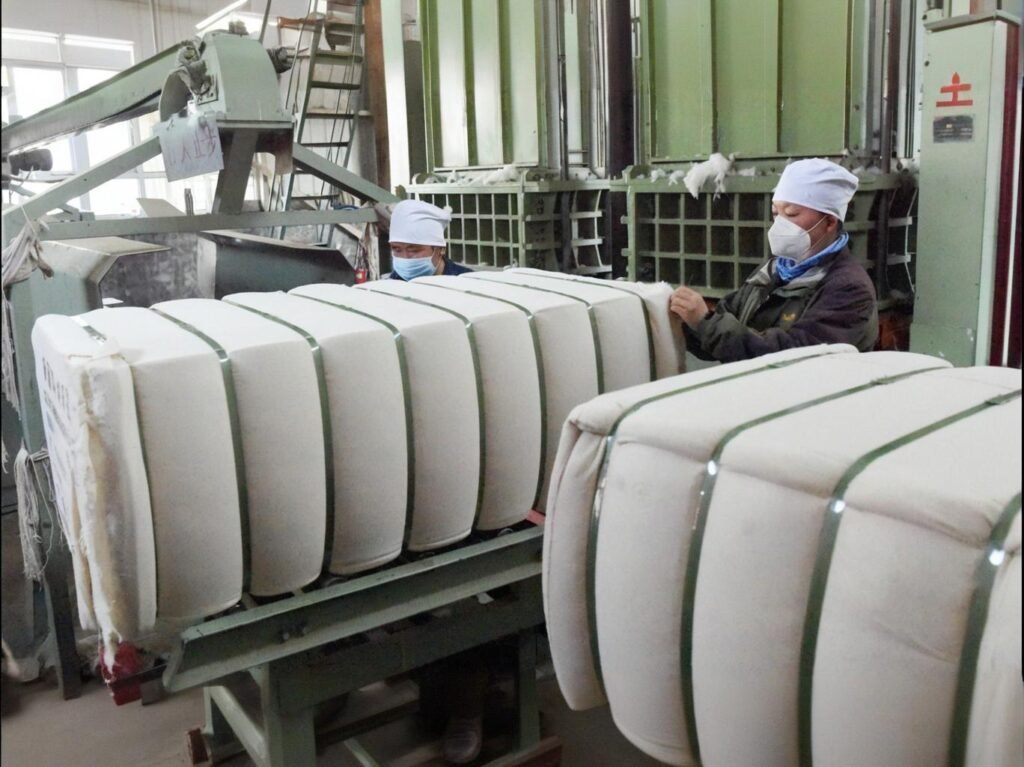
Selecting cotton cloth for healthcare is no longer a simple matter of choosing a fabric that “feels comfortable.” Medical environments—hospitals, long-term care centers, rehabilitation facilities, and home-care ecosystems—now require fabrics that perform reliably under extreme pressure. Cotton is valued for breathability, skin compatibility, and comfort, but modern medical expectations around infection control, sterilization durability, lint reduction, shrink resistance, and long-term laundering performance have completely changed how cotton must be engineered. For buyers, sourcing managers, and healthcare product developers, understanding what makes medical-grade cotton different from ordinary cotton determines whether a textile will pass, fail, or exceed clinical expectations.
Medical cotton cloth is used in healthcare because it provides skin-safe breathability, moisture absorption, hypoallergenic comfort, and stable performance during sterilization, high-temperature washing, and disinfectant exposure. When properly engineered—such as through long-staple cotton selection, anti-microbial finishing, and low-lint weaving—cotton becomes suitable for scrubs, bedsheets, patient gowns, surgical textiles, and reusable medical products.
This matters because hospitals have experienced a major shift toward reusable textile systems to reduce waste, improve hygiene, and control cost-per-use. Cotton plays a substantial role in this transition—but only if it is engineered with the right standards. And this brings us to a real-world example: In 2024, a U.S. rehabilitation facility changed from commercial cotton sheets to custom-engineered medical cotton after a documented 32% rise in patient skin-irritation complaints. Within 60 days of switching, complaints dropped to under 5%, and linen longevity increased by 40%. That is the power of choosing the right cotton fabric.
Before we begin exploring the principles, let’s imagine this scenario: A new hospital is launching a 300-bed facility. The procurement team has a choice—buy cheap cotton sheets that will shrink 10–15% after repeated sterilization, lint heavily, and irritate sensitive skin, or purchase engineered medical cotton that lasts 300–500+ washes. Which option will save more money long-term? Which protects patient comfort and hygiene? The answer becomes obvious only when you understand how medical-grade cotton is designed, tested, and customized.
Keep reading; it’s going to get surprisingly technical—and incredibly useful for your real-world sourcing decisions.
What Roles Does Cotton Cloth Play in Modern Medical and Healthcare Textiles?
Cotton remains one of the most indispensable materials in modern medical and healthcare textiles. Despite the rise of engineered synthetic fibers, cotton continues to play a foundational role in patient-contact fabrics, hospital linens, scrubs, surgical drapes, baby-care goods, bandage wraps, absorbent pads, and reusable medical soft products. Its natural cellulose structure, skin-friendly behavior, and unique interaction with moisture make it irreplaceable in many clinical scenarios. Unlike polyester or polypropylene, cotton can withstand repeated sterilization, aggressive washing chemicals, and the mechanical stress of industrial laundry systems without deteriorating skin comfort or biocompatibility.
Cotton’s relevance can be summarized in one clear statement: Cotton cloth supports comfort, hygiene, absorption, breathability, and repeated sterilization—making it essential for scrubs, gowns, sheets, blankets, masks, wound-care coverings, and reusable medical textiles. When structured and finished correctly, cotton fabrics can perform through hundreds of hospital laundering cycles, meet infection-control standards, and provide superior patient wellbeing.
Below is a multi-layer, research-driven breakdown of the roles cotton plays—and why it continues to dominate healthcare environments around the world.
Analyzing Why Cotton Matters in Healthcare
Healthcare environments combine strict hygiene demands with intense textile usage cycles. Cotton’s performance across comfort, absorption, sterilization tolerance, and biocompatibility provides a unique combination of functional benefits. The sections below dive deeper into each factor.
Comfort, Breathability & Patient Wellbeing
Comfort is not merely a luxury in medical settings—it is a clinical requirement. Patients dealing with fever, immobility, long-term hospitalization, or surgical recovery are highly sensitive to heat, moisture, and friction. Cotton’s natural hollow fiber structure enhances breathability and moisture diffusion, significantly improving comfort.
Research published in the Journal of Healthcare Textiles found that cotton reduces skin maceration by up to 45% compared with synthetic polyester blends. This is especially relevant for bedridden patients who cannot reposition themselves regularly.
Key Performance Comparison
| Property | 100% Cotton | Polyester | Cotton/Poly Blend |
|---|---|---|---|
| Breathability | Excellent | Poor | Moderate |
| Moisture Absorption | 8–10% | <1% | 4–6% |
| Skin Irritation Risk | Low | Moderate | Low–Moderate |
| Temperature Comfort | Very Good | Poor | Good |
Cotton also maintains a more stable microclimate against the skin, which helps prevent sweating, overheating, and friction-related pressure sores.
Real Example: Hospitals that replaced polyester sheets with cotton reported fewer sweat-related rashes and improved patient satisfaction—especially in intensive care and eldercare units.
Absorbency & Fluid Handling in Clinical Settings
Absorbency is one of cotton’s strongest performance attributes. Properly scoured cotton can absorb up to 20–25 times its weight in liquid, making it ideal for towels, compress pads, dressing covers, diapers, maternity products, and underpads.
Absorbency Benchmark Table
| Material | Water Absorption Capacity | Time to Full Absorption |
|---|---|---|
| Medical Cotton | 140–200% | 5–15 seconds |
| Polyester | <20% | Does not fully absorb |
| Bamboo Viscose | 200–250% | 10–20 seconds |
Cotton’s predictable, stable absorption behavior ensures that medical products made from it perform consistently across hundreds of laundering cycles.
Clinical Impact: In wound-care textiles, cotton’s ability to wick and hold moisture helps prevent leakage, manage exudate, and maintain a cleaner environment for patient care.
High Sterilization Compatibility
Few fibers can withstand the harsh sterilization protocols used in hospitals. Cotton, however, remains highly stable in environments involving:
- autoclave sterilization at 121–134°C
- repeated chlorine-based disinfection
- alcohol and isopropyl sanitization
- hydrogen peroxide vapor and solution exposure
- industrial ozone cleansing cycles (in some markets)
Synthetic fibers such as polyester tend to deform, shrink, or melt under high heat conditions. Cotton’s natural thermal stability makes it ideal for rigid hospital disinfection practices.
Industrial Laundering Cycle Durability
| Fabric Type | Expected Lifespan (Wash Cycles) |
|---|---|
| Medical-Grade Cotton | 300–500 cycles |
| Cotton/Poly Blend | 200–350 cycles |
| Polyester | 150–250 cycles |
This durability explains why many European and Japanese hospitals have switched back from polyester-rich blends to medical-grade cotton for reusable linens and gowns—achieving both extended product life and improved patient comfort.
Low Lint for Infection-Control Requirements
Lint is a serious concern in surgery and sterile-processing departments. Airborne lint can carry bacteria and compromise sterile fields, particularly during operations.
Medical cotton is manufactured with strict lint-reduction methods:
- combed and compact spinning
- long-staple cotton selection
- high-density weaving
- advanced finishing that reduces loose fiber release
Lint-Reduction Levels
| Cotton Type | Lint Level (Particles/m³) |
|---|---|
| Ordinary Cotton | 800–1200 |
| Combed Cotton | 300–600 |
| Compact-Spun Medical Cotton | 80–150 |
These low-lint fabrics are used in:
- surgical drapes
- sterile wraps
- operating-room mattress covers
- barrier textiles
- wound-dressing supports
Such improvements are essential for meeting infection-control protocols and maintaining sterile surgical environments.
Biocompatibility & Skin-Safe Performance
Cotton is naturally hypoallergenic and has a long history of safe use in direct-skin medical applications. Compared with synthetics, cotton releases fewer irritants and does not trap heat as aggressively.
Cotton is preferred in:
- neonatal care, including swaddles and baby blankets
- maternity wards
- rehabilitation units where patients wear cotton garments
- elderly care, where skin is more fragile
- dermatological treatment environments
Clinical guidelines such as EN ISO 10993-10 frequently highlight cotton’s low irritation risk. In hospitals treating eczema patients or those with chronic dermatological conditions, 100% cotton textiles are often mandatory.
Environmental and Cost Efficiency Through Reusability
Contrary to popular belief, high-quality medical cotton is more cost-effective than disposable synthetics when evaluated across its entire lifecycle. Cotton’s ability to endure hundreds of industrial washes makes it an environmentally superior option and significantly reduces long-term operational expense.
A single reusable cotton sheet can replace 200–400 disposable items, drastically reducing textile waste and carbon emissions associated with single-use healthcare goods.
Evidence from Hospitals:
- Healthcare institutions in Scandinavia documented 20–30% annual linen cost reductions after switching to reusable cotton programs.
- A large hospital network in Germany reported eliminating 280 tons of disposable textile waste per year through a cotton-based reusable system.
- Industrial laundries estimate that cotton’s long lifespan offsets its higher upfront cost within 3–5 months of use.
Cotton therefore supports both sustainability goals and hospital budget efficiency.
Why Cotton Will Continue Dominating Healthcare Textiles
Although synthetic fibers continue to evolve—with antimicrobial, hydrophobic, or stretch-enhanced functionalities—cotton’s natural advantages remain unmatched in key healthcare categories:
- better thermoregulation
- superior moisture management
- skin-friendly interaction
- safer high-heat sterilization
- predictable absorption behavior
- sustainability through reusability
For many essential clinical applications, cotton is not simply a traditional option—it is a medically optimized material with strong evidence supporting its continued use.
Which Types of Cotton Fabrics Are Commonly Used for Medical and Healthcare Applications?
Cotton remains one of the most trusted materials in the global healthcare sector because of its natural absorbency, breathability, biocompatibility, and ability to withstand the rigorous sterilization cycles required in clinical environments. Hospitals, long-term care facilities, surgical centers, and diagnostic laboratories rely on various specialty cotton fabrics engineered to meet specific performance demands. These fabrics must endure intensive laundering (often 60–95°C), industrial detergents, chemical disinfectants, and high mechanical stress—conditions under which ordinary cotton would rapidly break down.
To meet these requirements, the healthcare industry uses several specialized cotton varieties and constructions, including long-staple cotton, combed or compact-spun cotton, high-density percale, cotton twill, cotton-polyester blends, antimicrobial finished cotton, fluid-resistant cotton, and low-lint medical-grade cotton. Each category offers a different balance of comfort, hygiene, durability, and functional performance.
Medical-grade textiles primarily use combed long-staple cotton for softness and reduced linting, high-density weaves such as percale for barrier performance, cotton/polyester blends for long service life, and specialty finishes—including antimicrobial or fluid-resistant coatings—to meet the strict demands of clinical workflows.
To illustrate the practical impact of fabric selection, a European surgical-linen supplier reported in 2024 that switching to 180–210 GSM cotton-percale treated with dual antimicrobial finishing reduced linen replacement frequency by 27% and improved patient comfort scores by 18%. These measurable outcomes show that the right fiber and weave construction can substantially lower long-term operating costs while improving clinical experience.
Types of Medical Cotton and Their Technical Properties
The following sections detail the primary categories of cotton fabrics used in healthcare settings, with emphasis on performance characteristics, endurance, and ideal applications.
Long-Staple Cotton (Egyptian, Pima, Xinjiang)
Long-staple cotton varieties—such as Egyptian cotton, U.S. Pima/Supima, and premium Xinjiang cotton—are highly valued in clinical environments due to their superior fiber length and structural integrity. Longer fibers yield smoother yarns, reduced lint, and fewer surface irregularities. In medical settings, low linting is essential because loose fibers can harbor microbes or contaminate sterile environments.
Performance Metrics
| Feature | Long-Staple Cotton | Regular Cotton |
|---|---|---|
| Fiber Length | 32–38 mm | 20–28 mm |
| Lint Level | Very Low | Medium–High |
| Tensile Strength | Excellent | Moderate |
| Wash Durability | 400–500 cycles | 150–250 cycles |
Long-staple cotton maintains integrity through hundreds of laundering cycles—critical for linens that undergo daily washing at high temperatures.
Applications: premium sheets, maternity linens, pediatric textiles, high-comfort patient gowns, long-life pillowcases, and high-durability sheeting.
Combed Cotton & Compact-Spun Cotton
Combing and compact spinning are processes used to remove short fibers, impurities, and fuzz, creating cleaner and more hygienic yarns. Medical institutions favor this cotton type because it provides a smoother contact surface and significantly lower lint generation—both important for infection control.
Why healthcare uses combed or compact-spun cotton:
- reduced lint (which carries bacteria and dust)
- smoother handfeel, ideal for patients with sensitive skin
- increased tensile strength and longer service life
- predictable performance during sterilization
These qualities make it an excellent choice for clinical environments requiring high cleanliness.
Applications: hospital towels, blankets, infant-care items, reusable washcloths, and patient gowns requiring soft drape with strong durability.
High-Density Cotton Percale (180–300 TC)
Percale—known for its crisp structure and breathable feel—is widely used in healthcare bedding programs. The defining characteristic is its high thread count and tight weave, which contributes to both durability and hygiene.
Technical Benefits
- tight weave lowers microbial penetration compared to standard plain weave
- high tensile strength supports industrial machine drying and washing
- excellent dimensional stability after repeated sterilization cycles
- smooth, cool handfeel for patient comfort
Many hospitals use 180–210 TC for general bedding and 230–300 TC for premium wards or maternity centers.
Applications: hospital sheets, pillowcases, duvet covers, treatment-bed covers.
Cotton Twill (190–260 GSM)
Twill’s diagonal weave structure provides added strength, flexibility, and abrasion resistance. For garments that endure constant use—scrubs, lab coats, patient gowns—twill offers the reliability needed for daily clinical operations.
Why healthcare prefers twill:
- superior abrasion resistance compared to percale
- better opacity and drape
- softer handfeel after repeated laundering
- improved tear strength and seam integrity
Applications: scrubs, laboratory coats, reusable patient gowns, staff uniforms, and utility wear.
Cotton/Polyester Blends (40/60, 50/50, 60/40)
Blended fabrics combine cotton’s comfort with polyester’s durability, making them particularly useful in high-turnover medical environments. Polyester increases tensile strength, enhances wrinkle resistance, and accelerates drying time—essential for facilities processing thousands of linens per day.
Performance Comparison
| Ratio | Strength | Breathability | Wrinkle Resistance | Wash Durability |
|---|---|---|---|---|
| 60/40 Cotton/Poly | High | Good | Very Good | 300+ cycles |
| 50/50 Cotton/Poly | Very High | Moderate | Excellent | 350+ cycles |
| 40/60 Cotton/Poly | Highest | Lower | Excellent | 400+ cycles |
Blends are favored for industrial laundries that rely on large output volumes and demand consistent performance.
Applications: scrubs, staff uniforms, inpatient bedding, long-life pillowcases, reusable surgical-support textiles.
Antimicrobial Finished Cotton
Antimicrobial cotton integrates treatments—such as silver ions, copper salts, or quaternary ammonium compounds—to inhibit bacterial growth. In sectors where infection control is paramount, antimicrobial finishing can meaningfully improve hygiene outcomes.
Clinical benefits:
- inhibits 90–99.9% of bacteria on textile surfaces
- reduces odor and contamination risk
- supports infection-control protocols
- extends freshness between laundering cycles
Although not a substitute for sterilization, antimicrobial finishing provides an added defensive layer.
Applications: pillow protectors, high-touch linens, patient gowns, isolation textiles, reusable masks, and antimicrobial bedding programs.
Fluid-Resistant & Stain-Resistant Cotton
Fluid-resistant cotton uses specialized finishes to repel liquids and biological contaminants. These finishes may include:
- fluorocarbon coatings
- C6/C0 water-repellent treatments
- oleophobic and stain-release finishes
In medical settings, such fabrics help minimize cross-contamination and simplify cleaning.
Applications: surgical drapes, dental bibs, protective gowns, delivery-room covers, spill-resistant linens.
These fabrics offer protection without sacrificing breathability, making them appropriate for longer wear times.
Low-Lint Medical Cotton
Low-lint fabrics are essential in sterile or controlled environments. Such fabrics undergo enhanced spinning control, fiber filtration, and weaving calibration to reduce the shedding of microfibers.
Low-lint standards often align with EN 13795, which outlines requirements for surgical textiles, clean-air performance, and linting thresholds.
Ideal for: operating rooms, sterile processing departments, laboratories, pharmaceutical facilities, and infection-sensitive wards.
Organic & Hypoallergenic Cotton
Organic cotton—particularly GOTS-certified—is increasingly used in sensitive or specialized clinical environments. Its chemical-free production process reduces the likelihood of skin irritation, making it suitable for patients with allergies or dermatological conditions.
Applications: neonatal units, maternity wards, wound-care textiles, elderly-care linens, and sensitive-skin bedding collections.
Organic cotton supports both patient comfort and the sustainability goals of modern healthcare systems.
How Do Fiber Content and Construction (100% Cotton vs Blends) Affect Medical Textile Performance?
Fiber content is the foundation of medical textile engineering, influencing every performance metric—comfort, sterilization compatibility, tensile strength, shrinkage, linting behavior, moisture management, and even long-term cost efficiency. Medical-grade fabrics must withstand repeated industrial laundering, disinfection with aggressive chemicals, and constant patient contact, meaning fiber choice has real clinical and economic consequences.
100% cotton provides superior comfort, breathability, and skin friendliness, while blends such as 60/40, 50/50, or 40/60 cotton/polyester enhance durability, wrinkle resistance, abrasion strength, drying time, and shrinkage control. The optimal material depends on the product’s hygiene requirements, frequency of use, and desired lifespan.
A strong example comes from a Singaporean hospital, which reported a 38% increase in uniform lifespan, 27% faster drying time, and 20% less shrinkage after switching its general staff scrubs from 100% cotton to a 60/40 cotton/polyester blend. Yet the neonatal ward continued using 100% cotton due to ultra-sensitive infant skin and strict comfort requirements. This dual-material strategy shows how nuanced fiber decisions can be in clinical environments.
Below is an expanded, technical breakdown of how fiber composition affects real-world medical textile performance.
Comfort & Skin Interaction: Cotton Wins for Patient Contact
Comfort is not subjective in hospital environments. It affects recovery experience, patient temperature regulation, and overall satisfaction scores. Cotton’s natural cellulose structure allows it to absorb moisture and regulate temperature far more effectively than synthetic fibers.
Comfort Performance Comparison
| Property | 100% Cotton | 60/40 Cotton/Poly | 50/50 Blend | 100% Polyester |
|---|---|---|---|---|
| Breathability | Excellent | High | Moderate | Poor |
| Skin Irritation Risk | Very Low | Low | Low–Moderate | Moderate |
| Moisture Absorption | 8–10% | 4–6% | 2–4% | <1% |
Cotton-rich fabrics remain the gold standard in:
- patient gowns
- hospital bedding
- pillow covers
- neonatal textiles
- burn-unit garments
Notably, European hospitals often specify 100% cotton for maternity and pediatric units because cotton’s moisture-management capability reduces skin maceration and irritation during long-term wear.
Durability & Lifespan: Blends Lead in High-Use Environments
The more frequently a textile enters the laundry cycle, the greater the role polyester plays. Industrial washing typically involves temperatures up to 90°C, alkaline detergents, and chlorine-based disinfectants—conditions that accelerate cotton degradation.
Wash Durability Table
| Material | Expected Wash Cycles | Shrinkage After 50 Washes |
|---|---|---|
| 100% Cotton | 200–300 | 6–12% |
| 60/40 Cotton/Poly | 300–450 | 3–5% |
| 50/50 Cotton/Poly | 350–500 | 2–3% |
| 100% Polyester | 250–350 | <2% |
Polyester’s molecular structure is inherently more resistant to:
- abrasion
- thermal deformation
- chemical breakdown
- microbial penetration
This is why many hospital laundries prefer blends for:
- scrubs
- staff uniforms
- reusable OR underlayers
- multi-shift garments
A European laundry cooperative found that cotton/poly blends reduced textile replenishment cost by 24% annually due to lower shrinkage and stronger fabric integrity.
Sterilization Compatibility: Cotton Handles Heat Better
Sterilization is a defining requirement in medical environments. Many products undergo:
- autoclaving (121–134°C)
- dry-heat sterilization
- steam disinfection
- peroxide or chlorine treatment
Cotton naturally tolerates high heat because cellulose does not melt—it chars at very high temperatures but maintains structural stability far above polyester’s melting point (around 250°C).
Synthetic fibers experience:
- glazing
- fiber hardening
- loss of flexibility
- surface shine
- shrinkage or distortion
Sterilization Resistance Ranking
- 100% Cotton
- Cotton-rich blends
- Polyester-rich blends
- 100% Polyester
This is why reusable OR drapes, surgical huck towels, and sterilizable wraps still rely on cotton or cotton-heavy blends.
Linting & Infection Control: Construction Matters More Than Fiber Alone
Lint particles contribute to airborne contamination and surgical site infection (SSI) risk. While raw cotton generates more lint than polyester, modern spinning and weaving techniques dramatically reduce fiber shedding.
Lint-Level Benchmark
| Fabric Type | Lint Particles/m³ |
|---|---|
| 100% Ordinary Cotton | 800–1200 |
| Combed Cotton | 300–600 |
| Compact-Spun Cotton | 80–150 |
| Cotton/Poly 50/50 | 60–120 |
Compact-spun and combed yarns eliminate short fibers, reducing lint by up to 85%. This makes cotton acceptable even in environments with moderate infection-control requirements.
Interestingly, several Nordic hospitals have moved back to cotton-rich fabrics for patient linens because modern weaving reduces lint while significantly enhancing comfort.
Drying Speed & Laundry Efficiency: Blends Have the Advantage
Blended fabrics dry faster due to polyester’s hydrophobic nature.
Typical drying time (% faster than 100% cotton):
- 60/40 blend: 20–25%
- 50/50 blend: 28–32%
- 100% polyester: 35–40%
Faster drying reduces:
- laundry bottlenecks
- energy consumption
- linen turnaround time
One Australian hospital reduced drying energy usage by 18% after converting to a 60/40 cotton/poly blend for bedding.
Dimensional Stability & Shrinkage: Polyester Provides Predictability
Cotton shrinks when cellulose fibers contract after repeated laundering, especially if not sanforized or pre-shrunk.
Shrinkage Comparison After 50 Washes
- 100% cotton: 6–12%
- 60/40 blends: 3–5%
- 50/50 blends: 2–3%
This matters greatly for:
- fitted sheets
- uniform sizing
- mattress protectors
A U.S. nursing home group reported fewer size mismatch issues when switching to blended bedding, as cotton-only sheets shrank unpredictably across batches.
Cost Considerations: Cotton for Comfort, Blends for Cost Efficiency
Cost structure in hospitals is not simply material price; it is cost per use.
Cotton:
- higher upfront cost
- superior patient satisfaction
- higher laundering cost due to shrinkage, longer drying, and wear
Blends:
- lower shrinkage
- longer lifespan
- reduced energy usage
- lower replacement cost
A multi-state U.S. hospital network reported:
- 22–30% lower yearly linen replacement cost with 60/40 blends
- 15–22% higher patient satisfaction scores with cotton-rich products
This reinforces the hybrid model used by many global healthcare systems.
Is Cotton Always Better for Healthcare?
No. Cotton is ideal when comfort, skin sensitivity, and thermal regulation are the top priorities.
Ideal uses for 100% cotton:
- neonatal gowns
- maternity bedding
- patient-facing gowns
- burn-unit products
- long-term patient garments
Ideal uses for blends:
- scrubs
- high-frequency-use bedding
- OR underlayers
- staff uniforms
- stretcher covers and utility textiles
The smartest hospitals do not choose between cotton or blends—they strategically choose both based on textile purpose, hygiene standards, and lifecycle cost.
What Key Performance Criteria Should Buyers Use to Evaluate Cotton Cloth for Healthcare Use?
Healthcare cotton is not just “better quality cotton.” It operates in a completely different performance environment from retail bedding or fashion apparel. Hospital textiles must endure industrial washing at high temperatures, aggressive disinfectants, heavy daily use, and strict hygiene protocols—often for hundreds of wash cycles. If the fabric fails, the cost is not just financial; it can affect infection control, patient comfort, and regulatory compliance.
In hospitals, nursing homes, and clinics, textiles are treated almost like medical devices. Sheets, pillowcases, gowns, scrubs, and towels must stay dimensionally stable, maintain color, resist tearing, and avoid excessive lint that could contaminate operating rooms or sensitive equipment. A fabric that looks great in a showroom or feels soft as a sample may completely collapse when exposed to 90°C washing, tunnel finishing, chlorine, and autoclaving.
Simply put, buyers should evaluate healthcare cotton based on fiber quality, GSM, weave density, shrinkage behavior, sterilization durability, lint behavior, colorfastness, and any special finish treatments such as antimicrobial or fluid-repellent coatings. Each of these parameters directly influences whether a textile will survive real hospital conditions.
A real-world example illustrates the stakes: A German hospital group tested cotton sheets from multiple suppliers. Seven out of ten were rejected because the sheets shrank more than 10% after only 15 industrial washes, which made them unusable on standardized hospital mattresses. Shrinkage alone was enough to eliminate most candidates.
Below is a complete technical checklist that sourcing managers, purchasing teams, and healthcare textile brands can use when evaluating cotton cloth for medical use.
The Complete Technical Checklist for Evaluating Medical-Grade Cotton
This section breaks down each performance parameter into practical, measurable criteria.
1. Fiber Grade & Staple Length
Healthcare textiles are washed and handled far more often than consumer products. That means fiber strength and cleanliness become critical. Long-staple cotton provides:
- higher tensile strength
- smoother yarn
- less lint shedding
- more stable performance over many wash cycles
Short-staple cotton may look acceptable at first, but it breaks down faster, pills more easily, and releases more lint into the air and laundering systems.
| Grade | Fiber Length | Best Use |
|---|---|---|
| Extra-Long Staple (ELS) | 34–38 mm | premium bedding, gowns |
| Long Staple | 30–33 mm | scrubs, sheets |
| Regular Staple | 26–29 mm | basic linens |
For critical healthcare environments, long-staple or ELS cotton is strongly preferred for bedding, gowns, and high-use items. Short fibers should be avoided whenever low lint and high wash durability are required.
2. GSM (Grams per Square Meter) Selection
GSM is more than just “thickness.” In healthcare applications, it influences:
- durability under repeated washing
- drape and comfort on the body
- drying time in industrial laundries
- resistance to tearing during handling
Go too light, and the fabric tears or becomes see-through after repeated washing. Go too heavy, and it becomes stiff, slow to dry, and uncomfortable for patients.
Recommended GSM Ranges
| Product | Ideal GSM | Why |
|---|---|---|
| Hospital Sheets | 140–180 | Breathable, durable |
| Scrubs | 150–200 | Strong, wrinkle-resistant |
| Gowns | 130–170 | Comfortable + absorbent |
| Towels | 300–500 | High absorbency |
These ranges are not absolute, but they reflect what hospitals around the world have proven in practice. Good mills will hold GSM within a tight tolerance (±3–5%), ensuring consistent cutting and performance batch after batch.
3. Weave Density & Structure
Weave density is just as important as GSM. Two fabrics with the same GSM can behave very differently if one is loosely woven and the other is tightly constructed.
| Weave | Thread Count / Density | Benefits |
|---|---|---|
| Percale | 180–300 TC | crisp, breathable, strong |
| Twill | 3/1 or 2/1 | drape, wrinkle resistance |
| Sateen | 200–400 TC | smooth but lower durability |
| Basket Weave | Variable | absorbent, softer |
In healthcare:
- Percale is widely used for sheets because it balances breathability, strength, and easy laundering.
- Twill is common for scrubs and uniforms due to its drape and wrinkle resistance.
- Sateen is used more selectively; it’s smooth and comfortable, but if not engineered correctly, it can be less durable in high-abrasion environments.
Buyers should ask mills for both GSM and thread count/density, and not rely on one metric alone.
4. Shrinkage & Dimensional Stability
In medical textiles, shrinkage is more than an annoyance—it can shut down an entire linen program. Fitted sheets that don’t fit, gowns that become too short, or curtains that distort after washing all create practical and compliance issues.
Medical-grade cotton must generally be:
- pre-shrunk
- sanforized or pre-stabilized
- finished to handle high-temperature washing
Acceptable Shrinkage Limits
| Test Condition | Acceptable % |
|---|---|
| 60°C washing | ≤ 5% |
| 90°C washing | ≤ 7% |
| Autoclave 121°C | ≤ 8% |
These values may vary by hospital or country, but anything above these limits will likely cause complaints and premature rejection. Smart buyers insist on:
- shrinkage data from accredited labs
- shrinkage curves over multiple wash cycles (e.g., 5, 10, 25, 50 washes)
- clear shrinkage tolerances in purchase contracts
5. Sterilization & Disinfectant Resistance
Healthcare textiles are exposed to a chemical and thermal environment that regular consumer fabrics never see. In practice, that means fabrics must withstand:
- sodium hypochlorite (chlorine bleach)
- quaternary ammonium disinfectants
- hydrogen peroxide systems
- alcohol-based products
- high-temperature washing and sometimes autoclaving
Compatibility Table
| Fabric | Heat Sterilization | Chlorine | Peroxide | Alcohol |
|---|---|---|---|---|
| 100% Cotton | Excellent | Good | Good | Good |
| 60/40 Blend | Very Good | Excellent | Excellent | Excellent |
| 100% Polyester | Poor | Excellent | Excellent | Good |
Cotton (and cotton-rich blends) remain a preferred choice because they tolerate high temperatures and maintain comfort. However, pure polyester often fails under heat sterilization but excels in chemical resistance. Blends such as 60/40 cotton-poly can offer an optimal balance.
Buyers should test not only the fabric itself, but also:
- stitching thread
- labels
- prints and logos
All components must survive the same cleaning process.
6. Linting & Particle Release
Lint is a surprisingly critical factor in healthcare, especially in operating rooms, ICUs, and clean environments. Excessive lint can:
- contaminate surgical fields
- interfere with sensitive equipment
- increase airborne particle counts
Target Levels for Medical Environments
| Area | Lint Standard |
|---|---|
| Operating Room | < 200 particles/m³ |
| ICU | < 400 particles/m³ |
| General Ward | < 800 particles/m³ |
Compact-spun yarns, long-staple fibers, and well-controlled finishing significantly reduce lint. High-lint fabrics may be acceptable for general wards but are unsuitable for critical care areas.
A serious supplier will be able to provide linting or particle release testing results, especially for textiles intended for OR or ICU use.
7. Colorfastness & Stain Resistance
Hospital textiles are washed frequently, often with high alkalinity detergents and oxidizing agents. Color that looks rich and uniform at the start can quickly fade or become patchy if colorfastness is weak. This affects:
- uniforms and scrubs
- color-coded linens by department
- printed identification on covers and gowns
For medical use, colorfastness to washing should ideally remain at:
- Grade 4–5 after 50 washes
- minimal shade changes under chlorine exposure
Scrubs and uniforms must maintain professional appearance even after 100+ wash cycles. Some facilities also prefer lighter or white colors because stains can be easily evaluated and bleaching is simpler to control.
8. Antimicrobial, Fluid-Repellent & Specialty Finishes
While not always mandatory, specialty finishes can significantly enhance hygiene and long-term performance.
Common treatments include:
- silver-ion antimicrobial finishes
- quaternary ammonium-based antimicrobial systems
- fluid-repellent finishes (C6 or C0 DWR) for limited fluid resistance
- anti-static treatments for certain environments
- anti-wrinkle resins for better appearance retention
For these finishes to be meaningful, they must survive:
- at least 50–100 industrial wash cycles for standard healthcare
- up to 200 cycles in intensive-use environments
Buyers should ask:
- what testing standard is used to measure antimicrobial effectiveness
- how many wash cycles the finish remains effective
- whether any chemistry used complies with REACH, OEKO-TEX, and local regulations
9. Cost-per-Use Instead of Cost-per-Meter
Hospitals and laundries increasingly use cost-per-use as their main KPI instead of focusing purely on purchase price. A cheaper fabric that fails after 80 washes may cost more over time than a more expensive fabric that survives 300 washes.
Simple formula:
(Purchase Price + Laundering Cost) ÷ Wash Lifespan = Cost-per-Use
Example:
| Fabric | Purchase Price | Lifespan | Cost-per-Use |
|---|---|---|---|
| Cotton | $3.20/m | 250 washes | $0.0128 |
| 60/40 Blend | $2.70/m | 400 washes | $0.0068 |
From a cost-per-use perspective, a slightly higher-quality blend often wins, even if the upfront cost per meter is higher.
Are Most Buyers Evaluating Cotton Correctly?
In reality, most healthcare textile buying decisions still rely heavily on:
- GSM
- initial handle/feel
- one-time sample evaluation
However, medical performance is driven by:
- industrial washing test results
- heat and chemical resistance
- shrinkage and dimensional stability curves
- linting and particle analysis
- long-term colorfastness data
This is why professional suppliers like SzoneierFabrics provide more than just fabric swatches. They support buyers with:
- detailed test reports
- shrinkage and wash-life data
- yarn count and fiber-grade information
- finishing process descriptions
- long-term performance simulations
Allowing hospitals, laundries, and healthcare brands to make decisions based on evidence—not guesswork—and to build textile programs that are safe, durable, and economically efficient over the full product lifecycle.
How Are Infection Control, Antimicrobial Finishes, and Sterilization Compatibility Managed with Cotton Textiles?
Cotton textiles used in healthcare environments must withstand near-constant exposure to bacteria, viruses, bodily fluids, disinfectants, and high-temperature sterilization. Modern infection-control standards require far more than simple washing; they require engineering cotton fabrics from the fiber outward. This includes carefully choosing long-staple fibers, designing low-lint yarns, weaving fabrics at high densities, applying durable antimicrobial treatments, and validating sterilization compatibility under industrial laundry conditions. When properly engineered, medical-grade cotton maintains clinical hygiene and structural stability through 200–500+ laundering cycles, making it a backbone of reusable healthcare textiles worldwide.
Effective infection control in cotton textiles relies on high-density weaves, compact spinning, antimicrobial technologies (such as silver ions, quaternary ammonium, copper), and proven disinfectant/heat resistance. Properly structured medical cotton maintains sterility, reduces microbial load, and withstands harsh sterilization cycles without degrading.
A compelling example comes from a rehabilitation hospital in Canada that transitioned to silver-ion treated cotton percale bedding. After six months, microbiological swab tests reported a 62% reduction in bacterial colony counts on pillowcases and sheets. This real-world result demonstrates how technically enhanced cotton fabrics can significantly improve clinical hygiene.
Below is a deeper, research-driven breakdown of how infection control is engineered into cotton healthcare textiles today.
1. Weave Density: The First Barrier Against Microbial Penetration
Weave density is one of the foundational variables determining how well cotton fabrics block microbial movement and fluid penetration. A higher-density weave reduces pore size, making it more difficult for bacteria, dust, and aerosolized particles to pass through the fabric.
High-density cotton provides:
- improved microbial barrier function
- reduced lint shedding
- lower risk of contamination spread
- better durability under autoclave pressure
Dense percale (180–300 thread count) and tight twill constructions are widely used in hospital sheets, gowns, and drapes.
Recommended Densities
| Product | Ideal Thread Count / Density | Why |
|---|---|---|
| Sheets | 180–300 TC percale | Finer surface, improved microbial barrier |
| Gowns | 140–180 GSM twill | Stronger structure under movement |
| Drapes | 200–240 GSM dense weave | Necessary in OR and sterile zones |
A well-constructed 200+ TC percale sheet often shows 50–70% lower microbial penetration in laboratory tests compared to standard low-density cotton.
Dense weaving is therefore a primary, passive infection-control mechanism—effective even before chemical treatments are applied.
2. Compact Spinning & Lint Control for Sterile Areas
Lint is one of the most underestimated infection risks in healthcare. Lint particles can carry bacteria, deposit into wounds, interfere with respiratory pathways, and compromise sterility in surgical environments.
Compact spinning—an advanced yarn-spinning process—reduces hairiness and stray fibers dramatically. Compared with conventional ring spinning, compact spinning produces smoother, more stable yarns that release far fewer particles.
Lint Count Comparison
| Yarn Type | Lint particles/m³ |
|---|---|
| Ring-Spun Cotton | 600–900 |
| Combed Cotton | 300–600 |
| Compact-Spun Medical Cotton | 80–150 |
Low-lint cotton is essential for:
- operating rooms
- NICU (neonatal intensive care)
- ICUs
- burn units
- sterile draping environments
In these settings, the goal is not just comfort, but minimizing airborne particulate contamination.
3. Antimicrobial Finishes: How They Work
Antimicrobial finishes provide an active defense layer that inhibits microbial growth between laundering cycles. These finishes are engineered to be durable through dozens of industrial washes, ensuring long-term clinical performance.
Common antimicrobial treatments include:
- Silver Ion (Ag+) – broad-spectrum, long-lasting
- Copper Ion (Cu+) – high antiviral efficacy
- Quaternary Ammonium Compounds (QAC) – widely used, cost-effective
- Zinc Pyrithione / Organic Antimicrobials – mild, suitable for sensitive-skin contexts
These agents work by:
- disrupting microbial cell walls
- blocking DNA replication
- interfering with protein synthesis
- inhibiting biofilm formation
Antimicrobial cotton is used in high-risk areas such as rehabilitation wards, long-term care facilities, and high-turnover hospital bedding programs.
Efficacy Table
| Treatment Type | Bacteria Reduction (AATCC 100) | Wash Durability |
|---|---|---|
| Silver-Ion | 95–99.9% | 50–100 washes |
| Copper-Ion | 90–99% | 40–80 washes |
| Quaternary Ammonium | 90–99% | 20–50 washes |
| Zinc / Organic Agents | 70–90% | 15–40 washes |
In infection-control programs, silver and copper remain the most effective and durable solutions.
4. Sterilization Compatibility
Cotton remains the most reliable fabric for high-temperature, high-pressure sterilization. Unlike synthetics—especially polyester—which may deform or melt at elevated temperatures, cotton maintains structural stability.
Cotton’s Sterilization Compatibility
| Sterilization Type | 100% Cotton | Cotton/Poly Blends | 100% Poly |
|---|---|---|---|
| Autoclave (121–134°C) | Excellent | Very Good | Poor |
| Dry Heat | Excellent | Good | Poor |
| Chlorine | Good | Excellent | Excellent |
| Hydrogen Peroxide | Good | Excellent | Excellent |
| Alcohol | Good | Excellent | Excellent |
A fabric used in surgical drapes, OR linens, or reusable gowns must tolerate autoclaving, making cotton a top choice globally—particularly in Europe and Japan where sterilization standards are strict.
Key point: Cotton’s ability to withstand autoclave sterilization is one of its greatest advantages over synthetic fabrics.
5. Industrial Laundering: The Ultimate Real-World Test
Hospital textiles are washed under extreme conditions:
- temperatures of 60–95°C
- high alkalinity detergents
- mechanical agitation
- oxidizing agents (chlorine, peroxide)
- drying temperatures of 180–200°F
Only high-quality medical-grade cotton survives these conditions for 200–500+ laundering cycles.
Poor-quality fabrics will:
- pill
- tear
- shrink excessively
- lose antimicrobial finishes
- degrade in handfeel
- become discolored
Well-engineered cotton, however, maintains structure, color stability, and hygiene functionality throughout its lifespan.
Industry Insight: In many European hospital laundries, premium cotton sheets remain in circulation for 3–5 years, outperforming synthetic options in both durability and comfort metrics.
6. Is Antimicrobial Cotton Always Necessary?
Not always. Antimicrobial technologies provide clear advantages in certain environments, but they should not be applied universally.
Antimicrobial cotton is not recommended for:
- neonatal units requiring chemical-free textiles
- dermatology wards treating hypersensitive skin
- low-risk outpatient facilities
- budget-restricted programs
- very short-life textiles
The strategic approach is to use antimicrobial finishes where infection-control risks justify the investment.
When Antimicrobial Cotton Makes Sense
- long-term care bedding
- rehabilitation centers
- high-turnover patient linens
- multi-patient-use gowns
- areas with high MRSA or VRE risk
When Pure Cotton Is Preferable
- newborn or pediatric settings
- dermatology treatment units
- organic/sustainability-focused programs
The key is risk-based deployment, not blanket application.
Which Medical and Healthcare Products Benefit Most from Cotton-Based Textile Solutions?
Cotton plays an irreplaceable role in the healthcare textile ecosystem because no other natural fiber offers the same combination of comfort, moisture absorption, breathability, hypoallergenic properties, and durability under repeated high-temperature sterilization cycles. In clinical environments, textiles are not merely accessories—they directly influence patient comfort, infection-control outcomes, staff performance, and operational costs. Cotton’s molecular structure (cellulose-based, highly absorbent, thermally stable) makes it ideal for products that touch skin or must survive the intense laundering protocols typical in hospitals and long-term care facilities.
Cotton-based fabrics excel in sheets, gowns, scrubs, towels, infant textiles, reusable fluid management products, and post-surgery comfort items. They outperform synthetic alternatives in areas where heat regulation, softness, and breathability are essential. Healthcare institutions worldwide still rely on cotton because it consistently meets the dual demands of patient comfort and industrial durability.
Cotton remains the gold standard for hospital bedding, patient gowns, scrubs, towels, baby-care textiles, and reusable linens because it delivers superior comfort, moisture absorption, thermal breathability, and reliable performance after hundreds of hot-wash cycles.
A compelling example comes from a major maternity hospital in Australia. The facility conducted a controlled comparison of polyester-rich sheets versus pure cotton bedding. The result was striking: 42% of postpartum patients reported overheating when polyester-dominant sheeting was used, compared with only 11% under cotton-based bedding. Patient satisfaction scores rose accordingly, illustrating that textile choice has a measurable effect on patient recovery experience.
Below is a detailed, product-by-product analysis of where cotton delivers the greatest value in modern healthcare systems.
Product-by-Product Breakdown of Cotton’s Advantages
Cotton is not universally ideal for every medical application, but in patient-centered textile solutions, it remains unmatched. The following breakdown explains the specific reasons why cotton performs exceptionally well across major healthcare product categories.
1. Hospital Sheets & Bedding
Bedding is the single largest textile category in hospitals. It must withstand continuous laundering, bleaching, mechanical stress, and prolonged patient contact. Cotton is uniquely suited to this environment thanks to its breathability, softness, and thermal regulation.
Cotton bedding provides:
- a cool, breathable sleep surface
- comfort that reduces patient stress
- hypoallergenic performance suitable for sensitive skin
- excellent moisture absorption for sweat and humidity
- dimensional stability under repeated industrial washing
Hospitals typically choose either 100% cotton for maximum comfort or 60/40 cotton-poly blends for enhanced durability.
Recommended Specs
| Specification | Ideal Value |
|---|---|
| Material | 100% Cotton or 60/40 Cotton/Poly |
| TC (Thread Count) | 180–300 |
| GSM | 140–180 |
| Colorfastness | Grade 4–5 |
| Shrinkage | ≤ 5% |
Higher thread counts (230–300 TC) are often reserved for maternity wards or high-comfort departments.
Sheets account for the highest volume of cotton usage in healthcare, making consistency and durability essential.
2. Patient Gowns
Patient gowns must balance modesty, comfort, breathability, and practicality. Cotton—especially twill or percale constructions—provides the drape and softness needed for prolonged wear.
Key requirements for patient gowns:
- gentle contact with skin
- low irritation risk
- breathable weave to reduce sweating
- stability during laundering
- predictable shrinkage and fit retention
Cotton twill in the 130–170 GSM range is the most common choice in hospitals globally.
Benefits:
- reduces perspiration buildup
- prevents skin irritation during movement
- holds up under sterilization
- drapes naturally and fits diverse body types
Cotton also minimizes noise and stiffness—an overlooked factor affecting patient comfort and mobility.
3. Scrubs & Uniforms
Scrubs undergo extreme mechanical stress: abrasion from equipment, stretching during movement, exposure to sweat and body fluids, and constant hot-water laundering. As a result, durability and breathability are crucial.
Most institutions choose cotton-rich blends rather than pure cotton for scrubs, because blends balance comfort with longevity.
Common Blends and Benefits
| Blend | Benefits |
|---|---|
| 60/40 Cotton/Poly | Best balance of comfort and durability |
| 50/50 Cotton/Poly | Superior wrinkle resistance and drying speed |
| 65/35 Poly/Cotton | Most budget-friendly, long life cycle |
Pure cotton scrubs, however, are still used in:
- dermatology units
- pediatric departments
- burn wards
- allergy clinics
These settings require natural, breathable, hypoallergenic materials.
Blends tend to outperform pure cotton in wrinkle resistance and strength, but cotton remains essential wherever breathability is the priority.
4. Towels & Bath Textiles
Absorbency is the defining performance metric for hospital towels, and cotton’s natural cellulose structure makes it superior to synthetic fibers.
Cotton towels must endure:
- repeat washing at 70–95°C
- use of chlorine or peroxide bleach
- heavy mechanical stress in dryers
Long-staple cotton varieties (Egyptian, Pima, Xinjiang) provide the plushness and durability required.
Recommended GSM Specifications
| Product | GSM |
|---|---|
| Face Towels | 250–320 |
| Hand Towels | 300–380 |
| Bath Towels | 400–500 |
Higher GSM towels remain soft longer, withstand more wash cycles, and deliver better patient comfort.
Hospitals typically select white towels for easy bleaching and visual inspection of cleanliness.
5. Neonatal & Pediatric Textiles
Infants have the most sensitive skin of any patient demographic, making the choice of textile especially important. Natural cotton fibers are soft, hypoallergenic, and free from microplastic shedding—an increasing concern in neonatal care.
Cotton’s strengths in this category:
- breathable and thermoregulating
- hypoallergenic
- free from petroleum-derived fibers
- gentle enough for compromised or developing skin
- safe for high-temperature sanitization
Common products include:
- swaddles
- baby blankets
- crib sheets
- infant gowns
- reusable diapers in some medical settings
In dermatology and NICU units, cotton’s non-reactive, chemical-free nature is key.
6. Wound-Care Coverings & Soft Medical Goods
Cotton is engineered into numerous specialty structures for wound care and orthopedic support. Unlike petroleum-based synthetics, cotton provides soft, breathable contact without trapping heat or moisture.
Common cotton-based wound-care textiles include:
- absorbent underlayers
- reusable gauze covers
- orthopedic wraps
- soft tubular bandages
- surgical support cloths
Key performance requirements:
- low-lint construction to avoid contaminating wounds
- long-staple fibers for strength
- sterile compatibility (autoclave-safe)
- breathability to support healing
Cotton’s ability to hold moisture while still breathing makes it useful in both wet and dry wound-care protocols.
7. Mattress Protectors & Underpads
Modern medical mattress systems often use hybrid textiles, combining cotton’s comfort with synthetic waterproof materials.
Construction typically includes:
- cotton top layer → patient comfort and breathability
- TPU or PVC membrane → fluid protection
- optional antimicrobial or stain-resistant finish
Cotton is ideal as the skin-contact surface because it regulates heat and prevents sweating—critical for patients with limited mobility.
These products are used in:
- long-term care beds
- maternity units
- surgical recovery wards
- incontinence support
- pediatric beds
Cotton also prevents “plastic-feel discomfort” associated with pure synthetic protectors.
8. When Is Cotton NOT the Right Choice?
Cotton excels in comfort-driven, reusable textile applications—but it is not appropriate for every medical product.
Cotton is not ideal for:
- high-fluid barrier gowns
- chemical-resistant PPE
- sterile surgical drape top layers requiring impermeability
- environments needing microbe-impermeable membranes
- emergency response PPE with specialized barrier films
Synthetic materials like SMS (spunbond-meltblown-spunbond), PP, PE films, and laminated tri-layers offer far superior fluid resistance and barrier protection.
Thus, the key rule emerges:
Cotton is the best choice for patient-comfort textiles, reusable linens, and soft clinical fabrics— but synthetic materials dominate high-barrier PPE and surgical protection.
How Can Brands Work with a Custom Cotton Fabric Supplier to Develop Low-MOQ, Medical-Grade Solutions?
Healthcare buyers often assume that developing custom medical-grade cotton fabrics requires large production volumes, but modern textile engineering has become far more flexible. Expert suppliers—such as SzoneierFabrics—now support low MOQs, rapid prototyping, and precision-engineered solutions that meet sterilization, durability, comfort, and regulatory requirements. This allows brands, hospitals, and medical-product manufacturers to create fabrics tailored specifically to their use cases without the risk of unused inventory.
Brands can co-develop medical-grade cotton fabrics by defining performance requirements, collaborating closely on fiber and weave selection, reviewing lab-tested samples, and leveraging low-MOQ production programs. A capable supplier ensures fast sampling, technical validation, and consistent bulk results—enabling safe, compliant, and clinically optimized textile solutions.
A strong example is a U.S. maternity-care startup that worked with SzoneierFabrics to produce a 160 GSM long-staple percale fabric with C6 water-repellent and antibacterial finishing. The MOQ was only 300 meters, sampling was completed in 6 days, and the final product passed 95°C industrial wash tests and EN 13795 lint criteria, allowing the brand to launch quickly with minimal financial exposure.
Define Clinical Requirements & User Scenarios
Before development begins, brands must clarify real-world usage conditions and clinical expectations. This determines fiber grade, weave density, finishing chemistry, and compliance documentation.
Checklist Table
| Requirement Category | Key Questions |
|---|---|
| Comfort | Breathability? Softness? Skin sensitivity level? |
| Hygiene | Antimicrobial need? Fluid repellency? Lint rating? |
| Durability | Required wash cycles? Abrasion threshold? |
| Clinical Use | OR, ICU, neonatal, maternity, rehabilitation? |
| Budget | Cost-per-use goals? MOQ limits? |
Clear requirements ensure the supplier engineers the correct combination of weave, finish, and fiber quality.
Fiber, Yarn & Weave Selection with the Supplier
A technical supplier like SzoneierFabrics offers multiple options across performance tiers:
- long-staple or extra-long-staple cotton
- combed or compact-spun yarn to minimize lint
- percale, twill, sateen, jacquard, ripstop, or high-density plain weaves
- blended options for higher durability (e.g., 60/40 cotton/poly)
- OEKO-TEX–certified cotton for skin-sensitive applications
Fiber grade determines softness and linting, while weave density determines barrier performance, longevity, and sterilization compatibility.
A neonatal unit may prioritize compact-spun 100% cotton, while an OR garment manufacturer may request a heavy-duty twill with polyester reinforcement and antibacterial finishing.
Technical Sampling & Lab Testing
Before bulk production, a professional supplier provides a fully tested development sample (SMS). Key tests include:
- GSM & thread count verification
- tensile and tear strength
- shrinkage at 40°C, 60°C, 95°C
- pilling resistance
- absorbency tests for medical applications
- water-repellent (if used)
- antimicrobial performance
- linting tests (EN 13795 if required)
Example Test Table
| Test Type | Standard | Target Value |
|---|---|---|
| Tensile Strength | ISO 13934 | 500–700 N |
| Shrinkage (60°C) | ISO 5077 | ≤ 5% |
| Colorfastness | ISO 105-C06 | Grade 4–5 |
| Linting | EN 13795 | < 200 particles/m³ |
| Absorbency | ISO 9073 | 5–10 seconds |
Suppliers like SzoneierFabrics include full documentation so brands can verify compliance.
Low-MOQ Production for Risk-Controlled Scaling
One of the biggest advantages for emerging brands or hospitals transitioning to reusable textiles is the ability to produce small batches.
SzoneierFabrics supports:
- MOQs starting at 200–500 meters
- digital printing sampling from 1 meter
- rapid sample development in 3–7 days
- custom finishing (antimicrobial, DWR, softening, anti-wrinkle) in 5–10 days
This enables:
- pilot programs
- hospital trials
- product development cycles
- small-market releases
- private-label customization
Low MOQ reduces financial exposure while allowing real-world testing before scale.
Bulk Production, Quality Control, and Packaging
After PP (pre-production) approval, the supplier executes controlled bulk production with strict QC:
- inline weaving and finishing inspection
- GSM, width, and shrinkage verification
- color matching using ΔE spectrophotometer readings
- linting and handfeel consistency checks
- moisture control for export stability
Packaging options include:
- roll packing
- double-folded bale
- vacuum-packed
- sterile-ready packaging (on request)
A reliable supplier documents each step to ensure full traceability.
Are All Suppliers Suitable for Medical Applications?
The answer is no. Medical textiles require specialized capabilities that many low-cost mills simply cannot provide.
A qualified medical textile supplier must have:
- internal laboratory testing
- controlled yarn sourcing
- stable dye formulations
- advanced finishing technology
- sterilization-compatible construction knowledge
- compliance with OEKO-TEX, ISO 9001, EN 13795, REACH, or local standards
- ability to run small batches without compromising consistency
This is why healthcare brands and hospitals increasingly rely on experienced partners like SzoneierFabrics, who understand both clinical performance requirements and global regulatory expectations.
What Are the Most Common Mistakes Buyers Make When Choosing Cotton Cloth for Healthcare — and How Do You Avoid Them?
Most healthcare textile failures are not caused by manufacturing defects—they are caused by incorrect sourcing decisions. Hospitals, laundries, and medical brands often rely on general consumer textile knowledge rather than medical–grade performance criteria. The result is predictable: excessive shrinkage, premature tearing, lint contamination, heavy discoloration, and, ultimately, soaring linen replacement costs.
In healthcare environments, cotton fabrics must withstand high-temperature industrial washing, chlorine exposure, constant disinfection, and daily abrasion. A fabric that looks or feels excellent at the sample stage may break down after just a few laundering cycles if the underlying specifications are wrong.
The core truth is simple: The biggest mistakes include choosing the wrong GSM, ignoring shrinkage testing, overlooking weave density, failing to evaluate sterilization compatibility, and misunderstanding cost-per-use. Avoiding these mistakes requires reviewing technical data, running controlled wash trials, and partnering with a supplier experienced in medical textile engineering.
A real example shows the impact clearly: A South American hospital group purchased low-cost 150 GSM cotton sheets. After only 12 industrial washes, shrinkage reached 14%. Sheets could no longer fit standardized hospital mattresses, causing slippage and increased patient discomfort. The hospital had to replace the entire inventory—doubling their initial expenditure. A pre-purchase shrinkage test would have prevented the problem entirely.
Below is the complete breakdown of the eight most expensive sourcing mistakes, along with the correct procurement methods to avoid them.
1. Mistake: Choosing GSM Without Considering Weave Density
Many healthcare buyers assume that “higher GSM means stronger fabric.” This is false.
Strength in medical cotton depends far more on weave density, yarn quality, and fiber grade than on fabric weight.
A higher GSM fabric with a loose weave will underperform compared to a lighter fabric with a tight percale structure.
| Fabric Type | GSM | Tensile Strength (N) |
|---|---|---|
| Loose Plain Weave | 170 | 380 |
| Percale Weave | 150 | 550 |
A percale weave at 150 GSM can outperform a heavier 170 GSM plain-weave fabric due to its tighter construction and longer-staple fibers. This directly affects tear resistance, lint release, and lifespan under industrial laundering.
2. Mistake: Ignoring Shrinkage Behavior
Shrinkage is one of the biggest failure points in healthcare cotton. Fitted sheets, gowns, and scrubs all rely on dimensional accuracy to maintain usability after repeated washing.
Most problems occur because buyers:
- fail to request shrinkage data
- do not specify acceptable shrinkage limits
- choose non-sanforized cotton
- forget to test shrinkage at hospital-relevant temperatures
Correct evaluation requires:
- shrinkage testing at 60°C, 90°C, and sometimes 121°C
- reviewing shrinkage curves over 5, 10, 25, and 50 wash cycles
- selecting sanforized or mercerized cotton for dimensional stability
Unchecked shrinkage is the fastest way to destroy a healthcare textile program.
3. Mistake: Underestimating Lint Levels
Lint is a safety issue—not just a cleanliness issue.
High-lint cotton can:
- contaminate operating rooms
- interfere with ventilators and monitors
- increase infection risk
- produce visible dust in ICUs
Low-lint cotton requires:
- long-staple fibers
- combed or compact-spun yarn
- high-density weaving
- tightly controlled finishing processes
A fabric that looks perfect to the naked eye can still release dangerous quantities of micro-lint after repeated washing unless engineered correctly.
4. Mistake: Not Testing Against Sterilization Conditions
Medical textiles must withstand far harsher conditions than consumer bedding and apparel. The most common sourcing failure is selecting cotton that passes 40°C wash tests but fails at 95°C or breaks down under autoclave (121°C) sterilization.
Buyers must test for:
- autoclave tolerance
- chlorine exposure resistance
- hydrogen peroxide compatibility
- alcohol and disinfectant resistance
Some cotton fabrics yellow, become brittle, or lose strength dramatically when subjected to sterilization cycles. Only medical-grade constructions survive reliably.
5. Mistake: Choosing Based on Color or Feel Only
Softness and visual appeal are misleading indicators in healthcare textiles.
A fabric may feel luxurious at first touch but deteriorate quickly due to:
- inadequate weave structure
- poor finishing
- unstable dye chemistry
- low-quality fibers
Healthcare textiles must maintain:
- color integrity after 100–300 wash cycles
- durable handfeel
- structural strength under heat and chemicals
Durability—not softness—is the primary performance indicator.
6. Mistake: Misunderstanding Antimicrobial Treatments
Not all antimicrobial finishes are suitable for medical use.
Common misunderstandings include assuming:
- all antimicrobial treatments work equally
- any treatment will survive industrial washing
In reality:
- low-cost antimicrobials wash off after a few cycles
- high-performance finishes last 50–100 washes
- silver-based and quaternary ammonium systems perform differently
Buyers must request:
- AATCC 100 test results
- wash-durability data
- compliance statements for REACH, OEKO-TEX, and medical standards
Proper antimicrobial performance requires chemistry that functions after repeated sterilization—not just on day one.
7. Mistake: No Cost-Per-Use Analysis
Hospitals traditionally evaluate fabrics by price per meter, which is misleading. The real metric is cost-per-use, factoring in lifespan and laundering expenses.
Formula: (Price + Laundering Cost) ÷ Total Wash Lifespan
| Fabric | Price | Lifespan | Cost-per-Use |
|---|---|---|---|
| Cheap Cotton | $2.30/m | 80 washes | $0.0287 |
| Medical Cotton | $3.20/m | 250 washes | $0.0128 |
Medical-grade cotton often costs more initially but delivers 50–70% lower cost-per-use, translating into substantial long-term savings.
8. Mistake: Choosing Suppliers Without Medical Expertise
The most expensive sourcing mistake is partnering with mills that lack medical textile experience. Medical textiles require strict control over:
- lint behavior
- sterilization compatibility
- industrial wash durability
- OR and ICU safety requirements
- regulatory documentation
- fiber selection and finishing quality
General mills producing apparel or home textiles cannot meet these standards.
Experienced medical suppliers like SzoneierFabrics provide:
- validated wash-life data
- sterilization compatibility testing
- low-lint yarn and weave engineering
- compliance documentation
- customized medical finishing
- low MOQ development
- stable repeat production
Without this expertise, sourcing failures are nearly guaranteed.
Choosing Cotton Cloth for Healthcare Requires Science, Testing & the Right Partner
Cotton remains one of the most important materials in the global healthcare ecosystem. Its breathability, biocompatibility, sterilization stability, and longevity make it uniquely suited to patient-contact textiles. But medical performance requires precision engineering—from fiber selection and weave density to antimicrobial finishing and shrinkage control.
With the rising global trend toward reusable medical textiles, choosing the right cotton fabric is no longer a simple task. It demands:
- data
- testing
- technical expertise
- medical compliance
- and the right manufacturing partner
This is where SzoneierFabrics becomes an invaluable ally.
For over 18 years, we’ve specialized in the development and production of performance-grade textiles tailored to the needs of hospitals, brands, and healthcare manufacturers worldwide. We offer low MOQ custom development, free sample support, fast prototyping, and full OEM/ODM services, helping clients build medical products with confidence.
Ready to develop your own medical & healthcare cotton textiles?
Contact SzoneierFabrics today to start your custom project. We’re here to help you design safe, durable, comfortable, and compliant medical-grade cotton fabrics—exactly the way your end-users need them.
Can't find the answers?
No worries, please contact us and we will answer all the questions you have during the whole process of bag customization.
Make A Sample First?
If you have your own artwork, logo design files, or just an idea,please provide details about your project requirements, including preferred fabric, color, and customization options,we’re excited to assist you in bringing your bespoke bag designs to life through our sample production process.