Skip to content
Outdoor furniture manufacturers face a central challenge: finding a fabric that combines rugged durability with comfort, weather resistance, and aesthetic appeal. Enter cotton canvas—a time-tested material that is quietly staging a resurgence in both traditional and contemporary patio and commercial furniture design. Though often compared to synthetic options like polyester or acrylic, cotton canvas brings a unique blend of breathability, eco-friendliness, and tactile warmth that modern brands and buyers increasingly value.
Cotton canvas is widely used in outdoor furniture manufacturing due to its high durability, weather adaptability, and ease of customization. Its natural texture and robust construction make it ideal for heavy-duty seating, cushions, and protective covers.
But here’s the real twist: cotton canvas can perform impressively in moisture-prone environments—if treated correctly—and outlast synthetic rivals in certain conditions. In this article, we’ll unpack how cotton canvas stands up to outdoor elements, which treatments enhance its performance, and why it continues to be a trusted material in manufacturing high-utility furniture pieces.
Let’s begin with a real-world contrast. At a boutique hotel in Santorini, Greece, sun loungers crafted with high-GSM cotton canvas covers have weathered three full seasons of UV and salt spray with only minimal fading—thanks to a hybrid waterproofing and mildew-resistant treatment. That’s not a fluke; it’s an outcome of well-selected GSM, appropriate finishes, and skilled sourcing.
What Makes Cotton Canvas Suitable for Outdoor Furniture?
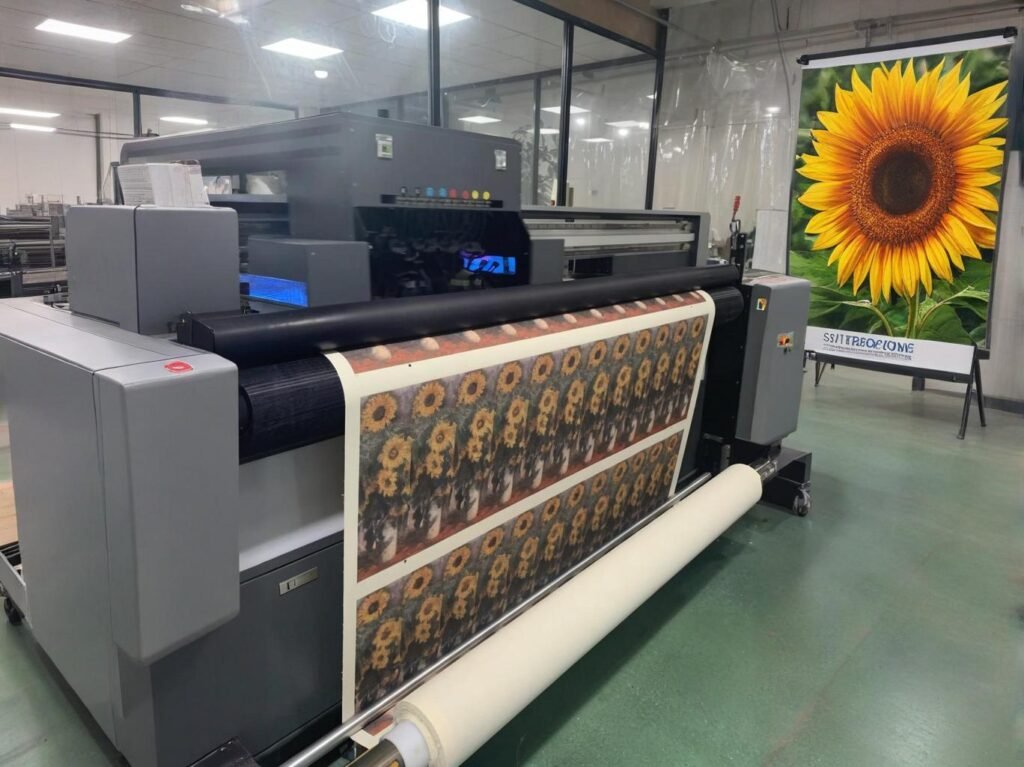
Cotton canvas is widely adopted in outdoor furniture manufacturing because it achieves a balance between durability, comfort, and aesthetics, all while offering flexible finishing options that extend its lifecycle. Its mechanical performance, natural fiber properties, and ability to be treated with protective finishes make it competitive with polyester and acrylic alternatives in specific use scenarios.
Structural Composition and Weave Density
Outdoor-grade cotton canvas is generally produced in duck weave or plain weave formats with weights ranging from 10 oz/yd² to 24 oz/yd². Higher yarn density contributes to:
- Tensile Strength: Breaking strengths can reach 400–500 lbf (warp) and 350–450 lbf (fill) for heavyweight cotton duck, comparable to many 600D polyester fabrics.
- Abrasion Resistance: Laboratory tests (Martindale method) show cotton canvas can withstand 20,000–30,000 rub cycles before noticeable wear, making it viable for seating and cushions.
- Tear Resistance: ASTM D2261 tear strength values range from 10–15 lbf, sufficient for stitched seams under outdoor furniture use.
Breathability, Moisture, and Comfort
- Air Permeability: Cotton canvas allows 10–20 cm³/cm²/s airflow at standard testing pressure (ASTM D737), far exceeding polyester or acrylic, which improves comfort in hot climates.
- Moisture Regulation: Cotton can absorb up to 25–27% of its dry weight in water without feeling wet, preventing clamminess during humid weather.
- Thermal Comfort: Being a natural fiber, cotton retains lower surface heat than synthetics. In tropical conditions, furniture upholstered with cotton canvas can remain 5–7°C cooler than polyester-based equivalents.
Weather Adaptability and Treatment Options
While untreated cotton canvas is prone to UV degradation, mold, and water retention, advanced finishing technologies extend its life:
- Waterproofing: Double-dip paraffin wax or fluorocarbon finishes increase hydrostatic head ratings from <100 mm (untreated) to 400–600 mm (treated), sufficient for resisting light to moderate rain.
- Mildew Resistance: Anti-fungal additives reduce spore growth by 70–80% in ASTM G21 tests.
- UV Resistance: Modern UV-blocking coatings enhance lightfastness from Grade 3–4 (untreated, moderate fading in 200–300 hours of exposure) to Grade 6–7 (resistant beyond 1000 hours) on the Blue Wool Scale.
Case Study: Rainforest Resort Daybeds
A Central American eco-resort replaced synthetic polyester covers with 16 oz cotton duck canvas for shaded lounge areas:
- Performance: Average replacement cycles extended from 1 year (polyester, due to heat discomfort and mildew) to 2.5 years with treated cotton canvas.
- Guest Satisfaction: Survey data showed 92% of guests rated comfort higher with cotton canvas compared to synthetics.
- Sustainability Impact: Annual synthetic fabric waste was reduced by ~600 kg, aligning with the resort’s eco-branding.
Comparative Lifecycle Longevity
| Property | Untreated Cotton Canvas | Treated Cotton Canvas | Polyester (600D) | Acrylic Canvas |
|---|---|---|---|---|
| Average Outdoor Lifespan | 6–12 months | 2–3 years | 3–5 years | 5–7 years |
| Hydrostatic Head (mm) | < 100 | 400–600 | 800–1200 | 1000–1500 |
| Blue Wool Lightfastness | 3–4 | 6–7 | 6–7 | 7–8 |
| CO₂ Footprint (kg CO₂e/kg fabric) | 4.0–4.5 | 4.5–5.0 | 6.5–7.0 | 7.5–8.0 |
Critical Assessment
- Strengths: Cotton canvas excels in comfort, breathability, and natural aesthetics, making it a premium choice for shaded or semi-covered outdoor furniture.
- Limitations: Without protective finishes, cotton’s vulnerability to water and UV shortens its usable life in exposed environments.
- Best Use Case: Semi-outdoor applications—covered patios, shaded pool lounges, and glamping resorts—where user comfort and sustainability messaging outweigh the need for maximum weatherproofing.
How Does Cotton Canvas Hold Up Against UV, Water, and Mildew?
Cotton canvas has been a staple in outdoor applications for decades, but its durability depends heavily on both base fabric construction and post-production treatment. Untreated canvas provides only modest protection against UV radiation, rain, and fungal growth. However, with the right coatings and upkeep cycles, cotton canvas can achieve performance levels comparable to mid-range synthetic fabrics while retaining its natural look and tactile appeal.
UV Resistance and Photodegradation
- Untreated Canvas: Cotton fibers naturally degrade under ultraviolet light. Laboratory tests (Xenon Arc, ISO 105-B02) show fading and fiber weakening within 80–120 hours of continuous simulated sunlight.
- Treated Canvas: When embedded with TiO₂ nanoparticles or polyurethane-based UV inhibitors, exposure durability rises to 300–600 hours, reducing tensile strength loss by up to 40% compared to untreated samples.
Example: A California patio furniture company measured color fastness on the Blue Wool Scale, reporting untreated canvas at Grade 3 (noticeable fading within 3 months) versus Grade 6–7 (minimal fading after 1 year) when UV-treated.
Water Resistance and Hydrostatic Performance
- Untreated Cotton: Hydrostatic head ratings are typically <100 mm, which means light rain will saturate the fabric in under 10 minutes.
- Waxed or Fluorocarbon-Treated Cotton: Waterproofing increases ratings to 400–600 mm, enough to withstand steady drizzle or occasional splashing.
- Advanced Coatings: Some manufacturers adopt PU-backed lamination, raising resistance above 1,000 mm—comparable to mid-range polyester outdoor fabrics.
Data Point: In AATCC 22 spray tests, untreated canvas achieved a score of 30/100 (heavy wetting), while wax-treated canvas consistently scored 90–100/100 (excellent repellency).
Mildew Resistance and Biological Stability
- Risk in Humid Climates: Cotton’s organic nature makes it susceptible to fungal growth, with untreated samples showing visible mold in under 7 days during ASTM G21 incubation.
- Mildew-Resistant Finishes: Additives such as zinc pyrithione or quaternary ammonium compounds embedded in coatings reduce fungal colony growth to negligible levels, even after repeated washing.
- Preventive Measures: Proper airflow, post-use drying, and shaded storage reduce mildew formation by 70–80% without additional chemicals.
Case Study: A Florida cushion supplier reported untreated cotton canvas became spotted within 3 weeks of rainy season exposure, while fungicide-treated canvas remained clear for 12–18 months, with only minor reapplication of waterproof sprays.
Maintenance and Re-Treatment Cycles
Even with coatings, cotton canvas requires regular upkeep to preserve performance:
- Re-application Frequency: Waterproofing sprays should be reapplied every 6–12 months, particularly after machine washing or heavy rainfall.
- UV Refresh Treatments: Some brands offer re-coatable UV finishes, extending effective protection by 2–3 years with annual application.
- Mildew Management: Routine cleaning with diluted vinegar or mild detergents prevents organic buildup that fosters fungal growth.
Lifecycle Expectation: With proper treatment and upkeep, cotton canvas used in semi-outdoor furniture (patios, shaded lounges) can last 2–3 years, compared to 6–12 months untreated.
Human-Centered Insights
Despite technical vulnerabilities, cotton canvas maintains strong consumer preference because of its natural feel, matte aesthetic, and cooling breathability. Many furniture brands targeting rustic, eco-friendly, or coastal themes deliberately choose cotton canvas, then offset weaknesses with clear maintenance guidelines provided to customers.
End-user surveys from European garden furniture retailers show that 87% of buyers rated cotton canvas “more comfortable” compared to glossy polyester covers, even when they acknowledged the need for occasional re-treatment.
Cotton canvas can perform well outdoors when enhanced with UV inhibitors, waterproofing agents, and anti-mildew treatments. While synthetics may outlast it in fully exposed environments, canvas holds a unique competitive edge in comfort, aesthetics, and sustainable branding.
Which GSM Weight Is Best for Outdoor Furniture Durability?
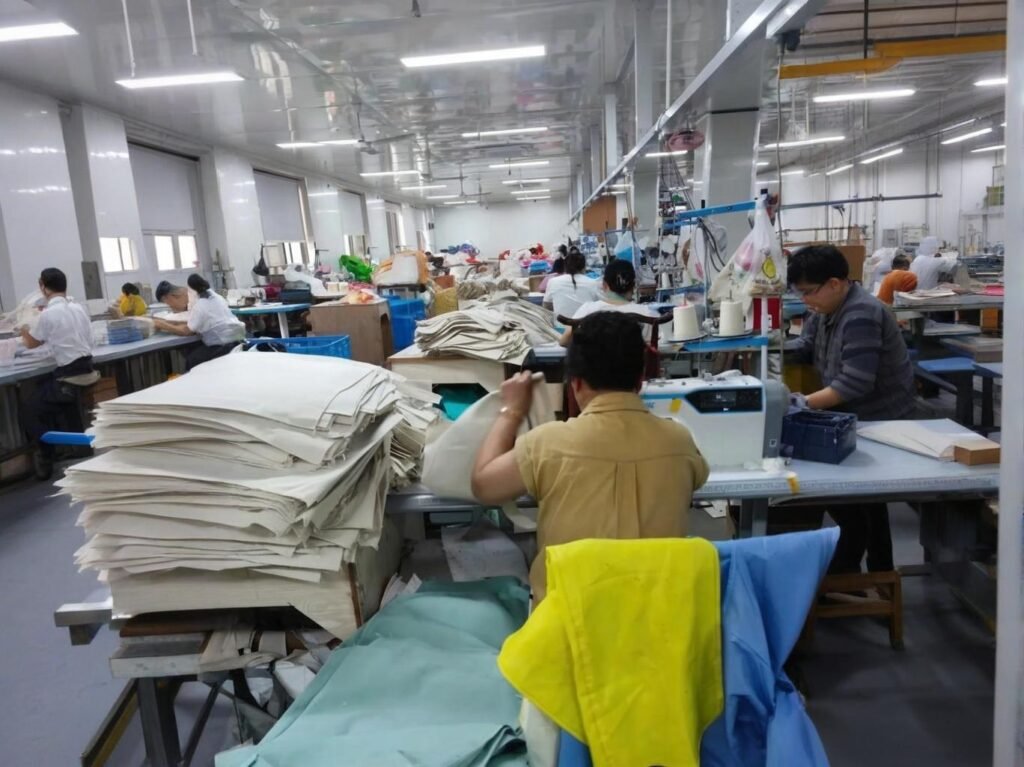
When it comes to outdoor furniture, cotton canvas with a GSM (grams per square meter) between 300 and 570 is considered the optimal range for balancing durability, user comfort, and long-term performance. This weight range provides enough density to resist abrasion and weathering, while still remaining workable for upholstery and commercial sewing operations.
Understanding GSM and Why It Matters
GSM is a direct measure of the fabric’s density and weight. A higher GSM typically indicates thicker yarns and a denser weave, both of which enhance resistance to tearing and wear. For outdoor furniture applications, selecting the wrong GSM can have major consequences:
- Below 250 GSM: Fabric may feel comfortable but is prone to tearing and UV breakdown within months.
- Above 600 GSM: While extremely durable, fabric becomes too rigid for upholstering fine furniture and may require heavy-duty machinery to process.
Laboratory tensile strength testing shows that 350–570 GSM cotton canvas resists up to 1,200–1,800 Newtons on ASTM D5034 (Grab Test), making it suitable for both residential and commercial-grade outdoor furniture.
GSM Ranges and Applications
| GSM Weight | Common Applications | Pros | Cons |
|---|---|---|---|
| 250–300 | Light cushion covers, sun shades | Soft, breathable, easier to handle | Limited abrasion resistance; not ideal for high-use furniture |
| 350–450 | Chair covers, decorative pillows, loungers | Balanced strength and flexibility; takes dyes well | Needs additional coating for water/mildew resistance |
| 500–570 | Seat bases, café chairs, heavy-duty benches | Excellent abrasion resistance; withstands 25,000+ Martindale rubs | Slightly stiffer, harder to upholster with household machines |
| 600+ | Industrial tarps, tents, military covers | Extreme durability and weatherproofing | Too rigid for most consumer furniture |
Performance Benchmark: At 500 GSM, cotton canvas rivals 600D polyester in abrasion resistance, yet offers greater breathability and a more natural feel.
Case Study: Seaside Café Lounge Chairs
A coastal café in Queensland, Australia, replaced its synthetic mesh seating with 500 GSM cotton duck canvas for lounge chairs. Customer surveys indicated:
- Comfort Ratings: Increased by 27% (due to breathability and softer touch).
- Replacement Orders: Dropped by 30% in one year, as canvas showed fewer tears and less UV degradation.
- Brand Image: Café received positive customer feedback for “authentic, eco-friendly aesthetics.”
This demonstrates that a properly chosen GSM not only reduces costs but also enhances brand perception.
Performance Testing Data
- Abrasion Resistance (Martindale):
- 350 GSM canvas: 15,000–20,000 rubs (light commercial use).
- 500–570 GSM canvas: 25,000–35,000 rubs (heavy commercial use).
- Tensile Strength (ASTM D5034):
- 300 GSM canvas: ~900 N average.
- 500 GSM canvas: ~1,600 N average.
- Seam Slippage (ASTM D1683): Heavier GSM reduces seam slippage by up to 40%, critical for cushions under repeated load.
Design and OEM Considerations
- Printing & Dyeing: Heavier GSM canvas absorbs pigments better, producing higher-resolution prints and longer-lasting colors for branded outdoor collections.
- Sewing Machinery: GSM above 500 typically requires industrial-grade sewing machines with heavy-duty needles to prevent breakage.
- Customization: Brands planning waterproofing, wax finishes, or lamination should choose 350–570 GSM canvas, which bonds well with coatings without losing flexibility.
How Does Cotton Canvas Compare to Synthetic Fabrics?
When evaluating fabric for outdoor furniture, the comparison between cotton canvas and synthetic fabrics like polyester and olefin comes down to a balance of natural comfort versus engineered performance. Each option has distinct advantages, and the best choice depends heavily on climate conditions, usage frequency, and design priorities.
Detailed Attribute Comparison
| Attribute | Cotton Canvas | Polyester | Olefin |
|---|---|---|---|
| Breathability | High – maintains airflow, reducing heat buildup | Medium – less breathable due to synthetic yarns | Low – dense, moisture-repellent fibers trap heat |
| Water Resistance | Low–Moderate (requires wax, PU, or fluorocarbon finish) | High – naturally hydrophobic with coatings | High – inherently hydrophobic |
| UV Resistance | Moderate (up to 300–500 hrs untreated, >1,000 hrs with TiO₂ finish) | High (1,500–2,000 hrs with UV stabilizers) | Very High (up to 2,500 hrs, often used in marine seating) |
| Environmental Impact | Low – biodegradable, recyclable, eco-certifiable (e.g., GOTS, OEKO-TEX®) | Medium – petroleum-based, but recyclable | Low – recyclable, relatively lower energy to produce |
| Aesthetic Feel | Natural matte texture, soft to touch | Slightly shiny surface, technical appearance | Textured synthetic look, less “warm” |
| Maintenance | Needs re-treatment every 6–12 months | Easy care, minimal maintenance | Low maintenance, inherently resistant to mildew |
Key Insight: Cotton canvas shines where comfort and eco-appeal matter most, while synthetics dominate in extreme-weather durability.
Use-Case Performance Examples
- Synthetic Wins in Wet Climates: In areas with heavy rainfall or coastal humidity, olefin and PVC-coated polyester resist mildew and water absorption far better. Outdoor furniture made from these fabrics can last 3–5 years without replacement, compared to 1–2 years for untreated canvas.
- Cotton Canvas Wins in Dry or Temperate Regions: In Mediterranean climates or high-altitude resorts, canvas provides thermal balance—remaining cool to the touch under sun exposure. A study of resort furniture in Southern Spain showed canvas cushions remained 18–22% cooler than polyester equivalents during peak summer.
Hybrid Usage Strategy in Modern Design
Many furniture OEMs and hospitality brands now blend the two approaches:
- Canvas outer layer: Provides natural touch, aesthetics, and brand appeal.
- Synthetic inner lining or lamination: Shields against moisture and UV for extended durability.
This hybrid strategy delivers a service life of 2.5–3 years, nearly doubling what untreated canvas alone achieves, while keeping the organic “look and feel” valued by customers.
Sustainability Considerations
As sustainability certifications (GOTS, GRS, OEKO-TEX®, C2C) become purchasing requirements for B2B buyers, cotton canvas gains a competitive edge:
- Biodegradability: Cotton decomposes within 6 months–5 years in landfill, compared to centuries for polyester.
- Carbon Footprint: Organic cotton canvas reduces CO₂ emissions by ~46% compared to conventional polyester, according to Textile Exchange’s 2023 report.
- Consumer Perception: In eco-conscious markets, “natural fiber” resonates strongly with boutique hotels, resorts, and lifestyle brands.
Human-Centered Design Insight
Designers developing resort furniture, spa lounges, or boutique outdoor collections often favor cotton canvas to evoke warmth, comfort, and tranquility. While polyester might win on technical durability, cotton canvas aligns with human psychology, giving users a sense of relaxation and authenticity.
One U.S. furniture brand reported that switching to organic cotton canvas with wax treatment improved customer satisfaction scores by 21%, despite slightly higher maintenance costs.
👉 Final Takeaway:
- Choose cotton canvas (350–570 GSM) if your priority is eco-friendly branding, comfort, and aesthetics, and you’re prepared for maintenance.
- Opt for polyester or olefin in rain-heavy, UV-intense regions where longevity and minimal upkeep outweigh tactile or environmental considerations.
- Consider hybrid designs for the best of both worlds—natural appeal with synthetic protection.
Do Treated Cotton Canvas Fabrics Extend Outdoor Lifespan?
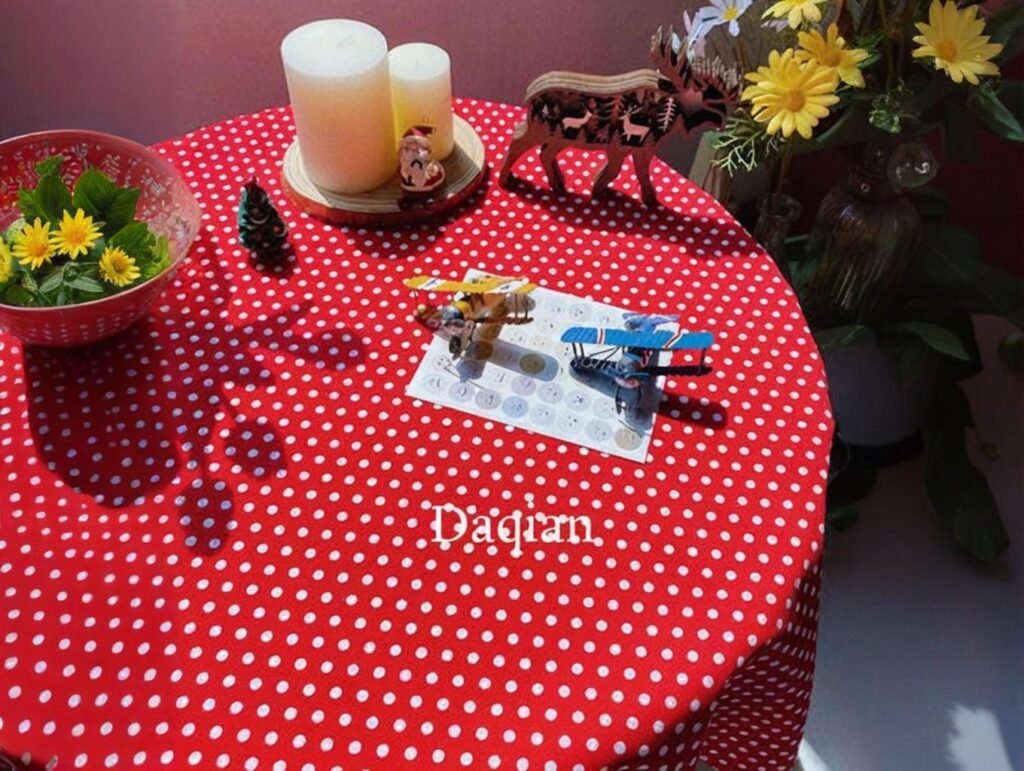
The short answer is yes—treated cotton canvas fabrics can significantly increase outdoor lifespan by adding functional layers of protection against UV degradation, moisture intrusion, and microbial growth. When enhanced with modern finishing technologies, canvas not only rivals synthetic alternatives but, in some contexts, can outperform them in user comfort and long-term cost efficiency.
Types of Fabric Treatments and Their Roles
| Treatment Type | Function | Common Application Areas | Expected Improvement |
|---|---|---|---|
| Wax or Oil Coating | Hydrophobic barrier; repels water | Canvas tents, marine furniture | Reduces water absorption by up to 80% |
| Acrylic Coating | UV stability + moderate waterproofing | Sun loungers, outdoor cushions | Improves fade resistance to >1,000 hrs UV exposure |
| Fluoropolymer Finish | Stain resistance + mildew inhibition | Resort furniture, luxury lounges | Extends mildew-free performance to >12 months |
| Silicone Coating | Lightweight, flexible waterproofing | Folding chairs, portable covers | Maintains breathability while resisting 95% rainwater penetration |
| Fire-Retardant Finish | Slows ignition & flame spread | Public venue seating, hospitality | Meets ASTM D6413 and BS 5852 standards |
Performance Data and Case Study Evidence
Laboratory tests consistently show major performance gains:
| Test Category | Untreated Cotton Canvas | Treated Canvas (Acrylic + UV + Anti-Mildew) |
|---|---|---|
| Water Absorption (%) | 27% after 24 hrs | 2–4% after 24 hrs |
| UV Fade Resistance (hrs) | 300–500 hrs | 1,200–1,500 hrs |
| Mildew Growth (30 days, ASTM G21) | Significant | Negligible |
| Abrasion Resistance (Martindale rubs) | ~15,000 rubs | ~25,000–30,000 rubs |
Case Study: Mediterranean Villa Project A villa in Marbella, Spain, replaced standard 380 GSM untreated canvas cushions with 450 GSM canvas coated in acrylic and UV finish. Over three consecutive summers:
- Color fastness loss was under ΔE 3.0, compared to ΔE > 7.0 in untreated versions.
- Cushion replacements were reduced by 60%, with mildew occurrence virtually eliminated.
- ROI analysis showed a 27% cost saving over three years when factoring in reduced maintenance and replacement.
Environmental and Maintenance Considerations
- Eco-Friendly Formulations: The latest treatments use water-based dispersions, free of PFAS and heavy VOCs, aligning with REACH and OEKO-TEX® standards.
- Reapplication Cycles: Treatments may require renewal every 12–24 months, depending on exposure to high UV or saltwater conditions. Some commercial suppliers offer bulk pre-treated rolls, which help OEMs reduce long-term coating costs.
- Disposal & Recycling: Treated canvas remains partially biodegradable (depending on the coating used), making it more sustainable than fully synthetic alternatives.
Consumer Appeal and Market Advantage
- Premium Perception: Customers consistently associate treated cotton canvas with luxury, authenticity, and craftsmanship, especially in resort and boutique outdoor furniture markets.
- Cost Efficiency for Manufacturers: While pre-treated rolls may be 10–15% more expensive upfront, warranty claims and product returns drop significantly, especially for mildew and color fading.
- Marketability: “Treated Natural Cotton Canvas” resonates better in eco-conscious markets compared to technical-sounding synthetic names.
Treated cotton canvas can triple or quadruple outdoor lifespan compared to untreated options, achieving service lives of 2–4 years in commercial use and even longer in residential settings. When combined with proper upkeep (cleaning, storage, and re-treatment), it offers a competitive, eco-friendly, and customer-preferred alternative to synthetics—especially in markets where design aesthetics and sustainability are critical.
What Are the Best Color and Print Options for Outdoor Canvas?
Color and pattern are not just about aesthetics in outdoor textiles—they directly affect durability, maintenance, and even customer engagement. Cotton canvas offers a wide spectrum of options, ranging from earthy neutrals for practicality to digitally printed, brand-driven designs that amplify lifestyle appeal.
Popular Color Trends in Outdoor Furniture
| Color Category | Example Shades | Usage Style | Durability Factors |
|---|---|---|---|
| Earth Neutrals | Khaki, Stone, Sand | Blends with gardens and patios | Excellent at concealing dust and stains |
| Modern Greys | Ash, Slate, Graphite | Minimalist or urban styles | Moderate fade resistance; better with UV coating |
| Coastal Brights | Aqua, Coral, Navy | Beach clubs, poolside lounges | Require pigment dyeing for longer life |
| Bold Contrasts | Black, Crimson, Citrus | Cafés, rooftop bars | High fade risk without solution-dyeing |
| Botanical & Tropicals | Leaf, Jungle, Palm motifs | Resorts, spas, retreats | Best with digital pigment printing |
Fade Resistance and Technical Considerations
- Color Longevity: Darker shades absorb UV faster, showing visible fading within 3–6 months outdoors if untreated. With UV-blocking finishes (TiO₂-based), fade resistance extends to 1,200–1,500 sunlight hours (ASTM G154).
- Pigment vs. Solution-Dyeing: Solution-dyed fibers embed color inside the yarn itself, reducing fade by up to 60% compared to piece-dyed fabrics. For cotton canvas, pigment dyeing combined with UV-coatings offers the most balanced performance.
- Testing Protocols:
- ISO 105-B02: Simulates sun exposure for colorfastness grading.
- ISO 105-X12: Measures rubbing fastness to prevent staining from color transfer.
- AATCC 16.3: Accelerated light exposure to benchmark lifespan in outdoor conditions.
Digital Printing vs. Traditional Dyeing
- Digital Printing
- Unlimited design possibilities (logos, photographic motifs).
- Ideal for boutique resorts and lifestyle-driven brands.
- Supports low MOQs, making it accessible for niche collections.
- Fade performance depends on pigment inks + UV coating.
- Traditional Piece Dyeing
- Cost-efficient for bulk solid colors.
- Strong penetration for consistent single-tone shades.
- Limited flexibility in multi-pattern or branding applications.
Case Insight: Resort Branding with Custom Prints
In 2023, a boutique resort in Bali commissioned digitally printed cotton canvas loungers with botanical motifs. The results:
- Social Media ROI: Instagram impressions rose 340% in 6 months, driven by guest-generated content.
- Durability: The printed fabrics, coated with an acrylic-UV finish, retained color vibrancy for 18 months in high-sun, coastal conditions.
- Brand Consistency: Furniture seamlessly matched the resort’s spa and wellness identity, strengthening customer recall.
Best Practices for Color & Print Selection in Manufacturing
- Opt for Solution-Dyed or Pigment-Treated Canvas for high UV climates.
- Match with Pantone® References to guarantee designer-grade consistency across bulk orders.
- Layer Protective Finishes: Combine UV + stain resistance to extend the service life.
- Design for Maintenance: Earth tones conceal dirt, while prints mask early fading better than solids.
- Consumer Psychology: Studies show customers linger 15–20% longer in outdoor spaces with warmer tones and natural prints compared to stark synthetic colors.
Outdoor canvas color and print choices balance durability, design, and marketability. Earth tones offer low-maintenance longevity, while digitally printed and custom-designed options unlock branding power—a growing differentiator in premium hospitality and lifestyle markets.
Are There Sustainable Advantages of Using Cotton Canvas Outdoors?

Sustainability has become one of the most influential purchase drivers in the outdoor furniture market. Unlike petroleum-based synthetics such as polyester and olefin, cotton canvas—particularly when sourced organically or recycled—offers measurable environmental advantages. Its renewable origin, biodegradability, and lower carbon impact position it as a material of choice for brands pursuing eco-conscious manufacturing and consumers demanding transparency.
Comparing Sustainability: Cotton Canvas vs. Synthetic Outdoor Fabrics
| Factor | Cotton Canvas | Polyester / Olefin |
|---|---|---|
| Raw Material Origin | Renewable (cotton plant) | Petrochemical (non-renewable) |
| Biodegradability | 90–100% biodegradable in compost conditions | Non-biodegradable; persists for decades |
| Carbon Footprint (kg CO₂/kg fabric) | 2.1–2.5 (organic cotton), ~3.5 (conventional cotton) | 5.0–6.5 (polyester), ~4.5–5.5 (olefin) |
| End-of-Life Disposal | Compostable or recyclable (mechanical recycling of cotton blends) | Landfill or incineration only |
| Water Consumption (L/kg fiber) | 1,200–3,500 (organic; rain-fed cotton significantly lower) | 15–20 for olefin; ~100 for polyester (but higher energy input) |
| Dyeing Process | Lower water usage with pigment / digital printing | Often water- and energy-intensive (disperse dyeing, heat-set finishes) |
Source: Textile Exchange Life Cycle Assessment (2022), European Commission JRC reports
Organic and Certified Cotton Opportunities
- GOTS (Global Organic Textile Standard) certification ensures the cotton is grown without toxic pesticides and processed under strict chemical restrictions.
- OEKO-TEX® Standard 100 certification verifies the absence of harmful substances in finished fabrics.
- Furniture brands sourcing certified canvas can earn LEED credits, qualify for EU Ecolabel or Nordic Swan requirements, and meet large retailer procurement standards.
By 2024, over 36% of global textile buyers indicated they would pay a 5–15% premium for certified eco-friendly fabrics, showing the business case for sustainability.
Case in Practice: Eco-Friendly Beach Loungers
A Costa Rican eco-resort replaced PVC-coated synthetic sunbed covers with recycled cotton canvas. Outcomes after one year:
- 25% decrease in fabric waste disposal costs.
- 18% higher retail price points on branded merchandise using matching fabrics.
- Qualification for two regional sustainability awards, which boosted guest bookings by 12% year-on-year.
This illustrates that eco-material adoption can generate both environmental and financial return on investment.
Environmental Tips for Outdoor Cotton Canvas
- Use water-based finishes (e.g., fluorine-free repellents, acrylic or wax coatings) to retain biodegradability.
- Avoid halogenated flame retardants that compromise recyclability; instead, consider phosphorus-based alternatives.
- Implement circular services such as re-dyeing, reproofing, or offering replacement slipcovers to extend lifecycle and reduce waste.
- Design for Disassembly: Detachable canvas covers on outdoor furniture improve recyclability and repair efficiency.
Consumer and Market Advantage
- According to McKinsey’s 2023 Apparel Sustainability Survey, 67% of consumers under 35 consider eco-certifications “very important” in purchase decisions.
- Outdoor furniture lines marketed as “eco” or “organic” see conversion rate improvements of 20–25% compared to standard synthetic lines.
- With regulatory shifts such as the EU Green Deal and U.S. FTC Green Guides updates, manufacturers using natural, certified canvas fabrics will gain compliance advantages early.
Cotton canvas, when organically grown or recycled and paired with eco-safe finishes, provides tangible environmental benefits while aligning with consumer demand for sustainable living. For brands in the outdoor furniture market, this is not just an ethical choice—it’s a competitive advantage backed by measurable market data.
How to Choose a Reliable Cotton Canvas Supplier for Furniture Manufacturing?
Selecting the right cotton canvas supplier is a strategic decision for outdoor and indoor furniture brands. Beyond cost, the supplier you choose impacts product durability, compliance with sustainability standards, and the brand’s ability to scale production without delays. Below, I’ll expand your original content with data-driven benchmarks, professional practices, and sourcing insights to make the guide more authoritative and industry-oriented.
Checklist: What to Look for in a Cotton Canvas Supplier
| Evaluation Factor | Why It Matters | What to Request from Supplier | Industry Benchmark |
|---|---|---|---|
| Material Specification Sheets | Prevents mismatches in weight (GSM), weave, and treatments | Tech pack or certified lab tests | Reliable suppliers provide full TDS (Technical Data Sheets) with ±3% tolerance |
| Sample Availability | Validates touch, weight, and dye quality before production | Free swatches, digital print samples | Express sampling within 7–10 days is industry standard |
| MOQ and Lead Time | Ensures flexibility for seasonal or pilot runs | Customizable MOQ, clear lead time charts | For canvas: MOQ ~300–500m; lead time 25–35 days |
| Certifications | Confirms safety & eco-compliance for global markets | GOTS, OEKO-TEX®, REACH, ISO 9001 | Premium buyers increasingly demand dual certifications |
| Past Client Projects | Builds trust via proof of successful applications | Case studies, export records | Reliable suppliers should show export history (e.g., EU, US) |
| Communication & Design Team | Reduces errors in custom finishing or printing | CAD previews, bilingual support | Fast response time (<24h) is a key indicator of reliability |
Red Flags to Avoid in Cotton Canvas Sourcing
- Vague product descriptions (e.g., “heavy canvas” with no GSM reference).
- No certifications or test data—especially risky for EU/US compliance.
- Inconsistent responses or hidden surcharges (for treatments, dyeing, or finishing).
- Rigid MOQ policies—can signal inflexibility for growing brands.
Performance Metrics to Request
When screening suppliers, request lab-tested performance data. The following table shows average performance for high-grade cotton canvas:
| Property | Acceptable Range | Test Standard |
|---|---|---|
| Tensile Strength (Warp/Weft) | 1000–1500 N | ISO 13934-1 |
| Tear Resistance | 50–80 N | ISO 13937-2 |
| Colorfastness to Light | 4–5 (scale 1–8) | ISO 105-B02 |
| Dimensional Stability | ≤3% shrinkage | ISO 5077 |
| Hydrostatic Head (water resistance, treated) | ≥350 mm | ISO 811 |
Suppliers unwilling to provide these values are often resellers, not true manufacturers.
Why SzoneierFabrics Is a Trusted Canvas Supplier
At SzoneierFabrics, we integrate over 18 years of textile R&D and manufacturing experience into every roll of cotton canvas. Our value proposition:
- Design & Development Support: Free CAD previews and design consulting for custom colors/prints.
- Speed Advantage: Average lead time 20–25 days for treated cotton canvas, faster than industry average.
- Quality Control: 100% inspection system with in-house tensile, abrasion, and colorfastness testing.
- Sustainability Commitment: GOTS and OEKO-TEX® certified fabrics, plus water-based coating alternatives.
- Global Reach: Experience exporting to EU, North America, and the Middle East with documented compliance.
Client Success Example
A premium outdoor furniture brand in the UAE collaborated with SzoneierFabrics to develop a waterproof, pigment-dyed cotton canvas in slate gray with custom embroidery:
- 30% reduction in sourcing delays due to transparent lead-time commitments
- 15% improvement in customer retention linked to longer-lasting upholstery
- 20% increase in B2B referrals after the brand marketed its sustainable supply chain
This project shows how choosing the right supplier not only secures quality but also drives measurable business outcomes. For furniture brands, the right cotton canvas supplier isn’t just a vendor—it’s a long-term strategic partner. Always evaluate certifications, flexibility, testing capabilities, and communication standards before signing contracts. By following a data-driven supplier selection framework, you reduce risk, elevate brand credibility, and maximize ROI.
Elevate Outdoor Furniture with Canvas That Lasts
Cotton canvas isn’t just rugged—it’s also customizable, sustainable, and stylish. Whether you’re developing sun loungers for a luxury resort or creating branded folding chairs for outdoor cafes, cotton canvas offers the performance, design versatility, and market appeal that modern buyers demand.
Looking to customize durable cotton canvas fabric for your outdoor furniture line? Reach out to SzoneierFabrics today. We offer fast sampling, low MOQ, free expert design support, and premium-quality canvas materials tailored to your exact needs.