Skip to content
Choosing the right cotton linen fabric for your product line is just the beginning—understanding where to source it, what minimums apply, and how long it takes to produce are equally critical for success. Cotton linen blends have surged in popularity due to their balanced combination of breathability, softness, and premium appearance. But the global manufacturing landscape for these blended textiles is far from uniform. MOQ (minimum order quantity) and lead time vary significantly depending on the production region, factory capabilities, and even seasonal capacity.
Custom cotton linen fabric manufacturing is shaped by regional strengths—China offers low MOQ and fast sampling, India leads in value and artisan weaving, while Europe focuses on certified quality with longer lead times. The choice of region directly affects your production planning, cost, and material flexibility.
Whether you’re looking to test a seasonal collection or scale a high-volume product, knowing where and how to produce your cotton linen fabrics is a game-changer. In this guide, we explore key production hubs, their unique strengths, and what buyers need to know before placing a custom order. You’ll also discover why understanding MOQ and lead time isn’t just about logistics—it’s about staying ahead in a competitive sourcing environment.
What Is Cotton Linen Fabric and Why Is It Popular for Custom Manufacturing?
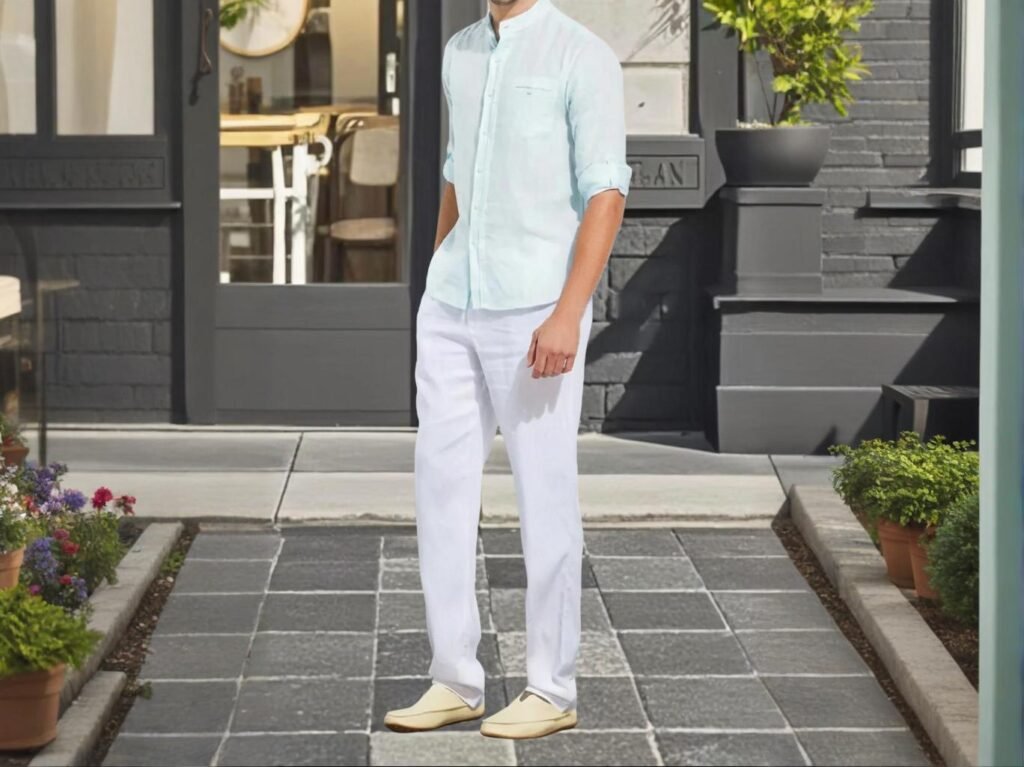
Cotton linen fabric is a hybrid textile made by blending the softness and affordability of cotton with the breathability and structure of linen. Typically, the blend ranges from 70/30 to 50/50 (cotton/linen), though custom ratios can be developed depending on end-use needs.
Cotton linen fabric is popular because it combines the best properties of both fibers—creating a breathable, soft, durable textile ideal for apparel, home goods, and lifestyle products. The blend also helps mitigate the wrinkling of linen and reduces the cost compared to pure linen.
1.1 Technical Benefits of Cotton Linen Blends
| Property | Cotton | Linen | Cotton-Linen Blend (60/40) |
|---|---|---|---|
| Breathability | ★★★★☆ | ★★★★★ | ★★★★☆ |
| Softness | ★★★★★ | ★★★☆☆ | ★★★★☆ |
| Durability | ★★★★☆ | ★★★★☆ | ★★★★☆ |
| Wrinkle Resistance | ★★★★☆ | ★★☆☆☆ | ★★★☆☆ |
| Shrinkage Control | Moderate | High | Reduced |
| Cost per Yard (USD) | $2.50–$4.00 | $7.00–$12.00 | $5.00–$8.00 |
1.2 Popular Applications for Cotton Linen
- Fashion Apparel: Shirts, summer pants, blouses, children’s clothing
- Home Textiles: Cushion covers, curtains, table linens, aprons
- Accessories: Eco bags, hats, and soft furnishings
1.3 Why Brands Choose Cotton Linen for Customization
- Excellent dye receptivity (especially for reactive and pigment dyes)
- Satisfies both comfort and natural aesthetic values
- Offers a textured, artisan look ideal for boutique collections
- Balances cost and perception of quality for premium mid-tier markets
1.4 Case Study: European Coastal Brands and Cotton Linen
Small fashion houses in Italy and Spain favor cotton linen shirts with enzyme washes for their relaxed drape and summery vibe. These blends offer the breezy texture of linen but with cotton’s easy maintenance—a combination customers love, especially in warmer climates.
How Is Cotton Linen Fabric Blended and Processed in Different Regions?
The blending process for cotton linen varies by region due to differences in equipment, weaving heritage, and fiber sourcing strategies. In essence, the ratio of fibers, yarn count, spinning method, and finishing techniques all impact the fabric’s performance and appearance.
Cotton linen fabric is blended and processed differently across China, India, Europe, and Southeast Asia—with each region using distinct spinning, weaving, and finishing technologies tailored to local expertise and material availability.
2.1 Blending and Spinning Techniques
- China: Mostly mechanical blending using compact ring-spun or OE (open-end) yarns for scale and uniformity.
- India: Mix of mechanized and semi-handloom blending, favoring slub yarns and uneven textures for rustic aesthetics.
- Europe: High-end blended yarns using air-jet or ring spinning with precision-controlled fiber ratios and finer yarn counts.
2.2 Weaving and Loom Technology
| Region | Weaving Method | Typical GSM | Visual Finish |
|---|---|---|---|
| China | Plain/Dobby Looms | 120–180 | Clean, uniform, tight weave |
| India | Handloom & Power Looms | 140–200 | Textured, artisanal, slubby |
| Europe | Jacquard & Digital Looms | 130–170 | High-detail, precise weaves |
2.3 Fabric Finishing Techniques by Region
- China: Enzyme wash, calendaring, softener coating
- India: Natural dye finishing, acid wash, sand wash
- Europe: Sanforizing, mercerizing, reactive and pigment dyeing with eco-certification
2.4 Fiber Source and Quality Variation
- Chinese factories often import high-grade flax from Europe for better control over linen component.
- Indian mills source local cotton and regional flax or ramie, leading to more rustic blends.
- European mills use traceable, certified GOTS cotton and European Flax®, creating premium blends often used in branded apparel.
2.5 Case Insight: Japanese Apparel Brands Sourcing from China
Brands like Muji and United Arrows often use cotton-linen blends from Chinese mills in Zhejiang and Jiangsu provinces. These fabrics are known for consistency and offer excellent value-to-quality ratios, with lead times as short as 21 days for repeat orders.
Which Countries Are Leading the Custom Cotton Linen Fabric Production Market?
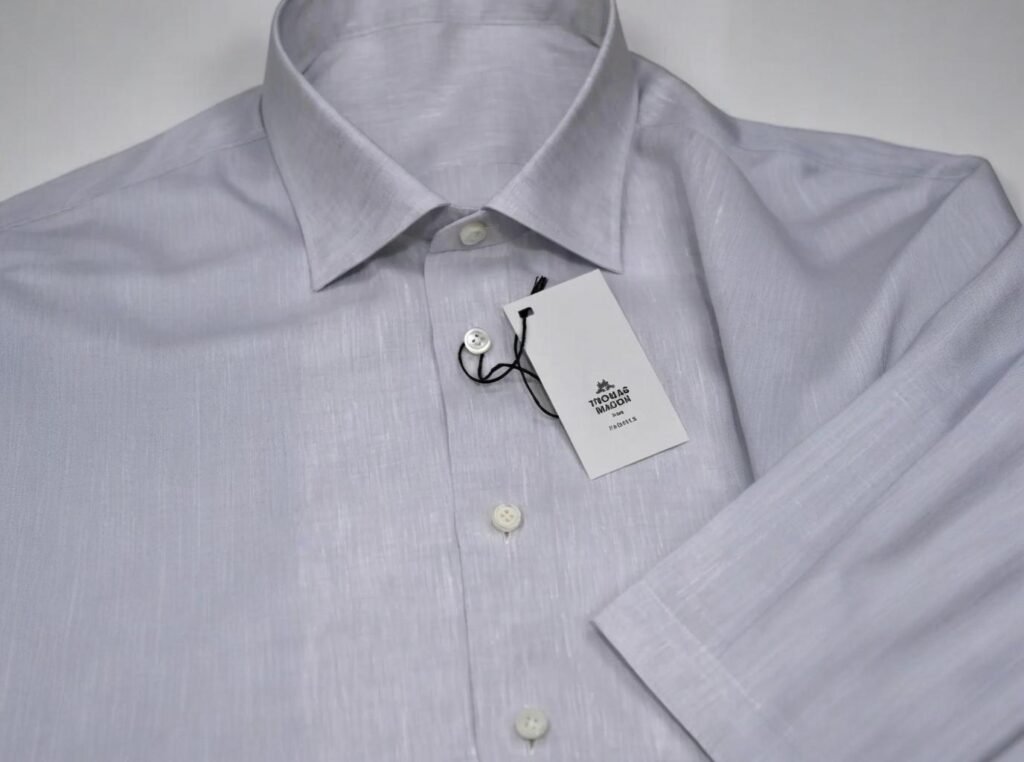
Global cotton linen production is concentrated in a few key regions, each known for specific strengths—volume, craftsmanship, sustainability, or innovation. The decision on where to source custom cotton linen fabric depends heavily on what matters most: price, lead time, customization, or certification.
China, India, and several EU countries lead in custom cotton linen manufacturing, with China offering scalability and flexibility, India providing craftsmanship and low cost, and Europe delivering certified premium blends for high-end buyers.
3.1 China: Scalable, Fast, and Tech-Driven
- Key Areas: Zhejiang, Jiangsu, Guangdong
- Strengths: Large-scale production, low MOQs, quick sampling (7–10 days), digital dyeing capacity
- Limitations: May lack artisan finishing or niche fabric depth
3.2 India: Low Cost, Artisanal Blends
- Key Areas: Tamil Nadu (Karur), Gujarat, West Bengal
- Strengths: Handloom and small-batch capabilities, unique textures, organic cotton access
- Limitations: Less automation, longer sampling timelines
3.3 Europe: High-End, Certified Quality
- Key Areas: Portugal, Italy, Lithuania, France
- Strengths: GOTS and European Flax® certified blends, small-batch luxury runs, tight QA systems
- Limitations: Higher cost per meter, longer lead times (4–8 weeks)
3.4 Southeast Asia (Vietnam, Indonesia)
- Strengths: Mid-tier options, growing export infrastructure
- Limitations: Still emerging in cotton-linen specialization, higher MOQ than China or India
3.5 Comparative Snapshot:
| Country | MOQ (Avg) | Lead Time (Bulk) | Specialization |
|---|---|---|---|
| China | 300–500m | 2–4 weeks | Fast sampling, digital printing |
| India | 200–500m | 4–6 weeks | Handloom blends, low cost |
| Portugal | 100–300m | 6–8 weeks | Premium GOTS-certified production |
| Vietnam | 500–800m | 4–5 weeks | Growing scale, good quality control |
3.6 Real-World Example: Sourcing for Eco Apparel in Australia
An Australian boutique brand sources summer shirts from China due to quick turnaround, while sourcing napkins and home linen from India to capitalize on artisan weaves. For luxury lounge sets, they order from Portugal, citing superior handle and color consistency.
What Are the Typical MOQ Requirements for Cotton Linen Fabric by Region?
Minimum Order Quantity (MOQ) is one of the first questions asked when sourcing custom fabrics. MOQ affects your ability to launch new SKUs, test colors, and remain agile in seasonal production.
MOQ for cotton linen fabric varies by region, ranging from as low as 100 meters per color in Europe to 500 meters or more in Southeast Asia. China and India offer the most flexible MOQs for small-to-mid scale brands.
4.1 What Determines MOQ?
- Yarn Blending Volume: The base yarn itself is custom spun, especially in linen blends.
- Dyeing Method: Reactive dyeing or digital print usually has lower MOQ than pigment-dyed yardage.
- Finishing Requirement: Special finishes (e.g., soft wash, wrinkle-free) may push up MOQ.
- Loom Setup Costs: The more complex the weave, the higher the MOQ due to setup losses.
4.2 MOQ Range by Region
| Region | MOQ (Solid Color) | MOQ (Yarn-Dyed) | MOQ (Custom Printed) |
|---|---|---|---|
| China | 300–500m | 400m | 100–300m |
| India | 200–500m | 300m | 100–200m |
| Europe | 100–300m | 150m | 50–100m |
| Southeast Asia | 500–800m | 600m | 300–500m |
4.3 Small Batch vs Bulk Production
Many suppliers offer two-tier MOQ systems:
- Stock-supported base cloths: Lower MOQ (as low as 100m)
- Fully custom-spun blends: Higher MOQ (500–1000m)
4.4 Tips to Reduce MOQ When Sourcing Custom Cotton Linen
- Choose from mill-supported yarn inventory
- Use shared dye lots or production runs
- Start with greige (undyed) fabrics for later customization
- Work with suppliers offering roll-up sampling or batch grouping
4.5 Case Study: MOQ Negotiation Strategy
A U.S.-based lifestyle brand wanted to launch a capsule with 5 cotton linen SKUs. They negotiated a total MOQ of 1,000 meters across 5 colors (200m each) by aligning with a Chinese mill’s existing dye schedule—saving 15% in cost and avoiding full MOQ per color.
How Do Lead Times Vary Across Key Cotton Linen Fabric Suppliers Globally?
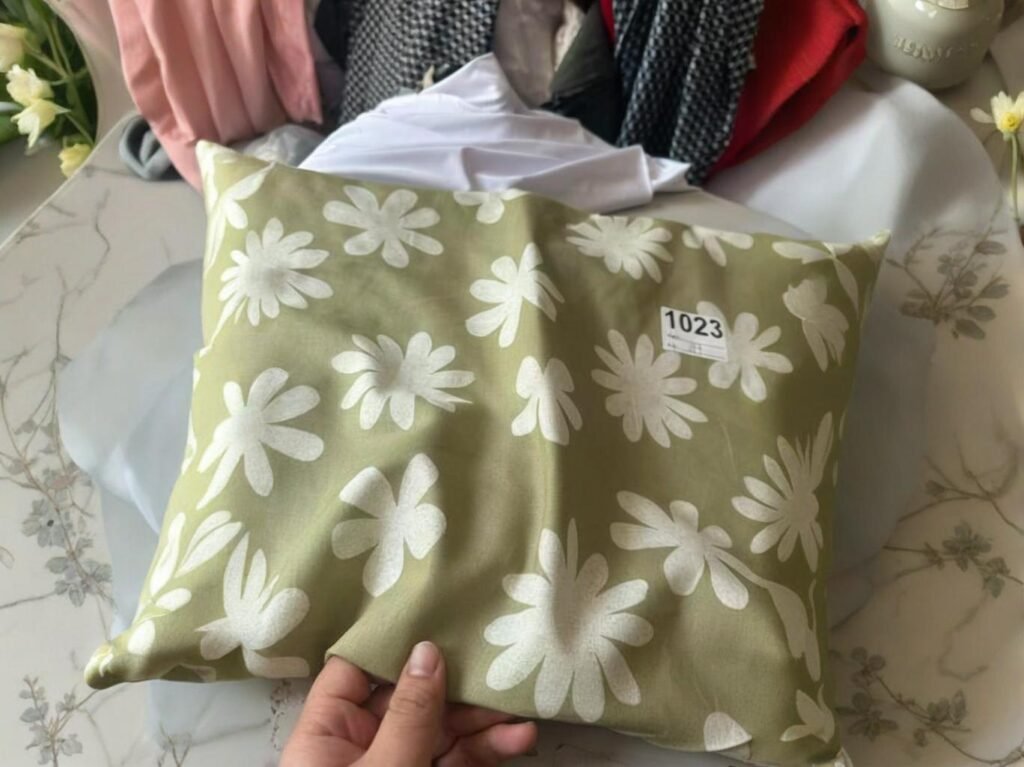
Lead time is a critical factor in fabric sourcing strategy. Whether launching a new collection or replenishing inventory, delays in fabric production can ripple into the entire supply chain. Cotton linen fabrics, especially custom blends, have lead times that differ greatly across regions and production setups.
Lead times for custom cotton linen fabric vary from 2 to 8 weeks depending on the region, production method, dyeing process, and order complexity. China and India offer the fastest turnarounds, while European suppliers require more time but deliver higher precision.
5.1 Key Components of Fabric Lead Time
- Yarn Preparation: Blending cotton and linen fibers or sourcing pre-spun yarns
- Weaving: Time needed for loom setup and production runs
- Dyeing & Finishing: The number of colors, dye method, and finishing treatments
- Quality Checks & Packing: Internal QA, third-party inspection (if needed), and export documentation
5.2 Global Lead Time Comparison Table
| Region | Avg Lead Time (Stock Yarn) | Avg Lead Time (Custom Yarn) | Notes |
|---|---|---|---|
| China | 2–3 weeks | 3–4 weeks | Fastest turnaround with scale |
| India | 3–4 weeks | 4–6 weeks | Custom artisan work may take longer |
| Europe | 4–6 weeks | 6–8 weeks | Certifications extend production |
| Southeast Asia | 3–5 weeks | 5–6 weeks | Growing reliability |
5.3 Influences on Lead Time Variability
- Seasonality: Peak seasons (April–July, October–December) lengthen queues
- Order Size: Bulk orders may take longer but may receive scheduling priority
- Custom Finishes: Soft washes, reactive prints, and embroidery slow down delivery
- Greige Fabric Stock: Having undyed base cloth in stock can cut 1–2 weeks
5.4 Tips for Reducing Lead Time
- Work with mills that hold greige or yarn inventory
- Use stock-supported colors to avoid re-dyeing delays
- Align with suppliers’ existing production cycles
- Pre-approve lab dips and fabric quality specs before PO
5.5 Case Example: Fast Fashion Capsule Production
A Canadian start-up worked with a Chinese factory in Shaoxing that held pre-spun 60/40 cotton linen yarn. By selecting from their in-house greige program and choosing pigment dyeing, they reduced lead time to just 12 working days—allowing for a 3-week launch turnaround.
Which Factors Influence MOQ and Production Speed in Custom Orders?
MOQ and production speed are rarely fixed; they’re shaped by a wide array of technical and operational considerations. Knowing what influences these factors can help buyers negotiate more effectively and set realistic expectations.
The key factors affecting MOQ and production speed for cotton linen fabric include yarn availability, dyeing process, machinery capacity, finishing requirements, and buyer flexibility in design and color choices.
6.1 Yarn and Fiber Availability
- Custom-blended yarns require bulk spinning, raising both MOQ and time
- Ready yarn inventory allows small-batch production and shorter schedules
6.2 Dyeing and Color Matching
- Reactive Dyeing: Precise, vibrant, longer lead time
- Pigment Dyeing: Faster, good for garment-wash looks
- Digital Printing: Low MOQ and quick sampling (ideal for prints)
| Dye Method | Avg MOQ | Lead Time Impact | Best Use Case |
|---|---|---|---|
| Reactive | 300m | Longer (3–5 days) | Deep solid colors, durability |
| Pigment | 150m | Shorter (1–3 days) | Vintage look, enzyme washed |
| Digital Print | 50–100m | Short (1–2 days) | Small runs, sampling |
6.3 Finishing and Quality Requirements
- Additional processes like enzyme washing, pre-shrinking, or anti-wrinkle coating can add 3–7 days
- Higher fabric weight (GSM) requires longer loom time and extended drying phases
6.4 Buyer Behavior and Communication
Buyers who:
- Provide clear tech packs and color references
- Approve samples quickly
- Use existing fabric specs
… can dramatically shorten both MOQ setup and production time.
6.5 Mill Scheduling and Factory Prioritization
- Larger or repeat buyers may be prioritized for faster runs
- First-time buyers or small MOQ may be batched with other clients to optimize mill efficiency
6.6 Case Insight: MOQ Flexibility Through Shared Production
A European label sourcing from an Indian mill was able to reduce their MOQ by joining a “shared production lot” with two other brands. All used the same 55% cotton/45% linen base and changed only the color. This saved 25% on setup costs and avoided a 2-week delay.
How Can Buyers Optimize Costs and Efficiency When Sourcing Cotton Linen Fabric?
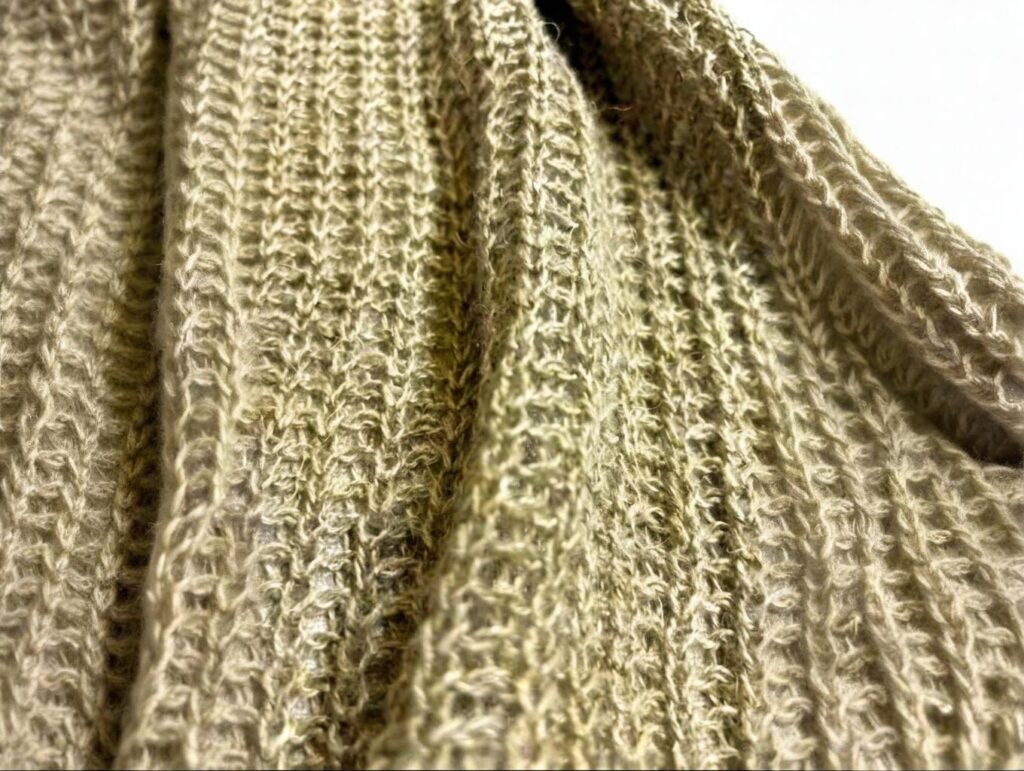
Smart sourcing isn’t just about finding the lowest price—it’s about maximizing value through timing, supplier relationships, and strategic material decisions. Cotton linen blends, while cost-effective compared to pure linen, still require careful planning to avoid unnecessary expense and time waste.
Buyers can reduce sourcing costs and improve efficiency by leveraging supplier programs, batching orders, simplifying finishes, and aligning with pre-existing production schedules or fabric stocks.
7.1 Use Stock-Supported Programs
- Many mills maintain greige (undyed) or yarn-dyed cotton linen base fabrics.
- Sourcing from this inventory avoids custom spinning/dyeing fees and reduces MOQ.
7.2 Optimize Color and Design Strategy
- Stick to 1–2 core base colors across SKUs to simplify dyeing
- Use print-on-demand for seasonal or trend-based SKUs
- Select pigment dye or digital print for lower MOQ and faster approval cycles
7.3 Negotiate Smarter by Understanding Supplier Capacity
Suppliers often prioritize:
- Repeat customers
- Higher combined yardage across SKUs
- Clearer technical packages with minimal back-and-forth
7.4 Consider Consolidated Shipping or Local Warehousing
For brands sourcing from Asia but selling in Europe or North America:
- Use consolidation hubs in Hong Kong or Singapore
- Explore FOB bulk + local cut/make/trim models to speed production but save cost on fabric sourcing
7.5 Evaluate Cost-Effective Regions for Different Product Types
| Product Type | Best Region | Why |
|---|---|---|
| Fast turnaround apparel | China | Low lead time, good dye options |
| Textured home fabrics | India | Low cost, artisan finishes |
| Premium capsule wear | Portugal | Certified quality, luxury soft finishes |
7.6 Case Study: Hybrid Sourcing Model for Maximum Flexibility
An eco-lifestyle brand sourced core fabric (cotton linen 60/40) from a mill in China and warehoused it in Vietnam. From there, they manufactured different styles for global markets—reducing freight costs, increasing agility, and keeping production within 4-week cycles.
What Should You Look for in a Reliable Custom Cotton Linen Fabric Supplier?
Not all fabric suppliers are created equal—especially when it comes to blended textiles like cotton linen. From yarn quality to technical finishing to logistics, every step of the supply chain matters. Selecting a trustworthy supplier means fewer delays, better fabric consistency, and a smoother product launch.
A reliable custom cotton linen supplier should offer flexible MOQs, consistent quality, technical knowledge, sampling support, transparent timelines, and certification options where needed.
8.1 Key Evaluation Criteria
| Supplier Attribute | What to Look For |
|---|---|
| MOQ & Lead Time | Flexible MOQ, clear timeline commitments |
| Quality Control | In-house testing, third-party inspection support |
| Communication | Quick responses, proactive problem-solving |
| Technical Expertise | Yarn blend knowledge, finishing capabilities |
| Sampling Capability | Quick lab dips, strike-off samples |
| Certification | GOTS, OEKO-TEX, European Flax® if required |
8.2 Ask the Right Questions
- Can you support custom blends or fixed cotton/linen ratios?
- What is your typical lead time for sampling and bulk production?
- How do you control GSM variation and colorfastness?
- Can you provide finishing treatments like enzyme wash or softeners?
- What sustainability practices or certifications do you have?
8.3 Red Flags to Watch Out For
- Vague MOQ policies
- Poor sample-to-bulk consistency
- Delays in lab dip or tech pack approval
- No in-house testing or third-party collaboration
- Hesitation to provide material sourcing traceability
8.4 Case Study: Sourcing from SzoneierFabrics
SzoneierFabrics has helped numerous brands—from boutique lifestyle labels to premium retailers—develop exclusive cotton linen blends with rapid sampling and low MOQ flexibility. For a European home décor brand, Szoneier delivered a full custom-dyed 55/45 cotton-linen cushion fabric in just 18 days, including lab dip approval and sample swatches for retail photography.
Work With SzoneierFabrics to Customize Your Cotton Linen Fabric
Navigating the complexities of custom cotton linen sourcing—from MOQ to lead time to regional capabilities—requires a supplier who understands both technical textile manufacturing and the realities of global production cycles. At SzoneierFabrics, we specialize in delivering customized fabric solutions that combine quality, flexibility, and speed.
With:
- Free design consultation
- Low MOQ starting from 200m
- Fast prototyping and sampling
- Certified raw materials
- Short lead times as low as 2 weeks
We are equipped to support your custom fabric needs—whether you’re building a small collection or scaling up a global launch.
Contact SzoneierFabrics today to get a free quote, request fabric samples, or discuss your cotton linen fabric project with our expert team.