Skip to content
In the textile world, silk has always been a symbol of luxury, elegance, and craftsmanship. Yet, today, the role of technology in silk fabric production is pushing the boundaries of what’s possible, making this ancient fabric even more refined and versatile. From advancements in weaving and dyeing techniques to automated manufacturing and eco-friendly practices, the way silk is produced and designed has undergone a major transformation. These technological improvements have not only increased the fabric’s quality and performance but have also enabled designers to push creative limits, while reducing environmental impacts. Modern technology is transforming silk fabric production by improving efficiency, design versatility, eco-friendly practices, and quality control. Innovations such as digital printing, AI-driven weaving, and waterless dyeing are reshaping the future of silk.
For instance, consider a fashion designer creating a custom silk satin collection. The process now involves advanced weaving technology that ensures each piece is consistent, digital printing that allows for intricate patterns to be applied seamlessly, and sustainable dyeing methods that reduce waste and toxicity. What was once a labor-intensive and time-consuming process has become a streamlined, innovative, and sustainable way to produce luxury fabric.
This story of silk production isn’t just about maintaining quality, it’s about creating sustainable, customized, and innovative fabrics that meet the demands of today’s eco-conscious consumers and fast-paced fashion industry. Let’s explore the role of these technologies in enhancing silk fabric production.
What Are the Different Types of Silk Fabric and How Are They Made?

Silk fabrics come in a variety of types, each with unique properties and manufacturing processes. The most common types include mulberry silk, tussah silk, and eri silk, with silk satin, silk chiffon, and silk organza being some of the most popular fabric forms for fashion and interior textiles. Silk fabric types include mulberry, tussah, and eri silk, each created with specific processes. Common silk forms include satin, chiffon, and organza, known for their luxurious texture and versatility.
The production of these fabrics varies depending on the silk source and weaving method, with each type offering unique qualities like softness, durability, and appearance.
Silk Fabric Varieties and Their Characteristics
1. Mulberry Silk
- The most common and finest type of silk
- Produced from the silkworm that feeds exclusively on mulberry leaves
- Known for its smooth texture, sheen, and durability
2. Tussah Silk
- Harvested from wild silkworms that feed on oak and other leaves
- Often coarser with a matte finish, making it more durable than mulberry silk
3. Eri Silk
- Also known as “Ahimsa” silk, harvested without killing the silkworm
- Soft and strong, often used in eco-friendly and sustainable applications
4. Silk Satin
- A luxurious weave that creates a glossy surface
- Known for its smooth texture, used for high-end fashion garments like eveningwear
5. Silk Chiffon and Organza
- Lightweight, sheer fabrics with a delicate feel
- Ideal for draping in bridal wear, flowing dresses, and evening gowns
Silk Types Comparison Table
| Silk Type | Origin | Texture | Common Uses |
|---|---|---|---|
| Mulberry Silk | Farmed silkworms | Soft, smooth, shiny | Luxury apparel, bedding |
| Tussah Silk | Wild silkworms | Coarse, matte | Eco-friendly fashion, rustic items |
| Eri Silk | Ahimsa production | Soft, durable | Sustainable fashion, scarves |
| Silk Satin | Satin weave | Glossy, smooth | Eveningwear, luxury garments |
| Silk Chiffon | Lightweight weave | Sheer, delicate | Wedding gowns, blouses |
How Does Technology Enhance the Production of Mulberry Silk?
The production of mulberry silk has evolved significantly due to technology-driven advances that improve both the yield and quality of silk. Automation in silk reeling, genetically improved silkworms, and temperature and humidity-controlled environments are some examples of modern innovations that are elevating mulberry silk production. Technology enhances mulberry silk production through automation, better silkworm breeding, and controlled environments, improving yield, consistency, and fiber quality.
These technologies ensure that mulberry silk maintains its reputation as the finest silk, with smoother and stronger fibers for high-end fabric applications.
Technological Innovations in Mulberry Silk Production
1. Automated Silk Reeling
- Traditional hand-reeling is replaced by machines that reel silk more efficiently
- Ensures a uniform thickness of the silk thread and reduces waste
2. Controlled Silk Production Environments
- Temperature and humidity control ensures optimal conditions for silkworm growth
- Prevents defects caused by environmental fluctuations, leading to higher-quality silk
3. Genetic Advancements in Silkworms
- Biotechnology is used to create stronger silkworms with more consistent silk production
- Potential to increase silk yield and quality without affecting natural properties
4. Improved Silk Degumming and Finishing
- Technology optimizes degumming processes that remove sericin (a protein) from the silk, enhancing its luster and softness
- Results in stronger, softer fabric with better resistance to wear and tear
A Chinese silk farm adopted AI-powered reeling technology that increased silk production efficiency by 40%, delivering higher-quality mulberry silk while reducing labor costs.
Which Modern Weaving Techniques Are Revolutionizing Silk Fabric Production?
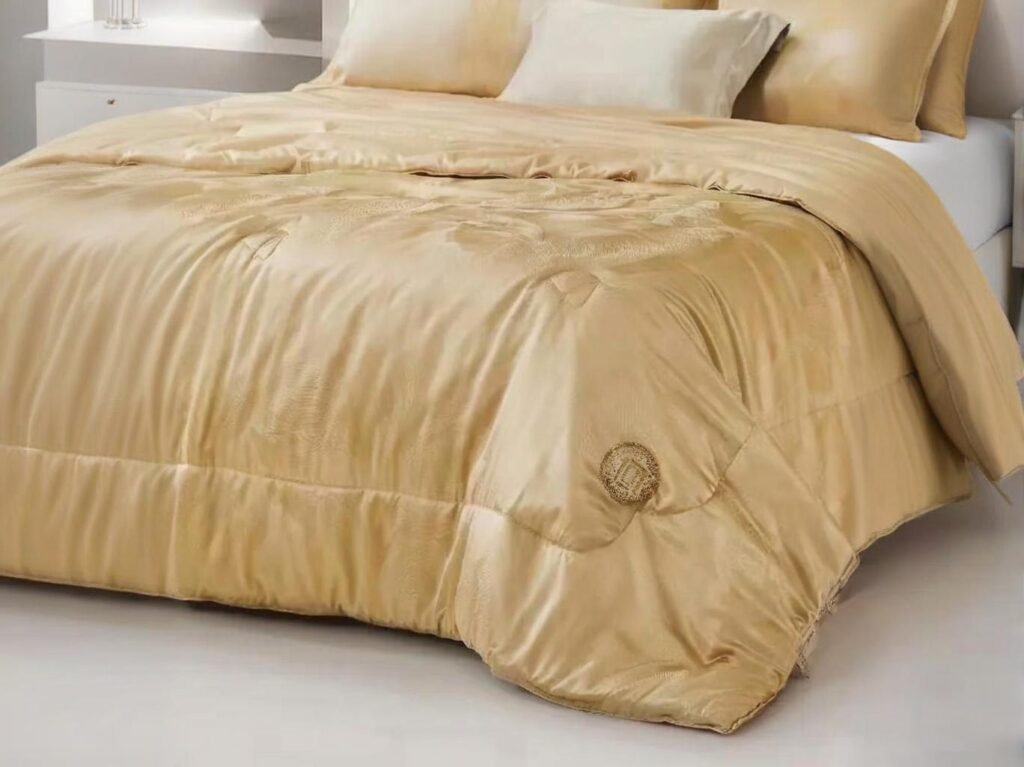
Weaving technology has undergone a major transformation, with innovations like computerized Jacquard looms, automatic shuttle looms, and 3D weaving now revolutionizing the way silk fabrics are produced. These techniques not only enhance design complexity but also improve production speed, fabric strength, and consistency across batches. Modern weaving techniques like computerized Jacquard looms and 3D weaving improve silk fabric production by increasing design flexibility, speed, and consistency.
These advancements allow for more intricate, customizable patterns, making silk fabrics suitable for both high-end fashion and functional textiles.
Innovations in Silk Weaving Technology
1. Computerized Jacquard Looms
- These looms control individual warp threads to create complex patterns in silk fabric
- Enables the production of highly detailed designs, such as brocade and damask patterns, with minimal human intervention
2. Automatic Shuttle Looms
- These looms operate at higher speeds than traditional handlooms, reducing production time
- Perfect for mass production of silk fabrics without compromising on fabric quality
3. 3D Weaving Technology
- A relatively new innovation that creates three-dimensional woven fabrics
- Used for both fashion and technical textiles, providing silk fabric with enhanced texture and functionality
4. Digital Jacquard Weaving
- Integrates digital technology into Jacquard looms, offering real-time adjustments and increased design flexibility
- Great for short-run, custom silk fabric production, as well as detailed designs
5. Sustainable Weaving Methods
- Eco-conscious looms reduce energy consumption by optimizing fabric design and minimizing waste
- The ability to weave silk at higher speeds also helps reduce carbon emissions during production
| Weaving Technology | Advantages | Use Cases |
|---|---|---|
| Jacquard Looms | Complex designs, precise patterns | Fashion, upholstery, interior décor |
| Automatic Shuttle Looms | Fast production, consistent quality | Mass-produced silk apparel |
| 3D Weaving | Enhanced texture, multi-dimensional fabrics | Performance textiles, fashion |
| Digital Jacquard | Custom designs, real-time flexibility | Luxury fashion, limited editions |
Real-World Example
SzoneierFabrics utilizes digital Jacquard weaving to produce custom-designed silk fabrics for high-end fashion labels. This technology has allowed the company to offer quick turnarounds on bespoke orders, ensuring exclusivity for its clients.
How Has Digital Printing Transformed the Design Process for Silk Fabrics?
Digital printing has drastically transformed how designs are applied to silk fabric, offering designers and manufacturers unprecedented flexibility in creating intricate patterns, vibrant colors, and unique textures. This technology eliminates many of the limitations of traditional screen printing, such as color matching and long setup times. Digital printing revolutionizes silk fabric design by enabling high-resolution, custom patterns with faster production times and reduced waste.
This technology is particularly beneficial for customized collections, small batch runs, and limited-edition textiles.
How Digital Printing Works and Its Impact on Silk
1. High-Resolution Printing
- Digital printing allows designers to print detailed images, photographic designs, and gradients directly onto the fabric
- Provides infinite color possibilities without the restrictions of traditional screen printing
2. On-Demand Customization
- No setup costs for designs, allowing for shorter production runs and greater flexibility for designers to adapt quickly to trends
- This is a boon for luxury brands that require limited-edition designs and fast prototyping
3. Faster Production Time
- Unlike traditional printing, which requires physical screens to be created for each design, digital printing involves direct-to-fabric technology, drastically cutting production time
- Ideal for quick turnaround times and meeting market demand for new collections
4. Environmental Benefits
- Digital printing significantly reduces fabric waste because it prints only where needed
- Waterless printing technologies reduce the environmental footprint of dyeing and printing
5. Customization Options
- Digital printing enables more intricate designs, offering photo-realistic prints and gradient effects that would be impossible with traditional methods
- Allows for personalized or bespoke fabrics, appealing to a growing demand for customization in the fashion market
Traditional Printing vs Digital Printing for Silk
| Feature | Traditional Printing | Digital Printing |
|---|---|---|
| Setup Time | Long | Minimal |
| Design Flexibility | Limited to screens | Infinite color and design options |
| Production Speed | Slower due to setup and drying | Faster, immediate output |
| Waste and Environmental Impact | High | Low |
| Cost for Small Runs | High due to setup costs | Lower for small batches |
A renowned designer in New York uses digital printing on silk satin to produce custom, eco-conscious garments. The technology has allowed them to reduce waste by 40% and deliver exclusive, unique pieces that match high consumer demand for individuality in fashion.
What Role Do Eco-Friendly Technologies Play in Silk Fabric Production?
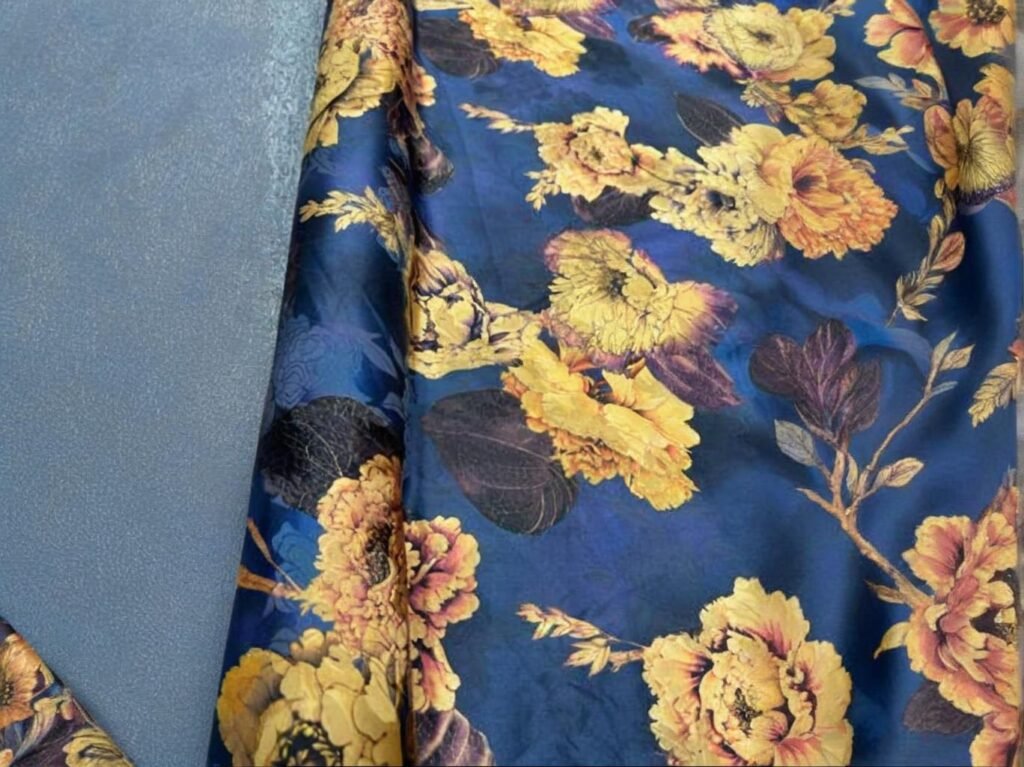
Eco-friendly technologies are becoming increasingly vital in the production of silk fabrics as consumers and brands prioritize sustainability. Innovations like waterless dyeing, biodegradable dyes, and energy-efficient manufacturing processes are helping to reduce the environmental impact of silk production, aligning with global sustainability goals. Eco-friendly technologies such as waterless dyeing, biodegradable dyes, and energy-efficient processes are making silk fabric production more sustainable and reducing environmental impacts.
These practices are not only good for the environment but also appeal to consumers who demand transparency and eco-conscious products from their favorite brands.
Sustainable Innovations in Silk Fabric Production
1. Waterless Dyeing Technology
- Supercritical CO2 dyeing is a major innovation that eliminates the need for water in the dyeing process
- It reduces water consumption by up to 90%, cuts down on wastewater, and eliminates harmful chemicals from the dyeing process
- Eco-conscious brands are increasingly adopting this method to align with sustainability goals
2. Biodegradable and Natural Dyes
- Traditional dyeing methods often use harmful chemicals that contribute to environmental pollution
- Biodegradable dyes, made from plant-based materials, offer a sustainable alternative
- These dyes not only reduce chemical discharge but also ensure non-toxic, natural colors that don’t harm the ecosystem
3. Energy-Efficient Manufacturing
- The use of renewable energy sources like solar and wind in silk fabric production is increasing
- Energy-efficient machinery and practices help reduce the carbon footprint of silk fabric production, making it more sustainable
- By optimizing energy usage, manufacturers are able to reduce production costs while supporting global climate action initiatives
4. Waste Reduction Techniques
- Closed-loop systems allow for the reuse of water and chemicals during dyeing, further reducing waste
- Advances in automation and intelligent manufacturing systems allow for precise fabric cutting, reducing fabric wastage
Sustainability Impact Table
| Technology | Water Usage Reduction | Chemical Waste Reduction | Carbon Footprint Reduction |
|---|---|---|---|
| Traditional Dyeing | High | High | Moderate |
| Supercritical CO2 Dyeing | 90% | 100% | 50% |
| Biodegradable Dyes | Low | 80% | Low |
| Renewable Energy-Powered Mills | N/A | N/A | Significant |
SzoneierFabrics introduced waterless dyeing for its silk satin production, reducing water consumption by 85% and receiving recognition from several eco-conscious fashion brands.
How Can Automation Improve Efficiency in Silk Fabric Manufacturing?
Automation is a game-changer in the silk fabric industry, bringing significant improvements in production efficiency, consistency, and quality control. From automated weaving to cutting-edge finishing techniques, automation ensures higher output with greater precision and reduced labor costs. Automation in silk fabric manufacturing boosts production efficiency by improving consistency, reducing human error, and lowering costs while maintaining high quality.
Automated systems also provide greater flexibility, allowing manufacturers to meet fluctuating demand while minimizing lead times.
The Impact of Automation on Silk Fabric Production
1. Automated Weaving Machines
- Automated Jacquard looms enable complex patterns and designs to be woven seamlessly into silk fabric at a faster rate than traditional handloom methods
- Automation reduces labor costs and increases consistency in weaving, ensuring that each batch matches the original design specifications
2. AI and Machine Learning in Quality Control
- Artificial intelligence (AI) and machine learning are used to detect defects in fabric during production
- High-resolution cameras and AI algorithms monitor the fabric’s surface for imperfections like holes, irregular weaves, and color inconsistencies
- Automated quality control systems ensure that only fabrics meeting strict standards are shipped to clients
3. Robotic Fabric Cutting
- Robotic cutting systems are increasingly used to handle silk fabrics, ensuring precise cuts and reducing fabric wastage
- Automation in the cutting process also speeds up production and helps manufacturers meet tight deadlines
4. Automated Dyeing and Finishing
- Automated dyeing machines ensure even dye distribution, reducing human error and improving the final color consistency
- Finishing processes such as wrinkle resistance and water-repellent treatments are also automated, improving fabric performance
5. Cost and Efficiency Gains
- Automation helps manufacturers increase output while keeping costs low, allowing them to scale up production without compromising quality
Efficiency Gains Table
| Process | Manual (Traditional) | Automated Process | Efficiency Gain (%) |
|---|---|---|---|
| Weaving | Slow and labor-intensive | Faster, precise | 30-40% |
| Quality Control | Manual inspections | AI-driven, continuous | 50% |
| Fabric Cutting | Manual, prone to waste | Robotic, precise cuts | 25-35% |
| Dyeing and Finishing | Inconsistent, labor-heavy | Automated, precise | 40-50% |
A top-tier silk textile manufacturer partnered with SzoneierFabrics to implement robotic fabric cutting and AI-based quality checks, improving production speed by 50% and ensuring consistent fabric quality across all orders.
Are There Innovations in Silk Dyeing Technology That Improve Color Quality?

Recent advancements in silk dyeing technology have made it possible to achieve brighter, longer-lasting colors with less environmental impact. Innovations like digital dyeing and waterless dyeing methods not only improve the quality and durability of silk fabric’s color but also contribute to sustainability by reducing water usage and chemical waste. Innovations in silk dyeing, such as waterless and digital dyeing techniques, enhance color vibrancy, durability, and sustainability, making it more eco-friendly.
These advances provide silk fabric manufacturers with more control over the dyeing process, allowing them to produce vivid, consistent, and durable colors that maintain their appeal even after multiple washes.
Cutting-Edge Silk Dyeing Technologies
1. Waterless Dyeing (Supercritical CO2)
- Utilizes carbon dioxide in its supercritical state to transfer dye onto silk fabric without water
- Reduces water consumption by up to 90% and eliminates harmful chemicals used in traditional dyeing processes
2. Digital Dyeing
- Uses digital printers to directly apply color to the fabric with incredible precision
- Offers faster turnaround times, more intricate designs, and better color accuracy without compromising fabric quality
3. Eco-friendly Dyes
- Use of plant-based or biodegradable dyes instead of traditional chemical dyes
- Reduces harmful runoff into waterways and ensures safer production for both workers and consumers
4. Improved Colorfastness
- New dyeing technologies enhance color retention even after multiple washes, reducing color fading
- Results in brighter, more vibrant silk fabrics that last longer without losing their original hue
5. Sustainability in Dyeing
- Digital and waterless dyeing methods produce less waste, helping manufacturers meet sustainability goals
- Eco-friendly dyes are non-toxic, biodegradable, and made from renewable resources
Dyeing Technology Comparison
| Dyeing Technology | Water Usage | Chemical Waste Reduction | Color Retention |
|---|---|---|---|
| Traditional Dyeing | High | Significant | Moderate |
| Waterless Dyeing (CO2) | 90% reduction | 100% reduction | Excellent |
| Digital Dyeing | Minimal | Minimal | Excellent |
| Eco-Friendly Dyes | Low | Low | Good |
SzoneierFabrics recently adopted supercritical CO2 dyeing technology for its silk satin lines, achieving 80% water savings and receiving positive feedback from eco-conscious luxury brands for the fabric’s color brilliance and sustainability.
What Should Buyers Consider When Sourcing Technology-Driven Silk Fabrics?
When sourcing silk fabrics enhanced by technology, buyers must focus on supplier capabilities, sustainability practices, quality assurance, and customization options. Understanding the production process and technology integration of a supplier will help ensure that the silk fabric meets luxury standards while also supporting eco-friendly initiatives. When sourcing technology-driven silk fabrics, buyers should prioritize supplier expertise, sustainable practices, quality consistency, and the ability to deliver customized designs efficiently.
Selecting the right supplier is key to ensuring that silk fabrics not only meet market demands but also align with sustainability goals and high-quality standards.
Key Considerations for Buyers Sourcing Technology-Driven Silk
1. Supplier Expertise and Technology Integration
- Look for suppliers that have invested in advanced weaving and dyeing technologies
- Research their production capabilities, such as digital printing, waterless dyeing, and AI quality control
2. Sustainable Manufacturing Practices
- Verify the sustainability of the production process by asking for certifications such as OEKO-TEX, GOTS, or Fair Trade
- Ensure suppliers follow eco-friendly practices to reduce environmental impact
3. Quality Assurance and Consistency
- Suppliers should provide detailed quality control processes, such as automated fabric inspection and material testing
- Certifications and lab reports should be available to prove authenticity and quality
4. Customization and Flexibility
- Choose suppliers that offer custom designs, fabric blending options, and the ability to meet specific MOQ (Minimum Order Quantity) needs
- Short lead times and flexibility in sampling are essential for meeting fast-paced fashion timelines
5. Transparency and Traceability
- Suppliers using blockchain technology or digital traceability can provide complete transparency in the production process, which is crucial for ensuring ethical sourcing and high-quality standards
| Buyer Consideration | Importance Level | Buyer Action |
|---|---|---|
| Supplier Technology | High | Research and verify capabilities |
| Sustainable Practices | Essential | Check for eco-certifications |
| Quality Control | Very High | Request samples and lab reports |
| Customization Flexibility | Moderate | Ensure low MOQ options and quick sampling |
| Transparency | High | Confirm traceability systems |
Real-Life Feedback
A luxury fashion designer working with SzoneierFabrics praised the company for its cutting-edge weaving technologies and customization flexibility, allowing them to meet specific design requirements while maintaining eco-conscious values.
Ready to elevate your fabric sourcing?
The role of technology in silk fabric production is indispensable, driving the industry toward greater efficiency, sustainability, and creativity. Innovations such as digital weaving, eco-friendly dyeing, and automated quality control have revolutionized the way silk is made, ensuring that silk fabrics not only look and feel luxurious but are also environmentally responsible and high-performing.
SzoneierFabrics leads the charge in innovative silk fabric production, offering high-quality, sustainable solutions tailored to meet the evolving needs of designers, manufacturers, and luxury brands. Contact SzoneierFabrics for custom silk satin fabrics, cutting-edge designs, and fast lead times—your gateway to the future of silk fabric.