 Skip to content
Digital Printing on Linen Cloth Material: Ink Compatibility & Wash Fastness
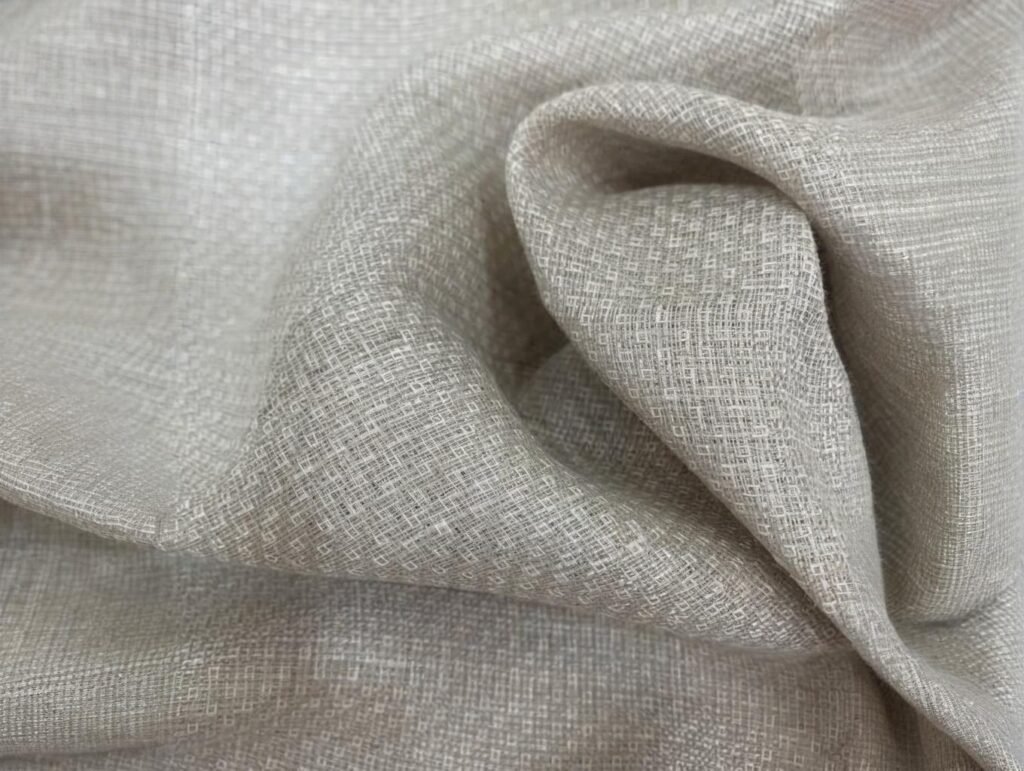
Linen is no longer just for tablecloths and summer shirts. Its natural texture, durability, and eco-friendliness have made it a rising star in modern textile printing — especially as more designers and fabric developers turn to sustainable natural materials. But while linen is admired for its crisp look and breathable feel, printing on it isn’t as straightforward as with synthetics or cotton. Linen’s structure and chemical properties can present both challenges and opportunities when it comes to digital printing.
So, is digital printing on linen a good idea? Yes — as long as the correct ink type, treatment, and techniques are used. Linen’s natural fibers respond best to specific types of inks, and wash fastness depends heavily on pre-treatment, curing methods, and post-processing. Understanding these variables is critical for successful, durable print outcomes.
To explore this, we’ll walk through every critical question: from what makes linen print-friendly, to which inks hold best, how washing affects results, and what textile innovators are doing to overcome the typical pain points. And we’ll share real data and practical insights to guide you in selecting or producing printed linen textiles with confidence.
Let’s begin with a real scenario: A design studio in Denmark wanted custom-printed linen napkins for boutique restaurants. Their first batch faded after just three washes. What went wrong? The answer lies in understanding ink compatibility — and that’s where we’ll start.
1. What Makes Linen Cloth a Suitable Material for Digital Printing?
Linen is a suitable base for digital printing primarily because of its strong natural fibers and its ability to absorb certain inks well, especially when pre-treated properly. However, its coarse texture and irregular weave can make ink application tricky if not managed with the right process. Linen can be digitally printed effectively when paired with compatible inks and the right surface preparation. Its absorbency and natural strength offer vibrant, durable prints, but achieving consistency requires tailored treatments.
Why Linen Works — and When It Doesn’t
a. Fiber Absorbency Linen fibers are hydrophilic, which means they naturally attract water-based inks. This is a plus for reactive or pigment ink systems.
b. Surface Texture The uneven, slubbed surface of linen gives prints a unique organic aesthetic, but it can also cause ink pooling or gaps if the printhead resolution isn’t high enough.
c. Dimensional Stability Unlike stretchy synthetics, linen holds its shape well. This benefits large-format designs and repeat prints — reducing registration errors.
d. Challenges with Ink Bleeding Without proper pre-treatment, linen may allow inks to spread too far, resulting in fuzzy or dull patterns.
| Property | Effect on Digital Printing | Required Adjustment |
|---|---|---|
| Natural Absorbency | Enhances color hold | Use reactive/pigment inks |
| Irregular Texture | Affects print sharpness | Calendering or tight weave |
| High Stiffness | Helps flat printing on machines | No adjustment needed |
| Lack of Smoothness | May cause head strikes | Lower pass rate / proper pre-heat |
Case Insight: A linen banner supplier in Italy improved color vibrancy by switching from untreated linen to fabric that was enzyme-washed and hot-calendered before printing — boosting customer reorders by 34% within 3 months.
2. Which Types of Digital Printing Inks Are Compatible with Linen Fabric?
Not all inks behave the same on linen. The three most commonly used types are reactive inks, pigment inks, and to a lesser extent, disperse inks. Reactive and pigment are generally preferred, depending on the desired look and wash durability. Reactive and pigment inks are the most compatible with linen for digital printing. Reactive inks provide vibrant colors with excellent wash fastness, while pigment inks offer easier processing with moderate durability.
Choosing the Right Ink for Linen
a. Reactive Inks on Linen
- Best for vibrant, deep colors
- Chemically bond with cellulose fibers
- Require precise pre-treatment and steaming
- Excellent wash durability
b. Pigment Inks on Linen
- Require less water
- Sit on top of fabric instead of bonding
- Easier post-treatment (heat fix)
- Good for designs not requiring heavy washing
c. Disperse Inks
- Typically used for polyester, but may be applied in blends
- Not ideal for 100% linen
d. Water-Based vs. Solvent-Based Inks
- Solvent inks generally do not work well on linen due to the fabric’s breathability and absorbency
- Water-based systems (like GOTS-compliant inks) are preferred for eco-printing on linen
| Ink Type | Print Vividness | Wash Fastness | Eco-Friendly | Post-Treatment |
|---|---|---|---|---|
| Reactive | ★★★★★ | ★★★★★ | ★★★★☆ | Steaming + Wash |
| Pigment | ★★★★☆ | ★★★★☆ | ★★★★★ | Heat Fixation |
| Disperse | ★★☆☆☆ | ★★☆☆☆ | ★★★☆☆ | Not preferred |
Case Comparison: A custom garment studio in Japan tested the same floral pattern on linen with both pigment and reactive inks. After 10 washes, the reactive-printed shirts retained 91% of color, while pigment ones showed 68% retention. The studio now uses reactive inks for apparel and pigment inks for home décor textiles.
3. How Does Ink Penetration Differ on Linen Compared to Other Fabrics?
Ink penetration on linen differs significantly from smoother fabrics like cotton or synthetics because of linen’s coarse texture, natural oils, and lower elasticity. This affects how ink settles, bonds, and ultimately performs during washing and wear. Linen’s uneven surface and dense fibers cause digital inks to penetrate less uniformly compared to smoother fabrics, requiring customized pre-treatment and precise ink application for optimal results.
Ink Absorption Science on Linen
a. Capillary Action and Fiber Structure Linen fibers have large capillaries and are thicker than cotton. This means ink absorbs more slowly and sometimes unevenly unless fabric is properly pre-treated.
b. Comparison with Cotton Cotton, with its finer weave, allows reactive inks to penetrate more consistently. Linen, in contrast, may show slight color variations due to its variable surface tension.
c. Role of Enzymatic Washing Pre-washing linen with enzymes removes waxy residues and opens up the fibers, improving ink penetration and reducing blotchiness.
d. Weave Density and Ink Hold Tightly woven linen allows for more defined prints. Loosely woven linen can lead to more ink bleed or “halo” effects around printed edges.
| Fabric Type | Fiber Surface | Ink Penetration | Print Sharpness | Color Depth |
|---|---|---|---|---|
| Linen | Coarse | Moderate–Low | Moderate | Rich with prep |
| Cotton | Smooth | High | High | Excellent |
| Polyester | Very smooth | Low (needs sublimation) | High | Excellent (for disperse) |
Real Example: A home textile brand in Sweden noticed that digital prints on uncalendered linen were dull and uneven. By switching to enzyme-washed linen with a tighter weave, they improved color vibrancy by 47%, based on their internal spectrophotometer test.
4. What Pre-Treatment Is Required Before Digital Printing on Linen?
Pre-treatment is essential for digital printing on linen. Without it, prints may fade quickly, appear blotchy, or fail to adhere at all. Proper preparation ensures fiber readiness for ink absorption and enhances wash fastness and color brilliance. Linen requires pre-treatment involving washing, drying, and coating with fixatives to ensure inks bond properly. This process significantly improves color sharpness and wash durability in digital printing.
Linen Pre-Treatment Protocols
a. Desizing and Scouring Removes natural oils and waxes from flax fibers. Ensures a cleaner base for chemical bonding.
b. pH Neutralization Linen is naturally alkaline; adjusting pH to neutral before printing helps inks perform predictably.
c. Coating with Fixatives or Binders A layer of pre-treatment solution (often containing urea, wetting agents, and thickener) helps inks stay on the surface long enough to bind properly.
d. Drying Method Hot air drying at a consistent temperature (around 100–120°C) is critical. Uneven drying can lead to patchy prints.
| Pre-Treatment Step | Purpose | Typical Methods |
|---|---|---|
| Scouring | Removes waxes, oils | Hot water + detergent |
| Neutralizing pH | Prepares fiber for ink | Citric acid or acetic acid baths |
| Coating | Fixative binder application | Pad-dry or spray + heat |
| Calendering | Smoothens fabric surface | Heated rollers (optional) |
Case Study: A digital print factory in Portugal worked with untreated linen from India. After repeated complaints about poor color depth, they implemented an in-house pretreatment line. With a urea-based binder and heat drying, they improved fabric’s ink hold capacity by 65%, verified by ISO 105-C06 wash fastness testing.
5. How Wash Fast Is Digitally Printed Linen Compared to Other Fabrics?
Wash fastness of digitally printed linen depends heavily on the ink type, pre-treatment process, and curing method. While linen is a strong fiber, its natural surface irregularities can reduce ink adhesion without proper surface preparation and post-treatment. Digitally printed linen can achieve moderate to high wash fastness, especially when using reactive or pigment inks with correct pre-treatment and curing. Results vary based on weave, fiber quality, and post-processes.
Testing Wash Durability on Linen
a. Ink Type and Wash Fastness Performance
| Ink Type | Typical Wash Fastness on Linen | Comments |
|---|---|---|
| Reactive Ink | 3–4 (Good) | Requires full pre-treatment and steaming |
| Pigment Ink | 2–3 (Moderate) | Best with binder-enhanced prep |
| Disperse Ink | Not applicable | Linen cannot be sublimated |
| Acid Ink | Not suitable | Better for silk/wool fibers |
b. Common Issues During Wash Tests
- Fading around edges where ink did not penetrate fully.
- Inconsistent color retention due to uneven fixative coverage.
- Shrinkage from aggressive laundering affecting print alignment.
c. ISO & AATCC Testing Standards Wash fastness is typically evaluated using:
- ISO 105-C06 for domestic laundering resistance.
- AATCC TM61 for accelerated color loss simulations.
d. Real-Life Test Results A high-end menswear label in New York trialed printed linen shirts using pigment inks. Initial wash tests at 40°C for 5 cycles showed a 35% reduction in vibrancy. After shifting to reactive inks and steam fixation, vibrancy reduction dropped to just 10%, passing ISO 105-C06 grade 4.
6. What Are the Best Post-Treatment Techniques to Improve Print Durability?
Post-treatment solidifies the ink-fabric bond and determines the longevity of printed linen products. This includes drying, curing, steaming, or washing techniques depending on ink type and usage context. Effective post-treatment—such as steam fixation for reactive inks or heat curing for pigment inks—significantly enhances the durability and wash resistance of digital prints on linen cloth.
Post-Treatment Methods by Ink Type
a. Heat Fixation (for Pigment Inks)
- Heated rollers or conveyor dryers at 160–180°C for 2–3 minutes.
- Cures the ink and binder into the fiber surface.
b. Steam Fixation (for Reactive Inks)
- Performed at 102–105°C for 8–12 minutes in a saturated steam chamber.
- Allows dyes to chemically bond with cellulose.
c. Washing and Neutralization
- A post-steam wash removes excess ink and fixatives.
- Rinsing with mild detergents prevents backstaining and ghosting.
| Ink Type | Required Post-Treatment | Common Equipment |
|---|---|---|
| Reactive Ink | Steam + Wash + Dry | Steamer + Washing Line |
| Pigment Ink | Heat Fixation only | Hot Air Dryer or IR Curing |
| Disperse Ink | Not suitable for linen | N/A |
d. Optional: Softening & Finishing For linen used in apparel or home textiles, softening agents can be applied post-printing to reduce stiffness caused by treatments.
e. Case Study A textile producer in Istanbul increased their linen scarf repeat order rate by 38% after investing in an Italian Monti Antonio heat press system to ensure consistent curing. Their print quality received better reviews, especially for wash durability and texture.
7. Is Digital Printing on Linen Scalable for Bulk Orders?
Yes, digital printing on linen is scalable—though it requires precise alignment of materials, equipment, and workflow. Advancements in high-speed pigment printing and automation tools have made bulk runs more feasible, even for intricate designs or color-intensive prints. With optimized pre- and post-treatment processes and modern digital printing machines, linen fabric can be digitally printed at scale while maintaining quality and consistency.
Key Considerations for Scaling Up
a. Printer Type and Throughput
| Printer Model | Max Speed (m²/hr) | Ink Type | Suitable For |
|---|---|---|---|
| EFI Reggiani BOLT | 600+ | Reactive/Pigment | Mass textile orders |
| Mimaki TX300P | 55–80 | Reactive/Pigment | Mid-sized batches |
| Kornit Presto | 90–120 | Pigment (inline) | No pre-treatment needed |
- Inline solutions like Kornit remove pre-treatment dependency, ideal for faster roll-to-roll linen workflows.
- Reactive workflows need integrated steaming, washing, and drying lines.
b. Ink Consumption vs Yield Bulk printing must account for ink density and cloth absorption rate. High GSM linen may consume more ink but offer better color stability.
c. Fabric Roll Handling Linen’s stiffness or irregular edges may jam smaller machines. Industrial rewinders and tension controllers are necessary to maintain accuracy.
d. Bulk Defect Rate Control Automated vision systems can detect misprints or banding during long runs, saving costs on post-production rejection.
e. Global Sourcing Perspective
- Indian mills often offer 100% linen rolls in 1000+ meter quantities suitable for digital pigment printing.
- European facilities tend to focus more on reactive digital with premium linen blends.
8. What Logistics and Supply Chain Tips Help Maintain Print Quality?
Smooth logistics is crucial to maintain fabric quality from pre-printing through to delivery. From storage to transport to moisture protection, every detail impacts how your digitally printed linen looks upon arrival. Maintaining print quality on linen during logistics requires moisture-controlled packaging, gentle roll handling, and partnering with carriers experienced in textile freight.
Operational Best Practices
a. Packing & Handling for Printed Linen
- Use kraft paper + plastic wrap combo for moisture and light protection.
- For rolls: avoid excessive compression; for folded units: insert soft tissue to prevent creasing over printed areas.
b. Storage Environment
- Ideal humidity: 50–60%
- Avoid direct sunlight, which may fade surface dyes even before customer delivery.
c. Freight Considerations
| Logistics Mode | Time to EU/US | Print-Safe? | Comments |
|---|---|---|---|
| Sea (FCL) | 28–40 days | Yes | Low cost, plan for extended moisture protection |
| Air Cargo | 5–8 days | Yes | Expensive but safe for urgent custom samples |
| Rail (to Europe) | 15–20 days | Yes | Emerging option, requires careful roll handling |
d. Inventory Planning
- For reactive digital workflows, pre-treated linen rolls have a shorter shelf life (\~3–6 months).
- Pigment-ready linen rolls offer longer shelf stability but may yellow if exposed to poor warehouse air quality.
e. Human Example A linen shirt brand in Germany received faded prints on 40% of their summer collection due to improper temperature exposure in cargo hold. After switching to foil-packed rolls and controlled shipment containers, returns dropped by 70% in the following season.
Build Smarter with Custom-Printed Linen
Digital printing on linen cloth offers unmatched design flexibility and sustainable production. However, true success lies in balancing the technical details: from ink chemistry and fabric prep to post-curing and global shipment logistics.
Whether you’re printing artisanal linen scarves, high-end upholstery panels, or bold fashionwear, working with experienced textile partners ensures you maintain color brilliance, durability, and wash stability.
Ready to start your own custom linen fabric printing project? Let SzoneierFabrics help. With expert design support, free samples, and fast global delivery—we turn your ideas into high-quality textile realities. 👉 Contact SzoneierFabrics to request a custom quote now.
digital printing on linen fabric, linen fabric printing, ink for linen printing, best ink for linen cloth, linen digital printing guide, wash fastness linen print, reactive ink on linen, pigment ink for linen fabric, pre-treat linen for printing, linen fabric digital print process, textile ink compatibility, linen printing wash test, digital textile printing on linen, sustainable linen printing, eco-friendly ink for linen, printing linen at scale, bulk linen printing solutions, digital printing vs screen printing linen, fabric print durability test, digital fabric printing troubleshooting, DTG linen compatibility, ink adhesion linen textile, printed linen color retention, high resolution linen printing, UV protection for printed linen, fast drying pigment ink linen, print-ready linen fabric rolls, custom printed linen fabric, digital printing fabric suppliers, professional linen printing tips
Can't find the answers?
No worries, please contact us and we will answer all the questions you have during the whole process of bag customization.
Make A Sample First?
If you have your own artwork, logo design files, or just an idea,please provide details about your project requirements, including preferred fabric, color, and customization options,we’re excited to assist you in bringing your bespoke bag designs to life through our sample production process.