 Skip to content
Expandable Travel Bag Design Features

Most travelers have experienced that moment—packing seems complete, the bag closes perfectly, and then suddenly, there’s just one more item that doesn’t fit. That small frustration has driven one of the most practical innovations in travel gear: expandable bag design. But what many people don’t realize is that expandability is not just about adding space—it’s about engineering flexibility without sacrificing durability.
Expandable travel bag design features improve capacity and flexibility by integrating adjustable expansion systems, reinforced structural zones, and flexible materials that allow the bag to increase volume while maintaining stability, strength, and usability.
This means a well-designed expandable bag can adapt to different travel needs—compact when necessary, spacious when required—without compromising shape or performance. The key lies in how expansion is engineered, not just how it looks.
Picture a traveler returning from a trip, carrying extra souvenirs, gifts, or clothing. A standard bag struggles, zippers strain, and the structure deforms. But an expandable bag quietly adapts—unzipping an extra section, redistributing space, and maintaining balance.
That seamless transformation is not accidental. It’s the result of thoughtful design decisions that combine materials, structure, and usability into one system.
Expandable Travel Bag Design Features: Engineering Flexibility into Modern Carry Solutions
Expandable travel bags are no longer just a convenience feature—they represent a deliberate shift in how luggage is engineered, manufactured, and used in real-world travel scenarios. As airline restrictions tighten and consumer expectations evolve toward efficiency and adaptability, brands are increasingly investing in expandable structures that allow a single bag to serve multiple use cases. What appears to be a simple zipper mechanism is, in reality, a carefully engineered system involving material science, structural reinforcement, and ergonomic balance.
At a functional level, expandable travel bag design features refer to integrated construction systems that allow a bag to increase its internal storage capacity without compromising durability, shape retention, or user comfort. These systems are typically embedded into the bag’s architecture through concealed expansion panels, modular compartments, or flexible material zones. Unlike traditional fixed-volume bags, expandable designs enable dynamic storage adjustment—transforming a compact carry-on into a higher-capacity solution within seconds.
From a manufacturing perspective, this adaptability must be achieved without introducing weak points. This requires precise pattern engineering, reinforced stitching, and material selection that can withstand repeated stress cycles. High-quality expandable bags are often tested for over 5,000–10,000 zipper cycles and load-bearing conditions exceeding 20–30% above their nominal capacity, ensuring long-term reliability in real travel conditions.
What Defines an Expandable Bag Structure?
An expandable bag structure is characterized by the integration of a secondary volume system that can be deployed when additional space is required. This system may be visible as an external zipper track or concealed within the bag’s seams for a cleaner aesthetic. Regardless of appearance, the underlying principle remains the same: controlled expansion without compromising structural integrity.
The expansion panel is the core component of this system. Typically constructed from lightweight yet durable materials such as 210D–420D nylon or polyester, it is designed to unfold or extend when activated. The panel must strike a balance between flexibility and tensile strength. If the material is too thin, it risks tearing under load; if too thick, it adds unnecessary weight and bulk.
Equally important is the zipper system that governs the expansion process. In premium designs, brands often use double-coil or reverse-coil zippers, which provide smoother operation and better resistance to dust and water ingress. Zipper tracks are usually reinforced with additional stitching layers or binding tape to prevent deformation when the bag is fully expanded.
Reinforced seams play a critical role in maintaining the structural stability of the bag. Expansion introduces new stress points, particularly along the edges of the panel and zipper junctions. Manufacturers typically use bar-tack stitching or double-needle seams in these areas, increasing tear resistance by up to 30–50% compared to standard stitching methods.
A well-executed expandable structure ensures that when the bag is filled to its expanded capacity, it maintains its shape, balance, and load distribution. Poorly designed systems often result in sagging, uneven weight distribution, or zipper strain—issues that directly impact user experience and product lifespan.
How Does an Expansion System Work?
Most expandable systems rely on the strategic storage of additional fabric within the bag’s construction. This fabric remains compressed or hidden during normal use and is deployed only when needed. The efficiency of this system depends on how seamlessly the expansion integrates with the overall bag design.
Zipper-based expansion is the most widely adopted mechanism due to its simplicity and reliability. When the zipper is opened, it releases a folded fabric panel that increases the bag’s depth or circumference. In carry-on luggage, this typically adds 3–8 cm of extra depth, translating to a 15%–25% increase in volume. In larger travel bags, expansion can add up to 10–12 liters of additional capacity.
Fold-out panel systems offer a more flexible approach. Instead of a fixed expansion path, these panels unfold in multiple directions, allowing for irregular or bulky items to be accommodated. This design is particularly useful in duffel bags and soft-sided luggage, where packing requirements can vary significantly.
Adjustable strap systems provide a more controlled form of expansion. By loosening external compression straps, users can increase the internal volume while maintaining structural tension. This method is often used in hybrid travel backpacks, where load stability is as important as capacity.
From an engineering standpoint, the challenge lies in ensuring that expansion does not compromise load distribution. When a bag expands, its center of gravity shifts. High-quality designs account for this by reinforcing the base panel, adjusting handle attachment points, and optimizing strap positioning. In some cases, manufacturers increase the thickness of the base material by 10–20% to support the additional load.
Another critical factor is durability under repeated use. Expansion systems are subject to frequent opening and closing, often under load. This places significant stress on zippers, seams, and fabric folds. To address this, manufacturers conduct fatigue testing, simulating thousands of expansion cycles to ensure consistent performance over time.
Why Are Expandable Bags Different from Standard Bags?
The fundamental difference between standard and expandable bags lies in their approach to capacity management. Standard bags are designed with a fixed volume, optimized for a specific use case. While this allows for simpler construction and often lower cost, it limits flexibility in real-world scenarios where packing needs can change.
Expandable bags, on the other hand, introduce a variable capacity system. This flexibility allows users to adapt their luggage to different travel conditions—whether it’s accommodating extra clothing on a return trip or fitting irregularly shaped items.
In terms of usability, this adaptability translates into fewer compromises. Travelers no longer need to choose between carrying an oversized bag or risking insufficient space. Instead, they can adjust their bag’s capacity as needed, improving both convenience and efficiency.
From a design perspective, expandable bags require more complex engineering. The integration of expansion systems adds layers of material, additional stitching, and more intricate pattern cutting. This increases production complexity by approximately 15%–25% compared to standard bags. However, the added functionality often justifies the investment, particularly in mid-to-high-end markets where versatility is a key selling point.
Weight is another consideration. Expandable systems typically add 5%–10% to the overall weight of the bag due to additional materials and hardware. Manufacturers must carefully balance this increase against the benefits of added capacity. Advanced materials such as high-tenacity nylon or lightweight TPU laminates are often used to minimize weight while maintaining durability.
From a commercial standpoint, expandable bags also offer advantages in product positioning. They can be marketed as multi-purpose solutions, appealing to a broader range of consumers. For brands targeting frequent travelers, business users, or outdoor enthusiasts, this versatility can significantly enhance product value.
In practical terms, expandable travel bags can increase storage capacity by approximately 15% to 40%, depending on the design and intended use. For a standard 40-liter travel bag, this translates to an additional 6 to 16 liters of usable space—enough to accommodate several days’ worth of extra clothing or additional gear.
This added flexibility has a direct impact on travel behavior. Users are less likely to carry multiple bags, reducing logistical complexity and improving mobility. For airlines with strict carry-on limits, expandable bags also provide a strategic advantage, allowing travelers to optimize packing without exceeding size restrictions during boarding.
From a manufacturing and sourcing perspective, the quality of the expansion system is often a key differentiator between entry-level and premium products. High-performance expandable bags are designed not just to increase capacity, but to do so repeatedly, reliably, and without compromising the overall user experience.
Why Travelers Choose Expandable Bags: Practical Advantages Backed by Real Use Cases
Travel behavior has evolved significantly over the past decade. Shorter trips, stricter airline policies, and the rise of hybrid travel—where business and leisure overlap—have all contributed to a growing demand for luggage that can adapt in real time. Expandable bags have emerged as a direct response to these shifting needs, offering a level of flexibility that traditional fixed-volume bags cannot match.
At a fundamental level, travelers choose expandable bags because they reduce uncertainty. Packing is rarely a static process. What fits perfectly on departure often becomes insufficient on the return journey due to shopping, additional gear, or simply less efficient repacking. Expandable designs address this variability by allowing users to increase capacity when needed, without committing to a larger, bulkier bag from the start.
From a product development perspective, this flexibility translates into higher user satisfaction and lower product redundancy. Instead of owning multiple bags for different scenarios, users can rely on a single, well-designed expandable bag that adapts across use cases. This is particularly relevant in markets where consumers prioritize efficiency, mobility, and long-term value.
How Does Expandability Solve Packing Problems?
Packing challenges are rarely about a lack of total volume alone; they are about the mismatch between available space and changing requirements. Expandable bags address this mismatch by introducing controlled flexibility into the storage system.
One of the most common issues travelers face is limited space during initial packing. A standard bag forces users to make trade-offs—leave items behind or risk overstuffing, which can strain zippers and distort the bag’s shape. Expandable bags eliminate this constraint by offering an additional compartment that can be activated when needed. This extra space is not just an increase in volume; it is a structured extension that maintains organization and accessibility.
Overpacking is another frequent concern, particularly for longer trips or multi-purpose travel. In traditional bags, overpacking often leads to uneven weight distribution and difficulty in closing the bag. Expandable designs provide a controlled way to accommodate extra items without compromising usability. The expansion mechanism ensures that the added volume is evenly distributed, reducing stress on specific نقاط of the bag.
The return trip presents a unique challenge. Data from retail and travel studies indicates that travelers typically carry 10%–30% more items on their return journey, largely due to shopping or accumulated belongings. Without expandable capacity, this often results in the need for an additional bag or last-minute adjustments at the airport. Expandable bags solve this problem directly by allowing users to increase capacity on demand, maintaining a single, organized packing system throughout the trip.
Importantly, this adaptability does not come at the cost of organization. Well-designed expandable bags integrate internal compartments, compression straps, and modular sections that remain functional in both compact and expanded modes. This ensures that even with increased volume, items remain accessible and व्यवस्थित rather than loosely packed.
Do Expandable Bags Improve Travel Efficiency?
Expandable bags contribute to travel efficiency in several measurable ways. Efficiency, in this context, is not just about saving time—it encompasses ease of packing, mobility, and the ability to manage belongings with minimal effort.
Packing flexibility is one of the most immediate benefits. With an expandable bag, users can organize items based on priority rather than strict space limitations. Essential items can be placed in the main compartment, while less critical or bulkier items can be accommodated in the expansion section. This layered approach to packing reduces the need for constant rearrangement and repacking.
Space optimization is another critical factor. In a fixed-volume bag, unused space is often wasted due to rigid dimensions. Expandable bags allow users to adjust the internal volume to better match the contents, improving overall space utilization. For example, in compact mode, the bag remains streamlined and easy to handle. When expanded, it provides additional capacity without requiring a separate storage solution.
The reduction in the need for extra bags is perhaps the most tangible efficiency gain. Carrying multiple bags increases logistical complexity—more items to track, more weight to manage, and greater risk of loss or damage. By consolidating storage into a single expandable unit, travelers can simplify their movement through airports, public transport, and other environments.
From a mobility standpoint, this simplification has measurable benefits. Studies on travel ergonomics suggest that reducing the number of carried items can improve movement efficiency by up to 20%, particularly in crowded or time-sensitive situations. Expandable bags contribute directly to this improvement by enabling single-bag travel in scenarios where two bags might otherwise be required.
Are They Suitable for Different Travel Scenarios?
One of the defining strengths of expandable bags is their versatility across a wide range of travel scenarios. Unlike specialized bags that serve a single purpose, expandable designs can adapt to different contexts with minimal compromise.
In business travel, where efficiency and presentation are critical, expandable bags offer a compact profile for outbound trips. This allows for easy handling, compliance with carry-on restrictions, and a professional appearance. On the return journey, the expansion feature provides additional space for documents, samples, or personal items, eliminating the need for an extra bag.
For vacation travel, the benefits are even more pronounced. Leisure trips often involve variable packing requirements, including clothing, accessories, and items purchased during the trip. Expandable bags accommodate this variability by providing extra storage capacity when needed, while remaining manageable during transit.
Outdoor and adventure travel presents a different set of challenges, including irregularly shaped gear and changing environmental conditions. Expandable bags are well-suited to these scenarios due to their flexible capacity. Users can adjust the bag’s volume to fit equipment such as jackets, shoes, or gear, without compromising portability.
In each of these scenarios, the key advantage is adaptability. Rather than requiring different bags for different purposes, travelers can rely on a single expandable design that adjusts to their specific needs. This not only simplifies travel planning but also reduces overall luggage investment.
Capacity vs Convenience Trade-Off
While expandable bags offer clear advantages, they also involve certain trade-offs that must be carefully managed in the design process. The balance between capacity and convenience is central to the success of these products.
Expandability provides additional space, which is a clear advantage in most travel scenarios. However, this added capacity comes with a slight increase in weight. Typically, expandable systems add between 5% and 10% to the overall weight of the bag due to additional materials, zippers, and reinforcement. For most users, this increase is negligible compared to the benefits of added flexibility, but it remains a consideration in lightweight travel segments.
In compact mode, expandable bags offer excellent handling and portability. The streamlined profile makes them easier to carry, store, and maneuver in tight spaces. However, when fully expanded, the increased حجم can affect balance and ease of handling, particularly in backpacks or handheld bags. This is why high-quality designs incorporate features such as reinforced bases, ergonomic straps, and optimized weight distribution.
Another consideration is structural stability. Poorly designed expandable bags may lose shape when expanded, leading to a less organized packing experience. To address this, manufacturers use reinforced panels, compression systems, and high-tensile materials to maintain structure in both modes.
Ultimately, the effectiveness of an expandable bag depends on how well these trade-offs are balanced. A well-designed product will maximize capacity without significantly compromising weight, stability, or usability.
Feedback from frequent travelers provides valuable insight into the real-world impact of expandable bags. A consistent observation is the reduction in the need for additional luggage, particularly on return trips. Many users report that the ability to expand their primary bag eliminates the need for a secondary carry-on or shopping bag, simplifying the entire travel experience.
From a behavioral perspective, this has a notable effect on how people pack and move. Travelers are more likely to pack efficiently when they know they have the option to expand later if needed. This reduces stress during initial packing and allows for greater flexibility during the trip.
In quantitative terms, expandable bags typically offer a capacity increase of 15% to 40%, depending on the design. For a mid-sized travel bag, this can translate to an additional 8 to 15 liters of space—enough to accommodate several days’ worth of clothing or a significant number of purchased items.
For brands and manufacturers, these user insights highlight the importance of focusing not just on the expansion feature itself, but on the overall user experience. The most successful expandable bags are those that integrate flexibility seamlessly into the design, providing tangible benefits without introducing complexity or compromise.
Which Expansion Mechanisms Are Used in Travel Bags?
Expandable travel bags depend on carefully engineered mechanisms that allow volume to increase in a controlled and repeatable way, without compromising the bag’s structure, balance, or long-term durability. While the concept of “extra space” seems simple from a user perspective, the underlying construction involves multiple layers of design decisions—material selection, stress distribution, and mechanical reliability.
In manufacturing terms, the expansion mechanism functions as a load-bearing system rather than just an add-on feature. It must withstand repeated use, fluctuating loads, and real-world handling conditions such as compression, impact, and uneven packing. The most widely adopted mechanisms in the industry include zipper expansion panels, foldable or hidden expansion sections, and hybrid compression-expansion systems. Each of these approaches offers different advantages in terms of usability, durability, and product positioning.
A well-executed expansion system operates smoothly, maintains structural integrity under load, and distributes weight evenly. In contrast, poorly designed systems often lead to zipper failure, panel deformation, or imbalance during carrying—issues that directly affect product lifespan and user satisfaction.
How Do Zipper Expansion Panels Work?
Zipper expansion panels are the most common and commercially proven mechanism in travel bags. Their popularity comes from a combination of simplicity, reliability, and scalability across different bag types—from carry-ons to large duffel bags.
The system is built around a secondary zipper track that runs along the perimeter of the bag, typically positioned between the front and back panels. When closed, the expansion panel remains compressed and hidden within the structure. When opened, it releases an additional fabric gusset that increases the bag’s depth or circumference.
This gusset is usually made from lightweight but high-tensile materials such as 210D–420D nylon or polyester. The choice of material is critical: it must be flexible enough to fold compactly when not in use, yet strong enough to تحمل increased internal pressure when the bag is fully packed.
From a structural standpoint, the perimeter zipper acts as the primary control point. High-quality designs often use double-coil or reverse-coil zippers, which provide smoother operation and better resistance to abrasion. Dual zipper sliders are frequently added to allow partial expansion, giving users more control over capacity.
In terms of performance, zipper expansion panels typically add between 5 cm and 10 cm in depth. This translates to an approximate 20% to 40% increase in total volume, depending on the original size and geometry of the bag. For a standard 35–45 liter carry-on, this can mean an additional 7 to 15 liters of usable space.
However, this mechanism also introduces specific risks. The zipper becomes a critical stress نقطة, especially when the bag is overfilled. Increased tension can lead to tooth separation, slider deformation, or stitching failure along the zipper tape. To mitigate this, manufacturers reinforce the zipper area with binding tape, double stitching, or even internal support strips that distribute the load more evenly.
When properly engineered, zipper expansion panels offer an optimal balance between ease of use and durability, making them the default choice for most mid-range and premium travel bags.
What Is Foldable or Hidden Expansion Design?
Foldable or hidden expansion systems take a different approach, focusing on aesthetics and seamless integration rather than visible mechanical structure. In these designs, the additional volume is stored within concealed compartments and deployed only when needed.
The most common implementation involves a fold-out panel that is tucked inside a dedicated pocket or layered within the bag’s الداخلية structure. When activated—usually by unzipping a concealed opening—the panel unfolds to create additional storage space. This method allows the bag to maintain a clean, streamlined appearance in its compact form.
Hidden expansion compartments are particularly popular in lifestyle and urban travel bags, where visual design is as important as functionality. By concealing the expansion mechanism, brands can maintain a minimalist aesthetic without sacrificing versatility.
Another variation is modular expansion, where additional sections can be attached or integrated into the main bag. While less common in mass-market products, this approach is gaining traction in niche segments such as technical travel gear and outdoor equipment.
The primary advantage of foldable designs is their visual cleanliness and flexibility in shape. Unlike zipper-based systems, which typically expand in a fixed direction, fold-out panels can accommodate irregular or bulky items more easily. This makes them suitable for scenarios where packing requirements are less predictable.
However, durability can be a concern if the system is not properly reinforced. Foldable panels often rely on thinner materials and more complex folding patterns, which can create weak points over time. Repeated use may lead to material fatigue, especially along fold خطوط and stitching نقاط. To address this, high-quality designs incorporate reinforced edges, elastic دعم structures, or layered fabrics that improve tear resistance.
In practice, foldable expansion systems are best suited for lightweight or moderate الاستخدام scenarios, where aesthetics and flexibility are prioritized alongside functionality.
Which Mechanism Is Most Durable?
Durability in expansion mechanisms depends on how well the system handles repeated stress, load variation, and environmental factors such as moisture and abrasion. Different mechanisms offer varying levels of performance based on their structural design.
Zipper expansion systems are generally considered highly durable when built with quality components. Their straightforward mechanical structure reduces the number of potential failure points, and reinforced zippers can withstand thousands of expansion cycles. This makes them ideal for general travel use, where reliability is a key requirement.
Foldable panel systems offer moderate durability. While they provide greater flexibility in shape and design, their reliance on thinner materials and folding خطوط can limit long-term performance. These systems perform well in lightweight applications but may show wear more quickly under heavy or frequent use.
Hybrid systems represent the highest level of durability. These designs combine zipper-based expansion with additional structural reinforcement, such as internal frames, compression straps, or reinforced base panels. By integrating multiple support elements, hybrid systems distribute stress more effectively and maintain shape even when fully expanded.
From a manufacturing perspective, hybrid designs are more complex and typically increase production costs by 20%–30%. However, they are often used in premium products where performance and longevity are critical selling points.
How Does Expansion Affect Load Distribution?
Expanding a bag changes its geometry, which directly impacts how weight is distributed. In compact mode, the load is concentrated closer to the body or center of the bag, resulting in balanced handling and minimal strain on structural components.
When the bag is expanded, the إضافي volume extends outward, shifting the center of gravity. This can create additional leverage on handles, straps, and seams, increasing the mechanical stress on these components. If not properly managed, this shift can lead to discomfort during carrying or instability when the bag is placed upright.
In moderate expansion scenarios, well-designed bags compensate for this shift through reinforced base panels and strategically positioned handles. These features help maintain balance and ensure that the additional weight is supported evenly.
Over-expansion, however, introduces higher risks. Uneven packing or excessive load can cause deformation, where the bag loses its intended shape and structural integrity. This not only affects usability but also accelerates wear on critical components such as zippers and seams.
To address these challenges, manufacturers often incorporate compression straps or internal support systems that help stabilize the load. These features allow users to control how the expanded volume is utilized, reducing the likelihood of imbalance.
Zipper Stress Analysis
The zipper is the most critical component in many expansion systems, and its performance directly influences the overall reliability of the bag. Expansion increases tension along the zipper track, particularly when the bag is filled to capacity.
Higher tension levels increase the risk of failure, especially if the zipper is not designed to تحمل the إضافي load. Common issues include tooth separation, where the zipper teeth fail to interlock properly, and slider deformation, which affects smooth operation.
Alignment is another important factor. If the zipper track is not properly aligned during manufacturing, it can lead to jamming or uneven stress distribution. Over time, this can cause localized wear and eventual failure.
Material quality also plays a significant role. Weak or منخفض-grade zipper teeth are more prone to deformation under stress, reducing the lifespan of the expansion system. This is why reputable manufacturers invest in high-quality zipper components and rigorous testing processes.
In high-performance expandable travel bags, the choice of zipper is a defining factor. Most premium products use #8 or #10 reinforced zippers for expansion panels, as these sizes offer a higher load-bearing capacity compared to standard zippers. These zippers are often paired with reinforced stitching and دعم tape, enabling them to withstand the increased stress associated with expanded volume.
In practical terms, this means the expansion system can handle repeated use, heavy packing, and real-world travel conditions without failure. For brands and manufacturers, investing in robust expansion mechanisms is not just a matter of functionality—it is a key determinant of product quality, user trust, and long-term market competitiveness.
Which Materials Support Expandable Bag Durability?
Material selection is one of the most critical factors in determining whether an expandable travel bag performs reliably over time or fails under repeated use. Unlike standard bags, expandable designs introduce dynamic stress conditions—fabric must stretch and recover, seams must تحمل shifting loads, and structural components must remain stable even when the bag’s geometry changes.
In practical manufacturing terms, expandable bags are subjected to three primary stress types: tensile stress from increased volume, fatigue stress from repeated folding and unfolding, and abrasion from contact with other surfaces during travel. Materials used in these products must therefore strike a balance between flexibility, strength, and resilience. A fabric that is too rigid will resist expansion and create stress concentrations, while one that is too soft may deform or tear under load.
High-quality expandable bags are typically engineered using multi-layer material systems, where different components—outer shell, expansion panel, reinforcement layers—are optimized for their specific function. This layered approach ensures that flexibility is introduced where needed, while structural integrity is maintained across the entire product.
What Fabrics Handle Expansion Stress Best?
Not all fabrics respond equally to expansion stress. The ability of a material to flex repeatedly without losing strength is essential in expansion zones, where movement is frequent and load conditions vary.
Nylon fabric is widely regarded as the most suitable material for expandable sections. Its molecular structure provides high elasticity combined with excellent tensile strength, allowing it to stretch slightly under load and then recover without permanent deformation. In practical testing, high-denier nylon fabrics (such as 210D–420D) can withstand repeated expansion cycles exceeding 5,000–8,000 uses while maintaining structural integrity. This makes nylon particularly effective for zipper gussets and fold-out panels.
Polyester fabric offers strong resistance to wear and UV exposure, making it a reliable choice for the main body of the bag. However, its flexibility is lower than that of nylon, which can limit its performance in expansion zones. As a result, polyester is often used in combination with more flexible materials rather than as the primary expansion fabric.
Oxford fabric, typically characterized by a basket-weave structure, provides very high strength and abrasion resistance. It performs well in heavy-duty applications, especially in areas subject to high wear such as the base or corners of the bag. However, its relatively lower flexibility means it is less suitable for dynamic expansion panels unless combined with softer materials.
Canvas, while durable and aesthetically appealing, has limited elasticity. Its rigidity makes it less effective for expandable designs, as repeated folding can lead to creasing and long-term deformation. For this reason, canvas is generally used in non-expandable sections or in designs where expansion is minimal.
In most commercial designs, nylon is the preferred material for expansion zones due to its ability to balance flexibility and strength. This allows the expansion system to operate smoothly without introducing excessive stress on seams or hardware.
How Do Reinforced Panels Improve Stability?
While fabric selection is important, reinforcement is what ultimately determines whether an expandable bag maintains its shape under load. Expansion introduces new stress نقاط, particularly along seams, corners, and the base. Without proper reinforcement, these areas are prone to sagging, distortion, or premature failure.
Internal backing layers are commonly used to support the primary fabric. These layers, often made from non-woven materials or lightweight synthetic sheets, distribute load across a wider area, reducing localized stress. This helps prevent the “ballooning” effect that can occur when an expansion panel is filled unevenly.
EVA (ethylene-vinyl acetate) reinforcement is another widely used solution, particularly in premium bags. EVA panels add rigidity without significantly increasing weight, helping the bag retain its shape even when fully expanded. In base panels, EVA can increase load-bearing capacity by up to 20%–30%, improving both durability and user handling.
PU (polyurethane) coatings are often applied to fabrics to enhance surface strength and resistance to abrasion. In expansion zones, this coating helps protect against wear caused by repeated folding and friction. It also adds a degree of water resistance, which is an important consideration in travel environments.
The combination of these reinforcement techniques ensures that the expanded sections of the bag do not collapse under load. Instead, they maintain a defined structure that supports efficient packing and balanced weight distribution.
Which Materials Balance Flexibility and Strength?
Achieving the right balance between flexibility and strength is essential in expandable bag design. This is typically done through material combinations rather than relying on a single fabric type.
Nylon combined with a PU coating is one of the most effective configurations. The nylon provides flexibility and tensile strength, while the PU coating enhances durability and resistance to external wear. This combination is commonly used in expansion panels, where both movement and strength are required.
Polyester paired with reinforcement layers offers a more balanced approach. While polyester alone may lack sufficient flexibility for expansion zones, the addition of internal backing or structural support improves its overall performance. This makes it suitable for mid-range products where cost efficiency is also a consideration.
Oxford fabric combined with panel reinforcement is ideal for heavy-duty applications. The fabric’s inherent strength, combined with structural support elements, creates a highly durable system. However, this setup is less flexible, making it more suitable for areas of the bag that do not require frequent movement.
The key objective in material selection is to avoid extremes. Materials that are too stiff can create stress نقاط and reduce usability, while those that are too soft may fail under load. By combining materials with complementary properties, manufacturers can create a balanced system that performs well under real-world conditions.
How Does Fabric Thickness Affect Expansion?
Fabric thickness plays a significant role in how an expandable bag performs, influencing both flexibility and durability. The challenge lies in selecting a thickness that supports repeated use without compromising the ease of expansion.
Thin fabrics offer high flexibility, allowing them to fold and unfold easily. This makes them suitable for compact expansion systems where space efficiency is critical. However, their lower durability means they are more susceptible to tearing or abrasion, particularly under heavy load.
Medium-thickness fabrics provide a balanced solution. They offer sufficient flexibility for smooth expansion while maintaining enough strength to handle increased الوزن. Most high-quality expandable bags use fabrics in this range, typically between 210D and 420D, as they deliver consistent performance across different use scenarios.
Thick fabrics provide excellent durability and resistance to wear, but their rigidity can limit flexibility. In expansion zones, this can result in higher stress on seams and zippers, as the material resists deformation. For this reason, thicker fabrics are generally reserved for structural components such as the base or side panels, rather than the expansion sections themselves.
Selecting the appropriate fabric thickness is therefore a matter of balancing competing requirements. The goal is to ensure that the material can move when needed, while still providing long-term durability.
Abrasion Resistance in Expansion Zones
Expandable bags are exposed to varying مستويات of abrasion, depending on how they are used and transported. Certain areas experience significantly higher wear and require additional protection.
The expansion panel itself is subject to frequent movement and contact with other surfaces, making it a high-wear area. Repeated folding and unfolding can also contribute to material fatigue, particularly if the fabric is not designed to handle such stress.
Corners are another critical نقطة. These areas often تحمل the brunt of impact and friction during handling, especially in transit. Reinforced corner patches or double-layer fabrics are commonly used to improve durability in these zones.
The base of the bag experiences the highest level of abrasion, as it comes into direct contact with the ground. In expandable designs, the base must also support additional weight when the bag is fully extended. This is why manufacturers often use thicker fabrics, rubberized coatings, or reinforced panels in this area.
By addressing abrasion المقاومة in these key zones, manufacturers can significantly extend the lifespan of the product and maintain its appearance over time.
In practical production scenarios, upgrading material specifications can have a measurable impact on product performance. For example, replacing standard polyester expansion panels with reinforced nylon fabrics has been shown to improve durability under repeated expansion cycles. This change reduces the likelihood of deformation and increases resistance to tearing, particularly in high-stress areas.
Such upgrades also influence user perception. Products that maintain their shape and functionality over time tend to receive more positive feedback, particularly from frequent travelers who rely on consistent performance. From a manufacturing perspective, investing in higher-quality materials often results in lower return rates and stronger brand reputation.
Ultimately, the durability of an expandable travel bag is not determined by a single material, but by how different materials are combined and engineered to work together. The most successful designs are those that integrate flexibility, strength, and reinforcement into a cohesive system capable of handling the demands of modern travel.
How Does Structural Design Affect Expandability?
Structural design is the underlying framework that determines whether an expandable travel bag performs reliably under changing load conditions or fails when pushed beyond its compact limits. While expansion mechanisms and materials enable additional capacity, it is the structural architecture that ensures this added volume does not compromise stability, usability, or durability.
When a bag expands, its geometry changes. This seemingly simple transformation introduces a series of mechanical challenges: weight shifts outward, stress concentrates in new areas, and the original load paths are altered. Without a well-engineered structure, these changes can lead to sagging panels, distorted shapes, and excessive strain on zippers and seams. In contrast, a properly designed structure maintains balance and integrity, allowing the bag to function consistently in both compact and expanded states.
From a manufacturing perspective, structural design governs three key performance outcomes: load balance, shape retention, and stress control. These factors directly influence how the bag feels in use, how long it lasts, and how well it maintains its appearance over time.
How Do Expansion Zones Impact Load Distribution?
Expansion zones are the primary areas where additional volume is introduced, and their placement has a direct impact on how weight is distributed throughout the bag. Different expansion configurations create different load behaviors, which in turn affect stability and user comfort.
Top expansion designs increase capacity by extending the upper section of the bag. While this approach is relatively simple to implement, it shifts the weight upward, raising the center of gravity. This can make the bag feel less stable, particularly when carried by hand or worn as a backpack. In practical use, this design is more suitable for lightweight items rather than dense or heavy loads.
Side expansion distributes additional volume laterally, allowing weight to spread across a wider area. This improves balance compared to top expansion, as the load remains closer to the natural center of the bag. Side expansion is commonly used in backpacks and soft-sided luggage where maintaining ergonomic balance is important.
Full perimeter expansion is generally considered the most effective solution for load distribution. By adding volume evenly around the bag’s circumference, it ensures that weight is distributed uniformly rather than concentrated in a single direction. This reduces localized stress on specific components and improves overall stability. In high-quality travel bags, perimeter expansion systems are often combined with reinforced base panels to further enhance load support.
The choice of expansion zone design is not only a matter of capacity but also of how the bag behaves under real-world conditions. A well-balanced system minimizes strain on the user while maintaining structural integrity across different load scenarios.
What Role Do Reinforced Seams Play?
Seams are one of the most critical structural elements in any bag, and their importance increases significantly in expandable designs. When a bag is expanded, seams in the expansion zones are subjected to higher tension due to the increased internal volume and outward الضغط from packed items.
Single-stitched seams are typically used in lightweight products where load requirements are minimal. However, in expandable bags, this type of seam is generally insufficient for long-term durability, as it cannot effectively handle the إضافي stress introduced during expansion.
Double-stitched seams provide a higher level of strength by distributing the load across two خطوط of stitching. This approach is widely used in standard expandable bags, offering a balance between durability and production efficiency.
For heavy-duty applications, reinforced stitching techniques such as bar-tack stitching are essential. Bar-tack stitches are concentrated clusters of stitches applied at high-stress نقاط, such as the ends of zippers or corners of expansion panels. These reinforcements can increase tear resistance by 40%–60%, significantly reducing the risk of seam failure under load.
In addition to stitching type, thread quality and stitch density also play important roles. High-tensile polyester or nylon threads are commonly used to ensure that seams can withstand repeated stress cycles without breaking or loosening.
Ultimately, reinforced seams act as the structural anchors of the expansion system, ensuring that the additional volume does not compromise the overall integrity of the bag.
How Does Shape Retention Affect Performance?
Shape retention is a key factor in determining how an expandable bag performs in practical use. A bag that maintains its form when expanded is easier to pack, carry, and store, while one that loses its shape can become difficult to handle and organize.
Soft-structured bags offer maximum flexibility but minimal shape retention. When expanded, they tend to sag or collapse, especially under uneven loads. This can make it difficult to access items and may lead to inefficient use of space.
Semi-rigid structures provide a more balanced approach. By incorporating elements such as padded panels or lightweight reinforcement sheets, these designs maintain a defined shape while still allowing for flexibility. This is the most common structure in mid-range expandable bags, as it offers a good compromise between usability and cost.
Fully reinforced frame structures deliver the highest level of shape retention. These designs use internal frames or rigid panels to maintain the bag’s geometry regardless of load conditions. While this approach increases weight and production complexity, it provides superior stability and organization, particularly in premium products.
From a user experience standpoint, shape retention directly affects how the bag feels during use. A stable structure ensures that items remain organized and that the bag can stand upright or maintain its intended form, even when fully expanded.
How Does Expansion Affect Center of Gravity?
The center of gravity is a critical factor in how a bag handles during transport. In compact mode, the weight is typically centered, resulting in stable and predictable handling. As the bag expands, this balance changes.
In expanded mode, the additional volume extends outward, shifting the center of gravity away from the original محور. This shift increases the leverage on handles and straps, which can lead to discomfort or instability if not properly managed.
When the bag is overloaded, the center of gravity may shift unevenly, creating an unstable condition. This is particularly problematic in backpacks or rolling luggage, where balance is essential for ease of movement.
To address these challenges, manufacturers design structural elements that help maintain balance. Reinforced base panels, strategically positioned handles, and compression systems all contribute to stabilizing the load. These features ensure that even when the bag is expanded, the weight remains as close as possible to the intended center.
Stress Concentration Analysis
Expansion introduces new stress concentrations that must be carefully managed to prevent failure. Certain areas of the bag are particularly vulnerable due to their role in supporting the additional load.
The expansion zipper is one of the highest-stress components. As the primary control point for the expansion system, it تحملs increased tension when the bag is fully loaded. If the zipper or its surrounding structure is not adequately reinforced, it becomes a potential failure نقطة.
Corner seams experience even higher stress levels. These نقاط act as transition areas where different panels meet, and they must handle both tensile and shear forces. Without reinforcement, corners are prone to tearing or deformation over time.
The base panel تحملs the entire weight of the bag, making it the most heavily loaded area. In expandable designs, this load increases when the bag is extended, requiring additional reinforcement to prevent sagging or structural failure.
Effective structural design addresses these stress concentrations through a combination of material selection, reinforcement techniques, and load توزيع strategies. By strengthening these critical areas, manufacturers can significantly improve the durability and reliability of the product.
In practical product development, improvements in structural design can lead to measurable performance gains. For example, transitioning from a basic expansion layout to a perimeter-based system, combined with reinforced seam zones and a semi-rigid internal structure, has been shown to enhance overall performance.
Such a redesign results in more stable load distribution, reducing the likelihood of imbalance during use. It also minimizes deformation in expanded mode, allowing the bag to maintain its intended shape even under heavier loads. Over time, these improvements contribute to better durability, as stress is distributed more evenly across the structure rather than concentrated in specific نقاط.
For manufacturers and brands, this highlights the importance of viewing expandability not as an isolated feature, but as an integrated system where structure, materials, and mechanics work together. The most successful expandable travel bags are those that maintain consistency in performance, regardless of how their capacity is adjusted.
How Do Expandable Features Improve User Experience?
User experience is where expandable travel bag design ultimately proves its value. While engineering, materials, and structural design determine performance behind the scenes, the real measure of success lies in how effortlessly a traveler can pack, carry, and access their belongings across different scenarios. Expandable features are not simply about increasing volume—they reshape how users interact with their luggage.
Modern travel conditions are unpredictable. Airline restrictions vary, trip durations change, and return journeys often involve more items than departure. Expandable bags address these uncertainties by introducing adaptability into the core design. Instead of forcing users to plan for the “worst-case” packing scenario, these bags allow them to start compact and scale up only when necessary.
From a usability standpoint, this flexibility reduces decision fatigue. Travelers no longer need to choose between carrying an oversized bag or risking insufficient space. Instead, they can rely on a single solution that adapts in real time, improving both convenience and confidence throughout the journey.
How Does Extra Capacity Improve Convenience?
Additional capacity directly enhances convenience by giving users more control over how and when they utilize space. This is particularly important in travel scenarios where packing requirements are not fixed.
During trips that involve shopping, expandable bags provide immediate extra storage without requiring a secondary bag. This is especially relevant in international travel, where purchases such as clothing, gifts, or local goods can quickly exceed initial packing capacity. Instead of managing multiple bags, users can simply activate the expansion system and integrate new items into an existing, organized structure.
Return trips highlight this advantage even more clearly. Travel data and user feedback consistently show that people tend to carry more items on the way back than on departure. Without expandable capacity, this often results in last-minute solutions—overstuffed bags, additional carry-ons, or even checked luggage fees. Expandable designs eliminate this friction by offering built-in flexibility, allowing users to accommodate extra items without disrupting their packing system.
Overpacking is another common source of stress. Fixed-capacity bags force users to compress items aggressively or leave essentials behind. Expandable bags reduce this pressure by providing a buffer zone—extra space that can be used when needed but remains compact when not in use. This dynamic capacity allows for more relaxed and efficient packing, particularly on longer or multi-purpose trips.
Importantly, this added convenience does not necessarily compromise portability. When not expanded, the bag maintains a streamlined profile, making it easy to carry, store, and maneuver. This dual-mode functionality—compact and expanded—creates a more adaptable travel experience without increasing baseline bulk.
Do Compression Systems Enhance Organization?
While expansion increases capacity, compression systems ensure that this additional space remains usable and organized. Without proper management, expanded volume can quickly become inefficient, leading to disorganized packing and uneven load distribution.
Compression straps are one of the most effective tools for maintaining order within an expandable bag. By tightening these straps, users can reduce excess space and secure items in place. This prevents shifting during transit, which not only improves organization but also protects fragile or sensitive belongings. In expanded mode, compression straps play a critical role in stabilizing the load, ensuring that the bag retains a controlled shape.
Internal dividers add another layer of functionality. These compartments allow users to separate items based on category—clothing, electronics, accessories—making it easier to locate specific items without unpacking the entire bag. In expandable designs, dividers help maintain structure even when the internal volume increases, preventing items from accumulating in a single, unmanageable space.
Adjustable compartments take this concept further by allowing users to customize the internal layout. This is particularly useful for travelers with varied packing needs, such as combining business attire with casual wear or carrying both personal and professional items. By adapting the internal configuration, users can make more efficient use of the expanded space.
From a design perspective, the integration of compression and organization systems is essential. Expansion alone increases capacity, but without these supporting features, it can reduce usability. The most effective expandable bags are those that combine increased volume with structured organization, ensuring that every additional liter of space remains functional.
How Do Ergonomics Change When Expanded?
Expansion inevitably affects ergonomics, as increasing the bag’s volume changes how weight is distributed and how the bag interacts with the user’s body. Managing these changes is a key challenge in user-centered design.
One of the primary effects is the shift in weight distribution. As the bag expands outward, the center of gravity moves away from its original position. This can create additional strain on handles, shoulder straps, or wheels, depending on the type of bag. If not properly addressed, this shift can reduce carrying comfort and increase fatigue during extended use.
Handle stress is another important consideration. In handheld or duffel-style bags, expansion increases the load on attachment points, which must be reinforced to prevent discomfort or failure. High-quality designs often use padded handles, reinforced stitching, and load توزيع systems to manage this increased stress.
Carry comfort may also be affected, particularly in backpacks. Expanded volume can cause the bag to protrude further from the body, altering posture and balance. To counter this, manufacturers incorporate ergonomic features such as adjustable straps, padded back panels, and load توزيع systems that help keep the weight closer to the body.
Despite these challenges, well-designed expandable bags minimize negative ergonomic impacts. By carefully balancing structure, reinforcement, and weight distribution, they ensure that the user experience remains consistent across both compact and expanded modes.
Convenience vs Stability Trade-Off
Expandable bags inherently involve a trade-off between convenience and stability. While increased capacity offers clear benefits, it also introduces potential challenges related to balance and structural integrity.
Expandability provides the advantage of additional space, enabling users to adapt to changing needs. However, this flexibility can come at the cost of stability if the bag is not properly designed. In expanded mode, the bag may feel less compact and more difficult to handle, particularly if the load is unevenly distributed.
In contrast, compact mode offers superior handling and control. The reduced size makes the bag easier to carry, store, and navigate through tight spaces. However, this comes with the limitation of fixed capacity, which may not be sufficient for all travel scenarios.
The key to successful design lies in balancing these factors. High-quality expandable bags achieve this by maintaining structural support and load stability even when fully expanded. Features such as reinforced panels, compression systems, and ergonomic adjustments all contribute to preserving usability across different modes.
How Does Accessibility Change?
Accessibility is a critical aspect of user experience, particularly in travel environments where quick access to items is often necessary. Expansion can affect how easily users can reach their belongings, making thoughtful design essential.
Top-opening designs offer straightforward access, allowing users to quickly retrieve items from the main compartment. This approach works well in both compact and expanded modes, provided that the internal organization remains intact.
Side-access designs provide moderate accessibility, often used in backpacks where quick access to specific compartments is needed. In expanded mode, these access points must be carefully positioned to ensure they remain functional despite the increased volume.
Multiple compartment designs offer the highest level of accessibility. By dividing the bag into distinct sections, users can access different categories of items without disturbing the entire contents. In expandable bags, maintaining this level of accessibility requires careful alignment of compartments and expansion zones.
The challenge is to ensure that expansion does not compromise access. Poorly designed systems may cause compartments to shift or become less accessible when the bag is fully expanded. Effective designs maintain consistent access points, ensuring that usability is preserved regardless of capacity.
User feedback consistently highlights the practical benefits of expandable bags. Many travelers report that these designs reduce the need for additional luggage, particularly on return trips. This not only simplifies travel logistics but also improves mobility and reduces stress.
Packing flexibility is another commonly cited advantage. Users appreciate the ability to adjust capacity based on their needs, rather than being constrained by a fixed volume. This flexibility allows for more efficient packing and better utilization of available space.
At the same time, feedback also underscores the importance of proper engineering. Poorly designed expansion systems can lead to discomfort, instability, or reduced durability, negatively impacting the overall experience. Issues such as uneven weight distribution or difficult zipper operation can quickly offset the benefits of added capacity.
In practical terms, the success of an expandable bag depends on how seamlessly its features integrate into the user experience. When designed correctly, expansion becomes a natural extension of the bag’s functionality—enhancing convenience, maintaining stability, and supporting the dynamic needs of modern travel.
What Should You Check When Choosing Expandable Bags?
Selecting a high-quality expandable travel bag requires more than comparing capacity or appearance. While many products on the market offer similar expansion claims, their real-world performance can vary significantly depending on engineering quality, material selection, and structural integrity. For buyers—whether end users or sourcing professionals—the key is to evaluate how the bag performs under stress, not just how it looks in a showroom or product listing.
An effective expandable bag should deliver three consistent outcomes: it should expand smoothly without resistance, distribute weight evenly when loaded, and return to its original shape after use without visible deformation. Products that fail in any of these areas often develop issues over time, such as zipper failure, seam tearing, or structural collapse.
From a manufacturing and procurement standpoint, evaluating these factors early can prevent costly returns, customer dissatisfaction, and brand reputation damage. The following criteria provide a practical framework for assessing expandable bag quality in a structured and reliable way.
How to Evaluate Expansion Quality and Strength?
The expansion system is the core functional component of the bag, and its quality determines whether the product can handle real-world usage. A proper evaluation involves both mechanical testing and visual inspection.
An expansion test is the most basic but essential step. Opening and closing the expansion system repeatedly—ideally 20 to 50 cycles in a short test—can reveal issues such as zipper resistance, misalignment, or inconsistent movement. A high-quality system should operate smoothly with minimal force, indicating proper alignment and material flexibility.
Load testing provides deeper insight into structural performance. By filling the bag to its expanded capacity—and ideally beyond typical usage levels—you can observe how the structure responds under pressure. A well-designed bag should maintain its shape, with no visible sagging in the expansion panel or distortion in the main body. In professional product testing, expansion systems are often designed to تحمل at least 1.5 times their intended load capacity, providing a safety margin for real-world overpacking.
Zipper inspection is critical, as the expansion zipper is often the most stressed component. The teeth should align perfectly when closed, with no visible gaps or uneven spacing. The slider should move smoothly without catching, and there should be no signs of strain when the bag is fully loaded. High-quality zippers typically use reinforced coils or metal teeth designed for higher tensile loads.
Seam quality is another key indicator. Stitching should be tight, even, and consistent לאורך all expansion zones. Loose threads, uneven stitch spacing, or visible gaps are early warning signs of potential failure. Reinforced stitching, such as double stitching or bar-tack نقاط, is a strong indicator of durability in high-stress areas.
What Design Details Prevent Overstretching?
Overstretching occurs when the expansion system allows more volume than the materials and structure can safely handle. This leads to deformation, reduced usability, and accelerated wear. Preventing overstretching requires deliberate design controls.
Reinforced expansion panels are one of the most effective solutions. By integrating additional support layers or higher-strength fabrics into the expansion zone, manufacturers can limit excessive stretching while maintaining flexibility. These panels act as a नियंत्रल boundary, ensuring that the expansion remains within safe limits.
Controlled expansion depth is another important factor. Rather than allowing unrestricted expansion, high-quality designs define a fixed expansion range—typically between 5 cm and 10 cm. This ensures that the added volume remains manageable and does not compromise structural balance.
Elastic support zones can also play a role in absorbing stress. These zones, often integrated into seams or panel edges, provide limited flexibility that helps distribute load more evenly. By reducing localized stress concentrations, they improve overall durability and prevent material fatigue.
Together, these design elements ensure that expansion enhances functionality without introducing instability or long-term damage.
Which Features Improve Long-Term Reliability?
Durability in expandable bags is not determined by a single component, but by how multiple features work together as a system. Long-term reliability depends on the consistency of performance across repeated use cycles and varying load conditions.
Heavy-duty zippers are a foundational requirement. Expansion systems place higher तनाव on zippers than standard closures, making it essential to use components designed for increased load. Larger zipper sizes and reinforced निर्माण reduce the risk of failure over time.
Reinforced seams provide structural continuity, ensuring that the added volume does not create weak points. These seams must be able to handle both tensile and shear forces, particularly in expansion zones and corners.
High-strength fabrics contribute to overall durability by resisting tearing, abrasion, and deformation. Materials such as high-denier nylon or reinforced polyester are commonly used in quality products, offering a balance between flexibility and strength.
A structured base is often overlooked but plays a critical role in maintaining stability. When a bag is expanded and fully loaded, the base must support increased weight without bending or collapsing. Reinforced base panels or semi-rigid inserts are commonly used to achieve this.
When these features are properly integrated, the result is a bag that performs consistently over time, even under demanding conditions.
How Does Weight Capacity Affect Performance?
Weight capacity is a key factor in determining how well an expandable bag performs in real-world use. Every bag is designed with a specific load range in mind, and exceeding this range can significantly impact durability and usability.
When used within its intended load limit, a well-designed bag maintains stability and structural integrity. The expansion system operates smoothly, and stress is distributed evenly across components.
As the load approaches the upper limit, stress levels increase. Zippers experience higher tension, seams تحمل greater force, and the overall structure may begin to show signs of strain. While high-quality bags are designed to handle these conditions occasionally, consistent use near the limit can accelerate wear.
Overloading presents the highest risk. Excessive weight can lead to zipper failure, seam tearing, or permanent deformation of the bag’s structure. This not only reduces the lifespan of the product but also negatively impacts user experience.
To account for real-world usage, reputable manufacturers incorporate a safety margin into their designs. This allows the bag to handle occasional overpacking without immediate failure, providing a buffer that enhances reliability.
Common Mistakes When Choosing Expandable Bags
Many users focus primarily on visible features such as size or appearance, overlooking the underlying factors that determine performance. This often leads to dissatisfaction over time.
One common mistake is prioritizing capacity over durability. While a larger expansion range may seem appealing, it can compromise structural integrity if not properly supported. A moderate, well-engineered expansion is often more reliable than an aggressive design with insufficient reinforcement.
Choosing thin or low-quality materials is another frequent issue. While these materials may reduce cost and weight, they are less capable of handling repeated stress, leading to faster wear and potential failure.
Zipper quality is often underestimated. A weak zipper can render the entire expansion system unusable, regardless of how well other components are designed. Investing in a bag with high-quality zippers is essential for long-term performance.
Ignoring structural design is also a common oversight. Even with good materials, a poorly designed structure can lead to imbalance, discomfort, and reduced usability.
Cost vs Value Consideration
Price is an important factor, but it should be evaluated in the context of long-term value rather than initial cost. Expandable bags vary widely in price, and the differences often reflect variations in material quality, construction complexity, and durability.
Low-cost options typically use thinner fabrics, lighter զippers, and minimal reinforcement. While they may perform adequately in the short term, they often require replacement after limited use, increasing overall cost over time.
Mid-range products offer a more balanced approach, combining reasonable cost with acceptable durability. These bags are suitable for occasional travel or moderate use, providing good value for their price.
High-quality designs involve higher upfront investment but deliver superior performance and longevity. With reinforced structures, premium materials, and rigorous testing, these products can withstand frequent use over extended periods. In many cases, the higher initial cost is offset by reduced replacement frequency and improved user satisfaction.
User behavior often reveals a shift in priorities over time. Many travelers initially choose expandable bags for the promise of extra space, only to discover that durability, structure, and reliability are more important in long-term use.
A well-built expandable bag does more than provide flexibility—it maintains consistent performance across different conditions. It expands when needed, supports the load without strain, and returns to its original form without damage. This consistency is what defines true quality and distinguishes premium products from average ones.
For both consumers and manufacturers, the takeaway is clear: expandability is valuable, but only when supported by strong engineering and thoughtful design.
How Does Szoneier Manufacture Expandable Travel Bags?
Szoneier approaches expandable travel bag manufacturing as an integrated engineering process rather than a simple assembly of components. With more than 18 years of experience in fabric R&D and bag production, the company has developed a system that aligns material performance, structural design, and manufacturing precision into a unified workflow. This approach ensures that expandable features are not treated as optional add-ons, but as core functional elements embedded into the product from the earliest design stage.
In practical production environments, expandable bags introduce more complexity than standard designs. Additional stress points, moving components, and variable load conditions require tighter control over materials, stitching accuracy, and assembly sequencing. Szoneier addresses these challenges through a combination of standardized processes and flexible customization capabilities, allowing each product to meet both performance and branding requirements.
The result is a manufacturing model where expandability is engineered for consistency—ensuring that bags maintain stability, durability, and usability across different usage scenarios.
How Are Expansion Systems Integrated with Fabric?
One of the defining aspects of Szoneier’s manufacturing approach is how expansion systems are integrated directly into the fabric structure of the bag. Rather than attaching expansion components after the main body is constructed, the company designs the fabric layout and structural layers to work together as a cohesive system.
The outer fabric serves as the primary structural support. Depending on product positioning, Szoneier selects materials such as nylon, polyester, canvas, or Oxford fabric. Each material is chosen based on its balance of tensile strength, flexibility, and abrasion resistance. For example, nylon is frequently used in expansion zones due to its ability to handle repeated stretching without deformation, while Oxford fabric is often applied in high-wear areas for added durability.
The expansion panel is engineered as a flexible yet reinforced section that introduces additional volume. This panel is typically constructed from lighter, high-strength fabric to allow smooth deployment while maintaining load-bearing capability. Its integration into the main body requires precise pattern cutting to ensure alignment and consistent expansion depth.
The zipper system acts as the control mechanism for expansion. Szoneier uses heavy-duty zippers—commonly #8 or #10 specifications—for expansion panels, ensuring they can withstand increased tension during use. These zippers are reinforced with additional stitching and binding to prevent misalignment or separation under load.
An internal reinforcement layer is added to stabilize the structure. This may include backing fabrics, support tapes, or semi-rigid inserts that distribute stress across a wider area. By integrating reinforcement at the fabric level, Szoneier ensures that expansion does not lead to sagging or structural weakness.
This layered integration allows the expansion system to function as part of the bag’s core architecture, maintaining durability even under repeated use and varying load conditions.
What Custom Expandable Designs Are Available?
Szoneier’s manufacturing model is built around customization, allowing brands to develop expandable travel bags that align with specific market needs and product positioning. The company offers a wide range of configurable elements, enabling both functional and aesthetic differentiation.
Expansion mechanisms can be tailored to different use cases. Zipper-based expansion remains the most common option for its reliability and ease of use, while fold-out systems provide a cleaner visual profile for lifestyle-oriented products. Hybrid designs, which combine multiple mechanisms, are available for premium applications where performance and durability are prioritized.
Material selection is highly flexible. Szoneier works with a broad spectrum of fabrics, including cotton, canvas, polyester, nylon, neoprene, and Oxford fabric. This allows products to be optimized for different requirements, such as lightweight travel, heavy-duty use, or specialized applications like waterproof or insulated bags.
Structural configurations can also be adjusted. Soft structures offer maximum flexibility and reduced weight, while semi-rigid designs provide improved shape retention. For high-end products, reinforced structures with internal support elements ensure stability even when fully expanded.
Branding options are integrated into the production process. Techniques such as screen printing, embroidery, embossing, and heat transfer are available, allowing brands to maintain a consistent visual identity across their product lines. These customization capabilities enable Szoneier to support both small-batch development and large-scale production with consistent quality.
How Does Szoneier Ensure Quality Consistency?
Maintaining consistent quality across batches is a critical requirement in expandable bag manufacturing, where small variations can significantly affect performance. Szoneier implements a multi-stage quality control system that monitors each phase of production.
Material selection is the first checkpoint. All fabrics and components are sourced through verified suppliers and tested for key parameters such as tensile strength, abrasion resistance, and color consistency. This ensures that the base materials meet the required specifications before entering production.
During cutting and assembly, precision processes are used to maintain dimensional accuracy. Pattern cutting is carefully controlled to ensure that expansion panels align correctly with the main body. Any deviation at this stage can lead to uneven expansion or structural imbalance.
Stitching is closely monitored, as it directly impacts durability. Szoneier controls stitch density and thread tension to ensure consistent seam strength across all products. Reinforced stitching techniques are applied in high-stress areas, particularly around expansion zippers and corners.
Final inspection includes both visual and functional testing. Each bag is checked for defects, alignment issues, and overall finish. Expansion systems are tested to ensure smooth operation, and load tests may be conducted to verify structural integrity. This comprehensive approach minimizes the risk of defects reaching the end user.
How Does Szoneier Support Fast Development?
Speed is an important factor in product development, particularly for brands looking to respond quickly to market trends. Szoneier’s production system is designed to balance efficiency with quality, enabling rapid development without compromising performance.
Sample development typically takes between 3 and 7 days, depending on the complexity of the design. This allows brands to quickly validate concepts, test functionality, and make adjustments before moving into bulk production.
Bulk production timelines generally range from 15 to 30 days. This timeframe reflects the additional processes involved in expandable bag manufacturing, including reinforcement, multi-layer assembly, and quality testing. Despite this complexity, Szoneier maintains consistent lead times through optimized production workflows and experienced manufacturing teams.
Minimum order quantities are flexible, making it easier for small and medium-sized brands to enter the market or test new product lines. This flexibility supports a wide range of clients, from startups to established brands seeking to expand their product offerings.
Why Do Many Brands Choose Szoneier?
Szoneier’s competitive advantage lies in its ability to combine technical expertise with flexible manufacturing capabilities. Over 18 years of experience in fabric R&D and bag production provide a strong foundation for developing high-performance expandable products.
The company’s material expertise allows it to select and combine fabrics that meet specific functional requirements, whether for durability, flexibility, or weight reduction. This is particularly important in expandable designs, where material performance directly affects product reliability.
A wide range of customization options enables brands to differentiate their products while maintaining consistent quality. From structural design to branding details, Szoneier supports the development of products that align with specific market positioning.
Stable production quality is achieved through standardized processes and rigorous quality control. This consistency is essential for building long-term partnerships with brands that require reliable supply chains.
Flexible MOQ and development timelines make it easier for clients to innovate and adapt, reducing barriers to entry and supporting faster market response.
Real Application Example
In a recent product upgrade, a travel bag line was redesigned in collaboration with Szoneier to improve its expandable functionality and overall performance. The project focused on enhancing both capacity and durability without increasing complexity for the end user.
The redesign introduced a perimeter expansion system, allowing volume to increase evenly around the bag. This improved load distribution and reduced stress on individual components. Reinforced nylon fabric was used in the expansion panels, providing the flexibility needed for smooth operation while maintaining high tensile strength.
Heavy-duty zippers were integrated into the expansion system, ensuring reliable performance under increased load. Additional reinforcement was applied to seam zones and the base panel, improving overall structural stability.
The results were measurable. The upgraded design achieved increased capacity without visible deformation, even when fully loaded. Durability improved under repeated use, with reduced wear in high-stress areas. User feedback indicated higher satisfaction, particularly in terms of ease of use and long-term reliability.
Expandable travel bag design is ultimately about more than adding space. It requires a coordinated approach that combines materials, structure, and manufacturing precision to deliver consistent performance. Szoneier’s system-driven methodology ensures that each product is engineered to handle real-world demands, providing flexibility without compromising strength or usability.
For brands looking to develop or upgrade expandable travel bags, this approach offers a clear pathway from concept to production. By aligning design intent with manufacturing execution, Szoneier helps transform ideas into products that perform reliably across diverse travel scenarios.

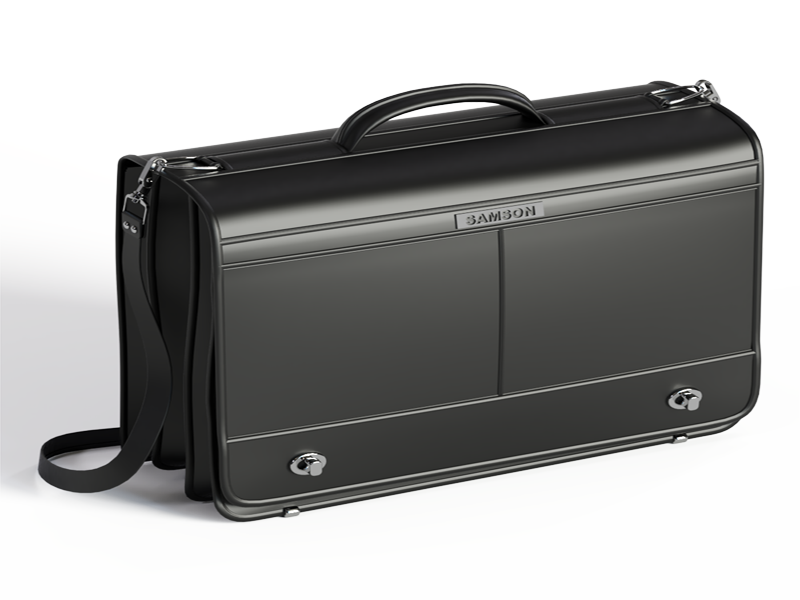
Can't find the answers?
No worries, please contact us and we will answer all the questions you have during the whole process of bag customization.
Make A Sample First?
If you have your own artwork, logo design files, or just an idea,please provide details about your project requirements, including preferred fabric, color, and customization options,we’re excited to assist you in bringing your bespoke bag designs to life through our sample production process.