Skip to content
Fashion Fabric: Enhancing Brand Identity Through Unique Materials
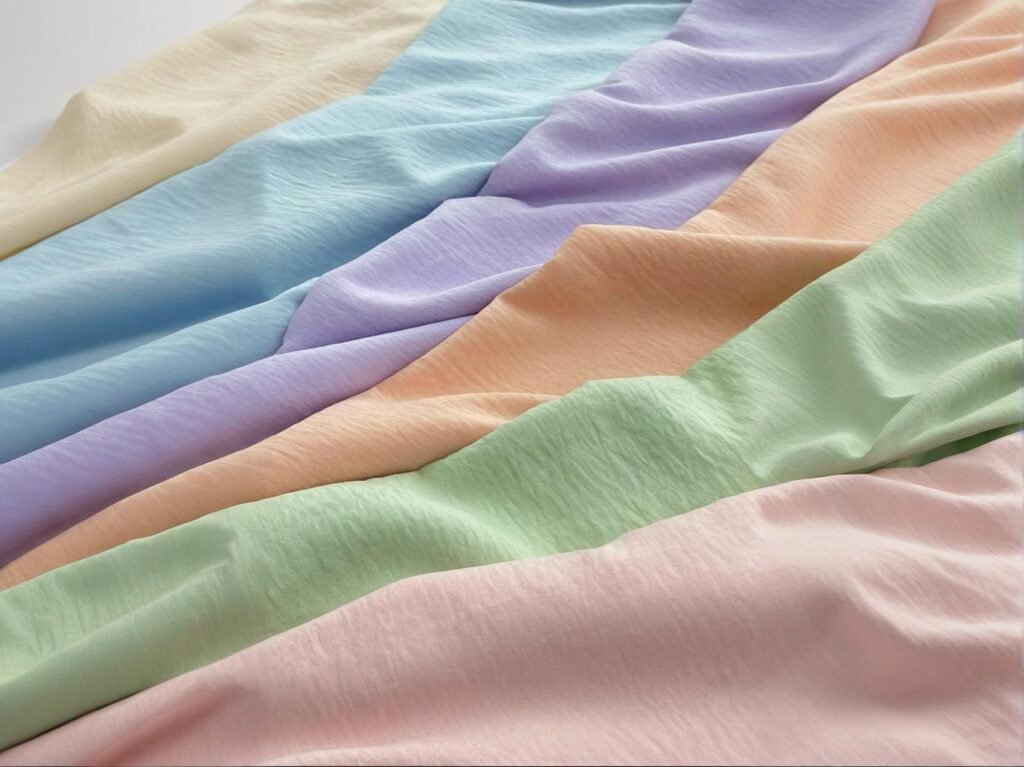
In a world where consumers are bombarded with endless fashion options, standing out isn’t just about design — it’s about storytelling through touch, texture, and innovation. Fabric is no longer just a construction element; it’s a communication tool. For modern brands, especially in high fashion and niche markets, the fabric speaks long before the logo. Fashion fabrics shape how consumers perceive a brand — from softness and texture to sustainability and exclusivity. The right material amplifies brand storytelling, creates emotional connection, and differentiates products in a competitive market.
At a time when consumers expect more than just style, materials like organic silk blends, hemp-linen hybrids, and custom jacquard weaves are giving brands the tactile tools to express identity with depth. Whether it’s a luxury label conveying sophistication through high-grade cotton-silk, or a streetwear brand using recycled neoprene to reflect its environmental ethos — fabric becomes the face of a brand’s values.
Let’s begin this journey with a story: A boutique fashion label in Berlin wanted to reflect its Afro-European heritage through its textiles. Instead of using generic fabrics, it partnered with a custom fabric manufacturer to create a signature wax cotton blend with West African dye patterns. Within one year, the material itself became their visual signature — instantly recognizable and celebrated by global fashion press.
What Role Does Fabric Choice Play in Building a Strong Fashion Brand Identity?
Fabric plays a pivotal role in brand identity by translating intangible values into a physical form. Texture, drape, and appearance aren’t just about feel — they represent brand personality, target demographics, and even price positioning.
Fabric communicates a brand’s essence through look, touch, and functionality. It bridges product design with emotional appeal, helping consumers connect with brand values.
The Semiotics of Fabric in Branding
1. Emotional Signaling
- Luxury brands often use cashmere, silk, or full-grain leather to signal prestige.
- Sustainable brands use natural dyes, organic cotton, or hemp to build an ethical narrative.
2. Consumer Touchpoints
- Touch and feel heavily influence first impressions. 74% of consumers say they associate fabric quality with overall brand quality (Statista, 2023).
3. Demographic Targeting
- Teen-focused brands may use jersey or mesh for comfort and flexibility.
- Professional wear brands might lean on wool blends or polished viscose for structure.
4. Example: UNIQLO vs. Loro Piana
| Brand | Fabric Focus | Identity Signal |
|---|---|---|
| UNIQLO | Technical polyester & Airism® | Functional, accessible innovation |
| Loro Piana | Vicuña, cashmere, baby camel | Discreet luxury, heritage craft |
How Do Luxury Brands Use Unique Fabrics to Differentiate Their Products?
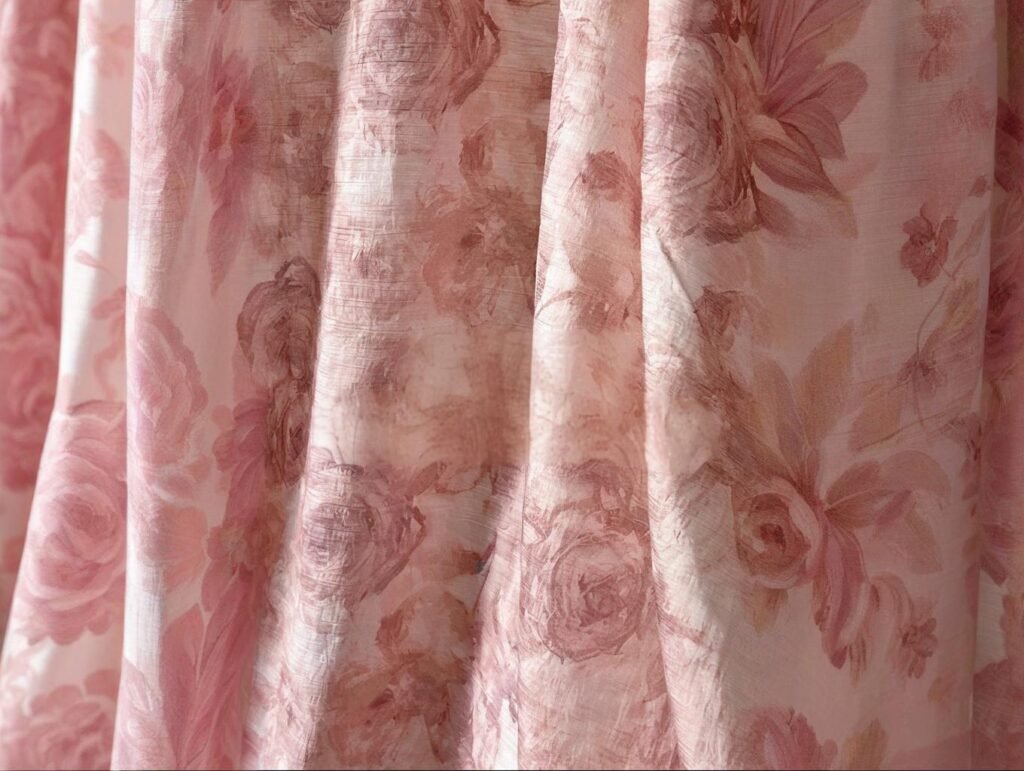
Luxury brands are distinguished by their relentless pursuit of material excellence. Unique fabrics — whether rare fibers, heritage techniques, or in-house developed weaves — become their brand signatures. This tactile storytelling creates scarcity, recognition, and emotional loyalty.
Luxury brands differentiate by investing in rare, high-quality fabrics that reflect exclusivity and craftsmanship — turning materials into brand-defining icons.
Techniques in Fabric-Driven Luxury Branding
1. Proprietary Fabric Development
- Brands like Chanel and Hermès often create their own weaves or commission artisan mills to develop proprietary patterns.
- LVMH houses such as Dior collaborate with historic French jacquard ateliers to blend modernity with heritage.
2. Limited Edition Textile Runs
- Limited seasonal fabrics create exclusivity. Gucci has launched capsule collections with textile prints inspired by 70s wallpaper patterns.
- Prada’s Re-Nylon collection made waves by recycling ocean plastic into high-performance textiles.
3. Craft-Driven Differentiation
- Bottega Veneta is famous for intrecciato woven leather, a material technique as recognizable as a logo.
- Brunello Cucinelli invests in slow-made cashmere harvested in small Italian valleys — where the story of the fabric becomes the marketing.
Iconic Luxury Fabric Differentiation
| Brand | Fabric Signature | Differentiation Strategy |
|---|---|---|
| Hermès | Silk Twill for Scarves | Print precision and dye depth |
| Chanel | Tweed & Lurex blends | Atelier exclusivity and craftsmanship |
| Bottega Veneta | Woven Lambskin Leather | Texture as identity; no visible logos |
| Stella McCartney | Regenerated cashmere & recycled wool | Eco-luxury positioning |
👉 Stay tuned for Part 2 covering:
- Which Types of Fabrics Are Most Effective for Communicating Brand Values?
- Is There a Correlation Between Fabric Texture and Consumer Perception?
Which Types of Fabrics Are Most Effective for Communicating Brand Values?
Fabrics act as a brand’s silent ambassador. The right material choice can communicate sustainability, luxury, innovation, or cultural heritage — often before the customer even tries the garment on. The most effective fabrics align tangible properties (like feel and weight) with intangible values (like ethics, heritage, and modernity).
The most effective fabrics for branding are those that align material traits with brand values — such as organic cotton for sustainability or silk for elegance.
Matching Fabrics to Brand Messaging
1. Sustainable & Ethical Brands
- Organic cotton, hemp, bamboo viscose, and TENCEL™ lyocell convey environmental consciousness.
- These materials reduce water and pesticide use, helping brands demonstrate ecological commitment.
2. Luxury & Craftsmanship
- Mulberry silk, cashmere, and linen-silk blends support premium positioning.
- High-touch fabrics like handwoven wool or heritage tweed symbolize traditional skills and timelessness.
3. Tech-Savvy & Futuristic Brands
- Neoprene, graphene-enhanced fibers, or smart fabrics (e.g., thermoregulating or self-cleaning textiles) position brands as innovative and forward-thinking.
- Seen in brands like Vollebak and Stone Island.
4. Streetwear & Subcultures
- Mesh, canvas, fleece, or nylon ripstop give a rugged, utilitarian, or urban edge.
- These fabrics are functional yet versatile — a perfect fit for youth-centered storytelling.
📊 Fabric Branding Matrix
| Brand Value | Best-Fit Fabrics | Example Brand |
|---|---|---|
| Sustainability | Organic cotton, hemp, TENCEL™, bamboo | Patagonia, Mara Hoffman |
| Luxury | Cashmere, silk, vicuña, wool-silk blends | Loro Piana, Ermenegildo Zegna |
| Innovation | Neoprene, smart textiles, technical nylon | ACRONYM, Stone Island |
| Heritage | Handwoven tweed, artisanal linens, native cotton | Bode, Visvim |
| Streetwear | Fleece, ripstop, mesh, heavy cotton jersey | Supreme, Carhartt WIP |
Is There a Correlation Between Fabric Texture and Consumer Perception?
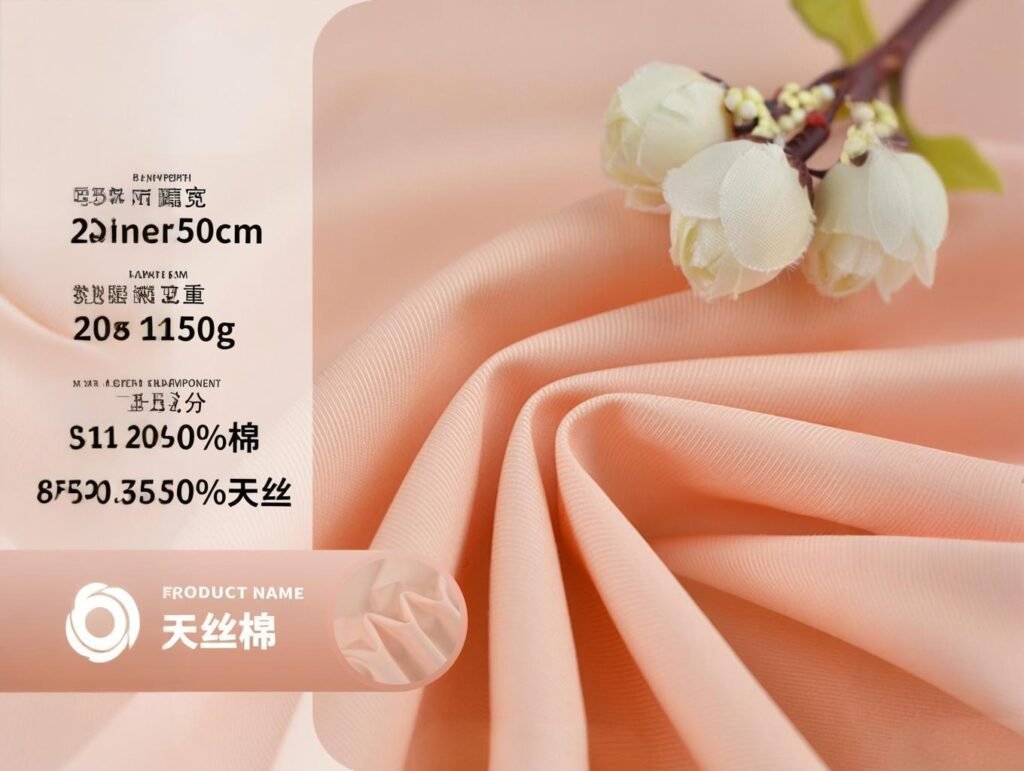
Absolutely. Touch is one of the most instinctive human senses, and fabric texture directly influences how consumers perceive quality, comfort, and value. A smooth, soft texture often signals luxury and comfort, while coarse or stiff textures may indicate utility or rugged durability.
Yes, texture significantly impacts consumer perception. Soft, smooth fabrics suggest luxury and comfort, while coarse textures imply durability or functionality.
The Psychology of Texture in Brand Communication
1. Sensory Branding
- Research in consumer psychology shows that soft textures activate emotional warmth and trust, making them ideal for loungewear or luxury items.
- Rough or textured surfaces evoke strength, protection, or toughness, which aligns with workwear or gear brands.
2. Texture as a Value Signal
- Brands that aim to evoke simplicity and minimalism often use matte-finish fabrics like raw cotton or peached jersey.
- Textures like quilted nylon, brushed fleece, or suede can amplify a sense of security or heritage.
3. Digital vs. In-Person Shopping
- In e-commerce, visual texture (e.g., high-resolution imagery or fabric close-ups) becomes crucial in conveying tactile perception.
- Brands like Everlane and Lunya focus heavily on descriptive fabric storytelling on their product pages.
Sensory Texture Framework
| Fabric Texture | Perceived Value | Best for Brand Positioning |
|---|---|---|
| Smooth & silky | Luxury, comfort, intimacy | Premium loungewear, silk brands |
| Coarse & rugged | Utility, toughness, workwear | Outdoor gear, ethical basics |
| Crisp & matte | Minimalist, modern, clean | Techwear, Scandinavian fashion |
| Plush & soft | Relaxation, care, security | Babywear, home loungewear |
Lunya’s washable silk line focuses on texture-driven storytelling, using close-up visuals and detailed descriptions like “cool-to-touch,” “fluid drape,” and “brushed softness.” This allows consumers to form emotional associations with the material even online, reinforcing the brand’s luxurious comfort ethos.
How Can Custom-Developed Fabrics Strengthen Private Label Branding?
Custom-developed fabrics are one of the most powerful tools a fashion brand can leverage to create differentiation, exclusivity, and higher perceived value. Whether it’s a proprietary blend, a unique weave, or a signature finish, the ability to control your fabric narrative allows your brand to stand apart in a crowded market.
Custom-developed fabrics strengthen private label branding by offering exclusivity, storytelling opportunities, and enhanced product identity through unique textures and performance.
Strategic Advantages of Custom Fabric Development
1. Brand-Specific Functionality
Brands can tailor performance features — such as moisture-wicking, UV resistance, or thermal insulation — to fit their use case, making the product more relevant and useful to a target audience.
| Feature | Application Example | Brand Type |
|---|---|---|
| UV Protection | Outdoor swimwear | Resortwear, sportswear |
| Antibacterial Finish | Innerwear, yoga wear | Athleisure |
| Fire Retardant | Utility or industrial uniforms | Functional workwear |
2. Aesthetic Customization
Colors, weaves, embossing, or digital prints can be precisely aligned with a brand’s seasonal palette or identity tone.
3. Storytelling Potential
Using a proprietary fabric (e.g., “Z-Tech Cotton Blend” or “S-Luxe Weave”) becomes a marketing tool. It can be highlighted in campaigns, product names, or even hangtags — adding emotional and perceived value to each garment.
4. Exclusivity as IP
Some fabrics, like Nike’s Dri-FIT or Lululemon’s Luon, become part of a brand’s intellectual identity. This strategy builds long-term loyalty and makes products harder to replicate.
Partnering with a capable OEM like SzoneierFabrics lets you co-develop fabrics with proprietary specs, MOQ flexibility, and sampling speed — critical for private label brands with tight timelines.
Do Sustainable and Ethical Fabrics Add Value to Modern Fashion Brands?
Absolutely — today’s consumers aren’t just buying clothing; they’re investing in values. Ethical sourcing, fair-trade cotton, biodegradable textiles, and recycled fibers all resonate deeply with modern buyers, especially Millennials and Gen Z. According to a Nielsen study, 73% of global consumers say they would definitely change their consumption habits to reduce environmental impact.
Yes, sustainable and ethical fabrics add brand value by attracting conscious consumers, improving transparency, and reducing supply chain risks — essential for long-term growth.
Dimensions of Value in Sustainable Materials
1. Consumer Trust and Transparency
Brands that publish their fabric sources and certifications build higher trust. For example:
- GOTS-certified organic cotton
- OEKO-TEX® Standard 100 fabrics
- Recycled polyester with GRS certification
| Certification | What It Covers | Popular Brands Using It |
|---|---|---|
| GOTS | Organic fiber + social criteria | Stella McCartney, People Tree |
| OEKO-TEX | Chemical safety in textiles | Zara, H\&M (Conscious Line) |
| GRS | Recycled content traceability | Patagonia, Everlane |
2. Higher Willingness to Pay
Sustainable fabric adds emotional value, which translates into price elasticity. Studies show that consumers are willing to pay up to 20% more for products that demonstrate ethical production.
3. Retailer & Platform Requirements
Many large e-commerce platforms and boutique retailers now require documentation of ethical sourcing before listing products — especially in European and North American markets.
Reformation This brand built its entire identity on transparency and sustainable fabrics, from TENCEL™ to deadstock materials. Each product page includes detailed environmental impact stats, helping convert conscious shoppers and strengthen the brand narrative.
What Fabric Innovations Are Leading the Way in Brand Storytelling?
In the era of experiential branding, fabric itself is evolving into a core storytelling device. Beyond cut and color, brands now rely on fabric innovation to represent values like sustainability, technology, or craftsmanship. These breakthroughs go beyond visual appeal — they carry embedded narratives that resonate with consumers.
Innovative fabrics such as bio-based fibers, smart textiles, and recycled blends are transforming brand storytelling by merging material performance with emotional appeal.
Key Fabric Innovations Driving Identity
1. Bio-Based & Regenerative Fibers
- Orange Fiber (made from citrus juice waste)
- Piñatex (pineapple leaf fiber)
- Bananatex (banana plants)
These innovations allow brands to tell authentic sustainability stories that go beyond “organic.”
2. Smart & Functional Textiles
- Temperature-regulating fabrics like Outlast®
- UV-reactive and color-changing weaves
- Moisture-sensing and anti-odor technologies
Often used by sportswear or tech fashion brands, these features create futuristic associations and deepen user engagement.
3. Recycled Performance Blends
- ECONYL® regenerated nylon (from ocean waste)
- Recycled polyester from PET bottles
- Closed-loop cotton from deadstock
These sustainable tech fabrics balance durability and environmental responsibility — great for brands that position themselves as both tough and ethical.
4. Digital Fabrication & AR Integration
- QR-embedded woven tags for traceability
- 3D printed knitwear prototypes
- AR try-on enabled by fabric simulations
Cutting-edge tech isn’t just for the garment — it’s now embedded in the textile layer.
📊 Fabric Innovation & Brand Positioning Table
| Innovation Type | Story Angle | Ideal Brand Types |
|---|---|---|
| Bio-fibers (e.g. Piñatex) | Nature-forward, cruelty-free | Vegan, eco-conscious labels |
| Smart fabrics | Tech-savvy, performance-oriented | Sportswear, futuristic fashion |
| Recycled synthetics | Waste-to-resource, transparency-driven | Gen Z-focused brands, outdoor gear |
| Digitally embedded tags | Traceability, digital storytelling | Luxury, Gen Z-focused, NFTs |
How Can B2B Buyers Source Exclusive Fabrics That Reflect Their Brand Identity?
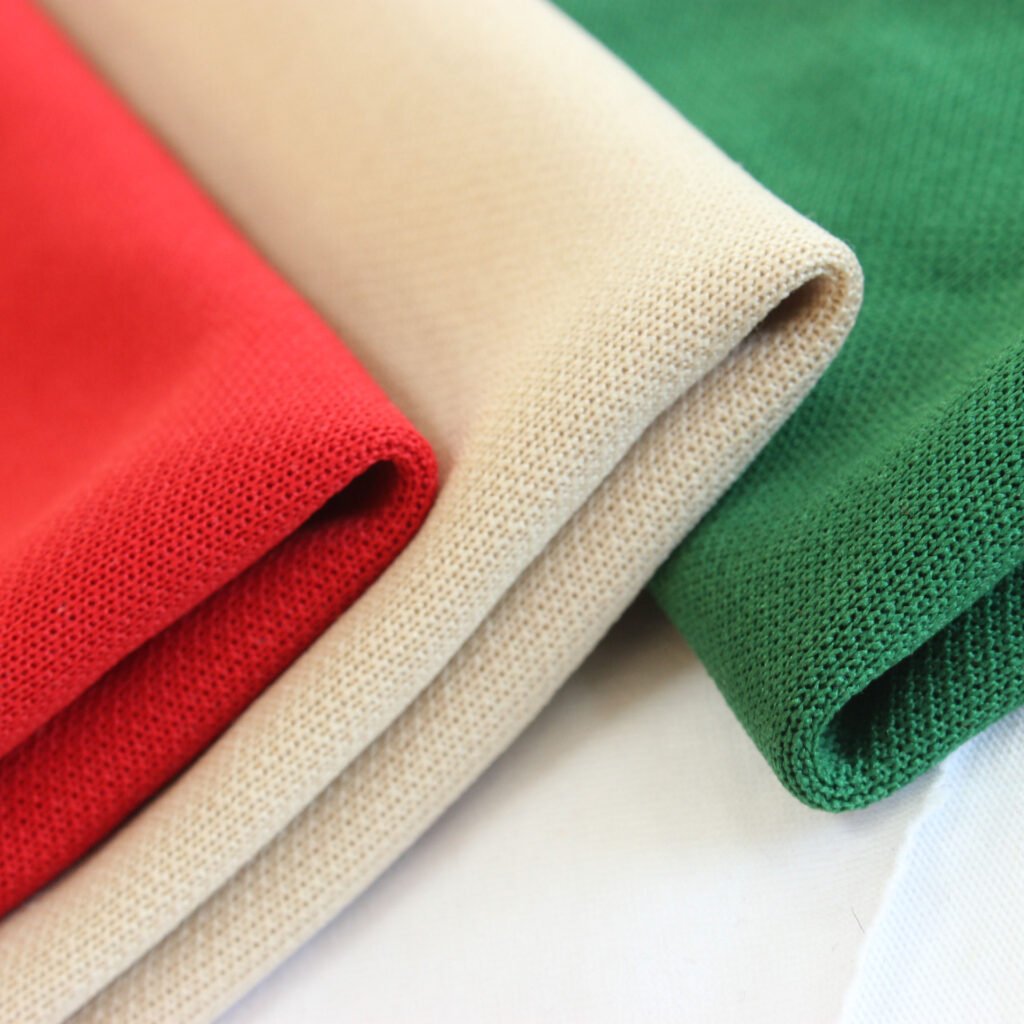
For B2B buyers, sourcing fabric is not just about cost and availability — it’s about finding materials that echo the essence of their brand. Working directly with fabric R\&D manufacturers like SzoneierFabrics offers a strategic edge: customization, control, and co-creation.
B2B buyers can reflect brand identity by partnering with fabric manufacturers for exclusive designs, custom performance specs, and low-MOQ options that align with brand values.
Sourcing Strategy for Brand-Aligned Fabrics
1. Collaborate on Custom Development
B2B buyers can co-develop exclusive fabric blends, dyeing patterns, or finishing treatments. This ensures alignment between material performance and brand promise.
2. Leverage Factory Sampling Capabilities
Factories like Szoneier offer:
- Fast prototyping
- Material swatches by request
- CAD-based design integration
- MOQ as low as 50 meters for custom runs
This reduces risk for small and medium-sized brands experimenting with seasonal changes.
3. Incorporate Brand Touchpoints into the Fabric
Beyond logos, consider:
- Signature textures (e.g., brushed or embossed effects)
- Custom weave identifiers (e.g., subtle patterns unique to the brand)
- Fiber blends that support a niche function (e.g., hypoallergenic, water-resistant)
4. Stay Compliant with Global Standards
B2B clients exporting to EU, US, or Japan must request certified fabrics:
- OEKO-TEX®
- REACH-compliant dyeing
- GOTS-certified fibers for organic claims
This enhances trust and enables product entry into strict retail and online channels.
Ready to Build Your Signature Fabric Identity?
SzoneierFabrics is your reliable partner in fabric innovation and customization. With over a decade of expertise in fabric R\&D and manufacturing, we’ve helped global brands bring their identity to life through exclusive weaves, sustainable blends, and performance-boosted textiles.
✅ Free sampling ✅ Custom design starting at just 50m MOQ ✅ Fast turnaround, global shipping ✅ 100% quality guarantee, GOTS/OEKO-TEX certified options available