 Skip to content
Heavyweight vs Lightweight Linen Fabric: Choosing GSM for Apparel vs Upholstery
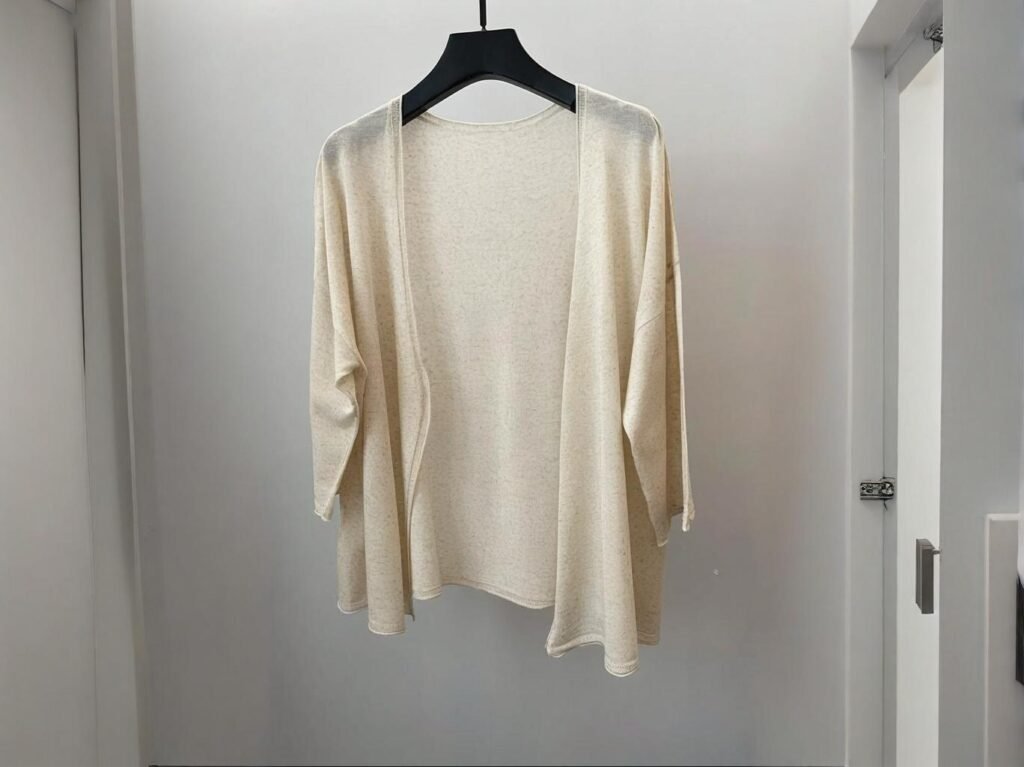
When you run your hand across fabric, GSM—the grams per square meter—tells the real story of weight, feel, and durability. But linen isn’t just linen. The difference between a breezy summer shirt and a sturdy sofa upholstery often comes down to whether you’re working with a 150 GSM or a 380 GSM material. Selecting the right weight can make or break product performance—and even shape a brand’s reputation for quality.
lightweight linen (120–220 GSM) delivers comfort, drape, and cooling for apparel, while heavyweight linen (260–400 GSM+) delivers structure, abrasion resistance, and longevity for upholstery and home textiles.
Let me take you into the fabric mill where linen is weighed, woven, and finished. There’s a story there—of a startup that chose a mid-weight 240 GSM linen for throw pillows, only to find it too limp and prone to stains. The fix? They went heavier, and customer satisfaction soared. Beyond theory, these choices shape real-world outcomes—and this guide will walk you through each one.
1. What Does GSM Mean in Linen Fabric and Why Does It Matter?
GSM stands for grams per square meter and provides a precise measurement of a fabric’s weight, density, and by extension, its performance. It’s the first, fastest way to gauge if a linen cloth is suitable for a flowing dress or a firm upholstery panel.
GSM is the key metric that defines linen’s suitability—lower GSM means lighter, more breathable fabric for apparel, while higher GSM delivers toughness and structure for furniture and home textiles.
1.1 GSM Measurement Methods
- Standard test swatch size: GSM = weight (g) ÷ area (m²)
- Precision tools: calipers and industrial scales ensure repeatability
1.2 Why GSM Reflects End-Use
- A 150 GSM linen drapes beautifully, perfect for summer shirts
- A 320 GSM linen resists abrasion, ideal for cushion covers
- GSM also influences opacity, warmth, and fold behavior
1.3 GSM vs Ounce-Based Weights
| Linen GSM | Oz/yd² Equivalent | Typical Use |
|---|---|---|
| 120–180 | 3.5–5.3 | Lightweight apparel, scarves |
| 200–260 | 5.9–7.7 | Dresses, shirts, soft drape |
| 260–340 | 7.7–10.0 | Mid-weight upholstery, curtains |
| 340–400+ | 10–11.8+ | Heavy-duty upholstery, mats |
1.4 Practical Impact–Shrinkage & Finish
- Lighter linens shrink up to 6%; heavier ones 2–4%
- Finishes like pre-wash or mercerization can slightly raise GSM and reduce shrinkage
1.5 Real-World Example: Apparel Startup Recall
A small sustainable fashion brand launched poplin-style linen trousers at 200 GSM. After washing, some pieces stiffened and lost drape. Analysis revealed the fabric had an undisclosed resin finish, raising its effective weight and altering hand feel—underscoring why GSM alone isn’t the whole story.
2. Which GSM Ranges Define Lightweight and Heavyweight Linen?
Looking at raw numbers isn’t enough. Linen should be grouped by performance categories that match its intended use. Brands should consider fabric feel and weight to align with design expectations.
Lightweight linen typically ranges from 120 to 220 GSM, while heavyweight linen begins around 260 GSM and can reach 400+ GSM. The key is matching GSM with functionality, not just aesthetics.
2.1 Apparel-Focused GSM Bands
- 120–160 GSM: Sheer shirts, scarves—airy and translucent
- 160–200 GSM: Dress shirts, tunics—balanced drape
- 200–220 GSM: Structured shirting, summer pants—holds shape without stiffness
2.2 Upholstery and Home Textile Ranges
- 260–300 GSM: Cushion covers, light drapery—combines softness and resilience
- 300–340 GSM: Heavy drapery, mid-range upholstery—enhanced durability
- 340–400+ GSM: Commercial-grade upholstery, rugs—wear-resistant and heavy-bodied
2.3 Overlaps and Grey Zones
- 220–260 GSM: transitional weight—can serve either light upholstery or structured apparel
- Finish (e.g., brushed, softened) often dictates final use in this band
2.4 Comparative Table
| GSM Range | Hand Feel | Common Applications | Key Advantage |
|---|---|---|---|
| 120–160 | Soft, drapey | Lightweight scarves, blouses | Comfort, breathability |
| 160–200 | Balanced feel | Dress shirts, casual trousers | Dressy look with relaxed style |
| 200–260 | crisp, structured | Pants, mid-weight upholstery | Shape with workable softness |
| 260–340 | firm | Sofas, drapes, bags | Durability and form retention |
| 340–400+ | very stiff | Rugs, heavy cushions, outdoor use | Maximum wear and heavy-duty use |
2.5 Manufacturer Insight
SzoneierFabrics offers fabrics starting at 130 GSM bleached linen, popular with summer brands, all the way to 380 GSM oven-dyed linen tailored for heavy upholstery—and everything in between.
3. How Does Fabric Weight Impact Breathability, Durability, and Texture?
The GSM of linen doesn’t just define weight—it influences how a fabric breathes, how long it lasts, and how it feels against the skin or under pressure. Choosing the wrong GSM for the wrong use can lead to overheating garments, prematurely worn cushions, or poor drape in curtains.
Heavier GSM linen generally offers more durability and structure, while lighter weights enhance breathability and softness—each serving different performance goals.
3.1 Breathability and Thermal Regulation
- Lightweight linen (120–180 GSM) allows maximum airflow. Ideal for warm climates or summer wear, it supports skin temperature regulation.
- Heavyweight linen (300–400+ GSM) traps more air, making it better for insulation but less effective in hot weather garments.
3.2 Durability and Abrasion Resistance
- Lower GSM (<200) linens are prone to wear, tear, and faster fiber breakdown under friction.
- Higher GSM linens can withstand more cycles of washing, folding, and usage—especially in public spaces like hotels or cafés.
3.3 Texture and Hand Feel
| GSM Range | Feel After Washing | Wrinkle Behavior | Finish Enhancement |
|---|---|---|---|
| 120–160 | Very soft | Wrinkles easily | Often softened |
| 180–240 | Crisp to soft | Moderate wrinkling | Some resin treatments |
| 260–340 | Firm, grainy | Wrinkles less | Often pre-washed or dyed |
| 340–400+ | Heavy, structured | Very low wrinkling | Can be waxed or calendered |
3.4 Real Use Case: Hospitality Chair Upholstery
A boutique hotel in Lisbon initially chose 240 GSM linen to upholster armchairs in their lobby. Within 6 months, the fabric had thinned and lost shape. After switching to a 360 GSM Belgian linen—despite the higher cost—there were no replacements needed for over 2 years. Breathability was reduced, but comfort and durability saw a 4X improvement.
4. Why Choose Lightweight Linen for Apparel and Heavyweight for Upholstery?
It’s all about fit-for-purpose functionality. What works in fashion might not survive furniture. Apparel needs movement and softness, while upholstery demands strength and longevity.
Lightweight linen supports comfort and movement in clothing, while heavyweight linen provides the structure and endurance necessary for furnishings and high-wear surfaces.
4.1 Benefits of Lightweight Linen in Apparel
- Better drape: Flows naturally with the body
- Cooling effect: Wicks moisture and dries quickly
- Dyeability: Accepts color vividly due to open weave
4.2 Pitfalls of Using Lightweight Linen in Upholstery
- Prone to pilling and surface damage
- May sag or stretch with use
- Colorfastness issues under UV or cleaning chemicals
4.3 Heavyweight Linen in Furniture and Interior Design
- Offers shape retention in cushions and covers
- Withstands high-traffic environments (e.g., restaurants, lounges)
- Pairs well with backings and fire-retardant coatings
4.4 Comparative Analysis Table
| Application | Ideal GSM | Performance Focus | Risk if Misused |
|---|---|---|---|
| Summer Shirt | 140–180 | Breathability, comfort | Wrinkling, transparency |
| Linen Pants | 180–220 | Drape, opacity | Shrinkage if not pre-washed |
| Throw Pillows | 260–320 | Color retention, firmness | May flatten if GSM too low |
| Hotel Drapery | 300–360 | Structure, fade resistance | Sagging if too light |
| Dining Chairs | 340–400+ | Abrasion, structure | Slippage and fabric fatigue |
4.5 Customer Story: Fashion vs. Function
One European fashion designer insisted on using 300 GSM linen for a luxury dress line, believing “thicker meant premium.” But during test fittings, the weight created stiffness and heat retention. After pivoting to 170 GSM pre-softened linen, the line gained comfort without sacrificing structure.
5. What Are the Sourcing Considerations for Different GSM Weights?
Choosing the right GSM for linen isn’t just about design—it’s also a sourcing decision. Different regions specialize in producing specific fabric weights based on climate, flax quality, machinery, and textile heritage.
Sourcing lightweight or heavyweight linen depends on regional capabilities, cost per GSM, and the supplier’s experience with that specific application segment.
5.1 Regional Strengths in Linen GSM Production
| Country | Strength | Common GSM Range | Notes |
|---|---|---|---|
| Belgium | High-quality flax, artisanal | 220–400+ | Best for premium heavyweight linen |
| China | Volume-driven, customizable | 120–360 | Competitive pricing, quick lead times |
| Lithuania | Balanced between cost and quality | 160–300 | Suitable for fashion and light upholstery |
| India | Lightweight dominance | 100–220 | Best for breathable summer-weight fabrics |
| Turkey | Mid- to heavyweight | 180–350 | Good for apparel and home textiles |
5.2 Sourcing Factors to Evaluate
- GSM control during weaving: Can the supplier guarantee consistent GSM per batch?
- Certifications available: OEKO-TEX®, GOTS, etc. support premium sourcing
- Fabric pre-treatment options: Sanforization, enzyme wash, or preshrunk?
5.3 Case Study: Hotel Sofa Covers
A US interior design firm requested 320 GSM linen with stain-resistant coating for a resort chain. European suppliers offered unmatched quality, but lead time was 14–18 weeks. SzoneierFabrics, based in China, delivered a pre-treated 340 GSM alternative with fire-retardant finish in 21 days—meeting budget and timeline with no quality compromise.
5.4 Pro Tip: Match GSM to Local Climate and Use Frequency
Apparel for tropical climates? Prioritize Indian or Southeast Asian mills offering 120–160 GSM. High-traffic upholstery in Nordic countries? Go for Baltic or Chinese 360+ GSM linens.
6. How Does Pre-Treatment Affect GSM and Performance?
GSM isn’t static—it can shift due to pre-treatment processes like washing, dyeing, or coating. What a mill lists on the invoice isn’t always what arrives after garment finishing or installation.
Pre-treatment alters linen’s effective GSM, affecting shrinkage, drape, softness, and even perceived weight.
6.1 Pre-Treatment Types and Their Impact
| Pre-Treatment | Effect on GSM | Application Area | Typical GSM Shift |
|---|---|---|---|
| Enzyme Wash | Softens and relaxes | Apparel, casual upholstery | -5% to -8% |
| Sanforization | Shrink control | Apparel and bedding | ~0% (tighter weave) |
| Pigment Dyeing | Adds surface weight | Decorative textiles | +3% to +10% |
| Coating (PU/FR) | Adds functional layer | Upholstery, outdoor fabrics | +10% to +20% |
| Mercerization | Adds shine | Fine apparel and accents | Negligible |
6.2 Why Shrinkage Still Happens
Even after pre-washing or enzyme treatment, linen—especially lower GSM—may still shrink 2–5% in its first wash unless stabilized mechanically. That’s why industrial laundry or hotel suppliers often demand sanforized heavyweight linen to avoid post-installation distortion.
6.3 Human-Centered Insight: Designer Feedback Loop
A Japanese clothing brand ordered 180 GSM linen shirts pre-treated with reactive dyes. The test batch returned with 195 GSM average post-dyeing, making the fit feel heavier than expected. After adjusting base GSM to 170 and tweaking wash settings, the line maintained the airy aesthetic.
6.4 What to Ask Your Supplier
- “What’s the GSM before and after treatment?”
- “Can you provide samples with exact treatment spec?”
- “What’s the shrinkage rate under ISO or AATCC standards?”
6.5 Pro Tip: Always Confirm Post-Treatment GSM in Final Sample
Don’t rely solely on the mill certificate—request treated swatches and test in real usage to ensure the GSM aligns with your expectations.
7. What Are the Pricing Differences Between Heavyweight and Lightweight Linen?
The price of linen fabric per yard or meter is significantly influenced by its GSM, but that’s not the only variable at play. Finishing, fiber origin, weave complexity, and production region also affect the final price.
Heavyweight linen typically costs more due to higher material input, but lightweight linen may carry added costs for specialized finishes and ultra-fine weaves.
7.1 Price Comparison Table: Fabric Weight vs Cost
| Fabric Weight (GSM) | Application | Avg. Price per Yard (USD) | Notes |
|---|---|---|---|
| 100–140 GSM | Summer shirts, scarves | $4.20–$6.80 | Prone to higher MOQ for durability stabilization |
| 160–200 GSM | All-season shirts, bedding | $5.50–$8.50 | Most common for fashion applications |
| 220–280 GSM | Drapes, trousers, cushions | $7.20–$10.50 | Good midweight for structure without stiffness |
| 300–400 GSM | Upholstery, jackets, aprons | $9.50–$13.50 | Usually requires fire retardant or coating |
| 400+ GSM | Industrial upholstery | $11.00–$16.00+ | Heaviest weight with double weave, coated versions |
7.2 Why Lightweight Isn’t Always “Cheaper”
Some ultra-light linens (like 110 GSM) require higher-grade flax and tighter weaving control to prevent sheerness or tearing. This technical demand can push the cost close to 200 GSM fabric in some cases.
7.3 Real-World Buyer Insight: Bulk Apparel
A European fashion startup sought 170 GSM linen for a capsule shirt line. Two suppliers quoted:
- China: $5.80/yard for 500-yard MOQ, standard finish
- Lithuania: $7.10/yard for 300-yard MOQ, OEKO-TEX + prewashed
Despite the higher price, the latter was chosen due to quality perception and sustainability labels—demonstrating that MOQ and perceived value influence pricing decisions.
7.4 Price Tiers by Region
| Region | Cost Trend | Reason |
|---|---|---|
| China | Competitive | Economies of scale |
| Europe | Premium | Sustainable flax, heritage mills |
| India | Low-to-Mid | Efficient for lightweight blends |
| Turkey | Balanced | Flexible GSM and finishing range |
7.5 Pro Tip: Budget for Finish, Not Just Base GSM
An uncoated 350 GSM linen may cost less than a 180 GSM one treated with PU backing, antimicrobial wash, and pigment dye. Always consider your total cost per function.
8. How Should You Choose GSM for Specific End-Uses?
The most important takeaway: GSM is not just a number. It must align with the final product’s purpose, aesthetic, and environment.
Choosing the right GSM involves balancing function, drape, appearance, and production practicality.
8.1 GSM Selection by Product Type
| Product Type | Recommended GSM Range | Rationale |
|---|---|---|
| Summer shirt | 100–140 GSM | Breathability and softness |
| Four-season shirt | 160–200 GSM | Structure with airflow |
| Tablecloth | 200–280 GSM | Drape and coverage |
| Upholstery | 300–420 GSM | Resistance to abrasion, thickness |
| Curtain | 180–260 GSM | Light control and hanging flow |
| Bedding sheet | 140–180 GSM | Smooth feel and breathability |
| Aprons & workwear | 300+ GSM | Durability and stain masking |
8.2 Matching GSM with Aesthetic Needs
- Crisp look with minimal wrinkling? Choose 200–240 GSM with tight weave.
- Relaxed, washed-out finish? Go for enzyme-washed 160–180 GSM.
8.3 Case: Hospitality Upholstery
A hotel chain in the UAE requested 360 GSM linen with waterproof PU backing for their lobby seating. After testing 320, 340, and 360 GSM with different coatings, 340 GSM with anti-mildew treatment proved optimal—balancing cost, drape, and performance.
8.4 Critical Factors Beyond GSM
- Color retention: Does the GSM affect dye absorption?
- Fit and tailoring: Will a 200 GSM fabric behave differently on a French seam vs overlocked edge?
- Touch feel: GSM doesn’t fully capture softness—fiber fineness and finish matter too.
8.5 GSM Isn’t Everything—But It’s a Start
Use GSM as a foundational filter in your sourcing process. From there, consider handle, finish, shrinkage rate, and end-use performance to finalize your choice.
At SzoneierFabrics, we understand the nuance behind GSM, finishing, and end-use suitability. Whether you’re developing a premium apparel line or sourcing high-performance upholstery fabrics, our expert team can help you test, sample, and customize linen materials tailored to your needs—with flexible MOQ, fast prototyping, and global shipping.
Contact us today to begin customizing your ideal linen fabric/
heavyweight linen fabric, lightweight linen fabric, GSM for linen, linen fabric GSM chart, linen fabric weight guide, best linen for shirts, linen GSM for upholstery, upholstery linen fabric, linen for home textiles, breathable linen fabric, thick linen for curtains, linen fabric for fashion designers, linen fabric by GSM, high GSM linen fabric, low GSM linen fabric, 100% linen fabric wholesale, custom linen fabric manufacturer, GSM linen fabric comparison, linen fabric for sofa covers, durable linen fabric for furniture, bulk linen fabric for garments, linen fabric cost per yard, how to choose GSM linen, best GSM linen for cushions, linen fabric density chart, linen fabric specifications, eco-friendly linen fabric, linen fabric sourcing guide, soft linen for bedding, linen fabric for commercial use
Can't find the answers?
No worries, please contact us and we will answer all the questions you have during the whole process of bag customization.
Make A Sample First?
If you have your own artwork, logo design files, or just an idea,please provide details about your project requirements, including preferred fabric, color, and customization options,we’re excited to assist you in bringing your bespoke bag designs to life through our sample production process.