Skip to content
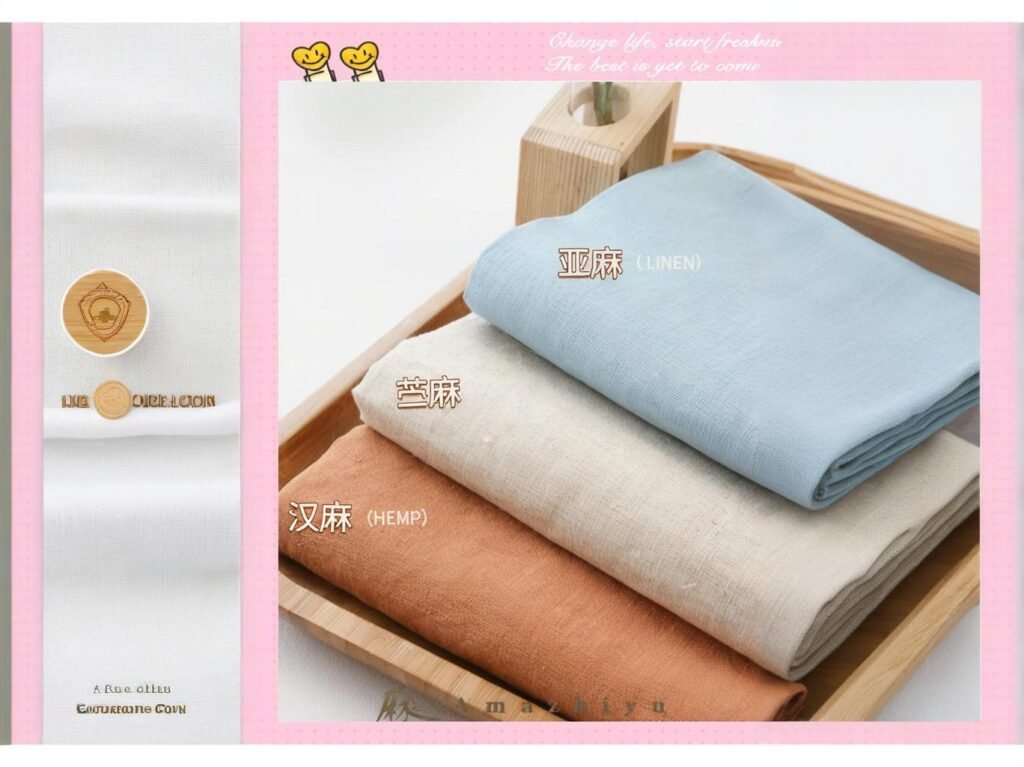
Hemp fabric has emerged as a game-changer in sustainable fashion, combining environmental responsibility with high-end textile performance. From raw stalks grown with minimal water and pesticides to finely woven garments in luxury collections, hemp represents a fusion of ecological awareness and style. Hemp material clothing integrates sustainable cultivation with high-quality textile processing, delivering eco-friendly, durable, and stylish garments. Its unique combination of environmental and luxury attributes makes it a preferred choice for modern fashion brands.
Imagine a fashion startup launching a capsule line of hemp blazers and dresses. By sourcing hemp fibers that were organically grown and processed with minimal chemicals, designers achieved a soft hand feel, durability, and a natural texture that resonated with eco-conscious consumers, proving that sustainability and luxury can coexist beautifully.
What Is Hemp Material and How Is It Cultivated for Textile Use?
Hemp material refers to textile fibers derived from the stalks of the Cannabis sativa plant, cultivated specifically for industrial and textile applications rather than medicinal or recreational use. For centuries, hemp has been valued for its strength and durability, but only in recent decades has it re-emerged as a serious contender in modern textile supply chains. This renewed interest is driven by a combination of agronomic efficiency, environmental performance, and evolving processing technologies that allow hemp fibers to meet contemporary quality expectations.
From a textile perspective, hemp belongs to the category of bast fibers, similar to flax (linen). These fibers are located in the outer layer of the plant stalk and are characterized by long fiber length, high tensile strength, and good moisture regulation. When properly cultivated and processed, hemp fibers can be spun into yarns suitable for weaving, knitting, and blending with other natural or regenerated fibers.
Understanding how hemp is cultivated is essential for evaluating its textile performance, cost structure, and sustainability credentials. Unlike many conventional fiber crops, hemp’s advantages begin at the field level and extend through the entire value chain.
Hemp Cultivation: An Agricultural Foundation for Textile Performance
Hemp cultivation is defined by high efficiency and low resource dependency, which directly influences both environmental impact and fiber quality. Industrial hemp varieties are bred to maximize stalk height and fiber yield, typically reaching heights of 2–4 meters within a single growing season.
One of hemp’s most notable characteristics is its low water requirement. Depending on climate and soil conditions, hemp typically consumes between 300 and 500 liters of water per kilogram of fiber, substantially less than conventional cotton. This makes hemp particularly attractive in regions facing water scarcity or regulatory pressure on agricultural water use. For textile manufacturers, reduced irrigation at the farming stage translates into a lower overall environmental footprint and stronger sustainability claims downstream.
Hemp also demonstrates natural resistance to many common pests and diseases, reducing the need for chemical pesticides. In most commercial cultivation systems, pesticide use is minimal or entirely avoided. This not only lowers ecological damage but also reduces the risk of chemical residues in finished textiles, a growing concern among regulators and consumers alike.
The plant’s fast growth cycle, typically ranging from 90 to 120 days, allows farmers to achieve efficient land use. In some regions, hemp can be rotated with other crops within the same year, improving farm economics and supply stability. Faster cycles also mean that fiber supply can respond more quickly to changes in market demand compared to slower-growing crops.
Soil Regeneration and Agricultural Sustainability
Beyond water and chemical inputs, hemp contributes positively to soil health. Its deep root system helps prevent soil erosion, improves soil structure, and supports microbial activity. Unlike crops that heavily deplete soil nutrients, hemp is often described as soil-neutral or regenerative when managed correctly.
Hemp’s ability to reduce nitrogen depletion is particularly relevant in modern agriculture, where excessive fertilizer use has led to long-term soil degradation in many cotton-growing regions. As a rotation crop, hemp can help restore balance, making it attractive to farmers looking to maintain productivity without escalating input costs.
From a textile sourcing standpoint, these agronomic benefits matter because they support long-term fiber availability. Brands and manufacturers increasingly look beyond short-term yield and consider whether a material can be produced consistently over decades without exhausting agricultural systems. Hemp’s cultivation profile aligns well with these long-term considerations.
From Stalk to Fiber: Preparing Hemp for Textile Use
Once harvested, hemp stalks undergo a series of processes to separate usable fibers from woody material. The most critical of these steps is retting, a controlled process that breaks down the pectins binding bast fibers to the inner core.
Modern textile hemp relies increasingly on controlled retting methods, such as enzymatic or mechanical retting, rather than traditional field or water retting. These methods allow for greater consistency in fiber length, fineness, and cleanliness, which are essential for textile-grade applications. Consistent retting directly affects yarn evenness, dye uptake, and final fabric appearance.
After retting, the fibers are decorticated, separating long bast fibers from shorter fibers and shives. Long fibers are typically used for higher-end textiles, while shorter fibers may be directed toward nonwoven, industrial, or blended applications. This tiered utilization improves overall yield efficiency and cost control.
Well-processed hemp fibers can achieve lengths comparable to flax and tensile strength exceeding that of cotton. These characteristics explain why hemp performs well in applications where durability, shape retention, and structural integrity are important.
Cultivation Metrics and Environmental Comparison
To understand hemp’s position in the textile landscape, it is useful to compare its cultivation metrics directly with other common natural fibers.
Table 1: Hemp Cultivation vs Cotton
| Fiber Type | Water Usage (L/kg) | Pesticides Required | Growth Duration | Soil Impact |
|---|---|---|---|---|
| Hemp | 300–500 | Low | 90–120 days | Improves soil health |
| Cotton | 700–1000 | High | 150–180 days | Soil depletion |
| Linen | 500–700 | Low | 100–120 days | Neutral |
This comparison highlights several structural advantages. Hemp’s lower water demand and shorter growth cycle reduce exposure to climate volatility and rising agricultural input costs. Its positive soil impact contrasts sharply with cotton, which often requires intensive management to maintain yields over time.
For textile buyers and manufacturers, these metrics are increasingly relevant in supplier evaluations and material selection frameworks.
Fiber Quality and Its Relationship to Cultivation
Hemp fiber quality is closely linked to cultivation practices. Plant density, harvest timing, and retting control all influence fiber fineness and softness. Densely planted hemp tends to produce taller stalks with finer fibers, which are preferred for apparel and soft goods. Harvesting at the correct maturity stage is equally important; overly mature plants yield coarser fibers better suited for industrial uses.
This sensitivity means that textile-grade hemp cultivation requires intentional agricultural planning, not generic hemp farming. As demand for higher-quality hemp fabrics grows, farms increasingly tailor practices to meet textile specifications rather than maximizing biomass alone.
For manufacturers, this distinction matters. Textile-grade hemp commands higher prices but offers better processing efficiency and more predictable results in spinning and weaving. As supply chains mature, closer coordination between farms, processors, and textile mills becomes a competitive advantage.
Case Study: Cultivation-Driven Value Creation
A European hemp apparel supplier provides a practical illustration of how cultivation choices influence market outcomes. By sourcing hemp grown with zero pesticide input and carefully managing retting and fiber selection, the supplier achieved fibers suitable for premium apparel applications.
This approach allowed finished garments to qualify for organic certification, a key requirement for the brand’s target market. The certification was not an afterthought but a direct result of cultivation discipline. As a result, the garments appealed to consumers seeking both refined aesthetics and verifiable sustainability, supporting higher retail pricing and strong sell-through rates.
The case demonstrates that hemp’s value in textiles begins long before spinning or weaving. Cultivation decisions shape not only environmental impact but also commercial positioning.
Operational Implications for Textile Manufacturers
From an operational perspective, hemp cultivation sets the baseline for everything that follows in the textile production process. Consistent fiber quality reduces waste during spinning, improves yarn strength, and stabilizes fabric appearance. Lower chemical residues simplify compliance with international textile standards and reduce testing failures.
Manufacturers sourcing hemp for textiles benefit most when they understand cultivation parameters rather than treating hemp as a generic commodity. Aligning fiber specifications with end-use requirements helps avoid mismatches that can lead to increased costs or compromised product performance.
In practical terms, this means working with suppliers who can document farming practices, retting methods, and fiber grading. As hemp adoption scales, such transparency becomes essential for maintaining quality and credibility.
Why Cultivation Matters for the Future of Hemp Textiles
Hemp’s resurgence as a textile material is not solely the result of consumer trends or regulatory pressure. It is grounded in agricultural fundamentals that support scalability, resilience, and environmental responsibility. The way hemp is cultivated directly influences whether it can meet the demands of modern textile markets at scale.
Efficient water use, minimal chemical dependency, fast growth cycles, and regenerative soil effects give hemp a structural advantage over many traditional fibers. When combined with controlled processing, these cultivation benefits translate into fibers capable of supporting high-end garments, accessories, and home textiles.
As the textile industry continues to reassess its raw material foundations, hemp stands out not as a compromise, but as a technically and agriculturally sound fiber. Its cultivation profile forms a solid base for long-term growth, making it increasingly relevant for manufacturers and brands seeking both performance and sustainability without sacrificing one for the other.
Which Processes Transform Hemp Fiber Into Wearable Fabric?
Turning raw hemp stalks into fabric that is comfortable enough for daily wear is a technically demanding, multi-stage process. Unlike cotton or synthetic fibers, hemp’s natural structure is coarse, lignin-rich, and tightly bonded to a woody core. Without precise processing control, hemp fabric can feel stiff, uneven, or unsuitable for apparel. When done correctly, however, modern hemp textiles can rival linen in softness while outperforming many natural fibers in durability and environmental efficiency.
From an industrial perspective, hemp textile processing is not a single method but a chain of interdependent operations, where each step directly affects fiber length, yarn uniformity, dye absorption, and long-term garment performance. Apparel-grade hemp requires tighter tolerances and more refined treatments than hemp used for ropes, insulation, or industrial composites. This is why high-quality hemp clothing remains concentrated among manufacturers with specialized equipment and process expertise rather than commodity fiber producers.
Below is a detailed breakdown of how hemp fiber is transformed into wearable fabric, with emphasis on measurable processing parameters, real manufacturing considerations, and quality outcomes relevant to fashion and lifestyle brands.
Primary Processing Steps Explained in Detail
Retting is the first and most critical transformation stage. Raw hemp stalks consist of bast fibers bound to the inner woody core (hurd) by pectins and lignin. Retting uses controlled biological activity to break these bonds. Traditional field retting relies on moisture and microorganisms over 2–4 weeks, but it often results in inconsistent fiber quality due to weather variation. Modern textile-grade hemp increasingly uses water retting or enzyme retting, typically lasting 8–14 days, which allows better control over fiber separation while preserving tensile strength. Under-retting leads to brittle fibers and poor spinnability, while over-retting weakens fibers and reduces yarn strength. For apparel applications, consistency matters more than speed, making controlled retting systems the industry preference.
Once retting is complete, decortication mechanically separates the bast fibers from the hurd. Advanced decorticators use calibrated rollers and blade systems to achieve over 90% bast fiber recovery, which is essential for cost efficiency and fiber uniformity. Excessive mechanical force can shorten fibers, reducing yarn strength, while insufficient separation leaves woody particles that compromise fabric smoothness. Apparel-focused processors typically prioritize longer fiber retention over throughput, even if it increases processing cost per kilogram.
After decortication, hemp fibers remain coarse and uneven compared to cotton. Carding and combing refine the fibers by aligning them parallel, removing remaining impurities, and equalizing fiber length. High-quality systems aim for up to 99% impurity removal, which significantly improves yarn appearance and dye uptake. This stage plays a major role in eliminating the “hairy” surface traditionally associated with hemp textiles. For garments such as shirts, dresses, and lightweight outerwear, thorough carding and combing are non-negotiable.
Spinning converts refined fibers into yarn. Hemp can be spun using wet spinning or modified cotton spinning systems, depending on desired yarn characteristics. Apparel yarns typically fall within the 20–30 Nm range, balancing strength and softness. Finer yarns improve drape and hand feel but require more uniform fibers and tighter quality control. Inconsistent spinning tension leads to yarn breakage during weaving or knitting, increasing waste and production downtime. As a result, apparel-grade hemp spinning is slower and more controlled than industrial hemp spinning.
The yarn then moves into weaving or knitting, where it becomes fabric. Hemp can be woven into plain, twill, or satin structures or knitted for stretch applications. For clothing, finished fabric weights usually range from 200 to 400 GSM, depending on garment type. Lightweight tops and summer dresses favor the lower end of this range, while jackets and structured garments use heavier constructions. Fabric structure directly influences breathability, drape, and garment stability, making loom or knitting machine calibration a key quality factor.
The final stage, finishing, determines whether hemp fabric feels rigid or refined. Modern finishing combines mechanical softening, enzyme treatments, and eco-friendly dyeing methods. Enzyme washes reduce surface roughness without damaging fiber integrity, while reactive or natural dyes improve color consistency. Proper finishing transforms hemp from a traditionally coarse fiber into a textile suitable for premium apparel, while also supporting sustainability claims through reduced chemical use.
Fabric Quality and Processing Metrics
Table 2: Hemp Processing Parameters and Outcomes
| Processing Stage | Key Objective | Metric / Benchmark | Impact on Clothing Quality |
|---|---|---|---|
| Retting | Separate bast fibers | 8–14 days, water or enzyme retting | Fiber length and tensile strength |
| Decortication | Remove woody hurd | >90% bast recovery | Softness and usability |
| Carding & Combing | Align fibers, remove impurities | Uniform fiber length & 99% impurity removal | Smooth yarn, better dye uptake |
| Spinning | Yarn formation | 20–30 Nm yarn thickness | Strength, consistency |
| Weaving/Knitting | Fabric creation | 200–400 GSM for apparel | Drape, flexibility, garment structure |
| Finishing | Texture, softness, color | Eco-friendly dyeing, enzyme wash | Premium feel, sustainable branding |
Each metric in the table represents an operational control point rather than a theoretical ideal. Deviations at any stage accumulate downstream. For example, uneven retting cannot be fully corrected by finishing, and inconsistent yarn thickness will always be visible in lightweight garments, regardless of dye quality.
Case Study: Controlled Processing for Luxury Apparel
Szoneier Fabrics collaborated with a European luxury womenswear brand developing a summer dress collection using hemp as a core material. The design brief required lightweight drape, soft hand feel, and compatibility with plant-based dyes. Achieving this required close control over retting duration and spinning parameters rather than relying on standard fiber batches.
By maintaining retting within a narrow 10–12 day window and selecting yarn counts near 28 Nm, the resulting fabric achieved high tensile strength while remaining smooth enough for fine weaving. Enzyme finishing further reduced surface roughness, allowing natural dyes to produce even, vibrant coloration. The finished garments met durability expectations while aligning with the brand’s sustainability narrative, demonstrating how process precision directly translates into commercial success.
Why Processing Determines Market Viability
From a commercial standpoint, hemp’s potential in apparel is not limited by the plant itself but by the consistency of its processing. Brands entering hemp textiles often underestimate the complexity involved, assuming it behaves like cotton or linen. In reality, hemp requires more intervention earlier in the supply chain to achieve comparable comfort levels. This explains why premium hemp fabrics command higher prices than conventional cotton despite lower agricultural inputs.
Manufacturers that invest in controlled retting systems, precision decortication, and apparel-focused spinning lines are able to position hemp fabrics for fashion, lifestyle, and premium casualwear markets. Those relying on generic industrial hemp processing often struggle to meet apparel quality standards, leading to stiff fabrics, uneven dyeing, and limited repeat orders.
Operational Insight for Brands and Designers
For apparel brands evaluating hemp fabrics, understanding processing variables is as important as evaluating finished samples. Fabric softness, strength, and appearance are not accidental outcomes but the result of deliberate processing choices. Asking suppliers about retting methods, fiber recovery rates, yarn counts, and finishing techniques provides clearer insight into long-term quality consistency than visual inspection alone.
When properly processed, hemp retains its natural advantages—high tensile strength, breathability, and low environmental impact—while delivering the comfort and aesthetics required for modern clothing. This balance between performance and sustainability is what positions hemp as a credible material for future apparel collections rather than a niche eco-experiment.
How Does Hemp Compare to Other Natural Fibers in Clothing Applications?
As apparel brands reassess material choices under pressure from sustainability targets, durability expectations, and rising production costs, natural fibers are being examined with far greater scrutiny than in the past. Cotton, linen, and silk have long dominated clothing applications, each with well-understood strengths and limitations. Hemp, however, is increasingly viewed not as an alternative niche fiber, but as a strategic material capable of meeting modern performance, environmental, and design requirements simultaneously.
What differentiates hemp from other natural fibers is not a single attribute, but a balanced combination of mechanical strength, lifecycle sustainability, and evolving aesthetic versatility. When evaluated across real garment use, manufacturing behavior, and long-term wear, hemp often delivers advantages that become particularly relevant for premium, contemporary, and sustainability-driven apparel collections.
Fiber Strength and Garment Durability
From a structural standpoint, hemp is one of the strongest natural textile fibers available for clothing applications. Hemp fibers exhibit higher tensile strength than cotton, with laboratory measurements typically showing hemp fiber strength in the range of 550–900 MPa, compared to cotton’s 400–600 MPa, depending on staple length and processing method.
This inherent strength translates into several practical advantages in finished garments:
- Improved resistance to tearing and seam failure
- Reduced fabric thinning in high-friction zones such as elbows, knees, and seat areas
- Longer garment lifespan under repeated washing and wear
Linen, which is also derived from bast fibers, shares some mechanical similarities with hemp but generally exhibits lower abrasion resistance and a higher tendency toward permanent creasing. Silk, while valued for its softness and sheen, has comparatively low tensile strength and is vulnerable to abrasion, UV exposure, and moisture degradation.
In everyday clothing, these differences matter. Hemp-based garments retain structural integrity longer, particularly in tailored pieces, workwear-inspired fashion, and outerwear where fabric stress is unavoidable.
Fabric Behavior and Long-Term Wear
Durability is not only about fiber strength, but also about how fabrics age over time. Hemp textiles are known for a distinctive progressive softening effect. Initially, hemp fabrics may feel firmer or more textured than cotton or silk. With repeated laundering and wear, the fibers relax and soften without losing strength.
This aging behavior contrasts with cotton, which often becomes thinner and weaker as fibers break down, and silk, which can lose luster and strength over time. Linen softens as well, but tends to retain pronounced wrinkles due to its lower elasticity.
For consumers, hemp garments often feel better after months of use rather than worse, contributing to higher perceived value and lower replacement frequency.
Environmental Performance in Clothing Contexts
Environmental impact is increasingly evaluated not only at the raw material level, but across the full lifecycle of a garment.
Hemp’s cultivation profile provides measurable advantages:
- Lower water consumption, typically 300–500 liters per kilogram of fiber, compared to cotton’s 700–1,000 liters per kilogram
- Minimal reliance on pesticides due to natural resistance to pests
- Fast growth cycles of 90–120 days, allowing efficient land use
Linen performs relatively well environmentally, though flax cultivation generally requires more water than hemp and produces lower fiber yields per hectare. Silk, while natural, has a more complex sustainability profile due to energy-intensive processing and the resource demands of sericulture.
In clothing applications, these differences influence:
- Brand sustainability reporting
- Compliance with eco-certifications
- Consumer perception of material responsibility
For brands targeting reduced environmental footprints, hemp provides tangible metrics that can be communicated transparently.
Biodegradability and End-of-Life Considerations
All four fibers discussed—hemp, cotton, linen, and silk—are biodegradable. However, the rate and conditions of biodegradation vary.
Hemp fibers decompose efficiently under natural conditions without releasing persistent residues. In contrast, cotton treated with heavy chemical finishes or blended with synthetic fibers may degrade more slowly. Silk biodegrades readily but is often excluded from circular models due to its higher cost and limited recyclability.
For clothing brands designing with circular economy principles, hemp’s ability to return to the biosphere without long-term environmental burden strengthens its appeal.
Aesthetic Characteristics and Design Flexibility
Aesthetics play a decisive role in clothing applications, especially in fashion-forward and premium segments.
Hemp fabrics offer:
- A natural matte appearance
- Visible texture that conveys authenticity and craftsmanship
- Structured drape suitable for tailored garments
Compared to cotton’s softness and silk’s fluid sheen, hemp provides architectural qualities that designers increasingly value. Blazers, trousers, jackets, and structured dresses benefit from hemp’s body and shape retention.
Linen shares some of this visual texture but wrinkles easily, which can limit its use in garments requiring a polished appearance. Hemp, particularly when enzyme-washed or blended, offers improved wrinkle resistance while maintaining structure.
Blending Strategies for Apparel Optimization
One of the most effective ways hemp is used in modern clothing is through fiber blending. Blends allow designers to balance performance, comfort, and cost while preserving sustainability advantages.
Common blends include:
- Hemp-cotton: balances strength and softness
- Hemp-silk: combines durability with luxury hand feel
- Hemp-TENCEL™: enhances drape and moisture management
Blended fabrics often outperform single-fiber textiles in wear tests, offering improved dimensional stability, reduced pilling, and better wash performance.
Fiber Comparison Table
| Fiber Type | Strength | Softness | Water Usage (L/kg) | Wrinkle Resistance | Luxury Appeal | Sustainability |
|---|---|---|---|---|---|---|
| Hemp | High | Medium | 300–500 | Medium | High | Very High |
| Cotton | Medium | High | 700–1000 | Low | Medium | Medium–High |
| Linen | Medium–High | Medium | 500–700 | Low | Medium | High |
| Silk | Low | Very High | 250–400 | Medium | Very High | Medium |
This comparison highlights hemp’s ability to occupy a unique position among natural fibers, offering durability and sustainability without sacrificing design relevance.
Case Study: Hemp in Contemporary Apparel Design
A mid-market fashion brand introduced a line of summer dresses made from a hemp-cotton blend, targeting consumers seeking breathable fabrics with a lower environmental footprint.
Hemp contributed structural stability and abrasion resistance, while cotton softened the hand feel. Wear testing showed reduced seam distortion and lower fabric thinning compared to pure cotton versions of the same design. Consumer feedback emphasized the garments’ durability and “premium natural feel,” supporting higher repeat purchase rates.
This example reflects a broader industry trend: hemp performs best when positioned not as a replacement, but as an upgrade to traditional fibers.
Manufacturing and Production Considerations
From a manufacturing perspective, hemp fabrics require some adaptation compared to cotton or silk.
Key considerations include:
- Slightly higher initial yarn stiffness, requiring optimized tension control during weaving
- Adjusted dye recipes due to hemp’s higher cellulose crystallinity
- Finishing processes such as enzyme washing or mechanical softening to enhance hand feel
Experienced textile mills have largely overcome these challenges through equipment upgrades and process refinement. Companies such as Szoneier Fabrics have integrated hemp processing into existing production lines, enabling consistent quality suitable for international apparel brands.
Positioning Hemp in Clothing Collections
In clothing applications, hemp is most successful when aligned with clear design and branding objectives.
Hemp works particularly well for:
- Premium casualwear
- Tailored summer garments
- Eco-conscious fashion lines
- Workwear-inspired collections
Rather than competing directly with silk on softness or cotton on cost, hemp excels by offering longevity, structure, and sustainability in a single material system.
Practical Insight for Designers and Brands
Hemp enables apparel designers to rethink traditional trade-offs between durability and environmental responsibility. Its strength supports long-lasting garments, its cultivation reduces ecological impact, and its evolving aesthetic aligns with contemporary fashion values.
When compared to cotton, linen, and silk in real clothing applications, hemp consistently proves to be more than an alternative fiber. It functions as a high-performance natural material, capable of supporting both creative expression and responsible production at scale.
For brands seeking materials that reflect long-term value rather than short-term trends, hemp represents a compelling and increasingly practical choice in modern apparel design.
What Are the Environmental and Economic Benefits of Hemp Material?
Hemp material is increasingly viewed not just as an environmentally responsible fiber, but as a commercially practical alternative to conventional textiles. Unlike trend-driven sustainability narratives that focus on a single benefit, hemp offers a rare combination of measurable environmental gains and long-term economic value. These advantages span the entire lifecycle of a textile product, from agricultural input and land use to manufacturing efficiency, product durability, and brand positioning.
As regulatory pressure on water use, chemical inputs, and carbon emissions intensifies, businesses are reassessing the true cost of traditional fibers such as cotton. Hemp stands out because many of its environmental benefits also translate directly into cost control, supply resilience, and pricing leverage. This dual advantage explains why hemp is gaining traction not only among sustainability-led brands, but also among pragmatic manufacturers and product developers.
Environmental Advantages Across the Hemp Supply Chain
Hemp’s environmental performance is largely rooted in its biology. The plant’s growth characteristics reduce pressure on natural resources while improving land productivity, making it particularly attractive in regions facing water scarcity or soil degradation.
Reduced Water Usage Compared to Conventional Fibers
Water consumption is one of the most critical sustainability metrics in textile production. Cotton, especially when grown in arid or semi-arid regions, is notoriously water-intensive. Hemp, by contrast, relies primarily on natural rainfall in many growing regions.
Measured across agricultural and early processing stages, hemp typically requires 300–500 liters of water per kilogram of fiber, while cotton often consumes 700–1,000 liters per kilogram. This 50–70% reduction has several implications:
- Lower dependency on irrigation infrastructure
- Reduced vulnerability to drought-related supply disruptions
- Lower indirect energy consumption linked to water pumping and treatment
For brands operating in markets where water footprint disclosure is increasingly required, hemp provides a clear and defensible advantage.
Minimal Pesticide and Chemical Inputs
Hemp’s natural resistance to many common pests significantly reduces the need for synthetic pesticides and herbicides. In most commercial cultivation systems, chemical inputs are either minimal or completely eliminated.
This reduction in agrochemicals leads to:
- Lower risk of soil and groundwater contamination
- Improved safety for agricultural workers
- Reduced downstream chemical residue concerns during textile processing
From a compliance standpoint, fibers grown with fewer chemical inputs simplify certification under standards such as GOTS and OEKO-TEX®, lowering the administrative and testing burden for manufacturers and brands.
Soil Regeneration and Crop Rotation Benefits
Unlike cotton, which is often associated with soil nutrient depletion, hemp contributes positively to soil structure and fertility. Its deep root system helps prevent erosion and improves soil aeration, while the plant’s growth cycle suppresses weeds naturally.
In agricultural systems that incorporate crop rotation, hemp offers measurable benefits:
- Improved yields for subsequent crops
- Reduced reliance on synthetic fertilizers
- Enhanced long-term land productivity
For fiber producers, these soil-regenerative properties support stable long-term supply, an increasingly important factor as climate variability affects traditional farming regions.
Carbon Sequestration and Climate Impact
Hemp’s fast growth rate allows it to absorb significant amounts of carbon dioxide during cultivation. While exact sequestration values vary by region and farming method, hemp consistently outperforms many conventional crops on a per-hectare basis.
This carbon absorption contributes to:
- Lower net greenhouse gas emissions at the raw material stage
- Improved lifecycle assessment (LCA) results for finished products
- Stronger alignment with climate disclosure and reduction targets
For brands under pressure to demonstrate credible climate action, hemp supports carbon reduction strategies without requiring complex offset mechanisms.
Economic Benefits That Extend Beyond Sustainability
While environmental performance often initiates interest in hemp, long-term adoption is driven by economic viability. Hemp’s cost advantages are not always immediately visible in raw material pricing, but they become clear when viewed across production cycles and product lifespans.
Faster Growth Cycle and Higher Land Productivity
Hemp’s growth cycle typically ranges from 90 to 120 days, compared to cotton’s 150 to 180 days. In suitable climates, this allows for:
- Multiple harvests per year
- Faster response to demand fluctuations
- Improved annual yield per hectare
Shorter crop cycles reduce financial exposure for farmers and stabilize fiber supply, which in turn benefits manufacturers seeking predictable lead times and volume commitments.
Durable Fiber and Lower Replacement Rates
Hemp fibers are naturally strong, with higher tensile strength than cotton at comparable fabric weights. This durability directly affects product performance and lifespan.
In practical terms, hemp-based garments and textiles often show:
- Higher resistance to tearing and abrasion
- Better retention of structural integrity after repeated washing
- Reduced need for reinforcement or heavy coatings
For consumers, longer-lasting products justify higher upfront prices. For brands, durability reduces warranty claims, returns, and reputational risk associated with premature product failure.
Premium Pricing and Brand Differentiation
Hemp occupies a unique position in the market. It combines natural origin, technical performance, and sustainability credibility, allowing brands to position hemp products in premium or eco-luxury segments.
Market data consistently shows that garments and lifestyle products made from certified hemp or hemp blends can command higher retail prices than comparable cotton items, particularly when supported by transparent sourcing and certification.
This pricing potential is especially valuable in mature markets where volume growth is limited, and margin expansion becomes the primary growth lever.
Environmental & Economic Metrics Table
| Metric | Hemp | Cotton | Impact on Sustainability / Economy |
|---|---|---|---|
| Water Usage (L/kg) | 300–500 | 700–1000 | 50–70% less water consumption |
| Pesticide Requirement | Low | High | Fewer chemicals used, safer for environment |
| Growth Duration (days) | 90–120 | 150–180 | Faster crop cycle, higher yield per year |
| Soil Impact | Regenerative | Depleting | Hemp enriches soil, cotton depletes nutrients |
| Carbon Sequestration | Moderate-High | Low | Hemp cultivation reduces net carbon footprint |
| Market Value Potential | High (eco-luxury) | Medium | Premium pricing opportunity for brands |
Translating Environmental Gains Into Operational Value
Environmental benefits only become economically meaningful when they translate into operational efficiency or market advantage. Hemp succeeds in this regard because its sustainability profile reduces risk and friction across the supply chain.
Manufacturers working with hemp frequently report:
- Fewer compliance-related delays due to lower chemical residue risk
- Easier alignment with retailer sustainability requirements
- Reduced need for corrective actions during audits
These operational efficiencies shorten time-to-market and reduce indirect costs that are often overlooked in material selection decisions.
Case Study: Hemp in Premium Apparel Applications
A European fashion label specializing in tailored garments introduced hemp fabric into its eco-conscious blazer line. By switching from conventional cotton to hemp-based textiles, the brand achieved several measurable outcomes:
- Water usage during raw material sourcing was reduced by approximately 60%
- Finished garments showed improved abrasion resistance and shape retention
- The sustainability narrative supported higher retail pricing without reducing sell-through rates
More importantly, customer feedback highlighted durability and comfort as key purchase drivers, reinforcing the idea that performance and sustainability can reinforce each other rather than compete.
Operational Insight: Balancing Responsibility and Profitability
Hemp’s strongest advantage lies in its ability to align environmental responsibility with economic logic. Unlike materials that rely on subsidies or marketing narratives alone, hemp delivers tangible benefits that improve cost stability, product quality, and brand equity.
For businesses evaluating long-term material strategies, hemp offers:
- Lower exposure to water scarcity risks
- Improved resilience against tightening chemical regulations
- Opportunities for premium positioning supported by real performance data
As sustainability expectations continue to rise across global markets, materials that combine ecological and economic value will define the next phase of textile innovation. Hemp is increasingly proving that it belongs in this category, not as a niche alternative, but as a strategic material choice for brands and manufacturers seeking both responsibility and profitability.
How Do Designers Incorporate Hemp Fabric Into High-End Fashion Collections?
In high-end fashion, material choice is no longer judged only by appearance or heritage. Designers today work within a tighter framework that includes comfort, performance, supply-chain credibility, and environmental accountability. Hemp fabric has moved into this space not as a novelty, but as a material that can be engineered to meet luxury standards when handled with the right design logic and manufacturing discipline.
What distinguishes hemp in premium fashion is not that it replaces silk, wool, or cotton outright, but that it redefines structure, texture, and durability in ways that designers can control. When designers understand hemp’s fiber behavior, blending potential, and finishing response, it becomes a versatile foundation for both tailored and fluid garments.
Why Hemp Appeals to High-End Designers
Hemp fibers are naturally long, strong, and slightly rigid. In raw form, this rigidity was once considered a limitation. In modern fashion design, it has become an advantage. Structured silhouettes, crisp lines, and shape retention are increasingly valued in luxury garments, especially in tailoring and outerwear.
At the same time, hemp offers breathability, moisture regulation, and thermal balance that align with comfort expectations in premium apparel. When processed correctly, hemp fabrics can achieve refined surface textures and controlled drape without sacrificing durability. This balance explains why designers now view hemp as a technical material rather than a purely ecological one.
From a creative standpoint, hemp also carries a natural visual language. Subtle slubs, matte luster, and depth of texture give garments character without heavy embellishment. In high-end collections, where restraint and material quality often speak louder than decoration, this quality is particularly valued.
Fiber Blending as the Core Design Strategy
Blending is the most common and effective way designers incorporate hemp into luxury collections. Pure hemp fabrics are increasingly used, but blends allow designers to fine-tune hand feel, elasticity, and drape for specific garment categories.
Hemp–cotton blends are frequently chosen for tailored pieces. Cotton softens the hand feel and improves skin comfort, while hemp maintains structure and abrasion resistance. In ratios such as 70–80% hemp with 20–30% organic cotton, designers achieve fabrics that hold shape well in jackets and trousers while remaining wearable throughout the day.
For dresses and skirts, hemp is often blended with silk. Silk introduces fluidity and sheen, counterbalancing hemp’s firmness. These blends allow designers to create garments with elegant movement and visual richness while keeping the environmental footprint lower than pure silk alternatives. Designers report that hemp–silk blends also dye more evenly than expected, producing nuanced color depth favored in luxury collections.
Blends with regenerated cellulose fibers such as Tencel are increasingly common in casual luxury pieces. These combinations enhance softness, moisture absorption, and breathability, making them suitable for shirts, tops, and relaxed silhouettes. For designers, this opens hemp to categories traditionally dominated by softer fibers.
Finishing Techniques That Elevate Hemp to Luxury Standards
Finishing is where hemp truly transitions from a functional textile to a luxury material. Designers collaborate closely with mills to specify finishing techniques that refine surface feel without compromising sustainability goals.
Enzymatic softening is widely used to break down surface rigidity in hemp fibers. Unlike mechanical over-processing, enzymatic treatments selectively soften the fiber surface while preserving tensile strength. This results in fabrics that feel smoother against the skin but retain structure in tailored forms.
Natural and low-impact dyeing methods are also central to high-end hemp collections. Hemp’s absorbent fiber structure allows it to take on dyes deeply, producing rich, saturated colors. Designers often favor muted, earthy tones that complement hemp’s natural character, but brighter shades are increasingly achievable with improved dye control.
Some collections also use bio-polishing and controlled washing to achieve specific textures, such as softened matte finishes or lightly worn aesthetics. These treatments are carefully calibrated to avoid excessive fiber breakdown, which would undermine durability.
Tailoring with Hemp: Structure as a Design Asset
Hemp’s natural stiffness and low elongation make it particularly suited to tailored garments. Blazers, jackets, and structured trousers benefit from fabrics that resist deformation over time. Designers note that hemp-based tailoring maintains clean lines and crisp edges longer than many conventional cotton fabrics.
In luxury tailoring, this translates into garments that age well. Creases remain defined, lapels retain shape, and garments recover better after wear. For consumers, this durability aligns with expectations of long-term value, an increasingly important factor in premium purchasing decisions.
Designers often pair hemp tailoring fabrics with traditional construction techniques such as canvas interlinings and reinforced seams. The compatibility between hemp and classic tailoring methods has helped ease its adoption among designers trained in conventional fashion schools.
Statement Pieces and Texture-Led Design
Beyond tailoring, hemp is also used to create statement garments that rely on texture rather than ornamentation. Designers exploit hemp’s natural surface variation to add visual interest in minimalist designs.
In evening wear and capsule collections, hemp appears in sculptural dresses, oversized coats, and architectural silhouettes. Here, the material’s ability to hold form becomes a creative tool. Rather than fighting hemp’s character, designers design with the fiber, allowing its texture to define the garment’s identity.
Hemp’s subtle luster also plays a role. While not glossy like silk, hemp reflects light softly, creating depth that photographs well and translates effectively from runway to retail.
High-Fashion Applications Overview

Table 5: Hemp Fabric Applications in Designer Collections
| Garment Type | Hemp Blend / Treatment | Key Design Benefit | Sustainability Advantage |
|---|---|---|---|
| Blazers / Jackets | Hemp 80% + Organic Cotton 20% | Structured fit, durable | Reduced water & pesticide footprint |
| Dresses & Skirts | Hemp 70% + Silk 30% | Smooth drape, elegant hand feel | Biodegradable blend |
| Casual Tops / Shirts | Hemp 60% + Tencel 40% | Breathable, soft | Low-impact cultivation |
| Outerwear / Coats | Hemp 90% | Thermal insulation, long-lasting | Eco-friendly, chemical-free finishing |
This range of applications demonstrates that hemp is not confined to a single design language. Its adaptability across garment types is one of the reasons it continues to gain traction in high-end collections.
Case Study: Luxury Acceptance Through Material Execution
A European fashion house provides a clear example of how hemp succeeds in a luxury context. The brand launched a limited-edition summer capsule centered on hemp–silk dresses designed for warm-weather urban wear. Rather than highlighting sustainability alone, the brand emphasized fabric movement, comfort, and craftsmanship.
The dresses featured controlled drape, refined seam work, and a color palette developed specifically for the hemp–silk blend. Sustainability messaging supported the narrative but did not dominate it. The result was strong consumer response, with the collection selling out within weeks and prompting follow-up orders.
Customer feedback consistently focused on how the garments felt and wore, confirming that hemp’s acceptance depended on execution rather than ideology. The success reinforced the brand’s decision to integrate hemp into future seasonal lines rather than limiting it to special projects.
Practical Considerations for Designers Working with Hemp
Designers incorporating hemp into high-end collections must account for several practical factors. Fabric selection is critical; textile-grade hemp varies significantly depending on cultivation and processing. Designers often request detailed fabric testing, including shrinkage rates, colorfastness, and abrasion resistance, before committing to production.
Pattern making also requires attention. Hemp’s lower stretch compared to some fibers means that ease allowances must be carefully calculated, especially in fitted garments. Experienced designers adapt patterns to work with hemp’s behavior rather than forcing it into unsuitable constructions.
Finally, collaboration with mills and manufacturers is essential. High-end hemp fabrics are rarely off-the-shelf solutions. They are the result of iterative development, blending trials, and finishing adjustments. Designers who invest time in this process are better positioned to achieve both aesthetic and performance goals.
Strategic Value of Hemp in Luxury Fashion
Hemp’s role in high-end fashion reflects a broader shift in how luxury is defined. Quality, longevity, and responsibility are increasingly intertwined. Hemp supports this evolution by offering designers a material that performs technically while aligning with modern values.
For luxury brands, hemp is not a compromise. When designed and finished properly, it enhances storytelling, supports premium pricing, and meets consumer expectations for both comfort and credibility. As more designers master its use, hemp is likely to move from occasional capsule collections into core luxury wardrobes.
What Sustainability Certifications or Standards Should Hemp Fabric Clothing Meet?
As hemp moves from niche eco-textile to a serious material choice for mainstream and premium apparel, certifications play a decisive role in how hemp garments are perceived, priced, and accepted in global markets. While hemp is naturally associated with sustainability due to its low water use and minimal pesticide requirements, these inherent advantages alone are no longer sufficient. Brands, retailers, and regulators increasingly require third-party verification to substantiate environmental and ethical claims.
For clothing brands, certifications are not merely marketing tools. They function as risk management mechanisms, supply chain governance frameworks, and market access enablers. In regions such as the European Union, North America, and parts of East Asia, certified compliance is often a prerequisite for entering premium retail channels or participating in private-label programs for large fashion groups.
From a manufacturing perspective, hemp fabric certification extends beyond the fiber itself. It evaluates the entire lifecycle—from cultivation and processing to dyeing, finishing, and labor conditions. This holistic approach ensures that sustainability claims are supported by measurable standards rather than general narratives.
Why Sustainability Certifications Matter in Hemp Apparel
Sustainability certifications create a shared technical language between suppliers, brands, regulators, and consumers. They reduce ambiguity around terms like “organic,” “eco-friendly,” or “ethical,” replacing them with defined thresholds, audits, and documentation.
For brands, certified hemp fabrics help justify premium positioning and pricing. Market data from sustainable apparel segments consistently shows that certified garments outperform uncertified alternatives in both sell-through rates and consumer trust, particularly in mid-to-high-end fashion. Consumers may not understand the technicalities of fiber processing, but they recognize trusted certification logos as indicators of safety, responsibility, and quality.
On the operational side, certifications simplify international market entry. Retailers in Germany, France, the Nordic countries, Japan, and Canada often require OEKO-TEX or GOTS compliance as part of supplier onboarding. Without these credentials, even technically excellent hemp fabrics may be excluded from consideration.
Equally important, certifications impose internal discipline. They encourage mills and garment factories to adopt cleaner chemistry, better waste management, and transparent labor practices. Over time, this reduces compliance risks, product recalls, and reputational damage—costs that far outweigh the investment required to maintain certification.
Core Sustainability Certifications for Hemp Fabric Clothing
GOTS (Global Organic Textile Standard) is widely regarded as the most comprehensive certification for organic textiles, including hemp. It covers the entire production chain, from fiber cultivation to finished fabric, and requires that at least 70% of the fibers be certified organic. Beyond raw material origin, GOTS strictly regulates chemical inputs, wastewater treatment, and traceability. For hemp apparel, GOTS certification signals not only organic farming but also responsible processing, making it particularly relevant for brands positioned in sustainable luxury or premium casualwear.
OEKO-TEX Standard 100 focuses on chemical safety rather than fiber origin. It tests finished textiles for harmful substances, including heavy metals, formaldehyde, pesticides, and restricted dyes. Hemp fabrics often undergo intensive finishing to improve softness, making OEKO-TEX compliance especially important for skin-contact garments such as shirts, dresses, and inner layers. From a consumer standpoint, this certification reassures buyers that the garment is safe to wear, regardless of how sustainable the raw fiber may be.
Cradle to Cradle (C2C) certification evaluates products through the lens of circularity. It assesses material health, recyclability, renewable energy use, water stewardship, and social fairness. While more demanding and less common than GOTS or OEKO-TEX, C2C certification allows hemp apparel brands to differentiate themselves in advanced sustainability markets. It is particularly relevant for companies exploring closed-loop systems, take-back programs, or biodegradable garment concepts.
Fair Trade Certification addresses the social dimension of sustainability. It verifies fair wages, safe working conditions, and ethical labor practices throughout the supply chain. In hemp apparel, Fair Trade certification strengthens brand narratives around social responsibility, especially when sourcing from developing regions where labor standards vary. For consumers, it connects environmental sustainability with human impact, reinforcing trust in the brand’s overall values.
Certification Details and Practical Implications
Table 6: Hemp Fabric Sustainability Certifications
| Certification | Focus Area | Requirement | Benefit for Hemp Apparel |
|---|---|---|---|
| GOTS | Organic fiber, eco-friendly processing | 70%+ organic fibers, chemical-free finishing | Verified sustainable luxury |
| OEKO-TEX 100 | Chemical safety | Free from harmful substances | Ensures skin-safe garments |
| Cradle to Cradle (C2C) | Circularity & sustainability | Material reuse, safe chemistry | Eco-luxury differentiation |
| Fair Trade | Ethical labor practices | Certified fair working conditions | Supports social responsibility messaging |
Each certification addresses a different risk and value dimension. In practice, many successful hemp apparel brands combine multiple certifications to cover both environmental and social expectations. For example, GOTS ensures organic integrity, while OEKO-TEX guarantees end-product safety—two concerns that are often evaluated separately by retailers.
Case Study: Certification as a Commercial Lever
Szoneier supplied hemp fabric certified under GOTS and OEKO-TEX Standard 100 to a designer developing a high-end blazer line targeted at European department stores. While the fabric’s performance—strength, drape, and breathability—met technical requirements, certification played a decisive role in retail acceptance.
Buyers required documentation demonstrating organic sourcing and chemical safety before approving the collection. With certifications in place, the brand was able to position the blazers at a higher price point compared to conventional linen alternatives. More importantly, certification reduced friction during compliance checks, shortening the onboarding process with retailers and accelerating time to market. The result was not only higher retail value but also smoother supply chain collaboration.
Certification Costs Versus Long-Term Value
One common concern among brands and manufacturers is the cost of certification. Audits, documentation, and process adjustments require investment, particularly for smaller suppliers. However, in hemp apparel, certification costs are typically offset by higher order stability, repeat business, and access to premium channels.
Certified hemp fabrics also reduce the likelihood of downstream issues such as failed chemical tests or regulatory non-compliance. These risks can lead to shipment rejections, forced recalls, or brand damage—outcomes far more costly than certification fees.
Operational Insight for Apparel Brands
For brands planning to scale hemp clothing collections, certification strategy should be defined early rather than treated as an afterthought. Choosing certified suppliers simplifies internal compliance processes and strengthens storytelling across marketing, retail, and investor communications.
Hemp garments backed by recognized certifications offer more than environmental reassurance. They provide structure, credibility, and consistency in a market where sustainability claims are increasingly scrutinized. As regulations tighten and consumer awareness grows, certified hemp fabrics will move from being a competitive advantage to a baseline expectation in responsible apparel manufacturing.
Are There Consumer Trends or Market Data Showing Demand Growth for Hemp Fashion?
Over the past decade, hemp has shifted from a marginal material associated mainly with environmental activism to a commercially viable fiber adopted by mainstream and luxury fashion brands. This shift is not driven by ideology alone. It is supported by measurable changes in consumer behavior, purchasing priorities, and market investment patterns. Hemp fashion’s growth reflects a broader transformation in how consumers evaluate clothing value, moving beyond price and appearance toward longevity, origin, and environmental impact.
Unlike earlier sustainability trends that focused on niche audiences, current demand for hemp-based apparel is emerging across multiple consumer segments, from premium casualwear to luxury collections. This indicates that hemp fashion is no longer experimental, but increasingly aligned with long-term market demand.
Sustainability as a Purchasing Driver
One of the most consistent signals behind hemp fashion growth is the normalization of sustainability as a buying criterion.
Surveys conducted across Europe and North America show that a growing share of consumers now actively check material composition before purchase. For apparel, this includes:
- Fiber origin and renewability
- Water and chemical footprint
- Biodegradability and recyclability
Natural fibers with a clear environmental advantage, such as hemp, benefit directly from this shift. Unlike recycled synthetics, which still rely on petrochemical feedstocks, hemp offers a narrative grounded in agriculture, renewability, and biodegradation. This distinction resonates strongly with consumers who are skeptical of “greenwashed” synthetic claims.
In practice, hemp garments are often perceived as:
- More responsible than conventional cotton
- More authentic than recycled polyester
- More durable than trend-driven fast fashion items
This perception has translated into increased willingness to pay, particularly in mid- to high-price segments.
Growth in Premium and Luxury Segments
One of the clearest signs that hemp fashion demand is maturing is its adoption by premium and luxury brands.
Historically, luxury fashion prioritized silk, wool, and fine cotton, with limited attention to environmental metrics. Today, luxury consumers increasingly expect brands to demonstrate responsibility alongside craftsmanship. Hemp fits this shift by offering:
- A natural, textured aesthetic aligned with modern luxury
- Strong structural performance for tailored garments
- A sustainability profile that supports brand storytelling
Rather than replacing traditional luxury fibers, hemp is often introduced in capsule collections or limited editions, allowing brands to test market response without altering core supply chains. These releases frequently outperform expectations, validating hemp’s commercial viability at higher price points.
Luxury consumers also show higher tolerance for subtle texture and structure, making hemp particularly suitable for blazers, trousers, jackets, and structured dresses.
Capsule Collections and Limited Releases as Market Signals
Capsule collections serve as an early indicator of demand trends. Brands typically use them to evaluate:
- Consumer response to new materials
- Willingness to accept higher price points
- Perceived value of sustainability narratives
Hemp is increasingly chosen for these collections because it offers both visual differentiation and credible sustainability value. Limited hemp-based releases create scarcity while reinforcing brand positioning around responsibility and craftsmanship.
Sell-through rates for hemp capsule collections tend to outperform baseline collections when:
- The design emphasizes durability and structure
- The sustainability story is supported by clear data
- The garment is positioned as long-lasting rather than seasonal
This pattern suggests that hemp fashion aligns well with a shift away from disposable clothing toward fewer, better-made garments.
Market Growth and Investment Trends
From a market data perspective, hemp textiles are no longer growing solely through small-scale producers. Industry reports indicate that the global hemp textiles market is expanding at an estimated 6–8% compound annual growth rate, outpacing many traditional natural fiber categories.
Growth is driven by:
- Increased cultivation capacity in Europe and Asia
- Investment in modern fiber processing and spinning
- Rising demand from fashion and lifestyle brands
Unlike early growth phases, current expansion is increasingly demand-led rather than supply-pushed, meaning brands are actively seeking hemp materials rather than adopting them opportunistically.
Regional Differences in Consumer Demand
Demand for hemp fashion varies by region, shaped by cultural attitudes toward sustainability, regulation, and fashion consumption patterns.
Europe
Europe remains the most mature market for hemp fashion. High consumer awareness of environmental issues, combined with supportive regulations, has accelerated adoption. Hemp garments are widely accepted in both premium casualwear and contemporary fashion segments.
North America
In North America, hemp fashion growth is driven by sustainability-conscious consumers and the premium lifestyle market. Awareness is high, but adoption is more selective, with hemp often positioned as a value-added feature rather than a default choice.
Asia-Pacific
The Asia-Pacific region shows strong growth potential. While overall awareness of hemp textiles is still developing, younger consumers demonstrate increasing interest in eco-textiles, particularly in urban and design-focused markets. Growth rates here are among the fastest globally.
Hemp Fashion Market Data by Region
| Region | Consumer Awareness | Preference for Sustainable Fabrics | Market Growth (Annual) |
|---|---|---|---|
| Europe | High | 70% prefer eco-friendly textiles | 7% CAGR |
| North America | Medium–High | 65% seek sustainable luxury | 6% CAGR |
| Asia-Pacific | Growing | 50% aware of eco-textiles | 8% CAGR |
These figures indicate that hemp fashion demand is not confined to a single geography. Instead, it reflects a global shift in consumer priorities, with regional differences primarily affecting speed rather than direction of growth.
Consumer Expectations Beyond Sustainability
While sustainability initiates interest, repeat purchases depend on product performance.
Consumers who adopt hemp fashion often cite:
- Improved garment longevity
- Better shape retention after washing
- A perception of higher material quality
If hemp garments failed to meet these expectations, demand growth would stall quickly. Instead, positive post-purchase experiences reinforce consumer trust, especially when hemp is blended or finished to enhance comfort.
This reinforces an important point: hemp fashion growth is sustained not only by environmental messaging, but by functional satisfaction.
Case Study: Market Response to Hemp Luxury Apparel
A European luxury label introduced a limited capsule collection featuring hemp-based blazers and dresses, produced in collaboration with Szoneier Fabrics.
The collection emphasized:
- Structured silhouettes enabled by hemp’s fiber strength
- Verified reductions in water and chemical usage
- Long-term wear positioning rather than seasonal trends
The result was strong market validation. The collection sold out within three weeks, outperforming comparable capsule releases made with conventional materials. Customer feedback highlighted appreciation for both the material story and the garment’s construction quality.
This case illustrates how hemp can succeed commercially when aligned with premium design and clear communication.
Implications for Designers and Manufacturers
Rising demand for hemp fashion has practical implications across the supply chain.
For designers:
- Hemp enables differentiation without sacrificing performance
- Structured garments benefit most from hemp’s properties
- Blends can fine-tune softness and drape
For manufacturers:
- Consistency and finishing quality are critical to meeting consumer expectations
- Clear data on durability and sustainability strengthens brand trust
- Scalable sourcing strategies are essential as demand increases
Manufacturers that invest early in reliable hemp processing are better positioned to support brands as hemp transitions from niche to mainstream.
Long-Term Outlook for Hemp Fashion Demand
Consumer trends suggest that hemp fashion growth is not cyclical or trend-driven, but part of a broader recalibration of value in apparel. As consumers prioritize durability, transparency, and environmental responsibility, materials that deliver on all three dimensions gain structural advantages.
Hemp’s expanding presence in premium, luxury, and contemporary fashion indicates that demand growth is supported by both market data and real purchasing behavior. Rather than competing solely on sustainability, hemp succeeds when it delivers tangible improvements in garment performance and longevity.
For brands and manufacturers planning future collections, hemp is increasingly less a risk and more a strategic material choice, aligned with evolving consumer expectations and long-term market direction.
How Do Production Practices and Manufacturing Choices Impact the Cost and Quality of Hemp Fabric Clothing?
Hemp fabric clothing is often discussed in terms of sustainability and environmental value, but for manufacturers and brands, the more decisive factors lie in production practices and manufacturing choices. The same hemp plant can result in fabrics that feel coarse or refined, inconsistent or precise, low-margin or premium—depending entirely on how it is sourced, processed, blended, and finished.
Unlike standardized synthetic fibers, hemp remains a process-sensitive natural material. Decisions made at each production stage influence not only unit cost, but also hand feel, durability, consistency, defect rates, and long-term brand positioning. Businesses that treat hemp as a “drop-in replacement” for cotton often encounter unexpected cost overruns or quality issues. Those that understand the production logic behind hemp, however, are able to engineer fabrics that meet both performance and commercial objectives.
This section examines how specific manufacturing choices affect cost structures and quality outcomes in hemp fabric clothing, drawing on real production data and factory-level experience.
Fiber Sourcing: The Foundation of Cost and Quality
Every downstream decision is constrained by fiber sourcing. Hemp fiber quality varies widely depending on cultivation method, harvest timing, and regional farming practices.
Organic and Certified Hemp Sourcing
Organic or certified hemp fibers typically carry a higher raw material cost, often 15–35% above non-certified alternatives. This increase reflects lower yields, stricter agricultural controls, and certification expenses. However, the quality impact is measurable:
- More uniform fiber length distribution
- Lower chemical residue risk
- Improved compatibility with enzyme-based processing
- Stronger positioning for premium and export markets
From a business perspective, certified sourcing enables higher retail pricing and lower compliance friction, particularly in EU and North American markets where documentation and traceability are increasingly non-negotiable.
Regional Supply Differences
Hemp grown in Europe often emphasizes long fiber length and consistency, while Asian supply chains focus more on scalability and cost efficiency. Many experienced manufacturers adopt dual-region sourcing strategies to balance quality stability with volume flexibility, reducing supply risk without sacrificing margin.
Retting, Spinning, and Weaving: Where Texture and Strength Are Determined
Once fibers are harvested, retting and mechanical processing determine how the fabric will feel, perform, and age.
Mechanical vs. Controlled Retting Methods
Mechanical and enzyme-assisted retting methods preserve fiber integrity more effectively than aggressive chemical retting. While mechanical retting may produce a slightly firmer texture, it offers:
- Higher retained tensile strength
- Lower fiber breakage during spinning
- Reduced variability between production lots
Chemical retting can deliver faster throughput and lower immediate processing cost, but often leads to weaker fibers and inconsistent yarn quality, increasing waste and defect rates later in production.
Spinning System Selection
Hemp can be spun using cotton, woolen, or semi-worsted systems depending on fiber preparation. Fine apparel applications typically require additional carding and combing steps, increasing cost but producing:
- Smoother yarn surfaces
- Better yarn uniformity
- Improved drape and wear comfort
Brands targeting mid- to high-end apparel generally accept higher spinning costs in exchange for predictable garment performance and lower return rates.
Blending Strategies: Balancing Performance and Cost
Pure hemp fabrics remain a niche option due to stiffness, limited elasticity, and higher processing difficulty. Blending is the most effective tool for controlling both quality and cost.
Common Commercial Blending Ratios
Blends are selected based on end-use rather than ideology. Typical ratios include:
- Hemp–cotton (60/40 to 80/20): Improves softness and sewing efficiency
- Hemp–Tencel (50/50 or 70/30): Enhances drape, moisture regulation, and color depth
- Hemp–silk (70/30 or lower silk content): Targets luxury aesthetics with controlled cost
Blending reduces yarn breakage during weaving and knitting, often improving loom efficiency by 10–20%. This directly lowers labor and waste costs, offsetting the higher price of refined hemp fibers.
Cost Control Through Material Engineering
From a cost accounting standpoint, blended hemp fabrics frequently outperform pure hemp when total production cost is calculated. While raw fiber input may increase slightly, savings in processing efficiency, defect reduction, and finishing consistency often result in lower cost per finished garment.
Dyeing and Finishing: Perception of Quality Is Created Here
Finishing is where hemp garments are either elevated or compromised. Historically, poor finishing techniques reinforced the perception of hemp as rough and utilitarian.
Eco-Friendly Finishing and Softening
Modern enzyme-based softening and bio-polishing treatments significantly improve surface smoothness and flexibility. These processes add cost, but their impact on perceived quality is substantial:
- Softer hand feel comparable to mid-weight cotton twill
- Improved drape in structured garments
- Reduced skin irritation in direct-contact apparel
Brands operating in premium segments consistently prioritize finishing investments, recognizing that consumer perception is driven more by touch and appearance than by fiber origin alone.
Dyeing Considerations
Hemp’s natural fiber structure can cause uneven dye uptake if not properly prepared. Controlled pre-treatment and reactive dye systems increase dyeing costs but result in:
- Better color uniformity
- Improved wash fastness
- Lower reprocessing and rejection rates
Cutting costs in dyeing often leads to visible inconsistencies that undermine premium positioning.
Production Efficiency and Automation
Beyond material science, operational efficiency plays a major role in determining final cost and quality.
Automation and Process Control
Automated cutting, weaving tension control, and finishing lines reduce variability and labor dependency. While capital investment is higher, automation delivers:
- Consistent sizing and fit
- Lower fabric waste
- Improved repeatability across production runs
For brands scaling hemp collections, automation becomes essential to maintaining quality standards without escalating labor costs.
Production Impact Table
| Production Factor | Effect on Cost | Effect on Quality | Sustainability Impact |
|---|---|---|---|
| Organic Hemp Sourcing | High | Premium hand feel and durability | Very High |
| Mechanical Retting | Moderate | Slightly coarser texture | Medium-High |
| Fiber Blending | Moderate | Improves softness and drape | Medium |
| Dyeing & Finishing | Variable | Enhances color, softness | Depends on chemical use |
| Automated Production | Medium | Consistent quality | Reduces waste |
Case Study: Hemp Blazer Development with Szoneier Fabrics
A luxury fashion brand developing a tailored hemp blazer line faced two competing requirements: premium hand feel and commercial cost control. Working with Szoneier, the production strategy focused on material engineering rather than raw fiber purity.
The final fabric composition used 80% hemp and 20% organic cotton, processed with mechanical retting and enzyme-based finishing. This approach delivered:
- Noticeably improved softness and flexibility
- Strong seam performance and abrasion resistance
- Stable sizing after washing and pressing
By avoiding pure hemp construction and prioritizing controlled finishing, the brand achieved a luxury aesthetic without pushing costs beyond acceptable margins. The collection was positioned as a sustainable premium offering rather than a novelty product, leading to stronger sell-through and repeat orders.
Operational Insight: Why Manufacturing Choices Matter More Than Fiber Alone
In hemp fabric clothing, quality and cost are not inherent properties of the fiber, but outcomes of manufacturing decisions. Sourcing, retting, blending, finishing, and production efficiency form an interconnected system where compromises at one stage amplify problems downstream.
Brands that succeed with hemp understand three core principles:
- Paying more upfront for controlled sourcing and processing often reduces total cost over time
- Blending is a strategic tool, not a dilution of sustainability
- Finishing determines whether consumers perceive hemp as premium or rustic
By aligning production practices with end-market expectations, businesses can deliver hemp garments that meet sustainability goals while maintaining commercial discipline. Hemp does not reward shortcuts, but when manufactured strategically, it offers a rare combination of durability, differentiation, and long-term value that few natural fibers can match.
Hemp fabric combines sustainability, durability, and luxury, making it ideal for modern fashion. By understanding fiber properties, processing methods, blending, certifications, and consumer trends, brands can produce garments that are both eco-friendly and high-end, meeting the expectations of conscious consumers.
If you want to source high-quality hemp fabrics for sustainable luxury clothing, Szoneier Fabrics offers:
- Custom hemp fabrics and blends for apparel applications
- Free design consultation and rapid sampling
- Low MOQ production with short lead times
- Verified certifications for sustainability, safety, and quality
Contact Szoneier today to request samples or discuss custom hemp fabric orders:
hemp material clothing, sustainable fashion, hemp fabric apparel, eco-friendly clothing, hemp luxury fashion, hemp fiber clothing, organic hemp fabric, hemp fashion trends, hemp clothing manufacturers, hemp fabric suppliers, hemp apparel sourcing, hemp fiber sustainability, hemp textile production, hemp blended fabrics, hemp eco-luxury garments, hemp fabric durability, hemp clothing certifications, GOTS hemp fabric, OEKO-TEX hemp clothing, hemp clothing market growth, hemp clothing design, hemp apparel performance, hemp sustainable textiles, hemp textile innovations, hemp fashion collections, hemp fiber processing, hemp clothing production tips, hemp garment quality, hemp textile hand feel, Szoneier hemp fabrics