Skip to content

In the rapidly evolving world of smart textiles, few materials have the versatility and adaptability of spandex. From its use in high-performance sportswear to wearable health monitors, spandex’s unique properties—elasticity, comfort, and moisture-wicking capabilities—are playing a key role in revolutionizing how textiles interact with technology. As the line between fashion and technology continues to blur, spandex’s advanced capabilities are reshaping industries, driving innovations in wearable technology, health monitoring, and even sustainable fashion.
Spandex’s advanced properties, particularly its elasticity, durability, and moisture management, are at the heart of its growing role in smart textile manufacturing. These characteristics allow for the seamless integration of sensors, conductive fibers, and other technological features into fabric, enabling garments that track health, adjust to the environment, and even communicate with devices.
The use of spandex in textiles has become more than just a stretchable solution for athletic wear—it’s now the cornerstone of the next wave of smart fabrics. Let’s dive into how spandex’s properties are transforming this cutting-edge industry.
1. What Are the Key Advanced Properties of Spandex in Smart Textiles?
Spandex (also known as Lycra or elastane) is a synthetic fiber known for its exceptional elasticity. This material can stretch up to five times its original length, which is why it is widely used in sportswear, performance apparel, and more recently in smart textiles. Its advanced properties—stretchability, moisture-wicking, breathability, and the ability to recover from deformation—are enabling new possibilities in textile applications, particularly when combined with other smart technologies like conductive fibers and sensors.
The key advanced properties of spandex include:
- Elasticity: Spandex’s unparalleled stretchability allows it to conform to body movements and maintain comfort over time. This property is critical for wearables that need to adjust to varying body shapes and movements.
- Moisture Management: Spandex’s ability to wick moisture away from the body helps maintain comfort during physical activity, making it ideal for fitness monitors and health tracking devices.
- Durability: Spandex is resistant to wear and tear, maintaining its shape and stretch even after long-term use. This makes it ideal for smart textiles that require long-lasting performance.
- Breathability: Spandex’s porous nature allows for air circulation, making it a great choice for smart clothing that needs to balance comfort and functionality.
- Lightweight: Spandex adds minimal weight to garments, ensuring that wearable electronics remain lightweight and comfortable.
Understanding Spandex’s Role in Smart Textiles
1.1. Elasticity for Wearable Comfort and Functionality
- Spandex’s stretchability is integral in wearables that need to fit comfortably and move with the body. Smart fabrics embedded with motion sensors or health monitoring devices require a high degree of flexibility, which spandex easily provides. The material’s ability to stretch without losing its shape also makes it ideal for adaptive fit clothing, ensuring that the garment is both functional and comfortable throughout its use.
1.2. Moisture-Wicking and Temperature Regulation
- The moisture-wicking properties of spandex make it indispensable in fitness wearables, such as smart shirts that monitor heart rate, temperature, or muscle activity. By drawing moisture away from the skin, spandex keeps the wearer dry, even when combined with sensors and conductive threads. This is especially important in sports apparel designed for smart tracking or heat-regulating garments.
2. How Is Spandex Used in the Development of Wearable Technology?
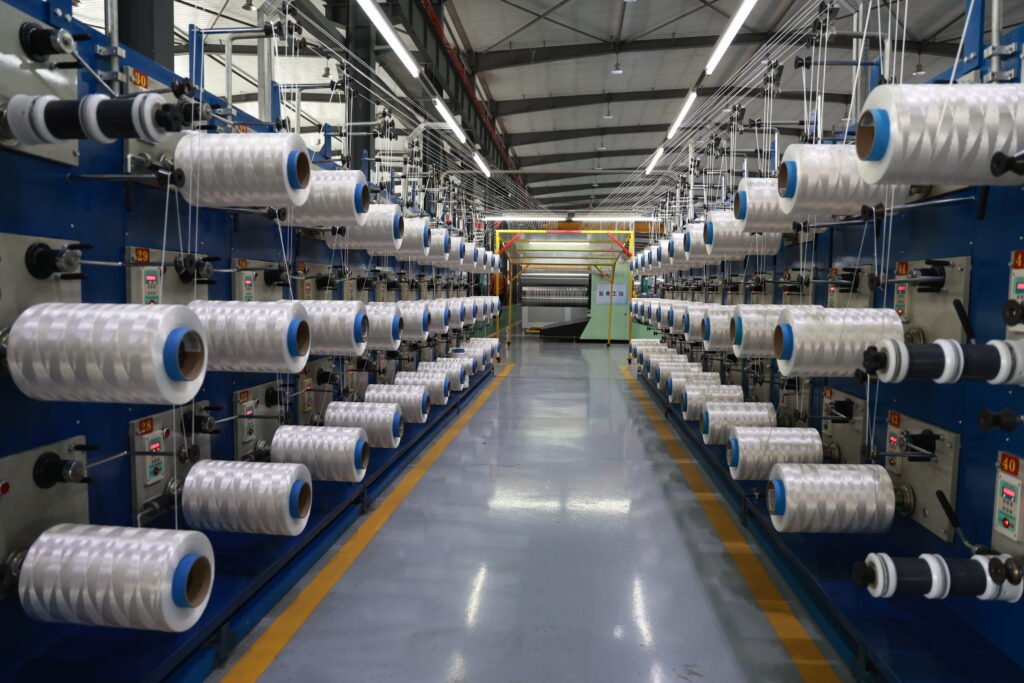
The use of spandex in wearable technology has expanded dramatically over the past few years. Spandex’s ability to stretch and recover, combined with its moisture-wicking and breathable properties, makes it an ideal material for garments integrated with sensors, LED lights, heating elements, and biometric trackers. By combining spandex with conductive fibers and smart sensors, manufacturers are creating intelligent fabrics that interact with both the user and external devices.
Spandex is used to make wearable technology more comfortable, durable, and functional by seamlessly integrating sensors into the fabric without compromising on performance or comfort.
Spandex’s Role in Smart Wearables
2.1. Spandex and Conductive Fibers in Smart Textiles
- One of the most significant uses of spandex in wearable tech is in its integration with conductive fibers. Conductive fibers, when woven into spandex fabrics, enable the garment to act as a sensor platform. This opens up a range of possibilities for health monitoring (e.g., heart rate tracking), motion detection, and biometric feedback through smart shirts, socks, and compression sleeves. Spandex allows for a comfortable and snug fit that ensures proper sensor placement on the body.
2.2. Smart Fabrics with Sensors for Real-Time Health Monitoring
- In healthcare, spandex-based garments are being used to develop clothing that can monitor vital signs in real time. For instance, smart compression wear made with spandex can track blood flow, muscle strain, or joint movement and send the data to a mobile app or connected device. This technology is particularly useful for sports medicine, physical therapy, and personal fitness trackers.
| Wearable Tech Type | Key Features | Applications |
|---|---|---|
| Smart Shirts | Heart rate sensors, motion detection | Fitness, health monitoring |
| Smart Socks | Pressure sensors, moisture-wicking | Footwear, injury recovery |
| Smart Compression Gear | Muscle recovery, body temperature regulation | Sports, medical use |
2.3. Spandex in Smart Sportswear
- Spandex-based smart sportswear, like compression gear, helps athletes monitor performance while offering muscle support. These garments can include embedded electromyography (EMG) sensors to measure muscle activity or temperature sensors to regulate body heat. The use of spandex ensures that the garments stretch and move with the body without restricting movement, which is crucial for comfort during athletic activities.
Example: A U.S. startup developed a smart compression sleeve using spandex and conductive yarns to track muscle performance and send data to a mobile app. The sleeve’s stretchability ensures that athletes can use it during training without sacrificing comfort or flexibility.
3. Which Industries Are Leading the Adoption of Spandex-Based Smart Fabrics?
Spandex-based smart fabrics are making waves in several industries, with healthcare, sports and fitness, fashion, and defense leading the charge. These industries require textiles that can deliver both performance and comfort, making spandex an ideal material for integrating technology into wearable and functional apparel.
The healthcare, sports, and fitness, and fashion industries are at the forefront of adopting spandex-based smart textiles, leveraging the material’s stretch, comfort, and moisture-wicking properties in combination with wearable technology.
Industry-Specific Adoption and Use Cases
3.1. Healthcare: Monitoring and Rehabilitation
- Spandex-based smart textiles are revolutionizing healthcare by enabling continuous patient monitoring and providing personalized rehabilitation support. For instance, spandex-based smart bandages can measure wound healing and send real-time data to medical professionals. Compression garments made from spandex help in post-surgery recovery, reducing swelling and supporting muscle rehabilitation.
- Heart rate, temperature, and muscle activity sensors integrated with spandex are used for patient monitoring, making it possible for doctors to receive continuous feedback without the need for bulky devices or manual checks.
A leading healthcare company uses spandex with embedded bio-sensors in compression sleeves to monitor post-surgery patients’ muscle recovery and send feedback to physical therapists.
3.2. Sports and Fitness: Enhancing Performance and Recovery
- Spandex-based activewear with integrated smart technology is becoming increasingly popular for athletes and fitness enthusiasts. Compression gear such as sleeves, shorts, and shirts made from spandex not only provide support and muscle recovery but can also track vital metrics like heart rate, caloric burn, and muscle strain.
- These garments enable athletes to monitor their performance in real-time and adjust their training or recovery techniques accordingly.
| Application | Smart Feature | Benefits |
|---|---|---|
| Smart Compression Sleeves | Muscle strain sensors, EMG sensors | Support and muscle monitoring |
| Smart Sports Bra | Heart rate and respiratory sensors | Real-time fitness tracking |
| Smart Running Shorts | GPS tracking, motion sensors | Performance feedback |
A prominent fitness brand partnered with a smart fabric manufacturer to produce spandex-based leggings that track leg movement and caloric burn. These leggings became a best-seller due to their seamless integration of fitness monitoring.
3.3. Fashion: Intelligent and Adaptive Clothing
- Fashion designers are integrating spandex into smart textiles to create adaptive clothing that changes based on the wearer’s environment. Spandex allows for movement-sensitive garments, temperature-regulating fabrics, and fashionable wearables that combine both style and function.
- Spandex-based smart jackets, pants, and shirts can now adjust to body temperature, respond to changes in external temperature, and even light up with built-in LED lights for fashion-forward smart clothing.
A major global fashion house launched a spandex-infused smart jacket that uses integrated sensors to adjust insulation based on the wearer’s body heat. This feature, combined with a sleek design, has revolutionized the fashion industry’s approach to wearable tech.
3.4. Defense and Military: Performance Gear for Soldiers
- Military and defense industries use spandex-based smart fabrics in tactical gear and uniforms. These fabrics can integrate various sensors and monitoring devices to track health parameters like body temperature and heart rate for soldiers in the field.
- Additionally, spandex-based uniforms and gear provide enhanced flexibility, comfort, and freedom of movement, which are essential in high-stakes situations.
4. How Do Spandex’s Properties Enhance Performance in Wearable Electronics?
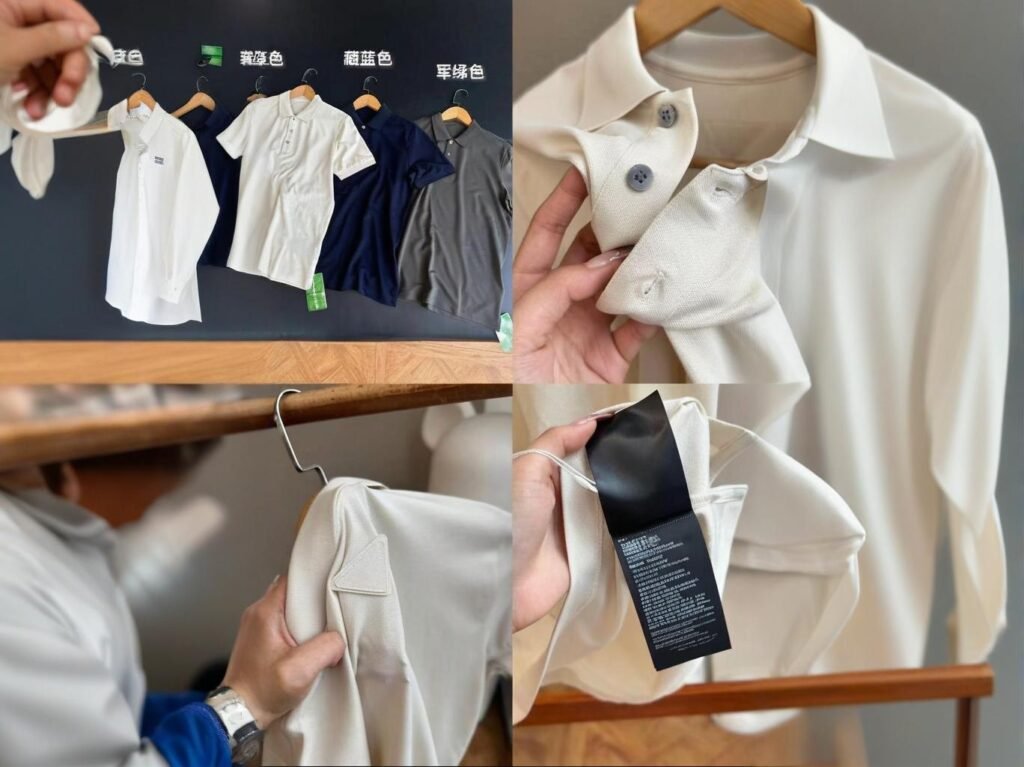
Spandex’s exceptional elasticity, moisture-wicking, and durability make it an ideal material for wearable electronics. By combining spandex with conductive fibers, sensors, and other technologies, smart textiles can now track vital health signs, muscle activity, and even stress levels. Spandex’s ability to stretch and conform to the body makes it comfortable for extended wear, which is a critical factor in wearable devices designed to monitor health and fitness.
Spandex enhances wearable electronics by providing the comfort, fit, and flexibility needed to incorporate sensors without sacrificing performance or wearability.
Spandex and Wearable Electronics Integration
4.1. Stretchable and Flexible Conductive Fabrics
- The combination of spandex with conductive fibers has enabled the development of stretchable electronics. This is crucial for wearables that need to conform to the body’s movements without losing sensor functionality.
- Conductive threads (such as silver or copper fibers) woven into spandex fabrics allow the garment to conduct electricity and send data to wearable devices or smartphones.
| Technology | Spandex Integration | Application |
|---|---|---|
| Conductive Fabrics | Conductive fibers embedded in spandex | Health monitoring, fitness |
| Flexible Sensors | Stretchable electronics on spandex fabric | Muscle tracking, wearables |
| Antenna Integration | Spandex embedded with RFID tags | Wireless communication |
4.2. Health Monitoring: Spandex as a Platform for Biometric Sensors
- Spandex-based fabrics are increasingly used in biometric sensors that monitor parameters like heart rate, body temperature, and skin conductivity. These sensors are often woven or printed directly into the fabric, enabling real-time health data collection without bulky external devices.
- Spandex garments with integrated sensors are used for continuous health monitoring, particularly for athletes, patients in post-surgical recovery, and elderly individuals in need of remote healthcare monitoring.
A leading wearable tech company developed a spandex-based smart shirt with embedded heart rate monitors, enabling fitness enthusiasts to track their performance in real-time during workouts.
4.3. Stretchable Batteries and Power Systems
- Stretchable batteries are emerging as an essential component of wearable electronics integrated into spandex. These batteries can expand and contract as the fabric moves, making them suitable for wearable devices that require continuous power without sacrificing flexibility.
| Application | Smart Feature | Benefit |
|---|---|---|
| Smart Gloves | Embedded sensors and batteries | Real-time tracking |
| Smart T-shirts | Power for health monitoring sensors | Continuous performance feedback |
| Stretchable Biometric Band | Stretchable power source for sensors | Unrestricted movement |
5. Are Spandex and Conductive Fibers the Future of Textile-Based Sensors?
Absolutely. Spandex, when integrated with conductive fibers, is quickly becoming a game-changer in the development of textile-based sensors. This integration enables fabrics to conduct electricity, making it possible for textiles to sense various parameters like heart rate, muscle activity, and even stress levels—all while maintaining the flexibility and comfort of traditional spandex garments.
Spandex combined with conductive fibers is paving the way for smart textiles that function as full-fledged health monitors, fitness trackers, and even communication devices. This combination is helping make flexible, stretchable, and sensor-integrated textiles a reality in various industries.
Spandex and Conductive Fiber Integration
5.1. Conductive Fibers and Their Role in Smart Textiles
- Conductive fibers, such as silver, copper, or carbon, are woven or sewn into spandex to enable the fabric to conduct electricity. This makes it possible for the fabric to power sensors and transmit data to mobile devices or healthcare systems.
- The stretchability of spandex ensures that these conductive fibers remain functional and efficient, even when the fabric is stretched and manipulated.
| Fiber Type | Conductivity Level | Common Use |
|---|---|---|
| Silver | High | Health sensors, fitness wear |
| Copper | Medium | Smart clothing, muscle activity |
| Carbon | Moderate | Sportswear, wearables |
5.2. Use of Conductive Yarns in Spandex Fabrics
- Conductive yarns are essential for the development of smart fabrics that can detect muscle movements, body temperature, or electrocardiogram (ECG) data. These yarns are seamlessly integrated into spandex garments, providing comfort and ease of movement without sacrificing the garment’s ability to function as a sensor.
- The development of stretchable electronics has allowed for the creation of wearables that are both functional and comfortable, revolutionizing industries such as healthcare, sports, and fashion.
5.3. Biometric Monitoring with Spandex-Integrated Sensors
- Spandex fabrics with integrated biometric sensors are widely used in healthcare applications to monitor heart rate, body temperature, muscle strain, and electrodermal activity.
- These fabrics are often worn continuously, providing real-time monitoring without the need for bulky equipment.
A fitness company developed spandex-based smart leggings embedded with electromyography (EMG) sensors that can track muscle fatigue and provide feedback to trainers or athletes.
6. What Challenges Are Manufacturers Facing in Integrating Spandex with Smart Textiles?
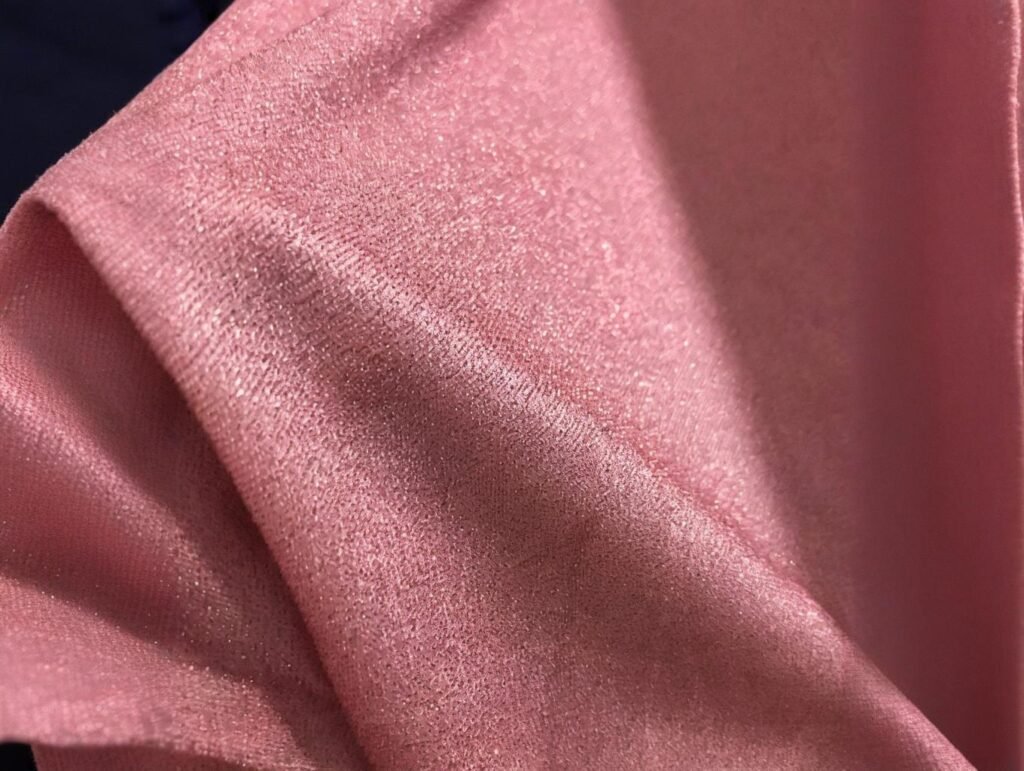
While the integration of spandex with smart textiles offers immense potential, manufacturers face several challenges. The main obstacles include durability, heat conductivity, production costs, and scalability. These factors can hinder the widespread adoption of spandex in mass-market smart textiles.
Challenges such as durability of the integrated electronics, cost of production, and the need for scalable solutions are key hurdles for manufacturers working with spandex-based smart textiles.
Overcoming Challenges in Spandex Smart Textile Integration
6.1. Durability of Integrated Electronics
- Spandex itself is highly durable, but the challenge comes with integrating sensitive electronic components like batteries and sensors. These components must withstand daily wear and tear, frequent washing, and exposure to elements like heat and moisture.
- Ensuring that conductive fibers maintain their functionality after several wash cycles and under high-stress conditions is crucial to making spandex-based smart textiles a viable option for long-term use.
| Material Challenge | Impact on Smart Textiles | Solution |
|---|---|---|
| Wear and Tear | Sensor degradation, loss of conductivity | Reinforced fibers, coatings |
| Washing Resistance | Sensor failure after washing | Waterproof, washable coatings |
| Flexibility Loss | Stiffening of conductive fibers | High-elasticity spandex blends |
6.2. Heat Conductivity Issues
- Spandex itself does not conduct heat well, but when combined with conductive fibers or batteries, managing heat distribution becomes a concern. Excessive heat can damage sensors or affect the performance of wearable electronics.
- Developing heat-resistant materials that maintain the stretchability and comfort of spandex remains an ongoing challenge.
6.3. High Production Costs
- Incorporating electronics into textiles requires advanced manufacturing processes and materials, leading to higher production costs. The need for specialized conductive fibers and the inclusion of sensors can make these products significantly more expensive than traditional garments.
- While costs are expected to come down with mass production and technological advances, smart textiles with spandex remain a premium product for now.
6.4. Scaling Production
- Scaling the production of spandex-based smart textiles presents challenges in terms of both technology and cost. Manufacturers need to establish efficient supply chains for high-quality conductive fibers and integrate these fibers into mass-produced garments without sacrificing performance or comfort.
- As demand grows, manufacturers are working to create automated production processes that can handle the integration of sensors and conductive threads without raising the unit cost too much.
7. How Does Spandex-Infused Fabric Impact Sustainability in Smart Textile Manufacturing?
As sustainability becomes a central focus in the textile industry, spandex-infused fabrics are increasingly being recognized for their potential to drive eco-friendly innovations. The use of spandex in smart textiles offers a range of environmental benefits when combined with recycled materials, water-based coatings, and energy-efficient manufacturing processes.
Spandex-based fabrics, when sustainably produced, can significantly reduce the environmental impact of smart textiles by promoting recyclability, reducing waste, and minimizing the use of harmful chemicals in the production process.
The Role of Spandex in Sustainable Smart Textiles
7.1. Recycled Spandex and Eco-Friendly Innovations
- The rise of recycled spandex (rSpandex) made from pre- or post-consumer waste, such as used garments or plastic bottles, is helping reduce the reliance on virgin materials.
- Combining spandex with recycled polyester (rPET) in smart textiles offers a circular economy solution, where garments can be reused or recycled at the end of their life cycle, promoting environmental responsibility.
| Sustainable Feature | Impact on Smart Textiles | Example |
|---|---|---|
| rSpandex (Recycled) | Reduces landfill waste, lowers carbon footprint | rPET + Spandex blend for fitness wear |
| Eco-Friendly Coatings | Non-toxic, water-based solutions | Water-based PU coating for sportswear |
| Biodegradable Fibers | Reduces textile waste in landfills | Bio-based spandex in activewear |
7.2. Water-Based Coatings and Sustainable Manufacturing
- Traditional coatings, like PVC, can contribute to environmental degradation due to harmful chemicals and high water usage during production.
- Water-based coatings are gaining popularity in the smart textile industry due to their lower environmental impact, particularly when applied to spandex-based fabrics.
- The use of sustainable dyes, which have a lower carbon footprint, is also becoming more common, helping brands achieve eco-friendly certifications like OEKO-TEX and Bluesign.
7.3. Energy-Efficient Production Processes
- By optimizing energy use during the manufacturing of spandex-based smart textiles, companies can significantly reduce CO2 emissions.
- Modern textile factories now use solar energy and closed-loop systems that recycle water and reduce waste, further enhancing the sustainability of spandex-based textiles.
SzoneierFabrics has pioneered the use of water-based TPU coatings and recycled spandex blends for performance garments, achieving a 30% reduction in water consumption compared to traditional methods.
8. What Does the Future Hold for Spandex in the Smart Textile Industry?

The future of spandex in smart textile manufacturing looks incredibly promising, driven by advancements in material science, wearable electronics, and sustainability. As spandex continues to evolve, its integration with advanced sensors, stretchable electronics, and recycled content will further drive its role in the smart textiles market.
The future of spandex in smart textiles is focused on developing even more sustainable, adaptive, and technologically advanced fabrics that respond to the growing demands for personalization, health monitoring, and environmentally-conscious products.
Emerging Trends and Future Possibilities
8.1. Integration with Artificial Intelligence (AI) and Machine Learning
- The integration of AI and machine learning with smart textiles will enable spandex-based fabrics to become even more intelligent. These fabrics could be designed to automatically adjust based on user data (e.g., body temperature, muscle strain, and activity level) to optimize comfort and performance.
- Smart fabrics could have the ability to learn and predict the needs of the wearer, offering tailored support and comfort for athletes, patients, or active individuals.
8.2. Biodegradable and Bio-Based Spandex
- The future of spandex also includes the development of biodegradable spandex made from bio-based raw materials like plant-derived polymers. This would allow spandex to remain stretchable and functional while reducing its environmental footprint at the end of its lifecycle.
- Advances in bio-based polymers will lead to the creation of eco-friendly smart textiles that perform in the same way as traditional spandex but with fewer environmental consequences.
8.3. Hyper-Personalization in Wearables
- As smart textiles become more integrated with wearables, the ability to customize fit, color, and functionality based on individual needs will drive demand. Spandex, with its ability to stretch and mold to the body, will play a key role in the development of hyper-personalized wearables.
- Imagine smart socks that adjust compression levels based on real-time muscle feedback or smart shirts that alter their insulation to optimize body temperature, all thanks to the stretchable and adaptable properties of spandex.
8.4. Smart Textiles for Healthcare
- The healthcare sector will continue to be a major driver for spandex-based smart textiles, with wearable sensors and biometric monitoring becoming more advanced.
- Spandex will be key in developing wearable medical devices that provide continuous health monitoring for individuals with chronic conditions or those undergoing rehabilitation.
Partner with SzoneierFabrics for Innovative Spandex Smart Textiles
At SzoneierFabrics, we understand the demands of the smart textile market and are at the forefront of producing spandex-based fabrics for a wide range of applications. Whether you’re looking for high-performance sportswear, health-monitoring garments, or sustainable fabrics, we offer solutions tailored to your specific needs.
We provide:
- ✅ Custom Spandex Fabric with conductive fibers for wearable electronics
- ✅ Eco-friendly options: rPET spandex blends for sustainable fashion
- ✅ Low MOQ starting at 300 meters for customized orders
- ✅ Fast prototyping and free sample development
- ✅ Global shipping with reliable lead times
Ready to explore the possibilities of spandex in your products?
Let’s create the future of smart textiles, together.