 Skip to content
How Long Does It Take to Produce Custom Tote Bags?
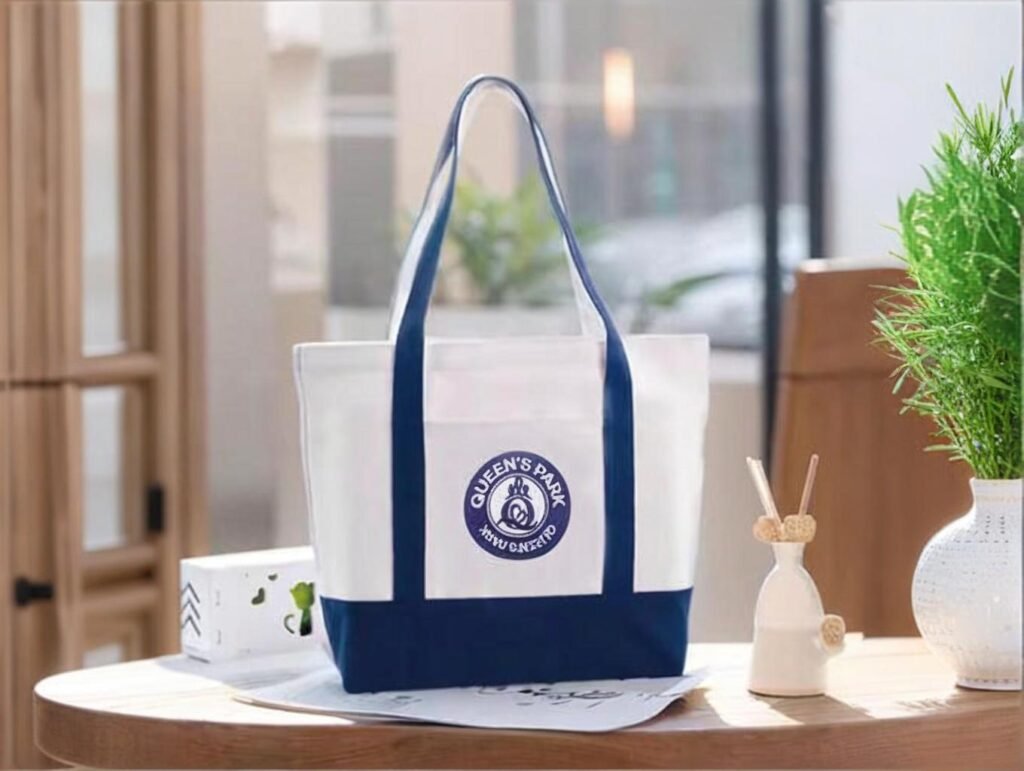
A lot of people think tote bag production is quick because the product looks simple. In reality, production time depends on many small but important details. A plain cotton tote with a one-color logo may move through the factory much faster than a structured zipper bag made with lined canvas, webbing handles, inner pockets, and custom packaging. For brands, importers, wholesalers, and online sellers, this is not just a factory question. It is a planning question. It affects launch dates, ad schedules, container booking, seasonal promotions, and cash flow.
The real answer is that custom tote bag production usually takes about 30 to 45 days from sample confirmation to finished goods, while sampling often takes 5 to 10 days. A simple order with ready materials may be faster. A complex order with special fabric, custom dyeing, multiple trims, or branded packaging may take longer. The more moving parts involved, the more carefully the schedule needs to be managed.
For that reason, experienced manufacturers do not look at lead time as one number. They break it into clear stages: design review, material preparation, sample making, revision, bulk cutting, printing, sewing, inspection, packaging, and shipment arrangement. Each stage has its own risks and its own opportunities to save time.
If you are planning a tote bag project, the most useful thing is not hearing a factory say “no problem.” The useful thing is understanding where the time really goes, what can delay the order, and how a capable manufacturer like Szoneier helps keep the project moving.
What Is the Real Production Time for Custom Tote Bags?
For most custom tote bag projects, the full production cycle is not one single block of time. It is a sequence of connected steps. In practical terms, many orders move through three major phases: sample development, bulk production, and final inspection plus packing. For standard styles, a realistic total production window is often 4 to 6 weeks after sample approval.
Average Timeline
When clients ask how long custom tote bags take, they usually want one number. The better answer is a stage-by-stage schedule. That gives a clearer picture and helps avoid misunderstandings later.
Below is a practical reference range for many custom tote bag projects:
| Stage | Normal Time Range | What Happens |
|---|---|---|
| Design review | 1–3 days | Confirm size, fabric, logo method, handle style, details |
| Material check or sourcing | 2–7 days | Confirm stock fabric or prepare custom materials |
| Sample making | 5–10 days | Produce first sample for review |
| Sample revision | 2–7 days | Adjust size, print, stitching, or accessories if needed |
| Bulk material prep | 3–7 days | Cutting, printing, trim prep, labeling |
| Bulk production | 15–30 days | Sewing, assembly, finishing |
| Inspection and packing | 2–5 days | QC, carton packing, shipment prep |
For a simple project using available materials, the process may move quickly. For a more detailed project, especially one with custom-dyed fabric or several construction details, each stage can stretch.
What matters most to customers is not just speed. It is whether the factory gives a realistic schedule from the start. A short promise that later becomes a long delay is much more damaging than a clear timeline that is properly managed.
Sampling Time
Sampling is where many projects either gain momentum or lose it. A strong sample process saves time later because it catches issues before mass production begins.
A first sample often takes:
- 5 to 7 days for a basic cotton or canvas tote
- 7 to 10 days for a style with zipper, lining, pockets, or webbing straps
- 8 to 12 days for neoprene, insulated, or more technical constructions
Why does sampling take this long when the order is still small? Because the factory is building the bag carefully, often with close communication around fabric feel, logo size, handle drop, structure, and finishing details. In many cases, the sample room is also testing whether the construction is suitable for large-scale production.
Customers should also remember that one sample is not always the final one. A project may need one or two rounds of revision. That is common in custom development, especially when the brand is refining proportions, packaging, or branding details.
Bulk Production Time
Once the final sample is approved, the project moves into bulk production. This is the stage where volume, factory planning, and production discipline matter most.
A general production range may look like this:
| Order Size | Simple Style | Medium Complexity | Higher Complexity |
|---|---|---|---|
| 100–300 pcs | 12–18 days | 15–22 days | 20–28 days |
| 500–1000 pcs | 15–22 days | 20–25 days | 25–32 days |
| 2000+ pcs | 20–28 days | 25–35 days | 30–40 days |
A simple style might be an open-top cotton tote with screen print. A medium-complexity style may include zipper closure, inner pocket, and woven label. A more complex style may involve lining, reinforced base, piping, coated fabric, custom hardware, or insulated structure.
Many customers assume quantity is the main reason for delay. In fact, complexity often affects lead time more than volume. A factory can sew many basic totes quickly. But when every unit includes more steps, the production line slows down.
Delivery Planning
Production is not finished when sewing ends. After the bags are made, they still need inspection, final trimming, packing, carton marking, and shipping coordination. This final stage often takes another 2 to 5 days inside the factory, and longer if special packaging is involved.
Examples of packing details that may add time include:
- Individual polybags with warning labels
- Barcode stickers
- Hang tags
- Folded retail packing
- Branded cartons
- Mixed-size assortment packing
- Amazon FBA carton rules
This is where experienced suppliers make a big difference. A factory that understands export packing from the beginning can plan ahead, instead of treating packaging as a last-minute task.
For customers, this means the safest schedule is not just “sample plus sewing.” It is sample, approval, production, inspection, packing, and shipment arrangement together.
Which Factors Change the Production Time of Custom Tote Bags?
Lead time is not fixed because not all tote bags are built the same way. Two bags may look similar in photos but require very different production effort in the factory. Fabric behavior, logo process, bag structure, accessory sourcing, and order quantity all influence the final schedule.
Fabric Type
Material choice changes both production speed and production difficulty. Some fabrics are easy to cut and sew. Others need extra handling, special machines, or slower stitching speeds.
Here is a useful comparison:
| Fabric Type | Production Difficulty | Time Impact | Notes |
|---|---|---|---|
| Cotton | Low | Fast | Easy cutting and sewing |
| Canvas | Low to medium | Stable | Popular for daily tote bags |
| Polyester | Medium | Moderate | Often paired with heat transfer or sublimation |
| Nylon | Medium | Moderate | Slippery surface may need more careful sewing |
| Oxford | Medium | Moderate | Structured, durable, often used for utility bags |
| Jute | Medium | Moderate | Rough texture, edge control is important |
| Linen | Medium | Moderate | Softer handfeel, often used in premium styles |
| Neoprene | High | Slower | Thick, elastic, needs skilled handling |
For example, a 12 oz canvas tote is usually straightforward to produce. The material is stable, easy to print, and easy to reinforce. But a 3 mm neoprene tote takes more time because the fabric is thick, stretchy, and less forgiving during stitching.
This is one reason Szoneier’s fabric background matters. When a factory understands the behavior of cotton, canvas, polyester, nylon, neoprene, jute, linen, and Oxford fabric, it can make faster and safer decisions during development and production.
Design Complexity
Design complexity is one of the biggest lead time drivers. A bag is never just “a bag” once custom development starts. Every added detail creates another step, another checkpoint, or another sourcing task.
A simple tote may include:
- Two body panels
- Two handles
- One logo print
A more advanced tote may include:
- Full lining
- Zipper closure
- Interior zip pocket
- Base insert
- Reinforced binding
- Adjustable shoulder strap
- Metal accessories
- Woven label
- Hang tag
- Custom packaging
Below is a simple comparison:
| Bag Construction | Production Speed | Labor Input |
|---|---|---|
| Open-top basic tote | Fast | Low |
| Tote with lining | Medium | Moderate |
| Tote with zipper and pockets | Medium to slow | Higher |
| Cooler or insulated tote | Slow | High |
| Fashion tote with multiple trims | Slow | High |
Customers should think carefully about which features really matter for the market. More features may improve value, but they also increase cost and lead time. The best product is not always the one with the most details. It is the one with the right balance of function, price, and speed.
Order Quantity
Quantity affects scheduling, but not always in the way customers expect. Small orders can move quickly if the factory has open capacity and materials ready. But very small orders may also wait if the factory is prioritizing larger production blocks. Large orders benefit from scale, but they need more cutting, more sewing hours, and more QC time.
A practical way to view quantity is this:
| Quantity Range | Factory View | Possible Time Effect |
|---|---|---|
| 50–100 pcs | Development-friendly | Good for testing, not always fastest slot |
| 200–500 pcs | Efficient small bulk | Often manageable and flexible |
| 500–1000 pcs | Standard production block | Good balance of efficiency and cost |
| 2000+ pcs | Full production planning needed | Longer scheduling and QC window |
This is why low MOQ is valuable, especially for startups and growing brands. It allows product testing without forcing the customer into a large inventory commitment. At the same time, the factory must still manage production efficiency.
Szoneier supports lower-MOQ development while also handling larger bulk orders, which is useful for customers that want to start with a test run and then scale up after validation.
Printing and Branding Method
Logo treatment can change the schedule as much as the bag itself. Different branding methods require different machines, curing times, setup procedures, and inspection standards.
Common branding methods include:
- Screen printing
- Heat transfer
- Sublimation
- Embroidery
- Woven labels
- Rubber patches
- Leather patches
- Metal logo plates
Screen printing may be fast for simple one-color graphics, but multi-color artwork needs more setup. Embroidery adds a premium feel, yet it takes more machine time. Heat transfer works well for detailed graphics, though it may involve more precise positioning and temperature control.
If a project includes several branding elements at once, such as printed body, woven side label, and custom hangtag, the factory must coordinate all these parts before final assembly.
For customers, the message is simple: logo choice is not only a design decision. It is also a production decision.
How Does the Custom Tote Bag Production Process Work?
The time required to produce custom tote bags becomes much easier to understand when you look at the process step by step. A professional bag factory does not start sewing immediately after receiving an order. Instead, production moves through several structured stages that ensure the final product matches the design, meets quality expectations, and can be produced efficiently at scale.
For most tote bag projects, the process can be divided into six key stages: product development, material preparation, cutting, printing or decoration, sewing assembly, and quality inspection with packaging. Each stage takes a different amount of time depending on the design and order size.
Design and Technical Review
Every custom tote bag project begins with confirming the product specifications. This step may look simple, but it is critical because small misunderstandings early in the process can lead to delays later.
Factories normally confirm the following details with the client:
- bag dimensions (width, height, depth)
- handle length and handle width
- fabric type and weight
- logo method
- stitching style
- interior features such as pockets or lining
- packaging requirements
A professional manufacturer will often create a technical sheet or digital drawing to ensure the design is clear before sampling begins.
Typical time required for this step:
| Activity | Time Required |
|---|---|
| Design discussion | 1–2 days |
| Technical drawing preparation | 1–2 days |
| Final design approval | 1 day |
Even though this stage may only take a few days, it is one of the most valuable parts of the project. When the design is clearly defined, the rest of the process runs much more smoothly.
Material Preparation
Once the design is confirmed, the factory begins preparing the materials. The time required here depends heavily on whether the materials are already in stock or must be sourced or customized.
Material preparation includes:
- selecting the correct fabric
- confirming color shades
- preparing accessories such as zippers or labels
- checking fabric quality
- preparing printing screens or embroidery files
For example, cotton canvas or polyester fabrics are often available immediately in standard colors. But if the project requires custom dyed fabric, the preparation stage can add additional time.
Typical preparation timelines:
| Material Situation | Preparation Time |
|---|---|
| Stock fabric available | 1–3 days |
| Standard fabric + custom printing | 3–5 days |
| Custom dyed fabric | 7–12 days |
| Special hardware or trims | 5–10 days |
Manufacturers with strong supply chains, such as Szoneier, maintain relationships with fabric mills and trim suppliers. This reduces sourcing time and allows production to begin more quickly.
Fabric Cutting
Cutting is the first true manufacturing stage. At this point, fabric rolls are spread onto large cutting tables, and panels are cut according to the bag pattern.
Factories may use:
- manual cutting
- die cutting
- computerized cutting machines
Precision is extremely important because inaccurate cutting will affect the final shape of the bag.
Typical cutting output for tote bags:
| Machine Type | Daily Output |
|---|---|
| Manual cutting | 500–800 panels |
| Semi-automatic cutting | 1000–2000 panels |
| Computerized cutting | 3000+ panels |
Cutting usually takes 1–3 days depending on order size.
Logo Printing or Decoration
Many custom tote bags include branding such as printed logos or embroidered artwork. This step is usually performed before sewing so the panels can be decorated while still flat.
Common logo techniques include:
| Logo Method | Suitable Fabric | Production Speed |
|---|---|---|
| Screen printing | Cotton, canvas | Fast |
| Heat transfer | Polyester | Moderate |
| Sublimation printing | Polyester | Moderate |
| Embroidery | Canvas, heavy fabric | Slower |
| Woven label | Most fabrics | Fast |
Printing speed depends on the complexity of the artwork. For example:
- a single-color logo may be printed quickly
- a multi-color graphic requires several screen setups
Typical printing time for a production batch is 1–3 days.
Sewing and Assembly
Sewing is the most labor-intensive stage of tote bag production. At this point, all the prepared panels are assembled into finished bags.
Production workers perform steps such as:
- attaching handles
- sewing body panels
- installing zippers
- adding pockets or lining
- reinforcing stress points
- attaching labels or tags
A well-organized production line allows multiple sewing operators to work simultaneously.
Example production capacity:
| Production Line Size | Daily Bag Output |
|---|---|
| Small workshop | 200–400 bags |
| Medium factory | 800–1500 bags |
| Large industrial line | 2000–3500 bags |
Sewing typically takes 5–15 days depending on the order size and design complexity.
Quality Inspection and Packaging
Before shipping, every batch of tote bags goes through a final inspection process.
Quality control teams check:
- stitching strength
- handle durability
- logo accuracy
- fabric defects
- size consistency
Factories often use random inspection methods, checking a percentage of bags from each production batch.
After inspection, the bags are prepared for shipping. Packaging may include:
- folding bags
- inserting protective polybags
- attaching hangtags
- placing products into export cartons
Typical time for this stage:
| Task | Time |
|---|---|
| Quality inspection | 1–2 days |
| Folding and packing | 1–3 days |
| Carton preparation | 1 day |
For many orders, this final stage takes 2–5 days.
How Long Does Tote Bag Sampling and Prototyping Take?
Sampling is one of the most important parts of custom tote bag development. It allows brands to confirm product quality before committing to full production. A well-made sample shows exactly how the final bag will look, feel, and function.
Sampling also helps factories identify potential production issues early.
Standard Sampling Timeline
For most custom tote bag projects, sampling takes 5–10 days.
The process includes:
- pattern development
- fabric cutting
- sample sewing
- logo application
- internal inspection
Here is a practical timeline example:
| Sampling Step | Time Required |
|---|---|
| Pattern making | 1–2 days |
| Material preparation | 1–2 days |
| Sample sewing | 2–3 days |
| Printing / logo work | 1–2 days |
| Final sample inspection | 1 day |
Simple tote bag samples can be produced faster. Complex styles require more time.
Sample Revision Process
Many projects require more than one sample. After receiving the first prototype, clients often request adjustments.
Common revisions include:
- handle length changes
- pocket position adjustments
- logo size modifications
- fabric thickness adjustments
- color matching improvements
A revision sample normally takes 3–7 additional days.
This step is valuable because it ensures the final product will meet expectations before bulk manufacturing begins.
Faster Sampling Options
Some manufacturers offer accelerated sampling services. This can be useful when a brand needs to launch quickly or prepare for a trade show.
Ways sampling can be accelerated include:
- using existing stock fabrics
- simplifying the design
- reducing logo complexity
- confirming details quickly with the factory
Factories like Szoneier often provide fast sampling support for urgent projects while still maintaining construction accuracy.
What Is the Typical Mass Production Timeline for Custom Tote Bags?
Once the sample is approved and all materials are confirmed, the project moves into bulk manufacturing. This stage is often the longest part of the entire production cycle because it involves producing hundreds or thousands of bags while maintaining consistent quality.
For most custom tote bag orders, mass production usually takes 20–30 days. However, this timeline depends on order size, bag complexity, fabric preparation, and factory production capacity.
Mass production generally follows several sequential steps, including fabric preparation, printing or decoration, sewing assembly, and quality inspection.
Fabric Preparation and Printing Time
Before sewing begins, fabrics must be prepared and decorated. This stage often includes cutting fabric rolls, applying logos, and preparing accessories such as handles or labels.
Typical tasks include:
- spreading and inspecting fabric rolls
- cutting panels according to the bag pattern
- preparing logo printing screens
- applying logos or decorative elements
Printing speed varies depending on the artwork. A simple one-color screen print may be completed very quickly, while a complex multi-color design may require several production passes.
Below is a practical overview of how different branding methods affect production speed.
| Logo Method | Preparation Time | Production Speed |
|---|---|---|
| Screen printing | 1–2 days | Fast |
| Heat transfer printing | 1–2 days | Moderate |
| Sublimation printing | 2–3 days | Moderate |
| Embroidery | 2–4 days | Slower |
| Woven labels | 3–5 days | Moderate |
For example, a canvas tote bag with a simple screen-printed logo can move through this stage quickly, while embroidered branding requires additional setup and machine time.
Sewing and Assembly Time
Sewing is the stage where tote bags truly take shape. Workers assemble fabric panels, attach handles, install pockets or zippers, and reinforce structural areas.
Production lines are typically organized into multiple workstations. Each operator performs a specific task, allowing the factory to maintain consistent speed and quality.
Common sewing steps include:
- attaching webbing or fabric handles
- sewing front and back panels
- installing lining or interior pockets
- attaching zipper closures
- reinforcing corners and stress points
The time required depends largely on the bag’s design complexity.
| Tote Bag Style | Assembly Difficulty | Estimated Production Time |
|---|---|---|
| Basic open-top cotton tote | Low | 12–18 days |
| Canvas tote with pocket | Medium | 18–22 days |
| Zippered tote bag | Medium | 20–25 days |
| Insulated cooler tote | High | 25–30 days |
| Multi-pocket fashion tote | High | 28–35 days |
Factories with experienced sewing teams and organized production lines can complete large orders more efficiently while maintaining quality standards.
Quality Control and Final Packaging
The last stage of production focuses on ensuring that every bag meets quality expectations before shipping.
Quality inspection includes checking:
- stitching strength and seam alignment
- handle durability and reinforcement
- logo placement accuracy
- fabric cleanliness and color consistency
- overall shape and dimensions
Many factories use random inspection methods, where quality teams check a percentage of bags from each production batch.
After inspection, the bags are prepared for shipping.
Packing procedures may include:
- folding the bags carefully
- inserting them into polybags
- attaching hangtags or labels
- packing units into export cartons
Typical time required for the final stage:
| Task | Average Time |
|---|---|
| Final inspection | 1–2 days |
| Folding and packaging | 1–2 days |
| Carton preparation | 1 day |
This stage usually takes 2–5 days, depending on the packaging requirements.
Are There Ways to Reduce Custom Tote Bag Production Time?
Many clients assume that manufacturing timelines are fixed, but in reality there are several ways to shorten the production process without compromising quality.
Factories and clients can work together to streamline production by making strategic decisions during the planning phase.
Early Design Preparation
One of the easiest ways to save time is to finalize design details before sampling begins.
When clients clearly confirm:
- bag size
- fabric type
- logo method
- handle length
- packaging requirements
the factory can begin production planning immediately.
Unclear specifications often cause delays because the factory must pause production to confirm details or make adjustments.
Providing a simple technical specification sheet or reference images can significantly speed up the early stages of production.
Choosing Materials That Are Readily Available
Material sourcing can sometimes delay production if fabrics must be custom dyed or imported from specialized suppliers.
Brands that want faster lead times often choose materials that are already stocked by the factory.
Examples include:
- standard cotton canvas fabrics
- polyester or Oxford fabrics in common colors
- widely available webbing handles
When materials are readily available, production can begin almost immediately after sample approval.
Clear Communication with the Manufacturer
Communication between the client and the factory is another key factor affecting production speed.
Projects move faster when both sides communicate efficiently and respond quickly to questions or approvals.
Helpful practices include:
- confirming design revisions promptly
- reviewing samples immediately after receiving them
- approving production orders without unnecessary delays
Manufacturers like Szoneier often assign a dedicated project manager who keeps clients informed about each stage of production, reducing misunderstandings and helping orders move smoothly through the factory.
Why Do Different Tote Bag Manufacturers Have Different Lead Times?
Not all tote bag manufacturers operate at the same speed. Two factories producing the same bag design may quote very different production timelines. The difference usually comes down to manufacturing capacity, supply chain management, and operational experience.
Understanding these differences helps brands choose a manufacturing partner that can deliver consistent results and reliable delivery schedules.
Factory Capacity and Equipment
Factory size and equipment determine how many bags can be produced within a certain period. Larger manufacturers typically operate multiple production lines and can handle higher order volumes more efficiently.
Key factors affecting factory capacity include:
- number of sewing operators
- availability of automated cutting equipment
- number of printing or embroidery machines
- factory floor organization
- production scheduling systems
For example, a small workshop with a few sewing machines may only produce a few hundred tote bags per day. In contrast, a larger factory with multiple lines and automated cutting equipment can produce several thousand units daily.
Typical production capacity comparison:
| Factory Type | Sewing Machines | Daily Output |
|---|---|---|
| Small workshop | 10–20 | 200–400 bags |
| Medium factory | 30–80 | 800–1500 bags |
| Large manufacturing facility | 100+ | 3000+ bags |
Factories like Szoneier, which integrate fabric development and bag production, can schedule projects more efficiently because materials and production teams are coordinated internally.
Supply Chain Management
Another major factor affecting production speed is how well the factory manages its supply chain.
Tote bag production involves multiple materials and components, including:
- fabric rolls
- zippers and metal hardware
- webbing or fabric handles
- printing inks or embroidery threads
- labels and packaging materials
Factories with stable supplier networks can obtain these materials quickly. When suppliers are unreliable or materials must be imported, production may be delayed.
For example:
| Supply Situation | Impact on Lead Time |
|---|---|
| Stock fabric available | Production starts immediately |
| Standard materials sourced locally | Minor delay |
| Custom dyed fabric | Additional 7–10 days |
| Imported accessories | Additional 10–15 days |
Manufacturers that maintain long-term supplier relationships can reduce sourcing delays and ensure production stays on schedule.
Experience and Production Planning
Experienced manufacturers understand how to organize production schedules and anticipate potential delays.
Good production planning involves:
- balancing multiple client orders
- allocating machines and labor efficiently
- preparing materials in advance
- monitoring production progress daily
Factories with experienced management teams often deliver more reliable timelines because they know how to prevent small issues from becoming major delays.
This is one reason why many international brands prefer to work with manufacturers that have many years of production experience.
How Can You Choose a Manufacturer That Delivers On Time?
Selecting the right manufacturing partner is one of the most important decisions in a tote bag project. A reliable factory not only produces quality products but also manages production schedules effectively.
Before choosing a supplier, brands should evaluate several key factors.
Questions to Ask About Production Schedules
When discussing a project with a potential manufacturer, it is helpful to ask specific questions about their production timeline.
Important questions include:
- How long does sampling take?
- How long is the average bulk production cycle?
- How many production lines are available?
- How does the factory manage large orders during busy seasons?
- What quality control procedures are used before shipment?
Clear answers to these questions can provide valuable insight into how well the factory manages its operations.
Sampling Speed and MOQ
Sampling speed often reflects the factory’s development capability. A manufacturer that can quickly create accurate prototypes usually has experienced technicians and efficient internal processes.
Minimum order quantity (MOQ) also reveals how flexible the factory is. Some factories only accept very large orders, while others offer lower MOQ options to support smaller brands.
For example:
| Factory Type | Typical MOQ |
|---|---|
| Large industrial manufacturer | 1000+ units |
| Medium OEM factory | 300–500 units |
| Flexible custom manufacturer | 50–200 units |
Manufacturers that offer lower MOQ options allow brands to test new products before committing to large production runs.
Signs of a Reliable Tote Bag Manufacturer
Reliable manufacturers usually demonstrate several important characteristics:
- clear communication throughout the project
- transparent production timelines
- consistent product quality
- stable supplier networks
- experienced development teams
These qualities are especially important for brands planning long-term partnerships with their manufacturers.
Factories that combine fabric expertise, product development capability, and efficient production management can provide much smoother project experiences.
Start Your Custom Tote Bag Project with Szoneier
Custom tote bag production is a structured process that involves multiple stages, including product development, material preparation, sampling, bulk manufacturing, and quality inspection. For most projects, the entire timeline—from sample development to finished goods—usually takes around 30 to 45 days.
Several factors influence this timeline, including fabric selection, bag design complexity, order quantity, and manufacturing capacity. Brands that plan their projects carefully and work with experienced manufacturers can significantly reduce delays and launch their products more efficiently.
With more than 18 years of experience in fabric development and product manufacturing, Szoneier supports international brands, retailers, and e-commerce sellers with reliable custom tote bag production.
Szoneier offers:
- a wide range of fabrics including cotton, canvas, polyester, nylon, neoprene, jute, linen, and Oxford fabric
- flexible low MOQ customization for growing brands
- fast sampling services to speed up product development
- integrated fabric sourcing and manufacturing capabilities
- strict quality control to ensure consistent product performance
Whether you are developing a new promotional tote, launching a sustainable shopping bag line, or expanding your product catalog, Szoneier can help transform your ideas into high-quality finished products.
If you are planning a tote bag project and would like to receive fabric samples, production advice, or a quotation, feel free to contact Szoneier today. Their team will be happy to help you develop custom tote bags that match your brand vision and production timeline.
Can't find the answers?
No worries, please contact us and we will answer all the questions you have during the whole process of bag customization.
Make A Sample First?
If you have your own artwork, logo design files, or just an idea,please provide details about your project requirements, including preferred fabric, color, and customization options,we’re excited to assist you in bringing your bespoke bag designs to life through our sample production process.