 Skip to content
How Long Does Neoprene Fabric Last?
Understanding Longevity, Degradation, and Durability Across Industrial & Consumer Uses
Neoprene is everywhere—from wetsuits to orthopedic braces, laptop sleeves to fashion accessories. Known for its flexibility and resistance to water, oil, and temperature changes, neoprene is often chosen for demanding applications. But behind its rugged reputation lies a practical question that every buyer, designer, and manufacturer must consider: how long does neoprene fabric actually last?
Neoprene fabric typically lasts between 3 to 10 years depending on the use case, exposure conditions, and care practices. In industrial or extreme sports settings, the lifespan may be shorter due to UV exposure, friction, and chemical contact. In low-stress uses like padding or tech sleeves, it can last up to a decade or more.
The difference isn’t just in the fabric—it’s in how you use, store, and clean it. In fact, many businesses overlook how minor environmental factors like ozone or repeated folding can drastically shorten product life. One outdoor gear company found their neoprene handle wraps degraded in just 18 months under tropical conditions, while similar products stored in cool, dry climates lasted over 6 years.
Let’s dive deeper and help you understand not just how long neoprene lasts—but why it performs the way it does and how to make smarter sourcing decisions moving forward.
1. What Is the Average Lifespan of Neoprene Fabric in Different Applications?
The average lifespan of neoprene fabric varies widely—from 2 years in high-abrasion environments to 10+ years in controlled conditions. Its longevity depends on both the product category and the environment in which it’s used.
Neoprene fabric typically lasts 3–10 years. It lasts longer in low-friction, indoor applications (like laptop sleeves) and shorter in outdoor or industrial settings exposed to sun, sweat, or chemicals.
Neoprene Lifespan by Use Case
1.1 Industrial and Protective Use
- Example: Fire-resistant sleeves, gaskets, automotive covers.
- Lifespan: 2–5 years
- Degrading Factors: Oil exposure, high heat, UV, and constant flexing.
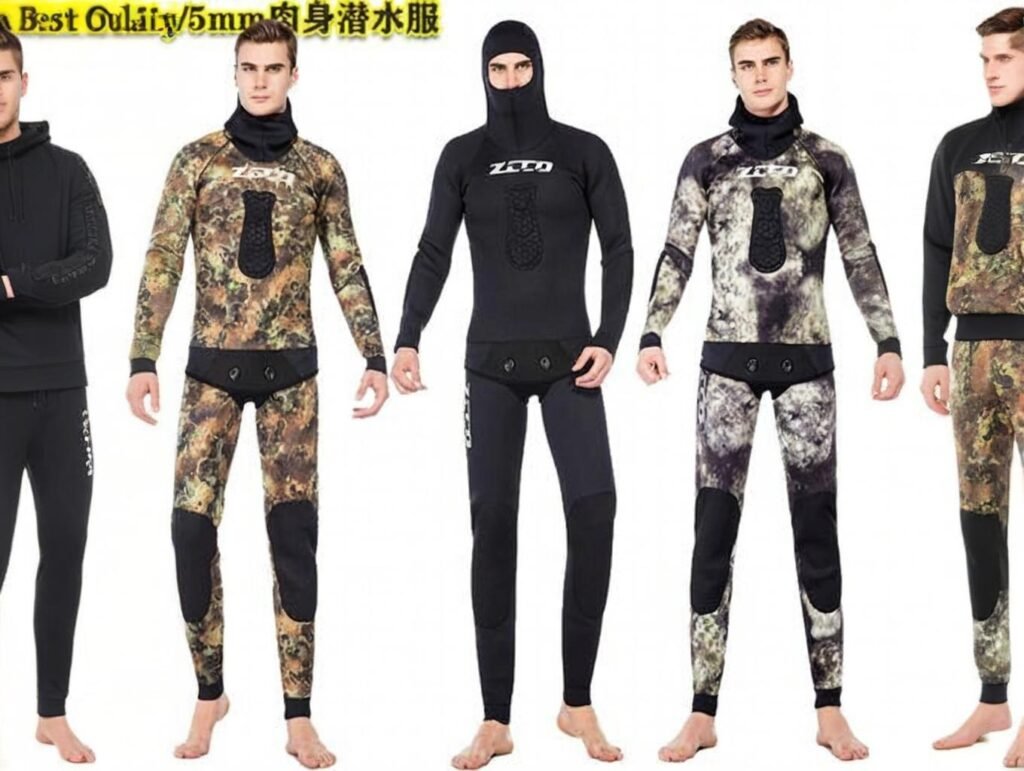
1.2 Sportswear and Wetsuits
- Example: Surf wetsuits, diving gloves, water sports gear.
- Lifespan: 1.5–4 years with regular use.
- Case Study: A Hawaiian surf rental company reported full material breakdown in wetsuits after just 2 seasons (approx. 200 hours of wear).
1.3 Medical and Orthopedic Products
- Example: Knee braces, back supports.
- Lifespan: 3–5 years depending on wash frequency and skin contact.
1.4 Consumer Accessories
- Example: Laptop sleeves, camera pouches, cosmetic bags.
- Lifespan: 6–10 years if kept away from heat and sun.
1.5 Storage Conditions Matter
| Storage Environment | Expected Lifespan |
|---|---|
| Direct sunlight, humidity | 2–3 years |
| Cool, dry, low UV exposure | 7–10+ years |
1.6 Laminated Neoprene vs. Raw Rubber
- Laminated neoprene (with fabric outer layers) lasts longer due to added protection against abrasion and UV.
- Raw foam neoprene degrades faster and becomes brittle when exposed to air pollutants.
2. Which Factors Affect the Durability of Neoprene Fabric?
The durability of neoprene fabric is influenced by environmental exposure, product thickness, manufacturing quality, and handling practices. While the material itself is strong, its longevity is only as good as the conditions it’s subjected to.
Factors like UV exposure, chemical contact, ozone, repeated flexing, product thickness, and lamination quality all directly affect the durability of neoprene fabric.
Key Variables That Influence Neoprene Lifespan
2.1 UV Radiation
- Effect: Causes oxidation and brittleness.
- Example: Outdoor fitness gear fades and cracks faster if not UV-treated.
2.2 Chemical Exposure
- Vulnerabilities: Neoprene breaks down when exposed to gasoline, acetone, or some alcohols.
- Mitigation: Lamination or surface treatments can extend resistance.
2.3 Friction and Repeated Bending
- Result: Internal cracking or surface delamination.
- Measured Test: After 10,000 bend cycles at 45°C, unreinforced neoprene showed visible fatigue.
2.4 Ozone and Air Pollutants
- Invisible Enemies: Ozone in the air reacts with neoprene, leading to microcracks.
- Testing: Products stored in industrial cities age faster than those in clean environments.
| Factor | Impact on Durability | Solution |
|---|---|---|
| UV exposure | High | UV-blocking coatings |
| Repeated flexing | Medium | Reinforced or thicker neoprene |
| Heat & humidity | High | Climate-controlled storage |
| Chemical contamination | High | Avoidance and proper cleaning |
| Ozone presence | Medium | Air-sealed packaging for storage |
2.5 Fabric Lamination and Finish Quality
- Higher-quality neoprene uses tightly bonded outer layers (e.g., nylon, polyester) to resist wear and environmental stress.
- Low-cost neoprene often delaminates after months of use.
2.6 Product Thickness
- Common Ranges: 2mm to 7mm
- Observation: Thicker neoprene tends to resist fatigue better but is heavier and less flexible.
3. How Does Neoprene Perform Over Time Compared to Other Synthetic Materials?
Neoprene is known for its durability, but when placed side by side with other synthetic fabrics like polyurethane (PU), thermoplastic elastomers (TPE), and nylon, it shows both strengths and weaknesses. It excels in insulation and moderate abrasion resistance, but falls behind in UV resistance, breathability, and long-term flexibility.
Compared to other synthetics, neoprene is excellent for thermal insulation and flexibility but less durable under UV exposure and more prone to long-term surface degradation.
Comparative Performance Over Time
3.1 Durability Benchmarks
| Material | Thermal Insulation | UV Resistance | Abrasion Resistance | Recyclability | Breathability |
|---|---|---|---|---|---|
| Neoprene | ★★★★★ | ★★☆☆☆ | ★★★☆☆ | ★☆☆☆☆ | ☆☆☆☆☆ |
| TPE | ★★★☆☆ | ★★★★☆ | ★★☆☆☆ | ★★★★★ | ★★★☆☆ |
| PU-coated nylon | ★★☆☆☆ | ★★★★☆ | ★★★★☆ | ★★☆☆☆ | ★★★☆☆ |
| Recycled PET | ★★☆☆☆ | ★★★☆☆ | ★★★★☆ | ★★★★☆ | ★★★☆☆ |
3.2 Degradation Curve Over Time
Neoprene’s performance curve tends to decline steadily after 3–4 years, especially if used in outdoor settings. In comparison, TPE can maintain performance longer due to its thermoplastic nature, which allows it to flex and recover better.
3.3 Elasticity & Compression Recovery
- Neoprene: Great short-term compression resilience but may lose bounce with heat or overuse.
- TPE: More responsive over repeated compression cycles.
- PU Foam: Deforms faster under pressure, especially in moist environments.
3.4 Resistance to Mold and Odor
Neoprene’s closed-cell structure resists water infiltration, but once moisture seeps in through seams or damage, it tends to trap odors and grow mold faster than synthetic mesh or PU.
Real-World Insight: A U.S. medical equipment supplier reported a 3-year replacement cycle for neoprene limb braces due to odor buildup and foam degradation, while switching to breathable TPE-laminated fabrics extended product life to 5+ years.
4. Do Environmental Conditions Reduce the Lifespan of Neoprene?
Yes, environmental conditions play a critical role in how long neoprene fabric will last. Exposure to sunlight, ozone, extreme temperatures, humidity, and even altitude can all accelerate neoprene degradation.
Yes, environmental factors like UV exposure, humidity, ozone, and temperature extremes significantly reduce neoprene’s lifespan by accelerating brittleness, fading, and structural breakdown.
Environmental Exposure and Its Effects on Neoprene
4.1 UV Radiation
- Effect: Causes yellowing, surface hardening, and cracks.
- Test Result: After 200 hours of exposure in a UV chamber, 3mm neoprene showed 18% tensile strength loss.
4.2 Humidity and Heat
- Moisture softens adhesive lamination.
- Heat accelerates the breakdown of rubber bonds.
| Climate Type | Expected Lifespan |
|---|---|
| Tropical (Hot & Humid) | 1–3 years |
| Coastal (UV + Salt Air) | 2–4 years |
| Temperate (Mild) | 5–8 years |
| Cold/Dry Storage | 8–10 years |
4.3 Ozone and Pollution
- Chemical Reaction: Ozone reacts with the double bonds in neoprene’s structure.
- Common Signs: Micro-cracking, surface dulling.
- Mitigation Strategy: Store in sealed poly bags or ozone-filtered rooms for long-term preservation.
4.4 Repeated Wet-Dry Cycles
- Common in: Wetsuits, aquatic gear.
- Problem: Expands and contracts neoprene pores, allowing dirt and bacteria buildup.
4.5 Altitude and Air Pressure
- Lesser-Known Risk: At high altitudes or during air transport, compressed neoprene can stiffen if pressure differentials cause off-gassing or expansion.
A Canadian distributor of hunting gear noted that neoprene gloves stored in a poorly ventilated warehouse became brittle after a single summer due to temperature spikes over 40°C combined with poor airflow.
5. Is There a Difference Between Industrial-Grade and Consumer-Grade Neoprene?
Yes, industrial-grade neoprene differs significantly from consumer-grade neoprene in terms of density, tensile strength, chemical resistance, and overall durability. These differences are important for B2B buyers sourcing neoprene for high-stress applications.
Industrial-grade neoprene is denser, more durable, and more chemically resistant than consumer-grade neoprene, making it ideal for harsh or continuous-use environments.
Comparing Industrial vs. Consumer Neoprene
5.1 Material Density and Thickness
- Industrial-grade: Often 5mm–10mm thick, with higher foam density.
- Consumer-grade: Ranges from 2mm–5mm, lower density for comfort and flexibility.
| Feature | Industrial Neoprene | Consumer Neoprene |
|---|---|---|
| Thickness | 5mm–10mm | 2mm–5mm |
| Tensile Strength | > 1000 PSI | 500–800 PSI |
| Chemical Resistance | High (resists oil, fuels) | Moderate (mild exposure) |
| Application Examples | Gaskets, seals, hoses | Wetsuits, bags, gloves |
| Expected Lifespan (avg.) | 5–10 years | 2–5 years |
5.2 Surface Treatment & Lamination
- Industrial neoprene is often uncoated for direct sealing/bonding but reinforced with fabric for extra strength.
- Consumer versions may have colorful fabric laminates (nylon, polyester) for aesthetics and comfort but are weaker against wear.
5.3 Use Case Performance
- Automotive OEMs use industrial neoprene for vibration-dampening mounts that last over 7 years.
- B2C apparel companies find their neoprene fashion bags and sleeves begin softening or cracking within 3 years of daily use.
6. Are There Signs That Indicate Neoprene Fabric Needs Replacement?
Yes, neoprene provides visible and tactile signs when it’s nearing the end of its functional life. Recognizing these early can prevent safety issues and maintain performance, especially in protective or commercial-use products.
Cracking, loss of elasticity, surface flaking, odor retention, and visible delamination are all signs that neoprene fabric should be replaced.
How to Identify Neoprene Degradation
6.1 Cracks and Brittleness
- What to check: Bend the fabric—if fine cracks appear, especially on curves, the rubber has oxidized.
- Common in: Wetsuits, elbow/knee pads after long UV exposure.
6.2 Loss of Elasticity
- Sign: Neoprene no longer springs back or feels “mushy.”
- Test Method: Press and hold; if it doesn’t rebound within a second, it’s degraded.
6.3 Surface Flaking or Delamination
- Laminated neoprene may begin to peel or flake at edges.
- This occurs after excessive washing, exposure to chemicals, or poor stitching.
6.4 Persistent Odor and Mold
- Once moisture infiltrates neoprene cells, bacteria can build up, especially if drying is inconsistent.
- If odor remains after cleaning and airing out, replacement is likely necessary.
6.5 Discoloration
- Yellowing or fading are signs of UV or ozone breakdown.
- While mostly cosmetic, these can indicate deeper material fatigue.
| Degradation Sign | Severity | Replacement Urgency |
|---|---|---|
| Cracking | High | Immediate |
| Surface peeling | Moderate–High | Within weeks |
| Odor/mold | Moderate | Replace if persistent |
| Discoloration | Low–Moderate | Aesthetic concern |
| Compression loss | High | Especially in support gear |
Real-World Observation
A sportswear brand reported a 25% product return rate on neoprene waist trainers after 6 months due to odor and foam collapse—traced back to poor-quality bonding and inadequate drying instructions in their user guides.
7. How Can You Extend the Life of Neoprene Products with Proper Care?
Proper care dramatically increases neoprene’s lifespan—sometimes by double or more. Key methods include avoiding prolonged sun exposure, using specialized cleaning agents, storing it correctly, and limiting unnecessary folding or compression.
You can extend neoprene’s lifespan by rinsing it with fresh water, air-drying it in shade, storing it flat, and avoiding UV, heat, or chemical exposure.
Maintenance & Best Practices for Longer Use
7.1 Cleaning and Washing Guidelines
- Do: Hand wash in cool water with a mild neoprene-specific cleaner.
- Don’t: Use bleach, machine wash, or wring harshly.
- Frequency: Rinse after every use (especially salt or chlorinated water); deep clean monthly.
| Cleaning Agent | Safe for Neoprene? | Notes |
|---|---|---|
| Mild soap (e.g., baby shampoo) | ✅ Yes | Safe for regular cleaning |
| Vinegar solution (1:4) | ✅ Yes (for odor) | Use sparingly |
| Bleach | ❌ No | Causes rubber breakdown |
| Laundry detergent | ❌ No | Too harsh for the material |
7.2 Drying Tips
- Best Practice: Hang to dry in shade, ideally on a wide hanger to preserve shape.
- Avoid: Direct sunlight or dryers—high heat leads to warping and cracking.
7.3 Proper Storage
- Environment: Cool, dry place away from UV or ozone.
- Position: Store flat or loosely rolled; do not fold sharply or stack under weight.
7.4 Handling & Use Habits
- Don’t wear neoprene in extreme temperatures unless the product is rated for it.
- Avoid prolonged contact with oils, fuel, bug sprays, or sunscreen, as they degrade the foam.
7.5 Extend Life With Repairs
- Patching kits (urethane-based) or contact cement can fix minor tears.
- Some B2B customers even use reinforced taping or lamination repair tools in-house to restore early-stage damage.
8. What Are the Best Alternatives When Neoprene’s Durability Falls Short?
As more brands seek eco-friendly, breathable, or higher-performing materials, several neoprene alternatives have entered the market. These include TPE foam, Yulex® natural rubber, and recycled PET foam laminates—each offering better longevity or environmental performance depending on use.
The best neoprene alternatives include TPE foam, Yulex natural rubber, and recycled polyester-based foams, which offer improved breathability, sustainability, and durability.
Comparing Neoprene Alternatives for Durability and Performance
8.1 TPE (Thermoplastic Elastomers)
- Features: Lightweight, recyclable, latex-free, highly elastic.
- Ideal For: Orthopedic gear, fitness accessories, children’s products.
- Durability: Similar to neoprene but easier to recycle and less sensitive to UV.
8.2 Yulex® Natural Rubber
- Made From: Sustainably harvested plant rubber.
- Benefits: Hypoallergenic, biodegradable, low-carbon.
- Ideal For: Wetsuits, eco-conscious fashion, and outdoor gear.
- Limitation: Higher cost; limited availability for large-scale projects.
8.3 Recycled PET Foam Laminates
- Construction: Polyester foam core with durable outer fabric.
- Pros: Strong mechanical performance, machine washable.
- Used In: Tech sleeves, bags, padding applications.
8.4 Silicone Foam
- Pros: Heat-resistant, hypoallergenic, extremely stable.
- Cons: More rigid and expensive than neoprene.
| Material | Sustainability | Durability | Water Resistance | Recyclable |
|---|---|---|---|---|
| Neoprene | Low | High (varied) | Excellent | No |
| TPE | High | High | Good | Yes |
| Yulex | Very High | High | Excellent | Biodegradable |
| Recycled PET | Moderate–High | High | Good | Yes |
| Silicone Foam | Low–Moderate | Very High | Good | Partially |
8.5 Application Matching
- Replacing wetsuits? → Yulex or TPE
- Replacing bag padding? → rPET foam or TPE
- Replacing medical braces? → TPE foam
Longevity Is Only Half the Story
While neoprene offers impressive durability for many products, its performance depends heavily on use, care, and storage. More importantly, for brands that care about long-term sustainability and reducing replacement cycles, it may be worth exploring modern alternatives that offer similar strength—but with fewer environmental downsides.
Whether you’re an apparel brand, bag manufacturer, or industrial product developer, knowing when neoprene works—and when to replace it—can save you money, protect your brand reputation, and better serve your customers.
Work With SzoneierFabrics for Smarter Neoprene and Fabric Solutions
SzoneierFabrics has over a decade of experience delivering custom neoprene and advanced textile solutions to global clients. We help you balance performance, durability, and sustainability by offering:
- High-quality neoprene and eco-friendly alternatives
- Customized production with low MOQ and free sampling
- Fast lead times and responsive design support
- OEM/ODM solutions for your brand vision
Ready to build your custom neoprene or eco-friendly fabric line? Let’s talk!


Can't find the answers?
No worries, please contact us and we will answer all the questions you have during the whole process of bag customization.
Make A Sample First?
If you have your own artwork, logo design files, or just an idea,please provide details about your project requirements, including preferred fabric, color, and customization options,we’re excited to assist you in bringing your bespoke bag designs to life through our sample production process.