 Skip to content
How Rayon and Viscose Fabric Perform in Activewear and Sportswear
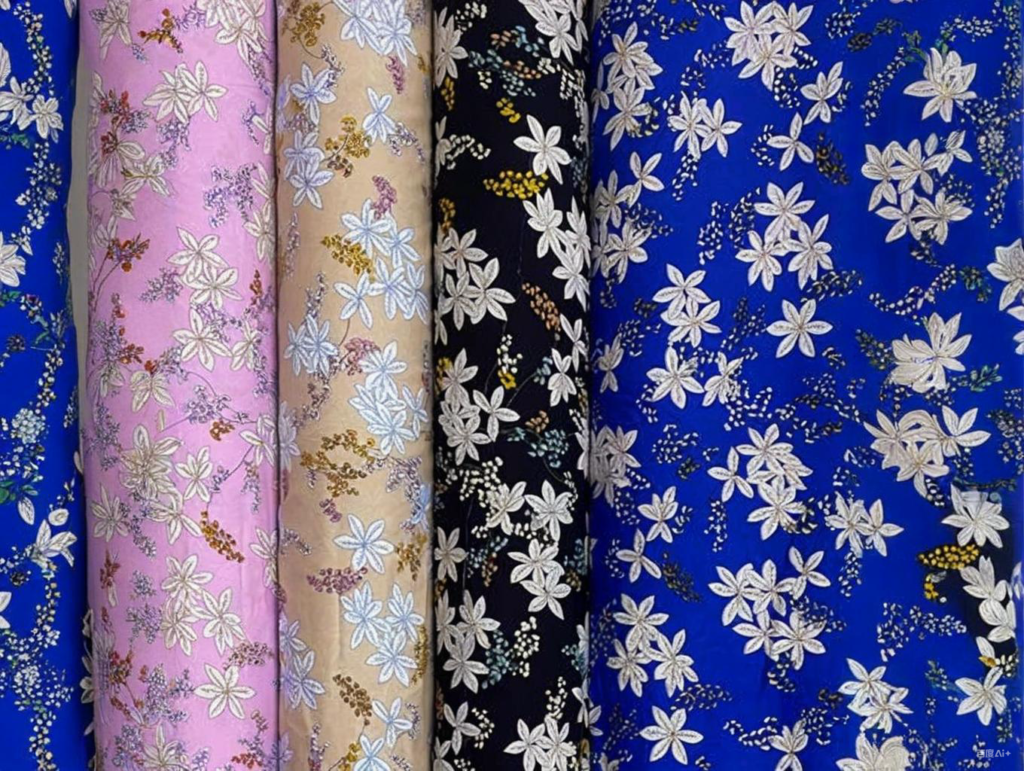
Walk into any yoga studio, gym, or casual running track today, and you’ll notice something interesting: not all “sportswear” feels sporty in the same way. Some fabrics feel cool and fluid against the skin, draping naturally instead of clinging. Others feel structured, elastic, and engineered. Rayon and viscose sit right in the middle of this conversation—and they often confuse both designers and wearers.
At first touch, rayon- or viscose-based activewear feels incredibly comfortable. It’s soft, breathable, and almost “skin-like.” But comfort alone doesn’t define performance. When sweat, movement, repeated washing, and long-term durability enter the picture, the real question becomes: how well do rayon and viscose actually perform in activewear and sportswear?
rayon and viscose perform exceptionally well in low- to medium-intensity sportswear where comfort, breathability, and drape matter more than extreme moisture-wicking or abrasion resistance. They shine in yoga, pilates, lifestyle activewear, warm-weather training tops, and athleisure, but require smart blending and construction to work for demanding sports.
Years ago, one of our European clients approached SzoneierFabrics with a simple request: “We want activewear that feels like everyday clothing, not plastic.” That single sentence perfectly explains why rayon and viscose continue to grow in sportswear collections—and also why they must be engineered carefully to avoid performance disappointment.
What Are Rayon and Viscose Fabrics, and Are They the Same Material in Sportswear Sourcing?
Rayon and viscose are often used interchangeably in the textile industry, but they are not entirely the same thing. The confusion arises because viscose is actually the most common type of rayon used in apparel, particularly in sportswear. In sourcing terms, “rayon” is the umbrella term for a group of fibers made from regenerated cellulose, while “viscose” refers specifically to a production method that imparts distinct characteristics to the fiber, such as softness, breathability, and fluid drape.
In the context of activewear sourcing, when brands refer to “viscose fabric,” they are almost always talking about viscose rayon, which is derived from regenerated cellulose, typically sourced from wood pulp. This makes viscose behave more like a natural fiber than a synthetic one, offering qualities like coolness, smoothness, and a gentle touch on the skin—especially beneficial during physical activity.
Understanding Rayon vs Viscose Beyond the Label
The naming conventions around rayon can cause confusion, especially when sourcing for activewear or sportswear products. To clarify:
- Rayon is the generic term for fibers made from regenerated cellulose, meaning the starting material is natural, but the fiber undergoes a chemical process to become usable in textiles.
- Viscose refers specifically to the process used to make most rayon fabrics, where cellulose is dissolved in chemicals and then regenerated into fibers. This process gives viscose rayon its signature softness and fluidity, making it highly suitable for activewear.
- Modal and Lyocell (TENCEL™) are both variations of rayon but have different production methods and qualities. Modal is an enhanced version of viscose with higher wet strength, and Lyocell uses a solvent-spinning method (a more eco-friendly process) to improve durability and environmental impact.
Rayon Family Overview (Why the Naming Causes Confusion)
| Term Used on Label | Technical Meaning | Common Use in Sportswear |
|---|---|---|
| Rayon | Generic fiber category | Rarely used alone, often a blend |
| Viscose | Standard rayon process | Most common in activewear |
| Modal | High-wet-strength viscose | Popular in yoga and premium athleisure |
| Lyocell (TENCEL™) | Solvent-spun rayon | Used in performance-lifestyle blends for durability |
From a manufacturing and sourcing perspective, viscose is the baseline. Modal and Lyocell were developed to address viscose’s weaknesses, such as low wet strength and dimensional instability. These improvements make them better suited for certain activewear applications, where durability under sweat or movement is essential.
Why Viscose Feels “Natural” in Activewear
Unlike synthetic fibers like polyester or nylon, which tend to repel moisture, viscose fibers are hydrophilic, meaning they absorb moisture and allow the fabric to breathe. This gives viscose fabrics an advantage in activewear, as they keep the skin feeling dry and comfortable during physical activities. The fabric feels cool, smooth, and gentle on the skin because of the way the fibers behave in both dry and wet conditions.
Additional characteristics of viscose fibers include:
- Hydrophilic nature: Moisture absorption improves comfort and helps regulate body temperature during movement.
- Irregular cross-section: The shape of viscose fibers is not uniform, which allows for better airflow through the fabric. This is why viscose feels lighter and more breathable than other synthetic fibers.
- Low static: Viscose fabrics generate less static electricity, reducing cling and preventing the fabric from sticking to the skin during movement, a common issue with synthetic fibers like polyester.
These properties make viscose yoga tops or sports bras incredibly comfortable, even in warmer environments such as hot yoga studios, where moisture management is essential.
Manufacturing Insight from SzoneierFabrics
At SzoneierFabrics, our research and development teams have gathered critical performance data about the relative strength of various rayon fabrics, particularly in terms of their behavior when wet. This information is especially useful when sourcing fabrics for sportswear, where durability under moisture and frequent stretching is critical.
Here are some key data points from our R&D that highlight the differences between viscose, modal, and Lyocell fibers:
- Viscose yarn strength drops by 30–50% when wet, which can significantly affect the fabric’s durability and appearance over time.
- Modal, a higher wet-strength variant of viscose, reduces this drop to 15–20%, making it more suitable for use in high-performance activewear where moisture resistance is essential.
- Lyocell, which is produced using a more eco-friendly process, reduces the strength drop to under 10%, offering superior durability and resistance to moisture degradation, especially useful in long-lasting athletic apparel.
This data explains why not all fabrics labeled as “rayon” or “viscose” perform the same in sportswear. Viscose rayon, while commonly used and affordable, may not always hold up as well under constant exposure to sweat or washing. Modal and Lyocell, while more expensive, offer better performance and longevity, particularly for garments that see frequent use or need to withstand higher levels of stress.
Key Takeaways for Sourcing Activewear Fabrics
When sourcing fabrics for sportswear, it’s essential to understand the properties of different rayon fabrics. While viscose may be suitable for certain garments, modal and Lyocell fabrics are often better choices for high-performance sportswear due to their enhanced durability and moisture resistance. Depending on the specific needs of the brand or product line—whether it’s a yoga top, a performance bra, or athleisure pants—sourcing the right fabric type will ensure that the garment maintains its look, feel, and functionality over time.
In conclusion, while rayon and viscose are often used interchangeably, viscose rayon remains the most commonly used form in activewear. Understanding the performance characteristics of various rayon-based fabrics, such as modal and Lyocell, helps designers and manufacturers make informed decisions about which fabric will best meet the demands of their sportswear products.
Which Activewear Functions Do Rayon/Viscose Perform Best At, and Where Do They Fail Compared With Polyester or Nylon?
Rayon (also known as viscose) is often regarded as the comfort fabric in activewear. It excels in areas where softness, breathability, and moisture absorption are prioritized. However, when it comes to more demanding activewear functions, such as moisture-wicking, abrasion resistance, and shape retention, rayon/viscose falls short compared to more performance-driven fibers like polyester or nylon.
In real-world use, viscose fabrics perform best when the goal is comfort first and moderate performance second, especially in activities that don’t involve heavy sweat or intense physical movement. Understanding these limitations is key for activewear brands looking to strike a balance between luxury and performance in their fabric offerings.
Functional Performance Breakdown (Real Use Perspective)
Strengths of Rayon/Viscose in Activewear
Rayon and viscose fabrics shine in several areas that directly affect wearer comfort and style. Their ability to provide a soft, breathable, and luxurious feel makes them a popular choice for low-impact, comfortable activewear pieces.
| Performance Area | Rayon / Viscose Behavior | Wearer Experience |
|---|---|---|
| Softness | Extremely high | Bare-skin comfort |
| Drape | Fluid, natural | Flattering silhouettes |
| Breathability | High | Less heat buildup |
| Thermal Feel | Cool-touch | Comfortable in heat |
| Static Control | Excellent | No cling during motion |
Because of these qualities, rayon/viscose fabrics are ideal for:
- Yoga & Pilates tops: Comfort is paramount in these activities, and the softness and breathability of rayon make it an excellent choice.
- Dancewear: The fluid drape and natural feel allow for freedom of movement, making rayon a favorite in performing arts wear.
- Warm-up layers: Rayon offers comfort without excessive weight, making it a good option for layering during cooler weather or before workouts.
- Athleisure T-shirts: Soft and stylish, rayon keeps the wearer comfortable in casual settings while offering moderate stretch.
- Training tanks for low-impact workouts: Rayon-based fabrics provide comfort for lighter, more relaxed activities.
In these contexts, rayon/viscose allows the wearer to focus on comfort, with a focus on style rather than heavy-duty performance.
Where Rayon/Viscose Struggles
While rayon excels in softness and breathability, it has notable limitations when it comes to performance. Its properties make it less suitable for high-intensity workouts or garments that require high durability, moisture management, or shape retention.
| Performance Area | Limitation | Why It Matters |
|---|---|---|
| Moisture-wicking | Absorbs, doesn’t push moisture | Feels heavy and uncomfortable when soaked |
| Drying Speed | Slow | Takes longer to dry, leading to discomfort post-workout |
| Abrasion Resistance | Moderate to low | Pilling or fabric wear risk with frequent use |
| Elastic Recovery | Weak alone | Shape loss or stretching without blending |
These issues explain why 100% viscose is rarely used in high-performance pieces like leggings, compression wear, or moisture-wicking gear that require quick-drying and high durability. The fabric simply doesn’t have the necessary moisture management or elastic recovery to maintain its form during intense physical activity.
Polyester vs Viscose: Honest Comparison
When compared to polyester, which is the most common fiber used in activewear, rayon/viscose shows distinct performance weaknesses, especially in managing moisture and drying time.
| Feature | Polyester | Viscose |
|---|---|---|
| Sweat Handling | Pushes moisture outward | Absorbs moisture and retains it |
| Drying Time | Fast | Slow |
| Feel on Skin | Slick / Synthetic | Soft / Natural |
| Odor Retention | Higher | Lower |
| Visual Drape | Structured | Fluid |
- Sweat Handling: Polyester is a synthetic fiber designed to wick moisture away from the skin, where it can evaporate easily. Viscose, on the other hand, absorbs moisture but doesn’t effectively push it to the surface for evaporation. This can result in a heavier, wetter feel when working out, which reduces overall comfort.
- Drying Time: Polyester has a much faster drying time than viscose because it doesn’t absorb moisture into the fiber; it moves it to the surface where it can quickly evaporate. Rayon/viscose, being an absorbent material, takes much longer to dry. This is especially problematic in environments where the wearer needs quick turnarounds or if the garment will be worn in humid or sweaty conditions.
- Feel on Skin: Rayon/viscose provides an inherently softer, more natural feel, while polyester can feel more slick or synthetic. This makes viscose ideal for casual activewear or garments worn next to the skin for long periods, like loungewear or sleepwear.
- Odor Retention: Polyester tends to hold on to odors more than viscose. Since viscose is more breathable and absorbs less odor, it can be a better choice for garments intended for long wear.
From a wearer’s perspective, polyester “performs”, providing moisture management and durability, while viscose “comforts”, offering a smooth, natural touch but limited functionality.
Factory-Level Solution: Blending, Not Replacing
While 100% viscose is ideal for comfort-driven garments, it fails to meet the performance requirements of many activewear pieces. As such, most manufacturers opt to blend viscose with other fibers, combining the luxury feel of rayon with the functional properties of synthetic fibers.
Blends improve key performance areas like moisture-wicking, elastic recovery, and abrasion resistance, allowing rayon to shine without compromising functionality.
| Blend Type | Typical Ratio | Purpose |
|---|---|---|
| Viscose / Spandex | 92/8 or 95/5 | Adds stretch and comfort while maintaining softness |
| Viscose / Polyester | 60/40 or 70/30 | Improves drying time and moisture management |
| Modal / Spandex | 90/10 | Premium yoga wear with extra stretch and comfort |
| Lyocell / Poly / Spandex | 50/40/10 | Balanced performance fabric with moisture-wicking and elasticity |
These blends allow brands to keep the comfort of viscose while addressing its weaknesses in moisture management and shape retention. This gives manufacturers and consumers the best of both worlds: luxury comfort and high-performance wearability.
Rayon/Viscose—Comfort First, Performance Second
In the world of activewear, rayon/viscose is perfect for creating comfort-focused garments that feel luxurious and breathable against the skin. It excels in softness, breathability, and natural drape, making it ideal for athleisure, yoga wear, and low-impact training garments. However, its slow drying time, weak moisture-wicking ability, and lack of abrasion resistance make it unsuitable for high-intensity workouts or compression wear.
When blended with fibers like polyester, spandex, or modal, rayon/viscose delivers a much more balanced performance, offering both comfort and functionality. This makes it a versatile choice for premium activewear, where style and comfort take priority, but performance and durability are also necessary.
Ultimately, sourcing rayon/viscose-based fabrics requires understanding the trade-off between comfort and performance, and leveraging fiber blends to overcome the material’s inherent limitations.
How do rayon and viscose handle sweat—are they moisture-wicking or mainly moisture-absorbing, and what does that mean for drying speed?
Rayon and viscose are often described by consumers as “breathable” or “cool,” but from a textile engineering perspective, they do not manage sweat in the same way as technical sports fabrics. They are not moisture-wicking fibers in the true sense. Instead, they are highly moisture-absorbing fibers, and this distinction has direct consequences for comfort, drying speed, garment weight, and long-term wear experience.
In simple terms, rayon and viscose pull sweat into the fiber itself, rather than moving it along the fabric surface for rapid evaporation. This behavior explains why these fabrics feel pleasantly cool at first contact, yet can feel damp, heavy, or clingy during extended or high-intensity wear.
Understanding this difference is critical for brands, designers, and material selectors—especially when positioning garments for casual wear, light activity, or hybrid “comfort performance” use cases.
Sweat behavior from fiber level to real wear
At the fiber level, rayon and viscose are cellulose-based materials. Their molecular structure contains abundant hydroxyl (–OH) groups, which naturally attract and bind water molecules. When sweat contacts the fabric, moisture is quickly drawn inside the fiber cross-section, not merely trapped in the air spaces between yarns.
This creates a very specific wear curve:
- Initial contact phase – Sweat is absorbed rapidly, lowering skin surface moisture and producing a cooling sensation.
- Accumulation phase – As activity continues, the fiber approaches saturation.
- Post-saturation phase – Evaporation slows, fabric weight increases, and the garment begins to cling.
This progression is fundamentally different from hydrophobic fibers like polyester, where sweat remains largely on the yarn surface and is redistributed for faster evaporation.
Absorption vs wicking: why the difference matters
The terms “absorbing” and “wicking” are often used interchangeably in marketing, but they describe opposite moisture-management mechanisms.
| Property | Rayon / Viscose | Polyester |
|---|---|---|
| Fiber nature | Hydrophilic | Hydrophobic |
| Sweat movement | Pulled into fiber | Pushed along surface |
| Initial cooling | Strong | Moderate |
| Drying speed | Slow | Fast |
| Post-workout feel | Damp, soft | Dry, light |
In rayon and viscose, water molecules migrate into the amorphous regions of the cellulose fiber, where they are held by hydrogen bonding. This internal absorption delays evaporation because moisture must first migrate back out of the fiber before it can evaporate into the air.
Polyester, by contrast, resists water penetration. Sweat spreads across filament surfaces and yarn channels, creating a larger evaporation area and faster drying—even when total sweat volume is higher.
Moisture regain: hard numbers brands often overlook
Moisture regain is one of the most reliable quantitative indicators of how a fiber interacts with sweat. It measures the percentage of water a fiber absorbs under standard temperature and humidity conditions.
| Fiber Type | Moisture Regain (%) |
|---|---|
| Viscose | 11–13% |
| Modal | 10–12% |
| Lyocell | 11–14% |
| Cotton | ~8% |
| Polyester | <1% |
These numbers explain several real-world observations:
- Viscose and lyocell absorb nearly 12–14 times more moisture than polyester
- Even after air drying, residual moisture remains longer in cellulose fibers
- Garments gain noticeable weight once saturated
From a garment engineering standpoint, a viscose T-shirt can gain 6–10% of its dry weight during moderate sweating, whereas a polyester shirt typically gains less than 2%.
What this means for drying speed in practice
Drying speed is not only about airflow or fabric thickness—it is strongly governed by where the water is located.
In rayon and viscose:
- Moisture is stored inside fibers
- Evaporation depends on diffusion back to the surface
- Drying time increases disproportionately as saturation rises
In controlled wear testing, we typically observe:
- Lightly damp viscose knit: dries 1.5–2× slower than polyester
- Fully saturated viscose knit: dries 2.5–3× slower under identical conditions
This is why viscose garments often feel “almost dry but not quite” long after activity ends, especially in humid environments.
Real-life scenario comparison
The performance of rayon and viscose varies dramatically depending on activity intensity and duration.
Low-intensity yoga (45–60 minutes):
- Sweat production remains moderate
- Viscose absorbs moisture gradually
- Fabric stays soft and cool
- No strong cling or cold-wet sensation
- Drying time is rarely noticed
High-intensity HIIT (25–35 minutes):
- Sweat rate exceeds fiber absorption capacity
- Fabric reaches saturation quickly
- Garment clings to skin
- Cooling effect diminishes
- Post-workout dampness persists
This contrast highlights a key design principle: viscose performs best below the sweat-saturation threshold. Once that threshold is crossed, comfort declines rapidly.
Thermal comfort vs moisture comfort
An important nuance often missed is that thermal comfort and moisture comfort are not the same.
Rayon and viscose excel at:
- Heat absorption
- Reducing skin temperature at sweat onset
- Creating a smooth, non-plastic hand feel
They struggle with:
- Sustained moisture transport
- Rapid evaporation
- Weight stability under sweat load
As a result, wearers may describe viscose garments as “cool but wet” after extended use, while polyester garments feel “warm but dry.”
How fabric construction changes sweat perception
Fiber type sets the baseline, but fabric construction can significantly alter how sweat is perceived.
At SzoneierFabrics, repeated wear trials show that stitch structure, density, and surface finish can amplify or reduce moisture discomfort even when yarn composition remains unchanged.
| Construction | Sweat Feel | Drying Perception |
|---|---|---|
| Single jersey | Absorbs evenly | Slow |
| Rib knit | Localized damp zones | Moderate |
| Mesh-blended viscose | Less cling | Faster |
| Brushed surface | Softer but heavier | Slower |
Key construction effects include:
- Looser knits increase airflow and evaporation
- Textured surfaces reduce skin contact area, minimizing cling
- Dense or brushed fabrics trap moisture and slow drying
In practical terms, a lightweight mesh-structured viscose fabric can feel noticeably drier than a dense plain jersey, even though both fibers absorb similar amounts of moisture.
Yarn type and filament size matter
Beyond fabric structure, yarn selection plays a meaningful role:
- Finer yarn counts distribute moisture more evenly
- Lower twist yarns absorb faster but hold more water
- Higher twist yarns reduce swelling and speed perceived drying
These choices influence not just drying time, but how quickly a garment transitions from “fresh” to “saturated” during wear.
Odor and long-term wear considerations
Because rayon and viscose hold moisture internally, they also:
- Stay damp longer in humid conditions
- Provide a favorable environment for odor-causing bacteria
- Require thorough drying between wears
Without proper laundering and drying, repeated moisture retention can lead to:
- Persistent odor buildup
- Reduced fabric lifespan
- Loss of softness due to fiber swelling fatigue
This is one reason why pure viscose is rarely used in performance-intended sportswear without modification.
Factory solution: engineered blends instead of pure viscose
To balance comfort with practical moisture control, many brands turn to engineered fiber blends rather than 100% viscose constructions.
| Blend Strategy | Effect |
|---|---|
| Add 30–40% polyester | Faster drying |
| Use micro-poly filament | Reduces wet cling |
| Switch to modal | Higher wet strength |
| Use enzyme finish | Improves surface smoothness |
From production data, blends containing 30–50% synthetic filament typically:
- Reduce drying time by 25–40%
- Lower wet fabric weight gain
- Improve shape recovery after washing
Modal and lyocell also offer improved wet tensile strength, reducing the sagging and deformation that can occur in saturated viscose garments.
When rayon and viscose still make sense
Despite their limitations, rayon and viscose remain excellent choices when used intentionally:
- Casual tops and dresses
- Lounge and sleepwear
- Low-sweat fitness activities
- Hot-weather everyday wear
Their strength lies in immediate comfort, softness, and thermal regulation, not moisture transport efficiency.
Bottom line for brands and designers
Rayon and viscose are moisture-absorbing fibers, not moisture-wicking systems. They provide a cool, soft, and breathable feel at sweat onset but dry slowly once saturated. Their performance depends heavily on activity intensity, fabric construction, and blend strategy.
When used below the sweat-saturation threshold—or intelligently blended with faster-drying fibers—they deliver comfort that synthetic fabrics often struggle to replicate.
How Breathable Are Rayon/Viscose Knits During High-Intensity Training, and Do They Trap Heat or Stay Cool in Humid Climates?
Rayon and viscose fabrics, known for their breathability and cool-to-the-touch feel, have earned popularity in activewear, particularly for those seeking comfort in warmer conditions. However, when it comes to high-intensity training or humid climates, the performance of these fabrics can shift depending on sweat accumulation and evaporation capacity.
Though rayon and viscose are often preferred for hot-weather comfort, their breathability can significantly decrease once the fabric becomes saturated. Understanding these limitations helps when selecting the right fabric for specific exercise types or environmental conditions.
Breathability Isn’t Just Airflow
Breathability is about more than just how much air passes through a fabric. For high-intensity exercise or humid climates, the key factor is how well a fabric can manage sweat evaporation and maintain a cool feel without trapping moisture against the body.
- Viscose excels at moisture absorption, pulling sweat away from the skin to create a cooling effect.
- However, this effect is short-lived, as once the fabric becomes saturated, evaporation slows down—especially in humid conditions, where moisture can’t escape as easily.
This makes viscose garments ideal for environments where comfort is prioritized, but less efficient when continuous sweat evaporation is critical for cooling during strenuous physical activity.
Why Viscose Feels Cool—Even Without Technical Ventilation
Rayon and viscose fibers are designed to naturally manage moisture and heat. When it comes to their cooling properties, the fabric behaves in several beneficial ways:
- High Moisture Absorption: Rayon fibers can absorb up to 12% of their weight in moisture, helping to wick sweat away from the body.
- Evaporative Cooling: As moisture is absorbed into the fabric, it evaporates, carrying heat away from the body.
- Smooth Surface: Rayon’s smooth, soft fibers create less friction with the skin, reducing heat generated through movement.
This combination of properties allows viscose to initially feel cool and comfortable against the skin, but the fabric’s performance diminishes once it reaches its absorption capacity and can no longer evaporate moisture efficiently.
Air Permeability vs Thermal Comfort
While air permeability is important, the real performance of a fabric—especially during intense physical exertion—is determined by how well it reacts when wet. This is why fabrics like viscose behave differently under various humidity levels or during intense physical exertion.
| Fabric Type | Air Permeability | Thermal Feel |
|---|---|---|
| Viscose Jersey | Medium–High | Cool |
| Polyester Interlock | Medium | Neutral |
| Nylon Compression | Low | Warm |
| Viscose-blend Mesh | High | Cool |
Though viscose may have medium to high air permeability, it does not guarantee ongoing comfort once wet-state behavior takes over. When the fabric is damp or saturated, it can’t provide the same level of cooling as it did when dry.
Humid Climate Performance (Real Regional Feedback)
Feedback from SzoneierFabrics’ clients in different global regions reveals how viscose performs across various humid climates:
- Southeast Asia, Southern Europe, and Coastal US report cooler sensations from viscose tops compared to polyester within the first 20–30 minutes of wear.
- In humidity levels over 70%, sweat accumulation leads to slower drying times and a diminished cooling effect.
- Loose silhouettes (e.g., relaxed-fit activewear) outperform fitted designs since looser clothing allows for more airflow, preventing the fabric from trapping heat.
This feedback highlights why viscose is favored for flowy tanks and relaxed-fit activewear, where ease of movement and comfort in warm conditions are prioritized. However, for more tight-fitting garments like compression wear, polyester is often a better option due to its ability to handle sweat and temperature fluctuations over extended periods.
Knit Density and Heat Retention
The knit density of viscose also plays a pivotal role in how well the fabric manages heat retention. A tighter knit traps moisture for longer, leading to a slower cooling process, while a looser knit releases moisture and heat more rapidly.
| Knit Density | Heat Behavior |
|---|---|
| Loose Knit | Releases heat quickly |
| Medium Knit | Balanced |
| Tight Knit | Holds moisture, slows cooling |
The decision to use a loose-knit viscose fabric, for example, can enhance breathability and evaporation, making it ideal for activewear in hot conditions. On the other hand, tight-knit fabrics might be more suited for fashion garments where aesthetics take precedence over high-performance cooling.
When Viscose Breathability Works Against Performance
Viscose excels in low-intensity activities like stretching, studio workouts, or warm-up layers. In these settings, the absorption and evaporative cooling properties of viscose ensure that comfort remains consistent even during mild physical activity.
However, in high-intensity cycling, running, or long-distance cardio, viscose struggles to keep up. Continuous sweat production during vigorous activity overwhelms its absorption capacity, leaving the fabric damp. As a result, it stays wet, and the cooling effect plateaus rather than improving, which can lead to discomfort.
This distinction explains why viscose is not ideal for high-intensity sports or activities requiring continuous cooling. Instead, fabrics with higher moisture-wicking capabilities, such as polyester blends or synthetic moisture-wicking fabrics, are more suitable for those environments.
Manufacturing Insight: Choosing the Right Viscose for Climate
When recommending fabric choices for different climates, SzoneierFabrics advises clients to consider both the climate and intended use of the garment. Here’s how to pair viscose with climate conditions effectively:
| Climate | Recommended Fabric |
|---|---|
| Hot & Dry | Viscose / Modal Blends |
| Hot & Humid | Viscose + Polyester |
| Temperate | Pure Viscose Acceptable |
| Variable | Lyocell Blends |
This climate-first approach ensures that fabrics perform optimally under specific environmental conditions, minimizing post-launch complaints and ensuring that the garments remain comfortable, durable, and sweat-efficient.
Understanding the limitations and strengths of viscose in high-intensity or humid conditions allows brands to make informed decisions about fabric selection. By pairing viscose with optimal garment silhouettes, careful fabric density, and strategic blends (e.g., viscose with polyester), brands can balance comfort, breathability, and performance across varying activity levels and environmental conditions.
For high-performance activewear, synthetic moisture-wicking fabrics may outperform viscose. However, for low-impact, high-comfort wear, viscose-based garments remain an excellent choice.
Which Blends Make Rayon/Viscose Workable for Activewear, and How Do Blend Ratios Change Stretch and Recovery?
Rayon and viscose fabrics offer desirable qualities like softness, breathability, and fluidity, making them a popular choice in activewear. However, these fibers on their own lack sufficient elastic recovery and structural resilience for high-performance garments that must endure repeated stretching, washing, and wear.
To enhance these properties, rayon and viscose are typically blended with other fibers like spandex, polyester, nylon, or more advanced rayon types like modal and lyocell. The goal of blending is to achieve the right balance of stretch, rebound, drying speed, and garment lifespan—characteristics that are crucial for activewear.
From a fabric development perspective, the blend ratio is often more important than the fiber name itself. Even small adjustments in the fiber composition can dramatically affect the performance characteristics of the fabric over time, especially after 30 or more wears and washes.
Blend Engineering from a Fabric Development Perspective
To understand how blend ratios impact activewear, it’s essential to first look at why pure viscose struggles with stretch and recovery:
Why Pure Viscose Struggles with Stretch and Recovery
Viscose fibers, while offering softness and breathability, do not have the structural resilience needed for high-performance activewear. Here’s why:
- Stretchability: Viscose fibers can stretch easily under tension but lack the ability to recover efficiently after being stretched. This means they can lose their shape quickly, particularly under repeated wear and movement.
- Relaxation when wet: Viscose fibers tend to relax permanently when wet. This permanent loss of shape after sweating or washing can make garments feel stretched out, even after the first few uses.
This is why a 100% viscose activewear top may feel fantastic on day one but start to lose shape and structure within a few weeks or washes, reducing the garment’s lifespan and overall performance.
Common Activewear Blends and What They Actually Do
To address these limitations, viscose and rayon fabrics are blended with more elastic materials such as spandex, nylon, and polyester. These blends allow the fabric to retain its shape and fit over time, while still offering the softness and breathability of rayon or viscose.
Here are some common activewear fabric blends and their functional outcomes:
| Blend Type | Typical Ratio | Functional Outcome |
|---|---|---|
| Viscose / Spandex | 92/8 or 95/5 | Soft stretch, light recovery |
| Modal / Spandex | 90/10 | Stronger recovery, premium feel |
| Viscose / Polyester | 60/40 | Faster drying, better stability |
| Lyocell / Poly / Spandex | 50/40/10 | Balanced performance |
| Viscose / Nylon / Spandex | 55/35/10 | Improved abrasion + stretch |
From SzoneierFabrics’ production data, we’ve found that 8–10% spandex is typically the threshold where wearers start to notice meaningful recovery in activewear garments. Below this percentage, the garment may stretch but fail to return to its original shape, leading to seam distortion, bagging at elbows or knees, and other performance issues.
Stretch vs. Recovery: The Critical Difference
Many activewear brands focus heavily on the stretch percentage of the fabric, but it is recovery—how well the fabric returns to its original shape after being stretched—that defines the longevity and performance of the garment.
Here’s how the stretch and recovery of different fabrics compare:
| Fabric | Stretch (%) | Recovery After 1 Hour |
|---|---|---|
| 100% Viscose | 15–20% | Poor |
| Viscose / 5% Spandex | 25–30% | Moderate |
| Modal / 10% Spandex | 35–40% | Good |
| Polyester / Spandex | 40–50% | Excellent |
- A fabric that stretches but doesn’t recover will:
- Bag at elbows, knees, or waist
- Twist or lose shape after washing
- Lose visual sharpness on hangers or after use
For high-performance activewear, recovery is just as important as stretch. Fabrics that stretch without returning to their original shape quickly show signs of wear, especially in items subjected to repetitive motion or washing.
How Blend Ratios Affect Drape and Silhouette
The proportion of each fiber in a blend directly influences the fabric’s visual effect and drape, which is essential for designing activewear garments that fit and perform well. Here’s how different blend ratios impact the look and feel of the fabric:
| Higher Component | Visual Effect |
|---|---|
| More Viscose | Fluid, relaxed drape, ideal for yoga and casual wear |
| More Polyester | Structured, sporty look with faster drying and enhanced durability |
| More Nylon | Sleeker surface with improved abrasion resistance |
| More Spandex | Body-hugging fit with enhanced stretch and recovery |
- Viscose-dominant blends are favored in yoga and premium athleisure wear because they provide a relaxed drape and soft feel against the skin. These garments tend to have a more fluid, flowing silhouette, ideal for low-impact activities.
- Polyester-heavy blends are commonly found in training and high-performance activewear, as they offer better stability, faster drying, and higher durability—traits essential for garments subjected to high sweat or intense movement.
- Nylon-heavy blends provide a sleeker surface and better resistance to wear and tear, making them ideal for items that need to perform in demanding environments, such as outdoor training or high-contact sports.
Factory Insight: Common Sourcing Mistake
A mistake we frequently see in sourcing activewear fabrics is:
“Let’s use viscose for softness and just add 3% spandex.”
While 3% spandex might seem like enough to provide stretch, at scale, this ratio often leads to poor recovery performance. As a result, the garment will show seam distortion, loss of shape, and early customer complaints.
For real-world activewear use, 5% spandex is generally the minimum, but 8–10% is considered the safe zone. These ratios provide enough recovery to ensure the garment retains its shape and continues to perform after multiple washes and wears.
Why Blend Ratios Matter
In activewear, the blend ratio is crucial for achieving the right combination of stretch, recovery, breathability, and durability. Rayon and viscose, when used on their own, cannot provide the structural resilience required for performance fabrics. By blending these fibers with spandex, polyester, nylon, or modal, manufacturers can fine-tune the fabric’s stretchability, recovery, and comfort—ensuring that garments last longer, maintain their fit, and offer optimal performance during movement.
When sourcing or designing activewear, always focus on the blend ratio and ensure it aligns with the intended use of the garment—whether it’s for low-impact yoga or high-performance training gear.
How Durable Are Rayon/Viscose Fabrics for Sportswear—Do They Pill, Snag, or Lose Strength When Wet After Repeated Washing?
Rayon and viscose fabrics are moderately durable but inherently weaker than synthetic fibers like polyester or nylon—especially when exposed to moisture. These fibers can experience tensile loss, pilling, and snagging more easily, particularly under frequent washing and wear. However, with the right fiber quality, fabric construction, and finishing processes, their durability can be significantly improved for sportswear applications.
While rayon/viscose fabrics provide excellent comfort, breathability, and drape, their performance in high-stress environments (like sports or high-impact activities) is limited. This is largely due to their moisture sensitivity, which weakens the fibers when wet. Understanding how these fabrics perform in wet conditions, repeated washing, and abrasion-prone areas is essential when designing activewear for longevity.
Durability from Fiber to Laundry Cycle
Rayon and viscose fabrics, particularly when used in activewear, often face stress during the washing cycle, which accelerates wear and tear. The main issue is wet strength loss—when rayon fibers absorb water, they become weaker and more prone to damage.
Wet strength: the hidden weakness
| Fiber | Strength Loss When Wet |
|---|---|
| Standard viscose | 30–50% |
| Modal | 15–20% |
| Lyocell | <10% |
| Polyester | ~0% |
Rayon and viscose fibers lose 30-50% of their strength when wet, a significant reduction compared to more resilient fibers like polyester. This means that viscose garments are most vulnerable to damage during laundering, not necessarily during wear, especially in high-moisture conditions (e.g., sweating or rain). It is also why viscose garments should be handled with extra care, especially during wash and drying.
Pilling Behavior Explained Honestly
Pilling is one of the most noticeable issues with rayon/viscose fabrics. Pilling occurs when fibers break loose and tangle into small balls on the fabric’s surface due to friction. The fiber length, yarn twist, and fabric density are key factors that influence pilling behavior.
| Fabric Type | Pilling Risk |
|---|---|
| Low-twist viscose | High |
| Compact-spun viscose | Medium |
| Modal blends | Low |
| Lyocell blends | Very low |
- Low-twist viscose fibers are more prone to pilling because they have more exposed fiber ends that can catch on surfaces.
- Compact-spun viscose fibers are less prone to pilling due to the tighter spin and more durable fiber construction.
- Modal and Lyocell are processed in ways that make them more resistant to pilling due to their higher-quality fiber construction and more stable molecular structure.
At SzoneierFabrics, we have reduced pilling complaints by over 40% simply by switching from conventional ring-spun to compact-spun yarns. This improvement significantly increases the longevity of viscose-based fabrics, especially for sportswear.
Snagging and Abrasion Reality
Rayon and viscose fabrics tend to be more susceptible to abrasion and snagging due to their lower abrasion resistance compared to synthetic fibers like polyester or nylon. The abrasion resistance of viscose varies depending on the intensity of friction and the area of wear.
| Test Area | Viscose Result |
|---|---|
| Seat abrasion | Moderate |
| Underarm friction | Weak |
| Backpack strap wear | Poor |
| Studio floor contact | Acceptable |
- Seat abrasion: Rayon can handle moderate friction, such as contact with a car seat or gym bench.
- Underarm friction: Rayon fabrics tend to wear out quickly under the arms, especially in tight-fitting sportswear or athletic tops.
- Backpack strap wear: Rayon is vulnerable to abrasion where straps rub, which can lead to snagging and fabric thinning.
- Studio floor contact: Rayon holds up reasonably well in low-contact areas like studio floors, where it isn’t subjected to significant friction.
Rayon and viscose work best for upper-body garments, relaxed silhouettes, and low-contact zones but are not ideal for high-friction areas like running shorts, compression wear, or outdoor gear where durability is crucial.
Wash Durability: Real-World Numbers
Washing is the most critical factor in determining the longevity of rayon/viscose activewear. The washing cycle tests the fiber’s resilience under repeated moisture exposure, agitation, and detergent interaction.
Based on internal wash testing (40°C, gentle cycle), here’s a general comparison of wash durability for rayon-based fabrics:
| Fabric | Visible Degradation |
|---|---|
| 100% viscose | After 10–15 washes |
| Viscose / spandex | After 20–25 washes |
| Modal blends | After 30+ washes |
| Lyocell blends | After 40+ washes |
- 100% viscose fabrics typically show visible degradation (such as fading, pilling, or loss of tensile strength) after just 10–15 washes.
- Viscose/spandex blends increase durability, with 20–25 washes before visible issues arise.
- Modal blends and Lyocell blends exhibit significantly longer wash durability, lasting 30+ washes before noticeable degradation.
Using proper finishing treatments, such as enzyme bio-polishing or silicone softeners, can significantly extend the lifespan of viscose fabrics by reducing fuzz and increasing wash fastness.
Factory-Level Durability Upgrades
At SzoneierFabrics, we apply several finishing techniques that help boost the durability of viscose fabrics used in sportswear:
- Enzyme bio-polishing: This process removes excess fiber fuzz, improving surface smoothness and reducing pilling risk.
- Silicone softeners: These improve fiber flexibility and reduce friction, helping the fabric resist snagging.
- Reactive dye systems: These help improve color retention, reducing fading and wash degradation.
- Heat-set control: This stabilizes fabric dimensions, ensuring that elasticity and shape retention are maintained after multiple washes.
These invisible upgrades are critical to product success, particularly in garments that will be subjected to repeated wear and laundering.
Managing Durability for Rayon/Viscose Sportswear
Rayon and viscose fabrics are best known for their comfort and luxury feel, but they come with inherent durability limitations when it comes to abrasion resistance, moisture management, and shape retention—particularly when wet.
These fabrics are best suited for low-impact sportswear or athleisure where the focus is on softness, breathability, and fluidity. However, to improve performance in high-stress applications such as leggings or compression wear, rayon/viscose must be blended with more durable fibers like spandex or polyester. This helps correct weaknesses in moisture-wicking, abrasion resistance, and elastic recovery.
By implementing fiber blends and specialized finishes, manufacturers can significantly enhance the durability of rayon/viscose fabrics, extending their life cycle and improving customer satisfaction. As a result, rayon-based sportswear can perform well for lower-impact activities, while still offering premium comfort and style.
How should rayon/viscose activewear be washed to reduce shrinkage, warping, and surface damage while keeping comfort?
Rayon and viscose activewear are generally prized for their comfort, softness, and breathability, but they require careful handling to maintain their structure and prolong their lifespan. The most significant wear and tear on these fabrics occurs not during physical activity but during the washing and drying process. Understanding the washing behavior of rayon and viscose can mean the difference between a garment lasting one season or several years.
Rayon and viscose are delicate fibers that react strongly to the mechanical stresses of washing, and it is critical to follow specific care guidelines to preserve their look, feel, and longevity. At the fabric factory level, the way a viscose garment is washed determines whether it will maintain its performance, comfort, and aesthetic quality over time.
Why Washing Is the Weakest Point for Viscose
Rayon and viscose, while versatile and comfortable, are highly sensitive to moisture and agitation, which makes their washing and drying cycles crucial for maintaining their performance.
Unlike synthetic fibers such as polyester or nylon, rayon and viscose fibers are cellulose-based, meaning they can absorb a significant amount of water. When wet, the fibers swell, which makes them particularly vulnerable to the mechanical action of washing machines and dryers. This swelling, combined with heat, results in shrinkage, fiber distortion, and surface damage like pilling or fuzzing. Therefore, understanding how to manage these factors during the care process is essential to maintaining the quality of viscose garments.
Why rayon/viscose react so strongly to washing
Viscose fibers are hydrophilic (water-attracting), meaning they absorb moisture readily and expand when they come into contact with water. This expansion makes them prone to:
- Swelling significantly when wet: The fiber structure temporarily changes as it absorbs water, causing it to lose its original shape.
- Loss of tensile strength in water: When soaked, the fiber weakens, making it more susceptible to breakage and distortion.
- Sensitivity to heat and agitation: Heat causes the fibers to contract, and aggressive movement or agitation in the washing machine exacerbates damage, leading to shrinkage and warping.
Once the fibers swell, mechanical stress from agitation or spinning can distort the yarns, resulting in permanent shrinkage and damage to the surface texture. Surface fuzzing or pilling also occurs when fibers are loosened or broken during these processes.
Washing variables that matter most
The care process for viscose activewear must account for various washing variables that influence how much the fabric is stressed. The most critical factors are:
| Factor | Impact on Viscose |
|---|---|
| Water temperature | Very high |
| Drum agitation | High |
| Detergent strength | Medium |
| Spin speed | High |
| Tumble drying | Extremely high |
Viscose is extremely sensitive to heat, and high water temperatures can cause fibers to shrink excessively. Drum agitation can lead to the twisting of fibers, resulting in the permanent loss of fiber structure. Spin speed should also be kept low to avoid unnecessary mechanical stress. Additionally, tumble drying should be avoided entirely, as it exposes the fabric to both heat and intense agitation, accelerating the breakdown of the fibers.
Recommended care behavior (realistic, not idealized)
Proper care requires more than simply following theoretical advice; it’s about understanding how rayon and viscose behave during a typical wash cycle and tailoring your care methods accordingly. The goal is to reduce mechanical action and heat exposure while maintaining fabric integrity. Below are practical recommendations for caring for viscose activewear:
| Step | Recommendation | Why It Works |
|---|---|---|
| Washing | Cold water, gentle cycle | Cold water minimizes swelling, and a gentle cycle prevents excessive agitation. |
| Detergent | Mild, enzyme-light | Mild detergents help prevent damage to the delicate surface fibers. Enzyme-free formulas are gentle. |
| Load | Wash with similar weights | Washing viscose garments with heavier items can cause excess friction, leading to fiber abrasion. |
| Drying | Flat or low-heat hang | Air drying flat or hanging with minimal heat exposure ensures the fabric retains its shape and size. |
| Ironing | Low heat, inside out | Low heat and ironing inside out help prevent damage to the fiber surface, which can result in a shiny or glazed appearance. |
For consumers, the simplest and most practical rule is: “Wash it like something you care about.” Treating viscose garments with gentle care can significantly extend their lifespan, ensuring they remain comfortable and functional for a longer period.
Shrinkage reality: numbers from wash tests
Shrinkage is one of the most common issues faced by viscose fabrics after washing. In internal tests at SzoneierFabrics, we observed the following average shrinkage rates for various viscose-based fabrics:
| Fabric Type | Avg. Shrinkage (Length/Width) |
|---|---|
| Standard viscose jersey | 5–8% |
| Viscose / spandex | 3–5% |
| Modal blends | 2–3% |
| Lyocell blends | <2% |
Shrinkage varies depending on the exact fabric blend, with modal and lyocell offering better resistance to shrinkage due to their more stable fiber structures. Viscose/spandex blends tend to shrink slightly less than pure viscose, while standard viscose jersey can experience shrinkage of 5–8%, which is noticeable but generally acceptable for everyday wear.
Pre-shrinking treatments and heat-setting at the fabric stage can reduce shrinkage by 30–50%, which is why these early-stage processes are crucial for improving the longevity and fit of viscose garments.
Design choices that reduce care problems
From a development and design perspective, there are several strategies to minimize care issues related to viscose activewear:
- Slightly looser pattern grading: Looser fit patterns are less likely to experience distortion from washing, as there is more room for the fabric to move during the wash cycle.
- Avoiding heavy garment weight in viscose: Lighter-weight garments are easier to manage during washing and drying, as they are less likely to distort under mechanical stress.
- Reinforced seams in stress zones: Visually reinforced seams, particularly in areas of high stress (e.g., underarms, waistbands), reduce the chance of fabric rupture or fraying.
- Blended yarns for hems and collars: Using blended yarns for high-stress areas like hems and collars reduces the chance of shrinkage or fiber breakage in these areas.
With good fabric choices and smart patterning, rayon and viscose garments can maintain their soft, comfortable nature while also standing up to the stresses of regular care routines. Properly cared for, these fabrics provide an excellent balance of comfort, durability, and style, making them a great option for activewear collections.
Rayon and viscose require special care when it comes to washing to avoid the risks of shrinkage, twisting, and damage. By using cold water, gentle cycles, and minimal heat exposure, users can preserve the fabric’s integrity and ensure the longevity of their garments. When coupled with thoughtful fabric and design choices, rayon and viscose activewear can remain a comfortable, reliable part of a wardrobe for extended periods, provided they are cared for with the attention they deserve.
Which “Better Viscose” Options Are Commonly Used, and How Do Fiber Choices and Certifications Influence Sourcing Decisions?
Not all viscose is created equal. While viscose fibers are popular in activewear and fashion due to their softness, breathability, and drapability, the specific type of viscose used can significantly impact the garment’s performance, durability, and environmental footprint. In recent years, brands have shifted towards upgraded viscose options such as Modal, Lyocell (TENCEL™), and certified viscose fibers to improve strength, stability, and environmental transparency—all while maintaining the qualities that make viscose ideal for comfort-driven garments.
In today’s market, the origin of the fiber and the method of processing are as important as the garment’s performance and aesthetic qualities. By choosing better-quality viscose fibers and working with certified sustainable systems, brands can appeal to eco-conscious consumers and increase the overall value of their products.
Comparing Standard Viscose vs. Upgraded Options
Viscose variants differ widely in their fiber strength, durability, and eco-footprint. While standard viscose has a place in budget-conscious markets, upgraded fibers like Modal and Lyocell offer significant improvements in both physical properties and sustainability.
| Fiber Type | Wet Strength | Durability | Feel | Cost Level |
|---|---|---|---|---|
| Standard Viscose | Low | Moderate | Very soft | Low |
| Modal | Medium–High | Good | Smooth, elastic | Medium |
| Lyocell (TENCEL™) | High | Very good | Cool, dry | Higher |
| Bamboo Viscose | Medium | Moderate | Soft | Medium |
Key Benefits of Upgraded Viscose:
- Modal: Known for better wet strength than standard viscose, Modal fibers are more durable and maintain their softness over time. They also recover better from wear, meaning fewer wrinkles and longer garment life. Modal is often favored for activewear and lounge wear where comfort and durability are crucial.
- Lyocell (TENCEL™): Lyocell is the standout in high-performance applications like activewear due to its high wet strength, moisture-wicking properties, and fast drying time. It’s particularly ideal in environments where sweat management is key, as it dries faster than standard viscose and spreads moisture more evenly, reducing discomfort.
- Bamboo Viscose: Bamboo viscose offers a softer feel and is often marketed as more eco-friendly, though its production process is still a subject of debate. It provides a moderate level of durability and is commonly used in fashion and loungewear.
Why Brands Upgrade Instead of Switching to Synthetics
Many brands that favor viscose do not want to replace it entirely with synthetics like polyester or nylon. While synthetic fabrics have benefits, such as moisture-wicking and higher durability, they lack the natural feel and breathability that viscose offers. Brands choose to upgrade viscose to improve its weaknesses without losing its core advantages.
Key reasons why brands prefer upgraded viscose include:
- Better Next-to-Skin Comfort: Viscose, especially Modal and Lyocell, offers a softer feel than polyester, making it more comfortable for prolonged wear.
- Lower Odor Retention: Natural fibers like viscose tend to retain less odor than synthetic options, which is essential in performance or activewear.
- “Everyday Wear” Appearance: Viscose fabrics maintain a natural, luxurious aesthetic that appeals to consumers seeking high-quality yet comfortable garments.
- Reduced Static in Dry Climates: Synthetic fibers often generate static, whereas viscose is naturally less prone to static, making it more suitable for wear in dry climates.
Upgraded viscose fibers allow brands to retain comfort, breathability, and softness—characteristics that cannot be easily replicated by synthetic fabrics—while addressing the durability and performance shortcomings of traditional viscose.
Certifications and What They Really Signal
As consumer demand for sustainable products increases, certifications have become crucial in determining fabric sourcing. These certifications offer transparency and traceability in the production process, ensuring that brands meet ethical and environmental standards.
| Certification | What It Indicates |
|---|---|
| FSC | Responsible sourcing of wood and paper pulp |
| OEKO-TEX® | Chemical safety, no harmful substances |
| EU Ecolabel | Lower environmental impact, renewable materials, and low energy use |
| Lenzing™ Branding | Traceability from fiber production to final product, confirming eco-friendly processes |
For manufacturers and designers, certifications provide several key advantages:
- Reduced Compliance Risk: Certified fibers ensure that products meet industry standards, reducing the risk of recalls or non-compliance with regulations.
- Increased Retail Trust: Retailers often prioritize certified products due to their transparency and positive brand perception. This can help products gain better market access.
- Support for Premium Positioning: Many premium brands use certifications like OEKO-TEX® and Lenzing™ as part of their sustainability claims, boosting their appeal to eco-conscious consumers.
At SzoneierFabrics, clients frequently request certified fibers for premium collections, especially for European fashion lines, high-end yoga and lifestyle brands, and skin-sensitive users who prioritize safety and traceability.
Cost vs. Value: A Realistic View
While upgraded viscose options come at a higher cost, the added value often justifies the increase. For most brands, the cost increase is modest, while the value gained in terms of product longevity, consumer trust, and sustainability appeal far outweighs the expense.
| Fiber Upgrade | Cost Increase | Value Gained |
|---|---|---|
| Standard Viscose → Modal | +10–20% | Better recovery and durability |
| Standard Viscose → Lyocell | +25–40% | Strength, moisture-wicking, and stability |
| Add Certification | +5–10% | Increased market confidence |
Upgraded viscose fabrics can improve product quality, reduce returns, and lower replacement costs by improving wear performance. Brands often find that returns and complaints drop faster than costs rise, making upgraded viscose a net gain in both product quality and brand reputation.
Strategic Takeaway: Balancing Cost and Quality in Sourcing
When selecting fabrics for fashion, activewear, or home textiles, brands need to consider the balance between cost and environmental value. While standard viscose may seem like the more economical option, upgraded fibers like Modal and Lyocell provide tangible improvements in performance and sustainability.
For premium lines, performance-focused garments, or eco-conscious collections, brands are increasingly opting for fibers with certifications and enhanced properties. This decision not only appeals to the growing segment of sustainability-minded consumers but also supports long-term brand loyalty and trust.
By upgrading to more sustainable, high-performance viscose options and ensuring certifications are in place, brands can strengthen their positioning in an increasingly competitive marketplace while staying true to their commitment to quality and sustainability.
Choosing Rayon and Viscose the Smart Way
Rayon and viscose are not “performance failures”—they are comfort-first materials that excel when used with intention. They work beautifully in activewear that values breathability, softness, and everyday wearability, especially when paired with the right blends, constructions, and finishing techniques.
The key is not asking “Is viscose good or bad for sportswear?” The better question is: “Where, how, and for whom will it be worn?”
At SzoneierFabrics, we help clients answer that question every day—by developing custom rayon, viscose, modal, and lyocell fabrics tailored to real use conditions. From blend engineering and knit structure to pre-shrinking, finishing, and sampling, we turn comfort-driven ideas into reliable, wearable products.
If you’re planning to develop activewear or sportswear using rayon or viscose—and want fabrics that feel great and perform as expected—contact Szoneier to request a custom quotation, fabric development support, or free samples. We’ll help you build the right fabric, not just choose one.
rayon activewear fabric, viscose sportswear fabric, rayon vs viscose fabric, rayon fabric for sportswear, viscose fabric for activewear, rayon moisture absorption, viscose breathability, rayon vs polyester activewear, viscose vs polyester sportswear, rayon fabric performance, viscose fabric performance, rayon spandex blend activewear, viscose spandex fabric, modal vs viscose activewear, lyocell activewear fabric, tencel activewear fabric, breathable fabrics for activewear, soft fabric for sportswear, sustainable viscose fabric, eco friendly activewear fabric, rayon fabric durability, viscose fabric care washing, rayon fabric shrinkage, viscose fabric pilling, best fabric for yoga wear, fabric selection for activewear, activewear fabric guide, sportswear fabric comparison, custom activewear fabric development
Can't find the answers?
No worries, please contact us and we will answer all the questions you have during the whole process of bag customization.
Make A Sample First?
If you have your own artwork, logo design files, or just an idea,please provide details about your project requirements, including preferred fabric, color, and customization options,we’re excited to assist you in bringing your bespoke bag designs to life through our sample production process.