 Skip to content
How the Ramie Plant Is Processed into Usable Textile Fibers
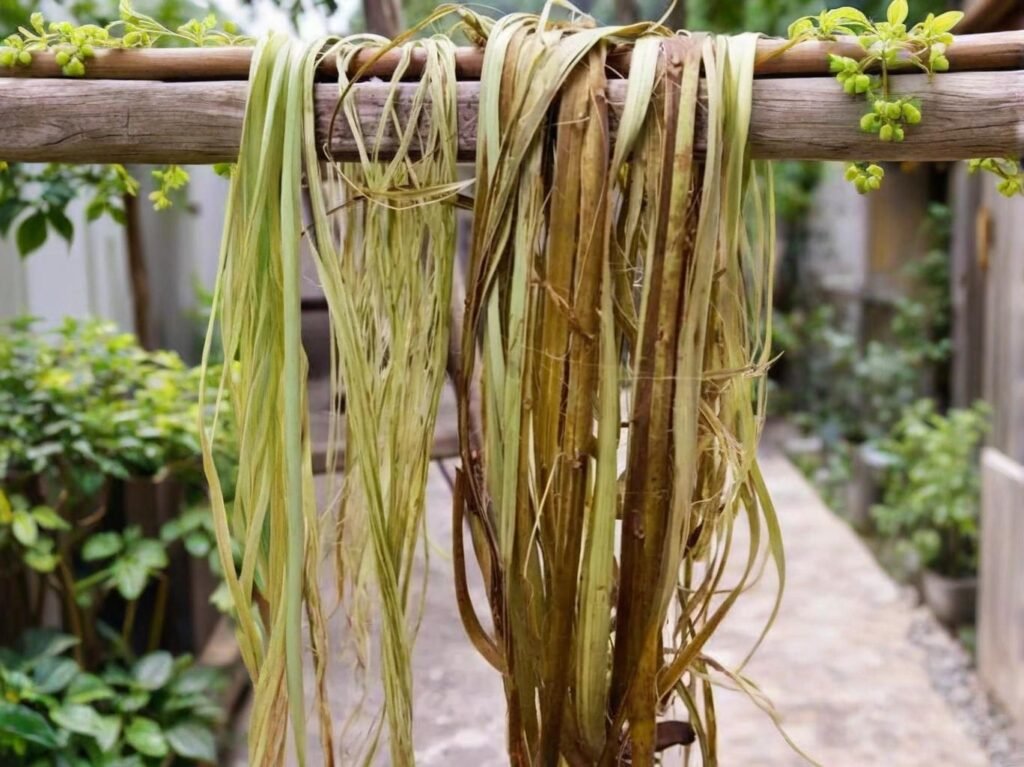
Ramie may be one of the oldest textile fibers in the world, but its journey from plant to fabric is surprisingly high-tech. For thousands of years, cultures across Asia have harvested ramie stalks for their exceptional strength and natural sheen. Today, fashion brands rediscover ramie as a breathable, sustainable alternative to cotton, thanks to its fast growth rate, moisture-wicking comfort, and elegant linen-like appearance. What many people don’t realize, however, is that raw ramie bark is almost impossible to spin unless it undergoes a complex transformation involving cultivation, stripping, degumming, refining, and high-precision yarn engineering.
Ramie becomes a usable textile fiber through a multi-step process that includes harvesting the plant, stripping the bark, removing natural gums through degumming, bleaching or softening the fibers, and spinning them into yarn. Each stage determines the strength, fineness, color, and overall quality of the final textile.
The story of ramie’s transformation is both ancient and modern. A well-known premium home-textile brand once tried to source untreated ramie fibers, expecting them to behave like flax. Instead, the fibers tangled, broke easily, and produced uneven yarn. Only after partnering with a mill experienced in enzymatic degumming did they unlock the fiber’s true potential—creating a collection of ultra-smooth table linens that became a seasonal bestseller. This example underscores how processing—not just the plant—defines ramie’s performance.
Let’s explore how this remarkable plant becomes one of the most durable and luxurious natural fibers on the market.
What Is the Ramie Plant and Why Is It Valuable for the Textile Industry?
Ramie (Boehmeria nivea), known historically as “China grass,” is one of the world’s oldest textile crops and one of the strongest natural fibers ever discovered. Its cultivation can be traced back more than 6,000 years in China, Korea, Indonesia, and the Philippines—regions where warm, humid climates allow this perennial plant to thrive. Unlike cotton, which can only be harvested once per season, ramie grows rapidly and can be harvested multiple times a year, making it one of the most productive bast fibers on the planet.
Ramie produces exceptionally long, fine cellulose fibers with a smooth surface and high natural luster. When processed correctly, these fibers yield fabrics that resemble linen but with far greater brilliance, improved tensile strength, and inherently superior resistance to bacteria, mold, and mildew. These qualities—alongside its cooling feel, excellent moisture transport, and premium appearance—have positioned ramie as a high-value natural fiber within modern fashion, lifestyle apparel, and home textiles.
Ramie is valued for its remarkable tensile strength, breathability, moisture-wicking behavior, silky luster, and compatibility with cotton, linen, viscose, and synthetic fibers. These qualities allow brands to engineer fabrics that combine sustainability, beauty, and performance in one textile system.
A historical detail illustrates ramie’s durability: ancient Chinese ceremonial garments, burial textiles, and even lightweight armor reinforcements often contained ramie because the fiber resisted rotting even in high humidity. Modern textile laboratories confirm that ramie’s wet strength remains up to eight times higher than cotton’s, a rare advantage among natural fibers. This structural stability under moisture exposure is part of what makes ramie ideal for warm-climate apparel and functional summer fabrics.
Why Ramie Is Considered a High-Value Natural Fiber
Beyond its cultural and historical significance, ramie possesses distinctive scientific and performance qualities that make it a premium alternative to linen and cotton. The following sections explore each dimension in detail.
1. Unique Performance Characteristics That Set Ramie Apart
Ramie belongs to the bast-fiber family (like flax, hemp, and jute). But unlike its counterparts, its crystalline cellulose structure is unusually well-organized and highly polymerized, giving it exceptional tensile properties, especially when wet.
| Property | Ramie | Cotton | Linen | Polyester |
|---|---|---|---|---|
| Strength (wet) | Excellent | Good | Very good | Good |
| Luster | High | Moderate | Moderate | Variable |
| Moisture-Wicking | Excellent | Good | Very good | Poor |
| Wrinkle Resistance | Moderate | Poor | Moderate | Excellent |
| Biodegradability | Yes | Yes | Yes | No |
Why this matters: Ramie’s wet strength is not just a performance curiosity—it fundamentally changes how the fabric behaves in humid climates. Shirts, dresses, and bedding stay structurally stable even after sweating or washing. Unlike cotton, which weakens slightly when wet, ramie’s molecular bonds tighten, allowing it to maintain tensile integrity.
This attribute also makes ramie suitable for technical applications such as reinforcement yarns, industrial filters, and eco-friendly composites.
2. Natural Luster, Drape, and Aesthetic Appeal
Ramie’s surface is naturally smooth, reflecting light similarly to silk. This produces:
- a luminous sheen
- crisp, sculptural drape
- bright dye uptake
- vivid color clarity
Ramie yarns can be spun into a spectrum of apparel-grade fabrics:
- summer shirting
- lightweight jackets
- knit tanks
- premium table linens
- curtain sheers
Ramie’s ability to hold structure without appearing stiff makes it highly desirable for both woven and knitted apparel lines.
Textile finishing also amplifies these effects. Mercerized-like finishing, for example, increases glossy sheen and improves colorfastness without compromising the fiber’s inherent breathability.
3. Sustainability Advantages of Ramie Cultivation
As brands seek lower-impact fibers, ramie is gaining renewed attention. It is one of the most environmentally efficient bast crops for several reasons:
- Minimal pesticide use – Ramie is naturally resistant to many insects.
- Fast biological renewal – It can be harvested three to six times per year, depending on climate and soil.
- Low irrigation requirements compared with cotton.
- Zero-waste potential – All parts of the plant can be repurposed (e.g., leftover plant matter used as organic fertilizer).
Because ramie is perennial, farmers avoid the soil degradation typically associated with annual crops. This improves long-term land sustainability and carbon sequestration potential.
From a life-cycle view, ramie stands between linen and hemp in eco-impact—but with a drastically higher yield per hectare, improving scalability for commercial textile programs.
4. Superior Blending Behavior — Why Ramie Works Well in Hybrid Fabrics
One of ramie’s strongest advantages is its compatibility with a wide range of fibers. Textile engineers frequently blend ramie to enhance hand feel, durability, or drape.
Common Ramie Blends and Their Effect:
- Ramie + Cotton Softer feel, improved tensile strength, better moisture wicking.
- Ramie + Linen Enhanced structure, improved wrinkle behavior, more brilliant sheen.
- Ramie + Polyester Higher durability, reduced shrinkage, lower cost, easier care.
- Ramie + Viscose/Modal Exceptional drape, silky feel, beautiful color saturation.
Blending allows manufacturers to tune the fabric’s mechanical and visual characteristics for specific product categories such as women’s blouses, casualwear, breathable summer pants, and elegant home linens.
Ramie also spins into fine yarn counts, enabling premium shirting fabrics that resemble luxury linen but at lower weight and improved softness.
5. Why Isn’t Ramie More Common Today?
Despite its exceptional fiber properties, ramie has not reached the global prominence of cotton or polyester. The limitation is not its performance—it is processing complexity.
Ramie fiber contains high levels of:
- pectin
- gums
- waxes
- lignin
These substances must be fully removed in a process called degumming. If degumming is incomplete:
- fibers become brittle
- yarn breaks during spinning
- fabric becomes rough
- weaving efficiency drops
Traditional chemical degumming required harsh alkalis, long processing times, and significant wastewater output. These methods were costly and environmentally burdensome, slowing ramie’s worldwide expansion.
However, modern processing technology is changing this:
- Enzymatic degumming allows selective removal of gums without damaging cellulose.
- Biodegradable surfactants reduce wastewater toxicity.
- Closed-loop water systems lower environmental footprint.
- Ultrasonic pretreatment increases degumming efficiency.
As these methods become mainstream, the global supply of high-quality ramie is steadily expanding.
Additional Consideration: Ramie’s Future Role in Performance Textiles
Emerging markets are now exploring ramie for performance-driven applications such as:
- breathable summer activewear
- antimicrobial home textiles
- outdoor wear requiring natural cooling
- eco-composite materials
- reinforcement fibers in biodegradable plastics
With rising demand for sustainability, biodegradability, and natural performance fibers, ramie is positioned to become a premium, commercially scalable textile input over the next decade.
How Is Ramie Cultivated, Harvested, and Prepared Before Fiber Extraction?
Ramie cultivation is an agricultural system that blends botany, climate science, and precise field management. Although the crop has been used for thousands of years, modern textile-grade ramie production requires engineering-level precision. Fiber quality—measured through fineness, tensile strength, color, and extractable yield—is shaped long before any degumming or spinning occurs. What happens in the field determines whether a ramie batch becomes premium yarn or low-grade industrial fiber.
Ramie farmers focus on optimizing three variables: stem length, internode structure, and lignification stage. Because the plant grows vigorously in warm, humid regions, stalks mature quickly. When cut too late, lignin content rises sharply and the fiber becomes coarse. When cut too early, cellulose chains are not fully formed, reducing tensile strength. Achieving the perfect harvest window can influence yarn yield by more than 10–15%—a significant margin in commercial production.
Ramie is cultivated in warm climates with high humidity, harvested multiple times per year, and prepared immediately by cutting stems, removing leaves, bundling, partially drying, or lightly retting the stalks before bark stripping. Proper timing and preparation preserve fiber fineness, reduce gum hardness, and ensure efficient degumming and higher tensile performance.
A real cooperative in Southeast Asia once shifted its harvest schedule two weeks earlier after monitoring fiber maturity curves. The adjustment cut lignin content by nearly 9% and raised spinnable fiber yield by 12%, proving that agronomic timing directly shapes textile value.
Below is a comprehensive examination of the full agricultural and pre-processing cycle.
1. Ideal Growing Conditions
Ramie (Boehmeria nivea) is a perennial crop that thrives in environments where high humidity and warm temperatures accelerate vegetative growth while minimizing fiber brittleness.
Core requirements:
- Temperature: 20–30°C optimal; below 15°C growth slows significantly
- Rainfall: 1,200–1,800 mm annually, with evenly distributed moisture
- Soil Type: Well-drained loamy or sandy soils rich in organic matter
- pH: Slightly acidic to neutral (5.5–7.0)
- Sunlight: Full sun exposure to support rapid stem elongation
Because ramie is extremely sensitive to waterlogging, farmers often plant on raised beds or slope-based drainage systems to prevent root rot. China—especially Hunan, Sichuan, and Guizhou—remains the world leader in ramie production because these regions offer ideal microclimates with stable humidity and long growing seasons.
Countries like the Philippines, Indonesia, Vietnam, and Brazil have also developed strong regional ramie programs due to similar climatic patterns.
2. Growth Cycle and Harvest Frequency
One of ramie’s most valuable agricultural traits is its multi-harvest potential. Once established, a ramie plant can produce for 5–20 years depending on soil fertility and pest management.
Typical harvest frequency:
- 3–6 harvests per year in tropical zones
- 2–4 harvests per year in subtropical regions
Each growth cycle produces stalks reaching 1–2 meters in height.
Frequent harvesting:
- keeps bast fibers fine and white
- maintains internodes at optimal pliability
- prevents excessive lignification
- supports consistent industrial yield
Ramie is cut just before flowering, as biochemical transitions during flowering increase gum hardness and fiber coarseness.
3. Harvesting Techniques
While manual harvesting remains common in smallholder systems, commercial farms increasingly use semi-mechanized cutters.
Standard harvesting workflow:
- Cut stems at ground level to maximize usable bark length.
- Immediately remove leaves, which reduces microbial activity and prevents enzymatic discoloration.
- Sort stalks by diameter and length, ensuring even processing later.
- Bundle stems in 20–30 kg groups for easier transport.
Speed is essential—ramie begins biological degradation within hours of harvest.
Improper handling leads to:
- increased fiber brittleness
- darker coloration
- reduced degumming efficiency
- gum hardening that raises processing costs
The highest-quality ramie comes from growers who maintain a harvest-to-processing time of less than 24 hours.
4. Partial Retting or Controlled Drying
Before bark stripping and degumming, ramie stalks undergo a preparatory stage that conditions the bark for mechanical or chemical separation.
Producers typically use one of three methods:
a. Sun Drying (1–2 days)
This reduces moisture to around 50–60%, relaxing pectin bonds and making bark easier to peel. Controlled drying also prevents mold growth in humid environments.
b. Light Retting (Water Retting)
Immersing stems for a short period loosens natural gums without causing over-decomposition. Unlike flax or jute retting, ramie retting is shorter and more controlled to avoid fiber weakening.
c. Mechanical Softening
Some facilities use rollers or flakers to rupture non-fibrous tissues while keeping the cellulose bundles intact.
Purpose of this stage:
- soften gums
- ease bark removal
- reduce degumming chemical load
- improve fiber cleanliness and color
- increase separation efficiency
The choice of preparation method depends on local climate, available equipment, and desired fiber grade.
5. Transport and Timing Considerations
Ramie bark degrades rapidly after harvest due to:
- enzymatic activity
- microbial attack
- oxidation
- moisture retention
For premium-grade ramie, stalks are transported to processing centers within 24–48 hours. Commercial buyers often specify maximum post-harvest windows in supplier contracts to ensure uniform fiber behavior during spinning.
Larger cooperatives use mobile stripping units near farms to minimize delays.
Even minor delays can cause:
- gum hardening requiring higher chemical input
- yellowing or browning of fibers
- lower tensile properties
- reduced fineness index
Thus, logistics is as important as agronomy.
6. Does Harvest Timing Change Fiber Performance?
Yes—and the effect is substantial. Harvest timing influences fiber structure, lignin content, and cellulose crystallinity.
If harvested too late:
- lignin increases → fiber becomes coarse and stiff
- gum content rises → harder degumming required
- fiber becomes less spinnable
- color deepens → lower grade classification
If harvested too early:
- cellulose chains are underdeveloped
- fiber tensile strength drops
- overall fiber mass decreases → poor yield and economics
Studies in China show that waiting just 10 extra days beyond optimal maturity can increase lignin by 15–20%, significantly reducing textile-quality output.
Growers and buyers aim for a harvest stage where:
- pectin bonds are still manageable
- lignification is minimal
- cellulose strength is near maximum
- moisture content remains balanced
This timing window is narrow, making ramie a crop that rewards precise farm management.
The quality of ramie fiber—its fineness, whiteness, tensile strength, and ease of degumming—is determined long before it enters a textile mill. From climate and soil management to harvesting timing, drying, and retting, each step in the agricultural chain shapes the final product’s textile performance.
What Mechanical and Manual Methods Are Used to Strip Ramie Bark from the Stems?
Stripping ramie bark is one of the most critical early stages in ramie fiber production. Unlike flax or hemp—whose bast layers separate more easily—ramie bark adheres tightly to the woody core because of its high pectin and hemicellulose content. Effective bark removal determines fiber length, cleanness, tensile strength, and degumming efficiency. Modern producers now combine manual, mechanical, and semi-automated methods depending on labor availability, throughput targets, and quality requirements.
Ramie bark is stripped using manual scraping, mechanical decortication, or semi-automated stripping machines. Each method removes the epidermis and woody core to yield bast ribbons, and the chosen technique determines ribbon length, uniformity, and final spinning quality. Manual methods produce the longest fibers; mechanical methods deliver industrial scale.
A real-world example from Hunan, China: Upgrading from manual scraping to high-speed decorticators cut labor time by 50–60% while improving fiber length uniformity by 18%, leading to higher yarn counts and premium pricing in blended textiles.
Manual Bark Scraping — The Traditional, High-Precision Method
Manual stripping remains common in smallholder farming regions and premium handloom sectors.
Process Overview
- Stalks are harvested and cut into 1–1.5 m sections.
- Workers slit the bark longitudinally with a knife or bamboo scraper.
- The green epidermis is peeled away by hand.
- Long bast ribbons are pulled off in near-continuous lengths.
Advantages
- Produces the longest, least-damaged fibers
- Excellent for fine-count yarn or artisan weaving
- High surface smoothness and fewer micro-defects
Limitations
- Slow output (labor-intensive)
- Highly dependent on worker skill
- Variable ribbon width and thickness
Manual scraping is still preferred for luxury ramie fabrics, ceremonial textiles, and high-value blends requiring long, unbroken fibers.
Mechanical Decortication — The Industrial Backbone of Ramie Production
Mechanical decorticators use blade–roller systems to crush, scrape, and separate bark from the woody core.
How Mechanical Decorticators Work
- Feed rollers pull stems into the machine
- Rotary blades cut and strip bark layers
- Scraping plates remove residual pith
- Ribbons exit as semi-cleaned bark fibers
Strengths
- High throughput (5–10× manual output)
- Consistent ribbon thickness
- Lower labor cost
- Compatible with continuous degumming lines
Common Output Types
- Green ribbons (with epidermis residue)
- Partially-cleaned ribbons
- Coarse bast fibers ready for chemical/enzymatic degumming
Mechanical systems dominate large-scale operations making yarns for:
- ramie–cotton blends
- ramie–polyester apparel
- household textiles
- industrial-strength ramie products
Semi-Automated Stripping Systems — The Middle Ground
Semi-automated systems combine manual feeding with automated cutting and scraping.
Key Features
- Lower fiber breakage than full mechanization
- Uniform ribbon width
- Reduced operator fatigue
- Moderate investment cost
Processors who produce medium-scale apparel-grade ramie often prefer this method because it strikes a balance between:
- quality
- throughput
- operating cost
These machines help stabilize fiber characteristics for mills that focus on consistent blending with cotton, linen, or viscose.
Comparative Performance of Bark-Stripping Methods
| Method | Productivity | Fiber Length | Ribbon Uniformity | Damage Rate | Typical Application |
|---|---|---|---|---|---|
| Manual Scraping | Low | Longest | Variable | Very low | Premium handloom, luxury textiles |
| Mechanical Decortication | High | Medium–Long | High | Moderate | Industrial ramie production |
| Semi-Automated Stripping | Medium | Long | Medium–High | Low | Mid-scale spinning & blending mills |
Why Efficient Bark Removal Matters for Final Textile Quality
The stripping stage influences every downstream step:
- Degumming efficiency: Poor stripping leaves excess pith → uneven gum removal.
- Fiber length: Shorter ribbons mean lower tensile strength yarns.
- Surface cleanness: Impacts spinning friction and yarn hairiness.
- Color uniformity: Residual bark particles cause dye irregularities.
- Spinning performance: Clean, long ribbons yield fine-count yarn (40s–80s).
In ramie, fiber quality is locked in early—before degumming, washing, carding, or spinning.
Is Mechanical Decortication Always Better?
Not necessarily.
Mechanical methods win for:
- export-scale production
- consistent bulk quality
- blended yarn markets
- automated degumming lines
Manual methods win for:
- ultra-premium weaving
- artisanal fabrics
- applications requiring maximum fiber length
Semi-automated methods win for:
- mid-range price points
- consistent but not ultra-high output
- regions transitioning from manual to machine processing
A supplier like SzoneierFabrics selects the stripping method strategically based on the intended end use—whether the final ramie product is designed for premium apparel, industrial textiles, or high-performance blends.
How Does Degumming Transform Raw Ramie Bark into Spinnable Cellulosic Fibers?
Degumming is the pivotal stage that determines whether ramie becomes a premium textile fiber or an unusable, brittle plant ribbon. Raw ramie bark contains heavy concentrations of pectin, hemicellulose, lignin residues, and waxes—collectively known as “gums.” These substances bind the fiber bundles tightly together, protecting the plant but rendering the material completely unsuitable for spinning. Without degumming, ramie is stiff, inflexible, and prone to breaking at even modest tension levels.
Degumming removes pectins and natural adhesives from ramie bark through chemical, enzymatic, and mechanical treatments. By breaking down these gummy substances, the process liberates the fine cellulosic filaments, significantly softens the texture, and enhances the fiber’s spinnability, whiteness, and tensile strength. High-quality degumming is the single strongest predictor of final yarn quality.
A telling case study comes from a medium-sized mill in Southeast Asia that upgraded from traditional alkali boiling to a controlled enzymatic system. The switch produced whiter, cleaner fibers with a 30% improvement in tensile strength and far more uniform morphology. Yarn breakage during spinning dropped by half. This one process upgrade repositioned the mill from commodity-grade to premium-grade ramie production—a transformation driven almost entirely by degumming quality.
Below is a deep, technical look at how degumming actually works and why it determines so much of ramie’s commercial performance.
Understanding Degumming — The Heart of Ramie Processing
1. Chemical Degumming (Traditional Industrial Method)
Chemical degumming is still the most widely applied method in large-scale production. It uses alkaline solutions—commonly sodium hydroxide (NaOH)—to dissolve pectins and hemicelluloses.
Typical procedure:
- raw ribbons are boiled in an alkaline bath
- elevated temperature accelerates dissolution of gummy substances
- rinsing removes dissolved gums and residual chemicals
- acid neutralization restores balanced pH
Advantages:
- efficient for bulk operations
- low equipment investment
- predictable, repeatable results
Disadvantages:
- potential fiber degradation if the alkali concentration or temperature is too high
- yellowness and harsh handle if rinsing is insufficient
- higher environmental load due to chemical effluent
Chemical degumming delivers adequate results but requires careful control to avoid fiber weakening.
2. Enzymatic Degumming (Modern Eco-Friendly Method)
Enzymatic degumming represents the most advanced and sustainable approach currently available. Enzymes such as pectinase, xylanase, and trace cellulase selectively target and break down gum components without attacking the cellulose itself.
Benefits include:
- gentler processing with minimal fiber damage
- significantly improved softness and fineness
- better tensile strength retention
- reduced water and chemical usage
- lower BOD/COD in wastewater
This method is increasingly chosen by mills serving premium apparel brands, especially those with sustainability commitments.
3. Mechanical Degumming (Supplemental Method)
Mechanical methods alone cannot fully remove gums, but they play an important supporting role.
Mechanical steps include:
- agitation
- beating
- fiber opening
- pressure washing
These actions loosen gum residues and help separate the fiber bundles, improving the efficiency of both chemical and enzymatic treatments. In high-end mills, precise mechanical control ensures fiber alignment and reduces variability in spinnability.
4. Degumming Process Comparison Table
| Method | Fiber Softness | Strength Retention | Environmental Impact | Cost |
|---|---|---|---|---|
| Chemical | Medium | Medium | Higher | Low |
| Enzymatic | High | High | Low | Medium |
| Mechanical Assist | Medium–High | High | Moderate | Medium |
Enzymatic degumming clearly leads in fiber quality and sustainability, making it the preferred method for modern, high-performance ramie textiles.
5. The Multi-Step Degumming Workflow
A sophisticated ramie degumming line typically includes:
- Pre-wash: Removes dirt, sugars, and surface impurities.
- Primary treatment: Alkali or enzyme bath dissolves gum structures.
- Intermediate rinsing: Flushes away dissolved gums.
- Neutralization: Balances pH to protect cellulose.
- Fiber separation and combing: Opens filaments, removes residues, and aligns fibers for spinning.
Each stage influences the final fiber:
- whiteness index
- residual gum content (RGC)
- fiber fineness and uniformity
- spin efficiency and breakage rate
A small error in temperature, pH, or dwell time can significantly alter yarn behavior.
6. Why Degumming Quality Determines Textile Performance
Weak or inconsistent degumming manifests immediately in downstream processes.
Problems caused by incomplete or poor degumming:
- unseparated fiber bundles
- excessive yarn breakage during spinning
- coarse, stiff yarn with poor drape
- uneven dye uptake and patchiness
- harsh or scratchy fabric texture
Benefits of high-quality degumming:
- cleaner, smoother fiber surfaces
- improved softness and handfeel
- higher tensile strength and elongation
- brighter, more uniform dyeing
- superior fabric drape and comfort
In practice, the difference between premium ramie and commodity ramie is not the plant—it is the degumming.
7. Advanced Degumming: The Rise of Eco-Processing
Modern ramie processors increasingly adopt:
- enzyme-optimized treatment baths
- ultrasonic-assisted degumming to accelerate gum breakdown
- temperature-programmed cycles for gentler processing
- closed-loop water recycling systems
- precision mechanical softening
These innovations:
- reduce chemical loads
- enhance fiber uniformity
- boost yarn yield
- meet international sustainability criteria (OEKO-TEX, GRS-compatible systems, etc.)
Eco-focused brands now specifically request enzymatically degummed ramie due to its improved environmental profile and superior texture.
8. Is Enzymatic Degumming the Future?
Most indicators point toward yes.
Reasons include:
- strong alignment with global sustainability expectations
- improved fiber softness and fineness
- better tensile strength and fewer spinning issues
- compatibility with modern high-speed ring-spinning and air-jet systems
- lower wastewater impact and reduced chemical consumption
Chemical degumming will continue to exist because of cost advantages, but enzymatic degumming is rapidly becoming the preferred option for high-end textiles, eco-label programs, and export-oriented mills.
Which Bleaching, Softening, and Finishing Processes Improve Ramie Fiber Quality?
Once ramie fibers are successfully degummed—removing gums, pectins, and waxes that naturally bind the fiber—the next stage determines whether the material becomes coarse and rustic or transforms into a refined, high-value textile comparable to linen or even silk. Ramie’s innate strength and moisture-wicking abilities are impressive, but without proper finishing, the fiber can feel stiff, appear dull, and perform inconsistently during spinning and weaving.
The finishing phase includes bleaching, softening, fiber opening, chemical modification, and polishing treatments. These steps control whiteness, pliability, luster, dye affinity, and spinning efficiency—ultimately shaping how the final fabric feels, drapes, and ages.
Ramie fiber quality improves dramatically through advanced finishing processes such as peroxide bleaching, silicone softening, mechanical opening, controlled alkali treatment, and enzyme polishing. These techniques enhance brightness, softness, uniformity, and dye behavior, allowing ramie to achieve luxury-grade performance.
A real-world example illustrates how crucial this stage is. A European apparel brand attempted to launch a ramie shirt collection but used under-bleached fibers with inconsistent surface impurities. After dyeing, the shirts exhibited patchy coloration and a dull undertone. When the brand switched to a mill specializing in controlled peroxide bleaching and silicone finishing, the same fabric achieved a 20–30% increase in color depth, a cleaner handfeel, and the crisp-but-fluid drape associated with high-end summer shirting.
Below is a deep look at how each finishing step transforms raw ramie into premium-quality textiles.
1. Bleaching — Achieving Whiteness, Color Uniformity, and Dye Affinity
Ramie’s natural color ranges from pale yellow to grayish-green due to residual lignin and plant pigments. Even after degumming, these pigments can linger and negatively affect fabric shade, especially for pastels and bright colors.
Bleaching removes:
- lignin
- carotenoids
- flavonoids
- residual impurities or stains
Each bleaching method offers advantages and trade-offs:
| Bleaching Method | Pros | Cons |
|---|---|---|
| Hydrogen Peroxide | Stable, eco-friendlier, good whiteness | Requires careful pH & temperature control |
| Sodium Hypochlorite | Very strong whitening | Higher environmental impact; risk of fiber damage |
| Enzymatic Bleaching | Gentle, sustainable | Slower process; requires consistent enzyme activity |
Hydrogen peroxide is the industry’s preferred method because it provides high whiteness while protecting fiber strength. Ramie’s crystalline cellulose structure tolerates peroxide bleaching well as long as the temperature (typically 80–95°C) is controlled.
Improper bleaching results in:
- uneven dye uptake
- dull color saturation
- speckled surface appearance
For fashion and home textiles, uniform bleaching is non-negotiable.
2. Softening — Building Flexibility, Comfort, and Fluid Drape
Raw ramie fibers, even after degumming, tend to feel crisp or rigid. Softening reduces stiffness and improves handfeel, enabling smoother spinning and weaving.
Softening treatments include:
- Cationic softeners → increase lubrication and reduce fiber friction
- Silicone softeners → create a silky, cool-touch, premium handfeel
- Fatty acid esters → improve pliability and reduce brittleness
Mechanical softening techniques complement chemical methods:
- fiber beating
- carding and refining
- roller compression
These steps physically break down micro-rigidities and enhance surface smoothness.
High-quality softening is essential for ramie used in:
- blouses
- summer shirts
- scarves
- premium bedding
- fine knitted apparel
A properly softened ramie fabric displays a structured yet fluid drape similar to linen—but with an elegant luster that linen lacks.
3. Fiber Opening and Refining — Ensuring Spinnability and Yarn Consistency
After degumming, ramie fibers naturally cling together due to surface tension and residual micro-pectins. Fiber-opening machines gently separate bundles into fine, uniform strands.
Benefits of fiber opening:
- reduces neps (fiber knots)
- improves drafting during spinning
- increases yarn evenness
- lowers spinning waste
- enhances mechanical strength of spun yarn
For mills producing fine counts—30s, 40s, 60s and above—fiber opening is one of the most critical steps. Without this process, ramie yarn can suffer from:
- breakage
- uneven twist
- poor knitting performance
- visible slubs in woven fabrics
Fiber opening transforms ramie from a rough bast fiber into a spinnable, consistent feedstock suitable for high-tech textile systems.
4. Mercerization or Alkali Treatment — Improving Strength, Uniformity, and Luster
Mercerization is widely known in cotton processing, but ramie responds even more dramatically to controlled alkali treatment.
Benefits of alkali processing on ramie:
- increases tensile strength by up to 15–25%
- enhances natural luster, giving a silk-like sheen
- improves dye uptake and color clarity
- stabilizes fiber dimensions
- reduces brittleness and improves elongation
Ramie’s cellulose orientation becomes more uniform after alkali swelling. This improves:
- yarn cohesion
- weaving performance
- fabric brightness
- surface smoothness
For high-end shirting, premium table linens, and soft-flowing dresses, mercerized ramie is increasingly preferred.
5. Anti-Wrinkle and Smoothing Finishes — Improving Wearability and Aesthetic Stability
While ramie shares many performance traits with linen, both fibers tend to wrinkle. Light finishing treatments help manage fabric appearance without undermining breathability.
Common finishing chemistries:
- Low-formaldehyde resin systems → reduce wrinkles and improve fabric recovery
- Cross-linking agents → stabilize cellulosic bonds for better shape retention
- Silicone smoothing films → enhance glide and create a premium tactile quality
Because ramie has a naturally smooth surface, smoothing finishes amplify the fiber’s natural sheen and improve garment comfort during wear.
Brands targeting professional apparel, luxury linens, or resort wear often specify smoothing finishes to elevate product appearance.
6. Enzyme Polishing — Creating Ultra-Smooth, Luxury-Grade Ramie
Enzyme treatment is one of the most transformative finishing steps for premium ramie. It selectively removes microfibrils and surface irregularities without harming the core cellulose.
Advantages of enzyme polishing:
- dramatically smoother fiber surface
- reduced fuzzing and pilling
- enhanced fabric shine
- improved drape and tactile comfort
- deeper and more even color saturation
This step allows ramie to move into luxury markets, competing directly with linen, silk blends, and fine cotton-modal textiles.
High-end shirting, scarves, and summer dresses often rely on enzyme-polished ramie for next-level softness and visual refinement.
7. Finishing Method Comparison Table
| Finishing Step | Fiber Effect | Ideal Application |
|---|---|---|
| Peroxide Bleaching | Whiteness, color uniformity | Apparel & home textiles |
| Silicone Softening | Silk-like handfeel | Premium apparel |
| Mechanical Opening | Improved spinnability | Yarn production |
| Mercerization | Strength + luster | High-end fabrics |
| Enzyme Polishing | Ultra-smooth surface | Luxury blends |
Each finishing method can be applied individually or combined depending on yarn count, fabric weight, and final product category.
8. Can Finishing “Fix” Poor Raw Fiber?
Finishing enhances fiber quality—but it is not a cure-all. It cannot compensate for:
- insufficient degumming
- overly short staple length
- brittle fibers damaged by overprocessing
- inconsistent cultivation quality
- immature or improperly harvested stems
The highest-performing ramie fabrics always begin with:
- properly cultivated raw material
- expertly controlled enzymatic or chemical degumming
- consistent fiber grading
Finishing elevates good fibers to premium quality; it cannot transform inferior fibers into high-performance textiles.
How Are Ramie Fibers Spun into Yarn and Blended with Cotton, Linen, or Synthetic Fibers?
Ramie’s transformation from a coarse bast fiber into smooth, spinnable yarn is one of the most technically demanding processes in the natural-fiber textile industry. Unlike cotton, which has naturally short and uniform staple lengths, ramie fibers are long, stiff, and highly crystalline. These qualities give ramie its legendary strength and luster but also require specialized machinery, controlled humidity, and precise adjustments during spinning. The challenge is to tame the fiber’s rigidity without damaging its cellulose structure.
Ramie’s versatility grows dramatically through blending. While 100% ramie fabrics are prized for crispness and coolness, blending ramie with cotton, linen, viscose, or polyester enables mills to adjust softness, reduce cost, improve drape, reduce wrinkling, and produce yarn suitable for broader applications such as bedding, shirting, summer apparel, uniforms, and home goods.
Ramie fibers are spun into yarn through carding, combing, drawing, roving, and either ring spinning or open-end spinning. The fibers are frequently blended with cotton, linen, viscose, or polyester to enhance softness, manage costs, improve durability, or tailor performance. Blending allows ramie to function as both a performance-enhancing fiber and a design-oriented material across multiple textile categories.
A real-world case from a bedding manufacturer illustrates this well: by blending 40% ramie with 60% cotton, the company reduced stiffness, improved moisture absorption, and created a naturally cool summer fabric that quickly became a bestseller in humid markets. The ramie contributed breathability and strength, while cotton softened the fabric’s handfeel, producing a balanced, consumer-friendly textile.
Below is a detailed breakdown of how ramie fibers are prepared, spun, and blended at industrial scale.
1. Carding — The Crucial First Step for Fiber Alignment
Carding machines are responsible for taming ramie’s long and stiff fibers. Compared with cotton, ramie requires slower feed rates and modified carding cylinder speeds to avoid fiber breakage.
Carding accomplishes several key functions:
- disentangles fiber bundles
- removes dust, bark fragments, and plant residues
- aligns fibers into a thin web
- converts the web into a carded sliver
- reduces neps (entangled knots)
Because ramie fibers tend to cling and resist bending, mills must carefully control humidity—typically 60–75% relative humidity—to maintain pliability during carding.
Fine carding improves downstream uniformity, reducing yarn breakage in ring frames.
2. Combing — Producing Finer, More Lustrous Yarns
Combing is optional for coarse yarns but essential for high-grade textiles.
During combing:
- short fibers (noils) are removed
- remaining fibers are straightened and evenly parallelized
- impurities and micro-fragments are extracted
Combed ramie exhibits:
- smoother appearance
- improved tensile strength
- lower hairiness
- better dye uptake
Luxury shirting fabrics and premium home textiles almost always use combed ramie or ramie blends, as combing improves uniformity and luster—two of ramie’s signature aesthetic qualities.
3. Drawing and Roving — Building a Stable, Predictable Sliver
After combing, drawing frames blend and elongate the fibers, reducing thick–thin irregularities. Ramie requires multiple drawing passages due to its stiffness.
Drawing ensures:
- even fiber distribution
- controlled sliver density
- reduction of mechanical weak points
- blending consistency for mixed fiber slivers
Roving frames then add a slight twist to the sliver, creating a roving that is strong enough to be fed into ring spinning frames.
Poor drawing is one of the top causes of yarn breakage in ramie spinning.
4. Yarn Spinning — Ring Spinning vs Open-End Spinning
Two primary spinning systems are used for ramie:
| Spinning Type | Output Characteristics | Best Applications |
|---|---|---|
| Ring Spinning | silky, strong, fine yarns with controlled twist | high-quality apparel, shirting, bedding |
| Open-End (Rotor) Spinning | bulkier, coarser, more economical | towels, denim blends, casualwear, home textiles |
Ring Spinning
The preferred method for premium yarns, as it maintains ramie’s natural strength and luster. Ring-spun ramie or ramie blends have:
- higher tensile strength
- smoother yarn profile
- better fabric drape
- reduced pilling tendency
Open-End Spinning
More cost-efficient and forgiving for coarser blends. Used for:
- upholstery fabrics
- table linens
- denim blends
- industrial textiles
However, open-end spinning reduces maximum achievable strength because ramie’s long fibers do not behave optimally in rotor chambers.
5. Blending Ramie with Other Fibers — Engineering Better Performance
Ramie’s inherent properties—coolness, strength, and durability—make it valuable as a blending fiber. Blends are engineered to correct ramie’s natural limitations (stiffness, wrinkle tendency, and dye challenges) while maintaining its performance benefits.
Ramie + Cotton
The most common blend globally.
Characteristics:
- softer handfeel than pure ramie
- enhanced moisture absorption
- improved spinning stability
- reduced material cost
Typical end uses:
- shirts
- bedding
- lightweight summer apparel
- baby textiles
The cotton moderates ramie’s stiffness, while ramie increases durability and breathability.
Ramie + Linen
This blend creates a textile with rich texture and excellent summer comfort.
Advantages:
- airy, crisp structure
- natural slub appearance
- improved coolness and breathability
- enhanced surface interest
Common in:
- dresses
- trousers
- table linens
- high-end home décor
The blend balances linen’s coarseness and ramie’s strength, producing fabrics that soften beautifully over time.
Ramie + Polyester
Designed for durability-focused textiles.
Performance improvements:
- greater wrinkle resistance
- higher abrasion durability
- reduced moisture uptake (faster drying)
- stable dimensional behavior
Applications include:
- uniforms
- everyday apparel
- outdoor textiles
- cost-sensitive fashion programs
Ramie offsets polyester’s tendency to retain heat, making the fabrics more breathable.
Ramie + Viscose
Viscose adds drape and softness to ramie’s structure.
Benefits:
- smoother surface
- vibrant color uptake
- improved fluidity
- enhanced comfort
Often used for:
- blouses
- scarves
- flowy dresses
- resortwear
This blend creates fabrics that feel luxurious while retaining structural integrity.
6. Blending Ratio Comparison Table
| Blend Type | Typical Ratio | Resulting Characteristics |
|---|---|---|
| Ramie/Cotton | 30/70 or 50/50 | Soft, breathable, durable |
| Ramie/Linen | 40/60 or 20/80 | Textured, airy, structured |
| Ramie/Polyester | 30/70 | Durable, wrinkle-resistant |
| Ramie/Viscose | 50/50 or 70/30 | Smooth, drapey, lustrous |
Ratios depend on spinning machinery limitations, desired handfeel, and target price point.
7. Why Spinning Quality Determines Final Fabric Performance
Even the highest-grade ramie fiber can fail in real-world applications if spinning is poorly executed. Yarn quality influences:
- breakage rates during weaving
- surface smoothness in apparel
- dye uniformity
- mechanical strength of finished fabric
- long-term durability under washing
Improper spinning—such as excessive twist, inconsistent drawing, or humidity mismanagement—can produce yarn that feels harsh, breaks easily, or pills prematurely.
High-end ramie processes maintain:
- strict humidity control (60–80%)
- precision drafting ratios
- optimized twist levels
These technical parameters are responsible for ramie’s ability to compete with cotton, linen, and synthetic fibers in demanding textile applications.
8. Is 100% Ramie Always Superior?
Pure ramie has exceptional strength and coolness, but it is not always the best choice.
Limitations of 100% ramie:
- stiffer drape
- more challenging dyeing requirements
- higher production cost
- increased wrinkling
- limited suitability for soft fashion silhouettes
Blends solve these issues while preserving ramie’s best characteristics. This is why most global brands use ramie blends—not because pure ramie is inferior, but because blended yarns meet broader consumer expectations.
Ramie spinning is a sophisticated interplay of agricultural quality, mechanical engineering, and fiber science. When spun and blended correctly, ramie becomes one of the most versatile natural fibers available, delivering strength, breathability, coolness, and durability across apparel and home textiles. Blending amplifies its usability, enabling manufacturers to engineer fabrics that are both high-performing and cost-effective.
What Quality Control, Testing, and Grading Standards Are Applied to Processed Ramie Textiles?
Ramie’s transformation from raw stalk to refined textile involves multiple biological, mechanical, and chemical processes. Few natural fibers demand such rigorous and multi-stage quality assessment. Because ramie is stiff in its raw form, rich in pectin, and sensitive to degumming accuracy, quality control must be applied at every node of the supply chain—from field evaluation and bark stripping to degumming, spinning, and final finishing. Consistent QC ensures that ramie’s naturally high tensile strength and luster are fully preserved.
Ramie quality is controlled using standardized tests for fiber fineness, gum residue, tensile strength, whiteness, moisture content, evenness, colorfastness, and dimensional stability. These parameters determine whether ramie is strong, spinnable, uniform, and suitable for apparel or home-textile applications. The accuracy of degumming and fiber grading often defines 50% of the final product performance.
A real-world example illustrates this well: A Vietnamese spinning mill introduced routine pectin residue testing (measured as % remaining gum) during every degumming batch. Within one quarter, their yarn breakage rate dropped by 27%, their Uster evenness metrics improved significantly, and weaving efficiency increased by 12%. This shows how deeply QC affects downstream processing.
Raw Material Inspection — Evaluating Stalk and Field Quality
Quality control begins in the agricultural stage, long before mechanical processing.
Inspectors evaluate:
- stalk length and uniformity — affects eventual fiber length
- bark thickness — thicker bark = more gum = more degumming time
- moisture content — excessive moisture leads to microbial damage
- maturity stage — under-mature fiber has low cellulose crystallinity; over-mature fiber becomes woody
High-grade ramie stalks typically show:
- 1.8–2.5 m stalk length
- moderate bark elasticity
- low lignin content (<1.5% in desirable regions)
- clean epidermal surface
These agricultural parameters strongly influence degumming efficiency and mechanical behavior.
Fiber Testing After Degumming — The Most Critical QC Stage
Ramie’s defining transformation occurs during degumming, where pectin, hemicellulose, and gummy materials are removed. The precision of this step governs fiber softness, fineness, dyeability, and spinnability.
Key post-degumming testing metrics:
| Test | What It Measures | Why It Matters |
|---|---|---|
| Gum Residue (%) | Amount of remaining pectin | High residue causes harshness, yarn breakage |
| Fiber Fineness (dtex or tex) | Diameter and uniformity | Determines yarn count capability |
| Tensile Strength (cN/tex) | Breaking force | Key for weaving and durability |
| Whiteness Index | Optical brightness | Affects dye uptake and shade uniformity |
| Moisture Content (%) | Water retention | Influences storage stability and spinning |
A typical specification for high-quality apparel-grade ramie:
- Gum residue: < 4%
- Fineness: 2.5–3.2 dtex
- Tensile strength: ≥ 55 cN/tex
- Whiteness index: ≥ 60
Low-quality degumming leads to fiber brittleness, yellowing, and uneven yarn even before spinning begins.
Yarn-Level Tests — Ensuring Spinnability and Uniformity
Once fibers are converted to sliver, roving, and yarn, QC shifts to the mechanical behavior of spun yarn.
Major tests include:
- Evenness (Uster Statistics): Measures mass variation; ramie standards often target CV% < 15 for quality yarn.
- Hairiness Index: Excess hairiness causes pilling and loom stoppages.
- Tensile Strength / Elongation: Indicates whether fibers bonded well during spinning.
- Twist Level and Twist Stability: Over-twist reduces softness; under-twist reduces strength.
- Dye Uptake Uniformity: Critical for apparel production lines requiring shade consistency.
Example: When combing efficiency dropped from 92% to 85% in one mill, nep count increased by 40%, directly affecting weaving efficiency. Ramie magnifies small errors because of its inherent stiffness and low extensibility.
Fabric Performance Testing — Simulating Real-World Use
Once yarns are woven or knitted, fabrics undergo a suite of standardized evaluations similar to linen or high-grade cotton.
Key tests include:
- Dimensional Stability / Shrinkage (ISO 5077)
- Tearing Strength (ISO 13937)
- Pilling Resistance (ISO 12945)
- Wrinkle Recovery Angle
- Abrasion Resistance (Martindale test)
- Color Fastness to:
- washing (ISO 105-C06)
- perspiration (ISO 105-E04)
- rubbing (ISO 105-X12)
- light exposure
Ramie is naturally strong but prone to wrinkling due to high crystallinity. Finishing processes (resin finish, enzyme finish, softeners) are evaluated for their ability to balance hand feel and performance.
International Standards for Ramie Quality Assessment
Ramie does not have as many dedicated global standards as cotton or wool, but major testing systems adapt existing ISO and GB/T frameworks.
| Standard | Region | Application |
|---|---|---|
| GB/T 1374–2009 | China | Ramie fiber grading system |
| GB/T 5889–86 | China | Ramie raw fiber testing |
| ISO 5084 | Global | Fabric thickness measurement |
| ISO 13935-2 | Global | Tensile & seam strength |
| ISO 105 Series | Global | Color fastness standards |
| JIS L Series | Japan | Fiber fineness & strength tests |
Large international brands require documented compliance before approving bulk orders.
Inspection Stages Across the End-to-End Supply Chain
A professional ramie QC system includes at least seven checkpoints:
- Field inspection of stalks
- Bark stripping inspection (checking for damage or maturity variation)
- Degumming batch tests (gum residue, whiteness, tensile strength)
- Fiber grading
- Spinning QC (evenness, twist, breakage rate)
- Fabric inspection (visual + lab testing)
- Pre-shipment verification (shade, hand feel, mechanical properties)
This layered QC approach minimizes defects and ensures consistent performance even across multi-location supply chains.
Can Low-Grade Ramie Be “Upgraded” Through Processing?
Partially, but not fundamentally.
Processing can improve:
- whiteness
- softness
- surface smoothness
- gum removal consistency
But it cannot improve:
- intrinsic fiber length
- cellulose crystallinity
- structural defects from poor agricultural growth
- discoloration from disease or drought
- fiber brittleness due to lignification
This is why premium ramie textiles always start with high-quality stems grown in optimal soil and climate conditions — and why top manufacturers invest in both agronomy partnerships and modern degumming technology.
How Do Industrial Buyers Select the Right Ramie Fiber or Fabric Supplier for Apparel and Home Textiles?
Choosing a high-quality ramie supplier is far more complex than comparing prices. Ramie is a technically demanding fiber: it requires specialized degumming, precise spinning, and controlled finishing conditions. If any step is poorly managed, the end product—whether yarn, woven fabric, or home textiles—can suffer from harsh texture, uneven color, excessive shrinkage, or weak tensile strength.
Industrial buyers select ramie suppliers by evaluating their degumming technology, spinning capabilities, QC systems, sustainability certifications, color consistency, customization capacity, and long-term production stability. The most reliable mills combine deep technical knowledge with strong process control and consistent batch performance.
One European home-living brand learned this the hard way: after sourcing ramie yarn from a low-cost supplier, they faced unpredictable dye uptake and batch-to-batch shrinkage. Once they switched to a mill using validated enzymatic degumming with modern QC methods, customer returns dropped by 42% and product reviews improved significantly. This shift showed that in ramie, process expertise matters more than fiber price.
What Buyers Look for in a Reliable Ramie Supplier
1. Expertise in Degumming Technologies
Degumming determines the majority of ramie’s final performance. Buyers evaluate whether a supplier uses:
- Enzymatic degumming (preferred for softness + sustainability)
- Controlled alkali cycles with monitored temperature and pH
- Ultrasonic or mechanical assist systems
- Closed-loop or treated wastewater systems
Key metrics to request:
- Residual gum content (RGC%)
- Whiteness index
- Tensile strength after degumming
A supplier unable to discuss these details is rarely suitable for premium yarn or apparel.
2. Yarn and Fabric Engineering Capabilities
Strong suppliers can support a wide range of textile applications.
Capabilities include:
- spinning ramie yarn counts from Ne 20s–60s
- blending ramie with cotton, linen, viscose, Tencel, or polyester
- providing twist-adjusted yarns for different fabric behaviors
- weaving fabrics for apparel (shirts, blouses), home textiles (table linens, curtains), or industrial uses
A supplier with engineering flexibility helps brands diversify product lines with a consistent material identity.
3. Quality-Control Infrastructure
A reliable supplier should operate with strict QC checkpoints and data transparency.
Essential QC components:
- In-house fiber testing lab
- Tensile strength measurements
- Uniformity and fineness testing
- Colorfastness and shrinkage tests
- Controlled humidity spinning rooms
- Batch tracking and traceability systems
Without these, batch variability becomes a major risk—especially for dyed or printed ramie fabrics.
4. Sustainability and Certifications
Modern buyers increasingly require environmental compliance.
Key indicators include:
- OEKO-TEX Standard 100 certification
- ISO 9001 (quality) & ISO 14001 (environmental)
- enzymatic processing lines
- reduced chemical loads
- wastewater treatment and recycling
- FSC-certified raw material sources (where applicable)
For premium fashion and eco-conscious brands, enzymatic degumming is now a major competitive differentiator.
5. Supply Stability and Scalability
Ramie is harvested seasonally, so suppliers must demonstrate:
- multi-region sourcing
- stable inventory planning
- consistent batch production across seasons
- predictable lead times
- ability to scale for large fashion or home-textile programs
A supplier with weak planning may produce inconsistent fiber color, strength, or fineness throughout the year.
6. Blending and Customization Services
Leading mills collaborate with buyers to develop differentiated textiles.
Customization options:
- Ramie/cotton blends for softness and strength
- Ramie/linen blends for premium summer fabrics
- Ramie/viscose blends for drape and affordability
- Custom yarn counts, twists, and finishes
- Pre-shrunk or mercerized finishing
These capabilities transform ramie from a commodity fiber into a branded, engineered textile solution.
7. Pricing Transparency and Cost Predictability
Because ramie supply fluctuates, buyers expect transparency:
- clear price breakdowns
- harvest cycle projections
- surcharge policies
- stable MOQs for both yarn and fabric
- long-term pricing agreements
Suppliers who hide costs or over-promise pricing are high risk.
8. Is Low Price or Processing Expertise More Important?
Expertise is vastly more important.
Poorly processed ramie causes:
- yarn breakage during spinning
- inconsistent color absorption
- coarse, itchy handfeel
- significant garment shrinkage
- wasted production time and returns
High-quality degumming and spinning save far more money downstream than any short-term savings from cheap suppliers.
The Right Supplier Makes or Breaks Ramie Product Quality
Selecting the right ramie supplier is not just a purchasing decision—it is a technical partnership.
Buyers should prioritize:
- advanced degumming systems
- consistent QC
- technical transparency
- proven spinning and weaving experience
- customization capabilities
- sustainability initiatives
- stable production capacity
With the right partner, ramie becomes a powerful fiber for apparel and home textiles—combining natural elegance, strength, and sustainability. With the wrong partner, it becomes a costly quality-control challenge.
Why High-Quality Ramie Depends on the Right Processing Partner
The transformation of ramie from plant to luxury-grade fiber is a story of precision agriculture, delicate mechanical handling, sophisticated chemical or enzymatic processing, advanced finishing, and strict quality control. Each stage influences the next, and any errors at the early steps can ripple down the chain, affecting yarn integrity and final fabric performance.
Brands seeking breathable, strong, sustainable natural fibers increasingly turn to ramie—but only suppliers with deep experience can unlock ramie’s true potential. From degumming control to advanced bleaching, from spinning behavior to blending innovation, the supplier you choose determines the fiber you get.
Work With SzoneierFabrics for Custom Ramie, Linen, Cotton, and Blended Textiles
If you’re developing apparel, home-textile products, premium blends, or sustainable natural-fiber collections, SzoneierFabrics can engineer the exact ramie or blended fabric you need. With years of R&D experience, fast sampling, low MOQs, and complete customization services, our team is ready to support your textile development from concept to delivery.
Share your material requirements, blend ratios, fabric specs, or design goals — and we’ll create a tailored solution for you.
Would you like the article formatted for publishing, condensed into a PDF, or converted into a landing-page structure?


Can't find the answers?
No worries, please contact us and we will answer all the questions you have during the whole process of bag customization.
Make A Sample First?
If you have your own artwork, logo design files, or just an idea,please provide details about your project requirements, including preferred fabric, color, and customization options,we’re excited to assist you in bringing your bespoke bag designs to life through our sample production process.