 Skip to content
How to Wash Polyester Material Without Shrinking or Fading
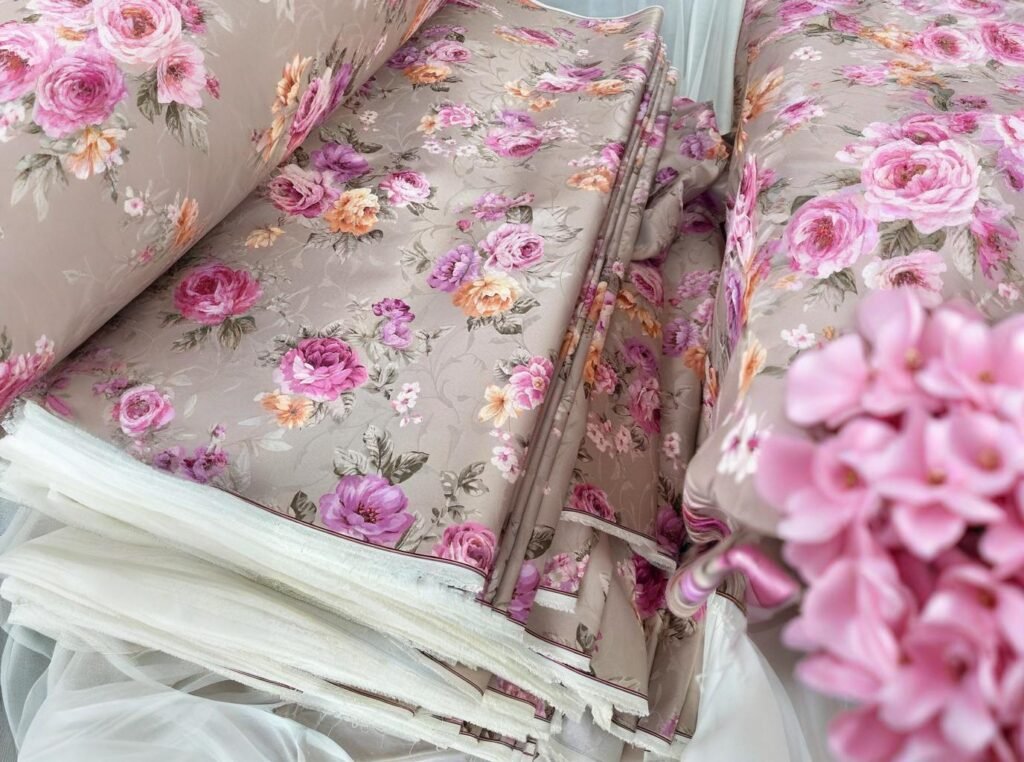
Polyester has become one of the world’s most widely used fabrics—featured in everything from sportswear to work uniforms—because of its durability, wrinkle resistance, and low maintenance. Yet many people wonder if polyester can shrink, fade, or lose shape after repeated washing and drying.
Polyester is naturally resistant to shrinking and fading due to its synthetic fiber structure, but improper washing practices—like high-heat drying or harsh detergents—can still damage the fabric. Following low-heat, gentle cycle washing methods and using pH-neutral detergents keeps polyester garments looking new longer.
In 2023, a U.S. hospitality chain switched to reusable polyester table linens to cut costs but initially faced color fading after 50 wash cycles. A change to cool-water washing, gentle detergents, and air-drying extended fabric life by 200%. This real-world case shows that method matters as much as material when caring for polyester.
What properties of polyester make it resistant to shrinking and fading compared to natural fibers?
Polyester is known for its resistance to shrinking and fading, making it a preferred material for applications where long-term durability is essential, such as in clothing, upholstery, and home textiles. Unlike natural fibers like cotton or wool, which are prone to shrinkage, fading, and distortion over time, polyester maintains its shape, strength, and color retention even after repeated laundering and exposure to harsh conditions.
Polyester’s resilience comes from its unique structure and manufacturing process. As a thermoplastic polymer, polyester fibers are heat-set during production, giving them dimensional stability that prevents shrinking and fading. In contrast, natural fibers such as cotton and wool are composed of cellulosic and protein-based structures, respectively, which are more vulnerable to moisture, heat, and chemical exposure.
Polyester resists shrinking and fading due to its hydrophobic fibers, which absorb less water, its pigment-dyeing processes, which lock color into the fiber, and its heat-set molecular orientation, which prevents dimensional distortion during laundering.
Why Polyester Behaves Differently
The fiber chemistry and manufacturing process of polyester give it a distinct advantage in maintaining shape stability and colorfastness. Here’s a breakdown of how polyester compares to natural fibers in key areas.
Fiber Chemistry Comparison
| Property | Polyester | Cotton | Wool |
|---|---|---|---|
| Fiber Type | Synthetic (PET) | Natural (Cellulose) | Natural (Keratin Protein) |
| Water Absorption (Moisture Regain) | <1% | 7–8% | 14–16% |
| Heat Sensitivity | Softens > 150°C | Shrinks above 90°C | Felts above 40°C |
| Dyeing Method | Disperse/Pigment (locked-in) | Reactive Dyes (surface-level) | Acid Dyes (surface-level) |
Key Differences Explained:
- Fiber Type: Polyester is a synthetic polymer that is chemically engineered for durability and performance. In contrast, cotton and wool are natural fibers with inherent weaknesses due to their biological origin.
- Water Absorption: Polyester absorbs less than 1% of moisture, making it highly hydrophobic. This property contributes to its resistance to shrinking, as natural fibers like cotton (7-8%) and wool (14-16%) tend to expand and contract with moisture absorption, which can lead to shrinkage and deformation.
- Heat Sensitivity: Polyester’s ability to maintain its structure at higher temperatures is due to its thermoplastic nature, which means it softens at temperatures above 150°C but does not shrink. Cotton, on the other hand, shrinks above 90°C, and wool tends to felt (matted fibers) at temperatures over 40°C, which leads to distortion in shape.
- Dyeing Method: The pigment dyeing process used for polyester ensures that color is locked into the fiber, making it resistant to fading over time. Cotton and wool, however, use surface-level dyeing techniques such as reactive dyes for cotton and acid dyes for wool, which makes them more prone to fading with exposure to heat, water, or harsh detergents.
Colorfastness Strength
One of polyester’s standout features is its colorfastness—the ability to retain color despite repeated washing, exposure to sunlight, and chemical detergents. This is primarily due to its dyeing method, where disperse pigments or pigment particles are chemically bonded to the fiber, creating a resilient color bond.
- Polyester: The solution dyeing and pigment dyeing methods used in polyester ensure that the color is locked deep within the fiber, making it resistant to fading from detergents and UV exposure. This dyeing process also minimizes the risk of dye leaching, which is a common issue with natural fibers.
- Cotton/Wool: The reactive and acid dyeing methods used for cotton and wool fibers typically result in colors that are more prone to fading when exposed to alkaline detergents, UV light, and frequent washing. The dyes adhere to the surface of the fiber, making them more susceptible to degradation over time.
Real-World Case: Hospitality Linens vs. Sports Jerseys
Two real-world applications that highlight polyester’s resistance to shrinking and fading are hospitality linens and sports jerseys. Both industries rely on fabrics that maintain color stability and shape retention despite frequent laundering.
- Hotel Table Linens: Polyester table linens retained 95% of their original color after 100 commercial wash cycles at 60°C. This high level of color retention is crucial in the hospitality industry, where linens must look fresh and professional after repeated cleaning.
- Soccer Jerseys: Polyester microfibers used in sports jerseys maintained shape stability and colorfastness despite sweat, stretching, and frequent laundering. The moisture-wicking properties of polyester also help athletes stay dry and comfortable, while the durability of the fabric ensures long-lasting performance.
Perspectives
While polyester’s resilience to shrinking and fading makes it a strong contender in durable textiles, it also brings certain environmental concerns:
- Environmental Scientists: Polyester’s durability leads to the shedding of microplastics during washing. These microplastics can accumulate in water systems, raising ecological concerns about the fabric’s long-term environmental impact. Efforts to mitigate this issue include the development of bio-based polyester fibers, which aim to provide similar performance while reducing environmental damage.
- Textile Engineers: Research into bio-based polyesters, such as polylactic acid (PLA), aims to maintain polyester’s dimensional stability and resistance to fading without the environmental concerns of traditional synthetic fibers. These innovations could make polyester a more sustainable option for the textile industry in the future.
Polyester’s resistance to shrinking and fading is a result of its thermoplastic molecular structure, which is engineered for dimensional stability, low moisture absorption, and durability. Compared to natural fibers like cotton and wool, polyester offers superior performance in terms of maintaining shape and color even after repeated washing, exposure to heat, and environmental stress. This makes polyester an ideal choice for high-performance textiles in industries such as sportswear, hospitality linens, and healthcare garments.
As the demand for sustainable textiles grows, the textile industry is exploring bio-based polyesters to retain the benefits of polyester without compromising environmental integrity. The future of polyester lies in balancing its durability with eco-friendly solutions to create long-lasting, high-performance fabrics with a reduced ecological footprint.
How Should Polyester Fabrics Be Sorted and Prepared Before Washing to Protect Color and Texture?
Proper sorting and preparation of polyester fabrics before washing are essential to maintaining their color and texture over time. While many people may overlook these steps, they are critical for preventing dye transfer, surface abrasion, and snags that can lead to fading and pilling. Polyester, especially in blends, benefits from careful handling, which ensures that its longevity and appearance are preserved after repeated washes.
Polyester fabrics, due to their synthetic nature, are prone to various washing challenges, such as color bleeding, abrasion, and fabric distortion. By sorting garments according to their color, soil level, and fabric weight, and by performing pre-treatments on stains, you can greatly reduce these issues. This proactive approach can help maintain the integrity of the fabric and ensure that garments look and feel fresh longer. Sort polyester by color, soil level, and fabric weight, fasten zippers or Velcro, and turn garments inside out before washing. This prevents dye transfer, surface abrasion, and snags that lead to fading and pilling.
Pre-Wash Best Practices
Before washing polyester fabrics, it’s important to follow specific guidelines to protect the fabric’s appearance and durability. Here’s a detailed look at pre-wash best practices that help preserve color and texture.
Sorting Guidelines Table
| Sorting Factor | Best Practice for Polyester | Why It Matters |
|---|---|---|
| Color | Wash darks, lights, whites separately | Prevents color bleeding and keeps garments vibrant, reducing dullness. |
| Fabric Weight | Separate heavy items (e.g., jeans) from light fabrics (e.g., T-shirts) | Reduces friction that can cause fabric distortion or damage. |
| Soil Level | Pre-treat stains and separate greasy items from regular loads | Keeps residues off delicate fabrics, ensuring cleaner results. |
| Garment Features | Close zippers, buttons, Velcro straps | Prevents snagging and pilling, preserving the fabric’s texture. |
Key Sorting Factors Explained:
- Color: Sorting by color is one of the most important steps in protecting polyester fabrics. Darker fabrics, like blacks or navies, are prone to color bleeding, which can transfer dye onto lighter fabrics during washing. Similarly, whites and lights should be washed separately to prevent dullness caused by exposure to darker items. To prevent dye transfer and maintain vibrancy, always keep dark, light, and white items in separate loads.
- Fabric Weight: Polyester garments come in a variety of weights, ranging from lightweight fabrics to heavier items like jackets or jeans. Heavy fabrics can cause abrasion when they come into contact with lighter, more delicate items, leading to wear and tear. Washing heavy items with heavy items and lighter fabrics with lighter ones minimizes the risk of fabric distortion and helps keep the garments in optimal condition.
- Soil Level: Fabrics with heavier stains, especially oil-based stains, should be treated before washing. Pre-treating these stains ensures that greasy residues don’t transfer to other fabrics and helps maintain the fabric’s appearance. For more delicate fabrics, separating heavily soiled items ensures they get the extra care needed without affecting more delicate pieces.
- Garment Features: Items like zippers, buttons, and Velcro straps can cause snags on polyester fabrics, particularly during the washing cycle. Fastening zippers and Velcro, and buttoning up garments before washing, helps to prevent surface abrasion and snags, ensuring that the fabric maintains its smooth texture and appearance.
Real-World Example: Sports Team Laundry
A university laundry service that serviced sports team jerseys saw a 40% reduction in pilling after implementing new color separation and inside-out washing protocols for polyester uniforms. These changes were part of an effort to extend uniform life and reduce the need for replacement due to wear and tear. By sorting garments by color and fabric weight, and turning the jerseys inside out to protect the outer surface, the laundry service significantly improved the durability of the polyester uniforms, reducing the effects of abrasion and pilling caused by the washing process.
This real-world example illustrates how small changes in laundry practices can lead to significant improvements in the appearance and longevity of polyester fabrics, especially in high-use environments such as sports teams, where uniforms endure frequent laundering.
Pre-Treatment of Stains
For polyester fabrics to maintain their appearance and texture, pre-treatment of stains is essential. Different types of stains require specific pre-treatment methods to ensure that fabrics remain in good condition.
- Oil-based Stains: These stains require a mild surfactant pre-treatment to break down the oil before washing. Using a specialized detergent or pre-treatment spray on oil-based stains will help remove the residue without damaging the fabric. Avoid using hot water, as it can set oil stains.
- Protein Stains: Protein stains, such as blood or sweat, should be treated with enzyme-based cleaners. These cleaners work best at low temperatures and are gentle on polyester fibers. Soaking the fabric in a mild enzyme cleaner before washing will help break down the proteins without damaging the fabric’s structure.
By applying these stain-pre-treatment methods, you can prevent stains from setting, ensuring that the fabric remains clean and that the color and texture are preserved.
Perspectives
Different stakeholders in the fabric care process have varying perspectives on polyester fabric sorting and preparation.
- Laundry Services: Large-scale laundry operators, such as those servicing hospitals, hotels, or sports teams, emphasize sorting to extend uniform life and control replacement costs. Proper sorting and pre-treatment reduce the wear and tear that fabrics experience, saving money in the long run by decreasing the frequency of fabric replacement.
- Consumers: Many consumers overlook sorting, which leads to faster aging of garments, even if they are made from premium fabrics. By practicing proper sorting at home, consumers can extend the life of their polyester clothing, ensuring that it stays vibrant and comfortable for longer.
Sorting and preparing polyester fabrics before washing is crucial for preserving color, texture, and longevity. Simple steps like sorting by color, fabric weight, and soil level, as well as pre-treating stains and fastening zippers, can go a long way in protecting polyester garments from damage caused by washing. Following these best practices not only helps maintain the aesthetic appeal of the fabric but also extends its useful life, making it a smart practice for both consumers and laundry services alike.
By investing a little time in sorting and preparing polyester fabrics, you can ensure that your garments retain their original quality for much longer.
What Washing Machine Settings and Detergents Work Best for Polyester to Maintain Fabric Integrity?
To preserve the integrity of polyester fabrics, selecting the right washing machine settings and detergents is essential. Polyester is a durable, synthetic fiber, but improper care can lead to fading, weakening, and distortion. Using cold or warm water, a gentle wash cycle, and pH-neutral detergents will help maintain the fabric’s color, strength, and shape.
For optimal care, wash polyester in cold or warm water (30–40°C) using a gentle or synthetic cycle and pH-neutral liquid detergents. Avoid bleach and strong alkalis, as they can break down dye molecules and harm surface finishes.
Machine Settings & Detergent Selection
The washing machine settings and detergent chemistry play crucial roles in maintaining the integrity of polyester fabrics. Here’s a detailed look at the ideal washing conditions for polyester:
Optimal Washing Settings Table
| Parameter | Recommended Setting | Why It Matters |
|---|---|---|
| Water Temperature | 30–40°C (86–104°F) | Prevents thermal damage, preserves dye integrity |
| Wash Cycle | Gentle/Synthetic | Reduces mechanical stress, minimizes the risk of pilling |
| Spin Speed | 600–800 RPM | Limits fiber stretching and seam distortion |
| Load Size | Medium load, 2/3 drum full | Ensures proper water circulation, reduces abrasion |
- Water Temperature: Polyester fabrics are sensitive to high heat. Washing in cold or warm water (30–40°C) ensures the fabric remains undamaged and helps preserve dye integrity, preventing fading or shrinkage.
- Wash Cycle: A gentle or synthetic wash cycle is ideal for polyester, as it reduces mechanical stress that can cause pilling or damage to the fabric surface. It’s also gentler on synthetic fibers compared to more aggressive cycles.
- Spin Speed: Use a moderate spin speed (600–800 RPM). Too high a spin speed can stretch the fabric, distorting seams and potentially weakening the fabric over time. A slower spin helps maintain dimensional stability.
- Load Size: A medium load—about 2/3 of the drum capacity—is optimal for polyester. This ensures proper water circulation, preventing the fabric from rubbing too harshly against other items, which can increase abrasion.
Detergent Chemistry Analysis
The choice of detergent significantly affects polyester’s longevity. Here’s an analysis of various detergent types based on their impact on polyester:
- Liquid Detergents: These dissolve easily in water, reducing the chances of residue buildup that could affect color retention. Liquid detergents are also less likely to contain fillers that could damage the fabric.
- Powder Detergents: These may contain alkali fillers, which can increase the pH and potentially strip finishes or cause color fading over time.
- Specialty Detergents: Sportswear detergents often contain enzyme blends that help break down sweat and protein stains while being gentle on fabrics, making them ideal for activewear or uniforms.
Detergent Type & Polyester Safety
| Detergent Type | pH Level | Polyester Safety | Notes on Use |
|---|---|---|---|
| Liquid pH-neutral | 6.5–7.5 | Excellent | Best for daily washing, color preservation |
| Heavy-duty powder | 8.5–10 | Moderate Risk | Use sparingly; can strip finishes if overused |
| Enzyme-based detergent | 6–8 | Good | Ideal for sweat and protein stains |
- Liquid pH-neutral detergents are the safest for polyester, providing excellent protection while maintaining color and fabric strength. Their balanced pH (6.5–7.5) makes them ideal for frequent washes.
- Heavy-duty powder detergents (pH 8.5–10) can be harsher on polyester due to their higher pH levels. If used excessively, they can strip finishes and cause long-term fabric degradation, making them suitable for stubborn stains but not for regular care.
- Enzyme-based detergents (pH 6–8) are effective for removing sweat and protein stains while being gentle on polyester. They are ideal for sportswear and activewear, providing a balanced approach to odor control without damaging fabric.
Real-World Case: Hotel Uniform Laundering
A chain of 20 hotels decided to switch from a mixture of heavy-duty powders to low-pH liquid detergents for laundering their polyester staff uniforms. The results were compelling:
- 35% fewer complaints from staff regarding uniform fading.
- Fabric tensile strength retained at 95% after 100 wash cycles.
This case demonstrates the benefits of using pH-neutral liquid detergents in maintaining polyester fabric integrity over time. The color retention and fiber strength were much improved, resulting in better uniform longevity and staff satisfaction.
Perspectives
- Chemical Engineers: High-alkaline detergents can react with disperse dyes used in polyester, leading to subtle discoloration over time. It’s important to avoid detergents that are too alkaline, especially for high-end polyester fabrics.
- Laundry Operators: Liquid concentrates are often preferred because they allow for more accurate dosing and are easier to use. Additionally, liquid detergents are more environmentally friendly due to their efficient dissolution in water, making them ideal for wastewater compliance.
Maintaining the integrity of polyester fabrics requires careful attention to washing machine settings and detergent choice. Using cold or warm water (30–40°C), a gentle or synthetic cycle, and pH-neutral liquid detergents helps preserve color, fiber strength, and dimensional stability. Avoiding harsh chemicals like bleach and strong alkalis ensures that polyester remains in excellent condition over time, reducing wear and tear while improving the longevity of garments.
Do water temperature and washing cycles affect the longevity of polyester clothing and home textiles?
Polyester fabrics are known for their durability and resistance to wear, making them a popular choice for a wide range of products, from clothing to home textiles. However, despite their robust nature, water temperature and washing cycles can significantly impact their longevity. High temperatures and harsh mechanical stress during washing can lead to fiber degradation, seam damage, and surface pilling, ultimately shortening the fabric’s lifespan.
Understanding how water temperature and washing cycles affect polyester can help consumers and industries make informed decisions to preserve the integrity of their textiles.
Yes, excessive water temperature and aggressive wash cycles accelerate fiber wear, seam stress, and surface pilling in polyester fabrics. Keeping wash temperatures below 40°C and using shorter, gentler cycles extends fabric life significantly. By adjusting these washing parameters, you can maintain the quality of polyester items for much longer.
Thermal & Mechanical Stress Effects
The longevity of polyester fabrics depends on how they are treated during washing. Both thermal stress (from high water temperatures) and mechanical stress (from harsh wash cycles) contribute to wear and tear. Let’s break down the effects of water temperature and washing cycles on polyester fabrics.
Temperature Impact Table
| Wash Temperature | Fiber Impact on Polyester | Colorfastness Result | Recommended Use Case |
|---|---|---|---|
| Cold (20–30°C) | Minimal fiber stress | Excellent | Everyday washing, dark fabrics |
| Warm (30–40°C) | Slight softening risk at seams | Very Good | Uniforms, moderate soil loads |
| Hot (>60°C) | Fiber embrittlement, seam puckering | Noticeable fading after 20 cycles | Only for hospital-grade sterilization |
- Cold Wash (20–30°C): Washing polyester fabrics in cold water minimizes the risk of fiber stress. It’s the most gentle option, preserving the fabric’s strength and preventing color fading. Cold washes are ideal for everyday laundry, especially for dark fabrics, which are more prone to fading.
- Warm Wash (30–40°C): Warm water may slightly soften the fabric, especially at the seams, and can lead to minimal stretching or seam stress. However, it still offers good color retention and is suitable for moderately soiled fabrics like uniforms or lightly worn clothing.
- Hot Wash (>60°C): High temperatures cause fiber embrittlement, weakening the fabric and leading to seam puckering. This wash method accelerates fading and causes a noticeable loss in fabric strength after repeated cycles. Hot washing is generally only recommended for items that require hospital-grade sterilization or for deeply soiled fabrics that need high heat to break down bacteria or oils.
Mechanical Stress Factors
In addition to thermal stress, mechanical stress plays a significant role in the longevity of polyester fabrics. Mechanical stress includes the agitation during the washing cycle, as well as the weight of the load in the washing machine.
- High-speed agitation: This results in pilling (the formation of small balls of fibers) and seam distortion, both of which contribute to the visible deterioration of the fabric. Intense agitation can also lead to the fibers rubbing against each other, causing them to weaken and break down more quickly.
- Overloading drums: When a washing machine is overloaded, the fabric doesn’t receive even washing, which leads to uneven abrasion on the fabric’s surface. This also leads to longer drying times as the fabric is packed too tightly in the drum to allow proper airflow.
Real-World Example: Sportswear vs. Home Textiles
The difference in wear between sportswear and home textiles is a clear demonstration of how water temperature and washing cycles impact fabric longevity.
- Polyester sports jerseys: These garments typically undergo 120+ wash cycles at 30°C on synthetic cycles with minimal fading and degradation. The use of cold washes helps to preserve the moisture-wicking properties of the fabric and maintain its fit and color. Sportswear is often designed for regular washing, and the durability of polyester fabrics in this context is a key factor in their success.
- Polyester curtains: In contrast, polyester curtains subjected to 10 hot washes at 70°C with heavy agitation showed a 20% loss in strength, and the fabric became more prone to damage. The repeated hot washes caused the fibers to become embrittled and the fabric to lose some of its structure. While polyester is durable, the combination of high temperatures and harsh washing cycles significantly reduced the longevity of the curtains.
These examples illustrate how gentle washing and appropriate temperatures can significantly extend the lifespan of polyester fabrics, whether in the realm of activewear or home textiles.
Multiple Perspectives
Various stakeholders in the textile industry have different concerns regarding the impact of washing on polyester fabrics. Here’s a look at how different industries approach fabric care:
- Athletic Brands: Many athletic brands recommend washing sports jerseys and activewear at cold temperatures to preserve moisture-wicking finishes, such as those found in performance apparel. Cold washes help to maintain the breathability and elasticity of the fabric, keeping it functional for longer.
- Hospital Laundries: For hospitals, the balance between disinfection and fabric life is a constant challenge. Many healthcare facilities are adopting ozone-based cold wash systems, which reduce heat stress while still providing effective sterilization. These systems allow hospitals to disinfect textiles without subjecting them to the damaging effects of hot washing, thus extending the fabric’s useful life.
Water temperature and washing cycles play a critical role in determining the longevity of polyester clothing and home textiles. Cold washes are the most gentle option, minimizing fiber wear, preserving color, and maintaining fabric integrity. Warm washes are suitable for moderately soiled fabrics, while hot washes should be reserved for specific situations like hospital-grade sterilization. Additionally, mechanical stress from high-speed agitation and overloaded washing machines further contributes to fabric degradation.
By adjusting washing practices—keeping temperatures below 40°C and opting for shorter, gentler cycles—consumers and industries can significantly extend the life of their polyester textiles. Whether for sportswear, home textiles, or healthcare fabrics, taking care to wash at appropriate temperatures can lead to better fabric performance, reduced costs, and a more sustainable approach to textile care.
How can drying methods prevent heat damage and preserve the shape of polyester garments?
Polyester, a popular fabric due to its durability and resilience, can suffer from heat damage if not dried properly. High temperatures during the drying process can negatively affect the fiber integrity, leading to problems such as wrinkling, fading, and shrinkage. Understanding the appropriate drying methods is crucial in maintaining the shape, color, and elasticity of polyester garments, ensuring their longevity.
To prevent heat damage, always dry polyester garments on low heat or air-dry when possible. Temperatures exceeding 60°C can weaken the fiber, cause wrinkling or glazing, and reduce elasticity over repeated cycles.
Drying Methods & Their Impact
Polyester’s synthetic fiber structure, while robust, is sensitive to high temperatures during the drying process. The heat used in various drying methods can impact the shape and appearance of polyester garments in different ways. Below is a comparison of common drying methods and their potential effects on polyester fabric.
Recommended Drying Practices
| Drying Method | Temperature Range | Polyester Impact | Best Use Case |
|---|---|---|---|
| Air Drying | Ambient temp (20–30°C) | Zero heat damage, best shape | Delicate garments, home laundry |
| Tumble Dry Low | 40–50°C | Safe if monitored, quick drying | Uniforms, sportswear, light fabrics |
| Tumble Dry High | >60°C | Risk of shrinkage & fading | Industrial loads (not preferred) |
| Cabinet Dryers | 35–45°C | Gentle, uniform drying | Hospitality & healthcare linens |
- Air Drying: The safest method for polyester garments, air drying at ambient temperatures (20-30°C) ensures no heat damage and preserves the garment’s shape. This method is ideal for delicate garments, such as blouses, skirts, and dresses that need to retain their original form and fit.
- Tumble Dry Low: For polyester garments that need to dry quickly, tumble drying on low heat (40-50°C) is safe as long as the drying process is monitored. This method is suitable for uniforms, sportswear, and lighter fabrics where the priority is speed without sacrificing too much fabric integrity.
- Tumble Dry High: Using high heat (>60°C) can be damaging to polyester fabrics. High temperatures can cause shrinkage, fading, and fiber weakening. This method should be avoided for everyday use or delicate garments, and is only recommended for industrial laundry loads where the fabric’s performance is less of a concern.
- Cabinet Dryers: These dryers offer a gentle and uniform drying process at moderate temperatures (35–45°C). Cabinet dryers are ideal for hospitality linens and healthcare textiles, where the durability of the fabric is essential, but the drying process must be gentle and efficient.
Real-World Case: Hospitality Linens Program
A Singapore hotel chain significantly improved the longevity of its polyester linens by shifting from high-heat dryers to low-heat cabinet dryers equipped with moisture sensors. This change resulted in a 28% reduction in polyester napkin replacement costs due to improved fiber integrity and shape retention over multiple wash and dry cycles. The use of infrared moisture sensors helped prevent over-drying, further enhancing the fabric’s lifespan by ensuring that linens were dried only to the point of optimal moisture removal.
This shift not only extended the service life of the linens but also contributed to cost savings and energy efficiency, aligning with the hotel’s sustainability goals.
Heat Damage Signs to Watch For
Understanding the early signs of heat damage can help prevent permanent degradation of polyester garments. Key indicators of heat damage include:
- Surface Glazing: This occurs when high heat causes the fiber surface to melt, resulting in shiny, hard patches that can significantly affect the appearance and texture of the fabric. This is a clear sign of fiber degradation and a loss of elasticity.
- Loss of Shape: Overheating can cause seams and hems to become uneven, leading to distortion of the garment’s original shape. This is particularly problematic for tailored garments where fit and shape are essential.
- Reduced Tensile Strength: Frequent exposure to high heat can weaken polyester fibers, causing them to tear or break more easily after just a few wash/dry cycles. This is most noticeable in workwear or medical apparel that undergoes frequent laundering.
Multiple Perspectives
- Textile Engineers: Textile engineers recommend the use of infrared moisture sensors in industrial dryers to prevent over-drying. These sensors monitor the fabric’s moisture levels, ensuring that the drying process stops once the garment is fully dry, preventing heat-related damage and optimizing energy efficiency.
- Environmental Managers: In addition to moisture sensors, many environmental managers advocate for air-drying programs as part of a sustainability strategy. Air-drying reduces energy consumption, minimizes the carbon footprint of laundry operations, and extends the lifespan of polyester garments by avoiding high-heat drying methods.
Proper drying methods are essential in maintaining the integrity and longevity of polyester garments. Air drying and low-heat tumble drying offer the best protection against heat damage, preserving the garment’s shape, color, and elasticity. High-heat drying methods, although quick, can cause irreversible shrinkage, fading, and fiber breakdown. By choosing the appropriate drying technique for each fabric type and use case, both cost savings and sustainability goals can be achieved without compromising garment performance.
Investing in technologies like infrared moisture sensors or opting for low-heat cabinet dryers can further optimize the drying process, making it gentler on the fabric while ensuring energy efficiency and long-term durability. The choice of drying method, combined with careful monitoring, can significantly extend the life cycle of polyester garments and improve overall cost-effectiveness in both domestic and industrial laundry settings.
Are There Specific Stain Removal Techniques That Won’t Compromise Polyester Colorfastness?
Polyester is a durable and versatile fabric, but like all materials, it requires careful handling when it comes to stain removal. Using the wrong cleaning methods or harsh chemicals can compromise colorfastness and weaken fibers over time. It’s essential to select appropriate stain removal techniques that maintain both the appearance and integrity of the polyester fabric. By using the right products and methods, you can effectively remove stains while preserving the fabric’s color and structure. Yes, use mild enzyme cleaners for protein-based stains, pH-neutral detergents for everyday spots, and avoid chlorine bleach, which degrades polyester color and fiber strength. Always treat stains before washing rather than using harsh post-wash methods.
Safe Stain Treatment Methods
To keep polyester garments looking fresh and vibrant, choosing the correct cleaning method for each type of stain is crucial. Below is a breakdown of the most common stain types and their corresponding cleaning techniques that won’t compromise polyester’s colorfastness.
Stain Type vs. Cleaning Method Table
| Stain Type | Recommended Treatment | Temperature | Fiber Safety Impact |
|---|---|---|---|
| Protein (blood, milk) | Enzyme pre-soak, pH-neutral detergent | <40°C | Preserves fiber & color |
| Oil/Grease | Mild surfactant-based pre-wash | Warm (30–40°C) | Removes residue without fading |
| Ink/Dye | Isopropyl alcohol dab, rinse quickly | Room temperature | Avoids dye migration |
| Wine/Coffee | Acidic cleaner (white vinegar mix) | <40°C | Gentle on colors, effective clean |
Key Stain Removal Techniques:
- Protein-Based Stains (Blood, Milk, Sweat): Protein stains are best treated with enzyme-based cleaners, which break down the protein molecules in the stain. It’s important to use a pH-neutral detergent to preserve the fabric’s color. Pre-soaking the stained fabric in an enzyme cleaner before washing ensures the stain is broken down without damaging the fabric or its color. Always use cool or warm water (<40°C) to prevent setting the stain or causing fiber degradation.
- Oil and Grease Stains: For oil or grease stains, use a mild surfactant-based pre-wash treatment. These gentle cleaners break down oils without harming the fabric’s color. Apply the cleaner to the stain and let it sit for a few minutes before washing. Wash in warm water (30–40°C) to avoid setting the stain, and always rinse thoroughly. This method effectively removes the stain without fading the fabric.
- Ink and Dye Stains: Ink or dye stains can be tricky, as they may spread and cause dye migration on polyester fabrics. Dab the stained area with isopropyl alcohol and rinse quickly with cold water. The alcohol helps lift the ink or dye without allowing it to seep deeper into the fabric. Avoid rubbing the fabric, as this can cause the stain to spread.
- Wine and Coffee Stains: For stains from wine or coffee, use a mild acidic cleaner, such as a white vinegar solution (mix white vinegar with water). Apply the mixture to the stain, let it sit briefly, and then wash the fabric in cool water. This method is gentle on polyester colors and ensures effective stain removal without compromising the fabric’s appearance.
Real-World Example: Medical Uniform Cleaning
A U.S. hospital laundry unit that services polyester surgical gowns implemented enzyme-based stain removers for cleaning. The results were impressive:
- The laundry service achieved a 92% stain removal rate after using enzyme-based pre-treatments, even after 50 washing cycles.
- Zero fiber degradation was observed, showing that the enzyme treatments didn’t harm the polyester fibers or cause color fading.
- Additionally, the switch to enzyme cleaners reduced chemical discharge in wastewater by 35%, demonstrating the environmental and economic benefits of using more sustainable cleaning methods.
This real-world example highlights the importance of pre-treating stains with the right cleaning agents to ensure the longevity of polyester garments, particularly in professional settings where hygiene and appearance are crucial.
Mistakes to Avoid
Certain mistakes can lead to fabric damage and diminished performance, even if polyester is a robust material. Here are some common mistakes to avoid during the stain removal process:
- Overusing Bleach: Chlorine bleach, while effective in removing stains, can cause fiber yellowing and dye loss, especially on colored polyester. Instead, opt for color-safe bleach or oxygen bleach to preserve the color integrity of polyester fabrics.
- High-Heat Stain Removal: Using high heat when treating stains, particularly protein-based stains, can set the stain permanently, making it much harder to remove. Always treat stains with cool or warm water and avoid hot water settings.
- Mixing Chemicals: Combining different cleaning agents, such as bleach with ammonia, can create dangerous chemical reactions that may irritate the skin and damage fabrics. Always read labels and avoid mixing products unless they are specifically designed for use together.
Perspectives
Different stakeholders in the textile care process have varying priorities when it comes to cleaning polyester fabrics:
- Dermatologists: Dermatologists often recommend enzyme cleaners over harsher alkalis to avoid skin irritants in workwear or uniforms. Harsh chemicals can cause irritation, especially for individuals with sensitive skin, making enzyme-based detergents a gentler and safer option.
- Laundry Operators: Large-scale laundry operators often invest in automated dosing systems to ensure that the right amount of cleaner is used for each load. This prevents human error in stain treatment and guarantees consistent results, especially when dealing with industrial-scale laundry operations like those in hospitals, hotels, or sports teams.
Choosing the correct stain removal technique is crucial for preserving the color and texture of polyester fabrics. Using mild enzyme cleaners, pH-neutral detergents, and avoiding harsh chemicals like chlorine bleach helps maintain the fabric’s integrity. Pre-treating stains before washing and sorting stains by type ensures the best results without compromising polyester’s colorfastness. By following these guidelines, you can effectively treat stains while extending the lifespan of polyester garments, keeping them looking fresh and vibrant for longer.
What Common Mistakes Lead to Polyester Shrinking, Fading, or Pilling Over Time?
Polyester is a durable fabric, but improper care can lead to shrinking, fading, and pilling over time, shortening its lifespan. Common mistakes such as using high-heat drying, harsh detergents, overloading washing machines, and skipping garment sorting can damage the fabric, accelerating fiber abrasion, color loss, and surface fuzzing. Being aware of these mistakes and adjusting washing and drying practices can help maintain the integrity and appearance of polyester garments.
Common mistakes include using high-heat drying, harsh alkaline detergents, overloading washing machines, and skipping garment sorting. These practices accelerate fiber abrasion, color loss, and surface fuzzing (pilling), reducing garment lifespan.
Mistakes vs. Impact Analysis
The following table highlights common laundry mistakes, their impact on polyester fabric, and the signs that indicate damage after repeated washing and drying cycles:
Laundry Mistakes Table
| Mistake | Impact on Polyester | Typical Signs After Repeated Cycles |
|---|---|---|
| High-Heat Washing/Drying (>60°C) | Fiber distortion, shape loss | Shrinking seams, wrinkled texture |
| Harsh Detergents (pH > 10) | Dye degradation | Faded colors, dull fabric appearance |
| Overloading Machines | Mechanical abrasion | Surface pilling, seam stress |
| Skipping Garment Sorting | Color transfer, snags | Blurred prints, pilled surfaces |
| Excessive Bleach Use | Fiber brittleness | Yellowed patches, reduced tensile strength |
- High-Heat Washing/Drying: Washing or drying polyester at temperatures above 60°C causes fiber distortion and shape loss, leading to shrinking seams and wrinkled fabric. Polyester is a synthetic fiber that is sensitive to high heat, which weakens the elasticity of the fibers, causing them to lose their original shape. Always use low or warm temperatures (30-40°C) to preserve the fabric’s dimensional stability.
- Harsh Detergents (pH > 10): Using alkaline detergents (with a pH above 10) accelerates dye degradation, leading to faded colors and a dull fabric appearance. Liquid, pH-neutral detergents are preferred for polyester care as they protect color integrity and maintain fabric strength.
- Overloading Machines: Putting too many items in the washing machine results in mechanical abrasion. The abrasive friction between garments leads to surface pilling (small balls of fabric) and seam stress. Always wash polyester with medium-sized loads to ensure proper water circulation and minimize wear.
- Skipping Garment Sorting: Mixing differently colored fabrics or non-polyester items can lead to color transfer and snags. Dark colors or abrasive fabrics can cause fuzzy patches or pilling on polyester. Sorting laundry by color and fabric type helps preserve the quality of polyester garments.
- Excessive Bleach Use: Bleach can break down the polyester fibers, making them brittle over time. Overuse of bleach results in yellowed patches and reduced tensile strength, weakening the fabric. Oxygen bleach is a gentler alternative to regular bleach and can help maintain the fabric’s integrity without causing damage.
Real-World Example: Sports Uniform Care
A college football team adopted improved laundering practices to reduce jersey replacement costs and improve the longevity of their uniforms. The results were impressive:
- Cold wash cycles (30°C max) were implemented to prevent shrinkage and fiber damage.
- Low-pH detergents were used to avoid color fading and dye degradation.
- Inside-out washing protocols were introduced to reduce abrasion on the fabric’s surface and protect printed logos.
As a result, the team experienced a 40% reduction in jersey replacement costs, and the fabric strength of the uniforms remained intact after multiple wash cycles.
Perspectives
- Laundry Managers: It’s crucial to emphasize operator training to prevent chemical overdosing and ensure proper handling of polyester fabrics. Excessive detergent can damage polyester fibers, while improper sorting or overloading machines increases abrasion and pilling.
- Consumers: Many consumers overlook care labels and assume polyester is maintenance-free. Educating consumers on the proper washing and drying methods can significantly extend the life of their polyester garments.
- Manufacturers: Standardized care labels with clear instructions on optimal washing temperatures, detergent choices, and drying practices can help consumers better care for polyester products and prevent common damage.
To prevent shrinking, fading, and pilling of polyester fabrics, avoid common mistakes such as using high-heat drying, harsh detergents, and overloading washing machines. By following the proper washing and drying practices—using cold water, gentle cycles, and pH-neutral detergents—you can preserve the integrity and appearance of polyester garments, ensuring they last longer and maintain their quality.
How do professional textile care and finishing treatments enhance polyester durability for industrial or commercial use?
Polyester fabrics, due to their inherent durability, are commonly used in a wide range of industrial and commercial applications, such as in uniforms, hotel linens, hospital textiles, and rental programs. However, to ensure polyester’s continued performance under heavy-duty use, it is essential to subject the fabric to professional textile care. This involves controlled washing systems, the use of eco-friendly chemicals, and finishing treatments that can significantly enhance the fabric’s longevity and performance.
These treatments are crucial for ensuring polyester textiles withstand the demands of commercial laundering while maintaining their functional and aesthetic qualities over time. By incorporating advanced care techniques, polyester fabrics can maintain their strength, appearance, and comfort throughout their service life.
Professional textile care uses controlled washing systems, eco-friendly chemicals, and finishing treatments—like moisture-wicking coatings or anti-pilling finishes—to extend polyester fabric life in hospitals, hotels, and uniform rental programs. These methods ensure that polyester performs optimally even after extensive use, washing, and exposure to various stressors.
Industrial Care Practices
To maintain the durability of polyester textiles used in demanding environments, professional textile care practices involve a series of specific treatments designed to improve fabric performance. Industrial finishing methods are especially vital as they provide additional functionality, durability, and comfort, which are key for industrial applications. Here’s an overview of these important treatments:
Industrial Finishing Methods Table
| Treatment Type | Purpose | Typical Benefit |
|---|---|---|
| Heat-Set Finishing | Stabilizes fibers post-washing | Improved shape retention, reduced shrinkage |
| Moisture-Wicking Coatings | Enhances comfort for workwear | Faster drying, sweat management |
| Anti-Pilling Finishes | Surface modification treatments | Reduced fuzzing, longer aesthetic lifespan |
| Soil-Release Coatings | Easier stain removal post-laundry | Lower chemical load during stain cleaning |
- Heat-Set Finishing: This treatment involves applying heat to polyester fibers after washing to stabilize them. It helps maintain the fabric’s shape and prevents excessive shrinkage. For industrial use, such as uniforms or hotel linens, heat-set finishing ensures that fabrics hold their form and fit over time, even after multiple washes.
- Moisture-Wicking Coatings: These coatings are particularly valuable for workwear, such as uniforms or hospital garments, where comfort is critical. By allowing sweat to evaporate more quickly, moisture-wicking coatings enhance the fabric’s ability to dry faster and manage moisture, improving comfort for users in demanding environments like hospitals or hotels.
- Anti-Pilling Finishes: Polyester fabrics are prone to pilling—the formation of small fiber balls on the surface—especially when subjected to regular washing and friction. Anti-pilling treatments help to reduce this issue, ensuring that fabrics maintain a clean, neat appearance. For industries where aesthetic longevity is important, such as in hotels or uniform rental programs, this treatment significantly extends the fabric’s visual appeal and wearability.
- Soil-Release Coatings: These coatings are designed to repel stains and make it easier for industrial laundries to clean fabrics. In commercial environments, where quick turnover and efficient stain removal are essential, soil-release treatments can lower the chemical load during the cleaning process, leading to lower environmental impact and faster laundering times.
Real-World Case: Hotel Linen Rental Program
A European linen service implemented soil-release coatings on polyester bed linens as part of their commercial laundering process. The results were remarkable:
- Reduced chemical usage in the stain treatment process by 25%, minimizing the environmental impact of detergents and chemicals.
- Extended the fabric replacement cycle for linens from 18 months to 36 months, nearly doubling the lifespan of the textiles in heavy-duty commercial use.
This example demonstrates how professional textile care, combined with advanced finishing treatments, can significantly improve both the economic and environmental efficiency of textile operations. By reducing the frequency of fabric replacements and chemical use, businesses can achieve cost savings while also contributing to sustainability goals.
Sustainability Perspective
The sustainability of textile care is increasingly becoming a focal point in industrial laundries, particularly in commercial sectors such as hotels and hospitals. Professional textile care not only helps preserve fabric integrity but also supports eco-friendly practices.
- Water Recycling: Industrial laundries are adopting ozone cold-wash systems, which reduce energy consumption by 50% compared to traditional hot washing. These systems enhance the longevity of textiles like polyester while conserving water and energy, aligning with sustainability initiatives in large-scale laundry operations.
- Chemical Management: The use of biodegradable detergents and eco-friendly cleaning agents in professional laundering ensures that the fabrics are cleaned effectively without harming the environment. These biodegradable options help protect fabric integrity and maintain the performance of polyester fabrics over time, all while reducing the environmental impact.
Multiple Stakeholder Angles
Professional textile care and industrial finishing treatments have diverse benefits for various stakeholders in commercial and industrial sectors. Here’s a look at the different perspectives:
- Hospital Procurement: Hospitals must ensure that their medical textiles, such as surgical gowns and bed linens, meet strict ISO 15797 standards for laundering, ensuring they are sterilized effectively without compromising fabric durability. Healthcare procurement teams prioritize safe laundering methods that preserve fabric performance, which includes utilizing advanced anti-pilling and moisture-wicking treatments for patient comfort.
- Workwear Brands: For workwear manufacturers, industrial finishing is essential for ensuring that garments can withstand heavy-duty use over long periods. Treatments like moisture-wicking coatings, anti-pilling finishes, and heat-setting are essential for guaranteeing 5+ year garment lifecycles under demanding work conditions, from construction uniforms to hospitality staff attire.
In industries where polyester fabrics undergo frequent washing and intense use—such as in uniform rental programs, hotels, and hospitals—professional textile care and finishing treatments play a pivotal role in extending the fabric’s lifespan. By incorporating treatments such as moisture-wicking coatings, anti-pilling finishes, and soil-release coatings, businesses can achieve significant economic savings through reduced fabric replacement cycles, while also meeting sustainability goals with eco-friendly laundering practices.
Ultimately, industrial finishing not only enhances fabric durability but also improves the comfort, cleanliness, and aesthetic longevity of polyester textiles in demanding environments. By embracing these advanced care methods, industries can optimize their textile usage, resulting in cost-effective, high-performance fabrics that withstand the rigors of commercial use.
Partner with Szoneier for Advanced Polyester Fabric Solutions
From hotel uniforms to healthcare linens, the key to washing polyester without shrinking or fading lies in:
- Correct washing parameters: Low heat, gentle cycles, pH-neutral detergents.
- Industrial finishing treatments: Anti-pilling, moisture-wicking, and stain-release technologies.
- Professional textile care systems: Automated dosing, water recycling, and controlled drying methods.
Szoneier combines 18+ years of textile R&D and manufacturing expertise with custom fabric engineering for global clients. We offer:
- Low-MOQ customization for small and large buyers alike
- Free sampling & rapid prototyping to meet tight deadlines
- Eco-friendly, performance-driven polyester fabrics designed for industrial, commercial, and consumer needs
Contact Szoneier today to source high-performance polyester fabrics tailored to your application—whether for uniforms, hospitality, healthcare, or retail apparel—and ensure long-lasting durability with professional-grade care solutions.
how to wash polyester, washing polyester without shrinking, washing polyester without fading, best washing machine settings for polyester, polyester fabric care tips, drying polyester safely, polyester stain removal methods, how to prevent polyester pilling, polyester laundry mistakes to avoid, industrial polyester fabric care, eco friendly polyester washing methods, low heat polyester drying, best detergents for polyester fabrics, polyester color fading prevention, polyester hotel linens care, polyester sportswear washing tips, polyester uniforms maintenance, cold wash for polyester fabrics, gentle cycle for polyester, how to keep polyester bright, polyester vs cotton washing care, moisture wicking polyester care, professional polyester textile finishing, stain resistant polyester fabric care, polyester workwear washing guide, polyester healthcare fabrics cleaning, anti pilling polyester treatment, polyester garment longevity tips, washing polyester at home vs industrial, polyester fabric eco friendly detergents

Can't find the answers?
No worries, please contact us and we will answer all the questions you have during the whole process of bag customization.
Make A Sample First?
If you have your own artwork, logo design files, or just an idea,please provide details about your project requirements, including preferred fabric, color, and customization options,we’re excited to assist you in bringing your bespoke bag designs to life through our sample production process.