 Skip to content
Is canvas an expensive fabric?
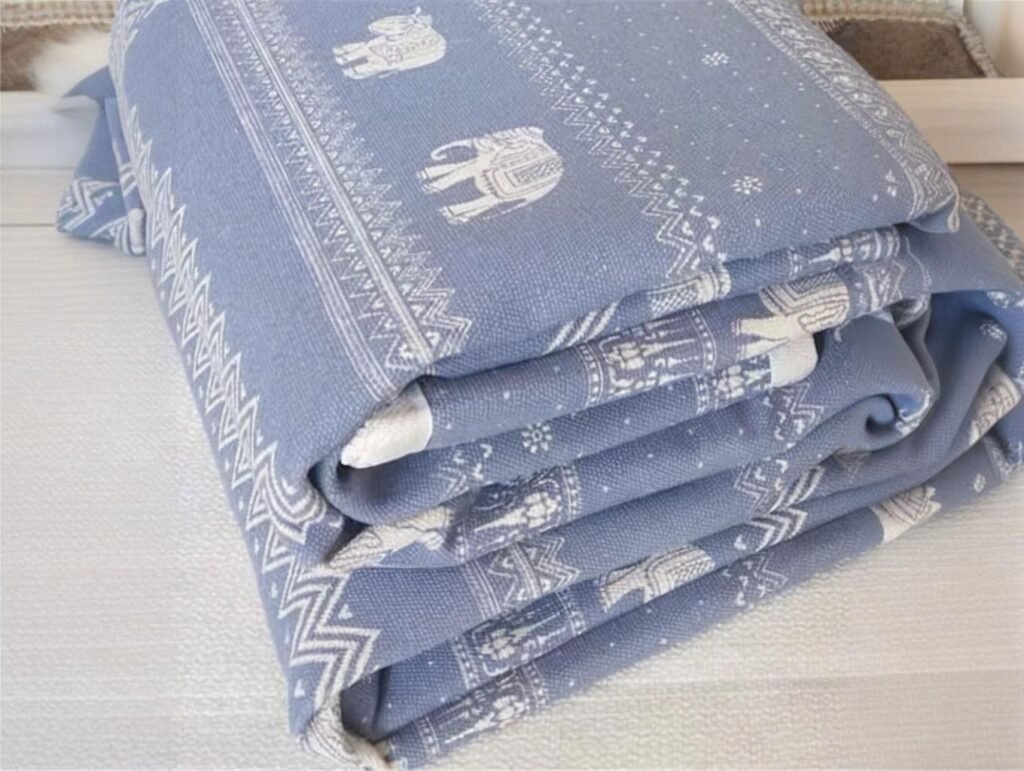
Canvas is no longer just a utilitarian material for sails and tents. Today, it’s evolved into a stylish, functional, and eco-conscious choice for everything from luxury handbags to industrial covers. But while it’s durable and versatile, many buyers — especially those sourcing canvas in bulk — are asking: is canvas actually expensive?
Canvas fabric is generally affordable in comparison to luxury textiles like leather or silk, but its price can vary widely based on GSM, weave type, fiber blend, treatments (e.g., waxing or dyeing), and order volume. High-performance or designer-grade canvas can reach \$5–\$12 per yard, while basic cotton canvas may cost as little as \$1.80 per yard in bulk.
Understanding what drives these costs helps buyers make informed sourcing decisions. In this guide, we’ll dissect the pricing of canvas fabric through eight critical questions B2B textile buyers frequently ask. From comparisons with other fabrics to bulk pricing tables, we’ll uncover whether canvas is truly cost-effective — and under which circumstances.
Let’s begin by breaking down the primary factors that influence canvas fabric pricing. But first, picture this: a European outdoor brand needed 1000 meters of 16 oz waxed canvas for a rugged backpack line. They found prices ranging from \$2.70/meter in China to \$9.90/meter in Italy — for the same GSM. What caused this spread? Let’s find out.
1. What Factors Influence the Price of Canvas Fabric in the Global Market?
Canvas fabric pricing is influenced by GSM, raw material composition (cotton vs. poly blends), weaving density, finishing treatments, country of origin, and order volume.
Key Cost Drivers Behind Canvas Fabric
GSM (Grams per Square Meter) Directly Impacts Material Cost
Higher GSM canvas (12oz–20oz) is heavier, thicker, and more expensive due to more raw fiber used per yard.
| Canvas Type | GSM Range | Typical Price/yd (Bulk, FOB China) |
|---|---|---|
| Lightweight Canvas | 150–220 | \$1.20–\$1.80 |
| Midweight Canvas | 230–310 | \$1.80–\$3.20 |
| Heavy-Duty Canvas | 320–500 | \$2.50–\$5.80 |
Fiber Composition: Cotton vs. Poly-Blend vs. Recycled
- 100% cotton canvas is breathable and natural, but usually more expensive than poly-cotton blends.
- Recycled cotton canvas or GRS-certified versions can be up to 20% costlier.
| Fiber Blend | Cost Trend | Notes |
|---|---|---|
| 100% Cotton | Moderate–High | High breathability, premium feel |
| Cotton-Poly Blend | Lower | Enhanced strength, cost-effective |
| Recycled Cotton | High | Eco value, marketing appeal |
Finishing & Treatment Costs (Waxing, Dyeing, Coating)
- Waxed canvas adds \$0.50–\$1.80 per yard.
- Waterproof PU coating can increase cost by 30%.
- Reactive dyeing is more expensive but offers colorfastness vs. pigment dyeing.
Country of Origin
Chinese and Indian canvas prices are 30–50% lower than EU or US manufacturers due to labor and supply chain costs.
| Country | Average FOB Price (16oz canvas) |
|---|---|
| China | \$2.80–\$4.00 |
| India | \$3.20–\$5.00 |
| Italy/USA | \$6.00–\$9.50 |
MOQ and Customization
The more you customize (weave pattern, color, coating), the higher the per-yard cost — especially for small MOQs under 300 yards.
2. How Does Canvas Compare to Other Fabrics Like Cotton, Polyester, and Denim in Terms of Cost?
Canvas fabric is moderately priced — more expensive than plain polyester, but more affordable than premium cotton or high-GSM denim.
Side-by-Side Fabric Cost Comparison
Price Range Overview for Bulk Orders (1000+ yards)
| Fabric Type | Avg. GSM | Price per Yard (Bulk) | Key Application |
|---|---|---|---|
| Plain Polyester | 120–200 | \$0.60–\$1.20 | Linings, promotional bags |
| Cotton Twill | 150–250 | \$1.20–\$2.50 | Apparel, casualwear |
| Midweight Canvas | 230–300 | \$1.80–\$3.20 | Totes, workwear, upholstery |
| Heavy Denim | 320–480 | \$2.50–\$4.50 | Jeans, jackets, gear |
| Waxed Canvas | 400–550 | \$4.00–\$7.00 | Backpacks, luggage, outerwear |
| Leather (PU/Split) | N/A | \$4.50–\$9.00 | Luxury bags, upholstery |
Performance vs. Price Trade-offs
Canvas offers better tear resistance and structure than polyester, while being easier to dye and print than denim. It’s also biodegradable if 100% cotton — giving it eco advantage over synthetics.
Case Example:
A US outdoor gear company compared polyester and canvas for duffel bags. Polyester cost \$1.10/yard, while 18oz canvas was \$4.40/yard — but canvas bags sold 35% higher due to rugged appeal and brand positioning.
3. Is There a Difference Between Plain Canvas and Waxed or Dyed Canvas Pricing?
Yes, waxed and dyed canvas are more expensive than plain canvas due to added processing, specialized raw materials (like paraffin or reactive dyes), and increased labor input.
Comparing Plain, Dyed, and Waxed Canvas
Cost Differences by Treatment Type
| Canvas Type | Process Involved | Avg. Price per Yard (Bulk, FOB China) |
|---|---|---|
| Plain Canvas | Raw weaving, no finish | \$1.50–\$2.50 |
| Pigment Dyed Canvas | Basic dye, surface only | \$2.00–\$3.20 |
| Reactive Dyed Canvas | Deep penetration, colorfast | \$2.80–\$4.50 |
| Waxed Canvas | Paraffin or beeswax coating | \$3.80–\$6.80 |
| PU-Coated Canvas | Plastic coating for waterproofing | \$4.50–\$7.20 |
Use Cases by Finish Type
- Plain canvas is popular for cheap tote bags, packaging, and linings.
- Dyed canvas is used in fashion bags, upholstery, and branding applications.
- Waxed canvas is chosen for vintage-style bags, outdoor gear, and rugged workwear.
- PU-coated canvas is preferred in rainwear, industrial covers, and luggage.
Sustainability Note
Waxed canvas is more sustainable than PU-coated versions. For eco-conscious brands, beeswax-treated canvas or GOTS-certified dyed canvas justifies the higher price.
Real Brand Example
Filson, a US outdoor brand, uses 22oz waxed canvas (\$8–\$12/yard in the U.S.) for its signature bags — positioning them as premium, water-resistant heritage products.
4. Which Canvas Weave Types (Single, Double, Duck) Are More Expensive and Why?
Duck canvas (also called double-fill canvas) is generally more expensive than single-weave canvas due to its tighter construction, heavier weight, and enhanced durability.
Understanding Canvas Weave Types and Cost Implications
Overview of Common Weave Types
| Weave Type | Description | Typical GSM | Price Range (Bulk) |
|---|---|---|---|
| Single Fill | Basic, loose weave, light-duty | 150–300 | \$1.50–\$2.80 |
| Double Fill (Duck) | Tight weave, durable and smooth | 300–600 | \$2.80–\$6.00 |
| Ripstop Canvas | Reinforced, square-pattern weave | 250–400 | \$3.20–\$5.20 |
| Herringbone/Twill | Decorative weaves, custom finishes | 280–450 | \$3.50–\$6.50 |
Weave vs. Application Matrix
| Application | Preferred Weave Type | Reason |
|---|---|---|
| Promotional Bags | Single Fill | Lightweight and economical |
| Tactical/Military Use | Duck or Ripstop | Strength and abrasion resistance |
| Upholstery or Furniture | Duck or Twill | Smooth surface, premium aesthetic |
| Eco-Luxury Fashion Bags | Herringbone Canvas | Textured, visual interest |
Cost-Performance Trade-Offs
- Duck canvas adds 20–40% more fiber, directly increasing cost but doubling tear strength.
- Ripstop may add 15–25% higher cost due to reinforced yarns.
- Decorative weaves like herringbone are usually custom loomed in lower batches, inflating price by 30% or more.
For businesses targeting outdoor or industrial clients, investing in duck canvas (even at a higher unit price) leads to fewer returns, higher customer satisfaction, and better brand durability perception.
5. Do Material Blends (Cotton-Poly, Recycled Canvas) Affect Canvas Fabric Pricing?
Yes, the composition of canvas fabric significantly impacts its price. Cotton-poly blends are often cheaper than 100% cotton, while recycled or organic canvas tends to cost more due to sustainable sourcing and certification requirements.
Material Composition and Canvas Cost Breakdown
Common Canvas Fabric Blends
| Canvas Type | Composition | Cost Level | Notes |
|---|---|---|---|
| 100% Cotton Canvas | Natural cotton fibers | Medium–High | Breathable, biodegradable, premium feel |
| Cotton-Polyester Blend | 60/40 or 70/30 cotton/poly | Low–Medium | More wrinkle-resistant, lower cost |
| Recycled Cotton Canvas | Post-industrial or post-consumer cotton | High | Eco-friendly, requires certification |
| Organic Cotton Canvas | GOTS-certified cotton | Very High | Premium for sustainable fashion |
| Hemp-Canvas Blend | Hemp/cotton mix | High | Stronger, anti-bacterial, low-impact crop |
Why Cotton-Poly Blends Are Cost-Efficient
Blending polyester with cotton increases strength, reduces shrinkage, and lowers production cost by 10–30%. This is common in school bags, promotional bags, and packaging.
Price Premium for Recycled or Organic Canvas
Sustainable canvas materials often cost 15–50% more depending on the certification (e.g., GRS, GOTS) and batch size.
| Material Type | Avg. Price per Yard (FOB China) |
|---|---|
| 100% Cotton (12oz) | \$2.30–\$3.80 |
| Cotton-Poly Blend (12oz) | \$1.80–\$2.60 |
| Recycled Cotton Canvas | \$3.50–\$5.20 |
| Organic Cotton Canvas | \$4.80–\$6.50 |
A Canadian eco-brand switched from 100% cotton to GOTS-certified organic canvas. Though their per-yard cost rose from \$2.90 to \$5.60, they used the sustainability angle to increase retail prices by 40%, resulting in a net profit gain.
6. What Are the Average Price Ranges for Bulk Canvas Fabric by GSM and Width?
Canvas fabric prices vary widely by GSM and width. Higher GSM equals more material weight and durability — and higher costs. Width affects yield per unit and roll efficiency, with wider fabrics reducing overall per-piece costs.
Understanding GSM & Width Pricing in Bulk Orders
What is GSM and Why It Matters
GSM stands for grams per square meter. It determines the fabric’s weight, thickness, and strength — all of which influence pricing.
| GSM Range | Weight Class | Use Cases |
|---|---|---|
| 150–220 | Lightweight | Linings, promotional tote bags |
| 230–310 | Midweight | Apparel, casual carry bags |
| 320–500+ | Heavyweight | Outdoor gear, upholstery, covers |
Bulk Pricing by GSM (per Yard, FOB China)
| GSM | 36″ Width Price | 48″ Width Price | 60″ Width Price |
|---|---|---|---|
| 180gsm | \$1.20–\$1.50 | \$1.30–\$1.80 | \$1.60–\$2.00 |
| 280gsm | \$1.80–\$2.50 | \$2.20–\$2.80 | \$2.50–\$3.20 |
| 400gsm | \$2.80–\$4.20 | \$3.20–\$4.80 | \$3.80–\$5.60 |
| 550gsm | \$4.00–\$6.00 | \$4.80–\$6.80 | \$5.50–\$7.50 |
How Width Impacts Cost-Efficiency
- A 60″ width roll can yield up to 40% more usable fabric per meter vs. a 36″ roll.
- Most B2B buyers prefer 58–63” width to reduce fabric waste during cutting, especially in bag manufacturing.
Yield Efficiency Example
For a 14oz canvas tote bag:
- 36” roll = 3.2 bags/yard
- 60” roll = 5.4 bags/yard Choosing a wider roll saves \~30% on total fabric cost per unit.
When sourcing, always ask for GSM + width + coating status before comparing quotes. Don’t assume all “12oz canvas” is the same — GSM and coating can vary by country and affect price significantly.
7. How Do MOQ, Customization, and Finishing Options Impact Canvas Fabric Cost?
Minimum order quantity (MOQ), customization needs, and value-added finishing significantly impact canvas fabric pricing, especially for B2B buyers. Small runs and complex finishes increase per-yard cost, while large orders bring bulk savings.
How MOQ and Custom Specs Drive Pricing Differences
MOQ Pricing Breakdown
| MOQ Level | Avg. Unit Price (per yard) | Typical Use Cases |
|---|---|---|
| 50–200 yards | +30% to +60% above bulk | Prototypes, samples, small brands |
| 300–500 yards | +10% to +25% above bulk | Limited edition production runs |
| 1000+ yards (bulk) | Standard pricing | Established B2B, wholesalers, OEM orders |
| 5000+ yards | -5% to -15% below bulk | Private label brands, repeat contracts |
Small MOQs incur higher costs due to machine setup, labor, and dye lot minimums.
Customization Types That Affect Price
- Pantone Color Matching: Adds \~\$0.20–\$0.60/yard
- Digital or Screen Printing: Adds \$0.50–\$1.80/yard, depending on complexity
- Embossing / Branding Treatments: Tooling + extra setup cost (\$50–\$200/setup)
- Fireproof or Waterproof Coatings: Adds \$0.80–\$2.00/yard
- UV or Anti-mildew Treatments: +10–15% premium, often for outdoor use
Real Quote Example
A European client ordered 800 yards of 18oz canvas with PU coating and Pantone-matched dye.
- Base fabric: \$3.80/yard
- PU coating: +\$1.50
- Custom dye: +\$0.40 Total: \$5.70/yard FOB China (vs. \$3.80 plain)
How to Lower Customization Costs
- Opt for pre-dyed stock colors if available
- Group small orders with others (batch manufacturing)
- Use digital prints over screen printing for lower setup fees
8. Is Canvas Fabric Worth the Investment for Industrial, Fashion, or Eco-Friendly Applications?
Yes, canvas fabric offers excellent return on investment due to its durability, eco-friendliness, and brand versatility — especially when sourced smartly. For many B2B industries, canvas outperforms synthetic alternatives in longevity, aesthetics, and perceived value.
Evaluating Canvas ROI Across Industries
Fashion & Lifestyle Brands
Canvas bags and accessories are popular for:
- Sustainable appeal (organic/recycled canvas)
- Custom brandability (printing, dyeing, embossing)
- Natural look and feel that aligns with eco-trends
ROI Insight: Brands can charge 20–60% higher retail prices for “eco canvas” products vs polyester equivalents.
Industrial & Outdoor Applications
Canvas is strong, breathable, and tear-resistant, making it ideal for:
- Tool bags, truck tarps, drop cloths
- Military-style gear and tactical packs
- Work aprons, upholstery, tents
| Application | Canvas Advantage | Lifetime Value |
|---|---|---|
| Tool Bags | Abrasion resistance, structure | 2–3x longer than nylon bags |
| Workwear | Breathability + strength | Comfortable & rugged |
| Outdoor Covers | Water-resistant waxed/PU canvas | UV & mildew resistant |
Environmental Brands & NGOs
Many nonprofits or eco-conscious startups choose canvas for:
- Plastic-free packaging
- GOTS/GRS certifications
- Long-term biodegradability
Case Study: A U.S. NGO shifted from plastic to recycled canvas tote giveaways. Cost increased 20%, but donor contributions rose 65% from branding impact and eco messaging.
Should You Invest in Canvas Fabric for Your Business?
Canvas isn’t the cheapest fabric on the market — but it might be the most cost-effective when balancing durability, environmental value, and brand elevation. Whether you’re a fashion brand looking to go eco-friendly, an industrial supplier seeking reliable gear material, or a startup creating a signature product line, canvas offers flexibility across price tiers and performance specs.
Ready to Source Canvas Fabric?
At SzoneierFabrics, we provide high-quality canvas in a variety of blends, weights, finishes, and custom specs — all with free sampling, low MOQ, and fast delivery. Whether you need 50 yards for testing or 10,000+ yards for mass production, we’ll help you find the best canvas fabric for your budget and brand needs.
Start your custom canvas fabric quote today — contact us at info@szoneierfabrics.com or visit www.szoneierfabrics.com.
Can't find the answers?
No worries, please contact us and we will answer all the questions you have during the whole process of bag customization.
Make A Sample First?
If you have your own artwork, logo design files, or just an idea,please provide details about your project requirements, including preferred fabric, color, and customization options,we’re excited to assist you in bringing your bespoke bag designs to life through our sample production process.