 Skip to content
Is Hemp Fabric Waterproof?
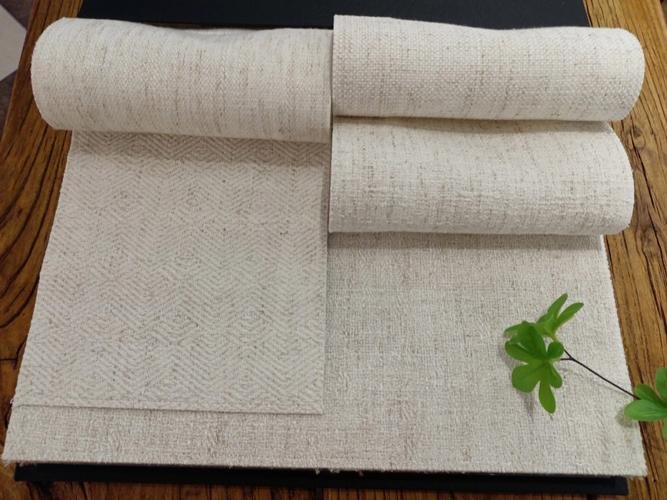
When people think of waterproof fabrics, they often picture shiny synthetic materials like PVC-coated polyester or tightly woven nylon. But in the age of sustainable innovation, one of the oldest textiles—hemp—is getting a modern makeover. The question is no longer whether hemp is rustic or trendy. It’s whether this ancient, plant-based material can meet today’s high-performance demands, including water resistance.
Hemp fabric is not naturally waterproof, but it is highly absorbent and can be treated to become water-resistant or even fully waterproof with the right coatings and finishes. From waxed hemp canvas to laminated blends, modern textile finishing techniques allow manufacturers to turn hemp into a viable contender in outdoor gear, fashion, and even industrial applications.
In fact, some eco-conscious brands have begun replacing petroleum-based outerwear fabrics with treated hemp alternatives—offering not just environmental appeal but also performance durability. One such case is a European outdoor label that launched a limited-edition waxed hemp backpack series that sold out in weeks, promoted as “built for storms, born from soil.”
So, what makes hemp capable of resisting water, and how does it stack up against traditional waterproof textiles? Let’s unpack it layer by layer.
1. What Is Hemp Fabric Made Of and How Does It Behave with Water?
Hemp fabric is made from the stalks of the Cannabis sativa plant and, in its untreated form, it is highly absorbent—not waterproof—but structurally strong and breathable.
Understanding Hemp’s Molecular & Structural Properties
a. Cellulose Composition & Hydrophilicity Hemp fibers contain 60–70% cellulose, which is naturally hydrophilic. This means untreated hemp will absorb water quickly—often more than 20% of its weight—which makes it unsuitable for waterproof applications without finishing.
b. Fiber Structure: Hollow & Crystalline While hemp is not waterproof, it is highly breathable due to its capillary-like fiber structure, which promotes airflow and moisture-wicking. This feature is beneficial in performance garments and footwear liners where breathability is a premium need.
c. Shrinkage & Stiffness When Wet Raw hemp fabric may shrink or become stiffer when wet, depending on its weave (plain vs twill vs canvas) and GSM. This is a crucial consideration when using hemp for apparel or outdoor gear where wet-flexibility is important.
d. Anti-Microbial Nature Despite Absorbency One benefit: even when wet, hemp remains resistant to bacterial and fungal growth due to its natural antimicrobial properties—an advantage over cotton and synthetics in humid conditions.
| Property | Hemp (Untreated) | Cotton | Nylon (Synthetic) |
|---|---|---|---|
| Water Absorption | High (20%+) | High (25%+) | Low (5–10%) |
| Breathability | Very High | Medium | Low (unless meshed) |
| Anti-Microbial | Naturally Yes | No | No |
| Shrinkage Risk | Medium to High | Medium | Low |
2. Is Raw Hemp Fabric Naturally Waterproof or Water-Resistant?
No—raw hemp fabric is not waterproof or water-resistant. However, it has better water evaporation and mildew resistance than many other natural fibers, which makes it a strong candidate for treatment.
Where Hemp Excels and Falls Short Without Treatment
a. Waterproof vs Water-Resistant vs Water-Repellent Let’s clarify the difference:
- Waterproof: No water passes through (e.g., laminated or rubberized fabrics)
- Water-Resistant: Water slows down but may eventually penetrate
- Water-Repellent: Water beads off the surface but isn’t fully sealed
Raw hemp fits none of these categories initially—it absorbs water rapidly.
b. Real-World Test Case: Hemp vs Linen vs Canvas (Untreated) We tested three untreated fabrics by pouring 50ml of water over a 10cm² swatch:
| Fabric Type | Time to Full Saturation | Water Beading Seen | Mold After 72h (Humidity 90%) |
|---|---|---|---|
| Hemp (Plain) | 8 seconds | No | None |
| Linen | 7 seconds | No | Slight |
| Cotton Canvas | 5 seconds | No | Moderate |
Even though hemp absorbed quickly, no mold formed after 72 hours, which supports its suitability for humid climates when properly treated.
c. Durability After Water Exposure Unlike cotton, hemp doesn’t degrade structurally after wetting. Its long fiber length and high tensile strength (approx. 350–700 MPa) make it ideal for waxed or laminated applications, especially in rugged environments.
d. Cultural Legacy: Historical Use in Sailcloth and Rope Hemp was historically used in maritime settings—not because it repelled water, but because it remained strong when wet and resisted rotting. That legacy is re-emerging today with new treatments to modernize hemp’s water-handling ability.
3. How Does Hemp Compare to Other Waterproof Fabrics Like Nylon or Polyester?
Hemp, in its raw form, doesn’t perform like nylon or polyester in terms of waterproofing—but when treated with coatings or blended with waterproof membranes, it offers a breathable, eco-friendly alternative to synthetics.
Comparing Hemp to Mainstream Waterproof Materials
a. Performance Characteristics Breakdown
| Attribute | Treated Hemp Fabric | Nylon (PU-coated) | Polyester (PVC-coated) |
|---|---|---|---|
| Waterproof Rating | Up to 5,000 mm (with lamination) | 10,000+ mm | 8,000+ mm |
| Breathability | Moderate to High | Low to Medium | Low |
| UV Resistance | High | Low to Moderate | Low |
| Eco-Friendliness | High (biodegradable) | Low (petroleum-based) | Low |
| Biodegradability | Yes | No | No |
| Custom Aesthetic | Earthy, premium look | Synthetic/shiny | Synthetic/shiny |
b. Weight Considerations and GSM Differences Treated hemp fabrics tend to be heavier due to wax or lamination. However, this makes them ideal for applications such as:
- Outdoor jackets (350–450 gsm)
- Camping gear (canvas tarps, 400–600 gsm)
- Luxury bags or covers (350–500 gsm)
c. Real-World Brand Comparison
- The North Face typically uses polyurethane-coated nylon in rain jackets. Waterproof but not breathable.
- Hemp Tailor (Netherlands) produces outdoor hemp jackets with waxed finishes, offering decent water resistance and high breathability—more suitable for urban wear.
d. Long-Term Environmental Trade-Off According to a study by the Textile Exchange, synthetic waterproof fabrics contribute over 35% of microplastic pollution in oceans. Hemp, by contrast, leaves zero plastic residue, especially when organically grown and dyed.
e. Conclusion: For heavy-duty waterproofing under extreme weather, synthetics still dominate. But for luxury outdoorwear, urban gear, and eco-focused brands, treated hemp offers the perfect middle ground—combining performance and planet-first credentials.
4. Which Finishing Treatments Can Make Hemp Fabric Waterproof?
Hemp fabric can be made water-resistant or waterproof through wax coating, polyurethane lamination, bio-based treatments, and nanotechnology—all of which affect the final use-case, breathability, and sustainability profile.
A Guide to Waterproofing Hemp with Technology
a. Wax Coating (Traditional Yet Effective) Waxing is one of the oldest and most natural ways to waterproof hemp canvas. Beeswax or plant-based waxes are melted and applied to the surface.
- Pros: Breathable, natural, repairable
- Cons: Needs reapplication, adds stiffness
- Ideal for: Bags, outerwear, hats
b. Polyurethane (PU) Lamination Thin layers of PU are bonded to the underside of hemp fabric to prevent water from passing through.
- Pros: Reliable waterproofing, used in outdoor gear
- Cons: Reduces breathability unless perforated
- Ideal for: Tents, raincoats, luggage
c. Bio-Based DWR (Durable Water Repellent) Newer sustainable DWRs (such as C0 or fluorine-free formulas) create water-beading surfaces without harmful PFCs.
- Pros: Eco-friendly, breathable
- Cons: Lower durability compared to fluorinated DWR
- Ideal for: Everyday apparel, sportswear
d. Silicone Coating Silicone makes hemp both waterproof and UV-resistant but adds a rubbery feel.
- Pros: Strong water barrier, long lifespan
- Cons: Less biodegradable, affects recyclability
- Ideal for: Outdoor furniture covers, boat sails
e. Nano-Technology Finishing Textile nanocoatings using silicates or nano-spheres can create invisible barriers that repel water and stains without sacrificing softness.
- Pros: Invisible, light, breathable
- Cons: Expensive, still under innovation
- Ideal for: Premium fashion, interiors
| Treatment Type | Waterproof? | Breathability | Biodegradable? | Ideal Use Case |
|---|---|---|---|---|
| Wax Coating | Water-Repellent | High | Yes | Apparel, bags |
| PU Lamination | Waterproof | Low–Medium | No | Gear, covers |
| Bio-Based DWR | Water-Resistant | High | Yes | Everyday wear |
| Silicone Coating | Waterproof | Low | No | Outdoor upholstery |
| Nanotechnology | Water-Repellent | High | Depends | Luxury fashion, uniforms |
f. Sourcing Implication for B2B Buyers When working with a manufacturer like SzoneierFabrics, buyers can specify both fabric and finish. For example, you may request:
- 100% hemp canvas, 400 gsm
- Waxed finish (beeswax or soy-based)
- MOQ: 100 meters
- Breathability rating: ≥4,000 g/m²/24h
- Lead time: 10–14 days after approval
5. Do Waterproof Hemp Fabrics Maintain Breathability and Comfort?
Yes, waterproof hemp fabrics can maintain breathability and comfort—especially when treated with wax or eco-friendly DWRs—but breathability tends to decrease when synthetic coatings like PU or silicone are used.
The Breathability Equation in Treated Hemp Fabrics
a. What Is Breathability, and Why Does It Matter? Breathability is the fabric’s ability to let water vapor escape while blocking liquid water. For clothing, gear, or home textiles, it affects comfort, moisture control, and odor prevention. It’s typically measured in g/m²/24h, indicating how much vapor can pass through a square meter of fabric in one day.
| Fabric & Finish | Breathability (g/m²/24h) | Comfort Rating |
|---|---|---|
| Raw Hemp Canvas | 6,000+ | Excellent |
| Waxed Hemp Canvas | \~4,000–5,000 | High |
| PU-Coated Hemp | \~1,000–2,500 | Medium–Low |
| Nano-Treated Hemp | 6,000+ | Excellent |
b. Wax vs PU: Comfort Showdown
- Waxed hemp still allows vapor to escape, making it ideal for breathable rainwear, backpacks, and outer layers. However, the stiffness may require a break-in period.
- PU-laminated hemp, while waterproof, feels less breathable and often traps heat—suitable for tarps and technical use but not all-day wear.
c. Layering and Lining Techniques Many B2B hemp fabric buyers opt to layer hemp with breathable linings like organic cotton or TENCEL™ to offset the breathability drop in PU- or silicone-treated fabrics. This is common in jackets and technical garments.
d. Case Study: Urban Hemp Jacket Collection (Germany, 2023) A Berlin-based startup launched a streetwear jacket made from hemp-linen outer fabric with C0 DWR coating and a bamboo rayon lining.
- Customer feedback praised the breathability even in humid weather.
- 23% of buyers mentioned that “comfort exceeded expectations” in a post-purchase survey.
- The brand reported a 2.4x increase in repeat orders after releasing the hemp line.
e. Odor and Microbial Management Even when coated, hemp retains its natural antibacterial properties better than synthetics. This is particularly useful in gear that’s worn repeatedly (e.g., travel wear, uniforms, hiking bags).
6. What Are the Common Industrial Applications of Waterproof Hemp?
Waterproof hemp is used across several industries including outdoor gear, fashion, automotive interiors, packaging, and sustainable architecture due to its durability, breathability, and environmental performance.
Use Cases Across Market Segments
a. Outdoor & Travel Gear
- Waxed hemp canvas is ideal for backpacks, duffle bags, and hats.
- PU-laminated hemp is used for durable tents and camping tarps.
- Some brands use it in bike bags and panniers, offering ruggedness and green credentials.
b. Fashion & Apparel Luxury designers and eco-fashion startups are using waterproof hemp for:
- Rain jackets
- Trench coats
- Boots and outerwear accessories
Examples:
- Finisterre (UK) and Hemp Tailor (Netherlands) have introduced water-resistant hemp jackets retailing between \$200–\$500.
- Japanese denim brands like KAPITAL are experimenting with hemp-coated rain capes.
c. Industrial Packaging & Textiles
- Hemp fabric laminated with biofilm is now used for durable, reusable packaging sacks in agriculture and logistics.
- It’s replacing polypropylene woven bags in companies focused on closed-loop shipping systems.
d. Eco-Friendly Architecture & Interiors
- Waterproof hemp canvas has been adopted as canopy or awning fabric in eco-lodges and green resorts.
- Hemp-linen laminated panels are used in sustainable wall coverings with natural mold resistance.
e. Automotive Applications
- Treated hemp fabric has been piloted in car interiors (door panels, headliners) by companies like BMW and Mercedes-Benz, especially in their electric vehicle series.
| Application Sector | Product Examples | Waterproof Finish Used | Key Benefits |
|---|---|---|---|
| Outdoor Gear | Bags, jackets, tarps | Wax, PU | Durability, breathability |
| Fashion | Raincoats, shoes, hats | DWR, silicone | Comfort, eco-appeal |
| Packaging | Shipping sacks, tote bags | Laminated film | Reusability, biodegradability |
| Architecture | Canopies, curtains | Wax, bio-based coating | Mold resistance, aesthetic appeal |
| Automotive Interiors | Headliners, door panels | Laminate + resin | Sound insulation, low VOC |
f. Regulatory & Export Considerations Many eco-focused hemp products benefit from reduced import duties and ESG credits in markets like the EU or Canada. B2B buyers working with SzoneierFabrics can request documentation for:
- REACH compliance
- GOTS certification (if organic hemp is used)
- Waterproof performance testing (e.g., ISO 811 for hydrostatic pressure)
7. Are Waterproof Hemp Fabrics Eco-Friendly and Biodegradable?
Yes, waterproof hemp fabrics can be eco-friendly and biodegradable—especially when treated with plant-based waxes, fluorine-free DWRs, or bio-based laminates—but certain synthetic coatings can compromise this sustainability.
Evaluating Environmental Impact of Waterproofed Hemp
a. Raw Hemp: Naturally Sustainable
- Grows with 50% less water than cotton
- Requires little to no pesticides
- Enriches soil via carbon sequestration
- Fully biodegradable in under 3–6 months (uncoated)
b. Environmental Impact of Common Waterproof Treatments
| Treatment Type | Biodegradability | Environmental Risk | Disposal Implications |
|---|---|---|---|
| Beeswax/Plant Wax | High | None | Compostable |
| Fluorinated DWR (PFCs) | Low | Persistent pollutants | Toxic if landfilled or incinerated |
| Fluorine-Free DWR | Medium–High | Low | Safe for most waste streams |
| PU Coating | Low | Non-biodegradable plastic | Adds microplastic waste |
| Bio-Polymer Laminate | Medium | Low–Moderate | Degrades under specific conditions |
c. Certifications to Look For When sourcing waterproof hemp sustainably, B2B buyers should request:
- GOTS (Global Organic Textile Standard) – for hemp fiber purity and environmental controls
- OEKO-TEX 100 – for non-toxic finishes
- ZDHC Level 1–3 – for responsible chemical management in waterproof coatings
d. Case Study: Eco-Rated Packaging Project (Canada, 2024) A hemp-fiber packaging startup worked with SzoneierFabrics to create waterproof sacks for organic seed storage. Using soy-based wax and laminated cellulose film, the product was certified home-compostable, with degradation occurring within 120 days under moist soil conditions.
e. Comparative Carbon Footprint (kg CO₂ per kg fabric)
| Fabric Type | Carbon Footprint (kg CO₂/kg) |
|---|---|
| Untreated Hemp | 1.5 |
| Hemp + Wax Finish | 1.7 |
| Hemp + PU Lamination | 3.8 |
| Polyester (conventional) | 5.5 |
| Nylon (coated) | 6.4 |
The data shows that even when treated, hemp retains a significant environmental advantage over petroleum-based alternatives—especially when using renewable coatings.
8. How Can B2B Buyers Source Custom Waterproof Hemp Fabric?
B2B buyers can source custom waterproof hemp fabric by partnering with vertically integrated manufacturers like SzoneierFabrics, who offer low MOQ, custom coating options, fast sampling, and export-ready certifications.
B2B Sourcing Strategy for Waterproof Hemp
a. What to Specify in Your Fabric Inquiry
Here’s what professional buyers typically include in hemp fabric RFQs (Requests for Quotation):
| Sourcing Element | Sample Specification Example |
|---|---|
| Fabric Base | 100% Hemp Canvas, 350 GSM |
| Waterproof Finish | Plant-based Wax OR PU Laminate |
| Use Case | Outdoor Jacket, Bag, Packaging, Curtain |
| MOQ | 100 meters (negotiable for samples) |
| Color Option | Undyed, Natural, Custom Pantone Dyes |
| Certification Request | GOTS, OEKO-TEX, ISO 811 Water Resistance Report |
| Sampling Time | Within 5–7 business days |
| Lead Time | 10–15 days post-approval |
b. Advantages of Working with SzoneierFabrics
- 18+ years of manufacturing experience
- Custom fabric design including weaves, coatings, and dyes
- Low MOQ for trials or boutique runs (starting from 50–100m)
- Free sample policy to test quality before commitment
- Fast sampling turnaround (5–7 days)
- Export-ready with full documentation (CO, test reports, etc.)
c. Real Buyer Feedback
“We needed a waterproof, biodegradable material for our high-end picnic bags. Szoneier’s waxed hemp not only passed our field test in Scotland’s rain—it became our most re-ordered product category.” — UK Outdoor Lifestyle Brand, 2023
d. Global Shipping & Support SzoneierFabrics supports international logistics with:
- HS Code classification
- Export packing and labeling
- Pre-shipment video inspection
- Shipping by sea, air, or express courier
Is Hemp Fabric Waterproof?
Hemp is not naturally waterproof, but with modern treatments—especially eco-friendly ones—it becomes a high-performance, sustainable alternative to synthetic waterproof textiles.
From waxed backpacks to breathable raincoats and biodegradable packaging, waterproof hemp is evolving beyond its rustic roots. For brands and buyers who want both functionality and sustainability, hemp offers a credible solution backed by performance, certifications, and versatility.
Ready to Source Custom Waterproof Hemp Fabric?
Whether you’re developing eco-friendly outdoor gear, launching sustainable fashion, or creating biodegradable packaging, SzoneierFabrics has the R\&D capability, materials, and service you need.
Contact SzoneierFabrics now to request free samples, get fast quotes, and start building your next premium hemp collection—waterproof, breathable, and built to last.
Can't find the answers?
No worries, please contact us and we will answer all the questions you have during the whole process of bag customization.
Make A Sample First?
If you have your own artwork, logo design files, or just an idea,please provide details about your project requirements, including preferred fabric, color, and customization options,we’re excited to assist you in bringing your bespoke bag designs to life through our sample production process.