Skip to content

When you’re suspended between the serenity of nature and the unpredictability of weather, one fabric can make or break your outdoor experience—nylon. Whether you’re a camper, a tent brand owner, or a textile buyer for outdoor gear, chances are you’ve asked: Is nylon truly waterproof enough for tents? It’s a practical concern with real business consequences—nobody wants angry customers soaked during a downpour.
Yes, nylon fabric can be waterproof enough for tents—but only when properly treated with coatings like PU (polyurethane) or silicone, and used in appropriate denier ratings and weaves. Untreated nylon is only water-resistant. The waterproof performance of nylon tents depends on fabric type, coating, seam sealing, and design structure.
In 2023, over 60% of lightweight tents sold in North America were made from nylon, favored for its strength-to-weight ratio. However, customer return data from REI and MEC showed that 38% of complaints about budget tents were linked to leakage, not tears—meaning it’s not just about strength, but waterproofing science.
Let’s dive into the science, the mistakes to avoid, and the DIY tricks that can save your tent from turning into a leaky sauna. By the end of this article, you’ll know exactly how to evaluate nylon fabric for tent use—and how to talk specs with confidence when ordering custom materials.
What Makes Nylon Fabric a Popular Choice for Tents?

Nylon is a go-to tent fabric due to its lightweight strength, low moisture absorption, and high tensile durability—especially when used in ripstop or high-denier forms. It enables compact, easy-to-carry tents that can still endure wind and rain.
Nylon has been a dominant material in the outdoor gear market since the 1970s. Its molecular structure, polyamide, is naturally strong, flexible, and stretch-resistant, which is essential for tent longevity and performance. For tent manufacturers, this means you can get more coverage with less material weight.
Why Tent Makers and Brands Still Prefer Nylon
Let’s look at the technical and commercial reasons behind nylon’s continued popularity:
| Feature | Nylon Advantage | Real-World Benefit |
|---|---|---|
| Weight | 20–30% lighter than polyester | Easier to carry for hiking and trekking |
| Tensile Strength | High for low denier (e.g., 30D) | Can withstand wind stress and stretching |
| Packability | Soft and compressible | Ideal for compact tent designs |
| Cost Efficiency | Generally cheaper than silpoly or Dyneema | Competitive for mass-market outdoor products |
| Versatility | Accepts PU, silicone, and hybrid coatings | Customizable waterproof levels |
MSR’s Hubba Hubba tent line switched from polyester to 20D ripstop nylon in 2022, reducing packed weight by 15% without sacrificing waterproof ratings.
However, nylon’s weakness lies in UV degradation and water resistance without coatings—topics we’ll explore next.
Is Nylon Naturally Waterproof or Just Water-Resistant?
Nylon is not naturally waterproof—it is water-resistant at best. To make it waterproof, it must be coated with polyurethane (PU), silicone, or a durable water repellent (DWR) finish. Even then, seam sealing and hydrostatic pressure testing are essential to ensure complete protection.
While nylon’s tight weave slows down water penetration, it’s still porous at the microscopic level. That means in steady rain or heavy moisture, untreated nylon will soak through. Waterproofing is always an added function—not an inherent one.
Understanding Nylon Waterproof Ratings
To objectively assess nylon’s waterproof potential, we turn to hydrostatic head (HH) measurements. Here’s how nylon compares depending on treatment:
| Nylon Fabric Type | Coating Type | Typical HH Rating (mm) | Waterproof? |
|---|---|---|---|
| 30D Uncoated Ripstop | None | 100–300 mm | ❌ No |
| 30D PU-Coated | PU (1.5–2.5 layer) | 1200–3000 mm | ✅ Yes |
| 20D Silicone-Coated | Silicone/Silpoly | 1500–3500 mm | ✅ Yes |
| 40D Hybrid Coating | Silicone outside / PU inside | 2500–5000 mm | ✅ Yes |
Hydrostatic Head (HH) is a measure of how much water pressure fabric can withstand before leaking. 1000 mm = basic water resistance; 2000 mm+ = waterproof for tents.
Common Mistakes and Misconceptions
- Mistake #1: Assuming all nylon tents are waterproof. Many budget models skip seam sealing and proper coating.
- Mistake #2: Confusing water repellency (from DWR) with waterproofing. DWR just causes light rain to bead; it doesn’t block pressure.
- Mistake #3: Ignoring coating degradation over time—PU-coated nylon can degrade with humidity and heat, especially in tropical zones.
Which Types of Nylon Are Commonly Used in Tent Manufacturing?
The most common types of nylon used in tents are 20D–70D ripstop nylon, plain weave nylon, and nylon taffeta. Each varies in strength, weight, cost, and suitability for waterproof coatings. Lower denier counts offer lightweight performance, while higher deniers offer more abrasion resistance.
Tent fabric isn’t one-size-fits-all. Different camping conditions call for different nylon types. While 20D ripstop nylon is ideal for ultralight backpacking tents, 70D nylon taffeta might be better for basecamp or car camping where durability is more important than weight.
Comparing Nylon Types for Tents
| Type | Denier (D) | Weave | Best Use | Pros | Cons |
|---|---|---|---|---|---|
| Ripstop Nylon | 20D–40D | Grid | Ultralight backpacking | Lightweight, tear-resistant | UV-sensitive, needs coating |
| Nylon Taffeta | 40D–70D | Plain | Family tents, car camping | Soft, low-noise, stronger | Heavier, less packable |
| High Tenacity Nylon | 30D–100D | Twill/Ripstop | Harsh weather tents | Extra strength, durable | Expensive |
| Nylon 6 vs. Nylon 66 | Any | Any | Premium tents | Higher heat and abrasion resistance | Nylon 66 costs more |
Many Big Agnes tents use 15D or 20D silicone-treated ripstop nylon for rainflies to balance minimal weight with adequate waterproofing.
When sourcing from factories like SzoneierFabrics, B2B buyers often request hybrid solutions: for instance, 30D nylon with double-sided silicone coating for high HH and long-term durability.
How Is Nylon Fabric Treated to Improve Waterproofing?
Nylon fabric is waterproofed using coatings like polyurethane (PU), silicone, or hybrid systems. PU is most common due to cost efficiency and adhesive properties, while silicone coatings offer superior durability and water beading. Most high-end tents use dual coatings for optimal performance.
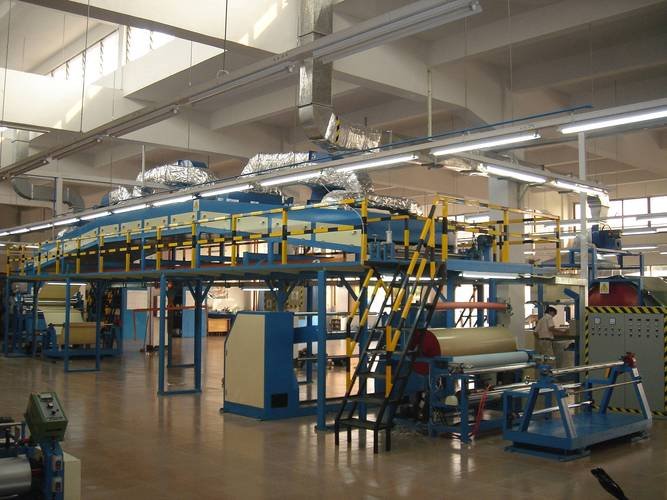
Raw nylon will always need finishing. Without it, rain penetrates quickly. Waterproof treatments are applied during post-weaving finishing using spray, lamination, or calendering processes. For OEM production, this is a critical cost and quality factor.
The Coating Techniques Explained
| Coating | Application Method | Waterproof Rating | Durability | Breathability | Price |
|---|---|---|---|---|---|
| PU (Polyurethane) | Lamination / coating | 1200–3000 mm | Moderate | Moderate | Low |
| Silicone (Silnylon) | Impregnation / double coating | 1500–5000 mm | High | Low | Medium |
| Sil-PU Hybrid | Silicone outer / PU inner | 2500–5000 mm | Very High | Medium | High |
| DWR (Durable Water Repellent) | Surface spray | <500 mm | Low | High | Low |
One of SzoneierFabrics’ European clients ordered 40D nylon rainfly material with a sil/PU dual coating and taped seams—meeting EU REACH environmental compliance while delivering 3000 mm HH waterproofing.
Important Considerations for Buyers
- Seam Sealing: Even a 5000 mm fabric will leak at seams if not taped or seam-sealed with PU-compatible tape.
- Aging & Peeling: PU coatings degrade faster in humid storage; silicone lasts longer but is harder to bond.
- Fire Retardancy: Nylon tents for EU/US markets often require FR treatment—Szoneier can customize this layer.
DIY Insight
- Want to add waterproofing to an old nylon tent? Products like Gear Aid Seam Grip or Nikwax Tent & Gear Solarproof can restore or boost performance.
- For best results: Apply DWR spray on clean, dry fabric and heat set with a hairdryer. Seam sealing? Use a small paintbrush and PU sealant along the inside stitches.
Do Nylon Tents Hold Up Well in Heavy Rain and Harsh Weather?

Yes, nylon tents can hold up in heavy rain and extreme weather—but only when treated with high-grade waterproof coatings, built with proper seam sealing, and designed with tension and slope in mind. Fabric alone doesn’t make a tent stormproof; the full system matters.
Many outdoor gear failures come from expecting too much from the fabric and too little from the design. Nylon is strong and elastic, which helps it resist wind-induced tearing. However, in heavy rain, factors like coating durability, seam integrity, and tent pitch angle are just as important.
How Nylon Tents Perform in Real-World Storms
Let’s examine the components that influence performance during storms:
| Feature | Nylon’s Role | Tent Design Dependency | Notes |
|---|---|---|---|
| Waterproofing | Needs coating | Seam taping and structure vital | Sil/PU hybrids perform best |
| Wind Resistance | Strong in ripstop weaves | Guy lines and pole quality matter | Nylon’s stretch absorbs wind gusts |
| UV Resistance | Weak unless treated | Fly coverage helps | Nylon degrades 2–3x faster than polyester in direct sunlight |
| Condensation | Low breathability | Ventilation panels needed | Nylon traps more moisture inside than polycotton or canvas |
A field test by Backpacker Magazine in 2022 pitted a 30D silnylon tent vs. a polyester tent in 40mph wind and 12 hours of rain. The nylon tent survived with no leaks—but required mid-storm guy line tightening due to fabric sag.
Pro Tips for Brands & OEMs
- Ask your factory about fabric sag rate in humidity. Nylon absorbs up to 10% of its weight in water, causing noticeable drooping.
- Choose fabrics with dual silicone/PU coatings for high-altitude tents. These provide better shape retention and long-term waterproofing.
- Always request seam taping as part of OEM waterproof specs—even the best fabric can fail at needle holes.
What Are the Best DIY Waterproofing Methods for Nylon Tents?
The best DIY waterproofing methods for nylon tents include using silicone-based sprays for silnylon fabrics, polyurethane seam sealers for PU-coated tents, and DWR reapplications. Proper cleaning and curing time are essential for long-lasting results.
DIY treatments can’t replace industrial coating, but they can extend your tent’s life by seasons. Many outdoor enthusiasts refresh their tents every 1–2 years using widely available waterproofing kits.
A DIY Waterproofing Plan for Nylon Tents
| Step | Tool/Material | Recommended Brand | Tips |
|---|---|---|---|
| 1. Clean the Tent | Mild soap + sponge | Nikwax Tech Wash | Avoid detergent—it breaks down coatings |
| 2. Reapply DWR | Spray-on waterproofing | Nikwax Tent & Gear Solarproof | Apply evenly and heat set with low dryer |
| 3. Seal Seams | Seam sealer brush + PU sealant | Gear Aid Seam Grip | Use on all stitched areas inside flysheet |
| 4. Silicone Coat (optional) | DIY sil solution (1:3 silicone\:mineral spirits) | Homemade | Best for silnylon flysheets, not PU |
| 5. Dry & Cure | Air dry 24 hrs | – | Set up tent during drying for shape hold |
Never mix silicone and PU treatments—they won’t bond properly. Always identify your tent fabric before applying sealants.
DIY Buyer Insight
For private label brands and outdoor retailers, it’s worth educating customers via packaging inserts or blog content on how to maintain their nylon tents. Satisfied customers return for accessories and upgrades. Offering your own branded tent care kit is another high-margin OEM opportunity.
Are There Any Drawbacks to Using Nylon Fabric for Tents?
Yes, while nylon offers excellent strength and lightweight advantages, it also comes with notable drawbacks—especially in waterproofing durability, UV resistance, sagging under moisture, and long-term reliability in humid environments.
Understanding nylon’s limitations helps brands and DIY campers make better material decisions—or mitigate them through smart design and coatings.
Key Nylon Tent Fabric Limitations
| Drawback | Description | Impact on Tent Use | Mitigation Strategy |
|---|---|---|---|
| UV Degradation | Nylon fibers break down faster under sun exposure than polyester | Reduces fabric lifespan, especially in high-UV zones | Use UV-resistant coatings or UV-blocking flysheets |
| Water Absorption & Sagging | Nylon absorbs water, causing it to stretch and sag | Can reduce internal space, increase condensation, stress seams | Choose silicone-coated nylon and use more guy lines |
| PU Coating Breakdown | PU coatings can peel over time due to hydrolysis | Leads to flaking, smell, and leaks | Store in cool, dry places; consider sil/PU alternatives |
| Lower Tear Strength than Polyester (per weight) | At equal denier, polyester often resists tearing better | Risks punctures in rough terrain or desert sandstorms | Use ripstop weave or reinforce key zones with heavier nylon |
| Not Naturally Flame Retardant | Nylon melts when exposed to direct fire or sparks | Can be dangerous around campfires | Order FR-treated nylon from OEM manufacturers |
A North American glamping brand using untreated 40D PU nylon reported that 15% of customer complaints in humid states like Florida and Louisiana were due to sticky fabric and coating degradation—issues they later resolved by switching to hybrid-coated 30D nylon from a Chinese OEM.
Who Should Reconsider Nylon?
- Brands targeting desert, high-UV, or long-term field tents may prefer polyester or silpoly instead.
- For four-season tents or alpine expeditions, nylon with dual silicone coating remains a premium solution—but it comes at a higher cost.
How to Choose the Right Nylon Fabric for Custom Tent Production?
To choose the right nylon fabric for custom tents, consider your tent’s target use, denier strength, waterproof rating, coating type, UV resistance, and regional climate. Factory-level customization allows you to combine coatings, flame retardants, and weaves to meet precise specifications.
If you’re a buyer sourcing from Chinese manufacturers like SzoneierFabrics, you’ll need to evaluate both technical specs and production capabilities to ensure quality.
Fabric Selection Checklist for Tent Brands
| Factor | Recommended Choice | Why It Matters |
|---|---|---|
| Denier Rating | 20D–40D for backpacking; 50D–70D for car camping | Balances weight and durability |
| Weave Type | Ripstop preferred | Prevents tears from spreading |
| Coating | Sil/PU hybrid for high-end; PU for economy | Affects waterproofing, adhesion, breathability |
| Hydrostatic Head | 2000 mm+ | Industry minimum for waterproof claim |
| UV Resistance | Required for long sun exposure | Extends fabric life, protects customers |
| FR Treatment | Needed for EU/US compliance | Important for legal safety in tents |
| Color Fastness | Rated 4–5 | Prevents fading or bleeding in sun/rain |
Tips When Working with a Manufacturer Like SzoneierFabrics
- Ask for lab test data: Reputable suppliers can provide hydrostatic head, tear strength, and UV resistance reports.
- Customize coatings: For example, ask for 30D ripstop nylon, silicone outer + PU inner, with FR coating and 3000 mm HH.
- Clarify MOQ and lead times: SzoneierFabrics offers low MOQ, fast sampling, and free fabric development for OEM clients.
- Order samples before bulk production: Szoneier provides free sample swatches and custom prototyping to ensure material alignment.
Is Nylon Fabric Waterproof Enough for Tents?
Yes—if you choose the right denier, weave, and coatings, and partner with a capable factory, nylon fabric is not only waterproof enough for tents but also ideal for many types of camping environments.
However, not all nylon is created equal. For B2B buyers, outdoor brands, or D2C companies planning to launch custom tent lines, the key to success lies in spec optimization and supply chain reliability.
Whether you’re developing ultra-light trekking tents or durable festival shelters, SzoneierFabrics can work with you to:
- Recommend the optimal nylon base for your market,
- Customize coatings (PU, silicone, FR),
- Provide fast sample development and waterproofing test reports,
- Deliver high-quality fabric with global B2B support.
Ready to Customize Nylon Tent Fabrics for Your Brand?
SzoneierFabrics is a professional nylon fabric manufacturing factory in China with years of experience supplying custom waterproof nylon fabrics to small and large outdoor brands around the world. We support:
- ✅ Low MOQ orders
- ✅ 100% quality guarantee
- ✅ Free fabric design & development
- ✅ Fast sample turnaround
- ✅ OEM/ODM tent fabric production
📧 Email: Info@szoneierfabrics.com 📞 Tel: (+86) 13823134897 🌐 Website: https://szoneierfabrics.com/
Contact us today to get expert advice, free samples, and a quote tailored to your next tent project.