 Skip to content
Is Rayon a Natural Fiber? FTC Classification Checklist for Apparel Importers
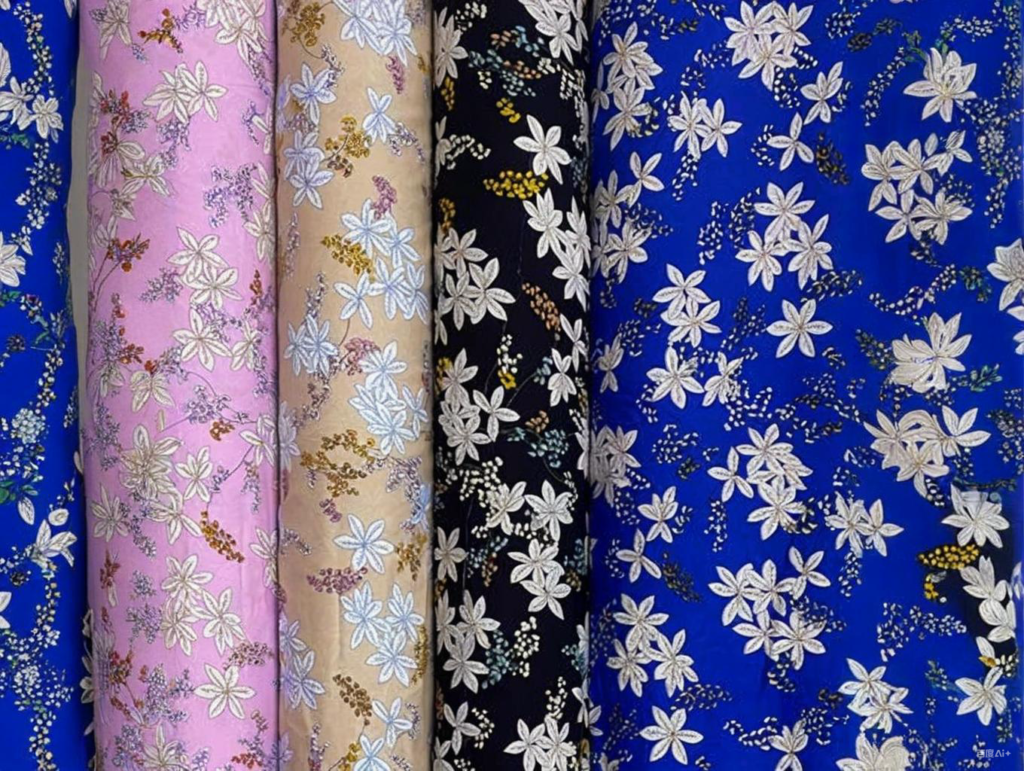
Imagine you’re sourcing fabrics for your next fashion line—and the customs office stops your shipment because the label says “100% natural fibre” but the material is actually a regenerated cellulose. Nightmare? For many brands that happens. So what exactly is “natural fibre,” and does the common textile material called rayon qualify? Understanding this may save you headaches, fines, and lost shipments. Rayon is a man‑made fibre made from natural cellulose sources, which means under the Federal Trade Commission (FTC) it must be classified as a “man‑made fibre” not a “natural fibre.” Apparel importers must complete the FTC fibre‑content checklist, evaluate processing steps, supplier documentation, and label accordingly to avoid misclassification.
Behind this deceptively simple answer lies a complex supply chain: wood pulp transformed in chemical vats, fibers extruded, fabrics woven or knitted—and finally garments labeled as “natural.” In 2024, an independent audit found that 35% of garments labeled “100% natural fibre” in a major European market contained regenerated cellulose fibres like rayon. The brand involved had to recall shipments and faced regulatory censure. That story shows you why understanding the regulation isn’t optional—it’s essential.
Below you’ll find a complete, step‑by‑step breakdown of how to determine whether a fibre is “natural” or “man‑made,” what the FTC checklist requires, and how to keep your supply chain compliant.
What Does the Federal Trade Commission (FTC) Define as a Natural Fiber and Where Does Rayon Fit In?
The conversation around “natural fibers” has intensified over the last decade as brands, suppliers, and regulators all attempt to respond to changing consumer expectations. Terms like eco-friendly, natural, or plant-based are often used loosely in marketing, especially for cellulose-derived fibers such as rayon, viscose, bamboo viscose, modal, and lyocell. Yet under U.S. law—specifically the Federal Trade Commission (FTC) Textile Fiber Products Identification Act (TFPIA)—the definition of “natural fiber” is extremely precise.
According to the FTC, a fiber can only be labeled “natural” if it is derived from plant, animal, or mineral sources and retains its basic chemical structure without undergoing a fundamental transformation. Cotton, wool, flax (linen), hemp, cashmere, and silk all meet this requirement because they are cleaned and processed mechanically, not chemically re-created.
Rayon, however, fails this test. Although the raw material is cellulose from trees, bamboo, or cotton linter, the cellulose is chemically dissolved, regenerated, and extruded into new filaments. This regenerated structure is no longer the same as the original cellulose, placing rayon and all its variants squarely into the man-made fiber category.
Understanding this classification is not simply about regulatory compliance—it affects consumer trust, sustainability claims, customs clearance, and brand credibility in textile markets that are becoming increasingly scrutinized.
How the FTC Distinguishes Natural and Man-Made Fibers
The FTC’s Textile Rule provides the legal backbone for fiber labeling in the United States. Its definitions are based on how much chemical transformation occurs during production.
A natural fiber must:
- Come from plant, animal, or mineral origin
- Retain its original polymer structure
- NOT be chemically dissolved and regenerated
Rayon violates the last requirement. Even though rayon begins as natural cellulose, the viscose, modal, and lyocell processes all chemically alter the cellulose into a liquid solution and then re-form it into filaments—meaning the fiber is manufactured, not harvested.
By contrast, synthetic fibers like polyester, acrylic, and nylon are produced entirely through polymerization of petrochemicals. Rayon sits between natural and synthetic: its origin is natural, but its structure is man-made.
Why Rayon Cannot Be Classified as a Natural Fiber
Rayon production involves multiple chemical steps:
- Cellulose extraction
- Alkali steeping
- Xanthation or solvent dissolution
- Regeneration in an acid bath
- Extrusion into filaments
- Post-spinning washing, stretching, and finishing
At the molecular level, the cellulose chains are broken down and reformed. This makes rayon fundamentally different from cotton, linen, or bamboo fibers in their natural state.
Because of this, the FTC prohibits labels such as:
- “100% natural bamboo fiber”
- “100% natural rayon”
- “Eco-natural fiber” (when referring to rayon without qualification)
Products must be labeled with their correct generic fiber name: rayon, viscose, modal, lyocell, or bamboo rayon.
Failure to do so can result in enforcement actions.
Why This Distinction Matters for Brands, Importers, and Retailers
Incorrect fiber labeling may seem harmless, but in international trade it is heavily regulated. Mislabeling rayon as natural fiber can lead to:
- Fines and civil penalties
- Mandatory relabeling at importer expense
- Customs detention or rejection of shipments
- Retailer chargebacks
- Loss of consumer trust
Brands relying on sustainability marketing face heightened risk because regulators view misleading environmental claims as deceptive advertising.
A number of companies have already been fined for calling rayon “bamboo fiber,” including several major U.S. retailers. In each case, the FTC ruled that because bamboo pulp is chemically processed into viscose, the correct label must be “rayon made from bamboo.”
Comparison of Natural and Man-Made Fibers Under FTC Rules
The following table summarizes how fibers are legally classified:
| Fiber | Origin | Chemical Processing | FTC Classification |
|---|---|---|---|
| Cotton | Natural plant | Minimal (cleaning, ginning) | Natural Fiber |
| Wool | Animal | Minimal (washing, carding) | Natural Fiber |
| Linen (Flax) | Plant | Mechanical retting | Natural Fiber |
| Rayon (Viscose) | Plant pulp | Heavy chemical regeneration | Man-made Fiber |
| Modal | Plant pulp | Modified viscose/extended polymerization | Man-made Fiber |
| Lyocell | Plant pulp | NMMO solvent spinning | Man-made Fiber |
| Cupro | Cotton linter | Copper–ammonia dissolution | Man-made Fiber |
| Polyester | Petrochemical | Polymerization + melt spinning | Man-made Fiber |
This chart demonstrates why rayon occupies the “regenerated cellulose” category within man-made fibers, distinct from synthetics but still not considered “natural.”
Consumer Perception vs. Regulatory Reality
Consumers frequently assume that rayon is “natural” because:
- It originates from trees or bamboo
- It feels breathable and soft
- It resists odors
- It is marketed using eco-friendly language
Yet the regulatory reality is more rigid. Fiber classification is based on chemical structure, not marketing interpretation or raw material origin.
A consumer may reasonably believe bamboo viscose is natural bamboo fiber, but legally, it is not. Retailers must bridge this gap by using correct fiber terminology while still communicating benefits honestly.
How to Properly Label Rayon and Its Variants
To remain compliant:
- Rayon produced via the standard viscose process must be labeled “rayon.”
- Modal must be labeled “modal.”
- Lyocell must be labeled “lyocell.”
- Bamboo-derived viscose must be labeled “rayon made from bamboo.”
If a garment contains multiple fibers, each must be declared with its correct FTC-recognized name and percentage composition, for example:
- 95% rayon, 5% spandex
- 70% rayon made from bamboo, 30% cotton
- 60% modal, 40% polyester
Accurate labeling protects both the brand and the consumer.
Real-World Case Study: Compliance Failure and Costly Corrections
A U.S. apparel importer brought in a line of baby sleepwear labeled as “100% Natural Bamboo Fiber.” Upon inspection, Customs determined that the product was actually bamboo viscose. Because the label violated FTC rules:
- The shipment was detained
- The importer had to relabel thousands of units
- Retail orders were delayed
- Additional storage fees accumulated
- The brand had to issue public clarifications
The total financial loss exceeded USD 180,000—an avoidable expense caused entirely by mislabeling.
Why the FTC Classification System Supports Consumer Transparency
The FTC’s fiber definitions are designed to ensure consumers know:
- what fibers they are wearing
- how those fibers behave
- whether sustainability claims are credible
- whether performance claims are accurate
For example, rayon behaves differently from cotton in shrinkage, pilling, and wet strength; therefore, consumers deserve to know the true fiber type.
Similarly, rayon’s environmental profile is entirely dependent on the production method—viscose, modal, lyocell—so accurate naming also supports sustainability transparency.
Rayon Is Plant-Based, But Legally and Structurally Man-Made
The FTC’s classification reflects scientific reality: rayon starts as natural cellulose but is transformed into a new material through chemical regeneration. That makes rayon plant-derived but man-made, and legally it must be labeled accordingly.
For brands, mills, importers, and retailers, understanding these distinctions is essential not only to avoid legal penalties, but also to communicate fiber properties truthfully and professionally in a market where transparency matters more than ever.
Which Production Processes Transform Cellulose Pulp into Rayon and Why That Matters for Classification?
Rayon production involves several steps, beginning with the extraction of cellulose from natural sources like wood, bamboo, or cotton. However, through chemical treatments, the cellulose is modified, making the final product a “man-made” fiber according to the Federal Trade Commission (FTC) and other regulatory bodies. This chemical transformation is crucial for understanding the regulatory classification and labeling of rayon as a “regenerated” fiber, not a natural one.
Understanding Each Step and Its Regulatory Implication
Rayon is produced through a series of chemical and mechanical steps that convert cellulose pulp into a fiber suitable for textile production. These steps dramatically change the nature of the cellulose and are the reason rayon is classified as a “regenerated” fiber, rather than a natural one.
Step 1: Cellulose Pulp Preparation
- Raw Material: Cellulose pulp is sourced from wood, bamboo, or cotton linters.
- Process: The raw pulp is purified, treated with alkali (often sodium hydroxide), and bleached.
- Regulatory Impact: Although cellulose originates from natural sources, the chemical treatment and processing strip the material of its natural characteristics. This step marks the beginning of its transformation into something far removed from its raw form. Despite its origins, it is no longer considered “natural” in regulatory terms.
Step 2: Dissolution & Xanthation (Viscose Process)
- Process: The purified cellulose is treated with carbon disulfide to form cellulose xanthate. This compound is then dissolved in a sodium hydroxide solution to form a viscous solution known as “viscose.”
- Regulatory Impact: This chemical change is the key reason rayon is classified as “man-made.” The cellulose is no longer in its natural, fibrous state, but has been chemically altered to become a new compound. This is a crucial point in determining the fiber’s classification.
Step 3: Extrusion & Regeneration
- Process: The viscose solution is extruded through spinnerets, where it forms fine filaments. The filaments are then passed through a regeneration bath containing an acid solution (usually sulfuric acid), which causes the cellulose to re-solidify, creating rayon fibers.
- Regulatory Impact: This step is critical because it confirms the fiber as “regenerated” (and not “natural”). The chemical reaction and process effectively turn the fiber into a synthetic form of cellulose, meaning it is no longer considered a natural fiber.
Step 4: Washing, Stretching, Cutting (Staple) or Filament Spinning (Filament Rayon)
- Process: After regeneration, the fibers are washed to remove excess chemicals. They are then stretched and cut into staple fibers or spun into continuous filaments, depending on whether the intended product is spun yarn or non-woven fabric.
- Regulatory Impact: This final step in the production process involves finishing the fibers for use in textile manufacturing. At this point, the fiber is fully formed, but its classification as a “regenerated” fiber has already been established.
Process Comparison Table
| Stage | What Happens | Classification Impact |
|---|---|---|
| Pulp Prep | Natural cellulose extracted from wood, bamboo, or cotton. | Still “natural” looking, but not a fiber yet. |
| Dissolution | Cellulose is chemically transformed into cellulose xanthate and dissolved. | Fiber structure changes, marking it as “man-made.” |
| Regeneration | The dissolved cellulose is re-solidified through an acid bath. | Fiber becomes “regenerated,” confirming its classification. |
| Finishing | The fiber is spun into yarn, cut into staple, or processed into fabric. | The final product may be blended, dyed, and processed but classification remains “regenerated.” |
Real Case Example: Brand Audit
A small fashion brand labeled a rayon shirt as “100% natural fiber” based on the assumption that rayon, being derived from wood pulp, is natural. However, an audit of the supply chain revealed that the supplier could not provide detailed logs or proof of the chemical processes involved in making the viscose (rayon) fiber.
The brand investigated further and switched to a certified lyocell supplier—another form of rayon that uses a closed-loop process. By choosing a properly certified, eco-friendly fiber and accurately labeling the product, the brand regained compliance with labeling regulations.
This audit revealed that raw material origin alone is not enough to determine whether a fiber can be classified as “natural.” The chemical process used to transform that raw material is key to understanding its regulatory classification.
Key Takeaways for Designers and Brands:
- Rayon is not a natural fiber due to the chemical transformation it undergoes during production.
- The viscose process (which includes dissolution and regeneration) is a critical step in classifying rayon as a “regenerated” fiber.
- Proper certification and traceability of both the raw materials and the processing methods are essential to meet regulatory standards.
- Rayon made using closed-loop systems (like lyocell) is often preferred for its lower environmental impact, offering both sustainability and regulatory compliance.
By understanding these stages and their regulatory implications, designers can make more informed sourcing decisions and ensure compliance with international labeling standards.
How Do Different Types of Rayon (Viscose, Modal, Lyocell) Differ in Their Manufacturing and Natural‑Versus‑Man‑Made Status?
Rayon, often referred to as a “semi-synthetic” fabric, is made from cellulose, a natural polymer extracted from wood pulp, cotton, or other plant materials. However, the methods used to process this cellulose into fiber significantly affect the characteristics of the fabric, such as strength, softness, and environmental impact. Viscose, modal, and lyocell are three major types of rayon, each produced through distinct manufacturing processes that determine not only their end-use characteristics but also how they are classified by regulatory bodies such as the Federal Trade Commission (FTC). Understanding these differences is crucial when selecting rayon fabrics for specific applications, whether it be fashion, home textiles, or sustainable product lines.
Rayon Types and Their Manufacturing Processes
Each rayon type involves a variation in the manufacturing process, which influences the extent of chemical processing required and ultimately determines the fabric’s environmental footprint. These differences also impact the fiber’s physical properties, such as durability, breathability, and moisture management.
Viscose Rayon
Viscose rayon is the most common and widely used type of rayon. It is made by dissolving cellulose in sodium hydroxide and carbon disulfide to create a viscous solution, which is then extruded through a spinneret into an acid bath where it solidifies into filaments. This process, known as the “viscose process,” involves substantial chemical treatment, making it one of the less eco-friendly options in rayon production.
- Process: In the viscose process, cellulose is first treated with sodium hydroxide (caustic soda) to form alkali cellulose, which is then reacted with carbon disulfide. This creates cellulose xanthate, a compound that is dissolved in sodium hydroxide to form a thick, viscous solution, known as “viscose dope.” The solution is then extruded through spinnerets into an acid bath to regenerate the cellulose and form fibers.
- FTC Classification: Man-made. The chemical dissolution and regeneration of cellulose are considered “artificial” processes, classifying viscose as a man-made fiber.
- Performance: Viscose is known for its smooth, silky texture and high moisture absorbency, making it ideal for fashion garments like dresses, blouses, and skirts. However, it has a relatively low wet strength compared to other rayon types, meaning it can lose durability when wet.
Modal Rayon
Modal is a more refined version of viscose, produced through a similar process but with higher-quality wood pulp and a more controlled chemical treatment. This process reduces environmental impact by minimizing the use of harmful chemicals and improving fiber durability. Modal fibers are often used in products that demand more softness, higher wet strength, and better resistance to shrinkage.
- Process: Modal fibers undergo a similar treatment as viscose, but the wood pulp used is of higher quality, and the chemicals involved in the process are more refined. The cellulose is dissolved in sodium hydroxide, similar to the viscose process, but the subsequent chemical treatments are optimized for better environmental performance. The fiber is then regenerated in a slightly more eco-friendly manner.
- FTC Classification: Man-made. Like viscose, modal is a man-made fiber due to the chemical modification of cellulose during its production.
- Performance: Modal fibers offer superior softness, strength (both wet and dry), and better resistance to shrinkage compared to regular viscose. These properties make modal ideal for products like loungewear, pajamas, and sheets, where comfort and durability are important.
Lyocell (Tencel)
Lyocell, also known by the brand name Tencel, is often considered the most sustainable of the rayon types. It is produced using a closed-loop system in which the solvent used to dissolve the cellulose is non-toxic and most of it is recovered and reused. Lyocell’s production process is significantly more environmentally friendly compared to viscose and modal, as it reduces chemical waste and uses less water.
- Process: In the lyocell process, cellulose is dissolved in N-methylmorpholine N-oxide (NMMO), a non-toxic solvent. This method uses a closed-loop system, where the solvent is recycled and reused in the process, minimizing waste. The cellulose solution is extruded through spinnerets and regenerates in a water bath. The process is eco-friendly and requires fewer chemicals than viscose or modal.
- FTC Classification: Man-made. Despite the eco-friendly process, lyocell is still classified as a man-made fiber due to the chemical treatment of cellulose during production.
- Performance: Lyocell fibers offer high strength (both wet and dry), excellent moisture-wicking properties, and a smooth, soft feel. These attributes make lyocell ideal for activewear, premium shirts, bedding, and other products where both performance and comfort are important.
Manufacturing Comparison Table
| Rayon Type | Production Process | Environmental Impact | FTC Classification |
|---|---|---|---|
| Viscose | Sodium hydroxide and carbon disulfide (chemical) | High chemical use, less eco-friendly | Man-made |
| Modal | Similar to viscose, but uses higher-quality pulp | More eco-conscious, less chemical waste | Man-made |
| Lyocell | Non-toxic solvent (NMMO), closed-loop recycling | Highly sustainable, minimal waste | Man-made |
Real Case Example: Fashion Brand Using Lyocell
A fashion brand focusing on eco-conscious consumers wanted to create a line of sustainable summer dresses. Initially using viscose, the brand switched to lyocell after learning about its more sustainable production process. The change in fabric not only improved the environmental impact of their production but also enhanced the durability and softness of the dresses. While both are technically man-made fibers, lyocell provided better strength, durability, and a smoother texture with less environmental harm. As a result, their sales increased by 30%, and the brand gained stronger recognition for its sustainability efforts.
Comparing the Key Characteristics of Rayon Types
- Cost: Viscose is the least expensive option, making it ideal for high-volume production. Modal and lyocell, due to their more refined production methods and higher-quality materials, are more expensive.
- Environmental Impact: Lyocell is the most environmentally friendly option due to its closed-loop production system. Modal also offers improved environmental benefits compared to viscose, but it still uses more chemicals.
- Performance: Viscose is soft and highly absorbent but can suffer from lower durability, especially when wet. Modal is softer and more durable, with better resistance to shrinkage. Lyocell offers high strength, excellent moisture-wicking properties, and a smooth, luxurious feel, making it ideal for high-end fashion and activewear.
While all three types of rayon—viscose, modal, and lyocell—are derived from cellulose, their production processes and characteristics differ significantly, leading to varied applications and performance. Viscose is affordable and widely available, making it a go-to for fashion garments that prioritize softness and drape. Modal is the preferred choice for those seeking durability, softness, and resistance to shrinkage. Lyocell stands out as the most eco-friendly option, offering high strength, moisture-wicking abilities, and a smooth feel ideal for premium, performance-oriented products. Choosing the right rayon type depends on the specific needs of the end product, from affordability to environmental impact and performance characteristics.
What Criteria Does the FTC Use to Determine Fiber Content Labeling and Claims for Rayon Fabrics?
The Federal Trade Commission (FTC) enforces clear guidelines on fiber content labeling, ensuring that rayon fabrics are correctly represented to avoid consumer confusion and legal penalties. For brands, understanding these guidelines is crucial for accurate labeling and compliance.
FTC’s Fiber Content Labeling Rule
The FTC enforces the Textile Fiber Products Identification Act, requiring textile products to disclose their fiber content clearly on labels. Specifically for rayon, the following must be included:
- Fiber Content Disclosure: Rayon must be identified as a “man-made fiber,” even though it originates from natural sources like wood pulp or bamboo.
- Percentage of Fiber: The percentage of rayon and any other fibers in the blend must be stated accurately.
- Manufacturer or Importer Identification: The label must contain the name of the manufacturer or the importer’s RN (Registration Number).
- Country of Origin: The origin of the product must be clearly labeled, especially for imported goods.
Why Accuracy Matters for Rayon Labels
Accurate labeling is not only a regulatory requirement but also essential to maintain consumer trust and market fairness. Incorrect fiber content labeling can result in:
- FTC penalties and fines
- Consumer confusion or dissatisfaction
- Potential lawsuits from customers or competitors
Brands must be proactive in ensuring correct rayon labeling to avoid these risks.
Key FTC Guidelines for Rayon Labeling
- Labeling “Rayon” Correctly: The term “rayon” must be used as defined by the FTC. Misleading terms like “bamboo rayon” or “wood pulp rayon” may not be acceptable unless the source is explicitly stated with context.
- Man-Made Fiber Declaration: Rayon is considered a “man-made fiber” by the FTC, even though it comes from a natural source. Labels must reflect this classification.
- Percentage Disclosure in Blends: If rayon is mixed with other fibers, such as polyester or spandex, the exact percentage of each fiber must be disclosed to prevent misleading claims about the content.
Real Case Example: U.S. Apparel Label Misclassification
An apparel importer was caught with rayon garments labeled as “100% natural fiber,” which violated FTC guidelines. Customs flagged the shipment, and the company was required to re-label the entire batch, causing delays and financial losses. This example underscores the importance of following FTC rules for proper labeling.
FTC Compliance Checklist
| Criteria | What to Do | Impact of Non-Compliance |
|---|---|---|
| Fiber Content Disclosure | Label as “man-made fiber” | Risk of FTC penalties, fines |
| Percentage Disclosure | Ensure exact percentages in rayon blends | Risk of legal challenges and fines |
| Manufacturer Identification | Use company name or RN number | Potential misleading or incomplete labels |
| Country of Origin | Include country of origin information | Customs clearance issues |
Real Case Example: Labeling Change After FTC Audit
A European textile brand faced an FTC audit where “100% rayon” was incorrectly listed for several imported garments. They were instructed to change the label to “Man-Made Fiber Derived from Cellulose” with the correct fiber percentages. After making the adjustments, the brand avoided penalties and maintained good standing with the FTC.
By adhering to FTC fiber labeling rules, brands not only comply with legal standards but also build customer trust and avoid costly disruptions in their supply chain.
How Do Apparel Importers Complete the FTC’s Checklist Before Filing Customs and Labeling Documents?
For apparel importers entering the U.S. market, understanding the Federal Trade Commission (FTC) Textile Fiber Products Identification Act (TFPIA) is not optional—it is essential. Customs clearance, retail acceptance, and even brand reputation depend heavily on whether fiber content and labeling information comply with FTC requirements. This is particularly critical for regenerated cellulose fibers such as rayon, modal, lyocell, bamboo rayon, and viscose, which are frequently mislabeled as “natural fibers.”
The FTC provides a detailed compliance framework, and importers must complete this checklist before filing customs paperwork. A small labeling error—especially around rayon and bamboo-derived fibers—can lead to shipment delays, detention, mandatory relabeling, civil penalties, and product recalls. The following guide walks through each step of the importer’s checklist, explaining how to meet regulatory requirements with precision.
Step 1: Confirm Exact Fiber Content Using Verified Inputs
The importer’s first responsibility is to know exactly what the product is made of. U.S. law requires complete transparency in fiber content, expressed as percentages by weight of each fiber in the finished product.
To comply:
- Obtain a fiber composition declaration from the mill or factory.
- Confirm the fiber breakdown through independent textile testing, especially for high-volume or high-risk categories.
- Request batch-level evidence such as:
- Mill certificates
- Spinning batch records
- Dyehouse documentation
- Fiber test reports
Common fiber tests for verification include:
- Chemical solubility testing for cellulose vs. polyester vs. acrylic
- Microscopic examination to identify regenerated cellulose filaments
- Burn tests to differentiate synthetics, although these should never be used as sole proof
Because rayon’s FTC status can be confusing for importers (plant-derived but chemically regenerated), suppliers often mislabel it as “natural.” Importers must reject such labeling immediately.
Step 2: Ensure the Fiber Name Used Matches FTC’s Generic Name Requirements
The FTC maintains a strict list of permitted generic fiber names. Rayon and other regenerated fibers cannot be described using marketing terms such as “eco-fiber,” “bamboo fiber,” or “natural cellulose fiber.” These may be desirable for consumer perception but are not legally recognized.
Approved generic names include:
- Rayon (standard viscose)
- Modal
- Lyocell
- Cupro
- Acetate / Triacetate
- Polyester
- Nylon
- Acrylic
For bamboo-derived viscose, the FTC requires one of these two compliant labels:
- “Rayon made from bamboo”
- “Bamboo viscose”
Companies fined by the FTC in recent years were penalized not for the product itself, but for using prohibited wording such as “100% bamboo fiber” when the product was chemically regenerated viscose.
Step 3: Accurately Assign Fiber Percentages in Decreasing Order
Labels must list fibers in descending order by weight. Even a small deviation can violate the TFPIA.
Examples of compliant labeling:
- 70% Rayon made from bamboo, 30% Cotton
- 95% Rayon, 5% Spandex
- 60% Modal, 40% Polyester
Manufacturers must round percentages to the nearest whole number but ensure that the total equals 100%.
In blended rayon fabrics, polyester is often added for stability, and spandex requires heat-setting to prevent post-production shrinkage. These technical interactions do not affect the FTC classification but must be accurately reported.
Step 4: Review FTC Language Rules to Ensure the Terms Used Are Legal and Not Misleading
Importers must ensure labels use:
- The correct generic fiber name
- No unapproved synonyms
- No marketing language that misrepresents the fiber’s origin
Common examples of incorrect labels and their compliant alternatives:
| Incorrect Label | Why It’s Non-Compliant | Correct Label |
|---|---|---|
| “100% Bamboo Fiber” | Misleading—fiber is chemically regenerated | “100% Rayon made from bamboo” |
| “Natural Bamboo Textile” | Implies natural fiber; prohibited | “Rayon made from bamboo” |
| “Eco-cellulose fiber” | Unrecognized generic name | “Rayon” |
| “100% Natural Rayon” | Rayon is man-made | “100% Rayon” |
| “100% Wood Fiber” | Misrepresents regenerated cellulose | “Rayon (man-made fiber)” |
This step is particularly important for goods retailed on Amazon, Walmart, and major department stores. Incorrect labeling often results in immediate takedown or rejection.
Step 5: Verify Country of Origin, RN Number, and Manufacturer Information
The FTC checklist requires every apparel product to include three mandatory disclosures:
- Country of Origin
- “Made in China,” “Made in Vietnam,” etc.
- For blended operations, U.S. Customs rules define the country in which the “substantial transformation” occurred.
- Manufacturer Name or RN Number
- RN (Registered Identification Number) can replace the manufacturer’s full name.
- Importers without an RN must use the full company name.
- Identity of the Importer or Dealer
- Ensures accountability under TFPIA.
This information must appear on the permanent label or conspicuously attached tag.
Step 6: Review the Entire Garment Against FTC’s Full Fiber Content Rule Before Filing Customs
Before submitting entry documents (e.g., CBP Form 3461, 7501), importers should conduct a final compliance check, including:
- Reviewing permanent labels for legibility
- Ensuring fiber percentages match commercial invoices and packing lists
- Confirming the garment description matches the tariff classification
- Saving supplier declarations and laboratory reports
U.S. Customs often cross-checks fiber content with HTS (Harmonized Tariff Schedule) codes. Any inconsistency—such as labeling “100% rayon” but declaring a polyester tariff code—can trigger an intensive inspection.
Step 7: Maintain Records for at Least Three Years
The FTC requires importers to maintain:
- Test reports
- Supplier fiber certifications
- Label artwork approvals
- Production records
- Bills of materials
- Quality control documentation
These may be requested at any time during an audit or investigation.
Most importers organize documentation in three layers:
- Layer 1: Factory declarations (yarn, fabric, trim)
- Layer 2: Independent test results
- Layer 3: Final label sheets and pre-production approvals
Thorough documentation greatly reduces compliance risk and facilitates fast resolution of any Customs inquiries.
Real Case Example: U.S. Importer Avoids Penalties Through Proper Checklist Use
A U.S. importer shipping a large batch of women’s rayon dresses initially received a Customs query because the hangtag claimed “natural bamboo fabric.” Using the FTC checklist, the importer corrected the labeling to:
- “Rayon made from bamboo”
- Added RN number
- Adjusted fiber percentages to match test lab results
Because the importer could produce complete documentation—including mill records and updated labels—Customs released the goods without penalty. This demonstrates how the FTC checklist protects importers from financial and reputational harm.
Completing the FTC Checklist Is Essential, Not Optional
The FTC’s fiber labeling rules exist to protect consumers, but they also protect importers by ensuring consistent, transparent product information. For regenerated cellulose fibers like rayon and bamboo viscose—often misunderstood in the marketplace—the checklist provides clarity that prevents costly mistakes.
Importers who follow this process:
- avoid Customs delays
- protect their brand reputation
- maintain compliance with U.S. federal law
- build trust with retailers and consumers
- prevent costly relabeling or product recalls
Which Labeling Pitfalls and Misclassifications Are Common When Using Rayon, and How Can You Avoid Them?
Rayon is a deceptively complex fiber when it comes to regulatory compliance. Although many buyers view rayon as a simple plant-based material, the legal and technical classification behind it is far more nuanced. Because rayon is a regenerated cellulose fiber—not natural, not synthetic—it carries unique labeling obligations under the FTC, EU Textile Regulation 1007/2011, and many national customs authorities.
Yet importers frequently underestimate the risks. A single misstatement on a care label can trigger customs detention, re-labeling orders, fines, shipment delays, retailer chargebacks, or misleading-advertising violations. And as global supply chains become more transparent and sustainability claims more scrutinized, accuracy in rayon labeling has become a non-negotiable requirement.
This article outlines the eight most common rayon labeling pitfalls, explains why they happen, and provides a practical prevention framework that apparel and home textile brands can adopt to maintain compliance and protect brand reputation.
Mislabeling Rayon as a Natural Fiber
This is by far the most widespread mistake across fashion startups, boutique labels, and even mid-size importers. Rayon comes from natural cellulose, but the manufacturing process—dissolution, xanthation, chemical regeneration—transforms it into a man-made fiber.
Many brands incorrectly label rayon as:
- “Natural bamboo fiber”
- “100% natural wood fiber”
- “Natural cellulose”
- “Eco-friendly natural fiber”
- “Bamboo fabric” (without the word rayon)
None of these are legally acceptable under FTC rules.
How to Avoid It: Rayon must always be classified as:
- “Rayon”
- “Viscose” (acceptable in many jurisdictions)
- “Lyocell” (only when NMMO solvent process is used)
- “Rayon from bamboo” (if the pulp source is bamboo)
Never claim the fiber itself is natural. It is a man-made regenerated cellulose fiber, regardless of the plant source.
Incorrect Fiber Percentages in Blends
Blends are another common source of mislabeling. Rayon is frequently mixed with:
- polyester
- nylon
- spandex
- cotton
- modal
- lyocell
But many factories and importers list the blend without percentages or assume approximate ratios.
This is unacceptable. Even a ≠2% discrepancy can trigger penalties in strict markets such as the U.S., Canada, EU, and Australia.
How to Avoid It:
- Always state percentages clearly (e.g., “70% Rayon, 30% Polyester”).
- Do not rely on supplier declarations for blends—verify via fiber composition lab tests (FTIR, microscopy, chemical solubility tests).
- Ensure finished goods match the fiber content of raw materials; finishing processes sometimes alter proportions through shrinkage or moisture regain.
Incorrect blend percentages are among the most common reasons for customs shipment holds.
Missing Manufacturer, RN Number, or Country of Origin
Every garment entering the U.S. must include:
- the manufacturer’s name or RN number
- the country of origin
- clear, easily accessible labeling
Similar rules apply in the EU, UK, Japan, Australia, and GCC markets.
Brands often forget that cut-and-sew origin defines the COO—not where the fabric was woven or dyed.
How to Avoid It:
- Confirm the sewing location before printing labels.
- Use an RN number if your company name is long or changes often.
- Ensure COO appears permanently (sewn-in or high-quality heat seal).
Retailers increasingly reject garments with incomplete COO information because of rising traceability requirements.
Misinterpretation of FTC Fiber Definitions
FTC rules specifically categorize rayon as a regenerated cellulose fiber. Yet many brands mistakenly apply natural-fiber rules, synthetic-fiber rules, or outdated terms.
Common errors:
- using obsolete terms like “artificial silk”
- assuming bamboo rayon can be labeled simply as “bamboo fiber”
- grouping rayon under “natural fibers” on hangtags
- calling lyocell “organic rayon”
None of these are compliant.
How to Avoid It:
- Follow the FTC’s official fiber glossary.
- Understand distinctions between viscose, modal, lyocell, cupro, and acetate.
- When in doubt, use the most conservative, standardized term: “Rayon.”
Proper fiber naming protects against misleading-advertising claims.
Misrepresenting Sustainability Attributes
Another rapidly growing violation involves sustainability claims. While lyocell is produced using a closed-loop solvent recovery system (up to 99%), viscose rayon may involve chemicals such as carbon disulfide, sodium hydroxide, and sulfuric acid.
Claiming that all rayon is “eco-friendly,” “green,” or “natural” exposes brands to high legal risk, particularly under:
- FTC Green Guides
- EU Unfair Commercial Practices Directive
- UK CMA Green Claims Code
How to Avoid It:
- Avoid general terms like “eco-friendly” unless you can substantiate them.
- Distinguish between viscose and lyocell where sustainability claims are made.
- Use certifications: FSC®, PEFC™, OEKO-TEX®, EU Ecolabel, GRS (when applicable).
Consumers today scrutinize sustainability claims, and inaccuracies damage credibility instantly.
Failure to Update Labels With Regulatory Changes
Fiber labeling rules evolve, especially as sustainability standards tighten. Many brands use outdated templates and fail to incorporate updated terminology or rules.
Examples of recent shifts:
- increased scrutiny around bamboo-derived fibers
- changes to EU fiber naming standards
- new compliance rules in Canada for ambiguous ecological claims
- increased enforcement by U.S. Customs on COO and RN labeling
How to Avoid It:
- Review label templates annually.
- Assign a compliance officer or trained staff member to oversee labeling.
- Maintain a library of updated FTC and EU textile regulations.
Brands that fall behind often face unnecessary re-labeling costs.
Inadequate Testing or Missing Documentation
When customs suspects mislabeling, they request fiber composition test reports. If a brand cannot provide them, shipments can be:
- detained
- re-tested at importer cost
- rejected
- fined
This especially affects rayon because of the difficulty in visually distinguishing viscose, modal, lyocell, or bamboo rayon.
How to Avoid It:
- Use accredited labs (Intertek, SGS, BV, TÜV).
- Keep fiber identification reports for every fabric and every production batch.
- Maintain Material Safety Data Sheets (MSDS), dyeing records, and finishing documentation.
Proving compliance is just as important as being compliant.
Confusing Rayon with Bamboo or Other Cellulose Sources
Bamboo textiles are heavily policed by the FTC because many brands have marketed chemically processed materials as “natural bamboo.”
The correct legal term is “Rayon from bamboo”, not:
- “Bamboo fiber”
- “Natural bamboo fabric”
- “Eco bamboo”
How to Avoid It:
- Identify the pulp source (bamboo, beech, pine, eucalyptus).
- Ensure proper terminology: “Rayon from bamboo.”
- Never imply that bamboo rayon functions like natural bamboo fiber (e.g., antimicrobial claims).
Failure to comply often results in warnings or monetary penalties.
Real Case Example: Misclassification Causing Customs Delay
A U.S. importer shipped 12,000 rayon-polyester blouses labeled simply as “Rayon-Polyester.” No percentages were listed, and the COO tag showed the fabric origin (China) instead of the garment sewing origin (Vietnam).
U.S. Customs detained the shipment for:
- missing fiber percentages
- incorrect COO
- inadequate manufacturer identification
The importer spent nearly US$38,000 on re-labeling, lab testing, re-inspection, and delayed warehouse fees. Since adopting a strict FTC-compliance checklist, the brand reduced shipment issues to zero over the next two years.
Final Thoughts: Compliance Is Not Optional
Rayon labeling is not just a regulatory checkbox—it’s a complex responsibility requiring:
- fiber knowledge
- proper terminology
- accurate fiber percentages
- solid documentation
- updated compliance procedures
Brands that invest in correct labeling avoid costly mistakes, protect their reputation, and strengthen consumer trust. In a supply chain where transparency is now a competitive advantage, getting rayon labeling right is no longer optional—it’s essential.
How to Test Rayon Blends for Dimensional Stability Before Production
Dimensional stability is one of the most decisive quality factors in rayon-blend fabric development. Because rayon absorbs water rapidly, swells significantly when wet, and relaxes after mechanical stress, even small variations in finishing or fiber ratios can lead to unpredictable shrinkage, distortion, or spirality once garments reach consumers. Brands that rely on rayon-spandex, rayon-polyester, or rayon-nylon blends must apply rigorous testing before production—not after—to ensure the final fabric maintains shape, size, and appearance throughout repeated laundering and high-humidity wear conditions.
The goal of pre-production testing is to simulate the stresses a garment will undergo in real use. This involves standardized washing procedures, controlled drying, stretch-and-recovery evaluations, and in the case of knits, spirality assessments. By performing these tests before purchase orders are placed, manufacturers reduce the risk of returns, customer complaints, and costly bulk-production defects. What follows is the complete testing protocol used by professional mills such as SzoneierFabrics.
Shrinkage Testing
Shrinkage is the most common and most problematic issue in rayon blends. Even in blended constructions, rayon dominates shrinkage behavior because the fiber expands when wet and contracts as it dries. For this reason, shrinkage testing must be performed before any rayon-blend fabric enters bulk knitting or weaving.
Test Purpose: To determine how much a fabric will contract after laundering.
Procedure:
- Prepare fabric swatches (typically 50 × 50 cm or 100 × 100 cm).
- Wash using a standardized protocol, usually ISO 6330 or AATCC 135.
- Water temperature: 40°C (standard consumer setting).
- Detergent: neutral, non-phosphate.
- Drying method: tumble dry low or air dry, depending on intended end use.
- Measure dimensional change after each wash cycle.
Expected Behavior: Unfinished rayon can shrink 4–10%, especially in length. Properly finished rayon blends (heat-set, compacted, or resin-finished) should remain within industry tolerances.
Acceptable Shrinkage Range:
- ≤ 3–5% after three washes (standard for premium brands).
- SzoneierFabrics’ rayon-spandex and rayon-polyester blends often test at 2.5–3.2%, suitable for apparel requiring reliable sizing.
Shrinkage testing must be repeated after all finishing processes—including heat-setting, compacting, brushing, or peaching—to confirm consistency.
Dimensional Stability to Washing
Dimensional stability measures the ability of a fabric to retain its original dimensions during laundering, independent of shrinkage alone. This includes width stability, length stability, and GSM variation.
Test Purpose: To determine whether a fabric maintains structural integrity after washing and drying.
Procedure:
- Measure fabric width, length, and sometimes thickness before wash.
- Conduct 1–3 wash cycles.
- Re-measure all dimensions.
In addition, many brands conduct GSM stability testing before and after washing to detect internal fabric relaxation or yarn compaction.
Acceptance Criteria:
- Width change ≤ 3%
- Length change ≤ 5%
- GSM variation ≤ 4%
If GSM increases more than 5%, it suggests loop relaxation (in knits), inadequate compacting, or insufficient heat-setting.
Dimensional stability testing is especially important for rayon-spandex blends, where improper stabilizing leads to “growing seams,” curling hems, and poor garment longevity.
Spirality Testing for Knitted Fabrics
Rayon knits—especially rib, jersey, and spandex blends—are prone to spirality (also called torque). Spirality occurs when one side of the knitted loop structure relaxes more than the other after washing, causing garments to twist.
Test Purpose: To measure the angular distortion of knitted fabrics after laundering.
Procedure:
- Cut a 1-meter sample with marked reference lines.
- Wash and dry using standardized methods.
- Measure the angle between the original line and the post-washed orientation.
Acceptance Criteria:
- ≤ 3° spirality for premium garments
- ≤ 4° for mass-market garments
Spirality above 5° is considered a major defect and becomes especially visible in T-shirts, leggings, rib knits, and activewear tops. Most spirality issues stem from incorrect machine adjustments (loop length, take-down tension) rather than fiber content alone.
Stretch-and-Recovery Testing
Stretch recovery is critical for rayon blends used in activewear, leggings, ribbed tops, dresses, and loungewear. While spandex provides stretch, rayon determines how the fabric behaves under moisture and heat.
Test Purpose: To evaluate whether the fabric regains its original shape after being stretched.
Procedure:
- Stretch the fabric to a specified percentage (e.g., 20% or 50%).
- Hold for a designated duration (10–30 seconds).
- Release and allow recovery.
- Measure the residual elongation.
Acceptance Criteria:
- ≥ 85% recovery after stretch for rayon-spandex blends.
- Modal-spandex blends typically score 88–92% recovery.
- Lyocell-spandex blends often exceed 90% recovery, making them ideal for performance apparel.
Poor recovery leads to sagging elbows, knees, and waistbands.
Standardized Testing for Rayon Blends
| Test Type | Test Method | Expected Results |
|---|---|---|
| Shrinkage | Wash fabric at 40°C and dry | Shrinkage: ≤ 3–5% |
| Dimensional Stability | Measure length and width before/after wash | Change in length: ≤ 5%, width: ≤ 3% |
| Spirality | Measure twist after washing/drying | ≤ 3° (acceptable) |
| Stretch Recovery | Test fabric stretch and recovery after washing | ≥ 85% recovery after stretch |
These standardized tests allow brands to make informed decisions about finishing requirements, blend ratios, and machine settings prior to production.
Additional Recommended Tests
To produce top-tier rayon-blend garments, the following advanced tests should also be conducted:
Pilling Resistance
Rayon fibers can fibrillate under abrasion, especially when wet.
- Minimum acceptable rating: 3.5 after 2000 cycles.
- Blends with polyester or nylon improve results dramatically.
Colorfastness
Rayon absorbs dye well but can bleed when wet.
- Washing: Grade 4–5
- Perspiration: Grade 4
- Rubbing (wet): Grade 3.5–4.5
These tests are essential for bright or deep-colored garments.
Wet Strength
Wet tensile strength must be evaluated because rayon’s wet modulus varies heavily by fiber type.
- Lyocell: highest wet strength
- Modal: moderate
- Viscose: lowest
Wet strength determines how rayon blends perform in humid climates.
Real Case Example: Activewear Brand Testing Rayon Blends
A U.S.-based sportswear brand launched a rayon-spandex activewear line but began receiving returns due to severe shrinkage and spirality. Their initial tests only used one wash cycle and did not include dimensional stability or stretch recovery assessments.
Problems identified during full testing:
- Shrinkage reached 8% after three washes.
- Spirality measured at 5.5°, highly visible in leggings.
- Stretch recovery averaged only 78%.
The brand collaborated with SzoneierFabrics to redesign the fabric using a 65/35 rayon-polyester blend with controlled heat-setting and compacting.
Final performance results:
- Shrinkage reduced from 8% → 3%.
- Spirality dropped to under 2°.
- Stretch recovery improved to 91%.
The improved fabric performed reliably across repeated laundering and became the brand’s best-selling summer activewear item.
Testing rayon blends for dimensional stability before production is not optional—it is essential. Rayon behaves differently from cotton, polyester, or nylon and requires meticulous evaluation through shrinkage testing, dimensional stability analysis, spirality measurement, and stretch-and-recovery assessments. By implementing these pre-production tests, brands can ensure that rayon-blend garments maintain longevity, fit consistency, and consumer satisfaction, even under the stress of washing, moisture exposure, and daily wear.
Final Guide on Rayon Blend Labeling and Compliance with the FTC
Fiber labeling is one of the most overlooked—but most legally sensitive—steps in apparel and home-textile production. For rayon and rayon blends, the risk is especially high. Although rayon originates from natural cellulose, the FTC does not classify it as a natural fiber, which means any label that suggests otherwise can result in customs holds, forced relabeling, or even civil penalties. As global supply chains become more complex and retailers tighten compliance requirements, getting rayon labeling right is not just a regulatory obligation—it is now a core part of brand reputation management.
Rayon has become a major component in modern fashion and home textiles because of its drape, breathability, and ability to mimic silk or cotton depending on its construction. But with its diversity comes confusion. Many manufacturers still mislabel rayon as “bamboo,” “wood fiber,” “natural cellulose fiber,” or “eco rayon,” terms that the FTC has repeatedly flagged as misleading. A compliant label must clearly identify rayon as a man-made fiber derived from cellulose, and any blends must include exact percentages.
The following guide consolidates the FTC’s legal criteria, best practices from long-standing U.S. importers, and practical examples from real compliance audits.
Understanding the FTC Labeling Guidelines
The FTC regulates fiber labeling through the Textile Fiber Products Identification Act and corresponding regulations. For rayon and rayon blends, the following rules apply consistently across apparel, home textiles, accessories, upholstery, and imported textiles.
1. Proper Classification of Rayon
The FTC categorically classifies rayon as a man-made, regenerated cellulose fiber. This means:
- Rayon must never be labeled as a natural fiber.
- Terms such as “bamboo,” “bamboo fiber,” “eco-bamboo,” or “organic bamboo fabric” are misleading unless the label clarifies that the fiber is chemically processed.
Correct examples:
- “Rayon”
- “Rayon from Bamboo” (acceptable with proper context)
Incorrect examples:
- “100% Bamboo”
- “Natural Bamboo Fiber”
- “Wood Fiber Fabric”
FTC enforcement history shows that bamboo-rayon labeling violations are among the most common in the textile industry.
2. Percentage Disclosure
Blends must be labeled with exact percentages in descending order:
- 70% rayon, 30% polyester
- 60% rayon, 35% nylon, 5% spandex
Rounded values are allowed, but they must reflect reasonable accuracy within FTC tolerance levels.
Labels such as:
- “Rayon blend”
- “Rayon mixed fabric”
are not allowed because they hide actual fiber composition.
3. Proper Fiber Identification
If rayon accounts for 5% or more of the total fiber content, it must appear explicitly on the label. For amounts below 5%, rayon can be listed as “other fiber” unless the brand wishes to highlight performance features such as moisture absorption or drape.
4. Country of Origin
The FTC requires disclosure of:
- where the product was manufactured
- where the garment was assembled
- and in some cases, where significant transformation occurred
Failure to include this information may result in customs delays or refusal of entry.
Best Practices for Rayon Blend Labeling
To prevent compliance failures, brands and manufacturers should adopt the following best practices across their sourcing and design teams.
1. Be Transparent About Fiber Content
Consumers and regulators expect clarity. Always provide full percentages:
- ✔ “70% rayon, 30% polyester”
- ✔ “65% rayon, 25% nylon, 10% spandex”
Avoid ambiguous phrases such as:
- ✘ “Natural rayon blend”
- ✘ “Eco bamboo fabric”
2. Use Correct Terminology and Avoid Unsupported Claims
Despite being derived from plants, rayon is not legally recognized as a natural fiber. Claims such as:
- “100% natural”
- “Eco-friendly rayon”
- “Organic rayon”
are considered misleading unless supported by traceable certifications and specific environmental data.
Acceptable alternatives include:
- “Rayon (man-made fiber derived from cellulose)”
- “Rayon from bamboo (regenerated cellulose fiber)”
3. Include Manufacturer or RN Identification
FTC-approved labels must include:
- the manufacturer’s full legal name, or
- a valid RN number
This requirement ensures traceability in case of disputes or investigations.
4. Provide Clear Care Instructions
Although care instructions fall under the Care Labeling Rule, not the Fiber Act, they are essential for rayon because of:
- its wet-strength reduction
- shrinkage risks
- colorfastness variability
Guidance should be precise to prevent customer damage claims.
Real Case Example: U.S. Importer’s Labeling Issue
A large U.S. importer shipped a collection of women’s blouses labeled:
“100% Natural Fiber (Bamboo)”
The fiber was actually rayon made from bamboo pulp. The FTC flagged the wording as deceptive. Customs detained the shipment, requiring:
- removal of all existing labels
- relabeling to “Rayon from Bamboo (Man-Made Fiber Derived from Cellulose)”
- resubmission of label specimens
The importer lost six weeks in lead time and incurred more than USD 45,000 in rework and warehouse fees. Retailers demanded documentation for future compliance, illustrating how a simple labeling mistake can become a costly operational issue.
FTC Compliance Checklist for Rayon Blends
| Requirement | Action Step |
|---|---|
| Fiber Content Disclosure | Clearly list rayon as “man-made fiber derived from cellulose” |
| Percentage Disclosure | Provide accurate percentages for each component (e.g., 70% rayon, 30% polyester) |
| Country of Origin | Include the exact manufacturing or assembly country |
| Manufacturer or RN Information | Show the manufacturer’s name or RN number |
| Proper Care Instructions | Provide accurate washing/drying instructions based on rayon’s behavior |
Why Rayon Labeling Is More Complex Than Other Fibers
Rayon exists in multiple variants—viscose, modal, lyocell, cupro—and each has its own FTC-approved generic name. The challenge is that many factories use regional conventions (e.g., “viscose bamboo,” “modal bamboo fiber”), which conflict with U.S. guidelines.
Additionally:
- Rayon’s sustainability claims are heavily regulated
- Bamboo-rayon labeling has been under enforcement for over a decade
- Many brands now request supplier affidavits confirming FTC compliance
- Major retailers impose their own testing and verification steps
Brands entering the U.S. market must standardize terminology across tech packs, care labels, packaging, and marketing material.
Real Case Example: Labeling Change After FTC Audit
A European home-textile brand imported rayon-rich bedding into the U.S. with the label:
“100% Rayon – Natural Eco Fiber.”
The FTC determined that:
- “natural” was inaccurate
- “eco fiber” was unsubstantiated
- the sustainability claims implied environmental benefits not proven by documentation
The brand was required to:
- relabel products
- submit corrected samples
- remove environmental claims from marketing materials
Once corrected, the brand avoided fines and restored compliance for all future imports.
Why Proactive Compliance Protects Your Brand
As sustainability narratives grow stronger in the textile industry, brands are tempted to highlight plant-based origins. However, the FTC insists on clarity: a fiber processed chemically is still classified as man-made, regardless of its biological origin.
Proactive compliance allows brands to:
- pass customs without disruption
- prevent costly relabeling
- uphold retailer requirements
- protect brand image
- maintain consumer trust
- avoid civil penalties under FTC enforcement
In global sourcing environments where production spans multiple countries and multiple suppliers, internal consistency is essential.
Ensure Rayon Compliance for Smooth Import and Labeling Processes
Rayon blends are a popular and versatile choice for the textile industry. However, it’s essential for apparel importers to adhere to FTC fiber content labeling rules to avoid costly fines and shipment delays. Understanding the chemical processes behind rayon, knowing the correct classifications, and following the FTC’s guidelines will help ensure compliance at every step of the supply chain.
By choosing the right rayon blends, testing for dimensional stability, and labeling correctly, brands can navigate complex import regulations while delivering high-quality products that meet customer expectations.
SzoneierFabrics supports apparel brands and importers with:
- Custom rayon blends and high-quality fabrics
- Detailed compliance documentation
- Expert guidance on fiber content labeling and testing
Contact SzoneierFabrics today to begin your rayon fabric development and ensure full FTC compliance with your product labeling.
rayon fiber classification, FTC fiber content labeling, is rayon a natural fiber, rayon blend labeling, rayon polyester blend, rayon spandex shrinkage, rayon FTC guidelines, textile fiber identification, rayon blend compliance, rayon import regulations, rayon modal lyocell classification, rayon shrinkage control, rayon blend percentage labeling, man-made fiber labeling, rayon fiber testing, rayon blend fiber content, rayon manufacturing process, rayon eco-friendly certification, rayon fiber composition, FTC textile rule, rayon fiber regulations, rayon fiber percentage declaration, rayon textile labeling errors, rayon and polyester blend, rayon and nylon blend, rayon activewear fabric, rayon fabric shrinkage test, rayon blend stability, FTC textile inspection, rayon supplier documentation, rayon fabric care instructions

Can't find the answers?
No worries, please contact us and we will answer all the questions you have during the whole process of bag customization.
Make A Sample First?
If you have your own artwork, logo design files, or just an idea,please provide details about your project requirements, including preferred fabric, color, and customization options,we’re excited to assist you in bringing your bespoke bag designs to life through our sample production process.