 Skip to content
Is Spandex Cheaper Than Cotton?
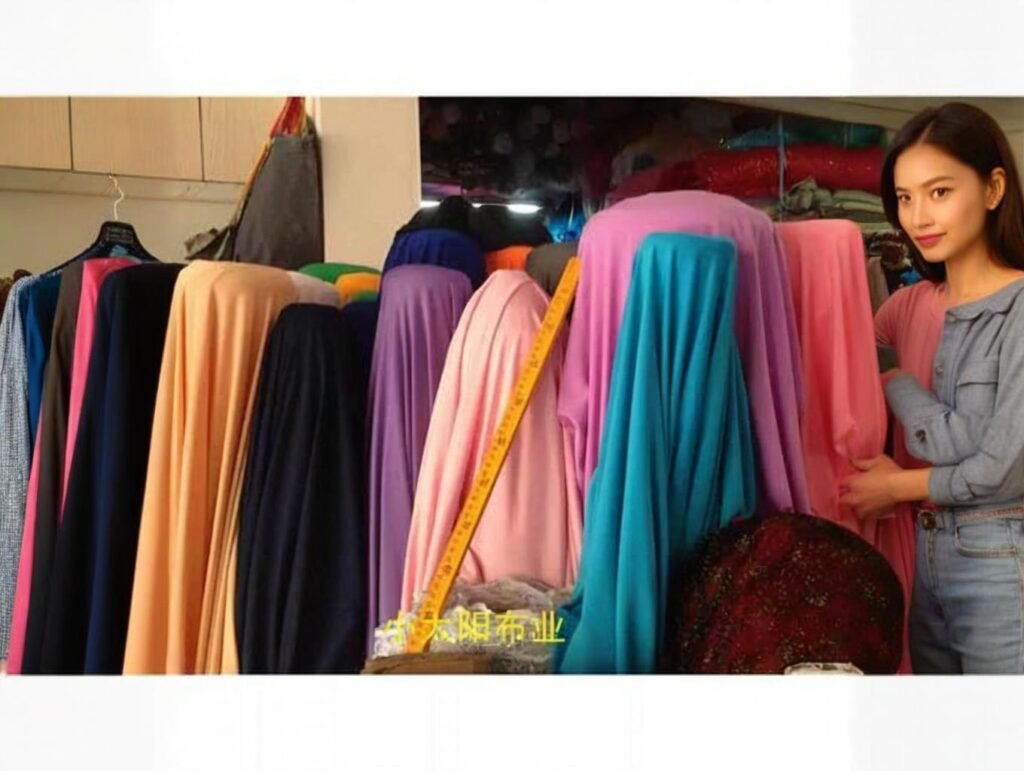
When choosing fabrics for manufacturing, understanding material costs is crucial. Both spandex and cotton are widely used in fashion, sportswear, and everyday apparel, but how do they compare when it comes to price? As more brands seek cost-effective yet high-performance options, the debate over spandex vs. cotton is growing.
Spandex is generally cheaper in terms of production cost compared to cotton, especially in high-performance applications. However, cotton offers superior sustainability and comfort, which could justify a higher price depending on the garment’s end use.
But what does that mean for manufacturers and consumers alike? A cotton fabric blend might cost more upfront, but its benefits in comfort and breathability could appeal to specific markets. Meanwhile, spandex may excel in activewear and compression garments due to its durability and stretch, often at a more affordable price point. Whether you’re a fashion designer, a large brand, or a small business, understanding the true costs of each fabric is key to making an informed choice.
Let’s explore the factors that contribute to the price difference and how both fibers are priced within the broader textile industry.
1. What Are the Main Cost Drivers of Spandex and Cotton Fabrics?
The price of spandex and cotton can vary based on numerous factors, including raw material availability, manufacturing processes, global demand, and labor costs. Understanding these cost drivers is essential for those looking to source fabric efficiently. The cost of spandex and cotton is influenced by raw materials, production processes, and global market demand. Spandex tends to be cheaper due to lower material costs and faster manufacturing processes.
Key Factors Influencing Fabric Prices
1.1. Raw Material Sourcing
- Cotton: Cotton is a natural fiber that requires agricultural input, including water, land, and labor. The cost of cotton varies greatly depending on the region (e.g., U.S., China, India) and environmental factors like drought or disease.
- Spandex: Spandex, as a synthetic fiber, is derived from petrochemical by-products. Its cost is tied to the price of crude oil and the availability of raw chemicals like PTMEG (polyethylene glycol) and MDI (diisocyanate).
| Material | Raw Cost Drivers | Price Volatility |
|---|---|---|
| Cotton | Agricultural input, water, land | High (weather dependent) |
| Spandex | Petroleum-based chemicals | Moderate (linked to oil price) |
1.2. Production Processes
- Cotton: Requires a lengthy process involving harvesting, ginning, spinning, and dyeing, which can make it more expensive to produce, particularly if organic or high-quality cotton is involved.
- Spandex: Spandex production is typically quicker and involves a chemical polymerization process, which is less labor-intensive. Additionally, dry spinning and melt spinning techniques are cost-effective, particularly when production scales up.
1.3. Energy and Labor Costs
- Cotton: The cost of labor and energy can be high, particularly in cotton-growing countries where mechanization is limited, which can drive up the price of the raw cotton fabric.
- Spandex: The energy costs associated with spandex are more consistent, although synthetic chemical manufacturing can require significant energy. The labor cost is also generally lower due to the automation in spandex production.
1.4. Transportation and Import/Export Costs
- Cotton: Being a natural product, cotton can be subject to more transportation costs, especially when imported from countries where cotton farming is concentrated.
- Spandex: Since spandex is produced in chemical plants, the cost is relatively uniform across regions, but still impacted by tariffs and global trade regulations.
1.5. Case Study: Pricing of Raw Materials in 2023
- Cotton prices fluctuated between $0.90 to $1.10 per pound due to varying demand and climate issues in the U.S.
- Spandex raw materials (e.g., PTMEG) saw price increases of 5% in 2023, primarily due to rising crude oil prices and disruptions in global supply chains.
2. How Do Raw Material Prices for Spandex and Cotton Compare?
While both fibers depend on global supply chains, the raw material costs of spandex and cotton differ significantly due to their natural and synthetic natures. Understanding these price differences helps manufacturers choose between the two, based on their product’s desired qualities. Spandex raw materials, derived from petrochemicals, tend to be more stable and cheaper than cotton, whose prices fluctuate due to agricultural factors like weather and harvest conditions.
Price Breakdown of Raw Materials
2.1. Raw Cotton Prices
- Cotton prices are heavily influenced by global weather patterns, which impact harvest yields. In 2023, the global cotton price reached around $1.05 per pound, but can rise or fall significantly based on factors like floods, droughts, and government subsidies in major cotton-producing countries like the U.S., India, and China.
2.2. Spandex Raw Material Pricing
- Spandex raw materials like PTMEG and MDI are derived from petrochemicals. When crude oil prices increase, the cost of spandex also rises, but at a more predictable rate.
- In 2023, PTMEG prices saw increases of 3–5%, tied to rising oil prices and manufacturing disruptions due to the global energy crisis.
2.3. Comparison of Raw Material Costs Over Time
| Year | Cotton Raw Material Price (per lb) | Spandex Raw Material Price (per lb) |
|---|---|---|
| 2020 | $0.70 – $0.80 | $2.00 – $2.50 |
| 2021 | $0.80 – $1.00 | $2.10 – $2.70 |
| 2022 | $0.90 – $1.10 | $2.30 – $2.90 |
| 2023 | $1.05 | $2.50 – $3.00 |
2.4. The Impact of Supply Chain on Costs
- The cotton market can fluctuate wildly due to unpredictable events like poor harvests or pest outbreaks, which makes it hard to predict prices year over year.
- In contrast, spandex pricing remains relatively stable due to more predictable chemical production and less vulnerability to weather events.
3. Is Cotton More Expensive to Produce Due to Farming and Processing?
Yes, cotton can be more expensive to produce compared to spandex due to its agricultural nature and the various stages involved in its processing. While cotton’s raw material cost might be relatively lower, the overall production process—ranging from cultivation to spinning—can drive up the price. Cotton’s production costs are higher due to agricultural input, processing, and labor costs. The multiple stages involved in cotton farming, ginning, and spinning make it a more expensive option compared to spandex.
The Full Cotton Production Cycle
3.1. Cotton Cultivation Costs
- Labor-Intensive Process: Cotton farming requires significant human labor for planting, harvesting, and maintaining crops. The cost varies based on region, but in regions like India and China, labor is relatively cheaper, while in the U.S., mechanization is higher, reducing labor costs.
- Water Consumption: Cotton is a water-intensive crop, requiring large amounts of water during the growing season. In drought-prone areas, water scarcity can increase the cost of cotton farming.
| Region | Water Usage (gallons per lb) | Cost per Acre (USD) |
|---|---|---|
| India | 2,000–2,500 | $500–$600 |
| USA (Texas) | 1,500–2,000 | $600–$700 |
| China | 1,200–1,500 | $400–$500 |
3.2. Cotton Processing Costs
- Ginning: After harvest, cotton must go through ginning, a process that separates the fiber from the seeds. This adds another cost layer to cotton production.
- Spinning and Dyeing: Spinning and dyeing cotton to make fabric can be expensive, especially for high-quality or organic cotton, which often requires special treatments and additional steps.
3.3. Cotton vs. Spandex Labor and Manufacturing
While cotton production involves manual labor in farming, spandex production is far more automated in the manufacturing process. Spandex fibers are made through chemical reactions rather than agricultural processes, leading to less labor and a more controlled environment.
3.4. Real-World Example: Cotton Production in India
In India, cotton farming and processing take around 10–12 months from planting to ginning. The labor cost per kilogram of cotton produced is about $0.80–$1.00, whereas spandex requires far fewer labor inputs and is generally manufactured in chemical plants with fewer manual labor costs.
4. Do Synthetic Fibers Like Spandex Have Lower Long-Term Production Costs?
Yes, synthetic fibers like spandex typically have lower long-term production costs compared to natural fibers like cotton. The manufacturing process for spandex is more energy-intensive but is generally faster and more predictable, which leads to lower costs over time. Synthetic fibers like spandex are cheaper in the long run due to faster production cycles, lower labor costs, and the ability to produce high volumes with consistent quality.
Long-Term Cost Analysis of Spandex Production
4.1. Speed of Production
Spandex production involves chemical polymerization followed by spinning. Once the polymerization process is complete, spandex can be spun into fiber in a matter of hours, allowing manufacturers to produce large quantities at a faster pace. This contrasts with cotton, where the growing season and multiple stages of processing lengthen production time.
| Step | Spandex Production Time | Cotton Production Time |
|---|---|---|
| Fiber Creation | 1–2 days | 10–12 months |
| Spinning | 1–2 days | 1–2 weeks |
| Dyeing/Finishing | 3–4 days | 1–2 weeks |
4.2. Efficiency in Raw Material Use
- Spandex: Spandex fibers are produced using chemical processes that are more efficient in terms of raw material use.
- Cotton: In cotton farming, a significant percentage of the plant is discarded as waste. Additionally, the fiber quality can fluctuate based on growing conditions.
4.3. Automation and Labor Costs
Spandex production utilizes highly automated systems in factories, reducing labor costs and improving consistency. In contrast, cotton’s agricultural origins require more human input, both in the field and in the factory.
- Spandex factories: Typically 90% automated, with minimal human intervention once the polymer is ready.
- Cotton factories: Labor-intensive at the farm level and in the ginning/spinning processes, requiring more hands-on management.
4.4. Energy Usage in Manufacturing
Though the process for producing spandex can be energy-intensive due to chemical reactions and heat requirements, it is often more consistent and easier to scale than cotton farming, where energy use fluctuates based on agricultural inputs.
| Material | Energy Consumption (per ton) | Energy Cost Impact |
|---|---|---|
| Spandex | High (due to chemical processing) | Lower long-term due to efficient scaling |
| Cotton | Moderate (agricultural + processing) | High initial energy for farming and ginning |
4.5. Environmental Considerations
While spandex production is more efficient, sustainability concerns around synthetic fibers remain significant. The key issue is the non-biodegradability of spandex, which makes recycling and disposal more difficult compared to cotton, which is biodegradable.
4.6. Example: Spandex Production Costs vs. Cotton Farming
A spandex manufacturer in China can produce 500 tons of spandex per month for a unit cost of about $3.50 per kg (due to scale). In contrast, cotton farming and processing costs vary greatly but can average $4.50–$6.00 per kg when accounting for all stages of production.
5. Which Fabric Offers Better Value for Apparel Manufacturing: Cotton or Spandex?
The value of cotton vs. spandex depends on use case and end-user preferences. Both fabrics have their advantages: cotton is renowned for its comfort, breathability, and eco-friendliness, while spandex is celebrated for its elasticity, durability, and ability to retain shape. Understanding where each fabric excels can help brands decide which material provides the best value for money in apparel production. Cotton offers great value for comfort and eco-conscious products, while spandex provides higher performance and durability at a lower cost. The better value depends on the garment’s purpose.
Understanding Fabric Value in Apparel
5.1. Cotton Value in Everyday Apparel
- Comfort: Cotton’s natural fibers make it extremely comfortable for daily wear, especially in warm climates due to its breathability.
- Eco-Friendliness: Organic cotton and sustainable farming methods add value, as consumers demand more sustainable options.
- Price Range: Cotton is usually more expensive than synthetic fibers but can still be cost-effective for high-volume products, especially when the garment’s longevity is not a priority.
5.2. Spandex Value in Performance Apparel
- Elasticity & Durability: Spandex delivers stretch, shape retention, and durability, ideal for performance-based clothing like activewear, compression garments, and swimwear.
- Lower Production Costs: Since spandex is more affordable to produce, it provides great value for high-stretch applications. This is especially true for gym wear, swimwear, and athleisure, where performance matters.
- Price Range: Although spandex’s base cost is typically lower, its added elasticity makes it a high-performing fabric choice for items requiring long-term resilience.
5.3. Case Study: Value in Activewear
An activewear brand tested two sets of leggings:
- Set 1: Cotton-spandex blend (92% cotton, 8% spandex) – $15 per unit.
- Set 2: Polyester-spandex blend (88% polyester, 12% spandex) – $10 per unit.
- Outcome: The polyester-spandex blend, while slightly cheaper, outperformed in terms of moisture-wicking and shape retention for high-performance activities like running and yoga.
5.4. Environmental Value: Cotton vs. Spandex
- Cotton: Environmentally, cotton is biodegradable, but it requires more water, land, and chemical inputs (for non-organic cotton) during farming.
- Spandex: Spandex is non-biodegradable and has higher environmental impact during its production. However, recycled polyester spandex blends offer a sustainable option.
6. How Do Global Market Trends Affect the Price of Cotton and Spandex?
Global market trends and economic factors heavily influence the cost of raw materials like cotton and spandex. Supply and demand, trade tariffs, and agricultural conditions can all lead to price fluctuations for both fabrics. Understanding these trends helps manufacturers plan for market volatility and cost-effective sourcing. Global supply and demand, trade policies, and environmental factors influence the price of cotton and spandex. Cotton prices are often impacted by climate events, while spandex prices are linked to oil prices.
External Forces on Fabric Prices
6.1. Cotton Price Fluctuations Due to Weather and Crop Yields
- Climate: Cotton production is sensitive to climate. Droughts, floods, or other extreme weather events in key cotton-growing regions (e.g., the U.S., India, China) can significantly affect supply and price.
- Market Demand: Global demand for natural fibers and sustainable products often boosts cotton prices, particularly when more brands shift to organic cotton.
6.2. Spandex Price Trends Tied to Oil Prices
- Oil Dependency: As a synthetic fiber, spandex is made from petrochemical derivatives, meaning its price is directly tied to oil and natural gas fluctuations.
- Global Demand: The rise of athleisure and performance fabrics has driven increased demand for spandex in activewear, swimwear, and shapewear, which may cause price increases during times of high demand.
6.3. Political and Trade Influences on Cotton and Spandex Pricing
- Trade Tariffs: Tariffs imposed on countries like China (the world’s largest cotton producer) or India can impact cotton costs globally.
- Sustainability Initiatives: Global movements toward sustainability are driving demand for organic cotton and recycled spandex, potentially raising the price of these eco-friendly options.
6.4. Forecasting Material Costs in 2024 and Beyond
- Cotton prices are forecasted to rise 3–5% in 2024 due to decreasing global harvest yields and increased organic cotton demand.
- Spandex prices will likely remain stable unless there is a significant oil price spike or supply chain disruptions.
6.5. Real-World Example: 2023 Price Volatility
In 2023, cotton prices spiked by 15% after major floods in Pakistan, while spandex prices remained stable despite rising global crude oil prices. However, recycled polyester-spandex blends saw an uptick in demand, reflecting a growing interest in sustainability among brands.
7. Are Cotton-Spandex Blends More Cost-Effective Than 100% Cotton or Spandex?
When it comes to manufacturing apparel, blended fabrics like cotton-spandex are often more cost-effective than using either 100% cotton or 100% spandex alone. These blends balance the advantages of both fibers—combining the comfort and breathability of cotton with the elasticity and shape retention of spandex—while often maintaining a manageable cost per unit. Cotton-spandex blends tend to be more cost-effective than 100% cotton or spandex. They offer the best of both worlds: comfort from cotton and stretch from spandex, without a significant price increase.
The Benefits of Cotton-Spandex Blends
7.1. The Advantages of Blends
- Balanced Cost: Cotton alone can be costly due to its agriculture-based production and the additional processing steps. Spandex alone, while cheaper, may lack the desired comfort for everyday wear.
- Stretch and Comfort: Cotton-spandex blends give garments the soft, breathable feel of cotton, while providing the stretch and recovery of spandex—making them ideal for activewear and shapewear.
- Wider Use Cases: The blend’s properties make it suitable for a broader range of products, from casual wear to performance gear.
7.2. Production Cost Comparison
| Fabric Type | Cost per Unit (approx.) | Key Characteristics |
|---|---|---|
| 100% Cotton | High | Soft, breathable, eco-friendly |
| 100% Spandex | Low | Stretchy, durable, high elasticity |
| Cotton-Spandex Blend | Moderate | Comfort + stretch, durable, cost-effective |
7.3. Durability vs. Comfort in Blends
- Durability: Blending cotton with spandex improves the long-term durability of garments, preventing the cotton from losing its shape after multiple washes.
- Comfort: The softness of cotton, combined with spandex’s ability to mold and stretch, makes this blend incredibly comfortable for everyday use.
7.4. Use Case Scenarios for Cotton-Spandex Blends
- Activewear: Blended fabrics are used in yoga pants, compression shirts, and sports bras, where both stretch and comfort are critical.
- Casual Wear: T-shirts, leggings, and lounge pants made with cotton-spandex blends offer all-day wearability without losing their shape.
- Shapewear: The combination of cotton’s softness and spandex’s elasticity creates garments that provide smoothness and compression.
7.5. Real-World Example: Cost Benefits for Brands
A fashion retailer producing leggings tested a 92% cotton/8% spandex blend for their new line. While 100% cotton was costlier by $2 per pair, the cotton-spandex blend performed better in terms of stretch retention and customer satisfaction, leading to increased sales. Additionally, the garment’s longevity and fit improved, resulting in fewer returns and lower overall costs.
8. What Should You Consider When Choosing Between Cotton, Spandex, or Blends for Your Product?
When selecting between cotton, spandex, or blended fabrics, several factors should be taken into account: the desired functionality, product longevity, cost constraints, and the target customer. Understanding these factors helps in making the best material choice for your garment’s performance and cost-effectiveness. When choosing between cotton, spandex, or blends, consider comfort, durability, cost, target market, and garment function. Blends often offer the best balance of comfort and performance.
Decision-Making Factors
8.1. Garment Function
- Performance: If the garment needs to stretch or compress, spandex or a spandex blend is necessary. For activewear or sportswear, the focus is on elasticity and moisture management, making spandex and its blends a better choice.
- Comfort and Breathability: If comfort and softness are the priority, cotton or cotton-spandex blends are ideal. For casualwear, cotton’s breathability and natural feel make it a top choice.
- Eco-Conscious Consumers: Organic cotton or recycled polyester blends may be more appealing to environmentally-conscious consumers, especially when paired with spandex for functionality.
8.2. Price Sensitivity
- Cost per Unit: If you need to keep the unit cost low, spandex (alone or in blends) is a more affordable option. Cotton can be more expensive due to farming costs and processing.
- Long-Term Value: Consider the lifetime of the product. Spandex helps garments maintain their shape and elasticity, which can extend the wear time of garments and reduce returns.
8.3. Customer Experience
- Comfort: Customers purchasing underwear, sleepwear, or loungewear will likely prioritize cotton blends for their soft touch.
- Durability and Performance: Active consumers will appreciate spandex blends for their stretch and compression properties, which help in activities such as yoga or running.
8.4. Brand Image and Sustainability
If sustainability is key to your brand, consider offering products made from organic cotton, recycled polyester, or eco-friendly spandex blends. Incorporating environmentally friendly materials can help build a strong brand identity and appeal to eco-conscious buyers.
8.5. Real-World Example: A Multi-Functional Activewear Brand
An activewear brand recently shifted from 100% cotton leggings to cotton-spandex blends for their product line. They saw:
- Improved product lifespan (less shrinkage)
- Enhanced fit for active users
- Customer satisfaction ratings increased by 15%
- Cost reduction by 20% in material procurement
Making the Right Fabric Choice for Your Product
Choosing between cotton, spandex, or a blend depends on performance needs, cost constraints, and sustainability goals. Each material has its unique advantages—cotton offers comfort and eco-appeal, while spandex brings durability and flexibility. Blending the two can offer an ideal balance for most apparel, providing value without sacrificing quality.
At SzoneierFabrics, we understand the delicate balance of choosing the right fabric for your brand’s needs. Whether you’re looking for performance fabrics for activewear or comfortable loungewear materials, we provide customized solutions that align with your brand values and product objectives.
Ready to create your ideal fabric blend? Contact SzoneierFabrics today to discuss custom fabric solutions, sample development, and low-MOQ manufacturing tailored to your needs. Let’s create the perfect fabric for your next collection!

Can't find the answers?
No worries, please contact us and we will answer all the questions you have during the whole process of bag customization.
Make A Sample First?
If you have your own artwork, logo design files, or just an idea,please provide details about your project requirements, including preferred fabric, color, and customization options,we’re excited to assist you in bringing your bespoke bag designs to life through our sample production process.