 Skip to content
Large Capacity Drawstring Bags for Travel
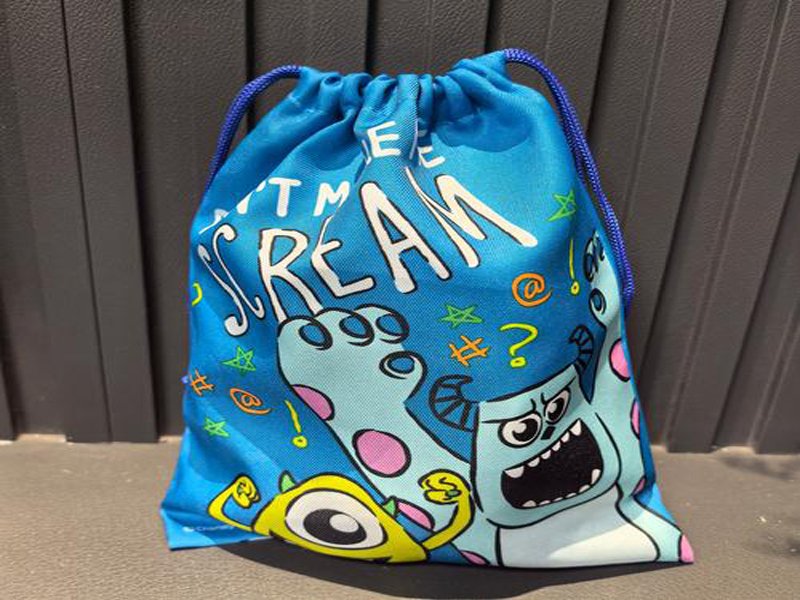
Travel habits have changed. People are moving away from bulky luggage for short trips and looking for lighter, more flexible options that adapt to different situations. That’s where large capacity drawstring bags quietly stepped in and became a practical favorite. They’re simple, easy to carry, and surprisingly capable when designed correctly—but not all of them perform the same.
Large capacity drawstring bags for travel are lightweight, flexible bags typically ranging from 15 to 30 liters or more, designed to carry clothing, shoes, and essentials while offering quick access and compact storage. Compared to traditional backpacks or suitcases, they provide faster packing, better portability, and space-saving convenience, especially for short trips, gym travel, or secondary luggage use.
Think about arriving at a destination, pulling out a compact drawstring bag from your suitcase, and instantly having a lightweight day-use bag ready. No extra bulk, no complicated compartments—just a functional solution that works. But behind that simplicity is a lot of design thinking, and once you understand it, you’ll never look at these bags the same way again.
What Defines a Large Capacity Drawstring Bag for Travel?
A large capacity drawstring bag for travel is defined by more than just a bigger body size. It is designed to carry bulkier personal items while still remaining lightweight, flexible, and easy to pack. Compared with a standard drawstring gym sack, a travel-focused version must handle heavier contents, repeated movement, and more varied usage scenarios. This means the bag needs larger internal volume, stronger fabric, reinforced stress points, and better comfort when carried for longer periods.
In practical terms, most large capacity travel drawstring bags fall within the 15L to 30L range, with some extra-large designs reaching 35L or more. This capacity allows users to pack clothing, shoes, towels, toiletries, light gear, travel accessories, or daily essentials for short trips. Unlike rigid luggage or structured backpacks, drawstring travel bags remain soft and compressible, making them useful as secondary travel bags, gym-to-travel bags, beach bags, weekend bags, or lightweight carry bags.
The key value of a large capacity drawstring bag is flexibility. It can be folded flat when empty, packed inside a suitcase, or used as an extra bag during travel. However, increasing capacity also creates new design challenges. A larger bag must support heavier loads without tearing at the corners, deforming at the seams, or becoming uncomfortable on the shoulders. This is why material strength, cord quality, reinforced corners, and body proportions matter just as much as total volume.
Size and Capacity Standards
Capacity is usually the first factor used to define whether a drawstring bag can be considered large enough for travel. Standard promotional drawstring bags are often small and designed for light items. Travel drawstring bags require more usable volume and better load support.
| Capacity Range | Typical Size Category | Common Use Case |
|---|---|---|
| 10–15L | Small | Light daily use, events, basic gym items |
| 15–25L | Medium-Large | Gym, swimming, short trips, day travel |
| 25–35L+ | Extra Large | Weekend travel, beach trips, multi-day use |
A 10–15L drawstring bag may hold a T-shirt, small towel, wallet, phone, and water bottle, but it is usually too limited for travel. A 15–25L bag provides enough room for gym clothes, shoes, toiletries, and small accessories, making it suitable for overnight stays or active daily travel. A 25–35L bag can hold 2–3 sets of clothing, shoes, towel, toiletry pouch, chargers, and other essentials, making it more practical for short trips.
For manufacturers, capacity is not only about increasing height and width. The bag’s depth, bottom shape, fabric flexibility, and opening size all affect usable storage. A tall but narrow bag may look large but become difficult to pack. A wider opening and better bottom structure make the capacity more practical.
Structural Differences from Standard Drawstring Bags
A travel drawstring bag must be stronger than a standard lightweight sack. Regular drawstring bags are often made from thin polyester, non-woven fabric, or single-layer nylon, and they are mainly designed for light promotional use. Travel versions require a more durable structure because users tend to carry heavier and bulkier contents.
| Feature | Standard Drawstring Bag | Large Capacity Travel Drawstring Bag |
|---|---|---|
| Fabric Thickness | Thin, lightweight | Medium to thick |
| Load Capacity | Low | Medium to high |
| Corner Strength | Basic or unreinforced | Reinforced corners required |
| Opening Size | Standard | Wider for easier packing |
| Durability | Limited | Enhanced for repeated use |
| Carrying Comfort | Basic cord straps | Stronger cords or padded options |
Reinforced corners are especially important because large capacity bags carry more weight. When the bag is loaded, the drawstring cords transfer force to the lower corners. If these corners are weak, the fabric may tear even if the main body material is strong. For travel use, corner patches, grommets, stronger stitching, or webbing loops are often necessary.
Fabric choice also changes. Instead of thin 190T or 210D polyester, travel drawstring bags often use 420D polyester, 600D Oxford, nylon, canvas, ripstop fabric, or coated materials. These fabrics provide better abrasion resistance and load-bearing performance while still keeping the bag lighter than a traditional backpack.
Real-World Usage Scenario
A well-designed 25L travel drawstring bag can carry enough items for a short trip or active travel day. For example, a traveler may pack 2–3 sets of lightweight clothes, one pair of shoes, a toiletry kit, a towel, charging cables, sunglasses, and small accessories. For beach or sports travel, the same bag may carry swimwear, sandals, sunscreen, water bottle, towel, and changing clothes.
This makes large capacity drawstring bags practical for several travel situations. They can serve as a secondary luggage bag, a hotel-to-beach bag, a gym-and-travel hybrid bag, or a lightweight day bag during sightseeing. Because they are soft and collapsible, they can also be stored inside a suitcase and used only when needed.
However, real-world travel use also exposes the bag to more stress. It may be placed on airport floors, packed into car trunks, carried for long walking distances, or used in wet outdoor environments. This is why travel drawstring bags need better construction than simple giveaway bags.
Capacity vs Usability Trade-Off
A larger bag offers more storage, but it also creates usability challenges. If the bag is too large without proper reinforcement, it may become uncomfortable, unstable, or prone to failure.
| Factor | Smaller Bag | Large Capacity Bag |
|---|---|---|
| Portability | Very high | Medium |
| Storage Space | Limited | High |
| Flexibility | High | High |
| Comfort Under Load | Low to medium | Depends on design |
| Load Stress | Lower | Higher |
| Packing Convenience | Limited | Better for bulky items |
The main trade-off is comfort. A large drawstring bag can carry more items, but traditional rope straps may dig into the shoulders when the bag is heavily loaded. For this reason, travel versions may need thicker cords, wider straps, padded shoulder sections, or adjustable webbing straps. These improvements help distribute weight more evenly and reduce shoulder pressure.
Another issue is bag shape. If the body is too wide or too tall without internal structure, items may shift during movement. This can make the bag feel unstable. A better travel design may include a slightly reinforced bottom, side seams, or internal pocket systems to keep items better organized.
Material Requirements for Travel Use
Material selection plays a major role in defining a large capacity travel drawstring bag. The fabric must be strong enough to support load but not so heavy that it reduces portability.
| Material | Advantage for Travel Bags | Best Use |
|---|---|---|
| 420D Polyester | Lightweight and affordable | Budget travel bags |
| 600D Oxford | Strong, stable, cost-effective | General travel and sports bags |
| Nylon | Lightweight with high strength | Premium travel drawstring bags |
| Ripstop Fabric | Tear-resistant and light | Outdoor travel bags |
| Canvas | Structured and durable | Lifestyle or casual travel bags |
| TPU/PVC Coated Fabric | Water-resistant or waterproof | Beach, outdoor, and wet-use bags |
For most large capacity travel drawstring bags, 600D Oxford is a practical choice because it balances cost, strength, and availability. Nylon is better for buyers who want lighter weight and higher performance. Ripstop fabric is useful when tear resistance matters, especially for outdoor or adventure travel. Canvas creates a more premium casual look but adds more weight.
Water resistance is also important. Travel bags may encounter rain, wet towels, beach sand, or damp clothing. PU-coated or TPU-coated fabrics can help protect contents and extend the life of the bag.
Design Features That Improve Large Capacity Bags
A large capacity drawstring bag becomes more travel-ready when it includes functional design features. These details help improve packing, organization, and user comfort.
Useful features include a wider opening, reinforced bottom corners, front zipper pockets, side mesh pockets, internal small-item pockets, thicker cords, metal or plastic grommets, and water-resistant lining. A shoe compartment can also be valuable for gym and short-trip use, although it increases production complexity.
For retail or branded travel bags, logo placement and finishing details also matter. A large bag has more visible surface area, which makes it suitable for screen printing, heat transfer logos, embroidery, rubber patches, or woven labels. Stronger construction also makes the logo exposure last longer because the bag stays in use for more time.
How Szoneier Optimizes Large Capacity Travel Drawstring Bags
Szoneier optimizes large capacity drawstring bags by balancing volume, material strength, reinforcement, and user comfort. Instead of simply making the bag bigger, the structure is adjusted according to the intended use. A lightweight travel giveaway bag may use cost-efficient polyester with basic reinforced corners, while a premium travel or sports bag may use 600D Oxford, nylon, TPU coating, grommets, and stronger stitching.
For brands developing custom travel drawstring bags, Szoneier can help select materials such as nylon, polyester, Oxford fabric, canvas, ripstop fabric, coated fabrics, and recycled textile options. Corner reinforcement, cord thickness, pocket layout, size, color, logo method, and packaging can also be customized to match the target market.
A large capacity drawstring bag for travel is defined by usable volume, practical structure, and reliable load performance. Capacity alone is not enough. A true travel-ready design must carry bulky items comfortably, resist tearing at stress points, and remain easy to pack and use.
The best designs usually fall between 15L and 30L, with reinforced corners, stronger fabrics, larger openings, and thoughtful carrying details. When properly designed, a large capacity drawstring bag can bridge the gap between a simple gym sack and a full backpack, offering travelers a lightweight, flexible, and cost-effective storage solution.
For brands planning to develop travel drawstring bags, the priority should be clear: choose the right capacity, reinforce the right stress points, and match materials to real travel use. This creates a bag that is not only larger, but genuinely more useful and durable.
Why Are Drawstring Bags Used for Travel Instead of Backpacks?
Drawstring bags are widely used for travel because they offer something traditional backpacks cannot always provide: lightweight convenience, flexible packing, and fast access without unnecessary structure. They are not designed to replace backpacks in every situation. A backpack is still better for carrying laptops, heavy loads, long-distance hiking gear, or organized multi-compartment storage. However, for short trips, hotel-to-beach use, airport carry extras, gym travel, sightseeing, and backup storage, a drawstring bag often becomes the more practical choice.
The biggest advantage is simplicity. A drawstring travel bag usually weighs only 100–300g, while a standard backpack often weighs 500–1000g before anything is packed inside. For travelers trying to reduce luggage weight, this difference matters. A drawstring bag can be folded flat, placed inside a suitcase, carried as a secondary bag, or used when extra storage is needed during the trip. It gives travelers flexible capacity without adding bulk.
For brands and manufacturers, this is also why travel drawstring bags remain popular in retail, sports, promotional, outdoor, school, and lifestyle markets. They are affordable, customizable, easy to pack, and suitable for many travel situations. When properly designed with stronger fabric, reinforced corners, wider cords, pockets, and water-resistant coatings, a drawstring bag becomes much more than a simple giveaway item. It becomes a lightweight travel accessory with real daily value.
Lightweight and Space-Saving Advantage
Weight is one of the most important reasons travelers choose drawstring bags instead of backpacks. A traditional backpack usually includes padded shoulder straps, zipper compartments, back panels, internal dividers, and sometimes laptop protection. These features are useful, but they also add weight and volume. For short travel scenarios, many users do not need that much structure.
| Bag Type | Average Empty Weight | Travel Impact |
|---|---|---|
| Standard Backpack | 500–1000g | Better support but heavier |
| Lightweight Backpack | 300–600g | Balanced but still structured |
| Drawstring Bag | 100–300g | Very light and easy to pack |
| Large Capacity Drawstring Bag | 200–450g | More storage with moderate weight |
A drawstring bag is especially useful when travelers need an extra bag but do not want to carry a second backpack. For example, someone traveling with a suitcase may pack a folded drawstring bag inside the luggage. Once they arrive, they can use it for sightseeing, shopping, beach trips, gym visits, or laundry separation. The bag takes very little space when not in use, which makes it ideal as a backup travel item.
This space-saving advantage is also important for airlines with strict baggage rules. Travelers often look for flexible bags that can fit under seats, compress inside luggage, or carry overflow items without adding much weight. A soft drawstring bag performs well in these situations because it can adapt to available space more easily than a rigid backpack.
Quick Access and Simplicity
Another reason drawstring bags are used for travel is quick access. A backpack usually requires zippers, compartments, or buckles. This can be useful for organization, but it also slows down access. A drawstring bag uses a simple pull-cord closure, allowing users to open and close the bag quickly.
This is valuable during travel because users often need to access items repeatedly: sunglasses, sunscreen, snacks, travel documents, headphones, towels, water bottles, or light clothing. A simple open-close system reduces friction during use.
The drawstring closure also has fewer mechanical failure points. Zippers can jam, break, or fail under pressure. Buckles can crack. A drawstring system is simpler, cheaper to maintain, and easier to repair. For many travel applications, especially casual or short-term use, this simplicity is a strength.
However, simplicity should not mean poor design. A good travel drawstring bag still needs a smooth cord channel, durable cord material, reinforced bottom corners, and proper stitching. If the cord is too thin, it may dig into the shoulders. If the channel is poorly sewn, the bag may be difficult to close. If the corners are weak, the cord can tear through the fabric. This is why manufacturing quality matters even for simple-looking products.
Foldability and Storage Efficiency
Foldability is one of the strongest advantages of drawstring bags in travel. Unlike backpacks, which usually maintain a fixed shape, drawstring bags can be folded, rolled, compressed, or packed into small spaces.
| Feature | Drawstring Bag Benefit |
|---|---|
| Foldable design | Saves luggage space and works as a backup bag |
| Soft structure | Fits into suitcase corners, pockets, or tight compartments |
| Low weight | Easy to carry without increasing baggage burden |
| Flexible body | Adapts to irregular items such as towels, shoes, or clothing |
This makes drawstring bags especially useful for travelers who need temporary storage. A beach traveler can use one for wet clothes and towels. A business traveler can use one for gym clothes after work. A family traveler can use one for children’s toys, snacks, or spare clothing. A shopper can use one as an extra carry bag during the trip.
Backpacks are usually better for structured carry, but drawstring bags are better for flexible storage. The bag can expand when needed and disappear into luggage when not needed. This “use only when necessary” function is one of the key reasons travelers keep drawstring bags as secondary bags.
Backpack vs Drawstring Bag Comparison
Backpacks and drawstring bags serve different travel purposes. The right choice depends on whether the user prioritizes support, organization, weight, or flexibility.
| Feature | Backpack | Drawstring Bag |
|---|---|---|
| Structure | More rigid and supportive | Flexible and soft |
| Capacity | High | Medium to medium-high |
| Empty Weight | Heavier | Lightweight |
| Accessibility | Medium, depending on compartments | High and simple |
| Organization | Strong | Basic unless pockets are added |
| Foldability | Limited | Excellent |
| Cost | Higher | Lower |
| Best Use | Long travel, laptops, heavy loads | Short trips, backup storage, casual travel |
A backpack is better when the traveler needs to carry heavier items for a long time. It provides better shoulder support, back padding, load distribution, and compartment separation. This makes it suitable for laptops, camera gear, hiking equipment, books, and long airport transfers.
A drawstring bag is better when the traveler needs something lighter, simpler, and easier to store. It is especially useful for day trips, beach use, hotel storage, laundry separation, shopping, gym sessions, and short sightseeing routes.
The key point is that drawstring bags are not better than backpacks in every way. They are better in specific travel scenarios where lightweight flexibility matters more than structure.
Best Travel Scenarios for Drawstring Bags
Drawstring bags work particularly well in travel situations where the user needs temporary, flexible, and lightweight storage.
| Travel Scenario | Why Drawstring Bags Work Well |
|---|---|
| Beach Trips | Holds towels, sandals, sunscreen, and wet items |
| Gym During Travel | Separates workout clothes and shoes |
| Sightseeing | Carries light essentials without backpack bulk |
| Shopping | Works as an extra foldable carry bag |
| Hotel Use | Stores laundry, slippers, toiletries, or accessories |
| Short Overnight Trips | Holds clothing and daily essentials |
| Events and Tours | Easy to distribute, carry, and customize |
For beach travel, water-resistant materials such as polyester, nylon, or coated Oxford fabric are useful. For gym travel, a larger 15–25L drawstring bag with reinforced corners is more practical. For retail or tourist products, better logo customization and attractive color matching can improve perceived value.
Design Features That Make Drawstring Bags More Travel-Friendly
A basic drawstring bag may be enough for very light use, but travel versions need better construction. The larger the bag becomes, the more important reinforcement and comfort become.
Useful travel-focused design features include:
| Feature | Benefit |
|---|---|
| Reinforced Corners | Prevents tearing where cords carry load |
| Wider Cords or Webbing Straps | Improves shoulder comfort |
| Water-Resistant Fabric | Protects contents from light rain or wet surfaces |
| Front Zipper Pocket | Stores small items such as keys, phone, or tickets |
| Side Mesh Pocket | Holds water bottle or umbrella |
| Internal Pocket | Keeps valuables separated |
| Larger Opening | Makes packing clothes and shoes easier |
| Lightweight Lining | Improves finish without adding much weight |
These features help close the gap between a simple drawstring sack and a more functional travel bag. The best travel drawstring bags borrow useful features from backpacks while keeping the lightweight and foldable advantages of drawstring construction.
Cost and Customization Advantages
Drawstring bags are also popular in travel-related markets because they are cost-effective and easy to customize. Compared with backpacks, they require less material, fewer components, and simpler construction. This makes them suitable for hotels, travel agencies, gyms, resorts, schools, sports clubs, event organizers, and retail brands.
Customization options can include fabric type, size, cord color, logo printing, embroidery, heat transfer, rubber patches, zipper pockets, reinforced corners, waterproof coatings, and eco-friendly materials. For brands, this creates a strong balance between function and marketing value.
A well-designed custom drawstring bag can be used repeatedly, giving the logo longer exposure. This is especially valuable for travel brands, resorts, outdoor companies, and sports-related businesses.
How Szoneier Develops Travel Drawstring Bags
Szoneier often helps clients combine the advantages of drawstring bags and backpacks by developing hybrid designs. Instead of producing only basic lightweight sacks, Szoneier can adjust structure, fabric, capacity, reinforcement, and functional details according to the target use.
For lightweight travel giveaways, polyester or recycled polyester may be used to control cost. For beach or outdoor travel bags, coated Oxford, nylon, TPU-coated fabric, or waterproof polyester can improve durability and water resistance. For larger capacity travel bags, reinforced corners, stronger cords, grommets, and extra pockets can be added to improve real-world performance.
With experience in fabric development and bag manufacturing, Szoneier focuses on making drawstring bags practical, not overcomplicated. The goal is to keep the product lightweight and flexible while adding the right level of strength and function for travel use.
Drawstring bags are used for travel instead of backpacks because they are lighter, more flexible, easier to store, and faster to access. They are not meant to replace backpacks for heavy loads or long-distance carrying, but they are excellent for short trips, day outings, beach travel, gym use, shopping, and backup storage.
The best travel drawstring bags maintain the simplicity of the original design while improving durability and usability through stronger fabrics, reinforced corners, better cords, pockets, and water-resistant treatments. When designed properly, they bridge the gap between a simple sack and a lightweight travel companion.
For brands developing travel bag products, the opportunity is clear: a drawstring bag does not need to be basic. With the right material, structure, and customization, it can become a practical, reusable, and highly marketable travel accessory.
Which Materials Are Best for Travel Drawstring Bags?
The best materials for travel drawstring bags are those that balance durability, light weight, water resistance, flexibility, and cost. A travel drawstring bag is different from a simple promotional sack because it is expected to carry clothing, shoes, towels, toiletries, electronics, travel accessories, or daily essentials during real movement. It may be packed into luggage, carried through airports, used at the beach, taken to the gym, or exposed to rain, humidity, dust, and repeated folding. For this reason, material selection directly determines how well the bag performs.
In most travel applications, nylon, polyester, Oxford fabric, ripstop fabric, coated fabrics, canvas, and tarpaulin are the most practical choices. Each material has a different advantage. Nylon is strong and lightweight, polyester is stable and cost-effective, Oxford fabric offers a balanced structure, ripstop nylon prevents tearing, canvas creates a more rugged and lifestyle-oriented appearance, while TPU or PVC-coated fabrics provide stronger water protection.
A high-quality travel drawstring bag is rarely made from one material alone. In professional manufacturing, the main body fabric, corner reinforcement, lining, coating, cord, and pocket materials are often selected as a system. For example, a bag may use 600D Oxford for the body, PU coating for water resistance, PU leather or PVC corner patches for reinforcement, and polyester lining for interior finish. This combination delivers better performance than relying on a single fabric.
Core Fabric Materials and Their Performance
The three most common base materials for travel drawstring bags are nylon, polyester, and canvas. These materials are widely used because they are reliable, scalable for mass production, and adaptable to different price levels.
| Material | Key Advantage | Limitation | Best Use |
|---|---|---|---|
| Nylon | High strength, lightweight, flexible | Moderate UV resistance without treatment | Outdoor travel, sports, premium bags |
| Polyester | Cost-effective, stable, good color retention | Slightly lower strength than nylon | Daily travel, promotional travel bags |
| Canvas | Strong, structured, natural appearance | Heavy, lower water resistance unless treated | Urban travel, lifestyle, heavy-load use |
Nylon is often selected when brands want a stronger and lighter travel drawstring bag. It has a good strength-to-weight ratio, which means the bag can carry more without becoming too heavy. This is useful for sports travel, hiking day bags, beach bags, and premium lightweight travel accessories. High-denier nylon, such as 420D, 600D, or ripstop nylon, can provide strong tear resistance while keeping the product flexible.
Polyester is one of the most widely used materials for travel drawstring bags because it offers stable quality at a reasonable cost. It resists shrinking, holds color well, and performs better than nylon under long sun exposure. For hotels, travel agencies, event merchandise, schools, gyms, and retail gift bags, polyester is often the most practical material because it balances price and performance.
Canvas is heavier, but it provides a stronger structure and a more natural appearance. It is suitable for urban-style travel bags, casual weekend bags, reusable retail bags, and lifestyle products. A 12oz–16oz canvas drawstring bag feels more substantial than thin polyester, but it needs wax treatment, lining, or coating if water resistance is important.
Waterproof and Coated Fabrics
Travel is unpredictable. A bag may face rain, wet towels, spilled drinks, beach sand, or damp hotel floors. For this reason, coated fabrics are especially important in travel drawstring bag development. Coatings enhance the fabric’s ability to resist water, moisture, abrasion, and dirt.
| Coating Type | Benefit | Application |
|---|---|---|
| PU Coating | Water resistance with good flexibility | General travel bags and daily-use bags |
| PVC Coating | Strong waterproofing and abrasion resistance | Outdoor, beach, and heavy-duty travel bags |
| TPU Coating | Durable, elastic, premium waterproof performance | High-end travel and outdoor bags |
PU coating is common because it improves water resistance without making the fabric too stiff. It is suitable for most daily travel drawstring bags, especially those used for light rain protection or general outdoor use.
PVC coating provides stronger waterproofing and a tougher surface, but it can add weight and reduce softness. It is useful for beach bags, outdoor travel bags, wet/dry bags, and products that need easy cleaning.
TPU coating is often used for premium travel bags because it offers a better balance of flexibility, durability, and water resistance. TPU is more elastic than PVC and can keep the bag softer while still improving protection. It is especially useful for brands targeting outdoor, sports, or higher-end travel markets.
Advanced Materials for Performance Enhancement
For bags that need stronger durability, manufacturers often use upgraded fabrics such as ripstop nylon, Oxford fabric, and tarpaulin. These materials help improve specific performance areas.
| Material | Feature | Benefit |
|---|---|---|
| Ripstop Nylon | Reinforced grid structure | Stops small tears from spreading |
| Oxford Fabric | Basket weave construction | Strong, flexible, cost-effective |
| Tarpaulin | Coated waterproof surface | Excellent water resistance and easy cleaning |
Ripstop nylon is a strong choice for lightweight travel drawstring bags. Its grid structure prevents small tears from expanding, which is useful when the bag is used outdoors or packed with irregular items. It works well for hiking, camping, sports travel, and foldable travel bags.
Oxford fabric is one of the most practical choices for medium to large capacity travel drawstring bags. A 420D or 600D Oxford fabric offers good abrasion resistance, enough structure for heavier contents, and a professional appearance. It is also easier to customize with coatings, prints, pockets, and reinforced corners.
Tarpaulin is best when waterproofing is the main priority. It is often made from PVC-coated polyester and creates a smooth, rugged, water-resistant surface. It is ideal for beach travel, boating, outdoor sports, camping, and wet-condition storage. However, tarpaulin is less breathable and less flexible than standard fabrics, so it should be selected based on the product’s intended use.
Material Selection Strategy
The best material depends on the product’s main priority. A travel drawstring bag designed for airline carry-on backup storage does not need the same material as a waterproof beach bag or a premium outdoor sports bag.
| Priority | Best Material Choice | Reason |
|---|---|---|
| Lightweight travel | Nylon or ripstop nylon | Strong and easy to carry |
| Budget-friendly production | Polyester | Stable, affordable, scalable |
| Waterproof protection | TPU/PVC-coated fabric or tarpaulin | Protects contents from moisture |
| Better structure | Canvas or 600D Oxford | Holds shape better under load |
| Outdoor durability | Ripstop nylon + PU/TPU coating | Tear resistance and weather protection |
| Premium retail feel | Nylon, coated Oxford, or canvas blend | Better hand feel and perceived value |
For a lightweight travel giveaway bag, 210D or 300D polyester may be enough. For a reusable travel drawstring bag, 420D polyester or 600D Oxford is usually more reliable. For a premium sports travel bag, ripstop nylon or coated nylon can offer better durability and user comfort. For outdoor waterproof products, TPU-coated fabric or tarpaulin may be the better choice.
Reinforcement Materials Also Matter
The main fabric is only part of the material decision. Travel drawstring bags usually carry more weight than standard drawstring bags, so reinforcement materials are also important. The lower corners, cord exits, and bottom seams are high-stress areas.
Common reinforcement materials include PU leather, PVC patches, Oxford fabric, nylon webbing, canvas patches, and metal or plastic grommets. These details help prevent tearing where the cords pull against the bag. For a large capacity travel drawstring bag, reinforced corners are strongly recommended because the bag may carry shoes, clothes, towels, and personal items weighing 5–10 kg or more.
A strong body fabric without reinforced corners can still fail early. This is why better travel designs use a system approach: durable body fabric, protective coating, strong cord, reinforced corners, and reliable stitching.
How Szoneier Selects Materials for Travel Drawstring Bags
At Szoneier, material selection is customized according to travel scenarios, target market, expected load, and brand positioning. For cost-sensitive projects, polyester or Oxford fabric can provide reliable performance while keeping production affordable. For premium lightweight bags, nylon or ripstop nylon can improve strength and portability. For beach, outdoor, and wet-condition use, TPU-coated fabric, PVC-coated fabric, or tarpaulin can improve water protection.
Szoneier can also help customize fabric weight, color, coating, corner reinforcement, cord type, logo method, pockets, lining, and packaging. This allows brands to develop travel drawstring bags that are not only attractive but also practical in real use.
The best material for a travel drawstring bag depends on how the bag will be used. Nylon is ideal for lightweight strength, polyester is excellent for cost-effective daily travel bags, canvas works well for structured lifestyle designs, Oxford fabric offers balanced durability, ripstop fabric improves tear resistance, and coated materials provide better water protection.
For most brands, the strongest solution is not one material alone but a smart material combination. A well-designed travel drawstring bag should use the right base fabric, proper coating, reinforced stress points, and suitable cords. When these elements work together, the bag becomes lightweight, durable, flexible, and reliable enough for real travel conditions.
How Do Large Capacity Drawstring Bags Improve Travel Efficiency?
Large capacity drawstring bags improve travel efficiency by making packing simpler, reducing unnecessary bag weight, and giving travelers a flexible storage option that adapts to changing situations. Unlike rigid luggage or structured backpacks, a drawstring bag does not force users to organize every item into fixed compartments. Instead, it creates an open, easy-access space that can hold clothing, shoes, towels, toiletries, light gear, or daily travel essentials with minimal effort.
For many travelers, efficiency is not only about carrying more items. It is about carrying the right items with less friction. A large capacity drawstring bag can be used as a secondary travel bag, gym bag, beach bag, laundry bag, shopping bag, daypack, or overflow storage bag during a trip. This multi-purpose value is why travel drawstring bags are increasingly popular for short trips, resort use, sports travel, student travel, weekend getaways, and promotional travel programs.
A well-designed large capacity drawstring bag typically ranges from 15L to 30L or more. This gives users enough room for bulky travel items while still keeping the bag lightweight and foldable. However, capacity alone does not create efficiency. The bag must also have the right fabric, reinforced corners, strong cords, practical pocket layout, and comfortable carrying structure. Without these details, a larger bag may become overloaded, uncomfortable, or easy to damage.
Faster Packing and Unpacking
One of the most obvious efficiency benefits of a large capacity drawstring bag is faster packing and unpacking. Traditional backpacks often include several compartments, zipper pockets, laptop sleeves, hidden sections, and internal dividers. These features are useful for organization, but they can slow down packing when the user only needs to carry soft or bulky items.
A drawstring bag uses a simpler structure. The top opening is usually wide, and the closure system is fast. Users can place clothing, shoes, towels, toiletries, or accessories into the main space without spending too much time sorting every item.
| Action | Approximate Time Required | Reason |
|---|---|---|
| Packing a structured backpack | 5–10 minutes | Multiple compartments require sorting |
| Packing a large drawstring bag | 2–5 minutes | Open cavity allows faster loading |
| Unpacking a backpack | 3–6 minutes | Items may be spread across pockets |
| Unpacking a drawstring bag | 1–3 minutes | Items are easier to remove at once |
This matters during short trips or active travel days. For example, a traveler preparing for a beach outing may need to pack a towel, swimwear, sunscreen, sandals, sunglasses, and a water bottle. A structured backpack may require separating items by pocket, while a drawstring bag allows everything to be packed quickly and accessed easily.
The same advantage applies when travelers need to leave a hotel quickly, change clothes after the gym, or separate used clothing from clean luggage. The simpler the packing process, the less time is wasted managing the bag itself.
Multi-Purpose Use During Travel
A large capacity drawstring bag can replace several smaller bags during a trip. This is one of its strongest efficiency advantages. Instead of carrying a separate gym bag, laundry bag, shopping tote, beach bag, and daypack, travelers can use one flexible drawstring bag for multiple purposes.
Common travel uses include:
| Use Case | How the Bag Helps |
|---|---|
| Daypack | Carries wallet, phone, water bottle, light jacket, and snacks |
| Gym Bag | Holds workout clothes, shoes, towel, and bottle |
| Beach Bag | Stores towel, swimwear, sunscreen, sandals, and wet items |
| Laundry Bag | Separates dirty clothes from clean luggage |
| Shopping Bag | Provides extra space for purchases during travel |
| Overflow Bag | Holds extra items when suitcase space is limited |
| Event Bag | Carries brochures, gifts, samples, or travel documents |
This versatility reduces the number of bags a traveler needs to bring. For airlines, trains, road trips, resorts, schools, sports teams, and travel events, this can be especially practical. A large drawstring bag is easy to distribute, easy to pack, and useful across different situations.
For brands, this multi-purpose function also increases product value. A bag that can be reused during travel has more logo exposure than a bag used only once. This is why hotels, gyms, sports clubs, travel agencies, schools, and promotional product companies often choose large capacity drawstring bags as branded merchandise.
Space Optimization in Luggage
Travel efficiency also depends on how well a bag works when it is not being used. A backpack or duffel bag usually has fixed structure, padding, zippers, and thicker panels. Even when empty, it takes up space. A drawstring bag, by contrast, can be folded flat or rolled into a small shape.
| Feature | Benefit |
|---|---|
| Flexible structure | Fits into suitcase corners or tight luggage gaps |
| Foldable body | Saves space when not in use |
| Soft construction | Adapts to irregular items |
| Lightweight fabric | Reduces total travel weight |
| Expandable shape | Adjusts to different load sizes |
This is especially useful for travelers who want a backup bag. They can pack the drawstring bag inside their main luggage and use it only when needed. If they buy extra items during the trip, visit the beach, go to the gym, or need a separate laundry bag, the drawstring bag becomes immediately useful.
A large capacity drawstring bag also adapts well to irregular items. Shoes, towels, jackets, souvenirs, and sports accessories often do not fit neatly into rigid compartments. A soft bag can expand around these items more naturally, making packing easier and reducing wasted space.
Reduced Travel Weight
Weight reduction is another important part of travel efficiency. A traditional backpack may weigh 500–1000g before anything is packed inside. A large capacity drawstring bag often weighs only 200–450g, depending on fabric, lining, reinforcement, and pocket design.
| Bag Type | Typical Empty Weight | Travel Impact |
|---|---|---|
| Standard backpack | 500–1000g | Better structure but heavier |
| Lightweight backpack | 300–600g | Balanced but still more structured |
| Large drawstring bag | 200–450g | Lighter and easier to pack |
| Basic drawstring sack | 100–250g | Very light but lower durability |
For travelers trying to avoid excess baggage weight, this difference matters. A lighter bag allows more of the weight allowance to be used for actual contents rather than bag structure. This can be valuable for short flights, budget airlines, student travel, sports trips, or minimalist packing.
However, weight reduction should not come at the cost of durability. A travel drawstring bag must still be strong enough to carry heavier contents. Materials such as 420D polyester, 600D Oxford, ripstop nylon, coated polyester, or lightweight nylon are often used to balance strength and weight.
Efficiency vs Functionality
Although large capacity drawstring bags improve efficiency, they do have limitations. Compared with structured backpacks, they usually provide less organization and less back support. This means the best designs must balance simplicity with functional upgrades.
| Factor | Traditional Backpack | Large Capacity Drawstring Bag |
|---|---|---|
| Packing Speed | Medium | Fast |
| Flexibility | Lower | High |
| Empty Weight | Higher | Low |
| Organization | High | Medium |
| Foldability | Limited | Excellent |
| Comfort Under Heavy Load | High | Medium, depending on straps |
| Cost | Higher | Lower to medium |
A backpack is better when travelers need to carry laptops, cameras, books, or heavy equipment for long periods. A drawstring bag is better when travelers need quick storage, light-to-medium load capacity, and flexible use.
For this reason, large capacity travel drawstring bags are not designed to compete directly with backpacks in every situation. Their advantage is practical simplicity. They are most efficient when users need a lightweight, flexible, easy-to-access bag for short-term or secondary use.
Smart Features That Improve Travel Efficiency
Modern drawstring bags can be upgraded with simple features that improve travel usability without making the design too complicated. These features help solve the weaknesses of traditional drawstring sacks while keeping the lightweight advantage.
Useful design upgrades include:
| Feature | Travel Efficiency Benefit |
|---|---|
| Internal pocket | Keeps phone, wallet, keys, or passport separate |
| Front zipper pocket | Provides quick access to small items |
| Side mesh pocket | Holds water bottle or umbrella |
| Reinforced corners | Prevents tearing under heavier loads |
| Wider cords or straps | Improves shoulder comfort |
| Water-resistant coating | Protects contents from rain or spills |
| Shoe compartment | Separates shoes from clothes |
| Lightweight lining | Improves finish and protects fabric interior |
These details make a large capacity drawstring bag more practical for travel. For example, an internal pocket prevents small valuables from sinking to the bottom. A front zipper pocket allows quick access to tickets, earphones, or charging cables. Reinforced corners allow the bag to carry heavier items more safely. Water-resistant fabric protects clothes and accessories from light rain or damp surfaces.
The goal is not to turn the drawstring bag into a complicated backpack. The goal is to keep the bag simple while adding the features that genuinely improve daily travel use.
How Szoneier Enhances Travel Drawstring Bag Efficiency
Szoneier often improves travel drawstring bag efficiency by optimizing material, capacity, structure, and functional layout together. For lightweight travel projects, polyester or nylon fabrics can reduce weight while maintaining basic durability. For more durable travel bags, 600D Oxford, ripstop fabric, coated polyester, TPU-coated material, or reinforced nylon can be used.
Reinforced corners are especially important for larger capacity bags because they carry more weight. Szoneier can add corner patches, grommets, stronger stitching, webbing loops, or thicker cords depending on the expected load. For brands that need more functionality, internal pockets, zipper compartments, water-resistant coatings, shoe storage, mesh side pockets, and custom logo methods can also be developed.
This kind of customization helps brands create travel drawstring bags that are not only lightweight and easy to use, but also durable enough for real travel conditions.
Large capacity drawstring bags improve travel efficiency by making packing faster, reducing bag weight, saving luggage space, and serving multiple purposes during a trip. They are especially useful as secondary travel bags, gym bags, beach bags, daypacks, laundry bags, and flexible storage solutions.
Their main advantage is not maximum structure. Their advantage is practical flexibility. A well-designed large capacity drawstring bag gives travelers enough space for bulky items while remaining lightweight, foldable, and easy to access.
For brands developing travel drawstring bags, the best strategy is to balance simplicity with smart functionality. Strong fabrics, reinforced corners, practical pockets, comfortable cords, and water-resistant treatments can transform a basic drawstring bag into a reliable travel accessory that users actually want to keep and reuse.
What Features Should a Travel Drawstring Bag Include?
A reliable travel drawstring bag is defined by much more than capacity. While size matters, especially for users who need to carry clothes, shoes, towels, toiletries, electronics, or travel accessories, the real performance of the bag comes from its structure, material, comfort, and storage logic. A travel-ready drawstring bag must be lightweight enough for easy carrying, strong enough for repeated use, and practical enough for different travel situations such as beach trips, gym visits, sightseeing, short overnight stays, school tours, sports events, and airport backup storage.
In practical terms, a well-designed travel drawstring bag should be able to handle at least 8–15 kg of load depending on its size and target use. A basic promotional bag may only carry 3–5 kg safely, but travel use is more demanding. Travelers may place shoes, bottles, folded clothes, chargers, towels, and personal items inside the same bag. This creates pressure on the bottom seams, cord anchor points, and shoulder straps. Without proper reinforcement, even a large-capacity bag can fail quickly.
The best travel drawstring bags combine reinforced corners, durable cords, strong fabrics, useful pockets, water-resistant treatment, and secure closures. Each feature should solve a real problem. Adding too many unnecessary details can make the bag heavier, more expensive, and less flexible. The goal is not to make the bag complicated. The goal is to keep the drawstring bag simple while improving durability, organization, protection, and carrying comfort.
Essential Structural Features
Structural features determine whether a travel drawstring bag can survive real use. These details are often less visible than logo printing or color design, but they have a much bigger impact on product lifespan.
| Feature | Function | Impact |
|---|---|---|
| Reinforced corners | Prevent tearing at cord anchor points | Increases durability under load |
| Thick drawstrings | Carry weight more comfortably | Reduces shoulder pressure |
| Double-layer fabric | Adds strength to high-stress areas | Extends product lifespan |
| Reinforced bottom seam | Supports heavier contents | Reduces deformation |
| Strong stitching | Holds structure together | Prevents seam failure |
Reinforced corners are one of the most important features. In a drawstring bag, the cords transfer pulling force directly to the lower corners. If these corners are made from single-layer fabric, the cord can gradually tear through the material. For travel bags, corner patches, grommets, webbing loops, PU leather tabs, or reinforced Oxford patches are often used to improve strength.
Thicker drawstrings are also important. Thin cords may be acceptable for lightweight event bags, but they can dig into the shoulders when the bag carries heavier contents. For travel use, wider cords, braided polyester ropes, or flat webbing straps provide better comfort. Some premium designs add padded shoulder sections to reduce pressure during longer carrying periods.
Double-layer fabric is useful in areas that receive repeated stress, such as the bottom, corners, and opening channel. A travel bag does not need to be fully double-layered everywhere, but key zones should be reinforced. This improves durability without adding too much weight.
Functional Design Features
A travel drawstring bag should remain simple, but it still needs practical organization. Traditional drawstring bags often have one large open compartment. This is fast to pack, but small items can sink to the bottom and become difficult to find. For travel use, adding a few smart pockets can greatly improve usability.
| Feature Type | Benefit |
|---|---|
| External zipper pocket | Quick access to phone, keys, tickets, or earphones |
| Internal pocket | Keeps wallet, passport, or small valuables separate |
| Side mesh pocket | Holds water bottle, umbrella, or sunscreen |
| Shoe compartment | Separates shoes from clothes |
| Wet pocket | Stores damp towels or swimwear |
| Adjustable straps | Improves fit and comfort |
External pockets are especially useful for travel because users often need quick access to small items. A front zipper pocket can hold boarding passes, metro cards, hotel key cards, sunglasses, or charging cables. This prevents users from opening the main compartment repeatedly.
Internal pockets improve organization and security. A small internal zipper pocket is useful for valuables, especially when the bag is used during sightseeing or crowded travel situations. For larger travel drawstring bags, an internal divider can separate clean clothes from accessories.
Side mesh pockets are practical for water bottles, umbrellas, or quick-grab items. This feature is common in backpacks, but it can also be added to drawstring bags without making the design too heavy.
A shoe compartment is useful for gym travel, sports trips, beach use, and overnight packing. However, it increases sewing complexity and material cost, so it should be added only when the target user truly needs it.
Security and Protection Features
Travel bags must protect contents from both environmental conditions and everyday risks. A basic open drawstring closure is convenient, but travel users often need slightly better protection.
| Feature | Purpose |
|---|---|
| Hidden pocket | Helps protect cash, cards, or passport |
| Water-resistant fabric | Protects contents from light rain and spills |
| Strong closure system | Reduces accidental opening |
| Zippered compartments | Adds security for small valuables |
| Anti-friction cord channel | Improves long-term closure performance |
Water resistance is highly valuable for travel drawstring bags. The bag may be used outdoors, near pools, at beaches, on rainy days, or in humid environments. Fabrics such as PU-coated polyester, TPU-coated nylon, PVC-coated Oxford, or tarpaulin can improve protection. For most travel bags, full waterproofing is not always necessary, but water resistance is strongly recommended.
Hidden pockets are useful in crowded places such as airports, train stations, tourist attractions, and events. A hidden back pocket or inner zipper pocket gives users a safer place for small valuables.
Strong closures are also important. The drawstring channel should close smoothly and tightly enough to prevent items from falling out. If the cords are too slippery, too thin, or poorly matched to the fabric channel, the bag may loosen during movement. Better cord quality and proper channel width help solve this issue.
Material Quality and Fabric Selection
Material quality directly affects durability, appearance, and user comfort. For travel drawstring bags, the most common materials include polyester, nylon, Oxford fabric, canvas, ripstop nylon, and coated fabrics.
| Material | Best Use | Key Advantage |
|---|---|---|
| 210D–420D Polyester | Lightweight travel and promotional bags | Affordable and easy to customize |
| 600D Oxford | General travel and sports bags | Durable, stable, and cost-effective |
| Nylon | Premium lightweight travel bags | Strong and flexible |
| Ripstop Nylon | Outdoor travel bags | Tear resistance |
| Canvas | Urban and lifestyle travel bags | Structured and natural appearance |
| TPU/PVC Coated Fabric | Beach and outdoor bags | Better water protection |
For most large-capacity travel drawstring bags, 420D polyester or 600D Oxford offers a strong balance between cost and durability. Nylon is better for lightweight premium bags, while ripstop nylon is suitable for outdoor use. Canvas gives a more lifestyle-oriented look but is heavier and less water-resistant unless treated.
The material should match the intended market. A hotel giveaway bag may not need expensive nylon. A sports travel bag should not use very thin fabric. A beach travel bag should prioritize water resistance and easy cleaning.
Feature Importance Ranking
Not all features carry the same value. Some are essential, while others depend on the target user.
| Feature | Importance Score | Reason |
|---|---|---|
| Reinforced corners | 10/10 | Critical for preventing load-related tearing |
| Material quality | 9/10 | Determines durability, feel, and lifespan |
| Strong cords or straps | 9/10 | Affects comfort and load performance |
| Storage design | 8/10 | Improves travel usability |
| Water resistance | 7/10 | Protects contents in outdoor conditions |
| Hidden pockets | 6/10 | Useful for security, but not always required |
| Shoe compartment | 6/10 | Valuable for gym and sports travel |
| Decorative branding | 5/10 | Important for marketing, but secondary to function |
This ranking shows that structural durability should come before decorative features. A travel drawstring bag with a beautiful logo but weak corners will not satisfy users for long. A stronger bag with practical storage and good material will create better long-term value.
Balancing Features Without Over-Designing
One common mistake in custom travel drawstring bag development is adding too many features. Extra pockets, thick lining, heavy hardware, padded panels, shoe compartments, waterproof zippers, and multiple layers can improve functionality, but they also increase cost, weight, and production complexity.
The best design should be based on real usage. For a lightweight promotional travel bag, reinforced corners, good fabric, and one zipper pocket may be enough. For a sports travel bag, stronger cords, side pockets, and a shoe compartment may be worthwhile. For an outdoor travel bag, waterproof coating, grommets, and reinforced bottom construction may be more important.
At Szoneier, feature selection is tailored to the target user and product positioning. For cost-sensitive projects, the focus may be on essential durability and branding. For retail or premium travel products, more advanced materials, structural upgrades, and functional pockets can be added. The goal is always to make each feature useful, not just decorative.
A good travel drawstring bag should include the right combination of reinforced structure, durable materials, comfortable carrying details, useful storage, and protective features. Reinforced corners, strong cords, quality fabric, and practical pockets are the foundation of a reliable travel-ready product. Water resistance, hidden pockets, side mesh pockets, shoe compartments, and premium branding can be added depending on the target use.
The best travel drawstring bag is not necessarily the one with the most features. It is the one where every feature has a clear purpose. When the structure supports the load, the fabric matches the environment, and the layout supports real travel habits, a simple drawstring bag becomes a practical, reusable, and valuable travel accessory.
How Do Waterproof and Durable Designs Enhance Travel Use?
Waterproof and durable designs enhance travel drawstring bags by solving two of the most common problems travelers face: unpredictable environments and repeated handling. Travel is rarely controlled. A bag may be exposed to rain, beach sand, wet towels, hotel floors, airport surfaces, vehicle trunks, crowded stations, and constant packing or unpacking. A basic drawstring bag may be enough for light indoor use, but travel scenarios demand stronger protection and longer-lasting construction.
A well-designed waterproof travel drawstring bag protects clothing, shoes, electronics, toiletries, documents, and personal accessories from moisture and dirt. At the same time, durable construction ensures the bag can handle repeated use without tearing at the corners, wearing through the fabric, or failing at the seams. This combination is what separates a short-term giveaway sack from a reliable travel accessory.
In practical product development, waterproofing and durability should not be treated as separate features. They work together. Waterproof coatings protect the fabric from moisture, while strong base materials, reinforced seams, and abrasion-resistant surfaces prevent physical damage. For large-capacity drawstring bags, especially those carrying 8–15 kg during travel, both protection and structural strength are essential.
Protection Against Environmental Factors
Travel bags are often used in unpredictable conditions. A user may carry the bag during sudden rain, place it on wet ground, pack damp swimwear inside, or expose it to dust and rough surfaces. Without proper materials and coating, the bag may absorb moisture, become stained, or degrade faster.
| Condition | Risk | Solution |
|---|---|---|
| Rain | Clothing, documents, or electronics may get wet | PU, PVC, or TPU waterproof coating |
| Dirt | Stains, odor, and surface wear | Easy-clean durable outer fabric |
| Friction | Fabric thinning and tearing | Abrasion-resistant polyester, nylon, or Oxford fabric |
| Wet ground | Bottom moisture absorption | Reinforced or coated bottom panel |
| Humidity | Mildew or odor buildup | Water-resistant lining and quick-dry materials |
Rain protection is especially important for travel. Even light rain can damage paper documents, chargers, headphones, clothes, or personal items. A PU-coated polyester or nylon drawstring bag can provide enough water resistance for daily travel. For beach, camping, boating, or outdoor sports use, PVC or TPU-coated fabrics provide stronger waterproof protection.
Dirt resistance also matters. Travel drawstring bags are frequently placed on airport floors, sandy beaches, gym benches, buses, trains, or hotel room corners. A smooth coated surface is easier to wipe clean than untreated cotton or thin fabric. This improves maintenance and keeps the bag looking usable for longer.
Waterproof Materials and Coating Options
Waterproof performance depends heavily on the coating type. The base fabric provides structure, while the coating determines how well the material resists water penetration.
| Coating Type | Main Benefit | Best Application |
|---|---|---|
| PU Coating | Water resistance with good flexibility | General travel, gym, and daily-use bags |
| PVC Coating | Strong waterproofing and abrasion resistance | Beach, outdoor, and heavy-duty travel bags |
| TPU Coating | Premium waterproofing with elasticity | High-end travel, sports, and outdoor products |
| Wax Treatment | Water resistance with natural texture | Canvas lifestyle travel bags |
| Laminated Film | Strong barrier protection | Technical or premium waterproof bags |
PU coating is commonly used because it balances cost, flexibility, and water resistance. It keeps the bag soft and lightweight, making it suitable for general travel use.
PVC coating provides stronger waterproofing and a more rugged surface, but it can make the fabric stiffer. It is suitable for beach bags, outdoor travel bags, wet/dry bags, and products that need easy cleaning.
TPU coating is often used in premium designs because it offers better flexibility than PVC while still providing strong protection. It is a good option for brands targeting higher-end outdoor, sports, or travel markets.
Durability for Long-Term Travel Use
Durability means the bag can continue performing after repeated use. For travel drawstring bags, the main durability risks are corner tearing, seam failure, fabric abrasion, cord damage, and coating wear.
| Durability Factor | Effect |
|---|---|
| High abrasion resistance | Extends lifespan when the bag rubs against floors, luggage, or rough surfaces |
| Strong stitching | Reduces seam failure under repeated load |
| Reinforced corners | Prevents tearing where cords transfer weight |
| Durable cords | Improves load handling and shoulder comfort |
| Coated fabric | Protects against moisture, stains, and surface wear |
| Reinforced bottom | Supports heavier contents and rough ground contact |
A travel drawstring bag may carry shoes, towels, folded clothing, water bottles, toiletries, chargers, and other personal items. These contents can easily weigh 5–10 kg, and larger bags may carry even more. If the bag is made with thin fabric and weak stitching, it may fail quickly.
Reinforced corners are especially important because the drawstring cords pull directly against the lower corner area. For travel use, corner patches, grommets, bar-tack stitching, or webbing loops can significantly improve load performance. A strong fabric body is not enough if the corner structure is weak.
Real-World Travel Scenario
Imagine a traveler taking a day trip in rainy weather. The bag carries a light jacket, phone charger, wallet, snacks, towel, and spare clothes. If the bag is made from untreated thin polyester, rain can soak through quickly. The contents may become wet, the fabric may sag, and the bag may feel uncomfortable to carry.
With a properly designed waterproof drawstring bag, the result is very different. A PU or TPU-coated fabric blocks light rain, reinforced corners keep the cords stable under load, and a coated bottom helps protect the bag when placed on damp ground. If the outer surface gets dirty, the user can wipe it clean instead of washing the entire bag.
This type of performance is especially useful for beach resorts, outdoor tours, school trips, sports travel, camping, gym use, and weekend travel. In these situations, users value reliability more than decorative details.
Waterproof vs Non-Waterproof Performance
The difference between waterproof and non-waterproof designs becomes clear after repeated travel use.
| Feature | Non-Waterproof Bag | Waterproof / Water-Resistant Bag |
|---|---|---|
| Water Protection | Little to none | High, depending on coating |
| Dirt Resistance | Lower | Easier to clean |
| Durability | Medium or limited | Higher with coated fabric |
| Maintenance | Requires more frequent washing | Wipe-clean surface |
| Lifespan | Shorter in wet environments | Longer in travel and outdoor use |
| User Confidence | Lower in unpredictable weather | Higher for daily travel |
Waterproofing is not always necessary for every drawstring bag. A lightweight indoor event bag or simple promotional bag may not need advanced coating. However, for travel-heavy environments, outdoor use, beach use, gym use, or large-capacity bags, water resistance becomes a major advantage.
Balancing Waterproofing and Flexibility
One important point is that stronger waterproofing can sometimes reduce flexibility. A very thick PVC coating may protect well against water, but it can make the bag stiff, heavier, and less foldable. For travel drawstring bags, this can be a problem because flexibility and packability are part of the product’s value.
The best design balances protection and comfort. A lightweight PU-coated polyester bag may be ideal for general travel. A TPU-coated nylon bag may suit premium outdoor use. A PVC-coated tarpaulin bag may be better for beach, boating, or wet-condition storage.
| Design Priority | Recommended Material Direction |
|---|---|
| Lightweight travel | PU-coated polyester or nylon |
| Premium waterproof travel | TPU-coated nylon or Oxford |
| Beach and wet use | PVC-coated fabric or tarpaulin |
| Urban casual travel | Waxed canvas or coated canvas |
| Budget-friendly water resistance | PU-coated polyester |
Over-engineering should be avoided. Not every travel bag needs full waterproof construction. In many cases, water-resistant fabric is enough to protect against light rain, splashes, and damp surfaces.
How Waterproof and Durable Designs Improve Brand Value
For brands, waterproofing and durability also improve perceived value. A drawstring bag that protects contents and lasts longer is more likely to be reused. This is especially important for travel brands, hotels, resorts, gyms, schools, outdoor companies, and promotional product buyers.
A durable waterproof drawstring bag can stay in use for months or years, extending logo exposure and improving customer satisfaction. In contrast, a thin bag that tears or gets soaked quickly may create a poor impression, even if the print design looks attractive.
From a commercial perspective, better construction can support higher pricing and stronger product positioning. Customers are usually more willing to keep and reuse bags that feel practical, protective, and reliable.
How Szoneier Enhances Waterproof and Durable Travel Drawstring Bags
Szoneier integrates waterproofing and durability through a combination of fabric selection, coating technology, reinforcement design, and production control. Depending on the target use, materials may include PU-coated polyester, PVC-coated Oxford, TPU-coated nylon, tarpaulin, ripstop fabric, canvas, or customized fabric blends.
For large-capacity travel drawstring bags, Szoneier can add reinforced corners, grommets, stronger cords, reinforced bottom panels, zipper pockets, internal pockets, and water-resistant linings. The goal is to improve real performance without sacrificing the lightweight and flexible advantages of drawstring bag design.
Waterproof and durable designs make travel drawstring bags more reliable, practical, and valuable. Waterproofing protects contents from rain, spills, humidity, and wet surfaces, while durability ensures the bag can handle repeated packing, carrying, friction, and load stress.
The best travel drawstring bag does not simply use thicker fabric or heavier coating. It uses the right combination of material, coating, reinforcement, stitching, and functional design. When these elements are properly balanced, the result is a lightweight, flexible, protective, and long-lasting travel bag that performs well in real-world conditions.
Which Types of Travel Drawstring Bags Are Most Popular?
The most popular types of large capacity drawstring bags for travel are the designs that solve real travel problems: carrying more without adding much weight, packing quickly, folding flat when not in use, and staying durable under repeated handling. A travel drawstring bag may look simple, but the best-selling categories are usually shaped by practical user habits rather than appearance alone. Travelers want a bag that can move between different scenarios—airport, hotel, gym, beach, city walk, school trip, sports event, or weekend getaway—without feeling bulky or overcomplicated.
In today’s market, the most popular travel drawstring bag types include XL drawstring backpack styles, foldable travel sacks, multi-pocket hybrid drawstring bags, waterproof drawstring bags, sports travel drawstring bags, and lightweight fashion drawstring bags. Each type serves a different need. Some focus on capacity, some on portability, some on organization, and others on weather protection or lifestyle appeal.
For brands, retailers, hotels, gyms, schools, travel agencies, resorts, and promotional product buyers, understanding these categories is important because each type attracts a different customer group. A basic foldable bag may be ideal for travel giveaways, while an XL reinforced drawstring backpack may be better for sports travel or retail sales. A waterproof version may appeal to outdoor users, while a hybrid multi-pocket version can compete with lightweight backpacks in short-trip scenarios.
XL Drawstring Backpack Style
The XL drawstring backpack is one of the most widely used travel drawstring bag types because it offers the strongest balance between capacity and convenience. These bags usually range from 25L to 35L, giving users enough room for clothing, shoes, towels, gym gear, toiletries, and small travel accessories.
| Feature | Benefit |
|---|---|
| Larger capacity, usually 25L–35L | Fits clothing, shoes, towels, and light gear |
| Backpack-style carry | Allows hands-free movement |
| Reinforced cords or straps | Handles heavier loads more safely |
| Wider opening | Makes packing faster and easier |
| Reinforced corners | Reduces tearing under load |
This type is especially popular for gym travel, short trips, sports teams, student travel, beach outings, and casual weekend use. It works well because it provides more room than a standard gym sack while remaining lighter and more flexible than a traditional backpack.
The main design challenge is comfort. As capacity increases, load weight also increases. Thin cords may dig into the shoulders when the bag carries 8–15 kg. For this reason, better XL drawstring backpacks often use wider cords, flat webbing straps, padded strap sections, metal eyelets, reinforced corners, and stronger bottom seams. These details help the bag carry heavier contents without losing the lightweight advantage.
For brands, the XL style also provides a large printable surface, making it suitable for logo printing, sports team branding, resort merchandise, school programs, and retail product lines.
Foldable Travel Drawstring Bags
Foldable travel drawstring bags are popular because they solve a very specific travel problem: extra storage without extra bulk. Many travelers do not want to carry a second backpack or duffel bag, but they still need backup storage for shopping, laundry, beach items, gym clothes, or overflow packing. A foldable drawstring bag can be packed inside luggage and used only when needed.
| Feature | Benefit |
|---|---|
| Ultra-lightweight fabric | Easy to carry as a backup bag |
| Foldable body | Saves suitcase space |
| Compact storage | Fits into luggage pockets or small pouches |
| Soft structure | Adapts to irregular items |
| Low material weight | Ideal for travel promotions and giveaways |
Foldable drawstring bags often use lightweight polyester, nylon, recycled polyester, or ripstop fabric. The typical capacity ranges from 10L to 25L, depending on the target use. They are not always designed for heavy loads, but they are excellent for temporary travel storage.
This type is especially suitable for hotels, resorts, airlines, travel events, student tours, corporate gifts, and outdoor activity programs. The biggest advantage is portability. When empty, the bag can be folded into a compact size. When needed, it becomes an extra carry bag within seconds.
The weakness is durability. If the fabric is too thin or the corners are not reinforced, the bag may not perform well under frequent use. To improve quality while keeping the bag lightweight, manufacturers often add reinforced corners, double stitching, slightly thicker cords, or ripstop fabric. These upgrades can significantly improve usability without making the bag bulky.
Multi-Pocket Hybrid Drawstring Bags
Multi-pocket hybrid drawstring bags are becoming more popular because they address one of the biggest weaknesses of traditional drawstring bags: limited organization. A basic drawstring bag has one main compartment, which is fast and simple but can become messy when users carry small items. Hybrid designs solve this by adding zipper pockets, internal compartments, mesh side pockets, or separate wet/dry sections.
| Feature | Benefit |
|---|---|
| Front zipper pocket | Stores phone, keys, cards, or tickets |
| Internal pocket | Separates valuables from main items |
| Side mesh pocket | Holds water bottle or umbrella |
| Reinforced structure | Improves durability and shape control |
| Larger main compartment | Keeps the packing process simple |
This type is popular among travelers who want the simplicity of a drawstring bag but also need better storage control. It works well for sightseeing, gym travel, school trips, sports events, and daily travel use.
A multi-pocket hybrid bag can also be positioned as a lightweight alternative to a backpack. It is not as structured as a full backpack, but it offers enough organization for users who want quick access to small essentials. For example, a front zipper pocket can hold a phone and wallet, while the main compartment carries clothing or towels.
From a manufacturing perspective, hybrid bags require more planning. Pocket placement, zipper quality, stitching strength, fabric thickness, and reinforcement must be carefully balanced. Too many pockets can increase cost and reduce foldability. The best hybrid designs add only the features that improve real travel use.
Waterproof Travel Drawstring Bags
Waterproof drawstring bags are popular for outdoor travel, beach trips, boating, camping, hiking, and wet-weather use. These bags are usually made from PVC-coated fabric, TPU-coated nylon, tarpaulin, or waterproof polyester. Their main value is protection.
| Feature | Benefit |
|---|---|
| Waterproof or water-resistant fabric | Protects contents from rain and splashes |
| Coated surface | Easy to wipe clean |
| Reinforced bottom | Handles wet ground and rough surfaces |
| Rust-resistant eyelets | Improves performance in humid conditions |
| Sealed or protected seams | Reduces water entry |
This type is especially useful for travelers who carry towels, swimwear, sandals, electronics, or outdoor gear. A waterproof drawstring bag can be used as a beach bag, pool bag, wet/dry bag, or outdoor day bag.
The design needs to balance waterproofing and flexibility. Heavy PVC or tarpaulin can provide strong protection, but it may reduce softness and foldability. TPU-coated nylon offers a more premium balance because it is waterproof, flexible, and lighter. PU-coated polyester is a cost-effective option for general water resistance.
For outdoor and resort brands, waterproof drawstring bags also have strong marketing value because they are practical, reusable, and visually easy to customize.
Sports Travel Drawstring Bags
Sports travel drawstring bags are popular because travel and fitness often overlap. Many users need a bag for gym clothes, shoes, towels, water bottles, sports accessories, or team gear while traveling. These bags usually prioritize capacity, breathability, durability, and easy cleaning.
| Feature | Benefit |
|---|---|
| Medium-large capacity | Carries shoes, clothes, towel, and bottle |
| Breathable mesh panels | Helps reduce odor and moisture buildup |
| Reinforced corners | Supports heavier sports items |
| Water-resistant fabric | Handles sweat, damp towels, and outdoor use |
| Separate shoe or wet pocket | Improves hygiene and organization |
Sports drawstring bags are commonly used by gyms, fitness brands, schools, sports clubs, race events, basketball teams, football teams, swimming programs, and outdoor activity brands. They are also popular as branded merchandise because they are useful beyond one event.
A stronger sports drawstring bag may use 600D Oxford, polyester, nylon, mesh panels, PU coating, reinforced stitching, and metal eyelets. These details help the bag survive repeated use, especially when carrying shoes or wet items.
Lightweight Fashion Drawstring Bags
Lightweight fashion drawstring bags focus more on lifestyle, appearance, and everyday casual use. They are not always designed for heavy travel, but they are popular for city trips, shopping, festivals, student use, and casual outings.
| Feature | Benefit |
|---|---|
| Lightweight fabric | Comfortable for casual travel |
| Stylish colors | Better lifestyle appeal |
| PU leather or metal details | Improves perceived value |
| Simple structure | Easy to carry and pack |
| Custom logo options | Strong brand presentation |
Materials may include polyester, cotton canvas, nylon, velvet, PU leather details, or recycled fabrics. Fashion drawstring bags often use cleaner designs, softer colors, contrast cords, metal eyelets, and premium logo techniques such as embroidery, woven labels, rubber patches, or heat transfer.
For retail brands, this type can be positioned as a lifestyle accessory rather than just a utility bag. The challenge is ensuring that the bag still has enough durability for real use. Even fashion-oriented drawstring bags need strong stitching, quality cords, and reinforced corners if they are expected to carry daily items.
Popular Types vs Performance Comparison
Each popular travel drawstring bag type performs differently across capacity, durability, organization, and portability.
| Type | Capacity | Durability | Organization | Portability |
|---|---|---|---|---|
| XL Drawstring Backpack | High | High | Medium | Medium |
| Foldable Travel Bag | Medium | Low–Medium | Low | High |
| Multi-Pocket Hybrid Bag | Medium–High | High | High | Medium |
| Waterproof Drawstring Bag | Medium–High | High | Medium | Medium |
| Sports Travel Bag | Medium–High | High | Medium–High | Medium |
| Lightweight Fashion Bag | Low–Medium | Medium | Low–Medium | High |
This comparison shows why there is no single most popular design for every market. Popularity depends on user needs. Travelers who prioritize backup storage choose foldable bags. Users carrying more items prefer XL drawstring backpacks. Customers who want better organization choose hybrid designs. Outdoor users prefer waterproof materials. Sports users need stronger and more breathable construction.
How Szoneier Develops Popular Travel Drawstring Bag Types
Szoneier often develops customized versions of these popular travel drawstring bag styles based on market positioning, material requirements, budget, and target users. For cost-sensitive travel promotions, foldable polyester drawstring bags may be the best fit. For sports and gym travel, 600D Oxford, reinforced corners, stronger cords, and zipper pockets can improve durability and usability. For outdoor or beach travel, TPU, PVC, tarpaulin, or water-resistant coated fabrics can be used.
Szoneier can also customize capacity, fabric weight, pocket layout, cord type, corner reinforcement, logo method, color matching, packaging, and eco-friendly material options. This allows brands to build travel drawstring bags that match real user expectations instead of relying on generic designs.
The most popular travel drawstring bags are popular because they solve real problems. XL drawstring backpacks provide larger capacity. Foldable bags save luggage space. Multi-pocket hybrid designs improve organization. Waterproof bags protect contents outdoors. Sports bags handle active use. Lightweight fashion bags offer casual style and easy carrying.
For brands developing travel drawstring bags, the best choice depends on the target customer and use scenario. A high-performing design does not need every possible feature. It needs the right combination of capacity, durability, portability, protection, and organization. When these elements are balanced properly, a travel drawstring bag becomes more than a simple sack—it becomes a practical, reusable, and marketable travel product.
How Do You Choose the Right Large Capacity Drawstring Bag for Travel?
Choosing the right large capacity drawstring bag for travel starts with one practical question: how will the bag actually be used? A bag for a short hotel stay, a beach trip, a gym session during travel, or an outdoor weekend does not need the same structure, material, or features. There is no universal “best” travel drawstring bag. The right choice is the one that matches capacity needs, carrying comfort, environment, durability expectations, and budget.
A large capacity drawstring bag usually sits between a simple gym sack and a lightweight backpack. It offers more storage than a basic promotional bag while staying softer, lighter, and easier to pack than a structured backpack. For travel use, this balance is important. Travelers often need extra storage for clothes, shoes, towels, toiletries, snacks, chargers, wet items, shopping, or laundry. A well-designed drawstring bag gives them flexible carrying space without adding unnecessary luggage weight.
In real product development, the best travel drawstring bags are not just made bigger. They are engineered to support heavier loads, resist repeated use, and remain comfortable when carried. Capacity, fabric, stitching, cord strength, corner reinforcement, waterproofing, and pocket layout all work together. If one part is weak, the whole bag may fail earlier than expected.
Key Decision Factors
Before choosing or developing a large capacity drawstring bag for travel, several factors should be evaluated together. Ignoring any one of them can lead to poor performance, even if the bag looks good on the surface.
| Factor | Why It Matters |
|---|---|
| Capacity | Determines how much clothing, gear, or travel equipment the bag can carry |
| Material | Affects durability, weight, water resistance, and comfort |
| Features | Impacts organization, accessibility, and user convenience |
| Environment | Determines whether waterproofing, abrasion resistance, or easy cleaning is needed |
| Budget | Controls material grade, construction complexity, and customization level |
Capacity is usually the first consideration. For day outings, a 10L–15L drawstring bag may be enough. For gym travel, swimming, or short overnight use, 15L–25L is more practical. For weekend travel, beach trips, or multi-purpose use, 25L–35L may be more suitable. However, larger capacity also means higher load stress, so the bag must be reinforced properly.
Material is the second major factor. A lightweight nylon bag may be ideal for mobility, while 600D Oxford fabric may be better for balanced durability and cost. Canvas can provide structure and a premium casual feel, but it adds weight. TPU or PVC-coated fabrics are better for wet or outdoor environments, although they may increase stiffness and cost.
Features should be selected based on real use, not decoration. A front zipper pocket, internal pocket, side mesh pocket, shoe compartment, or water-resistant lining can improve travel efficiency. But too many features can make the bag heavier, more expensive, and less foldable. The goal is to add only what improves actual user experience.
Matching Bag Type to Travel Scenario
Different travel scenarios require different drawstring bag types. Choosing the right type helps avoid both over-design and under-performance.
| Travel Type | Recommended Bag | Reason |
|---|---|---|
| Short Trips | XL drawstring backpack | Balanced capacity for clothes, shoes, and essentials |
| Day Outings | Foldable drawstring bag | Lightweight, compact, and easy to store |
| Outdoor Travel | Waterproof drawstring bag | Protects contents from rain, mud, and wet surfaces |
| Multi-Purpose Use | Hybrid drawstring bag | Combines capacity, pockets, and practical organization |
| Beach Travel | Coated or mesh-panel drawstring bag | Handles towels, sandals, swimwear, and wet items |
| Gym During Travel | Sports drawstring bag | Supports shoes, clothes, bottles, and towels |
| Urban Casual Travel | Canvas or fashion drawstring bag | Offers style, structure, and daily usability |
For short trips, an XL drawstring backpack is often the most practical option. It provides enough room for 2–3 sets of clothes, shoes, toiletries, and small accessories while still remaining lighter than a backpack or duffel bag. A capacity of around 25L is often a strong middle ground.
For day outings, foldability matters more than heavy-duty construction. A lightweight polyester or nylon drawstring bag can be packed inside a suitcase and used when needed. It is ideal for sightseeing, shopping, hotel use, or carrying light essentials.
For outdoor travel, waterproofing becomes more important. A PU-coated polyester bag may be enough for light rain, while TPU-coated nylon, PVC-coated Oxford, or tarpaulin is better for beach, camping, boating, or wet-weather use.
For multi-purpose users, hybrid drawstring bags are increasingly popular. These bags keep the simple drawstring opening but add zipper pockets, inner compartments, side pockets, reinforced corners, and stronger cords. They are especially useful for travelers who want flexibility but still need basic organization.
Choosing the Right Capacity
Capacity should match both the travel style and the expected load. A large bag that is too weak will fail quickly, while a heavy-duty bag that is too large may become uncomfortable and unnecessary.
| Capacity Range | Best Use | Typical Contents |
|---|---|---|
| 10L–15L | Light day use | Phone, wallet, T-shirt, small towel, snacks |
| 15L–25L | Gym, beach, short trips | Shoes, clothes, towel, toiletries, bottle |
| 25L–35L | Weekend or multi-purpose travel | 2–3 outfits, shoes, towel, accessories |
| 35L+ | Heavy-load or specialty use | Bulky gear, sports items, outdoor equipment |
For most travel brands, 15L–30L is the most commercially useful range. It provides enough capacity without making the bag too bulky. Once the bag exceeds 30L, comfort and reinforcement become much more important. Wider cords, reinforced corners, stronger bottom seams, and possibly webbing straps should be considered.
Avoiding Common Mistakes
Many travel drawstring bag failures come from simple design mismatches. The bag may look large enough, but the structure may not support the weight users actually carry.
Common mistakes include:
Choosing thin fabric for heavy loads. Lightweight 190T or 210D polyester may work for giveaways, but it is usually not suitable for heavy travel use. If the bag carries shoes, clothes, bottles, or wet towels, stronger fabrics such as 420D polyester, 600D Oxford, nylon, or coated fabric are better options.
Ignoring reinforcement at stress points. The lower corners carry the pulling force from the cords. Without reinforcement, the fabric can tear even when the main body material looks strong. Corner patches, grommets, webbing loops, and bar-tack stitching can significantly improve durability.
Overloading a lightweight bag. A foldable drawstring bag is convenient, but it should not be used like a heavy-duty backpack unless it is designed for that purpose. Users often judge quality by real carrying performance, so the load rating should match the product positioning.
Adding too many unnecessary features. Extra pockets, thick lining, heavy hardware, and complex compartments may increase cost without improving the bag’s main purpose. A travel drawstring bag should remain lightweight and practical.
Decision Optimization Matrix
A simple matrix can help match priorities with the right material and construction strategy.
| Priority | Best Choice |
|---|---|
| Lightweight Travel | Nylon or ripstop nylon drawstring bag |
| Budget-Friendly Production | Polyester drawstring bag |
| Balanced Durability | 600D Oxford bag with reinforced corners |
| Maximum Durability | Reinforced nylon or coated Oxford construction |
| Weather Protection | TPU/PVC-coated bag or tarpaulin bag |
| Better Organization | Hybrid drawstring bag with zipper pockets |
| Premium Retail Feel | Canvas, nylon, or PU-detailed design |
| Eco-Friendly Positioning | Recycled polyester or organic canvas |
The right bag is not necessarily the most expensive one. A premium TPU-coated waterproof bag may be excellent for outdoor travel, but unnecessary for a hotel giveaway program. A lightweight polyester bag may be perfect for short-term travel promotions, but too weak for sports retail. Good selection depends on matching the bag to real use and market positioning.
How Szoneier Helps You Build the Right Product
With over 18 years of experience in fabric R&D and bag manufacturing, Szoneier supports brands in developing large capacity travel drawstring bags that balance durability, comfort, cost, and market appeal. Instead of offering only standard designs, Szoneier helps clients evaluate the actual travel scenario first: what the bag will carry, how often it will be used, where it will be used, and what price level the market requires.
Szoneier works with a wide range of materials, including nylon, polyester, canvas, Oxford fabric, neoprene, ripstop fabrics, coated fabrics, recycled textiles, and custom material combinations. For waterproof and durable travel designs, PU, PVC, and TPU coating technologies can be applied according to the target environment. For heavier loads, reinforced corners, stronger cords, grommets, webbing loops, and advanced stitching can be added to improve long-term performance.
For brands that need fast market testing, flexible low MOQ and quick sampling help reduce development risk. Free design support also helps optimize structure, pocket layout, logo placement, fabric choice, and packaging. This is especially useful for travel brands, gyms, resorts, schools, sports teams, promotional buyers, and retailers developing custom drawstring bag lines.
Choosing the right large capacity drawstring bag for travel is about balance. The best product should have enough capacity for real travel needs, strong enough materials for repeated use, practical features for organization, and the right level of waterproofing for the intended environment. It should not be overbuilt, but it should never be underbuilt.
A lightweight nylon bag may be best for mobility. A polyester bag may be best for budget-friendly travel promotions. A reinforced Oxford bag may offer the strongest balance for daily travel. A TPU or PVC-coated bag may be the right choice for outdoor, beach, or wet-weather use.
For brands planning to develop or upgrade travel drawstring bags, the smartest approach is to start from the user scenario, then build the material, structure, and features around that reality. When the design matches real travel behavior, the result is a bag that is not only large in capacity, but reliable, reusable, and valuable in the market.
Can't find the answers?
No worries, please contact us and we will answer all the questions you have during the whole process of bag customization.
Make A Sample First?
If you have your own artwork, logo design files, or just an idea,please provide details about your project requirements, including preferred fabric, color, and customization options,we’re excited to assist you in bringing your bespoke bag designs to life through our sample production process.