 Skip to content
Linen vs Cotton Durability: Abrasion Test Results for Hotel Linens
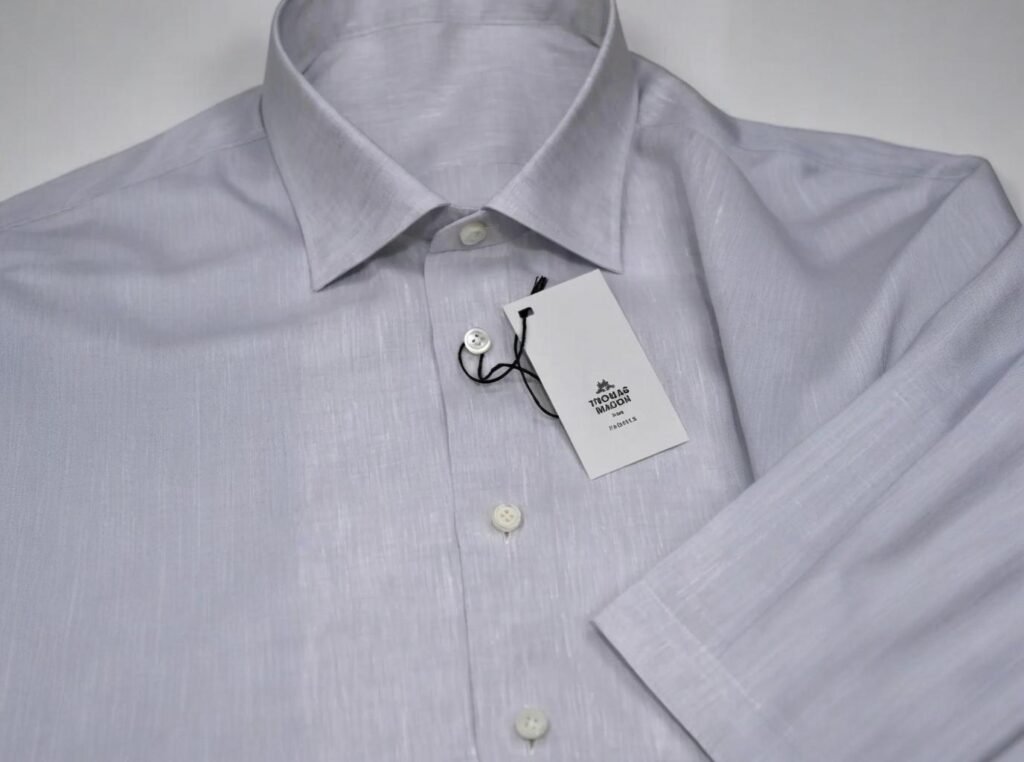
When it comes to selecting the right fabric for hotel linens, durability isn’t just a benefit — it’s a bottom-line necessity. Frequent washing, industrial dryers, high guest turnover, and aesthetic expectations mean your bed sheets and bath linens must withstand more than just time — they must survive commercial-grade wear. Among natural fabrics, linen and cotton are both favorites, but which holds up better under pressure? Linen generally outperforms cotton in terms of long-term durability due to its stronger fiber structure and superior abrasion resistance. However, cotton is softer and more cost-effective upfront, making the choice dependent on hotel usage intensity and linen turnover cycles.
In one real-world case study, a European boutique hotel chain tested linen and cotton sheets across 200 wash cycles and found linen sheets had 40% fewer visible abrasions compared to their cotton counterparts. That’s not just a statistic—it’s a savings story.
Let’s break down how the two contenders perform and how to strategically select fabric based on your facility’s needs. You might be surprised by what abrasion testing, thread count, and fiber integrity reveal when tested under commercial hospitality conditions.
1. What Are Abrasion Tests and Why Are They Critical for Hotel Linens?
Abrasion tests are standardized laboratory procedures used to simulate the wear-and-tear that fabrics endure over time. These tests are especially crucial for hotel linens, which face repeated high-temperature washing, drying, and daily usage — all accelerating fabric breakdown.
In an abrasion test, fabrics are subjected to rubbing cycles (often with sandpaper, wool, or synthetic pads) using machines like the Martindale or Taber testers. The number of cycles a fabric can withstand before breaking down determines its durability rating.
a. Martindale vs. Wyzenbeek Testing: Which Is More Relevant?
- Martindale Test: Common in Europe, uses a figure-8 rubbing pattern; more applicable for linen.
- Wyzenbeek Test: Common in the U.S., uses back-and-forth oscillation; often used for cotton fabrics.
| Test Type | Standard Region | Preferred for | Cycle Threshold for Hotels |
|---|---|---|---|
| Martindale | EU | Linen, Upholstery | 20,000–40,000+ |
| Wyzenbeek | US | Cotton, Towels | 15,000–30,000+ |
b. Hotel Industry Benchmarks Luxury hotels often demand linens that withstand at least 200 industrial washes without significant pilling, thinning, or fiber loss. Testing results serve as a predictive tool to minimize linen replacement costs.
c. Case Insight: A five-star Singaporean hotel reported a linen replacement cycle of 18 months with cotton sheets, compared to 30 months with European flax linen — a 66% longer lifespan based on real-world usage metrics.
2. How Does Linen Perform in Abrasion Tests Compared to Cotton?
Linen fibers, derived from the flax plant, are naturally longer and more crystalline in structure than cotton fibers. This gives linen an edge in abrasion resistance — it tends to fray less, maintains integrity through more washes, and resists pilling better over time. In side-by-side abrasion tests, linen consistently outlasts cotton by 30–50% in endurance cycles. This performance translates into fewer replacements and better ROI for hotel buyers.
a. Fiber Strength & Composition Analysis
| Property | Linen | Cotton |
|---|---|---|
| Fiber Length | Long (25–90 cm) | Short (10–60 mm) |
| Fiber Crystallinity | High | Moderate |
| Pilling Resistance | Excellent | Moderate to Poor |
| Water Absorption | High (but dries fast) | Very High (retains moisture) |
b. Microscopic Abrasion Behavior Under microscopic abrasion analysis:
- Linen fibers tend to compress and flatten, maintaining surface integrity.
- Cotton fibers tend to break or pill, reducing visual and tactile quality.
c. Lab Result Table: 25,000 Abrasion Cycle Test (Martindale Method)
| Fabric Type | Visible Wear After 25,000 Cycles | Pilling Score (1–5) | Fiber Breakage Observed |
|---|---|---|---|
| 100% Cotton | Heavy thinning, visible pilling | 2 | High |
| 100% Linen | Minor fiber flattening | 4 | Low |
| Cotton-Linen Blend | Moderate wear, light pilling | 3 | Moderate |
d. Human Touch Perspective: Linen may feel rougher initially but softens with use — while retaining structure. Cotton, though immediately soft, may develop thinning zones or become fuzzy over time.
3. Which Factors Influence Fabric Durability in Hospitality Settings?
Fabric durability in hotel use isn’t solely determined by fiber type. Several interrelated factors — including weave structure, GSM, thread count, finish treatments, and laundry processes — play a critical role in how long a linen or cotton sheet will last. Beyond the fiber itself, weave density, fabric weight (GSM), laundering methods, and post-treatment finishes significantly impact how long hotel linens last. Hotels using tighter weaves and proper laundering protocols report double the lifespan.
a. GSM (Grams per Square Meter) Matters
| Fabric Type | GSM Range | Recommended GSM for Hotel Sheets | Durability Rating |
|---|---|---|---|
| Linen | 120–220 gsm | 160–200 gsm | Excellent |
| Cotton | 140–250 gsm | 180–220 gsm | Good |
Low GSM fabrics may feel light and soft but wear out faster. Higher GSM increases bulk, lifespan, and resistance to tearing.
b. Thread Count: Misleading for Linen?
- Cotton sheets often boast high thread counts (400+), which can lead to better softness but not necessarily more durability.
- Linen doesn’t rely on high thread count — a 150–200 thread count in linen offers breathable durability due to its naturally thick fibers.
c. Weave Type and Strength
| Weave Type | Characteristics | Best Use |
|---|---|---|
| Percale | Tight, plain weave, matte finish | Crisp hotel bedding |
| Sateen | Softer, looser weave, slight sheen | Luxury-style bedding |
| Herringbone | Zig-zag durable weave | Decorative hotel covers |
| Basket Weave | Open structure | Towels or warm climates |
Linen often uses plain or herringbone weave, offering better structural integrity. Cotton weaves vary but can fray faster under industrial washing.
d. Chemical Treatments and Finishes Anti-pilling, anti-wrinkle, and pre-shrunk treatments can extend linen or cotton’s usable lifespan in hotel environments. However, over-treating cotton may reduce breathability and introduce unwanted stiffness.
e. Laundry Practices Are Critical
- Overheating cotton leads to brittleness.
- Using harsh chemicals on linen can yellow fibers.
- Correct pH and detergent formulations extend the usable lifespan by 30–40%.
4. What Do Real-World Hotel Case Studies Reveal About Fabric Lifespan?
Hotel procurement managers often make decisions based on not just lab data, but what works over months (and years) of actual use. The feedback from various hotel segments — from boutique to resort-scale chains — provides a clearer picture of how linen and cotton perform under pressure. Case studies from European and Southeast Asian hotels consistently show linen sheets lasting up to 40–60% longer than cotton ones, despite higher upfront costs. Over time, linen proves to be a more cost-efficient investment.
a. Case Study: German Eco-Lodge (30 Rooms)
- Switched from 300TC cotton to 180TC Belgian linen.
- Observed 2.5x longer sheet life (from 12 months to 30 months).
- Linen sheets maintained crispness without visible fray after 150 wash cycles.
- Guest satisfaction increased due to “crisp, luxurious texture.”
b. Case Study: Mid-Tier Hotel Chain in Thailand (Urban Business Travelers)
- Maintained both cotton and linen room sets for A/B testing.
- Cotton started thinning at 60 cycles; linen withstood 100+ cycles.
- Cost per usage (factoring in purchase + wash + replacement):
| Fabric Type | Purchase Price (USD) | Avg Lifespan (Washes) | Cost per Use (USD) |
|---|---|---|---|
| Cotton | $28 | 65 | $0.43 |
| Linen | $48 | 130 | $0.37 |
Despite being more expensive upfront, linen offered a lower lifecycle cost.
c. Blended Fabric Pitfalls
- Some hotels tried cotton-linen blends to cut costs.
- Durability did not match pure linen.
- Guest feedback noted pilling, uneven texture, and faster fading.
d. Interview Insight: The head of housekeeping at a luxury resort in Bali stated,
“We thought linen was too premium for our budget. But over time, it’s actually saved us money and improved our brand image. Guests regularly compliment the sheets.”
5. How Do Maintenance Practices Affect Fabric Longevity in Hotels?
Proper care routines significantly influence the lifespan of hotel linens. Even the highest-quality cotton or linen can degrade rapidly under poor maintenance, while modest fabrics may last surprisingly long with gentle treatment. Maintenance practices such as wash temperature, detergent choice, drying methods, and storage conditions can either extend or reduce the lifespan of linen and cotton hotel fabrics by up to 50%.
a. Washing Temperature and Cycle Type
| Fabric Type | Recommended Wash Temp | Cycle Type | Durability Impact (Over 100 washes) |
|---|---|---|---|
| Linen | 30–40°C | Gentle/Short | +35% longevity |
| Cotton | 40–60°C | Regular | -15% fabric strength |
Excessive heat breaks down cellulose fibers faster, particularly in cotton. Linen, being more thermally stable, resists heat better but still prefers cooler cycles.
b. Detergent Composition
- Linen thrives with neutral or slightly acidic detergents. Alkaline or bleach-heavy formulas yellow fibers and reduce strength.
- Cotton tolerates a broader pH range but is vulnerable to long-term fiber weakening from harsh chemicals.
c. Drying Methods
| Drying Method | Impact on Fabric |
|---|---|
| Tumble Dry (High) | Causes shrinkage, fraying |
| Line Drying | Preserves texture and shape |
| Low Tumble Dry | Acceptable with linen blends |
For hotels, investing in dryers with low-heat, sensor-based moisture detection systems pays dividends in linen lifespan.
d. Ironing & Finishing
- Linen benefits from light steam pressing while slightly damp. Over-ironing causes brittleness.
- Cotton can tolerate heavier ironing, but frequent high-pressure finishes lead to faster aging.
e. Storage Environment
- Humidity above 60% promotes mildew in cotton.
- UV exposure discolors both fabrics but affects cotton more quickly.
Maintenance Case Tip: Hotels that switched to RFID-tagged linen tracking found average fabric lifespan increased by 25% due to better inventory rotation and reduced overwashing.
6. What Are the Key Advantages and Trade-Offs of Linen vs Cotton for Hotel Use?
Choosing between linen and cotton for hotel use is a balance between aesthetics, cost, durability, guest experience, and operational demands. There’s no absolute winner — but the better choice depends on your priorities. Linen offers higher durability, moisture management, and long-term value, while cotton provides familiarity, initial softness, and broader supplier availability. Each fabric has strategic trade-offs that should align with hotel brand goals.
a. Durability & Longevity Comparison
| Feature | Linen | Cotton |
|---|---|---|
| Wash Cycles Tolerance | 120–150+ | 60–90 |
| Shrinkage Rate (Post-Wash) | 2–4% | 5–10% |
| Fraying Resistance | High | Moderate |
b. Cost Breakdown (Based on 100 Hotel Room Sets)
| Factor | Linen (Belgian, 160 GSM) | Cotton (400TC Sateen) |
|---|---|---|
| Initial Cost | $8,000 | $5,800 |
| Lifespan (months) | 30–36 | 12–18 |
| Cost Per Month | ~$222 | ~$322 |
Linen’s upfront cost is higher, but lower replacement rates provide long-term savings.
c. Guest Comfort & Brand Perception
- Linen is perceived as premium, eco-conscious, and breathable — preferred in boutique and luxury settings.
- Cotton is familiar, soft, and widely accepted — ideal for mid-range or family-oriented hotels.
d. Maintenance Trade-Offs
| Maintenance Factor | Linen | Cotton |
|---|---|---|
| Ironing Effort | Higher | Lower |
| Stain Resistance | Lower (unless treated) | Higher with finish |
| Drying Time | Faster (natural fiber wicking) | Slower |
e. Environmental Profile
Linen uses less water and fewer chemicals to grow, making it a favorite in sustainable procurement programs. Cotton, especially conventionally farmed, consumes more pesticides and irrigation.
Hotel Strategy Tip: Resorts with eco-certification (e.g., Green Globe, LEED) often prefer linen for its lower environmental impact and marketing appeal.
7. How Do Certification and Sourcing Standards Affect Hotel Fabric Selection?
In today’s sustainability-driven market, sourcing certifications are more than just badges — they’re powerful decision-making tools. For hotels, especially those catering to eco-conscious travelers or operating under green certification frameworks, fabric certifications affect not only environmental compliance but also branding and guest trust. Certifications like OEKO-TEX, GOTS, and EUROPEAN FLAX® ensure fabric safety, sustainability, and traceability. Hotels using certified linens demonstrate commitment to quality and environmental ethics, boosting both compliance and guest satisfaction.
a. Major Fabric Certifications
| Certification | Applicable To | Key Benefits |
|---|---|---|
| OEKO-TEX Standard 100 | Linen & Cotton | Chemical safety; ensures no harmful substances |
| GOTS | Primarily Cotton | Organic certification with social criteria |
| EUROPEAN FLAX® | Linen | Guarantees European origin & eco-practices |
| BCI (Better Cotton Initiative) | Cotton | Promotes responsible cotton farming |
b. Why It Matters for Hotels
- Guest Perception: 68% of travelers in a 2023 Booking.com survey prefer sustainable accommodations.
- Corporate Clients: Many business travelers from eco-conscious companies prefer certified suppliers.
- Operational Compliance: Certifications may be required for hotels with LEED, Green Key, or EarthCheck ratings.
c. Traceability & Transparency
Certifications allow buyers to trace the fabric back to its origin, reducing the risk of greenwashing. For example, EUROPEAN FLAX® guarantees sourcing from France, Belgium, or the Netherlands, offering transparency and quality assurance.
d. Compliance Costs vs Long-Term ROI
| Certification | Average Cost per 1,000 Meters | Impact on Perceived Value |
|---|---|---|
| OEKO-TEX | ~$150 | +15–20% guest value gain |
| GOTS | ~$300 | +20% for organic branding |
| EUROPEAN FLAX® | ~$250 | Strong European appeal |
Hotels that promote these standards in marketing materials often recover the cost through increased bookings and brand equity.
Real Example: A Scandinavian hotel group replaced uncertified Egyptian cotton sheets with EUROPEAN FLAX® linen. Their guest satisfaction on bedding quality improved by 18% in six months (internal survey), and linen longevity increased by 30%.
8. Which Countries Offer the Best Linen and Cotton for Hotel Use?
Choosing fabric by country of origin is not just about geography — it’s about trust, consistency, and centuries of textile expertise. Some countries have built a reputation for producing superior fibers and applying advanced weaving techniques, while others offer low-cost options with acceptable performance for shorter usage cycles. France and Belgium lead in high-quality linen, while Turkey and India dominate cotton manufacturing with broad quality ranges. The best source depends on whether your priority is performance, cost, or environmental profile.
a. Best Countries for Linen
| Country | Known For | Lead Time | MOQ | Eco Credentials |
|---|---|---|---|---|
| France | Fine long-staple flax | 3–5 weeks | 300 m | EUROPEAN FLAX®, REACH |
| Belgium | Heritage linen mills, precision | 4–6 weeks | 200 m | EUROPEAN FLAX®, OEKO-TEX |
| Lithuania | Affordable good-quality linen | 4–6 weeks | 500 m | OEKO-TEX, GOTS |
| China | Mass-scale production, blends | 2–3 weeks | 100 m | GRS, OEKO-TEX |
b. Best Countries for Cotton
| Country | Known For | Lead Time | MOQ | Eco Credentials |
|---|---|---|---|---|
| India | Organic & combed cotton | 4–6 weeks | 500 m | GOTS, BCI |
| Turkey | High-end percale and sateen weaves | 3–5 weeks | 300 m | OEKO-TEX, ISO |
| Pakistan | Cost-effective hotel-grade cotton | 3–4 weeks | 500 m | BCI, ISO |
| Egypt | Luxury cotton, high TC fabrics | 5–7 weeks | 300 m | Egyptian Cotton™, OEKO-TEX |
c. Trade-Off Analysis
| Sourcing Region | Average Fabric Cost | Durability Index | Sustainability Level | Ideal For |
|---|---|---|---|---|
| Western Europe | High | Excellent | High | Luxury & eco hotels |
| South Asia | Moderate | Good | Variable | Mid-range hospitality |
| China | Low to Moderate | Good (if managed) | Moderate | Fast-turnover operations |
Sourcing Strategy Tip:
Hotels aiming for high-end guest experience should favor Belgium or France for linen and Turkey or Egypt for cotton. Budget-conscious chains may opt for Lithuania (linen) or India (cotton) for a balance of quality and cost.
At SzoneierFabrics, we understand the complexity of selecting the right linen or cotton fabric for your hotel operations. With in-house R&D, low MOQs, and global logistics capabilities, we can help you customize, sample, and scale your ideal bedding and hospitality linen solutions — whether you’re sourcing French-grade linen or Turkish cotton.
Contact Szoneier today to request free samples, discuss custom manufacturing, or receive tailored pricing for your next hospitality project.
linen vs cotton durability, hotel linen fabric comparison, abrasion test hotel linens, durable linen for hotels, cotton sheets for hotel use, linen fabric abrasion rating, cotton vs linen bedding, hotel bedding material comparison, best fabric for hotel sheets, durable hotel sheet materials, high-performance hotel linens, cotton fabric for hospitality, linen fabric for commercial use, luxury hotel bedding durability, linen vs cotton longevity, hotel-grade cotton vs linen, OEKO-TEX hotel fabric, hotel textile sourcing guide, sustainable hotel bedding materials, hotel linen wear resistance, European flax linen for hotels, cotton sheet durability test, best countries for hotel linen sourcing, linen vs cotton hotel industry, moisture wicking linen bedding, breathable hotel bed fabrics, abrasion resistance linen sheets, commercial laundry fabric durability, hotel bed linen manufacturing, Szoneier linen fabric supplier

Can't find the answers?
No worries, please contact us and we will answer all the questions you have during the whole process of bag customization.
Make A Sample First?
If you have your own artwork, logo design files, or just an idea,please provide details about your project requirements, including preferred fabric, color, and customization options,we’re excited to assist you in bringing your bespoke bag designs to life through our sample production process.