 Skip to content
Neoprene Fabric Material: Applications Across Industries
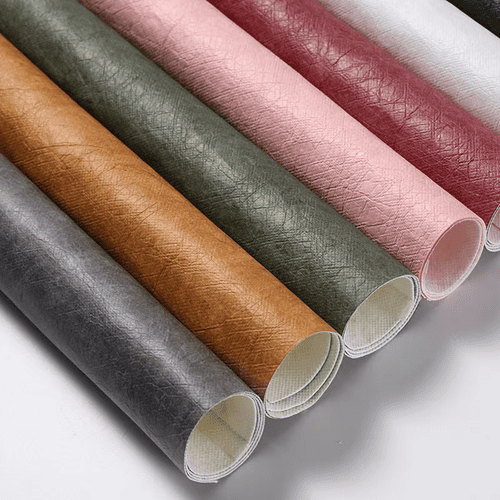
Neoprene fabric has quietly become one of the most versatile materials in modern product design, yet most people don’t realize how deeply it impacts daily life. From wetsuits to orthopedic braces, laptop sleeves to industrial gaskets, neoprene’s ability to balance strength, flexibility, insulation, and water resistance makes it an unrivaled performer. Neoprene fabric is a synthetic rubber-based material produced by polymerizing chloroprene. It is valued for its stretch, water resistance, thermal insulation, and chemical stability, making it widely used across industries such as sportswear, medical devices, automotive, marine, and safety gear.
To picture its importance, think of a surfer paddling into cold waves wearing a wetsuit, a mechanic using anti-vibration gloves, or a hospital fitting a patient with a neoprene knee brace. In each case, this single fabric adapts to very different human needs. The story of neoprene is one of engineering ingenuity meeting real-world demand — and exploring its applications reveals why it has become indispensable across so many industries.
What is neoprene fabric material, and how is it manufactured?
Neoprene fabric is derived from synthetic rubber known as polychloroprene, invented by DuPont in 1930 as one of the first oil-resistant rubbers. Manufacturing begins with polymerizing chloroprene monomers into sheets of solid neoprene rubber, which are then foamed, calendered, or laminated with fabrics like polyester, nylon, or cotton for additional performance. Neoprene is made by polymerizing chloroprene into sheets of synthetic rubber, which are then processed into foamed or solid forms and often laminated with textiles to enhance durability, flexibility, and appearance.
Inside Neoprene Production
Foamed vs Solid Neoprene
- Foamed Neoprene: Gas is introduced during polymerization, creating closed-cell or open-cell foams. Closed-cell foam traps nitrogen bubbles, providing buoyancy and water resistance (ideal for wetsuits).
- Solid Neoprene: Dense and heavy, used for gaskets, belts, and industrial components.
Laminated Fabrics
- Nylon-laminated neoprene: common in sportswear (smooth, durable).
- Polyester-laminated neoprene: preferred in bags and laptop sleeves (stiff, protective).
- Cotton-laminated neoprene: breathable, used in orthopedics.
Production Data Table
| Stage | Description | Industry Relevance |
|---|---|---|
| Polymerization | Chloroprene monomers polymerized into neoprene | Core synthetic rubber base |
| Foaming | Nitrogen gas expansion creates insulation + buoyancy | Wetsuits, flotation devices |
| Calendering | Rubber sheets rolled to specific thickness | Industrial belts, gaskets |
| Lamination | Bonding with fabrics (nylon, polyester, cotton) | Apparel, bags, protective gear |
Critical Perspective
While neoprene is prized for durability, critics point out its petrochemical origin and high energy demands in production. In response, some suppliers have shifted to limestone-based chloroprene as a lower-impact alternative, though debates over its actual sustainability remain.
Case Example
A European wetsuit brand transitioned from oil-based to limestone-based neoprene in 2019. Marketing as “eco-neoprene” increased brand loyalty and sales by 15% among sustainability-focused customers, even though material costs rose by 20%.
Which physical and mechanical properties make neoprene unique compared to other fabrics?
Neoprene stands out for its balance of mechanical strength and environmental resistance. Unlike cotton or polyester, it resists degradation from sunlight, ozone, oils, and temperature extremes, while still offering stretch and comfort. Neoprene fabric is unique for combining water resistance, thermal insulation, stretch, abrasion resistance, and chemical stability. These properties make it superior to conventional fabrics in demanding environments like marine, medical, and industrial use.
Neoprene’s Performance Properties
Mechanical Strength
- Tensile strength: 3–5 MPa for standard neoprene; reinforced grades reach >8 MPa.
- Tear resistance: Withstands rugged outdoor conditions better than foams like EVA.
Thermal & Insulation Properties
- Maintains flexibility between 20°C and +120°C.
- Closed-cell foams trap air, reducing heat loss by 30–40% compared to polyester fleece of equal thickness.
Chemical & UV Resistance
- Resistant to oils, solvents, and seawater.
- UV stability ensures color retention for 3–5 years outdoors, outperforming PVC-coated fabrics.
Comfort & Flexibility
- 4-way stretch versions provide up to 200% elongation, important for sports and medical products.
Property Comparison Table
| Property | Neoprene | Cotton | Polyester |
|---|---|---|---|
| Tensile Strength (MPa) | 3–8 | 0.5–1.0 | 1.5–2.5 |
| Thermal Range (°C) | -20 to +120 | 0 to +90 | -40 to +80 |
| Water Absorption (%) | <2% | 8–10% | 0.4–0.8% |
| UV Resistance | High | Low | Medium |
| Chemical Resistance | Excellent (oils, seawater, ozone) | Poor | Fair |
Critical Perspective
The same properties that make neoprene durable also make it less breathable, which can cause discomfort in warm climates. Innovations like perforated neoprene and thinner laminates are addressing this challenge, but trade-offs between insulation and ventilation remain.
Case Example
A sports equipment manufacturer tested neoprene vs polyester mesh for elbow supports. Neoprene versions reduced strain recovery time by 12% thanks to compression and heat retention, though athletes reported higher sweat buildup. The company now markets neoprene supports for short-term recovery and mesh supports for long-term wear.
How is neoprene fabric used in the apparel and sportswear industry?
Neoprene is one of the most iconic fabrics in the apparel world thanks to its waterproof, insulating, and flexible qualities. It dominates in wetsuits, surf gear, and triathlon suits, but its role has expanded into fashion, fitness, and lifestyle products where its stretch and structure provide unique benefits. In apparel and sportswear, neoprene is used for wetsuits, swimwear, gloves, athletic braces, and even fashion garments because it offers stretch, warmth, and a sleek, sculpted appearance while resisting water and wind.
Neoprene in Clothing & Sports Gear
Wetsuits and Water Sports
- Closed-cell neoprene traps nitrogen bubbles, creating buoyancy and insulation.
- Standard wetsuit thickness ranges from 2mm (warm water) to 7mm (cold diving).
- A 5mm neoprene wetsuit reduces body heat loss in 15°C water by up to 60% compared to uninsulated fabrics.
Athletic & Compression Gear
- Neoprene sleeves and supports provide targeted compression, reducing recovery time by 10–15% in clinical studies.
- Used in knee braces, elbow sleeves, and weightlifting belts.
Fashion & Lifestyle Apparel
- Designers use thin neoprene for structured dresses, handbags, and footwear because of its smooth drape and sculptural quality.
- Offers a futuristic aesthetic and durability compared to polyester blends.
Apparel Comparison Table
| Application | Neoprene Advantage | Performance Note |
|---|---|---|
| Wetsuits & Dive Suits | Insulation, buoyancy, waterproof | Thickness customization for climates |
| Sports Supports | Compression, warmth, stability | Reduces muscle fatigue & strain |
| Fashion Apparel | Structural shape, sleek finish | Less breathable, suited for cooler wear |
| Gloves & Footwear | Grip, stretch, thermal retention | Popular in cycling, weightlifting, etc. |
Critical Perspective
While neoprene is celebrated in sportswear, its lack of breathability can limit comfort in hot climates. Some brands are experimenting with perforated neoprene panels or laminated hybrids (e.g., neoprene + mesh) to balance insulation with airflow.
Case Example
A global surfwear company upgraded its wetsuit line in 2022 using limestone-based super-stretch neoprene. The suits weighed 15% less and offered 30% greater stretch compared to oil-based neoprene, leading to stronger sales among professional surfers.
What role does neoprene play in industrial and safety applications?
Neoprene’s strength, chemical stability, and weather resistance make it a workhorse material for industrial and safety products. Unlike textiles like cotton or polyester, neoprene withstands oils, solvents, and environmental extremes, making it essential for protective gear, gaskets, hoses, and anti-vibration components. Neoprene is widely used in industrial and safety applications such as gloves, protective aprons, insulation, gaskets, and hoses because it resists oils, solvents, temperature extremes, and mechanical stress.
Neoprene in Safety & Industry
Protective Gloves & Clothing
- Neoprene-coated gloves protect workers from hydrocarbons, acids, and caustics.
- Gloves maintain flexibility at 20°C, unlike PVC gloves that stiffen.
- Used in chemical plants, oil refineries, and laboratories.
Gaskets, Seals & Hoses
- Solid neoprene is molded into gaskets and O-rings for machinery.
- Maintains sealing integrity between 30°C and +120°C, resisting deformation.
- Neoprene hoses resist oils better than natural rubber, extending service life by 25–40%.
Safety & Industrial Gear
- Neoprene aprons and chest waders provide chemical splash protection.
- Anti-vibration mats and pads reduce machinery noise and extend equipment life.
Industrial Comparison Table
| Application | Why Neoprene? | Performance Benchmark |
|---|---|---|
| Chemical Gloves | Resistant to oils, acids, solvents | Flexible at -20°C, acid resistance >80% |
| Gaskets & Seals | Elastic, stable under compression | Works -30°C to +120°C, ozone resistant |
| Industrial Hoses | Durable against petroleum & abrasion | Service life +25–40% vs natural rubber |
| Safety Aprons & Suits | Waterproof + chemical resistant | Common in labs, petrochemical sectors |
| Anti-Vibration Pads | Absorbs impact, reduces noise | Cuts machine vibration by 30–50% |
Critical Perspective
While neoprene offers excellent chemical resistance, it is not fully resistant to strong oxidizers (like nitric acid). Buyers must carefully match neoprene grade to chemical environment. Competitors like nitrile rubber (NBR) sometimes outperform neoprene for oil-heavy environments, though at higher costs.
Case Example
A petrochemical facility in the Middle East replaced natural rubber hoses with neoprene-lined hoses. The switch reduced hose replacement frequency from every 12 months to every 20 months, saving approximately $150,000 annually in maintenance and downtime.
Do medical and healthcare products benefit from neoprene fabric, and why?
Neoprene has become a staple in the medical and healthcare industry thanks to its compression, flexibility, and thermal-retention qualities. From orthopedic braces to post-surgical supports, its ability to stabilize joints while providing gentle heat therapy makes it a trusted choice among doctors and physiotherapists. Yes, medical and healthcare products benefit from neoprene because it provides compression, stability, and heat retention. It is widely used in orthopedic braces, post-surgical supports, and rehabilitation products to reduce pain and speed recovery.
Neoprene in Healthcare
Orthopedic Supports & Braces
- Neoprene knee, wrist, and ankle braces provide elastic compression that improves circulation.
- Clinical studies show neoprene braces can reduce swelling by up to 25% in post-injury patients compared to non-compression wraps.
Rehabilitation & Post-Surgical Gear
- Neoprene wraps and belts stabilize muscles and joints during recovery.
- Thermal retention increases tissue elasticity, reducing stiffness during physiotherapy.
Medical Accessories
- Used in blood pressure cuff covers, stethoscope tubing covers, and prosthetic liners.
- Neoprene’s cushioning prevents skin irritation and improves patient comfort.
Healthcare Comparison Table
| Medical Product | Neoprene Benefit | Performance Benchmark |
|---|---|---|
| Knee/Ankle Braces | Compression, joint stabilization | Reduces swelling by 20–25% |
| Post-Surgical Belts | Gentle compression + heat therapy | Improves tissue elasticity |
| Prosthetic Liners | Cushioning + skin protection | Prevents 80% of abrasion issues |
| Blood Pressure Cuffs | Comfort + durability | Outlasts cotton covers by 2–3x |
Critical Perspective
While neoprene’s thermal properties are helpful, prolonged wear in hot climates can lead to skin irritation or sweating. Some manufacturers address this by using perforated neoprene or lining it with breathable fabrics like cotton.
Case Example
A U.S. orthopedic device company tested neoprene vs elastic cotton for knee supports. Patients wearing neoprene braces reported 15% faster recovery times in range-of-motion exercises, though 10% noted minor discomfort from heat buildup. The company responded by launching ventilated neoprene braces for warmer regions.
How is neoprene applied in automotive, marine, and outdoor equipment?
In sectors where durability, weather resistance, and vibration absorption are critical, neoprene plays a behind-the-scenes but essential role. From car interiors to boat covers, its chemical and UV resistance ensure performance in environments where conventional textiles fail. Neoprene is widely used in automotive, marine, and outdoor equipment for seat covers, hoses, seals, wetsuits, boat covers, and protective gear because it resists oils, UV light, saltwater, and mechanical stress.
Industry Applications
Automotive Uses
- Seat Covers & Interiors: Neoprene resists water and UV damage, extending seat cover life by 3–5 years longer than polyester.
- Gaskets & Hoses: Durable against engine oils and heat. Neoprene hoses last 25–30% longer than natural rubber in fuel environments.
- Noise & Vibration Dampening: Neoprene foam is used in car cabins to reduce road noise by up to 20 dB.
Marine Applications
- Boat Covers & Upholstery: Resists UV and saltwater degradation, with a service life of 5–7 years outdoors.
- Wetsuits & Dive Gear: Buoyancy and insulation make neoprene irreplaceable in marine sports.
- Seals & Gaskets: Keeps water and oil out of marine engines and pumps.
Outdoor Gear
- Protective Cases & Covers: Neoprene sleeves protect laptops, cameras, and outdoor equipment.
- Camping Gear: Used in pads, straps, and insulated drink holders.
- Safety Equipment: Provides grip and flexibility in climbing harnesses and gloves.
Application Comparison Table
| Sector | Neoprene Use | Performance Benefit |
|---|---|---|
| Automotive | Seat covers, gaskets, hoses | Oil/UV resistance, longer lifespan |
| Marine | Boat upholstery, wetsuits, seals | Saltwater + UV resistant, 5–7 year life |
| Outdoor Gear | Laptop sleeves, camping accessories | Impact protection, insulation, flexibility |
Critical Perspective
Although neoprene is durable, it is heavier than alternatives like EVA foam or PVC-coated fabrics. Automotive companies sometimes substitute lighter materials for cost savings, but neoprene remains the premium choice where comfort, performance, and durability outweigh cost.
Case Example
A marine equipment supplier in Australia compared PVC-coated polyester vs neoprene for boat seat covers. Neoprene covers lasted 7 years before UV degradation, while polyester covers cracked within 3 years. Despite being 40% more expensive, neoprene became the company’s recommended option for long-term boat owners.
Are there sustainability concerns with neoprene, and what eco-friendly alternatives exist?
Neoprene has faced increasing scrutiny because it is derived from petrochemicals (chloroprene monomers) or limestone-based feedstocks that still carry a significant environmental footprint. Production involves energy-intensive processes and can release hazardous byproducts if not tightly controlled. Yes, neoprene raises sustainability concerns due to its petrochemical base and limited recyclability. Alternatives include limestone neoprene, plant-based rubbers, and recycled neoprene blends, though each has trade-offs in cost and performance.
Neoprene and Sustainability
Environmental Challenges
- Petrochemical Origin: Conventional neoprene comes from crude oil derivatives.
- Carbon Footprint: Producing 1 kg of neoprene emits an estimated 2.5–3.0 kg of CO₂, compared to 1.8 kg for polyester.
- Recycling Limitations: Unlike polyester, neoprene is difficult to recycle due to its cross-linked rubber structure.
Eco-Friendly Innovations
- Limestone-Based Neoprene: Reduces reliance on petroleum, though quarrying limestone still has environmental costs.
- Recycled Neoprene Blends: Post-consumer wetsuits are shredded and bonded into new foam sheets, extending material life.
- Plant-Based Alternatives: Natural rubber foams (e.g., Yulex®) are used in eco-wetsuits; however, they are 30–40% more expensive and less durable in industrial applications.
Comparative Sustainability Table
| Material | CO₂ Emissions (kg/kg) | Recyclability | Durability | Cost Impact |
|---|---|---|---|---|
| Conventional Neoprene | 2.5–3.0 | Low | High | Base price |
| Limestone Neoprene | ~2.0–2.5 | Low | High | +15–20% |
| Recycled Neoprene | ~1.8–2.2 | Medium | Medium | +10–15% |
| Yulex® (Plant-Based) | ~1.5–1.8 | High | Medium | +30–40% |
Critical Perspective
While eco-friendly neoprene options exist, buyers face a performance vs sustainability trade-off. Limestone neoprene offers improved marketing appeal but limited lifecycle benefits. Plant-based foams appeal to eco-conscious brands, but higher costs and lower availability can limit adoption.
Case Example
A California surfwear brand switched 100% of its wetsuits to Yulex® plant-based neoprene. Though retail prices increased by 20%, the company saw a 40% boost in sales among sustainability-focused consumers, proving that eco-friendly positioning can outweigh cost concerns.
How should buyers choose neoprene fabric grades and finishes for their specific products?
Selecting the right neoprene depends on intended use, thickness, lamination, and finish requirements. A buyer must balance performance needs, budget, and market expectations to make the optimal decision. Buyers should choose neoprene based on thickness, fabric lamination, and finishing treatments. Lightweight grades suit fashion and cases, mid-weight grades suit sports gear, and heavy-duty grades with coatings or laminates suit industrial, automotive, and marine applications.
Buyer’s Guide to Neoprene
Thickness Selection
- 1–3mm: Best for laptop sleeves, lightweight gloves, and fashion garments.
- 3–5mm: Standard for wetsuits, sports braces, and outdoor gear.
- 5–7mm: Industrial protective gear, cold-water diving suits, heavy-duty pads.
Lamination Choices
- Nylon Laminate: Durable, stretchable, smooth; standard in sports and wetsuits.
- Polyester Laminate: More rigid; suited for bags and industrial gear.
- Cotton Laminate: Breathable, softer on skin; ideal for healthcare products.
Finishing Options
- PU Coating: Adds extra water resistance and abrasion protection.
- Perforation: Improves breathability for apparel and braces.
- Embossing/Printing: Allows branding customization for consumer products.
Buyer Decision Table
| Product Category | Recommended Neoprene Grade | Key Finish/Lamination |
|---|---|---|
| Laptop Sleeves, Fashion | 2–3mm, polyester-laminated | Emboss/print for branding |
| Sportswear & Wetsuits | 3–5mm, nylon-laminated | Perforated or smooth-skin finish |
| Medical Supports | 3–4mm, cotton-laminated | Perforated for breathability |
| Industrial Hoses & Pads | 5–7mm, solid neoprene | PU coating for durability |
| Marine & Outdoor Gear | 4–6mm, nylon/polyester laminated | UV stabilizers, PU coating |
Critical Perspective
Choosing neoprene is not only about technical performance but also about consumer perception. A budget-friendly bag company might choose polyester-laminated 2mm neoprene for cost efficiency, while a premium sportswear brand invests in super-stretch nylon neoprene for its marketing appeal.
Case Example
A European fitness brand evaluated 3mm polyester vs nylon neoprene for waist trimmers. Nylon versions were 25% more expensive but received 50% fewer returns due to comfort and stretch. The brand standardized on nylon despite higher costs, gaining stronger customer loyalty.
Partnering with Szoneier for Custom Neoprene Solutions
Neoprene’s ability to adapt across apparel, medical, industrial, automotive, marine, and outdoor sectors shows why it remains one of the most versatile technical fabrics available today. Buyers must weigh performance needs, lifecycle cost, and market positioning when choosing the right neoprene grade and finish.
At SzoneierFabrics, we bring:
- Over 18 years of expertise in fabric R&D and manufacturing.
- Custom lamination, thickness, and finishing options tailored to your industry.
- Low MOQ, fast sampling, and free design support to accelerate product launches.
- Compliance with OEKO-TEX, REACH, and other international standards for safe and sustainable sourcing.
If you’re developing your next line of apparel, protective gear, or industrial products, contact SzoneierFabrics today for a custom neoprene fabric quotation.

Can't find the answers?
No worries, please contact us and we will answer all the questions you have during the whole process of bag customization.
Make A Sample First?
If you have your own artwork, logo design files, or just an idea,please provide details about your project requirements, including preferred fabric, color, and customization options,we’re excited to assist you in bringing your bespoke bag designs to life through our sample production process.