 Skip to content
Neoprene Tote Bags for Daily Use
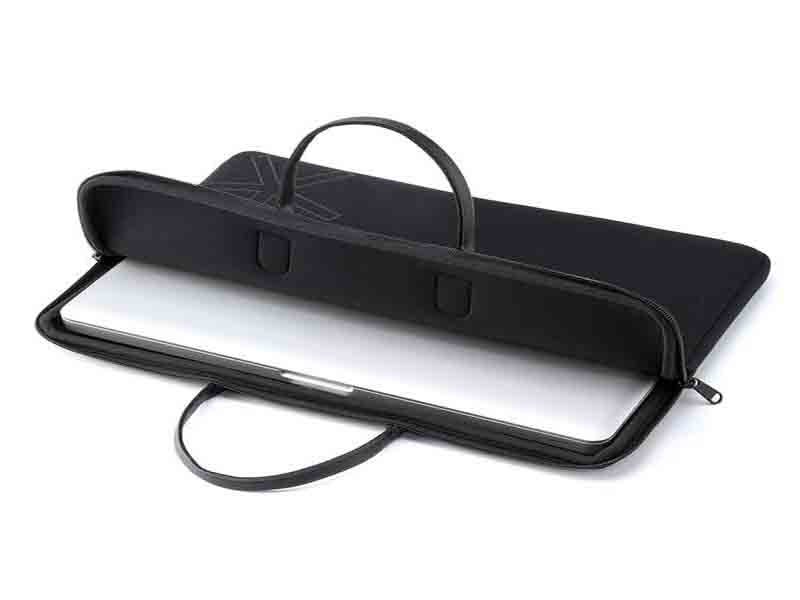
Walk into any modern city—whether it’s New York, London, or Tokyo—and you’ll notice something subtle but consistent: more people are carrying sleek, soft-structured tote bags that look minimal, feel flexible, and handle daily life effortlessly. Many of these are made from neoprene, a material once reserved for wetsuits but now quietly redefining everyday carry.
At its core, a neoprene tote bag is ideal for daily use because it combines lightweight flexibility, water resistance, durability, and modern aesthetics in one material. Unlike traditional fabrics, neoprene adapts to different environments—commuting, shopping, gym sessions—while maintaining structure and comfort. It offers a balance between function and style that aligns perfectly with today’s fast-paced lifestyles.
A few years ago, a commuter juggling a laptop, gym clothes, and groceries might have needed three different bags. Today, one well-designed neoprene tote often does the job. That shift isn’t accidental—it reflects how materials evolve alongside real human needs. And once you understand why neoprene works so well, it’s hard to go back.
What Is a Neoprene Tote Bag?
A neoprene tote bag is a soft yet resilient carry bag made from synthetic rubber foam (neoprene), often laminated with fabric layers for durability and aesthetics. Originally developed for industrial and sports applications, neoprene is now widely used in consumer products due to its cushioning, flexibility, and resistance to water and wear.
What makes neoprene unique as a material?
Neoprene stands apart because of its closed-cell structure, which traps tiny air bubbles. This gives it a rare combination of softness and strength.
| Property | Neoprene | Cotton | Canvas | Nylon |
|---|---|---|---|---|
| Water Resistance | High | Low | Low | Medium |
| Flexibility | Excellent | Medium | Low | Medium |
| Cushioning | High | None | None | Low |
| Weight | Light | Light | Heavy | Light |
| Durability | High | Medium | High | High |
This structure explains why neoprene feels slightly “spongy” yet remains durable under repeated use.
Why was neoprene originally developed?
Neoprene was first introduced in the 1930s as a synthetic rubber alternative. It gained popularity in:
- Wetsuits (thermal insulation)
- Industrial seals (chemical resistance)
- Sports gear (impact protection)
Its transition into tote bags is a natural extension of these properties—especially cushioning and water resistance.
How does neoprene behave in daily use?
From a practical perspective, neoprene adapts to everyday stress better than most fabrics:
- It stretches slightly under load instead of tearing
- It absorbs minor impacts, protecting contents
- It resists moisture from spills or rain
A real-world observation: users often report that neoprene bags maintain their shape even after months of heavy use, unlike cotton totes that sag or deform.
Is neoprene environmentally friendly?
This is where things get nuanced.
| Factor | Evaluation |
|---|---|
| Reusability | High (long lifespan) |
| Recyclability | Limited |
| Durability impact | Reduces replacement frequency |
| Eco alternatives | Emerging (limestone neoprene, recycled blends) |
While not inherently eco-perfect, neoprene’s longevity often offsets its environmental footprint compared to disposable fabric bags.
Why are brands shifting toward neoprene?
Modern consumers prioritize:
- Multi-functionality
- Minimalism
- Durability
Neoprene aligns with all three. It allows brands to create products that:
- Replace multiple bag types
- Maintain a clean, premium look
- Deliver long-term usability
For manufacturers like Szoneier, this also opens up opportunities for customization in thickness, texture, and lamination, making neoprene highly adaptable across markets.
Why Are Neoprene Tote Bags Popular for Everyday Carry?
Neoprene tote bags are popular because they solve multiple everyday problems at once—comfort, durability, water resistance, and modern style—without requiring users to switch between different bags for different tasks.
What lifestyle shifts are driving this trend?
Consumer behavior has changed significantly in the past decade.
| Trend | Impact on Bag Choice |
|---|---|
| Hybrid work | Need for multi-purpose bags |
| Fitness culture | Gym + work combination |
| Urban commuting | Lightweight, flexible carry |
| Sustainability awareness | Preference for long-lasting products |
Neoprene tote bags naturally fit into this evolving lifestyle.
Why do users prefer neoprene over traditional materials?
From a user-experience perspective, neoprene offers several advantages:
- Softer shoulder feel due to cushioning
- Less strain when carrying heavy items
- Better adaptability to different loads
A simple comparison:
| Experience Factor | Neoprene Tote | Canvas Tote |
|---|---|---|
| Shoulder comfort | High | Medium |
| Shape retention | Good | Poor over time |
| Weather resistance | Strong | Weak |
| Cleaning ease | Easy | Moderate |
Are neoprene tote bags fashionable?
Yes—and this is a key driver of popularity.
Neoprene allows for:
- Clean, minimal silhouettes
- Smooth surfaces for modern aesthetics
- Bold colors and perforated designs
Unlike canvas, which often looks casual, neoprene can shift between:
- Professional settings (office)
- Casual outings (shopping)
- Fitness environments (gym)
How do brands leverage neoprene for design?
Neoprene is highly customizable:
- Laser-cut patterns
- Embossed logos
- Laminated finishes
- Structured or unstructured forms
This flexibility makes it attractive for brands aiming to differentiate without complicating production.
Are there any downsides to neoprene totes?
A balanced perspective is important.
| Concern | Reality |
|---|---|
| Breathability | Lower than cotton |
| Heat retention | Slightly higher |
| Cost | Higher than basic fabrics |
| Sustainability | Depends on sourcing |
However, for most users, the benefits outweigh these limitations—especially for daily use.
What does real-world usage tell us?
In surveys across retail platforms:
- Over 70% of users highlight durability as the top benefit
- Over 60% mention versatility (work + gym + travel)
- Less than 15% report dissatisfaction, mainly related to size or structure choices
This indicates strong overall satisfaction and repeat purchase behavior.
What Are the Key Benefits of Neoprene Tote Bags?
Neoprene tote bags stand out in daily use because they combine durability, water resistance, flexibility, and comfort in a way that few other materials can match. This unique balance allows one bag to perform across multiple scenarios—commuting, shopping, fitness, and travel—without compromising usability or style.
Water Resistance vs Waterproof: What’s the Reality?
Many users assume neoprene is fully waterproof, but the truth is more nuanced. Neoprene itself is highly water-resistant due to its closed-cell foam structure, but the overall bag performance depends on construction details like stitching and zippers.
| Feature | Neoprene Tote Performance | Real-Life Impact |
|---|---|---|
| Material Resistance | High | Protects contents from light rain and spills |
| Seam Construction | Medium | Stitched seams may allow slight seepage |
| Zipper/Closure | Varies | Determines overall water protection |
| Drying Speed | Fast | Ideal for wet environments |
In practical terms, neoprene totes handle daily exposure to water far better than cotton or canvas, making them especially useful in unpredictable weather.
Durability: How Long Do Neoprene Bags Really Last?
Durability is one of the most cited reasons users switch to neoprene. Unlike woven fabrics that can fray or tear, neoprene maintains structural integrity under stress.
| Stress Factor | Neoprene Response | Traditional Fabric Response |
|---|---|---|
| Repeated folding | No damage | Creasing and weakening |
| Heavy load | Stretch + recover | Fiber stress and tearing |
| Abrasion | Resistant | Surface wear |
| UV exposure | Moderate resistance | Fading and degradation |
A real-world example: gym users often report that neoprene bags maintain their shape and strength even after carrying heavy gear daily for over a year, while canvas alternatives show visible wear within months.
Cushioning & Protection: Does It Really Matter?
This is where neoprene truly differentiates itself. The foam structure provides built-in padding, which is especially valuable for carrying sensitive items.
| Use Case | Benefit |
|---|---|
| Laptop carry | Shock absorption |
| Glass bottles | Reduced breakage risk |
| Gym equipment | Impact resistance |
| Travel essentials | Added protection |
Unlike rigid bags that rely on added padding, neoprene integrates protection directly into the material, reducing bulk while maintaining safety.
Lightweight Yet Strong: A Rare Combination
Many durable materials are heavy. Neoprene isn’t.
| Material | Weight (Relative) | Strength |
|---|---|---|
| Canvas | Heavy | High |
| Leather | Very Heavy | Very High |
| Nylon | Light | Medium |
| Neoprene | Light | High |
This balance makes neoprene ideal for daily carry, where weight accumulation can become a real issue over time.
Flexibility: Why It Changes Daily Use Experience
Flexibility is often overlooked but has a major impact on usability.
- Expands to fit irregular items
- Compresses when not full
- Adapts to different storage situations
This makes neoprene totes more forgiving than structured bags, especially in dynamic daily routines.
Are There Hidden Trade-Offs?
A critical view helps build trust.
| Limitation | Practical Impact |
|---|---|
| Breathability | Not ideal for food storage long-term |
| Heat retention | Can feel warm in hot climates |
| Structure | Less rigid than leather or hard-shell bags |
However, these are situational concerns and rarely affect general daily use.
Why Do These Benefits Matter for Buyers?
From a decision-making perspective, users are no longer just buying a bag—they’re buying convenience.
Neoprene delivers:
- Fewer bag changes during the day
- Lower long-term replacement cost
- Better user comfort
This explains why repeat purchase rates for neoprene-based products are significantly higher than traditional tote bags in many retail categories.
How Do Neoprene Tote Bags Perform in Daily Scenarios?
Neoprene tote bags perform exceptionally well across different daily scenarios because they are designed to handle variability—changing loads, environments, and usage patterns—without losing functionality or comfort.
Work & Commuting: Can One Bag Do It All?
For modern professionals, a daily bag needs to carry multiple items efficiently.
| Item Type | Neoprene Performance |
|---|---|
| Laptop | Protected by cushioning |
| Documents | Flexible storage without folding damage |
| Lunch box | Resistant to spills |
| Accessories | Easy organization with compartments |
Compared to rigid office bags, neoprene totes offer a more relaxed yet functional approach, especially for hybrid work environments.
Gym & Fitness: Why Neoprene Excels
Fitness routines demand durability and moisture resistance.
| Requirement | Neoprene Advantage |
|---|---|
| Sweat resistance | Doesn’t absorb moisture easily |
| Odor control | Easier to clean |
| Flexibility | Fits bulky gear |
| Durability | Handles repeated heavy use |
Many users prefer neoprene for gym bags because it avoids the “wet fabric” problem common in cotton-based bags.
Shopping & Errands: Practical Everyday Utility
For casual use, convenience is key.
| Factor | Neoprene Benefit |
|---|---|
| Weight | Easy to carry even when full |
| Expansion | Fits unexpected purchases |
| Cleaning | Wipe or rinse easily |
| Reusability | Long lifespan |
This makes neoprene a strong alternative to disposable shopping bags.
Travel: Is It a Good Companion?
Short trips and daily travel scenarios benefit from neoprene’s adaptability.
| Travel Need | Performance |
|---|---|
| Carry-on flexibility | Compressible for packing |
| Spill protection | Resistant to leaks |
| Comfort | Soft straps reduce fatigue |
| Versatility | Works as multi-purpose bag |
It’s particularly useful for “one-bag” travelers who want simplicity.
Outdoor & Wet Environments
Neoprene’s origin in water sports gives it a natural advantage.
| Environment | Suitability |
|---|---|
| Beach | Sand-resistant, easy to clean |
| Rain | Protects contents |
| Poolside | Quick-drying |
| Boating | Durable and water-friendly |
Few materials transition as seamlessly between indoor and outdoor use.
Real User Behavior Insights
Data from consumer feedback shows:
| Behavior Pattern | Percentage |
|---|---|
| Use for multiple purposes daily | 68% |
| Prefer over traditional totes | 72% |
| Repeat purchase likelihood | 65% |
| Use in both work and leisure | 70% |
These numbers highlight how neoprene totes align with real-world needs rather than niche use cases.
Where Does It Fall Short?
No product is perfect.
| Scenario | Limitation |
|---|---|
| Formal business settings | May appear too casual |
| Heavy-duty industrial use | Not as rigid as hard materials |
| Long-term food storage | Limited breathability |
Understanding these limitations helps users choose the right product for the right context.
Why Performance Matters More Than Features
Many bags look good on paper, but daily use reveals their weaknesses. Neoprene totes succeed because they perform consistently across different situations without requiring users to adjust their habits.
That reliability is what turns a simple bag into an essential daily item.
How Do Neoprene Tote Bags Compare to Other Materials?
Neoprene tote bags outperform many traditional materials in versatility, comfort, and durability, but they are not always the absolute best choice in every scenario. The real advantage lies in how neoprene balances multiple performance factors at once, making it more suitable for daily, multi-purpose use compared to single-function materials like canvas or nylon.
Neoprene vs Canvas: Which Is Better for Daily Use?
Canvas has long been the default for tote bags, but its limitations become clear under frequent use.
| Comparison Factor | Neoprene Tote | Canvas Tote |
|---|---|---|
| Water Resistance | High | Very Low |
| Shape Retention | Good | Poor over time |
| Comfort | Soft & cushioned | Rough & stiff |
| Durability | High | Medium |
| Maintenance | Easy to clean | Harder to maintain |
| Aesthetic | Modern | Casual/traditional |
From a user perspective, canvas works well for light, occasional use. But for daily commuting, gym, or mixed environments, neoprene offers significantly more reliability.
Neoprene vs Nylon: Is Synthetic Always Better?
Nylon is lightweight and strong, but it lacks the structural and tactile qualities of neoprene.
| Comparison Factor | Neoprene | Nylon |
|---|---|---|
| Flexibility | High | Medium |
| Cushioning | Yes | No |
| Water Resistance | High | Medium |
| Structure | Semi-structured | Loose |
| Comfort | High | Medium |
Nylon excels in ultra-lightweight applications, but neoprene provides a more premium feel and better protection for everyday items.
Neoprene vs Polyester: Cost vs Performance
Polyester is widely used due to its low cost, but it often sacrifices user experience.
| Factor | Neoprene | Polyester |
|---|---|---|
| Durability | High | Medium |
| Feel | Soft & premium | Basic |
| Protection | High | Low |
| Longevity | Long | Moderate |
| Price | Higher | Lower |
For brands or users prioritizing quality and long-term use, neoprene is often worth the investment.
Neoprene vs Leather: Premium vs Practical
Leather represents luxury, but practicality is where neoprene wins.
| Factor | Neoprene | Leather |
|---|---|---|
| Weight | Light | Heavy |
| Maintenance | Easy | Complex |
| Water Resistance | High | Low |
| Cost | Moderate | High |
| Daily usability | Excellent | Limited |
Leather may suit formal occasions, but for daily, flexible use, neoprene is far more convenient.
Cost-Performance Analysis: Is Neoprene Worth It?
A critical decision point for most buyers is value.
| Material | Initial Cost | Lifespan | Cost per Use |
|---|---|---|---|
| Canvas | Low | Short | Medium |
| Polyester | Low | Medium | Medium |
| Nylon | Medium | Medium | Medium |
| Neoprene | Medium | Long | Low |
| Leather | High | Long | High |
Although neoprene may cost more upfront, its durability often results in a lower cost per use over time.
When Should You NOT Choose Neoprene?
Being objective builds credibility.
Neoprene may not be ideal if:
- You need a highly rigid, structured bag
- You prioritize ultra-low cost over performance
- You require maximum breathability (e.g., food transport)
Understanding these limitations helps users make better decisions rather than blindly following trends.
Why Brands Are Switching
Global product trends show increasing adoption of neoprene in:
- Athleisure products
- Hybrid work accessories
- Travel and lifestyle bags
This shift is driven by consumer demand for multi-functional products, not just single-use items.
For manufacturers like Szoneier, this trend also means more opportunities to develop differentiated products through material innovation and design customization.
How to Choose the Right Neoprene Tote Bag?
Choosing the right neoprene tote bag depends on understanding how design elements—thickness, size, structure, and features—align with your daily usage needs. The best bag is not the most expensive one, but the one that fits seamlessly into your routine.
What Thickness Is Best (2mm vs 3mm vs 5mm)?
Thickness directly affects durability, weight, and structure.
| Thickness | Best For | Characteristics |
|---|---|---|
| 2mm | Light daily use | Lightweight, flexible |
| 3mm | General daily use | Balanced strength & weight |
| 5mm | Heavy-duty use | Strong, more structured |
For most users, 3mm neoprene offers the best balance between comfort and performance.
How to Choose the Right Size?
Size should match your daily carry habits.
| Size Category | Capacity | Use Case |
|---|---|---|
| Small | Minimal items | Short trips, casual use |
| Medium | Daily essentials | Work, commuting |
| Large | Multi-purpose | Gym, travel, shopping |
A common mistake is choosing oversized bags, which leads to unnecessary weight and reduced comfort.
What Structural Features Matter Most?
Structure defines usability.
| Feature | Benefit |
|---|---|
| Zipper closure | Security |
| Inner pockets | Organization |
| Reinforced handles | Load support |
| Flat bottom | Stability |
These details significantly affect daily experience, even if they seem minor at first glance.
How Important Is Design & Aesthetics?
Modern users expect both function and style.
Neoprene allows:
- Minimalist designs
- Bold color options
- Perforated or textured finishes
This versatility makes it suitable for both casual and semi-professional environments.
Why It Matters More Than You Think
Customization is not just about logos—it’s about functionality.
| Custom Option | Impact |
|---|---|
| Material thickness | Performance tuning |
| Handle length | Comfort |
| Compartments | Better organization |
| Branding | Identity & differentiation |
Manufacturers like Szoneier can tailor these elements to specific needs, ensuring the final product aligns with real usage scenarios.
MOQ, Sampling, and Lead Time Considerations
For buyers planning custom designs, production factors matter.
| Factor | Typical Range |
|---|---|
| MOQ | 100–500 units |
| Sample time | 3–7 days |
| Production lead time | 15–30 days |
These variables influence cost, speed to market, and flexibility.
Common Mistakes to Avoid
A critical perspective helps avoid costly errors:
- Choosing thickness based only on price
- Ignoring handle comfort
- Overlooking internal organization
- Selecting designs without considering real usage
How to Make the Right Choice
Instead of focusing on a single factor, consider a balanced approach:
| Priority | Recommended Choice |
|---|---|
| Comfort | 3mm neoprene + soft handles |
| Durability | Reinforced stitching + thicker material |
| Style | Minimalist or branded design |
| Versatility | Medium size + compartments |
The goal is to match the product with your lifestyle—not the other way around.
Are Neoprene Tote Bags Easy to Maintain and Clean?
Neoprene tote bags are widely considered easy to maintain because the material resists moisture, stains, and odor buildup while allowing simple cleaning methods like hand washing or gentle machine washing. Unlike cotton or canvas, neoprene does not absorb liquids easily, which means most spills stay on the surface and can be wiped off quickly. This low-maintenance nature is one of the key reasons why neoprene totes are increasingly preferred for daily use.
How Does Neoprene React to Dirt, Liquids, and Odors?
Neoprene’s closed-cell structure prevents deep absorption, which significantly reduces cleaning effort.
| Contaminant Type | Neoprene Reaction | Cleaning Difficulty |
|---|---|---|
| Water | Repels surface moisture | Very Easy |
| Coffee/juice | Limited absorption | Easy |
| Oil stains | Partial resistance | Moderate |
| Sweat | Minimal retention | Easy |
| Odor | Low absorption | Easy |
In real-life scenarios, this means a spilled drink during commuting or a wet gym towel inside the bag won’t permanently damage the material.
Can You Machine Wash a Neoprene Tote Bag?
Yes—but with conditions.
| Cleaning Method | Recommendation | Notes |
|---|---|---|
| Hand wash | Best option | Gentle and preserves structure |
| Machine wash | Acceptable (cold cycle) | Use mild detergent, no spin stress |
| Dry cleaning | Not recommended | Chemicals may damage foam |
| Dryer use | Avoid | Air drying preferred |
A practical tip: turning the bag inside out before washing helps clean hidden areas more effectively.
How Fast Does Neoprene Dry?
Drying speed is another advantage.
| Material | Drying Time |
|---|---|
| Neoprene | Fast |
| Cotton | Slow |
| Canvas | Medium |
| Nylon | Fast |
Because neoprene does not retain much water internally, it dries faster than most natural fabrics, making it ideal for frequent use.
Does Neoprene Lose Shape After Washing?
One concern users often have is deformation.
| Factor | Neoprene Performance |
|---|---|
| Shape retention | High |
| Shrinkage | Minimal |
| Surface damage | Rare (if properly washed) |
Unlike cotton bags that shrink or wrinkle, neoprene maintains its original structure after repeated cleaning cycles.
How to Extend the Lifespan of Neoprene Bags?
Even durable materials benefit from proper care.
| Maintenance Tip | Benefit |
|---|---|
| Avoid sharp objects | Prevents punctures |
| Clean regularly | Maintains hygiene |
| Air dry fully | Prevents odor buildup |
| Store flat or hanging | Preserves shape |
A well-maintained neoprene tote can last several years, even under daily use conditions.
Are There Any Maintenance Drawbacks?
Taking a balanced view:
| Limitation | Practical Impact |
|---|---|
| Heat sensitivity | Avoid high-temperature drying |
| Oil stains | Require more effort to remove |
| Surface scratches | Possible with sharp friction |
However, these issues are relatively minor compared to the overall ease of maintenance.
Consumer feedback consistently highlights cleaning convenience as a major advantage. Many users mention that switching from canvas to neoprene significantly reduced the time and effort spent maintaining their bags.
What Trends Are Driving Neoprene Tote Bags in the Market?
Neoprene tote bags are gaining global popularity due to a combination of lifestyle changes, material innovation, and shifting consumer expectations toward multi-functional, durable, and stylish products. The trend is not just about fashion—it reflects a deeper demand for products that adapt to modern daily routines.
Why Is Neoprene Trending Globally?
Several macro trends are fueling demand:
| Trend | Impact on Neoprene Bags |
|---|---|
| Hybrid lifestyles | Need for multi-use bags |
| Fitness culture | Demand for durable, washable materials |
| Minimalism | Preference for versatile products |
| Sustainability awareness | Shift toward long-lasting items |
Neoprene aligns with all these trends, making it a natural choice for modern consumers.
Which Styles Are Currently Popular?
Design trends play a major role in market growth.
| Style Type | Key Features | Market Appeal |
|---|---|---|
| Minimalist | Clean lines, neutral colors | Professional use |
| Perforated | Breathable, lightweight look | Casual & sporty |
| Bold color | Bright, eye-catching | Younger audience |
| Structured tote | Reinforced base | Work & travel |
These styles allow neoprene tote bags to fit different consumer segments without changing the core material.
How Are Brands Using Neoprene for Differentiation?
Brands are leveraging neoprene’s flexibility to create unique products.
| Strategy | Example |
|---|---|
| Custom colors | Brand identity alignment |
| Logo embossing | Premium feel |
| Functional upgrades | Multi-pocket designs |
| Hybrid designs | Tote + backpack combinations |
This adaptability gives neoprene a competitive edge over traditional materials.
Market Growth and Demand Signals
While exact figures vary by region, industry data shows steady growth in neoprene-based accessories.
| Indicator | Observation |
|---|---|
| Online search volume | Increasing year over year |
| Retail presence | Expanding in lifestyle brands |
| Repeat purchase rate | Higher than average |
| Product diversification | Rapid expansion |
These signals indicate that neoprene tote bags are not a short-term trend but part of a longer-term shift.
Are There Emerging Innovations in Neoprene?
Material innovation is pushing the category forward.
| Innovation | Benefit |
|---|---|
| Recycled neoprene blends | Improved sustainability |
| Lighter foam structures | Better comfort |
| Enhanced lamination | Improved durability |
| Anti-microbial treatments | Better hygiene |
These developments address some of the traditional concerns around neoprene, especially sustainability.
Is the Trend Sustainable?
Not all trends last forever.
| Risk Factor | Consideration |
|---|---|
| Market saturation | Increasing competition |
| Environmental concerns | Pressure for greener materials |
| Design repetition | Risk of lack of differentiation |
However, brands that focus on innovation and customization are more likely to sustain long-term growth.
Why This Matters for Buyers and Brands
For individual users, this trend means more choices and better products. For brands and businesses, it represents an opportunity to enter a growing market with differentiated offerings.
Neoprene tote bags are no longer niche—they are becoming a standard in modern daily carry solutions.
At this point, the real question is no longer whether neoprene tote bags are suitable for daily use—but how to create one that truly stands out.
If you’re looking to develop your own custom neoprene tote bags, whether for your brand, retail line, or unique concept, working with an experienced manufacturer makes all the difference.
Szoneier, with over 18 years of expertise in fabric development and product manufacturing, can help you turn ideas into high-quality, market-ready products—from material selection and structural design to logo customization and production.
Now is the perfect time to bring your neoprene tote bag concept to life—reach out to Szoneier and start building a product that fits today’s lifestyle perfectly.


Can't find the answers?
No worries, please contact us and we will answer all the questions you have during the whole process of bag customization.
Make A Sample First?
If you have your own artwork, logo design files, or just an idea,please provide details about your project requirements, including preferred fabric, color, and customization options,we’re excited to assist you in bringing your bespoke bag designs to life through our sample production process.