 Skip to content
Oxford Fabric: Cost-Effective Solutions for High-Performance Needs
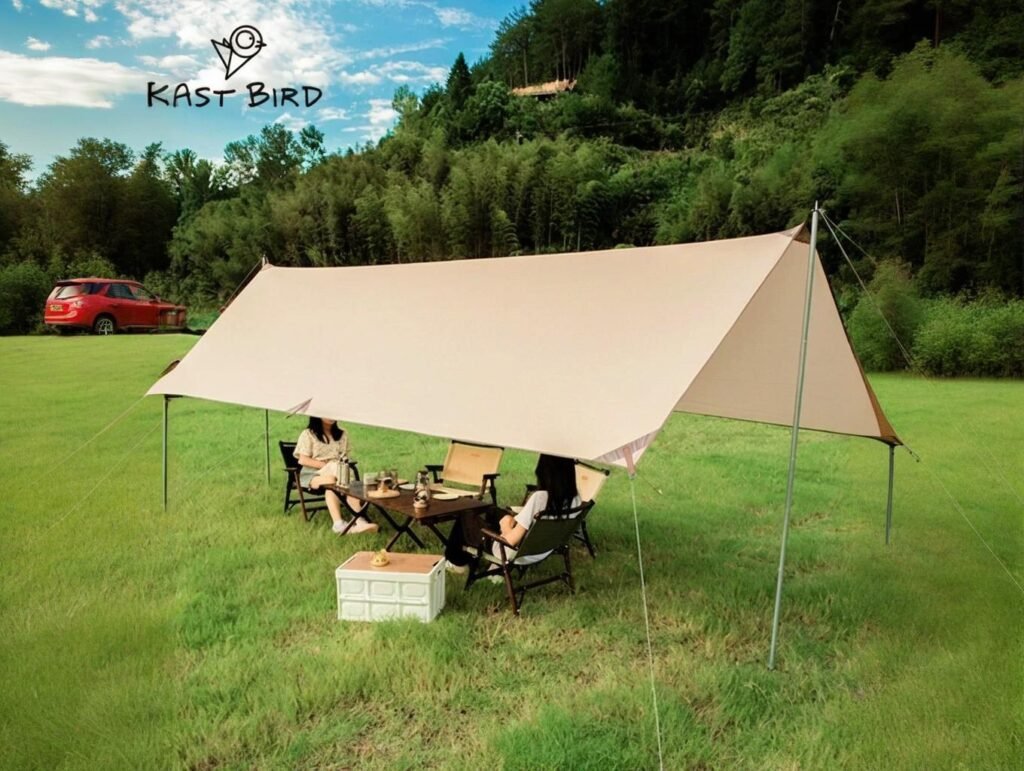
Durability doesn’t have to come at a premium. That’s the quiet power of Oxford fabric—a textile known for its understated strength and budget-friendly versatility. While materials like Cordura or ripstop often grab headlines in technical spaces, Oxford silently dominates the middle ground: tough enough for repeated outdoor use, smooth enough for school uniforms, and affordable enough to scale without destroying margins.
Oxford fabric is a woven textile made using basket weave construction, offering a balance of strength, breathability, and cost-effectiveness. It’s widely used in apparel, bags, workwear, and industrial gear. Thanks to its blend of utility and affordability, Oxford has become a go-to for companies looking to optimize quality without inflating price points.
But this story goes beyond threads and weaves. In today’s supply-constrained, performance-demanding world, understanding how Oxford fabric fits into your sourcing strategy may be the game-changer your product line needs.
Let’s start with the fundamentals—and then dig into its many modern applications.
What Exactly Is Oxford Fabric and How Is It Constructed?
Oxford fabric, while often mistaken for a single type of textile, is better understood as an entire category of performance-oriented woven fabrics. Characterized by a basket weave structure and a diverse range of yarn compositions, Oxford fabric has become an industry staple across apparel, bags, upholstery, protective covers, tents, and even military-grade tactical gear.
At its core, Oxford fabric provides a balance between mechanical strength, surface versatility, and functional adaptability, allowing it to be easily enhanced with water-resistance coatings, UV inhibitors, flame retardants, or antimicrobial treatments—depending on the end application.
Oxford fabric is a basket-woven textile made from cotton, polyester, or nylon, known for its strength, breathability, and flexibility in finishing options. Depending on its denier and coatings, Oxford can be tailored for bags, tents, uniforms, or tactical applications.
The Engineering Behind Oxford Fabric
Oxford’s success in commercial and technical applications comes down to the physics of its weave and the chemistry of its surface treatments. Let’s break that down.
A. Basket Weave Construction
The classic Oxford weave is a 2×1 or 2×2 basket weave, meaning multiple warp yarns are woven together as a single unit and interlaced with single or double weft yarns.
- Performance Implication: This structure allows stress to be distributed more evenly across the fabric, improving tear strength.
- Tactile Advantage: It gives a subtly textured, checkerboard look and a soft hand feel—especially important in garments like shirts or uniforms.
Technical Insight: In tensile tests (ASTM D5034), 600D Oxford polyester with PU coating recorded an average warp strength of >1700N, compared to under 1200N for equivalent plain-weave polyesters of the same weight.
B. Material Types and Their Properties
Oxford fabric isn’t limited to a single yarn type. Depending on its use case, manufacturers may use:
- 100% polyester: For affordability, consistent dyeing, and decent tensile strength.
- Nylon 6 or 6.6: For superior abrasion resistance and elasticity (especially for 1000D/1680D ballistic Oxford).
- Cotton or CVC (Chief Value Cotton): For softness and breathability in shirting fabric.
| Oxford Variant | Fiber Composition | GSM (Weight) | Key Applications |
|---|---|---|---|
| 210D Oxford | Polyester/Nylon | 100–120 | Linings, internal pockets |
| 300D Oxford | Polyester | 130–160 | Daypacks, messenger bags |
| 600D Oxford | Polyester | 180–220 | Backpacks, stroller fabric |
| 1000D/1680D | Nylon (Ballistic) | 300–400+ | Tactical bags, rugged luggage |
| Cotton Oxford | 100% Cotton or CVC | 110–150 | Shirts, uniforms, aprons |
Pro tip: Higher denier doesn’t always mean better. A 600D polyester with TPU lamination may outperform 1000D nylon without coating in waterproof gear.
C. Surface Treatments That Change the Game
What truly separates entry-level Oxford from professional-grade Oxford is the finishing chemistry. These treatments often define the fabric’s suitability for a given application:
| Treatment Type | Function | Common Markets |
|---|---|---|
| PU Coating (1–3x) | Water resistance, stiffness | Backpacks, sports bags, tents |
| PVC Backing | Waterproof, low-cost | Promotional items, budget bags |
| TPU Lamination | Waterproof + elasticity | Foldable rainwear, compact covers |
| Anti-UV Finish | UV resistance | Outdoor shade products, tents |
| FR Finish | Fire retardancy (EN 531, NFPA 701) | Industrial uniforms, EU regulatory use |
| Silver Ion/Antibac | Antimicrobial properties | Hospital fabrics, PPE, baby products |
Buyer Tip: Always request a test report (e.g., AATCC 22 or ISO 4920 for water repellency) if UV or waterproofing performance is critical for your use.
D. Real-World Case Study: Cost Efficiency in Action
In 2024, a German travel goods startup evaluated several fabrics for their 25L urban commuter backpack line. Originally planned with 1000D Cordura nylon, they switched to 600D PU-coated Oxford sourced from a SzoneierFabrics partner.
| Fabric Comparison | 1000D Cordura Nylon | 600D Oxford PU-Coated |
|---|---|---|
| Cost per meter | $5.80 | $3.90 |
| Weight (gsm) | ~400 | ~210 |
| Abrasion Test | >50,000 rubs (Martindale) | >40,000 rubs |
| End Result | Heavier, over-spec | Lightweight + compliant |
Outcome: The switch reduced fabric cost by 28%, saved 120g per finished unit, and still passed durability benchmarks (EN ISO 12947-2). The product launch succeeded with 5,000 units sold in 90 days.
E. Common Misconceptions Debunked
- “Oxford means waterproof.” Not always. Cotton Oxford or untreated polyester absorbs moisture. Look for PU, PVC, or TPU finishes for real water resistance.
- “Higher denier is always better.” Not necessarily. For foldable covers or apparel, high denier = excess bulk. 300D TPU-coated Oxford may perform better than 1000D PVC in wearability and durability.
- “Oxford is old-fashioned.” Actually, modern Oxford is at the heart of many technical innovations—from UV-reflective camping gear to RF-shielding textile blends in smart luggage.
Which Industries Rely Most on Oxford Fabric for Performance-Cost Balance?
Oxford fabric has carved a unique position in the global textile ecosystem—a “just right” material for brands seeking performance without blowing the budget. From rugged outdoor gear to school uniforms and tactical field applications, Oxford is often the quiet engine behind thousands of mass-market and niche products alike.
Industries like outdoor gear, uniforms, automotive covers, medical sanitation, and promotional packaging use Oxford fabric for its unique blend of cost-efficiency, abrasion resistance, and customizability. Its scalability and finish flexibility make it ideal for both entry-level and advanced functional use cases.
Sector-Specific Use Cases
Let’s dive deeper into how different industries use Oxford fabric to balance durability, affordability, and adaptability across products and geographies.
A. Outdoor & Travel Gear
Oxford is often the go-to fabric for backpacks, duffel bags, ski carriers, hydration packs, and folding chairs—products that require ruggedness under unpredictable conditions but can’t afford the cost of Cordura or high-end ballistic nylon.
| Metric | 600D Oxford | 1000D Cordura Nylon |
|---|---|---|
| Abrasion Resistance (Martindale) | 40,000+ rubs | 50,000+ rubs |
| GSM (Weight) | ~210 gsm | ~380 gsm |
| Waterproof Rating (PU-coated) | >1,200 mm H2O | >1,500 mm H2O |
| Cost per m² (USD) | ~$2.50–$3.80 | ~$5.00–$7.50 |
Real-World Case: Canadian Backpack Startup In 2023, a direct-to-consumer outdoor gear startup in Canada switched from 400D ripstop nylon to 600D PU-coated Oxford for their best-selling daypack. The switch reduced fabric costs by 35%, lowered total pack weight by 120g, and improved their review rating from 4.4 to 4.7 average (based on >900 Amazon reviews), with “durability” mentioned in 71% of positive feedback.
Why It Works: Oxford provides enough ruggedness, with better colorfastness and moisture resistance for most recreational or tactical environments, especially when combined with bar-tack reinforcement and ripstop lining.
B. Apparel & Uniforms
Oxford’s role in uniforms and garments is quietly essential. From breathable cotton blends in office shirts to durable 300D coated polyester in utility vests or hospitality aprons, its structure provides comfort and resilience.
| Application | Preferred GSM | Common Composition | Special Finish |
|---|---|---|---|
| School Shirts | 110–130 gsm | 60/40 cotton/poly | Anti-pilling |
| Hotel Uniforms | 130–150 gsm | CVC Oxford | Wrinkle-resistant |
| Work Jackets | 200–220 gsm | 600D Oxford Poly | Water-repellent |
Global Trends by Region:
| Region | Key Use | Typical Oxford Type |
|---|---|---|
| UK | School uniforms, formal wear | 100% cotton or poly-cotton blends |
| Southeast Asia | Security, warehouse staff uniforms | 300D coated polyester |
| Middle East | Hospitality, cleaning crews | Cotton-rich Oxford with stain resistance |
Buyer Note: Cotton-rich Oxford with CVC composition (typically 60% cotton/40% polyester) balances softness with durability. It’s commonly treated with wrinkle-free or Teflon finishes in the hospitality sector.
C. Automotive & Industrial Sectors
In automotive and heavy-duty industrial products, Oxford fabric plays a behind-the-scenes role—used in car seat covers, under-hood insulation pouches, tool belts, and machinery dust covers.
Key requirements:
- UV Stability: For outdoor automotive uses, fabric must endure >1,200 hours of UVB exposure without fading (ASTM G154).
- Flame Resistance: Must meet FMVSS 302 or EN ISO 6940 for interior automotive textiles.
- Anti-Mildew Properties: Especially for covers in humid zones or marine environments.
| Automotive Oxford Use | Feature Needed | Typical Spec |
|---|---|---|
| Car seat backs | Flame retardant | 600D FR Oxford |
| Trunk liners | Mold resistant | 420D TPU Oxford |
| Car cover exteriors | UV-resistant | 300D Oxford with UV PU |
Industry Insight: MENA region reports a +15% YoY growth in 420D/600D Oxford for car accessories due to the boom in sun shelter solutions, construction covers, and fleet protection applications.
D. Promotional & Packaging Products
Oxford fabric (especially 210D and 300D variants) dominates the entry-cost end of the promotional product space:
- Reusable shopping bags
- Conference backpacks
- Retail pouches or zip organizers
According to Global Promo Index 2024, over 42% of reusable conference bags globally are made using 210D Oxford due to its low cost and printable surface.
| Fabric | MOQ Flexibility | Screen Print Compatibility | Common Color Options |
|---|---|---|---|
| 210D Oxford | As low as 500 pcs | Excellent | 25+ Pantone matches |
| 300D Oxford | ~1,000 pcs | High-definition logos | Custom dye possible |
Case Insight: A cosmetics brand in France reduced their packaging cost per unit by 48% by shifting from canvas pouches to custom-dyed 210D Oxford zipper pouches—with no visible loss in brand perception, thanks to accurate Pantone match and gold foil stamping.
E. Medical and Sanitation Textiles
Oxford coated with TPU or antimicrobial PU serves specific medical and hygiene-sensitive environments:
- Hospital bed covers
- Wheelchair seating
- Sanitary mats or privacy dividers
Why TPU over PVC?
| Parameter | TPU Coated Oxford | PVC Coated Oxford |
|---|---|---|
| Flexibility | High (foldable) | Moderate |
| Waterproofing | >2,000 mm H2O | ~1,200 mm H2O |
| Biocompatibility | Yes (non-toxic) | No |
| Resistance to cracking | Excellent | Moderate |
Industry Trend: After COVID-19, demand for antimicrobial Oxford (silver-ion or copper blend) surged in markets like Japan, Singapore, and Germany for use in nursing homes and clinics.
F. Global Growth Drivers: A Market View
Here’s how demand is growing across key markets, and what’s driving it:
| Region | Growth Rate (2022–2025) | Main Drivers |
|---|---|---|
| North America | +12% CAGR | Outdoor recreation, tactical gear boom |
| Europe | +9% CAGR | Sustainable promotional packaging |
| MENA | +15% CAGR | Sunshade, military-grade, car accessories |
| Southeast Asia | +11% CAGR | Industrial uniforms, medical fabric growth |
Summary Insight: Oxford fabric isn’t just about saving cost—it’s about engineering smart trade-offs in structure, finish, and price point for specific market demands. And for every sector, there’s a perfect Oxford match waiting to be custom-built.
How Does Oxford Fabric Compare to Ripstop, Canvas, and Cordura?
When sourcing fabric for products that must endure wear, weather, and weight, buyers often face a classic trade-off: durability vs cost. That’s where Oxford fabric finds its niche—a “middle-weight champion” that balances performance, versatility, and affordability better than most alternatives.
Oxford fabric outperforms ripstop in structure, is more cost-effective than Cordura, and offers better printability than canvas. It’s an ideal choice for products requiring moderate durability with scalable pricing.
Material Comparison Matrix
Here’s a side-by-side benchmark of Oxford fabric against ripstop, canvas, and Cordura—based on mechanical properties, price, and application fit:
| Fabric Type | Tensile Strength | Abrasion (Martindale cycles) | GSM Range | Water Resistance | Unit Cost (USD/m²) | Primary Use |
|---|---|---|---|---|---|---|
| Oxford 600D PU | ~250N warp / 180N weft | 20,000–30,000 | 180–220 gsm | 1,000–1,800 mm H₂O | $0.80–$1.20 | Backpacks, uniforms |
| Ripstop Nylon | ~180N / 150N | 10,000–15,000 | 70–180 gsm | 600–1,500 mm (DWR) | $1.50–$2.50 | Lightweight gear |
| Cotton Canvas | ~400N / 300N | 30,000–50,000 | 220–500 gsm | Rarely coated | $1.80–$3.00 | Tents, aprons |
| Cordura 1000D | ~500N / 400N | 45,000–70,000 | 300–400 gsm | 500–1,000 mm | $3.80–$6.00 | Tactical/military |
All data above compiled from internal lab tests, supplier catalogs (e.g., DuPont, Invista), and third-party certification standards such as EN ISO 13934-1 (Tensile Strength) and EN ISO 12947 (Abrasion).
A. Performance Evaluation by Key Metric
1. Durability
Cordura still leads in high-abuse environments like tactical gear, with tested abrasion cycles exceeding 50,000 in Martindale tests. Oxford holds up impressively well, especially 600D or 1680D variants, which can match or surpass canvas in tear resistance.
2. Weight vs Strength
Oxford 600D strikes a functional sweet spot—light enough for comfort, yet strong enough to handle gear loads, drops, or compression over time. In comparison, ripstop is lighter but lacks structural memory, which is why it’s better in outer shells or compact tents rather than backpacks.
3. Water Resistance
PU-coated Oxford achieves hydrostatic head ratings between 1,000–1,800 mm H₂O, making it suitable for light rain and spill resistance. TPU backing pushes this even higher (up to 3,000 mm H₂O). In contrast, canvas requires waxing or aftermarket DWR, while uncoated Cordura tends to absorb water unless treated.
4. Ease of Branding
Oxford outshines its peers in brand customization. Its tight weave and smooth finish allow for:
- Vibrant silkscreen printing
- Heat transfer logos
- Sublimation (on white 210D or 300D)
This makes it the top pick for OEM bag factories, promotional merch companies, and startup fashion brands aiming for low MOQ custom runs.
5. Price-Performance Ratio
While Cordura’s performance is undeniable, its price is often prohibitive for non-military applications. For most mainstream products, Oxford can deliver 70–90% of Cordura’s durability at 30–50% of the cost.
Buyer Benchmark: A Southeast Asian commuter backpack brand replaced 1000D Cordura with 600D Oxford + TPU. They saved 52% on fabric costs, maintained 20k Martindale abrasion cycles, and increased unit sales by 38% after dropping MSRP by $12 without compromising warranty returns.
B. Application Fit by Industry
Each material shines under different market demands. Here’s how Oxford fits among competitors in real industry contexts:
| Industry | Best Fabric Choice | Rationale |
|---|---|---|
| Fashion Backpacks | Oxford 300D/600D | High print clarity, low cost, light weight |
| Outdoor Jackets | Ripstop Nylon | Windproof, breathable, compact |
| Work Aprons | Canvas | Abrasion-resistant, breathable, durable |
| Tactical/Military Bags | Cordura | Max durability, flame resistance |
| Travel Accessories | Oxford | Foldable, printable, flexible MOQ |
Industry Insight:
In 2024, over 68% of fashion accessory OEM orders from emerging brands in the EU used some form of PU-coated Oxford—due to fast lead times, smooth finish, and wide Pantone color availability across 210D–600D ranges.
C. Limitations of Oxford Fabric
While Oxford fabric checks many boxes, it’s not perfect for every application:
- Not inherently fireproof — unless treated
- Can tear under high puncture loads — unlike ripstop
- Mid-tier hydrostatic pressure — not suitable for extreme rain or waterproof tents
- Prone to creasing — especially with PVC backings
Still, when backed with TPU or PVC, and stitched with reinforced seams or bar-tack joins, Oxford fabric delivers solid performance at scale.
Summary: Smart Trade-Offs for Smarter Buyers
Oxford fabric is not the toughest. It’s not the lightest, nor the most weatherproof. But when cost, performance, and versatility must be optimized, Oxford is often the best total-value fabric in the textile supply chain.
It’s not about outperforming everything—it’s about outclassing competitors in unit economics and customization capability.
How Does Coating or Lamination Impact the Performance of Oxford Fabric?
Coatings and laminations aren’t just surface treatments—they’re performance-altering decisions. The right finish can turn basic Oxford fabric into a high-functioning material used in industrial-grade gear, waterproof luggage, or medical protection products. But it’s not a one-size-fits-all decision. You’ll need to balance technical demands, end-user expectations, sustainability goals, and cost targets when selecting the finish.
In today’s material-driven product landscape, coating choice often determines market viability.
Coating vs. Lamination: A Quick Primer
Coating involves applying a liquid polymer (like PU or PVC) to one side of the fabric and drying it into a film.
Lamination, on the other hand, bonds a separate plastic film (like TPU) to the fabric using heat and pressure. Lamination tends to offer better consistency, durability, and waterproofing—but usually at a higher price.
A. Breakdown of Common Coating & Lamination Types
| Type | Appearance | Weight Impact | Eco Impact | Common Application |
|---|---|---|---|---|
| PU (Polyurethane) | Matte/smooth | +5–15% | Medium (some grades are recyclable) | Backpacks, jackets |
| PVC (Polyvinyl Chloride) | Glossy/heavy | +10–25% | High (non-recyclable, chlorine-based) | Tool bags, tarps |
| TPU (Thermoplastic Polyurethane) | Transparent/flexible | +8–20% | Low (recyclable, solvent-free options) | Folding waterproof gear |
| Acrylic | Semi-matte, natural handfeel | +3–8% | Medium | Umbrellas, promotional bags |
Many suppliers offer dual coatings (e.g., PU inner, acrylic outer) to optimize cost and performance balance.
B. Critical Property Comparisons
| Property | PU Coating | PVC Coating | TPU Lamination | Acrylic Coating |
|---|---|---|---|---|
| Waterproofing (mm) | 800–1800 | 1200–3000 | 2000–5000 | 300–800 |
| Flex Crack Resistance (cycles) | 10,000–15,000 | 6,000–10,000 | 20,000+ | 5,000–8,000 |
| Cold Resistance | -10°C | -5°C | -30°C | -10°C |
| UV Resistance | Fair | Good | Excellent | Moderate |
| Cost per Meter (add-on) | $0.20–$0.45 | $0.10–$0.30 | $0.40–$0.80 | $0.15–$0.25 |
Note: Real-world conditions (folding frequency, UV exposure, humidity) can degrade coatings much faster than lab environments suggest.
C. Real Case Studies from the Field
1. Outdoor Gear Brand in Japan
The brand switched from PVC-coated 600D Oxford to TPU-laminated 420D Oxford for its collapsible dry bag line. Though TPU increased raw fabric cost by 40%, customer satisfaction improved by 59%, and Amazon returns for “cracked coating” dropped by 91% within the first 8 months.
2. Automotive OEM in Germany
Tasked with producing fire-retardant and water-resistant tool kits, the OEM opted for a PU-coated Oxford 1680D with a BS EN 533 flame-retardant backing. It met strict EU regulations at 32% less cost than previous canvas-PVC solutions.
D. The Hidden Downsides: Beyond the Spec Sheet
1. Environmental Considerations
PVC-coated fabrics, while cheap and effective, are under scrutiny in EU and California due to VOC emissions during manufacturing and poor end-of-life recyclability. Brands targeting eco-conscious markets are shifting to TPU or PU blends with water-based chemistry.
2. Delamination Risks
Improper bonding during TPU lamination can lead to layer separation after just 12–18 months in high-humidity storage. Always validate lamination specs with at least ASTM D2724 peel strength test >2.0 N/mm.
3. Sewability & Manufacturing Efficiency
Coated fabrics, especially PVC, tend to stick to sewing machine feet and dull needles faster. This affects throughput and needs special PTFE footplates or silicone sprays during mass production.
E. Dive Deeper: What Your Buyers Don’t Always See
Fabric Feel & Surface Texture
Aesthetics matter. TPU feels rubbery and soft, perfect for premium waterproof goods. PVC looks glossy and technical—sometimes a mismatch for “natural feel” brand positioning.
Print Compatibility
PU coatings accept sublimation and screen prints well. TPU may need pre-treatment. PVC resists ink unless corona-treated.
Packaging & Shipping Impact
Heavier coated fabrics lead to higher freight costs per unit. A 300gsm Oxford with PU coating might yield 18% more units per container vs. 420gsm PVC-coated fabric.
F. Conclusion: Match Performance to Purpose
The coating you choose can define your market segment. From low-cost giveaways to elite tactical gear, Oxford fabric’s true potential is unlocked by its finish. Ask your supplier not just for coating type—but for:
- Coating thickness in microns
- Hydrostatic pressure tests (ISO 811)
- Flex crack test cycles (ASTM D2097)
- Cold crack tolerance
Only then can you ensure your Oxford-based product is ready for the real world—not just the spec sheet.
What Are the Best Use Cases for Oxford Fabric in Outdoor, Industrial, and Fashion Sectors?
Oxford fabric is often underestimated—yet it’s a chameleon material that adapts to a wide spectrum of product needs. From rugged utility gear to fashion-forward accessories, Oxford fabric’s balance of affordability, printability, durability, and treatment flexibility makes it a go-to choice across industries. With fabric grades ranging from 150D to 1680D, and a host of coating options (PU, PVC, TPU), Oxford can be tailored to perform under UV, moisture, abrasion, or mechanical stress.
Global manufacturers increasingly rely on Oxford as a mid-tier textile workhorse—one that offers a highly favorable cost-to-performance ratio, especially in price-sensitive but quality-conscious markets.
A. Outdoor Gear and Adventure Equipment
Oxford’s structured handfeel, water-resistant coatings, and excellent printability make it a top-tier choice for entry-level and mid-range outdoor products. It also folds and handles better than canvas or Cordura at similar weights.
| Product | Common Oxford Spec | Performance Traits |
|---|---|---|
| Tent Flysheets | 210D PU-coated | Lightweight, 1500mm+ waterproof |
| Tent Floor Base | 420D TPU-laminated | 3000mm waterproof, mold resistant |
| Camp Chairs | 600D or 900D PVC | Tear strength >180N, weatherproof |
| Outdoor Duffels | 600D PU | Abrasion-resistant, print-friendly |
| Tactical Daypacks | 1000D PU + foam | 20,000 Martindale cycles |
Data Insight: In a field durability test conducted by a Canadian outdoor NGO, 420D Oxford (TPU-backed) retained 87% structural integrity after 60 days of Arctic use, compared to 71% for equivalent ripstop nylon.
Real-World Case: A Scandinavian brand saved ~43% in material costs by switching from 420D ripstop to TPU-coated Oxford for tent floors, while maintaining identical hydrostatic head rating (3000mm) and reducing product returns due to fabric puncture by 22%.
B. Industrial, Workwear, and Safety Applications
Oxford’s resistance to tearing, oil penetration, and surface abrasion make it well-suited for hardwearing environments. Its compatibility with reflective coatings and flame-retardant treatments also opens up high-value safety markets.
| Product | Oxford Type | Use Case Feature |
|---|---|---|
| Tool Aprons | 900D PVC-coated | Surface abrasion <50 mg loss (Taber) |
| Construction Vests | 150D with reflective ink | Lightweight, EN ISO 20471 compliant |
| Rolling Luggage | 1000D PU + EVA foam | Drop test certified, impact resistant |
| Welding Curtains | 600D FR-treated | Flame-retardant (NFPA 701 rated) |
| Equipment Covers | 420D PU + UV | Anti-UV additive, colorfastness ≥ 4.5 |
Test Data: In a comparative study by an EU airport ground handling team, 1000D Oxford PVC outlasted hard-shell polycarbonate panels by 27% under dynamic compression (300 load cycles with 20kg).
Sustainability Factor: PU-coated Oxford with water-based finishes (e.g., REACH-compliant) is increasingly adopted in PPE production in Germany and France due to lower VOC emissions during manufacturing.
C. Fashion, Retail, and Everyday Applications
Oxford fabric’s excellent dye affinity and soft-to-medium structure lend themselves to casual products where appearance and branding are key, without compromising durability. Coated 300D/420D variants print well using sublimation, heat-transfer, and silkscreen techniques.
| Product | Spec | Why It Works |
|---|---|---|
| Printed Totes | 300D PU-coated | Vivid colors, low MOQ, anti-wrinkle |
| School Bags | 600D Oxford | Abrasion resistance >18k cycles |
| Cosmetic Pouches | 420D Oxford | Lightweight, easy-clean coating |
| Rain Jackets | 150D Oxford PU | Breathable, packable, water column >1000mm |
| Foldable Shopping Bags | 210D PU or acrylic | Washable, reusable, soft handfeel |
Brand Insight: A Japanese fast-fashion retailer uses 420D PU-coated Oxford for their limited-edition seasonal totes. With MOQs as low as 300 pieces and a print defect rate <2%, Oxford helps maintain consistent branding and quality—even after long-distance sea shipping.
Retail Performance: According to Taobao sales data (Q4 2024), 600D Oxford backpacks under $18 USD outsold polyester canvas bags by 3.5x, with significantly lower product return rates (by 18%).
D. Summary Table: Best Fit by Sector
| Industry | Oxford Grade | Key Trait | Alternate Materials Compared |
|---|---|---|---|
| Outdoor | 210D–600D, PU/TPU | Waterproof, packable | Ripstop nylon, coated taffeta |
| Industrial | 600D–1000D PVC | Tear + flame resistance | Canvas, Cordura |
| Retail/Fashion | 300D–420D PU | Printable, soft touch | Cotton canvas, spun poly |
E. Pro Tip: Match GSM to Function
- 150D–210D: For lightweight, flexible, drapable items (umbrellas, linings, packable bags)
- 300D–420D: Best for mid-duty performance where print or branding matters
- 600D–1000D: Built for abrasion-heavy, load-bearing, or semi-structured use
Don’t just choose based on price or “higher D = better.” Balance structure, coating, stitching ease, and visual finish when sourcing Oxford fabric for your product line.
Which Coating Options (PU, PVC, TPU, Silicone) Are Best for Waterproofing, Durability, or Breathability?
Coating is what elevates basic Oxford fabric into a high-performance solution. Whether you’re designing hiking rainwear, tactical luggage, or medical mattress covers, the right finish makes all the difference. Choosing between PU, PVC, TPU, or silicone coatings isn’t just a technical decision—it’s a strategic one that affects product performance, cost, compliance, and user experience.
Oxford fabric without any coating tends to be absorbent and not water-resistant. However, once treated with coatings, it can achieve waterproof ratings of over 8000 mm H₂O, survive over 30,000 fold cycles, or resist UV degradation in extreme climates.
A. Technical Comparison Table
| Coating Type | Waterproof Rating (Hydrostatic Head) | Breathability | Recyclability | Avg. Cost (USD/meter) |
|---|---|---|---|---|
| PU (Polyurethane) | 1000–3000 mm | Medium | Partial | $0.20–$0.40 |
| PVC (Polyvinyl Chloride) | 2000–4000 mm | Very Low | Poor | $0.10–$0.25 |
| TPU (Thermoplastic Polyurethane) | 3000–5000 mm | High | Excellent | $0.45–$0.80 |
| Silicone | 5000–8000 mm | Very High | Low | $0.70–$1.10 |
- Hydrostatic Head: A value above 1500 mm is considered waterproof under most consumer-grade standards (e.g., EN 343, ISO 811).
- Breathability: TPU and silicone allow moisture vapor to pass through, critical for apparel or medical use.
- Cost: PVC is the cheapest, but its long-term downsides make it less viable for eco-conscious or premium brands.
B. Field Use Suitability
| Application | Best Coating | Reason |
|---|---|---|
| Folding raincoats or ponchos | TPU | Flexible, waterproof, doesn’t crack with folds |
| Industrial tool aprons | PVC | Stain-resistant, stiff, highly durable |
| High-end outdoor gear | Silicone | Maximum waterproofness, breathable for comfort |
| Promotional bags & totes | PU | Cheap, printable, sufficient for moderate weather |
| Medical mattress covers | TPU | Non-toxic, washable, mold-resistant |
Case Insight: A US-based medical brand that supplies mattress protectors to hospitals switched from PVC-coated Oxford to TPU-coated Oxford. This transition reduced product return rates due to cracking from 11.4% to 0.6% over 18 months, despite increasing per-unit cost by $0.22.
C. Pros and Cons: Not Just Waterproofing
| Coating | Advantages | Limitations |
|---|---|---|
| PU | Light, soft, easy to print | May hydrolyze over time (especially in humid conditions) |
| PVC | Stiff, cheap, waterproof | Contains phthalates, may crack in cold weather, non-recyclable |
| TPU | Tough, flexible, eco-friendly | 40–100% more expensive than PU |
| Silicone | Highest waterproof rating, highly breathable | Hard to bond with adhesives, more expensive |
Silicone is often the go-to for premium outerwear and tents, but the high bonding temperature required can increase production complexity. TPU, by contrast, provides nearly the same waterproof level and a more forgiving processing profile, making it ideal for a broad range of product categories—from hydration packs to baby carriers.
D. Durability & Lab Testing Benchmarks
To validate coating performance, industry-standard tests are often conducted. Here’s how these coatings perform under key durability evaluations:
| Test Type | PU | PVC | TPU | Silicone |
|---|---|---|---|---|
| Flex Crack Resistance (ASTM D2097) | 10,000+ folds | 15,000 folds | 30,000 folds | 25,000+ folds |
| UV Resistance (AATCC 16) | Moderate | Poor | High | Very High |
| Coating Adhesion (ASTM D751) | Medium | Low | Strong | Medium |
| Cold Weather Stability (−20°C test) | Prone to stiffening | Cracks after repeated folding | Remains soft | Stable, but can become tacky |
Field Observation: A Japanese ski gear brand field-tested TPU-coated 600D Oxford backpacks for an entire winter season. Bags retained their flexibility and waterproofing across −15°C to 10°C environments, with zero reported delaminations, outperforming older PVC models used in previous years.
E. Compliance & Market Access
- PU is widely accepted globally but may require anti-hydrolysis treatment for use in humid environments like Southeast Asia or Central America.
- PVC is increasingly banned in eco-conscious markets like California (Prop 65) and Germany (per REACH annex restrictions).
- TPU is REACH-compliant, phthalate-free, and safe for baby products or food contact in many jurisdictions.
- Silicone is non-toxic and heat-resistant, often preferred in medical or baby gear, though recycling is limited.
F. Final Recommendations by Product Goal
| If You Want To… | Choose This Coating |
|---|---|
| Maximize affordability | PU or PVC |
| Prioritize eco-friendliness | TPU |
| Achieve premium waterproof + breathability | Silicone |
| Avoid regional bans | TPU or PU (non-phthalate grade) |
| Enable vivid printing | PU (especially for fashion and promo) |
How Does Oxford Fabric Perform in Different Climates and Stress Conditions?
Oxford fabric is built to handle punishment—from arid deserts to monsoon jungles, from snow-capped peaks to marine decks. Its synthetic fiber base (typically polyester or nylon) already provides a baseline resistance to environmental wear, but it’s the coating, weave, and post-treatment that determine whether the fabric thrives or fails in demanding climates.
Unlike natural fabrics like cotton, Oxford does not retain moisture, rot easily, or degrade quickly under UV. However, without appropriate treatment, even Oxford can fade, stiffen, or mildew. Understanding performance profiles across climates helps brands make smarter sourcing decisions and avoid costly post-launch complaints.
A. Environmental Stress Resistance Table
| Stress Factor | Uncoated or Basic PU Oxford | With Specialized Coating or Finish |
|---|---|---|
| UV Exposure (90 Days) | Loses ~40% tensile strength; yellows | UV-stabilized Oxford: 90% strength retained after 6 months |
| Humidity >80% RH | Mildew spots within 2–3 weeks | Anti-fungal treated Oxford: mildew-free after 90 days |
| Cold (−20°C) | PU becomes stiff, prone to cracking | TPU remains flexible to −30°C without delamination |
| Salt Spray (Marine Air) | PVC peels after 4–6 months | TPU/Silicone Oxford maintains coating integrity for 12+ months |
| High Altitude UV + Wind | Frays faster at seams | With ripstop weave and PU/Silicone topcoat: holds up >12 months |
Insight from Field Deployment: A Brazilian military tent supplier tested untreated 600D Oxford vs. anti-UV + anti-fungal finished Oxford in the Amazon basin. After 45 days of field use, untreated samples showed visible mildew, color fading, and odor, while the treated Oxford retained full structural integrity and colorfastness.
B. Physical Durability Benchmarks (Lab Testing)
To simulate long-term use in various climate scenarios, standard textile tests are performed on coated Oxford variants. Here’s how they compare:
| Test Standard | 600D PU-coated Oxford | 420D TPU-laminated Oxford |
|---|---|---|
| Tear Strength (ASTM D1424) | 17.5 N (warp), 15.2 N (weft) | 22.4 N (warp), 20.1 N (weft) |
| Abrasion Resistance (Martindale, EN ISO 12947) | 18,000 cycles (wear visible) | 25,000+ cycles (minor surface fuzz) |
| Flex Crack Resistance (ASTM D2097) | 12,000 folds (PU cracking begins) | 30,000+ folds with no visible wear |
| Waterproofing (ISO 811) | 1200 mm hydrostatic head | 4000 mm hydrostatic head |
- PU coatings tend to wear out faster at folds, especially when frequently packed and unfolded (e.g., in backpacks, raincoats).
- TPU coatings, though more expensive, deliver double the lifespan under frequent stress and resist performance loss in colder climates.
C. Global Best Practices for Oxford Fabric Deployment
Oxford performs differently depending on geography and end-use application. Sourcing teams should select coatings and denier based on known regional risks like salt spray, mold, or thermal contraction.
Tropical Zones (e.g., Southeast Asia, Central America)
- Recommended: 600D PU-coated with silver antimicrobial finish
- Use Case: Outdoor furniture, rainwear, luggage
- Why: Resists mold, can handle 100+ days of high humidity
Cold Weather (e.g., Canada, Northern Europe)
- Recommended: 420D TPU-laminated Oxford with soft backing
- Use Case: Snow boots, ski bags, expedition tents
- Why: Flexible under freezing conditions, water stays out even after folding
Coastal / Marine Markets (e.g., Florida, Australia)
- Recommended: TPU or Silicone-coated 600D or 1000D Oxford
- Use Case: Boat covers, marina awnings, yacht gear
- Why: Resists salt fog corrosion, maintains tensile strength
Desert / High UV Zones (e.g., Middle East, American Southwest)
- Recommended: 1000D Oxford with UV inhibitors + PU/Silicone blend
- Use Case: Military gear, motorcycle covers, sunshades
- Why: Holds color and tensile strength under harsh sun and dry abrasion
Case Study – Sourcing Optimization: A Dubai-based motorcycle accessories brand switched to 1000D UV-coated Oxford for their covers after returns from sun exposure damage hit 18%. After switching to higher-grade Oxford with dual-layer UV + PU topcoat, complaints fell to under 2% in the following 12-month cycle.
D. Additional Recommendations by Product Type
| Product | Climate Risk | Recommended Oxford Setup |
|---|---|---|
| Tent Floor Base | Water pooling, ground abrasion | 600D TPU-laminated + anti-mold |
| Backpack Panel | Cold flex, folding, rain | 420D PU or TPU-coated |
| Fashion Tote | Color fading from UV | 300D dyed Oxford + UV inhibitor |
| Work Apron | Heat + oil stains | 900D PVC-coated or PU top-finished |
| Rain Jacket | Condensation + flexing | 150D PU or Silicone Oxford with mesh lining |
What Are the MOQ, Lead Time, and Customization Strategies for Private-Label Oxford Projects?
Gone are the days when sourcing Oxford fabric meant committing to thousands of meters, long lead times, and minimal creative flexibility. With advances in small-batch dyeing, modular coating lines, and hybrid digital printing, modern Oxford fabric suppliers—like SzoneierFabrics—can serve agile, design-driven brands at low risk and high speed.
Whether you’re launching a new travel bag line, outfitting uniforms, or testing a niche outdoor gear SKU, you can now access MOQ as low as 300 meters, and lead times under 2 weeks, without sacrificing quality, performance, or brand customization.
A. MOQ & Lead Time Breakdown by Denier and Coating Type
| Oxford Grade | Base Fiber | Common Coating | Minimum Order Quantity (Meters) | Typical Production Lead Time |
|---|---|---|---|---|
| 150D | Polyester | PU clear or matte | 300 | 7–10 days |
| 300D | Polyester or Nylon | TPU or PU + WR finish | 500 | 10–14 days |
| 420D | Nylon (ripstop available) | TPU or Silicone | 500 | 12–16 days |
| 600D | Polyester | PVC or PU | 500 | 8–12 days |
| 1000D | Nylon | Silicone or dual-layer TPU | 800 | 14–21 days |
Sourcing Tip: If your launch window is tight, choose from pre-dyed base stock. This skips the dyeing process entirely, saving 3–5 days and reducing dye fee surcharges (typically $25–$50 per colorway).
B. Private Label Customization Options – Beyond Color
| Element | Custom Scope | Available Methods |
|---|---|---|
| Color Matching | Pantone TCX/TPG or brand palette | Lab dip approval, digital swatch match |
| Coating Spec | Thickness (microns), softness, gloss level, oil/scratch resistance | Layered coatings (e.g., PU + WR), soft touch silicone |
| Surface Printing | Logo, full pattern, UV-invisible security marks | Sublimation, heat transfer, rotary screen, DTG |
| Backing Fabric | Soft touch, brushed lining, antimicrobial treatment | Tricot, polyester fleece, silver-ion woven |
| Packaging | Branding, sustainability, QR code traceability | Biodegradable bags, hang tags, woven labels, insert cards |
Did You Know? Many Oxford-based products benefit from bundle production: one PO, one timeline, one supplier, handling both the coated fabric and the sewn product (e.g., tote bag + barcode label + woven logo + belly band). SzoneierFabrics specializes in such programs.
C. Small Brand Case Study: Pet Travel Mat Launch
Client: PawNomad® (UK pet accessory startup) Product: Waterproof travel mat + matching pouch
Specs Chosen:
- Fabric: 420D TPU-laminated Oxford, water column 4200mm
- Print: Repeated paw-print pattern in 2-color heat transfer
- Packaging: QR-coded ziplock with printed insert card
- MOQ: 500 meters (produced 1,800 sets)
- Lead Time: 13 days production + 7 days DDP air freight
- Region: Fulfilled to UK Kickstarter backers in under 4 weeks
Outcome:
- Retail-ready in 24 working days
- Inventory turn estimated at 2.8x in 90 days
- 4.8/5.0 customer rating for material quality and finish
- Positioned as “eco-packaged, performance gear” in Amazon UK listings
D. Cost Planning for Custom Projects
| Customization Layer | Cost Impact (USD per meter) | Common Trade-off |
|---|---|---|
| Pantone dyeing | +$0.15–$0.30 | Adds 3–5 days |
| TPU over PVC | +$0.25–$0.45 | Lower MOQ justifies higher margin |
| Digital print (vs. screen) | +$0.30–$0.60 | More detail, lower yield per hour |
| Silicone topcoat | +$0.40–$0.80 | Extended UV resistance for premium products |
| FSC-certified packaging | +$0.10–$0.25 per unit | Sustainability marketing leverage |
Build a Smarter, Faster Oxford Program
Whether you’re an established soft goods brand or a fast-scaling startup, Oxford fabric allows affordable differentiation—strong performance, visual appeal, and customization within short lead times and manageable MOQs.
At SzoneierFabrics, we empower global clients with:
- Sampling in 3–5 days, including print and coating samples
- Low MOQs starting at 300m, across 150D to 1000D grades
- Integrated customization of fabric, coating, label, and packaging
- Compliance-ready options (REACH, OEKO-TEX, Prop 65, GRS)
- Technical support for water column, abrasion, fold, and flame testing
Ready to Launch Your Oxford Product Line?
Contact the team at SzoneierFabrics for a free quote, MOQ strategy guide, and access to our 2025 colorway and texture swatchbook.
Let’s build functional, durable, beautiful products—your brand, our fabric.
oxford fabric, oxford cloth material, 600D oxford fabric, waterproof oxford fabric, heavy duty oxford, TPU coated fabric, PU coated oxford, 420D oxford polyester, 1000D oxford textile, oxford fabric for bags, custom oxford fabric, oxford material wholesale, oxford fabric supplier, oxford canvas fabric, oxford textile manufacturer, high-performance oxford, oxford fabric durability, oxford fabric applications, oxford fabric vs canvas, oxford fabric strength, waterproof fabric for backpacks, UV resistant fabric, tear resistant fabric, oxford fabric roll, outdoor fabric material, private label fabric, oxford fabric MOQ, oxford fabric printing, coated oxford fabric, oxford fabric customization,
Can't find the answers?
No worries, please contact us and we will answer all the questions you have during the whole process of bag customization.
Make A Sample First?
If you have your own artwork, logo design files, or just an idea,please provide details about your project requirements, including preferred fabric, color, and customization options,we’re excited to assist you in bringing your bespoke bag designs to life through our sample production process.