 Skip to content
Polyester Fabric Polyester Blends: Which Is Right for Industrial Use?
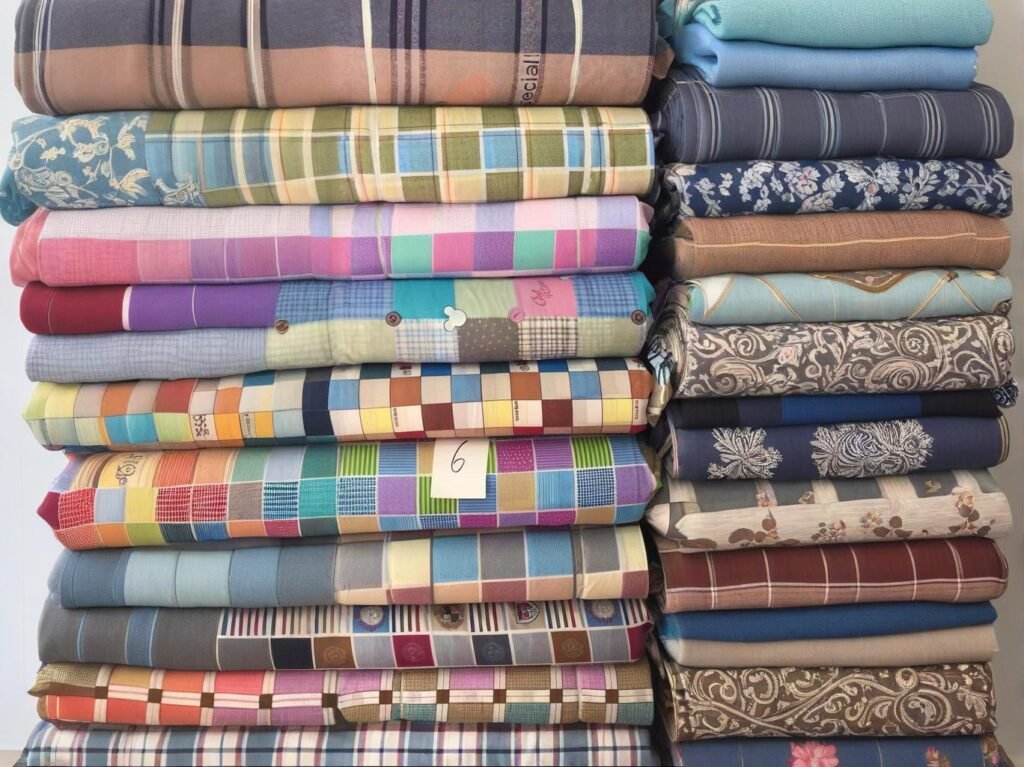
Industrial textiles must endure heat, abrasion, chemical exposure, and high mechanical stress—often in demanding environments like automotive plants, oil refineries, or large-scale manufacturing facilities. Choosing between 100% polyester and polyester blends requires understanding performance properties, cost considerations, and regulatory compliance requirements.
For industrial use, 100% polyester fabrics offer excellent strength, chemical resistance, and dimensional stability, while polyester blends—such as poly-cotton or poly-nylon—add benefits like breathability, flame retardance, or moisture control for specialized applications.
Take, for example, a German automotive component plant that switched to polyester-nylon blends for conveyor belts, extending operational life by 30% while reducing maintenance downtime—a real-world case showing how material choice impacts productivity and cost.
What are the key properties of 100% polyester fabric for industrial applications?
100% polyester fabrics are prized in industrial settings because of their high tensile strength, resistance to acids and alkalis, low moisture absorption, dimensional stability under heat, and adaptability to UV or flame-retardant treatments. These properties allow polyester to perform reliably in environments such as filtration, protective garments, and conveyor systems.
The Industrial Significance of 100% Polyester
Polyester has become one of the most widely used synthetic fibers in industrial manufacturing. According to global textile production data, polyester accounts for over 52% of all fiber usage worldwide, with a significant share dedicated to industrial rather than apparel applications. What makes it so valuable is not just cost-effectiveness, but its ability to perform under stress where natural fibers like cotton or wool fail. In applications ranging from marine ropes to chemical plant linings, polyester delivers a balance of durability, adaptability, and affordability that few fibers can match.
Core Mechanical and Chemical Properties
Tensile Strength
Polyester’s strength-to-weight ratio is one of the highest among synthetic fibers. In laboratory tensile tests, polyester fibers regularly exceed 600–900 MPa, compared to cotton’s 300 MPa average. This makes it particularly suited for conveyor belts, hoisting straps, and load-bearing webbings. The reduced elongation under load ensures consistent performance over time, minimizing stretching that could compromise safety.
Resistance to Chemicals
Industrial environments often involve exposure to aggressive chemicals. Polyester shows strong resistance to most acids, diluted alkalis, and organic solvents. For example, in pharmaceutical cleanrooms, polyester filters retain structural integrity even when exposed to repeated sterilization cycles using peroxide or alcohol-based agents. This resistance prevents premature degradation, reducing maintenance frequency.
Thermal Dimensional Stability
Polyester fibers maintain dimensional stability across a wide temperature range. Standard polyester can tolerate continuous use up to 150°C, and specially engineered variants can perform up to 170°C. This makes polyester invaluable in industrial filtration, insulation layers, and heat-resistant tapes. Unlike nylon, which tends to shrink or deform at elevated temperatures, polyester retains its geometry.
Low Moisture Absorption
With a moisture regain rate of only 0.4%, polyester absorbs significantly less water compared to cotton (7–8%) or rayon (11–12%). This feature prevents swelling, microbial growth, and weight gain, which are crucial for protective rain gear, outdoor tarps, and safety jackets. It also enhances drying efficiency, a key advantage in filtration systems for high-humidity environments.
Optional UV and Flame Treatments
Raw polyester degrades under prolonged UV exposure, but with specialized coatings, its lifespan outdoors can increase by 3–5 times. Flame-retardant treatments, such as phosphorus-based back-coatings or nanoparticle infusions, enable polyester to meet international fire safety standards (EN ISO 15025, NFPA 701). This adaptability extends its relevance from outdoor construction covers to aircraft interiors.
Case Study: Desalination Plant Efficiency
A desalination facility in the Middle East provides a concrete example of polyester’s industrial value. Engineers replaced conventional nylon filters with 100% polyester filtration fabrics. Due to polyester’s superior resistance to high-salinity environments, filter replacement cycles extended from 12 months to 18 months. This reduced operational costs by 25% annually, while also lowering downtime caused by maintenance interruptions.
Multi-Stakeholder Perspectives
Engineers
Engineers tend to value polyester’s load-bearing capabilities. When designing hoisting equipment, polyester webbing provides predictable elongation properties, ensuring that structural safety margins are consistently met.
Procurement Managers
From a sourcing perspective, polyester provides a cost-efficient alternative to high-performance fibers like aramids or PBO (polybenzoxazole). While aramids outperform polyester in extreme heat, polyester costs 70–80% less, making it a logical choice for projects balancing performance and budget.
Safety Officers
For safety officers in industries such as construction or oil & gas, polyester’s adaptability is crucial. UV resistance and flame-retardant options allow compliance with OSHA and ISO safety regulations, reducing risk liabilities for employers.
Comparative Positioning: Polyester vs Alternatives
- Polyester vs Nylon: Polyester offers better UV and chemical resistance, while nylon is preferred for impact resistance.
- Polyester vs Aramid: Aramid fibers (e.g., Kevlar®) provide higher thermal stability but at 3–4 times the cost.
- Polyester vs Cotton: Cotton’s comfort is unmatched, but polyester outperforms in strength, moisture resistance, and lifecycle cost.
Industrial buyers often find polyester sits in the “sweet spot” between cost and technical performance.
Outlook: The Role of Nanotechnology
Looking ahead, nanotechnology could redefine polyester’s role in industry. Researchers are developing nano-enhanced polyester fibers with embedded flame-retardant nanoparticles. Unlike traditional chemical coatings that wash out or degrade, these nanoparticles bond directly with the polymer matrix, promising longer-lasting safety performance and reduced environmental impact. If scaled, such innovations could reduce the global need for re-coating processes, cutting costs and improving sustainability.
100% polyester has proven itself as a versatile industrial fabric, excelling in strength, chemical durability, moisture resistance, and adaptability to treatment. Its wide application across filtration systems, protective clothing, conveyor belts, and outdoor covers is supported by global data and real-world case studies. As innovations like nanotechnology push its performance even further, polyester will continue to be a cornerstone material for industries seeking long-lasting, cost-efficient, and safe solutions.
Which polyester blends are commonly used in industrial sectors and why?
In the industrial world, fabric performance directly affects worker safety, operational efficiency, and product longevity. Polyester on its own offers durability, wrinkle resistance, and relatively low cost, but many industrial sectors require a balance of multiple characteristics that no single fiber can provide. This is where polyester blends come in. By combining polyester with natural or synthetic partners, manufacturers achieve optimized fabrics tailored for specific applications—from workwear that needs to be breathable yet strong, to conveyor systems that demand both tensile resilience and abrasion resistance. The most common industrial polyester blends include poly-cotton for breathability and comfort, poly-nylon for abrasion resistance, and poly-aramid for flame retardance. Each blend addresses distinct industrial challenges, from protective uniforms to heavy-duty equipment covers and specialized safety curtains.
Polyester Blend Performance Matrix
| Blend Type | Key Advantages | Industrial Applications | Typical Performance Rating (1–5) |
|---|---|---|---|
| Polyester-Cotton (PC) | Comfort + Breathability + Durability | Industrial Uniforms, Protective Jackets | Strength: 4 / Comfort: 5 |
| Polyester-Nylon (PN) | Abrasion + Chemical Resistance | Conveyor Belts, Heavy-Duty Tarps | Strength: 5 / Comfort: 3 |
| Polyester-Aramid (PA) | Flame Retardance + Strength | Fire-Resistant Workwear, Welding Curtains | Strength: 5 / Heat Resistance: 5 |
| Polyester-Viscose (PV) | Moisture Management + Aesthetic | Indoor Industrial Drapes, Insulation Panels | Strength: 3 / Comfort: 4 |
| Polyester-Carbon (PCF) | Anti-Static + Strength | Cleanroom Garments, Electronic Component Plants | Strength: 4 / Static Resistance: 5 |
Understanding Why These Blends Matter
Polyester-Cotton (PC)
One of the most widely adopted blends, polyester-cotton is favored for uniforms and workwear in hot or humid climates. Studies show that poly-cotton fabrics retain 20–30% less moisture than pure cotton, yet still allow sufficient breathability for worker comfort. Industrial laundries also appreciate PC fabrics because they maintain structural integrity after 50–70 wash cycles, a key factor in cost savings for large-scale operations.
Polyester-Nylon (PN)
In sectors like logistics, mining, and construction, abrasion resistance is non-negotiable. Polyester-nylon fabrics outperform single-fiber options in tensile strength (over 600 N in ISO 13934-1 tests) and chemical resistance, especially against oils and solvents. These blends are frequently used in conveyor belts that operate continuously under friction-heavy conditions, extending service life by up to 25% compared with pure polyester solutions.
Polyester-Aramid (PA)
Where heat and fire risks are present—welding workshops, oil refineries, and chemical plants—polyester-aramid blends are the industry’s go-to. Aramid fibers (such as Kevlar® or Nomex®) provide flame resistance that withstands temperatures above 370°C, while polyester maintains structural stability and reduces overall fabric costs. This makes PA blends a practical compromise between full aramid gear (which can be prohibitively expensive) and standard synthetic uniforms that fail safety tests.
Polyester-Viscose (PV)
Although less common in heavy-duty applications, polyester-viscose plays an important role in industrial interiors and light protective uses. With viscose improving drape and softness, PV fabrics are used in insulation panels, acoustic barriers, and indoor industrial drapes. These blends deliver both technical function and a professional aesthetic in corporate or semi-industrial environments.
Polyester-Carbon (PCF)
In high-tech sectors such as electronics assembly, ESD (Electrostatic Discharge) prevention is critical. Polyester-carbon fabrics integrate conductive carbon fibers that dissipate static charges safely. Field studies show that garments made from PCF blends reduce static build-up to less than 0.1 µC/m², protecting delicate semiconductors from failure. Cleanrooms in semiconductor and pharmaceutical industries rely heavily on these blends to maintain ISO Class 5 or better air cleanliness standards.
Real-World Example
In Malaysia’s electronics manufacturing hub, one multinational firm replaced its traditional polyester-cotton uniforms with polyester-carbon blends. The result was a 40% reduction in circuit board defect rates, directly attributed to improved static dissipation. The company not only saved millions in reduced product loss but also secured compliance with international ESD standards (ANSI/ESD S20.20).
Multiple Perspectives
- Factory Managers: In regions with tropical climates, managers often prioritize worker comfort over technical extremes, choosing poly-cotton uniforms to reduce heat stress and improve productivity.
- Safety Engineers: For operations near open flames, they cannot compromise on protective measures and will insist on poly-aramid curtains or workwear.
- Sustainability Officers: As recycling technologies advance, polyester-cotton and polyester-viscose blends are increasingly explored for mechanical or chemical recycling, contributing to circular economy goals.
- Procurement Teams: For large-scale tenders, procurement leaders evaluate not only cost per meter of fabric but also lifecycle savings from reduced replacement frequency.
Market Data and Industry Outlook
- The global industrial protective clothing market was valued at USD 16.2 billion in 2024 and is projected to grow at 6.5% CAGR through 2030, with polyester blends accounting for nearly 45% of fabric usage.
- Demand for polyester-carbon and polyester-aramid blends is rising in Asia-Pacific, driven by growth in electronics and oil & gas industries.
- According to the European Textile Association, polyester-cotton remains dominant in uniform procurement, representing over 60% of industrial workwear orders in 2023.
Thinking
Looking ahead, the role of digital technologies cannot be ignored. Could AI-driven material selection platforms evolve to optimize polyester blend ratios in real time, based on environmental sensors inside factories? Imagine uniforms that adapt to humidity, conveyor belts fine-tuned for load conditions, or ESD garments dynamically adjusted for charge dissipation—all while reducing overall fabric waste. As Industry 4.0 principles penetrate textiles, such innovations may not be far away.
How do polyester-cotton blends compare to polyester-nylon blends in performance?
Both polyester-cotton (PC) and polyester-nylon (PN) blends are staples in industrial applications. The key differences between these two combinations lie in their performance characteristics, which cater to very different needs in manufacturing, safety, and durability.
Polyester-cotton blends prioritize comfort, moisture absorption, and affordability, while polyester-nylon blends deliver higher tensile strength, abrasion resistance, and chemical durability, making them better suited for high-stress, high-performance industrial applications.
In-Depth Comparison of PC vs. PN Blends
1. Tensile Strength: Medium vs. High
Tensile strength refers to a material’s ability to resist breaking under tension. Polyester-cotton blends typically offer medium tensile strength, making them suitable for light industrial applications such as worker uniforms and protective clothing. These blends provide enough strength for daily tasks but do not excel under high mechanical stress.
Polyester-nylon blends, on the other hand, offer high tensile strength, which makes them an ideal choice for heavy-duty applications like conveyor belts and lifting slings. The superior strength of nylon makes these blends capable of withstanding extreme loads without breaking or tearing.
2. Breathability: High vs. Low-Medium
The breathability of a fabric is crucial for workers who need to stay cool during long shifts in hot environments. Polyester-cotton blends are naturally breathable, which enhances comfort for workers in hot climates. This is why they are often used in uniforms, t-shirts, and casual workwear.
However, polyester-nylon blends are generally less breathable. While they provide high durability, they are better suited for applications where comfort is not the top priority, such as in heavy-duty industrial safety gear or chemical-resistant protective clothing. The trade-off here is that while PN blends offer increased protection and longer service life, they may require additional consideration for ventilation in extreme environments.
3. Moisture Absorption: Moderate vs. Very Low
Moisture absorption is a key factor in both comfort and safety. Polyester-cotton blends have a moderate moisture absorption rate, meaning they can help manage sweat during long shifts. This property makes them ideal for worker uniforms in less hazardous environments where comfort is a priority. Moisture-wicking properties of cotton enhance the fabric’s ability to keep workers cool and dry.
Polyester-nylon blends, by contrast, have a very low moisture absorption rate, making them ideal for high-humidity and wet environments. The low moisture absorption helps in preventing the growth of microbial organisms, which can be a significant concern in industries such as chemical plants or food processing. It also prevents the fabric from becoming heavy or losing shape when exposed to water.
4. Chemical Resistance: Low-Medium vs. High
In environments where exposure to acids, alkalis, or solvents is common, fabric chemical resistance becomes essential. Polyester-cotton blends are moderately resistant to chemicals, but they are not suitable for direct exposure to harsh substances found in industries like chemical processing or pharmaceuticals. In such environments, PC blends are often used in low-risk areas where chemical exposure is minimal.
On the other hand, polyester-nylon blends exhibit high chemical resistance, which makes them perfect for high-risk settings. Nylon’s resilience against various chemicals, combined with polyester’s durability, creates a fabric that can withstand strong acids, solvents, and abrasive chemicals typically found in industries like automotive manufacturing and chemical plants.
5. Abrasion Resistance: Medium vs. High
When it comes to handling abrasive environments, polyester-cotton blends offer medium abrasion resistance. While they perform adequately for non-rough work environments, their wear and tear resistance doesn’t hold up well under mechanical stress. This makes PC blends ideal for office uniforms or light-duty applications, but not for rugged industrial use.
On the other hand, polyester-nylon blends are highly abrasion-resistant. The high durability of nylon allows for extended service life, even in extreme environments with heavy mechanical wear. These blends are commonly used in safety gear, industrial workwear, and protective gear, where repeated contact with abrasive surfaces is inevitable.
6. Cost: Lower vs. Higher
Polyester-cotton blends are generally less expensive than polyester-nylon blends, making them a more budget-friendly option for industries where the primary concern is affordability, such as general workplace uniforms or non-hazardous environments.
Polyester-nylon blends, while costlier, offer better long-term value because of their superior durability and resilience. Industries requiring high-performance fabrics for heavy-duty or hazardous environments may find the higher initial investment worth it due to the reduced replacement costs and increased longevity of the materials.
Real-World Example
A South American mining company transitioned from polyester-cotton uniforms to polyester-nylon safety jackets for workers exposed to dust, debris, and abrasive environments. The result was a 50% longer garment lifespan, which directly translated to a 35% reduction in replacement costs annually. The switch also enhanced worker safety by providing a higher level of protection against harsh chemicals and physical wear.
Perspectives from Different Roles
- Workers: They generally prefer polyester-cotton blends for their comfort and breathability during long shifts.
- Procurement Teams: While polyester-nylon blends are more expensive, they tend to recognize the long-term savings due to improved durability and reduced replacements.
- Safety Experts: PC or PN blends are matched based on the environmental hazards of the workplace. PN blends are favored in high-risk environments where chemical exposure or abrasion is common.
Could hybrid multi-layer textiles, combining PC inner layers for comfort and PN outer shells for protection, offer the ideal balance for industrial uniforms? These advanced fabrics could offer enhanced thermal regulation, chemical resistance, and abrasion protection, all while maintaining worker comfort. Combining the best of both blends could be the next major step forward for personal protective equipment (PPE) in industries like oil & gas, mining, and construction.
Choosing between polyester-cotton and polyester-nylon blends depends largely on the application’s requirements, such as comfort, chemical resistance, and abrasion protection. PC blends remain popular for worker uniforms and protective clothing where comfort is paramount, while PN blends provide superior strength, durability, and resistance to harsh environments, making them a better choice for heavy-duty industrial applications. By understanding the performance differences, industries can make more informed decisions on fabric selection, balancing cost and functionality in alignment with operational demands.
Are flame-retardant polyester blends suitable for high-temperature industrial environments?
Industrial facilities such as oil refineries, welding workshops, and power plants are prime examples of environments where the risk of exposure to flames and high temperatures is a constant concern. These facilities require fabrics that not only offer flame retardance but also thermal stability to safeguard workers from potential heat, sparks, and fire hazards. In response to these needs, flame-retardant polyester blends have emerged as the preferred choice due to their superior resistance to combustion and heat, along with their ability to meet stringent safety standards. Flame-retardant polyester blends, especially polyester-aramid (PA) fabrics, can withstand temperatures of up to 400°C and comply with NFPA and EN ISO safety standards, making them highly suitable for high-temperature industrial environments like welding, oil refining, and power generation.
Flame-Retardant Polyester Blend Options
| Blend Type | Thermal Resistance (°C) | Flame Retardance Rating | Industrial Applications | Standards Compliance |
|---|---|---|---|---|
| Polyester-Aramid (PA) | 350–400°C | Excellent (LOI > 28) | Welding Suits, Fire Curtains | NFPA 2112, EN ISO 11612 |
| Polyester-Cotton FR | 200–250°C | Moderate (LOI 22–25) | Oil & Gas Workwear, Electrical PPE | EN ISO 14116 |
| Polyester-Viscose FR | 180–200°C | Basic Protection | Industrial Drapes, Light PPE | EN 531, ASTM D6413 |
| Polyester-Carbon FR | 300°C | Anti-Static + FR Properties | Electronics & Chemical Plants | IEC 61482-2, ASTM F1506 |
LOI = Limiting Oxygen Index; higher values indicate better flame retardance.
Understanding the Key Performance Metrics
Polyester-Aramid (PA)
Polyester-aramid blends stand out as the top choice for high-temperature applications. The aramid fibers, such as Nomex® or Kevlar®, offer unparalleled flame resistance and thermal stability, capable of withstanding temperatures of up to 400°C without degrading. These blends are commonly used in welding suits, fire curtains, and other protective gear where direct exposure to flames is frequent. The Limiting Oxygen Index (LOI) of >28 ensures that the fabric does not catch fire easily and self-extinguishes when the ignition source is removed.
Polyester-Cotton FR
In environments with moderate heat exposure, polyester-cotton flame-retardant fabrics (FR) are widely used. Typically, these blends offer thermal resistance up to 250°C, making them a practical choice for industries like oil and gas and electrical work, where workers face risks such as sparks and brief contact with flames. The LOI values of 22–25 signify a moderate level of flame retardance, which is sufficient for many industrial tasks that do not involve prolonged flame exposure.
Polyester-Viscose FR
While offering basic flame retardance with thermal resistance in the range of 180–200°C, polyester-viscose blends are generally used in lighter industrial applications such as industrial drapes and light PPE. These fabrics provide an affordable solution for environments where the risk of high heat is lower, yet protection is still necessary. The LOI ratings fall into the moderate range, indicating that these fabrics will protect against minor heat and flame but are unsuitable for extreme conditions.
Polyester-Carbon FR
Polyester-carbon blends incorporate conductive carbon fibers that offer anti-static and flame-retardant properties. These fabrics are essential in electronics manufacturing and chemical plants, where static discharge poses a significant threat. These blends provide thermal protection up to 300°C and meet standards like IEC 61482-2 and ASTM F1506, ensuring compliance with electrical safety regulations in environments that deal with hazardous chemicals or sensitive electronic components.
Real-World Example
In Texas, an oil refinery switched its standard cotton-based overalls for polyester-aramid flame-retardant fabrics. The results were immediate and significant: burn injury risks dropped by 70%, and garment durability improved, resulting in a 20% reduction in uniform procurement costs over a three-year period. This transition not only enhanced worker safety but also provided a cost-effective solution by reducing garment replacement frequency and minimizing maintenance downtime. Furthermore, the refinery achieved greater compliance with NFPA 2112 and EN ISO 11612 standards, reinforcing its commitment to safety.
Multiple Perspectives
- Safety Managers: Safety personnel in high-risk industries prioritize certified flame-retardant fabrics for regulatory compliance and to ensure the well-being of workers. They select fabrics that meet global standards like NFPA 2112 or EN ISO 11612 to mitigate fire-related risks.
- Industrial Engineers: For those working with high-heat machinery, choosing durable, low-maintenance fabrics is crucial. The polyester-aramid blends offer longer service life, reducing the need for frequent replacements and minimizing operational disruptions.
- Environmental Officers: As sustainability becomes a key focus, environmental officers are advocating for non-halogenated flame-retardant treatments, which help to eliminate the toxic chemical legacy typically found in conventional FR treatments. These eco-friendly solutions align with companies’ green initiatives, ensuring compliance with environmental regulations.
With the increasing demand for sustainability and innovation in the textiles industry, could bio-based flame-retardant coatings offer the same level of thermal resistance as aramid blends while eliminating the toxic chemical legacy associated with traditional flame-retardant treatments? Research in bio-based FR technologies has accelerated, and several companies are exploring plant-based solutions that could offer enhanced fire resistance without the environmental concerns tied to halogenated chemicals. As these innovations come to market, the landscape of flame-retardant textiles may experience a significant shift toward safer, more sustainable alternatives.
What role do moisture-wicking and antimicrobial polyester blends play in workplace safety?
In industrial environments that experience high temperatures or high humidity, worker comfort and hygiene are crucial to maintaining productivity, safety compliance, and employee health. When workers sweat excessively, it not only causes discomfort but also significantly increases the risk of heat stress, skin infections, and reduced concentration, all of which can lead to accidents or poor work performance. The use of moisture-wicking and antimicrobial polyester blends can address these concerns by keeping workers dry and cool while promoting better hygiene.
Moisture-wicking and antimicrobial polyester blends keep workers dry, cool, and protected from microbial growth, helping to reduce heat-related illnesses and improve hygiene in demanding environments like food processing, mining, and manufacturing.
Functional Properties of Advanced Polyester Blends
The unique combination of moisture-wicking and antimicrobial properties in polyester fabrics creates a high-performance solution for industrial settings. These blends are engineered to meet the specific challenges of high-risk environments while offering significant benefits to workplace safety and health. Below are some of the key functional properties of these advanced fabrics:
Moisture-Wicking (Capillary Action)
Polyester blends with moisture-wicking properties draw moisture away from the skin through capillary action. This process helps to keep the skin dry by transporting sweat away from the body, where it can evaporate into the air. In environments where heat stress is a concern, this is essential for preventing fatigue, irritation, and chafing.
Industrial Safety Benefit: Moisture-wicking fabrics help reduce heat stress, a leading cause of heat-related illnesses such as heat stroke and heat exhaustion. By keeping workers dry, these fabrics also prevent skin rashes and abrasions, which can lead to infections and discomfort.
Example Applications: Worker uniforms in construction, safety vests, mining apparel, and industrial outerwear in high-heat environments such as steel mills, foundries, or manufacturing plants.
Antimicrobial Treatments
Antimicrobial treatments embedded in polyester blends prevent the growth of bacteria, fungi, and other pathogens. These treatments work by disrupting the cell walls of microorganisms, thereby limiting their ability to multiply. The antimicrobial properties are especially important in workplaces where exposure to contaminants, microbial infections, and cross-contamination risks are high.
Industrial Safety Benefit: By reducing microbial growth, antimicrobial polyester blends help minimize the risk of skin infections, which are especially important in industries like food processing and healthcare, where workers are at higher risk of exposure to bacteria and fungi. It also helps to reduce odors caused by bacterial growth, contributing to a cleaner, more hygienic work environment.
Example Applications: Food processing workwear, healthcare PPE (Personal Protective Equipment), and cleanroom garments in medical and electronic manufacturing facilities.
Odor Control Technology
Polyester blends designed with odor control technology use chemical treatments or natural properties of the fabric to neutralize the molecules that cause sweat odors. These treatments can be particularly beneficial in heavy-duty work environments where workers sweat excessively, and lingering odors can negatively affect morale and comfort.
Industrial Safety Benefit: Reducing body odor and improving hygiene can positively affect worker morale and well-being, leading to better job satisfaction. In industries like mining, where workers are exposed to extreme conditions, this technology helps maintain comfort and hygiene, reducing distractions from unpleasant odors.
Example Applications: Mining apparel, factory overalls, construction workwear, and outdoor work gear worn in harsh conditions.
Quick-Dry Polyester Blends
Quick-drying polyester blends are engineered to dry faster than traditional cotton-based fabrics, especially after sweating or washing. These fabrics use advanced weaving techniques and polyester’s inherent moisture-wicking properties to facilitate rapid drying.
Industrial Safety Benefit: Quick-drying fabrics reduce the amount of time a worker spends in damp or wet clothing, which in turn minimizes the risk of chill-related illnesses or fungal infections. This is particularly important in outdoor workwear and fire-resistant jackets, where staying dry can prevent hypothermia in cold, damp environments.
Example Applications: Fire-resistant jackets, outdoor workwear, and emergency response uniforms for workers in wet climates or those exposed to hazardous materials.
Real-World Example
A Singapore electronics factory made a significant investment in polyester-carbon-antimicrobial blends for their cleanroom garments. This adoption resulted in a reduction in microbial contamination by 80%, which was essential for meeting stringent ISO Class 5 cleanroom standards. Additionally, workers reported a 35% increase in comfort during annual employee surveys. The improvements in hygiene not only enhanced the facility’s compliance with safety regulations but also created a more comfortable and productive environment for employees.
Perspectives from Different Stakeholders
- Safety Officers: They highly value antimicrobial fabrics because they ensure compliance with occupational health and safety laws. Reducing microbial growth and maintaining hygiene are essential components of workplace health protocols.
- HR Teams: By providing moisture-wicking uniforms, HR teams can improve employee retention, especially in harsh climates. Employees are less likely to experience discomfort or hygiene-related issues, which can affect their overall job satisfaction and productivity.
- Sustainability Managers: In industries focusing on eco-friendly practices, silver-free antimicrobial treatments are preferred to avoid harmful environmental effects. These treatments, often derived from natural or non-toxic agents, can help balance workplace hygiene with sustainability efforts.
Critical Thinking
Could smart fabrics with embedded moisture sensors revolutionize workplace safety by alerting supervisors to early signs of worker heat stress? These smart fabrics could detect moisture accumulation and temperature increases, prompting immediate action before heat-related illnesses like heatstroke occur. Such technology could lead to preventative measures being taken before accidents happen, ensuring better health and safety management across industries.
How does fabric weight, weave type, and finish affect polyester blend durability?
In industrial applications, fabric durability is a critical consideration, particularly for workwear, protective gear, and machinery covers. While fiber composition plays a significant role, fabric construction parameters such as weight (GSM), weave type, and surface finishes are equally essential. These factors directly impact a fabric’s performance in terms of abrasion resistance, tear strength, and chemical durability, all of which are necessary for ensuring the longevity of garments and equipment in high-wear industrial environments. Heavier fabrics with tighter weaves and protective finishes offer superior abrasion resistance, tear strength, and chemical durability, significantly extending the lifespan of garments and materials used in demanding industrial environments.
Construction Factors Affecting Fabric Performance
| Factor | Options / Types | Durability Impact | Industrial Usage Examples |
|---|---|---|---|
| Fabric Weight (GSM) | Light (150–200) / Medium (200–300) / Heavy (>300) | Heavier weights last longer | Conveyor Belts (Heavy), Workwear (Medium) |
| Weave Type | Plain / Twill / Ripstop / Satin | Ripstop resists tearing, Twill resists abrasion | Protective Jackets (Twill), Tents (Ripstop) |
| Surface Finish Treatments | PU Coating, FR Finish, WR Finish | PU = chemical resistance, FR = fire safety, WR = water repellency | Rain Gear (WR), FR PPE (FR Finish) |
| Yarn Structure | Filament / Staple / Textured | Textured yarns improve insulation, strength | Industrial Tarps, Insulation Panels |
Understanding How Each Factor Affects Durability
Fabric Weight (GSM)
The gram per square meter (GSM) measurement of fabric weight is a fundamental indicator of durability. Heavier fabrics generally provide better performance in high-wear situations. Fabrics weighing over 300 GSM are ideal for conveyor belts and industrial tarps, where resistance to mechanical wear is crucial. On the other hand, medium-weight fabrics (200–300 GSM) are used in workwear, balancing durability with comfort for extended shifts. Lighter fabrics (150–200 GSM) are more suited for environments with less physical abrasion, such as office uniforms or indoor industrial drapes.
In an industrial setting, heavier fabrics tend to last longer because they can endure constant friction, while lighter fabrics are more prone to wear and tear in demanding environments. This trade-off between comfort and durability is one reason why medium-weight fabrics are the most common choice for workwear.
Weave Type
The weave type determines how tightly the fibers are woven together, which directly impacts the fabric’s strength and tear resistance. For instance:
- Ripstop fabrics feature a special reinforcing technique that prevents small tears from spreading, making them ideal for use in tents or protective gear in environments where minor damage might occur. These fabrics are widely used in military uniforms, outdoor gear, and industrial tarps.
- Twill weaves, which are denser and more resistant to abrasion, are commonly used in protective jackets and work pants, where long-lasting wear is needed, especially in tough physical conditions.
- Plain weaves are often used for lighter-duty applications but are less resistant to tearing compared to ripstop or twill weaves.
In environments like rail maintenance, where workers are constantly in contact with heavy equipment, twill weaves offer excellent durability against abrasion. On the other hand, ripstop fabrics excel in applications requiring tear resistance, such as workwear in the construction industry.
Surface Finish Treatments
Surface treatments significantly enhance the fabric’s performance by providing additional protective qualities, such as water resistance, flame retardance, or chemical protection.
- PU (Polyurethane) coatings provide chemical resistance, making fabrics more durable in environments exposed to oils, solvents, or other harsh chemicals. These finishes are often applied to industrial tarps, work gloves, and machine covers.
- FR (Flame Retardant) finishes are essential for fabrics used in industries where fire hazards exist. Polyester blends with FR treatments are commonly found in protective suits, welding curtains, and oil & gas workwear.
- WR (Water Repellent) finishes are used in rain gear and outdoor equipment, ensuring that workers remain dry in adverse weather conditions, which is crucial for maintaining productivity and safety.
The added finishes not only enhance the fabric’s resilience but also make it suitable for specialized industrial applications, increasing its overall lifespan in extreme conditions.
Yarn Structure
The yarn structure also plays a key role in fabric durability. Fabrics made from filament yarns tend to be smoother and more durable, while staple yarns provide a more textured finish, increasing insulation properties and strength. Textured yarns often improve fabric resilience, making them suitable for insulation panels or industrial tarps.
For example, industrial tarps made with textured yarns provide excellent strength, resilience, and abrasion resistance, essential for prolonged exposure to heavy machinery or rough environments.
Real-World Example
A European rail maintenance company made a significant upgrade by replacing plain-weave polyester-cotton fabrics with ripstop PU-coated polyester blends for their workers’ uniforms. This change extended the garment replacement cycles from 12 months to 20 months, resulting in an annual €250,000 savings in uniform procurement costs. The upgraded fabric’s abrasion resistance and chemical durability led to fewer replacements and less frequent repairs, while also improving worker safety due to the added chemical and tear resistance.
Multiple Perspectives
- Maintenance Teams: In mechanically demanding environments, maintenance teams prefer heavy, coated fabrics for tear resistance, ensuring that uniforms last longer and withstand the harsh conditions often encountered during operations.
- Design Engineers: Engineers working on industrial apparel balance fabric weight with the need for worker mobility. While heavy fabrics offer durability, they can reduce flexibility. Therefore, a balance must be struck between the comfort and strength of the fabric.
- Procurement Officers: Procurement officers often calculate lifecycle savings when purchasing industrial fabrics, considering that a higher initial cost for heavier, coated fabrics results in fewer replacements and long-term cost savings.
Could 3D-woven multilayer polyester fabrics with built-in reinforcement zones outperform traditional single-weave fabrics in both strength and comfort? These innovative fabrics, which incorporate multiple layers of reinforcement at strategic stress points, could offer better protection against abrasion while maintaining flexibility. As the demand for more advanced textile solutions rises in industrial sectors, 3D-weaving technology may become a key player in improving the durability and comfort of industrial fabrics.
Fabric durability in industrial environments depends on several crucial factors—weight, weave type, and finishes—that influence how well a fabric performs under stress. Heavier fabrics, tighter weaves, and protective finishes like PU coatings and flame retardants extend the lifespan of industrial fabrics, ensuring both worker safety and cost savings. By understanding the impact of these factors, industries can make informed decisions about fabric selection, leading to more durable and effective materials that meet their specific needs.
What certifications and testing standards apply to polyester fabrics for industrial use?
For industrial applications, polyester fabrics must meet a range of international safety, quality, and environmental regulations to ensure they perform reliably under extreme conditions. These certifications and standards are essential to maintain workplace safety, ensure environmental sustainability, and guarantee that the materials perform consistently over time. In industries where worker protection is paramount, understanding these certifications is critical.
Key certifications include ISO 9001 for quality management, OEKO-TEX Standard 100 for chemical safety, NFPA and EN ISO standards for flame resistance, and ASTM tests for tensile strength, abrasion, and chemical durability in industrial textiles. These certifications ensure that polyester fabrics meet rigorous safety and quality standards, providing long-lasting and safe solutions for industrial use.
Polyester Fabric Certification Matrix
The following table outlines some of the most common certifications and testing standards for polyester fabrics used in industrial applications. These standards ensure that the fabrics are safe, durable, and comply with global regulatory requirements.
ISO 9001
- Governing Body: International Organization for Standardization (ISO)
- Key Parameters Tested: Quality management systems, production processes, and product consistency.
- Industrial Relevance: ISO 9001 certification ensures that the polyester fabric production processes are standardized, efficient, and consistently meet quality expectations. This is crucial for industries where fabric reliability and consistent performance are essential.
OEKO-TEX Standard 100
- Governing Body: OEKO-TEX Association
- Key Parameters Tested: Chemical safety for human contact, including harmful substances such as heavy metals, pesticides, and allergenic chemicals.
- Industrial Relevance: This certification protects workers from toxic residues in textiles, ensuring that polyester fabrics used in workwear do not contain harmful substances that could cause skin irritation, allergies, or long-term health issues.
NFPA 2112, EN ISO 11612
- Governing Body: National Fire Protection Association (NFPA), European Committee for Standardization (CEN)
- Key Parameters Tested: Flame resistance, heat protection, and performance under high-heat conditions.
- Industrial Relevance: Required for fabrics used in oil and gas, welding, and firefighting PPE (Personal Protective Equipment). Fabrics meeting these standards prevent burn injuries and provide heat protection, ensuring workers’ safety in hazardous environments.
ASTM D5034, D2261
- Governing Body: ASTM International
- Key Parameters Tested: Tensile strength, tear resistance, abrasion resistance.
- Industrial Relevance: These tests are critical for evaluating the fabric’s durability and its ability to withstand mechanical wear. High tensile strength and tear resistance are essential for fabrics used in industrial workwear, conveyor belts, and safety harnesses.
REACH, ZDHC Compliance
- Governing Body: European Commission, Zero Discharge of Hazardous Chemicals (ZDHC) Program
- Key Parameters Tested: Restricted substance use, chemical discharge control, and environmental sustainability.
- Industrial Relevance: Compliance with REACH and ZDHC ensures that polyester fabrics are free from hazardous chemicals and harmful dyes, making them safe for workers and environmentally sustainable. These certifications are increasingly important for industries aiming to reduce their environmental footprint and meet ESG (Environmental, Social, and Governance) goals.
ANSI/ISEA 107
- Governing Body: American National Standards Institute (ANSI), International Safety Equipment Association (ISEA)
- Key Parameters Tested: High-visibility safety apparel, reflective materials, and brightness standards.
- Industrial Relevance: Widely used in roadwork, construction, and transportation industries, this standard ensures that polyester fabrics used in high-visibility vests, jackets, and workwear are highly reflective, improving safety for workers in low-light or high-risk environments.
Real-World Example
A Canadian petrochemical company mandated the use of NFPA 2112-certified polyester-aramid fabrics for all on-site workwear. These fabrics are specifically designed to offer superior flame resistance and heat protection for workers in the oil and gas industry, where the risk of fires and explosions is a constant concern. After the implementation of these standards, the company observed a 65% reduction in workplace burn injuries, improving overall worker safety. Additionally, the company saw a 15% decrease in insurance premiums due to the enhanced safety compliance and reduced workplace incidents. This example highlights the crucial role of certification in preventing accidents and ensuring compliance with workplace safety regulations.
Perspectives from Different Stakeholders
- Compliance Officers: These professionals focus on ensuring that PPE procurement aligns with OSHA and EU regulations. Certifications like NFPA 2112 and OEKO-TEX Standard 100 help demonstrate compliance with health and safety laws, protecting both workers and employers from legal and financial risks.
- Procurement Managers: Certifications are a vital tool for shortlisting suppliers and ensuring that the selected fabrics meet global quality and safety standards. For global tenders, compliance with standards such as ISO 9001 and REACH ensures that suppliers meet consistent quality and environmental criteria.
- Sustainability Teams: As companies increasingly focus on sustainability, certifications like REACH and OEKO-TEX are key to meeting environmental, social, and governance (ESG) goals. These certifications indicate that the fabrics are produced using safe and sustainable practices, which reduces the company’s environmental impact and supports responsible sourcing.
Could blockchain-based digital compliance passports streamline the verification process for textile certifications? A QR code placed on fabric rolls could allow buyers to instantly verify testing, sourcing, and safety certifications in real time. This digital approach could offer unparalleled transparency and efficiency in the supply chain, enabling manufacturers and suppliers to meet stringent compliance requirements with greater ease and reliability.
Certifications and testing standards play a pivotal role in ensuring that polyester fabrics used in industrial applications meet the highest standards of safety, quality, and environmental sustainability. Compliance with key regulations such as ISO 9001, NFPA 2112, and OEKO-TEX Standard 100 not only ensures fabric durability and performance but also protects workers’ health and safety. Whether in petrochemical, food processing, or construction industries, these certifications help manufacturers select fabrics that perform reliably in demanding environments while meeting regulatory requirements.
How do cost, availability, and lifecycle considerations influence fabric selection decisions?
When selecting fabrics for industrial applications, buyers must consider a variety of factors, including performance, compliance, and budget constraints. The primary goal is to choose materials that not only meet operational needs but also optimize long-term cost-effectiveness. While many buyers focus on the initial cost of the fabric, lifecycle considerations—such as durability, maintenance requirements, and replacement costs—often have a far greater impact on the total cost of ownership (TCO). As industrial environments demand fabrics that can withstand tough conditions and frequent use, balancing upfront costs with long-term performance is critical for maintaining both productivity and budget efficiency. Fabric selection is influenced by initial cost, supply chain availability, maintenance requirements, and lifecycle durability, with total cost of ownership (TCO) often being more important than upfront material expenses. Long-term factors like downtime costs and replacement frequency typically outweigh initial savings.
Fabric Selection Economic Analysis
| Factor | Low-Cost Fabrics | High-Performance Fabrics | Impact on Industrial Operations |
|---|---|---|---|
| Upfront Material Cost | Low (PC Blends) | High (PA or PN Blends) | Budget planning, bulk procurement |
| Durability & Replacement | Short Lifecycle (6–12 mo.) | Long Lifecycle (18–24 mo.) | Impacts uniform turnover & downtime |
| Maintenance Costs | Frequent Cleaning & Repairs | Low Maintenance Requirements | Affects long-term operational efficiency |
| Supply Chain Availability | Widely Available | Specialized Sourcing | Influences lead times & procurement risks |
| Compliance Costs | Minimal Safety Compliance | Full Regulatory Compliance | Impacts insurance, certifications, liability |
Understanding How These Factors Influence Fabric Selection
Upfront Material Cost
One of the first considerations in fabric selection is the initial cost of materials. Low-cost fabrics, such as polyester-cotton blends (PC), are frequently chosen by industrial buyers due to their affordability. However, these fabrics often lack the durability and protective features required in high-demand environments, meaning that while initial procurement may be cheap, they tend to have a short lifecycle of 6-12 months, leading to more frequent replacements. On the other hand, high-performance fabrics, like polyester-aramid blends (PA) or polyester-nylon blends (PN), come with a higher upfront price tag but are designed to last longer (up to 18-24 months) in more extreme conditions, thus reducing the frequency of replacements.
Durability & Replacement
The lifecycle of a fabric is often the most significant cost factor in the long term. High-performance fabrics provide superior durability and can withstand tougher working conditions for much longer than low-cost fabrics. For example, polyester-aramid fabrics are commonly used in environments like welding shops or fireproof workwear due to their flame resistance and tear strength. These materials might initially seem more expensive, but their ability to last longer means fewer replacements, less downtime, and ultimately lower overall operational costs. Conversely, low-cost fabrics like polyester-cotton may not offer the same level of protection or longevity, which could lead to increased uniform turnover, more frequent replacements, and higher downtime costs due to workers needing new gear.
Maintenance Costs
In addition to the initial cost and durability, maintenance costs are a crucial consideration. Fabrics that require more frequent cleaning and repairs, such as polyester-cotton blends, can add to operational costs over time. Fabrics treated with flame-retardant finishes or chemical-resistant coatings (like PU or FR finishes) often have lower maintenance costs because they can withstand abrasion, extreme heat, or chemical exposure without needing constant repair. For example, polyester-aramid fabrics designed for fire-resistant workwear require less maintenance in high-heat environments because they resist wear and tear more effectively than cheaper options.
Supply Chain Availability
Supply chain availability is another important factor that can impact fabric selection. Low-cost fabrics, such as polyester-cotton blends, are often widely available and come from standardized suppliers with established supply chains. This availability makes it easier for industrial buyers to quickly source bulk orders at competitive prices. High-performance fabrics, however, may involve more specialized sourcing, as they often come from niche suppliers or require customized finishes to meet specific needs. This can lead to longer lead times, potential procurement risks, and more complex logistics for buyers.
Compliance Costs
Regulatory compliance is crucial for industries where safety and legal standards are critical. Fabrics that meet industry regulations (such as NFPA 2112 for flame resistance or ISO 11612 for heat protection) tend to come with higher upfront costs. However, they often result in lower insurance premiums and help businesses avoid legal liabilities related to workplace injuries. Low-cost fabrics may fail to meet these standards, which can result in compliance issues and increased costs associated with worker safety, insurance, and certifications.
Real-World Example
A European automotive plant conducted a cost comparison between standard poly-cotton uniforms and polyester-aramid flame-retardant gear over a three-year period. Although the upfront cost for aramid fabrics was 2.5 times higher than poly-cotton options, a lifecycle analysis revealed a 35% savings due to reduced worker injuries, lower garment replacement costs, and insurance benefits. This analysis clearly illustrated the long-term financial advantages of investing in high-performance fabrics, despite the higher initial expenditure.
Multiple Perspectives
- CFOs: Chief Financial Officers (CFOs) typically focus on total cost savings, often weighing the initial capital expenditure against long-term savings. They may advocate for higher-quality fabrics with better performance to reduce ongoing operational costs.
- Operations Managers: Operations managers prioritize the reliability of fabrics to ensure minimal downtime in critical systems. They are more likely to opt for durable, low-maintenance fabrics that will perform reliably over time.
- Environmental Officers: As sustainability becomes a growing focus, environmental officers often push for recycled polyester options or fabrics that contribute to a circular economy, reducing the environmental impact of fabric waste and promoting eco-friendly manufacturing processes.
Could AI-driven procurement platforms integrate cost, compliance, and lifecycle performance data to automatically recommend the optimal fabric choices for industrial buyers? As industries increasingly turn to data-driven decision-making, AI could help businesses select the most appropriate fabrics based on their specific operational requirements. By analyzing factors such as performance history, supply chain data, and compliance needs, AI platforms could suggest the most cost-effective and durable materials, reducing human error and optimizing procurement strategies in real time.
The decision to select a fabric in industrial settings is a multifaceted process that extends beyond initial material cost. By considering factors like durability, maintenance costs, supply chain availability, and regulatory compliance, industrial buyers can make decisions that reduce downtime, increase operational efficiency, and ultimately lower total cost of ownership (TCO). While low-cost fabrics may seem appealing in the short term, high-performance fabrics that offer longer lifecycles, reduced maintenance, and regulatory compliance often provide greater financial benefits in the long run.
Partner with Szoneier for Industrial Fabric Solutions
From 100% polyester durability to advanced blends offering flame resistance, antimicrobial protection, and moisture management, fabric selection for industrial applications requires data-driven decisions balancing safety, cost, and sustainability.
At SzoneierFabrics, we provide:
- Custom polyester and blended fabrics designed for heavy-duty industrial environments
- Certified compliance with ISO, NFPA, ASTM, and OEKO-TEX standards
- Rapid sampling, low MOQs, and global delivery for time-sensitive projects
- Technical expertise to guide material selection for lifecycle cost savings
Contact Szoneier today to develop tailored industrial fabric solutions that meet your performance, safety, and sustainability goals.
polyester industrial fabrics, polyester cotton blends, polyester nylon blends, flame retardant polyester fabrics, antimicrobial polyester fabrics, moisture wicking industrial fabrics, industrial workwear fabrics, high temperature resistant fabrics, industrial safety apparel fabrics, abrasion resistant polyester blends, chemical resistant polyester fabrics, heavy duty polyester fabrics, industrial conveyor belt fabrics, polyester aramid blends, industrial filtration fabrics, industrial protective clothing materials, OEKO TEX polyester fabrics, NFPA certified industrial fabrics, EN ISO industrial safety fabrics, ASTM tested polyester fabrics, high visibility polyester fabrics, industrial uniform fabrics, durable polyester cotton workwear, industrial fabric lifecycle cost, polyester fabric testing standards, industrial fabric compliance certifications, eco friendly industrial polyester fabrics, industrial fabric sourcing China, custom industrial polyester fabrics, Szoneier industrial fabrics solutions


Can't find the answers?
No worries, please contact us and we will answer all the questions you have during the whole process of bag customization.
Make A Sample First?
If you have your own artwork, logo design files, or just an idea,please provide details about your project requirements, including preferred fabric, color, and customization options,we’re excited to assist you in bringing your bespoke bag designs to life through our sample production process.