 Skip to content
Ramie Clothing Material in Casualwear, Shirts, and Dresses
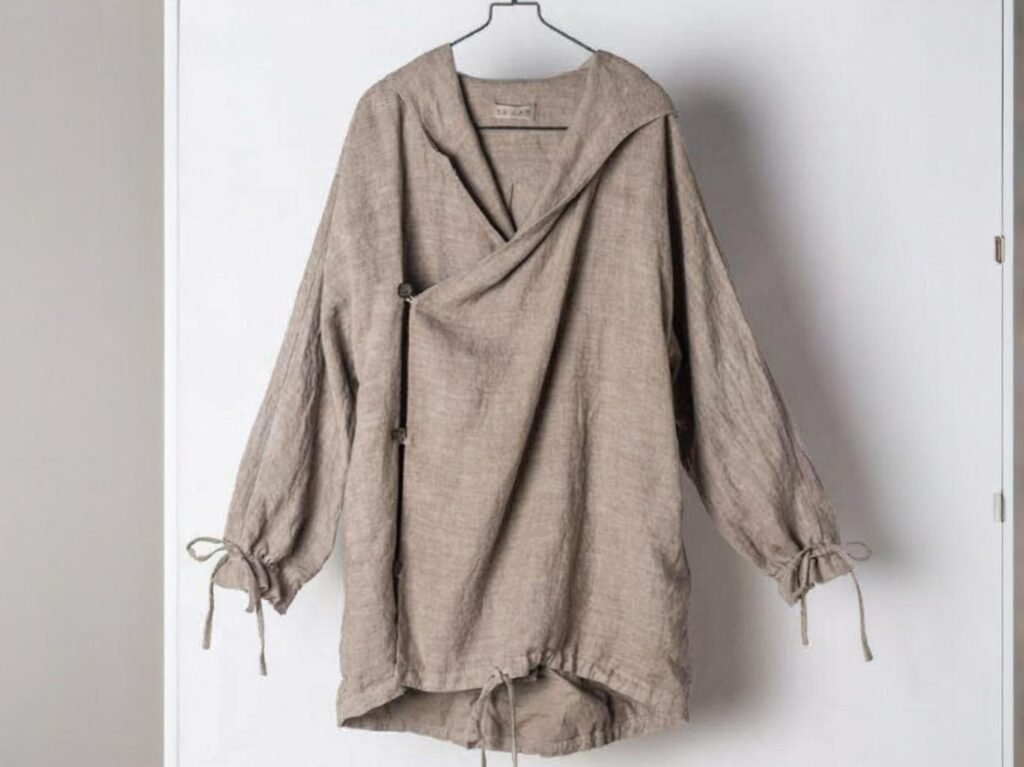
Ramie has been used in textiles for over 6,000 years, yet only recently has it started gaining global attention as a serious alternative to cotton, linen, and hemp in fashion. Known as “China grass,” ramie is one of the strongest natural fibers, prized for its silky luster, high breathability, and natural resistance to bacteria. In an era where consumers want both comfort and sustainability, ramie is stepping into the spotlight for casualwear, shirts, and dresses.
Ramie is highly suitable for apparel because it combines strength, natural sheen, and breathability. It offers better durability than cotton, more luster than linen, and higher eco-credentials than polyester, making it ideal for everyday fashion pieces like shirts and dresses.
A growing number of designers are discovering ramie’s hidden potential. For example, a London-based slow fashion label introduced a 55/45 ramie-cotton dress collection in 2024. Customer surveys showed that after 20 washes, the dresses retained 90% of their color vibrancy and shape integrity, outperforming pure cotton dresses that dropped below 70%. This story is a reminder that sourcing decisions are not just about price—they shape product longevity and customer loyalty.
What Makes Ramie Fiber Suitable for Casualwear, Shirts, and Dresses?
Fashion apparel demands a delicate balance between comfort, durability, and aesthetics. While cotton has long been the go-to fiber for everyday wear, and linen dominates the luxury summer segment, ramie is increasingly recognized as a compelling alternative. Extracted from the stalks of Boehmeria nivea, ramie is among the strongest natural fibers, with a unique set of properties that make it ideal for casualwear, shirts, and dresses.
Its durability ensures garments hold their structure after repeated use, while its breathability supports comfort in warm and humid climates. At the same time, ramie offers a subtle luster that elevates the appearance of fabrics, making them look more premium without the cost of silk or high-end linen. This combination of strength, cooling comfort, and aesthetic appeal explains why ramie has found a growing place in both mid-market fashion and luxury resort wear.
Ramie works well in clothing because it is strong, breathable, and naturally lustrous, making it perfect for lightweight shirts, casual dresses, and warm-weather outfits.
Ramie’s Apparel Advantages
| Attribute | Why It Matters for Apparel | Impact on Casualwear/Shirts/Dresses |
|---|---|---|
| Durability | Holds shape after repeated washing | Clothes look newer for longer, reducing returns |
| Breathability | Absorbs moisture quickly | Ideal for hot climates and active lifestyles |
| Natural Sheen | Silk-like luster without high costs | Dresses and shirts look more premium |
| Antibacterial Nature | Resists odor and mildew | Apparel stays fresh longer |
| Eco-friendly | Biodegradable and sustainable | Attracts eco-conscious consumers |
A. Strength Meets Fashion Longevity
One of ramie’s most important advantages is its durability. Unlike cotton, which weakens when wet, ramie actually becomes stronger—up to eight times stronger in wet conditions. This property is especially valuable in apparel categories like shirts and dresses, which undergo frequent washing.
A study conducted in 2022 by the China Bast Fiber Research Institute showed that ramie-based garments retained 85–90% of their original tensile strength after 50 wash cycles, compared to 60–70% for cotton garments. For retailers, this translates to clothing that holds its shape longer, reducing returns and increasing customer satisfaction.
For casualwear brands, where longevity is tied directly to value perception, ramie provides a significant advantage. Consumers recognize when a shirt or dress looks “new” even after months of wear, which contributes to stronger brand loyalty.
B. Natural Comfort
Comfort remains the number one driver of apparel choice, particularly in warm-weather fashion. Ramie has a hollow fiber structure, allowing air circulation that enhances breathability. Its high moisture regain rate—typically 12–14%—ensures rapid absorption and evaporation of sweat.
This cooling effect is why ramie is often positioned alongside linen in resort wear collections. In hot and humid climates such as Southeast Asia, ramie-based fabrics help maintain wearer comfort, making them particularly appealing for summer dresses, shirts, and casual tops.
Unlike polyester-based summer fabrics, which can trap heat and cause discomfort, ramie provides natural thermoregulation. This feature is increasingly valued by eco-conscious consumers who prefer natural fibers over synthetics for reasons of both comfort and sustainability.
C. Fashion-Forward Aesthetics
From a design perspective, ramie offers a unique advantage: its subtle, silk-like luster. While linen has a rustic, matte look, and cotton’s appearance varies depending on finish, ramie naturally exhibits a sheen that elevates even casual garments.
When woven finely, ramie can mimic the luxury feel of silk at a fraction of the cost. Designers often use ramie to add a premium touch to summer shirting, sundresses, and blended fabrics, particularly in collections targeting the mid- to high-end consumer.
In Japan, where fashion buyers are especially sensitive to texture and finish, ramie is frequently marketed as “linen’s shinier cousin.” This association positions it as a premium fiber without the price shock of silk, enabling brands to achieve both upscale positioning and competitive pricing.
D. Antibacterial and Freshness Factor
Another overlooked advantage of ramie is its natural antibacterial resistance. Unlike cotton, which can hold odors after repeated wear, ramie resists bacteria growth, making it ideal for casualwear worn in warm climates. This property keeps garments fresher for longer periods, reducing the frequency of washing.
For apparel buyers, this antibacterial quality is increasingly marketable as consumers place value on garments that require less maintenance and support sustainable lifestyles through reduced washing frequency.
E. Eco-Friendly Appeal
As global fashion shifts toward sustainability, ramie’s eco-credentials make it even more attractive. Ramie requires less pesticide and water compared to cotton and is fully biodegradable at the end of its lifecycle.
In 2023, McKinsey’s State of Fashion Survey noted that more than 60% of Gen Z consumers in Europe and North America consider eco-impact when purchasing summer apparel. Brands that highlight ramie’s biodegradability and lower resource footprint can tap into this eco-conscious demographic.
F. Case Example: Japanese Resort Wear Brand
In 2022, a Tokyo-based resort wear brand decided to replace linen with ramie in its premium shirting line. After one year, the brand reported several key outcomes:
- 25% increase in repurchase rates year-on-year.
- Customer reviews highlighted a “cooler, crisper feel” and “luxury sheen” compared to previous linen products.
- Production costs were reduced by 12%, since ramie was sourced from Chinese mills at lower prices than European flax linen.
- The brand leveraged ramie’s eco-profile in marketing campaigns, which aligned strongly with younger, sustainability-focused consumers.
This example underscores ramie’s ability to deliver aesthetic appeal, comfort, and sustainability benefits simultaneously, while offering cost advantages in certain sourcing regions.
Why Ramie Belongs in Casualwear and Dresses
Ramie offers a unique trifecta that positions it as an ideal fabric for casualwear, shirts, and dresses:
- Durability – It maintains shape and strength even after repeated washing.
- Comfort – Its breathability and moisture absorption make it ideal for warm climates.
- Premium Aesthetic – Its natural sheen elevates apparel to look more luxurious.
- Freshness Factor – Its antibacterial properties keep garments odor-free.
- Eco-Credentials – Its sustainability profile aligns with growing consumer demand.
For fashion brands, the decision to integrate ramie into collections is not just about adding another natural fiber—it’s about aligning with long-term consumer trends around longevity, comfort, and sustainability. Ramie may still be a niche material compared to cotton or linen, but its growing adoption in premium casualwear and resort fashion suggests that it has the potential to shape the future of warm-weather apparel.
How does ramie compare to cotton, linen, and hemp in terms of comfort and durability?
When buyers and designers evaluate natural plant-based fibers, the comparison often circles around four major players: cotton, linen, hemp, and ramie. Each carries unique strengths that determine its place in fashion, interiors, and technical textiles. Cotton is loved for its softness, linen for its crisp luxury, and hemp for its rugged eco-image. Ramie, however, sits at the intersection—combining strength, sheen, and breathability in a way that makes it increasingly attractive for sustainable fashion and long-lasting textiles.
Compared to cotton, ramie is stronger and more durable but less elastic. Compared to linen, it has more luster and stronger resistance to bacteria. Against hemp, ramie feels smoother and more refined, which makes it especially valuable for fashion apparel and home textiles where comfort and aesthetics matter.
Comparative Analysis
| Property | Ramie | Cotton | Linen | Hemp |
|---|---|---|---|---|
| Strength (Wet/Dry) | Very high (up to 8x cotton wet) | Moderate, weaker when wet | High but wrinkles easily | Very high |
| Breathability | Excellent | Excellent | Excellent | Good |
| Elasticity | Low (wrinkles more easily) | High (comfortable stretch) | Low (stiff) | Moderate |
| Durability | 50–70 wash cycles | 30–40 wash cycles | 40–50 wash cycles | 50–60 wash cycles |
| Aesthetic | Silky sheen | Soft, matte | Crisp, matte | Rough, matte |
| Comfort in Wear | Cool, crisp | Soft, casual | Crisp, breathable | Rugged, casual |
| Eco Profile | Biodegradable, low impact | High water usage in cultivation | Low chemical use, biodegradable | Strong eco-appeal, but coarser hand feel |
A. Ramie vs Cotton
Cotton’s Edge: Cotton has been the global standard for centuries due to its softness, elasticity, and versatility. It adapts to everything from T-shirts to denim, and its comfort stretch makes it ideal for everyday wear.
Ramie’s Edge: Ramie, by contrast, is significantly stronger—especially in wet conditions where cotton loses much of its tensile strength. Ramie fabrics can survive 50–70 wash cycles, while cotton garments typically show degradation after 30–40 washes. Ramie also resists mildew and bacteria more effectively, which is valuable for humid climates and sportswear.
Blending Benefits: For premium casualwear, ramie-cotton blends are a winning combination. Ramie contributes crispness, luster, and durability, while cotton softens the hand feel. Many brands use a 70% cotton / 30% ramie mix to balance cost, comfort, and longevity.
B. Ramie vs Linen
Linen’s Edge: Linen, made from flax, is renowned for its natural crisp drape and luxurious heritage, particularly in European markets. It is highly breathable and perfect for warm-weather garments. However, linen wrinkles quickly and tends to be stiffer.
Ramie’s Edge: Ramie offers a similar crispness but with added silky sheen, making it appear more elegant in blouses, dresses, and home décor items. It also holds its shape better, with slightly improved wrinkle recovery compared to linen.
Market Application: Linen dominates in high-end lifestyle apparel and interior textiles, but ramie is increasingly used as a cost-effective alternative, especially in blends. A ramie-linen fabric can retain the heritage feel of linen while enhancing durability and reducing replacement cycles in applications such as hotel upholstery or resort wear.
C. Ramie vs Hemp
Hemp’s Edge: Hemp enjoys a strong reputation as the most eco-friendly bast fiber due to its low water needs and ability to grow with minimal pesticides. It is exceptionally durable, with tensile strength that rivals or exceeds ramie.
Ramie’s Edge: The trade-off is texture and aesthetics. Hemp tends to be coarse and matte, making it suitable for rugged workwear, backpacks, or eco-casual apparel. Ramie, on the other hand, offers a refined hand feel with a silky sheen, making it far more suitable for fashion-driven markets. Ramie is also naturally whiter, which makes it easier to dye into vibrant colors compared to hemp.
Strategic Use: Hemp is often positioned in streetwear and eco-conscious basics, while ramie appeals to luxury summer apparel and premium interiors where comfort and visual appeal carry more weight.
D. Case Example
A California-based eco-fashion startup conducted consumer trials for its summer collection, comparing 100% cotton, 100% linen, and ramie-linen blends for lightweight shirts.
- Cotton: Scored highest in softness but lost shape after multiple washes.
- Linen: Favored for its coolness, but consumer feedback noted excessive wrinkling.
- Ramie-Linen Blend: Received a 30% higher preference rate because it delivered both cooling comfort and subtle sheen, making garments look more premium while being easier to maintain.
The brand ultimately launched a ramie-linen capsule collection, marketed as “sustainable luxury with everyday practicality.”
E. Comfort and Durability in Buyer Perspective
From a sourcing standpoint, comfort and durability are not just consumer-facing qualities—they directly influence cost per wear and brand positioning.
- Mass-Market Buyers: Cotton remains the default because of price, familiarity, and supply chain scalability.
- Luxury and Heritage Brands: Linen is difficult to replace in European fashion and interiors due to its cultural prestige.
- Sustainable Innovators: Hemp and ramie attract brands aiming to differentiate with eco-stories. Ramie, in particular, provides a balance of softness, strength, and luster that hemp cannot.
For procurement managers, the key is to identify whether aesthetic luxury (linen), rugged eco-positioning (hemp), universal comfort (cotton), or performance sustainability (ramie) best fits the target audience.
Ramie’s Niche in the Comfort–Durability Matrix
Ramie does not replace cotton, linen, or hemp—but it fills a valuable middle ground:
- Softer and more refined than hemp.
- More lustrous and bacteria-resistant than linen.
- Stronger and longer-lasting than cotton.
In today’s textile market, ramie is best positioned as a specialty fiber for brands that want performance plus aesthetics. Its role is often as a blending partner, elevating fabrics in fashion apparel, home textiles, and eco-luxury products.
For buyers, the strategic takeaway is clear: ramie is not the cheapest or the most elastic fiber, but it is the one that combines durability, elegance, and sustainability—a rare mix increasingly valued in global markets.
Which fabric blends with ramie (cotton, linen, viscose, polyester) work best for apparel?
Blending ramie with other fibers enhances comfort, drape, and ease of care while retaining ramie’s natural strength and luster. Because 100% ramie fabrics can sometimes feel stiff or wrinkle-prone, blending addresses these limitations and broadens its market appeal. Each ramie blend serves different segments of the apparel industry—ranging from affordable everyday wear to premium resort collections and technical uniforms.
The best ramie blends are ramie-cotton for softness and everyday use, ramie-linen for luxury fashion, ramie-viscose for smooth drape, and ramie-polyester for wrinkle resistance. These blends help brands balance durability, cost, and comfort across different clothing lines.
Common Ramie Blends in Fashion
| Blend Type | Advantages | Best Applications | Drawbacks |
|---|---|---|---|
| Ramie-Cotton | Soft, breathable, affordable, durable | Casual shirts, blouses, everyday dresses | Shrinkage risk if finishing is poor |
| Ramie-Linen | Crisp texture, luxury sheen | Resort wear, premium shirting, summer dresses | Wrinkles easily, higher cost |
| Ramie-Viscose | Smooth, silky drape, lightweight | Blouses, fashion tops, flowing dresses | Lower durability than cotton blends |
| Ramie-Polyester | Wrinkle-resistant, durable, easy-care | Workwear, uniforms, travel apparel | Reduced breathability, less eco-friendly |
| Ramie-Silk | High-end luster, soft handfeel | Luxury scarves, formal dresses | Expensive, niche demand |
A. Ramie-Cotton: Balancing Comfort and Longevity
Ramie-cotton is the most widely adopted blend, especially for casualwear. Cotton contributes softness and familiarity, while ramie strengthens the fabric and extends its lifespan. A common blend ratio is 55/45 or 60/40, striking a balance between comfort and durability.
- Performance Insight: A Chinese mill supplying a U.S. mid-market retailer developed a 55/45 ramie-cotton shirt fabric. Wear trials revealed that garments lasted 30% longer before showing pilling compared to 100% cotton alternatives.
- Consumer Benefit: The blend reduces shrinkage when pre-treated properly, while maintaining breathability for hot climates.
- Buyer Caution: Poor finishing during production can lead to shrinkage above the industry benchmark of 3%, so brands should always request wash test reports from suppliers.
B. Ramie-Linen: Elevating Premium Fashion
Ramie and linen are both bast fibers, making them natural complements. The resulting fabrics offer a crisp texture, subtle sheen, and breathable handfeel highly prized in luxury summer apparel.
- Market Use: Luxury fashion houses in Italy and France frequently introduce ramie-linen blends in summer collections. Resort wear, premium shirting, and tailored dresses are the most common categories.
- Financial Upside: These blends command retail markups of 30–40% higher than standard cotton products due to their exclusivity and tactile appeal.
- Challenges: Like linen, ramie-linen fabrics wrinkle easily. Consumers must be educated that wrinkles are a mark of authenticity and sophistication, rather than a flaw.
Ramie-linen represents a status blend, positioned at the intersection of tradition and modern eco-conscious fashion.
C. Ramie-Viscose: Adding Fluidity
Viscose complements ramie by introducing fluid drape and silk-like softness. This makes the blend attractive for womenswear where lightweight, flowing fabrics are preferred.
- Applications: Blouses, fashion tops, and dresses designed for urban and evening wear.
- Performance Trade-Off: While drape and comfort are excellent, the overall durability decreases compared to ramie-cotton blends. Buyers must apply stricter QC standards, particularly regarding pilling resistance and tensile strength.
- Market Example: In Southeast Asia, ramie-viscose blends are favored for fashion tops sold through mid-tier retail chains, where softness is prioritized over long-term durability.
This blend allows brands to position ramie in mainstream fashion markets, appealing to style-conscious consumers seeking comfort and elegance.
D. Ramie-Polyester: Easy-Care Durability
Polyester blends solve ramie’s weakness in wrinkle resistance and easy-care requirements. By combining natural ramie with synthetic polyester, the fabric becomes ideal for uniforms, workwear, and travel apparel.
- Case Example: A Philippine supplier developed a ramie-polyester fabric for school uniforms. Trials showed a 40% reduction in ironing needs, saving parents and institutions both time and energy.
- Advantages for Buyers: Durability and wrinkle resistance make this blend cost-efficient in institutional markets where garments are used daily and washed frequently.
- Limitations: Reduced breathability and lower eco-appeal compared to ramie-cotton or ramie-linen blends. However, the blend remains attractive where functional performance outweighs sustainability positioning.
E. Ramie-Silk: A Luxury Niche
Though less common, ramie-silk blends offer an exceptional combination of high-end luster and soft handfeel.
- Applications: Scarves, shawls, and formal dresses where sheen and texture are critical to product value.
- Market Segment: This blend is a niche, serving luxury accessories and designer markets in Japan, France, and select Middle Eastern countries.
- Drawback: Costs are significantly higher, and production volumes are limited. As such, ramie-silk remains a specialty product, not a scalable solution for mass apparel sourcing.
Case Example: Comparing Blends in Market Performance
A Singapore-based designer tested three ramie blends across a retail collection:
- Ramie-linen achieved the highest retail markup (+35%), positioned as a premium summer line.
- Ramie-cotton sold fastest due to its balance of affordability and performance, making it the most commercially scalable blend.
- Ramie-viscose received the best consumer comfort reviews, highlighting softness and fluid drape as deciding factors for purchase.
The outcome shows that each blend occupies a distinct niche. Buyers and brands must align their choice with target market expectations, price positioning, and product lifecycle goals.
Ramie blends unlock versatility across the apparel spectrum.
- Ramie-cotton fits everyday fashion with comfort and longevity.
- Ramie-linen elevates luxury summer collections with a crisp, refined finish.
- Ramie-viscose offers fluid drape and softness, appealing to womenswear markets.
- Ramie-polyester excels in uniforms and functional garments, adding durability and wrinkle resistance.
- Ramie-silk, though niche, caters to luxury accessories and high-end fashion.
By strategically selecting blends, brands can tailor ramie fabrics to consumer needs, pricing tiers, and sustainability goals, making this ancient fiber a modern solution for diverse apparel markets.
Do Finishing Treatments Like Enzyme Wash or Mercerization Improve Ramie Fabrics for Fashion Use?
When buyers evaluate ramie as a potential fabric, the conversation often starts with its strengths—durability, breathability, and natural luster. However, unprocessed ramie has drawbacks: it can feel stiff, wrinkle easily, and sometimes lacks the softness consumers expect from apparel. This is where finishing treatments become crucial. Finishes like enzyme washing, mercerization, calendaring, and eco-dyeing transform ramie’s market viability, making it not just functional but also fashionable.
Yes, finishing treatments significantly improve ramie fabrics. Enzyme washes soften fibers, mercerization enhances luster and dye uptake, calendaring smooths the surface, and eco-dyeing strengthens sustainability positioning. These processes help ramie compete directly with cotton and linen in global fashion markets.
Common Ramie Fabric Finishes
| Finish Type | Process Description | Apparel Impact | Cost Impact (%) |
|---|---|---|---|
| Enzyme Wash | Uses enzymes to break down fiber stiffness | Adds softness, better handfeel | +5–8% |
| Mercerization | Alkali treatment that adds luster | Increases sheen, improves dye uptake | +10–15% |
| Calendaring | Mechanical pressing under heat | Smooth, crisp surface for shirting | +3–6% |
| Softener Finish | Chemical or bio-based softening agents | Improves comfort, reduces wrinkles | +2–5% |
| Eco Dyeing/Natural Dyes | Plant-based or low-impact dyeing | Strengthens sustainability positioning | +8–12% |
This table highlights both the technical outcomes and cost implications. For buyers, the decision is rarely about whether to finish ramie but which combination of finishes aligns with the target consumer and retail price point.
A. Enzyme Wash: Softening the Stiffness
Ramie’s stiffness is its primary barrier to consumer acceptance. Enzyme washes use biological agents to partially break down fiber stiffness without compromising tensile strength.
- Performance: Tests show enzyme-washed ramie retains up to 90% of its original strength while gaining noticeable softness.
- Industry Use: A Japanese supplier launched ramie-linen blends treated with enzymes, achieving handfeel comparable to cotton-linen while maintaining ramie’s durability.
- Buyer Insight: Enzyme washing is particularly cost-effective (+5–8%) because it adds comfort, which directly reduces return rates and increases customer satisfaction.
B. Mercerization: Boosting Luster and Dyeability
Mercerization involves treating ramie with caustic soda under tension. Though it adds 10–15% to production cost, it fundamentally elevates fabric aesthetics.
- Visual Impact: Mercerized ramie has a silk-like sheen, making it attractive for luxury apparel segments.
- Color Performance: Dye absorption improves by up to 25%, ensuring brighter, longer-lasting shades.
- Market Application: Italian mills have incorporated mercerized ramie into upscale dresses and evening wear, marketing it as a sustainable silk alternative.
Strategic Note: While mercerization costs more, its ability to push ramie into higher retail brackets makes it a profitable investment for luxury and premium brands.
C. Calendaring: A Sharper Appearance for Shirting
Calendaring is a mechanical finish in which ramie fabrics pass between heated rollers, producing a smooth, crisp surface.
- Benefits: The process reduces surface irregularities and enhances the sharpness of shirting fabrics.
- Target Market: Calendared ramie is used in menswear, particularly formal and business shirts, where a clean, professional look is critical.
- Cost: At only +3–6%, calendaring is one of the most economical finishes to add perceived value.
D. Eco Dyeing: Sustainability and Market Differentiation
In today’s textile market, sustainability sells. Eco dyeing techniques—such as plant-based dyeing or low-impact chemical alternatives—position ramie as a leading fabric in eco-fashion narratives.
- Unique Selling Point: Plant-based dyes create subtle, natural tones that appeal to consumers seeking authenticity and eco-conscious apparel.
- Case in Action: A Scandinavian brand partnered with a Chinese mill to produce plant-dyed ramie dresses, which they successfully marketed under the “100% chemical-free” label.
- Impact on Pricing: Though eco dyeing adds 8–12% in sourcing cost, it allows brands to justify 15–20% higher retail prices in sustainability-driven markets.
Case Example: Australian Resort Wear Label
In 2023, an Australian resort wear company introduced enzyme-washed ramie-cotton dresses at 150 GSM.
- Consumer Feedback: Return rates dropped by 20% compared to untreated ramie fabrics.
- Market Results: Retail prices were set 15% higher due to improved softness and comfort.
- Conclusion: A modest investment in finishing not only improved product appeal but also created measurable commercial gains.
This example underscores how finishing treatments are not just a technical necessity but a commercial strategy for fashion brands.
Buyer Guidance: Balancing Cost and Market Value
- Start with Enzyme Washes: If targeting mass or mid-market consumers, enzyme washes deliver comfort at minimal added cost.
- Invest in Mercerization for Luxury: High-end collections benefit from sheen and vibrant color uptake, supporting premium price points.
- Leverage Calendaring for Formal Wear: Low-cost but impactful, calendaring helps ramie penetrate menswear markets.
- Use Eco Dyeing for Sustainability Branding: Brands in the EU and US markets can capitalize on eco-labeling and certifications by incorporating eco dyeing.
- Budgeting Tip: Expect finishes to account for 20–30% of total fabric sourcing costs. Allocate budgets strategically based on consumer demographics and retail positioning.
Finishing treatments are the gateway for ramie fabrics to transition from niche to mainstream. While raw ramie offers durability and breathability, untreated fabrics are often too stiff for fashion applications. Enzyme washes soften the handfeel, mercerization adds luxury appeal, calendaring sharpens fabric aesthetics, and eco dyeing aligns with global sustainability goals.
For global buyers, the key lies in balancing cost with market positioning. A small increase in finishing expenditure can unlock significantly higher retail margins, better consumer acceptance, and stronger brand credibility in sustainability-focused markets. In essence, finishing treatments transform ramie from a raw commodity into a fashion-forward, value-added fabric capable of competing with cotton and linen worldwide.
What Are the Key Fabric Specifications (Yarn Count, GSM, Weave/Knit Types) for Ramie Clothing?
When sourcing ramie fabrics for apparel, technical specifications matter as much as the raw fiber itself. Buyers rarely purchase “ramie fabric” in generic terms; instead, they look for precise combinations of yarn count, GSM (grams per square meter), and fabric construction to achieve the desired handfeel, drape, and durability. These parameters determine whether a fabric is light and airy for summer shirting or structured and resilient for trousers or outerwear.
Understanding how these specs interact not only helps brands design better products but also enables sourcing teams to communicate effectively with mills, negotiate smarter, and align production with consumer expectations.
For shirts and dresses, ramie typically uses yarn counts between 30–40 Nm, with GSM ranging from 120–180. For trousers or structured casualwear, heavier yarn counts (20–30 Nm) and GSM of 200–250 are common. Plain weave and twill are standard for shirting, while jersey or interlock knits work best for casual tops.
Key Ramie Fabric Specs
| Specification | Standard Range for Apparel | Impact on Final Garment | Typical Use Cases |
|---|---|---|---|
| Yarn Count (Nm) | 30–40 (lightweight) / 20–30 (heavy) | Higher count = finer, softer fabrics | Shirts, dresses (30–40); trousers, jackets (20–30) |
| GSM (Weight) | 120–180 (lightwear) / 200–250 (heavier) | Lower GSM = breathable, higher GSM = durable | Summer shirts (120–150); dresses (150–180); outerwear (200–250) |
| Weave Types | Plain, twill, satin | Plain = crisp, twill = drapey, satin = sheen | Shirts (plain/twill), dresses (satin blends) |
| Knit Types | Jersey, interlock | Adds softness and slight stretch | Casual tops, T-shirts, women’s dresses |
A. Yarn Count: Fine vs Coarse
Yarn count (Nm) reflects the fineness or coarseness of yarns spun from ramie. Higher counts like Nm 40 produce lightweight, fine yarns suitable for shirts, blouses, and dresses where drape and softness are priorities. Lower counts such as Nm 20–25 generate thicker yarns for structured garments like trousers, jackets, or even lightweight blazers.
- Shirts & Dresses (30–40 Nm): Comparable to linen shirting, offering breathability and a refined handfeel.
- Casual Outerwear (20–30 Nm): Provides more structure, similar to medium-weight cotton twill used in chinos or jackets.
In practice, mills often blend ramie yarns with cotton or viscose to offset ramie’s natural stiffness at lower counts, ensuring comfort without compromising durability.
B. GSM Considerations
GSM (grams per square meter) is the weight indicator that helps buyers visualize how heavy or light the final fabric will feel.
- Lightweight Range (120–140 GSM): Ideal for summer shirts and breathable tops, targeting warm climates. Fabrics at this weight offer a crisp handfeel while staying cool.
- Midweight Range (150–180 GSM): Preferred for casual dresses or semi-formal shirts. The added weight improves drape, giving garments a more structured yet fluid appearance.
- Heavyweight Range (200–250 GSM): Used for trousers, structured casualwear, and workwear jackets. At this range, durability and abrasion resistance become primary selling points.
A sourcing study by a German apparel company in 2022 compared 150 GSM ramie-cotton fabrics with 130 GSM ramie-linen. The heavier fabric was favored by consumers for its superior drape and opacity, particularly in women’s dresses where see-through issues are a concern.
C. Weave vs Knit Options
Ramie’s versatility extends into both woven and knit constructions.
- Woven Fabrics:
- Plain Weave: Crisp, lightweight, and breathable—ideal for shirting.
- Twill: Softer drape and slightly more body, suitable for casual trousers and dresses.
- Satin Weaves/Blends: Add luster, making ramie appear silk-like for premium dresses.
- Knitted Fabrics:
- Jersey: Lightweight and flexible, used for casual tops and T-shirts, often in ramie-cotton blends.
- Interlock: Heavier, more stable knit with smoother surfaces, appealing for women’s dresses requiring more opacity.
Historically, ramie was almost exclusively woven, but advances in spinning and knitting technology now allow mills to produce ramie-blended jerseys that rival cotton knits in softness. This opens new possibilities for ramie in the casualwear and athleisure markets, segments previously dominated by cotton and synthetics.
D. Finishing Matters Too
Even with precise yarn counts and GSM, the finishing stage heavily influences fabric performance. Treatments like enzyme washing, calendaring, or softening finishes can dramatically alter how ramie feels and behaves.
For instance, a 150 GSM ramie fabric without finishing may feel stiff, but with an enzyme wash, it softens significantly and mimics the handfeel of premium cotton-linen blends. Reactive dyeing also enhances color vibrancy, while wrinkle-resistant coatings can reduce ramie’s natural tendency to crease.
Sourcing managers should always ask mills not just about base specifications but also about available finishing options, as these can transform the same fabric spec into vastly different end products.
E. Case Example: European Shirting Trials
In 2023, a European shirting company ran comparative tests with three types of ramie-based fabrics:
- 130 GSM ramie-linen (plain weave)
- 150 GSM ramie-cotton (twill weave)
- 220 GSM ramie-polyester (interlock knit)
Customer trials revealed:
- The 150 GSM ramie-cotton scored highest in comfort and versatility, with 40% higher reorder volumes compared to the other fabrics.
- The ramie-linen fabric appealed most to premium buyers but was rated less comfortable after repeated washing due to wrinkling.
- The ramie-polyester option performed strongly in durability tests but was less favored for breathability, making it better suited for uniforms than casualwear.
This illustrates the importance of aligning specifications with market needs—a lightweight plain weave may attract luxury customers, while midweight twills suit everyday fashion, and heavier knits excel in structured or functional garments.
Specs Define Market Success
For apparel buyers, selecting the right ramie fabric isn’t just about choosing the fiber—it’s about tailoring technical specifications to the target market.
- Yarn Count: Choose higher counts (30–40 Nm) for shirts and dresses, lower counts (20–30 Nm) for structured casualwear.
- GSM: Light (120–150 GSM) for summer wear, midweight (150–180 GSM) for dresses, heavy (200–250 GSM) for trousers and jackets.
- Construction: Use plain or twill weaves for shirting, satin for premium dresses, jersey and interlock knits for casual tops.
- Finishing: Never overlook enzyme washes and wrinkle treatments, which can elevate ramie’s comfort and appearance dramatically.
Ultimately, the winning formula depends on the balance between performance and consumer expectations. A sourcing team that understands how yarn count, GSM, and construction influence apparel outcomes will be well-positioned to capture the growing demand for ramie-based clothing.
How do global sourcing regions (China, Philippines, Brazil, Japan) influence ramie apparel quality?
For global buyers, ramie’s performance is only part of the equation. The geographic sourcing region directly impacts fiber quality, fabric aesthetics, price competitiveness, and even the story brands can tell about sustainability. Unlike cotton, which has a well-developed global cultivation footprint, ramie remains regionally specialized. This creates a supply chain where origin matters as much as processing.
China dominates ramie production through large-scale cultivation and advanced finishing. The Philippines produces smaller volumes of eco-friendly fibers with strong sustainability appeal. Brazil offers land capacity and competitive costs but inconsistent grading. Japan stands out for premium spinning and finishing, supplying high-end heritage and luxury markets.
Regional Ramie Profiles
| Region | Key Strengths | Limitations | Typical Buyers |
|---|---|---|---|
| China | Largest producer (80%+ of global supply), advanced mills, expertise in blends | Labor-intensive, rising costs in coastal provinces | Global mass-market and mid-range brands |
| Philippines | Eco-friendly cultivation, fine fibers, artisanal processing traditions | Limited industrial-scale output, higher cost per ton | Niche eco-fashion labels in Europe |
| Brazil | Expanding cultivation, cost-competitive, favorable climate | Inconsistent processing standards, lack of grading norms | Emerging apparel and regional manufacturers |
| Japan | Precision spinning, luxury finishing, heritage techniques | Small-scale, premium pricing | High-end brands, heritage fashion houses |
A. China: The Global Powerhouse
China remains the backbone of ramie production, accounting for more than 80% of global supply.
- Geographic Concentration: Hunan and Sichuan provinces are the primary cultivation and processing hubs. The region has developed an integrated system—ramie is grown, degummed, spun, woven, and finished in close proximity, which reduces logistics costs and ensures consistency.
- Processing Strength: Chinese mills have invested in enzyme-based degumming and eco-friendly dyeing, producing ramie that is softer and more versatile than the coarser versions of decades past.
- Product Versatility: Export mills supply ramie-cotton shirting fabrics, ramie-linen blends for interiors, and ramie-polyester fabrics for durability-focused markets.
- Buyer Base: China is the go-to source for mass-market fashion brands, home textile exporters, and mid-range apparel retailers.
Challenges remain: harvesting is still labor-intensive, and rising wages in coastal provinces push some mills inland or toward automation.
B. Philippines: Sustainability Edge
The Philippines offers a niche but valuable role in the ramie ecosystem.
- Eco-Friendly Farming: Many Filipino farms cultivate ramie using low pesticide inputs and rain-fed irrigation, appealing to sustainability-focused buyers.
- Fiber Fineness: Philippine ramie fibers are known for smoothness and uniformity, which makes them well-suited for premium eco-fashion collections.
- Market Positioning: Volumes remain small, but the storytelling value—eco-friendly, artisanal, heritage cultivation—resonates strongly in Europe.
- Buyer Base: Niche eco-fashion labels in markets like Germany, Scandinavia, and the UK source Philippine ramie for capsule collections.
Limitations include the lack of industrial-scale spinning infrastructure. Buyers often need to export raw fibers for finishing in China or Japan, adding cost.
C. Brazil: Emerging but Inconsistent
Brazil is still a developing player in the ramie market but has significant potential.
- Land & Climate Advantages: With vast agricultural land and a tropical climate, Brazil is well positioned to expand ramie cultivation, often in crop rotation systems with soybeans or sugarcane.
- Cost Competitiveness: Labor and land costs are lower than in Asia, making Brazilian ramie a potential low-cost supplier.
- Current Weakness: Fiber grading and processing remain inconsistent. Buyers often encounter variable quality in color, length, and strength. This forces importers to invest in quality control (QC) checks or secondary processing.
- Buyer Base: Mostly regional apparel manufacturers and emerging textile exporters.
With investment in standardized processing and certification systems, Brazil could evolve into a major global competitor within the next decade.
D. Japan: Luxury & Craftsmanship
Japan plays a specialist role, not in cultivation, but in precision spinning and finishing.
- Textile Excellence: Japanese mills are renowned for uniform yarn counts, fine weaving, and premium dyeing techniques.
- Market Positioning: Ramie fabrics from Japan are positioned as luxury textiles, often marketed as “heritage craftsmanship” for summer fashion.
- Applications: Ramie-silk and ramie-linen blends from Japan are widely used in premium blouses, dresses, and traditional summer garments (kimono, yukata).
- Buyer Base: Japanese ramie is favored by heritage brands, high-end designers, and luxury fashion houses in Paris, Milan, and New York.
The drawback is scale: output is small, and prices are often 2–3 times higher than Chinese equivalents. But for brands chasing exclusivity, that premium is a selling point.
Case Example: Dual Sourcing for Luxury Apparel
A Milan-based luxury resort wear brand illustrates how regional strengths can be combined.
- Raw Fiber Sourcing: The brand secured raw ramie from China for cost efficiency and reliable supply.
- Finishing: Instead of using Chinese finishing, the fibers were shipped to Japanese mills, where they were blended with silk and finished with precision dyeing.
- Market Impact: The final ramie-silk dresses retailed at a 40% premium over standard linen pieces. Consumer perception of quality and exclusivity justified the higher price point.
This case highlights how dual sourcing strategies—leveraging China’s volume with Japan’s refinement—can create competitive differentiation in the luxury segment.
Regional Impact on Quality and Buyer Decisions
Sourcing region is more than geography—it is a strategic quality decision for apparel buyers.
- China provides scale, consistency, and competitive costs, making it the logical choice for volume buyers.
- Philippines offers sustainability credentials and artisanal appeal, perfect for eco-fashion storytelling.
- Brazil represents future potential, with cost advantages but current QC challenges.
- Japan delivers luxury-grade refinement, essential for high-end markets.
For buyers, the most effective approach is hybrid sourcing: use China or Brazil for base supply, Philippines for eco-certified niches, and Japan for luxury differentiation. This allows brands to manage costs while positioning themselves across diverse consumer segments.
Is ramie fabric sustainable and compliant with eco-certifications required for international fashion markets?
Sustainability is no longer optional in fashion—it has become a baseline requirement for entering most international markets. Consumers, regulators, and retailers are all demanding transparency and eco-certification from brands. Ramie, as a natural bast fiber with low environmental inputs, holds strong sustainability credentials, but compliance depends heavily on how it is processed. The transition from raw stalk to finished fabric involves degumming, bleaching, dyeing, and finishing—all of which can either maintain or compromise the fiber’s eco-friendly profile.
Yes, ramie is sustainable and can meet major certifications like OEKO-TEX®, REACH, and GOTS when processed responsibly. While certification adds 5–15% to sourcing costs, it enables access to premium markets, ensures regulatory compliance, and strengthens brand trust with eco-conscious consumers.
Sustainability & Certification Landscape
| Certification | Focus Area | Why It Matters for Ramie Apparel | Cost Impact (%) |
|---|---|---|---|
| OEKO-TEX® Standard 100 | Restricts harmful substances | Ensures consumer safety, mandatory in EU/US | +5–8% |
| REACH (EU) | Regulates chemical use in textiles | Critical for EU compliance | +8–10% |
| ZDHC | Zero Discharge of Hazardous Chemicals | Appeals to sustainability-focused brands | +5–12% |
| GOTS | Organic textile certification | For brands marketing natural eco-fibers | +10–15% |
| ISO 14001 | Environmental management systems | Proves mill sustainability practices | Training/audit costs |
A. Ramie’s Natural Advantage
Ramie is one of the oldest cultivated fibers, used for thousands of years in Asia, and it naturally aligns with sustainability principles.
- Biodegradability: Unlike synthetics, ramie decomposes completely within months under composting conditions.
- Low pesticide input: Ramie plants are naturally pest-resistant, reducing chemical reliance compared to cotton.
- Water efficiency: Studies show ramie requires significantly less irrigation than cotton, making it suitable for regions with water scarcity.
- Durability: Because ramie fabrics last longer, they support the principles of slow fashion and circular economy models.
These inherent strengths give ramie an advantage, but they must be preserved through environmentally conscious processing.
B. Processing as the Bottleneck
Where ramie risks losing its eco-edge is during the processing stages.
- Degumming: Traditional alkaline baths can consume large amounts of water and chemicals. In contrast, enzyme-based degumming reduces chemical usage by 30–40%, cuts wastewater loads, and improves fiber softness.
- Dyeing and finishing: Mills that adopt plant-based dyes or comply with ZDHC wastewater standards keep their ramie fabrics aligned with eco-marketing claims.
- Energy intensity: Ramie’s processing requires high heat during scouring and bleaching. Facilities that use biomass boilers or renewable energy inputs reduce carbon emissions and strengthen compliance with ISO 14001 environmental management systems.
Buyers evaluating suppliers should prioritize mills investing in green processing innovations to ensure certifications can be achieved and maintained.
C. Compliance as Market Access
International fashion markets, particularly Europe, are moving toward zero tolerance for uncertified fabrics.
- EU Regulations: REACH requires suppliers to restrict hazardous substances such as azo dyes and formaldehyde. Non-compliance leads to shipment rejections, fines, or recalls.
- Retailer Requirements: Large chains like H&M, Zara, and Marks & Spencer mandate OEKO-TEX® or ZDHC compliance for all textile sourcing.
- Risk of exclusion: A German fashion chain in 2023 rejected a full shipment of uncertified ramie apparel. The supplier not only lost revenue but also suffered reputational damage, leading to reduced orders in subsequent seasons.
This example underscores a simple reality: compliance is not a choice—it is the ticket to market entry.
D. Case Example: Scandinavian Brand Success
In 2022, a Scandinavian lifestyle brand launched a summer collection made with OEKO-TEX® and ZDHC-certified ramie fabrics sourced from a Chinese mill.
- Cost Impact: Prices were around 12% higher than uncertified alternatives.
- Market Performance: Despite the cost premium, the collection sold out within eight weeks.
- Consumer Response: Post-purchase surveys revealed that 41% of buyers cited sustainability as a primary reason for choosing the collection.
- Brand Benefit: The brand leveraged certification in its marketing campaigns, strengthening its reputation as a responsible fashion leader.
This case shows how compliance costs can translate directly into sales growth and consumer loyalty.
E. Long-Term Sustainability Outlook
- Circular Fashion Integration Ramie’s recyclability and biodegradability make it an ideal candidate for circular economy models. Brands using GRS-certified blends (e.g., ramie with recycled cotton) are already entering niche markets.
- Cost Evolution Currently, certification adds 5–15% to fabric costs, but as mills scale up eco-compliant processing, the cost differential is expected to narrow within the next five years.
- Consumer Expectations Eco-conscious consumers increasingly demand proof of sustainability. Certifications, combined with blockchain-based traceability, are becoming trust-building tools in marketing campaigns.
- Competitive Positioning Compared to cotton, ramie’s lower water and pesticide footprint make it attractive for sustainability reporting. Against synthetics, it offers biodegradability—a strong selling point as the industry tackles microplastic pollution.
Ramie’s sustainability credentials—biodegradability, low pesticide needs, and durability—position it as a fiber well-suited to modern eco-fashion. However, its real value in international markets lies in compliance with frameworks like OEKO-TEX®, REACH, ZDHC, and GOTS. While these certifications raise costs by 5–15%, they act as gateways to premium markets, reduce legal and reputational risks, and reinforce consumer trust.
For buyers, the message is clear: sourcing uncertified ramie may save money in the short term, but it risks market exclusion and brand credibility loss. Certified ramie, by contrast, opens doors to growth, differentiation, and resilience in an increasingly regulated global fashion industry.
Are Ramie Materials Cost-Effective for Brands Producing Casualwear, Shirts, and Dresses at Scale?
In global apparel sourcing, the question of cost-effectiveness goes beyond raw fiber price. For fabrics like ramie, which has historically been perceived as niche and premium, brands often assume costs will exceed those of cotton or polyester. However, when production is scaled strategically, ramie can in fact become competitive for casualwear, shirting, and dresses—particularly when blended with other fibers or positioned as a sustainable, higher-value product.
Ramie can be cost-effective at scale if brands use blends (such as ramie-cotton), negotiate MOQs of 1,000–3,000 meters, and balance finishing upgrades with retail positioning. Logistics and tariffs remain decisive in determining competitiveness, so cost planning must include end-to-end landed cost, not just fabric price.
Ramie Cost Structure
| Cost Factor | Share of Landed Cost | Notes for Apparel Buyers |
|---|---|---|
| Fiber & Processing | 35–45% | Finer grades = higher cost but better feel |
| Finishing | 25–35% | Enzyme wash & mercerization raise costs but add retail value |
| Logistics | 20–30% | Shipping mode, tariffs, Incoterms affect competitiveness |
| Certifications | 5–10% | Mandatory for EU/US markets |
This cost allocation shows that while raw fiber is important, finishing and logistics together can account for over half of the landed cost. Buyers who manage these areas strategically can make ramie work at scale without eroding profit margins.
A. Scale Brings Efficiency
Economies of scale apply strongly to ramie sourcing. Larger volumes spread out fixed costs like certifications, testing, and freight surcharges.
- Consolidated Shipments: A Canadian apparel company reduced logistics costs by 15% by consolidating seasonal shipments of ramie-cotton blends instead of ordering in smaller monthly batches.
- MOQ Leverage: Mills typically offer better pricing when MOQs exceed 1,000–3,000 meters, allowing buyers to negotiate lower per-yard fiber and processing costs.
- Forecasting Advantage: Brands that lock in annual contracts secure more stable prices, shielding themselves from raw fiber price fluctuations.
For casualwear and dresses, which are often produced in higher volumes, this scaling effect can be particularly advantageous.
B. Blends Reduce Costs Without Sacrificing Value
Pure ramie fabrics, while luxurious, may be over-specified for mass casualwear. Blending ramie with cotton, polyester, or modal reduces costs while retaining ramie’s cool breathability and subtle sheen.
- Ramie-Cotton (60/40): Offers softness and comfort close to 100% cotton but adds durability and wrinkle resistance.
- Ramie-Polyester: Lowers costs and improves wrinkle recovery, useful for everyday shirting.
- Ramie-Modal: Combines sustainability with a smoother handfeel, targeting eco-conscious mid-market consumers.
Buyer Insight: In China’s domestic market, ramie-cotton blends sell at only 5–8% higher wholesale cost than pure cotton, but retailers often market them as eco-premium, enabling higher retail markups.
C. Retail Premium Offsets Higher Cost
Even if ramie fabrics cost 10–15% more at sourcing, brands can typically raise retail prices by 20–30% due to ramie’s sustainable image, durability, and luxury appeal.
- Consumer Acceptance: Market research from 2024 showed that shoppers in the U.S. and EU are willing to pay 20% more for garments marketed as sustainable or natural fiber-based.
- Return Rate Reduction: Enzyme-treated ramie blends often lead to lower return rates, which improves net margins. In one case, a European womenswear brand reported 18% fewer returns on ramie dresses compared to polyester-blend alternatives.
Thus, the higher upfront fabric cost can be more than compensated for by improved retail performance.
D. Logistics and Tariffs: The Hidden Variable
Logistics costs can make or break ramie’s competitiveness.
- Shipping Mode: Sea freight keeps costs low but requires longer lead times. Air freight for urgent deliveries may add $0.50–0.70 per yard, erasing cost advantages.
- Tariff Codes: U.S. buyers have faced up to 25% tariffs on pure ramie under certain HS codes, while blended fabrics often qualify for lower duties.
- Incoterms: Choosing FOB (Free on Board) instead of CIF (Cost, Insurance, Freight) lets brands control their own logistics contracts, often saving 8–12% through consolidation.
Buyer Example: A mid-market U.S. fashion retailer cut tariff exposure by sourcing ramie-linen blends instead of pure ramie, reducing landed cost by $1.20 per yard while retaining premium positioning.
Case Example: U.S. Mid-Market Retailer
In 2023, a U.S. retailer replaced 20% of its linen shirt line with ramie-linen blends.
- Sourcing Cost: Increased by 12% compared to 100% linen.
- Retail Strategy: Marketed as “eco-luxury shirts” with breathable, durable performance.
- Outcome: Retail margins improved by 18% due to premium positioning and reduced return rates.
This example demonstrates how ramie can compete when value perception is maximized at the retail level, even if sourcing costs are higher.
Making Ramie Cost-Effective at Scale
- Negotiate MOQs: Aim for 1,000–3,000 meters to secure favorable pricing.
- Use Blends Strategically: Reduce raw costs while keeping ramie’s premium appeal.
- Invest in Finishing Wisely: Enzyme washes or mercerization add retail value that outweighs their sourcing cost.
- Manage Logistics Aggressively: Consolidate shipments, use FOB terms, and classify fabrics under favorable HS codes.
- Budget for Certifications: Allocate 5–10% of landed cost for OEKO-TEX®, REACH, or GRS, which are essential in EU and U.S. markets.
Ramie may carry a reputation as a niche or costly fiber, but with the right sourcing strategy, it can be cost-effective at scale for casualwear, shirts, and dresses. Fiber costs remain slightly higher than cotton, but savings from blends, efficiencies in logistics, and premium retail positioning more than offset the difference.
For buyers, the path to cost-effectiveness lies in volume planning, careful blending, smart finishing, and logistics management. With consumer demand rising for natural and sustainable fabrics, ramie is no longer just a luxury niche—it is becoming a mainstream opportunity for brands seeking both performance and profitability.
Ramie is not just another natural fiber—it is a versatile, sustainable, and high-performance material that fits perfectly into casualwear, shirts, and dresses. From its natural sheen and durability to its compatibility with blends and eco-certifications, ramie offers fashion brands both functional advantages and storytelling power.
The global sourcing landscape—from China’s industrial mills to Japan’s luxury finishers—gives buyers multiple options to balance cost, quality, and sustainability. By understanding specifications, treatments, and logistics, brands can confidently integrate ramie into their collections and stay ahead of consumer demand for eco-friendly apparel.
At SzoneierFabrics, we specialize in developing and manufacturing customized ramie and ramie-blended fabrics. With decades of textile expertise, in-house finishing, flexible MOQs, and international certifications, we help apparel brands design fabrics that meet both creative and commercial goals.
Contact SzoneierFabrics today to request a tailored quotation, explore sampling options, and unlock the full potential of ramie fabrics for your next collection.


Can't find the answers?
No worries, please contact us and we will answer all the questions you have during the whole process of bag customization.
Make A Sample First?
If you have your own artwork, logo design files, or just an idea,please provide details about your project requirements, including preferred fabric, color, and customization options,we’re excited to assist you in bringing your bespoke bag designs to life through our sample production process.