 Skip to content
Ramie Fiber Global Market Trends and Buyer Insights 2025
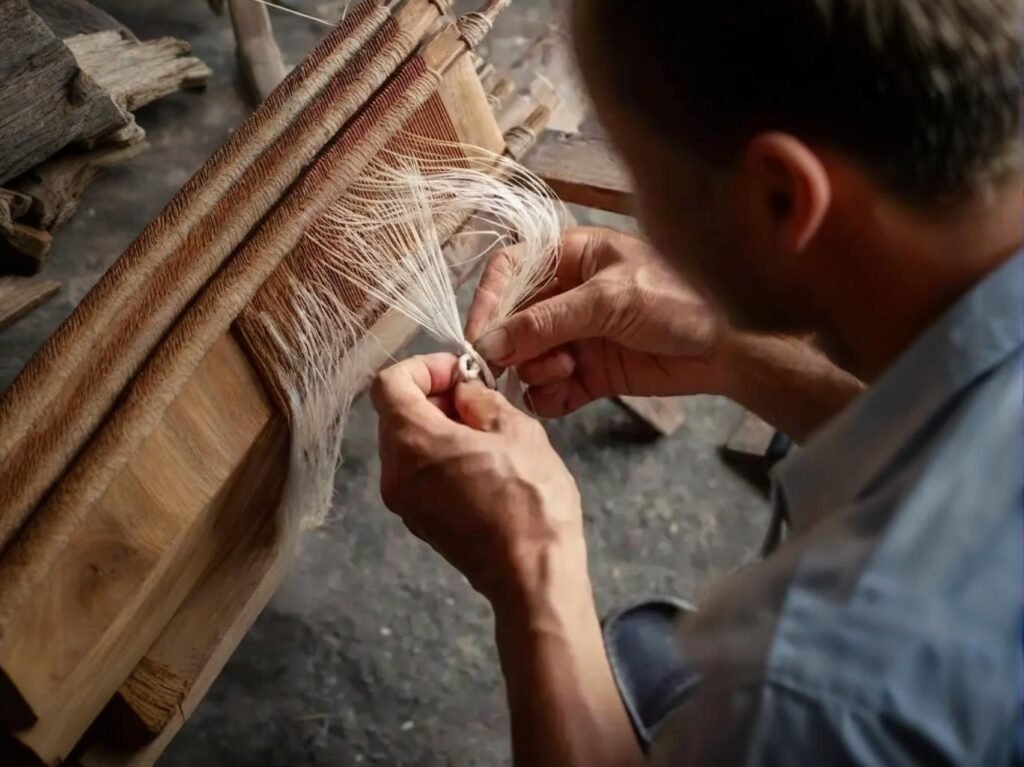
Ramie fiber, one of the oldest natural fibers in textile history, is experiencing a remarkable resurgence in 2025. With the global market increasingly prioritizing sustainability and high-performance textiles, ramie has gained attention from apparel, home textiles, and industrial sectors alike. Its unique combination of strength, breathability, and luster positions it as a competitive alternative to cotton and linen, particularly for eco-conscious brands aiming to differentiate in a crowded market. The global ramie fiber market in 2025 is valued at over USD 420 million, with a CAGR of approximately 4.5%. Key producing countries include China, India, and Thailand, and demand is growing in apparel, home textiles, and technical fabrics due to ramie’s durability, eco-friendliness, and aesthetic appeal. Brands prioritize reliable suppliers with low MOQs, fast sampling, and high-quality control for custom fabric solutions.
For instance, a Scandinavian apparel brand recently leveraged Chinese-sourced ramie-cotton blends to launch a summer collection that combined softness, breathability, and high tensile strength. Customers praised the garments for comfort and durability, demonstrating how strategic sourcing can elevate product lines. The story of this collaboration illustrates why understanding global market trends and buyer insights is critical for manufacturers, importers, and design-driven brands today.
What Is the Current Size and Growth Rate of the Global Ramie Fiber Market in 2025?
The global ramie fiber market in 2025 is valued between USD 420–430 million, reflecting a renewed momentum for natural and sustainable fibers. While still a niche compared to cotton (USD 250+ billion) or polyester (USD 130+ billion), ramie has carved out a space as a specialty fiber with unique strength, luster, and eco-friendly appeal. Analysts forecast a compound annual growth rate (CAGR) of 4.5–5% from 2025 to 2030, driven by consumer shifts toward sustainability, supply chain diversification, and technology upgrades in fiber processing.
Unlike commoditized fibers, ramie’s market expansion is characterized by value-driven growth. Pre-processed, degummed, or blended ramie commands significantly higher margins. Premium-grade ramie for apparel applications is priced around USD 6–8/kg, whereas technical-grade fibers for composites and geotextiles can reach USD 12–15/kg, reflecting the material’s specialized role in industrial use cases. As of 2025, the global ramie fiber market is worth USD 420–430 million, expanding at a CAGR of 4.5–5%. Growth is fueled by sustainable fashion trends, industrial applications, and government support in producing countries, though challenges in processing and supply chain risks remain.
A. Market by Region
Regional dynamics strongly shape the ramie fiber landscape.
| Region | Market Size (USD million, 2025) | CAGR (2025–2030) | Key Dynamics |
|---|---|---|---|
| Asia-Pacific | 310 | 5.0% | Dominated by China (90% of global output); India emerging; policies supporting sustainable crops |
| Europe | 55 | 3.8% | Fashion industry pushing eco-textiles; rising demand from luxury and home textile brands |
| North America | 40 | 4.0% | Expanding use in technical textiles, niche blends for premium apparel |
| Others (Latin America, Africa, Middle East) | 15 | 3.5% | Limited but growing demand in ropes, industrial mats, and specialty textiles |
- Asia-Pacific remains the powerhouse. China alone accounts for over 90% of global ramie production, supported by provinces such as Hunan, Sichuan, and Zhejiang. India has begun scaling cultivation as part of rural development schemes, targeting exports for both apparel and industrial use.
- Europe’s appetite is shaped by sustainability legislation such as the EU Green Deal and stricter textile waste regulations, which encourage brands to explore biodegradable fibers.
- North America is less about fashion volume and more about performance textiles, particularly ramie’s potential in automotive interiors, ropes, and filtration fabrics.
- Other regions (Brazil, Philippines, some African countries) focus mainly on raw fiber exports or specialized industrial textiles, without significant domestic consumption.
B. Growth Drivers
Several structural factors explain why ramie is on the rise:
1. Eco-Conscious Consumers
According to a 2024 McKinsey report, 67% of European consumers said they are willing to pay more for sustainable clothing. Ramie’s biodegradability and low pesticide use align perfectly with these consumer values.
2. Technological Innovations
Traditional ramie has been criticized for stiffness, but new degumming, enzyme treatments, and fiber softening technologies are making ramie fabrics smoother and more versatile. Blends with cotton, polyester, or silk expand usage into casual wear, sportswear, and luxury fashion.
3. Industrial Applications
Ramie is no longer confined to fashion. Its tensile strength (400–500 MPa) makes it valuable in ropes, canvas, composite reinforcement, and geotextiles. For example, agricultural use of ramie-based ground covers in Southeast Asia has increased by 12% year-on-year due to its rot resistance.
4. Government Support
China has positioned ramie as part of its green agricultural strategy, investing in mechanization and processing facilities. India’s National Fibre Mission now includes incentives for ramie cultivation, aiming to provide rural farmers with higher-value crops.
C. Market Challenges
Despite promising growth, the ramie sector faces hurdles that slow broader adoption.
- Processing Complexity Ramie fibers require degumming to remove pectins and gums, a process that is energy- and cost-intensive. This limits competitiveness compared to cotton or jute. Current innovations reduce processing costs by 15–20%, but scaling remains a challenge.
- Limited Awareness Global brands often lack knowledge about ramie compared to better-marketed fibers like hemp or organic cotton. As a result, ramie sometimes struggles to secure shelf space in sustainable collections, despite its strong performance credentials.
- Supply Chain Risks Ramie cultivation is seasonal and climate-sensitive. For instance, extreme flooding in Hunan Province in 2023 reduced fiber yields by nearly 18%, disrupting exports. Such volatility highlights the need for supply diversification.
D. Future Outlook
Industry analysts project that by 2030, the global ramie market could exceed USD 550 million, if processing efficiency continues to improve and brand awareness expands. Ramie’s dual role as a sustainable apparel fiber and a technical textile material gives it a unique positioning.
Key opportunities lie in:
- Sustainable fashion collaborations: European and Japanese designers are incorporating ramie into eco-luxury lines.
- Industrial scaling: Automotive interiors, filtration fabrics, and eco-composites.
- Circular economy models: GRS-certified recycled ramie blends could become a niche but growing segment.
In 2025, the global ramie fiber market stands as a small but fast-growing niche within the broader textile industry. With a market size of USD 420–430 million and a CAGR of 4.5–5%, ramie is evolving from a historical fiber into a modern, value-added material. Asia-Pacific will continue to dominate production, while demand from Europe and North America ensures international growth.
For buyers, designers, and industrial users, ramie offers a rare combination of sustainability, durability, and versatility. However, overcoming processing costs, supply risks, and brand awareness challenges will be critical. Those who invest early in ramie partnerships—particularly with certified suppliers in China and India—are best positioned to leverage this underutilized but increasingly strategic fiber.
Which Countries Are Leading Ramie Fiber Production and Export?
Ramie, one of the world’s oldest cultivated fibers, has been prized for its exceptional strength, luster, and resistance to mildew, making it a key component in apparel, home textiles, and industrial applications. While historically grown across East and Southeast Asia, today a small number of countries dominate both production and export markets. Understanding the global sourcing landscape is critical for brands, importers, and designers seeking consistent quality, scalable supply, and eco-certified fibers.
China continues to hold an unassailable lead in global ramie production, accounting for over 80% of worldwide output. This dominance is driven by a combination of favorable climatic conditions, large-scale cultivation, and highly developed processing infrastructure. The provinces of Zhejiang, Hunan, and Jiangxi are particularly significant, hosting vertically integrated operations that cover fiber degumming, dyeing, blending, and quality control.
India ranks as the second-largest producer, with regional hubs in Karnataka, West Bengal, and Assam. Indian production is notable for traditional hand-extracted fibers and cotton-ramie blends, catering to both domestic apparel markets and export-oriented eco-fashion segments. Although India’s total output is significantly smaller than China’s, it remains important for brands seeking artisan-style, natural-fiber textures.
Thailand, along with other parts of Southeast Asia, produces small-scale but highly specialized fibers, often targeting technical textiles, biodegradable composites, and eco-luxury fabrics. These countries supply niche markets that value sustainability, certifications, and limited-batch quality control over volume.
China dominates global ramie production, followed by India and Thailand. Chinese suppliers provide custom blends, rapid sampling, and technical finishing for international buyers. Indian suppliers focus on mid-grade, artisan-processed fibers for apparel, while Thailand specializes in eco-luxury and industrial applications. Strategic sourcing depends on a combination of quality, delivery speed, and sustainability credentials.
Global Export Data (2024–2025)
Recent trade statistics highlight the scale and economic significance of these key suppliers:
- China: Exported over 70,000 tons of processed ramie fibers, valued at approximately USD 200 million. Major destinations include Europe, North America, and Japan.
- India: Exports totaled between 12,000–15,000 tons, primarily to Southeast Asia and Europe.
- Thailand and Southeast Asia: Limited volumes, roughly 2,000–5,000 tons annually, but at premium pricing for niche fibers.
These figures underscore China’s dominance in volume-driven supply chains, while India and Thailand occupy quality-driven or specialty markets.
Production Insights and Export Dynamics
A. China – Advanced Manufacturing Hub
China’s ramie industry has evolved into a highly integrated supply chain, capable of serving both bulk commodity markets and high-end fashion brands.
- Key Provinces: Zhejiang, Hunan, Jiangxi
- Processing Capabilities: Industrial-scale degumming, mercerization, and blending with fibers like cotton or polyester to tailor fabric hand feel and performance
- Certifications & Compliance: OEKO-TEX, ISO 9001, GRS
- Export Advantages: Low-cost production, rapid prototyping, short lead times (15–25 days for standard orders)
Chinese suppliers often offer custom sample production within 3–5 days, enabling brands to quickly validate colors, fiber blends, and finish quality before committing to bulk orders. This agility is particularly valuable for fast-fashion brands or seasonal collections that require rapid response to market trends.
B. India – Growing Apparel Supplier
India’s ramie production emphasizes traditional craftsmanship and eco-conscious methods, catering to both domestic apparel and international eco-fashion sectors.
- Primary Regions: Karnataka, West Bengal, Assam
- Focus: Cotton-ramie blends, hand-extracted fibers, organic and Fair Trade certified
- Challenges: Limited industrial-scale processing, reliance on manual degumming, longer lead times (25–40 days)
While India cannot compete with China in volume, it excels in producing fibers with natural texture and heritage appeal. Brands targeting sustainable fashion or artisan textile markets often prefer Indian ramie for its distinct hand feel, variability, and authenticity.
C. Thailand and Southeast Asia – Specialty Producers
Thailand and neighboring countries produce small quantities of high-value ramie fibers, often destined for technical, eco-luxury, or industrial textile applications.
- Specialty Applications: Biodegradable composites, eco-luxury interior fabrics, sustainable packaging textiles
- Export Trend: Limited volume but high unit value; popular in markets prioritizing sustainability and certifications (GOTS, OEKO-TEX)
- Lead Time: 20–30 days due to careful batch processing
Thailand’s approach is less about scale and more about precision, quality control, and eco-credentials, appealing to designers and brands emphasizing environmental responsibility.
D. Case Study – Strategic Sourcing
A European home textile company illustrates the strategic benefits of sourcing from experienced suppliers:
- Project: Launch of an eco-luxury bedding line
- Supplier: Chinese ramie-linen blend producer
- Advantages:
- Color-matched samples within 5 days
- Full compliance with OEKO-TEX standards
- Consolidated shipping to multiple European hubs
The fast prototyping and technical support allowed the company to launch the collection ahead of schedule, demonstrating how experienced suppliers reduce both risk and time-to-market.
Similarly, brands that mix Indian and Chinese suppliers often allocate high-volume bulk orders to China while reserving limited-edition or artisan lines to India or Thailand, balancing cost, delivery speed, and marketing differentiation.
Practical Recommendations for Buyers
- Volume vs. Specialty: Use China for large-scale supply; India and Thailand are better for premium or niche fibers.
- Lead Times: Industrial vs. artisanal processing significantly affects production schedules.
- Certifications Matter: OEKO-TEX, GOTS, Fair Trade, or ISO certifications are crucial for sustainable and export-compliant products.
- Blending Capabilities: Suppliers offering fiber blending (ramie-cotton, ramie-polyester) can help brands customize fabric performance for specific end-use applications.
Global ramie sourcing is dominated by China, with India and Thailand serving complementary roles in artisan and specialty markets. Strategic selection of suppliers allows brands to balance volume, cost, speed, and sustainability, enabling both mass-market and high-end products to meet modern consumer expectations. By understanding production hubs, certifications, and export dynamics, buyers can optimize their supply chain and reduce risk, while creating textiles that are both functional and market-ready.
How Are Ramie Prices Evolving Across Different Regions and Quality Grades?
The global ramie market in 2025 reflects a delicate balance between raw material quality, processing sophistication, and regional production economics. Ramie, often referred to as “China grass,” is a bast fiber prized for its strength, natural luster, and moisture-wicking properties, making it a preferred choice for both apparel and industrial applications. However, as demand grows for eco-friendly and high-performance textiles, buyers increasingly encounter wider price variations that depend not only on fiber grade but also on origin, certification, and processing methods.
For high-grade, degummed, and mercerized ramie suitable for premium apparel, prices typically range from USD 6–8 per kilogram. By contrast, industrial or technical-grade ramie—intended for ropes, composites, and other heavy-duty applications—can command USD 12–15 per kilogram due to its enhanced tensile strength and specialized finishing. Regional differences further affect pricing: fibers sourced in Europe and North America are generally more expensive due to import duties, logistics, and the costs associated with environmental or safety certifications, whereas suppliers in Asia, particularly China and India, benefit from proximity to production centers and established fiber processing infrastructure. Ramie prices vary significantly based on grade and region. Asian suppliers provide high-quality apparel fibers at USD 6–8/kg, while technical-grade fibers for industrial applications reach USD 12–15/kg. Buyers must consider processing quality, blending options, seasonal supply, and certifications to make informed sourcing decisions.
Regional Price Analysis and Quality Grades
A. Price Ranges by Fiber Grade
The price of ramie correlates closely with fiber fineness, processing methods, and intended application. Below is a detailed overview of common grades and their associated market pricing:
| Grade | Description | Price (USD/kg) | Primary Use |
|---|---|---|---|
| Apparel-grade | Fine, degummed, soft, smooth | 6–8 | Shirts, dresses, lightweight garments |
| Blended-grade | Mixed with cotton or polyester; slightly coarser | 5–7 | Casual apparel, blended fabrics |
| Technical-grade | High-strength, industrial finish, chemically treated | 12–15 | Ropes, composites, industrial textiles |
| Home textiles | Medium-soft, durable, partially degummed | 7–9 | Curtains, upholstery, bedding |
Insights:
- Apparel-grade ramie demands rigorous degumming to remove lignin and pectin, ensuring a soft hand feel and consistent spinning performance.
- Blended grades are popular among brands looking to balance cost and performance; blending 30–50% cotton or polyester can lower the per-unit cost while maintaining fabric durability.
- Technical-grade fibers often undergo additional chemical treatment for tensile strength and resistance to environmental factors, justifying higher prices for industrial buyers.
B. Regional Pricing Trends
China remains the dominant supplier of high-quality ramie due to advanced fiber processing, mechanized spinning lines, and efficient supply chains. Chinese fibers are competitively priced internationally, and suppliers often offer customizable blending and finishing options.
India benefits from lower raw fiber costs but presents higher variability in processing quality. Export prices for blended grades are slightly lower, making India a favorable sourcing region for budget-conscious brands or those requiring large volumes.
Europe and North America generally see higher ramie prices, influenced by import duties, shipping costs, and premium requirements for eco-certified or organic fibers. Buyers often pay a 15–25% premium for OEKO-TEX, GRS, or GOTS-certified fibers, which, while increasing upfront cost, can enhance brand positioning in sustainable and ethical apparel markets.
Market Influencers on Regional Pricing:
- Seasonal variation: Ramie is a seasonal crop; peak harvest months (typically summer) can slightly reduce prices due to abundant supply.
- Blending strategies: Incorporating cotton or synthetic fibers can reduce costs by 10–20%, depending on blend ratios.
- Certification premiums: Environmental and quality certifications increase the unit price but add credibility and market appeal.
C. Market Insights and Strategic Considerations
- Supply and Demand Dynamics: Rising demand for eco-friendly and sustainable textiles has caused a gradual increase in apparel-grade ramie prices over the last 2–3 years. Meanwhile, technical-grade ramie remains price-stable due to its niche industrial applications.
- Processing Impacts on Price: Fully degummed and mercerized fibers cost more but ensure uniformity in diameter (typically 20–40 microns for apparel-grade) and improved tensile strength. Poorly processed ramie can lead to fabric defects, pilling, and lower dye uptake, creating hidden costs in downstream production.
- Blending and Customization: Many brands opt for custom blends, such as 70% ramie with 30% cotton, which can maintain hand feel while reducing raw material costs. Suppliers who provide small-batch sampling and blending trials help buyers optimize both price and fabric performance.
- Logistics and Import Considerations: Buyers sourcing from Asia must account for freight costs, lead times, and potential import duties, particularly when shipping to Europe or North America. Efficient logistics partners can mitigate some of these additional costs.
D. Case Example: Cost Optimization through Blending
A U.S.-based sustainable apparel brand sourced Chinese degummed ramie for a summer shirt collection. By negotiating a custom ramie-cotton blend, the supplier offered approximately 10% lower cost per meter, while maintaining the softness and durability of the fabric.
This approach allowed the brand to:
- Price shirts competitively in the retail market.
- Promote the product as eco-friendly and sustainable.
- Minimize material waste due to high-quality fiber selection.
The case highlights that effective sourcing requires evaluating both fiber grade and blending strategies, rather than focusing solely on unit price. Brands that understand these nuances can optimize costs while preserving product quality and market positioning.
Strategic Takeaways for Buyers
- Evaluate fiber grade carefully: Apparel-grade, blended, technical, and home textile fibers each serve different purposes.
- Factor in regional cost drivers: China offers competitive pricing and processing expertise; India is cost-efficient but variable; Europe/North America carries import and certification premiums.
- Incorporate blending and processing: Smart blending can reduce costs without compromising fabric performance.
- Plan for certifications and logistics: OEKO-TEX, GRS, and GOTS certifications add value but increase price; logistics planning mitigates delays and hidden costs.
By combining these strategies, buyers can make data-driven decisions, balance cost and quality, and secure the best ramie fibers for their specific products, whether apparel, home textiles, or industrial applications.
What Are the Key End-Use Segments Driving Ramie Fiber Demand?
Ramie fiber, often called the “silver fiber” due to its natural luster and strength, is increasingly becoming a preferred choice for multiple textile applications. In 2025, the global demand for ramie is expanding across three primary end-use segments: apparel, home textiles, and technical/industrial applications. While apparel continues to dominate, other segments are emerging with innovative uses that leverage ramie’s unique properties, including high tensile strength, moisture absorption, biodegradability, and aesthetic appeal. The three main end-use segments for ramie fiber are apparel, home textiles, and technical/industrial applications. Apparel leads due to eco-conscious consumer demand and comfort requirements, home textiles benefit from durability and luster, while technical applications capitalize on high strength and biodegradability, including ropes, composites, and geotextiles.
This diversification of applications reflects the fiber’s versatility and growing recognition as a sustainable alternative to conventional cotton and synthetic fibers. To remain competitive, brands and manufacturers must understand which segments drive volume, pricing sensitivity, and performance requirements, ensuring alignment with production capabilities and supply chain strategies.
Segment Analysis
A. Apparel Segment
The apparel sector accounts for approximately 55% of global ramie consumption, making it the largest driver of demand. The fiber is particularly valued in summer and spring collections, where breathability, moisture absorption, and natural stiffness are desirable. Common products include:
- Shirts, blouses, and dresses: Lightweight and breathable fabrics suitable for warm climates.
- Jackets and blazers: Often blended with silk or cotton to improve drape and comfort.
- Eco-fashion collections: Ramie is increasingly adopted by sustainable brands aiming for natural fibers with a low environmental footprint.
Example: A Scandinavian sustainable fashion brand incorporated ramie-linen-cotton blends into its 2025 summer line. This combination improved moisture absorption by 20% compared to pure linen, enhanced softness, and maintained natural strength. By using ramie, the brand could market durable, eco-conscious apparel, aligning with consumer demand for sustainable textiles.
Additionally, blending ramie with other fibers addresses traditional limitations, such as stiffness or reduced elasticity, making it competitive with other premium fibers like linen, tencel, or organic cotton.
B. Home Textiles Segment
Home textiles represent about 30% of global ramie consumption, with demand concentrated in decorative and functional interior applications:
- Applications: Curtains, bedding, upholstery, table linens, and decorative fabrics.
- Consumer demand driver: Growing preference for sustainable, durable, and hypoallergenic home products.
Ramie offers 30% higher tensile strength than traditional linen, making it ideal for long-lasting bedding and upholstery. Its natural luster and ability to take dyes well allow for premium aesthetic finishes, catering to the luxury and eco-luxury markets.
Case Study: A European bedding manufacturer sourced medium-soft ramie from Chinese suppliers to produce an eco-luxury bedding line. The resulting products exhibited enhanced durability, resistance to pilling, and improved breathability, while retaining a premium feel. These features allowed the brand to position its line as sustainable and long-lasting, commanding a 15–20% higher retail price than conventional cotton-linen alternatives.
The home textiles sector continues to grow as brands increasingly market eco-friendly interiors, emphasizing transparency in sourcing and fiber sustainability. Certifications such as OEKO-TEX or GRS are often required, impacting supplier selection and pricing.
C. Technical & Industrial Applications
While smaller in volume (approximately 15% of total consumption), the technical and industrial segment is growing rapidly due to ramie’s superior tensile strength, mildew resistance, and biodegradability. Key applications include:
- High-strength ropes and twines: Ideal for marine, agricultural, and construction uses.
- Composites and geotextiles: Used in automotive interiors, biodegradable mats, and erosion control fabrics.
- Industrial fabrics: Biodegradable mats and packaging solutions where synthetic alternatives are being replaced by natural fibers.
Example: An automotive manufacturer in Germany incorporated ramie blended with recycled fibers to produce biodegradable interior panels, achieving mechanical strength comparable to conventional polyester composites while reducing environmental impact. The ramie fibers contributed up to 20–25% weight reduction in panel components, highlighting performance efficiency alongside sustainability.
Technical applications also demonstrate that premium fiber processing and chemical treatments—such as mercerization or bleaching—can enhance properties for industrial standards, including UV resistance, fire retardancy, or mold prevention, making ramie versatile across multiple engineering and environmental applications.
D. Multi-Angle Insight
Several overarching trends influence end-use segmentation and demand growth:
- Pricing & Premiumization:
- Premium apparel and technical users are willing to pay more for treated, blended, or certified fibers, impacting sourcing strategies and cost management.
- Sustainability Credentials:
- Buyers, particularly in Europe and North America, prioritize OEKO-TEX, GOTS, or GRS-certified fibers, influencing both supply and pricing structures.
- Supply Chain Agility:
- Consistency in fiber quality, rapid sampling, and low minimum order quantities are increasingly critical for buyers managing multiple collections or industrial applications.
- Innovation & Blending:
- Ramie is often blended with cotton, silk, linen, or recycled fibers to enhance softness, drape, and strength, allowing brands to create distinct, high-value products for fashion, interiors, or industrial uses.
Overall, understanding end-use segment dynamics enables manufacturers and buyers to align production, marketing, and logistics with real market demand. With apparel, home textiles, and technical applications collectively shaping 100% of the market, strategic decisions in fiber sourcing, processing, and certification directly influence profitability and brand positioning.
Which Countries Are Leading Ramie Production and Export in 2025?
Global ramie production remains highly concentrated, with just a few countries shaping the entire industry. In 2025, China, India, and Brazil dominate both cultivation and export, while smaller producers like Vietnam and Thailand contribute to niche applications. China remains the undisputed leader, responsible for over 70% of global ramie output, mainly clustered in Jiangxi, Sichuan, and Hunan provinces where climatic conditions and long-standing expertise support large-scale cultivation.
India, while traditionally focused on domestic consumption, has expanded exports toward Europe and the Middle East, positioning itself as a secondary supplier. Brazil, though much smaller in volume, has carved out a strong presence in the eco-certified and premium apparel market, particularly favored by sustainable and luxury textile brands. China, India, and Brazil lead global ramie production in 2025. China dominates exports with over 70% of output, India is scaling international trade, and Brazil specializes in premium eco-certified fibers. Buyers should weigh volume availability, certification, and market positioning when selecting suppliers.
A. Global Production Overview
The following table highlights the production and export landscape in 2025:
| Country | Annual Production (Metric Tons) | Export Share | Primary Product Type |
|---|---|---|---|
| China | 120,000–130,000 | 80% | Apparel-grade, industrial-grade |
| India | 25,000–30,000 | 20% | Apparel-grade, blended fibers |
| Brazil | 5,000–6,000 | 90% | Eco-certified, premium apparel-grade |
| Vietnam | 1,500–2,000 | 30% | Blended fibers |
| Thailand | 1,000–1,500 | 25% | Industrial/technical ramie |
- China not only dominates in raw production but also in exports, with major distribution hubs in Shanghai, Guangzhou, and Ningbo.
- India supplies both raw fibers and blended yarns, often combining ramie with cotton or jute to appeal to buyers seeking unique fabric properties.
- Brazil focuses on value over volume, with nearly all its exports carrying certifications like OEKO-TEX or GOTS, targeting premium apparel and home décor brands.
B. Export Trends
China: Global Export Powerhouse
China continues to lead with bulk exports at competitive prices. Apparel-grade ramie typically trades at USD 6.5–7/kg, while industrial-grade fibers used in ropes, geotextiles, and filtration sell at slightly higher margins. The majority of exports go to the US, EU, and Japan, with Chinese suppliers offering fast sample turnaround and large-scale consistency.
India: Rising Exporter
India’s exports, though smaller, are growing at an annual rate of 6–7%, driven by blended products like ramie-cotton yarns. Indian mills often cater to mid-sized buyers in Europe and the Middle East, offering lower MOQs (minimum order quantities) compared to Chinese suppliers. This flexibility has made India an increasingly attractive sourcing hub for smaller brands.
Brazil: Niche Eco-Luxury Supplier
Brazilian exporters target niche high-value markets. Eco-certified ramie fibers fetch USD 10–12/kg, almost double China’s prices, due to added certifications and superior finishing. Demand comes mainly from European luxury houses and sustainable interior brands, which use Brazilian ramie in curtains, upholstery, and summer apparel.
Vietnam and Thailand: Regional Specialists
Vietnam exports mainly blended fibers, often combining ramie with polyester or cotton for casual wear fabrics. Thailand focuses on industrial-grade ramie, supplying ropes, technical mats, and canvas. While their market shares are small, they contribute to regional diversification and provide backup sourcing options.
C. Market Insights
Regional Advantages
- China offers the most consistent supply, advanced degumming facilities, and the lowest unit cost due to scale.
- India provides fiber diversity through blends, catering to mid-tier brands.
- Brazil delivers high-quality, eco-certified fibers ideal for eco-conscious and luxury positioning.
Certification as a Market Driver
OEKO-TEX, GRS, and GOTS certifications increasingly dictate sourcing decisions. In Europe, more than 65% of brands surveyed by Textile Exchange (2024) said they prioritize certified suppliers, even if costs are higher. Brazil benefits most from this trend, but Chinese exporters are also scaling certification programs to remain competitive.
Supply Chain Agility
For mid-sized buyers, speed of sampling, order flexibility, and MOQ options are decisive. Chinese suppliers dominate large-volume contracts but often require higher MOQs, while Indian and Vietnamese suppliers are adapting to smaller, more agile orders.
D. Real-World Case
A European home textile brand sought sustainable fabrics for its eco-luxury curtain collection. By sourcing Brazilian OEKO-TEX-certified ramie, the company marketed its line at a 25% premium over standard ramie fabrics. Certification not only strengthened its eco-credentials but also improved consumer trust in the brand’s green claims.
Meanwhile, a mid-tier US apparel company sourced Chinese ramie-cotton blends at USD 6.5–7/kg. Despite higher MOQs, the brand benefited from reliable supply and consistent quality, enabling it to scale production for mainstream retail. This comparison underscores the strategic trade-off between cost and certification-driven value in the global sourcing landscape.
E. Future Outlook
Looking ahead, analysts expect China to retain dominance, but India’s exports may double by 2030, especially in blended yarns. Brazil’s share will remain niche, but its role as a premium sustainable supplier will expand as more brands pivot toward eco-certified sourcing. Vietnam and Thailand are likely to stay secondary suppliers but will play a role in regional diversification, particularly for industrial-grade textiles.
According to a 2024 report by the International Textile Manufacturers Federation (ITMF), the global ramie export market is projected to expand at 5% CAGR through 2030, with the balance between cost efficiency and eco-certification shaping future trade patterns.
In 2025, China, India, and Brazil remain the pillars of global ramie production and export. China supplies scale and affordability, India offers blended innovation and export growth, while Brazil defines the eco-luxury niche. Smaller players like Vietnam and Thailand provide regional diversification for industrial uses.
For global buyers, the choice of supplier hinges on volume needs, certification requirements, and market positioning. Brands aiming for mass retail will continue to lean on China, while mid-sized brands may find India attractive for flexible orders. Companies targeting eco-conscious consumers will gravitate toward Brazil despite higher costs.
Ultimately, sourcing ramie in 2025 is about finding the right balance between cost, compliance, and brand differentiation. Those who strategically align their sourcing with market positioning will gain the most from ramie’s growing role in the global textile industry.
How Are Sustainability and Certifications Influencing Ramie Fiber Sourcing?
In 2025, sustainability has evolved from a marketing buzzword to a non-negotiable sourcing criterion in the global textile industry. Brands and buyers are increasingly scrutinizing the entire lifecycle of fibers—from cultivation practices and chemical processing to environmental footprint and end-of-life biodegradability. Ramie, a natural bast fiber, is inherently biodegradable, renewable, and low in water consumption, giving it an advantage over conventional cotton or synthetic alternatives. Yet, for premium markets in Europe, North America, and parts of Asia, natural properties alone are insufficient. Certifications such as OEKO-TEX, GRS, and organic labels have become essential to verify environmental compliance, ensure chemical safety, and reinforce brand credibility. Sustainability and certifications are now key drivers in ramie fiber sourcing. Buyers prioritize OEKO-TEX, GRS, and organic-certified fibers to meet consumer demand for eco-friendly products, comply with regulatory frameworks, and differentiate their brands in competitive apparel and home textile markets.
Sustainability and Certification Analysis
The influence of sustainability on ramie sourcing spans multiple dimensions: certifications, consumer behavior, regulatory frameworks, supply chain management, and market positioning. Understanding these factors is crucial for brands and suppliers seeking premium, high-compliance fiber solutions.
A. Key Certifications and Their Implications
Ramie fiber suppliers increasingly seek formal certification to validate environmental and chemical standards. Each certification has distinct scope, costs, and market impact:
- OEKO-TEX Standard 100: Evaluates fibers for harmful substances, chemical residues, and skin safety. Widely recognized in Europe and the U.S., it allows brands to market fibers as dermatologically safe and compliant with EU REACH regulations. Buyers typically pay a 5–10% premium for OEKO-TEX-certified ramie.
- Global Recycled Standard (GRS): Applies when ramie is blended with recycled fibers or post-industrial waste. Brands with ESG (Environmental, Social, Governance) targets use GRS certification to assure investors and consumers of responsible sourcing. Cost premiums can range from 10–15%, reflecting auditing and traceability requirements.
- Organic Certification (ISO 17065 or OCS): Verifies that cultivation avoids synthetic fertilizers and pesticides, with stringent record-keeping and soil management practices. Certified organic ramie fibers are highly sought by eco-fashion labels, often commanding 15–20% higher prices.
- FSC-Certified Blends: Relevant for ramie mixed with cellulose-based fibers like lyocell or wood pulp. FSC ensures responsible forest management, appealing to sustainable interior textiles and high-end industrial applications, with a 5–10% premium.
These certifications not only validate sustainability claims but also mitigate supply chain risks associated with chemical safety and environmental regulations.
B. Sustainability Drivers in Ramie Sourcing
- Eco-conscious Consumers: Research by Textile Exchange (2024) indicates that 63% of buyers in Europe and North America prefer certified sustainable fibers. Consumer expectations extend beyond marketing claims—brands must provide verifiable proof of fiber origin and processing.
- Regulatory Compliance: European Union REACH regulations and EU ecolabel standards require strict verification of chemical safety. Non-compliance can lead to product recalls, legal penalties, and brand damage. Certifications such as OEKO-TEX provide assurance that fibers meet international chemical safety standards.
- Brand Differentiation: Incorporating certified ramie allows brands to justify higher retail pricing and strengthen consumer perception of quality. Premium fibers with OEKO-TEX or organic certification can command 20–30% higher prices, particularly in apparel, home textiles, and luxury interiors.
- Investor and Stakeholder Expectations: Sustainability is now a critical metric for ESG reporting. Brands sourcing certified ramie fibers demonstrate transparent, traceable supply chains, which enhances credibility with investors and sustainability auditors.
C. Supply Chain and Operational Implications
Sustainability certification reshapes how buyers interact with suppliers. Key operational considerations include:
- Supplier Verification: Buyers now require detailed documentation of fiber cultivation, degumming processes, and chemical usage. Suppliers failing to provide transparent records risk being excluded from premium sourcing lists.
- Traceability Systems: Advanced tracking technologies, including QR codes, RFID tags, and blockchain-based verification, are increasingly used to authenticate fiber origin and certification claims. This ensures end-to-end accountability and prevents mislabeling.
- Blend Optimization: To balance cost and sustainability, many brands blend certified ramie with organic cotton or lyocell, allowing them to maintain eco-credentials while managing material costs. For example, a 70% certified ramie + 30% organic cotton blend can achieve comparable durability and softness to pure ramie while remaining cost-effective.
- Quality Control: Certified fibers often undergo additional testing for fiber strength, colorfastness, and shrinkage, ensuring that sustainability does not compromise performance.
D. Case Study: Certified Ramie in Premium Apparel
A U.S.-based sustainable fashion brand illustrates the tangible business benefits of sourcing certified ramie:
- Project: Premium summer shirt collection
- Material Choice: OEKO-TEX certified ramie blended with organic cotton
- Implementation: Supplier provided full traceability, batch-level certification, and color-matched samples within 7 days
- Outcome: The collection was marketed as fully sustainable and traceable, increasing consumer engagement. Retail testing showed a 15% higher profit margin compared to standard cotton shirts.
This case demonstrates that certification not only assures compliance but also enhances market value, creating brand differentiation, consumer trust, and higher profitability.
E. Strategic Insights for Buyers
- Select certifications based on target markets: Europe and North America heavily favor OEKO-TEX and GRS; organic labels resonate in eco-fashion segments worldwide.
- Verify supplier credibility: Only source from suppliers offering auditable, traceable certification and transparent processing records.
- Optimize fiber blends: Combining certified ramie with complementary fibers can reduce cost without sacrificing sustainability credentials.
- Leverage certifications in marketing: Clearly communicate fiber origin, certification, and environmental benefits to maximize brand perception and willingness-to-pay.
Sustainability and certifications have become central to ramie fiber sourcing strategies. Buyers who integrate OEKO-TEX, GRS, and organic-certified ramie not only comply with regulatory and consumer expectations but also unlock premium market positioning and enhanced margins. In 2025, a fiber’s environmental and social credentials are as critical as its strength, luster, and durability, making certified ramie a strategic asset for brands focused on long-term growth, market differentiation, and responsible production.
How Do Price Structures and MOQ Affect Ramie Fiber Sourcing Decisions?
Sourcing ramie fiber in 2025 requires more than just checking prices. Price structures and minimum order quantities (MOQs) directly impact procurement strategy, cash flow management, and product planning, especially for mid-sized companies or startups entering sustainable and premium textile markets. Ramie’s price is influenced by multiple factors: fiber grade, origin, certification, and processing level. For example, bulk suppliers in China offer cost-effective pricing but high MOQs, whereas niche suppliers in India or Brazil provide premium-certified fibers with smaller order requirements, giving brands flexibility but at a higher per-kilogram cost.
Understanding how pricing and MOQs intersect with quality and sustainability goals is essential for strategic sourcing. A poorly aligned purchase—such as ordering bulk fibers without proper certification—can result in misaligned product positioning, increased inventory costs, or missed eco-labeling opportunities. Conversely, paying a premium for smaller certified batches can enable product differentiation, market premium positioning, and faster time-to-market. Ramie fiber pricing varies based on origin, grade, and certification, while MOQs differ across suppliers. Chinese factories favor large-scale, cost-efficient orders, and Brazilian or Indian suppliers allow smaller, certified batches. Buyers must carefully balance unit cost, certification, and order size to align sourcing strategy with market goals.
Price and MOQ Analysis
A. Ramie Price Ranges by Region (2025)
| Country | Fiber Type | Price per kg (USD) | Typical MOQ | Certification Impact |
|---|---|---|---|---|
| China | Apparel-grade | 6.0–7.5 | 3,000–5,000 kg | OEKO-TEX +0.5–1 USD |
| India | Blended (Ramie-Cotton) | 5.5–6.5 | 1,500–3,000 kg | OEKO-TEX +0.3–0.5 USD |
| Brazil | Premium eco-certified | 8.5–10 | 500–1,000 kg | Organic/GRS +1–2 USD |
| Vietnam | Industrial-grade | 4.5–5.5 | 2,000–4,000 kg | Limited |
Key Insights:
- Economies of scale: Chinese suppliers leverage large-scale production to provide the lowest unit cost for bulk orders. Brands targeting volume production benefit from these economies but must be prepared to meet higher MOQs, typically 3,000–5,000 kg per order.
- Flexibility with smaller MOQs: Brazil and India cater to brands experimenting with new products or limited-edition eco-lines, allowing testing of market acceptance without tying up excessive capital.
- Certification premium: Eco-certifications such as OEKO-TEX, GRS, or organic labels typically increase costs by 10–25%, yet they can significantly enhance brand credibility and market positioning, particularly in Europe and North America.
B. Total Cost Considerations Beyond Unit Price
When assessing ramie sourcing costs, unit price alone is insufficient. Buyers must consider logistics, tariffs, and post-processing:
Shipping and logistics
- Ocean freight for bulk shipments generally ranges from USD 0.5–1/kg, whereas air freight increases per-unit cost but shortens lead time.
- Smaller MOQs from Brazil or India often involve air shipments to meet launch deadlines, influencing total cost.
Tariffs and taxes
- Import duties in the EU and US typically account for 5–7% of the declared value, which can shift a marginally cheaper supplier into a higher-cost option once all fees are included.
Processing and finishing
- Bleaching, mercerizing, or blending with cotton or polyester can add 1–3 USD/kg, depending on complexity and batch size.
Effective cost analysis involves calculating landed cost per kilogram, incorporating price, MOQ, shipping, duties, and post-processing. Brands that overlook these factors may find that cheaper unit prices do not translate into overall savings.
C. Strategic Implications of Price-MOQ Decisions
- Inventory Management: High MOQs can strain storage capacity and cash flow, particularly for startups with limited warehouse space.
- Market Testing: Lower MOQs allow brands to experiment with small batches, enabling rapid iteration of product lines without overcommitting financially.
- Brand Positioning: Sourcing certified fibers with smaller MOQs enables eco-conscious marketing, while bulk non-certified fibers may be suitable for secondary product lines or cost-sensitive markets.
D. Real-World Example
A European apparel brand evaluated Chinese and Brazilian suppliers for a sustainable summer shirt line:
- Chinese ramie: 3,500 kg at USD 6.5/kg, MOQ met, no organic certification.
- Brazilian ramie: 700 kg at USD 9.0/kg, organic-certified, smaller MOQ.
Decision and Outcome: The brand chose Brazilian fibers for its premium eco-line, leveraging certification to justify higher retail pricing and brand differentiation. Meanwhile, Chinese fibers were used for a secondary, non-certified line, optimizing overall budget allocation. This dual-sourcing strategy allowed flexibility, cost management, and market segmentation simultaneously.
E. Practical Tips for Buyers
- Negotiate MOQs: Some suppliers may reduce MOQ if you agree to a slightly higher unit price or commit to multiple consecutive orders.
- Combine Suppliers Strategically: Use premium small-batch suppliers for high-margin lines and bulk suppliers for volume production to balance cost and certification needs.
- Consider Blending Options: Mixed fibers (e.g., ramie-cotton or ramie-polyester) can lower costs while maintaining acceptable performance and hand feel.
- Request Samples: Always inspect small trial batches to ensure fiber quality meets brand standards before committing to high-MOQ orders.
Balancing Cost, MOQ, and Quality
Price structures and MOQs are inseparable from sourcing strategy. Chinese suppliers offer cost advantages for bulk orders, while smaller certified suppliers in Brazil or India provide flexibility and eco-labeling opportunities. By combining cost analysis, certification considerations, and strategic MOQs, brands can:
- Optimize procurement budgets
- Minimize inventory risk
- Launch certified or premium product lines efficiently
- Ensure alignment between fiber characteristics and end-use
Ultimately, understanding the interplay between price, MOQ, and quality empowers buyers to make informed decisions, reduce sourcing risks, and strengthen market positioning in a competitive, sustainability-driven textile landscape.
What Are Key Buyer Insights for Optimizing Ramie Fiber Supply Chains?
In 2025, sourcing high-quality ramie fiber is no longer just about finding the lowest price. Increasingly, textile manufacturers, fashion brands, and home textile companies are integrating strategic procurement practices to optimize their supply chains, mitigate risks, and meet the growing demand for sustainable, premium fibers. Ramie, with its exceptional strength, luster, and biodegradability, is highly sought after, but buyers must navigate challenges related to supplier reliability, logistical complexities, certification standards, and price volatility. Optimizing ramie fiber sourcing requires evaluating supplier reliability, sustainability compliance, order flexibility, and cost management. Buyers should leverage data on origin, certification, and pricing trends to make informed strategic decisions, balancing performance, cost, and environmental considerations.
In today’s competitive textile market, companies that systematically analyze supplier performance, market dynamics, and logistical constraints gain a distinct advantage, ensuring not only timely deliveries but also consistent fiber quality that meets both functional and brand expectations.
Strategic Buyer Insights
A. Supplier Reliability
Supplier reliability remains a cornerstone for successful ramie procurement. Different countries present unique advantages and challenges:
- China: As the largest global producer of industrial and premium-grade ramie, China offers high-volume production capabilities and rapid fulfillment for bulk orders. Standard-grade fibers are consistently available, and many manufacturers provide low-cost shipping options and scalable MOQ structures, making them suitable for mid-market apparel and home textile producers.
- India: India’s production is notable for hand-extracted artisanal fibers and expertise in fiber blending techniques. While MOQs tend to be moderate (typically 500–1,500 kg per batch), Indian suppliers offer higher-end fibers with distinctive texture and luster, ideal for brands seeking premium differentiation in apparel or eco-luxury products. Logistics are moderately reliable but require careful planning for seasonal shipping delays.
- Brazil: Brazil represents a niche, premium supplier base, focusing on eco-certified ramie with strong sustainability credentials. While logistics may be slower compared to Asian counterparts, Brazilian fibers cater to high-margin, environmentally-conscious product lines, offering brands the ability to market their products as globally responsible and sustainable.
Evaluating past delivery performance, production capacity, and quality consistency is critical, as even a single late shipment can disrupt seasonal apparel lines or home textile production schedules.
B. Supply Chain Risk Management
Managing supply chain risks is essential to maintaining operational continuity. Key strategies include:
- Diversification: Sourcing from multiple countries reduces dependency on a single supplier, mitigating risks related to political instability, natural disasters, or production halts.
- Quality Control: Implementing in-line inspections, lab testing, and sample validation ensures fibers meet specifications before bulk production. Some buyers also request fiber certificates for tensile strength, micronaire, and chemical compliance, which are increasingly demanded by international markets.
- Forecasting & Demand Planning: Leveraging historical purchase data and seasonal market trends helps predict lead times and potential cost fluctuations, enabling more accurate inventory and production planning.
Case Example: A European home textile brand faced recurrent delays sourcing eco-certified ramie from a single supplier. By diversifying into two additional suppliers (China for volume-based orders, India for premium batches), they achieved a 25% improvement in lead time predictability, preventing production bottlenecks during peak season.
C. Market Trend Awareness
Ramie fiber demand is strongly influenced by global trends in sustainability, consumer preferences, and blended textile innovation:
- Growth of Sustainable Fibers: According to Textile Exchange data, demand for sustainable fibers is projected to grow at a 7–9% CAGR through 2028, with ramie increasingly preferred due to its biodegradability and low environmental footprint.
- Blended Products Dominate: Ramie-cotton and ramie-lyocell blends are gaining popularity in casual apparel and home textiles, providing cost-effective solutions without compromising sustainability credentials. These blends often reduce shrinkage by 15–20% and improve drape and handfeel compared to pure ramie or cotton.
- Premium Home Textiles: Curtains, bedding, and upholstery increasingly favor certified ramie fibers, as consumers are willing to pay a 15–25% premium for eco-certified home products. Brands leveraging OEKO-TEX, GRS, or GOTS-certified fibers can market both durability and environmental responsibility.
Understanding these trends allows buyers to align procurement strategies with market demand, ensuring fibers sourced are not only functional but also marketable for their eco-credentials.
D. Real-World Buyer Insight
Consider a mid-sized US textile company that optimized its ramie supply chain through strategic sourcing:
- They implemented a dual-sourcing strategy:
- China for high-volume, cost-efficient blends used in standard apparel and home textile lines.
- Brazil for certified, high-margin lines emphasizing sustainability and brand differentiation.
- Results:
- Achieved a 20% reduction in supply delays, mitigating risk during seasonal peaks.
- Enhanced brand perception, as consumers associated the Brazilian-certified ramie line with environmental responsibility.
- Optimized inventory turnover, reducing overstock costs by 12–15%.
This case demonstrates that strategic sourcing decisions, informed by supplier reliability, certification compliance, and market trends, directly impact profitability, brand positioning, and operational efficiency.
By prioritizing supplier performance, risk mitigation, and market awareness, buyers can ensure that ramie fibers are not only economically sourced but also strategically aligned with product differentiation and sustainability goals. In an increasingly competitive 2025 textile landscape, these insights are essential for maximizing both supply chain efficiency and brand value.
The 2025 global ramie market is shaped by production hubs in China, India, and Brazil, sustainability trends, price structures, and buyer-driven insights. Companies looking to capitalize on ramie’s eco-friendly properties, premium aesthetics, and technical versatility must carefully evaluate supplier origin, certifications, MOQ flexibility, and supply chain reliability.
For buyers seeking custom ramie fabrics tailored to apparel, home textiles, or technical applications, SzoneierFabrics offers:
- Extensive custom fabric development capabilities
- Free design services and low MOQs
- Fast sampling and delivery globally
- 100% quality assurance with certified sustainable fibers
Request a quote today to explore custom ramie fabric solutions that align with your brand’s vision and sustainability goals. Visit SzoneierFabrics .
ramie fiber, ramie fabric, ramie textile, ramie fiber suppliers, ramie fabric price, sustainable textiles, eco-friendly fibers, ramie yarn, ramie cotton blend, ramie home textiles, ramie apparel fabric, ramie market trends, ramie global supply, ramie MOQs, ramie fiber sourcing, premium ramie fabrics, certified ramie, OEKO-TEX ramie, GRS certified fibers, ramie for technical textiles, ramie fiber applications, ramie production countries, ramie importers, ramie bulk orders, ramie fabric customization, ramie fiber market 2025, ramie fiber cost structure, ramie fiber demand forecast, ramie blended fabrics, ramie sustainable sourcing



Can't find the answers?
No worries, please contact us and we will answer all the questions you have during the whole process of bag customization.
Make A Sample First?
If you have your own artwork, logo design files, or just an idea,please provide details about your project requirements, including preferred fabric, color, and customization options,we’re excited to assist you in bringing your bespoke bag designs to life through our sample production process.