 Skip to content
Rayon Fabric Global Price Index 2025 for Procurement Teams
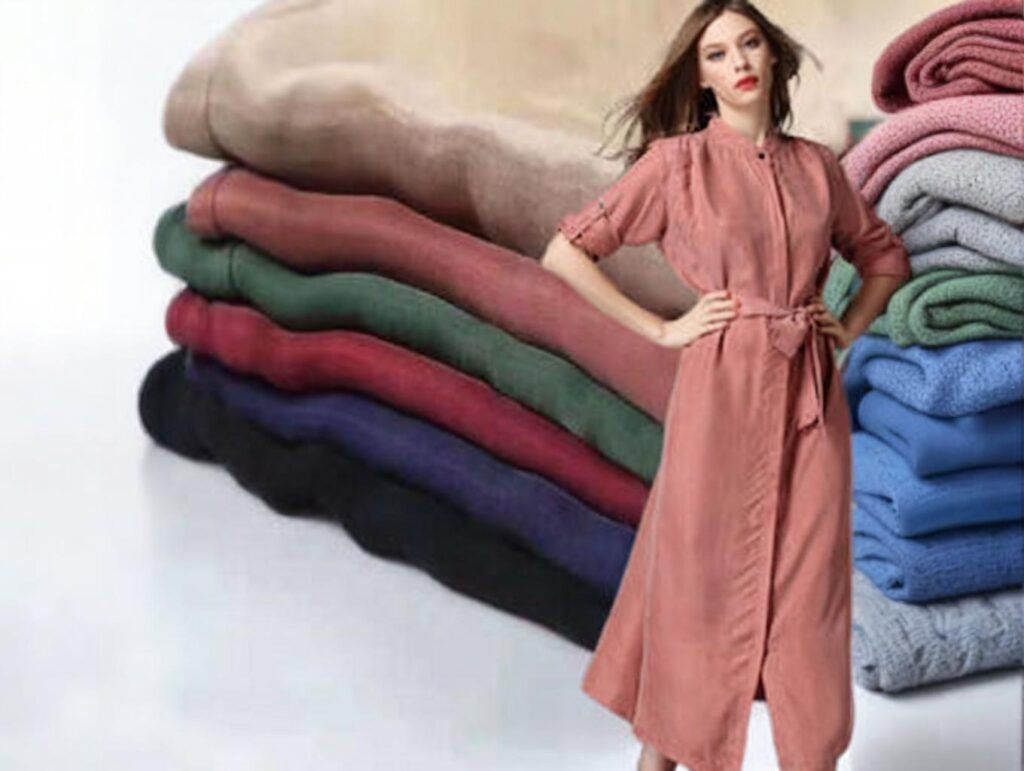
The rayon fabric market in 2025 isn’t just fluctuating—it’s recalibrating. After a decade of steady growth and post-pandemic volatility, this year marks a turning point for procurement teams sourcing cellulose-based textiles globally. With countries like China, India, Turkey, and Indonesia adopting different economic, environmental, and trade policies, the cost of rayon fabric now depends on more than just raw material and labor. Understanding the global price index is no longer about asking “how much per meter?” but “what’s driving the price—and where should we be sourcing today?”
In 2025, the average global price of rayon fabric ranges from $1.35 to $2.85 per meter depending on construction, finish, origin country, and GSM. Pricing is influenced by dissolving pulp costs, labor, energy, exchange rates, trade policies, and sustainability certifications.
To bring this to life, imagine two brands: one in Germany paying $2.65/meter for dyed rayon twill from Turkey with REACH compliance and 14-day delivery; another in Canada securing similar specs at $1.95/meter FOB from India but struggling with inconsistent dye lots and 28-day lead times. The price per meter is just the surface—understanding what’s beneath it is where smart procurement begins.
Let’s dive into the data behind the numbers.
What Is the Current Global Price Range for Rayon Fabric in 2025?
Rayon fabric prices in 2025 show significant variation depending on fabric type, treatment, country of origin, and supply chain complexity. Across most sourcing hubs, the base price for standard woven viscose ranges from $1.35 to $1.65 per meter, while premium knits, blends, and digitally printed options push the ceiling to $2.85 or more.
In 2025, the global average price for rayon fabric ranges between $1.35–$2.85/meter. This includes standard greige woven rayon at the low end and specialty dyed or printed rayon blends at the high end.
▸ Global Rayon Price Range by Fabric Type (FOB, USD/meter)
| Fabric Type | Low-End Price | High-End Price | Common Use |
|---|---|---|---|
| Rayon Greige Woven (Plain) | $1.35 | $1.55 | Dye houses, in-house processing |
| Rayon Dyed Twill | $1.60 | $2.20 | Pants, outerwear |
| Rayon Spandex Knit (95/5) | $1.85 | $2.60 | Leggings, fitted tops |
| Rayon-Linen Blend | $2.10 | $2.85 | High-end casualwear, dresses |
| Digital Printed Viscose | $2.25 | $2.80+ | Fashionwear, boutique collections |
▸ Key Influencers of Price Differences
- Color complexity: Deep and reactive-dyed shades raise cost
- Fiber blend: Modal, Tencel, or linen blends increase yarn value
- Finish: Enzyme washed, anti-pilling, or moisture-wicking raise unit cost
- Order size: Smaller MOQs result in higher per-unit pricing
▸ Example:
A U.S. fashion brand sourcing a 180 GSM rayon-modal blend with reactive dye from Indonesia paid $2.55/m CIF, while a UK fast-fashion chain sourcing greige 140 GSM rayon from China locked in $1.40/m FOB on a 50,000-meter contract. Both were smart decisions—based on their needs.
How Have Rayon Fabric Prices Evolved Over the Past Five Years?
Between 2020 and 2025, rayon fabric prices have seen periods of sharp fluctuation due to COVID-19 supply chain shocks, pulp price surges, energy cost inflation, and rising ESG compliance costs. In 2021–2022, prices peaked due to freight congestion and raw material scarcity, but stabilized somewhat by mid-2023. In 2025, prices have plateaued in most markets—though sustainability-driven demand continues to influence the premium segment.
Rayon fabric prices rose by 25–40% between 2020 and 2022, peaked in early 2023, and have stabilized in 2025 with average reductions of 5–10% from their highest point. Premium blends and certified fabrics remain at elevated pricing levels.
▸ 5-Year Price Trend (Average Rayon Fabric Price, FOB USD/m)
| Year | Avg. Woven Price | Avg. Knit Price | Commentary |
|---|---|---|---|
| 2020 | $1.25 | $1.45 | Low pulp prices, pre-COVID stability |
| 2021 | $1.50 | $1.75 | Freight & pulp cost spikes post-lockdowns |
| 2022 | $1.65 | $2.00 | Energy inflation, demand peak |
| 2023 | $1.55 | $1.90 | Stabilization, pricing correction begins |
| 2025 | $1.48–$1.60 | $1.85–$2.20 | Regionally balanced, ESG premiums persist |
Data based on trade reports from China, India, Indonesia, Turkey, and Vietnam
▸ Price Drivers by Year
- 2021: Global shipping crisis, DWP cost +35%, record port delays
- 2022: EU Green Deal impact raises production compliance costs
- 2023–2024: Brands restructure sourcing strategies to hedge pricing risks
- 2025: Trade normalization, but pulp remains costly in some regions due to forestry limits
▸ Brand Perspective:
A Canadian outerwear brand delayed switching to modal-rayon until late 2024 when pricing normalized. By then, modal prices had dropped 8% from peak, saving ~$40,000 across two SKUs.
Which Countries Offer the Most Competitive Rayon Fabric Prices in 2025?
Not all sourcing destinations are priced the same—and in 2025, price competitiveness for rayon fabric reflects a mix of local raw material availability, infrastructure strength, labor cost, compliance overhead, and even access to renewable energy. China, India, and Indonesia remain the dominant players in terms of both pricing and volume, but Turkey and Vietnam are gaining ground due to proximity advantages and compliance credentials.
In 2025, the most competitive rayon fabric prices are found in India and China for basic woven and knit fabrics, while Indonesia and Turkey offer value on certified or sustainable rayon. Vietnam delivers mid-tier prices with strong quality consistency.
▸ Country Comparison of Rayon Fabric Pricing (FOB USD/meter)
| Country | Avg. Woven Price | Avg. Knit Price | Strengths | Considerations |
|---|---|---|---|---|
| China | $1.45–$1.65 | $1.85–$2.15 | High capacity, flexible MOQs, full certification | Energy & dyeing costs slightly rising |
| India | $1.35–$1.55 | $1.75–$2.00 | Very cost-efficient, strong greige supply | Dye lot variation risk; longer lead times |
| Indonesia | $1.50–$1.70 | $1.85–$2.25 | FSC-certified viscose, better ESG compliance | Port delays and higher energy costs |
| Turkey | $1.65–$1.85 | $2.10–$2.50 | Proximity to EU, fast lead time, GOTS/REACH | Higher pricing than Asia |
| Vietnam | $1.55–$1.70 | $1.90–$2.20 | Stable dyeing quality, agile production | MOQs and pricing may vary by mill |
Data reflects mid-range quality dyed rayon, 130–180 GSM, MOQ 1,000 meters or more
▸ Why Pricing Varies by Country
- India: Benefits from local DWP production and cost-effective labor, making it ideal for basic viscose fabrics
- Indonesia: Investments in Livaeco and Sateri-affiliated plants raise ESG value (and cost)
- Turkey: Lower shipping costs to Europe, plus shorter lead times offset higher labor
- China: Balance of scale, speed, and vertical supply chains enables efficient pricing—especially for larger orders
▸ Buyer Insight:
A mid-sized brand sourcing viscose from both India and Turkey reported that while India offered a 20% lower fabric price, Turkish fabrics had 30% lower sampling and rework rates—resulting in similar net profitability across the season.
▸ Strategic Takeaway:
Price per meter is only one part of the equation. Consider freight, lead time, sampling quality, and post-sale risks when comparing country options.
What Are the Key Factors Influencing Rayon Fabric Pricing Worldwide?
The cost of rayon fabric is shaped by a complex web of inputs. From the raw pulp that begins the process to the finish on the final fabric, every step adds cost—and in 2025, several global pressures continue to shape that cost structure. For procurement teams, understanding these drivers isn’t just useful—it’s critical to planning budgets, timelines, and sourcing decisions.
Key global factors influencing rayon fabric pricing include dissolving wood pulp (DWP) costs, energy prices, labor rates, sustainability certifications, dyeing methods, and freight. External forces like trade policies and climate regulation also play a growing role.
▸ Breakdown of Rayon Fabric Cost Components
| Cost Component | Share of Total Cost (Est.) | Notes |
|---|---|---|
| Dissolving Wood Pulp (DWP) | 50–65% | Imported pulp, mostly from South Africa, Canada, Brazil |
| Energy (electricity, gas) | 10–20% | Used in spinning, dyeing, drying, finishing |
| Labor | 8–12% | Varies by country; higher in Turkey, lower in India |
| Dyeing & Finishing | 8–15% | Reactive dyes, washing, calendaring add cost |
| Certifications & Testing | 2–5% | OEKO-TEX, FSC, ZDHC, GRS certifications included |
| Logistics & Admin | 3–5% | Factory-to-port, export documents, packaging |
▸ Pulp Pricing Trends (2021–2025)
| Year | Avg. DWP Price (USD/ton) | Impact on Fabric Pricing |
|---|---|---|
| 2021 | $930 | Peak post-COVID demand surge |
| 2022 | $1,100 | Forestry disruption, inflation |
| 2023 | $1,020 | Stabilization begins |
| 2024 | $1,060 | EU regulation on traceability |
| 2025 | $1,090 (Q2 avg) | Holding steady with fluctuations |
▸ Sustainability Pressure
- Brands are demanding certified viscose—raising compliance costs
- Mills are investing in closed-loop processing (especially in Indonesia and China)
- Dyes and finishes must now meet stricter environmental standards in key markets (e.g., REACH, OEKO-TEX STeP)
▸ Procurement Perspective:
A U.K. retailer reported a 7% cost increase for their rayon printed tops in 2025 compared to 2023—not because of raw material price hikes, but due to switching to FSC-certified pulp and ZDHC-compliant dye houses in Vietnam and Turkey.
Is There a Standard Method to Calculate the Rayon Fabric Price Index?
Unlike commodities like cotton or crude oil, rayon fabric doesn’t have a globally regulated spot price. However, procurement teams and fabric buyers often use composite indices based on regional averages, weighted fabric specs, and supplier quotations. These indices help benchmark supplier quotes and track macroeconomic trends in sourcing.
There’s no universal index for rayon fabric, but procurement teams often build internal pricing matrices using country averages, historical supplier quotes, and fiber benchmark data to monitor rayon market shifts.
▸ Components of a Rayon Price Index
| Index Element | Description | Importance |
|---|---|---|
| Base Fabric Specification | Common spec used to normalize price (e.g., 140 GSM greige) | Ensures comparability |
| Regional Price Averages | Median pricing from key supplier countries (China, India) | Shows global variance |
| Freight Rate Assumptions | Standardized shipping cost per region | Aligns total cost view |
| Currency Adjustment | USD vs. local currencies (e.g., CNY, INR) | Critical in volatile markets |
| Pulp Cost Reference | Sourced from global DWP benchmarks | Reflects raw material pressure |
▸ Sample Rayon Fabric Index – April 2025 (USD per meter, FOB)
| Country | Greige Woven 140 GSM | Dyed Twill 160 GSM | Knit Rayon 180 GSM |
|---|---|---|---|
| China | $1.42 | $1.68 | $1.95 |
| India | $1.38 | $1.58 | $1.87 |
| Indonesia | $1.52 | $1.75 | $2.10 |
| Turkey | $1.70 | $2.05 | $2.30 |
These figures exclude printing or functional finishes (e.g., anti-wrinkle).
▸ How to Use It:
- Internal benchmarking: Compare supplier quotes to country medians
- Forecasting: Overlay index movement with exchange rate and freight trends
- Negotiation support: Use index data to justify cost resets or margin discussions
▸ Real Case:
A sourcing manager from a European apparel brand uses a custom rayon index updated quarterly from China, Vietnam, and India. By doing so, they’ve been able to reduce procurement overpayment by 12% annually by catching pricing anomalies before signing POs.
How Do GSM, Construction Type, and Finish Impact Rayon Pricing?
GSM (grams per square meter), weave or knit construction, and surface finishing significantly affect the final cost of rayon fabric. A higher GSM doesn’t always mean better quality—but it almost always results in higher pricing due to increased fiber consumption and processing time.
GSM, fabric construction (woven, knit, blended), and added finishes like digital printing, anti-pilling, or moisture management can increase rayon fabric cost by 10–35% per meter.
▸ GSM Impact on Fabric Price (India, FOB Pricing 2025)
| GSM | Base Greige Price | Dyed Price | Printed Price |
|---|---|---|---|
| 100–120 | $1.30 | $1.55 | $1.85 |
| 130–150 | $1.38 | $1.65 | $1.95 |
| 160–180 | $1.45 | $1.78 | $2.10 |
| 190–220 | $1.58 | $1.90 | $2.35 |
These figures reflect plain weave viscose rayon with consistent quality.
▸ Fabric Construction Types
- Woven Plain: Lowest cost per meter, minimal processing
- Twill Weave: Slightly higher due to yarn twist, weight, and complexity
- Knitted (Jersey, Rib): More expensive due to elastic yarns, high shrinkage control
- Blended (e.g., Rayon-Spandex, Rayon-Linen): Higher base yarn cost and finishing complexity
▸ Finishing Treatments That Raise Cost
- Reactive Dyeing: Vibrant but costly; requires salt, soda ash, and washing
- Anti-Pilling: Additional enzyme or resin treatments
- Digital Printing: Adds $0.20–$0.40/m depending on resolution and color count
- Pre-shrunk/Enzyme Washed: Higher processing time, additional water usage
- Certifications (e.g., OEKO-TEX): Costs include lab testing and audits
When comparing prices from different suppliers, always standardize for GSM and finish. A quote of $1.85/m at 120 GSM with pigment dye may be less value than $2.10/m at 160 GSM with reactive dye and soft finish.
Do Exchange Rates and Trade Policies Affect Rayon Fabric Import Costs?
Yes—significantly. Exchange rate volatility can instantly alter rayon fabric import prices even when supplier quotes remain unchanged. Similarly, tariffs, anti-dumping duties, environmental regulations, and regional trade agreements often determine whether your landed cost is competitive or inflated.
Exchange rates and trade policies can impact rayon fabric import costs by 8–20% depending on currency strength, bilateral trade agreements, and shifting tariff structures.
▸ Key Exchange Rates (April 2025) and Their Impact
| Currency Pair | 2024 Avg. Rate | 2025 Current | Impact on Fabric Pricing |
|---|---|---|---|
| USD/CNY (China) | 6.82 | 7.15 | Favorable for USD buyers |
| USD/INR (India) | 81.5 | 83.9 | Slight advantage for importers |
| USD/VND (Vietnam) | 23,300 | 24,000 | Moderate buyer advantage |
| USD/TRY (Turkey) | 27.2 | 32.4 | Costs rise for Turkish exports |
Example: A $1.55/m fabric quote from China in 2024 could effectively cost $0.07/m less in 2025 due to exchange fluctuation—if invoiced in CNY.
▸ Trade Policy Factors Affecting Rayon Sourcing
- Anti-Dumping Measures: The EU and U.S. have imposed tariffs on certain synthetic textiles from China and India—though rayon often escapes direct labeling
- Free Trade Agreements (FTAs): ASEAN and RCEP agreements enable duty-free sourcing from Indonesia, Vietnam to partners like Japan and Korea
- Sustainability-linked Import Policies: The EU Green Deal and CBAM (Carbon Border Adjustment Mechanism) may apply in the near future to viscose made with fossil fuels or deforestation-linked pulp
▸ Procurement Scenario:
A South Korean buyer saw landed costs for Turkish rayon increase by 11% in early 2025—not due to supplier pricing, but because of a weak lira and higher shipping costs from the Eastern Mediterranean. Meanwhile, switching to Indonesian fabric saved them ~$0.20/m.
▸ How to Prepare:
- Lock contracts in local currencies if favorable
- Maintain a hedging strategy for volatile currencies (USD/INR, USD/CNY)
- Monitor customs codes (HS Codes 551011, 551219) for updates on textile tariffs in your country
What Should Procurement Teams Track Monthly to Forecast Rayon Prices?
Forecasting rayon fabric pricing isn’t just about watching fiber indexes—it’s a multidimensional task. Top-performing procurement teams use real-time dashboards that blend commodity inputs, currency data, supplier sentiment, and port congestion reports to predict shifts before they hit the invoice.
To forecast rayon prices accurately, sourcing teams should monitor pulp prices, currency fluctuations, freight rates, energy cost indices, and environmental compliance trends on a monthly basis.
▸ Key Metrics to Track Monthly
| Metric | Source | Relevance |
|---|---|---|
| Dissolving Pulp Prices | RISI, Sappi, Lenzing pulp indices | Base input cost for rayon fiber |
| Energy Index (gas/electricity) | IEA, country-specific energy boards | Major influence on dyeing, finishing |
| Exchange Rates | OANDA, XE, Central Banks | Currency fluctuation impacts FOB |
| Freight Rates (Container) | Drewry, Freightos, Maersk dashboards | Ocean shipping from Asia |
| Port Congestion Index | MarineTraffic, Port of Shanghai, etc. | Affects lead times and landed cost |
| Environmental Policy Updates | EU, China MOE, ZDHC, OEKO-TEX | Regulatory costs and requirements |
▸ Suggested Monthly Forecast Sheet Template
| Month | DWP Price ($/ton) | USD/CNY | Freight (40ft) | FOB Avg (China) | Risk Factor Notes |
|---|---|---|---|---|---|
| Jan | 1,080 | 7.05 | $1,850 | $1.62/m | Holiday congestion in Asia |
| Feb | 1,100 | 7.10 | $1,800 | $1.65/m | Stable trends |
| Mar | 1,090 | 7.12 | $1,750 | $1.60/m | Energy costs up |
| … | … | … | … | … | … |
▸ Smart Practice:
One European retailer assigns a team member to produce a 1-page “Rayon Cost Pulse” report monthly, tracking 7 key inputs. This simple report helped them renegotiate 2024 Q4 prices based on pulp dips—saving €68,000 in six months.
▸ Bonus Tip:
Combine historical pricing with AI-driven forecasting tools like GEP SMART or Craft AI to identify future risks early. If you’re sourcing from three countries, a dashboard-driven approach can offer clarity across fluctuating global factors.
Final Thoughts & Inquiry Invitation
Sourcing rayon fabric in 2025 is not about chasing the lowest price—it’s about understanding what that price includes. Whether you’re dealing with sustainability compliance, navigating fluctuating currencies, or balancing finish requirements, the Global Price Index is your compass—not just your calculator.
At SzoneierFabrics, we specialize in helping global buyers make sense of rayon fabric pricing with customized sourcing solutions tailored to each client’s quality, MOQ, and delivery needs. Whether you’re sourcing greige woven, printed knits, or eco-certified blends, our team is here to help you quote fast, sample accurately, and deliver on time.
Request your tailored rayon fabric quote today—we offer free samples, low MOQs, fast sampling, and 100% quality assurance for every fabric we produce.

Can't find the answers?
No worries, please contact us and we will answer all the questions you have during the whole process of bag customization.
Make A Sample First?
If you have your own artwork, logo design files, or just an idea,please provide details about your project requirements, including preferred fabric, color, and customization options,we’re excited to assist you in bringing your bespoke bag designs to life through our sample production process.