 Skip to content
Satin Material Future Outlook: Innovations in Textile Manufacturing
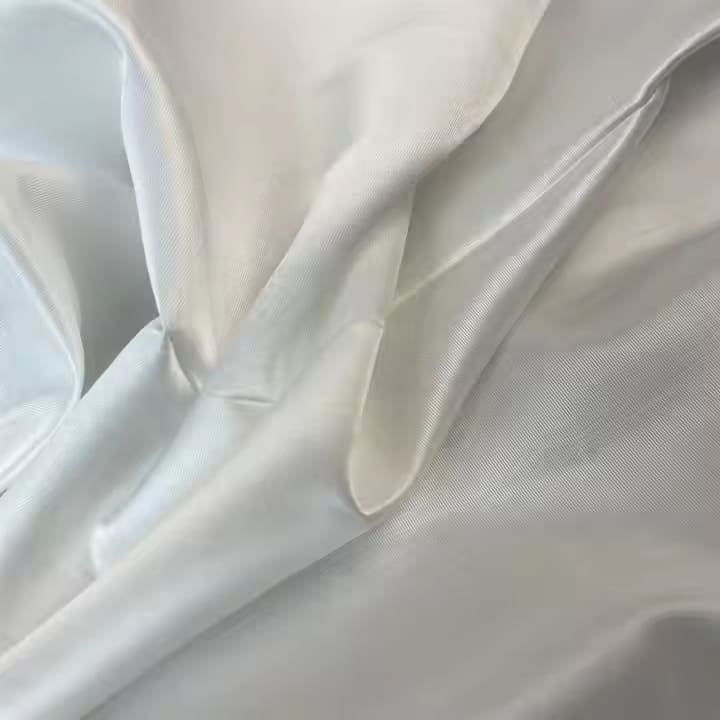
Satin has long held a position of prestige in the world of textiles, offering unmatched sheen, smoothness, and versatility that makes it a favorite for luxury apparel, eveningwear, and home textiles. But as the fashion and textile industries evolve, satin is no longer just a traditional fabric—it’s becoming a canvas for technological innovation, sustainability initiatives, and creative design experimentation. Today’s manufacturers are exploring new weaving methods, hybrid fibers, eco-friendly alternatives, and digital finishing technologies that redefine what satin can offer both to designers and end consumers.
Satin is evolving from a classic luxury fabric to a technologically advanced material. Innovations in weaving, sustainable fibers, and digital surface treatments are shaping the future of satin, making it more versatile, durable, and eco-conscious. Brands now have access to customizable satin options that balance aesthetic appeal, performance, and sustainability, while shortening lead times and maintaining high quality standards.
Imagine a small atelier in Milan using satin fabrics printed with 3D holographic effects, or a wedding gown manufacturer in Los Angeles sourcing eco-certified satin that looks identical to silk—this is no longer futuristic. It’s happening now, and understanding these trends is crucial for anyone in fashion, interior design, or textile sourcing who wants to stay ahead of the curve.
What Is the Current State of Satin Material in the Global Textile Market?
Satin remains a highly sought-after fabric in the global textile market, particularly in fashion, luxury home textiles, and performance wear. With its signature glossy finish, smooth drape, and versatility across both natural and synthetic fibers, satin continues to meet the evolving demands of designers and consumers alike.
The global satin market was valued at approximately USD 6.5 billion in 2024, with an expected compound annual growth rate (CAGR) of 4.7% through 2030. This growth is driven by advances in textile manufacturing, increasing demand for luxurious fabrics, and sustainability trends that are reshaping the industry. While traditional silk satin maintains its dominance in premium applications, polyester satin has increasingly gained traction due to its cost-efficiency, durability, and superior color retention in mass-market collections. Satin is a high-demand material with a global market value of USD 6.5 billion in 2024, growing at a CAGR of 4.7%. While silk satin continues to dominate luxury fashion, polyester satin is expanding in affordability, durability, and sustainability, making it suitable for a broader range of applications.
A. Fiber Types in Satin Production
Satin can be woven from a variety of fibers, each offering different aesthetic qualities and functional properties. The fiber choice has a direct impact on drape, comfort, and performance. Below is a breakdown of the dominant fibers used in satin production:
| Fiber Type | Market Share (%) | Key Features | Main Application Segments |
|---|---|---|---|
| Mulberry Silk | 35% | Luxurious, natural sheen, breathable | Eveningwear, bridal gowns, high-end lingerie |
| Polyester | 45% | Durable, colorfast, cost-effective | Ready-to-wear, home textiles, sportswear |
| Nylon | 10% | Lightweight, smooth finish | Activewear linings, accessories |
| Blends (Silk/Poly) | 10% | Balance of luxury and durability | Fashion apparel, custom collections |
- Mulberry Silk: The benchmark for luxury satin, mulberry silk is highly valued for its natural sheen, breathability, and drape, making it the preferred choice for bridal gowns and high-end lingerie.
- Polyester: The dominant fiber in the satin market, polyester satin is affordable, durable, and retains its color exceptionally well, which has made it the go-to option for mass-market apparel and home textiles.
- Nylon: Though less common, nylon satin is used for activewear linings and luxury accessories due to its lightweight properties and smooth surface.
- Silk-Polyester Blends: The combination of silk and polyester offers a balance of luxury and cost-efficiency, making it suitable for fashion apparel and custom collections where both aesthetic and durability are required.
B. Key Market Trends
Several key trends are driving satin’s evolution in the global textile market:
- Customization and Small-Batch Production
- Designers increasingly seek short runs and small-batch custom fabrics, especially for limited collections. Satin’s versatility in being woven from different fibers allows designers to experiment with unique color blends and patterns, driving demand for premium bespoke satin fabrics.
- Example: Couture collections often feature limited-edition satin fabrics that are hand-dyed or digitally printed for exclusivity.
- Sustainability
- There is growing demand for eco-friendly satin, with many brands turning to organic silk, recycled polyester, and blended fabrics to align with sustainability goals.
- For instance, North American and European designers are increasingly sourcing GOTS-certified silk and recycled polyester satin, ensuring their fabrics adhere to strict environmental standards.
- Example: Recycled polyester satin is gaining traction in the market due to its lower environmental footprint, providing an eco-friendly alternative to virgin polyester without compromising performance.
- Technological Integration
- Innovations like laser-cutting, digital printing, and hybrid weaving techniques are transforming satin fabrics, allowing for customized textures and intricate surface details.
- Digital printing on satin allows for high-resolution artwork, creating unique, photorealistic designs that are impossible to achieve with traditional methods. This has opened up satin to more artistic applications like custom eveningwear and premium accessories.
C. Case Study: Parisian Fashion House’s Sustainability Shift
In 2024, a Parisian luxury fashion house launched a capsule collection using recycled polyester satin combined with traditional silk panels. This innovative blend demonstrated both sustainability and luxury appeal.
- Sustainability Impact: The use of recycled polyester led to a 22% reduction in fabric waste compared to traditional satin production methods.
- Market Reception: The capsule was well-received by eco-conscious consumers and luxury fashion enthusiasts who appreciated the balance between environmental responsibility and premium finish.
- Result: This collection helped the brand maintain its luxury positioning while appealing to the growing demand for eco-luxury fashion.
D. Tradition vs. Innovation
The satin market is evolving as a balance between tradition and innovation. While silk satin remains a symbol of luxury, its high cost and limited durability for mass-market garments have led many to seek alternative fibers.
- Polyester satin has expanded satin’s reach, offering affordability, wrinkle resistance, and color retention, making it ideal for affordable luxury and high-turnover fashion.
- Satin blends are increasingly popular because they combine the best of both worlds—luxurious aesthetics with practical durability and cost-efficiency.
Designers looking to stand out in the competitive fashion market must balance the allure of silk with the sustainability and performance of synthetic fabrics. Those who stick solely to traditional silk satin may miss out on the innovative applications enabled by blended and engineered fabrics.
Satin’s presence in the global textile market continues to evolve, driven by market demands for affordability, sustainability, and innovation. While silk satin remains the fabric of choice for luxury bridalwear and evening gowns, polyester satin and blended fibers are gaining ground due to their cost-effectiveness and performance benefits.
For designers and buyers, understanding market segmentation, fiber innovation, and technological advances in satin production is crucial to selecting the right fabric for each fashion segment. Whether it’s the luxurious feel of silk satin or the eco-friendly appeal of recycled polyester satin, satin’s versatility allows it to cater to a wide range of aesthetic, functional, and sustainability goals in the modern textile industry.
Which Industries Are Driving Demand for Satin Fabrics in 2025 and Beyond?
Satin’s versatility extends far beyond luxury fashion, and its applications are increasingly shaping demand across diverse industries. While luxury apparel remains the largest market, other sectors like home textiles, automotive interiors, and tech-enabled performance fabrics are significantly boosting satin’s usage in 2025 and beyond.
Industry-Specific Analysis
A. Fashion and Apparel
- Primary Applications: Satin remains a key fabric for eveningwear, bridal collections, lingerie, and haute couture.
- Trend Data: By 2025, 58% of satin demand in Europe is forecasted to be driven by luxury fashion applications, with particular growth in customization, luxury branding, and sustainability.
- Emerging Trends: The integration of digital textile printing and performance features (e.g., water resistance, stretchability) is expanding satin’s appeal beyond traditional uses into tech-enhanced fashion.
B. Home Textiles
- Primary Applications: Satin is gaining popularity in bedding, upholstery, and draperies for its sheen, softness, and elegance.
- Sustainability Focus: The US and Germany are leading the charge in using sustainable satin blends made from recycled polyester or eco-certified silk, driven by eco-conscious consumers seeking more sustainable home décor solutions.
- Forecasted Trends: The increasing demand for eco-friendly home textiles will continue to shape satin production, especially in bedding sets and luxury curtains.
C. Automotive and Accessories
- Primary Applications: Satin is being used in interior linings for luxury vehicles, as well as in premium handbags and accessories.
- Key Characteristics: Features like stain resistance and durability make polyester satin ideal for these high-traffic, high-durability applications. Satin’s colorfastness and elegant finish further enhance its appeal for premium automotive interiors.
- Growth Potential: The growing trend of premium customization in automotive interiors, especially in high-end vehicles, will drive further demand for polyester satin.
D. Digital & Performance Textiles
- Primary Applications: Satin is making waves in the tech-enhanced fashion segment, including laser-cut patterns, sublimation prints, and 3D texture effects for sportswear and performance apparel.
- Technology Integration: The ability to incorporate performance features such as water resistance, lightweight, and breathability into satin fabrics is driving innovation. Additionally, satin fabrics are increasingly used in customized fashion enabled by digital textile printing.
- Forecasted Trends: As digital finishing technologies and smart textiles continue to evolve, satin’s appeal for both functional and aesthetic qualities is set to rise.
Industry Demand Table
| Industry | Forecasted Satin Usage (2025) | Primary Material Type | Trend Driver |
|---|---|---|---|
| Luxury Fashion Apparel | 58% | Silk, Silk/Poly Blends | Customization, luxury perception |
| Home Textiles | 20% | Polyester, Silk Blends | Eco-conscious consumers, décor trends |
| Automotive & Accessories | 12% | Polyester Satin | Durability, colorfastness |
| Tech-Enhanced Performance | 10% | Nylon/Polyester Blends | 3D printing, digital finishing |
Case Insight: Innovation in Performance Fashion
- A Shanghai-based textile manufacturer collaborated with a global sportswear brand to create polyester satin panels with laser-cut ventilation for performance jackets.
- This not only enhanced aesthetic appeal but also introduced a functional benefit by improving breathability and lightness, highlighting how non-traditional industries are influencing satin innovation.
Anticipating Trends for Strategic Growth
Understanding which industries are driving satin demand helps manufacturers and sourcing managers to better anticipate market trends, adjust production capacities, and innovate fabrics that align with end-market expectations.
- While luxury apparel remains the core driver of satin demand, industries such as home textiles, automotive interiors, and tech-enhanced fashion offer significant growth opportunities.
- To meet evolving consumer demands and eco-conscious trends, manufacturers must focus on sustainable satin options and technological innovations that bring new functionality and design versatility. Satin’s growing demand across luxury fashion, home textiles, automotive interiors, and tech-enhanced performance fabrics is driven by its versatility, sustainability, and aesthetic appeal. By aligning production capabilities with these trends, manufacturers can tap into new markets and cater to emerging consumer needs.
How Are New Weaving and Finishing Technologies Transforming Satin Production?
Satin, traditionally known for its smooth, lustrous surface, has undergone a significant transformation due to advancements in weaving machinery, finishing techniques, and digital integration. Historically, satin production involved manual looms and labor-intensive processes to achieve its characteristic sheen. Today, computerized looms, hybrid weaves, and multi-layer finishing technologies are enhancing both efficiency and design possibilities, providing fashion designers with unprecedented creative freedom and enabling manufacturers to meet the growing demand for high-quality, innovative textiles. Modern weaving and finishing technologies are revolutionizing satin production. Computerized looms, hybrid weaving techniques, and advanced finishing methods enhance texture, durability, and visual effects, offering designers greater control over fabric aesthetics and performance.
Technology Impact Analysis
A. Computerized Jacquard and Rapier Looms
Weaving technology has evolved significantly, with new machinery allowing manufacturers to create complex, intricate fabrics that were once impossible to achieve.
| Technology Type | Advantage | Application Example |
|---|---|---|
| Jacquard Loom | Enables complex pattern weaving with precision. Ideal for fabrics that require detailed designs and textures. | Used for luxury fashion fabrics, upholstery, and decorative textiles. |
| Rapier Loom | High-speed weaving with minimal waste, allowing mass production of satin while maintaining consistent quality. | Common for polyester satin and custom prints for affordable luxury and high-volume production. |
| Air-Jet & Water-Jet Looms | Faster production, consistent quality, and minimal fabric distortion. Useful for high-speed and mass production. | Predominantly used for mass-market satin and decorative fabrics. |
Technological Benefits:
- Jacquard looms are key for luxury textiles, allowing for intricate designs such as floral or geometric patterns without affecting the fabric’s smooth texture.
- Rapier looms enable high-speed production while reducing waste, making them ideal for economical satin fabrics.
- Air-jet and water-jet looms improve production efficiency by reducing downtime and creating fabrics with consistent properties, which are essential for large-scale fashion production.
B. Hybrid Weaving Techniques
Advancements in hybrid weaving have significantly enhanced the flexibility and functionality of satin fabrics:
- Silk/Polyester Blends: These hybrid weaves combine the luxury feel of silk with the durability of polyester, offering affordable satin options without sacrificing visual appeal.
- Application: Bridalwear and evening gowns benefit from this blend, providing both elegance and durability for long-wearing occasions.
- 3D Satin Textures: With innovative weaving techniques, manufacturers can create dimensional satin fabrics that feature texture and pattern without requiring post-finishing processes.
- Application: This is ideal for creating sculptural effects in fashion-forward pieces or couture designs that demand texture while maintaining satin’s signature sheen.
Creative Potential: These hybrid weaves allow designers to experiment with new textures and patterns, offering a blend of traditional luxury and modern functionality.
C. Advanced Finishing Technologies
Finishing processes are equally important in transforming satin fabrics, enhancing performance characteristics and aesthetic qualities. Advances in finishing techniques allow manufacturers to offer high-quality, durable satin that meets both functional and visual demands.
- Digital Coating: This advanced coating technology adds water resistance, stain repellency, or even a metallic sheen to satin without altering its soft feel.
- Application: Used in high-performance eveningwear or destination wedding gowns where both visual appeal and practicality are required.
- Heat-Setting & Calendaring: These techniques enhance smoothness, luster, and finish while also controlling shrinkage. Heat-setting ensures that the satin fabric retains its shape and reflective quality, while calendaring applies pressure to create a mirror-like surface.
- Application: Couture gowns and red carpet dresses benefit from the high gloss and sheen achieved through these methods.
- Laser Engraving & Embossing: These techniques allow for the creation of precision patterns, logos, or textural effects on satin without compromising the fabric’s integrity.
- Application: Luxury fashion and brand collaboration pieces use laser etching to create unique, intricate designs on satin without losing its natural fluidity.
Case Study: Hong Kong-Based Satin Manufacturer
A Hong Kong-based satin manufacturer showcased the future of satin fabric in 2023, using hybrid weaving and digital finishing technologies to produce metallic-effect satin for a Milan Fashion Week collection. The satin fabric maintained its luster even after 50 industrial washes, demonstrating the ability of advanced weaving and digital coating technologies to provide both aesthetic innovation and performance durability.
Key Takeaways:
- Hybrid weaving allowed the manufacturer to create innovative textures that were previously difficult to achieve in satin.
- Digital finishing provided the metallic sheen that elevated the design while ensuring long-term durability, a crucial factor for luxury fashion.
Balancing Innovation with Production Costs
While advancements in weaving and finishing technologies significantly enhance satin’s visual appeal, drape, and performance, they come with certain trade-offs. The cost of high-tech looms and advanced finishing machines represents a significant capital investment for manufacturers, requiring careful cost-benefit analysis:
- High-tech looms and advanced finishing processes can increase production costs by 15–20%, but these innovations provide long-term benefits in terms of efficiency, design flexibility, and durability.
- Luxury fashion houses must weigh the initial costs of implementing these technologies with the long-term value they offer in terms of brand differentiation and consumer loyalty.
Strategic Recommendation: Brands and manufacturers must balance technological innovation with production efficiency, ensuring that high-tech processes do not inflate the final cost of satin too much, especially for mass-market collections.
The Future of Satin Production in the Fashion Industry
The integration of new weaving and finishing technologies has transformed satin from a luxury fabric into a versatile material that can be used across bridalwear, eveningwear, and mass-market fashion. By leveraging computerized looms, hybrid weaving techniques, and advanced finishing technologies, manufacturers and designers can create satin fabrics with unprecedented textures, patterns, and durability.
- Satin production today benefits from greater flexibility, enabling designers to explore innovative patterns, textures, and performance properties while maintaining high aesthetic standards.
- Cost and production efficiency remain key considerations when integrating new technologies, as investment in high-tech equipment may increase short-term costs, but long-term advantages will outweigh them.
- For luxury fashion buyers, satin’s evolution from handwoven silk to modern technological fabrics represents an opportunity to create innovative, high-performance textiles that meet eco-compliance and aesthetic standards.
Strategic Advice: Manufacturers and fashion designers should invest strategically in advanced technologies to ensure they can meet consumer demand for luxury, sustainability, and innovative design, while balancing cost-efficiency and production scalability.
Are Sustainable and Eco-Friendly Satin Alternatives Becoming Mainstream?
Sustainability has evolved from a niche interest to a core driver in modern textile manufacturing. Satin, historically dominated by luxury silk or synthetic polyester, is now seeing a surge in eco-conscious alternatives such as organic silk, recycled polyester, and bio-based fibers. Consumer demand, particularly from Europe and North America, is propelling brands and manufacturers to adopt sustainable production methods without compromising satin’s luxurious aesthetic. Eco-friendly satin alternatives, such as organic silk and recycled polyester, are becoming more mainstream. These fabrics maintain luxurious qualities while reducing environmental impact, meeting both consumer demand and regulatory expectations.
Sustainable Satin Insights
A. Material Innovations
| Material Type | Environmental Impact Reduction | Key Benefit for Satin Production |
|---|---|---|
| Organic Silk | Pesticide-free cultivation, reduces water and chemical use | Retains natural sheen, breathability, and luxury appeal |
| Recycled Polyester | Reduces landfill waste, cuts energy usage | Cost-effective, colorfast, and versatile, widely used for bridal and eveningwear |
| Tencel/Soy Fiber Blends | Biodegradable, low water footprint, and minimal waste | Offers a smooth texture and soft drape, ideal for luxury fashion |
Insight: These materials bridge the gap between sustainability and luxury, offering both eco-consciousness and premium fabric qualities.
B. Manufacturing Practices
- Water and Energy Efficiency: Advanced closed-loop dyeing systems reduce water consumption by up to 70% in satin production, minimizing environmental impact.
- Chemical Management: Substituting toxic chemicals, such as heavy metals and azo dyes, with eco-certified alternatives ensures safer production methods.
- Waste Reduction: Innovations like precision cutting, offcut recycling, and digital printing have drastically reduced material waste, contributing to more sustainable fabric production.
Takeaway: Adopting eco-friendly manufacturing practices reduces both environmental impact and production costs, making it easier for brands to transition to sustainable satin.
C. Market Adoption Trends
- High-end fashion brands, such as Gucci and Stella McCartney, have introduced collections using recycled satin and organic silk, marking a significant shift toward sustainable fashion in the luxury market.
- A 28% increase in online searches for “sustainable satin fabrics” year-over-year (2024) indicates rising consumer interest in eco-friendly textiles.
Market Insight: As sustainable satin gains popularity, luxury brands are increasingly integrating eco-friendly materials into their collections, making it a mainstream choice for both fashion and bridal segments.
Case Study: Shanghai Textile Factory Innovation
A Shanghai-based textile factory developed a recycled polyester satin line using zero water discharge dyeing processes. This partnership with a European bridal wear brand reduced the collection’s carbon footprint by 18% without compromising the fabric’s luster and drape.
Result: The factory successfully met sustainability goals while maintaining the luxury quality expected in high-end bridal collections, demonstrating how sustainable innovation can thrive in the luxury fabric market.
Sustainability in satin is no longer just a trend—it’s a necessity. Manufacturers that fail to adopt eco-friendly practices may struggle to stay relevant in high-value markets. However, sustainable satin alternatives often come at a slightly higher cost, making it essential for brands to educate consumers on the environmental benefits and comparable performance to traditional satin fabrics.
How Is Digital Printing and Surface Design Shaping Satin’s Future?
The advancements in digital technology have brought about a revolution in fabric design, particularly for luxury textiles like satin. Traditional methods, such as screen printing, have gradually been supplemented by high-resolution digital printing, laser engraving, and 3D embossing. These cutting-edge techniques allow designers to create intricate patterns, gradients, and textures without compromising the smooth, glossy surface that makes satin so desirable in high-end apparel and home décor.
As designers push the boundaries of creative expression, digital printing and surface design techniques enable satin to maintain its luxury status while offering unparalleled flexibility in terms of design complexity, color vibrancy, and texture variation. These innovations are becoming essential for brands looking to stand out in luxury fashion, bespoke interiors, and personalized products. Digital printing and advanced surface design techniques are unlocking new creative possibilities for satin, allowing for the creation of detailed patterns, rich colors, and innovative textures while preserving satin’s signature smooth finish and luxurious appeal.
A. Digital Design Applications
A1. High-Resolution Digital Printing
High-resolution digital printing technologies are leading the charge in making satin fabrics a canvas for complex, intricate designs without the limitations of traditional methods. Here are the primary types of digital printing technologies and their respective benefits:
| Technology Type | Benefit | Example Use Case |
|---|---|---|
| Inkjet Textile Printing | High detail, quick prototyping | Custom fashion collections, couture, bespoke designs |
| Sublimation Printing | Excellent colorfastness, smooth gradient effects | Sportswear satin linings, scarves, fashion accessories |
| UV/Laser Direct Printing | Eco-friendly, minimal chemical use | Luxury accessories, eveningwear, high-end home textiles |
- Inkjet Textile Printing: Known for its ability to produce detailed designs and vibrant colors rapidly, inkjet printing allows designers to test patterns and produce custom collections without the extensive setup costs of traditional screen printing.
- Sublimation Printing: Sublimation is particularly effective on polyester-based satin fabrics, offering smooth gradient effects and colorfastness without compromising the fabric’s structure. This is a popular method for sportswear satin linings and fashion accessories like scarves.
- UV/Laser Direct Printing: This method is gaining popularity for luxury satin accessories due to its eco-friendly approach (minimal chemical use) and ability to print high-resolution designs directly onto the fabric. The durability of UV-printed satin is perfect for eveningwear and high-end product lines.
A2. Laser Engraving & Embossing
Along with digital printing, two more cutting-edge technologies are reshaping the surface design of satin: laser engraving and embossing. These techniques allow for the creation of tactile textures and intricate surface designs without compromising the fabric’s smooth, glossy finish.
- Laser Engraving:
- Precision Motifs: Laser engraving adds delicate motifs to satin fabric without causing damage to the material. It’s ideal for custom logos, monograms, or bespoke patterns in high-end fashion and luxury accessories.
- Efficiency: Engraving can be done quickly and with high accuracy, making it suitable for limited-edition collections and high-turnover items.
- Embossing:
- 3D Texture Creation: Embossing creates raised designs or matte/shiny contrasts, adding visual depth and textural interest to satin fabrics.
- Luxury Appeal: Embossed satin can be used for premium home textiles like upholstery, luxury pillows, or cushions, as well as in fashion accessories such as designer handbags or footwear.
B. Case Study: Digital Printing in Fashion
In 2023, a Paris-based designer collaborated with a Shanghai satin manufacturer to produce a gradient floral pattern using digital inkjet printing on silk satin. The goal was to combine traditional luxury with modern, intricate designs while maintaining the fabric’s luxurious feel.
- Production Efficiency: The designer was able to reduce production time by 35% compared to traditional screen printing methods, allowing them to bring the collection to market faster.
- High-Resolution Prints: The consistency of print quality (from start to finish) ensured that the gradient floral patterns maintained vibrancy and clarity across 500 meters of satin fabric, which was critical for the high-end market.
- Sustainability: The collaboration also resulted in a 22% reduction in fabric waste, highlighting the sustainability potential of digital printing compared to conventional methods. This case showcases how digital printing can effectively balance efficiency, luxury appeal, and sustainability in luxury fashion.
C. Balancing Innovation with Cost and Accessibility
While digital printing offers unprecedented creativity and efficiency, it also comes with cost considerations that must be factored into decision-making.
- High-Quality Printing Equipment: The investment in high-quality printers and inks is substantial, with advanced printers costing anywhere from USD 50,000 to over USD 200,000, depending on the required resolution and fabric compatibility.
- Color Management Expertise: Precise color matching and print consistency require significant expertise in color management and production techniques. Brands and manufacturers must weigh the investment costs against the expected order volume, client demands, and the need for competitive differentiation in the market.
- Small Manufacturers’ Challenge: Smaller manufacturers may find it difficult to afford digital printing technologies and may have to rely on traditional screen printing or rotary methods, which, while effective, limit design creativity and customization.
D. The Future of Satin in Design
The future of satin is undeniably intertwined with digital design technologies. Innovations like high-resolution digital printing, laser engraving, and embossing are not only redefining satin’s aesthetic appeal but also its functional capabilities. These technologies allow designers to create customized, detailed patterns and textures, enabling satin to maintain its position as a luxury fabric while embracing the demands of modern fashion, sustainability, and innovation.
For designers and manufacturers, digital printing offers an exciting opportunity to experiment with new textures, visual effects, and patterns, while laser engraving and embossing elevate the tactile and aesthetic qualities of satin fabrics. However, as with all innovations, manufacturers must weigh the costs, equipment investment, and production volume when incorporating these technologies into their operations.
Ultimately, satin’s future in fashion is not just about maintaining its traditional elegance but also embracing technological innovation to meet the evolving demands of luxury fashion, eco-conscious consumers, and bespoke creations.
What Performance and Durability Enhancements Are Possible in Modern Satin?
Satin has long been revered for its luxurious aesthetic qualities—its shine, smoothness, and drape. However, modern innovations in fiber blends, finishes, and coatings have enhanced satin’s performance characteristics, making it suitable for high-traffic areas, upholstery, and even technical textiles. These advancements have expanded satin’s applications beyond eveningwear and bridal gowns, into furniture, interior design, and functional apparel. Advances in fiber blends, finishing techniques, and protective coatings have significantly increased satin’s durability while preserving its signature luxurious look and feel. Satin is now a viable option for applications where abrasion, stain resistance, and wearability are essential, in addition to aesthetic appeal.
Performance Metrics and Innovations
A. Fiber Blends and Strengthening
| Fiber Blend | Durability Benefit | Example Use Case |
|---|---|---|
| Polyester/Silk Blend | Higher tensile strength, wrinkle-resistant | Eveningwear, luxury bedding, bridal collections |
| Nylon/Polyester Satin | Abrasion-resistant, longer lifespan | Furniture upholstery, hotel décor, premium accessories |
| Tencel/Silk Satin | Eco-friendly, retains luster and drape | Sustainable fashion collections, high-end eco-conscious brands |
Insight:
- Polyester/silk blends offer greater strength and resilience, making them ideal for eveningwear and luxury bedding that requires both elegance and long-lasting performance.
- Nylon/polyester satin is gaining traction for high-traffic environments such as furniture upholstery due to its abrasion resistance and extended lifespan.
- Tencel/silk satin caters to eco-conscious designers and brands, combining sustainability with luxury aesthetics, appealing to premium markets focused on sustainable textiles.
B. Advanced Coatings and Finishes
- Stain-Repellent Coatings: Fluorine-free treatments offer water and oil repellency, making satin suitable for high-use garments and furniture while maintaining its softness and sheen.
- Anti-Pilling Treatments: Specialized finishes prevent fabric fuzz and wear over time, preserving the smoothness and luxurious appearance of satin in high-contact applications.
- Thermal and UV Stabilization: Satin fabrics can now be treated for UV resistance and heat stabilization, which maintains color integrity and luster in sunlight or high-heat conditions.
Insight: These finishes improve the durability and practicality of satin, allowing it to endure heavy use, repeated cleaning cycles, and environmental stress without compromising its aesthetic appeal.
C. Case Study: High-Performance Satin in Hotel Interiors
A luxury hotel in Dubai chose polyester/silk satin upholstery for its suite interiors, incorporating anti-pilling and stain-repellent finishes to meet high-traffic demands.
- Results: The fabric endured daily cleaning cycles and high foot traffic over six months without losing luster, showcasing the long-lasting beauty and performance of satin in high-performance environments.
D. Performance Enhancement vs. Aesthetic Compromise
While performance-enhancing finishes provide greater durability, they may come with some trade-offs:
- Coatings such as stain-repellent treatments can reduce the breathability or softness of the fabric.
- Manufacturers must strike a balance between enhancing durability and maintaining the luxurious tactile feel that high-end consumers demand.
Insight: For luxury markets, where aesthetic quality and tactile experience are equally important, these trade-offs must be managed carefully. High-end brands must offer durable yet luxurious satin that delivers the desired performance without compromising on feel and finish.
Enhancing Satin’s Durability without Sacrificing Luxury
Modern innovations have made satin a versatile and durable fabric, ideal for high-end applications where aesthetics and performance are both essential. The key to success is balancing fabric durability with visual appeal, ensuring that satin remains a symbol of luxury while withstanding the demands of modern lifestyles, sustainable practices, and functional use cases.
What Are the Market Trends and Global Demand Forecasts for Satin Materials?
The global satin market is experiencing significant growth, driven by increasing consumer demand for premium fabrics that offer a blend of aesthetics, performance, and sustainability. Satin is no longer limited to luxury eveningwear but is also making its way into interior design and technical textiles, adding to its versatility and global appeal. According to a recent report by Textile Intelligence 2025, the global satin market is projected to grow at a CAGR of 6.8% from 2024 to 2030, with strong contributions from Asia-Pacific and North American fashion sectors. Satin materials are in high demand across luxury fashion and interior design. The market’s growth is fueled by innovation, sustainability, and performance enhancements, with Asia-Pacific emerging as the primary manufacturing hub, while Europe and North America are the major consumption markets.
Market Analysis
A. Regional Demand Patterns
Satin demand varies across different regions, driven by local market characteristics, industry trends, and regulatory frameworks.
| Region | Key Drivers | Notable Trends |
|---|---|---|
| Asia-Pacific | Rapid fashion industry growth, lower labor costs | Increased investment in eco-friendly satin and digital printing technologies. Satin production is booming in China and India, leveraging cost-effective labor and advanced weaving techniques. |
| Europe | Luxury fashion, sustainability regulations | Growth in organic silk satin and recycled polyester satin to meet EU sustainability regulations. Strong demand for premium eco-conscious satin in bridalwear and evening gowns. |
| North America | Bridalwear, eveningwear, custom interiors | Adoption of digital printing for bespoke satin fabrics, with a focus on sustainability. Growing interest in high-performance satin for custom interiors and fashion. |
| Middle East | Luxury hotels, hospitality | Demand for high-performance satin for upholstery and luxury hotel interiors. Increasing interest in durable, easy-to-clean fabrics that maintain luxurious appearances. |
B. End-Use Applications
Satin’s appeal extends beyond fashion and into multiple industries, thanks to its versatility and ability to offer both luxury aesthetics and performance properties.
- Fashion: Satin is a staple in luxury fashion, particularly for evening gowns, lingerie, scarves, and luxury loungewear. Designers are also incorporating satin in bridal collections, where its sheen and fluidity are highly prized.
- Interiors: Satin’s smooth finish and elegance make it an ideal choice for drapes, upholstery, and decorative cushions in high-end hotels, residential interiors, and corporate spaces.
- Technical Textiles: Satin is used in lightweight protective fabrics, event décor, and costumes. The fabric’s ability to combine strength and aesthetic appeal makes it suitable for theatrical costumes, technical sportswear, and durable event decorations.
C. Case Study: Eco-Conscious Satin in Luxury Bridalwear
A European luxury fashion brand partnered with an Asian satin manufacturer to create a fully sustainable satin bridal collection for the 2025 season. The collaboration focused on using recycled polyester satin and organic silk, in line with the brand’s eco-conscious commitment.
Key Insights:
- Demand Exceeded Forecasts by 15%: The collection’s strong sales reflected the growing consumer appetite for sustainable luxury satin. This case illustrates how sustainability is not just a niche but a significant driver of consumer demand in high-end bridalwear.
- Production Challenges: The use of recycled polyester satin and organic silk added production complexity, but the collaboration between technology and sustainability provided mutual benefits in terms of both brand positioning and market share.
D. Market Forecasts and Future Trends
- 2024–2030 Market Growth: The global satin market is expected to grow at a CAGR of 6.8%, driven by innovations in fiber blends, sustainability, and consumer demand for luxury.
- Asia-Pacific will remain the primary manufacturing hub, with China and India leading the way in satin production due to cost-efficient labor and rapid advancements in weaving and finishing technologies.
- North America and Europe will continue to dominate in luxury consumption, particularly in bridalwear, couture, and high-end fashion, where sustainability and premium quality are non-negotiable.
- Consumer Expectations: Consumers increasingly demand eco-conscious fabrics. A 2023 study by Fashion Revolution found that 62% of luxury buyers prioritize sustainability when purchasing satin, while **47% are willing to pay a premium for sustainable fabrics.
Balancing Innovation, Quality, and Sustainability
While sustainability trends are reshaping the satin market, luxury segments remain focused on innovation and quality, with an emphasis on fiber origins, eco-certifications, and aesthetic refinement. On the other hand, mass-market satin tends to focus on cost-effectiveness while meeting basic sustainability standards.
- Luxury Fashion: Emphasis on high-quality fibers, such as organic silk and recycled polyester, with a focus on eco-certifications like OEKO-TEX and GRS.
- Mass-Market Fashion: Focus on synthetic satin alternatives, such as polyester satin, to meet basic sustainability requirements without significantly inflating production costs.
Navigating Satin’s Future in the Global Market
The global satin market is on the rise, driven by the luxury fashion, interior design, and technical textiles sectors. As sustainability becomes a key consumer demand, manufacturers must adapt to new eco-compliance standards and embrace innovative production technologies to stay competitive.
- Asia-Pacific remains the production powerhouse, while Europe and North America continue to be the largest consumers of sustainable satin.
- GROWING CONSUMER DEMAND for eco-conscious satin is reshaping sourcing decisions, with brands prioritizing recycled polyester and organic silk for bridalwear and evening gowns.
- Sustainability trends are pushing innovation in both fiber blends and finishing technologies, offering brands the chance to meet consumer expectations for high-end, eco-friendly satin.
Strategic Advice: Manufacturers must balance cost-efficiency with luxury appeal and sustainability to capitalize on the growing global demand for satin across multiple industries. Understanding regional trends and adapting to consumer-driven sustainability will be key for continued growth and market positioning.
How Can Szoneier Fabrics Provide Customized Satin Solutions for Modern Challenges?
With over 15 years of expertise in R&D, design, and manufacturing, Szoneier Fabrics is at the forefront of delivering tailored satin solutions to meet today’s dynamic fabric needs. By integrating advanced weaving technologies, digital printing, sustainable fibers, and performance-enhancing finishes, Szoneier enables brands to create satin fabrics that satisfy aesthetic, functional, and environmental standards. Szoneier Fabrics offers comprehensive, customized satin solutions, combining innovation, sustainability, and performance. Their expertise supports luxury fashion, interior design, and technical textiles, helping brands differentiate in increasingly competitive markets.
Szoneier’s Capabilities
A. Custom Material Development
- Fiber Blends: Szoneier offers a wide range of custom blends—including silk, polyester, nylon, Tencel, and bio-based fibers—to meet specific performance and aesthetic requirements.
- Specialty Finishes: Szoneier applies innovative finishes such as anti-pilling, stain-resistant, water-repellent, and UV-stabilized coatings to enhance fabric durability and usability across various applications.
- Digital Surface Design: Advanced techniques like high-resolution digital printing, embossing, and laser engraving allow brands to create unique patterns and customized designs on satin with exceptional precision and detail.
B. Rapid Sampling and Low MOQ
| Feature | Benefit |
|---|---|
| Low MOQ Production | Ideal for small and boutique luxury brands needing flexible, low-volume runs. |
| Fast Sample Turnaround | Receive samples within 2–3 days for urgent custom designs, enabling quick market testing. |
| Free Design Support | Provides conceptual design services to help brands visualize and refine patterns for production. |
Insight: Szoneier’s low minimum order quantities (MOQs) and fast sample turnaround times allow emerging brands to test the market with minimal upfront investment while maintaining full creative control.
C. Quality Assurance and Compliance
- ISO9001 Certified: Szoneier’s rigorous quality management system ensures consistent fabric quality throughout production.
- OEKO-TEX & GRS Standards: Compliance with OEKO-TEX and Global Recycled Standard (GRS) guarantees that Szoneier fabrics are safe, sustainable, and ethically produced.
- Comprehensive Lab Testing: Extensive in-house testing includes tensile strength, shrinkage resistance, and colorfastness, ensuring that each batch meets exacting performance standards.
D. Case Study: North American Fashion Startup
A North American fashion startup needed a custom satin blend with high sheen and eco-friendly certification for their new collection. Szoneier delivered:
- Samples within 3 days,
- Production within 2 weeks,
- Packaging customization as per the client’s design brief.
The startup successfully launched its limited-edition collection, receiving positive consumer feedback on both the fabric quality and sustainability credentials.
Takeaway: Szoneier’s quick turnaround times and ability to meet eco-standards make it an invaluable partner for fast-paced brands seeking to meet market demands without compromising on quality.
Szoneier Fabrics’ ability to combine technical innovation, sustainability, and customization gives brands a competitive edge in today’s fashion market. The vertically integrated operations, from raw material sourcing to finished product, allow clients to scale production efficiently while maintaining the flexibility to innovate and experiment with complex designs. Szoneier Fabrics is an ideal partner for brands looking to create sustainable, high-performance satin fabrics that meet the evolving needs of luxury fashion, technical textiles, and interior design. With customized solutions, rapid prototyping, and eco-friendly certifications, Szoneier offers the tools to help brands thrive in a competitive market while maintaining a commitment to quality and sustainability.
Partner with Szoneier for Satin Innovation
From technological innovations in weaving and finishing, to sustainability trends, digital printing, and performance enhancements, satin is evolving rapidly to meet modern consumer expectations. Szoneier Fabrics stands at the forefront of this evolution, offering customized, high-quality, and sustainable satin solutions for luxury fashion, interior design, and technical textile applications.
Brands and designers seeking innovative satin materials tailored to their unique needs can rely on Szoneier’s expertise, rapid sampling, and low MOQ production to bring creative visions to life efficiently and reliably.
Call to Action: For inquiries or customized satin solutions, reach out to Szoneier Fabrics at www.szoneierfabrics.com . Experience the perfect combination of innovation, sustainability, and performance for your next luxury textile project.
satin fabric innovations, satin textile trends 2025, luxury satin fabrics, sustainable satin materials, satin fabric digital printing, satin performance enhancements, high-end satin for fashion, satin upholstery fabrics, satin fabric market forecast, satin fabric manufacturers China, custom satin production, satin finishing techniques, satin fabric durability, silk satin blend, eco-friendly satin fabrics, satin printing technologies, satin for luxury apparel, satin texture innovation, satin fabric suppliers, satin surface design, anti-pilling satin, stain-resistant satin fabrics, satin fabric R&D, satin market growth, digital satin printing, satin fabric sustainability, premium satin fabrics, satin fabric custom solutions, satin material applications, satin textile manufacturing

Can't find the answers?
No worries, please contact us and we will answer all the questions you have during the whole process of bag customization.
Make A Sample First?
If you have your own artwork, logo design files, or just an idea,please provide details about your project requirements, including preferred fabric, color, and customization options,we’re excited to assist you in bringing your bespoke bag designs to life through our sample production process.