 Skip to content

Shoulder Bags for Everyday Carry

An everyday shoulder bag looks simple until you actually live with one. A bag can photograph beautifully, feel perfectly balanced when empty, and still become irritating after twenty minutes of carrying a laptop, bottle, charger, keys, wallet, headphones, notebook, and everything else that quietly joins a normal day. That is why the best everyday shoulder bags are not defined by fashion alone. They are small load-carrying systems in which dimensions, fabric weight, strap geometry, pocket placement, hardware, reinforcement, and the way the bag behaves when partially filled all matter.
The best shoulder bag for everyday carry is one that matches the user’s real carrying load rather than simply offering the largest possible capacity. For most daily situations, it should balance usable volume, manageable empty weight, a stable shoulder strap, fast access, secure closures, organized storage, durable materials, and enough structural support to keep heavier items from pulling the bag out of shape. The correct design changes according to commuting distance, device size, climate, clothing, travel habits, and expected load.
This distinction matters because two bags with almost identical outside dimensions can behave completely differently. One may hold its shape beautifully but feel unnecessarily heavy. Another may be extremely light but collapse around a laptop and allow small objects to collect at the bottom. A third may seem spacious until thick padding, internal dividers, and narrow openings consume much of the advertised volume.
Imagine leaving home with a comfortable bag at 8:00 a.m. By lunchtime, you have added a bottle and a few purchases. By evening, the strap is digging into your shoulder, the phone has disappeared beneath a notebook, and the bag swings forward whenever you walk quickly. Those small frustrations reveal what everyday-carry design is really about. The rest of this guide examines the bag from that practical point of view.
What Is an Everyday Carry Shoulder Bag?
An everyday carry shoulder bag is a bag designed to remain practical through repeated, ordinary use rather than only for occasional styling or a single activity. It should comfortably carry the items a person reaches for throughout the day, distribute the resulting load reasonably well, provide logical access, resist common wear points, and remain appropriate across settings such as commuting, shopping, work, short trips, and weekends.
The important word is everyday. Daily use exposes weaknesses that may never appear during a product photo shoot or a short fitting session. A zipper may technically work but become frustrating if it requires two hands every time. A thin strap may look elegant but become uncomfortable under a 3 kg load. An oversized main compartment may increase capacity on paper while making keys, earbuds, and cards difficult to find.
From a product-development perspective, the better question is therefore not simply, “How much can the bag hold?” It is, “What will the user carry, how often will each item be accessed, where will the weight sit, and how will the bag feel after several hours?”
What Makes a Shoulder Bag Suitable for Daily Use?
A genuinely useful daily shoulder bag normally succeeds in five areas at the same time: carrying comfort, accessible storage, appropriate capacity, structural durability, and manageable weight. Improving one area while ignoring the others often creates a compromise somewhere else.
Consider structure. A heavily reinforced bag may feel premium and remain upright when placed on a table, but extra foam, lining, reinforcement sheets, metal hardware, and thick fabric can raise empty weight considerably. If the user already carries a laptop and water bottle, those additional hundreds of grams are not trivial. Conversely, removing almost every structural component can make a bag delightfully light while allowing its contents to sag into an uncomfortable lump against the body.
This is why successful development usually begins with a load profile rather than a visual sketch alone.
| Daily Use Factor | Practical Design Question | Common Failure | Better Direction |
|---|---|---|---|
| Empty weight | How much weight exists before anything is packed? | Bag feels heavy before use | Reduce unnecessary layers and oversized hardware |
| Carry load | What will users realistically carry? | Strap becomes uncomfortable | Match strap width and attachment to expected load |
| Access | Which items are reached most often? | Phone and keys disappear inside | Add controlled quick-access zones |
| Stability | Does the bag stay close to the body? | Bag swings or tilts while walking | Control strap position and weight distribution |
| Security | Which items need protection? | Open pockets expose valuables | Use zipped or body-facing storage |
| Shape | Should the bag stand, drape, or compress? | Wrong structure for use case | Engineer interfacing and foam intentionally |
| Maintenance | How will the bag be cleaned? | Fabric shows stains quickly | Select finish, color, coating, and lining appropriately |
For product teams, this table is useful because it converts vague descriptions such as “make it practical” into design decisions that can be sampled and evaluated. At Szoneier, a shoulder bag project can therefore be developed around the intended contents, carrying environment, fabric performance, finishing process, construction, and desired appearance rather than treating material selection as a separate decision made after the bag shape has already been finalized.
How Is a Shoulder Bag Different From a Crossbody Bag?
Shoulder bags and crossbody bags can share many of the same materials, closures, compartments, and even body shapes, but their load paths are different. A traditional shoulder bag is primarily supported from one shoulder, with the bag resting under the arm or beside the torso. A crossbody bag uses a longer strap that travels diagonally across the torso, allowing some of the load to be stabilized by the body.
That difference changes how the product should be engineered.
A shoulder bag normally benefits from a strap that sits securely on clothing without concentrating too much pressure into a narrow area. Strap drop also matters because the bag must clear the arm while remaining high enough to avoid excessive swinging. A crossbody strap can often be longer and may require a wider adjustment range because users wear it over different clothing thicknesses and at different positions on the torso.
Neither format is automatically better. Shoulder bags usually offer fast access because the opening remains close to the hand. They can also look cleaner with formal or office clothing. Crossbody designs provide better hands-free stability during longer walks, crowded transport, or travel.
Hybrid construction has therefore become common. A shoulder bag can include an adjustable or detachable strap long enough to permit crossbody use. From a development perspective, however, simply making a shoulder strap longer does not automatically create a good crossbody bag. Strap anchors, hardware strength, attachment angles, bag height, base width, and center of gravity may also need adjustment.
Which Daily Essentials Should a Shoulder Bag Hold?
The contents should be defined before the dimensions. That sounds obvious, but it prevents one of the most common bag-development mistakes: choosing an exterior size first and trying to force every internal function into the remaining space.
A compact daily bag might need to carry only a smartphone, cardholder, keys, sunglasses, earbuds, tissues, and a small power bank. A commuter bag might add a tablet or laptop, charger, notebook, bottle, umbrella, lunch container, cosmetics, and documents. A travel-oriented version may need space for a passport, portable battery, cable pouch, camera, medication pouch, and compact jacket.
The physical dimensions of these items matter as much as their combined volume. A laptop is flat but wide. A bottle is narrow but tall and dense. A glasses case is rigid. A charging cable can fit almost anywhere but becomes frustrating when tangled among other objects. Designing one large cavity around total liters does not solve these different storage behaviors.
A practical content map may look like this:
| Item Type | Typical Storage Need | Design Consideration |
|---|---|---|
| Smartphone | Immediate access | Exterior or upper internal pocket |
| Wallet/cards | Fast but secure | Zipped or body-facing pocket |
| Keys | Small-item control | Key leash or dedicated pocket |
| Earbuds | Small-item control | Shallow pocket |
| Bottle | Vertical stability | Bottle sleeve or defined side zone |
| Laptop/tablet | Flat protection | Padded sleeve with clearance |
| Charger/power bank | Dense small load | Structured internal pocket |
| Notebook/documents | Flat storage | Sleeve sized to intended format |
| Umbrella | Wet-item separation | Side compartment or coated zone |
| Cosmetics | Flexible storage | Small pouch or organized pocket |
There is also a human behavior issue. People rarely pack a daily bag with laboratory precision. They drop objects inside while walking, put receipts into the nearest opening, add an unexpected snack, or carry a folded shopping bag “just in case.” Good everyday bags leave some usable tolerance rather than fitting the planned contents so tightly that adding one extra object makes the zipper difficult to close.
That extra space should not become uncontrolled volume, however. A bag that is dramatically larger than the typical load encourages overpacking and allows heavy objects to move around. The goal is usable reserve capacity, not unlimited capacity.
Are Shoulder Bags Practical for Commuting?
They can be extremely practical for commuting when the load remains moderate and the internal layout reflects the journey. Shoulder bags are particularly convenient for people who frequently need to access a phone, transit card, ID, wallet, notebook, or headphones because the bag can usually be opened without fully removing it.
The commute itself should influence design decisions. A person walking ten minutes from a car park to an office experiences a very different carrying environment from someone standing on trains, climbing stairs, cycling part of the route, and walking forty minutes each day.
For public transport, security and bag control become more important. An open-top tote-style shoulder bag offers easy access but also leaves contents more exposed. A full zipper, magnetic flap combined with an internal zipper, or body-facing security pocket may be more appropriate. Rounded or compact silhouettes can also be easier to manage in crowded spaces than very wide bags.
Rain exposure changes the material brief. A cotton canvas bag may be perfectly suitable for short urban use but require a water-repellent treatment, coated backing, or protective lining when electronics are routinely carried in wet conditions. Polyester and nylon constructions can provide additional options where lower moisture absorption and easier maintenance are priorities, while the final performance depends on fabric construction, coating, seams, closures, and finishing rather than fiber name alone.
Commuter design also benefits from examining transitions. Can the user retrieve a transit card with one hand? Does the bag stay balanced when the laptop is removed? Does a bottle fall sideways when the bag is half empty? Can the zipper opening clear the laptop corners? These tiny interactions often separate a bag that merely looks functional from one people genuinely enjoy using every day.
Who Should Use an Everyday Shoulder Bag?
Everyday shoulder bags work particularly well for users who value quick access and carry a moderate load rather than a large amount of equipment. Office workers, students with lighter device requirements, city commuters, travelers, retail staff, creative professionals, parents carrying a smaller set of essentials, and people moving frequently between work and social settings may all benefit from the format.
The more useful segmentation, however, is behavioral rather than demographic.
A person who carries only a phone, wallet, keys, and sunglasses may need a compact 3–6 L style. Someone carrying a tablet, notebook, bottle, and accessories may be better served by roughly 6–10 L. A daily laptop user may move into the 10–16 L range depending on device dimensions, padding, and additional contents. These figures are practical development ranges rather than universal standards because bag shape strongly affects how efficiently volume can be used.
The user who regularly carries substantial weight for long walking distances may ultimately be better served by a backpack. That is an important design truth. A manufacturer should not force every use case into a shoulder-bag format simply because the category is commercially attractive.
A strong shoulder-bag concept knows where its limits are.
For brands developing a collection, this can lead to a more useful product family: perhaps a small daily shoulder bag, a medium work version, and a larger laptop-compatible model rather than one oversized design expected to satisfy every customer. Shared fabrics, trims, colors, and hardware can preserve collection identity while the dimensions and internal architecture change according to genuine carrying needs.
Which Shoulder Bag Size Is Best?
The best shoulder bag size is the smallest size that comfortably holds the user’s normal essentials while leaving enough clearance for easy packing and occasional additions. Exterior dimensions alone are not sufficient. Useful size should be evaluated through internal dimensions, opening width, base depth, pocket construction, padding thickness, structure, and expected load.
For many everyday applications, medium-sized shoulder bags provide the most adaptable balance because they can accommodate common essentials without encouraging excessive weight. However, a bag intended for a 14-inch laptop requires a completely different dimensional starting point from one intended only for a smartphone and personal items.
Capacity should therefore be treated as a three-dimensional engineering problem. The question is not simply whether the contents technically fit. They must fit without distorting the shell, blocking the zipper, crushing smaller items, creating an unstable center of gravity, or making the bag uncomfortable when loaded.
How Much Capacity Do You Need?
Start by separating essential load from occasional load.
Essential load contains the things the user carries almost every day. Occasional load includes objects that appear only sometimes, such as a compact umbrella, small shopping item, charger, snack, scarf, or portable battery. Designing solely around the essential load can make the bag frustratingly tight. Designing around every possible occasional object usually makes it unnecessarily large.
A useful approach is to develop around the normal load plus reasonable expansion tolerance.
| Carry Profile | Typical Contents | Practical Capacity Range | Main Design Priority |
|---|---|---|---|
| Minimal daily carry | Phone, wallet, keys, earbuds, glasses | 3–6 L | Low weight and quick access |
| City everyday carry | Above plus small bottle, charger, pouch | 5–8 L | Organization and compact shape |
| Tablet commute | Tablet, notebook, bottle, accessories | 7–11 L | Device protection and stability |
| Light work carry | Small laptop, charger, notebook, essentials | 10–14 L | Opening width and strap comfort |
| Full workday carry | Laptop, bottle, umbrella, documents, accessories | 12–18 L | Load control and reinforcement |
These ranges should be viewed as design guidance, not fixed classifications. A shallow 10 L bag and a deep 10 L bag can feel very different. A rectangular body uses volume efficiently for laptops and documents, while a curved crescent shape may sacrifice some theoretical packing efficiency in exchange for comfort, visual softness, and a closer fit to the body.
Fabric behavior can change perceived capacity too. A soft nylon shell may expand slightly around irregular objects. Heavy canvas with stiff reinforcement will hold a more defined silhouette. Neoprene can flex, but thick material also consumes internal space. This is one reason the final bag should be evaluated as a physical prototype rather than approved from a dimension sheet alone.
Which Size Fits Everyday Essentials?
There is no universal “everyday” size because everyday life varies dramatically, but product developers can work backward from recognizable objects.
For a small personal shoulder bag, an approximate body width around 22–28 cm may accommodate a smartphone, compact wallet, sunglasses, keys, and small accessories depending on the shape. Medium casual bags often move toward roughly 28–36 cm in width, allowing room for a small bottle, pouch, notebook, or compact tablet. Laptop-oriented models frequently require widths beyond that range, but the actual internal sleeve should be matched to specific device dimensions.
Depth is easy to underestimate. Adding 2 cm to a bag’s depth can significantly change usable volume and appearance. Too little depth produces a bag that looks sleek when empty but bulges once a bottle or charger is added. Too much depth can cause the bag to project away from the body and swing during walking.
Height creates another trade-off. A tall bag can hold bottles and documents efficiently, but small items may migrate to the bottom. A wide, shallow design improves visibility but occupies more horizontal space beside the body.
Rather than treating length, height, and depth independently, designers should look at proportion.
For example, two bags can both have an internal volume near 10 liters:
Bag A might be broad and relatively shallow, making it useful for documents and devices.
Bag B might be narrower and deeper, making it more suitable for bulky personal items but less convenient for a laptop.
The correct one depends on what the user carries, not which specification looks larger on a product page.
Is a Medium Shoulder Bag More Practical?
For broad everyday use, medium bags are often the easiest size to live with because they sit between two common problems: compact bags that constantly run out of space and large bags that tempt users to carry too much.
A medium format can usually accommodate a wallet, phone, keys, glasses, power bank, small pouch, bottle, and a few additional items without becoming visually bulky. Depending on dimensions, it may also support a tablet. That versatility makes medium shoulder bags useful for collections aimed at work-to-weekend use.
But “medium” should not become a substitute for actual measurements.
One brand may call a 7 L bag medium, while another uses the same label for a 12 L model. Product pages, technical files, and sampling discussions should therefore work from finished dimensions and internal construction rather than generic size names.
A practical development exercise is to prepare a physical load set and place the same contents into different prototypes. Evaluate each prototype while empty, 50% loaded, normally loaded, and near maximum capacity. This reveals things that measurements cannot: whether the shell wrinkles, whether the opening becomes restricted, whether the bag leans outward, whether the base loses shape, and whether the strap begins to twist.
For custom projects, this type of testing is more informative than increasing dimensions by instinct. A change of 10–20 mm in depth, opening width, or strap position can sometimes improve daily usability more than making the entire bag visibly larger.
How Does Bag Weight Affect Daily Carry?
Empty bag weight deserves more attention because users feel total weight, not just the weight of what they pack.
Suppose two shoulder bags carry the same 2.2 kg of personal items. If one bag weighs 450 g empty and another weighs 950 g, the second user carries an additional half kilogram all day. That difference may come from heavier shell fabric, thick lining, large metal fittings, structural board, foam, reinforcement, oversized zippers, decorative elements, or simply more material because of the bag’s dimensions.
That does not mean lighter is always better. Removing too much material can reduce durability or cause the bag to collapse under concentrated loads. A laptop compartment requires enough padding to provide meaningful separation. Strap anchors need reinforcement. A bottom carrying a bottle and electronics may need more support than a fashion pouch.
The objective is efficient weight.
Every layer should earn its place. Structural material should appear where shape or load control requires it. Reinforcement should concentrate around strap anchors, handles, zipper ends, and other high-stress points. Hardware should match the expected loading rather than being oversized merely to create a heavier impression of quality.
This becomes especially important when fabric is customized. A brand may choose an attractive heavy canvas because it communicates durability, then add thick cotton lining, multiple leather trims, large zinc-alloy hardware, and internal foam. Individually, each choice seems reasonable. Together, they can create a shoulder bag that is uncomfortable before the customer has packed anything.
A more balanced material specification considers appearance, tensile and tear behavior, abrasion resistance, handfeel, coating, structure, and weight together.
Do You Need Space for a Laptop?
Only if laptop carry is genuinely part of the use case.
Adding a laptop compartment affects much more than pocket count. The entire bag may need greater width and height, a straighter opening, more structured panels, stronger strap attachments, bottom protection, and increased comfort under load. The device also changes the center of gravity because a laptop is relatively dense and rigid compared with clothing or personal accessories.
The design should begin with the actual device envelope rather than a marketing label such as “fits a 14-inch laptop.” Screen size is measured diagonally, while chassis dimensions vary by manufacturer and model. A bag that accepts one 14-inch computer may not fit every device sold under that screen category.
For development purposes, specify the maximum target device length, width, and thickness and then allow functional clearance for insertion, lining, seam allowances, padding, and the closure. The opening is particularly important. An internal cavity may technically be large enough while the zipper opening remains too short or curves in a way that catches the laptop corners.
Laptop protection should also be proportional to the intended environment. A light sleeve may be sufficient when the bag is moving between a car and office. A commuting bag exposed to crowded trains, floors, desks, and frequent travel may benefit from thicker padding, a raised internal base, or firmer side support.
Consider a practical development scenario. A brand wants a slim work shoulder bag that looks refined enough for meetings but can carry a 13–14-inch laptop, bottle, charger, notebook, and personal items. Simply enlarging a fashion shoulder bag creates problems: the narrow strap becomes uncomfortable, the soft bottom bends beneath the computer, and the bottle pushes against the laptop sleeve.
A stronger solution changes the architecture rather than only the dimensions. The laptop is positioned close to the body, the bottle receives a defined vertical area, dense accessories stay nearer the center, the base receives appropriate support, and strap attachment points are reinforced for the higher loaded weight. The exterior can still remain visually clean.
This is where material development and finished-bag engineering become closely connected. Szoneier can develop cotton, canvas, polyester, nylon, neoprene, linen, jute, Oxford and other fabric options together with coatings, laminations, backing, printing, dyeing, embroidery, reinforcement, lining, and finished construction. Instead of selecting fabric from appearance alone, the material can be matched to the desired bag weight, structure, wear resistance, cleaning requirement, water resistance, handfeel, and intended price position.
The next decision is therefore not simply which bag silhouette looks best. It is which material system can make that silhouette perform properly every day.
Which Materials Work Best?
The best material for an everyday shoulder bag depends on the balance between weight, abrasion resistance, structure, flexibility, moisture exposure, appearance, cleaning, and price. Nylon and polyester are strong choices for lightweight, weather-aware daily bags; canvas offers a natural, structured feel; Oxford fabric works well for durable utility styles; and neoprene suits soft, flexible constructions. The right decision comes from the complete material system, not the fiber name alone.
This is one of the areas where shoulder-bag development often goes wrong. A brand may ask for “premium nylon,” “heavy canvas,” or “waterproof polyester” as though those descriptions define performance. They do not. Two nylon fabrics can behave very differently because of yarn denier, weave density, coating, finishing, backing, weight, and construction. Canvas can range from soft lifestyle fabric to extremely dense industrial cloth. Polyester can feel lightweight and smooth or stiff and heavily coated.
For daily carry, the fabric has to work with the design rather than compete with it. A soft crescent bag needs enough drape to curve around the body. A laptop shoulder bag benefits from greater dimensional stability. A casual canvas tote-style shoulder bag may rely on natural texture as part of its appeal, while a commuter bag may prioritize water repellency and easy cleaning.
The useful question is therefore not “Which material is best?” but “Which material specification produces the right behavior for this particular bag?”
Is Nylon Good for Everyday Shoulder Bags?
Nylon is one of the most practical materials for everyday shoulder bags because it can combine relatively low weight with good abrasion performance, flexibility, and a wide range of finishes. It is especially useful when a design needs to feel light on the shoulder without becoming fragile.
The term nylon, however, covers a broad family of constructions. A fine-denier nylon used for a soft fashion shoulder bag behaves very differently from a heavier woven nylon intended for travel or technical applications. Yarn size, weave pattern, fabric density, filament type, coating, and finishing all affect the final result.
A common development mistake is assuming that a higher denier number automatically means a better fabric. Denier describes yarn linear density, not total quality. A well-constructed 420D fabric can outperform a poorly made heavier fabric in certain applications because weave density, yarn quality, coating adhesion, and finishing also influence durability.
For a soft everyday shoulder bag, lightweight nylon can create excellent drape and reduce empty weight. A heavier nylon may be selected when abrasion, body, or load-bearing performance matters more. Ripstop constructions can add tear-control characteristics by integrating stronger reinforcement yarns into the weave, although the visible grid pattern affects the appearance and may not suit every collection.
Nylon also responds well to different surface treatments. Depending on the specification, it can be developed with water-repellent finishes, polyurethane coatings, laminated films, calendaring, or other post-processing methods.
| Nylon Decision | What It Changes | Practical Effect |
|---|---|---|
| Yarn denier | Fabric weight and character | Fine yarns feel lighter; heavier yarns may add toughness |
| Weave density | Surface stability | Denser construction can improve resistance to snagging |
| Ripstop structure | Tear propagation | Reinforcement grid can limit spread of small tears |
| PU coating | Moisture barrier and body | Improves water resistance but can change handfeel |
| DWR finish | Surface water repellency | Helps droplets bead rather than soak immediately |
| Calendering | Surface feel and density | Can create smoother, tighter fabric |
| Lamination | Structure or waterproof layer | Adds performance but also weight and complexity |
Nylon has limitations as well. Certain finishes may show creasing or gloss changes. Some lightweight nylon constructions can appear too technical for fashion-oriented collections. Dark colors can make scratches or surface marks more visible depending on the finish. And no nylon bag should be marketed as fully waterproof simply because the fabric itself resists water; seams, zippers, stitch holes, and openings also determine real-world water protection.
For an everyday commuter shoulder bag, a coated or water-repellent nylon shell combined with an appropriate lining can offer a particularly good weight-to-performance ratio. For a softer lifestyle bag, an uncoated or lightly finished nylon may feel more comfortable against the body.
The specification should follow the use environment rather than a generic assumption that nylon is automatically “technical.”
Is Polyester Durable Enough for Daily Use?
Yes. Properly specified polyester can be highly suitable for everyday shoulder bags and is widely used because it offers good dimensional stability, color consistency, versatility, and cost control across many fabric weights and constructions.
Polyester is sometimes viewed as a lower-tier alternative to nylon, but that comparison is too simplistic. A high-density polyester fabric with an appropriate coating can perform extremely well in daily bags, while an unsuitable nylon construction may fail more quickly. Performance depends on the total specification.
Polyester generally absorbs relatively little moisture and can dry quickly, which makes it practical for commuting, travel, school, sports, and general daily use. It can also accept a wide variety of printing, dyeing, coating, embossing, and finishing processes, making it especially flexible for customized collections.
Another advantage is visual consistency. Polyester can be engineered in matte, smooth, textured, brushed, woven-look, or high-density finishes. This gives product developers room to create anything from a minimalist urban shoulder bag to a promotional or outdoor-oriented style.
Abrasion performance should still be tested rather than assumed. High-contact zones such as the lower corners, back panel, zipper area, and strap attachment zones experience repeated friction. Fabric that looks excellent in a showroom sample can pill, whiten, glaze, or wear through when rubbed repeatedly against clothing, desks, seats, and other surfaces.
A basic comparison helps illustrate how nylon and polyester may be positioned.
| Performance Area | Nylon | Polyester |
|---|---|---|
| Lightweight potential | Excellent | Excellent |
| Abrasion performance | Often very strong | Strong with correct construction |
| Moisture absorption | Low | Very low |
| Dimensional stability | Good | Very good |
| Color and print flexibility | Good | Excellent |
| Technical appearance | Common | Can range from technical to lifestyle |
| Cost flexibility | Moderate to high | Broad |
| Coating compatibility | Excellent | Excellent |
| Daily maintenance | Easy | Easy |
| Soft drape options | Excellent | Very good |
This table should not be interpreted as a fixed ranking. Material selection still depends on the exact fabric.
For example, a 600D polyester Oxford may be more appropriate for a structured commuter shoulder bag than a soft 70D nylon because the project requires body and abrasion resistance. Conversely, a lightweight nylon may be better for a foldable travel shoulder bag where compact packing and reduced empty weight matter.
A well-developed polyester shoulder bag can therefore be highly durable for daily use. The key is matching fabric construction, coating, backing, lining, and reinforcement to the expected load and environment.
Is Canvas Better for Casual Carry?
Canvas is an excellent material for casual shoulder bags when the desired experience includes natural texture, visible weave, moderate structure, and a relaxed appearance. Cotton canvas in particular has a tactile quality that synthetic fabrics often try to imitate, which makes it popular for everyday lifestyle, fashion, promotional, and heritage-inspired designs.
Its advantages go beyond appearance. Medium and heavy canvas constructions can provide good body without requiring large amounts of foam or reinforcement. This can help a bag maintain shape while preserving a relatively straightforward construction.
The trade-off is weight.
A heavy canvas shell, cotton lining, thick webbing, metal hardware, leather trims, and internal structure can create a surprisingly heavy finished bag. This matters because canvas bags are often marketed around durability and substance, encouraging designers to keep adding heavier components.
A lighter canvas may provide a better everyday experience while still delivering the desired visual character.
Canvas also behaves differently around moisture. Untreated cotton readily absorbs water, which can increase weight and create drying or staining issues. Water-repellent finishes, wax treatments, backing, lamination, or blended constructions can change performance, but every treatment affects handfeel and appearance.
A waxed canvas, for example, can develop a distinctive patina and improve moisture resistance, but it will feel and age differently from untreated cotton canvas. A polyester-cotton blended canvas may improve dimensional consistency and reduce some maintenance concerns while preserving a textile-like surface.
Color should also be considered. Natural or light canvas can show dirt quickly. Dark dyes may reveal crease marks or abrasion differently. Printed canvas requires attention to ink penetration, colorfastness, and wear in folded or high-friction areas.
For a daily shoulder bag that is intended to age gracefully rather than remain visually perfect, canvas can be a strong choice. For a bag that must stay crisp through wet commutes and frequent cleaning, another material may be easier to maintain.
How Does Neoprene Improve Comfort?
Neoprene can improve comfort by adding softness, flexibility, cushioning, and a slightly elastic feel to the bag body or selected components. It can work particularly well for casual shoulder bags, protective device bags, sport-inspired styles, and designs intended to sit comfortably against the body.
What is casually called neoprene in bag manufacturing may involve a foamed rubber layer laminated with textile faces. Thickness, foam density, outer fabric, lamination quality, and stretch direction all affect how the material behaves.
One of its biggest advantages is built-in cushioning. A traditional woven shell may require additional foam to achieve a soft handfeel, while neoprene already provides a degree of padding. This can be useful around electronics, bottles, or body-contact areas.
But more thickness is not always better.
A 3 mm or 4 mm material consumes substantially more internal space than a thin woven fabric. It also increases bulk at seams, folded edges, zipper areas, and binding points. Multiple neoprene layers stacked together can become difficult to sew cleanly and may create thick seam ridges.
For everyday shoulder bags, the material works best when used deliberately.
A soft bag body can take advantage of its flexibility, while areas such as the base, zipper opening, and strap attachment may need reinforcement to prevent stretching. If the entire bag is made from very soft neoprene without strategic support, heavier items can deform the body.
Neoprene can also contribute to comfort in strap construction. A webbing strap backed with a soft foam or neoprene component may feel better than narrow unpadded webbing. Again, the benefit depends on load. A thick pad cannot fully compensate for an excessively narrow strap carrying several kilograms.
Cleaning and odor control should be considered as well. Material quality, lamination adhesive, finishing, and storage conditions affect the finished product. Samples should therefore be evaluated not only visually but also for odor, recovery, stretch, compression, edge finish, seam bulk, and repeated flexing.
Is Oxford Fabric Good for Heavy Use?
Oxford fabric is a broad construction category rather than a single performance level. It can be very suitable for heavy-use shoulder bags because the characteristic woven structure can provide a strong balance of durability, shape, coating compatibility, and cost efficiency.
Polyester Oxford and nylon Oxford are both common. They may be specified in different deniers, weave densities, coatings, surface treatments, and weights. A 300D Oxford and a 1680D Oxford are clearly not intended for the same product, even though both use the Oxford name.
For everyday shoulder bags, medium-weight Oxford fabrics are often useful for commuter, school, tool, utility, outdoor, travel, and work-oriented designs. Heavier versions can increase resistance to abrasion and provide stronger structure, but they also add stiffness and weight.
Fabric selection should reflect what “heavy use” actually means.
Does the bag carry 2 kg every day? Is it dragged across vehicle seats? Is it exposed to rain? Does it carry tools with hard edges? Is it frequently placed on concrete floors? Will it be folded for storage? Is a premium handfeel important, or is ruggedness the priority?
These questions matter more than selecting the highest denier available.
| Material | Best Everyday Use | Main Strength | Main Trade-Off |
|---|---|---|---|
| Lightweight nylon | Travel, urban carry, packable bags | Very low weight | May need reinforcement for structure |
| Heavy nylon | Technical and commuter bags | Strong abrasion performance | Higher cost and technical look |
| Polyester | General daily and branded bags | Versatility and print flexibility | Quality varies widely |
| Cotton canvas | Lifestyle and casual bags | Natural texture and body | Higher moisture absorption |
| Blended canvas | Casual work and lifestyle | Balanced appearance and stability | Less purely natural feel |
| Neoprene | Soft protective and sport styles | Cushioning and flexibility | Bulk at seams |
| Oxford fabric | Work, commuter and utility bags | Durable structured performance | Heavy grades may feel stiff |
| Linen blend | Lifestyle and summer collections | Natural visual character | May require backing for durability |
| Jute | Promotional and natural-look designs | Distinctive texture | Coarser handfeel and limited fine detailing |
The broader lesson is that material should be selected as part of a system.
For a Szoneier shoulder bag program, the shell fabric can be coordinated with lining, foam, interfacing, webbing, zipper tape, thread, binding, coating, backing, and printing or embroidery. A fabric that performs beautifully on its own can still fail in the finished bag if the supporting materials are incompatible.
A heavy shell paired with weak lining creates an uneven durability profile. A water-resistant exterior with an untreated open zipper creates false confidence. A strong fabric attached to a narrow strap with insufficient reinforcement moves the failure point from the fabric to the seam.
Material performance needs to be judged at finished-product level.
How Should a Shoulder Strap Be Designed?
A good shoulder strap should distribute the expected load comfortably, keep the bag stable, offer enough adjustment for different body sizes and clothing, and transfer force safely into reinforced attachment points. Strap width, length, material, hardware, padding, anchor geometry, and stitching all matter. A visually attractive strap can still fail if these variables are developed independently.
The shoulder strap is often the most important physical connection between the user and the bag. If it slips, twists, cuts into the shoulder, stretches, squeaks, or causes the bag to tilt, the user notices immediately.
This is also where material and construction decisions become mechanical. The entire filled weight of the bag eventually travels through relatively small attachment zones. A 3 kg bag may not sound heavy, but that load is repeatedly amplified when the user walks, swings the bag onto the shoulder, grabs it suddenly, or lowers it onto a chair.
The strap should therefore be designed for movement, not static weight alone.
Which Strap Width Is Most Comfortable?
Wider straps generally distribute pressure over a larger contact area, which can improve comfort as load increases. That does not mean every everyday shoulder bag should use an extremely wide strap. The ideal width depends on bag size, expected weight, style, material stiffness, and how the strap sits on clothing.
For a small lightweight shoulder bag, a strap around 20–25 mm may be adequate. Medium daily bags often move toward 25–38 mm. Work-oriented or heavier designs may benefit from 38–50 mm straps or wider padded sections.
These are useful development ranges rather than fixed rules.
A 25 mm soft woven strap may feel more comfortable than a stiff 38 mm strap with sharp edges. A thick leather strap can distribute pressure differently from flexible nylon webbing. A padded section may expand the effective shoulder-contact width while allowing the rest of the strap to remain narrower.
Load matters enormously.
| Expected Loaded Weight | Common Strap Approach | Design Concern |
|---|---|---|
| Under 1 kg | 15–25 mm light strap | Proportion and flexibility |
| 1–2 kg | 20–30 mm strap | Basic pressure distribution |
| 2–3 kg | 25–38 mm strap | Comfort and attachment strength |
| 3–5 kg | 38–50 mm or padded section | Pressure, slipping, load transfer |
| Above 5 kg | Wider/padded system | Consider whether shoulder carry remains appropriate |
Again, these figures are not safety ratings. They are conceptual design guidance.
User perception also matters. A very wide technical strap may look wrong on a compact fashion bag. A narrow elegant strap may visually suit a refined work bag but feel unacceptable once the laptop and bottle are added.
This creates one of the most common design conflicts: appearance versus load.
The solution is often not to choose one over the other but to modify construction intelligently. A strap may remain visually narrow near the bag while widening at the shoulder. A removable shoulder pad can be used for heavier carrying. Dual-layer webbing can improve structure. A soft backing can improve comfort without dramatically changing the visible width.
The best strap feels proportionate both visually and physically.
How Long Should a Shoulder Strap Be?
Shoulder strap length should allow the bag to sit at the intended position without restricting arm movement, bouncing excessively, or forcing the user to lift the shoulder to keep the bag in place.
For fixed shoulder straps, the critical measurement is often strap drop: the vertical distance from the top edge of the bag to the underside of the strap at its highest point when hanging naturally. This determines whether the bag sits tightly under the arm or lower beside the torso.
A short drop can create a neat silhouette but may become difficult over jackets. A longer drop improves access and clothing clearance but can increase swinging.
Adjustable straps require a broader dimensional approach. Development should define minimum usable length, maximum usable length, hardware adjustment range, and the length consumed by folded-back webbing around buckles and attachment points.
Do not assume that a strap nominally measuring 100 cm offers 100 cm of effective wearing length. Construction consumes part of that measurement.
Body size and clothing season also matter. A bag designed only on a small mannequin may feel very different on a taller wearer or over a winter coat. Sample testing should therefore include multiple users and clothing conditions whenever the market is broad.
For a convertible shoulder/crossbody design, the adjustment range must be larger again. The strap must work in short shoulder mode and long diagonal mode without leaving an awkward length of loose webbing.
This is where hardware placement becomes important. A slider positioned too close to the shoulder can create a pressure point. Adjustment tails that hang freely can look messy. Double-back constructions can create bulky areas near the attachment.
A well-designed strap should look intentional throughout its entire adjustment range, not only at the midpoint shown in product photography.
Is an Adjustable Strap Necessary?
An adjustable strap is not necessary for every shoulder bag, but it significantly increases fit flexibility and can make a product more useful across different body types, clothing thicknesses, and carrying styles.
Fixed straps can work beautifully in small fashion bags, totes, and clean minimalist designs where simplicity is part of the product identity. They reduce hardware, weight, assembly steps, and visual clutter.
However, adjustment becomes valuable when comfort and multi-situation use are priorities.
A commuter may wear the bag high against a shirt in summer and lower over a winter jacket. A shorter user may want the bag close to the waist, while a taller user needs additional length. Some users prefer under-arm shoulder carry; others want the bag lower at the hip.
These differences can be solved with an adjustable webbing or fabric strap.
The adjustment hardware must match the material. A loose slider can gradually slip under load. An overly tight slider may be difficult to adjust. Smooth webbing can behave differently from cotton webbing, leather, jacquard tape, or seatbelt-style material.
Hardware compatibility should therefore be tested physically.
The strap should be loaded, walked with, repeatedly adjusted, and checked for slippage. A sample that remains stable while lying on a table may creep several centimeters over a day of use.
For custom shoulder bags, it is worth testing at least the expected normal load and a heavier development load. The objective is not to encourage overloading but to reveal whether the hardware maintains its position during repeated movement.
Convertible straps add another layer of complexity because snap hooks, D-rings, swivel hooks, and attachment loops become part of the load path. The hardware needs enough working clearance to rotate naturally without pinching the fabric or twisting the strap.
Do Padded Straps Reduce Shoulder Pressure?
Yes, padded straps can reduce perceived shoulder pressure by increasing contact area and cushioning the interface between the strap and the body. Their effectiveness depends on pad width, foam density, thickness, shape, surface friction, and the actual weight of the bag.
A soft pad that compresses completely under load offers limited long-term benefit. A very firm pad may distribute pressure well but feel bulky. The best construction usually provides enough resilience to spread load without creating a rigid object on the shoulder.
Foam thickness must also suit the product.
A 3–5 mm padding layer may be enough to soften a moderate-load strap. Heavier bags may use thicker or denser foam, but increasing thickness continuously does not automatically increase comfort. Very thick pads can lift the strap away from the body and create instability.
Surface material matters too. Smooth nylon can slide easily on some clothing. Mesh or textured fabric may improve grip but can abrade delicate garments. Neoprene provides softness and friction but can feel warm in hot climates.
These trade-offs should be considered according to the intended user environment.
A travel bag used for airport walking may benefit from a comfortable padded section. A fashion shoulder bag worn for short periods may prioritize a slimmer profile. A work bag carrying electronics every day should treat strap comfort as a core functional requirement rather than an optional feature.
There is also a point where padding stops solving the real problem.
If a bag regularly carries 6–8 kg on one shoulder, the underlying issue may be the carrying format itself. A thicker strap cannot fully eliminate asymmetrical loading. In that case, a backpack, dual-handle system, or rolling solution may be more appropriate.
Good design knows when not to disguise a structural limitation with extra foam.
How Are Strap Attachments Reinforced?
Strap attachments are reinforced by spreading load away from a small stitch area into a larger portion of the bag body. Common methods include internal backing patches, additional fabric layers, webbing extensions, box stitching, bar tacks, X-box patterns, rivets in suitable designs, folded seam integration, and structural panels.
The right method depends on shell fabric, lining construction, expected load, aesthetic requirements, and manufacturing method.
A strap sewn directly onto a lightweight shell may initially look fine but concentrate all stress along a narrow stitch line. Repeated pulling can elongate needle holes, distort the fabric, or eventually tear the panel.
A better construction distributes that force.
For example, an external webbing attachment can extend several centimeters into the body and be stitched over a larger area. Internally, reinforcement fabric can sit behind the shell so the load is shared between multiple layers. In structured bags, the attachment may connect into a side panel or frame rather than relying on the decorative outer fabric alone.
| Reinforcement Method | Best Use | Main Benefit | Watch Point |
|---|---|---|---|
| Box stitch | Webbing attachments | Spreads force across area | Stitch spacing must suit fabric |
| Box-X stitch | Medium/heavy loads | Adds diagonal load paths | Can look too technical |
| Bar tack | Concentrated stress zones | High stitch density | Requires suitable fabric support |
| Backing patch | Lightweight shells | Prevents local tearing | Must extend beyond stitch area |
| Extended webbing | Utility bags | Transfers load into body | Affects appearance |
| Rivet + stitching | Certain leather/canvas styles | Mechanical and visual reinforcement | Rivet alone should not replace good construction |
| Integrated side panel | Structured work bags | Strong load distribution | More complex pattern engineering |
Thread and stitch density should also be matched to the material. Using extremely heavy thread on lightweight fabric can create perforation rather than strength. Very dense stitching can weaken certain coated or tightly woven fabrics by creating a line of closely spaced needle holes.
That is why reinforcement should be tested as a complete assembly.
A useful strap test can include static load, controlled pull, cyclic lifting, repeated swinging, hardware inspection, and seam examination. The goal is not merely to see whether the strap breaks. Engineers should look for early warnings such as stitch elongation, fabric whitening, seam distortion, slider movement, hardware deformation, or progressive tearing.
A real-world development case illustrates the point. Suppose a medium commuter shoulder bag is intended to carry a laptop, bottle, charger, and personal items with a normal loaded weight around 3 kg. During sampling, the strap itself may be strong enough, yet the body fabric begins to pucker around the attachment after repeated loading.
Changing to thicker webbing alone does not solve the problem.
Instead, the reinforcement patch can be enlarged, the anchor position moved closer to a structural seam, and the stitching pattern changed so force spreads across a wider area. The visible design may remain almost identical while the internal load path improves dramatically.
That invisible engineering is a large part of what makes a shoulder bag reliable after months of daily use.
For Szoneier custom shoulder bag development, strap construction can be coordinated with fabric weight, lining, reinforcement, webbing, padding, hooks, rings, sliders, stitching, and expected carrying load. This allows the strap system to be designed as part of the bag architecture rather than selected as an accessory after the body shape has already been approved.
What Organization Features Matter?
The best organization system is not the one with the most pockets. It is the one that gives frequently used items fast access, keeps valuable or fragile items protected, prevents dense objects from shifting, and leaves enough open space for changing daily needs. A well-organized shoulder bag usually combines one flexible main compartment with a small number of deliberately positioned pockets rather than dividing every centimeter into rigid sections.
This distinction matters more than it first appears. Many bags look highly functional in product photography because the interior contains numerous pockets, sleeves, elastic loops, and dividers. In actual use, however, excessive organization can reduce usable volume, increase production complexity, add weight, and force users to store objects according to a system that may not match their habits.
People also do not use bags as neatly as product diagrams suggest. A commuter may place a phone in an exterior pocket in the morning, throw it into the main compartment after lunch, temporarily carry a charging cable, add a supermarket receipt, and later squeeze in a folded umbrella. Everyday organization needs enough structure to reduce frustration without becoming so prescriptive that the bag loses flexibility.
One useful way to develop the interior is to divide storage into three access levels.
Primary-access items are used many times during the day. These include phones, transit cards, keys, earbuds, and sometimes wallets.
Secondary-access items are needed occasionally, such as chargers, notebooks, cosmetics, medicines, and sunglasses.
Protected items include laptops, passports, documents, payment cards, and anything that should not move freely or remain visible near an open bag.
That simple hierarchy can guide almost every pocket decision.
How Many Compartments Do You Need?
Most everyday shoulder bags work better with three to six meaningful storage zones than with a large number of small compartments. The exact number should follow the user’s carry profile, bag size, and intended environment.
A compact 4 L shoulder bag may need only a main compartment, one secure internal zipper pocket, and one quick-access exterior pocket. A 10–12 L commuter bag may benefit from a laptop sleeve, main compartment, two small internal pockets, a secure pocket, and one or two exterior access points.
Adding more compartments is not automatically an improvement.
Every pocket consumes material and space. A zippered pocket adds zipper tape, slider, pocket bag fabric, seam allowances, stitching, and sometimes reinforcement. Multiple overlapping pockets can create thick areas that are difficult to sew neatly and reduce the width available for larger objects.
There is also a psychological issue. When every item appears to have its own pocket, users may expect perfect organization. If the dimensions are slightly wrong, those features become frustrating rather than helpful.
A pocket designed for a smartphone, for instance, may become obsolete if it is too narrow for larger devices or protective cases. A bottle sleeve that tightly fits one bottle diameter may fail with another. A charger pocket can become useless when the power adapter is bulkier than expected.
The most robust solution is often a mix of fixed and flexible storage.
| Bag Size | Useful Storage Zones | Good Application | Risk of Overdesign |
|---|---|---|---|
| 3–5 L | 2–4 | Minimal daily carry | Small pockets consume too much space |
| 5–8 L | 3–5 | City and casual use | Too many dividers reduce flexibility |
| 8–12 L | 4–6 | Tablet and commuter use | Interior becomes visually crowded |
| 12–16 L | 5–7 | Laptop and work carry | Added organization increases weight |
| 16 L+ | 6–8 | Work/travel hybrid | Bag may become unnecessarily complex |
These are not manufacturing limits. They are useful design starting points.
Another factor is visibility. Light-colored lining can make small items easier to locate than a completely black interior. Contrasting pocket edges can help users understand the layout without adding extra compartments. A key leash can solve the recurring “where are my keys?” problem using very little space.
Organization is therefore partly spatial engineering and partly behavior design.
For custom development, it can be useful to create a physical packing test with the actual objects expected to be carried. Once those items are loaded into a sample, the team can identify which pockets are genuinely useful and which merely look good on a specification sheet.
Which Pockets Need Quick Access?
Quick-access pockets should be reserved for objects that users reach for repeatedly and that do not create unacceptable security risk when positioned near the exterior.
A phone is the obvious example. If a user checks it dozens of times during the day, forcing them to open the main zipper, move other items, and search inside the bag creates unnecessary friction. A properly sized exterior or upper interior pocket can improve the whole experience.
Transit cards, building passes, earbuds, tissues, and compact sunglasses can also benefit from fast access.
The challenge is balancing convenience with security.
A wide open exterior pocket is excellent for a phone when walking through a quiet office environment. It is less reassuring in crowded transport or tourist areas. A shallow pocket may also allow the phone to fall out when the bag tips sideways.
Several solutions can improve the balance:
A body-facing pocket places valuables between the bag and the wearer.
A concealed zipper provides security without changing the exterior dramatically.
A magnetic pocket offers faster access but should be evaluated for retention strength.
A snap or hook-and-loop closure can be appropriate for casual designs but may affect noise, appearance, or garment contact.
Pocket depth should also be considered in relation to hand access. A pocket can be secure simply because it is deep, but if the user has to insert the entire hand and wrist to retrieve a small object, convenience decreases.
The opening dimension matters too. A 150 mm-wide pocket can technically fit a phone that is 75 mm wide, but seam construction, lining thickness, zipper tape, binding, and internal curvature may reduce the usable opening.
Actual object testing is therefore more reliable than flat pattern measurements alone.
A useful design question is: can the user access the item naturally with one hand while the bag is being worn?
That single test often reveals whether a pocket is genuinely quick-access or merely described that way in marketing.
Is a Laptop Sleeve Necessary?
A laptop sleeve is necessary when carrying a laptop is central to the product’s purpose. It is unnecessary when the bag only occasionally carries a device and the added padding would compromise weight, flexibility, or interior space.
A well-designed laptop sleeve does more than separate the device from other contents. It reduces direct contact with hard objects, limits movement, positions weight close to the body, and can provide some protection from the bottom and sides of the bag.
The most important principle is fit.
An oversized sleeve allows the laptop to move excessively. A sleeve that is too tight creates pressure around corners and makes insertion difficult. Thick foam may improve cushioning but reduce compatibility with protective laptop cases.
The sleeve height also matters. If the top edge is too low, the laptop can lean into the main compartment. If it is too high, the device may become awkward to grip.
A common approach is to place the laptop sleeve against the body-facing panel. This keeps the densest flat item closer to the user and can improve balance. It also leaves the front portion of the main compartment available for a bottle, notebook, charger, and other irregularly shaped items.
Bottom protection deserves particular attention.
If the laptop sleeve ends directly at the bag base, placing the bag heavily onto a floor can transfer impact through the bottom. A raised sleeve can create a small clearance between the device and the exterior base.
Consider a simplified construction comparison:
| Laptop Sleeve Feature | Basic Design | Improved Design |
|---|---|---|
| Side padding | Thin lining only | Foam or padded spacer |
| Bottom position | Flush with bag base | Slightly raised |
| Closure | None | Elastic, hook-and-loop, or secured opening |
| Fit | Generic wide pocket | Target device dimensions |
| Body placement | Anywhere in main compartment | Close to body-facing panel |
| Interior separation | Minimal | Prevents charger/bottle contact |
Not every laptop shoulder bag needs maximum padding. Extra foam increases weight, thickness, and cost. For an office-oriented bag mainly transported by car, a lighter sleeve may be appropriate. For frequent public transport or travel, stronger protection may justify the additional material.
The decision should follow realistic use rather than an assumption that more padding always means better quality.
How Should Keys and Small Items Be Stored?
Keys, earbuds, memory cards, lip balm, coins, cables, and other small objects should be stored in shallow, easily identifiable spaces where they cannot disappear beneath larger items.
This sounds like a minor detail, but it has a disproportionate effect on satisfaction. One of the most common annoyances with large shoulder bags is the repeated search for small objects at the bottom.
A shallow slip pocket works well for items that need visibility. A zipper pocket is better for coins, cards, or anything that could fall out. Elastic mesh can create flexible storage for irregular objects, though it may not fit the visual direction of more refined bags.
Keys deserve special treatment because they can scratch electronics, sunglasses, or coated accessories. A key leash attached near the top of the bag lets users locate keys without removing them completely from the compartment.
The leash should not be excessively long. If it reaches the bottom of the bag, it loses much of its organizational benefit. It should also be positioned where hanging keys do not repeatedly strike the laptop or phone.
Cable management is another increasingly relevant issue. Users may carry charging cables, adapters, power banks, and wired headphones. A compact elastic loop, flat mesh pocket, or small zip section can prevent these from tangling through the main compartment.
Still, restraint is useful.
Designers sometimes create a separate pocket for every conceivable accessory, resulting in a complicated interior that only a small percentage of users employ as intended. A better system often includes one general small-item pocket, one secure pocket, and one or two purpose-built features such as a key leash or bottle holder.
The user should feel organized, not instructed.
Do Too Many Pockets Reduce Usable Space?
Yes. Too many pockets can significantly reduce practical capacity even when the exterior dimensions remain unchanged.
Each pocket introduces layers. A simple divider creates at least additional fabric and seams. A padded device sleeve adds foam. A zipper pocket introduces a pocket bag. Elastic bottle holders take up side volume. When several systems overlap, the internal cavity becomes smaller and less adaptable.
This is especially noticeable in compact shoulder bags.
A 5 L bag with eight compartments may technically offer impressive organization, but the user might struggle to fit a larger sunglasses case or small bottle because the interior has been divided into narrow spaces.
There is also a manufacturing consequence. More internal components mean more cutting pieces, sewing operations, alignment points, inspection requirements, and opportunities for tolerance variation.
Complexity should therefore deliver a clear benefit.
A useful evaluation method is to calculate the organization value of each component.
Ask four questions:
Does this pocket solve a common user problem?
Will users reach it naturally?
Does it fit a realistic range of objects?
Is the benefit worth the space and construction it consumes?
If the answer is weak, the pocket may not deserve to be included.
For example, a medium everyday shoulder bag might initially contain two front pockets, three interior slip pockets, a zipper pocket, two bottle sleeves, a laptop section, pen loops, a key leash, and a rear pocket.
During prototype testing, the design team may discover that one bottle sleeve is enough, the pen loops are rarely used, and the two front pockets interfere with the clean exterior. Removing those features can increase useful volume, simplify sewing, and make the bag feel more intentional.
This is a good example of how product improvement sometimes comes from subtracting rather than adding.
At Szoneier, interior development can be coordinated with shell material, lining weight, pocket fabrics, mesh, elastic, zipper specifications, foam, binding, reinforcement, and finished dimensions. This matters because organization should be tested in a physical bag rather than finalized only from a drawing.
A pocket looks like a two-dimensional shape in a technical file. To the user, it is a three-dimensional interaction repeated hundreds of times.
How Durable Should a Daily Shoulder Bag Be?
A daily shoulder bag should be durable enough to survive repeated loading, friction, opening, closing, lifting, setting down, and exposure to ordinary environmental conditions without premature fabric wear, seam failure, strap damage, zipper problems, or shape loss. Durability should be matched to the intended use instead of simply making every component as heavy as possible.
This is important because “durable” is frequently treated as a visual quality. Thick fabric, large hardware, heavy webbing, and oversized zippers can make a bag look rugged, but visible heaviness is not the same as engineered durability.
A reliable shoulder bag distributes performance across multiple systems.
The shell resists abrasion and tearing.
Seams hold under repeated loading.
Strap anchors distribute force.
Zippers survive repeated cycles.
Hardware does not deform or lose finish prematurely.
The base handles concentrated contact.
The lining resists damage from keys, chargers, and hard-edged contents.
Durability is only as strong as the weakest relevant component.
If the exterior survives years of abrasion but the lining tears after three months, the user does not consider the bag durable. If the fabric is exceptionally strong but a zipper slider stops closing properly, the entire product becomes inconvenient.
A useful durability program therefore tests assemblies rather than relying solely on fabric certificates.
Which Fabrics Resist Abrasion Best?
Abrasion resistance depends on fiber type, yarn construction, fabric density, surface texture, coating, and finishing. Nylon and high-density polyester often perform strongly in everyday bag applications, while heavy canvas and Oxford constructions can also provide good wear resistance when correctly specified.
There is no single fabric name that guarantees abrasion performance.
A smooth tightly woven nylon can resist repeated rubbing differently from brushed polyester. A heavy canvas may tolerate rough contact but gradually develop visible surface wear. A coated Oxford fabric can protect the underlying weave but may eventually show coating scratches or whitening.
This is why abrasion should be considered in two ways.
Functional abrasion asks whether the material remains intact.
Visual abrasion asks whether it still looks acceptable.
Those are not the same result.
A fabric may remain structurally strong while the surface becomes fuzzy, shiny, discolored, or scratched. For a work bag, that cosmetic change may be acceptable. For a premium fashion bag, it may be considered a quality failure.
| Material Condition | Likely Abrasion Behavior | Visual Consideration |
|---|---|---|
| Dense nylon | Strong resistance to repeated rubbing | Some finishes may become shiny |
| Polyester Oxford | Good durability with proper density | Coating wear can become visible |
| Heavy cotton canvas | Strong textile body | Develops scuffs and patina |
| Lightweight polyester | Depends heavily on weave density | May pill if poorly specified |
| Coated fabric | Surface layer adds protection | Scratches can expose contrast |
| Neoprene laminate | Soft and resilient | Outer textile can snag or pill |
| Linen blend | Attractive natural texture | Surface wear may appear earlier |
Abrasion exposure is also location-specific.
The corners and bottom of a shoulder bag experience more contact than the upper center panel. The back panel rubs against clothing. Zipper openings experience hand contact. Strap edges may repeatedly touch jackets.
Rather than making the entire bag from an unnecessarily heavy material, developers can strengthen high-wear zones selectively.
A reinforced bottom panel is a common example. It may use a higher-denier fabric, coated textile, TPU layer, leather trim, synthetic leather, or a doubled construction while the upper bag remains lighter.
This allows durability to be concentrated where the real wear occurs.
Color influences perceived wear as well. Certain light colors show dirt quickly, while very dark coated surfaces can reveal scratches. Heathered, textured, or mixed-color fabrics may hide minor wear better than smooth solid surfaces.
Material testing should therefore evaluate both measurable resistance and appearance after repeated use.
How Strong Should the Seams Be?
Seams should be strong enough to exceed the normal forces they will experience while avoiding unnecessary stitch density or construction that damages the fabric.
That balance matters because a seam does not become infinitely stronger as more stitches are added. Closely spaced needle penetrations can weaken some materials by creating a perforation line, especially in coated fabrics or thin synthetic textiles.
Seam performance depends on several factors:
Fabric strength.
Thread type and size.
Stitch type.
Stitch density.
Seam allowance.
Needle size.
Layer configuration.
Direction of loading.
Reinforcement.
Sewing consistency.
A plain seam in the middle of a lightly loaded panel does not need the same construction as a strap anchor or base corner.
In development, seams can be grouped according to stress.
Low-stress seams mainly establish shape.
Medium-stress seams hold the bag body under normal contents.
High-stress seams transfer load from straps, handles, or heavy internal components.
This classification helps avoid both underbuilding and overbuilding.
| Seam Zone | Relative Stress | Typical Control |
|---|---|---|
| Decorative panel seam | Low | Standard lockstitch |
| Lining assembly | Low–medium | Controlled seam allowance |
| Main body side seam | Medium | Strong thread and consistent construction |
| Bag base | Medium–high | Reinforced seam or binding |
| Strap attachment | High | Backing, box stitch, bar tack, or layered support |
| Handle anchor | High | Reinforcement extending into body |
| Zipper end | Concentrated | Controlled backstitch/reinforcement |
Seam allowances also matter. A narrow seam can save material and create a clean interior, but insufficient allowance increases the risk of fabric pulling away from the stitch line.
Fraying fabrics may need overlocking, binding, folded construction, hot cutting, coating, or other edge-control methods.
For coated materials, needle selection becomes especially important. An inappropriate needle can create oversized holes, surface damage, or coating separation.
When a bag is intended for repeated daily use, seam evaluation should include more than pulling once until something breaks. Repeated loading is valuable because many failures develop gradually.
A seam may survive a single strong pull while slowly elongating during thousands of lower-force cycles.
That difference closely resembles real life.
How Are High-Stress Areas Reinforced?
High-stress areas are reinforced by distributing load over a wider area, increasing local material strength, controlling seam geometry, and preventing force from concentrating at one point.
The most common high-stress zones on a shoulder bag include strap attachments, handle bases, zipper ends, bag corners, bottom seams, D-ring tabs, detachable strap hooks, and points where internal dividers connect to the shell.
Reinforcement can be invisible.
A clean fashion shoulder bag may contain hidden woven backing behind a delicate outer shell. A commuter bag may use visible webbing that becomes part of the visual design. Both approaches can work when the load path is understood.
Common reinforcement materials include:
High-density woven patches.
Nonwoven reinforcement.
Webbing.
Synthetic leather backing.
Foam combined with structural board.
Additional shell fabric layers.
TPU or coated patches.
The reinforcement should extend beyond the immediate stitch line. A small patch placed directly behind a strap attachment may simply move tearing to the edge of the patch.
The transition from reinforced to unreinforced fabric should be gradual enough to distribute stress.
Geometry can help too.
Attaching a strap close to a side seam can allow the structural seam to participate in load transfer. Integrating webbing into the full height of a side panel spreads force more effectively than attaching a short tab to the top edge.
A practical failure investigation often tells more than the maximum test result.
Suppose a strap pull test does not break the attachment, but the shell develops visible distortion around the stitch box. That means the connection is technically surviving while the surrounding panel is carrying excessive localized stress.
The better solution may be a larger reinforcement patch or redesigned anchor position rather than heavier thread.
Good reinforcement protects both strength and appearance.
Which Zippers and Hardware Last Longer?
Long-lasting zippers and hardware are selected according to opening frequency, load, environmental exposure, bag size, material thickness, and desired appearance rather than simply choosing the heaviest available components.
Zippers are mechanical systems. Tape, teeth or coil, slider, puller, stops, stitching, and surrounding fabric all work together.
Coil zippers are common in everyday bags because they are flexible and can follow curved openings. Molded tooth zippers provide a more pronounced appearance and can work well for sport, utility, and travel styles. Metal zippers create a premium visual character but add weight and may require greater attention to surface finish and garment contact.
Size should match the bag.
A very small zipper can look refined but may not tolerate repeated force on a heavily loaded opening. An oversized zipper can feel stiff and visually dominate a compact bag.
Slider quality is especially important.
A zipper may have strong tape and teeth but still become unusable if the slider loses closing pressure. Repeated operation testing can reveal gradual failure that visual inspection cannot.
Hardware should also be treated as load-bearing when appropriate.
D-rings, snap hooks, buckles, sliders, magnetic closures, rivets, and adjusters can all affect reliability.
| Component | Daily Failure Risk | Important Control |
|---|---|---|
| Zipper slider | Stops closing chain properly | Cycle testing and slider consistency |
| Puller | Loosens or breaks | Attachment strength |
| Snap hook | Gate wears or opens | Load and repeated operation |
| D-ring | Deforms under force | Material and section thickness |
| Adjuster | Strap slips | Webbing/hardware compatibility |
| Magnetic snap | Weak retention | Pull force and alignment |
| Rivet | Pulls through fabric | Reinforcement under hardware |
| Plated metal | Finish wears | Surface treatment and abrasion |
Corrosion and finish resistance may matter for humid environments, coastal use, sweaty body contact, or frequent outdoor exposure. Metal components can be evaluated for plating consistency, salt-spray resistance where appropriate, and surface durability according to project requirements.
Plastic hardware can reduce weight and eliminate some corrosion concerns, but it must still be selected according to load, temperature exposure, and repeated flexing.
Premium appearance and mechanical performance should be treated separately. A beautiful finish does not prove strength, and a strong component does not guarantee acceptable surface aging.
Both need to be considered.
How Should Shoulder Bags Be Load Tested?
Shoulder bags should be tested under realistic loaded conditions using static weight, repeated lifting, strap pull, seam inspection, hardware cycling, zipper operation, and walking or use simulations. The objective is to identify progressive deformation or early weakness before mass production rather than merely proving that a prototype survives one dramatic test.
A basic development program can begin with normal expected load.
If a shoulder bag is designed to carry approximately 3 kg in daily use, samples can first be assessed at that weight. Engineers can then evaluate a higher development load to observe margin and identify weak points.
The exact test method and acceptance criteria should be defined according to product type, customer standards, market, material, and intended use.
Static loading is useful for checking elongation and deformation over time.
Dynamic loading is often more revealing because real bags move.
Every walking step creates small changes in force. Users lift bags quickly from floors, swing them onto their shoulders, and sometimes carry loads unevenly. These repeated actions create fatigue.
A practical development sequence may include:
| Test Type | What It Reveals | Typical Observation |
|---|---|---|
| Static load | Long-term deformation | Strap stretch, base sag |
| Repeated lift | Fatigue behavior | Stitch loosening, anchor movement |
| Strap pull | Attachment strength | Fabric tearing or seam movement |
| Zipper cycling | Repeated opening durability | Slider wear and chain failure |
| Hardware cycling | Mechanical longevity | Hook, buckle, magnet wear |
| Abrasion test | Surface resistance | Pilling, coating wear, thinning |
| Drop/use simulation | Loaded impact behavior | Base and corner damage |
| Real wear trial | Human comfort and interaction | Slipping, pressure, poor access |
Real-user wear trials remain especially valuable.
A laboratory can measure strength, but it does not automatically reveal that the strap twists every time the bag is picked up or that the zipper catches when the bag is 80% full.
For example, a prototype may pass a static 10 kg hanging test even though normal users only carry 3 kg. That sounds impressive. Yet after a week of real commuting, testers may report that the bag leans outward because the laptop sleeve is positioned too far from the body.
The product is mechanically strong but ergonomically weak.
This is exactly why durability should not be reduced to a single maximum load figure.
Szoneier can approach custom shoulder bag development by coordinating fabric specifications with cutting, stitching, reinforcement, lining, hardware, zipper systems, coatings, and finished-product evaluation. Different projects may require abrasion checks, seam strength assessment, strap load testing, colorfastness evaluation, water-resistance testing, dimensional checks, or third-party testing according to the intended market and product claims.
The goal is not to make an everyday shoulder bag unnecessarily heavy. It is to remove weak links while preserving the weight, handfeel, appearance, and comfort that make people want to carry it every day.
Are Shoulder Bags Good for Work and Travel?
Shoulder bags can work very well for both work and travel when the size, opening, strap system, organization, security, and materials match the actual journey. For office use, the priorities are usually device protection, professional appearance, document organization, and carrying comfort. For travel, quick access, secure closures, lower empty weight, weather resistance, and control in crowded environments become more important. A successful work-and-travel shoulder bag balances both without becoming oversized or overloaded with features.
This is where many “multi-purpose” bags become less useful than they sound. A product may promise to handle the office, airport, weekend, gym, and overnight travel, but every additional use case creates new requirements. More compartments increase weight. More padding reduces flexible capacity. More hardware adds visual complexity. More volume encourages heavier loads on one shoulder.
A better design begins by identifying the primary use and then supporting secondary situations without compromising the main experience.
A work-focused shoulder bag can still be excellent for flights. A travel-focused bag can still look appropriate in an office. What rarely works is trying to turn one shoulder bag into a replacement for a briefcase, backpack, suitcase, camera bag, and tote at the same time.
Are Shoulder Bags Comfortable for Commuting?
Shoulder bags are comfortable for commuting when the normal load remains moderate, the strap spreads pressure effectively, and the bag stays close enough to the body that it does not swing with every step.
Commuting comfort depends heavily on duration. A bag that feels fine during a five-minute walk from a parking area may become tiring over a forty-minute trip involving stairs, platforms, transfers, and standing.
Loaded weight should therefore be considered alongside time.
As a practical example, a user carrying a 1.3 kg laptop, 400 g charger and accessories, 600 g bottle, 300 g notebook, and 500 g of personal items is already carrying roughly 3.1 kg before the bag itself is included. Add an 800 g shoulder bag and the total approaches 4 kg.
Four kilograms on one shoulder for a short period may be manageable for many users. Carrying it for an extended walk is a very different experience.
This is why empty bag weight matters so much in commuter designs.
A lighter shell does not necessarily require a weaker product. Strategic reinforcement can keep high-stress areas strong while reducing unnecessary material elsewhere. A 420D or 500D synthetic fabric, for example, may be more suitable for certain commuting designs than an extremely heavy fabric used simply to communicate toughness.
The shape of the bag also affects comfort.
A wide bag with a flat body-facing panel can distribute contents evenly but may restrict movement in crowded spaces. A deeper bag may hold more but project farther from the torso. A curved bag can hug the body better but may be less efficient for laptops and documents.
Commuting design is therefore a balance between body geometry and object geometry.
| Commuting Factor | Design Priority | Poor Outcome | Better Direction |
|---|---|---|---|
| Walking distance | Weight and stability | Shoulder fatigue | Reduce empty weight and control swing |
| Public transport | Security | Exposed valuables | Body-facing or zippered pocket |
| Laptop carry | Load positioning | Bag pulls outward | Place device close to body |
| Rain exposure | Material protection | Wet contents | Treated fabric and protected opening |
| Frequent access | Pocket placement | Repeated full opening | Dedicated quick-access zone |
| Crowded spaces | Bag profile | Bag catches people/objects | Control depth and width |
| Seasonal clothing | Strap range | Poor fit over coats | Adjustable strap length |
One of the simplest commuter wear tests is to load the prototype with realistic contents and walk with it for thirty to sixty minutes. Users should climb stairs, sit, stand, reach into the bag, place it on a chair, pick it up, and move through doorways.
That exercise often reveals more than a static fitting.
Which Designs Work Best for Office Use?
Office shoulder bags work best when they combine a clean exterior with enough internal structure to separate work equipment from personal items.
For many users, the laptop is the dominant object. It influences minimum width, height, opening size, base support, and overall load. Once the device is placed correctly, smaller items can be organized around it rather than competing for the same space.
A professional appearance does not require leather or rigid construction. Well-finished nylon, polyester, canvas, Oxford, or blended fabrics can all create office-appropriate bags when the surface texture, color, hardware, trim, stitching, and proportions are controlled.
A minimalist black high-density nylon shoulder bag can look highly refined. A dense cotton canvas bag with subtle metal fittings can feel warm and creative. A structured polyester textile with matte coating can create a modern technical look.
The material should communicate the intended personality.
Internal visibility is also important at work. Users may need to retrieve a notebook during a meeting, connect a charger quickly, or find an access card while standing at a security gate. A dark, deep main compartment filled with identical black pockets can make these simple tasks annoying.
Contrast can be subtle. A gray lining inside a black bag, for example, can improve visibility without changing the external aesthetic. Pocket binding, zipper pulls, or different textile textures can provide tactile identification.
Office bags also benefit from stability when placed on a desk or floor.
A completely soft bag may collapse when the laptop is removed, making access awkward. A moderately structured base and side panel can improve this behavior without turning the bag into a rigid briefcase.
However, structure should not be confused with excessive stiffness.
The bag still needs to move comfortably with the body.
How Do Shoulder Bags Improve Travel Access?
Shoulder bags improve travel access because they allow users to move the bag from side to front quickly and reach important items without fully removing it. This is useful in airports, train stations, hotels, cafés, taxis, and security checkpoints where passports, phones, charging cables, tickets, wallets, and headphones may be needed repeatedly.
Travel efficiency depends on access sequencing.
A passport used during check-in should not be stored beneath a laptop charger.
Earbuds used during a flight should not require opening a section containing loose travel documents.
A power bank should be easy to retrieve without exposing a wallet.
A bottle should not have to be removed before the laptop can be accessed.
These situations suggest a layered travel layout.
Fast-access exterior or upper pockets can hold low-risk items.
A body-facing secure pocket can hold passport and wallet.
The main compartment can handle larger personal items.
A dedicated device sleeve can isolate a tablet or laptop.
Cable storage can keep electronics organized.
The bag should remain usable while partially packed.
Travel also introduces transitions. The bag may be carried on one shoulder, placed over a suitcase handle, stored under an aircraft seat, placed on a café chair, and carried through rain on the same day.
That makes secondary features potentially useful.
A luggage pass-through can improve airport convenience, although it adds construction to the back panel. A detachable strap can help the bag fit into another piece of luggage. A grab handle makes lifting easier in tight spaces. A flat base can keep the bag upright beside a suitcase.
The important question is whether those features justify the added material and complexity for the intended customer.
Are Zippered Shoulder Bags More Secure?
In general, a fully zippered main compartment provides better everyday security than an open top because it creates a physical barrier against accidental loss and casual access. It is particularly useful for commuting, travel, and crowded urban environments.
Security, however, is more nuanced than simply adding a zipper.
The location of the zipper matters. A wide opening directly accessible from behind the wearer may still feel vulnerable. A zipper positioned close to the body can provide greater protection.
Puller design matters too. Large decorative pullers are easy to use but also easy to locate. Dual sliders can improve access but may leave a central opening if they are not fully closed.
Other closures can also play useful roles.
Magnetic snaps offer fast one-handed access.
Flaps create an additional physical layer.
Drawcords can close soft silhouettes.
Hook-and-loop systems work for certain utility styles.
Buckles provide visible security but slow access.
Some designs combine systems.
A flap may conceal a main zipper. A magnetic front pocket may hold nonvaluable items while a rear zipper secures a passport. A travel bag may use lockable zipper pulls where the product category justifies it.
| Closure | Access Speed | Security Level | Typical Use |
|---|---|---|---|
| Open top | Very fast | Low | Casual carry |
| Magnetic snap | Fast | Low–moderate | Lifestyle bags |
| Single zipper | Fast | Good | Everyday use |
| Dual zipper | Very fast | Good | Work/travel bags |
| Flap + magnet | Moderate | Moderate | Fashion and casual |
| Flap + zipper | Slower | Very good | Travel and secure carry |
| Buckle closure | Slower | Good | Utility/outdoor styles |
Security also involves material construction.
An exposed exterior pocket made from very thin fabric may be easy to damage even when zipped. Loose lining around a secure compartment can reduce confidence. Poor zipper installation can create gaps at the ends.
A secure bag should feel secure as a complete system, not merely include a closure.
Which Bags Work for Both Work and Weekends?
The strongest work-to-weekend shoulder bags usually use restrained exterior styling, moderate capacity, adaptable organization, and materials that are neither too formal nor overly technical.
A medium size is often effective because it can hold work essentials without looking oversized during casual use. Removable or adjustable straps can also help the same bag shift character.
Color and finish matter greatly.
Black, navy, gray, olive, tan, and neutral earth tones can move easily between settings. Texture can add personality without requiring large logos or decorative hardware.
Internal design should remain flexible.
A fixed laptop compartment is useful for work but should not consume most of the volume when the laptop is left at home. A slightly flexible sleeve can flatten against the back panel during weekend use.
Likewise, a bottle holder should compress when unused.
This is where collapsible or stretchable organization can outperform rigid dividers.
A useful work-to-weekend bag might contain:
A padded or lightly padded device sleeve.
One secure zipper pocket.
Two small flexible pockets.
One bottle zone.
A spacious main compartment.
One exterior quick-access pocket.
An adjustable shoulder strap.
A short grab handle or secondary carry point.
That is enough organization for work without making the bag feel like office equipment on Saturday.
Material selection can reinforce this versatility. A matte nylon can look modern without becoming overly sporty. Washed canvas can feel casual while still working in creative offices. Fine-textured polyester can create a clean contemporary surface. Lightweight Oxford can provide useful structure while maintaining durability.
For custom programs, Szoneier can adjust fabric weight, weave, coating, lining, reinforcement, strap construction, hardware finish, pocket arrangement, and logo treatment around a specific work-to-weekend positioning. That is generally more effective than starting from a generic stock bag and trying to make it serve every lifestyle through color changes alone.
How Do You Customize Everyday Shoulder Bags?
Customizing an everyday shoulder bag should begin with its intended user and carrying conditions, then move through fabric, dimensions, structure, strap design, pockets, hardware, branding, finishing, testing, and packaging. Effective customization is not simply placing a logo on an existing bag. The strongest programs tune the material and construction so the finished product behaves in a specific way under real daily use.
This is where a fabric-focused development process creates a meaningful advantage.
A brand may begin with a simple direction: “We want a lightweight everyday shoulder bag for commuters.” That sentence leaves dozens of technical questions unanswered.
How light?
How much should it carry?
Will it hold a laptop?
Should the shell be soft or structured?
Does it need rain protection?
Should the bag fold flat?
How wide is the strap?
Does the exterior need a premium matte finish?
Will the logo be embroidered, printed, woven, embossed, or applied as a patch?
Which market will the product be sold in?
What testing is required?
Answering these questions early makes sampling faster and more productive because the sample is solving a defined problem instead of exploring randomly.
Which Fabric Should a Brand Choose?
A brand should choose fabric according to the required balance of appearance, weight, strength, handfeel, structure, moisture resistance, finishing compatibility, cleaning, sustainability objectives, and target cost.
Fiber name should be only the first filter.
For example, “polyester shoulder bag” could refer to:
A lightweight woven polyester with soft drape.
A dense 600D Oxford with PU backing.
A brushed polyester with a textile handfeel.
A recycled polyester construction.
A laminated polyester with enhanced water protection.
A printed polyester designed for vivid graphics.
These materials can look and perform like entirely different products.
A useful material brief should specify more than fiber content.
| Material Specification | Why It Matters |
|---|---|
| Fiber composition | Defines basic textile family |
| Yarn denier/count | Influences weight and texture |
| Fabric weight | Affects body and finished bag weight |
| Weave/knit structure | Influences strength and appearance |
| Width | Affects cutting efficiency |
| Color standard | Improves repeat-order consistency |
| Coating/backing | Changes water resistance and structure |
| Surface finish | Controls handfeel and appearance |
| Abrasion target | Supports intended durability |
| Colorfastness target | Reduces fading or transfer risk |
| Shrinkage/dimensional stability | Protects finished dimensions |
| Logo process compatibility | Affects printing/embroidery result |
The bag silhouette should then influence final selection.
A crescent shoulder bag may benefit from a soft nylon or polyester that gathers naturally around curved seams.
A rectangular laptop shoulder bag may need a denser Oxford or backed fabric that holds its geometry.
A natural lifestyle collection may use cotton canvas, linen blends, or jute accents.
A sport-oriented bag may combine neoprene with polyester mesh and webbing.
Brands do not always need one material across the whole bag.
Hybrid construction can improve performance.
A lightweight shell may use abrasion-resistant fabric on the base. A canvas body may use coated synthetic material around the bottom corners. Neoprene may appear only in a padded device zone. Mesh may be limited to bottle pockets.
The best material choice often comes from combining textiles according to function rather than forcing one fabric to do everything.
How Can Water Resistance Be Added?
Water resistance can be improved through fiber selection, fabric density, surface treatments, coatings, laminations, seam design, zipper construction, and overall product architecture.
The first distinction is between water-repellent, water-resistant, and waterproof performance.
A water-repellent finish helps droplets bead on the fabric surface and slows wetting.
A coated or laminated fabric can provide substantially greater resistance to water penetration.
A truly waterproof finished bag requires control of seams, openings, zipper construction, and other leakage points in addition to waterproof fabric.
This distinction matters because marketing claims should reflect actual finished-product performance.
A PU-coated polyester fabric may resist water very effectively in a laboratory fabric test, but ordinary sewn seams introduce needle holes. A standard zipper can allow water through the chain. An open-top pocket can collect rain.
The finished product may therefore be water-resistant without being waterproof.
Different approaches affect the bag differently.
| Water Protection Method | Benefit | Trade-Off |
|---|---|---|
| DWR surface finish | Maintains textile feel | Performance can reduce over time |
| PU coating | Stronger water resistance | Can change stiffness and handfeel |
| TPU lamination | High-performance barrier | Higher material complexity |
| PVC coating | Durable barrier for some uses | Heavier and less flexible in some constructions |
| Coated lining | Adds secondary protection | Does not stop water entering shell |
| Waterproof zipper | Reduces zipper leakage | Higher cost and stiffness |
| Covered zipper | Uses construction for protection | Changes appearance |
| Seam sealing | Improves seam resistance | Adds process and cost |
Climate should guide the decision.
A casual shoulder bag used in dry urban environments may need only basic water repellency.
A commuter carrying electronics through frequent rain may benefit from a coated shell, protected zipper, and water-resistant lining.
An outdoor utility bag may need more comprehensive construction.
More water resistance is not always better. Heavy coatings can make fabric stiff, increase weight, reduce breathability, and alter sewing behavior. Certain coatings can also age differently depending on temperature, humidity, storage, and chemistry.
The material system should therefore be tested after production processing rather than judged only from a raw swatch.
Which Logo Methods Work Best?
The best logo method depends on the fabric surface, brand aesthetic, design size, color count, durability target, order quantity, budget, and expected use.
Embroidery works well when a textile, dimensional appearance is desired. It can feel premium on canvas, polyester, Oxford, and many other woven materials. Dense embroidery, however, can distort lightweight fabrics if backing and tension are not controlled.
Screen printing is effective for bold graphics and larger quantities. It can produce strong color but must be matched to the fabric coating and surface texture.
Heat transfer allows detailed multicolor artwork and is particularly useful for certain synthetic textiles. The transfer film, adhesive, temperature, and fabric compatibility need testing to prevent peeling or surface damage.
Woven labels provide fine detail without heavily affecting the shell fabric.
Rubber, silicone, TPU, leather, or synthetic leather patches create dimensional branding and can become part of the visual design.
Jacquard webbing can integrate the logo directly into straps.
Embossing or debossing suits leather and certain synthetic trims.
Metal plates can create a premium appearance but add weight and require secure attachment.
| Logo Method | Best For | Main Advantage | Main Limitation |
|---|---|---|---|
| Embroidery | Canvas/Oxford/textiles | Premium textile appearance | Can distort light fabric |
| Screen print | Bold artwork | Efficient and versatile | Surface compatibility matters |
| Heat transfer | Detailed color graphics | Fine image reproduction | Adhesion must be tested |
| Woven label | Small branding | Lightweight and consistent | Less integrated appearance |
| Rubber/TPU patch | Sport/technical styles | Durable dimensional effect | Adds thickness |
| Leather patch | Lifestyle/outdoor | Premium character | Material care varies |
| Jacquard webbing | Strap branding | Integrated visual identity | Higher component customization |
| Metal logo plate | Premium bags | Strong visual presence | Adds weight and hardware |
| Embossing | Leather-like surfaces | Subtle branding | Limited color contrast |
Logo durability should match the bag’s expected life.
A shoulder bag designed for repeated outdoor use should not rely on a branding method that begins cracking after limited flexing. A premium office bag should not use an embroidery density that causes visible puckering around the logo.
Placement also deserves attention.
A large logo centered on the front panel may dominate the bag. A smaller side label, woven strap detail, tonal embroidery, or custom hardware can create a quieter identity.
Customization is often more sophisticated when the brand is recognizable without needing the largest possible logo.
How Can Pockets and Straps Be Customized?
Pockets and straps can be customized according to the actual object sizes, access frequency, carrying weight, body fit, security requirements, and visual language of the collection.
This is where a shoulder bag can become genuinely distinctive without relying on decorative features.
Pocket customization may include:
Phone dimensions.
Passport size.
Laptop or tablet dimensions.
Bottle diameter and height.
Power-bank size.
Key leash length.
Pen or stylus storage.
Hidden valuables pocket.
Expandable side pocket.
Removable pouch.
Wet-item compartment.
RFID-related construction if specifically required and validated.
The key is to specify usable dimensions rather than flat pattern dimensions.
A 90 mm pocket opening does not necessarily provide 90 mm of usable access after folding, binding, lining, and sewing.
Straps can be customized through:
Width.
Minimum and maximum length.
Webbing weave.
Jacquard patterns.
Printed graphics.
Padding.
Detachable hooks.
Fixed anchors.
Leather sections.
Reflective details.
Shoulder-pad construction.
Hardware finish.
Convertible crossbody range.
For brands, these choices can create strong product identity.
A signature jacquard strap is immediately recognizable.
A custom bottle pocket can solve a common user complaint.
A hidden rear passport pocket can distinguish a travel-oriented design.
A detachable internal pouch can create two products in one.
However, every custom element should still solve a practical problem or reinforce the visual concept. Adding customization merely because it is possible can increase cost and lead time without improving the product.
A useful prototype review asks whether each custom component would still deserve to exist if the logo were removed.
If the answer is yes, it probably contributes real product value.
How Do OEM and ODM Samples Get Tested?
OEM and ODM shoulder bag samples should be evaluated against an agreed specification that covers dimensions, materials, appearance, sewing, loading, hardware, zipper performance, comfort, organization, and packaging. The first sample confirms the concept; later samples should progressively reduce variation until the approved version can be reproduced consistently in production.
Sampling is not simply about making the bag look like a drawing.
It is the stage where assumptions become physical.
A technical file may specify a 35 cm body width, but the first sample might look too wide because the selected fabric is stiff.
A strap may match the drawing exactly but slip off the shoulder because the webbing surface is too smooth.
A laptop sleeve may have the correct flat dimensions but become tight once padding and seam allowances are added.
A front pocket may technically fit a phone but be difficult to access while wearing the bag.
These observations should generate controlled revisions.
A typical development progression can include:
| Sample Stage | Main Purpose | Typical Review |
|---|---|---|
| Concept sample | Confirm general direction | Shape, size, material feel |
| First prototype | Test construction | Pockets, strap, opening, structure |
| Revised sample | Correct usability issues | Fit, proportions, reinforcement |
| Pre-production sample | Freeze production standard | Materials, workmanship, branding |
| Production reference | Control bulk consistency | Approved standard comparison |
OEM and ODM development differ mainly in where the design originates.
In an OEM-style project, the customer may provide a detailed technical package, approved reference, patterns, or specifications. The manufacturing team’s role is to interpret and reproduce them accurately while identifying manufacturability concerns.
In an ODM-style project, development may begin from a broader concept, function requirement, market reference, or target use. More design and engineering decisions are made during the development process.
In both cases, testing should connect directly to intended claims and use.
Dimensions can be measured against tolerance.
Stitching can be inspected for consistency.
Strap anchors can be load tested.
Zippers can be cycled.
Fabric can be checked for abrasion, colorfastness, water resistance, or other required properties.
Finished bags can be loaded with actual objects and subjected to wear trials.
Packaging can be checked for compression, deformation, and transit practicality.
Third-party laboratory testing may also be arranged when required by the product specification, customer program, or destination market.
One important principle is that the approved sample alone is not enough.
Production needs controlled information.
Material codes, approved colors, fabric weight, coating specification, hardware finish, zipper type, thread, logo artwork, reinforcement locations, measurement points, tolerances, packaging, and inspection criteria should be documented so future production does not depend on memory.
This is particularly important for repeat orders.
A buyer may reorder the same shoulder bag six months later and reasonably expect the new production to match the previous version. Without controlled material and production records, small changes in yarn, color, coating, hardware, lining, or construction can gradually alter the product.
Szoneier’s material-development and finished-product capabilities allow these decisions to be coordinated from fabric through final bag construction. Cotton, canvas, polyester, nylon, neoprene, jute, linen, Oxford and other textile options can be developed with treatments such as coating, lamination, printing, embroidery, dyeing, backing, and other finishing processes according to the project requirements.
For a custom shoulder bag, that means the development conversation can start with how the bag should feel and perform rather than only which stock fabric is available.
A lightweight commuter design may need a soft but abrasion-resistant textile, a controlled water-repellent finish, reinforced strap anchors, low-mass hardware, and a laptop sleeve.
A casual canvas collection may prioritize natural texture, washed handfeel, cotton webbing, custom embroidery, and reinforced base construction.
A travel program may place greater emphasis on coated fabric, secure pockets, adjustable straps, lightweight lining, reliable zippers, and repeatable color control.
Those are very different bags even if all three are sold under the same broad category of shoulder bags.
The best everyday shoulder bag is ultimately not the one with the longest feature list, the thickest fabric, or the largest capacity. It is the one whose size, materials, strap geometry, organization, structure, and durability feel almost invisible during use because each part performs exactly as expected.
That is what good everyday carry should feel like. You reach for the phone without searching. The laptop sits close to the body. The strap remains comfortable. The zipper opens smoothly. The bag does not collapse when half empty or become awkward when full. Rain does not immediately become a crisis. After months of use, the seams and attachment points still look controlled.
For brands developing their own shoulder bag collection, those results come from making dozens of small technical decisions before production begins.
Szoneier supports custom, private-label, OEM, and ODM shoulder bag development from fabric selection and material finishing through design development, sampling, construction, logo application, reinforcement, testing, packaging, and production. With more than 18 years of experience across textile development and finished-product manufacturing, the team can help evaluate cotton, canvas, polyester, nylon, neoprene, jute, linen, Oxford, and other materials according to the exact appearance and performance required by your project.
If you are planning an everyday shoulder bag, commuter bag, work shoulder bag, travel shoulder bag, or a complete private-label bag collection, send Szoneier your reference image, sketch, target dimensions, required material, expected quantity, logo artwork, or simply the product idea you are trying to develop. The team can help turn that starting point into a practical material specification and production-ready sample.
Request a custom shoulder bag quotation from Szoneier and discuss your material, size, construction, branding, sample, and production requirements.

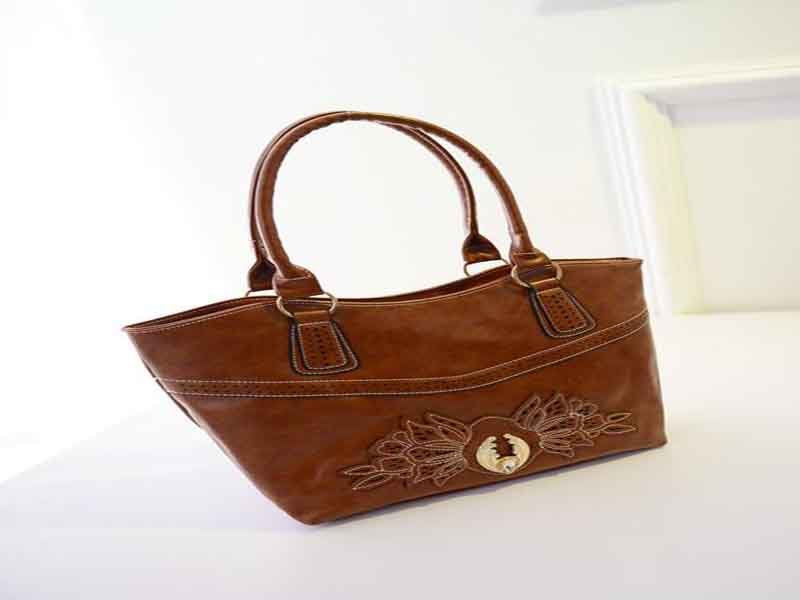
Can't find the answers?
No worries, please contact us and we will answer all the questions you have during the whole process of bag customization.
Make A Sample First?
If you have your own artwork, logo design files, or just an idea,please provide details about your project requirements, including preferred fabric, color, and customization options,we’re excited to assist you in bringing your bespoke bag designs to life through our sample production process.