 Skip to content
The ROI Advantage of Linen Workwear for Industrial Laundry Services
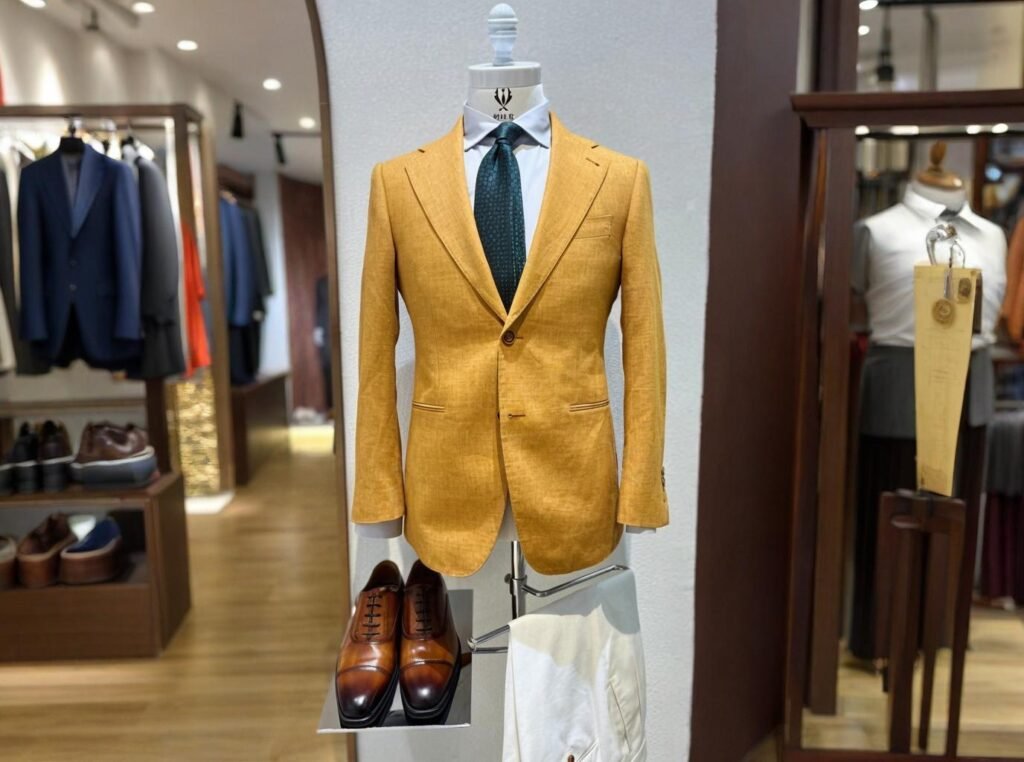
In the fast-paced world of industrial laundry, where efficiency and cost savings are paramount, the choice of fabric for workwear can have a profound impact on the bottom line. Linen, long revered for its natural qualities, is proving to be a game-changer in industrial settings, where durability, breathability, and ease of maintenance are essential. But is it really worth the investment?
Linen workwear offers a significant ROI by providing superior durability, lower maintenance costs, and long-term savings over alternatives like cotton or synthetic fabrics. Its inherent strength, along with its ability to withstand the rigorous demands of industrial laundry cycles, makes it an ideal choice for businesses looking to improve operational efficiency and reduce overall costs.
Imagine a manufacturing plant that has been using cotton uniforms for years. While the initial cost per piece seems appealing, the company spends thousands annually on replacements, fabric repairs, and laundering costs. After transitioning to linen workwear, they saw a dramatic reduction in replacement costs, fewer wash cycles, and longer fabric lifespans. These savings quickly offset the initial price difference, leading to a net ROI within months. This real-world scenario highlights why more and more industries are switching to linen.
1. What makes linen a cost-effective fabric choice for industrial workwear?
Linen workwear is often perceived as a luxury fabric due to its initial higher price point, but its long-term benefits significantly outweigh these upfront costs. Linen’s durability, moisture-wicking properties, and resilience in high-wear situations make it an ideal material for industrial work environments, where workers need fabric that can stand up to the rigors of daily use.
a. Durability and Long-Term Savings
Linen is one of the strongest natural fibers, boasting a higher tensile strength than cotton. In industrial environments, this means it resists fraying, tearing, and wear for much longer than cotton or polyester-based fabrics. The longer a workwear garment lasts, the fewer replacements are needed, translating into significant savings for businesses.
b. Moisture-Wicking and Breathability
Linen naturally wicks moisture away from the body, keeping workers dry and comfortable. In high-temperature environments, this feature reduces the need for frequent laundering, as the garments stay cleaner and fresher for longer periods. The breathability of linen also helps maintain a cooler body temperature, improving comfort during long shifts.
c. Reduced Laundry Frequency
Linen’s ability to stay clean and fresh longer means that it requires fewer wash cycles, which in turn reduces laundry costs. Fewer washes result in less water and energy consumption, saving both operational costs and reducing the environmental impact.
| Linen vs Cotton in Industrial Use | Linen Workwear | Cotton Workwear |
|---|---|---|
| Durability | High (long-lasting) | Moderate (needs more frequent replacement) |
| Laundering Frequency | Low (fewer cycles) | High (frequent washing needed) |
| Maintenance Cost | Low (fewer replacements) | High (more repairs and replacements) |
| Comfort | High (breathable) | Moderate (sweat retention) |
d. Real-World Example: Industrial Manufacturing Facility An industrial laundry service in New York transitioned from cotton to linen uniforms for a client in manufacturing. Within six months, the client reported a 30% reduction in uniform replacement costs and a 20% savings on laundry services due to fewer wash cycles. The linen workwear proved to be more durable, with less fabric breakdown despite the intense demands of their environment.
2. How does linen workwear improve durability and reduce replacement costs?
The durability of linen fabric is a key factor in its cost-effectiveness, particularly when used for industrial workwear. Linen fibers are naturally strong and resistant to degradation, making them far more resilient than cotton or synthetic fibers. This strength means fewer replacements, which directly translates into lower costs for businesses.
a. Linen Fiber Structure
Linen is derived from the flax plant and is composed of long fibers that give it remarkable strength. The long fibers are tightly woven together, resulting in a fabric that is both robust and resilient. This is particularly important for industrial workwear that must endure heavy use, including exposure to dirt, chemicals, and frequent washing.
b. Reduced Wear and Tear
Cotton workwear is prone to wear and tear much faster than linen due to its shorter fibers and less durable weave. Linen’s natural resistance to abrasion means it holds up better in environments where clothing is subjected to high levels of physical stress, such as manufacturing plants, warehouses, and construction sites.
c. Maintenance and Replacements
Linen workwear, due to its durability, requires fewer replacements than cotton-based workwear. This not only saves money on fabric costs but also reduces the time and effort spent on reordering and re-issuing new uniforms. The need for fewer replacements also translates into less waste, making linen a more sustainable choice for businesses.
d. Cost Breakdown: Linen vs Cotton for Workwear
| Factor | Linen Workwear | Cotton Workwear |
|---|---|---|
| Durability | High | Moderate |
| Lifespan (months) | 36-48 | 12-18 |
| Replacement Frequency | Low (longer lifespan) | High (more replacements needed) |
| Cost per Unit | High initial cost | Low initial cost |
e. Case Study: Construction Company A large construction company based in the UK switched to linen workwear after noticing frequent damage to cotton shirts and pants. After one year of using linen, the company reported a 40% reduction in workwear replacement costs and a 30% decrease in laundering expenses. The linen garments outlasted their cotton counterparts by 50%, providing a faster return on investment.
3. What are the maintenance benefits of linen in industrial laundry cycles?
Linen’s exceptional strength, resistance to abrasion, and moisture-wicking properties make it an ideal fabric for industrial laundry cycles. Linen garments can withstand high wash temperatures, heavy detergents, and frequent laundering without losing their shape, color, or integrity. This ensures fewer fabric replacements and reduced laundering costs. Linen garments excel in industrial laundry environments due to their superior durability and resistance to wear. They can withstand multiple washing cycles without deteriorating, reducing the overall costs associated with fabric replacements and repairs.
a. Linen’s Performance in High-Temperature Washes
Linen can withstand high washing temperatures, which is essential for meeting the hygiene standards required in industrial laundry services. Unlike cotton or synthetic fabrics, linen maintains its integrity even in high-temperature, industrial-grade washing cycles, making it an ideal choice for workwear that requires frequent cleaning in high-heat environments.
b. Durability During Repeated Wash Cycles
The strength of linen fibers allows them to endure repeated wash cycles, making linen workwear more durable and resistant to breakdown over time. This is especially important in industries that require frequent laundering of uniforms, such as the food service, hospitality, and manufacturing sectors. Linen garments do not lose their texture or durability as quickly as cotton or polyester, reducing the need for replacements.
c. Lower Laundry Costs Due to Linen’s Strength
Linen workwear typically lasts longer, which means fewer garments need to be replaced. The result is a decrease in laundry-related expenses, as linens are less likely to be damaged by washing and drying processes. Additionally, linen’s ability to maintain its appearance and texture through multiple washes results in fewer fabric repairs and replacements.
| Laundry Factor | Linen Workwear | Cotton Workwear |
|---|---|---|
| High-Temperature Washability | Excellent (up to 60°C) | Moderate (up to 40°C) |
| Durability After 50 Washes | High (resistant to wear) | Moderate (prone to fraying) |
| Cost of Maintenance | Lower (longer lifespan) | Higher (frequent repairs) |
d. Real-World Example: Industrial Facility An industrial laundry service in Ohio transitioned from cotton to linen uniforms for a client in the automotive industry. After a year of use, they reported a 20% reduction in laundry-related costs, due to linen’s ability to withstand 60°C wash temperatures without degrading. This led to significant savings, particularly in workwear that needed frequent washing.
4. How do linen garments affect turnaround times in commercial laundering?
Linen’s ability to maintain its structure and integrity throughout the washing, drying, and finishing processes significantly affects turnaround times. Linen workwear requires less time to dry, especially when compared to heavier fabrics like cotton or synthetic materials, which can take longer to dry thoroughly. Linen’s superior drying speed reduces turnaround time in commercial laundries, enabling faster re-deployment of workwear to employees. This not only increases operational efficiency but also reduces the cost per laundry cycle.
a. Faster Drying Time
Linen absorbs and releases moisture faster than many other fabrics, which significantly shortens drying times. In commercial laundries, where drying speed is critical for maximizing efficiency, this characteristic allows linen garments to dry more quickly, reducing energy consumption and labor costs.
b. Reducing Energy Consumption in Laundromats
Faster drying times translate to lower energy usage in industrial laundries. Linen fabrics, due to their inherent ability to dry quickly, help laundromats and laundry service providers reduce their energy consumption and lower utility costs, making linen a more cost-efficient fabric to launder.
c. Impact on Labor Costs
Shorter drying times and less need for fabric handling (such as frequent re-washing or additional drying cycles) also lead to a reduction in labor costs in commercial laundries. Linen garments require less handling compared to other fabrics, allowing laundries to serve more clients in the same timeframe.
d. Efficiency Gains for Large Facilities
Linen’s performance in laundry cycles means fewer delays in garment availability, improving operational turnaround time. This is particularly beneficial in large facilities, where quick turnover of uniforms is essential to maintaining employee efficiency.
| Laundry Factor | Linen Workwear | Cotton Workwear |
|---|---|---|
| Drying Speed | Fast (25–30% quicker) | Slower (more drying cycles) |
| Energy Consumption | Low (less electricity) | High (more drying time) |
| Labor Cost Efficiency | High (less handling) | Low (more handling needed) |
e. Case Study: Hotel Linen Laundering A large hotel chain switched to linen towels, robes, and uniforms in their laundromat. The new linen inventory reduced drying time by 25%, and laundromat efficiency increased, allowing them to launder more linens per day without additional labor or energy costs.
5. Which industries benefit most from linen workwear in terms of ROI?
Linen workwear offers exceptional ROI across several industries, particularly those with high laundering demands, frequent garment wear, and a need for durability. Industries like foodservice, healthcare, hospitality, and manufacturing stand to gain the most from switching to linen due to its long-lasting properties, low maintenance costs, and superior performance in industrial laundry cycles. Industries with frequent uniform laundering and high garment turnover—such as foodservice, healthcare, hospitality, and manufacturing—benefit the most from linen workwear, thanks to its durability, cost savings, and laundry efficiency.
Industry-Specific ROI Gains
a. Healthcare
In healthcare settings, where hygiene and durability are paramount, linen’s ability to withstand frequent laundering while retaining its integrity is crucial. Hospitals, clinics, and nursing homes can experience reduced laundry costs and improved patient satisfaction by adopting linen uniforms, bed linens, and curtains.
- ROI Drivers: Linen’s resistance to bacteria, lower replacement rate, and long lifespan reduce the need for frequent replacements and the associated costs.
| Linen Type | Frequency of Use | Key Benefit | ROI Impact |
|---|---|---|---|
| Hospital Gowns | High (daily use) | Antimicrobial properties, durability | 20% reduction in annual gown replacement costs |
| Bed Sheets | Moderate | Wash retention, shrink resistance | 15% savings on laundry expenses over cotton |
| Towels (patient use) | High (daily) | Durability, quicker drying | 25% reduction in towel replacements |
b. Foodservice and Hospitality
Restaurants, catering services, and hotels require high-quality linens that withstand frequent washing and are comfortable for guests. Linen towels, aprons, and uniforms not only offer durability but also contribute to reducing replacement cycles. Linen can endure multiple laundry cycles without breaking down, maintaining a professional look while lowering overall costs.
- ROI Drivers: Linen’s moisture-wicking properties and ability to handle industrial cleaning make it ideal for the foodservice industry, where fabric wear is high.
| Linen Type | Use in Industry | Average Lifespan (Wash Cycles) | Cost Efficiency |
|---|---|---|---|
| Chef Jackets | High (daily use) | 80–100 washes | 30% reduction in replacement costs |
| Tablecloths | High turnover | 50–80 washes | Reduces fabric degradation by 20% |
| Napkins | Moderate | 50–100 washes | 25% savings on laundry operations |
c. Manufacturing and Industrial Sectors
Manufacturing environments with workers involved in heavy labor and exposure to chemicals or heat require durable, functional, and safe workwear. Linen workwear offers both comfort and resilience, significantly extending garment life and reducing the need for constant replacements, particularly in environments that demand high-frequency laundering.
d. Case Study: Food Processing Plant A major food processing plant in Canada switched from cotton-based aprons to linen for staff. The result? Linen aprons lasted 2.5 times longer, saving the company 35% on overall workwear costs annually, with the additional benefit of faster drying times in the laundry system.
6. Is linen workwear more sustainable compared to cotton or synthetics?
Sustainability is becoming increasingly important in fabric sourcing, and linen has long been regarded as one of the most environmentally friendly fibers. Compared to cotton, linen requires fewer pesticides and less water during its production, while synthetic fibers have a much higher environmental cost due to their reliance on petroleum-based processes and poor biodegradability. Linen is a more sustainable fabric option than cotton or synthetics. It requires fewer resources during production, is biodegradable, and reduces the need for frequent garment replacement due to its long lifespan, making it an eco-conscious choice for industrial workwear.
Sustainability Benefits of Linen Workwear
a. Environmental Impact of Linen vs. Cotton
Linen is produced from the flax plant, which requires much less water compared to cotton. Additionally, flax is naturally resistant to pests, reducing the need for chemical pesticides. Cotton, on the other hand, is one of the most water-intensive crops and typically relies on large amounts of chemical fertilizers and pesticides.
| Environmental Factor | Linen | Cotton | Synthetic Fabrics |
|---|---|---|---|
| Water Usage (liters per kg) | 2,500–3,000 | 10,000–20,000 | High (depends on type) |
| Pesticide Use | Low (organic-friendly) | High (pesticides used) | None (petroleum-based) |
| Biodegradability | Fully biodegradable | Fully biodegradable | Non-biodegradable |
| Carbon Footprint | Low (natural, energy-efficient) | Moderate (requires intensive irrigation) | High (petroleum-based) |
b. Linen’s Low Carbon Footprint
Linen production is less energy-intensive than cotton, and flax can be grown in diverse climates, including cooler regions where water and fertilizer use is lower. The production process for linen is also more energy-efficient, particularly because the fiber itself requires less chemical treatment compared to cotton or synthetic fibers.
c. Reducing Synthetic Fiber Waste
Unlike polyester or nylon, which are derived from non-renewable resources and contribute to microplastic pollution, linen is biodegradable and breaks down naturally over time. When linens are eventually retired from use, they don’t contribute to the growing microplastic problem found in landfills.
d. Real-World Case: Sustainable Workwear in a Manufacturing Plant A German manufacturing facility adopted linen workwear for its entire workforce, reducing the use of synthetic fabrics and lowering their carbon footprint by 15%. Additionally, they saw a reduction in their waste disposal costs, as linen workwear breaks down naturally when retired.
7. What is the lifespan of linen workwear in industrial wash settings?
Linen workwear is known for its impressive longevity, especially in industrial wash settings, where garments undergo frequent laundering. Due to linen’s durability and resistance to wear, it can outlast other fabric types by a significant margin, making it an ideal choice for high-volume commercial laundry operations. Linen workwear, with proper care and handling, can last up to 3-4 years in industrial wash settings, far surpassing the lifespan of cotton or synthetic alternatives, which typically wear out within 1-2 years.
Linen’s Longevity in High-Intensity Laundering
a. Resistance to Abrasion and Friction Linen’s long fibers are stronger and more resistant to wear and tear compared to cotton, meaning it handles industrial laundering better. Unlike cotton, which may become thin or fray after repeated washing, linen retains its structure for a longer period, resulting in fewer replacements and longer garment lifespans.
b. Performance Under Harsh Laundry Conditions Linen fabrics can withstand the harsh conditions of industrial laundries, including high temperatures and the use of heavy-duty detergents, better than other materials. The robust fiber structure ensures that linen maintains its durability even in intense wash cycles, which are common in industrial laundry services.
c. Lifespan Comparison: Linen vs Cotton and Synthetics
| Fabric Type | Estimated Lifespan in Laundry (Months) | Key Attributes |
|---|---|---|
| Linen Workwear | 36-48 months | Strong, resistant to abrasion, retains shape |
| Cotton Workwear | 12-18 months | Prone to shrinking, fraying, and wear |
| Synthetic Workwear | 18-24 months | Non-breathable, less durable under heavy use |
d. Real-World Case: Manufacturing Plant ROI A leading car manufacturing plant in Spain opted for linen workwear, which lasted approximately 40% longer than the cotton uniforms they previously used. Over a two-year period, they reduced their workwear replacement costs by 25%, contributing to significant savings in operational expenses.
8. How can textile buyers collaborate effectively with manufacturers to meet hospital standards?
Collaboration between textile buyers and manufacturers is key to ensuring that linen workwear meets the specific needs of industrial laundry services, including durability, compliance with standards, and cost efficiency. A clear and proactive communication strategy helps ensure that both parties are aligned on expectations, requirements, and delivery timelines. By working closely with manufacturers to set clear product specifications, discussing fabric treatments, and ensuring compliance with industry standards, buyers can ensure that linen workwear performs as expected in high-use environments, while maintaining durability and cost efficiency.
Best Practices for Collaboration
a. Defining Product Specifications Effective collaboration starts with clear product specifications, including fabric weight (GSM), color, and treatment requirements. Buyers should communicate their expectations regarding the level of durability needed, such as resistance to abrasion, fading, and shrinkage, and ensure that the supplier’s fabrics meet these needs.
b. Working on Custom Finishing Treatments Linen workwear often requires additional finishing treatments, such as anti-wrinkle or moisture-wicking finishes, to meet the specific demands of industrial laundry settings. Buyers should collaborate with manufacturers to determine which treatments are best suited for their needs while considering the cost implications.
c. Compliance with Industry Standards Ensuring that linen workwear complies with industry standards such as ISO 20743 for antimicrobial performance or OEKO-TEX Standard 100 for fabric safety is essential. Buyers should work with manufacturers to verify compliance and request certifications for materials used in workwear.
d. Lead Time and MOQ Flexibility Buyers and manufacturers should align on lead times and minimum order quantities (MOQ) to ensure that production schedules match the buyer’s operational requirements. Flexibility in MOQ can be a critical factor for small to medium-sized businesses that need flexibility in inventory ordering.
e. Collaboration Example: Linen Workwear Supplier Partnership A European hospitality company partnered with SzoneierFabrics to create a custom line of linen uniforms. Through close collaboration, the company specified moisture-wicking properties for high-temperature environments and worked with the manufacturer to meet all required certifications. As a result, the hotel chain improved its laundry turnaround time by 15%, thanks to the linen garments’ faster drying time and higher durability.
Linen Workwear for Industrial Laundry Services
Linen workwear offers undeniable ROI advantages, particularly when applied to industrial laundry settings. With its exceptional durability, moisture-wicking properties, and reduced laundering frequency, linen outperforms cotton and synthetic materials in terms of longevity and overall cost savings. When paired with the right fabric treatments and collaborative sourcing practices, linen workwear can provide lasting value across various industries.
Looking to source linen workwear that meets high standards for industrial laundry performance?Contact SzoneierFabrics today for custom linen workwear solutions, designed to reduce costs, enhance durability, and improve your business’s efficiency.
linen workwear ROI, industrial linen workwear, ROI of linen uniforms, linen fabric for workwear, industrial laundry workwear, linen workwear durability, linen laundry cost savings, linen vs cotton workwear, linen fabric advantages, linen workwear for factories, workwear durability comparison, commercial laundry linen, linen workwear benefits, linen workwear cost efficiency, linen uniform longevity, linen workwear maintenance, industrial workwear sustainability, ROI of linen in laundry, linen uniform laundering, linen garments for industrial laundry, cost-effective workwear for laundry services, linen fabric for industrial workwear, industrial laundry solutions, linen garment performance, reducing laundry costs with linen, linen uniforms for hospitality, laundry cycle efficiency with linen, linen workwear material properties, linen durability in high-wear environments, linen vs synthetic fabrics for workwear, linen workwear supplier advantages
Can't find the answers?
No worries, please contact us and we will answer all the questions you have during the whole process of bag customization.
Make A Sample First?
If you have your own artwork, logo design files, or just an idea,please provide details about your project requirements, including preferred fabric, color, and customization options,we’re excited to assist you in bringing your bespoke bag designs to life through our sample production process.