 Skip to content
Waterproof Backpack Construction Methods
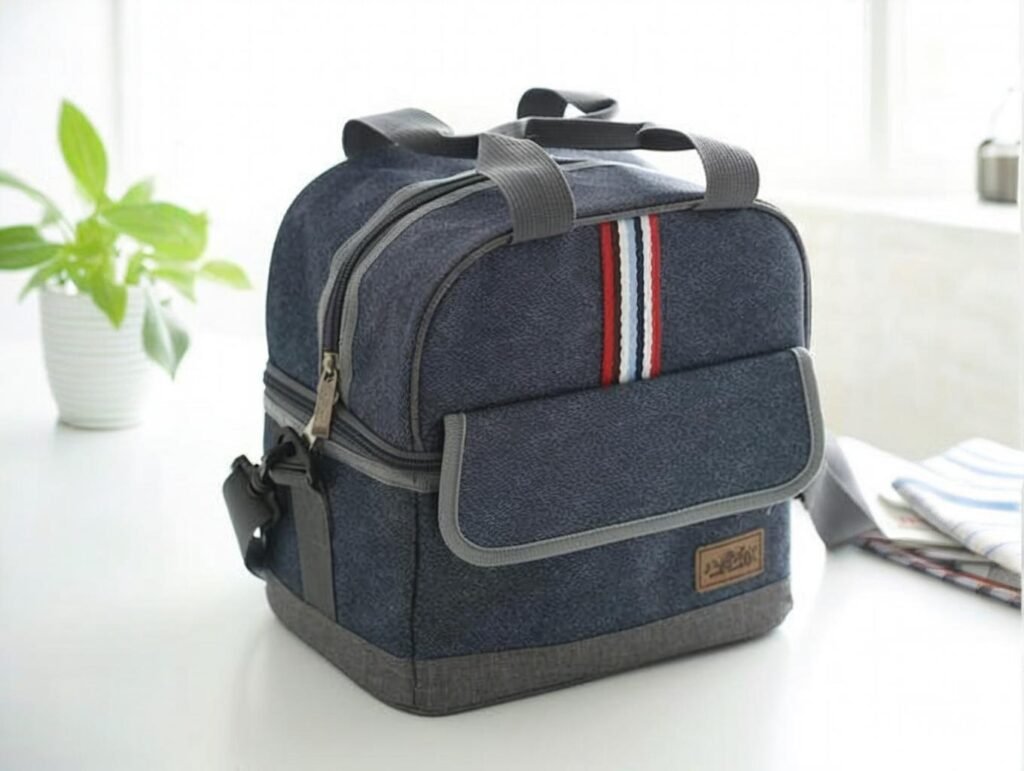
If you’ve ever been caught in a sudden downpour or accidentally dropped your backpack into wet ground, you’ve probably realized something important—most bags are not truly waterproof. They might resist a light drizzle, but when real exposure happens, water finds its way in through seams, zippers, and fabric weaknesses. That’s where true waterproof backpack construction makes all the difference.
Waterproof backpack construction methods refer to the combination of specialized materials, sealing technologies, and structural design techniques that prevent water from penetrating the bag—even under heavy rain or short-term immersion. This includes using coated or laminated fabrics such as TPU or PVC, eliminating needle holes through welding instead of stitching, sealing seams with tape or heat, and designing closure systems like roll-tops that block water entry. A properly constructed waterproof backpack doesn’t just resist water—it actively prevents ingress at every potential weak point.
Imagine a traveler crossing a rainy city, a cyclist commuting through storms, or an outdoor enthusiast navigating wet terrain. Their gear, electronics, and essentials depend entirely on how well that backpack is built. And the truth is, what you don’t see—the seams, coatings, and internal construction—is what determines whether everything inside stays dry. Once you understand how waterproof backpacks are actually made, you’ll never look at them the same way again.
What Makes a Backpack Truly Waterproof vs Water-Resistant?
In the backpack industry, the terms “waterproof” and “water-resistant” are often used interchangeably, but from an engineering and manufacturing perspective, they describe two very different levels of performance. Understanding this difference is critical—not only for product development, but also for setting correct customer expectations and avoiding costly returns.
A truly waterproof backpack is designed to completely block water penetration, even under sustained exposure or pressure. This requires a system approach: impermeable materials, sealed or welded seams, and closure systems that prevent any water entry. In contrast, a water-resistant backpack is designed to delay water penetration. It can handle light rain or splashes, but over time or under pressure, water will eventually seep through.
The most reliable way to quantify this difference is through hydrostatic head testing, which measures how much water pressure a fabric can withstand before leaking. In practical terms, water-resistant products typically fall below 1,500 mm, while true waterproof systems start around 3,000 mm and can exceed 10,000 mm in high-performance applications.
What many buyers overlook is that fabric alone does not define waterproofing. A backpack can use fully waterproof fabric and still fail if seams, zippers, or construction methods are not engineered to the same standard.
Definition of Waterproof vs Water-Resistant
Core Differences in Structure and Performance
The distinction between water-resistant and waterproof backpacks comes down to how the product is built—not just what it is made from.
| Feature | Water-Resistant Backpack | Waterproof Backpack |
|---|---|---|
| Fabric treatment | DWR (durable water repellent) | TPU/PVC laminated or coated fabric |
| Seam construction | Standard stitching | Seam-sealed or welded |
| Water protection level | Light rain, splashes | Heavy rain, prolonged exposure, immersion |
| Longevity | Performance decreases over time | Maintains performance long-term |
Water-resistant fabrics rely on surface treatments like DWR, which cause water to bead and roll off. However, these treatments wear off with use, abrasion, and washing. Waterproof fabrics, by contrast, use continuous barrier layers (such as TPU membranes) that physically block water from penetrating.
Key Performance Indicators (Hydrostatic Rating)
How Waterproofing Is Measured
Hydrostatic head rating is the industry standard for evaluating waterproof performance. It measures the height of a water column (in millimeters) that a fabric can resist before leakage occurs.
| Rating (mm) | Performance Level | Typical Application |
|---|---|---|
| 500–1,000 mm | Splash-resistant | Daily commuting, light rain |
| 1,500–3,000 mm | Rainproof | Outdoor use, moderate rain |
| 5,000–10,000+ mm | Waterproof | Heavy rain, harsh environments |
| 10,000+ mm | Extreme waterproof | Marine, professional outdoor gear |
For example, a backpack with a 1,000 mm rating may perform well in light rain for 10–20 minutes but will eventually allow water through under continuous exposure. A 5,000 mm-rated fabric, combined with proper construction, can withstand heavy rain for extended periods without leakage.
Why Seams and Closures Matter
The Weak Points in Backpack Construction
Even if the fabric itself is fully waterproof, water can still enter through structural elements such as seams, zippers, and openings.
| Component | Risk Level | Solution |
|---|---|---|
| Seams (stitch lines) | High | Seam sealing tape or heat welding |
| Zippers | Medium to high | Waterproof or coated zippers |
| Openings (top access) | High | Roll-top or sealed flap closures |
Seams are the most critical failure point. Every needle hole created during stitching becomes a potential entry point for water. Without sealing, even a high-performance fabric cannot deliver waterproof results.
Roll-top closures are commonly used in waterproof backpacks because they eliminate direct openings and create a mechanical seal when rolled and secured properly. Waterproof zippers provide additional protection but are typically more expensive and require precise installation.
Why Many “Waterproof” Bags Fail
Common Mislabeling and Performance Gaps
A significant number of backpacks marketed as “waterproof” do not meet true waterproof standards. In many cases, they are only water-resistant products with basic coatings.
| Failure Cause | Explanation | Prevention |
|---|---|---|
| Unsealed seams | Needle holes allow water penetration | Apply seam tape or welding |
| Low-quality coating | Coating degrades or wears off | Use TPU lamination or high-quality PU |
| Standard zippers | Water enters through gaps | Use waterproof zippers or protective flaps |
Industry observations show that over 70% of water leakage issues originate from seams rather than the fabric itself. This highlights the importance of construction quality over material selection alone.
Real-World Insight: Rain vs Immersion
Different Levels of Water Exposure
Not all water exposure scenarios are the same, and each requires a different level of protection.
| Scenario | Water Pressure Level | Required Performance |
|---|---|---|
| Light rain (short exposure) | Low | Water-resistant |
| Heavy rain (prolonged exposure) | Medium | Waterproof |
| Submersion (e.g., kayaking) | High | Fully sealed, welded construction |
For example, a commuter caught in light rain only needs basic water resistance. However, a hiker in a storm or a user in a marine environment requires a fully waterproof system that can withstand continuous exposure and pressure.
Understanding these scenarios helps manufacturers and brands choose the correct materials and construction methods rather than over- or under-engineering the product.
Manufacturing Perspective: Defining Waterproof Standards
How Factories Achieve Reliable Waterproof Performance
From a production standpoint, waterproof performance is achieved through a combination of materials, processes, and quality control.
- High-quality coated or laminated fabrics (PU, PVC, or TPU) provide the primary water barrier.
- Seam sealing (tape application) or heat welding eliminates leakage points created during stitching.
- Closure design, such as roll-top systems or waterproof zippers, prevents water entry from openings.
- Process control ensures consistent coating thickness, adhesion strength, and seam integrity across production batches.
Factories with integrated capabilities—such as in-house lamination, coating, and seam sealing—are better equipped to deliver consistent waterproof performance. They can control every stage of production, from raw material selection to final assembly, reducing variability and ensuring that large orders meet the same standards as initial samples.
Ultimately, the difference between waterproof and water-resistant backpacks is not just a matter of terminology—it is a reflection of engineering decisions. True waterproof performance requires a fully integrated system where materials, construction, and design work together to block water under real-world conditions.
Which Materials Are Used in Waterproof Backpack Construction?
Waterproof performance in backpacks starts with material selection, but it is not defined by a single fabric or coating. Instead, it is the result of a layered material system designed to block water, resist wear, and maintain flexibility under real-world conditions. A fabric that is technically waterproof but cracks, delaminates, or becomes stiff in use will fail just as quickly as an untreated one.
In modern manufacturing, waterproof backpacks are built using synthetic base fabrics—primarily polyester and nylon—combined with coatings or laminations such as PU, PVC, or TPU. These treatments create a continuous barrier that prevents water penetration while preserving the mechanical properties of the fabric. In high-performance products, multi-layer laminated constructions are used to achieve both durability and long-term waterproof reliability.
The challenge is balancing three competing factors: waterproof performance, flexibility, and weight. Materials that maximize waterproofing (such as thick PVC tarpaulin) tend to be heavier and less flexible, while lighter materials require more advanced laminations to achieve the same level of protection.
Polyester, Nylon, and Tarpaulin Fabrics
Base Fabrics Used in Waterproof Systems
The base fabric provides the structural foundation of the backpack. It determines strength, flexibility, and how well coatings adhere over time.
| Material | Typical Specs | Feature | Performance |
|---|---|---|---|
| Polyester | 300D–900D | Cost-effective, stable | Moderate durability, good UV resistance |
| Nylon | 210D–1000D | Strong, flexible | High durability, abrasion resistant |
| Tarpaulin (PVC-based) | 0.4–0.8 mm thickness | Heavy-duty coated fabric | Maximum waterproofing, very high abrasion resistance |
Polyester is widely used in waterproof backpacks designed for commuting or light outdoor use. Its dimensional stability and low moisture absorption make it a reliable base for coatings.
Nylon is preferred in higher-performance applications because of its superior strength and flexibility. It allows the backpack to withstand repeated bending and stress without compromising the coating layer.
Tarpaulin is a different category altogether. It is typically made by coating a polyester base with thick PVC, creating a fully impermeable material. This is commonly used in dry bags and heavy-duty waterproof backpacks where complete water protection is required. However, tarpaulin is heavier and less flexible, which can reduce comfort in everyday use.
TPU, PVC, and PU Coatings
Creating the Waterproof Barrier
Coatings and laminations are the primary elements that transform standard fabrics into waterproof materials. Each type offers a different balance of performance, durability, and cost.
| Coating Type | Typical Thickness | Feature | Durability |
|---|---|---|---|
| PU (Polyurethane) | 0.2–0.4 mm | Lightweight, flexible | Medium (800–1500 mm waterproof rating) |
| PVC (Polyvinyl Chloride) | 0.3–0.8 mm | Thick, rigid, highly waterproof | High (1500–3000 mm+) |
| TPU (Thermoplastic Polyurethane) | 0.2–0.5 mm | Elastic, eco-friendly | Very high (2000–5000 mm+) |
PU coatings are commonly used in water-resistant and entry-level waterproof backpacks. They provide a good balance between flexibility and protection but can degrade over time with heavy use.
PVC coatings offer stronger waterproofing and higher resistance to abrasion. They are widely used in industrial or heavy-duty applications but add significant weight and reduce flexibility.
TPU laminates represent a more advanced solution. They combine high waterproof performance with elasticity, reducing the risk of cracking under repeated bending. TPU is also more environmentally friendly compared to PVC, making it increasingly popular in premium and eco-conscious product lines.
Membrane and Laminated Fabrics
Multi-Layer Construction for High Performance
For higher-end waterproof backpacks, laminated fabrics are used to combine multiple functional layers into a single material system.
| Structure Type | Layers | Benefit |
|---|---|---|
| 2-layer fabric | Base fabric + coating | Basic waterproofing, flexible |
| 3-layer fabric | Fabric + waterproof membrane + backing | High durability, long-term stability |
In a 2-layer system, the coating is applied directly to the fabric. This is sufficient for moderate waterproofing but may wear over time as the coating is exposed to abrasion.
In a 3-layer system, a waterproof membrane (such as TPU) is bonded between the outer fabric and an inner backing layer. This protects the membrane from wear and maintains consistent performance over a longer lifespan. These constructions are commonly used in high-performance outdoor backpacks where reliability is critical.
Material Selection Based on Use Case
Matching Materials to Real Applications
Different use scenarios require different material combinations to balance performance, weight, and cost.
| Use Scenario | Recommended Material Setup | Reason |
|---|---|---|
| Daily commuting | Polyester + PU coating (800–1000 mm) | Lightweight, cost-effective, sufficient protection |
| Outdoor activities | Nylon + TPU laminate (2000–3000 mm) | Durable, flexible, weather-resistant |
| Heavy-duty / marine use | Tarpaulin + PVC (3000 mm+) | Maximum waterproofing and abrasion resistance |
For example, a commuter backpack only needs to handle occasional rain, so a lightweight polyester with PU coating is sufficient. An outdoor backpack requires stronger materials and higher waterproof ratings to handle prolonged exposure. In marine or extreme environments, tarpaulin-based constructions provide full protection against water immersion.
Material Quality Variations
Why Specifications Alone Are Not Enough
Two materials with identical specifications can perform very differently depending on manufacturing quality.
| Factor | Impact |
|---|---|
| Coating thickness consistency | Determines actual waterproof rating |
| Adhesion quality | Affects resistance to peeling or delamination |
| Fabric density and weave | Influences strength and durability |
For example, a PU-coated fabric with uneven thickness may have weak points where water can penetrate. Similarly, poor adhesion between layers can lead to delamination after repeated use.
This is why material sourcing and process control are critical in waterproof backpack production.
Multi-Layer Material Strategy
How High-Performance Backpacks Are Engineered
In real production, high-quality waterproof backpacks often use a combination of materials rather than relying on a single solution.
- TPU-coated nylon is used for main panels to provide flexibility and waterproof performance.
- Reinforced tarpaulin is applied to high-stress areas such as the bottom panel for abrasion resistance.
- Laminated fabrics are used in critical zones where long-term waterproof reliability is required.
- Seam sealing or welding is integrated into construction to eliminate leakage points.
This multi-layer approach allows manufacturers to optimize each part of the backpack for its specific function. It improves durability, maintains comfort, and ensures consistent waterproof performance across different usage conditions.
Ultimately, the materials used in waterproof backpack construction are not chosen in isolation. They are part of a system designed to balance protection, flexibility, weight, and cost. When these elements are engineered together, the result is a product that performs reliably in real-world environments rather than just meeting theoretical specifications.
How Are Waterproof Fabrics Manufactured and Treated?
Waterproof performance is not defined by the base fabric alone—it is engineered through a series of controlled manufacturing processes that transform standard textiles into barrier systems capable of resisting water under pressure, movement, and long-term use. In practice, two backpacks made from the same nylon or polyester fabric can perform very differently depending on how that fabric is coated, laminated, cured, and handled during production.
At a technical level, waterproof fabric manufacturing focuses on creating a continuous barrier layer that blocks water penetration while maintaining flexibility and adhesion under repeated stress. This is typically achieved through two primary methods: coating, where a liquid polymer is applied to the fabric surface, and lamination, where a solid membrane is bonded to the fabric. Each method offers distinct advantages in terms of cost, durability, and performance stability.
Production data shows that laminated fabrics—especially TPU-based laminates—can maintain waterproof performance up to 2–3 times longer than standard PU-coated fabrics under repeated bending and abrasion. This is because lamination creates a more uniform and mechanically stable barrier that is less prone to cracking or wear.
Coating vs Lamination Processes
Two Core Manufacturing Approaches
The choice between coating and lamination is one of the most important decisions in waterproof fabric production, as it directly affects performance, lifespan, and cost.
| Process Type | Method Description | Waterproof Performance | Cost Level |
|---|---|---|---|
| PU Coating | Liquid polyurethane applied via rollers or spraying | 800–1500 mm | Low |
| PVC Coating | Thick plastic layer fused onto fabric | 1500–3000 mm+ | Medium |
| TPU Lamination | Membrane bonded using heat and pressure | 2000–5000 mm+ | Higher |
PU coating is widely used because it is cost-effective and flexible. It allows fabrics to remain soft and easy to sew, making it suitable for everyday backpacks. However, its performance can degrade over time, especially under repeated bending.
PVC coating provides stronger waterproofing due to its thickness, but it adds weight and reduces flexibility. It is commonly used in heavy-duty applications such as industrial bags or tarpaulin-based products.
TPU lamination represents a more advanced solution. By bonding a waterproof membrane directly to the fabric, it creates a continuous barrier that is more resistant to wear, cracking, and environmental stress. This makes it ideal for premium outdoor and waterproof backpacks.
Multi-Layer Fabric Structures
Building Performance Through Layering
To improve durability and waterproof reliability, many fabrics are constructed as multi-layer systems rather than relying on a single coating.
| Structure Type | Composition | Benefit |
|---|---|---|
| Single layer | Fabric + coating | Lightweight, basic protection |
| Double layer | Fabric + coating + backing | Improved strength and stability |
| Triple layer | Outer fabric + membrane + inner lining | Maximum durability and long-term performance |
In single-layer constructions, the coating is exposed to abrasion and environmental stress, which can lead to faster degradation. Adding a backing layer improves structural stability and protects the coating.
Triple-layer constructions go further by sandwiching a waterproof membrane between layers. This protects the membrane from direct wear and ensures consistent performance over time, even under demanding conditions.
Durability and Flexibility Trade-Offs
Balancing Protection and Usability
One of the key challenges in waterproof fabric design is balancing waterproof performance with flexibility and user comfort.
| Approach | Advantage | Drawback |
|---|---|---|
| Thick coating (≥0.5 mm) | High waterproof rating | Reduced flexibility, heavier feel |
| Thin coating (≤0.2 mm) | Lightweight, flexible | Lower durability, shorter lifespan |
| Lamination | Balanced performance | Higher material and processing cost |
For example, increasing coating thickness can improve waterproof performance, but it also makes the fabric stiffer and more prone to cracking under repeated bending. This is particularly noticeable in colder environments where materials lose flexibility.
Lamination offers a more balanced solution by providing strong waterproofing without significantly compromising flexibility, which is why it is widely used in higher-end products.
Why Coating Quality Matters More Than Thickness
The Importance of Process Control
A common misconception is that thicker coatings automatically result in better waterproof performance. In reality, quality and consistency are far more important than thickness alone.
| Factor | Impact on Performance |
|---|---|
| Coating uniformity | Prevents weak points where water can penetrate |
| Adhesion strength | Ensures coating remains bonded over time |
| Flex resistance | Reduces risk of cracking during use |
An uneven coating layer can create micro-weak zones that allow water to seep through under pressure. Similarly, poor adhesion can lead to peeling or delamination after repeated use.
High-quality manufacturing processes maintain tight tolerances—often within ±0.02–0.05 mm—to ensure consistent coating thickness across the entire fabric surface.
Real-World Insight: Flex Fatigue and Waterproof Failure
What Happens During Daily Use
Backpacks are rarely static. They are bent, folded, compressed, and exposed to friction during everyday use. These movements create stress on waterproof layers, leading to what is known as flex fatigue.
| Condition | Effect on Fabric | Risk |
|---|---|---|
| Repeated bending (thousands of cycles) | Micro-cracking in coating | Gradual leakage |
| Abrasion (contact surfaces) | Surface wear | Reduced waterproofing |
| Temperature changes | Expansion and contraction | Delamination risk |
PU-coated fabrics are more susceptible to cracking under flex fatigue, especially after extended use. TPU-laminated fabrics perform significantly better because the membrane can stretch and recover without breaking.
This is why backpacks designed for outdoor or heavy-use applications often rely on laminated fabrics rather than simple coatings.
Controlling Fabric Quality
What Ensures Consistent Waterproof Performance
Achieving reliable waterproof performance requires strict control over multiple production variables.
- Coating thickness must be precisely controlled to ensure consistent waterproof ratings across batches.
- Bonding strength between layers must be optimized through proper temperature, pressure, and timing during lamination.
- Curing processes (typically 120–180°C) must be stable to prevent under-curing or over-hardening.
- Environmental conditions such as humidity and dust must be managed to avoid defects in the coating layer.
Factories with in-house coating and lamination capabilities have a significant advantage. They can monitor each stage of production, adjust parameters in real time, and ensure that every batch meets the same performance standards.
Ultimately, waterproof fabrics are not defined by a single material or process—they are engineered systems. The combination of coating or lamination method, layer structure, and manufacturing precision determines whether a backpack can withstand real-world conditions or fail after limited use.
What Seam Construction Methods Ensure Waterproof Performance?
No matter how advanced a fabric is, a backpack will fail in wet conditions if the seams are not properly engineered. Seams are the single most common point of failure because traditional stitching creates thousands of microscopic needle holes—each one a direct path for water to enter. In real-world testing and product returns, more than 80% of waterproof failures can be traced back to seam leakage rather than fabric defects.
This is why seam construction is not a secondary detail but a core part of waterproof design. Achieving true waterproof performance requires either sealing those needle holes or eliminating them entirely through alternative joining methods. The three primary approaches used in modern backpack manufacturing are seam sealing (over stitched seams), heat or RF welding (no stitching), and adhesive bonding.
Each method offers a different balance of cost, durability, and performance, and the choice depends on the product’s intended use and price positioning.
Stitched Seams with Seam Sealing
Making Traditional Construction Waterproof
Stitching remains the most common method for assembling backpacks because it is flexible, cost-effective, and compatible with a wide range of materials. However, on its own, stitching is not waterproof.
| Method | Process | Waterproof Performance |
|---|---|---|
| Standard stitching | Needle and thread create seam | Not waterproof |
| Seam sealing | Waterproof tape applied over seam (heat-activated) | High (up to ~3000 mm depending on fabric) |
Seam sealing involves applying a thermoplastic tape—typically PU or TPU—over the stitched seam using heat and pressure. This tape melts slightly and bonds to the fabric, covering the needle holes and creating a barrier against water.
This method is widely used in rainproof backpacks, outdoor gear, and mid-range waterproof products because it balances performance and cost. However, its durability depends heavily on adhesion quality. Over time, repeated bending or poor application can cause the tape to peel, leading to leakage.
Heat Welding and RF Welding
Eliminating Needle Holes Entirely
Welding technologies take a different approach by removing stitching altogether. Instead of sewing pieces together, they fuse materials using heat or electromagnetic energy.
| Welding Type | Method | Benefit |
|---|---|---|
| Heat welding | High temperature melts and bonds materials | Strong, continuous seal |
| RF welding (radio frequency) | Electromagnetic energy bonds layers at molecular level | Precise, highly durable |
Heat welding is commonly used with thermoplastic materials such as TPU or PVC-coated fabrics. It creates a seamless bond that is both waterproof and structurally strong.
RF welding goes a step further by using radio frequency energy to generate heat within the material itself. This allows for highly controlled bonding, especially in complex shapes or thicker materials.
Because welded seams have no needle holes, they provide a continuous waterproof barrier. This makes them ideal for dry bags, marine backpacks, and high-performance outdoor products.
Gluing and Bonding Techniques
Alternative Seam Sealing Methods
Adhesive-based bonding is another approach used to achieve waterproof seams, particularly in designs where welding is not feasible.
| Method | Advantage | Limitation |
|---|---|---|
| Adhesive bonding | Eliminates needle holes, flexible application | Requires precise control |
| Chemical sealing | Strong adhesion under correct conditions | Sensitive to temperature and humidity |
Adhesive bonding involves applying specialized glues or films between fabric layers. When properly executed, it can create a strong and flexible seal. However, it is highly sensitive to process variables such as temperature, pressure, and curing time.
Inconsistent application can lead to weak bonds, which may fail under stress or environmental exposure. For this reason, bonding is often used in combination with other methods rather than as a standalone solution in high-performance products.
Comparing Seam Construction Methods
Choosing the Right Approach for Each Application
Each seam construction method offers different levels of waterproof performance, durability, and cost efficiency.
| Method | Waterproof Level | Durability | Cost | Best Use |
|---|---|---|---|---|
| Stitched + seam tape | High | Medium | Low | Everyday waterproof backpacks |
| Heat welded | Very high | High | Medium | Outdoor and travel backpacks |
| RF welded | Maximum | Very high | High | Professional / marine applications |
Seam sealing is sufficient for most consumer products that need protection against rain. Welding methods are preferred when the product must withstand prolonged exposure or immersion.
Poor Seam Execution
Why Process Quality Matters
Even the best seam technology can fail if not executed correctly. Many waterproof issues arise from process inconsistencies rather than material limitations.
| Issue | Cause | Result |
|---|---|---|
| Tape peeling | Weak adhesion or improper heat | Water leakage over time |
| Incomplete welding | Uneven temperature or pressure | Weak or inconsistent seal |
| Misalignment | Poor assembly accuracy | Structural weakness, stress points |
For example, if seam tape is applied at insufficient temperature, it may not bond fully to the fabric. This can result in partial sealing that fails after repeated use. Similarly, inconsistent welding pressure can create weak spots that compromise waterproof performance.
Real-World Insight: Why Welding Is Increasingly Popular
Shift Toward Seamless Construction
Welded construction is becoming more common, especially in premium and performance-oriented backpacks, because it addresses the fundamental weakness of stitching.
| Advantage | Impact |
|---|---|
| No needle holes | Eliminates primary leakage pathway |
| Continuous bond | Improves long-term durability |
| Clean finish | Enhances product aesthetics and perceived quality |
As materials like TPU and coated fabrics become more widely available, welding technologies are easier to integrate into production. This has led to increased adoption in outdoor, sports, and waterproof product categories.
Manufacturing Perspective: Precision in Seam Technology
What Ensures Reliable Waterproof Seams
Achieving consistent waterproof seam performance requires precise control over multiple process variables.
- Temperature must be carefully controlled to ensure proper bonding without damaging the fabric (typically 120–180°C for seam tape, higher for welding depending on material).
- Pressure must be evenly applied to create uniform adhesion across the entire seam.
- Timing and speed must be optimized to allow proper bonding without overexposure.
- Skilled operators are required to monitor alignment, material behavior, and process consistency.
Factories equipped with advanced seam sealing machines, heat welding systems, and RF welding equipment can deliver higher reliability and consistency. Integrated production setups—where fabric treatment and bag assembly are controlled within the same facility—further reduce variability between batches.
Ultimately, seam construction is the defining factor in waterproof backpack performance. While materials and coatings provide the foundation, it is the integrity of the seams that determines whether a backpack can truly withstand real-world conditions without failure.
How Do Closure Systems Prevent Water Entry?
In waterproof backpack design, closure systems are not just functional details—they are the primary defense against water ingress. Even when high-performance fabrics and perfectly sealed seams are used, a poorly designed closure will compromise the entire system. In real-world product testing, closures account for a large proportion of leakage failures, especially under sustained rain or pressure.
At an engineering level, waterproof closure systems work in two ways: either by eliminating direct entry paths (mechanical sealing) or by minimizing water penetration through specialized components (engineered sealing). The most reliable designs combine both principles, ensuring that water is blocked not only at the surface but also prevented from entering through gaps, folds, or moving parts.
Among all available solutions, roll-top closures remain the most effective because they create multiple physical barriers without relying on small tolerances or precision components. Zipper-based systems, while more convenient, require additional design elements to approach the same level of protection.
Roll-Top Closures vs Zipper Systems
Comparing Core Closure Mechanisms
Different closure systems offer varying levels of waterproof performance, usability, and durability. The choice depends heavily on the intended application.
| Closure Type | Waterproof Level | Ease of Use | Durability | Application |
|---|---|---|---|---|
| Roll-top | Very high (submersion-resistant) | Moderate | High | Dry bags, outdoor, marine |
| Waterproof zipper | High (rainproof) | Easy | Medium | Travel, laptop backpacks |
| Standard zipper | Low | Easy | Medium | Non-waterproof products |
Roll-top closures function by folding the opening multiple times—typically 2 to 4 rolls—before securing it with buckles or clips. Each fold creates a physical barrier that water must overcome, effectively eliminating direct entry paths. This design allows roll-top systems to maintain waterproof performance even under short-term submersion.
Zipper systems, by contrast, rely on precision alignment and sealing surfaces. While convenient for quick access, they are inherently more vulnerable due to the presence of moving parts and micro gaps.
Waterproof Zippers and Flap Designs
Enhancing Zipper-Based Systems
To improve the performance of zipper closures, manufacturers use specialized components and protective features.
| Feature | Function | Benefit |
|---|---|---|
| Coated zipper tape | Adds water-resistant barrier | Reduces water penetration |
| Reverse coil zipper | Hides teeth from direct exposure | Improves sealing |
| Storm flap (cover layer) | Shields zipper from rain | Adds secondary protection |
Waterproof zippers are engineered with tighter tolerances and coated surfaces to minimize water entry. However, they are not completely impermeable under pressure. Water can still penetrate through micro gaps, especially during prolonged exposure or when the zipper is under tension.
Adding a storm flap—a fabric layer that covers the zipper—significantly improves performance by diverting water away from the opening. This combination is commonly used in travel and commuter backpacks where convenience is important but moderate weather protection is still required.
Compression and Sealing Mechanisms
Increasing Effectiveness Through Pressure
Closure systems often rely on compression to enhance their sealing performance. By reducing internal space and tightening the opening, they minimize the likelihood of water entry.
| Mechanism | Function | Result |
|---|---|---|
| Side compression straps | Tighten roll-top folds | Improves seal integrity |
| Buckle systems | Secure closure under tension | Maintains consistent pressure |
| Air-tight sealing | Reduces internal air volume | Enhances waterproof performance |
In roll-top designs, compression straps play a critical role. By applying pressure to the rolled section, they prevent gaps from forming and ensure that the folds remain tightly sealed. This is particularly important during movement, where loosening could compromise waterproof performance.
Why Zippers Are the Weakest Point
Structural Limitations of Zipper Systems
Zippers are inherently vulnerable in waterproof design because they rely on interlocking components rather than continuous barriers.
| Issue | Cause | Impact |
|---|---|---|
| Water seepage | Micro gaps between zipper teeth | Gradual leakage |
| Wear over time | Repeated opening and closing | Reduced sealing effectiveness |
| Misalignment | Improper use or assembly | Immediate failure |
Even high-end waterproof zippers cannot fully eliminate these risks. Over time, wear and deformation can increase gap size, reducing performance. This is why zipper-based systems are generally classified as water-resistant or rainproof rather than fully waterproof.
Real-World Insight: Choosing the Right Closure for Use Case
Matching Closure Design to Application
Different use scenarios require different closure solutions. Selecting the wrong system can lead to performance issues or reduced user satisfaction.
| Scenario | Recommended Closure | Reason |
|---|---|---|
| Daily commuting (light rain) | Waterproof zipper | Easy access, sufficient protection |
| Outdoor activities (heavy rain) | Roll-top | Maximum waterproof reliability |
| Travel backpacks | Hybrid system (zipper + flap or roll-top) | Balance of convenience and protection |
For example, a commuter backpack benefits from quick access, making waterproof zippers a practical choice. In contrast, an outdoor backpack exposed to heavy rain or unpredictable conditions requires the reliability of a roll-top system.
Hybrid designs are increasingly popular because they combine the strengths of both approaches. A backpack may use a roll-top closure for the main compartment while incorporating zippers for secondary pockets, balancing usability and protection.
Closure Integration Challenges
Engineering Closures into the Overall Design
Closure systems cannot be designed in isolation—they must be integrated with the entire backpack structure to ensure consistent performance.
- Stress points around openings must be reinforced to prevent deformation under load.
- Seam sealing must align with closure areas to avoid creating weak points.
- Material flexibility must be balanced with sealing requirements to maintain usability.
- Precise alignment during assembly is essential to ensure consistent closure performance.
For example, a roll-top system requires careful material selection to ensure that the fabric can fold repeatedly without cracking. Similarly, waterproof zippers must be installed with exact alignment to maintain sealing effectiveness.
Factories with experience in waterproof construction understand these interactions and can optimize closure systems accordingly. By controlling material behavior, assembly precision, and reinforcement design, they ensure that closures perform reliably across different conditions and production batches.
Ultimately, closure systems are the defining element of waterproof backpack performance. While fabrics and seams provide the foundation, it is the closure that determines whether water is kept out in real-world use. A well-engineered closure transforms a water-resistant product into a truly waterproof one, ensuring consistent protection under demanding conditions.
What Structural Design Features Improve Waterproof Backpacks?
Waterproof performance is often associated with materials and coatings, but structural design is what determines how those materials behave in real conditions. A backpack can use high-grade waterproof fabric and still fail if its shape, panel layout, or stress distribution allows water to collect, penetrate, or degrade critical areas over time.
From an engineering perspective, waterproof design is about controlling water interaction—how water flows across the surface, where it accumulates, and how it is prevented from reaching vulnerable points. At the same time, the structure must withstand repeated use, load stress, and environmental exposure without compromising sealing performance.
In well-designed waterproof backpacks, structure works together with materials and seam technology to create a complete system. Poor structural decisions, however, can negate even the best materials.
Panel Design and Water Flow Control
Shaping the Backpack to Manage Water
The geometry of backpack panels plays a direct role in how water behaves on the surface. Flat, poorly angled designs allow water to sit and accumulate, increasing pressure on seams and openings. In contrast, well-shaped panels guide water away from critical areas.
| Design Approach | Effect on Water Flow | Result |
|---|---|---|
| Flat panels | Water accumulates on surface | Higher leakage risk over time |
| Angled or curved panels | Promotes runoff | Reduces exposure to seams and closures |
| Strategic seam placement | Keeps seams out of direct flow paths | Improves long-term sealing |
For example, slightly angled top panels can direct rainwater away from zippers or roll-top openings. Similarly, minimizing horizontal seams in exposed areas reduces the chance of water pooling along stitch lines.
This approach is especially important in heavy rain conditions, where continuous water flow can create pressure points that eventually force water through weak areas.
Reinforced Stress Points
Strengthening High-Risk Areas
Waterproof performance is not only about blocking water—it also depends on maintaining structural integrity under load and movement. Stress points are where materials are most likely to deform, stretch, or fail, potentially compromising waterproof seals.
| Stress Area | Risk | Reinforcement Method |
|---|---|---|
| Bottom panel | Abrasion, impact, ground contact | Double-layer fabric or high-denier reinforcement |
| Strap attachment points | High tensile load | Bartack stitching + reinforcement patches |
| Closure edges | Repeated bending and compression | Reinforced seams or welded edges |
For instance, the bottom panel is exposed to constant friction and pressure. Reinforcing this area with thicker or coated materials prevents wear that could lead to water penetration.
Similarly, strap attachment zones experience repeated stress. Without proper reinforcement, deformation in these areas can affect seam integrity and create pathways for water entry.
Drainage vs Full Sealing Strategies
Two Different Design Philosophies
Not all backpacks aim for complete waterproof sealing. Depending on the application, designers may choose between full sealing or controlled drainage.
| Strategy | Advantage | Limitation |
|---|---|---|
| Full sealing (airtight construction) | Maximum waterproof protection | Reduced breathability, potential condensation |
| Drainage design (vented structure) | Allows water to exit quickly | Not suitable for full waterproofing |
Fully sealed designs are used in waterproof backpacks intended for heavy rain or immersion. These rely on laminated fabrics, sealed seams, and roll-top closures to create a closed system.
Drainage designs are more common in sports or outdoor backpacks where water exposure is expected but not critical. These allow water to exit through mesh or drainage holes, preventing internal accumulation but sacrificing full waterproof performance.
Structural Weak Points in Waterproof Backpacks
Where Failures Typically Occur
Even well-designed backpacks can develop weaknesses if certain structural areas are not properly addressed.
| Weak Point | Cause | Solution |
|---|---|---|
| Seam intersections | Multiple stress directions converge | Reinforced sealing or welded joints |
| Corners | High tension concentration | Rounded panel design |
| Bottom edges | Continuous friction and impact | Reinforced or coated panels |
Corners are particularly vulnerable because stress is concentrated in a small area. Sharp angles can create tension points that weaken seams and coatings over time. Using rounded designs distributes stress more evenly and improves durability.
Seam intersections—where multiple panels meet—require additional reinforcement because they combine mechanical stress with potential leakage points.
Over-Engineering the Structure
When Too Much Reinforcement Becomes a Problem
While reinforcement improves durability, excessive structural complexity can introduce new issues.
| Issue | Explanation |
|---|---|
| Increased weight | Reduces user comfort, especially for long carry |
| Reduced flexibility | Makes the backpack harder to use and pack |
| Higher cost | Impacts pricing competitiveness |
For example, adding multiple layers of reinforcement across the entire backpack may improve durability but can make the product heavy and rigid. This reduces usability and may not align with the intended application.
The goal is not maximum reinforcement, but targeted reinforcement—strengthening only the areas that truly require it.
Balancing Waterproofing and Usability
Finding the Right Design Balance
Waterproof backpacks must balance protection with comfort and practicality.
| Design Focus | Result |
|---|---|
| Maximum sealing (fully welded, roll-top) | Highest waterproof performance, lower convenience |
| Lightweight structure | Improved comfort, reduced durability |
| Balanced design | Practical performance for real-world use |
For example, a fully sealed dry bag offers maximum protection but limited accessibility. A commuter backpack may sacrifice some waterproofing for easier access and lighter weight.
Successful products find a middle ground, delivering sufficient waterproof performance without compromising usability.
Manufacturing Perspective: Structural Precision
Ensuring Consistency in Production
Achieving reliable waterproof performance requires precise execution during manufacturing. Even small deviations in structure can lead to inconsistencies across production batches.
- Accurate panel cutting ensures proper alignment and fit during assembly.
- Seam alignment must be controlled to maintain consistent sealing performance.
- Reinforcement placement must match design specifications to protect stress points effectively.
- Assembly processes must be standardized to reduce variability and defects.
Factories with integrated production systems—combining fabric processing, cutting, and assembly—are better positioned to maintain these standards. They can control tolerances, monitor quality in real time, and ensure that each unit meets the same structural and waterproof requirements.
Ultimately, structural design is what transforms waterproof materials into a functional product. It determines how water is managed, how stress is distributed, and how long the backpack can maintain its performance. When structure, materials, and construction methods are aligned, the result is a backpack that performs reliably in real-world conditions rather than just meeting theoretical specifications.
How Are Waterproof Backpacks Tested for Performance?
Waterproof performance is not something that can be judged by appearance alone. A backpack may look well-sealed and robust, but without proper testing, there is no reliable way to confirm how it will behave under rain, pressure, or long-term use. This is why professional manufacturers rely on a combination of laboratory testing and real-world simulation to validate waterproof performance before mass production.
At a technical level, waterproof testing focuses on three key areas: material resistance to water pressure, structural integrity of seams and closures, and durability under repeated environmental stress. A product that performs well in all three areas is far more likely to maintain its waterproof function over time.
Industry data shows that backpacks validated through both lab testing and field simulation can reduce leakage-related complaints by more than 60–70%, highlighting the importance of comprehensive testing rather than relying on specifications alone.
Hydrostatic Pressure Testing
Measuring Fabric-Level Waterproof Capability
Hydrostatic pressure testing is the most widely used method for evaluating waterproof fabrics. It measures how much water pressure a material can withstand before leakage occurs.
| Hydrostatic Rating (mm) | Performance Level | Typical Application |
|---|---|---|
| 1,000 mm | Basic water resistance | Light rain, short exposure |
| 3,000 mm | Rainproof | Daily outdoor use |
| 5,000–10,000 mm | Waterproof | Heavy rain, prolonged exposure |
| 10,000+ mm | Extreme waterproof | Professional or marine environments |
In this test, water pressure is gradually increased against the fabric until droplets begin to penetrate. The height of the water column at that point determines the rating.
However, this test evaluates only the fabric itself. It does not account for seams, zippers, or structural elements, which are often the real points of failure in finished products.
Rain Simulation and Immersion Tests
Replicating Real-World Conditions
To evaluate the complete backpack system, manufacturers use simulation tests that mimic real usage scenarios.
| Test Type | Method Description | Purpose |
|---|---|---|
| Rain simulation | Continuous water spray over a defined period | Simulates sustained rainfall |
| Splash test | High-pressure water jets directed at surface | Tests resistance to sudden exposure |
| Immersion test | Partial or full submersion in water | Evaluates complete sealing integrity |
Rain simulation tests typically run for 30–120 minutes, depending on product requirements, and help identify weaknesses in seams, closures, and panel design. Splash tests introduce higher pressure to replicate scenarios such as heavy downpours or water impact.
Immersion testing is the most demanding. It is used for waterproof backpacks designed for extreme conditions, such as kayaking or marine use. In these tests, even minor weaknesses in seams or closures become immediately apparent.
Durability Under Real-World Conditions
Testing Long-Term Performance Stability
Waterproof performance must remain consistent over time, not just during initial testing. This is why durability testing is integrated into the evaluation process.
| Condition | Effect on Backpack | Risk |
|---|---|---|
| Repeated bending (thousands of cycles) | Coating fatigue | Cracking and leakage |
| Abrasion (surface friction) | Material wear | Reduced waterproof barrier |
| UV exposure (24–72 hours simulation) | Polymer degradation | Loss of strength and coating performance |
For example, a PU-coated fabric may pass hydrostatic testing initially but fail after repeated bending due to micro-cracking. TPU-laminated fabrics generally perform better in these conditions because they maintain flexibility and adhesion over time.
These durability tests are critical for predicting real-world lifespan rather than just initial performance.
Why Some Backpacks Pass Tests but Fail in Use
The Gap Between Laboratory and Reality
A common issue in product development is that a backpack may pass laboratory tests but still fail in actual use. This happens because controlled testing cannot fully replicate real-world variability.
| Issue | Lab Result | Real-World Outcome |
|---|---|---|
| Static testing (no movement) | Pass | Fails under dynamic use |
| Short-duration exposure | Pass | Fails during prolonged rain |
| Ideal conditions (controlled environment) | Pass | Fails in extreme or variable weather |
For example, a seam that holds under static water pressure may fail when the backpack is flexed repeatedly during use. Similarly, coatings that perform well in short tests may degrade under long-term exposure to sunlight and abrasion.
This is why relying solely on laboratory data can be misleading. Real-world simulation and field testing are essential to validate performance under actual conditions.
Advanced Testing Metrics Beyond Waterproofing
Evaluating Long-Term Reliability
Modern waterproof backpack testing goes beyond basic water resistance to include additional performance metrics that affect durability and user experience.
| Metric | Purpose |
|---|---|
| Flex durability | Measures resistance to repeated bending and folding |
| Adhesion strength | Evaluates bonding between fabric and coating layers |
| Seam fatigue | Tests long-term integrity of sealed or welded seams |
These tests help identify potential failure points before they occur in the market. For example, low adhesion strength can lead to coating delamination, while poor seam fatigue performance can result in leakage after extended use.
By incorporating these metrics, manufacturers can design products that maintain waterproof performance throughout their intended lifespan.
Building Testing into Production
Ensuring Consistency at Scale
Testing is not a one-time process—it must be integrated throughout the production cycle to ensure consistent quality across large volumes.
- Pre-production testing verifies that materials meet required waterproof standards before manufacturing begins.
- In-line inspection monitors critical processes such as coating application, seam sealing, and assembly to detect defects early.
- Final product verification ensures that finished backpacks meet performance specifications before shipment.
Factories with advanced testing capabilities can perform hydrostatic tests, seam inspections, and environmental simulations in-house. This allows for faster feedback, tighter quality control, and reduced variability between batches.
In large-scale production, even small inconsistencies can lead to significant quality issues. Integrated testing systems help prevent these problems by ensuring that every unit meets the same performance standards as the original sample.
Ultimately, waterproof testing is what separates theoretical performance from real-world reliability. A well-tested backpack is not just designed to resist water—it is proven to do so under the conditions it is meant to face.
How Can Brands Optimize Waterproof Backpack Manufacturing?
Optimizing waterproof backpack manufacturing is not just about achieving high performance—it is about delivering that performance consistently, at scale, and within target cost constraints. Many brands can design a waterproof product at the sample stage, but far fewer can reproduce that same level of quality across thousands or even hundreds of thousands of units.
In real production environments, the key challenge is consistency. Waterproof performance depends on multiple interconnected variables—materials, coatings, seam construction, and assembly precision. If any one of these variables fluctuates during scaling, the result is inconsistent quality, increased defect rates, and higher return costs.
Successful brands approach waterproof manufacturing as a system. They align product positioning, material selection, construction methods, and quality control into a unified process that can be repeated reliably across production batches.
Balancing Cost and Waterproof Level
Matching Performance to Market Expectations
Not every product requires the same level of waterproof performance. Over-engineering increases cost unnecessarily, while under-engineering leads to product failure. The goal is to select the appropriate waterproof level based on real usage scenarios.
| Waterproof Level | Construction Method | Typical Cost Impact |
|---|---|---|
| Water-resistant | PU-coated fabric + standard stitching | Low |
| Rainproof | PU/TPU coating + seam sealing | Medium |
| Fully waterproof | TPU laminate + welded seams + roll-top closure | High |
For example, a commuter backpack designed for occasional rain does not require welded construction. A PU-coated polyester with sealed seams is sufficient and far more cost-effective. In contrast, a backpack intended for outdoor or marine use must justify the higher cost of laminated fabrics and welded seams to ensure reliable performance.
Aligning waterproof level with market positioning prevents unnecessary cost while ensuring the product meets user expectations.
Material Selection for Target Markets
Choosing Materials Based on Product Strategy
Material selection should reflect not only performance requirements but also the target customer segment and price point.
| Market Type | Recommended Materials | Reason |
|---|---|---|
| Daily use / urban commuting | Polyester (600D–900D) + PU coating | Cost-effective, stable, sufficient protection |
| Outdoor / performance | Nylon (420D–1000D) + TPU laminate | High durability, flexible, long-lasting |
| Heavy-duty / industrial | Tarpaulin (PVC-coated) | Maximum waterproofing and abrasion resistance |
For example, polyester-based solutions dominate mass-market products because of their stable supply and consistent processing. Nylon-based laminates are more suitable for premium lines where durability and performance are key selling points.
Material decisions should always be made in the context of both performance and scalability.
Scaling Production with Consistent Sealing Quality
Maintaining Quality Across Volume
As production scales, maintaining consistent waterproof performance becomes more challenging. Variability in materials, processes, and labor can introduce defects if not properly controlled.
| Challenge | Solution |
|---|---|
| Material variation between batches | Approved supplier systems and incoming material inspection |
| Sealing inconsistency (tape or welding) | Standardized process parameters and equipment calibration |
| Worker variation | Training programs and clear SOP (standard operating procedures) |
For example, seam sealing requires precise temperature and pressure control. Even small deviations can result in incomplete bonding or tape peeling. Standardizing these parameters and monitoring them in real time is essential for maintaining consistency.
Why Scaling Often Reduces Waterproof Reliability
Common Risks in Large-Scale Production
As production volume increases, small inconsistencies can accumulate and lead to significant performance issues.
| Risk | Impact | Prevention |
|---|---|---|
| Uneven welding temperature | Weak or inconsistent seams | Regular equipment calibration |
| Inconsistent coating thickness | Variable waterproof performance | Controlled coating processes |
| Assembly misalignment | Leakage at seams or closures | In-line quality inspection |
For instance, if coating thickness varies across a batch, some units may meet waterproof standards while others fail under the same conditions. Similarly, misaligned seam sealing can create hidden leakage points that only appear during use.
Preventing these issues requires both process control and continuous inspection throughout production.
Designing for Manufacturability
Simplifying Without Compromising Performance
One of the most effective ways to optimize waterproof manufacturing is to design products that are inherently easier to produce consistently.
| Design Factor | Benefit |
|---|---|
| Simplified panel structure | Reduces assembly errors and seam complexity |
| Standardized components (zippers, buckles) | Improves sourcing and consistency |
| Modular design (separate functional zones) | Enhances scalability and repairability |
For example, reducing the number of seam intersections not only improves waterproof performance but also simplifies assembly. Using standardized components reduces variability and shortens lead times.
Designing for manufacturability ensures that the product can be produced at scale without introducing unnecessary risk.
Manufacturing Advantage: Integrated Production Systems
Why Vertical Integration Improves Results
Factories with integrated production capabilities—covering fabric coating, lamination, cutting, and assembly—have a significant advantage in waterproof backpack manufacturing.
- They can control material quality from the source, ensuring consistent coating and lamination performance.
- They reduce lead times by eliminating dependency on multiple external suppliers.
- They maintain tighter process control, improving consistency across large production runs.
- They can quickly adjust parameters during production to correct issues before they escalate.
For example, an integrated factory can monitor coating thickness, seam sealing parameters, and assembly alignment within the same system, ensuring that each stage meets predefined standards.
This level of control is particularly important for waterproof products, where small deviations can have a large impact on final performance.
Ultimately, optimizing waterproof backpack manufacturing is about building a repeatable system. It requires aligning product design, material selection, process control, and quality assurance into a cohesive workflow. Brands that focus on this integration can deliver products that not only perform well in testing but also maintain that performance consistently across every unit produced.
Build Waterproof Backpacks That Truly Perform
Waterproof backpack construction is a combination of science, engineering, and manufacturing precision. It is not enough to use coated fabric or claim water resistance—the real performance comes from how materials, seams, closures, and structure work together as a complete system.
From selecting the right materials like TPU-laminated nylon or PVC tarpaulin, to applying advanced seam construction methods such as welding or sealing, to designing effective closure systems like roll-top openings, every detail contributes to the final waterproof performance. Testing and quality control ensure that these features continue to perform under real-world conditions.
A well-constructed waterproof backpack does more than keep contents dry—it builds trust, reduces product failures, and enhances long-term value.
At Szoneier, with over 18 years of experience in fabric development and backpack manufacturing, we specialize in creating high-performance waterproof products using advanced coating, lamination, and welding technologies. From material selection to final production, we provide full customization support, low MOQ, fast sampling, and strict quality control to help bring your ideas to life.
If you are planning to develop waterproof backpacks that truly stand out in performance and reliability, now is the time to focus on the construction methods that matter. Contact Szoneier today to discuss your project, explore material options, and start building products that deliver real waterproof protection.
Can't find the answers?
No worries, please contact us and we will answer all the questions you have during the whole process of bag customization.
Make A Sample First?
If you have your own artwork, logo design files, or just an idea,please provide details about your project requirements, including preferred fabric, color, and customization options,we’re excited to assist you in bringing your bespoke bag designs to life through our sample production process.