Skip to content
A jute bag naturally represents sustainability, craftsmanship, and traditional textile value. The rough texture, earthy appearance, and plant-based origin make jute one of the most recognizable natural fibers used in reusable shopping bags, agricultural packaging, retail products, and specialty packaging. However, while jute has many advantages, one challenge often appears when the bag is exposed to moisture: natural jute fibers are breathable and absorbent, which means they are not naturally waterproof.
This creates an important question for brands developing jute products: how can a natural jute bag provide better protection without losing its environmental appeal?
Waterproof linings provide the answer. By adding an internal protective layer, manufacturers can improve moisture resistance, product protection, cleaning convenience, and overall durability while keeping the attractive natural exterior of jute fabric.
Waterproof lined jute bags are jute bags designed with an additional inner layer made from materials such as PE, TPU, laminated film, or coated fabrics. The lining helps prevent moisture from reaching the contents, improves bag structure, and extends product usability. Depending on the material choice, waterproof jute bags can be used for food packaging, retail shopping, agriculture products, promotional programs, and premium reusable packaging. The most suitable lining depends on the product requirements, environmental conditions, and desired sustainability level.
A specialty coffee company once faced a common packaging challenge. Their customers loved the natural appearance of jute coffee bags, but humidity during transportation affected product protection. Instead of replacing jute completely, the company added a food-compatible inner lining while keeping the natural outer surface. The result was a package that maintained the brand’s sustainable image while improving product reliability.
This balance between natural appearance and technical performance is the reason waterproof lining technology has become an important development direction for modern jute products.
What Are Waterproof Linings?
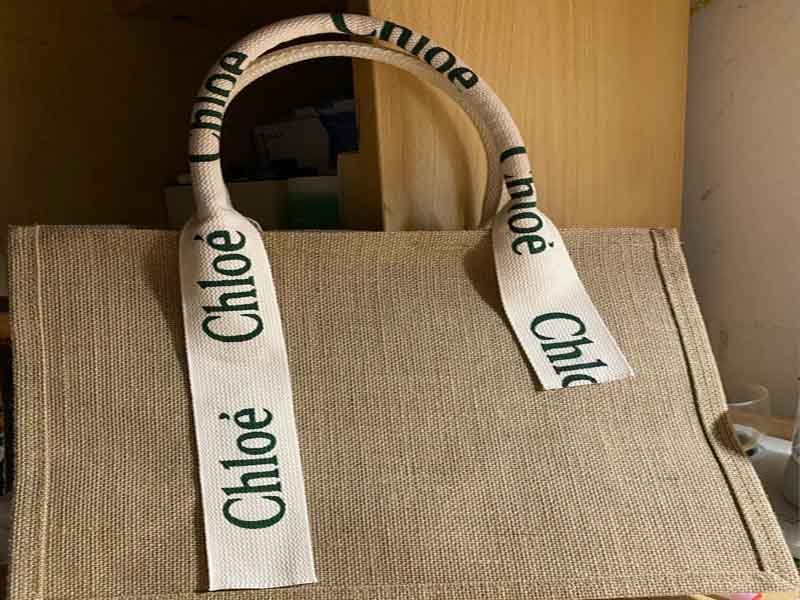
Waterproof linings are protective inner layers added inside jute bags to reduce water penetration, improve product protection, and increase the functional performance of the bag. Unlike ordinary jute bags that mainly rely on natural fiber properties, lined jute bags combine traditional materials with modern textile technology.
A waterproof lining does not change the outside appearance of the jute bag. Customers still see the natural woven texture, but the inside receives additional protection against moisture, spills, humidity, and product leakage.
For retail brands, food companies, and packaging users, this creates a practical advantage: they can maintain the natural image of jute while achieving performance closer to synthetic packaging materials.
The effectiveness of a waterproof lining depends on:
- Lining material selection
- Thickness
- Attachment method
- Seam sealing
- Product application
- Manufacturing quality
A professional manufacturer does not simply add any waterproof layer. The lining needs to match the purpose of the bag.
For example:
- A grocery shopping bag may need easy cleaning and moisture resistance.
- A coffee package may require barrier protection.
- A luxury gift bag may prioritize appearance and premium feeling.
- An agricultural bag may require durability and ventilation balance.
| Lining Function | Purpose | Typical Application |
|---|---|---|
| Moisture protection | Prevent water penetration | Shopping bags, food products |
| Internal cleaning | Easier maintenance | Retail bags |
| Product protection | Reduce external impact | Specialty packaging |
| Structural support | Improve bag shape | Premium totes |
| Barrier function | Protect contents | Food and agricultural products |
What Materials Are Used for Linings?
Different lining materials provide different levels of protection, durability, cost efficiency, and environmental characteristics.
The most common options include PE film, TPU film, laminated fabric, PVC coating, and coated polyester.
| Lining Material | Main Characteristics | Advantages | Limitations |
|---|---|---|---|
| PE lining | Lightweight plastic barrier | Affordable, moisture resistant | Lower premium feeling |
| TPU lining | Flexible and durable | Better performance and softer feel | Higher cost |
| Laminated film | Creates strong barrier layer | Good protection and structure | Less breathable |
| PVC coating | Strong waterproof effect | Durable surface | Environmental considerations |
| Coated polyester | Strong synthetic layer | High durability | Different appearance |
PE lining is commonly used when cost efficiency and basic moisture protection are the main requirements.
TPU lining is often selected for premium applications because it provides better flexibility, durability, and a softer touch compared with traditional plastic layers.
Laminated solutions are popular for retail shopping bags because they create a smoother interior surface that is easier to clean.
The correct material depends on the final application rather than choosing the most waterproof option available.
Why Add Linings to Jute Bags?
Adding a waterproof lining improves the practical performance of jute bags in several ways.
The biggest advantage is moisture protection. Natural jute fibers can absorb water, which may affect both the bag structure and the products inside. A lining creates a separation layer between external moisture and internal contents.
Key benefits include:
| Benefit | Without Lining | With Waterproof Lining |
|---|---|---|
| Water resistance | Limited | Improved |
| Cleaning ability | More difficult | Easier |
| Product protection | Basic | Higher |
| Shape stability | Moderate | Improved |
| Application range | Limited | Wider |
For retail applications, waterproof lining allows brands to use jute bags in more situations.
Examples:
A clothing retailer can use lined jute bags during rainy seasons.
A food retailer can reduce concerns about accidental spills.
A gift brand can create premium packaging that feels more durable.
A cosmetic company can protect products from external moisture.
Are Waterproof Linings Fully Water Resistant?
Waterproof linings significantly improve water resistance, but the level of protection depends on the construction method.
Many people assume that adding a lining automatically creates a completely waterproof bag. In reality, the performance depends on several details.
Important factors include:
| Factor | Impact on Waterproof Performance |
|---|---|
| Lining material | Determines barrier ability |
| Thickness | Influences protection level |
| Seam construction | Prevents leakage points |
| Coating quality | Improves surface resistance |
| Bag design | Affects water exposure |
A bag with waterproof material but unprotected seams may still allow moisture penetration through stitching areas.
For higher protection requirements, manufacturers may add:
- Waterproof inner coating
- Heat-sealed seams
- Laminated panels
- Additional protective layers
However, complete waterproofing is usually more complex and may change the breathability and environmental characteristics of the product.
Therefore, brands should define whether they need:
- Water resistant protection
- Moisture barrier protection
- Splash resistance
- Full waterproof performance
before selecting the construction method.
How Do Linings Affect Bag Performance?
A waterproof lining influences several aspects of a jute bag beyond moisture resistance. It can improve structure, durability, and customer experience.
Positive effects include:
Better Product Protection
The inner layer creates a barrier that protects products from humidity and accidental spills.
Improved Cleaning
Retail customers appreciate bags that can be wiped clean more easily.
Enhanced Shape Stability
Some linings add stiffness, helping premium bags maintain their structure.
Expanded Applications
Lined jute bags can be used in industries where ordinary jute bags may not be suitable.
| Performance Area | Improvement After Adding Lining |
|---|---|
| Moisture resistance | Significant improvement |
| Interior cleanliness | Easier maintenance |
| Product safety | Higher protection |
| Premium appearance | More structured design |
| Application range | More industries available |
However, there are also considerations.
A waterproof lining may:
- Increase production cost
- Add weight
- Reduce natural breathability
- Require additional manufacturing steps
The goal is not simply adding more layers but finding the correct balance between protection, sustainability, and usability.
Why Use Waterproof Linings in Jute Bags?
Waterproof linings allow jute bags to combine the natural advantages of jute fabric with improved protection and durability. They are especially valuable for brands that want sustainable-looking packaging while requiring better performance against moisture, spills, and daily use conditions.
Jute remains popular because of its natural appearance and environmental image, but many modern applications require additional functionality. Waterproof lining technology solves this challenge by creating a hybrid product: a natural exterior with a protective interior.
For example, a reusable shopping bag used in a coastal city may experience rain, humidity, and accidental liquid spills. A standard jute bag may absorb moisture, while a lined version provides customers with a more reliable experience.
Are Jute Bags Naturally Water Resistant?
Jute bags have limited natural resistance to moisture but are not waterproof. The fibers can tolerate normal handling conditions, but prolonged exposure to water can affect the material.
Natural jute characteristics:
| Property | Performance |
|---|---|
| Breathability | Excellent |
| Natural texture | Excellent |
| Dry strength | Good |
| Moisture resistance | Limited |
| Waterproof ability | Requires treatment |
This is why waterproof linings are often introduced for applications where product protection is important.
The outer jute layer provides:
- Natural appearance
- Brand storytelling
- Textile texture
The inner lining provides:
- Moisture protection
- Easier maintenance
- Better functionality
Together, they create a more versatile product.
How Do Linings Protect Products?
Waterproof linings protect products by creating a barrier between the jute fabric and external moisture.
This protection is valuable in many situations:
- Rain during transportation
- Condensation from cold products
- Accidental liquid spills
- Humid storage environments
| Situation | Standard Jute Bag | Waterproof Lined Jute Bag |
|---|---|---|
| Light rain exposure | Limited protection | Better protection |
| Wet product packaging | Not recommended | More suitable |
| Internal cleaning | Difficult | Easier |
| Long-term reuse | Moderate | Improved |
For retail brands, this improves customer satisfaction because the bag performs reliably in real-life situations.
Which Industries Need Waterproof Jute Bags?
Waterproof jute bags are increasingly used in industries where brands want the natural appearance of jute but need additional protection for products and customers. The combination of a sustainable exterior and functional interior makes these bags suitable for many applications that traditional jute bags cannot fully support.
The most suitable industries are those where products may encounter moisture, frequent handling, transportation challenges, or higher customer expectations.
| Industry | Common Product Types | Recommended Lining Solution |
|---|---|---|
| Food retail | Coffee, tea, grains, organic products | PE or food-compatible laminated lining |
| Fashion retail | Clothing, accessories, shoes | Lightweight waterproof lining |
| Cosmetics | Skincare, beauty products | Smooth coated interior |
| Gift packaging | Premium gift sets | Decorative lined jute structure |
| Agriculture | Seeds, dry goods, farm products | Strong moisture-resistant lining |
| Outdoor products | Travel and lifestyle goods | Durable coated lining |
For example, a coffee brand may prefer a jute bag because customers associate the material with natural farming and craftsmanship. However, coffee products are sensitive to humidity, so an inner barrier layer helps protect product quality.
Similarly, a fashion retailer may choose lined jute shopping bags because customers often use bags outdoors. A sudden rain shower should not immediately damage the shopping experience.
The important point is that waterproof lining expands the application possibilities of jute instead of replacing its natural characteristics.
Can Linings Improve Bag Lifespan?
Yes, waterproof linings can improve the functional lifespan of jute bags by reducing moisture-related damage and making the interior easier to maintain.
Natural jute fibers perform well in dry conditions, but repeated exposure to moisture can weaken the material over time. A protective lining reduces direct contact between external moisture and the jute structure.
Factors affecting lifespan:
| Factor | Effect on Lifespan |
|---|---|
| Moisture exposure | Can weaken untreated jute |
| Cleaning frequency | Affects repeated use |
| Product weight | Influences stitching stress |
| Lining quality | Improves protection |
| Storage conditions | Determines material condition |
A retail shopping bag used once may not require lining. However, a reusable bag program where customers use the same bag weekly benefits significantly from additional protection.
For brands investing in reusable packaging, durability is directly connected with customer satisfaction. A bag that remains attractive and functional encourages repeated use and strengthens brand recognition.
How to Choose Waterproof Lining Materials?

Choosing the correct waterproof lining material is one of the most important decisions when developing lined jute bags. Different lining options provide different levels of moisture protection, flexibility, appearance, environmental characteristics, and cost performance.
The ideal lining depends on the product application rather than selecting the most waterproof material available.
A premium fashion retailer may need a lightweight lining that maintains a soft feeling, while a food packaging company may require a stronger barrier layer. A manufacturer with textile expertise can help balance protection requirements with practical production considerations.
Important factors when selecting lining materials include:
- Waterproof performance
- Flexibility
- Weight
- Environmental requirements
- Product compatibility
- Production cost
- Customer expectations
| Selection Factor | Importance |
|---|---|
| Water resistance | Protects products |
| Material flexibility | Improves usability |
| Weight | Affects carrying comfort |
| Surface finish | Influences customer experience |
| Durability | Determines reuse lifespan |
| Compatibility | Matches product requirements |
Which Lining Fabrics Are Available?
Several lining materials can be used inside jute bags. Each option has different advantages.
The most common choices include PE, TPU, laminated fabrics, PVC coatings, and coated polyester.
| Lining Type | Features | Advantages | Suitable Applications |
|---|---|---|---|
| PE film lining | Lightweight barrier layer | Cost-effective moisture protection | General retail bags |
| TPU lining | Flexible protective film | Premium feel and durability | High-end reusable bags |
| PE laminated fabric | Combined textile and film structure | Stronger surface | Shopping bags |
| PVC coating | Thick waterproof layer | Strong water resistance | Outdoor applications |
| Polyester coating | Durable synthetic surface | High abrasion resistance | Heavy-use bags |
PE lining remains popular because it provides reliable moisture resistance at a competitive cost.
TPU is often selected for higher-quality applications because it provides:
- Better flexibility
- Better resistance to cracking
- Softer touch
- More premium performance
Laminated fabrics are useful when brands need a smoother interior surface and improved cleaning ability.
What Is the Difference Between PE and TPU Linings?
PE and TPU are two common lining materials, but they provide different performance characteristics.
Understanding the difference helps brands choose the correct solution.
| Feature | PE Lining | TPU Lining |
|---|---|---|
| Waterproof ability | Good | Excellent |
| Flexibility | Moderate | High |
| Touch feeling | Basic | Softer |
| Durability | Good | Higher |
| Cost | Lower | Higher |
| Premium applications | Limited | Strong |
PE lining is often chosen for:
- Promotional shopping bags
- Large retail programs
- Cost-sensitive applications
TPU lining is preferred for:
- Premium retail bags
- Luxury packaging
- Products requiring better flexibility
A brand selling organic food products may choose PE because it provides practical protection at an efficient cost.
A premium lifestyle brand may choose TPU because the softer interior improves the customer experience.
Neither option is universally better. The right choice depends on the intended use.
How Thick Should a Waterproof Lining Be?
The thickness of a waterproof lining affects protection, flexibility, weight, and cost.
A thicker lining does not always mean a better product. Excessive thickness may make the bag heavier and less comfortable.
Typical lining thickness ranges:
| Thickness | Characteristics | Application |
|---|---|---|
| 0.03–0.05 mm | Lightweight protection | Basic retail use |
| 0.05–0.10 mm | Balanced performance | General shopping bags |
| 0.10–0.20 mm | Stronger barrier | Food and specialty applications |
| 0.20 mm+ | Heavy-duty protection | Industrial requirements |
For most retail jute bags, medium thickness lining provides a practical balance between:
- Protection
- Comfort
- Cost
- Appearance
A professional manufacturer evaluates the entire structure, including jute fabric weight, stitching method, and expected usage.
For example:
A lightweight fashion tote may require only a thin lining.
A grocery bag carrying heavier products may require a stronger internal layer.
A specialty food package may require a thicker barrier system.
What Factors Affect Lining Quality?
The quality of a waterproof lining depends on more than the material itself. Manufacturing precision also plays an important role.
Important quality factors include:
| Factor | Impact |
|---|---|
| Material consistency | Ensures stable performance |
| Thickness control | Maintains protection level |
| Adhesion quality | Prevents separation |
| Seam construction | Reduces leakage risk |
| Surface finish | Improves customer experience |
Common lining problems include:
- Wrinkling
- Poor attachment
- Peeling
- Uneven thickness
- Weak seam areas
Professional production controls these risks through:
- Material inspection
- Sample testing
- Controlled lamination
- Sewing inspection
- Final quality checks
Szoneier combines fabric development experience with finished product manufacturing capability, allowing better control over both jute fabric and waterproof lining solutions.
What Types of Waterproof Jute Bags Exist?
Waterproof jute bags are available in different structures depending on the application. Some use internal liners, some use laminated surfaces, and others combine multiple protective techniques.
Choosing the correct construction method is important because waterproof performance, appearance, and sustainability can change significantly depending on the design.
A retail brand requiring a reusable shopping bag may need a different solution from a company developing agricultural packaging.
The main waterproof jute bag structures include:
| Bag Type | Construction | Main Advantage |
|---|---|---|
| Inner lined jute bag | Separate waterproof layer inside | Balanced performance |
| Laminated jute bag | Film bonded to fabric | Smooth and protective |
| Coated jute bag | Surface treatment | Improved resistance |
| Double-layer jute bag | Additional fabric structure | Higher strength |
Are Laminated Jute Bags Waterproof?
Laminated jute bags use a thin protective film attached to the jute fabric. This creates a stronger barrier against moisture and provides a smoother surface.
Advantages include:
- Better water resistance
- Easier cleaning
- Improved structure
- Premium appearance
Lamination is commonly used for:
- Shopping bags
- Grocery bags
- Promotional bags
- Retail packaging
| Feature | Laminated Jute Bag Performance |
|---|---|
| Moisture protection | High |
| Cleaning convenience | High |
| Natural appearance | Maintained externally |
| Breathability | Reduced |
| Structure | Improved |
However, laminated bags may not be suitable when maximum natural breathability is required.
What Are Coated Jute Bags?
Coated jute bags receive a protective layer applied directly onto the fabric surface. This treatment improves resistance against moisture, stains, and abrasion.
Common coating options include:
- PU coating
- PVC coating
- Acrylic coating
Coated jute bags are often selected for applications requiring stronger surface protection.
| Coating Type | Performance |
|---|---|
| PU coating | Flexible and soft |
| PVC coating | Strong waterproof effect |
| Acrylic coating | Lightweight surface protection |
The choice depends on the balance between performance and environmental requirements.
How Do Inner Lined Jute Totes Work?
Inner lined jute totes maintain the natural jute appearance outside while adding a protective layer inside.
This structure is popular because it provides:
- Natural external appearance
- Improved internal protection
- Better customer experience
The construction usually involves:
- Cutting jute outer fabric
- Preparing lining material
- Sewing inner layer
- Joining outer and inner structures
- Finishing edges and handles
This approach is especially suitable for retail brands that want sustainable-looking packaging with improved daily usability.
Which Designs Fit Different Applications?
Different applications require different waterproof jute designs.
| Application | Recommended Design |
|---|---|
| Grocery shopping | Large lined tote |
| Coffee packaging | Drawstring lined pouch |
| Fashion retail | Premium lined tote |
| Gift packaging | Decorative jute bag |
| Agriculture products | Heavy-duty lined sack |
The best design is not necessarily the most complex one. It should provide the right protection level while maintaining practicality and brand identity.
Szoneier supports customized waterproof jute bag development by combining natural fabric expertise with advanced manufacturing processes. From material selection and lining solutions to custom printing and finished production, Szoneier helps brands create reliable reusable bags for different market applications.
How Are Waterproof Jute Bags Manufactured?
Manufacturing waterproof jute bags requires a combination of natural fiber processing, protective material technology, and precise sewing techniques. Unlike ordinary jute bags, waterproof versions involve additional production steps because the outer jute fabric and inner protective layer must work together as one functional product.
A successful waterproof jute bag is not created simply by placing a plastic sheet inside the bag. The lining material, attachment method, stitching structure, and finishing process all influence the final performance.
For brands developing retail programs, packaging solutions, or specialty products, manufacturing quality determines whether the bag remains attractive and functional after repeated use.
A professional production process normally includes:
| Production Stage | Main Process | Quality Objective |
|---|---|---|
| Material preparation | Inspect jute fabric and lining materials | Ensure consistency |
| Pattern development | Create bag structure | Match application requirements |
| Cutting | Cut jute and lining panels | Maintain accuracy |
| Lining installation | Attach protective layer | Prevent movement or separation |
| Sewing assembly | Build complete bag structure | Improve strength |
| Surface treatment | Add printing or finishing | Enhance appearance |
| Final inspection | Check finished products | Ensure reliability |
The challenge in waterproof jute bag manufacturing is balancing natural aesthetics with technical performance.
The jute exterior should maintain its natural texture, while the internal layer should provide reliable protection.
What Is the Production Process?
The production process begins with selecting suitable materials based on the final application.
For example:
- A retail shopping bag may require lightweight waterproof lining.
- A food-related bag may require a stronger barrier layer.
- A premium gift bag may focus on appearance and soft finishing.
The complete production workflow includes:
| Step | Description |
|---|---|
| 1. Product analysis | Understand usage requirements |
| 2. Material selection | Choose jute and lining combination |
| 3. Sample development | Create prototype |
| 4. Testing | Evaluate strength and protection |
| 5. Bulk production | Manufacture approved design |
| 6. Inspection | Verify quality |
During the sample stage, manufacturers usually evaluate:
- Bag dimensions
- Handle strength
- Lining attachment
- Waterproof performance
- Printing quality
- Overall appearance
This step is important because waterproof jute bags have more construction variables than standard bags.
For example, a lining that is too loose may create wrinkles and reduce product quality. A lining that is too rigid may affect folding and customer comfort.
How Are Linings Attached?
The attachment method determines how well the waterproof lining performs over time.
Common methods include:
| Attachment Method | Description | Advantages |
|---|---|---|
| Sewing | Lining stitched into bag | Strong and reliable |
| Lamination | Film bonded to fabric | Smooth surface |
| Coating | Protective layer applied | Lightweight |
| Heat bonding | Material fused together | Cleaner appearance |
Sewn linings are widely used because they provide flexibility and durability.
A typical sewn lining process includes:
- Cutting inner lining panels
- Sewing lining structure
- Joining lining with jute outer shell
- Securing edges
- Checking alignment
Professional manufacturers pay attention to:
- Lining position
- Edge finishing
- Seam strength
- Internal appearance
A poorly attached lining may move during use, creating discomfort and reducing product quality.
Which Sewing Methods Improve Protection?
Sewing technology plays an important role in waterproof jute bag performance. Even high-quality waterproof materials cannot perform well if seams are weak.
Important sewing methods include:
| Sewing Method | Function |
|---|---|
| Double stitching | Improves seam strength |
| Overlock stitching | Prevents edge fraying |
| X-box reinforcement | Strengthens handles |
| Binding tape finishing | Creates cleaner edges |
| Bottom reinforcement | Supports heavier loads |
The handle area deserves special attention because customers often place significant weight inside shopping bags.
For example, a grocery retailer may expect customers to carry:
- Multiple food packages
- Bottles
- Household items
Without proper reinforcement, stress concentrates around the handle attachment area.
How Is Quality Tested?
Quality testing ensures waterproof jute bags meet practical expectations before delivery.
Testing usually includes:
| Test Item | Purpose |
|---|---|
| Fabric inspection | Confirm material quality |
| Dimension check | Verify bag size |
| Handle load test | Evaluate carrying strength |
| Seam inspection | Check sewing quality |
| Water resistance test | Evaluate protection |
| Printing test | Confirm logo durability |
For waterproof performance, manufacturers may evaluate:
- Surface water resistance
- Internal moisture protection
- Lining attachment stability
The testing level depends on the application.
A promotional shopping bag may require basic moisture protection.
A food-related package may require stricter requirements.
A reliable manufacturer should clearly communicate the expected performance rather than making unrealistic waterproof claims.
Szoneier combines fabric research, textile manufacturing, and finished product production, allowing better control over jute fabric, waterproof lining materials, and final bag construction.
How to Customize Waterproof Jute Bags?
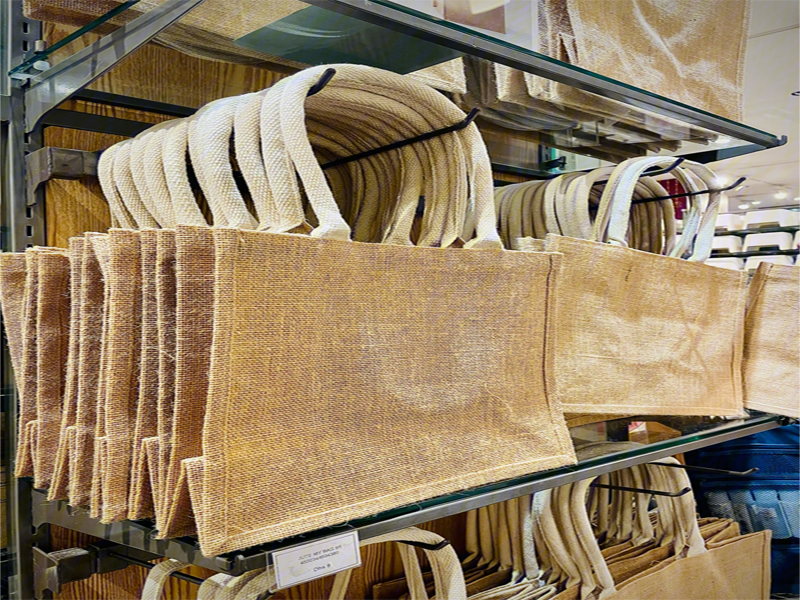
Customization allows brands to create waterproof jute bags that match their identity, product requirements, and customer expectations. A waterproof lining solves the performance challenge, but customization determines how effectively the bag communicates the brand message.
Modern retail and packaging programs increasingly require more than standard bags. Companies often need specific sizes, materials, printing styles, handles, and functional improvements.
A custom waterproof jute bag can include:
- Brand logo
- Custom colors
- Special dimensions
- Inner coating
- Printed artwork
- Labels
- Packaging accessories
The most successful designs combine technical performance with visual appeal.
A premium tea company, for example, may choose a natural jute exterior with a waterproof inner layer, embroidered logo, and drawstring closure. The final product protects the tea while reinforcing the brand’s natural positioning.
What Custom Features Are Available?
Waterproof jute bags can be customized in many areas depending on the intended application.
Common customization options include:
| Custom Feature | Purpose |
|---|---|
| Fabric weight | Controls strength and appearance |
| Bag size | Matches product requirements |
| Lining type | Improves protection |
| Handle style | Enhances comfort |
| Printing | Builds brand recognition |
| Labels | Adds professional identity |
| Closures | Improves functionality |
Additional structural options include:
- Side gussets
- Bottom panels
- Inner pockets
- Zippers
- Drawstrings
- Magnetic closures
For retail programs, these details influence customer experience.
A bag with comfortable handles and a clean interior is more likely to be reused.
Which Printing Methods Work Best?
Printing on jute fabric requires careful consideration because the natural texture affects artwork appearance.
The most common printing methods include:
| Printing Method | Advantages | Best Application |
|---|---|---|
| Screen printing | Durable and economical | Simple logos |
| Heat transfer | Detailed designs | Complex graphics |
| Digital printing | Flexible customization | Small quantities |
| Embroidery | Premium appearance | Luxury products |
| Woven labels | Long-lasting branding | Fashion brands |
Screen printing is widely used because it works well with jute’s natural surface.
For example, a sustainable fashion brand may use a simple black logo on natural jute fabric to create a clean premium look.
For more detailed artwork, manufacturers usually recommend testing samples because jute texture can influence fine details.
How Can Brands Add Their Logo?
Logo customization is one of the most important elements of waterproof jute bags because it transforms functional packaging into a brand asset.
Logo options include:
| Logo Method | Brand Impression |
|---|---|
| Printed logo | Simple and practical |
| Embroidered logo | Premium craftsmanship |
| Woven label | Professional identity |
| Leather patch | Luxury feeling |
| Custom tag | Additional storytelling |
The best logo method depends on the brand positioning.
Examples:
Organic food brand
- Natural jute
- Green printing
- Simple logo
Luxury lifestyle brand
- Embroidery
- Premium handles
- Custom labels
Coffee company
- Printed artwork
- Product story label
- Drawstring closure
The goal is creating a bag customers want to keep using.
What Is the Development Process?
A professional customization process usually follows several stages.
| Stage | Activity | Purpose |
|---|---|---|
| Requirement review | Discuss application | Understand goals |
| Material recommendation | Select jute and lining | Match performance |
| Design confirmation | Finalize artwork | Prepare production |
| Sample creation | Produce prototype | Check details |
| Modification | Improve design | Solve issues |
| Bulk production | Manufacture order | Deliver finished bags |
Sampling is especially important for waterproof jute bags because several elements need verification:
- Lining thickness
- Waterproof performance
- Handle comfort
- Printing appearance
- Overall structure
Szoneier provides customized waterproof jute bag solutions from initial design development to finished production. With more than 18 years of experience in fabric research and manufacturing, Szoneier supports brands requiring jute, cotton, canvas, polyester, nylon, neoprene, linen, Oxford, and other customized textile products.
Whether you need waterproof jute shopping bags, lined retail totes, premium packaging bags, or private label products with your own logo, Szoneier can help develop a solution based on your materials, applications, and quality requirements.
Are Waterproof Jute Bags Suitable for Different Industries?
Waterproof jute bags are suitable for many industries because they combine the natural appearance of jute with improved functional protection. The additional lining layer allows brands to use jute packaging in applications where ordinary jute bags may not provide enough protection against moisture, spills, or repeated handling.
The biggest advantage of waterproof jute bags is versatility. A brand does not need to choose between a natural-looking material and a practical protective structure. By combining jute fabric with suitable waterproof lining technology, manufacturers can create products that maintain a sustainable appearance while meeting real-world performance requirements.
Different industries have different expectations:
- Food companies focus on moisture protection and product safety.
- Retail stores focus on customer experience and branding.
- Outdoor businesses focus on durability.
- Premium brands focus on appearance and perceived value.
The right waterproof jute bag design depends on understanding the product journey from manufacturing to the customer’s hands.
| Industry | Main Requirement | Recommended Waterproof Jute Solution |
|---|---|---|
| Food packaging | Moisture protection and cleanliness | Food-compatible inner lining |
| Retail shopping | Reusable and attractive design | Printed lined jute tote |
| Fashion brands | Premium appearance | Soft lining with custom handles |
| Agriculture | Durability and protection | Heavy-duty lined jute bags |
| Gift products | Presentation value | Decorative waterproof jute bags |
| Outdoor products | Resistance and strength | Reinforced coated jute bags |
A professional manufacturer evaluates the entire application rather than offering a standard product for every industry.
Are They Good for Food Packaging?
Waterproof jute bags can be suitable for certain food packaging applications when the correct lining materials and manufacturing standards are selected.
The natural appearance of jute works particularly well with products associated with farming, organic production, and traditional craftsmanship.
Common food-related applications include:
- Coffee packaging
- Tea packaging
- Grain products
- Organic food gift sets
- Agricultural products
- Specialty food packaging
However, food applications require careful consideration because different products have different protection requirements.
For example:
Coffee beans:
- Need protection from humidity
- Often require barrier layers
Fresh produce:
- May require breathability
- May not require full waterproof protection
Gift food products:
- Often require premium appearance
- Benefit from decorative finishing
| Food Product | Recommended Bag Structure |
|---|---|
| Coffee beans | Jute outer + barrier lining |
| Tea products | Small lined jute pouch |
| Grain products | Heavy-duty jute bag |
| Organic gift sets | Premium lined tote |
| Packaged snacks | Printed jute packaging |
The lining material should also match the product requirements.
For example, a coffee company may prioritize moisture barrier performance, while a gift food brand may focus more on appearance and customer experience.
How Are They Used in Retail?
Retail businesses use waterproof jute bags as reusable shopping solutions, premium packaging, and brand promotion tools.
Retail applications include:
- Fashion stores
- Beauty shops
- Lifestyle retailers
- Organic supermarkets
- Gift stores
The advantage of waterproof lined jute bags in retail is that they provide customers with a more reliable shopping experience.
Customers may encounter:
- Rain during transportation
- Accidental product spills
- Different weather conditions
A lined jute bag provides additional confidence compared with untreated natural fiber bags.
Retail customization options include:
| Feature | Retail Benefit |
|---|---|
| Custom logo | Builds recognition |
| Inner lining | Improves usability |
| Premium handles | Increases comfort |
| Custom artwork | Creates differentiation |
| Reusable structure | Encourages repeated use |
A fashion retailer, for example, can use a waterproof jute tote as an alternative to traditional shopping bags. Customers may continue using it for future purchases, increasing brand visibility.
Can They Support Outdoor Applications?
Waterproof jute bags can support some outdoor applications, especially when additional protective treatments are applied.
Suitable examples include:
- Outdoor markets
- Gardening products
- Picnic accessories
- Travel storage
- Promotional events
However, it is important to understand the limitations.
Jute is a natural fiber. Even with waterproof lining, it should not automatically be considered equivalent to fully synthetic outdoor materials such as heavy-duty nylon or polyester.
A realistic comparison:
| Material | Outdoor Performance | Natural Appearance |
|---|---|---|
| Waterproof jute | Moderate to good | Excellent |
| Nylon | Excellent | Low |
| Polyester | Very good | Moderate |
| Canvas | Good | High |
Waterproof jute is ideal when brands want a balance between natural aesthetics and practical protection.
For extreme outdoor environments involving constant rain, abrasion, or harsh conditions, synthetic technical fabrics may be more suitable.
Which Products Need Extra Protection?
Some products benefit significantly from waterproof lining because moisture can affect quality, appearance, or usability.
Examples include:
| Product Category | Why Extra Protection Helps |
|---|---|
| Cosmetics | Prevents moisture damage |
| Clothing | Protects fabric from rain |
| Food products | Improves packaging reliability |
| Electronics accessories | Reduces moisture exposure |
| Gifts | Maintains premium appearance |
| Bottled products | Handles accidental spills |
The key is understanding customer expectations.
A customer purchasing a premium product expects the packaging to protect the item and provide a positive unboxing experience.
Waterproof jute bags help brands achieve this by combining:
- Natural material storytelling
- Better product protection
- Improved customer experience
Szoneier develops customized jute products for multiple industries, combining fabric knowledge with manufacturing expertise. Whether the requirement is retail packaging, food-related applications, agricultural products, or premium reusable bags, Szoneier can provide suitable jute and lining solutions.
How to Choose a Waterproof Jute Bag Manufacturer?

Choosing the right waterproof jute bag manufacturer is essential because product quality depends on much more than the final appearance. A reliable manufacturer needs experience in both natural fabric handling and technical production processes.
Waterproof jute bags require knowledge of:
- Jute fabric characteristics
- Waterproof lining materials
- Sewing techniques
- Product engineering
- Quality inspection
- Custom development
A supplier that only produces basic bags may not have the technical ability to create stable waterproof lined products.
For brands developing retail programs or customized packaging, manufacturing experience directly influences product consistency.
A reliable manufacturer should provide:
| Capability | Importance |
|---|---|
| Material expertise | Select suitable jute and lining |
| Sample development | Confirm design before production |
| Customization ability | Support unique requirements |
| Quality control | Maintain consistency |
| Production management | Deliver stable results |
What Manufacturing Skills Matter?
Waterproof jute bag manufacturing requires multiple technical skills working together.
Important capabilities include:
Fabric Knowledge
Manufacturers need to understand different jute weights, textures, and finishing options.
Lining Technology
They should know how different waterproof materials perform.
Structural Design
The bag must balance strength, appearance, and usability.
Sewing Expertise
Correct stitching prevents failures during use.
| Skill Area | Manufacturing Impact |
|---|---|
| Fabric selection | Determines quality foundation |
| Pattern design | Controls product performance |
| Sewing technology | Improves durability |
| Printing experience | Enhances branding |
| Inspection system | Reduces defects |
A manufacturer with integrated fabric and finished product capabilities can usually provide better technical support because they understand the relationship between raw materials and final products.
How to Check Material Quality?
Material quality should be evaluated before bulk production.
Important checks include:
| Material Check | Purpose |
|---|---|
| Fabric weight | Confirms specification |
| Texture inspection | Ensures appearance |
| Lining thickness | Verifies protection level |
| Bonding quality | Prevents separation |
| Color consistency | Maintains brand image |
Brands should request samples before production to evaluate:
- Actual material feeling
- Waterproof performance
- Printing quality
- Construction details
A sample is not only a visual reference. It is a practical test of whether the manufacturer understands the product requirements.
Which Certifications Are Important?
Certification requirements depend on the product application and target market.
Common documentation may include:
| Document | Purpose |
|---|---|
| Material specifications | Confirms fabric details |
| Test reports | Shows performance information |
| Quality records | Demonstrates production control |
| Environmental documents | Supports sustainability claims |
For food-related applications, additional requirements may apply depending on the product type and destination market.
A professional manufacturer should clearly explain available documentation rather than providing unnecessary certifications.
How to Ensure Consistent Production?
Consistency is one of the biggest challenges for customized products.
A brand may approve one sample but expect thousands of identical bags during production. Maintaining this standard requires a controlled manufacturing system.
Key quality management steps include:
| Production Stage | Control Method |
|---|---|
| Material receiving | Inspect incoming materials |
| Sample approval | Confirm final specification |
| Production monitoring | Check manufacturing progress |
| Finished inspection | Verify final quality |
| Packaging inspection | Protect shipment |
Common problems that quality systems prevent include:
- Different lining thickness
- Uneven bag sizes
- Printing position differences
- Weak stitching
- Material variation
Szoneier provides integrated fabric development, manufacturing, and customization services with more than 18 years of industry experience. The company specializes in multiple textile materials, including jute fabric, cotton fabric, canvas fabric, polyester fabric, nylon fabric, neoprene fabric, linen fabric, and Oxford fabric.
With professional support covering material selection, design development, sample production, customized processing, and finished product manufacturing, Szoneier helps brands create waterproof jute bags that match their functional and branding goals.
Whether you need waterproof lined jute totes, retail shopping bags, sustainable packaging solutions, or private label products with your own logo, Szoneier can help develop a customized solution.
Contact Szoneier today to discuss your waterproof jute bag project and receive professional recommendations for materials, construction, customization options, and production solutions.