 Skip to content
Waterproof Makeup Bag Materials Explained
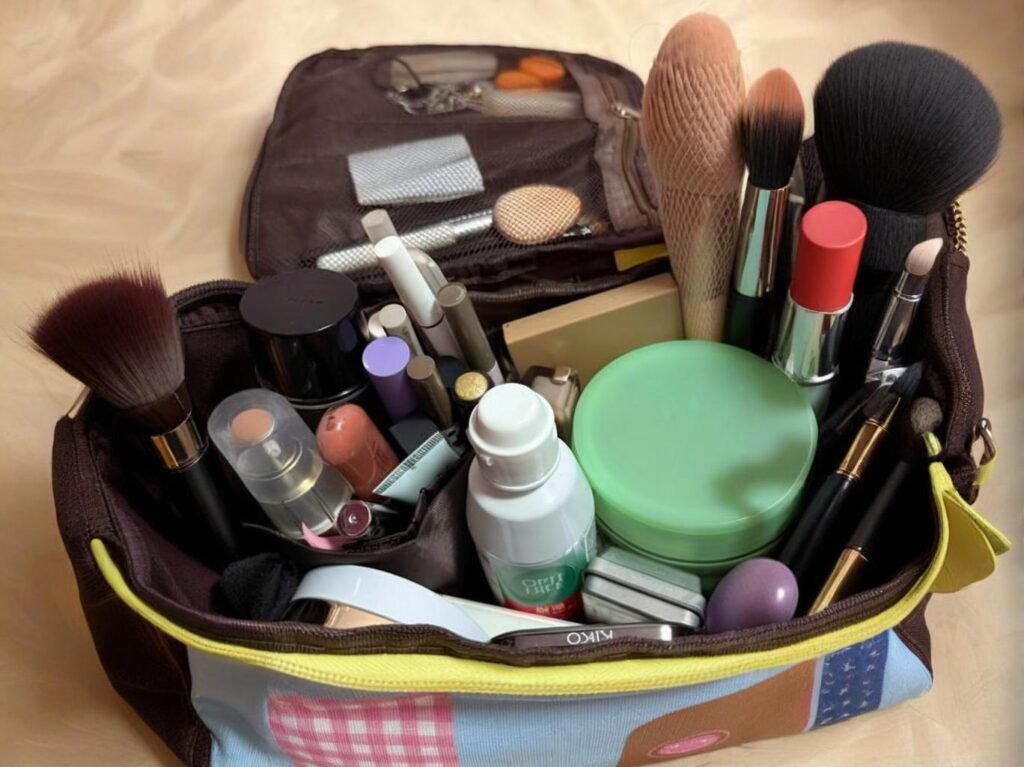
A waterproof makeup bag sounds simple, but the material choice behind it is where the real product value is decided. Two bags may look similar in photos, yet one stays clean after months of daily use while the other stains, wrinkles, leaks, or cracks around the zipper. That difference usually starts with the fabric system: outer shell, coating, lining, film layer, and seam construction. For brands developing cosmetic bags, this is not a small technical detail. It directly affects customer satisfaction, repeat orders, return rates, and how the product is judged the first time someone spills foundation or sunscreen inside it.
A practical waterproof makeup bag is usually made from a synthetic base fabric or film that limits moisture absorption, paired with coatings or laminated layers that block liquid from passing through. Common options include coated nylon, coated polyester, Oxford fabric with PU or TPU treatment, TPU film laminates, PVC clear sheets, and EVA-based materials. The right choice depends on the product’s position: daily-use pouch, travel organizer, promotional cosmetic bag, premium private label set, or transparent airport-friendly case. Fabrics also need to balance weight, hand feel, odor level, easy cleaning, printability, durability, and cost. A bag that is fully waterproof but too stiff or too cheap-looking may still fail in the market.
For a manufacturer like Szoneier, which has more than 18 years of experience in fabric development and finished-product manufacturing, waterproof makeup bag development is not just about choosing a “waterproof fabric.” It is about matching fabric performance with actual use: makeup spills, bathroom humidity, travel pressure, repeated zipper opening, and long-term appearance. That is why serious product development starts with the material logic first. The bag has to work before it can sell well. And once you start comparing nylon, polyester, TPU, PVC, and coated Oxford side by side, the differences become much more important than most customers expect.
What Makes a Makeup Bag Truly Waterproof?
A makeup bag becomes truly waterproof when liquid cannot pass through its fabric system under real-use conditions. That usually requires more than a basic water-repellent finish. In practice, the most reliable protection comes from a combination of synthetic face fabric or film, waterproof coating or lamination, and a lining or construction method that limits seepage through the body and seams.
Waterproof vs Water Resistant
A lot of cosmetic bags are described as waterproof when they are only water resistant. This difference matters because the user experience is completely different once liquid makeup leaks inside the bag.
Water-resistant fabric can handle light splashes, short contact with moisture, or a few drops on the surface. It slows water down, but it does not fully block penetration for long periods. Waterproof fabric performs at a higher level. It is built to stop liquid from crossing the material barrier, usually through coating, lamination, or film construction. In simple terms, water resistance buys time; waterproof construction creates protection. Polyester and nylon fabrics are often naturally better at resisting moisture than absorbent natural fabrics, but by themselves they are still not automatically waterproof. To reach a truly protective level, they usually need PU, TPU, or similar treatment.
This is one of the most common mistakes in cosmetic bag sourcing. A factory may show a polyester fabric and call it waterproof because it beads water briefly. But if foundation, toner, or cleansing oil sits on that surface, or if pressure is applied inside a packed suitcase, moisture can still work its way through. That is why smart product development should separate three levels clearly:
| Protection Level | Real Meaning | Best Use |
|---|---|---|
| Splash resistant | Handles small droplets briefly | Low-cost daily pouch |
| Water resistant | Resists short exposure, not full leak protection | Basic everyday makeup bag |
| Waterproof | Blocks penetration much more effectively | Travel kits, leak-prone cosmetic bags |
For brands selling to customers who carry liquid products every day, using the right wording also matters commercially. If the product is marketed too aggressively and the performance does not match, complaints rise quickly. A better approach is to define the protection target at sampling stage: daily spill control, travel leak control, or heavy moisture protection. That keeps product claims grounded and helps the factory choose materials that actually fit the use scenario.
How Coatings Create Protection
Most waterproof textile cosmetic bags are not made from raw waterproof fibers alone. They become protective because a coating or laminated layer is added to the base fabric. That treatment changes the surface behavior and, more importantly, closes the gaps that would otherwise let liquid pass through. TPU film is widely used in textile applications where waterproofing and flexibility are both important, and PU-coated polyamide fabrics are also commonly used when low weight and soft handling are needed.
The three most common directions in cosmetic bags are PU coating, TPU lamination, and PVC sheet or coating.
PU coating is popular because it is practical and cost-efficient. It can give polyester or nylon fabric a useful barrier while keeping the material reasonably soft. For everyday cosmetic bags, this is often the best balance between performance and price. TPU usually performs at a higher level when the product needs stronger waterproofing, better flexibility, and a cleaner premium feel. PVC is still common in clear bags because it offers strong liquid blocking and strong visual transparency, though the hand feel and long-term softness can vary by formulation.
A simple comparison is helpful here:
| Material System | Main Strength | Main Limitation | Common Use |
|---|---|---|---|
| PU-coated fabric | Good balance of cost and flexibility | Protection depends on coating quality | Daily makeup bags |
| TPU laminated fabric | Strong waterproofing and soft flexibility | Higher material cost | Premium cosmetic bags |
| PVC clear material | Strong liquid barrier and transparency | Can feel stiffer depending on spec | Transparent makeup bags |
Another issue customers care about is feel. A bag can be technically waterproof and still feel wrong in the hand. If the coating is too heavy, the fabric becomes board-like. If it is too thin, leak control becomes unreliable. This is why experienced factories do not choose coating by name alone. They test coating weight, finished thickness, folding behavior, print compatibility, odor control, and wipe-clean performance together. That is especially important for private label brands, where product reviews often focus on details like “easy to clean,” “not stiff,” “doesn’t smell plastic,” and “still looks good after travel.”
Which Materials Work Better in Real Use
In real use, not all waterproof materials solve the same problem. A daily handbag makeup pouch, a transparent toiletry organizer, and a premium branded cosmetic set should not all use the same construction.
Nylon is often chosen when the goal is lightweight strength. It absorbs less water than cotton and is commonly used where fast drying and lower moisture pickup are valued. Polyester is also widely used because it is inherently water resistant, holds prints well, and works well with coatings. Oxford fabric is popular when the product needs a more structured look and better abrasion performance. TPU film and laminated TPU textiles are useful when a cleaner waterproof barrier and softer technical feel are required. PVC and EVA are often considered for clear or semi-clear applications, especially when easy visibility matters.
From a product planning angle, the better question is not “Which material is best?” but “Best for what?”
| Use Scenario | More Suitable Material Direction |
|---|---|
| Lightweight daily pouch | PU-coated nylon or polyester |
| Structured zip cosmetic bag | Coated Oxford fabric |
| Premium soft waterproof style | TPU laminated textile |
| Clear travel or airport bag | PVC or TPU clear material |
| Low-cost promo cosmetic bag | Coated polyester |
| Natural-look exterior with protected inside | Canvas outside + waterproof lining |
This is where many brands can save time and avoid expensive revisions. Instead of starting from appearance only, start from use conditions. Will the bag carry liquid bottles? Will it sit in humid bathrooms? Is the customer likely to wipe it often? Does the bag need printing, embossing, or a luxury finish? Is low MOQ more important than perfect structure? These questions lead to better fabric selection much faster than looking at color swatches alone.
At Szoneier, this kind of development logic is especially useful because the company works across multiple fabric categories including cotton, canvas, polyester, nylon, neoprene, jute, linen, and Oxford fabric, with support for different finishing methods and custom OEM/ODM development. That gives brands more flexibility to build a cosmetic bag that matches their market instead of forcing every design into the same material formula.
Do Customers Really Need Waterproof Bags
For many cosmetic bag products, yes, but the required level of protection depends on what customers actually carry. A lipstick-only pouch does not need the same material system as a bag holding foundation, liquid concealer, mini skincare bottles, sunscreen, and travel-size perfume. The more liquid and cream products involved, the more valuable waterproof construction becomes.
The customer concern is usually not rain. It is leakage, staining, and cleaning time. A bag that can contain spills and wipe clean quickly has a much higher chance of being kept, reused, and recommended. That matters for beauty brands because a cosmetic bag is often part packaging, part accessory, and part brand experience. If the inside stains after one leak, the brand image drops with it. Waterproof lining or coated interior panels help reduce that risk substantially, and smooth synthetic interiors are generally much easier to maintain than absorbent natural interiors.
Customers also think about portability. A waterproof bag that is too rigid or too bulky may not suit daily use. That is why many better-selling cosmetic bags do not aim for maximum protection at any cost. They aim for the most useful balance:
| Customer Priority | Material Strategy |
|---|---|
| Easy cleaning | Smooth coated lining or film interior |
| Soft hand feel | TPU laminate or lighter PU coating |
| Lower cost | Coated polyester construction |
| Premium look | Structured coated textile + custom trim |
| Better leak control | Waterproof lining plus coated outer fabric |
So, are waterproof bags necessary? For many daily and travel cosmetic products, they are not just helpful. They are expected. The key is choosing the right level of waterproof performance instead of paying for more protection than the product really needs.
Which Fabrics Are Commonly Used in Waterproof Makeup Bags?
Waterproof makeup bags rarely rely on a single material. Instead, they usually combine an outer textile, a waterproof treatment, and an interior lining that prevents liquid from penetrating the structure. The most commonly used base fabrics are nylon, polyester, and Oxford fabric because they provide strong durability while remaining lightweight. These fabrics can then be enhanced with coatings or laminated films to achieve the required waterproof performance.
Which Synthetic Fabrics Provide Natural Water Resistance?
Some fabrics naturally resist moisture better than others even before coatings are applied. Synthetic fibers such as nylon and polyester absorb far less water than natural fibers like cotton or linen. This property makes them strong candidates for cosmetic bags that need to handle humidity, spills, and frequent cleaning.
Nylon, for example, is widely used in outdoor gear and travel accessories because it maintains strength when exposed to moisture. Polyester also performs well because its fibers do not swell significantly when wet. This stability helps maintain the shape of cosmetic bags even in humid bathroom environments.
A practical comparison illustrates how different fibers behave when exposed to moisture:
| Fiber Type | Moisture Absorption | Strength Retention | Suitability for Cosmetic Bags |
|---|---|---|---|
| Nylon | Low | Very high | Excellent |
| Polyester | Very low | High | Excellent |
| Cotton | High | Medium | Requires coating |
| Linen | Moderate | Medium | Requires treatment |
Because of these characteristics, most waterproof cosmetic bags use synthetic fibers as the base material. Natural fabrics may still appear in cosmetic bags for aesthetic reasons, but they typically require internal coatings or laminated linings to achieve adequate spill protection.
For brands developing cosmetic bags, synthetic fabrics provide two practical advantages:
- They are easier to clean after cosmetic spills.
- They maintain structural stability even when exposed to moisture.
These qualities explain why nylon and polyester fabrics dominate the cosmetic bag market.
How Do Nylon and Polyester Perform in Cosmetic Bags?
Nylon and polyester fabrics may look similar to consumers, but they behave differently during product development.
Nylon is known for its excellent strength-to-weight ratio. Even relatively thin nylon fabrics can handle significant stress without tearing. This makes nylon particularly useful for cosmetic bags that must remain lightweight while carrying multiple beauty products.
Another advantage of nylon is flexibility. Nylon fibers bend easily without breaking, which allows the fabric to recover its shape after folding. Cosmetic bags made from nylon often feel softer and more adaptable when stored inside handbags or luggage.
Polyester, on the other hand, provides strong abrasion resistance and excellent color stability. Polyester fabrics hold printed designs well, which is why many fashion-oriented cosmetic bags use polyester for patterned exteriors.
The following comparison highlights the functional differences between the two materials.
| Fabric Feature | Nylon | Polyester |
|---|---|---|
| Weight | Very light | Light |
| Tear strength | Very high | High |
| Print compatibility | Moderate | Excellent |
| Moisture resistance | High | High |
| Texture | Smooth and soft | Slightly firmer |
For cosmetic bag manufacturers, the choice between nylon and polyester often depends on the intended product positioning.
Nylon is frequently used in travel cosmetic bags and premium lightweight designs. Polyester is more common in printed cosmetic bags or promotional items where visual design plays a larger role.
Factories such as Szoneier frequently produce cosmetic bags using both fabrics depending on the project requirements. Since the company also develops its own fabrics, coating weight and fabric density can be adjusted to achieve the desired performance balance.
Is Oxford Fabric Suitable for Waterproof Makeup Bags?
Oxford fabric has become increasingly popular in cosmetic bag manufacturing because it provides better structural stability than many lightweight textiles. Oxford fabrics are woven with a basket weave pattern that increases abrasion resistance and fabric thickness.
This structure allows Oxford fabric cosmetic bags to maintain their shape more effectively than very thin nylon or polyester materials. As a result, many cosmetic organizers, travel makeup bags, and structured cosmetic pouches use Oxford fabrics as their outer shell.
Oxford fabric can also be treated with waterproof coatings. When PU or TPU coatings are applied to the back side of Oxford fabric, the material becomes highly resistant to liquid penetration.
The practical advantages of Oxford fabric include:
| Advantage | Practical Result |
|---|---|
| Thick weave structure | Improved durability |
| Shape stability | Cosmetic bag stands upright |
| Coating compatibility | Easy to waterproof |
| Abrasion resistance | Longer product lifespan |
Oxford fabrics are commonly used in cosmetic bags designed for travel or professional makeup storage where durability is a priority.
However, Oxford fabrics may feel slightly heavier than thin nylon fabrics. For very lightweight daily cosmetic pouches, manufacturers may still prefer nylon or polyester.
The choice ultimately depends on product positioning and target customers.
How Do TPU, PVC, and EVA Materials Compare?
In addition to textile fabrics, many waterproof cosmetic bags use polymer-based materials such as TPU, PVC, and EVA. These materials create strong liquid barriers and are particularly useful when transparency or full waterproof performance is required.
What Is TPU and Why Is It Used in Cosmetic Bags?
TPU (thermoplastic polyurethane) is a flexible polymer widely used in waterproof products. When laminated onto textile fabrics or used as a transparent film, TPU provides strong resistance to liquids while maintaining softness and elasticity.
TPU has several characteristics that make it attractive for cosmetic bags:
| TPU Property | Benefit |
|---|---|
| High flexibility | Comfortable feel |
| Strong waterproof barrier | Prevents leaks |
| Abrasion resistance | Long product life |
| Transparency | Ideal for clear cosmetic bags |
Compared with traditional plastic materials, TPU is less likely to crack or become brittle over time. This flexibility is especially important for cosmetic bags that are folded or compressed during travel.
TPU also offers good resistance to cosmetic oils and skincare chemicals, which helps prevent material degradation after repeated exposure.
Many premium cosmetic bags combine TPU film with fabric backings to achieve both waterproof protection and aesthetic appeal.
How Durable Are PVC Makeup Bags?
PVC (polyvinyl chloride) has long been used in transparent cosmetic bags and travel organizers. Its most obvious advantage is strong waterproof protection combined with excellent clarity.
Transparent PVC cosmetic bags are particularly popular in travel environments where airport security regulations require visible contents.
PVC materials provide several practical benefits:
| PVC Feature | Advantage |
|---|---|
| High waterproof resistance | Prevents liquid penetration |
| Transparency | Easy product visibility |
| Smooth surface | Easy cleaning |
| Low production cost | Suitable for promotional products |
However, PVC also has limitations. Lower-grade PVC materials may become stiff in cold temperatures or develop surface haze over time.
To address this, manufacturers often use improved PVC formulations or combine PVC panels with textile trims to enhance durability and appearance.
For cosmetic bags used frequently in travel environments, PVC remains one of the most widely used materials due to its strong liquid barrier properties.
Which Material Is Better: TPU, PVC, or EVA?
Choosing between TPU, PVC, and EVA depends largely on product requirements.
Each material offers unique advantages.
| Material | Strength | Typical Cosmetic Bag Application |
|---|---|---|
| TPU | Flexible and durable | Premium waterproof cosmetic bags |
| PVC | Strong liquid barrier | Transparent cosmetic bags |
| EVA | Lightweight and soft | Semi-rigid cosmetic cases |
EVA (ethylene-vinyl acetate) is often used in molded cosmetic cases rather than flexible pouches. It provides cushioning and shape retention, which protects fragile cosmetic products.
TPU is generally considered a more advanced material due to its flexibility and durability. PVC remains popular for cost-effective transparent cosmetic bags.
Manufacturers evaluate several factors when choosing materials:
- required waterproof performance
- desired product appearance
- target retail price
- structural requirements
Companies such as Szoneier often assist brands by comparing different material combinations during the sampling phase. This approach allows designers to evaluate texture, durability, waterproof performance, and production cost before finalizing the cosmetic bag material.
How Are Fabrics Treated to Become Waterproof?
Most fabrics used in makeup bags are not naturally waterproof. Instead, they are engineered to resist liquid penetration through surface treatments, coatings, or laminated membranes. These processes modify the fabric structure so that water, oil, and cosmetic liquids cannot easily pass through the material. The effectiveness of waterproof performance depends on the coating method, the thickness of the protective layer, and the bonding process between the coating and the base fabric.
What Is PU Coating in Cosmetic Bag Fabrics?
PU coating, or polyurethane coating, is one of the most widely used waterproof treatments in cosmetic bag manufacturing. This method involves applying a thin layer of polyurethane polymer to the back side of the fabric.
Once cured, the coating forms a protective barrier that fills the tiny spaces between fabric fibers. This significantly reduces the ability of liquid to penetrate the material.
PU-coated fabrics are particularly popular because they maintain flexibility while offering useful water resistance.
Several advantages explain why PU coatings are common in cosmetic bags:
| PU Coating Characteristic | Benefit for Cosmetic Bags |
|---|---|
| Flexible polymer layer | Maintains soft fabric feel |
| Moderate waterproof performance | Prevents minor spills |
| Lightweight structure | Suitable for daily cosmetic pouches |
| Cost efficiency | Keeps product price competitive |
For everyday cosmetic bags, PU-coated nylon or polyester fabrics often provide sufficient protection against foundation spills, skincare leaks, or bathroom humidity.
However, PU coatings also have limitations. If the coating layer is too thin, the waterproof performance may be insufficient. If it is too thick, the fabric can become stiff.
Manufacturers therefore control coating thickness carefully during production. A typical PU coating weight may range between 20–60 grams per square meter, depending on the product design.
Experienced fabric manufacturers such as Szoneier often customize coating formulas to balance flexibility, durability, and water resistance according to client requirements.
How Do Laminated Fabrics Improve Water Resistance?
Laminated fabrics provide stronger waterproof protection compared with simple surface coatings. Lamination involves bonding a thin waterproof film directly onto the textile surface.
This film layer acts as a physical barrier that prevents liquid from penetrating the fabric structure.
Common lamination materials include TPU films and polyurethane membranes. The lamination process typically uses heat and pressure to permanently bond the film to the fabric.
The structure of laminated waterproof fabrics can be visualized as a three-layer system:
| Layer | Function |
|---|---|
| Outer fabric | Provides durability and appearance |
| Waterproof film | Blocks liquid penetration |
| Backing layer | Protects the film and improves comfort |
Compared with coated fabrics, laminated fabrics usually offer stronger and more reliable waterproof performance.
Additional benefits include:
- improved durability under repeated folding
- higher resistance to cosmetic oils
- easier surface cleaning
However, laminated fabrics may also increase production cost. The lamination process requires specialized equipment and quality control to ensure the film bonds evenly across the entire fabric surface.
Because of this, laminated fabrics are commonly used in premium cosmetic bags or travel cosmetic organizers where stronger waterproof performance is required.
Factories like Szoneier, which have experience working with multiple textile materials, often recommend laminated fabrics for cosmetic bags intended for heavy travel use or high-end product lines.
Do Waterproof Membranes Increase Fabric Performance?
Waterproof membranes represent a more advanced waterproof technology used in many technical textile products. These membranes are extremely thin polymer layers engineered with microscopic pores.
The pores are small enough to block liquid water while sometimes allowing water vapor to pass through.
In cosmetic bag applications, membranes are less commonly used than coatings or laminated films because breathability is not usually necessary. However, they may appear in specialized cosmetic storage products designed for professional makeup artists or humid environments.
Membrane technology offers several advantages:
| Membrane Property | Practical Result |
|---|---|
| Microporous structure | Blocks liquid penetration |
| Flexible construction | Maintains fabric softness |
| High durability | Withstands repeated bending |
Despite these advantages, membranes increase manufacturing complexity and cost. For most daily cosmetic bags, simpler coating or lamination technologies provide adequate waterproof protection.
Manufacturers therefore choose waterproof membranes only when product positioning requires advanced technical performance.
Which Waterproof Materials Are Best for Cosmetic Bags?
Selecting the best waterproof material for a cosmetic bag depends on how the bag will be used. Daily cosmetic pouches, travel organizers, and professional makeup kits all have different performance requirements. Material selection must balance waterproof performance, durability, weight, and cost.
Which Materials Are Best for Daily Cosmetic Bags?
Daily cosmetic bags need materials that are lightweight, easy to clean, and durable enough to handle everyday use.
For most daily-use cosmetic bags, the following materials provide a good balance of performance and cost.
| Material | Waterproof Method | Main Advantage |
|---|---|---|
| PU-coated polyester | Surface coating | Affordable and durable |
| PU-coated nylon | Surface coating | Lightweight and strong |
| Coated Oxford fabric | Backside coating | Structured appearance |
These materials allow the bag to remain flexible while preventing minor cosmetic leaks from penetrating the outer fabric.
Another advantage of these fabrics is print compatibility. Many brands produce cosmetic bags with logos or decorative patterns. Polyester and nylon fabrics accept printing techniques such as screen printing, sublimation printing, and digital printing.
Because of these benefits, coated synthetic fabrics are widely used for daily cosmetic pouches and promotional cosmetic bags.
Which Materials Work Best for Travel Makeup Bags?
Travel cosmetic bags face more demanding conditions than daily-use pouches. They may be exposed to luggage pressure, temperature changes, and larger quantities of liquid cosmetics.
For these reasons, stronger waterproof materials are often recommended.
The following materials are commonly used in travel cosmetic bags:
| Material | Waterproof Performance | Application |
|---|---|---|
| TPU laminated fabric | High | Premium travel cosmetic bags |
| PVC sheet material | Very high | Transparent travel bags |
| EVA molded material | High | Hard cosmetic cases |
TPU laminated fabrics are particularly popular for travel cosmetic bags because they combine flexibility with strong liquid protection.
Transparent PVC cosmetic bags are also widely used for travel because they allow users to quickly identify contents and comply with airport security regulations.
EVA materials are often used in semi-rigid cosmetic cases that provide additional protection for fragile cosmetic bottles.
Are Eco-Friendly Waterproof Fabrics Available?
Environmental concerns have become increasingly important in product design, including cosmetic bags.
Many brands now request eco-friendly waterproof materials that reduce environmental impact while maintaining performance.
Several sustainable alternatives have emerged in recent years:
| Eco-Friendly Material | Feature |
|---|---|
| Recycled polyester | Made from recycled plastic bottles |
| Water-based PU coatings | Reduced chemical emissions |
| Bio-based TPU | Derived partially from renewable sources |
Recycled polyester fabrics can be combined with waterproof coatings to create environmentally responsible cosmetic bags without sacrificing durability.
Some brands also prefer water-based coating technologies because they reduce solvent emissions during manufacturing.
Manufacturers such as Szoneier support sustainable material development by offering recycled fabrics and environmentally compliant coating technologies when requested by clients.
This allows brands to align cosmetic bag products with modern sustainability expectations while maintaining strong waterproof performance.
How Do Waterproof Linings Protect Cosmetic Bags?
Even when the outer fabric has water-resistant properties, the interior lining of a cosmetic bag plays a critical role in preventing cosmetic leakage from damaging the bag structure. The lining acts as the second barrier against liquids such as foundation, skincare serums, sunscreen, or perfume. A well-designed lining system prevents spills from spreading and allows users to clean the interior easily.
What Materials Are Used for Makeup Bag Linings?
Cosmetic bag linings are usually made from synthetic materials that resist moisture and cosmetic oils. Natural fibers such as cotton are rarely used as linings because they absorb liquids and stain easily.
The most common lining materials include polyester lining, PU-coated fabric, and TPU laminated film.
Each lining type offers different levels of protection.
| Lining Material | Water Resistance | Durability | Cleaning Ease |
|---|---|---|---|
| Polyester lining | Moderate | High | Easy |
| PU-coated lining | Good | High | Very easy |
| TPU laminated lining | Excellent | Very high | Very easy |
| PVC lining | Excellent | High | Easy |
Polyester lining is often used in everyday cosmetic bags because it provides durability and is relatively inexpensive. When combined with a waterproof coating, polyester lining can effectively contain cosmetic spills.
TPU laminated lining offers stronger waterproof protection and is frequently used in premium cosmetic travel bags.
Manufacturers typically select lining materials based on the expected product price range and performance requirements.
How Do Coated Linings Prevent Cosmetic Leaks?
Coated linings prevent cosmetic leaks by forming a sealed barrier between liquid cosmetics and the fabric structure. When foundation or lotion spills inside the bag, the coated lining prevents the liquid from soaking into the outer fabric.
The coating layer fills microscopic pores within the fabric surface. This prevents liquid molecules from passing through the textile fibers.
The process works as follows:
| Layer | Function |
|---|---|
| Cosmetic liquid | Source of spill |
| Waterproof lining | Prevents absorption |
| Outer fabric | Provides structure |
Because of this layered structure, cosmetic spills remain on the surface of the lining rather than penetrating deeper into the bag.
Another advantage of coated linings is odor control. Cosmetic products often contain oils and fragrances that can leave lasting odors if absorbed into the fabric. Waterproof linings prevent this absorption and help maintain the bag’s freshness.
Factories producing high-quality cosmetic bags usually test lining performance using simulated spill tests during the development stage.
Are Wipe-Clean Interiors Important?
Easy cleaning is one of the most important features for cosmetic bags used daily. Powder residue, makeup pigments, and skincare oils can accumulate inside the bag over time.
If the interior material absorbs these substances, stains become permanent and the bag quickly looks dirty.
Wipe-clean interiors solve this problem by using smooth, non-porous materials that prevent cosmetic products from sticking to the surface.
Common wipe-clean features include:
| Feature | Benefit |
|---|---|
| Smooth laminated lining | Prevents powder buildup |
| Waterproof coating | Stops liquid absorption |
| Light interior color | Makes dirt easier to see |
| Minimal seams | Reduces residue accumulation |
These features make it possible to clean the bag with a damp cloth in seconds.
For many cosmetic bag users, easy cleaning is just as important as waterproof protection.
How Do Manufacturers Test Waterproof Makeup Bag Materials?
Before cosmetic bags enter mass production, manufacturers typically perform multiple tests to evaluate waterproof performance, durability, and long-term reliability. These tests ensure that the materials can handle everyday conditions such as spills, humidity, and repeated use.
What Is Hydrostatic Waterproof Testing?
Hydrostatic testing measures how much water pressure a fabric can withstand before liquid penetrates the material.
During the test, water pressure is gradually applied to the fabric surface. The pressure level at which water begins to pass through the fabric indicates its waterproof rating.
Higher hydrostatic values indicate stronger waterproof performance.
| Hydrostatic Rating | Protection Level |
|---|---|
| 300–500 mm | Splash resistance |
| 1000 mm | Moderate waterproofing |
| 3000 mm+ | Strong waterproof protection |
For cosmetic bags used in daily environments, extremely high waterproof ratings are not always necessary. Moderate waterproof performance combined with protective lining is often sufficient.
How Do Factories Test Fabric Durability and Coatings?
Durability testing ensures that waterproof fabrics maintain their performance after repeated use.
Common durability tests include:
| Test Type | Purpose |
|---|---|
| Abrasion testing | Evaluates wear resistance |
| Flex testing | Measures resistance to repeated folding |
| Coating adhesion test | Ensures coating does not peel |
| Chemical resistance test | Evaluates reaction to cosmetic oils |
These tests simulate real-world conditions such as travel, daily use, and exposure to cosmetic products.
Factories with advanced textile development capabilities often perform these tests internally before approving materials for mass production.
Which Quality Standards Are Used in Fabric Testing?
Cosmetic bag materials are often evaluated according to international textile standards.
Common testing standards include:
| Standard | Focus |
|---|---|
| ISO textile standards | Fabric durability and strength |
| AATCC standards | Colorfastness and chemical resistance |
| ASTM standards | Material performance testing |
These standards help ensure that cosmetic bag fabrics meet consistent quality expectations.
Manufacturers serving international markets often follow these standards to maintain product reliability.
How Do Manufacturers Develop Custom Waterproof Makeup Bags?
Developing a custom cosmetic bag involves much more than choosing fabric and sewing panels together. The process usually includes design development, material testing, prototyping, and production planning.
How Do OEM Manufacturers Choose Waterproof Fabrics?
Professional manufacturers evaluate several factors when selecting materials for waterproof cosmetic bags.
Key considerations include:
| Selection Factor | Why It Matters |
|---|---|
| Waterproof level | Determines spill protection |
| Fabric weight | Affects portability |
| Durability | Ensures long product life |
| Print compatibility | Supports brand designs |
| Production cost | Controls final retail price |
Material selection often involves comparing several options during the sample stage.
What Customization Options Do Brands Request?
Brands often customize cosmetic bags to match their visual identity and product packaging.
Common customization options include:
| Customization Type | Example |
|---|---|
| Logo printing | Screen print or heat transfer |
| Embroidery | Premium branding |
| Custom zipper pulls | Brand-specific hardware |
| Color matching | Pantone color matching |
| Custom packaging | Retail-ready packaging |
These features help cosmetic bags function not only as storage products but also as branding tools.
How Does Szoneier Produce Custom Waterproof Cosmetic Bags?
Szoneier is a Chinese manufacturer with more than 18 years of experience in fabric development and finished-product manufacturing.
The company produces a wide range of fabrics including:
- cotton fabrics
- canvas fabrics
- polyester fabrics
- nylon fabrics
- neoprene fabrics
- jute fabrics
- linen fabrics
- Oxford fabrics
These materials can be enhanced with waterproof coatings, laminations, or custom finishes depending on the product requirements.
Szoneier supports complete cosmetic bag development services including:
| Service | Description |
|---|---|
| Free design assistance | Professional product development support |
| Low MOQ customization | Suitable for small brands |
| Fast sampling | Quick prototype development |
| Private label manufacturing | Custom logo production |
| Strict quality control | Ensures consistent product performance |
With integrated fabric sourcing and bag manufacturing capabilities, Szoneier can help brands develop waterproof cosmetic bags that combine durability, functionality, and attractive design.
Start Your Custom Waterproof Cosmetic Bag Project
Choosing the right materials is the foundation of a successful cosmetic bag product. Waterproof fabrics, protective coatings, durable linings, and thoughtful structural design all contribute to how well the bag performs in real life.
Whether you are developing a new cosmetic accessory line, launching a beauty brand, or expanding your product catalog, selecting the right manufacturing partner makes the process easier and more efficient.
With over 18 years of experience in textile development and product manufacturing, Szoneier works with global brands, retailers, and entrepreneurs to develop high-quality cosmetic bags using advanced fabric technologies and customized designs.
If you are planning to develop custom waterproof cosmetic bags, you are welcome to contact the Szoneier team to discuss your product ideas. Our specialists can help you select suitable materials, develop prototypes quickly, and bring your product to market with reliable manufacturing support.
Can't find the answers?
No worries, please contact us and we will answer all the questions you have during the whole process of bag customization.
Make A Sample First?
If you have your own artwork, logo design files, or just an idea,please provide details about your project requirements, including preferred fabric, color, and customization options,we’re excited to assist you in bringing your bespoke bag designs to life through our sample production process.