 Skip to content
What Does a Gym Bags Manufacturer Produce?
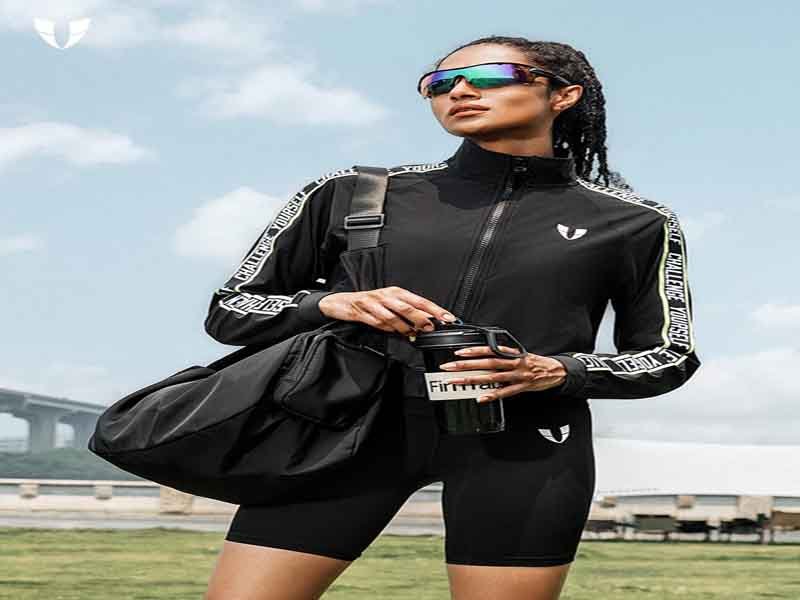
Walk into almost any modern gym today and you will notice something interesting. Gym bags are no longer just simple carry bags for shoes and towels. They have quietly evolved into lifestyle products that reflect personal identity, sports culture, fashion taste, travel habits, and even social status. A college athlete carrying a waterproof duffel bag, a yoga influencer using a minimalist neoprene fitness tote, and a traveler packing a hybrid gym backpack for weekend trips are all using products designed for completely different purposes, even though they belong to the same category.
This shift has changed the entire manufacturing industry behind gym bags. Buyers are no longer searching only for “cheap sports bags.” They want durable fabrics, waterproof performance, smart storage systems, lightweight construction, eco-friendly materials, stylish appearance, and custom branding solutions that help products stand out online and in retail stores. As fitness culture continues growing worldwide, gym bags have become one of the fastest-evolving product categories in the global bag market.
A professional gym bags manufacturer produces a wide range of fitness and sports bags designed for training, travel, outdoor sports, wellness, and daily commuting. These products can include duffel bags, backpacks, yoga bags, waterproof sports bags, shoe compartment bags, drawstring bags, tactical fitness bags, and custom private label collections. Manufacturers are responsible not only for sewing bags, but also for material sourcing, structural development, logo customization, waterproof treatments, hardware selection, packaging design, quality testing, and large-scale production management. Modern factories often work closely with fitness brands, e-commerce sellers, retailers, gyms, sports clubs, and startup companies to develop customized products that match market trends and consumer expectations.
What makes this industry fascinating is that a gym bag may look simple from the outside, but behind every successful product is an enormous amount of engineering, material science, user psychology, and manufacturing experience. One zipper failure can destroy a product review score online. One poor fabric choice can increase return rates dramatically. One smart design detail can turn a small startup brand into a viral fitness accessory company.
Several years ago, a European fitness startup approached a Chinese manufacturing team with a problem. Their gym bags looked beautiful in advertising photos, but real customers complained constantly. Wet clothes mixed with clean items. Shoulder straps hurt after long commutes. Zippers rusted after three months. The company almost stopped operations because refund rates exceeded 18%. After redesigning the structure, changing the fabric to high-density waterproof Oxford material, adding ventilated shoe compartments, and improving stitching reinforcement, their next production run reduced complaints by over 70%. Within one year, the same bag became their best-selling product.
That is the hidden reality of gym bag manufacturing. Small details decide whether a product becomes forgettable inventory or a long-term bestselling item.
What Is a Gym Bags Manufacturer?
A gym bags manufacturer is a specialized production company that designs, develops, and manufactures fitness-related bags for global markets. These factories create products used in gyms, sports clubs, yoga studios, outdoor activities, travel industries, wellness brands, schools, military training programs, and retail fashion sectors. Unlike general sewing workshops, professional gym bag factories understand how sports products are used in real life and engineer bags around durability, storage efficiency, comfort, and branding opportunities.
Today’s manufacturers do much more than simply stitch fabric together. They are involved in material engineering, pattern development, waterproof processing, hardware sourcing, ergonomic testing, logo application, and supply chain management. Many factories also provide private label services that allow brands to launch fully customized collections without owning manufacturing facilities themselves.
The global sports bag market has expanded rapidly due to rising health awareness, fitness memberships, travel culture, and athleisure fashion trends. According to several industry reports, the global sports luggage and gym bag market is expected to continue strong growth through the next decade, especially in North America, Europe, Southeast Asia, and the Middle East.
For many growing brands, choosing the right manufacturing partner becomes one of the most important business decisions because product quality directly affects customer retention, review ratings, and long-term reputation.
What Does a Gym Bag Factory Actually Produce?
Most people imagine only one type of sports bag when they hear the phrase “gym bag.” In reality, manufacturers often produce dozens of categories designed for completely different customer groups and usage environments.
Some bags focus on heavy-duty performance for athletes, while others target fashion-conscious urban consumers. Some prioritize waterproof functionality, while others emphasize lightweight portability for daily commuting.
Below is a breakdown of common product categories manufactured by professional gym bag factories.
| Product Type | Main Usage | Common Materials | Popular Features |
|---|---|---|---|
| Duffel Gym Bags | Fitness, sports training | Polyester, nylon | Shoe compartment, shoulder strap |
| Gym Backpacks | Daily commuting, fitness | Oxford fabric, nylon | Laptop sleeve, USB port |
| Yoga Bags | Yoga studios, wellness | Canvas, cotton | Mat holder, lightweight design |
| Waterproof Gym Bags | Swimming, outdoor sports | TPU, coated nylon | Waterproof zipper, sealed seams |
| Tactical Fitness Bags | Military-style training | Heavy Oxford fabric | MOLLE system, reinforced handles |
| Drawstring Sports Bags | Schools, promotions | Polyester mesh | Lightweight, low-cost |
| Women’s Fitness Bags | Lifestyle and fashion | Neoprene, PU leather | Cosmetic compartments |
| Travel Gym Bags | Weekend trips | High-density polyester | Large capacity storage |
Modern factories usually maintain flexible production lines capable of handling multiple categories simultaneously. This flexibility allows brands to test new products quickly and adapt to changing trends without major operational risk.
Which Industries Use Custom Gym Bags?
One major misconception is that gym bags are only sold to fitness brands. In reality, many industries rely heavily on custom sports bags because they combine portability, durability, and branding visibility.
The healthcare industry uses gym-style bags for medical equipment transport. Outdoor brands use waterproof sports bags for camping and hiking collections. Schools and universities use custom duffel bags for sports teams. Airlines and travel companies use promotional fitness bags as loyalty gifts. Even cosmetic and wellness brands have begun developing branded gym bags as part of lifestyle product collections.
The broad application range creates significant opportunities for manufacturers capable of offering material diversity and customization flexibility.
| Industry | Why Gym Bags Are Used |
|---|---|
| Fitness Brands | Main product category |
| Sports Clubs | Team equipment transport |
| Yoga Studios | Lifestyle merchandise |
| Medical Sector | Portable equipment bags |
| Travel Industry | Multifunction carry bags |
| Military Training | Tactical gear storage |
| Retail Fashion | Athleisure collections |
| Schools & Universities | Student sports programs |
This diversity also explains why successful manufacturers invest heavily in fabric sourcing and structural development. Different industries require different performance standards.
How Do OEM and ODM Gym Bag Services Work?
OEM and ODM are two manufacturing models commonly used in the bag industry.
OEM production means the client already has a design concept, logo, or technical specification, and the factory manufactures products according to those requirements.
ODM production means the factory already has existing designs that clients can customize with branding adjustments, colors, packaging, or minor structural changes.
For many startup brands, ODM production offers lower development costs and faster market entry because factories already possess production-ready patterns and material solutions.
Larger brands often prefer OEM production because it allows full control over differentiation and product identity.
| Manufacturing Model | Best For | Advantages | Challenges |
|---|---|---|---|
| OEM | Established brands | Full customization | Longer development time |
| ODM | Startups & retailers | Faster production | Less unique structure |
An experienced manufacturer usually supports both systems because customer needs vary significantly based on budget, market maturity, and brand positioning.
Why Do Brands Source Gym Bags From China?
China remains one of the largest global manufacturing centers for sports bags because of its mature supply chain ecosystem, skilled labor force, material availability, and production scalability.
One important advantage is vertical integration. Many Chinese factories can source fabric, zippers, foam, buckles, webbing, printing accessories, and packaging materials within short geographic distances. This reduces lead times and improves production efficiency.
Another advantage is technical experience. Factories with 15 to 20 years of experience often understand global market expectations better than newer suppliers. They know how European customers prioritize environmental compliance, how American customers value storage functionality, and how Southeast Asian markets often prefer lightweight and affordable designs.
Szoneier, for example, combines fabric development and finished product manufacturing under one integrated system. This creates greater control over material consistency, customization flexibility, and production timelines for clients seeking custom gym bag projects.
What Services Should a Professional Manufacturer Offer?
Many buyers focus only on pricing during supplier selection, but professional manufacturing involves much more than low production cost.
Reliable factories should provide complete project support throughout development and production stages.
Key services usually include:
| Service | Why It Matters |
|---|---|
| Material sourcing | Impacts durability and cost |
| Free design assistance | Helps improve product structure |
| Sampling support | Reduces production risks |
| Custom logo solutions | Strengthens brand identity |
| Quality inspections | Prevents large-scale defects |
| Packaging customization | Improves retail presentation |
| Low MOQ support | Helps smaller brands grow |
| Fast lead times | Supports inventory planning |
Factories that lack development capabilities often struggle when clients request structural modifications or functional upgrades.
Why Manufacturing Experience Changes Product Quality
Many online sellers underestimate how much manufacturing experience affects final product performance. Two bags may appear almost identical in photographs, yet perform completely differently after six months of real-world usage.
Below is an example comparing inexperienced workshops and professional factories.
| Production Factor | Inexperienced Workshop | Professional Manufacturer |
|---|---|---|
| Fabric selection | Based mainly on cost | Based on usage scenario |
| Stitching density | Inconsistent | Reinforced stress points |
| Zipper sourcing | Generic hardware | Branded durable zippers |
| Waterproof treatment | Minimal | Multi-layer coating |
| Strap comfort | Basic webbing | Ergonomic padding |
| QC system | Random checks | Full inspection process |
| Pattern development | Simple copying | Structural optimization |
| Packaging support | Limited | Retail-ready solutions |
This difference becomes especially important for brands selling through Amazon, Shopify, sporting goods retailers, and social media channels where customer reviews directly affect sales performance.
The Hidden Costs of Cheap Gym Bags
Many importers initially focus only on unit pricing, but low-cost manufacturing often creates expensive long-term problems.
Cheap gym bags commonly experience:
- Zipper breakage
- Shoulder strap tearing
- Fabric cracking
- Waterproof coating failure
- Logo peeling
- Odor complaints
- Shape collapse
- Poor stitching alignment
The financial consequences go far beyond refunds.
| Hidden Cost Area | Potential Impact |
|---|---|
| Customer returns | Increased logistics expenses |
| Negative reviews | Lower conversion rates |
| Replacements | Reduced profit margins |
| Brand reputation | Long-term trust damage |
| Social media complaints | Lower customer confidence |
Experienced manufacturers understand that product durability is directly connected to brand survival.
Which Types of Gym Bags Are Most Common?
Gym bags are no longer a one-size-fits-all product category. Modern consumers expect bags to match specific lifestyles, fitness habits, travel routines, and even social identities. A serious weightlifter, a yoga enthusiast, a business traveler, and a university athlete all use gym bags differently. That is why manufacturers now produce highly specialized product categories rather than generic sports bags.
The most common gym bag types include duffel bags, gym backpacks, shoe compartment bags, waterproof fitness bags, tactical training bags, yoga totes, and hybrid travel gym bags. Each type is engineered around specific storage requirements, carrying preferences, durability expectations, and fashion trends. Successful manufacturers study real consumer behavior carefully before developing new products because functionality directly influences customer satisfaction and repurchase rates.
In recent years, multifunctionality has become one of the strongest purchasing drivers. Consumers increasingly prefer products that can transition between work, fitness, travel, and casual lifestyle settings without looking overly sporty. This trend has pushed manufacturers to combine fashion aesthetics with athletic functionality.
What Are Duffel Gym Bags Used For?
Duffel gym bags remain the most widely recognized and commercially successful category in the sports bag market. Their popularity comes from one simple advantage: large storage capacity combined with easy portability.
Traditional duffel bags feature a cylindrical or rectangular structure with spacious main compartments. They are commonly used for:
- Gym clothing
- Sports shoes
- Protein containers
- Towels
- Water bottles
- Training accessories
- Weekend travel items
Many modern duffel bags now include dedicated compartments for wet clothes and shoes because consumers increasingly prioritize hygiene and organization.
Below is a breakdown of common duffel bag structures.
| Duffel Type | Best Usage Scenario | Key Features |
|---|---|---|
| Classic Duffel | Daily gym visits | Large central storage |
| Travel Duffel | Weekend trips | Extended capacity |
| Waterproof Duffel | Swimming, outdoor use | TPU coating |
| Tactical Duffel | Heavy-duty training | Reinforced stitching |
| Fashion Duffel | Urban fitness lifestyle | Premium aesthetics |
One major industry trend is the rise of “carry-on compatible” gym duffel bags. Many consumers now use one bag for both fitness and short business travel, especially remote workers and digital nomads.
Manufacturers responding to this trend often redesign bag proportions to meet airline cabin requirements while preserving gym functionality.
How Are Backpack Gym Bags Different?
Gym backpacks appeal strongly to younger consumers, commuters, and people living in urban environments. Unlike duffel bags, backpacks distribute weight more evenly across the body, reducing shoulder strain during long commutes.
This category has grown rapidly because many users combine gym activities with work, school, or public transportation.
Modern gym backpacks often include:
- Laptop compartments
- USB charging ports
- Anti-theft pockets
- Shoe sections
- Waterproof coatings
- Ventilated back padding
The integration of office-friendly design has become especially important.
| Backpack Feature | Consumer Benefit |
|---|---|
| Laptop sleeve | Dual work-gym functionality |
| Hidden pocket | Better security |
| Waterproof fabric | Weather protection |
| Ventilated padding | Increased comfort |
| Expandable storage | Flexible usage |
Factories producing premium backpacks usually invest heavily in ergonomic engineering because comfort strongly affects customer reviews.
Cheap backpacks often fail due to poor shoulder strap reinforcement and weak back support structures.
Which Gym Bags Include Shoe Compartments?
Shoe compartments have become one of the most requested features in modern gym bags. Consumers dislike mixing dirty athletic shoes with clean clothing, electronics, or food containers.
Professional manufacturers now treat shoe storage as a core design component rather than a small accessory feature.
There are several structural approaches used in the industry.
| Shoe Compartment Type | Advantages | Limitations |
|---|---|---|
| Bottom compartment | Stable structure | Adds bulk |
| Side pocket | Easy access | Smaller capacity |
| Expandable divider | Flexible storage | Less ventilation |
| Waterproof shoe section | Odor protection | Higher cost |
Ventilation is critical. Poorly designed shoe compartments trap moisture and create odor buildup.
Higher-end factories solve this problem using:
- Mesh ventilation panels
- Antibacterial linings
- Waterproof separation layers
- Airflow channels
One American fitness retailer reported a 32% increase in customer satisfaction after redesigning its shoe compartment ventilation system because odor complaints dropped significantly.
Are Waterproof Gym Bags Popular Today?
Waterproof gym bags are among the fastest-growing categories in the market because consumers increasingly use sports bags in outdoor environments.
Swimming, hiking, beach fitness, cycling, and outdoor training all require moisture-resistant storage solutions.
However, many products marketed as “waterproof” are actually only water-resistant.
This distinction matters greatly.
| Protection Level | Performance |
|---|---|
| Water-resistant | Light rain protection |
| Waterproof | Prevents water penetration |
| Submersible waterproof | Full immersion protection |
True waterproof gym bags usually require:
- TPU laminated fabric
- Waterproof zippers
- Heat-sealed seams
- Roll-top closure systems
Manufacturers must balance waterproof performance against flexibility and cost because fully waterproof construction often increases material stiffness and production complexity.
What Are Women’s and Men’s Gym Bag Trends?
The sports bag market has become increasingly segmented by lifestyle preferences rather than purely by gender, but consumer behavior differences still influence design trends.
Women’s fitness bags often emphasize:
- Lightweight construction
- Fashion-forward colors
- Cosmetic compartments
- Yoga compatibility
- Everyday versatility
Men’s fitness bags often prioritize:
- Larger capacity
- Heavy-duty durability
- Tactical aesthetics
- Tech storage
- Outdoor compatibility
However, neutral minimalist designs are now growing rapidly because many younger consumers prefer versatile unisex styles.
Social media has also dramatically changed gym bag design trends. Bags are now expected to photograph well for fitness influencers and lifestyle content creators.
Which Gym Bag Category Has the Highest Growth Potential?
Not all gym bag categories grow at the same speed. Some segments are becoming saturated, while others still offer significant market opportunities.
| Product Category | Growth Potential | Main Driver |
|---|---|---|
| Waterproof gym bags | Very high | Outdoor fitness |
| Hybrid travel gym bags | Very high | Remote work lifestyle |
| Tactical fitness bags | Moderate | Functional durability |
| Yoga bags | High | Wellness market |
| Basic duffel bags | Stable | Mass-market demand |
| Smart gym bags | Emerging | Technology integration |
Hybrid lifestyle products currently show some of the strongest long-term opportunities because consumers increasingly prefer multifunctional products.
Why Some Gym Bag Trends Fail Quickly
Not every trend becomes a lasting market success.
Several highly promoted concepts failed commercially because manufacturers focused too heavily on novelty rather than usability.
Examples include:
| Failed Trend | Why It Struggled |
|---|---|
| Built-in speakers | Added weight and complexity |
| Excessive LED lighting | Reduced practicality |
| Overly futuristic shapes | Poor storage efficiency |
| Cheap smart tracking | Reliability issues |
Successful manufacturers understand that long-term demand usually comes from solving real consumer problems, not chasing temporary social media attention.
What Materials Are Used in Gym Bag Manufacturing?
The performance of a gym bag is determined long before the first stitch is sewn. It begins with fabric selection. Materials influence everything: durability, water resistance, weight, appearance, comfort, cleaning difficulty, production cost, and even customer perception. A gym bag made with the wrong fabric may look attractive online but fail quickly in real-life use. That is why experienced manufacturers spend enormous time evaluating fabric performance before entering mass production.
Today’s consumers are more educated than ever. Many customers now search specifically for “waterproof nylon gym bags,” “Oxford fitness backpacks,” “eco-friendly sports bags,” or “neoprene workout totes.” This means materials themselves have become selling points, not just technical details hidden behind the product.
Professional manufacturers like Szoneier work with a wide range of fabric systems because different markets demand different performance standards. A military training bag requires completely different material behavior compared to a yoga tote designed for urban commuting. Understanding these differences is one of the biggest advantages experienced factories bring to product development.
Modern gym bags commonly use polyester, nylon, Oxford fabric, neoprene, canvas, TPU-coated materials, mesh fabrics, and eco-friendly recycled textiles. Each material has strengths and weaknesses, and the best factories understand how to combine them strategically for maximum performance.
Why Is Polyester Fabric Widely Used?
Polyester remains one of the most widely used materials in gym bag manufacturing because it offers a strong balance between affordability, durability, printability, and versatility.
For large-scale retail products, polyester is often the preferred option because it allows manufacturers to control costs while still achieving acceptable strength and visual quality.
High-density polyester fabrics are especially popular for:
- Entry-level gym bags
- School sports bags
- Promotional fitness bags
- Large-volume retail products
- Travel duffel bags
One reason polyester dominates the market is its excellent compatibility with different surface treatments.
Manufacturers can apply:
- Waterproof coatings
- PU backing
- PVC lamination
- Digital printing
- Sublimation printing
- Anti-scratch treatments
Below is a comparison of polyester advantages and limitations.
| Polyester Advantage | Real Market Benefit |
|---|---|
| Affordable cost | Better retail pricing |
| Lightweight | Comfortable daily carrying |
| Good color retention | Long-lasting appearance |
| Easy printing | Strong branding options |
| Wrinkle resistance | Cleaner product presentation |
However, polyester is not perfect.
| Polyester Limitation | Impact |
|---|---|
| Lower abrasion resistance than nylon | Faster wear in heavy use |
| Less premium texture | Reduced luxury perception |
| Heat sensitivity | Potential deformation |
This is why premium performance bags often shift toward higher-grade nylon systems.
How Durable Is Nylon Fabric for Gym Bags?
Nylon is considered one of the strongest and most durable materials used in sports bag manufacturing. Compared to polyester, nylon generally offers better abrasion resistance, greater flexibility, and a more premium hand feel.
Many high-end gym bags use nylon because consumers increasingly associate it with premium outdoor performance products.
Common nylon applications include:
- Tactical fitness bags
- Outdoor training backpacks
- Waterproof sports bags
- Travel gym bags
- Heavy-duty duffels
Manufacturers often use specific nylon structures such as:
| Nylon Type | Main Characteristics |
|---|---|
| 210D Nylon | Lightweight flexibility |
| 420D Nylon | Balanced durability |
| 600D Nylon | Commercial standard |
| 840D Nylon | Heavy-duty structure |
| 1680D Ballistic Nylon | Extreme abrasion resistance |
The “D” refers to denier, which measures fiber thickness.
Higher denier fabrics usually provide:
- Better durability
- Greater tear resistance
- Stronger structure
But they may also increase:
- Product weight
- Material cost
- Fabric stiffness
Experienced factories carefully balance these variables depending on target markets.
For example, urban lifestyle consumers often prefer lighter, softer bags, while military-style fitness users prioritize maximum durability.
What Makes Oxford Fabric Suitable for Sports Bags?
Oxford fabric has become extremely popular in the gym bag industry because it combines structure, durability, and cost efficiency.
Oxford fabric is not a single fiber material itself. Instead, it refers to a specific weaving method that creates a basket-like texture pattern. It can be made using polyester or nylon yarns.
This woven structure provides several commercial advantages:
| Oxford Fabric Benefit | Why Consumers Like It |
|---|---|
| Strong structure | Better shape retention |
| Textured appearance | Premium visual appeal |
| High durability | Longer product lifespan |
| Good waterproof compatibility | Better outdoor use |
| Stable stitching behavior | Improved production quality |
Oxford fabric is especially common in:
- Sports backpacks
- Fitness duffels
- Tactical bags
- School sports bags
- Outdoor gym products
One important reason factories prefer Oxford fabric is production efficiency. It behaves consistently during cutting and sewing, reducing manufacturing errors.
Low-quality fabrics often stretch unevenly during sewing, causing:
- Shape distortion
- Crooked stitching
- Zipper misalignment
- Structural instability
Professional factories avoid these issues through careful fabric engineering.
Is Neoprene Fabric Good for Premium Gym Bags?
Neoprene has become increasingly popular in modern fitness fashion because it offers a soft, luxurious, and highly contemporary appearance.
Originally used in wetsuits, neoprene is now widely applied in:
- Women’s fitness bags
- Yoga totes
- Lifestyle gym bags
- Fashion-forward sports accessories
Consumers often associate neoprene with premium wellness aesthetics because it feels smooth, flexible, and modern.
Neoprene advantages include:
| Neoprene Strength | Market Advantage |
|---|---|
| Soft touch | Premium user experience |
| Water resistance | Better protection |
| Shock absorption | Protects electronics |
| Modern appearance | Strong fashion appeal |
| Flexible structure | Comfortable carrying |
However, neoprene also creates manufacturing challenges.
| Neoprene Challenge | Production Impact |
|---|---|
| Higher material cost | Increased retail pricing |
| Difficult sewing behavior | Requires skilled workers |
| Heat sensitivity | Storage limitations |
| Weight increase | Reduced portability |
This is why experienced factories are critical when developing neoprene sports bags.
Improper neoprene sewing can cause:
- Wrinkling
- Uneven edges
- Structural collapse
- Visible seam distortion
Which Eco-Friendly Fabrics Are Trending?
Sustainability is no longer a niche topic in the sports bag industry. Consumers increasingly ask whether products use recycled or environmentally responsible materials.
Many retailers now require eco-friendly compliance as part of supplier qualification.
Trending sustainable materials include:
| Eco Material | Common Source |
|---|---|
| Recycled polyester (RPET) | Plastic bottles |
| Organic cotton | Low-chemical farming |
| Recycled nylon | Industrial waste |
| Natural jute | Plant-based fibers |
| Cork fabric | Renewable bark material |
Among these, RPET has become one of the fastest-growing options because it offers relatively strong performance while supporting sustainability marketing.
Several major fitness brands now advertise the number of recycled bottles used in each bag.
However, sustainability claims must be genuine.
Low-quality recycled fabrics sometimes create:
- Reduced tear strength
- Color inconsistency
- Faster wear
- Poor waterproof performance
Experienced manufacturers understand how to balance sustainability with functional reliability.
How Fabric Choice Changes Product Positioning
Fabric selection directly affects how consumers perceive a gym bag brand.
A low-cost polyester bag and a ballistic nylon bag may serve similar functions, but customers interpret them very differently psychologically.
| Fabric Type | Consumer Perception | Typical Market Position |
|---|---|---|
| Basic polyester | Affordable | Entry-level retail |
| Oxford polyester | Reliable | Mid-range sports |
| Ballistic nylon | Premium durability | High-performance |
| Neoprene | Fashion-forward | Lifestyle wellness |
| Recycled fabric | Eco-conscious | Sustainable branding |
This is why premium fitness brands invest heavily in material storytelling.
Consumers increasingly buy based on emotional positioning, not just functionality.
Why Cheap Fabric Causes Massive Product Failures
Many failed gym bag products can be traced directly to poor material decisions.
Common problems include:
| Fabric Problem | Customer Complaint |
|---|---|
| Weak waterproof coating | Leakage |
| Thin fabric density | Tearing |
| Poor dye quality | Color fading |
| Weak backing layer | Structural collapse |
| Low abrasion resistance | Surface wear |
One e-commerce seller experienced return rates above 20% because their low-cost fabric coating peeled after only several months of use.
After switching to a higher-grade Oxford material with improved PU backing, return rates dropped dramatically.
This demonstrates an important truth in gym bag manufacturing:
Material quality is not an expense. It is risk control.
Which Material Combination Performs Best?
The best gym bags rarely rely on only one material.
Professional factories strategically combine materials to balance:
- Durability
- Comfort
- Appearance
- Cost
- Weight
- Waterproof performance
Example hybrid structures include:
| Main Body | Reinforcement Area | Benefit |
|---|---|---|
| Polyester | Nylon bottom panel | Better abrasion resistance |
| Oxford fabric | TPU base | Improved waterproofing |
| Neoprene body | Mesh ventilation | Better airflow |
| RPET shell | Ballistic bottom | Eco + durability balance |
These combinations allow brands to create differentiated products without excessively increasing production costs.
How Are Gym Bags Manufactured?
Most consumers only see the finished gym bag sitting on a shelf or appearing in an online product photo. What they never see is the highly technical manufacturing journey behind that product. A professionally made gym bag passes through dozens of development stages before reaching the customer.
Manufacturing is far more than simple sewing. It combines engineering, material science, ergonomic design, supply chain coordination, craftsmanship, quality testing, and industrial production management. Small errors during early development stages can create massive problems during bulk production.
Experienced factories follow highly structured systems to ensure consistency, efficiency, and quality stability. This becomes especially important when producing customized products for brands that depend heavily on customer reviews and repeat business.
The complete gym bag manufacturing process usually includes:
- Product design
- Material sourcing
- Pattern development
- Sampling
- Cutting
- Printing or embroidery
- Sewing assembly
- Hardware installation
- Quality inspection
- Packaging
- Export logistics
Each stage directly affects product performance and final customer satisfaction.
How Does the Design Process Start?
Every successful gym bag begins with understanding how real users behave.
Professional factories do not simply copy trendy designs. Instead, they analyze:
- Consumer lifestyles
- Sports habits
- Travel routines
- Storage pain points
- Weight distribution needs
- Market trends
The design process usually begins with a technical discussion between the factory and the client.
This stage may involve:
| Design Input | Purpose |
|---|---|
| Reference photos | Visual direction |
| Tech packs | Structural specifications |
| Material requests | Performance goals |
| Logo files | Branding preparation |
| Usage scenarios | Functional optimization |
Experienced manufacturers often improve initial concepts significantly because clients may not fully understand production realities.
For example, a factory may recommend:
- Wider shoulder straps
- Better zipper positioning
- Improved compartment balance
- Waterproof reinforcement
- Stronger base materials
These suggestions can dramatically improve long-term usability.
What Cutting and Sewing Techniques Are Used?
After materials are approved, the factory begins cutting and sewing operations.
Precision cutting is critical because even small alignment errors can affect:
- Product symmetry
- Zipper function
- Structural balance
- Brand appearance
Professional factories usually use either:
| Cutting Method | Advantage |
|---|---|
| Manual cutting | Flexible for small orders |
| CNC cutting | High precision consistency |
Sewing quality is one of the biggest differences between low-end workshops and experienced manufacturers.
Key sewing considerations include:
- Stitch density
- Reinforcement areas
- Thread quality
- Seam alignment
- Corner construction
High-stress zones such as handles and shoulder straps require reinforcement techniques like:
- Bar tacking
- Double stitching
- X-box reinforcement
These details greatly influence durability.
How Are Logos Added to Gym Bags?
Branding is one of the most important aspects of modern gym bag production.
Consumers increasingly associate logos with product identity and perceived quality.
Factories typically offer multiple customization methods.
| Logo Method | Appearance | Best Usage |
|---|---|---|
| Silk screen printing | Affordable | Large-volume orders |
| Embroidery | Premium texture | Sports brands |
| Heat transfer | High detail | Complex graphics |
| Rubber patch | Modern style | Tactical bags |
| Metal logo plate | Luxury appearance | Fashion collections |
Each method has different cost structures and durability levels.
For example:
- Embroidery lasts longer but costs more
- Printing allows vivid colors but may fade
- Rubber patches create modern aesthetics but add weight
Professional manufacturers help brands choose the most suitable method based on positioning and target pricing.
What Quality Tests Are Required?
Quality control is one of the most overlooked yet most important parts of gym bag manufacturing.
A visually attractive bag means little if it fails after several months of use.
Professional factories perform multiple inspections throughout production.
| Quality Test | Purpose |
|---|---|
| Load testing | Handle durability |
| Abrasion testing | Surface wear resistance |
| Zipper testing | Opening cycle durability |
| Waterproof testing | Moisture protection |
| Color fastness testing | Fade prevention |
| Seam strength testing | Structural durability |
Some international buyers also require:
- REACH compliance
- CPSIA testing
- RoHS certification
- AZO-free standards
Factories serving premium global markets usually maintain stricter compliance systems.
How Long Does Bulk Production Take?
Lead times vary depending on product complexity, order quantity, and material availability.
Typical timelines look like this:
| Production Stage | Estimated Timeline |
|---|---|
| Sampling | 5–10 days |
| Material sourcing | 7–15 days |
| Bulk production | 25–45 days |
| Packaging & QC | 3–7 days |
| Shipping preparation | 2–5 days |
Factories with integrated supply chains often reduce lead times significantly.
This is one reason vertically integrated manufacturers like Szoneier can support faster production cycles while maintaining quality stability.
Why Sampling Is More Important Than Most Buyers Realize
Many first-time buyers underestimate the importance of product sampling.
A sample is not just a visual preview. It is a critical testing stage for:
- Structure balance
- Material behavior
- Weight distribution
- Compartment usability
- Strap comfort
- Brand appearance
Skipping detailed sample evaluation often leads to expensive mass-production mistakes.
| Sampling Mistake | Potential Consequence |
|---|---|
| Ignoring zipper quality | High failure rates |
| Skipping load testing | Strap tearing |
| Not testing waterproofing | Leakage complaints |
| Poor logo review | Brand inconsistency |
Experienced brands often revise samples multiple times before approving mass production.
Why Factory Experience Reduces Production Risk
Manufacturing problems rarely come from obvious mistakes. They usually come from small technical details that inexperienced suppliers fail to anticipate.
Examples include:
| Inexperienced Factory Issue | Result |
|---|---|
| Weak reinforcement points | Strap failure |
| Incorrect foam density | Poor comfort |
| Cheap zipper sourcing | Breakage |
| Unstable sewing tension | Crooked seams |
| Poor material storage | Fabric deformation |
Experienced manufacturers build systems specifically designed to prevent these risks.
That experience becomes especially valuable during large-volume production where even small defects can affect thousands of units.
Which Features Do Modern Gym Bags Include?
Modern gym bags are no longer judged only by appearance or storage size. Today’s consumers expect gym bags to solve real daily problems. A bag that simply “holds items” is no longer enough in a highly competitive market where customers compare dozens of products online within minutes. The most successful gym bags combine functionality, comfort, organization, durability, hygiene, and visual appeal into one product experience.
This shift has changed how manufacturers approach product development. Factories now study consumer behavior more deeply than ever before. They analyze online reviews, gym habits, commuter lifestyles, airport travel patterns, social media trends, and even customer frustrations with existing products. The result is a new generation of gym bags designed around practical performance rather than basic storage.
Features like shoe compartments, waterproof pockets, laptop sleeves, USB charging ports, hidden anti-theft pockets, breathable mesh systems, adjustable straps, and expandable compartments have become major selling points in the market. In many cases, one thoughtful feature can completely change a customer’s buying decision.
Professional manufacturers understand that features are not just “extras.” They are tools that improve user experience, reduce complaints, increase online ratings, and strengthen long-term brand loyalty.
Why Are Ventilated Shoe Compartments Important?
Shoe compartments have become one of the most essential features in modern gym bags because they solve one of the most common customer frustrations: separating dirty shoes from clean belongings.
Athletic shoes carry sweat, moisture, bacteria, dirt, and odor. Without proper separation, customers often experience unpleasant smells transferring onto clothing, towels, or electronics. This problem becomes even worse after intense workouts or outdoor sports activities.
Modern manufacturers approach shoe compartments much more strategically than before.
High-quality shoe compartments now include:
- Ventilation mesh panels
- Waterproof lining
- Antibacterial coating
- Structured separation walls
- Easy-clean interior surfaces
Below is a comparison of different shoe compartment systems.
| Shoe Compartment Type | Main Advantage | Common Limitation |
|---|---|---|
| Basic internal divider | Low cost | Poor odor control |
| External shoe pocket | Easy access | Smaller shoe capacity |
| Ventilated compartment | Better airflow | Slightly higher cost |
| Waterproof shoe section | Prevents contamination | Increased weight |
| Expandable shoe storage | Flexible sizing | Complex construction |
One fitness retailer discovered through customer feedback that shoe odor complaints represented nearly 22% of negative reviews. After redesigning their bag using breathable mesh ventilation and antimicrobial lining, customer satisfaction scores improved dramatically.
This demonstrates an important reality in product development:
Consumers may buy based on appearance, but they stay loyal because daily problems are solved effectively.
How Do Waterproof Zippers Improve Performance?
Many buyers focus heavily on fabric waterproofing while completely ignoring zipper protection. In reality, zippers are often the weakest point in moisture defense systems.
A bag made from waterproof fabric can still fail easily if water penetrates through poor-quality zipper systems.
Professional manufacturers now use several advanced zipper solutions for modern sports bags.
| Zipper Type | Protection Level | Typical Usage |
|---|---|---|
| Standard zipper | Minimal | Basic gym bags |
| Reverse coil zipper | Moderate | Lifestyle bags |
| PU-coated zipper | High | Waterproof sports bags |
| Airtight zipper | Very high | Outdoor waterproof gear |
Waterproof zipper systems offer multiple benefits:
- Better rain protection
- Sweat resistance
- Reduced odor penetration
- Longer hardware lifespan
- Cleaner product appearance
However, waterproof zippers also create manufacturing challenges.
| Waterproof Zipper Challenge | Production Impact |
|---|---|
| Higher material cost | Increased retail pricing |
| Stiffer opening movement | User adjustment needed |
| More difficult sewing | Skilled labor required |
Experienced factories understand how to balance waterproof performance with everyday usability.
Some low-quality suppliers install waterproof zippers incorrectly, leading to:
- Uneven stitching
- Warping
- Difficult opening
- Early zipper failure
This is why technical manufacturing experience matters significantly in sports bag production.
What Storage Pockets Do Users Prefer?
Storage organization has become one of the biggest differentiators in modern gym bag design.
Consumers increasingly carry:
- Smartphones
- Earbuds
- Power banks
- Water bottles
- Protein containers
- Keys
- Laptops
- Hygiene products
- Wet towels
A poorly organized bag quickly becomes frustrating during daily use.
Professional manufacturers now design bags around “storage behavior analysis,” meaning they study how consumers naturally access and organize belongings.
Below are the most requested pocket types in today’s market.
| Pocket Type | Consumer Benefit |
|---|---|
| Hidden security pocket | Protects valuables |
| Laptop sleeve | Work-gym compatibility |
| Wet compartment | Hygiene separation |
| Mesh bottle holder | Easy hydration access |
| Front quick-access pocket | Convenience |
| Internal zipper pocket | Small item organization |
One growing trend is modular storage systems, where compartments can expand or collapse depending on usage needs.
This flexibility appeals strongly to consumers who use one bag for multiple purposes, including:
- Work
- Fitness
- Weekend travel
- Outdoor activities
Are USB Charging Ports Still Popular?
Several years ago, USB charging ports became one of the hottest gym bag trends in the market. Manufacturers rushed to add external charging systems into backpacks and sports bags to attract younger consumers.
Today, however, the market has become more balanced.
USB charging ports remain popular in commuter-focused backpacks but are less important in traditional duffel bags.
Consumer demand now depends heavily on usage scenarios.
| User Type | USB Port Demand |
|---|---|
| Urban commuters | High |
| Office workers | High |
| Fitness-only users | Moderate |
| Outdoor sports users | Lower |
| Luxury buyers | Mixed |
Some consumers love the convenience, while others worry about:
- Added weight
- Port durability
- Water exposure
- Tech obsolescence
Professional manufacturers now treat USB ports as optional upgrades rather than universal features.
This reflects a broader industry lesson:
Not every trendy feature creates long-term value.
How Important Are Adjustable Straps and Padding?
Comfort has become one of the most underrated factors in gym bag purchasing decisions.
Consumers may not initially prioritize strap design while shopping online, but discomfort quickly affects product reviews after real-world usage.
Professional manufacturers spend significant time engineering:
- Shoulder strap width
- Foam density
- Weight distribution
- Back ventilation
- Handle reinforcement
Poor ergonomic design often causes:
- Shoulder fatigue
- Neck strain
- Uneven weight pressure
- User dissatisfaction
Below is a comparison of common strap systems.
| Strap Design | User Experience |
|---|---|
| Thin webbing strap | Low comfort |
| Foam-padded strap | Better pressure reduction |
| Ergonomic curved strap | Improved carrying balance |
| Mesh ventilation strap | Reduced sweat buildup |
One backpack brand significantly reduced return rates after upgrading to thicker ergonomic shoulder straps because customers reported much better commuting comfort.
Comfort is especially important for hybrid gym bags designed for work and travel use because consumers may carry them for extended periods.
Why Minimalist Features Often Perform Better
Many brands assume that adding more features automatically increases product value. Surprisingly, this is often false.
Overdesigned gym bags sometimes create:
- Excessive weight
- Complicated storage
- Visual clutter
- Higher failure risk
- Increased production costs
Minimalist functional design often performs better because consumers prefer intuitive usability.
| Overbuilt Feature | Common Customer Reaction |
|---|---|
| Too many pockets | Confusing organization |
| Excessive hardware | Heavy carrying weight |
| Unnecessary tech integration | Reliability concerns |
| Overly aggressive styling | Limited versatility |
The best-performing gym bags usually focus on solving core daily problems elegantly.
Which Features Increase Online Conversion Rates Most?
Consumer purchase behavior data shows that certain features consistently improve online conversion rates.
| Feature | Consumer Impact |
|---|---|
| Shoe compartment | Very high |
| Waterproof material | Very high |
| Laptop storage | High |
| Expandable storage | High |
| Lightweight structure | Moderate |
| USB charging port | Moderate |
| Tactical styling | Niche appeal |
This explains why successful manufacturers prioritize practical functionality over novelty.
Why Feature Quality Matters More Than Feature Quantity
A poorly executed feature often damages customer trust more than having no feature at all.
Examples include:
| Poor Feature Execution | Customer Complaint |
|---|---|
| Weak shoe compartment | Fabric tearing |
| Cheap USB port | Non-functional charging |
| Thin padding | Shoulder discomfort |
| Weak zipper system | Breakage |
| Poor waterproofing | Leakage |
Experienced factories focus heavily on reliability because long-term customer satisfaction depends on real-world performance, not marketing descriptions.
How Do Manufacturers Customize Gym Bags for Brands?
Customization has become one of the most important competitive advantages in the gym bag industry. Consumers are surrounded by thousands of nearly identical products online, making branding and product differentiation more valuable than ever before. For many growing companies, customization is not simply about adding a logo. It is about creating a recognizable product identity that customers remember.
Modern gym bag manufacturers help brands develop fully customized products through fabric selection, structural design, color matching, logo application, packaging development, accessory upgrades, and private label systems. This level of customization allows businesses to create collections that reflect their unique market positioning instead of relying on generic wholesale products.
The rise of social media, influencer marketing, fitness culture, and direct-to-consumer brands has accelerated this trend dramatically. Today’s buyers want products that feel unique, stylish, and aligned with specific lifestyles. This demand has pushed manufacturers to become development partners rather than simple production suppliers.
Professional factories like Szoneier often support clients from concept to mass production, helping brands transform ideas into commercially successful products.
What Custom Logo Methods Are Available?
Logo customization is one of the first decisions brands make during product development because branding directly affects perceived product value.
Different logo methods create completely different emotional impressions.
For example:
- Embroidery often feels sporty and premium
- Rubber patches create modern tactical aesthetics
- Metal plates suggest luxury
- Heat transfer supports highly detailed graphics
Professional manufacturers usually recommend logo methods based on:
- Product category
- Target market
- Retail pricing
- Brand identity
- Usage conditions
Below is a detailed comparison.
| Logo Method | Visual Style | Durability | Typical Market |
|---|---|---|---|
| Silk screen printing | Clean, simple | Moderate | Promotional bags |
| Embroidery | Textured premium look | High | Fitness brands |
| Rubber patch | Modern tactical style | High | Outdoor bags |
| Heat transfer | Detailed graphics | Moderate | Fashion fitness |
| Metal logo | Luxury appearance | High | Premium collections |
Choosing the wrong logo method can create problems.
For example:
| Wrong Logo Decision | Possible Result |
|---|---|
| Oversized embroidery | Fabric distortion |
| Cheap printing ink | Logo fading |
| Heavy metal plate | Added weight |
| Poor heat transfer | Peeling graphics |
Experienced manufacturers help brands avoid these mistakes through technical guidance.
How Are Private Label Gym Bags Developed?
Private label production allows companies to launch products under their own brand identity without operating manufacturing facilities themselves.
This model has become extremely popular among:
- Amazon sellers
- Shopify brands
- Fitness influencers
- Sports retailers
- Startup companies
- Gym chains
Private label development usually involves:
| Development Stage | Purpose |
|---|---|
| Product selection | Define target category |
| Material customization | Match performance goals |
| Color development | Build visual identity |
| Logo integration | Brand recognition |
| Packaging design | Improve retail experience |
| Sampling approval | Confirm production quality |
One major advantage of private label manufacturing is flexibility.
Brands can often customize:
- Fabric materials
- Compartment layouts
- Strap systems
- Hardware colors
- Packaging design
- Hang tags
- Zipper pulls
This allows even small companies to create products that appear highly professional and differentiated.
Which Packaging Options Can Be Customized?
Packaging has become much more important in modern e-commerce because it directly affects:
- Unboxing experience
- Customer perception
- Social media sharing
- Brand professionalism
Professional factories usually offer multiple packaging systems.
| Packaging Type | Typical Usage |
|---|---|
| Poly bag | Standard export |
| Printed gift box | Premium retail |
| Dust bag | Luxury positioning |
| Recycled packaging | Eco branding |
| Vacuum compression | Shipping efficiency |
Many modern fitness brands now invest heavily in packaging because social media exposure often begins the moment customers open the product.
Well-designed packaging can increase:
- Brand memorability
- Customer satisfaction
- Repeat purchases
- Influencer visibility
How Do Factories Match Brand Color Standards?
Color consistency is much more complicated than many first-time buyers expect.
A small color variation between production batches can damage brand identity significantly, especially for companies building strong visual recognition.
Professional manufacturers control color consistency through:
- Pantone matching systems
- Fabric dye testing
- Lightbox inspection
- Batch comparison analysis
Below is a simplified overview.
| Color Control Method | Purpose |
|---|---|
| Pantone reference | Standardized target |
| Lab dip approval | Pre-production testing |
| Batch inspection | Consistency verification |
| Lighting simulation | Cross-environment accuracy |
Low-quality factories often struggle with color consistency because they lack proper quality systems.
This creates problems such as:
- Mismatched production batches
- Inconsistent branding
- Customer complaints
- Retail rejection
What Is the Minimum Order Quantity for Custom Gym Bags?
MOQ, or minimum order quantity, varies widely depending on customization complexity.
Factors affecting MOQ include:
- Fabric sourcing requirements
- Custom hardware development
- Printing setup
- Packaging customization
- Production line efficiency
Below is a general industry overview.
| Customization Level | Typical MOQ |
|---|---|
| Basic logo printing | Lower MOQ |
| Full custom structure | Medium MOQ |
| Custom hardware molds | Higher MOQ |
| Unique material sourcing | Higher MOQ |
Experienced factories often offer flexible solutions for smaller brands by:
- Using stock materials
- Simplifying packaging
- Sharing material inventory
- Adjusting logo methods
This flexibility is especially valuable for startups testing new products.
Why Customization Is Now a Survival Strategy
The sports bag market has become highly saturated.
Generic products without brand identity often struggle because consumers have endless alternatives online.
Customization helps brands create:
- Stronger recognition
- Better customer loyalty
- Higher perceived value
- Improved pricing power
| Generic Product | Customized Product |
|---|---|
| Competes on price | Competes on identity |
| Easier to replace | Harder to copy |
| Lower customer loyalty | Stronger brand connection |
This explains why private label fitness products continue growing rapidly worldwide.
Why Some Custom Projects Fail
Not all customization projects succeed.
Many brands make costly development mistakes such as:
| Common Mistake | Consequence |
|---|---|
| Too many design elements | Visual confusion |
| Poor logo placement | Weak branding |
| Cheap packaging | Reduced perceived value |
| Ignoring target audience | Weak sales performance |
Experienced manufacturers often help clients simplify designs for stronger commercial performance.
How Good Customization Improves Profit Margins
Strong customization often allows brands to charge significantly higher retail prices.
Consumers frequently pay premiums for:
- Better aesthetics
- Brand storytelling
- Exclusive designs
- Premium packaging
- Functional innovation
This transforms gym bags from basic utility products into lifestyle accessories with stronger emotional appeal.
What Quality Standards Should a Gym Bag Manufacturer Meet?
Quality is the invisible foundation behind every successful gym bag brand. Consumers may first notice color, style, or storage features, but long-term product reputation is built almost entirely on quality performance. One broken zipper, torn handle, peeling coating, or collapsed structure can quickly damage customer trust and generate negative reviews that spread across marketplaces and social media.
This is why professional gym bag manufacturing is heavily dependent on quality control systems. Serious manufacturers do not rely on luck or visual inspection alone. They implement structured testing procedures throughout material sourcing, production, assembly, and final packaging.
In today’s market, quality expectations are also becoming stricter because consumers compare products globally. A customer in Germany may compare a fitness bag from China against products from Europe, the United States, or Japan within seconds online. This means factories must meet international expectations in durability, safety, consistency, and compliance.
Professional gym bag manufacturers usually follow quality systems involving fabric testing, load-bearing analysis, zipper cycle evaluation, waterproof verification, stitching reinforcement inspections, chemical compliance standards, and final production audits. The goal is simple: reduce product failure risks before the bags ever reach the customer.
How Is Fabric Durability Tested?
Fabric durability is one of the most important performance indicators in gym bag manufacturing because the material experiences constant stress during real-world use.
Gym bags are exposed to:
- Heavy weight loads
- Friction
- Moisture
- UV exposure
- Repeated folding
- Sweat
- Outdoor environments
Professional factories test fabrics carefully before approving mass production.
Common durability evaluations include:
| Fabric Test | Purpose |
|---|---|
| Abrasion resistance | Surface wear performance |
| Tear strength testing | Resistance to ripping |
| Tensile strength | Pulling resistance |
| Waterproof testing | Moisture protection |
| Color fastness | Fade resistance |
| Flex testing | Repeated bending durability |
High-performance fabrics usually undergo much stricter evaluations than standard retail materials.
For example, tactical fitness bags often require stronger abrasion resistance because users may place them on rough concrete, outdoor terrain, or gym flooring repeatedly.
One common industry mistake is relying only on fabric thickness as a durability indicator.
Thicker fabric does not always mean better performance.
Fabric quality also depends on:
- Yarn structure
- Weaving density
- Coating quality
- Backing system
- Fiber consistency
Experienced manufacturers understand how these variables interact under long-term usage conditions.
What Load-Bearing Tests Are Performed?
Load-bearing strength is critical because gym bags regularly carry heavy items such as:
- Shoes
- Water bottles
- Dumbbell accessories
- Laptops
- Sports equipment
- Clothing
Weak handle reinforcement remains one of the most common causes of customer complaints in low-quality sports bags.
Professional factories conduct several load-bearing evaluations.
| Load Test Area | Purpose |
|---|---|
| Shoulder straps | Weight endurance |
| Carry handles | Pulling durability |
| Stitch reinforcement | Seam stability |
| Bottom panels | Structural integrity |
| Buckles & hooks | Hardware strength |
Factories may simulate real-world carrying conditions using repeated stress cycles to identify weak points before mass production.
Typical reinforcement techniques include:
- Double stitching
- X-box reinforcement
- Bar tacking
- Reinforced webbing anchors
Below is a comparison of reinforcement quality.
| Reinforcement Type | Performance Level |
|---|---|
| Single stitch | Low durability |
| Double stitch | Moderate durability |
| X-box reinforcement | High durability |
| Multi-point bar tack | Professional-grade |
One online sports retailer significantly reduced return rates after upgrading handle reinforcement because customers had previously reported strap tearing during travel use.
Are Waterproof and Abrasion Tests Necessary?
Absolutely. Waterproof and abrasion performance have become major buying factors in the modern gym bag market.
Consumers increasingly use sports bags for:
- Outdoor fitness
- Travel
- Hiking
- Cycling
- Beach activities
- Commuting in rain
A gym bag that fails under light moisture exposure often receives harsh online criticism.
Professional manufacturers test waterproof performance using several methods.
| Waterproof Test | Purpose |
|---|---|
| Spray test | Surface water resistance |
| Hydrostatic pressure test | Waterproof strength |
| Seam leakage inspection | Construction integrity |
| Coating adhesion test | Long-term durability |
Abrasion testing is equally important because sports bags constantly rub against:
- Gym lockers
- Concrete surfaces
- Car interiors
- Airport floors
- Office desks
Poor abrasion resistance causes:
- Surface peeling
- Color fading
- Frayed edges
- Structural breakdown
This is especially important for premium fitness brands because customers expect longer product lifespans at higher retail prices.
Which International Certifications Matter?
Global buyers increasingly require certification compliance before placing large production orders.
These standards help ensure product safety, environmental responsibility, and chemical compliance.
Common certifications include:
| Certification | Main Focus |
|---|---|
| REACH | Chemical safety compliance |
| CPSIA | Consumer product safety |
| RoHS | Restricted hazardous substances |
| AZO-Free | Safe dye standards |
| ISO Quality Systems | Production consistency |
| GRS | Recycled material verification |
Retailers and importers often require testing reports because regulations differ between countries.
For example:
- European markets emphasize REACH compliance heavily
- American buyers often focus on CPSIA standards
- Eco-conscious brands increasingly request GRS-certified materials
Manufacturers serving international markets must stay updated continuously because compliance requirements evolve over time.
How Do Factories Ensure Consistent Production Quality?
Consistency is one of the hardest challenges in mass manufacturing.
Producing one perfect sample is relatively easy.
Producing 10,000 identical bags consistently is far more difficult.
Professional factories use systematic production management to reduce variability.
Typical quality systems include:
| Quality Control Stage | Main Objective |
|---|---|
| Incoming material inspection | Verify raw material consistency |
| In-line production checks | Detect assembly issues early |
| Final inspection | Confirm finished quality |
| Packaging inspection | Ensure presentation standards |
| Random batch testing | Monitor ongoing consistency |
Experienced factories also train workers carefully because sewing quality can vary significantly depending on skill level.
Low-quality factories often experience problems such as:
- Crooked stitching
- Uneven logo placement
- Misaligned zippers
- Inconsistent color matching
- Poor compartment symmetry
Strong quality systems reduce these risks dramatically.
Why Cheap Factories Often Create Expensive Problems
Many buyers focus heavily on lowering unit prices without understanding the long-term risks of poor manufacturing quality.
Cheap factories often cut costs through:
| Cost-Cutting Method | Long-Term Risk |
|---|---|
| Thin fabric usage | Tearing |
| Cheap zippers | Breakage |
| Weak stitching | Strap failure |
| Poor coating quality | Waterproof failure |
| Low inspection standards | High defect rates |
These issues eventually create:
- Customer refunds
- Negative reviews
- Brand reputation damage
- Higher replacement costs
One sports brand lost a major retail partnership because inconsistent stitching quality caused unusually high return rates.
The short-term savings became extremely expensive later.
Why Online Reviews Have Changed Manufacturing Standards
E-commerce platforms have transformed quality expectations dramatically.
In the past, some product issues remained relatively hidden.
Today, one viral negative review can damage sales immediately.
Consumers now publicly share photos of:
- Broken handles
- Torn seams
- Failed zippers
- Peeling coatings
- Color fading
This visibility forces manufacturers to prioritize quality more aggressively than before.
| E-Commerce Pressure | Manufacturing Response |
|---|---|
| Public reviews | Stronger QC systems |
| Faster customer feedback | Faster product improvements |
| Higher competition | Better material sourcing |
| Influencer exposure | Improved aesthetics |
Modern manufacturing is no longer just about production efficiency. It is about reputation protection.
What Separates Premium Factories From Average Suppliers?
Premium factories usually stand out through systems, not marketing.
Key differences include:
| Premium Factory Trait | Real Advantage |
|---|---|
| Material engineering expertise | Better durability |
| Strong QC procedures | Lower defect rates |
| Development capability | Better product innovation |
| Flexible customization | Stronger branding support |
| Stable supply chains | Faster production reliability |
Factories like Szoneier that combine material development with finished product manufacturing often achieve stronger consistency because they control more stages of production internally.
How Can You Choose the Right Gym Bags Manufacturer?
Choosing the right gym bag manufacturer is one of the most important decisions any brand, retailer, startup, or product developer can make. A strong manufacturing partner can help improve product quality, reduce long-term costs, accelerate product development, and strengthen customer satisfaction. The wrong supplier, however, can create delays, defects, communication problems, refund issues, and reputation damage that may take years to recover from.
Today’s global market offers thousands of bag suppliers, especially across Asia. At first glance, many factories appear similar because websites often show comparable product photos and marketing language. However, the real differences usually become visible only during development and production.
Experienced buyers know that selecting a manufacturer should never be based only on pricing. Product quality, communication efficiency, development support, customization flexibility, production stability, and long-term reliability matter far more over time.
The best manufacturing relationships are partnerships, not simple transactions.
What Questions Should Buyers Ask Before Ordering?
Many first-time buyers focus mainly on product catalogs and quotations. However, asking the right technical and operational questions early can prevent major problems later.
Important questions often include:
| Buyer Question | Why It Matters |
|---|---|
| What materials do you specialize in? | Verifies technical capability |
| Can you provide custom samples? | Tests development ability |
| What quality inspections are performed? | Evaluates QC systems |
| What is your production lead time? | Supports inventory planning |
| Can you support low MOQ orders? | Helps smaller brands |
| Which markets do you export to? | Indicates international experience |
Professional factories usually answer technical questions clearly and confidently because they understand their production systems deeply.
Vague answers often indicate limited experience or weak operational structure.
How Do You Evaluate Factory Experience?
Factory experience matters enormously in gym bag manufacturing because the industry combines textiles, hardware, ergonomics, printing, and functional design.
An experienced factory usually understands:
- Material compatibility
- Structural reinforcement
- Production efficiency
- International compliance
- Packaging standards
- Market trends
Below is a comparison.
| Factory Experience Level | Common Characteristics |
|---|---|
| New supplier | Limited technical guidance |
| Mid-level supplier | Basic production ability |
| Experienced manufacturer | Full development support |
Factories with many years of experience often anticipate problems before they happen.
For example, they may warn clients about:
- Weak compartment layouts
- Overly heavy hardware
- Poor zipper positioning
- Fabric limitations
- Logo distortion risks
This proactive guidance can significantly improve final product quality.
Why Are Sampling and Communication Important?
Sampling is one of the most critical stages in manufacturing because it transforms ideas into physical products.
A professional sample should help evaluate:
- Material appearance
- Storage functionality
- Weight balance
- Comfort
- Branding
- Structural stability
Good communication during sampling is equally important.
Strong manufacturers usually provide:
- Clear updates
- Technical suggestions
- Material alternatives
- Timeline transparency
- Problem-solving support
Poor communication often leads to:
| Communication Problem | Production Consequence |
|---|---|
| Delayed replies | Missed timelines |
| Unclear specifications | Product mistakes |
| Weak technical understanding | Poor functionality |
| Limited transparency | Increased risk |
Long-term partnerships depend heavily on communication trust.
Which Red Flags Should Importers Avoid?
Some suppliers create attractive websites and low quotations but struggle significantly during real production.
Common warning signs include:
| Red Flag | Potential Risk |
|---|---|
| Extremely low pricing | Material shortcuts |
| Poor sample quality | Weak manufacturing control |
| Inconsistent communication | Operational instability |
| Refusal to provide testing information | Weak QC systems |
| Limited customization ability | Low development capability |
Buyers should also watch carefully for factories that avoid discussing production details because transparency is usually a sign of operational maturity.
How Can Long-Term Manufacturing Partnerships Reduce Costs?
Interestingly, the cheapest supplier is not always the lowest-cost solution long term.
Stable partnerships often create major advantages such as:
- Better quality consistency
- Faster sampling
- Material optimization
- Reduced defect rates
- Improved production scheduling
Below is a simplified comparison.
| Short-Term Supplier Strategy | Long-Term Partnership Strategy |
|---|---|
| Constant supplier switching | Stable production relationship |
| Frequent quality inconsistency | Better process understanding |
| Repeated development costs | Improved efficiency over time |
| Communication repetition | Faster project execution |
Experienced manufacturers also learn brand preferences over time, improving operational efficiency naturally.
Why Small Brands Should Avoid Overcomplicated Designs
Many startup brands try to impress the market with overly complex gym bag designs.
This often creates:
- High production costs
- Increased defect risks
- Longer lead times
- Structural instability
Professional manufacturers usually recommend simplifying designs during early growth stages.
Simple products with strong execution often outperform complicated designs commercially.
Why Supply Chain Stability Matters More Than Ever
Global logistics disruptions over recent years revealed how fragile supply chains can become.
Factories with strong internal systems usually manage disruptions better through:
- Stable material sourcing
- Backup supplier networks
- Production planning
- Inventory management
This reliability becomes extremely important for growing brands trying to maintain consistent inventory availability.
What Makes Szoneier Different?
Szoneier combines over 18 years of experience in fabric development, manufacturing, and product customization across multiple industries including sports bags, fitness products, medical applications, travel gear, and outdoor accessories.
Unlike factories that only assemble finished products, Szoneier integrates:
- Fabric sourcing
- Material engineering
- Product development
- Custom logo services
- OEM & private label support
- Quality inspection systems
- Fast sampling
- Flexible MOQ solutions
This integrated approach helps clients develop gym bag products with greater flexibility, stronger consistency, and faster production efficiency.
Whether you are building a new fitness brand, expanding an online store, developing a sports collection, or upgrading existing products, choosing the right manufacturing partner can directly influence your long-term market success.
If you are planning to develop custom gym bags with unique materials, logo branding, waterproof features, specialized compartments, or private label packaging, Szoneier can help transform your ideas into professional products designed for real market performance.

Can't find the answers?
No worries, please contact us and we will answer all the questions you have during the whole process of bag customization.
Make A Sample First?
If you have your own artwork, logo design files, or just an idea,please provide details about your project requirements, including preferred fabric, color, and customization options,we’re excited to assist you in bringing your bespoke bag designs to life through our sample production process.