 Skip to content
What Is Another Name for Neoprene Fabric?
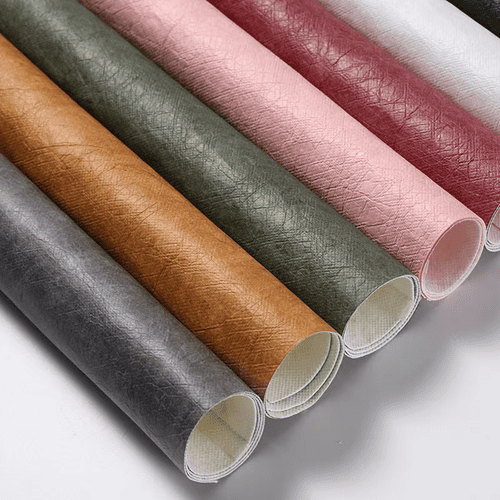
Neoprene is one of the most versatile synthetic materials used today—from wetsuits and braces to bags and industrial seals. Yet many buyers, especially in global B2B sourcing, are surprised to find that “neoprene” isn’t always called neoprene. Depending on the region, industry, or supplier, it might be labeled as CR foam, polychloroprene, sponge rubber, or even trade-specific codes.
Another name for neoprene fabric is CR (Chloroprene Rubber), polychloroprene, or sponge rubber. These names vary based on technical usage, industry labeling, or supplier branding across regions.
Understanding these aliases is critical when comparing spec sheets, requesting samples, or ensuring you’re sourcing the correct grade of material. A bag brand ordering “sponge rubber” from a new supplier may unwittingly receive a different density neoprene—affecting product weight, feel, and pricing.
In this article, we’ll decode the different names and labels for neoprene, helping you source smarter and avoid mismatched expectations in international manufacturing.
1. What Is Neoprene Fabric Made Of and How Is It Classified?
Neoprene fabric is made from polychloroprene, a synthetic rubber formed through the polymerization of chloroprene monomers. It is classified as a closed-cell elastomeric foam in technical and industrial contexts.
Understanding Neoprene’s Chemical Identity and Structure
1. Chemical Composition: Neoprene, scientifically referred to as polychloroprene, is synthesized by polymerizing chloroprene (2-chlorobuta-1,3-diene). The final material is chemically stable, flexible, and resistant to oil, ozone, and heat.
| Component | Description |
|---|---|
| Base Monomer | Chloroprene (C₄H₅Cl) |
| Final Polymer | Polychloroprene (CR rubber) |
| Structural Type | Closed-cell foam rubber |
| Classification | Synthetic elastomer |
2. Fabric Lamination Makes It “Usable” On its own, neoprene is a soft, rubbery foam. To be used as fabric, it is typically laminated with textiles like:
- Nylon jersey
- Polyester Lycra
- Bamboo charcoal knit
- Recycled PET mesh
3. Industrial Classification Codes: Different sectors refer to neoprene using specific technical codes:
| Sector | Common Classification or Code |
|---|---|
| Automotive | CR Rubber, ASTM D2000 BC |
| Apparel & Bags | Sponge Rubber, Foam Rubber |
| Industrial/Marine | Closed-Cell Rubber Sheet |
| Safety Equipment | FR Neoprene (UL94 certified) |
4. Why Classification Matters in B2B If a sourcing spec simply says “foam rubber,” it could mean EVA, EPDM, NBR, or Neoprene—each with different cost and performance profiles. Accurate classification prevents procurement errors and quality issues.
A U.K. neoprene brace distributor received NBR (nitrile butadiene rubber) instead of CR neoprene due to a mislabeling in Chinese HS codes. This mistake cost the client 14,000 GBP in returns and recalls due to poor flexibility and foam breakdown.
2. Is Neoprene Known by Any Other Commercial or Scientific Names?
Yes—neoprene is commonly referred to as polychloroprene (scientific name), CR rubber (short for chloroprene rubber), sponge rubber, and occasionally DuPont Neoprene (a former brand name).
Alternate Naming Conventions and Industry Usage
1. Scientific Name: Polychloroprene This is the IUPAC-recognized term for neoprene’s chemical structure. It is often used in:
- Technical datasheets
- MSDS (Material Safety Data Sheets)
- Laboratory testing documentation
2. Abbreviation: CR (Chloroprene Rubber) CR is the most commonly used technical shorthand across:
- Automotive part specifications
- Military-grade material documents
- Industrial supplier contracts
3. “Sponge Rubber” or “Foam Rubber” These are colloquial terms used in:
- Fashion
- Soft goods manufacturing
- Entry-level consumer products (e.g., koozies, novelty items)
However, they lack specificity and can refer to other materials like EVA or polyurethane foam.
4. Brand Names (Historical and Regional)
| Trade/Brand Name | Region/Owner | Notes |
|---|---|---|
| Neoprene™ | Originally DuPont | Now generic, formerly a registered trademark |
| Yamamoto Rubber | Japan | Known for limestone neoprene |
| Sheico Foam | Taiwan | Often used in wetsuits and premium accessories |
| Nam Liong Rubber | Taiwan/Vietnam | Supplies many global neoprene buyers |
5. Harmonized Tariff Code Naming Issues
- HS code: 4002.49.00 – “Other synthetic rubber in primary forms or in plates”
- Customs documentation may label neoprene simply as “synthetic rubber,” causing confusion if the invoice doesn’t specify CR or chloroprene
Always ask for both the scientific name (polychloroprene) and functional spec (CR foam, density, cell structure) in writing before confirming an order. Miscommunication often happens when local terms like “foam rubber” are loosely used in international trade.
3. What Are Common Industry Terms or Trade Names for Neoprene?
In industry settings, neoprene is commonly referred to as CR rubber, chloroprene rubber, sponge neoprene, closed-cell foam, or trade names like Yamamoto, Sheico, or Nam Liong, depending on the source and application.
Sector-Specific Language and What It Means for Buyers
1. CR (Chloroprene Rubber) This is the universal shorthand in:
- Engineering documents
- Gasket and seal specifications
- Automotive or aerospace BOMs (Bills of Materials)
When a product label says “CR rubber,” it almost certainly refers to neoprene, but not all suppliers will openly use the term “neoprene.”
2. Sponge Neoprene / Foam Neoprene Used widely in:
- Sportswear (e.g., surf brands, fitness braces)
- Consumer goods (laptop sleeves, camera cases)
- Soft goods manufacturing
In many cases, this term is interchangeable with neoprene, but some sellers misuse it to refer to EVA or polyurethane foam—so confirmation is always required.
3. Laminated Neoprene This term highlights the fabric-coated variant of neoprene, essential for fashion, tech sleeves, and bags. Laminated neoprene typically features:
- Nylon jersey
- Lycra
- Polyester or RPET linings
4. Branded Trade Names Some manufacturers or wholesalers may refer to neoprene by its factory origin or proprietary foam type, such as:
| Trade Name / Brand | Description |
|---|---|
| Yamamoto #39 or #40 | Limestone neoprene with ultra-high closed-cell ratio |
| Nam Liong Eco-Foam | Recycled or bio-based neoprene for EU markets |
| Sheico G-Series | Sports-grade neoprene for wetsuits |
| Rubatex R Series | Industrial CR foam for gaskets and vibration dampening |
5. ISO and ASTM Designations Buyers in regulated industries may see neoprene referred to by its classification standard:
- ASTM D2000: BC/BE (rubber specification codes for chloroprene)
- ISO 1629: CR (international rubber identification system)
Why It Matters: Knowing these designations allows you to verify whether you’re receiving genuine chloroprene foam and not a generic alternative like NBR or EPDM, which may cost less but perform differently.
4. How Do Manufacturers Label Neoprene Fabric in Product Specifications?
Manufacturers label neoprene fabric using a combination of foam type (CR or SBR), density, thickness, lining materials, and compliance standards such as OEKO-TEX, REACH, or UL94. The name “neoprene” may not appear explicitly in spec sheets, especially for bulk orders.
How to Decode Technical Sheets and Fabric Swatches
1. Foam Type Abbreviations Most technical specs from Asia or Europe will specify the type of rubber:
| Foam Type Code | Full Name | Neoprene Grade? | Notes |
|---|---|---|---|
| CR | Chloroprene Rubber | ✅ | True neoprene |
| SCR | Styrene-Chloroprene Blend | ❌ (Blended) | Cheaper, less durable |
| SBR | Styrene Butadiene Rubber | ❌ | Not neoprene |
| NBR | Nitrile Butadiene Rubber | ❌ | Oil-resistant, not neoprene |
2. Lamination Layers Specs often include the fabric laminated onto the neoprene:
- 1 Side Nylon Jersey / 1 Side Smooth Skin
- 2 Side Polyester Lycra Laminated
- 1 Side RPET Knit + 1 Side Bamboo Charcoal
This affects:
- Stitchability
- Print compatibility
- Touch and comfort level
3. Density and Hardness Values Premium suppliers like SzoneierFabrics include exact density values (kg/m³) and Shore hardness (softness level) in the spec sheet.
| Thickness | Density (kg/m³) | Shore C Hardness | Application |
|---|---|---|---|
| 3mm | 140 | 15–20 | Fashion bags, waist belts |
| 5mm | 165 | 20–25 | Braces, laptop sleeves |
| 6mm | 180+ | 25–30 | Tool bags, fire-retardant use |
4. Certification Labels Certified neoprene will often include compliance indicators:
- OEKO-TEX® Standard 100
- REACH-compliant
- UL94 Flame Retardant
- ISO 9001 Factory QA
5. Practical Tip: Ask for Dual Naming When requesting samples or pricing from new suppliers, ask them to provide both the trade name and the chemical identifier. For example:
✅ “CR Rubber, laminated with nylon, density 160kg/m³, OEKO-TEX certified”
❌ “Foam fabric for bags” — too vague, could be EVA or PU
Real Buyer Example – SzoneierFabrics Client (USA): A U.S. importer nearly received SCR foam instead of pure CR neoprene for a military glove contract. After requesting the spec sheet and confirming “chloroprene rubber” in the chemical field, the correct order was secured—avoiding thousands in rework costs.
5. Are There Regional or Market-Specific Synonyms for Neoprene?
Yes—neoprene is referred to differently across regions and industries. While “neoprene” is widely recognized in North America and Europe, terms like CR rubber, sponge rubber, and even generic “foam rubber” are more common in Asia, Latin America, and certain industrial sectors.
How Location Shapes Language and Labeling
1. North America & Western Europe
- Common term: Neoprene
- Used in: Apparel, outdoor gear, sportswear, medical braces
- Tends to emphasize branded and certification-based language (e.g., OEKO-TEX neoprene, REACH-compliant)
2. East Asia (China, Taiwan, Vietnam)
- Common terms:
- CR foam (for technical buyers)
- Sponge rubber (in apparel/accessory factories)
- SCR/SBR foam (used interchangeably but not always correctly)
- Suppliers often avoid “neoprene” in documentation due to legacy translation gaps or preference for polymer names.
3. Latin America and Southeast Asia
- Frequent translations of “neoprene” include:
- “Caucho cloropreno” (Spanish for chloroprene rubber)
- “Borracha sintética” (synthetic rubber)
- Local manufacturers may use PU foam or EVA foam as substitutes and still call it “neoprene” in catalogs, creating confusion.
4. Industrial and Automotive Sectors (Global)
- Refers to neoprene by technical code:
- CR rubber
- ASTM D2000: BC grade
- ISO 1629: CR
When sourcing globally, especially from Asia, always confirm material structure and cell type—because “sponge rubber” might be CR, SCR, SBR, or even EVA foam. If you don’t explicitly require closed-cell CR foam, you risk substitutions that impact quality.
A Germany-based diving gear company ordered what they believed to be 4mm neoprene wetsuit panels from a Vietnamese factory. The local term used was “black rubber sponge,” which turned out to be a mix of EVA and SBR—leading to buoyancy and compression failure during product testing.
6. What Is the Difference Between CR Rubber and Neoprene Fabric?
There is no difference in material between CR rubber and neoprene—CR is the technical abbreviation for chloroprene rubber, which is the base polymer of neoprene. However, “neoprene fabric” typically refers to CR rubber foam laminated with textiles, making it suitable for apparel and product manufacturing.
CR Rubber vs Neoprene Fabric—Clarifying the Confusion
1. CR Rubber = Raw Material
- Stands for Chloroprene Rubber
- Comes in solid, sheet, or foam form
- Used in gaskets, hoses, vibration dampers, etc.
- Typically not laminated
2. Neoprene Fabric = Lamination Product
- Made by laminating CR foam with one or two layers of textile fabric
- Used in:
- Laptop sleeves
- Medical braces
- Fashion bags
- Sporting gear
- Offers printability, color options, improved stitchability
\| Comparison Table: CR Rubber vs Neoprene Fabric |
| Feature | CR Rubber (Raw) | Neoprene Fabric (Laminated) |
|---|---|---|
| Core Material | Chloroprene rubber | Chloroprene rubber |
| Form | Solid or foam | Foam with fabric liner |
| Usability in Apparel | Poor | High |
| Breathability | Low | Moderate (with mesh liners) |
| Print Compatibility | Low | High (sublimation or transfer) |
| Stitching Performance | Fair | Excellent (fabric holds seams) |
3. Foam vs Solid CR
- Solid CR is used in automotive and industrial settings (e.g., gaskets, mounts)
- Foam CR (a.k.a. sponge neoprene) is used in wearables and consumer products
4. Laminated Fabric Types Affect Function and Cost
| Liner Type | Key Benefits | Use Case |
|---|---|---|
| Nylon Jersey | Strong, versatile, easy to dye | Laptop sleeves, braces, sports bags |
| Bamboo Charcoal | Antibacterial, skin-safe | Orthopedic wear, fitness gear |
| Polyester Spandex | Flexible, soft, breathable | Swimwear, shapewear |
5. Buyer Tip: Specify Lamination in POs When sourcing “neoprene fabric,” explicitly state whether you need:
- CR foam only (raw)
- Laminated neoprene fabric (with fabric liner)
- Specific liner types and thicknesses
Real-World Example – SzoneierFabrics Client (Canada): A Canadian snow glove manufacturer ordered “CR foam neoprene” for wrist cuffs but forgot to specify laminated fabric. The supplier delivered raw CR foam sheets—soft and waterproof but impossible to stitch. The entire first batch had to be reworked.
7. Which Applications Use Alternate Names for Neoprene in Their Product Descriptions?
Many industries use alternative terms for neoprene based on end-use functionality—such as “diving-grade rubber,” “compression foam,” “shock-absorbing rubber,” or “technical sponge”—which reflect product performance rather than chemical identity.
Use-Case-Based Naming and Why It Matters
1. Sportswear and Fitness Gear These products often highlight function over material. You’ll see:
- “Sweat-resistant foam”
- “Compression neoprene”
- “Sweat belt fabric”
- “Thermo-insulating material”
These terms speak to consumer benefits but may obscure the actual fabric spec. In reality, they almost always use laminated CR foam (3–5mm).
2. Wetsuits and Marine Equipment Surf and dive companies typically describe neoprene by grade and flexibility:
- “Yamamoto #39 foam”
- “Diving-grade rubber”
- “Flexible thermal liner”
The actual material is limestone-based chloroprene rubber, known for superior buoyancy, thermal performance, and reduced odor.
3. Orthopedic and Medical Products Commonly labeled as:
- “Compression foam”
- “Skin-safe elastomer”
- “Antibacterial neoprene support”
Buyers should always verify OEKO-TEX or ISO 10993 certification to ensure it’s non-toxic CR foam, not a cheaper alternative like NBR.
4. Industrial and Tactical Gear In catalogs or OEM specs, neoprene may appear as:
- “Flame-retardant elastomeric foam”
- “Closed-cell insulation rubber”
- “UL94-V0 neoprene pad”
- “Impact-resistant cushion material”
These terms are standard in military, automotive, or electrical safety industries—usually requiring thick CR foam (5–8mm) with high-density and UL/REACH compliance.
Product descriptions that use application terms instead of chemical names should prompt further inquiry. When in doubt, request:
- Density (kg/m³)
- Thickness (mm)
- Chemical composition (CR, SBR, NBR)
- Lamination spec (yes/no, type of fabric)
- Certification documentation
8. How Can B2B Buyers Accurately Identify Neoprene When Sourcing from Global Suppliers?
Buyers can accurately identify neoprene by requesting complete technical datasheets, confirming CR (chloroprene rubber) as the base material, inspecting lamination details, and verifying certifications like OEKO-TEX, REACH, and UL94.
Smart Sourcing Practices to Avoid Substitutions or Mislabels
1. Always Request a Technical Data Sheet (TDS) A complete TDS should include:
- Base Material: CR (chloroprene), SBR, SCR, or NBR
- Density & Hardness: Measured in kg/m³ and Shore C
- Tensile Strength & Elongation: For product performance comparison
- Water Absorption Rate: Especially for diving and wearable use
- Cell Structure: Closed-cell vs open-cell foam
2. Clarify Lamination and Surface Texture Neoprene fabric is often laminated with different textiles—missing this step could result in raw foam delivery.
| Lamination Field Should Specify | Example Value |
|---|---|
| Outer Layer | Nylon jersey, Polyester |
| Inner Layer | Bamboo charcoal, Lycra |
| Bonding Method | Heat laminated / adhesive |
| Tolerance | ±0.1mm |
3. Request Material Compliance Certificates
| Certification | Why It Matters |
|---|---|
| OEKO-TEX® Standard 100 | Ensures it’s safe for skin contact |
| REACH | Approved for EU import, low chemical toxicity |
| UL94-V0 | Fire resistance for electronics/safety |
| ISO 9001 | Factory quality system compliance |
4. Ask for Physical Samples No matter how detailed the document, tactile evaluation of neoprene’s:
- Flexibility
- Recovery (after compression)
- Odor
- Lamination adhesion
…can reveal inconsistencies. Reputable suppliers like SzoneierFabrics offer free sample swatches before mass production.
5. Confirm CR Labeling in POs and Invoices Write into your PO:
“Neoprene fabric made from closed-cell CR (chloroprene rubber) foam, laminated both sides with \[specified fabric], density \[X] kg/m³, thickness \[X] mm, OEKO-TEX/REACH certified.”
Avoid generic descriptors like “black foam” or “soft sponge material” which are common in some Asian supplier templates.
Work with SzoneierFabrics for Reliable, Custom-Labeled Neoprene
At SzoneierFabrics, we help global B2B buyers avoid confusion in product labeling and sourcing. With 18+ years of experience in neoprene R\&D and OEM/ODM manufacturing, we provide:
- Clear product specs (CR base, lamination, certification)
- Free design & consultation services
- Low MOQ customization (starting from 50 pieces)
- Fast sampling and guaranteed delivery time
- Certified materials: OEKO-TEX, REACH, UL94-V0, ISO 9001
Whether you call it neoprene, CR rubber, or laminated foam—we help you get exactly what you need, on time and on spec.
Can't find the answers?
No worries, please contact us and we will answer all the questions you have during the whole process of bag customization.
Make A Sample First?
If you have your own artwork, logo design files, or just an idea,please provide details about your project requirements, including preferred fabric, color, and customization options,we’re excited to assist you in bringing your bespoke bag designs to life through our sample production process.