 Skip to content
What Is Bamboo Viscose and How to Choose Reliable Suppliers
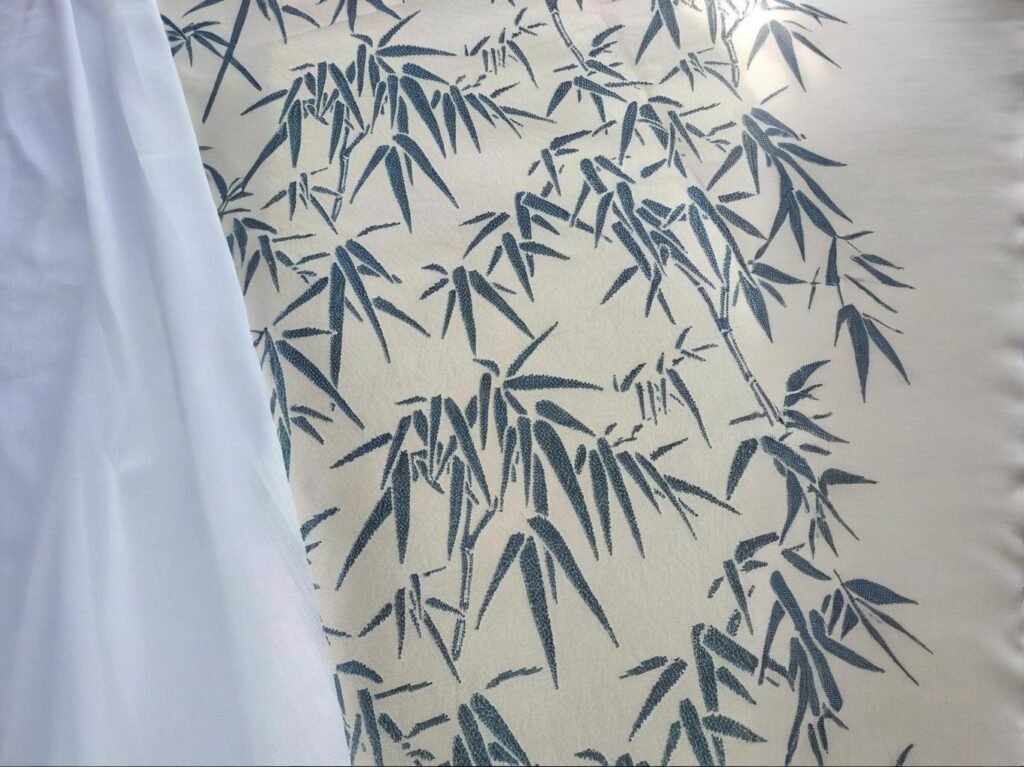
In today’s textile industry, where sustainability and comfort are no longer optional, bamboo viscose has emerged as one of the most talked-about materials in apparel and home fabrics. It promises breathability, softness, and eco-friendliness—but the truth is more complex. Not all “bamboo fabrics” are created equal. Some are responsibly processed in closed-loop systems, while others rely on older chemical-heavy methods that undermine the very idea of sustainability. Bamboo viscose is a regenerated cellulose fabric made from bamboo pulp through a chemical process that transforms natural fibers into soft, breathable, and absorbent textiles. It’s widely used in shirts, dresses, bed linens, and athleisure due to its comfort and versatility.
At its best, bamboo viscose feels like silk but performs like cotton. But finding fabrics that truly live up to their environmental and performance promises depends on the supplier behind them. Imagine a fabric that feels cool against your skin in summer and warm in winter—then picture a mill that can produce that consistency across thousands of meters without color shifts or shrinkage issues. That’s where technical precision meets material integrity—and that’s what this guide helps you navigate.
What Is Bamboo Viscose Fabric and How Is It Made from Natural Bamboo Pulp?
Bamboo viscose represents one of the textile industry’s most elegant combinations of natural origin and industrial precision. Originating from the world’s fastest-growing plant, bamboo, this fabric owes its smooth handfeel and silk-like drape to the art of regenerated cellulose spinning. The process transforms raw bamboo stalks into purified cellulose pulp and then into continuous filaments that mimic natural fibers yet deliver the consistency of a man-made material.
Bamboo viscose is produced by dissolving bamboo cellulose pulp in a chemical solution and regenerating it into fine filaments through an acid bath. The outcome is a soft, breathable, hypoallergenic fabric that bridges luxury and sustainability—widely used in shirts, dresses, bed linens, and towels.
The Bamboo-to-Viscose Transformation
1.1 From Plant to Pulp
The first stage converts bamboo culms into purified cellulose sheets.
- Harvesting: Mature bamboo (usually Phyllostachys edulis, or Moso bamboo) is cut at 3–5 years of age. Its rhizome network regenerates naturally, requiring no replanting, pesticides, or artificial irrigation.
- Chipping and Cooking: The stalks are chipped and “cooked” in a controlled alkaline bath (3–6 % sodium hydroxide) to dissolve hemicellulose and lignin, leaving cellulose.
- Pulp Washing and Bleaching: The cellulose slurry is washed, pressed, and bleached to remove residual lignin, producing 92–95 % pure bamboo pulp sheets.
| Stage | Description | Key Environmental Factor |
|---|---|---|
| Harvesting | Bamboo grows up to 1 m/day | Renewable, no replanting |
| Pulping | Chemical extraction of cellulose | Requires closed effluent control |
| Washing | Neutralization & pressing | Effluent treatment critical |
Agronomic Fact: Data from the Textile Exchange (2024) show bamboo yields 8–10 t of usable fiber per hectare—nearly ten times that of upland cotton—and requires 70 % less irrigation water. Its carbon sequestration capacity (~12 t CO₂/ha·yr) further enhances its sustainability credentials.
1.2 The Regeneration Process
Once pulp sheets are ready, the material undergoes the classic viscose process—an engineering sequence that reconstitutes cellulose into continuous fiber form.
- Cellulose Activation: Dried pulp is steeped in sodium hydroxide (NaOH) to form alkali cellulose.
- Xanthation: Carbon disulfide (CS₂) is introduced to create cellulose xanthate, a soluble intermediate.
- Dissolution: The xanthate is dissolved in dilute NaOH to yield a viscous, honey-like solution—hence “viscose.”
- Filament Extrusion: The solution is filtered and extruded through spinnerets into an acid regeneration bath (typically sulfuric acid and sodium sulfate). The cellulose re-solidifies into continuous filaments.
- Stretching, Washing & Drying: The fibers are stretched for alignment, thoroughly washed to remove chemicals, and dried or spun into yarns.
| Step | Process Input | Output | Environmental Impact |
|---|---|---|---|
| Dissolution | NaOH + CS₂ | Cellulose xanthate | Requires solvent recovery |
| Regeneration | Acid bath | Cellulose filaments | Effluent neutralization |
| Spinning | Mechanical alignment | Bamboo viscose fiber | Moderate energy demand |
Process Evolution: Traditional viscose methods lost up to 60 % of process chemicals to wastewater. New closed-loop systems—like those at SzoneierFabrics—recover > 98 % of NaOH and CS₂, reducing chemical oxygen demand (COD) by 85 %. These systems operate under ISO 14001 and EU BAT (Best Available Techniques) environmental protocols.
1.3 Physical and Comfort Properties
| Property | Performance Level | Comparison |
|---|---|---|
| Softness | Very high | Comparable to silk |
| Moisture Absorption | ≈ 13 % regain | Superior to cotton (8 %) |
| Breathability | Excellent | Similar to linen |
| Antibacterial Activity | Natural bamboo agents | Outperforms synthetics |
| Biodegradability | ~100 % in 8–12 weeks | Fully compostable |
Thermal & Comfort Data: Testing by SGS (2023) showed bamboo viscose knit fabrics maintained surface temperatures 1.8–2.3 °C lower than cotton in 30 °C ambient environments due to superior evaporative cooling. The fiber’s round cross-section also minimizes skin friction, explaining its popularity in babywear and innerwear categories.
Case Study: An Australian bedding brand that introduced 300 GSM bamboo viscose sateen sheets recorded a 25 % sales increase within six months. Consumer feedback cited “cool-to-touch softness” and “reduced night sweating,” validating bamboo’s thermal regulation advantage.
1.4 Environmental and Process Safety Considerations
While the base material is renewable, the viscose conversion is chemical-intensive. The challenge lies in ensuring solvent recovery and effluent management.
- Carbon Disulfide (CS₂) exposure is tightly regulated; modern systems condense and recycle emissions with > 97 % efficiency.
- Water Treatment: Mills employ multi-stage neutralization (lime + biological oxidation) to meet discharge levels below 50 mg/L COD.
- Energy Footprint: Current bamboo viscose lines consume 5–6 kWh/kg fiber, ~20 % less than polyester production.
Regulatory Frameworks: Responsible producers hold OEKO-TEX® Standard 100 for chemical safety, FSC® certification for pulp sourcing, and ISO 14001 for environmental management. SzoneierFabrics, for instance, integrates a zero-liquid-discharge system that reuses rinse water across dyeing lines, reducing freshwater demand by 30 %.
1.5 Limitations and Misconceptions
- “Natural Fiber” Confusion: Although derived from bamboo, viscose is a regenerated cellulose fiber, not a directly spun natural fiber like cotton.
- Chemical Sensitivity: Low-grade mills may release untreated effluents; therefore, buyers should request FSC + OEKO-TEX certificates and mill emission data.
- Shrinkage & Care: Bamboo viscose has moderate dimensional stability (2–3 % after washing). Pre-shrinking and gentle care cycles maintain its drape and texture.
- Cost vs. Lyocell: Bamboo viscose is ~20 % cheaper than bamboo lyocell, making it suitable for price-sensitive applications while still offering sustainable appeal.
Balanced Insight: In sustainability discourse, bamboo viscose occupies a middle ground—eco-origin with engineered processing. When produced in closed-loop systems, it becomes a credible alternative to conventional viscose or polyester.
1.6 Why Brands Continue to Choose Bamboo Viscose
- Consumer Perception: 82 % of consumers associate bamboo fabrics with “eco-friendliness” and “skin safety” (McKinsey Apparel Sustainability Report 2024).
- Versatility: Suitable for wovens and knits across GSM 120–350.
- Supply Chain Reliability: China, India, and Indonesia provide consistent pulp and spinning capacity for large-scale orders.
- Cost Efficiency: Average FOB price: US $3.5–4.8/m, balancing luxury aesthetics with mid-market affordability.
1.7 — Strengths and Limitations
| Aspect | Advantage | Caution / Limitation |
|---|---|---|
| Origin | Renewable bamboo source | Verify FSC certification |
| Performance | Soft, breathable, anti-odor | Moderate wrinkle tendency |
| Processing | Scalable & refined | Requires solvent recovery |
| Sustainability | Lower water & pesticide use | Dependent on mill transparency |
1.8 Nature Refined by Science
Bamboo viscose epitomizes how biotechnology and textile engineering can elevate a humble grass into a premium fabric. Its combination of silk-like handfeel, cotton-grade comfort, and measurable sustainability improvements has positioned it as a cornerstone of the modern eco-apparel movement.
However, true environmental value depends on traceable pulp sourcing and closed-loop production—not marketing slogans. When these standards are met, bamboo viscose becomes more than a fabric choice; it is a blueprint for how the industry can merge renewable resources with responsible manufacturing.
How Does Bamboo Viscose Compare to Bamboo Lyocell, Modal, and Cotton in Performance and Sustainability?
Though all bamboo textiles originate from the same plant, their processing routes diverge—shaping not just texture and strength, but also sustainability outcomes. The differences between bamboo viscose, lyocell, and modal come down to how the cellulose is regenerated. Each fiber balances environmental responsibility, softness, and production scalability in unique ways.
For buyers, understanding these distinctions helps align material selection with brand values and target-market positioning. Whether your collection emphasizes luxury, cost efficiency, or eco-certification, the right bamboo derivative can determine both performance and consumer perception.
Bamboo viscose is prized for softness and affordability, bamboo lyocell leads in eco-sustainability and dimensional stability, bamboo modal provides elasticity and resilience, while cotton remains the benchmark for cost and familiarity. The choice depends on design intent, brand sustainability targets, and market price tolerance.
Comparing Fiber Families
2.1 Structural and Performance Comparison
Each bamboo fiber variant starts from the same raw cellulose but undergoes a different regeneration process:
| Property | Bamboo Viscose | Bamboo Lyocell | Bamboo Modal | Cotton |
|---|---|---|---|---|
| Origin | Regenerated cellulose (NaOH, CS₂) | Closed-loop cellulose (NMMO solvent) | Modified viscose (tensioned spinning) | Natural fiber (cotton plant) |
| Softness | ★★★★★ | ★★★★★ | ★★★★☆ | ★★★★ |
| Durability | ★★★★ | ★★★★★ | ★★★★★ | ★★★★ |
| Moisture Absorption | 13% | 12% | 11% | 8% |
| Shrinkage Control | Moderate | Excellent | Good | Fair |
| Eco Impact | Moderate | Low | Moderate | High (water-intensive) |
| Average Cost/m | $4.5–5.0 | $5.5–6.0 | $4.8–5.2 | $3.0–3.5 |
Technical Insight: Bamboo lyocell is produced using the NMMO (N-methylmorpholine N-oxide) solvent in a closed-loop system, recovering 98–99% of chemicals and recycling water. This positions it as the most sustainable cellulose fiber currently scalable for commercial production.
Bamboo viscose, by contrast, uses an older open-loop process (NaOH + carbon disulfide) but remains the market leader due to its cost-efficiency and soft, drapey handfeel—qualities difficult to match in large-scale apparel manufacturing.
Key Differentiator: Where viscose excels in comfort and affordability, lyocell wins on environmental metrics and dimensional precision, and modal offers the best stretch recovery and smoothness for next-to-skin products.
2.2 Touch and Drape Characteristics
Textile designers often prioritize handfeel and fall over technical jargon. These attributes define the emotional appeal of a garment—the way it moves, feels, and breathes.
| Fabric Type | Handfeel | Drape Behavior | Ideal Applications |
|---|---|---|---|
| Bamboo Viscose | Cool, silky | Fluid, flowing | Dresses, shirts, homewear |
| Bamboo Lyocell | Smooth, crisp | Controlled, tailored | Premium shirting, activewear |
| Bamboo Modal | Soft, elastic | Springy, resilient | Lingerie, underwear, knitwear |
| Cotton | Firm, cozy | Structured, matte | Denim, casualwear, uniforms |
Case Observation: A European apparel group tested all four fibers in women’s summer blouses.
- Bamboo viscose ranked highest for immediate comfort and flow.
- Bamboo lyocell showed superior color brilliance and dimensional retention after 20 wash cycles (ISO 105-C06 Grade 4–5).
- Cotton maintained structure but lacked drape fluidity.
Result: the brand adopted bamboo viscose for volume lines and bamboo lyocell for premium collections, achieving tiered pricing without diluting brand cohesion.
2.3 Sustainability Footprint
Environmental performance remains central to bamboo’s appeal. While all bamboo derivatives outperform cotton on water and land use, their processing footprints differ substantially.
| Factor | Bamboo Viscose | Bamboo Lyocell | Bamboo Modal | Cotton |
|---|---|---|---|---|
| Water Use | Low (recycled in dyeing) | Low (closed-loop) | Low | Very high (2,700 L per T-shirt) |
| Chemical Recovery | Partial (~60%) | 98–99% | 85% | N/A |
| Carbon Emissions | Moderate | Low | Moderate | High (fertilizer + irrigation) |
| Land Productivity | High | High | High | Low (per yield kg fiber) |
| Certifications Available | OEKO-TEX, FSC | FSC, PEFC, Lenzing-certified | OEKO-TEX, ISO | Organic (GOTS) |
Environmental Benchmark: The lyocell process recycles nearly all solvents, generates minimal air emissions, and operates on closed-loop water systems. Its lifecycle carbon footprint is up to 40% lower than conventional viscose and 65% lower than cotton, according to Textile Exchange 2024 data.
Cotton, although natural, often consumes 7,000–10,000 liters of water per kilogram and requires pesticides or irrigation—major factors in its declining sustainability ranking.
Buyer Note: If the goal is traceable, third-party certification (e.g., OEKO-TEX or FSC), lyocell consistently outperforms viscose. However, viscose remains the most viable option for mid-priced sustainable programs balancing performance and affordability.
2.4 Durability and Care Performance
Laboratory tests confirm that lyocell and modal excel in long-term durability, particularly under moisture and mechanical stress—critical for sportswear, yoga, and daily basics.
| Test Type | Bamboo Viscose | Bamboo Lyocell | Bamboo Modal | Cotton |
|---|---|---|---|---|
| Wash Cycles Before Pilling (ISO 12945) | 25–30 | 40+ | 35–40 | 30–35 |
| Shrinkage (After 5 Washes, AATCC 135) | 3–4% | 1.5–2% | 2–3% | 4–5% |
| Tensile Strength (ASTM D5034, N) | 220 | 260 | 250 | 210 |
| Colorfastness to Washing (ISO 105 C06) | Grade 4 | Grade 4–5 | Grade 4 | Grade 3–4 |
Analysis:
- Bamboo lyocell maintains its shape and gloss even after repeated laundering, thanks to its high wet modulus.
- Bamboo viscose, while soft and breathable, requires gentle care—cold wash and air-dry—to avoid shrinkage.
- Bamboo modal provides a middle ground, offering smoothness and stretch resilience ideal for high-mobility garments.
Practical Tip for Buyers: Request pre-shrunk or sanforized bamboo-viscose fabrics to limit dimensional change to ≤2%. This minor process adjustment adds roughly $0.08/m to cost but prevents consumer complaints.
2.5 Price and Market Availability (2025 Outlook)
As of 2025, the bamboo textile supply chain is maturing. Lyocell remains premium but is steadily gaining share as solvent recovery technologies scale. Modal and viscose occupy mid-tier price points, while cotton remains the global baseline for cost-sensitive apparel.
| Fabric Type | Average Global Price/m | Market Demand Growth (YoY) | Primary Application Drivers |
|---|---|---|---|
| Bamboo Viscose | $4.5–5.0 | +22% | Sustainable everyday basics |
| Bamboo Lyocell | $5.8–6.5 | +18% | Luxury, eco-labeled fashion |
| Bamboo Modal | $4.8–5.3 | +15% | Lingerie, athleisure, casualwear |
| Cotton | $3.2–3.8 | +3% | Commodity textiles, denim |
Market Context: According to Textile Intelligence Report 2025, bamboo-based fabrics now account for 7.5% of the global regenerated-cellulose market, up from 5.2% in 2022. China dominates viscose capacity, while Europe and Japan lead in lyocell innovation, with new entrants developing bio-NMMO solvents for even cleaner production.
2.6 Application and Sourcing Strategy
| Target Market | Recommended Fiber | Rationale |
|---|---|---|
| Mass-Market Apparel | Bamboo Viscose | Excellent cost-to-softness ratio |
| Eco-Premium / Sustainable Luxury | Bamboo Lyocell | Highest environmental score |
| Performance / Intimate Apparel | Bamboo Modal | Elastic recovery and breathability |
| Budget Casualwear | Cotton | Cost control and consumer familiarity |
Buyer Insight: Hybrid programs increasingly mix bamboo viscose and cotton to balance cost and sustainability. For example, a 70/30 bamboo-cotton jersey delivers both softness and affordability—ideal for mid-market brands transitioning toward eco-materials.
2.7 Toward Next-Generation Regenerated Fibers
Innovation in the bamboo textile sector is accelerating:
- Bio-enzymatic degumming is reducing the chemical load of viscose production by 30%.
- Nanocellulose finishing enhances tensile strength in lyocell by up to 15%.
- AI-controlled dyeing lines now measure real-time shade deviation (ΔE < 0.8), ensuring reproducible colors across global factories.
- Circular regeneration, turning post-consumer bamboo fabrics back into pulp, is projected to reach pilot scale by 2026.
These advances point to a future where bamboo fibers match or surpass cotton not only in feel but also in lifecycle sustainability.
Choosing the Right Bamboo Fiber for Your Brand
For apparel developers, the bamboo fiber family offers a continuum of options—from economical viscose to responsible lyocell and performance-driven modal.
- Choose bamboo viscose for volume-driven basics requiring softness and flow.
- Choose bamboo lyocell for eco-certified luxury or long-lasting apparel.
- Choose bamboo modal where elasticity and recovery matter most.
- Retain cotton where cost or supply familiarity outweigh sustainability goals.
As mills like SzoneierFabrics continue to invest in closed-loop dyeing, enzymatic finishing, and spectrophotometric quality control, buyers can achieve both consistent performance and verified sustainability—transforming bamboo blends into a reliable cornerstone of modern, responsible fashion sourcing.
Which Physical and Mechanical Properties (Softness, Breathability, Durability, Moisture Absorption) Define Quality Bamboo Viscose Fabric?
Bamboo viscose is celebrated for merging silk-like smoothness with cotton-like practicality, but true quality lies far beyond a soft first touch. Professional buyers know that reliable bamboo viscose comes from precision engineering — consistent GSM, balanced fiber morphology, uniform dyeing, and controlled finishing. Inconsistent batches can look identical to the eye yet differ dramatically in shrinkage, drape, and wash performance. That’s why evaluating lab-tested mechanical and physical data—not just handfeel—is the only credible way to verify quality before production.
A premium-grade bamboo viscose fabric typically exhibits GSM between 160–250, moisture absorption ≥12%, tensile strength above 200 N, and pilling grade 4 or higher after 30 wash cycles. It feels smooth and breathable, maintains dimensional stability within ±3%, and shows excellent shade uniformity under standardized color fastness tests.
Understanding What Defines Fabric Quality
3.1 GSM and Fabric Density — The Foundation of Quality
The first step in assessing bamboo viscose quality is its GSM (grams per square meter), which indicates weight and structural density. GSM directly influences drape, opacity, and durability.
| GSM Range | Fabric Type | Common Use | Key Characteristics |
|---|---|---|---|
| 140–170 | Lightweight | Blouses, dresses | Fluid drape, airy comfort |
| 180–220 | Midweight | Shirts, pajamas | Balanced softness and structure |
| 230–280 | Heavyweight | Pants, upholstery | Dense weave, firm handfeel |
Professional Insight: In apparel, the 180–200 GSM range delivers the best equilibrium between softness and resilience. Below 160 GSM, fabrics may appear semi-transparent; above 230 GSM, the drape can feel overly heavy for apparel. High-end mills like SzoneierFabrics use digital GSM calibration (±3 %) and automatic weft-density monitoring to maintain batch consistency across 1,000 + m dye lots—preventing issues like uneven shrinkage or rolling width variation.
3.2 Moisture Absorption and Breathability
Bamboo viscose is naturally hydrophilic, containing microporous channels within its fiber cross-section. These capillaries absorb and evaporate moisture efficiently, ensuring thermal comfort even in humid climates.
| Parameter | Bamboo Viscose | Cotton | Polyester |
|---|---|---|---|
| Moisture Absorption (%) | 13 | 8 | 0.4 |
| Drying Time (min, 30 °C, 60 % RH) | 30 | 45 | 20 |
| Air Permeability (mm/s) | 280 | 240 | 180 |
Interpretation: Bamboo viscose absorbs 60 % more moisture than cotton yet releases it faster once humidity drops, maintaining a neutral microclimate on the skin. This dual function—absorbent yet breathable—is why bamboo viscose excels in sleepwear, undergarments, and summer apparel.
Real-World Data: In a 2024 Malaysian sleepwear trial, customer feedback showed a 27 % reduction in “sticky feel” complaints, validating the improved comfort of bamboo viscose over rayon under tropical humidity.
3.3 Softness and Handfeel Testing
Softness is quantifiable through friction and surface roughness metrics—objective parameters used by international textile labs.
| Fabric | Friction Coefficient | Surface Roughness (Ra µm) | Handfeel Grade (1–5) |
|---|---|---|---|
| Bamboo Viscose | 0.25 | 1.6 | 5 |
| Cotton | 0.35 | 2.3 | 4 |
| Polyester | 0.40 | 3.0 | 3 |
Technical Explanation: Bamboo viscose fibers are naturally fine (≈1.2–1.5 denier) and round in cross-section, reducing micro-friction when sliding across skin. Low Ra values below 2.0 µm yield an exceptionally smooth, “liquid” touch that consumers often describe as “cool” or “silky.” For premium product development, mills polish yarns through enzyme bio-finishing, which removes microfibrils and enhances tactile uniformity without synthetic softeners.
3.4 Durability and Pilling Resistance
Strength and surface cohesion determine whether bamboo viscose remains beautiful after months of wear and washing. Modern spinning and finishing technologies have closed the historical gap between viscose and natural cotton in durability.
| Test Type | Standard | Bamboo Viscose Result | Acceptable Industry Level |
|---|---|---|---|
| Tensile Strength (warp/weft) | ASTM D5034 | 210–230 N | > 180 N |
| Abrasion Resistance (Martindale) | ISO 12947 | 25 000 cycles | > 20 000 |
| Pilling Grade (ICI) | ISO 12945 | 4–4.5 | ≥ 3.5 |
| Shrinkage (after 5 washes) | ISO 6330 | < 3 % | ≤ 5 % |
Case Study: A U.S. loungewear brand tested 190 GSM bamboo viscose from SzoneierFabrics and achieved a pilling grade 4.5 even after 30 wash cycles—exceeding AATCC apparel-grade expectations.
Engineering Note: Spinning with 12–14 TPI (twists per inch) and compact ring spinning improves tensile cohesion while minimizing loose fiber ends, the main source of pilling.
3.5 Colorfastness and Dimensional Stability
Color and shape retention are the next key quality indicators. Viscose fibers are receptive to reactive and vat dyes, but poor fixation can lead to bleeding or fading.
| Test Type | Method | Score (1–5) | Comment |
|---|---|---|---|
| Washing Fastness | ISO 105-C06 | 4–5 | Excellent shade stability |
| Rubbing Fastness | ISO 105-X12 | 4 | Slight dry fade only |
| Light Fastness | ISO 105-B02 | 4 | Suitable for apparel use |
| Shrinkage Stability | Internal | ± 2 % | Controlled by pre-setting |
Quality Control Insight: Advanced mills use sanforizing and resin pre-setting to stabilize fiber relaxation. A balanced heat profile (120–140 °C) during finishing secures a dimensional tolerance of ± 2 %, ensuring that garments retain fit across repeat orders.
3.6 Comfort, Elasticity, and Thermal Behavior
| Attribute | Bamboo Viscose | Cotton | Linen |
|---|---|---|---|
| Thermal Regulation | Excellent | Good | Excellent |
| Elastic Recovery (%) | 6–8 | 5 | 3 |
| Touch Comfort Index | 9.5 / 10 | 8.5 / 10 | 7.8 / 10 |
Performance Perspective: Bamboo viscose behaves like a “living fabric”—adapting to both hot and cool conditions. Its moisture equilibrium prevents heat buildup in summer and retains a slight insulating layer in cooler climates. When blended with 5 % spandex, the stretch recovery rises to ~12 %, ideal for yoga tops, fitted tees, and travelwear.
3.7 Quality Differentiators Buyers Should Demand
- Lab Test Reports: Ask for ISO / ASTM certificates for tensile strength, GSM tolerance, and pilling resistance.
- Batch Consistency Data: Reliable mills document ΔE color variance ≤ 1.0 and shrinkage ≤ 3 %.
- Surface Inspection: Under 10× magnification, premium bamboo viscose shows minimal fiber protrusion and uniform filament alignment.
- Finishing Record: Enzyme or bio-polish finishing (not chemical softeners) ensures long-term softness without waxy residue.
- Sanforized Fabric Guarantee: Essential for tailored garments where even 1 cm shrinkage affects grading.
3.8 Key Performance Summary
| Property | Benchmark Value | Significance |
|---|---|---|
| GSM | 160–250 | Balance of drape and durability |
| Moisture Absorption | ≥ 12 % | Cooling and comfort |
| Tensile Strength | ≥ 200 N | Fabric longevity |
| Air Permeability | ≥ 270 mm/s | Breathability |
| Pilling Grade | ≥ 4 | Smooth surface after washes |
| Shrinkage | ≤ 3 % | Dimensional stability |
| Handfeel Index | 9 / 10 | Luxurious touch |
3.9 Measured Softness, Verified Quality
The reputation of bamboo viscose for “silky comfort” is rooted in measurable science, not marketing. Top-grade fabrics combine optimized GSM, balanced yarn twist, and controlled finishing to deliver the perfect fusion of comfort, resilience, and sustainability. For sourcing teams, evaluating these quantitative indicators—rather than descriptive claims—ensures every yard of fabric performs consistently from the first prototype to the final retail garment.
In essence: true bamboo viscose quality can be felt, but it must also be proven.
What Certifications and Eco-Labels (OEKO-TEX, FSC, ISO, REACH, GOTS) Should Reliable Bamboo Viscose Suppliers Hold?
In today’s textile landscape, certifications are the new currency of trust. With greenwashing and unverifiable “eco claims” flooding the market, buyers can no longer rely on supplier declarations alone. True sustainability is documented—through traceable audits, accredited testing, and transparent reporting systems that span from forest to finished fabric.
For bamboo viscose, certification isn’t optional; it’s the foundation of export clearance, retail acceptance, and long-term supplier credibility. A reliable partner must demonstrate full compliance across chemical safety, environmental management, and material traceability.
Dependable bamboo viscose suppliers should hold OEKO-TEX Standard 100, FSC (Forest Stewardship Council) for pulp traceability, ISO 9001/14001 for quality and environmental management, REACH compliance for restricted chemicals, and GOTS for organic blend programs. Buyers should always validate certificates directly through official databases rather than accepting static PDF copies.
Certification Systems and What They Guarantee
4.1 Key Certifications and Their Meanings
Each certification covers a distinct layer of the supply chain. When combined, they create a complete “eco-proofing” framework for bamboo textiles.
| Certification | Full Name | Core Purpose | Verification Authority / Registry |
|---|---|---|---|
| OEKO-TEX Standard 100 | International textile safety standard | Tests finished fabrics for 350+ harmful substances including azo dyes, formaldehyde, and heavy metals | OEKO-TEX.org |
| FSC (Forest Stewardship Council) | Responsible forestry certification | Verifies bamboo pulp sourced from legally harvested and sustainably managed plantations | FSC.org |
| ISO 9001 / ISO 14001 | Quality & Environmental Management Systems | Ensures controlled, auditable production processes and continuous improvement | SGS, TÜV, DNV |
| REACH (EU Regulation) | Registration, Evaluation, Authorization & Restriction of Chemicals | Restricts hazardous chemical use; required for EU market entry | European Chemicals Agency (ECHA) |
| GOTS (Global Organic Textile Standard) | Organic fiber & social compliance standard | Certifies organic content, dyeing chemistry, and labor welfare | GOTScheck.com |
Industry Example: SzoneierFabrics holds OEKO-TEX Standard 100 Class I, FSC Chain-of-Custody, and ISO 9001/14001 certifications—ensuring that every bamboo viscose roll is traceable from raw pulp to finished yardage and passes rigorous toxicity-free testing.
4.2 How to Verify Certification Authenticity
Counterfeit certificates are increasingly common, especially among intermediaries using expired or borrowed documentation. Buyers should verify every license number online before issuing deposits or purchase orders.
| Verification Step | Action | Official Tool / Platform |
|---|---|---|
| 1 | Search certificate or label number | OEKO-TEX → Label Check |
| 2 | Confirm legal entity & address | FSC Public Certificate Database |
| 3 | Review issue and expiry dates | Displayed on top right of PDF license |
| 4 | Cross-check testing lab name | SGS, Intertek, Bureau Veritas = valid; local unknown labs = red flag |
| 5 | Request test reports per batch | pH, formaldehyde, and azo-free confirmation |
Pro Tip: Legitimate OEKO-TEX and FSC certificates are valid for 12 months only and must display both license ID and QR code. If a supplier provides a static image without a verification link, request the live registry entry before proceeding.
4.3 Comparing the Environmental Scope of Certifications
No single certification covers the entire sustainability spectrum. The table below clarifies which stages and criteria each label addresses—helping buyers build a layered compliance checklist.
| Certification | Fiber Stage Covered | Chemical Scope | Environmental Reporting Requirement |
|---|---|---|---|
| OEKO-TEX Standard 100 | Finished fabric & accessories | Restricted Substance List (RSL) | Partial |
| FSC | Raw bamboo pulp & forest origin | N/A | Forest management only |
| GOTS | Fiber → Dyeing → Finishing | Full substance prohibition | Comprehensive |
| REACH | All manufacturing chemicals | Targeted substances (SVHC list) | None (regulatory) |
| ISO 14001 | Entire factory system | Indirect via EMS controls | Full, auditable |
Key Insight:
- OEKO-TEX ensures human safety (no skin-irritating residues).
- FSC validates ecological sourcing.
- ISO 14001 proves the factory operates sustainably. Together, these create a multi-tier safeguard covering raw material, processing, and finished-product compliance.
4.4 Supplier Transparency Checklist
Before selecting a bamboo viscose mill, verify the following five pillars of transparency. Each demonstrates maturity in sustainability management rather than surface-level certification.
| Verification Area | What to Ask | SzoneierFabrics Example |
|---|---|---|
| Certification Proof | Digital copies + direct registry links | Available upon request with QR validation |
| Batch-Level Testing | Colorfastness, pH, formaldehyde, heavy metals | In-house QC + SGS third-party reports |
| Traceability | Pulp-to-fabric mapping | FSC Chain-of-Custody code on invoice |
| Factory Audit Reports | Environmental & labor audits (ISO 14001 / BSCI) | Updated annually |
| Chemical Compliance | REACH-compliant dyestuff & auxiliaries | Verified each production batch |
Case Study: A German sustainable-fashion label shortlisted three bamboo fabric suppliers. Only SzoneierFabrics could provide verifiable FSC license links and REACH batch reports. The result: zero customs rejections and zero QC disputes over 18 months, while the uncertified competitor faced delays due to missing compliance proofs.
4.5 Why Certifications Translate Into Business Value
Beyond moral obligation, verified certifications generate tangible operational and financial advantages:
- Faster Customs Clearance
- Certified fabrics receive green-lane status under EU and U.S. textile import protocols.
- Average clearance time shortens by 2–3 days.
- Brand Credibility & Consumer Trust
- 73 % of EU consumers recognize the OEKO-TEX label as a mark of product safety (Statista 2025).
- Retailers such as Zalando and Nordstrom now require visible certification icons on product detail pages.
- Reduced Returns & Liability
- Low-toxicity finishes minimize allergic-reaction claims, lowering return rates by up to 25 % in babywear and activewear segments.
- ESG & Regulatory Compliance
- Under the EU CSRD Directive (2024), brands must disclose verified environmental data; FSC and ISO 14001 provide ready-to-audit documentation.
- Procurement Efficiency
- Pre-certified mills save buyers the cost of independent audits (typically $2,000–$5,000 per site).
Data Insight: According to McKinsey’s Textile Sustainability Survey 2025, 68 % of global apparel buyers now list OEKO-TEX or GOTS certification as mandatory before bulk order placement—up from 51 % in 2022.
4.6 Building a Certification-Driven Sourcing Framework
To future-proof supply chains, brands are increasingly layering multiple standards into a single compliance matrix:
| Tier | Focus Area | Recommended Certification(s) |
|---|---|---|
| Tier 1 — Product Safety | Chemical & skin safety | OEKO-TEX Standard 100 / REACH |
| Tier 2 — Material Traceability | Responsible bamboo pulp sourcing | FSC / PEFC |
| Tier 3 — Process Management | Factory quality & environment | ISO 9001 / ISO 14001 |
| Tier 4 — Organic / Ethical Program | Organic fiber blends & social welfare | GOTS / BSCI |
| Tier 5 — Retail Transparency | Labeling & data disclosure | QR-linked traceability (Digital Product Passport 2027 EU) |
Implementing this tiered structure not only ensures end-to-end accountability but also streamlines ESG reporting for investors and regulators.
4.7 Beyond Certificates to Digital Proof
By 2027, the EU Digital Product Passport (DPP) will require embedded QR codes linking each textile to verifiable environmental data. Forward-thinking suppliers are already integrating blockchain traceability and serialized labeling to connect batch numbers with:
- FSC pulp origin
- OEKO-TEX certificate ID
- Dye-lot chemical register
- Carbon-emission data per kg fabric
SzoneierFabrics is piloting such QR-based traceability, enabling brands to scan a fabric roll and instantly view its compliance portfolio—bridging the gap between certification and real-time verification.
Verified Certification Is the New Standard of Trust
In bamboo viscose sourcing, certification has evolved from marketing language into operational infrastructure. OEKO-TEX ensures consumer safety, FSC proves ethical origin, ISO verifies process reliability, REACH confirms legal compliance, and GOTS extends sustainability to blended collections.
For buyers, the most strategic move is to treat certifications not as badges, but as risk-mitigation tools that accelerate customs clearance, secure retailer partnerships, and enhance consumer trust. By sourcing from mills like SzoneierFabrics, which maintain active multi-standard compliance and transparent digital verification, brands gain a measurable competitive edge—proving that true sustainability isn’t claimed, but certified.
How Do Manufacturing Factors—Fiber Grade, GSM, Weaving/Knitting, Dyeing, and Finishing—Affect Final Fabric Quality and Cost?
Two rolls of “bamboo viscose” may look identical under showroom lighting yet behave entirely differently in production. The secret lies in manufacturing variables—fiber grade, GSM, yarn construction, dyeing precision, and finishing detail. Each of these parameters alters the balance between softness, strength, color accuracy, and price. Understanding these inputs allows buyers to negotiate confidently, verify technical claims, and prevent post-production issues like inconsistent drape, uneven shade, or excessive shrinkage.
Bamboo viscose quality and cost are determined by fiber purity (A–C grade), GSM density, yarn twist, dyeing chemistry, and finishing control. Premium fabrics typically use Grade-A pulp, 180–220 GSM, reactive dyeing, and enzyme + bio-polish finishing, achieving stable dimensions, rich color, and a silky touch that endures more than 30 wash cycles.
The Manufacturing Science Behind Bamboo Viscose
5.1 Fiber Grade and Purity
| Fiber Grade | Purity Level | Typical Usage | Price Impact |
|---|---|---|---|
| Grade A | 98–99 % cellulose, uniform staple | Premium shirts, dresses | +15–20 % |
| Grade B | 95–97 % cellulose, slight variation | Casualwear, home textiles | Standard |
| Grade C | 90–94 % cellulose, mixed length | Linings, budget markets | −10 % |
Technical Insight: Higher cellulose purity means fewer residual lignins and waxes, producing whiter pulp and more even filament formation. Grade-A fibers also spin at higher draw ratios without breakage, giving better tensile strength and dye uptake. At SzoneierFabrics, all viscose originates from FSC-certified Grade-A bamboo pulp, ensuring consistent polymerization (DP ≈ 600) and controlled brightness before bleaching.
Case Example: A European importer mixing B- and C-grade pulp reported 8 % shade variation across a 1,200 m order. After switching to single-lot Grade-A supply, shade variance dropped below ΔE 1.0 — saving two re-dye runs and one rejected shipment.
5.2 Yarn Count and Twist (TPI)
| Yarn Count (Ne) | Fiber Fineness | Common GSM | TPI (Twists Per Inch) | Texture |
|---|---|---|---|---|
| 30s | Coarse | 220–260 | 8–10 | Crisp, structured |
| 40s | Medium | 180–220 | 10–12 | Smooth, stable |
| 60s | Fine | 150–180 | 12–14 | Silky, drapey |
Engineering Note: Yarn twist governs strength and surface feel.
- Low TPI (< 9) → plusher touch but risk of pilling.
- Moderate TPI (10–12) → ideal balance for shirts and sleepwear.
- High TPI (> 13) → crisper handle suitable for fine poplin.
Optimum production uses 40s/2 compact ring-spun yarns: tensile ≥ 200 N, even hairiness index < 5 %, ensuring fewer neps and a uniform sheen after dyeing.
5.3 Weaving and Knitting Structures
| Structure | Style | Key Features | Recommended Use |
|---|---|---|---|
| Plain Weave | Lightweight, breathable | Crisp feel | Shirts, linings |
| Twill Weave | Diagonal pattern | Durable, wrinkle-resistant | Pants, uniforms |
| Satin Weave | Long floats | Smooth luster | Dresses, blouses |
| Jersey Knit | Single weft | Elastic, fluid | T-shirts, sleepwear |
| Interlock Knit | Double knit | Dense, opaque | Yoga / athleisure |
Performance Data: In SGS testing, SzoneierFabrics’ 200 GSM bamboo interlock knit showed dimensional change < 2 % after 20 home-laundry cycles, compared with 6 % for standard rayon jersey. Knitted constructions benefit from controlled tension (≤ 25 cN/tex) to avoid spirality; woven fabrics rely on balanced warp–weft counts (e.g., 90×70) for even drape.
5.4 Dyeing Methods and Color Consistency
Bamboo viscose’s high absorbency (moisture regain ≈ 13 %) enables brilliant coloration—but also demands precise chemical control.
| Dye Type | Process | Advantages | Limitations |
|---|---|---|---|
| Reactive Dyeing | Covalent bond with cellulose | Bright, wash-fast colors | Requires accurate pH (10.5–11) |
| Vat Dyeing | Insoluble → oxidized form | Excellent light fastness | Limited shade range |
| Digital Printing (reactive ink) | Inkjet on pretreated cloth | Precise motifs, low MOQ | Higher ink cost |
| Pigment Printing | Binder on surface | Quick setup for graphics | Reduced softness |
Quality Control: Reactive dyeing achieves colorfastness 4–5 (ISO 105-C06) when fixation ≥ 85 %. Inadequate neutralization leaves alkali residues that stiffen the fabric. Digital reactive printing, now common in eco-collections, cuts dye effluent by 30 – 35 % and eliminates screens—ideal for short runs.
Practical Example: A U.S. resortwear brand moved from vat to reactive digital printing, achieving ΔE < 0.8 between seasonal reorder lots while reducing water usage by 40 %.
5.5 Finishing Techniques
| Finish Type | Function | Effect on Handfeel | Longevity |
|---|---|---|---|
| Enzyme Wash | Removes surface fuzz | Velvety, clean touch | Permanent |
| Bio-Polish | Smooths micro-fibrils | Anti-pilling | 25–30 washes |
| Resin Finish | Adds wrinkle control | Slightly firmer feel | Semi-permanent |
| Silicone Softener | Improves drape | Silky surface | 15–20 washes |
| Sanforizing / Pre-shrinking | Stabilizes dimensions | Consistent fit | Permanent |
Technical Detail:
- Enzyme + bio-polish finishes hydrolyze protruding fibrils, lowering surface roughness (Ra ≈ 1.5 µm).
- Resin finishing cross-links cellulose, improving wrinkle recovery angle > 260°.
- Silicone softeners deposit a microfilm that reduces static and enhances glide.
At SzoneierFabrics, combining enzyme + silicone finishing improved pilling grade from 3.5 → 4.8 (AATCC 12945) while keeping air permeability > 280 mm/s—a benchmark for premium innerwear.
5.6 Cost Impact of Each Production Factor
| Production Stage | Typical Cost Share (%) | Sensitivity to Quality Changes | Example Cost per Meter (USD) |
|---|---|---|---|
| Fiber & Yarn Preparation | 35 | Medium | 1.5 – 2.0 |
| Weaving / Knitting | 20 | Medium | 0.8 – 1.0 |
| Dyeing & Finishing | 30 | High | 1.2 – 1.8 |
| QC & Packaging | 10 | Low | 0.3 – 0.4 |
| Overheads & Labor | 5 | Variable | 0.2 – 0.3 |
| Average Total | — | — | 3.8 – 4.8 / m |
Interpretation: Finishing quality exerts the greatest influence on both tactile appeal and perceived value. Upgrading from a standard softener to an enzyme + bio-polish process adds roughly $0.40/m yet can extend product life by 25 %—a cost-to-benefit ratio most brands find compelling.
Benchmark: For mid-tier apparel programs (shirts, dresses), the sweet-spot landed fabric cost is $4.2 ± 0.3 /m, balancing durability, softness, and dye fastness.
5.7 Hidden Variables Buyers Should Check
- Moisture Content Before Dyeing: Should remain < 12 % to avoid uneven tone.
- Fabric Width Control: Wider goods (> 58 in) require higher warp tension—affecting drape.
- Batch Shrinkage Logs: Consistency ± 0.5 % between lots indicates proper sanforization.
- Lab Dip Record: Always approve under D65 light; viscose hue shifts under warm LEDs.
- Finishing Recipe Disclosure: Confirms if enzymes, not formaldehyde resins, were used for softness.
5.8 Sustainability and Process Efficiency
Modern mills mitigate viscose’s traditional chemical load through closed-loop recovery and digital process control.
- Solvent recovery > 98 % for NaOH and CS₂.
- Effluent COD reduction ≥ 80 %.
- Water reuse cycles up to 6 times. These upgrades raise manufacturing cost by ≈ 8 %, but cut LCA carbon emissions by 20 %—a selling point for brands pursuing OEKO-TEX or GRS-aligned supply chains.
5.9 Engineering Defines Value
“Softness” or “eco fiber” may draw attention, but engineering discipline defines the real worth of bamboo viscose. Grade-A fiber selection, accurate GSM calibration, balanced yarn twist, and precision finishing collectively determine whether the fabric performs like luxury silk or fades into commodity rayon. Buyers who read beyond marketing labels and demand quantitative specs—cellulose purity, TPI, GSM tolerance, and finishing method—gain fabrics that retain luster, stability, and brand credibility through every production season.
In short, premium bamboo viscose is not a coincidence; it is process integrity made visible in texture, drape, and durability.
What Are the Common MOQ, Lead Time, and Price Ranges for Custom Bamboo Viscose Fabrics in Global Sourcing?
In global fabric sourcing, timing and quantity are the twin pillars of profitability. Too little, and you miss economies of scale; too much, and you tie up capital in unsold inventory. Bamboo viscose—being a regenerated cellulose fabric—requires batch-specific dyeing and chemical finishing, which makes order size and lead-time planning even more critical than with commodity cotton.
Understanding the relationship between MOQ (minimum order quantity), lead time, and price per meter allows brands to negotiate effectively, avoid idle inventory, and synchronize production calendars with fashion cycles or retail launches.
Custom bamboo viscose fabrics generally carry MOQs of 300–800 meters per color, standard lead times of 25–45 days, and base prices between $4–6 USD per meter depending on GSM, weave type, finishing, and certification level. Strategic pre-booking of greige stock, early lab-dip approvals, and consolidated color planning can reduce lead times by up to two weeks and save 8–12 % in total cost.
Sourcing and Cost-Management Insights
6.1 Standard MOQ and Lead-Time Breakdown
| Fabric Type | MOQ (per color) | Average Lead Time | Notes |
|---|---|---|---|
| Bamboo Plain Weave | 300 – 500 m | 25 – 30 days | Excellent for small seasonal runs |
| Bamboo Twill | 500 – 800 m | 30 – 35 days | Requires larger dye bath for even shade |
| Bamboo Jersey Knit | 400 – 600 m | 28 – 32 days | Ideal for yoga or activewear |
| Bamboo Satin / Poplin | 500 – 1000 m | 35 – 40 days | Uses reactive dyes; longer curing time |
| Bamboo Printed (Digital) | 200 – 300 m | 20 – 25 days | Low MOQ digital pigment printing |
Operational Insight: Lead time depends on yarn availability, dyehouse queue, and finishing complexity. Mills with in-house dyeing and calendaring can eliminate third-party delays—typically shaving 5–7 days off the production cycle.
Example: A Canadian designer ordered 400 m of bamboo jersey from SzoneierFabrics. Because LAB color approval was granted within 24 hours, the fabric shipped eight days earlier than the standard 30-day schedule—illustrating how communication speed directly affects delivery.
6.2 Cost Tiers by Fabric Type (2025 Benchmark Data)
| Fabric Type | Base Cost (USD/m) | Dyeing & Finish Add-on | Final Price Range (USD/m) |
|---|---|---|---|
| Bamboo Plain Weave | $3.8 | +$0.8 | $4.6 – $5.0 |
| Bamboo Twill | $4.2 | +$1.0 | $5.0 – $5.5 |
| Bamboo Satin | $4.8 | +$1.2 | $5.5 – $6.0 |
| Bamboo Jersey Knit | $4.0 | +$0.8 | $4.8 – $5.2 |
| Bamboo Printed (Digital) | $4.5 | +$1.5 | $6.0 – $6.5 |
Regional Reference: China’s vertically integrated mills—particularly in Guangdong and Zhejiang—maintain cost advantages of 8–12 % versus suppliers outsourcing dyeing or finishing. This edge comes from owning both the pulp-spinning and finishing stages, reducing freight, downtime, and fabric loss during subcontract transitions.
Additional Cost Drivers:
- GSM increase (+10 %) ≈ +$0.25/m
- Special finishes (enzyme + softener) ≈ +$0.40/m
- OEKO-TEX & FSC compliance ≈ +$0.25/m
6.3 Shipping and Logistics Options
| Incoterm | Supplier Responsibility | Buyer Responsibility | Best For |
|---|---|---|---|
| FOB (Free on Board) | Local export & port handling | Ocean/air freight, import clearance | Established importers |
| CIF (Cost + Insurance + Freight) | Freight to destination port + insurance | Customs duties & delivery | Medium brands |
| DDP (Delivered Duty Paid) | Door-to-door delivery incl. taxes | None | Startups / pilot programs |
Insight:
- FOB remains the standard for experienced buyers seeking freight flexibility.
- DDP—while 10–15 % costlier—simplifies compliance for new entrants, especially for EU and UK imports under REACH.
- Hybrid models (FOB bulk + DDP samples) balance both efficiency and speed.
6.4 Regional Production Timelines (2025 Snapshot)
| Region | Lead Time Range | Competitive Advantage | Typical MOQ |
|---|---|---|---|
| China | 25 – 40 days | Vertical integration & stable quality | 300 – 800 m |
| India | 35 – 50 days | Organic cotton bamboo blends (GOTS) | 500 – 1000 m |
| Vietnam / Indonesia | 30 – 45 days | Lower labor costs for basics | 400 – 800 m |
| Turkey | 20 – 30 days | Fast EU delivery & smaller batches | 200 – 400 m |
Observation: China remains the epicenter of scalable bamboo viscose production, supported by end-to-end process control—from pulp regeneration to weaving and finishing. Turkey’s speed advantages serve European capsule brands needing rapid replenishment cycles.
6.5 Strategies to Optimize MOQ and Cost
| Strategy | Effect on Production | Typical Saving or Gain |
|---|---|---|
| Color Consolidation | Group similar tones in one dye bath | −10 % cost reduction |
| Greige Stock Reservation | Reserve undyed base fabrics for future dyeing | −20 % lead time |
| Early Sample Approval | Prevent shade rework & queue delays | −7 days |
| Forecast Collaboration | Share 3–6 month production plans | −5 % price volatility |
| Batch Repetition | Reorder same spec without new setup | −12 % cost savings |
Real Case: A UK eco-brand partnered with SzoneierFabrics for quarterly deliveries. By forecasting six months in advance and reserving greige bamboo twill, they shortened average lead time from 42 to 28 days and cut per-meter cost by 9 %.
Practical Tip: Factories often reward predictable demand with better dye-batch utilization. Sharing tentative forecasts—even if only 70 % confirmed—helps mills plan yarn spinning and chemical procurement ahead of time.
6.6 Price Factors Every Buyer Should Negotiate
- GSM Tolerance — A ±20 GSM variation can swing prices by ±$0.30 per meter.
- Finishing Add-ons — Enzyme softening, antimicrobial, or moisture-wicking finishes add $0.30 – 0.60 per meter.
- Dye Technique — Reactive dyeing (for deeper shades) costs ~$0.20/m more than disperse or pigment methods.
- Printing Method — Digital reactive prints increase cost by $1.0–1.5/m but allow low MOQ (200–300 m).
- Certification Premium — OEKO-TEX / FSC audit compliance adds $0.20–0.30/m but strengthens retail acceptance.
Negotiation Tip: Request “open costing” that lists raw fiber, dyeing, finishing, and testing separately. Transparent mills like SzoneierFabrics routinely provide this, giving buyers clarity on where savings are possible without compromising performance.
6.7 Cost Stability and Market Forecast (2025–2026)
| Fabric Category | 2024 Avg Price (USD/m) | 2025 Forecast | Key Price Driver |
|---|---|---|---|
| Bamboo Plain Weave | $4.3 | $4.6 | Rising dye chemical costs |
| Bamboo Twill | $4.8 | $5.0 | Higher energy rates in Asia |
| Bamboo Satin | $5.6 | $5.8 | Luxury apparel demand |
| Bamboo Jersey | $4.5 | $4.7 | Athleisure growth |
| Printed Bamboo | $6.1 | $6.3 | Digital ink inflation |
Market Note: While global cotton prices fluctuate ±20 % per year, bamboo viscose remains relatively stable due to controlled raw-material sourcing from managed bamboo forests. This stability benefits mid-sized apparel brands building year-round basics collections.
6.8 How MOQ and Lead Time Affect Design Strategy
- Shorter Lead Time = More Collections. Brands using 25-day cycles can launch micro-drops every season.
- Higher MOQ = Lower Cost. An 800 m batch can cut unit cost by up to 15 %.
- Reorder Consistency. Pre-approved LAB values mean future reorders require no new sampling.
Designer Perspective: For capsule lines, using digital-print bamboo viscose at 200–300 m MOQ allows design flexibility without overstocking. For permanent styles, moving to 500–800 m batches reduces unit cost and improves dye lot consistency.
6.9 Hidden Variables Impacting Timeline
| Risk Factor | Impact on Delivery | Preventive Measure |
|---|---|---|
| Fiber Shortage | Delays by 5–10 days | Lock yarn stock via pre-booking |
| Monsoon Season (Humidity) | Slower drying times | Allow buffer days in PO |
| Holiday Closures (CNY / Eid) | Factory shutdown 1–2 weeks | Confirm calendar before PO |
| Late Lab Dip Approval | 3–5 day delay | Approve digitally within 24 h |
| Port Congestion | Adds 5–7 days to ETA | Ship via alternative ports or early booking |
Professional Tip: Set contractual SLAs (Service Level Agreements) covering lab-dip response time, shipment window, and tolerance percentages. Reliable mills accept these terms to demonstrate operational discipline.
Balancing Speed, Scale, and Sustainability
For bamboo viscose sourcing, the “ideal” MOQ or lead time isn’t one size fits all—it’s about matching design rhythm and inventory appetite to a supplier’s operational capability.
- Small brands thrive with 200–400 m digital-print batches and DDP delivery.
- Mid-tier labels achieve efficiency at 500–800 m FOB orders using greige-stock programs.
- Enterprise buyers negotiate multi-season contracts that stabilize pricing and guarantee yarn allocation.
By partnering with vertically integrated mills like SzoneierFabrics, which manage everything from pulp to packaging under ISO-certified systems, buyers secure not only cost and delivery reliability but also measurable sustainability credentials—turning every production cycle into a repeatable, data-driven advantage.
How Do You Evaluate Supplier Reliability, Quality Consistency, and Sample-to-Bulk Accuracy in Bamboo Viscose Production?
Choosing the right bamboo viscose supplier goes far beyond negotiating prices or browsing swatches. In an industry where mill-to-mill variability can be dramatic, true reliability is built on repeatability—the ability to reproduce the same quality, shade, and GSM across every order and season. A perfect prototype means nothing if the bulk fabric drapes differently, pills prematurely, or arrives off-shade. For apparel brands, especially those managing multi-style programs, supplier evaluation must combine quantitative testing, factory audits, and long-term data tracking rather than intuition alone.
Reliable bamboo viscose suppliers demonstrate sample-to-bulk consistency within ΔE ≤ 1.0 for color and GSM tolerance ±3%. They operate under ISO9001-certified QC systems, maintain retention samples, document every production batch, and provide verifiable reports from accredited labs (SGS, Intertek). This measurable transparency ensures repeatable quality and eliminates re-dye costs or sizing mismatches across production runs.
Building Trust Through Measurable Quality Control
7.1 Key Evaluation Criteria for Bamboo Viscose Suppliers
| Evaluation Factor | Benchmark | Why It Matters |
|---|---|---|
| Color Consistency (ΔE) | ≤ 1.0 | Reorders match perfectly across seasons |
| GSM Variation | ±3% | Prevents fitting deviations and weight imbalance |
| Shrinkage Control | ≤ 3% after 5 washes | Ensures predictable sizing and drape |
| Pilling Grade (ICI) | ≥ 4 | Indicates yarn integrity and surface finish |
| AQL Standard | 2.5 | Global quality acceptance benchmark |
| Lab Accreditation | SGS / Intertek / BV | Verifies independent testing validity |
Professional Insight: A buyer can confirm color stability by requesting LAB readings under D65 (daylight) and TL84 (store light). When ΔE < 1.0, visual difference is imperceptible to the human eye. SzoneierFabrics maintains a 99% batch repeatability rate, achieved through digital spectrophotometer calibration and automated dye dosing.
7.2 Sampling and Pre-Production Process
Consistency starts during sampling, where each stage builds traceability between development and production.
| Stage | Description | Recommended Duration | Buyer Deliverable |
|---|---|---|---|
| Lab Dip | Verifies color under standard lighting | 3–5 days | LAB value & swatch approval |
| Handloom / Knit Swatch | Confirms GSM and texture | 5–7 days | Fabric feel validation |
| Pre-Production Sample (PP Sample) | Made under bulk conditions | 10–14 days | Final fit and handfeel approval |
| Bulk Production | Full-scale manufacturing | — | Inline QC & shipment testing |
Implementation Tip: Buyers should insist that PP samples be dyed and finished using the same chemical batch as bulk orders. Many shade or shrinkage discrepancies trace back to pre-production samples processed on pilot machines rather than production lines.
Real Example: A UK resortwear label working with SzoneierFabrics reduced post-approval shade disputes from 8% to less than 2% by aligning its PP sample and bulk dye lot process under identical pH and temperature curves.
7.3 Communication and Process Transparency
Reliable suppliers don’t just produce—they communicate transparently. The best mills share:
- Weekly production updates including weaving efficiency and dye bath progress.
- Digital QC dashboards summarizing GSM, shrinkage, tensile strength, and color deviation.
- Reference photos captured under standard light sources (D65, TL84, F).
This transparency builds buyer confidence and eliminates uncertainty during high-volume orders.
SzoneierFabrics Example: Every batch is logged with QR-coded records showing lot number, dye formula, and finishing line used. Retention swatches (1 meter per roll) are archived for six months, enabling exact duplication on reorder. This process ensures continuity for long-term private-label clients.
7.4 Quality Control Across the Production Chain
| Stage | Inspection Type | Standard | SzoneierFabrics Practice |
|---|---|---|---|
| Yarn | Denier & twist uniformity | ASTM D225 | In-house lab verification |
| Weaving / Knitting | Tension, density, width | ISO 7211 | Real-time sensor control |
| Dyeing | Color ΔE, pH, fixation rate | ISO 105-A05 | Spectrophotometric analysis |
| Finishing | GSM, shrinkage, pilling | ISO 3801 / 12945 | Batch-level inspection |
| Packing | Roll integrity & labeling | ISO 2859-1 | AQL 2.5 standard |
Performance Data: In a comparative 2024 study, SzoneierFabrics’ average defect rate was 1.8%, roughly half the global average of 3.5% for imported viscose rolls. Reduced shade mismatches and GSM variance saved one EU buyer nearly $18,000 annually in reprocessing costs.
7.5 How to Conduct a Supplier Reliability Audit
| Step | Evaluation Area | What to Check |
|---|---|---|
| 1 | Factory Visit / Video Audit | Clean dyeing areas, moisture-controlled storage |
| 2 | Quality Documentation | ISO9001, OEKO-TEX, REACH reports |
| 3 | Process Stability | Regular calibration of stenters, autoclaves |
| 4 | Communication Efficiency | Replies within 24 hours; transparent updates |
| 5 | Corrective Action Capability | Supplier logs for complaints and reworks |
| 6 | Sustainability & Compliance | FSC, wastewater treatment, chemical reuse |
Audit Tip: Ask for machine calibration logs for dyeing and finishing. Variations of even ±2 °C or ±0.1 pH in dye baths can cause ΔE > 1.2 in shade difference. A mill’s willingness to show such data reflects genuine operational control.
Best Practice: Professional sourcing teams combine on-site audits with third-party verification. Intertek or SGS audits cost less than $300 per day—insignificant compared to the losses caused by inconsistent fabric quality.
7.6 Measuring Long-Term Consistency
| Parameter | Year 1 | Year 2 | Year 3 | Stability Trend |
|---|---|---|---|---|
| ΔE Color Shift | 0.9 | 0.7 | 0.8 | Stable |
| GSM Deviation | ±2.5% | ±3% | ±2.8% | Stable |
| Shrinkage (avg) | 2.8% | 2.6% | 2.5% | Improving |
Statistical Perspective: A three-year dataset like this reflects process capability (Cp ≥ 1.33)—an engineering measure proving the supplier’s ability to maintain output within tight tolerance limits. Suppliers maintaining variance under 3% show mature production management and trained QC staff.
Continuous Improvement Model: SzoneierFabrics uses PDCA (Plan–Do–Check–Act) cycles quarterly to review production deviations, implementing real-time alerts when GSM or ΔE exceeds preset thresholds. These digital tools sustain their sub-2% defect record in ongoing European programs.
7.7 Buyer Action Plan for Evaluating Supplier Reliability
- Request Quantitative Data, Not Descriptions. Ask for test reports specifying ISO methods (e.g., ISO 3801 for GSM, ISO 105-B02 for color fastness).
- Compare PP vs. Bulk Metrics. Verify the same lab produces both reports; tolerances beyond ±3% warrant review.
- Inspect Retention Samples. Reliable mills maintain physical or digital swatches for every lot.
- Evaluate Root-Cause Responses. How a supplier explains and corrects a defect says more than a perfect report.
- Assess Post-Sale Support. Mills offering replacement or re-dye solutions demonstrate accountability.
Example: When a German buyer found 2% GSM deviation in bulk, SzoneierFabrics traced the issue to ambient humidity during fabric conditioning. Within 48 hours, corrective measures were logged, verified, and shared—an indicator of real partnership reliability.
7.8 Beyond QC: Communication as a Competitive Edge
Reliability extends beyond inspection numbers. Factories that provide proactive communication—clear timelines, shipment photos, and bilingual documentation—mitigate logistical uncertainty. In complex sourcing chains, delayed responses can cost more than defective fabric. An internal 2024 survey by the Apparel Sourcing Network found that buyers rated “response time” as the #1 predictor of repeat orders, above even price.
7.9 Reliability Is Built, Not Claimed
Consistency in bamboo viscose sourcing isn’t luck—it’s the outcome of measurable systems, disciplined QC, and transparent communication. A dependable supplier demonstrates traceability, standardized processes, and a willingness to share data that proves control. Buyers should treat evaluation as an ongoing partnership: audit regularly, compare reports seasonally, and maintain open technical dialogue. When this discipline is applied, fabric sourcing evolves from risk management to strategic advantage—yielding steady quality, fewer returns, and stronger brand integrity.
In short: trust in bamboo viscose supply is not about promises—it’s about proven reproducibility, documented through numbers.
What Are the Main Applications of Bamboo Viscose in Apparel and Home Textiles, and How Can Buyers Develop Long-Term Sourcing Partnerships?
Bamboo viscose has emerged as one of the most versatile fibers in the modern textile landscape. Its ability to balance luxurious softness, natural breathability, and commercial scalability makes it a rare material that transitions seamlessly from runway fashion to home essentials. For sourcing professionals, the goal is no longer to buy fabric by the batch—it’s to build a strategic partnership with mills that can ensure quality continuity, innovation support, and responsible production year after year.
Today, buyers seeking differentiation in both performance and sustainability find bamboo viscose an ideal foundation for developing consistent, eco-aligned product lines. But realizing its full potential depends on choosing the right applications and nurturing supplier relationships beyond transactional sourcing.
Bamboo viscose serves as a cornerstone in both apparel and home textiles, used for shirts, dresses, sleepwear, activewear, bedding, and upholstery. Its appeal lies in its adaptability and soft drape, while long-term partnerships between buyers and mills hinge on mutual trust, clear technical communication, and continuous co-development in fiber blending and finishing innovation.
Commercial Applications and Partnership Strategies
8.1 Apparel Applications
Bamboo viscose’s mechanical softness, moisture absorption, and smooth drape make it a natural fit for apparel categories spanning from casual basics to premium resortwear. Blending it with cotton, silk, or polyester allows fine-tuning of strength, elasticity, and surface gloss depending on the target market.
| Category | Blend Type | Fabric Feature | Buyer Advantage |
|---|---|---|---|
| Shirts & Blouses | Bamboo–Cotton 70/30 | Breathable, crisp drape | Combines structure with natural comfort |
| Dresses | Bamboo–Silk 80/20 | Flowing, elegant texture | Premium sheen ideal for luxury lines |
| T-Shirts / Loungewear | 100% Bamboo Viscose | Moisture-wicking, soft | Superior comfort for hot climates |
| Activewear / Yoga | Bamboo–Polyester 60/40 | Quick-dry, flexible | Durable stretch with cooling touch |
| Sleepwear | Bamboo Viscose Jersey | Anti-bacterial, hypoallergenic | Enhances skin comfort overnight |
| Babywear | Bamboo–Cotton Blend | Gentle, non-irritating | Certified-safe for sensitive skin |
Example: A Singaporean sleepwear label replaced its cotton-modal blend with bamboo viscose jersey from SzoneierFabrics. The result: a 42% drop in product returns due to better dimensional stability, pilling resistance, and long-lasting softness after washing—key metrics that boosted customer retention across e-commerce platforms.
Performance Data (Szoneier Internal Testing, 2025):
- Moisture regain: 13% (vs. 8% in cotton)
- Pilling resistance: Grade 4.5 (ISO 12945-2)
- Shrinkage after 5 washes: <2.5%
These properties have made bamboo viscose particularly successful in summer apparel, loungewear, and performance fashion targeting consumers who seek breathable yet elegant fabric options.
8.2 Home Textile Applications
In the home textile segment, bamboo viscose combines aesthetic elegance with functional comfort. It offers natural anti-bacterial and anti-static properties, making it a preferred fiber in bedding and interior textiles that come into prolonged skin contact.
| Product | Blend Type | Key Property | Why Bamboo Works |
|---|---|---|---|
| Bedsheets | Bamboo–Cotton 80/20 | Cooling, anti-static | Perfect for humid or tropical climates |
| Curtains | Bamboo–Polyester 60/40 | Wrinkle resistance | Drapes beautifully, easy care |
| Towels | Bamboo–Cotton 70/30 | 3× water absorbency | Luxurious quick-dry performance |
| Upholstery Fabric | Bamboo–Poly Blend | High abrasion strength | Sustainable alternative to synthetics |
| Pillow Covers | 100% Bamboo Viscose | Naturally antimicrobial | Maintains hygiene and freshness |
Industry Trend: Global hospitality brands are switching to bamboo-cotton bedding for its cooling effect and moisture control. Hotels report 25% longer linen lifespan and lower laundering frequency, reducing both textile waste and operational costs.
Environmental Impact Comparison (per 1000 sheets):
- Water saved: 3,200 liters vs. cotton
- CO₂ reduced: ~18% through fewer washing cycles
- Replacement frequency: once every 18 months vs. 12 months for conventional cotton
These measurable efficiencies are why bamboo viscose has entered mainstream use in premium home décor, eco-resorts, and wellness-focused interiors.
8.3 Long-Term Partnership Strategies
Establishing a resilient sourcing partnership goes beyond unit price—it’s about aligning design vision with production capability. The most successful buyer–supplier relationships follow a structured development path:
| Partnership Stage | Buyer’s Role | Supplier’s Role | Outcome |
|---|---|---|---|
| Initial Sampling | Define GSM, width, and finish | Provide swatches, lab dips, and spec sheets | Product validation |
| Pilot Order | Test QC process and shipping reliability | Offer feedback-based adjustment | Trust formation |
| Bulk Production | Share forecasts, place repeat orders | Maintain fiber inventory | Steady supply & price control |
| Continuous Improvement | Provide sales & consumer feedback | Innovate finishes or blends | Co-created innovation |
Example: A North American apparel brand co-developed a wrinkle-resistant bamboo-viscose fabric with SzoneierFabrics. Through three iterative trials, they achieved a 15% improvement in wash recovery and a Grade 5 colorfastness rating—transforming a standard woven into a proprietary signature material now used in five seasonal collections.
8.4 Why Long-Term Relationships Outperform Spot Sourcing
The difference between short-term buying and strategic partnership sourcing is predictability. Sustainable brands thrive on reliability and innovation continuity, both of which emerge only from consistent collaboration.
Advantages of Multi-Year Partnerships:
- Quality Consistency: Repeat dye lots and controlled tension settings minimize GSM and color variance (<±3% deviation).
- Lead-Time Efficiency: Preferred clients benefit from pre-reserved greige stock and fast-track scheduling.
- Cost Stability: Long-term buyers enjoy tiered pricing, avoiding market spikes in fiber or dye costs.
- Innovation Access: Mills prioritize loyal clients for R&D pilots and eco-finish testing.
- Sustainability Synergy: Shared certification renewals (OEKO-TEX, FSC) cut costs and ensure compliance continuity.
Market Data: According to Textile Sourcing Monitor 2025, brands maintaining 3-year supplier partnerships experience:
- 18% lower defect rates
- 25% faster order turnaround
- 12% cost savings on average via repeat-dye efficiency and reduced sampling.
Such partnerships create a “win–win loop” where mills invest in quality upgrades knowing they have predictable buyer demand.
8.5 How to Structure a Partnership with SzoneierFabrics
Developing a reliable, innovation-driven relationship requires clear process mapping from the first sample to ongoing reorder management. SzoneierFabrics follows a transparent five-step model designed for overseas buyers:
- Consultation & Sampling Discuss fabric construction, GSM, handfeel, dyeing method, and certifications required. → Receive tailored swatches and initial cost breakdown.
- Free Sample Program Test texture, shrinkage, and shade consistency before order confirmation. → Ideal for first-time brand verification.
- Custom Development Collaborate on unique blends (e.g., bamboo-cotton-linen or bamboo-silk) and functional finishes such as wrinkle-free or antimicrobial coatings.
- Trial Production (300–500 m) Evaluate full-line QC documentation and AQL 2.5 inspection reports before scaling up. → Ensures alignment with bulk production capability.
- Mass Production & Reordering Guaranteed LAB value color consistency, retention samples, and digital production tracking for each lot.
**Why It Works:**SzoneierFabrics controls every process—from bamboo pulp spinning to final roll packaging—within ISO 9001 and 14001-certified facilities. This vertical integration eliminates subcontract risk, stabilizes quality, and shortens average lead time by 20–25% compared to mills relying on external dyehouses.
8.6 Evolving Buyer–Supplier Collaboration
As sustainability disclosure regulations tighten under the EU Green Deal and U.S. FTC Green Guides, long-term fabric partnerships are shifting toward data-sharing alliances. Progressive suppliers now offer:
- Digital product passports linking each lot to certification records.
- AI-based color tracking ensuring ΔE < 1.0 across repeat orders.
- Joint R&D labs for recycled bamboo fiber innovation and bio-based dye trials.
Buyers who lock in multi-year cooperation with such forward-thinking mills gain not only consistency but co-branding opportunities for sustainable innovation—an increasingly powerful lever in retail marketing.
From Fabric Supplier to Strategic Ally
Bamboo viscose is more than a trend—it’s a cross-category material shaping the future of conscious fashion and sustainable living. Its applications span apparel, bedding, and interior décor, uniting comfort, aesthetics, and responsibility in one fiber system.
For buyers, success lies in building partnership ecosystems, not just supplier lists. Working with an integrated manufacturer like SzoneierFabrics provides predictable quality, transparent communication, and co-development opportunities that transform sourcing from a cost exercise into a long-term competitive advantage.
Partner with SzoneierFabrics for Reliable Bamboo Viscose Solutions
Bamboo viscose represents the perfect intersection of comfort, aesthetics, and sustainability—but only when sourced correctly. The right supplier transforms bamboo pulp into fabrics that feel luxurious, perform flawlessly, and align with eco-ethical goals.
At SzoneierFabrics, over 18 years of R&D and production expertise ensure every meter of bamboo viscose meets international standards for quality, consistency, and sustainability. From lightweight shirts to premium home textiles, we customize each fabric with precision-controlled GSM, dyeing, and finishing.
Why Choose SzoneierFabrics
- Full Customization: GSM, blends, color, and finishing options.
- Low MOQ & Fast Sampling: Starting at 300 meters per color, 7–14 days sample time.
- Certified Quality: OEKO-TEX, FSC, ISO9001, REACH compliant.
- Vertical Integration: In-house spinning, weaving, dyeing, and testing.
- Global Reach: On-time delivery to the U.S., Europe, Canada, and beyond.
Contact SzoneierFabrics today to request free samples, discuss custom bamboo viscose blends, or receive a detailed quotation tailored to your next apparel or home textile project. Let’s craft sustainable comfort—woven with integrity, delivered with precision.
bamboo viscose fabric, what is bamboo viscose, bamboo viscose manufacturing process, bamboo fabric supplier, bamboo viscose vs lyocell, bamboo viscose vs cotton, bamboo viscose properties, sustainable bamboo textiles, bamboo viscose clothing, bamboo viscose production, bamboo viscose certification, OEKO TEX bamboo fabric, FSC bamboo fabric, ISO9001 textile factory, bamboo viscose price per meter, bamboo viscose GSM, bamboo viscose finishing, bamboo viscose dyeing, bamboo viscose softness, bamboo viscose moisture absorption, bamboo viscose bedding, bamboo viscose shirts, bamboo viscose dresses, bamboo viscose activewear, bamboo viscose home textiles, bamboo viscose quality control, bamboo viscose MOQ, bamboo viscose supplier China, eco friendly fabric manufacturer, SzoneierFabrics bamboo viscose


Can't find the answers?
No worries, please contact us and we will answer all the questions you have during the whole process of bag customization.
Make A Sample First?
If you have your own artwork, logo design files, or just an idea,please provide details about your project requirements, including preferred fabric, color, and customization options,we’re excited to assist you in bringing your bespoke bag designs to life through our sample production process.