Skip to content
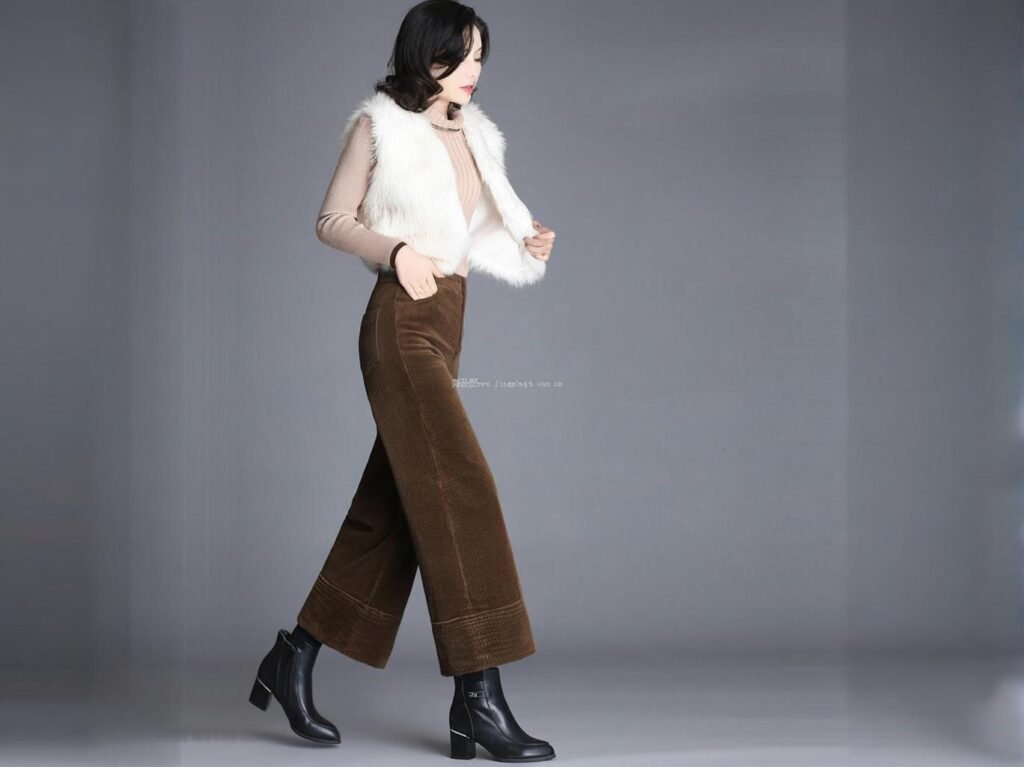
For buyers navigating today’s global textile landscape, Oxford cloth remains one of the most versatile, misunderstood, and in-demand fabrics across industries. From fashion bags to industrial covers, this fabric has evolved far beyond its origins in dress shirts and now powers a wide range of rugged, coated, high-performance products.
Oxford cloth is a woven fabric made from polyester, nylon, or cotton blends using a basket-weave structure. It is widely used in outdoor, fashion, industrial, and promotional applications due to its strength, customizability, and cost-performance advantage.
This guide aims to clear up common confusion around Oxford cloth vs. Oxford fabric, break down its manufacturing process, explore key types, and help B2B buyers make better-informed sourcing decisions. Whether you’re an importer, designer, or procurement manager, you’ll find practical insights and sourcing guidance tailored to your needs.
Let’s start by defining what Oxford cloth really is—and why it’s become a material staple from Vietnam to Germany to the U.S.
What Is Oxford Cloth and How Is It Different from Oxford Fabric?
The term Oxford cloth refers to a textile created using a specific type of weave—typically a basket weave—that results in a slightly textured, durable surface. Originally used for shirts, modern Oxford cloth now includes coated variations used in bags, tents, workwear, and covers. This is where the confusion begins.
Oxford cloth and Oxford fabric refer to the same fundamental weave structure, but in modern industry use, ‘Oxford fabric’ usually indicates coated and treated versions used for utility and outdoor applications, while ‘Oxford cloth’ can still imply its roots in apparel.
Understanding the Terminology and Use Context
1. Oxford Cloth in Fashion
- Made from cotton or cotton-poly blends
- Soft hand feel
- Used for shirts, dresses, uniforms
- Usually uncoated and lightweight
2. Oxford Fabric in Industrial/Outdoor Use
- Made from polyester or nylon
- Typically 210D to 1680D
- Coated with PU, PVC, or TPU for waterproofing
- Used for bags, covers, outdoor equipment
| Term Used | Base Material | Coated? | Typical Use |
|---|---|---|---|
| Oxford Cloth (Shirts) | Cotton/Poly | No | Fashion, shirts, uniforms |
| Oxford Fabric (Utility) | Polyester/Nylon | Yes | Bags, tents, tarps |
In China, “Oxford fabric” refers almost exclusively to PU- or PVC-coated polyester fabric for manufacturing, not shirt-weight cloth—clarifying this is vital when placing B2B orders internationally.
3. Common Misunderstandings
- A buyer looking for shirt fabric may accidentally request 600D Oxford, which is better suited for backpacks.
- Conversely, requesting “Oxford cloth” without specifying denier or coating can lead to quality mismatches in orders.
How Is Oxford Cloth Manufactured? A Step-by-Step Process Overview
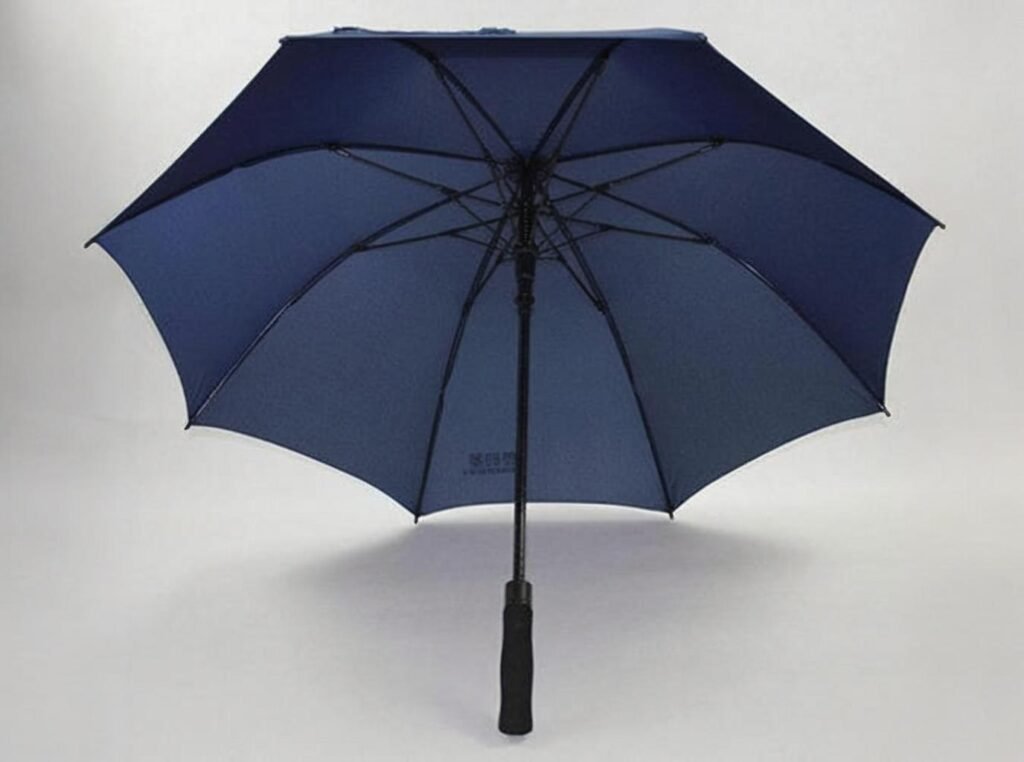
Oxford cloth’s manufacturing begins at the yarn level and progresses through weaving, dyeing, coating (if applicable), and final finishing. Each stage influences the cloth’s texture, strength, weight, and suitability for different product applications.
Oxford cloth is manufactured using a basket weave technique, followed by dyeing and optional coatings such as PU, PVC, or TPU to improve water resistance, abrasion durability, and appearance. Denier (D), GSM, and coating thickness all affect its performance.
From Yarn to Fabric Roll—The Oxford Cloth Journey
1. Yarn Selection
- Nylon yarns (stronger, softer, higher tensile strength)
- Polyester yarns (cheaper, UV-resistant, lower moisture absorption)
- Yarn thickness is measured in denier (D)
| Denier Rating | Description | Common Use |
|---|---|---|
| 210D | Lightweight | Cosmetic bags, inner linings |
| 420D | Medium | Chair covers, tote bags |
| 600D | Durable | Backpacks, tents |
| 1680D | Heavy-duty | Tool bags, military gear |
2. Weaving Process
- Basket weave (2-over-2-under or 1-over-1-under)
- Creates a textured surface and natural cross-hatching
- Improves tear resistance vs. plain weaves
3. Dyeing
- Piece dyeing (cheaper, more common)
- Solution dyeing (eco-friendly, superior colorfastness)
- Custom color matching possible using Pantone TCX or C color systems
4. Coating and Lamination (if required)
- PU (Polyurethane): Flexible, light water resistance
- PVC (Polyvinyl Chloride): Waterproof, stiffer
- TPU (Thermoplastic Polyurethane): Eco-friendly, high performance
| Coating Type | Waterproofing | Flexibility | Sustainability | Price Impact |
|---|---|---|---|---|
| PU | Moderate | High | Medium | Low |
| PVC | High | Medium | Low | Moderate |
| TPU | Very High | High | High | Higher |
5. Finishing Touches
- Anti-UV treatment
- Fire-retardant coating (e.g., CPAI-84)
- Anti-mildew finish
- Embossing, matte, or gloss textures
A U.S.-based tool brand sourcing 1680D Oxford for impact tool bags required a double-sided TPU coating, ISO 6941 compliance, and UV stabilization—produced in under 20 days by SzoneierFabrics.
What Are the Most Common Types of Oxford Cloth? (210D, 600D, etc.)
Oxford cloth is categorized by denier rating, a measure of yarn thickness. The higher the denier, the thicker, stronger, and heavier the fabric. B2B buyers typically choose between 210D, 300D, 420D, 600D, 900D, 1000D, and 1680D depending on the application and required properties like waterproofing, stiffness, and durability.
The most common types of Oxford cloth include 210D, 300D, 420D, 600D, 900D, 1000D, and 1680D. Each offers unique trade-offs in weight, waterproofing, coating compatibility, and use case suitability across industries like bags, tents, covers, and uniforms.
Denier-by-Denier Analysis
1. 210D Oxford Cloth
- Lightweight & foldable
- Typically PU-coated for bags, pouches, or linings
- Easy to dye and print
2. 300D Oxford Cloth
- A mid-range light fabric
- Often used for fashion bags and luggage lining
- Accepts sublimation and screen printing well
3. 420D Oxford Cloth
- Medium-duty, slightly stiffer
- Good for chair covers, carry bags, shopping totes
- Supports PU or PVC coating
4. 600D Oxford Cloth
- The industry standard for backpacks and luggage
- Offers excellent strength-to-weight ratio
- Works well with PU, PVC, and fire-retardant finishes
5. 900D–1000D Oxford Cloth
- Durable and rugged
- Common in tool bags, tactical gear, fire-retardant covers
- Often PVC or TPU-coated
6. 1680D Ballistic Oxford Cloth
- Ultra-heavy-duty
- Very stiff, high tear and puncture resistance
- Suitable for military bags, tactical vests, and reinforced panels
| Denier | Weight (GSM) | Coating Options | Typical Use | Avg. Cost (USD/meter) |
|---|---|---|---|---|
| 210D | 100–130 | PU | Lining, pouches | \$0.60–\$0.90 |
| 300D | 130–150 | PU | Cosmetic bags, packing cubes | \$0.75–\$1.00 |
| 420D | 160–180 | PU/PVC | Tote bags, dust covers | \$0.80–\$1.10 |
| 600D | 180–230 | PU/PVC/TPU | Backpacks, uniforms, covers | \$1.00–\$1.50 |
| 1000D | 250–300 | PVC/TPU | Tool bags, luggage, tactical use | \$1.40–\$1.90 |
| 1680D | 300–400 | PVC/TPU | Military gear, motorbike bags | \$1.60–\$2.20 |
Always clarify GSM (grams per square meter) in addition to denier, especially when sourcing from multiple countries, as denier alone doesn’t reflect fabric density or coating thickness.
Which Applications Use Oxford Cloth the Most in the B2B Market?
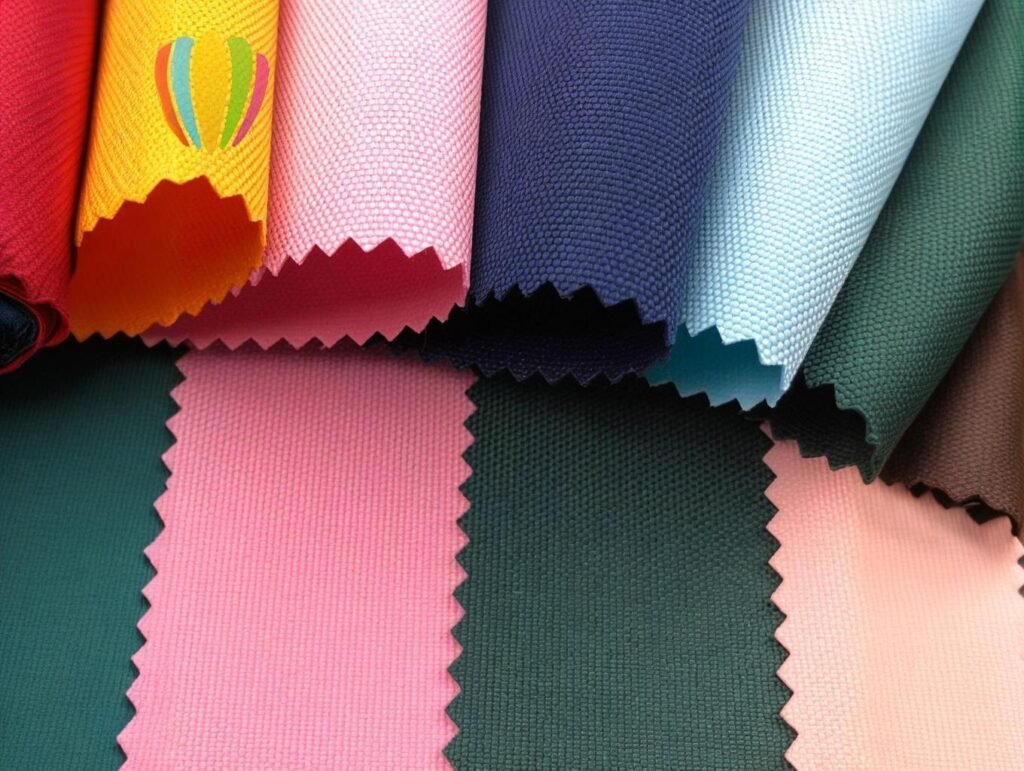
Oxford cloth is one of the most frequently used woven textiles across a wide range of B2B sectors due to its adaptability, cost-efficiency, and technical flexibility. Its application depends heavily on the fabric’s denier, coating, and compliance features such as waterproofing, flame retardancy, and UV resistance.
Oxford cloth is widely used in B2B markets for manufacturing bags, tents, uniforms, industrial covers, upholstery, medical storage, and promotional merchandise. Its ability to accept different coatings and printing methods makes it a go-to fabric for customization and mass production.
Key Industry Applications
1. Bag & Luggage Manufacturing
- Common Denier: 210D to 1680D
- Used in backpacks, laptop sleeves, travel duffels, tote bags
- Often PU- or PVC-coated for water resistance
- Easily branded with logos (screen printing, heat transfer)
A German luggage importer uses 600D PVC Oxford for waterproof gym bags, combining custom color coating and dual logo printing in batches of 10,000+ units.
2. Tent & Outdoor Gear
- Common Denier: 210D–420D
- Requires UV resistance and waterproof coatings
- Used in rain flies, camping chairs, tent floors, hammocks
| Outdoor Product | Oxford Type | Key Feature |
|---|---|---|
| Tent Rain Fly | 210D PU | Waterproof, UV-blocked |
| Camping Chair Seat | 600D PVC | High load capacity |
| Ground Sheet | 1000D PVC | Abrasion resistant |
3. Uniforms & Workwear
- Common Denier: 420D–600D
- Often flame-retardant treated (ISO 6941, NFPA 701)
- Used in firefighter gear bags, utility vests, high-vis uniforms
4. Industrial & Warehouse Use
- Common Denier: 600D–1680D
- Used in divider curtains, machine covers, cargo wraps
- TPU or FR coatings required for compliance and durability
5. Medical & Sanitation Equipment
- Common Denier: 420D–600D with TPU
- Antibacterial, easy-to-wipe surface
- Used in PPE bags, medical supply organizers, hospital bins
6. Promotional and Retail Applications
- Common Denier: 210D–300D
- Lightweight and cost-effective
- Used in trade show giveaways, branded totes, cosmetic pouches
Many global cosmetics brands choose 300D PU-coated Oxford for free gift-with-purchase bags—easy to print, cost-effective, and color-accurate.
Is Oxford Cloth Waterproof, Breathable, UV-Resistant, or Flame Retardant?
Oxford cloth can be engineered to offer multiple technical properties such as waterproofing, breathability, UV resistance, and flame retardancy—depending on the coatings and finishes applied. These performance upgrades are vital for meeting safety regulations and functional demands in B2B markets like outdoor gear, industrial use, and healthcare.
Yes, Oxford cloth can be made waterproof, UV-resistant, flame-retardant, and antimicrobial through various coating and treatment processes. PU, PVC, and TPU coatings enhance its barrier properties, while specialty finishes provide added protection against fire, UV degradation, and microbes.
Oxford Cloth Performance Capabilities Explained
1. Waterproofing
- Achieved via coatings (PU, PVC, TPU)
- Measured in mm of hydrostatic pressure (ISO 811)
| Coating Type | Waterproof Rating | Breathability | Common Use |
|---|---|---|---|
| PU | 1,000–3,000mm | Moderate | Backpacks, totes |
| PVC | 5,000–10,000mm+ | Low | Tents, industrial covers |
| TPU | 5,000–15,000mm+ | High | Medical bags, gear packs |
A Korean outdoor brand uses 420D PU Oxford with a 3,000mm rating for its camping tent rain flies—balancing cost and water resistance.
2. UV Resistance
- Extended exposure to sunlight can degrade polyester and nylon
- UV stabilizers or solution dyeing improve fabric longevity
| Application Area | Recommended UV Resistance (hours) | Standard Used |
|---|---|---|
| Tent Fly | 300–500 hours | ISO 4892-2 |
| Patio Furniture | 500–700 hours | ASTM G154 |
| Boat Cover | 1000+ hours | AATCC TM16 |
3. Flame Retardancy
- Required for:
- Workwear and utility bags
- Tents (e.g., CPAI-84, NFPA 701)
- Vehicle covers and curtains
- Achieved via chemical treatments or flame-resistant coatings
| Certification | Description |
|---|---|
| CPAI-84 | Fire safety for camping products |
| ISO 6941 | Flame spread test |
| NFPA 701 | Flame resistance for textiles |
A U.S. emergency shelter supplier required 600D FR-rated PVC Oxford for tent walls—certified to CPAI-84 with lab reports delivered by SzoneierFabrics.
4. Antimicrobial & Anti-Odor Finishes
- Oxford can be treated with silver ion or zinc pyrithione
- Common in medical bags, gym equipment, diaper backpacks
5. Breathability
- Key for wearable gear and outdoor applications
- Best achieved with TPU coatings or breathable PU membranes
- Trade-off: more breathability often = lower waterproofing
How Do You Choose the Right Oxford Cloth for Your Product Line?
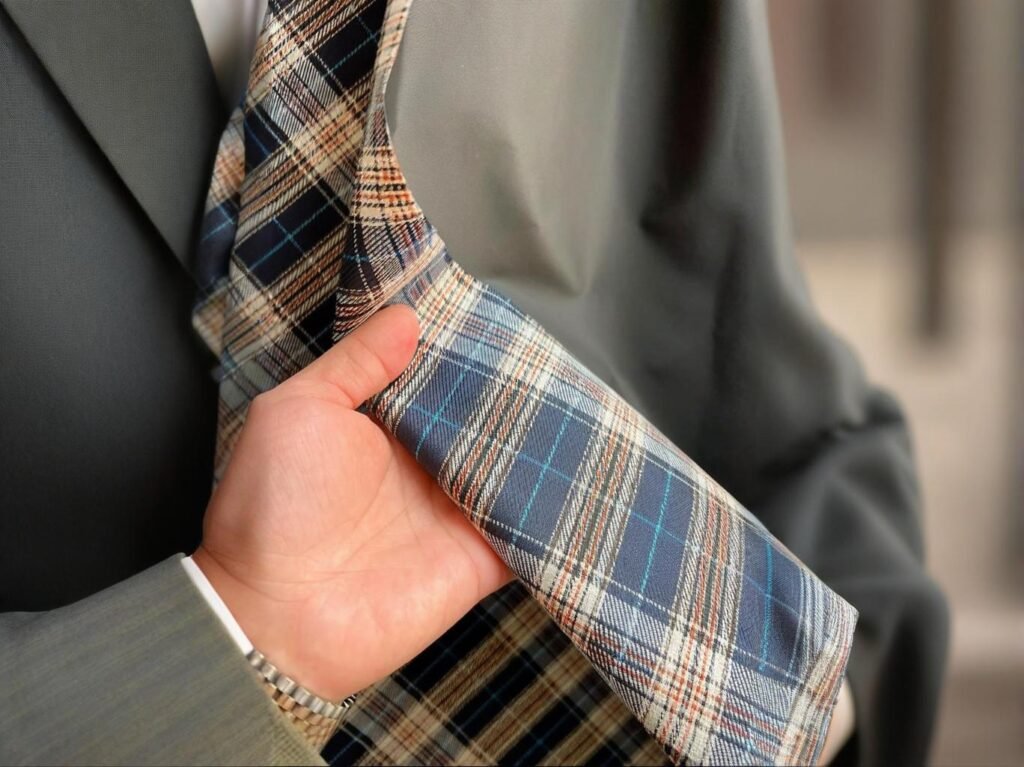
Choosing the correct Oxford cloth for your product depends on usage environment, performance requirements, visual branding, budget, and compliance needs. For B2B textile sourcing, a structured approach helps avoid overengineering or under-specifying material.
To choose the right Oxford cloth, evaluate factors like denier, GSM, coating type, performance features, branding method compatibility, and certification requirements based on your product’s end-use.
Your Oxford Cloth Selection Checklist
1. Define the End Use
| Product Type | Ideal Denier | Coating | Key Traits |
|---|---|---|---|
| Drawstring Bag | 210D–300D | PU | Lightweight, printable |
| Backpack | 600D | PU or PVC | Durable, water-resistant |
| Tactical Vest | 1000D–1680D | TPU or PVC | High tear resistance |
| Tent Rain Fly | 210D–420D | PU or TPU | Waterproof, UV-resistant |
| Medical Bag | 600D | TPU | Antimicrobial, cleanable |
2. Check Compliance Requirements
- Ask your supplier for:
- Coating thickness (mm)
- Flame retardant certifications (ISO/NFPA)
- UV resistance data
- Antibacterial test reports (ISO 22196)
Always request COAs (Certificates of Analysis) and fabric swatches before confirming bulk orders.
3. Consider Branding & Design
- Sublimation printing: Only for white/light PU Oxford
- Silk screen: Suitable for bold logos, wide denier range
- Heat transfer: Works well on PU-coated 420D or 600D
4. Factor in Budget vs. Durability
| Denier | Cost per Meter (USD) | Lifespan Use Case |
|---|---|---|
| 210D | \$0.60–\$0.90 | Promo bags (short term) |
| 600D | \$1.10–\$1.50 | Daily use, outdoor gear |
| 1680D | \$1.60–\$2.30 | Tactical, industrial, heavy load |
For long-term brand value, durability often offsets higher material costs.
What Are the Current Market Trends in Oxford Cloth Manufacturing?
Oxford cloth is experiencing a renaissance in global B2B markets. Buyers are no longer just seeking durability and cost-efficiency—they’re also looking for sustainability, technical versatility, fast customization, and design flexibility. Manufacturers are responding with smarter production lines, eco-conscious materials, and digital workflows.
Current trends in Oxford cloth manufacturing include a shift toward sustainable yarns (like rPET), low-MOQ digital printing, smart coatings (e.g., antimicrobial, FR), and faster sampling cycles through digital twin technologies—all driving value for B2B textile buyers.
Trends Shaping Oxford Cloth Today
1. Sustainable Sourcing and rPET Integration
- Growing use of recycled polyester yarns (rPET)
- Supports GRS, OEKO-TEX, Bluesign compliance
- Increasing demand in Europe and North America
| Trend | Benefit |
|---|---|
| rPET Yarn (100%) | Reduces landfill, carbon impact |
| Solution Dyeing | Saves water and energy |
| Solvent-Free Coatings | VOC-free, eco-compliant |
2. Low MOQ Digital Production
- Factories now offer 300–500 meter MOQs
- Digital roll printing reduces setup costs
- On-demand color matching using Pantone or swatch match
An Australian private label beachwear brand launched a 500-piece collection using custom-printed 300D Oxford with sublimation designs, delivered in under 25 days.
3. Smart Coating Technology
- Rise in demand for:
- Antibacterial finishes
- TPU eco-coating
- Multi-layer lamination (FR + UV + PU)
4. Automation and AI Integration
- ERP systems streamline weaving + coating scheduling
- AI helps forecast raw material needs and reduce deadstock
5. Design-Driven Textile Development
- Growing crossover with fashion and lifestyle sectors
- Oxford cloth used in:
- Tech wear
- Athleisure bags
- Sustainable travel gear
Are There Reliable OEM/ODM Suppliers for Custom Oxford Cloth Orders?
Yes—and identifying the right manufacturing partner can make or break your supply chain. A quality Oxford cloth OEM/ODM supplier doesn’t just offer low prices. They combine technical knowledge, material flexibility, low MOQs, compliance guarantees, and proactive support during product development.
Reliable Oxford cloth suppliers provide a combination of low-MOQ flexibility, wide denier/coating selection, digital customization options, and compliance documentation. Look for factories with strong sampling capabilities, GRS/OEKO-TEX certifications, and full OEM/ODM support.
What to Look for in a Trusted Supplier
1. Technical Capacity
- Can offer 210D to 1680D Oxford
- Coatings: PU, PVC, TPU
- Finishes: FR, UV, antimicrobial, matte/glossy
2. Sampling Speed
- 3–7 days for custom swatches
- 10–15 days for full sample runs
3. Customization Services
- Color matching via Pantone
- Private label branding (print, embroidery, tags)
- Custom texture/finish (embossing, lamination)
4. Certifications and Testing Support
- OEKO-TEX, GRS, ISO 9001
- Flame resistance (CPAI-84, ISO 6941)
- UV/Colorfastness test reports on request
5. Logistics & Communication
- Clear timelines and RFQ process
- Bilingual sales team
- Factory visits or online video audits available
SzoneierFabrics offers full-spectrum OEM/ODM Oxford fabric services, including:
- 100% quality inspection
- Free samples
- Custom design assistance
- Flexible MOQ starting at 300 meters
- Short production lead times (7–25 days)
Let SzoneierFabrics Help You Build Better Products with Oxford Cloth
Whether you’re sourcing rugged tactical fabrics, stylish eco-friendly bags, or antimicrobial hospital organizers—SzoneierFabrics is your go-to OEM/ODM partner for custom Oxford cloth solutions.
We provide:
- ✅ All denier ranges (210D to 1680D)
- ✅ Coatings: PU, PVC, TPU (eco, matte, glossy)
- ✅ Performance finishes: FR, UV, antibacterial
- ✅ Free design support & fabric sampling
- ✅ Low MOQs for trial orders
- ✅ Fast turnaround & global shipping
📩 Ready to quote or sample your custom Oxford fabric?
Let’s bring your textile ideas to life—efficiently, affordably, and sustainably.