 Skip to content
What Is Rayon Material? A Comprehensive Guide for Manufacturers
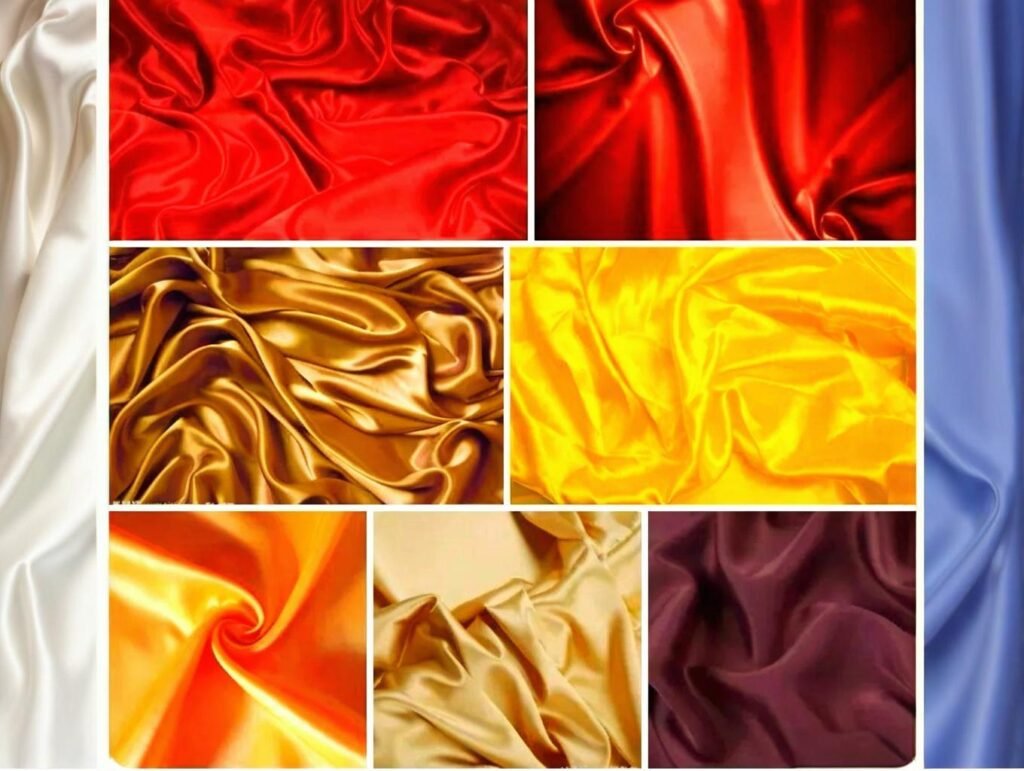
Rayon has often been called “the poor man’s silk,” but in today’s textile market, it’s so much more. Its versatility—from silk-like sheen to breathable comfort—makes rayon a go-to for everything from silk-replacement evening wear to absorbent towels. While it started as a cheaper alternative, modern manufacturing has elevated its value, pushing it into premium garment spaces and eco-conscious product lines.
Rayon material is a semi-synthetic fiber derived from cellulose, offering silk-like drape, breathability, and dyeability—ideal for both apparel and home textiles. Its production involves regenerating plant fibers through chemical processes, combining natural origins with industrial precision to deliver consistent quality and versatility.
To bring this to life, picture a small Indian brand launching eco-friendly loungewear. They chose a modal-rayon blend for its softness and drape. Sales doubled—customers couldn’t stop complimenting the feel. But achieving that result wasn’t luck—it was chemistry mixed with the right finishing moves. Let’s unpack exactly why rayon plays such a big role in modern manufacturing.
What Is Rayon and How Is It Made from Cellulose?
Rayon is created by dissolving purified plant cellulose (from wood pulp or bamboo) into a viscous solution, which is then extruded into fibers, solidified, washed, and dried. This process bridges natural fiber origins with industrial consistency.
The key steps in rayon production are: cellulose purification, chemical dissolution, fiber extrusion, coagulation, washing, and finishing—each ensuring fiber uniformity and performance.
▸ Cellulose Origins
- Pulps: eucalyptus, beechwood, bamboo
- Global sourcing: SA, Canada, China
▸ Production Methods
- Viscose process: most common, cost-effective
- Modal/tencel (lyocell): more eco-friendly closed loop systems
▸ Environmental Considerations
- Opt for FSC-certified pulp or mills using recycled inputs
- Closed-loop systems reclaim solvents, reduce chemical waste
▸ Output & Textile Properties
- Rayon fibers mimic silk, but take dye like cotton and wear like linen
Which Types of Rayon Are Commonly Used in Textile Manufacturing?
Rayon comes in several forms—standard viscose, modal, lyocell, blended variants—all offering unique performance traits.
Common rayon types include viscose (standard), modal (softer & stronger), lyocell (eco-friendly), and blends like rayon-spandex or rayon-linen—each serving different market needs.
▸ Types & Specs
| Type | Strength Wet | Softness | Environmental Impact |
|---|---|---|---|
| Viscose | Moderate | Soft | Higher chemical use |
| Modal | High | Very Soft | Semi-closed process, eco-better |
| Lyocell | Very High | Smooth | Fully closed loop, low waste |
| Blends | Varies | Blend-specific | Offers stretch, drape, structure |
▸ Use Cases
- Viscose: dresses, linings
- Modal: premium everydaywear, pajamas
- Lyocell: high-end outdoor wear, eco collections
▸ Buying Insight
Match fiber type to end-use: modal for comfort, lyocell for sustainability branding
How Does Rayon Compare to Cotton, Polyester, and Viscose?
Rayon sits uniquely at the crossroads between natural and synthetic fibers. Compared to cotton, it’s silkier and more breathable. Against polyester, it’s more eco-friendly and comfortable on the skin. And although viscose is technically a type of rayon, manufacturers often contrast them based on quality and application.
Rayon offers better drape and moisture absorption than polyester, softer hand feel than cotton, and when compared to viscose, modal and lyocell rayon types outperform in strength and environmental impact.
▸ Side-by-Side Comparison Table
| Fiber Type | Source | Feel | Breathability | Sustainability | Moisture Absorption |
|---|---|---|---|---|---|
| Rayon | Cellulose pulp | Soft, silky | Excellent | Medium–high | High |
| Cotton | Natural plant | Soft, matte | Very Good | High | High |
| Polyester | Petrochemical | Synthetic, smooth | Poor | Low | Low |
| Viscose | Rayon subtype | Very soft | High | Medium | High |
▸ Performance Factors
- Shrinkage: Rayon shrinks more than polyester but can be controlled with pre-wash and finishing
- Color Vibrancy: Better than cotton and polyester when dyed properly
- Pilling: Polyester resists pilling more, but modern rayon blends reduce this issue
▸ Manufacturer’s Tip
For premium fashion or eco lines, choose Lyocell over standard viscose. For everyday apparel, modal blends balance softness, durability, and price.
What Are the Key Properties That Make Rayon Suitable for Apparel and Home Textiles?
Rayon’s adaptability lies in its structure. It can mimic cotton, silk, wool, or linen depending on the treatment. This flexibility, along with its moisture-wicking and breathable nature, makes it ideal for both clothing and soft furnishings.
Rayon’s softness, moisture management, and drape—combined with its ability to accept vibrant dyes—make it a go-to fiber for dresses, bed linens, scarves, and activewear.
▸ Functional Attributes of Rayon
| Property | Impact in Use |
|---|---|
| High absorbency | Keeps garments cooler and drier |
| Smooth surface | No irritation, ideal for sensitive skin |
| Drapability | Flows naturally, perfect for form-fitting wear |
| Dye affinity | Rich color finishes without heavy chemicals |
| Thermal regulation | Feels cool in warm climates |
▸ Popular End-Uses
- Fashion: Summer dresses, tops, skirts
- Home: Curtains, cushion covers, bedsheets
- Athleisure: Modal-rayon blend in leggings and sports bras
- Sleepwear: Because of its “cool-to-touch” softness
▸ Case in Point
A home textile manufacturer in Turkey switched from cotton-polyester blend curtains to rayon-linen blends. Customer satisfaction rose by 40%, driven by better texture and color depth. Return rates also fell due to improved wash stability after mercerized finishing.
Do Rayon Fabrics Offer Eco-Friendly or Sustainable Benefits?
Rayon has an interesting relationship with sustainability. While it’s derived from natural cellulose, its processing can be chemically intensive. However, newer technologies and certifications are improving its green credentials.
Rayon can be sustainable when produced using closed-loop systems (like lyocell) and responsibly sourced cellulose, but traditional viscose methods still carry significant environmental impact.
▸ Sustainability Comparison: Viscose vs Modal vs Lyocell
| Type | Renewable Source | Chemical Process | Water Usage | Biodegradable | Notable Certifications |
|---|---|---|---|---|---|
| Viscose | Yes | Open-loop (high chemical discharge) | High | Yes | OEKO-TEX (some mills) |
| Modal | Yes | Semi-closed loop | Medium | Yes | PEFC, FSC |
| Lyocell | Yes | Closed-loop (recycled solvents) | Low | Yes | TENCEL™, EU Ecolabel |
▸ Eco-Rayon Red Flags
- Sourcing pulp from endangered forests (non-FSC certified)
- Use of carbon disulfide and lack of proper disposal
- No GOTS or EU Ecolabel certification
▸ Green Procurement Tips
- Ask your supplier if they use Lenzing-certified Modal or TENCEL™ Lyocell
- Audit production for chemical management
- Choose digital printing on rayon to reduce water waste
▸ Industry Insight
In 2024, over 60% of new sustainable fashion brands incorporated TENCEL™ in at least one product line due to its strong sustainability narrative. Buyers looking to tap into green markets must ask the right environmental compliance questions during sourcing.
How to Choose the Right Rayon GSM, Weave, and Blend for Your Product Line?
Choosing the right rayon specifications isn’t just about weight or finish—it’s about function, feel, and how the material will perform through production and consumer use. GSM (grams per square meter) impacts drape and opacity, while weave affects structure, and blends influence durability and stretch.
To choose the right rayon fabric, align GSM, weave type, and fiber blend with your product’s end-use—whether that’s fashion, upholstery, or athleticwear.
▸ Recommended GSM by Application
| Product Type | Suggested GSM | Reason |
|---|---|---|
| Lingerie / Sleepwear | 90–120 GSM | Soft, lightweight, breathable |
| Dresses / Blouses | 120–150 GSM | Moderate drape, opacity |
| Pants / Skirts | 150–180 GSM | More structure, wrinkle resistance |
| Home Textiles | 180–250 GSM | Heavier, durable |
▸ Weave Selection & Fabric Behavior
- Plain weave: Crisp, light, but less drape
- Twill weave: More structure, wrinkle-resistant
- Knit/modal jersey: Stretchy, great for activewear and innerwear
- Crepe weave: Textured finish, no clinging
▸ Blend Recommendations
| Blend Type | Ideal For | Benefit |
|---|---|---|
| Rayon-Spandex | Athleisure, yoga wear | Comfort + stretch |
| Rayon-Cotton | Casualwear, shirts | Softer hand feel + breathability |
| Rayon-Linen | Premium home textiles | Structure + absorbency |
| Rayon-Polyester | Mass-market apparel | Durability + cost control |
▸ Fabric Developer’s Tip
Run pre-production tests to check how rayon blends react to needle stress, shrinkage after wash, and color fastness. SzoneierFabrics, for instance, offers rapid prototyping with 3 GSM options for every new custom blend to help brands validate performance.
What Are the Common Challenges in Rayon Fabric Sourcing and Quality Control?
Rayon sourcing and production are not without their complications. From inconsistent GSM and shrinkage issues to delayed lead times and regulatory compliance, challenges can arise if suppliers lack modern quality assurance systems.
Rayon fabric sourcing challenges include GSM inconsistencies, color deviations, excessive shrinkage, and sourcing from uncertified mills—making quality control and supplier audits critical to production success.
▸ Top 5 Sourcing Pitfalls
| Challenge | Why It Happens | How to Solve |
|---|---|---|
| GSM Variation | Manual calibration in older looms | Specify GSM tolerances (+/- 3%) |
| Shrinkage After Wash | Inadequate pre-shrinking or heat setting | Request pre-treated or mercerized stock |
| Color Inconsistency | Reactive dyes not properly fixed | Use digital or vat dye with wash tests |
| Lead Time Fluctuations | Mills overbooked during peak seasons | Confirm capacity & buffer 10–15% lead |
| Non-Compliant Chemicals | Suppliers using banned azo dyes | Demand OEKO-TEX or REACH certifications |
▸ Real-World Insight
A mid-size apparel brand in Australia reported over 9% shrinkage in a viscose-rayon blouse order due to lack of fabric conditioning post-dye. After switching to a mill offering heat-set finishing (like Szoneier), they cut shrinkage to <2%, improving customer satisfaction and lowering returns.
▸ Quality Control Protocols to Consider
- Inspect in-line at greige, dye, and finishing stages
- GSM testing using ASTM D3776
- Wash test: 3X cycle shrinkage and color retention
Are There Best Practices for Working with Rayon in Dyeing, Printing, and Finishing?
Rayon takes color exceptionally well, making it a favorite for vibrant prints. But it’s sensitive during dyeing and prone to pilling if improperly finished. Knowing how to prep, print, and finish rayon correctly is critical for both aesthetics and durability.
Best practices for working with rayon include using reactive or vat dyes, avoiding excessive mechanical stress during printing, and applying softening or anti-pilling finishes to enhance quality and lifespan.
▸ Recommended Dyeing Methods
| Dye Type | Compatibility | Colorfastness | Notes |
|---|---|---|---|
| Reactive | Viscose, Modal | Excellent | Best for rich, bright shades |
| Vat | Lyocell | High | Great wash stability |
| Disperse | Only for blends | Moderate | Use with poly-rayon fabrics |
▸ Printing Guidelines
- Use rotary screen printing for high-volume runs
- For small lots, digital printing reduces waste and color errors
- Always use enzyme-washed pre-treated rayon for best ink absorption
▸ Finishing Techniques
| Finishing Type | Function |
|---|---|
| Softener finish | Enhances feel and drape |
| Anti-pilling treatment | Reduces surface fuzz, improves wear |
| Mercerization | Adds luster and reduces shrinkage |
▸ Best Practice Summary
- Avoid over-drying or high heat, which weakens rayon fibers
- Always conduct a fabric fastness test before mass printing
- When outsourcing, ask for a finishing checklist with lab test results
Partnering with the Right Manufacturer
Understanding what rayon is—and how to source, work with, and optimize it—gives you an edge when developing high-quality, competitive textile products. From choosing the right GSM to avoiding sourcing pitfalls, it’s about making informed decisions.
At SzoneierFabrics, we support your development process every step of the way. From rapid prototyping and fiber testing to free sampling and low-MOQ production, we offer flexible rayon solutions customized to your market goals.
Ready to develop your own custom rayon fabric?
Contact SzoneierFabrics today for expert guidance, free samples, and low-MOQ custom development tailored to your brand’s vision.
Can't find the answers?
No worries, please contact us and we will answer all the questions you have during the whole process of bag customization.
Make A Sample First?
If you have your own artwork, logo design files, or just an idea,please provide details about your project requirements, including preferred fabric, color, and customization options,we’re excited to assist you in bringing your bespoke bag designs to life through our sample production process.