 Skip to content
What is the demand for polyester fabric?
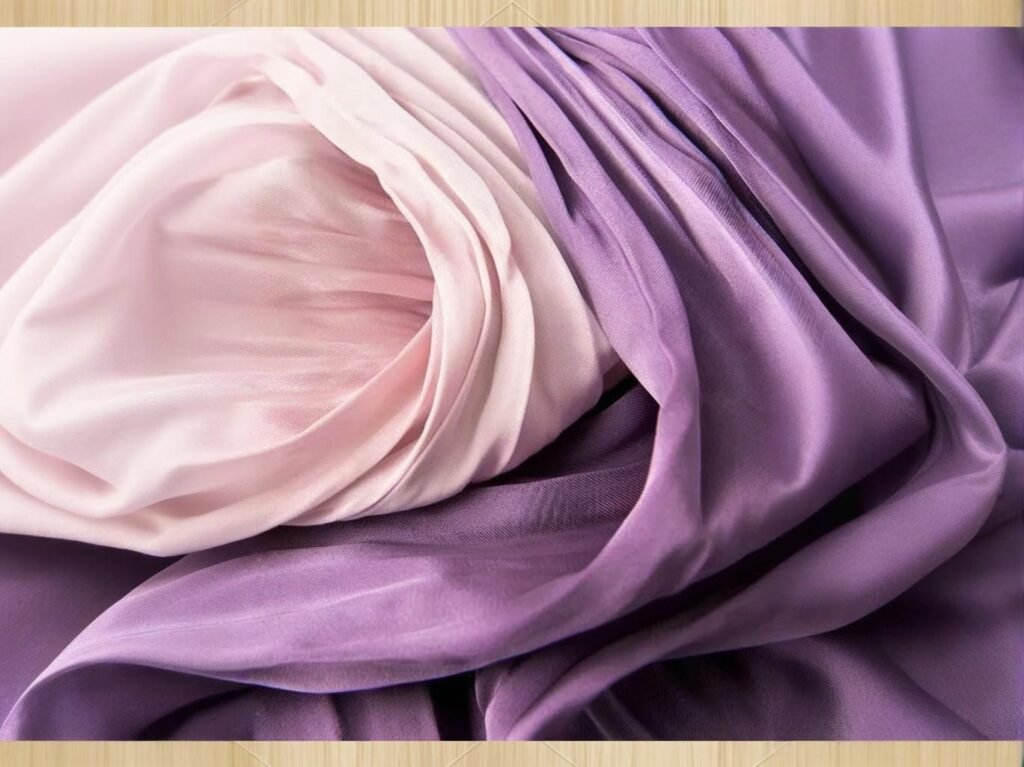
If there’s one fabric that has transformed modern textiles more than any other, it’s polyester. From performance sportswear and outdoor gear to low-cost fast fashion and industrial webbing, polyester has carved out a massive share of the global fabric market. Some call it the “workhorse fiber,” while others blame it for plastic pollution. But one thing is clear—polyester fabric demand is not just growing; it’s evolving in fascinating ways. Global demand for polyester fabric is surging, driven by rapid growth in sportswear, home textiles, technical applications, and increasing adoption of recycled polyester. Annual consumption exceeds 55 million metric tons, making polyester the most-used fiber worldwide, outpacing cotton and nylon.
To illustrate how polyester became so indispensable, let’s start by examining which industries are fueling this relentless growth—and why B2B buyers everywhere are adjusting their sourcing strategies to keep pace.
1. What industries drive the global demand for polyester fabric today?
The industries fueling polyester demand are remarkably diverse. Apparel remains the largest sector, especially sportswear, fast fashion, and workwear. But automotive textiles, home furnishings, geotextiles, and packaging materials also consume enormous volumes. Apparel accounts for over 50% of polyester fabric demand globally, but industrial, home, and technical textiles are rising quickly as growth drivers.
Sector-Wise Consumption Breakdown
A. Polyester Fabric Consumption by Industry (2023)
| Industry | Share of Total Polyester Fabric Use (%) |
|---|---|
| Apparel | 51% |
| Home Textiles | 18% |
| Industrial & Technical | 16% |
| Automotive Textiles | 9% |
| Others (Footwear, Medical) | 6% |
Performance apparel is a major driver. The global activewear market alone is expected to grow 8–10% CAGR through 2030, intensifying demand for moisture-wicking, quick-dry polyester knits.
B. Fast Fashion’s Influence
Brands like Zara, H\&M, and SHEIN rely heavily on polyester for:
- Rapid product turnover
- Cost-effective production
- Easy printing and finishing
This reliance contributes to polyester’s steady expansion.
C. Non-Apparel Growth Areas
- Automotive Textiles: Seat covers, airbags, linings.
- Home Furnishings: Curtains, upholstery, bedding.
- Geotextiles: Infrastructure, road stabilization.
Each of these sectors is expected to grow between 4–6% annually, creating stable B2B sourcing opportunities.
D. Case Example: Automotive Expansion
In 2023, over 50% of car interiors globally used polyester-based fabrics due to durability, UV resistance, and cost competitiveness.
buyers serving diversified industries can hedge demand risks by allocating sourcing between apparel and technical applications.
2. How has polyester fabric consumption changed over the last decade?
Polyester has expanded from a commodity textile into a versatile, value-added material. From 2013 to 2023, global polyester fiber production increased from 42 million to over 55 million metric tons, reflecting a compound annual growth rate (CAGR) of approximately 3%. In the past decade, polyester fabric consumption has risen by over 30%, fueled by demand for affordable, functional, and recyclable materials.
Polyester Growth Drivers (2013–2023)
A. Global Consumption Trends
| Year | Polyester Fiber Production (Million Tons) |
|---|---|
| 2013 | 42 |
| 2015 | 45 |
| 2018 | 50 |
| 2020 | 52 |
| 2023 | 55+ |
B. Key Catalysts of Growth
- Affordability: Polyester costs 30–40% less per kg than cotton.
- Performance Features: Wicking, durability, easy care.
- Supply Chain Integration: China’s vertical integration reduced lead times.
- Recycled Polyester Uptake: Growing sustainability focus.
C. Regional Expansion
- Asia-Pacific: 70% of global production and consumption.
- Europe & North America: Rising demand for technical and recycled polyester.
- Middle East: Emerging manufacturing hub with new PET investments.
Despite backlash over microplastics, the market share of polyester continued to grow due to functional advantages and scalability.
3. Which countries and regions import the most polyester fabric?
The highest importers of polyester fabric are developed economies with strong apparel and industrial manufacturing bases but limited local polyester production. These include countries in North America, Europe, and parts of Asia such as Japan and South Korea. Meanwhile, many Southeast Asian nations are both importers of raw polyester fabrics and exporters of finished garments. The United States, Germany, Vietnam, Bangladesh, and Turkey are among the largest importers of polyester fabric, supporting their apparel, automotive, and home textile industries.
Global Import Hotspots for Polyester Fabric
A. Top 10 Polyester Fabric Importers (2023)
| Rank | Country | Import Volume (Million m²) | Primary Usage Sectors |
|---|---|---|---|
| 1 | United States | 3,800 | Apparel, Upholstery, Performance Wear |
| 2 | Vietnam | 3,100 | Apparel Export Industry |
| 3 | Bangladesh | 2,950 | Fast Fashion Garment Production |
| 4 | Germany | 2,100 | Automotive Textiles, Technical Textiles |
| 5 | Turkey | 1,950 | Home Textiles, Industrial Applications |
| 6 | Mexico | 1,300 | Automotive and Footwear |
| 7 | Indonesia | 1,100 | Garment Export, Packaging |
| 8 | Japan | 950 | Industrial and Functional Clothing |
| 9 | Italy | 900 | Fashion, Luggage, Technical Textiles |
| 10 | South Korea | 850 | Technology Textiles, Outdoor Gear |
Many importers don’t manufacture polyester themselves but use it to create high-value end products (e.g., Germany’s car seat fabrics or Vietnam’s fast fashion exports).
B. Import Dependency Factors
- No domestic PTA/MEG industry
- Lack of polyester weaving/dyeing infrastructure
- High-value conversion (garmenting or automotive assembly)
C. Strategic Shifts
Countries like Bangladesh are increasingly importing greige polyester fabrics and conducting dyeing locally to shorten lead times and reduce costs.
4. What types of polyester fabrics are most in demand (woven, knitted, blends)?
Demand for polyester fabric is segmented by construction (woven vs. knit), finish (dyed, coated, printed), and blend (pure vs. mixed with cotton, rayon, spandex, etc.). The most in-demand types include knitted interlock and jersey, woven twill and oxford, and poly-cotton or poly-viscose blends, driven by comfort, stretch, and price. Polyester knit fabrics are dominant in apparel (especially sportswear), while woven polyester and blends are widely used in uniforms, bags, industrial use, and home furnishings.
High-Demand Polyester Fabric Constructions
A. Fabric Types by Application
| Fabric Type | Demand Sectors | Key Properties |
|---|---|---|
| Polyester Knits | Sportswear, Underwear, T-Shirts | Breathable, stretchable, soft hand feel |
| Woven Twill/Oxford | Uniforms, Bags, Outerwear | Structured, abrasion-resistant, durable |
| Poly-Cotton Blends | Workwear, T-Shirts, Fashion Apparel | Comfort of cotton with polyester’s durability |
| Poly-Viscose Blends | Suits, Dresses, Uniforms | Drape, softness, color vibrancy |
| Recycled rPET Knits | Eco Activewear, Yoga Wear | Sustainable, high performance, costlier |
Apparel brands prefer poly blends for comfort + performance, while B2B buyers for luggage or workwear prioritize 100% polyester for strength and washability.
B. Performance Finishes Driving Demand
- Moisture-wicking (activewear)
- Anti-pilling (casualwear)
- Flame-retardant coatings (industrial use)
- UV-resistant (outdoor gear)
- Anti-bacterial / silver ion (medical textiles)
C. Fabric Weight Preferences
| Application | Preferred GSM Range |
|---|---|
| T-Shirts (Knits) | 140–180 gsm |
| Joggers/Track Pants | 220–280 gsm |
| Bags/Workwear | 300–600 gsm |
| Outdoor/Industrial | 600–900 gsm |
Buyers can reduce cost by using polyester-rich blends (e.g., 65/35 poly-cotton), which still deliver strong performance at lower price points compared to natural fibers.
5. How does polyester demand compare to cotton and other synthetic fibers?
Polyester far exceeds cotton and other synthetic fibers like nylon and acrylic in global textile demand. As of 2023, polyester accounts for over 52% of total global fiber consumption, while cotton holds around 24%, and all other synthetics combined make up less than 20%. This dominance is rooted in polyester’s affordability, durability, and adaptability across both consumer and industrial segments. Polyester is the most demanded fiber globally, outpacing cotton by more than double in volume, primarily due to its lower cost, ease of processing, and wide-ranging applications.
Fiber Market Share Analysis
A. Global Textile Fiber Market Share (2023)
| Fiber Type | Market Share (%) | Major Use Cases |
|---|---|---|
| Polyester | 52% | Apparel, home textiles, industrial fabric |
| Cotton | 24% | Apparel, home textiles, hygiene |
| Nylon | 5% | Lingerie, hosiery, bags, technical fabrics |
| Viscose/Rayon | 6% | Fashion, linings, blended fabrics |
| Acrylic/Other | 5% | Sweaters, carpets, technical textiles |
| Wool, Hemp, etc. | 8% | Niche apparel, natural alternatives |
Polyester’s cost per kg averages \$1.20–\$1.80, while cotton fluctuates between \$1.70–\$2.50, especially in high-grade applications.
B. Why Brands Choose Polyester Over Cotton
- Price Stability: Less affected by climate and crop yield volatility.
- Performance Properties: Wrinkle-free, stain-resistant, strong tensile strength.
- Versatility in Finishing: Accepts heat-set textures, dye sublimation, and coatings.
C. Comparative Demand Growth (2013–2023)
| Year | Polyester Demand (Million Tons) | Cotton Demand (Million Tons) |
|---|---|---|
| 2013 | 42 | 26 |
| 2018 | 50 | 27 |
| 2023 | 55+ | 25 |
Cotton remains crucial for breathability and luxury, but polyester’s dominance continues due to mass-market affordability and functional upgrades like stretch and wicking.
6. Is sustainable polyester (like rPET) influencing market demand trends?
Absolutely. Recycled polyester (rPET) has emerged as one of the most influential drivers of demand, particularly among environmentally conscious brands and consumers. With global pressure mounting to reduce virgin plastic use and carbon emissions, rPET adoption is accelerating in apparel, packaging, and industrial sectors. Sustainable polyester—especially rPET—is rapidly shaping demand, now representing over 15% of all polyester produced globally, with projections to exceed 25% by 2030.
The Rise of rPET and Eco-Friendly Polyester
A. rPET Demand Growth
| Year | rPET Share of Total Polyester (%) | Global Volume (Million Tons) |
|---|---|---|
| 2015 | 5% | \~2.1 |
| 2020 | 9% | \~4.7 |
| 2023 | 15% | \~8.3 |
| 2030 (est.) | 25–30% | \~14–17 |
rPET is no longer niche. Global brands including Nike, Uniqlo, Adidas, IKEA, and Patagonia have committed to using 100% recycled polyester by the late 2020s.
B. Drivers of rPET Demand
- Corporate Sustainability Goals
- Consumer Awareness on Plastic Pollution
- Government Regulations on Circular Textiles
- Certifications like GRS, OEKO-TEX STeP, and Bluesign
C. Case Study: Patagonia’s Eco Performance Gear
Patagonia switched 90% of its outerwear line to rPET, citing a 45% reduction in CO₂ emissions and significant customer loyalty gains. Though rPET is 15–20% more expensive, buyers view it as a long-term brand investment.
D. Challenges Still Facing rPET
- Limited global recycling infrastructure
- Quality variation in feedstock
- Higher MOQ and certification costs
Working with certified manufacturers like SzoneierFabrics helps brands streamline rPET integration and stay ahead of regulations and market trends.
7. What is the forecast for polyester fabric demand from 2025 to 2030?
The global demand for polyester fabric is projected to increase by 4–6% annually over the next five years, driven by expanding middle-class consumer bases in emerging markets, continued growth in performance apparel, and accelerating adoption of recycled polyester. By 2030, global polyester production is expected to reach over 75 million metric tons, with rPET projected to account for 25–30% of total output. Polyester fabric demand will continue to rise steadily through 2030, fueled by affordability, technical performance, and sustainability shifts—especially in sportswear, industrial, and eco-apparel markets.
Demand Drivers and Market Outlook
A. Polyester Demand Forecast (2025–2030)
| Year | Global Polyester Demand (Million Tons) | rPET Share (%) |
|---|---|---|
| 2025 | 61 | 18% |
| 2026 | 64 | 20% |
| 2028 | 69 | 23% |
| 2030 | 75+ | 25–30% |
B. Key Growth Markets
- South & Southeast Asia: Fast fashion, e-commerce fulfillment, low-cost garmenting.
- Europe: Technical textiles, green-certified polyester (rPET, bio-based).
- North America: Performance wear, home furnishings, circular textile systems.
C. Innovation Trends
- Smart textiles using polyester blends for electronics integration
- Antibacterial and flame-retardant polyester for hospitals and workwear
- 3D printed polyester mesh in footwear and orthopedics
Polyester is no longer seen as a cheap material—it’s becoming a functional platform for performance and sustainability.
8. How can B2B buyers respond to rising polyester demand with smart sourcing strategies?
Rising demand often means tighter supply chains, price volatility, and increased MOQ thresholds. B2B buyers need to optimize sourcing by aligning with vertically integrated manufacturers, negotiating better lead times, and choosing the right fabric blends and finishes for their needs. Early adoption of rPET, functional finishes, and supplier partnerships will define cost-efficiency and product differentiation. To navigate growing polyester demand, B2B buyers must adopt strategic sourcing, including long-term supplier partnerships, MOQ flexibility, and sustainability integration.
Sourcing Smart in a High-Demand Polyester Market
A. 5 Best Practices for B2B Polyester Buyers
| Strategy | How It Helps |
|---|---|
| Partner with vertically integrated suppliers | Reduces lead time, improves pricing consistency |
| Adopt recycled polyester early | Futureproofs your brand, adds value |
| Use poly blends (e.g., poly-viscose) | Balances performance and cost |
| Optimize MOQ tiers | Unlocks lower prices through consolidated orders |
| Plan 2–3 seasons ahead | Prevents stockouts during market spikes |
B. Sourcing Scenario Table
| Buyer Type | Recommended Approach |
|---|---|
| Fashion Brand | Use poly-cotton or rPET knits; source pre-dyed rolls |
| Workwear Importer | Choose coated woven polyester; focus on abrasion resistance |
| Outdoor Gear Seller | Source 600D/900D coated polyester; ask for PU/PVC options |
| Sustainability Brand | Request GRS-certified rPET, MOQ 300kg+ |
Use digital sourcing platforms like Alibaba, but verify through factory audits and sample testing—or better yet, establish direct partnerships with trusted manufacturers.
Polyester Fabric Demand Is Rising—Will You Stay Ahead?
Polyester remains the undisputed king of global fiber demand, and it’s evolving fast. From affordable garments to high-tech industrial materials, polyester’s dominance is being reinforced by recycled content, performance features, and its role in sustainable sourcing.
For B2B buyers, adapting to this new landscape means more than just cost negotiation—it requires:
- A clear understanding of application-specific needs
- Long-term supply chain planning
- Flexible, low-MOQ production capability
- Alignment with certified, sustainable partners
Partner with SzoneierFabrics for Custom Polyester Fabric Solutions
At SzoneierFabrics, we specialize in:
✅ Low-MOQ polyester customization ✅ Free design services and rapid prototyping ✅ A wide range of woven and knit polyester styles ✅ Recycled, flame-retardant, waterproof, and anti-UV finishes ✅ Short lead times and 100% quality assurance
Whether you’re sourcing for apparel, bags, industrial use, or technical textiles—we’ve got your polyester needs covered.
Get in touch today for a free sample, custom quote, or to explore our full catalog.
Let SzoneierFabrics be your trusted manufacturing partner in a high-demand polyester future.

Can't find the answers?
No worries, please contact us and we will answer all the questions you have during the whole process of bag customization.
Make A Sample First?
If you have your own artwork, logo design files, or just an idea,please provide details about your project requirements, including preferred fabric, color, and customization options,we’re excited to assist you in bringing your bespoke bag designs to life through our sample production process.