 Skip to content
Who Leads The World In Silk Production?
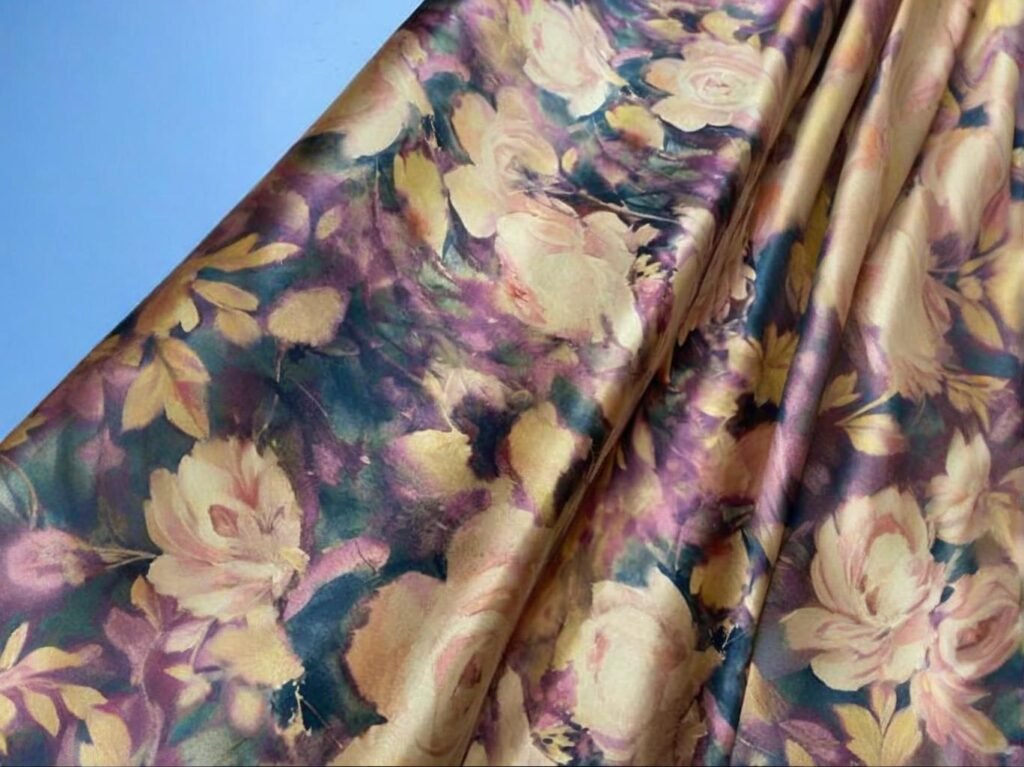
Silk is more than a fabric—it’s a strategic resource that blends ancient craft with modern trade. From high-end fashion to ethical slowwear, silk’s global footprint stretches across agriculture, manufacturing, and export logistics. But which country actually leads in producing the world’s silk, and what does that leadership look like in 2025?
China is the global leader in silk production by volume, infrastructure, and export scale, producing over 70% of the world’s silk. India follows as a major player, especially in wild silk types like Tussar and Eri, while countries like Vietnam, Uzbekistan, and Thailand contribute smaller but specialized outputs.
Understanding who leads—and how—is critical for B2B buyers sourcing silk for apparel, accessories, home textiles, or industrial applications. From sustainable certifications to cost-per-meter to logistical reliability, the answer isn’t always obvious.
Let’s begin with a story: In 2023, a premium Scandinavian sleepwear brand launched a new silk capsule using raw silk from Vietnam, hoping to shift away from Chinese suppliers. But within three months, inconsistent quality and slower lead times forced them back to certified Chinese mills—reinforcing that production leadership isn’t just about origin, but consistency, cost, and capability.
1. What Are the Global Benchmarks for Measuring Silk Production Leadership?
Global silk production leadership is determined by a combination of quantitative and qualitative benchmarks, including annual production volume (in metric tons), quality control infrastructure, market share in raw vs. finished goods, and ability to meet international certification standards.
Key Metrics That Define Silk Production Leaders
1.1 Volume and Output Consistency
- Metric tons per year is the most direct measure.
- Long-term stability (not just one peak year) matters for industrial and fashion buyers.
1.2 Silk Type Variety
- Some countries specialize in mulberry filament silk (e.g., China, Vietnam), while others produce wild silks (e.g., Tussar, Eri, Muga in India).
- Variety supports different markets and sustainability claims.
1.3 Infrastructure & Technology
- Countries with modern reeling, digital printing, and weaving capabilities support faster, cleaner, and more scalable production.
1.4 Certification Capacity
- Access to OEKO-TEX, GOTS, ISO, and Silk Mark India matters to global retail chains and eco-conscious brands.
Comparative Overview of Benchmark Categories
| Benchmark Category | China | India | Vietnam | Italy |
|---|---|---|---|---|
| Total Output (MT/year) | 100,000+ | ~35,000 | ~5,500 | <1,000 (imports raw silk) |
| Silk Type Coverage | Mulberry | All 4 types | Mulberry | Mulberry (finishing only) |
| Certification Capacity | High (OEKO, ISO) | Growing (GOTS, Silk Mark) | Moderate | High (EU REACH, OEKO) |
| Export Readiness | Excellent | Variable | Moderate | High |
Key Insight:
Production leadership is not just a question of quantity, but of reliability, versatility, and compliance with global standards.
2. Which Country Produces the Most Silk in Terms of Volume and Value?
China is the world’s largest silk producer by a wide margin, accounting for over 70% of total global silk production, particularly in mulberry silk filament, the most sought-after type for apparel and home textiles. It leads not only in volume but also in the value chain—thanks to advanced processing, scalability, and international export infrastructure.
China’s Silk Production in Numbers
Annual Production Volume by Country (2024–2025 Estimate)
| Country | Silk Production (Metric Tons) | Dominant Silk Type |
|---|---|---|
| China | 100,000+ | Mulberry (filament) |
| India | ~35,000 | Tussar, Eri, Mulberry |
| Uzbekistan | ~6,000 | Mulberry (raw + yarn) |
| Vietnam | ~5,500 | Mulberry (fine yarn) |
| Thailand | ~2,000 | Handwoven mulberry |
Sources: FAO, International Sericulture Commission, WTO Textiles Division
Economic Value of Production:
- China’s silk industry contributes over $4 billion annually to its textile economy.
- Silk hubs like Hangzhou, Suzhou, Guangxi, and Sichuan form the backbone of the country’s sericulture network.
- Local governments provide infrastructure subsidies, innovation grants, and export tax advantages to silk mills.
Why China Wins:
- Vertical Integration: From mulberry planting to automated reeling and high-speed looms.
- Low Labor Cost + High Output: Efficiency without compromising consistency.
- Digital Readiness: Factories support CAD design, digital printing, and AI-powered QC systems.
- Export Ecosystem: Seamless documentation, trade agreement utilization (e.g., RCEP), and fast port access.
Buyer Story:
An Australian wholesale sleepwear distributor placed a 20,000-unit order for printed mulberry silk robes with a Chinese mill in Jiaxing. Turnaround time from sampling to FOB shipment: 18 working days. The same order in India was estimated at 45–60 days with potential color variation due to hand processes.
Key Buyer Takeaway:
For consistent quality, colorfastness, and scale, China remains unmatched—especially for brands with tight launch cycles or high-volume e-commerce models.
3. How Has China Maintained Its Dominance in Global Silk Manufacturing?
China has maintained global leadership in silk manufacturing through a combination of historical expertise, government investment, technological modernization, and international market penetration. This dominance is not just a relic of the ancient Silk Road—it’s a result of strategic infrastructure planning and export-oriented production.
Factors Driving China’s Silk Leadership
3.1 Historical Legacy + Infrastructure Synergy
- Zhejiang and Jiangsu provinces have been silk centers since the Tang dynasty.
- Today, these regions host fully integrated silk industrial parks, supporting everything from sericulture to reactive printing.
3.2 State Support and Policy Backing
- The Chinese government subsidizes sericulture programs, especially in provinces like Guangxi and Sichuan.
- Silk manufacturers often benefit from low-interest loans, technology adoption grants, and R&D tax credits.
3.3 Technological Edge
- Digital textile printing is widely used for scarves, fashion fabric, and accessories.
- Automated looms, AI-driven color correction, and moisture-resistant treatments are standard in Tier 1 factories.
- Factories invest in sustainability too—closed-loop dye systems and solar-powered facilities are increasingly common.
3.4 Export Power & Trade Infrastructure
- China exports silk to over 120 countries.
- Uses major ports like Shanghai, Ningbo, and Shenzhen for fast FOB shipments.
- Many suppliers offer English-speaking sales reps, export documentation teams, and trackable order systems.
Real-Life Case:
A UK-based luxury nightwear brand sourced 25mm OEKO-TEX mulberry silk from Suzhou. The supplier offered digital printing, fabric pre-wash, and finished hemming. From CAD submission to air shipment: 15 days. No minimum order was required for sampling, and the buyer launched a best-selling SKU with 27% margin growth.
China’s leadership is a result of industrial ecosystem efficiency. It’s not just that they produce more—it’s that they do it faster, cheaper, and with more customization options, without compromising repeatability.
4. What Role Does India Play in Wild and Peace Silk Production?
India plays a pivotal role in global silk production—not by volume dominance, but by diversity and ethical innovation. It is the only country in the world that produces all four major silk types: Mulberry, Tussar, Eri, and Muga. India leads in wild silk (Tussar, Muga) and peace silk (Eri) exports, especially to eco-conscious and artisan-driven brands.
India’s Unique Contributions to the Silk Industry
4.1 Key Silk Types from India
| Silk Type | Region | Characteristics | Typical Uses |
|---|---|---|---|
| Tussar | Jharkhand, Odisha | Textured, golden brown, strong | Saris, scarves, jackets, craft fabrics |
| Eri | Assam, Meghalaya | Soft, wooly, matte, cruelty-free (no pupa killing) | Shawls, loungewear, vegan accessories |
| Muga | Assam | Naturally golden, exclusive, high-shine | Bridalwear, ceremonial garments |
| Mulberry | Karnataka | Filament silk, smoother but less dominant than China | Sarees, blouses, accessories |
4.2 Sustainability & Certifications
- Eri silk is increasingly demanded by vegan fashion brands.
- India’s Silk Mark, GOTS, and Handloom Mark are respected certifications globally.
- Many rural cooperatives now align with fair trade and traceability standards.
4.3 Artisanal Advantage
- India supports over 8 million people in sericulture, many of whom are tribal artisans and rural women.
- Hand-spinning, hand-weaving, and natural dyeing practices give Indian silk a cultural and ethical edge.
Buyer Success Story:
A Dutch sustainable fashion startup ordered 1,200 meters of GOTS-certified Eri silk from a cooperative in Assam. The textured, breathable fabric was used for wrap dresses that retailed at $180+. Customers responded strongly to the “cruelty-free” story, and the company saw a 38% repeat order rate within 90 days.
India’s strength lies in ethical sourcing, handwoven heritage, and diverse silk types. For brands focused on sustainability, tradition, and storytelling, India is a powerful partner—even if lead times and batch variation are higher than China.
5. Are There Emerging Silk Producers Challenging the Traditional Leaders?
Yes, while China and India remain the dominant producers, countries like Vietnam, Uzbekistan, Brazil, and Thailand are emerging as niche players in global silk production. They are gaining recognition through specialization, ethical focus, and regional trade agreements—though they are not yet large enough to challenge the top two in total output.
Profiles of Rising Silk-Producing Countries
5.1 Vietnam
- Region: Bao Loc (Lam Dong Province)
- Silk Type: Mulberry (fine filament)
- Strengths:
- High-quality reeled yarn
- Clean processing and dyeing
- Export-friendly via EU-Vietnam Free Trade Agreement
- Buyer Focus: Japan, South Korea, Germany
- Use Case: An Australian wellness brand used Bao Loc silk to produce embroidered eye masks with softer edges and better dye absorption than local Chinese alternatives.
5.2 Uzbekistan
- Region: Fergana Valley
- Silk Type: Mulberry (raw silk, yarn)
- Strengths:
- Government investment in sericulture revival
- Silk Road branding initiatives
- Collaboration with Turkey and EU buyers
- Limitations: Infrastructure and traceability systems are still maturing.
5.3 Thailand
- Region: Surin, Nakhon Ratchasima
- Silk Type: Handwoven mulberry
- Strengths:
- Strong local identity (Thai Royal Silk branding)
- Artisan production for niche markets
- Backed by Queen Sirikit Sericulture Project
- Buyer Focus: U.S. and Japanese designers looking for premium hand-loomed materials
5.4 Brazil
- Region: Paraná State
- Silk Type: Mulberry (industrial grade)
- Strengths:
- Export of raw silk to Japan
- GMO-free sericulture practices
- Controlled supply chain for traceability
Country Comparison Table (2025 Projections)
| Country | Production Volume (MT) | Main Silk Type | Competitive Edge | Limitation |
|---|---|---|---|---|
| Vietnam | ~5,500 | Mulberry | High-quality filament, FTA access | Lower volume, limited print options |
| Uzbekistan | ~6,000 | Mulberry | Low labor cost, Euro-Asia access | Tech infrastructure still developing |
| Thailand | ~2,000 | Mulberry (handloom) | Heritage value, high margins | Not scalable, artisanal only |
| Brazil | ~1,200 | Mulberry | Sustainable farming, stable output | Limited to raw silk exports |
Emerging producers are ideal for niche, ethical, or diversified sourcing, but not yet replacements for China or India in large-scale production.
6. How Do Production Methods Differ Across Leading Silk-Producing Countries?
Production methods vary widely across countries—shaped by technology, labor availability, market positioning, and cultural tradition. These differences impact lead time, batch quality, sustainability, and price. B2B buyers need to align product goals with the right production style.
Production Style Comparison by Country
6.1 China: High-Speed Industrial Automation
- Sericulture: Large-scale mulberry farms, often government-supported
- Reeling: Automated continuous filament machines
- Weaving: Power looms, reactive dyeing, digital printing
- QC: AI-assisted inspection, ISO-compliant labs
- Result: Efficient, uniform silk ideal for fast fashion and retail supply chains
6.2 India: Craftsmanship and Wild Silk Processing
- Sericulture: Smallholder-based, tribal and village operations
- Reeling: Manual or semi-manual, especially for Eri and Tussar
- Weaving: Handlooms, pit looms, artisanal block printing
- QC: Decentralized; quality varies by cooperative or region
- Result: Unique texture and ethical appeal, but longer lead times
6.3 Vietnam: Mid-Scale Precision
- Sericulture: Vertically integrated mulberry farms and reeling units
- Reeling: High-quality yarns produced for regional fashion and accessory markets
- Weaving: Balanced use of both power looms and manual looms
- QC: Moderate; improving due to Japanese collaborations
6.4 Italy: Luxury Finishing
- Note: Italy imports raw silk (mainly from China and Brazil)
- Specialization: Finishing, screen printing, digital patterning, embellishment
- Result: World-renowned for fashion silk, luxury scarves, couture
Comparative Production Method Chart
| Country | Production Type | Typical Output Quality | Turnaround Time | Best For |
|---|---|---|---|---|
| China | Industrial, automated | Uniform, high yield | Fast (7–15 days) | Mass retail, e-commerce, sleepwear |
| India | Artisan, manual | Textured, story-rich | Slower (30–60d) | Sustainable brands, artisan collections |
| Vietnam | Semi-automated | Soft, consistent | Moderate | Apparel, accessories, regional sourcing |
| Italy | Finishing only | Luxury-grade, fashion-ready | Varies | High-end brands, couture, printing |
Case Study:
A Korean fashion label sourcing both from Vietnam (for basic silk dresses) and India (for handwoven scarves) reported a 20% margin increase when combining automation and craft production into a single seasonal collection—blending cost efficiency with brand differentiation.
7. What Impact Do Certifications and Sustainability Have on Silk Production Rankings?
Certifications and sustainability standards are becoming critical factors in evaluating global silk production leadership. Buyers today not only look for quality and price but also for compliance with environmental and social responsibility criteria.
Certifications Reshaping the Global Silk Industry
7.1 Key Silk Certifications
| Certification | Focus Area | Trusted In | Description |
|---|---|---|---|
| OEKO-TEX Standard 100 | Chemical safety, human-ecology | EU, US, Global | Ensures textiles are tested for harmful substances |
| GOTS | Organic & ethical production | Europe, Japan | Applies to organic fibers, including silk, with strict audits |
| Silk Mark India | Authenticity, traceability | India, Asia | Guarantees genuine Indian silk from recognized clusters |
| ISO 9001/14001 | Quality & environmental systems | Global | Covers factory-wide process management and environmental impact |
| Fair Trade | Social sustainability | Europe, US | Often used by artisan cooperatives for handwoven silk |
7.2 Country Comparison: Certification Capacity
| Country | OEKO-TEX | GOTS | Silk Mark | ISO | Fair Trade |
|---|---|---|---|---|---|
| China | ✅ High | ⚠️ Limited | ❌ No | ✅ Widespread | ⚠️ Rare |
| India | ✅ Growing | ✅ Yes | ✅ Yes | ⚠️ Varies | ✅ Many cooperatives |
| Vietnam | ✅ Moderate | ⚠️ Rare | ❌ No | ✅ Growing | ⚠️ Developing |
| Italy | ✅ High | ✅ Yes | ❌ No | ✅ High | ✅ Available |
7.3 Why Sustainability Is Gaining Ground
- Global retailers now require compliance docs before listing silk products.
- Brands want traceable sourcing stories—“peace silk,” “organic mulberry,” or “handwoven by artisans.”
- Consumers are increasingly aware of pesticide use, carbon emissions, and labor conditions in textile supply chains.
Buyer Insight:
A Canadian wellness brand required OEKO-TEX certification and eco-packaging for all silk eye masks. Chinese mills with certified production secured the deal over uncertified competitors—even though they were slightly more expensive.
Key Takeaway:
Certifications don’t just add trust—they open the door to premium retail channels, lower customs risk, and stronger brand equity.
8. How Should B2B Buyers Evaluate the Best Country for Sourcing Silk Fabrics?
There’s no one-size-fits-all answer. The best country for sourcing silk depends on your brand’s priorities—speed, cost, sustainability, heritage, customization, or luxury positioning. B2B buyers should balance objective data (volume, pricing) with strategic alignment to customer needs.
Buyer-Centric Evaluation Model
Buyer Type and Ideal Sourcing Country
| Buyer Profile | Best Country Match | Why It Works |
|---|---|---|
| Fast Fashion / DTC Brand | China | Fast turnaround, low MOQ, wide fabric range |
| Luxury Fashion House | Italy (finishing), China | High-end prints, perfect sheen, brand cachet |
| Sustainable/Vegan Label | India | Peace silk, fair trade, traceable cooperatives |
| Boutique Textile Designers | Thailand, India | Handloom options, local dyes, custom texture |
| Interior & Bedding Brands | China, Vietnam | OEKO-TEX certified, stable GSM, color control |
Decision-Making Framework
| Criteria | Questions to Ask |
|---|---|
| Quality Consistency | Do you need color-matched repeatability? |
| Ethical Concerns | Does your market demand peace silk or vegan? |
| MOQ & Lead Time | Can the factory support 50m, or only 1,000m+? |
| Certifications | Can they provide real OEKO-TEX / GOTS docs? |
| Export Support | Do they offer packaging, HS code help, labeling? |
Common Mistakes to Avoid:
- Choosing based only on price (can cost more later in QC issues)
- Ignoring lead time and holidays (Chinese New Year, Diwali, etc.)
- Not clarifying GSM, shrinkage, dye method in PO terms
- Assuming “silk” means mulberry silk—always specify the type!
Final Strategic Insight:
Think long-term. The right sourcing partner isn’t just a vendor—it’s a collaborator who helps you reduce risk, build brand value, and innovate.
Silk Production Leadership Is Evolving — Sourcing Must Evolve Too
China leads the world in silk production by scale, speed, and industrial capability. But India leads in ethical silk, Vietnam in refinement, and Italy in luxury finishing. For B2B buyers, leadership is about fit, not just output. The smartest sourcing decision is one that matches your market expectations, brand values, and production goals.
- Want consistent, OEKO-TEX-certified silk for mass production? Go with China.
- Want artisan-crafted peace silk with a traceable story? Choose India.
- Need printed scarves or luxury fashion fabrics? Italy and Vietnam are top bets.
And if you’re looking for a partner that combines quality, flexibility, speed, and service—you don’t have to look far.
Work with SzoneierFabrics — Your Reliable Silk Manufacturing Partner in China
With years of expertise in silk R&D, weaving, and global B2B support, SzoneierFabrics is a trusted choice for international buyers who value quality and customizability. Whether you need bulk OEKO-TEX certified mulberry silk, peace silk alternatives, or custom GSM and digital prints—we’ve got you covered.
✅ 100% Quality Assurance ✅ Free Design & Sampling Support ✅ MOQ Starting at 50 Meters ✅ Short Lead Time (7–15 Days) ✅ OEKO-TEX & ISO Certified Options Available ✅ Custom Packaging & Export Services
Can't find the answers?
No worries, please contact us and we will answer all the questions you have during the whole process of bag customization.
Make A Sample First?
If you have your own artwork, logo design files, or just an idea,please provide details about your project requirements, including preferred fabric, color, and customization options,we’re excited to assist you in bringing your bespoke bag designs to life through our sample production process.