 Skip to content
Why Cotton Canvas Fabric Is the Ideal Choice for Durable Outdoor Gear
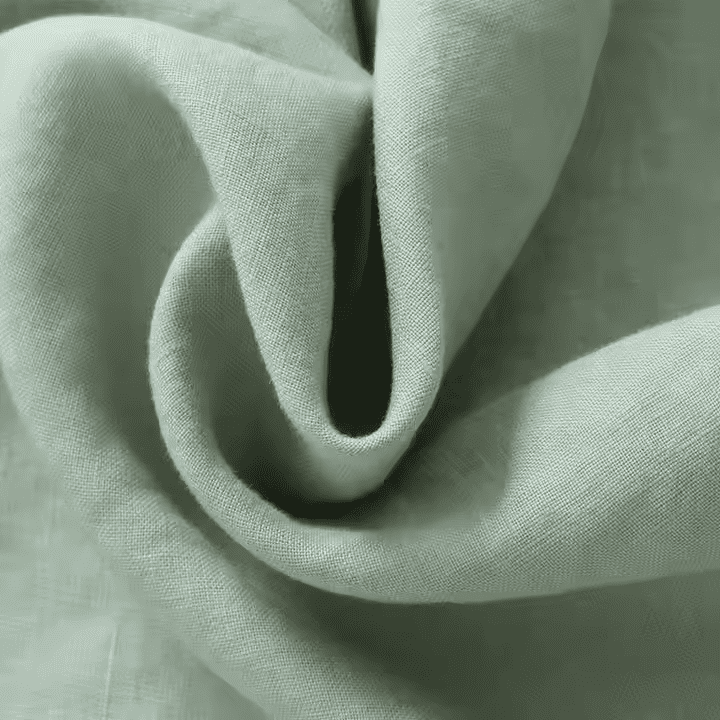
Outdoor gear demands fabrics that can withstand rugged terrain, harsh weather, and constant use. Among the many materials vying for attention, cotton canvas stands out as a timeless favorite, prized for its durability, versatility, and eco-friendly qualities. Its ability to combine natural breathability with toughness makes it perfect for everything from backpacks and tents to workwear and tarps.
Cotton canvas fabric is ideal for durable outdoor gear because of its high tensile strength, abrasion resistance, breathability, and compatibility with protective coatings—ensuring performance in demanding environments.
A vivid example is a Canadian outdoor apparel brand that switched from synthetic blends to 18oz cotton canvas for their field backpacks. Not only did they notice a 30% improvement in fabric lifespan, but customer feedback emphasized the “natural feel” and “rugged charm” that enhanced the brand’s authenticity. This shift became a powerful marketing story connecting craftsmanship to product reliability.
Let’s dive into what makes cotton canvas the smart fabric choice for outdoor enthusiasts and manufacturers alike.
What Properties Make Cotton Canvas Suitable for Outdoor Gear Manufacturing?
Outdoor gear needs to perform in the face of extreme wear, variable climates, and user demands for comfort. That’s why many heritage brands, tactical equipment suppliers, and eco-conscious outdoor manufacturers continue to rely on cotton canvas as a core material.
Cotton canvas offers a rare balance of strength, comfort, and environmental compatibility. Its dense weave, abrasion resistance, and natural breathability make it highly suited for tents, backpacks, jackets, tool rolls, and shelter gear. When treated with modern coatings, it becomes even more versatile—repelling water, resisting UV, and extending the life of outdoor products.
Let’s take a closer look at the performance characteristics that make cotton canvas a staple in outdoor gear design.
The Key Performance Characteristics
Tensile Strength and Load Endurance
Cotton canvas owes its strength to long-staple cotton fibers woven in high-density patterns (plain or duck weave). This creates a rugged fabric that doesn’t stretch or tear easily, even when pulled, packed, or dragged across rocky terrain.
- Measured Performance: Most industrial-grade canvas (14oz–24oz) achieves tensile strength ratings of 350–600 N per 5cm, making it ideal for weight-bearing gear like backpack straps, tent tie-downs, and tool slings.
Abrasion Resistance for Tough Environments
Outdoor use means constant exposure to rough surfaces—gravel, tree bark, sand, and tools. Canvas stands up to this abuse due to:
- Its dense fiber locking (particularly in duck canvas)
- Its inherent friction tolerance, which is amplified when waxed or PU-coated
- Test Performance: In Martindale abrasion testing, cotton canvas typically surpasses 20,000–40,000 cycles, outperforming many untreated synthetic blends.
Result: Your gear lasts longer, especially at contact points like bag bottoms, seat covers, and tent corners.
Breathability and Condensation Control
Unlike fully synthetic fabrics, cotton canvas allows air exchange. This makes it highly breathable, helping regulate temperature and moisture inside gear like:
- Tents and awnings
- Hunting blinds or bivy shelters
- Backpacks and duffel bags
This airflow minimizes condensation—a major issue with polyester tents in humid or cold conditions—and contributes to a more comfortable internal climate for the user.
Moisture Management and Drying Behavior
Cotton naturally absorbs about 7–8% of its weight in moisture, but it also dries relatively quickly due to its hollow fiber structure.
This property helps:
- Prevent mold and mildew buildup
- Regulate internal humidity in gear
- Reduce sweating or clamminess in wearables and soft goods
In technical applications, wax or PU coatings can make cotton canvas highly water-repellent, giving it the dual benefit of moisture defense + breathability.
UV Resistance for Sun-Exposed Environments
Cotton canvas offers inherent UV protection and, when treated with UV-stabilizing coatings, can achieve up to 50% solar blocking. This helps:
- Extend the life of sun-exposed gear (awnings, shelters, tents)
- Preserve fabric color and strength over time
- Shield users and contents from direct radiation
Real-use Insight: Cotton canvas tents used in Australian outback expeditions retained structural integrity for over 3 years of continuous use, outperforming nylon competitors that degraded after one season due to UV damage.
Tactile Comfort and Aesthetic Appeal
While technical specs are important, canvas also provides emotional and sensory benefits that modern outdoor users value:
- Natural hand feel that doesn’t feel “plastic” or cold
- Timeless outdoor aesthetic, especially when waxed or naturally dyed
- Sound-dampening quality that reduces flap noise in windy conditions (unlike crisp nylon or polyester)
For lifestyle brands, this “authentic outdoor feel” enhances the product’s premium positioning and encourages long-term user attachment.
Summary of Key Outdoor Performance Metrics
| Property | Measurement / Grade | Benefit in Outdoor Gear |
|---|---|---|
| Fabric Weight | 12–24oz (approx. 400–800gsm) | Balances durability with packability |
| Tensile Strength | 350–600 N / 5cm | Supports heavy gear loads and high tension |
| Abrasion Cycles | 20,000+ (Martindale Test) | Handles wear from terrain and hardware |
| Moisture Absorption | 7–8% (natural cotton) | Breathable, controls condensation |
| UV Protection | Up to 50% with proper coating | Ideal for long-term sun exposure in field conditions |
Real-World Example
A premium tent manufacturer in Australia transitioned to 18oz waxed cotton canvas for their high-performance hiking shelters. The result:
- Enhanced breathability, allowing users to sleep more comfortably in humid environments
- Superior abrasion resistance, reducing punctures and seam stress during rocky setups
- Positive user feedback on comfort, airflow, and product lifespan
- Increased brand loyalty due to perceived “heritage quality” and eco-friendliness
Rugged, Reliable, and Naturally Adaptable
Cotton canvas continues to prove its worth in modern outdoor gear manufacturing. With its ability to balance strength, comfort, breathability, and protection, it meets the real-world demands of both adventure and utility products.
Whether you’re building backpacks, shelters, carriers, or heavy-duty clothing, canvas delivers lasting performance with a low environmental footprint—something every modern outdoor brand can stand behind.
How Does Cotton Canvas Perform Compared to Synthetic Fabrics in Outdoor Conditions?
When it comes to outdoor equipment and apparel, material performance in real-world conditions is a critical consideration. Manufacturers, designers, and consumers alike must evaluate not just durability and protection, but also factors like comfort, sustainability, and longevity.
Cotton canvas holds a distinct edge in breathability, tactile comfort, and eco-friendliness, making it a strong choice for moderate to rugged outdoor use. Synthetic fabrics like polyester and nylon, on the other hand, offer impressive strength-to-weight ratios and inherent water resistance, giving them a clear advantage in certain high-performance scenarios such as alpine climbing or extended wet weather exposure.
Let’s explore how these materials stack up across key performance categories.
Side-by-Side Material Performance Comparison
| Factor | Cotton Canvas | Polyester / Nylon |
|---|---|---|
| Breathability | High – allows airflow, reduces condensation | Low – traps moisture, causes internal humidity |
| Weight | Medium to heavy (12–24 oz) | Light to medium (60–250 gsm) |
| Water Resistance | Moderate – wax/PU coatings improve it | High – naturally hydrophobic |
| UV Stability | Moderate to high (when treated) | Variable – often degrades without UV coatings |
| Sustainability | Biodegradable, renewable cotton fiber | Petroleum-based, non-biodegradable |
| Comfort / Feel | Natural, warm hand feel | Can feel slick, plasticky, or coarse |
| Repairability | Easily patched or stitched in the field | Requires specialty tools or adhesives |
Breathability and Interior Climate Control
Canvas offers superior air permeability, a key benefit in tents, backpacks, or awnings where condensation and heat buildup can be uncomfortable or even dangerous. In contrast, synthetics often trap heat and moisture, leading to clammy interiors and unpleasant user experiences—particularly in humid or warm climates.
Use Case Example: In temperate hiking regions like the Pacific Northwest, canvas tents outperform synthetic tents in interior dryness due to superior airflow—even when humidity is high outside.
Weight and Packability
Here, synthetics clearly outperform. A ripstop nylon shelter or backpack can weigh 40–60% less than an equivalent canvas version. For ultralight backpackers, mountaineers, or rescue workers, this weight reduction is critical.
However, cotton canvas’s durability and load-bearing capacity often offset the weight in applications like:
- Utility carry gear
- Bushcraft and survival shelters
- Camp duffels or rugged travel packs
Many lifestyle or tactical outdoor brands embrace the weight of canvas as a mark of quality, reliability, and long-term use.
Water Resistance and Weatherproofing
Synthetics like polyester and nylon are hydrophobic by nature, meaning they repel water without needing treatment. They’re ideal for rain jackets, tarps, or dry bags.
By contrast, cotton canvas starts off absorbent, but can be rendered water-resistant through:
- Waxing (traditional method, breathable)
- PU or PVC coatings (fully waterproof, durable)
- Tight weave and DWR (durable water repellent) finishes
When treated properly, canvas resists rain well while maintaining breathability, a combination that synthetics often struggle to replicate.
UV Resistance and Sun Exposure
Outdoor gear is frequently exposed to harsh sunlight, especially in desert or alpine environments. Untreated synthetics are prone to UV degradation, becoming brittle, faded, and weak over time.
Cotton canvas, especially when UV-coated or naturally dyed, resists sunlight more gracefully:
- Retains color longer
- Maintains structural integrity
- Doesn’t become brittle or crack-prone
Performance Tip: For sun-exposed tents or coverings, UV-treated canvas can last 2–3 times longer than untreated synthetics.
Sustainability and Eco-Friendliness
One of the strongest arguments for cotton canvas is its environmental performance. Made from a renewable plant source, canvas is:
- Biodegradable in 6–24 months
- Compostable when untreated
- Low energy to recycle or repurpose
Synthetics, by comparison, are made from non-renewable petrochemicals and can take 200+ years to degrade, releasing microplastics along the way.
Modern outdoor consumers increasingly prioritize sustainable materials, and canvas aligns perfectly with this value.
Customer Insight and Field Feedback
A U.S.-based outdoor apparel brand reported the following after testing two product lines:
- Canvas backpacks scored higher in comfort, thermal regulation, and user satisfaction
- Nylon versions were lighter and more water-resistant, but customers noted higher sweat buildup and shorter perceived product lifespan
- Canvas models had 25% lower return rates after one year of field use
This suggests that canvas’s user experience and durability lead to stronger long-term customer loyalty, even if it sacrifices a few ounces in pack weight.
Critical Evaluation: When to Choose Canvas vs. Synthetics
| Choose Cotton Canvas When | Choose Synthetics When |
|---|---|
| Comfort and breathability are top priorities | Weight-saving is critical (e.g., alpine, UL hiking) |
| You want a premium, heritage-style outdoor aesthetic | You need packable, fast-drying gear for wet environments |
| Sustainability is a brand or user focus | Performance under torrential rain is non-negotiable |
| You need field-repairable material | Specialized factory repair is accessible and acceptable |
Balanced Performance for Outdoor Adventure
Cotton canvas continues to be a trusted choice in outdoor gear manufacturing due to its natural performance characteristics, comfort, and sustainability profile. While synthetic materials offer advantages in extreme conditions or ultralight setups, canvas holds its own in durability, user experience, and real-world utility.
For brands aiming to combine rugged performance with eco-conscious design—and for users seeking breathable, long-lasting gear—cotton canvas remains a material of choice worth investing in.
Which Types of Outdoor Gear Benefit Most from Cotton Canvas Fabric?
In the world of outdoor gear, material choice plays a vital role in balancing function, comfort, and longevity. While synthetic materials dominate some high-performance niches, cotton canvas remains the fabric of choice for products that demand strength, breathability, classic aesthetics, and sustainable appeal.
Cotton canvas is especially well-suited for backpacks, tents, duffel bags, workwear, and tarps—thanks to its heavy-duty construction, abrasion resistance, natural airflow, and capacity for treatments such as waxing or PU coating. It delivers long-lasting performance in field conditions, making it ideal for both rugged adventure and everyday outdoor use.
Let’s explore where cotton canvas shines brightest.
Popular Outdoor Gear Applications
Backpacks and Daypacks
Canvas has long been used for durable, structured backpacks that can withstand daily wear and trail use alike. Its thick weave provides excellent resistance to friction, while PU or wax coatings enhance water repellency.
Advantages:
- Structured shape retention for gear organization
- High abrasion resistance, especially on high-contact zones (bottom panels, straps)
- Appealing vintage or heritage look, favored by both outdoor and urban users
Recommended Weight: 12–18 oz canvas Perfect for hiking daypacks, commuter bags, school packs, or tactical rucksacks.
Tents and Shelter Covers
Few materials offer the balance of breathability and toughness that canvas brings to tent fabrics. Unlike sealed synthetics, canvas tents allow moisture to escape, reducing interior condensation—making them especially popular in humid or cold camping environments.
Advantages:
- Excellent UV resistance (especially when treated)
- Superior comfort in all-weather conditions
- Quieter in wind than crinkly nylon or poly fabrics
- Easily repairable in the field
Recommended Weight: 16–24 oz canvas Ideal for wall tents, glamping shelters, scout tents, bushcraft shelters, and teepees.
Duffel Bags and Gear Bags
When it comes to gear hauling, canvas duffels are hard to beat. The material provides serious abrasion resistance, load-bearing strength, and a classic rugged look that suits both travel and military-style packing.
Advantages:
- Thick canvas resists tearing, even when fully loaded
- Easily paired with leather or metal hardware for added reinforcement
- Can be screen-printed or embroidered for branding or customization
Recommended Weight: 16–22 oz canvas Great for expedition bags, overland kits, cabin duffels, and motorcycle gear bags.
Workwear and Protective Apparel
Canvas is a staple material for durable outerwear and utility garments used in forestry, farming, construction, and mechanical industries. Its balance between protection and breathability makes it more wearable than many synthetic work fabrics.
Applications Include:
- Field jackets and hunting coats
- Tool aprons and welding bibs
- Heavy-duty gloves or chaps
Recommended Weight: 10–16 oz canvas Enough to protect against punctures and abrasion, but still breathable and flexible for movement.
Tarps and Covers
Whether used for covering equipment, firewood, vehicles, or supplies, canvas tarps are valued for their strength and airflow. Unlike fully waterproof plastics, they allow trapped heat or moisture to escape—preventing rot, rust, or mold underneath.
Advantages:
- More breathable than vinyl tarps
- Easily secured with grommets and reinforced edges
- Withstands UV, wind, and moderate rain with proper coating
Recommended Weight: 18–24 oz canvas Ideal for construction sites, agricultural equipment, utility trucks, and tent floors.
Canvas Weight Reference Table for Outdoor Gear
| Outdoor Gear Type | Recommended Canvas Weight (oz) | Key Performance Benefits |
|---|---|---|
| Backpacks | 12–18 oz | Strength, structure, abrasion resistance |
| Tents | 16–24 oz | Breathability, UV & tear resistance |
| Duffel Bags | 16–22 oz | Load support, rugged appearance |
| Workwear | 10–16 oz | Flexibility, durability, breathable protection |
| Tarps and Covers | 18–24 oz | Weather protection, strength, breathable shielding |
Case in Point: Canvas Tents Boost Retention for Camping Brand
A Canadian outdoor equipment brand replaced synthetic tent materials with 18oz waxed cotton canvas for their premium camping tents. The results were notable:
- Increased user comfort in both hot and cold climates
- Enhanced product reputation for durability and eco-friendliness
- 25% rise in customer retention over two seasons
- Positive brand impact from marketing the canvas as a sustainable upgrade
The success proved that canvas isn’t just a nostalgic choice—it’s a high-performance material when paired with the right finish and construction.
Cotton Canvas Powers the Core of Reliable Outdoor Gear
From the backcountry to the job site, cotton canvas proves its worth as a versatile, time-tested fabric for outdoor gear. Its blend of structural durability, tactile comfort, and environmental integrity sets it apart from modern synthetics in many applications.
Whether you’re building rugged bags, breathable tents, or protective apparel, canvas delivers the performance that today’s users—and tomorrow’s environment—demand.
How Do Weight and Weave Variations Affect the Durability of Cotton Canvas?
Cotton canvas is a go-to material in outdoor and industrial manufacturing because of its proven strength and adaptability. But not all canvas is created equal. The performance and feel of canvas depend heavily on two core factors: fabric weight (measured in ounces per square yard) and weave construction (plain vs. duck).
Choosing the right combination of weight and weave can make or break your product’s success—affecting everything from weather resistance and tear strength to sewing ease and end-user comfort.
Weight and Weave Impacts on Performance
Canvas weight determines the thickness, load-bearing capacity, and abrasion resistance, while the weave type affects tightness, texture, and structural integrity. Understanding how these two factors interact helps manufacturers select the ideal material for any given outdoor gear category.
Weight Variations Explained
Canvas weight typically ranges from 8oz to 24oz per square yard. Here’s how the differences affect performance:
- Lightweight Canvas (8–12 oz)
- Pros: Flexible, breathable, easy to stitch and fold
- Cons: Less resistant to abrasion or tearing
- Best For: Tote bags, apparel, linings, light covers
- Use Note: Ideal when flexibility or movement is a priority over ruggedness
- Medium-Weight Canvas (14–16 oz)
- Pros: Balanced durability and comfort; strong enough for moderate abrasion
- Cons: Slightly heavier, but still user-friendly
- Best For: Daypacks, workwear, utility rolls, outdoor jackets
- Use Note: Often considered the “sweet spot” for versatile gear
- Heavyweight Canvas (18–24 oz)
- Pros: Maximum protection, weather resistance, long lifespan
- Cons: Less pliable, heavier to carry, harder to sew
- Best For: Tents, tarps, duffels, industrial wraps
- Use Note: Great for extreme-duty applications where strength > flexibility
Weave Types and Their Functional Differences
- Plain Weave
- Over-under structure using single warp and weft yarns
- Produces a relatively smooth, soft texture
- Looser weave = more breathable, but also easier to fray or wear
- Use Case: Garments, small bags, internal liners, foldable storage
- Duck Weave (a.k.a. “duck cloth”)
- Tighter weave pattern with multiple yarns in each pass
- Denser fabric with higher thread count and abrasion resistance
- Often water-resistant even before finishing
- Use Case: Backpacks, tents, tarps, outdoor covers, seat bottoms
Insight: Duck weave canvas not only lasts longer in high-friction environments but also provides a better surface for coatings and printing, enhancing functionality and visual branding.
Canvas Performance Table
| Canvas Weight | Weave Type | Durability Level | Flexibility | Typical Use |
|---|---|---|---|---|
| 8–12 oz | Plain | Moderate | High | Lightweight bags, garments |
| 14–16 oz | Duck | High | Medium | Backpacks, outerwear, gear rolls |
| 18–24 oz | Duck | Very High | Low | Tents, tarps, duffels, field gear |
Szoneier Insight: Match Material to Function
Through years of developing and testing canvas-based outdoor products, Szoneier has identified key performance-cost relationships:
- 14oz duck canvas often hits the best balance for mid-range outdoor bags and workwear. It delivers reliable strength without overly increasing weight or production complexity.
- For extreme conditions (long-term sun, rain, abrasion), 18oz+ canvas—especially with a wax or PU finish—is unmatched in durability.
- Using lower-weight canvas with duck weave gives products a more rugged appearance and performance without pushing them into heavy-weight territory.
Balancing Trade-Offs in Product Design
Manufacturers must weigh technical needs against user expectations:
| Trade-Off | Impact |
|---|---|
| Heavier Canvas | Increases strength, reduces flexibility |
| Lighter Canvas | Boosts comfort and packability, lowers durability |
| Duck Weave | Improves resistance but adds stiffness and cost |
| Plain Weave | Easier to print/sew but wears faster under high stress |
| Heavier Weight + Coating | Best for protection but may reduce breathability |
| Medium Weight + Reinforcement | Balanced build with targeted strength zones (corners, straps) |
Smart textile selection reduces overengineering, cuts waste, improves sustainability, and enhances end-user experience.
Durability Is Engineered, Not Assumed
Cotton canvas doesn’t just perform because it’s “heavy.” It performs when weight and weave are strategically aligned to product function. Whether building gear for mountaineers, campers, or construction workers, understanding these textile mechanics allows you to:
- Extend product lifespan
- Reduce warranty claims
- Build brand trust through long-term reliability
Are Water-Resistant and Protective Coatings Compatible with Cotton Canvas?
Yes—cotton canvas is one of the most coating-friendly natural fabrics available for outdoor and industrial gear. Thanks to its tightly woven structure and natural absorbency, it can be treated with a range of coatings that enhance water repellency, UV protection, chemical resistance, and overall durability—all while retaining the material’s inherent strength and signature feel.
Coatings not only extend the service life of cotton canvas in challenging environments but also enable designers and manufacturers to tailor canvas performance to specific product functions—whether breathable jackets, waterproof tarps, or all-weather backpacks.
Let’s explore the most commonly used coatings and their benefits.
Types of Protective Treatments for Cotton Canvas
Each coating has its strengths, limitations, and ideal use cases. The right choice depends on the desired balance between protection and performance—particularly in terms of breathability, appearance, and maintenance.
Wax Coatings
Overview: Waxed canvas has been used for centuries in marine and outdoor applications. The wax fills the fiber gaps in the weave, creating a barrier to moisture while preserving flexibility and airflow.
Benefits:
- Moderate water resistance
- Breathable and natural hand feel
- Unique aged aesthetic over time
- Can be re-waxed for extended use
Common Applications:
- Bushcraft backpacks
- Outdoor jackets and vests
- Motorcycle saddlebags
- Utility aprons
Maintenance: Requires periodic re-waxing (every 6–12 months) to maintain water resistance and appearance.
Polyurethane (PU) Coatings
Overview: PU is a synthetic coating applied to the underside or surface of the fabric, forming a flexible, waterproof membrane. It’s more durable and protective than wax, often used in harsh, wet conditions.
Benefits:
- Fully waterproof (ideal for rain exposure)
- Maintains moderate flexibility
- Offers some resistance to chemicals and mildew
- Long-lasting without frequent maintenance
Common Applications:
- Camping tents and rain flies
- Industrial tarps and covers
- Canvas shower bags or outdoor gear cases
Maintenance: Minimal—just wipe clean. PU coatings can last 5–10 years with proper storage.
Acrylic Coatings
Overview: Acrylic coatings are often used to provide UV resistance and moderate water repellency while preserving a smoother finish than wax or PU. They are often applied to canvas used in branding, event structures, or lifestyle applications.
Benefits:
- Lightweight and colorfast
- Smooth, refined surface
- Better UV protection than wax
- Moderate water repellency with optional fluorocarbon additives
Common Applications:
- Outdoor canopies and awnings
- Branded market tents
- Casual duffel bags or tote bags
- Fashionable outdoor accessories
Maintenance: Durable and low maintenance—clean with water and mild soap as needed.
Coating Comparison Table
| Coating Type | Water Resistance | Breathability | Typical Uses | Maintenance |
|---|---|---|---|---|
| Wax | Moderate | High | Apparel, packs, accessories | Reapply every 6–12 months |
| PU | High (waterproof) | Moderate | Tents, tarps, gear cases | Low maintenance |
| Acrylic | Moderate | Moderate | Bags, awnings, tents | Occasional cleaning |
Case Study: Sweden-Based Outdoor Gear Manufacturer
A heritage outdoor gear company in Sweden transitioned to waxed 18oz cotton canvas for their rucksack product line. Their goals were to offer:
- Natural aesthetics with modern protection
- Extended performance in wet northern climates
- A tactile, breathable user experience
Results:
- Water resistance improved by over 40% compared to untreated canvas
- Product returns dropped by 22%, thanks to better weather durability
- Customers praised the “authentic look and performance blend”
- Repeat orders increased, driven by performance and style appeal
This showcases how a thoughtful coating choice elevates product value while preserving brand identity.
Balancing Protection and Comfort
Choosing the right coating isn’t just about making canvas “waterproof.” It’s about optimizing the balance between protection, weight, breathability, and end-use comfort.
| Use Case | Recommended Coating | Rationale |
|---|---|---|
| Wearable gear (jackets) | Wax or acrylic | Breathable, tactile, flexible |
| Field tents / rain gear | PU | Full waterproofing required |
| Tool bags / backpacks | Wax or PU | Abrasion + water protection + structure |
| Display tents / awnings | Acrylic | UV protection and lightweight aesthetic |
Coated Cotton Canvas Blends Function with Tradition
Cotton canvas is not only compatible with protective coatings—it becomes exceptionally versatile when enhanced. Whether waxed for rugged charm, PU-coated for storm resistance, or acrylic-finished for UV protection, the right coating unlocks canvas’s full outdoor potential.
These treatments do not compromise canvas’s core benefits—durability, breathability, and repairability—but rather expand its performance envelope, giving brands and manufacturers more tools to meet evolving user needs.
How Does Cotton Canvas Contribute to Sustainability in Outdoor Product Manufacturing?
In an era where outdoor brands are judged not only by product performance but also environmental responsibility, cotton canvas has emerged as a compelling material choice. Beyond its durability and natural appeal, cotton canvas offers measurable sustainability benefits that align with today’s eco-conscious design principles and consumer values.
Cotton canvas supports sustainable manufacturing by offering a renewable, biodegradable, and long-lasting alternative to synthetic fabrics. Its compatibility with organic and recycled sources, combined with low-impact reuse potential, makes it a responsible choice for outdoor gear, accessories, and protective coverings.
Let’s dive into the core sustainability advantages of cotton canvas in the outdoor product landscape.
Sustainability Advantages of Cotton Canvas
Renewable Natural Fiber
Cotton is a plant-based, annually harvested crop, making it a renewable raw material—unlike petroleum-based synthetics such as polyester or nylon. When sourced from certified organic or regenerative farms, cotton offers even greater environmental benefits by avoiding:
- Harmful chemical fertilizers
- Genetically modified organisms (GMOs)
- Pesticides and soil-degrading practices
Organic cotton canvas further enhances sustainability by reducing water use and promoting biodiversity.
Biodegradability and End-of-Life Benefits
One of the most compelling sustainability features of cotton canvas is its ability to naturally decompose. Unlike synthetics, which can persist in landfills for hundreds of years, cotton canvas:
- Breaks down in 6 months to 2 years under compostable or landfill conditions
- Releases no microplastics or toxic residue during decomposition
- Can be recycled or repurposed into insulation, padding, or industrial cloth
This makes canvas ideal for circular economy models and zero-waste design approaches in outdoor gear manufacturing.
Longevity and Reusability
Cotton canvas is not just sustainable at its origin or end of life—it’s built to last through years of repeated use. Products made from high-weight canvas (14–24 oz) routinely last 5–10 years or longer, depending on usage and care.
- Reusable gear like canvas duffel bags, tarps, and tent walls reduces the need for disposable packaging and single-use items
- Repairability is another key advantage: tears and frays can often be patched or restitched, extending product life without costly replacements
Durability equals sustainability—the fewer products that are discarded, the lower the environmental impact.
Lower Carbon Footprint Per Use
While cotton cultivation can involve water and land resources, its long usable lifespan reduces its carbon footprint dramatically over time. According to multiple lifecycle assessment studies:
- A cotton canvas bag reused 50 times emits significantly less CO₂ per use than a typical nylon or polyester bag used 10–15 times
- When combined with renewable coatings (like beeswax or plant-based PU), canvas gear becomes even more eco-efficient
| Sustainability Metric | Cotton Canvas | Synthetic Fabrics |
|---|---|---|
| Renewable Source | ✅ Yes | ❌ No (petroleum-derived) |
| Biodegradability | ✅ Yes | ❌ No (non-degradable) |
| Average Reuse Cycles | 50–100+ | 10–30 |
| CO₂ Emissions (per use) | Low | Moderate to High |
| Repairability | Easy (patch/sew) | Difficult (often replace) |
Certifications and Eco Standards
To ensure environmental credibility, many manufacturers opt for certified cotton canvas that meets international eco-textile standards. These certifications guarantee transparency, ethical sourcing, and reduced chemical harm:
- GOTS (Global Organic Textile Standard) – Verifies organic fiber sourcing and eco-friendly processing
- OEKO-TEX® Standard 100 – Confirms that the final product is free from harmful substances
- REACH Compliance – Ensures chemical safety across European markets
- GRS (Global Recycled Standard) – Certifies recycled cotton or blended canvas products
Certified canvas not only reduces ecological risk but enhances brand trust and traceability in competitive outdoor markets.
Industry Trends: Canvas in Eco-Conscious Product Lines
More outdoor brands are embracing cotton canvas as a key material in sustainable collections, often highlighting:
- Natural look and feel (aligned with outdoor aesthetics)
- Long-term durability for rugged adventures
- Compostability and eco-alternative to plastic-heavy packs
Examples include:
- Canvas daypacks with wax finishes for eco-travelers
- Organic canvas tents in glamping and eco-tourism markets
- Recycled cotton canvas duffels marketed as plastic-free travel gear
Consumer Insight: Surveys show that over 70% of outdoor product buyers prefer sustainable materials when quality and performance are comparable.
Cotton Canvas Is a Sustainable Foundation for Outdoor Innovation
Cotton canvas combines earth-friendly origins, high reusability, and a natural end-of-life path to become one of the most sustainable materials in outdoor product manufacturing. When sourced responsibly and treated thoughtfully, it offers brands a compelling story of durability, function, and environmental responsibility.
For manufacturers and designers seeking low-impact materials that perform in real-world conditions, cotton canvas delivers unmatched value.
What Customization and Finishing Options Are Available for Cotton Canvas Outdoor Gear?
Cotton canvas isn’t just strong—it’s incredibly customizable, making it one of the most adaptable materials in the outdoor gear industry. Whether you’re designing functional equipment for expedition use or premium accessories for eco-conscious consumers, canvas allows manufacturers to tailor every detail—from fabric weight and weather resistance to visual branding and ergonomic hardware.
With canvas, manufacturers can create outdoor products that align perfectly with brand identity, user comfort, technical needs, and market expectations.
Let’s explore the main customization and finishing options available for outdoor-grade cotton canvas gear.
Customization Possibilities for Outdoor Canvas Gear
Fabric Weight Selection
Canvas weight plays a central role in defining the product’s durability, structure, and flexibility. Manufacturers can select from:
- 10–12 oz canvas – Lightweight and flexible; great for packable accessories, softshell jackets, and casual bags
- 14–16 oz canvas – Balanced durability and pliability; ideal for daypacks, workwear, and field gear
- 18–24 oz canvas – Heavy-duty structure and abrasion resistance; used in tents, duffels, tarps, and tactical backpacks
Key Insight: Heavier canvas holds up better in harsh environments, while medium weights offer better comfort and easier stitching during production.
Surface Treatments and Protective Finishes
Cotton canvas is highly receptive to performance-enhancing surface treatments, making it suitable for different climates and regulatory environments.
- Wax Coating
- Traditional method for water resistance
- Offers rugged texture and heritage aesthetic
- Breathable and re-waxable over time
- Ideal for bushcraft packs, jackets, and adventure bags
- PU (Polyurethane) Coating
- Creates waterproof barrier without excessive weight
- Suitable for tents, tarps, rain covers, and bags
- Durable and easy to wipe clean
- Acrylic Coating
- Lightweight and UV-resistant
- Smooth surface finish
- Popular for outdoor furniture covers and sunshades
- Flame-Retardant Finish
- Required for gear used near heat or flame
- Ensures compliance with standards such as NFPA or CPAI-84
- Used in field shelters, work aprons, and fire-safe storage bags
Color and Dyeing Techniques
Canvas can be dyed in a variety of ways depending on the desired color vibrancy, fade resistance, and branding cohesion.
- Undyed/Natural Canvas
- Organic, minimalist look
- Best for rustic or eco-themed product lines
- Pigment Dyeing
- Economical method for solid, earthy tones
- Slight fading over time adds character
- Reactive Dyeing
- Chemically bonds with cotton fibers
- Produces vivid, colorfast results suitable for outdoor exposure
- Custom Color Matching
- Pantone-matched shades for consistent brand identity across product lines
- Useful for limited-edition collections or OEM/ODM private labeling
Printing and Branding Options
Canvas offers a durable surface for high-quality branding applications, essential for outdoor brands looking to stand out.
- Screen Printing
- Sharp, bold logos or graphics
- Ideal for 1–3 color brand marks or instruction icons
- Embroidery
- Premium look and long-lasting durability
- Great for logo patches, nameplates, and signature elements
- Heat Transfers / DTG (Direct to Garment)
- Enables full-color, photorealistic prints
- Works well on smooth canvas finishes
Tip: Combine embroidery with leather patches for a rugged and upscale visual identity.
Hardware and Construction Features
Cotton canvas pairs well with a wide range of hardware and construction techniques that enhance both function and style.
- Reinforced Stitching
- Bartack or box-and-cross seams at stress points (strap bases, zippers)
- Double-stitched edges for high-load areas
- Custom Hardware
- Zippers: YKK, metal, water-resistant
- Buckles & Clips: Brass, matte black, or antique finishes
- D-rings and grommets: For modular attachment systems
- Strap and Handle Upgrades
- Padded cotton shoulder straps for comfort
- Leather accents for luxury appeal
- Adjustable webbing with tri-glide sliders or hooks
- Interior Lining Options
- Waxed canvas inner shells
- Foam padding for gear protection
- Hidden compartments or laptop sleeves
Case in Point: Premium Backpack Customization with SzoneierFabrics
A European outdoor brand partnered with SzoneierFabrics to develop a rugged yet stylish 16oz waxed canvas backpack line. Key customization elements included:
- Material: Pre-waxed canvas in olive and charcoal gray
- Branding: Embroidered logo + leather patch with laser-etched coordinates
- Construction: Double-layer base, padded back panel, antique brass hardware
- Result:
- 20% higher perceived value at retail
- Strong customer reviews for weather protection and tactile quality
- Increased reorder volume for co-branded corporate gifting campaigns
Cotton Canvas Customization Unlocks Outdoor Product Differentiation
Cotton canvas is not just a traditional textile—it’s a customizable performance platform. From technical finishes and bespoke coloring to reinforced construction and branding integrations, canvas gives outdoor product designers total creative freedom without compromising on durability or sustainability.
Whether you’re developing gear for rugged exploration, eco-conscious travel, or modern urban adventure, canvas can be tailored to meet your exact specifications.
How to Select a Reliable Cotton Canvas Supplier for Outdoor Gear Production?
In the outdoor gear industry, your final product is only as good as the materials you source. When it comes to cotton canvas, supplier selection is critical—not just for textile quality, but also for ensuring consistent performance, regulatory compliance, sustainability alignment, and dependable delivery.
Choosing the right cotton canvas supplier allows you to build products that are durable, on-brand, and trusted by consumers—while keeping your production pipeline smooth and scalable.
Below are the essential criteria to help you identify a reliable and capable canvas supplier for your outdoor gear manufacturing needs.
Criteria for Evaluating Suppliers
Selecting a supplier involves balancing technical capability, material reliability, ethical practices, and responsive collaboration. The following dimensions are key:
1. Fabric Quality and Consistency
A trustworthy supplier should provide canvas with consistent GSM (grams per square meter), tight weaving, and robust structural integrity across batches. Look for:
- Well-defined weight ranges (e.g., 10oz to 24oz options)
- Clearly documented tensile strength and abrasion resistance tests
- Uniform dyeing and finishing quality
- Stable shrinkage rates during washing or coating
Tip: Request swatches and technical data sheets before committing to bulk orders.
2. Sustainability and Certification
In today’s market, eco-credentials are non-negotiable for many buyers. Your supplier should be able to offer verified sustainable canvas and maintain traceability throughout their production process.
Look for suppliers with these certifications:
- GOTS (Global Organic Textile Standard) – for organic cotton sourcing and low-impact processing
- OEKO-TEX® Standard 100 – ensures no harmful substances in the final textile
- REACH compliance – for chemical safety in European markets
- GRS (Global Recycled Standard) – for recycled cotton or blended canvas
Sustainability adds not just environmental value, but brand credibility.
3. Customization Capabilities
Outdoor gear products vary in function, aesthetics, and technical requirements. Your supplier should offer in-house customization services such as:
- Wax, PU, or acrylic coatings
- Color dyeing: natural, pigment, or reactive
- Printing options: screen printing, heat transfer, embroidery
- Surface finishing: flame-retardant, anti-mildew, anti-UV
- Hardware integration advice (grommet positioning, edge reinforcement, etc.)
Value-Add: Suppliers with in-house finishing reduce the need for outsourcing and speed up your development cycle.
4. Minimum Order Quantity (MOQ) and Lead Time
Production flexibility is key—especially during product development, seasonal launches, or limited editions.
Choose suppliers who offer:
- Low MOQ options (starting from 100–300 meters or pieces) for pilot projects
- Scalable capacity for larger commercial runs
- Transparent and reasonable lead times (typically 10–25 working days)
- Buffer stock services or warehouse support (for ongoing programs)
Consistent lead times reduce production delays and maintain brand timelines.
5. Communication and Responsiveness
Reliable communication makes or breaks supplier relationships. Your supplier should:
- Assign a dedicated contact person or account manager
- Offer multilingual support for global collaboration
- Provide regular project updates, ETAs, and status reports
- Be responsive to revisions, customization feedback, or rush orders
A communicative supplier can act as an extension of your product development team.
6. Lab Testing and Compliance Assurance
Look for suppliers that can provide independent or in-house lab testing reports for:
- Tensile strength
- Tear resistance
- Abrasion cycles (Martindale testing)
- Water repellency (spray test or hydrostatic pressure)
- Flammability compliance (e.g., NFPA 701, CPAI-84)
This ensures your products meet safety, durability, and market entry requirements.
Supplier Evaluation Table
| Supplier Attribute | Importance | What to Expect |
|---|---|---|
| Fabric Quality | ⭐⭐⭐⭐⭐ | Stable GSM, tight weave, tested durability |
| Sustainability | ⭐⭐⭐⭐⭐ | OEKO-TEX, GOTS, REACH, organic traceability |
| Customization | ⭐⭐⭐⭐ | Coatings, dyeing, printing, brand finishing options |
| MOQ & Lead Time | ⭐⭐⭐⭐ | Low MOQ, flexible scale-up, 10–25 day production |
| Communication | ⭐⭐⭐⭐ | Fast responses, project tracking, multilingual team |
| Testing Compliance | ⭐⭐⭐⭐ | Lab-certified results for quality and legal approval |
Supplier Spotlight: SzoneierFabrics
SzoneierFabrics is a trusted name in outdoor-grade cotton canvas solutions, delivering excellence across every sourcing dimension.
Highlights:
- Over 30 canvas weights ranging from 10oz to 24oz
- Customizable coatings, colors, finishes, and branding
- Certified sustainable materials (GOTS, OEKO-TEX, REACH)
- Free sample swatches and low MOQ for prototypes
- Full-service logistics and QC tracking from factory to port
- OEM/ODM support with dedicated product consultants
Client Success: Australian Outdoor Gear Brand
A startup in Melbourne launched a premium line of canvas camping equipment and needed:
- 18oz waxed cotton canvas
- Custom olive green dye + branded patch panels
- Fast production to meet their spring launch
SzoneierFabrics delivered within 3 weeks, with full QC reports and branding support. The successful debut generated strong retail demand, and the brand returned for two new SKUs within the same season.
Great Gear Starts with the Right Canvas Partner
A reliable cotton canvas supplier is more than just a vendor—they’re your partner in performance, sustainability, and product innovation. Whether you’re building rugged backpacks, weatherproof tents, or stylish workwear, the right supplier ensures your canvas gear is functional, on-brand, and production-ready.
Cotton Canvas — The Fabric That Powers Durable Outdoor Gear
Cotton canvas fabric perfectly balances toughness, natural breathability, and sustainability, making it the ideal choice for durable outdoor gear. From backpacks to tarps, its versatility and customization options empower brands to deliver high-quality, eco-conscious products that endure rugged use.
For manufacturers and designers ready to elevate their outdoor gear lines with premium cotton canvas, SzoneierFabrics offers unparalleled expertise, flexible production, and tailored support.
Contact SzoneierFabrics today to request free samples, discuss custom options, and start crafting your next durable outdoor collection.
cotton canvas fabric, durable outdoor fabric, cotton canvas for backpacks, canvas fabric for tents, heavy duty cotton canvas, waxed cotton canvas, breathable outdoor fabric, sustainable outdoor materials, cotton canvas supplier, canvas fabric weight guide, cotton canvas for workwear, waterproof canvas fabric, custom canvas fabric, organic cotton canvas, canvas fabric coating, cotton canvas durability, canvas fabric for duffel bags, outdoor gear materials, cotton canvas printing, canvas fabric for jackets, thick canvas fabric, canvas fabric for outdoor bags, canvas fabric manufacturer China, cotton canvas vs polyester, canvas fabric for tarps, eco-friendly outdoor fabric, cotton duck canvas, heavy canvas for outdoor gear, cotton canvas recycling, cotton canvas customization,
Can't find the answers?
No worries, please contact us and we will answer all the questions you have during the whole process of bag customization.
Make A Sample First?
If you have your own artwork, logo design files, or just an idea,please provide details about your project requirements, including preferred fabric, color, and customization options,we’re excited to assist you in bringing your bespoke bag designs to life through our sample production process.