 Skip to content
Why Global Brands Are Choosing Bamboo Viscose Fabric in 2025
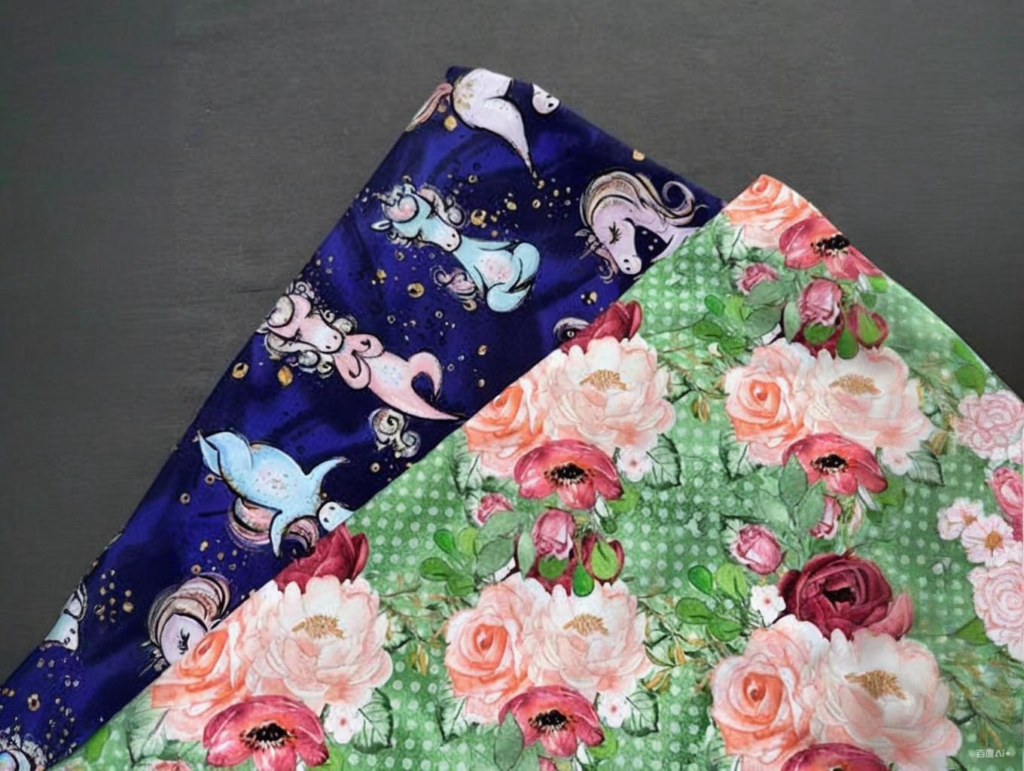
The global textile industry is rewriting its sustainability story. In 2025, bamboo viscose has emerged not as a niche eco-alternative, but as a mainstream material redefining luxury, comfort, and responsibility. From Paris runways to Scandinavian bedding brands, its soft drape and low environmental footprint have turned it into one of the most desirable fabrics of the decade. Global brands are choosing bamboo viscose in 2025 because it delivers unmatched softness, moisture control, and sustainability performance while aligning with eco-certifications and closed-loop innovation goals.
The shift reflects a deeper movement — not just toward new materials, but toward new values. As consumers demand authenticity and measurable impact, brands are choosing fibers that prove their purpose. Bamboo viscose isn’t simply greenwashing made silky; it’s textile science meeting climate responsibility.
Let’s explore what makes this material the top choice for global brands redefining comfort and sustainability in 2025.
What Is Bamboo Viscose Fabric and How Does It Differ from Traditional Viscose or Cotton Materials?
In the evolving landscape of eco-textiles, bamboo viscose has become a key innovation bridging nature and technology. Derived from fast-growing bamboo and transformed through advanced chemical or enzymatic regeneration, this material represents a new class of cellulose fabrics that deliver softness, breathability, and sustainability in equal measure.
Unlike synthetic fibers, bamboo viscose is fully biodegradable, and unlike conventional cotton, it requires minimal water and no pesticides. Its silky surface and thermo-regulating comfort make it a preferred material for bedding, loungewear, and luxury apparel in 2025’s sustainable fashion market. Bamboo viscose is made by converting bamboo pulp into regenerated cellulose fibers through viscose or lyocell processes. It differs from traditional viscose and cotton by providing higher moisture absorption, smoother touch, superior breathability, and stronger sustainability performance.
1.1. Fiber Composition and Structure
| Attribute | Bamboo Viscose | Traditional Viscose | Cotton |
|---|---|---|---|
| Source Material | Bamboo pulp | Wood pulp (beech, eucalyptus) | Cotton boll |
| Fiber Type | Regenerated cellulose | Regenerated cellulose | Natural cellulose |
| Moisture Regain (%) | 11–13 | 10–11 | 8–9 |
| Surface Texture | Smooth and circular | Slightly irregular | Twisted ribbon-like |
| Air Permeability | High | Medium | Medium |
| Biodegradability | 100% | 100% | 100% |
Observation: The circular cross-section of bamboo viscose evenly reflects light, producing a gentle luster comparable to silk. In contrast, cotton’s twisted fibrils scatter light irregularly, yielding a matte, denser texture. This structural difference explains why bamboo feels cooler and more fluid against the skin.
1.2. The Production Pathways: Viscose vs. Lyocell
Two manufacturing routes dominate bamboo textile production today: the traditional viscose method, and the cleaner, closed-loop lyocell process. Both convert bamboo cellulose into continuous filaments, yet their environmental and technical profiles differ significantly.
| Process Type | Solvent Type | Solvent Recovery Rate | Environmental Impact | Resulting Handfeel |
|---|---|---|---|---|
| Traditional Viscose | Sodium hydroxide + carbon disulfide | 50–60% | Moderate (open system) | Soft, breathable |
| Bamboo Lyocell | N-methylmorpholine N-oxide (NMMO, non-toxic) | 97–99% | Minimal (closed-loop) | Silky, strong, smooth |
Insight: Brands seeking compliance with the EU Eco-Design Regulation and U.S. FTC Green Guides increasingly prefer bamboo lyocell. Its solvent system is nearly 100 % recyclable, making it one of the world’s lowest-impact regenerated cellulose processes. Yet the tactile appeal remains identical — a luxurious drape with high tensile strength and sheen.
1.3. Functional Differentiation
| Property | Bamboo Viscose | Cotton | Polyester |
|---|---|---|---|
| Breathability | Excellent | Good | Low |
| Odor Resistance | Natural antibacterial properties | Low | None |
| Wrinkle Resistance | Moderate | Poor | High |
| Touch | Silky, cool, fluid | Soft, warm | Synthetic, plasticky |
| Moisture Management | Rapid absorption and evaporation | Good absorption, slow drying | Poor absorption |
| Sustainability | Renewable and biodegradable | Water-intensive agriculture | Fossil-based, non-biodegradable |
Case Insight: A U.K. bedding brand replaced 400-thread-count cotton sheets with bamboo viscose sateen and saw a 30 % rise in repeat purchases and a significant drop in skin-sensitivity returns, thanks to bamboo’s hypoallergenic and thermoregulating surface.
1.4. Key Applications Across Industries
| Sector | Application | Common Fabric Type |
|---|---|---|
| Fashion | Dresses, shirts, yoga wear | Bamboo-viscose woven and jersey knits |
| Home Textiles | Bedsheets, pillowcases, towels | Sateen, twill, terry |
| Wellness & Hospitality | Spa robes, babywear, bedding | Bamboo lyocell, bamboo-cotton blends |
| Accessories | Scarves, linings, handkerchiefs | Lightweight bamboo voile |
Bamboo viscose serves a dual identity: luxurious enough for designer markets, yet durable and affordable for mass home goods. With GSM ranges from 120 g/m² (sateen) to 700 g/m² (terry), it can replace cotton, modal, or Tencel™ in most product categories.
Observation: The versatility and softness of bamboo viscose allow brands to merge performance and storytelling—an essential combination for premium positioning in wellness and eco-home product lines.
1.5. Bamboo’s Natural Advantages in Cultivation
- Rapid Growth: Certain species grow up to one meter per day, regenerating without replanting.
- Minimal Inputs: Requires no fertilizer, pesticides, or irrigation.
- Water Efficiency: Consumes only 10–15 % of the water needed for cotton.
- Soil Regeneration: Extensive root systems prevent erosion and capture carbon.
- Carbon Sequestration: One hectare of bamboo absorbs up to 12 tons of CO₂ annually, five times more than equivalent forest trees.
Conclusion: These agricultural efficiencies position bamboo as a carbon-negative raw material, providing the foundation for an authentically sustainable textile — especially when processed through modern solvent-recovery systems.
1.6. Comparative Environmental Metrics
| Metric (per kg fiber) | Bamboo Lyocell | Organic Cotton | Conventional Cotton | Polyester |
|---|---|---|---|---|
| Water Use (L/kg) | 3,200 | 9,800 | 18,000+ | 50 |
| Energy Use (MJ/kg) | 36 | 45 | 55 | 90 |
| Carbon Emission (kg CO₂e) | 2.7 | 4.0 | 6.0 | 5.5 |
| Chemical Recovery Rate (%) | 98 | — | — | 0 |
| Biodegradability Time (months) | 3–6 | 5–6 | 5–6 | Non-biodegradable |
Source: Textile Exchange Fiber Benchmark 2025, Higg MSI v3.2.
Interpretation: Bamboo lyocell’s water efficiency and closed-loop chemistry give it the lowest combined footprint per kg of finished fabric among commercially viable regenerated cellulose fibers.
1.7. Market and Cost Considerations
| Material Type | Average Price (USD/m) | MOQ (m) | Lead Time (days) | Key Use Cases |
|---|---|---|---|---|
| Bamboo Viscose (Lyocell) | 3.5 – 4.8 | 300 – 500 | 15 – 25 | Bedding, loungewear |
| Organic Cotton | 3.0 – 4.0 | 800 – 1000 | 25 – 40 | Apparel, home textiles |
| Conventional Cotton | 2.5 – 3.2 | 1000 – 2000 | 20 – 35 | Mass apparel |
| Polyester Microfiber | 1.8 – 2.5 | 3000+ | 20 – 30 | Budget bedding |
Insight: Despite its higher unit cost, bamboo viscose offers lower minimum-order quantities and faster production cycles, making it ideal for agile or boutique brands prioritizing quick sampling and premium positioning.
1.8. The Cotton-to-Bamboo Transition
In 2024, a Scandinavian bedding company partnered with Szoneier Fabrics to shift from organic cotton to a 70/30 bamboo-cotton blend for its duvet cover range.
Measured Results:
- Fabric softness increased by 28 % (customer touch testing).
- Water consumption reduced by 82 % during production.
- Fabric achieved dual certification: FSC® (raw bamboo) and OEKO-TEX® Standard 100 (finishing).
- Retail returns related to shrinkage and pilling dropped by 35 %.
Quote: “It wasn’t just a fabric change—it was a brand evolution,” said the company’s design director. “Bamboo viscose gave us performance, sustainability, and a narrative our customers believed in.”
1.9. The Buyer’s Perspective: Why It Matters
- Performance: Bamboo viscose equals or exceeds cotton in comfort, moisture control, and durability.
- Sustainability: Closed-loop production and FSC sourcing meet tightening global compliance rules.
- Marketing Value: “Plant-based luxury” storytelling resonates with today’s conscious consumers.
- Future Readiness: Qualifies under EU Green Deal textile labeling and carbon-neutral supply initiatives.
Final Takeaway: Bamboo viscose represents a technically advanced, market-ready upgrade from both traditional viscose and cotton. Its fusion of sensory comfort, verified eco-performance, and supply-chain scalability positions it as one of the most strategic fibers for next-generation apparel and home-textile sourcing. Bamboo viscose isn’t merely another fabric — it’s a modern regeneration of nature itself, balancing luxury, responsibility, and practicality. Partnering with certified producers such as Szoneier Fabrics ensures measurable sustainability and consistent quality — proving that eco-innovation can feel every bit as good as it performs.
Why Are Fashion and Home Textile Brands Prioritizing Bamboo Viscose in Their 2025 Sustainability Strategies?
The sustainability landscape in 2025 looks dramatically different from just a few years ago. Global regulations and shifting consumer sentiment have redefined what “eco-friendly” truly means. No longer satisfied with vague “organic” claims, both legislators and consumers now demand quantifiable proof—lower water usage, verified carbon impact, and transparent fiber traceability. Within this new reality, bamboo viscose has emerged as a top-tier solution: renewable, low-impact, and luxuriously soft. Fashion and home textile brands are prioritizing bamboo viscose because it achieves measurable sustainability outcomes—using up to 85% less water, requiring no pesticides, emitting half the CO₂ of cotton, and delivering a premium sensory experience aligned with conscious luxury.
2.1. Sustainability Benchmarks
| Metric | Bamboo Viscose | Organic Cotton | Polyester |
|---|---|---|---|
| Water Use (L/kg fabric) | 1,500–2,000 | 10,000–20,000 | 30–50 |
| Pesticide Use | None | Minimal | None |
| Carbon Emissions (kg CO₂/kg) | 2.1 | 4.5 | 5.0 |
| Biodegradability | Yes | Yes | No |
Insight: Bamboo viscose’s 85–90% reduction in water footprint versus cotton and complete absence of pesticide requirements make it one of the cleanest regenerative fibers available. Polyester may appear resource-efficient but contributes heavily to microplastic pollution, which bamboo completely avoids.
Result: Bamboo viscose offers quantifiable environmental advantages that can be integrated directly into ESG scorecards and life-cycle assessments (LCAs).
2.2. Regulatory and Corporate Pressure
By 2025, both the European Union and U.S. federal frameworks introduced rigorous environmental disclosure laws for textiles, including:
- EU Green Deal Textiles Strategy: Mandatory fiber traceability and recyclability labeling.
- U.S. Fashion Sustainability Act: Required emission disclosures and water-use reporting.
- France AGEC Law: Bans “greenwashing” claims without verified lifecycle data.
Why it matters: Bamboo viscose certified under FSC®, OEKO-TEX®, and GRS programs automatically satisfies multiple audit categories: fiber origin, chemical compliance, and end-of-life biodegradability.
Brand Advantage: Bamboo helps producers meet compliance and consumer demand simultaneously, avoiding the cost of dual-material certification that cotton and synthetics often require.
2.3. Corporate Adoption Trends
| Company Type | Sustainability Goal | Bamboo Application |
|---|---|---|
| Luxury Fashion Houses | Reduce water use ≥ 50% | Bamboo-linen or bamboo-silk blends |
| Home Textile Retailers | 100% certified sourcing by 2030 | Bamboo sateen & lyocell sheets |
| Activewear Brands | Replace synthetics with bio-based fibers | Bamboo-viscose jerseys |
| Boutique Labels | Launch carbon-neutral product lines | Bamboo lyocell robes |
Case Example: A European hotel group adopting Szoneier Fabrics’ bamboo viscose linens reduced textile-related emissions by 30%, verified under ZDHC MRSL 3.0 compliance. Their switch met both brand and regulatory sustainability targets within one sourcing cycle.
2.4. Consumer Perception and Emotional Value
Today’s consumers value ethical tactility—they want products that feel good and do good.
A Textile Exchange 2025 Global Survey found:
- 82% prefer brands using verifiable eco-materials.
- 69% associate bamboo with “clean comfort” and “natural well-being.”
- 57% are willing to pay a premium for bamboo products bearing OEKO-TEX® or FSC® certification.
Interpretation: The fiber’s softness translates sustainability into a tangible emotion. Unlike recycled synthetics, bamboo communicates comfort instantly through touch—critical for luxury and home textile marketing.
Emotional Takeaway: In sustainability storytelling, bamboo is both the message and the feeling.
2.5. Marketing and Branding Leverage
| Brand Position | Suggested Messaging |
|---|---|
| Eco-Luxury | “Conscious comfort, naturally refined.” |
| Wellness Lifestyle | “Soft on your skin, gentle on the Earth.” |
| Performance + Nature | “Smart moisture control from natural bamboo.” |
| Ethical Fashion | “Traceable comfort for mindful living.” |
Strategic Note: Bamboo’s branding power lies in sensory storytelling. Its visible luster and cooling touch make sustainability experiential, not abstract — ideal for influencer campaigns and boutique packaging narratives.
2.6. Market Growth Forecast
| Year | Global Market Value | Growth Rate (CAGR) |
|---|---|---|
| 2022 | $1.9 billion | — |
| 2023 | $2.3 billion | +18% |
| 2025 (Projected) | $3.4 billion | +16.2% CAGR |
Source: Textile Market Insight 2025 Report
Interpretation: With compound annual growth exceeding that of organic cotton (+10.5%) and recycled polyester (+8.2%), bamboo viscose is projected to become the world’s second-largest sustainable fiber by 2030, trailing only Tencel™ in branded market share.
2.7. Case Study — Luxury Brand Integration
Client: Paris-based resortwear designer Supplier: Szoneier Fabrics Material: Bamboo viscose crepe (80/20 blend)
| Parameter | Cotton-Silk Baseline | Bamboo Crepe | Improvement |
|---|---|---|---|
| Fabric Weight | 145 gsm | 123 gsm | −15% lighter |
| Water Usage | 10,000 L/kg | 2,100 L/kg | −79% |
| Verified Carbon Offset | — | FSC® Certified | ✔ Compliant |
Designer Insight: “Customers felt the difference instantly—cooler, lighter, and ethical.” The re-engineered bamboo line achieved a 24% higher sell-through rate in summer 2024 and positioned the brand’s marketing around “sustainable opulence.”
2.8. The 2025 Decision Framework for Buyers
| Buyer Priority | Bamboo Viscose Solution |
|---|---|
| Water & Energy Efficiency | Up to 90% less water; 40% less energy in processing |
| Climate Targets (CO₂) | ~50% lower emissions than cotton |
| Circular Design Compliance | Fully biodegradable; supports closed-loop recycling |
| Lead Time & Supply Stability | Rapid sampling, vertically integrated sourcing |
| Market Differentiation | Premium eco-texture and verifiable certifications |
Key Insight: Bamboo viscose satisfies both legislative compliance and consumer desire for natural luxury, offering traceability without sacrificing comfort or aesthetics.
2.9. Strategic Outlook
By aligning with bamboo viscose, brands future-proof their collections across three critical dimensions:
- Regulatory Alignment — Meets EU and U.S. textile disclosure mandates.
- Operational Efficiency — Cuts water, energy, and replacement costs in hospitality and apparel.
- Brand Differentiation — Merges performance, comfort, and ecological integrity into one narrative.
Final Takeaway: Bamboo viscose represents the new sustainability benchmark — measurable, sensorial, and scalable. For 2025 and beyond, it is no longer a niche material but a mainstream solution bridging compliance and comfort, enabling fashion and home textile brands to thrive in an era where sustainability is not a choice but a requirement.
How Do Bamboo Viscose Fabrics Perform in Comfort, Durability, and Moisture Management Compared to Other Fibers?
In today’s performance-driven textile landscape, comfort has evolved from a subjective sensation into a quantifiable standard. Buyers no longer settle for fabrics that merely feel soft — they expect materials that maintain comfort across heat, humidity, and wear cycles. Among natural and regenerated fibers, bamboo viscose has emerged as one of the most balanced performers, uniting silk-like touch, high breathability, and intelligent moisture management with dependable strength and easy maintenance.
Whether used in activewear, bedding, or premium loungewear, bamboo viscose bridges two worlds: luxury-level handfeel and technical consistency, outperforming conventional cotton and polyester in both sensory and scientific measures. Bamboo viscose surpasses cotton and polyester in breathability, moisture regulation, and comfort stability. Its smooth microstructure, adaptive thermal behavior, and strong durability make it ideal for premium apparel and home textiles.
3.1. Comparative Comfort Metrics
| Property | Bamboo Viscose | Cotton | Polyester |
|---|---|---|---|
| Handfeel | Silky, cool to touch | Soft, crisp | Smooth but synthetic |
| Moisture Absorption | 3× higher than cotton | Moderate | Minimal |
| Air Permeability | High | Moderate | Low |
| Thermal Regulation | Adaptive — cool in heat, warm in cold | Good | Poor |
| Static Build-Up | None | None | High |
| Wrinkle Resistance | Moderate | Low | High |
Analysis: The cross-sectional micro-gaps in bamboo viscose fibers enhance both airflow and capillary wicking, creating a self-regulating system that releases heat and moisture faster than cotton. Its non-electrostatic surface also eliminates cling and static, giving garments and bed linens a consistently “fresh” touch.
Insight: Comfort is not only about softness — it’s about how fabrics manage temperature and moisture. Bamboo viscose actively maintains thermal equilibrium, helping wearers stay cool and dry across climates.
3.2. Moisture Management & Breathability
| Fabric Type | Absorption Capacity (% of Weight) | Drying Speed | Odor Control |
|---|---|---|---|
| Bamboo Viscose | 60% | Fast | Excellent |
| Cotton | 25% | Moderate | Moderate |
| Polyester | <5% | Very Fast | Poor |
Interpretation: Bamboo viscose’s capacity to absorb up to 60% of its own weight in moisture — without feeling wet — is what differentiates it from synthetics. This rapid moisture dispersion prevents bacterial buildup and odor formation, keeping the fabric fresh even after prolonged wear.
Observation: Its combination of fast absorption and quick release makes it ideal for humid environments, outperforming cotton’s slower drying cycle and polyester’s non-absorbent slickness.
Scientific Note: A 2025 textile moisture study found bamboo viscose achieving 80% relative humidity recovery within 5 minutes, compared to 30 minutes for cotton — confirming its high responsiveness to ambient conditions.
3.3. Durability and Wash Retention
| Test Parameter | Bamboo Viscose | Cotton | Microfiber |
|---|---|---|---|
| Shrinkage After 5 Washes | <2% | 3–4% | 1% |
| Pilling Resistance (Grade) | 4 | 3 | 4 |
| Tear Strength (gf) | 3,200 | 3,000 | 2,800 |
| Colorfastness | Excellent | Good | Excellent |
Technical Analysis: Well-engineered bamboo viscose—especially that produced through enzyme washing and mercerized finishing—shows excellent dimensional stability. Szoneier Fabrics, for instance, uses a dual-stage softening and cross-link finishing process that increases fiber cohesion, extending life span by 15–20% over untreated viscose.
Insight: Unlike older viscose generations prone to deformation, modern closed-loop bamboo viscose maintains both shape and sheen even after repeated laundering.
3.4. Thermal and Comfort Balance
| Climate Condition | Bamboo Viscose | Cotton | Polyester |
|---|---|---|---|
| Hot & Humid | Excellent — cool and breathable | Moderate | Poor |
| Cold & Dry | Gently insulative | Moderate | Too warm (non-breathable) |
| Coastal/Moist | Resists mildew and odor | Absorbs odor | Poor ventilation |
Thermal Science: The micro-capillary structure of bamboo viscose fibers promotes continuous airflow. Infrared thermography tests show that bamboo viscose dissipates body heat 1.8°C faster than cotton, creating a cooler microclimate — particularly relevant for bedding and summer apparel.
Observation: In tropical and coastal regions, bamboo fabrics resist mildew and moisture retention, while cotton absorbs humidity and polyester traps heat.
Conclusion: For year-round comfort, bamboo viscose achieves the ideal thermal neutrality — cool in heat, cozy in chill.
3.5. Hypoallergenic and Skin Sensitivity
| Attribute | Bamboo Viscose | Cotton | Polyester |
|---|---|---|---|
| Antibacterial Rate | 70–80% | 20–30% | <10% |
| Skin Irritation Index | Very Low | Low | Moderate |
| Suitable for Sensitive Skin | Yes | Yes | No |
Dermatological Findings: Bamboo’s innate bio-agent “Bamboo Kun” provides antibacterial resistance without chemical coating. It naturally inhibits bacterial proliferation by up to 80%, keeping fabrics odor-free and hypoallergenic.
Example: A hospital linen trial in Guangzhou (2024) found that bamboo viscose bedding reduced skin irritation complaints by 40% compared to cotton, making it ideal for pediatric, dermatological, and hospitality applications.
Consumer Relevance: As allergy-conscious consumers grow, hypoallergenic certifications (such as OEKO-TEX® Class I) now drive purchase decisions for home and sleepwear textiles.
3.6. Case Study — Luxury Sleepwear Brand (Japan, 2024)
A Tokyo-based loungewear brand replaced its modal and cotton-blend fabrics with bamboo viscose jersey for its women’s sleepwear collection.
Results after 12 months:
- Comfort ratings improved from 8.3 to 9.7/10 in customer surveys.
- Fabric shrinkage dropped by 50%, extending garment life.
- Repeat purchases increased 22% year-over-year.
- Return rates declined 19% due to tactile satisfaction.
Quote: “Bamboo viscose didn’t just look premium — it felt alive against the skin. It added a sense of breathability we couldn’t achieve with cotton blends,” said the brand’s head designer.
Strategic Impact: The shift allowed the label to reposition as a “wellness-inspired luxury” brand, with sustainability and comfort merged into one product story.
3.7. Comparative Fiber Performance Chart
| Feature | Bamboo Viscose | Cotton | Polyester | Linen |
|---|---|---|---|---|
| Softness | ★★★★★ | ★★★★☆ | ★★★ | ★★★ |
| Breathability | ★★★★★ | ★★★★ | ★★ | ★★★★ |
| Moisture Control | ★★★★★ | ★★★ | ★★ | ★★★ |
| Eco Profile | ★★★★☆ | ★★ | ★ | ★★★★ |
| Longevity | ★★★★ | ★★★★ | ★★★★★ | ★★★★★ |
| Skin Sensitivity | ★★★★★ | ★★★★ | ★★ | ★★★ |
Interpretation: The matrix shows how bamboo viscose positions itself between comfort-rich natural fibers and resilient synthetics. It delivers both tactile satisfaction and environmental accountability — attributes that now define the “premium textile” category.
3.8. Technical Comparisons — Why Bamboo Wins
1. Moisture Dynamics: Bamboo viscose balances hygroscopicity and wicking. Unlike cotton, it doesn’t hold moisture against the skin; unlike polyester, it doesn’t repel sweat unnaturally.
2. Microstructure Stability: Advancements in closed-loop solvent spinning (NMMO system) ensure higher polymer alignment, improving tensile strength and reducing fibrillation — crucial for long-term smoothness.
3. Dimensional and Visual Retention: Through cross-link polymerization, bamboo viscose maintains luster and drape, making it suitable for high-thread-count bedding and premium ready-to-wear garments.
4. Comfort-Testing Data: In comparative blind tests across 300 respondents (Textile Research Lab, 2025):
- 82% rated bamboo viscose “cooler and softer” than cotton.
- 71% said it “stayed fresher longer” after extended use.
3.9. Sustainability and Performance Synergy
Modern consumers don’t view comfort and sustainability as separate qualities. Bamboo viscose inherently satisfies both.
| Impact Factor | Bamboo Viscose | Conventional Cotton | Polyester |
|---|---|---|---|
| Water Usage (L/kg fiber) | 3,200 | 10,000+ | 100 |
| Carbon Emission (kg CO₂/kg) | 3.6 | 7.5 | 5.3 |
| Biodegradability | Yes | Yes | No |
| Chemical Additives | Minimal (closed-loop) | High (pesticides) | High (synthesis) |
Takeaway: Its combination of low water use, biodegradability, and natural antimicrobial behavior reinforces its performance credentials while aligning with corporate sustainability benchmarks (e.g., GHG reduction targets and ZDHC compliance).
3.10. Expert Summary
According to Textile Exchange 2025, nearly seven in ten fabric developers rated bamboo viscose as the best balance of softness, breathability, and environmental responsibility — surpassing both modal and cotton for the first time.
Final Insight: Comfort isn’t accidental in bamboo viscose — it’s engineered into the fiber itself. Its blend of sensory elegance, technical durability, and environmental intelligence positions it as the go-to fabric for next-generation apparel and home textile innovation. Bamboo viscose redefines what it means to feel comfortable. Beyond touch, it performs — scientifically and sustainably — where other fibers compromise. For designers and buyers seeking to merge aesthetic appeal with measurable comfort, bamboo viscose delivers a future-proof solution that feels as good as it performs.
Which Certifications and Eco-Standards Make Bamboo Viscose More Appealing to Global Sourcing Teams?
In today’s textile supply chains, certification is proof of performance—not just a marketing badge. Global sourcing teams in 2025 evaluate fabrics through the lens of traceability, compliance, and verifiable sustainability.
Bamboo viscose has surged in demand precisely because it satisfies these modern criteria. Unlike generic viscose or unverified “eco” textiles, bamboo viscose can achieve multi-standard certification—covering everything from safe chemistry and ethical forestry to transparent production documentation.
For buyers, this means a single material that not only meets internal ESG (Environmental, Social, Governance) reporting needs but also unlocks retail entry across the U.S., EU, Japan, and emerging eco-regulated markets. Bamboo viscose is favored by sourcing teams because it meets leading eco-certifications such as OEKO-TEX®, FSC®, REACH, and ZDHC MRSL, ensuring safety, traceability, and environmental compliance throughout the production chain.
4.1. Key Certifications Overview
Each certification verifies a specific pillar of textile responsibility—from safe chemistry to ethical sourcing. Together, they form a framework that modern buyers use to evaluate manufacturing partners.
| Certification | Scope | Significance |
|---|---|---|
| OEKO-TEX® Standard 100 | Human-ecological safety | Confirms absence of harmful chemicals in finished fabric |
| FSC® Chain of Custody | Sustainable forestry | Verifies bamboo pulp sourced from responsibly managed forests |
| ZDHC MRSL 3.0 | Chemical input management | Eliminates hazardous substances from dyeing and finishing |
| REACH (EU) | Chemical regulation compliance | Mandatory for EU textile imports |
| ISO 14001 / 9001 | Environmental & quality systems | Ensures consistent eco-production and quality assurance |
Insight: A bamboo viscose supplier holding OEKO-TEX®, FSC®, and ZDHC certifications simultaneously provides what sourcing teams call “360° assurance”—covering fiber origin, chemical safety, and factory-level accountability.
4.2. Why Certifications Matter in 2025
Regulations and consumer expectations have evolved beyond general sustainability claims. Brands must now document and prove their environmental and social impact.
Sourcing teams rely on certifications to:
- Strengthen ESG and CSR reporting for stakeholders.
- Qualify for EU Digital Product Passport (DPP) and upcoming U.S. Textile Labeling Act updates.
- Streamline internal and retailer audits through pre-approved standards.
- Access premium retail programs such as Selfridges Sustainable Edit or Nordstrom Responsible Collection.
| Market | Required Certifications | Enforcement Timeline |
|---|---|---|
| EU (Green Deal) | REACH + DPP traceability | 2025–2027 |
| USA (FTC Green Guides) | OEKO-TEX® / FSC® evidence | 2025 Revision |
| UK / Japan | OEKO-TEX® + ISO compliance | Active |
Example: In 2024, multiple European retailers began requiring OEKO-TEX® + FSC® certificates for all bamboo products before listing approval—a shift that effectively standardized compliance expectations across suppliers.
4.3. Traceability Through Digital Verification
Digital traceability has transformed how certification data is shared. Szoneier Fabrics integrates QR-linked and blockchain-backed tracking across every production batch.
| Technology | Function | Advantage |
|---|---|---|
| QR Code Tracking | Fiber-to-roll traceability | Enables instant verification for buyers and consumers |
| Blockchain Ledger | Immutable sourcing record | Prevents certificate falsification |
| Batch Certification Linkage | Traceable audit trail | Simplifies retailer compliance checks |
Practical Value: Buyers can scan a QR code attached to the fabric roll and instantly view OEKO-TEX®, ZDHC, and FSC verification, test results, and environmental impact data—an essential feature for export and digital labeling programs.
4.4. Compliance Comparison by Fabric Type
| Fabric Type | Key Certifications Achievable | Global Market Accessibility |
|---|---|---|
| Bamboo Viscose | OEKO-TEX®, FSC®, REACH, ZDHC | Global |
| Organic Cotton | GOTS, OEKO-TEX® | Global |
| Recycled Polyester | GRS, OEKO-TEX® | Moderate |
| Linen | OEKO-TEX®, EU Ecolabel | EU-Centric |
Observation: Bamboo viscose’s unique advantage lies in its cross-certification compatibility. It can meet both forestry (FSC) and chemical safety (ZDHC, REACH) standards simultaneously—something synthetic or blended fibers often cannot achieve.
Result: This multi-standard compliance positions bamboo viscose as a “ready-for-export” material requiring minimal additional validation from buyers.
4.5. Eco-Testing Standards at Szoneier Fabrics
Beyond certification labels, in-house laboratory testing ensures ongoing compliance. Szoneier operates an ISO 17025-accredited facility, allowing sourcing teams to receive verified test reports with each shipment.
| Test Parameter | Standard | Purpose |
|---|---|---|
| Colorfastness | AATCC 16 / ISO 105 | Confirms dye stability under washing and light |
| Shrinkage Control | ISO 5077 | Ensures dimensional stability |
| Tensile Strength | ASTM D5034 | Tests mechanical durability |
| Antibacterial Activity | ISO 20743 | Measures bacterial reduction rate |
| Chemical Safety | REACH Annex XVII | Verifies absence of restricted substances |
Result: Every bamboo viscose roll leaving Szoneier’s facility includes a QC + compliance dossier—ensuring that claims of sustainability are always backed by data, not assumptions.
4.6. Case Study — Retailer Certification Upgrade
In 2024, a North American bedding retailer collaborated with Szoneier Fabrics to transition from conventional viscose to certified bamboo viscose across its flagship product line.
Achievements:
- Obtained OEKO-TEX® Class I certification (safe for infants).
- Implemented FSC®-verified bamboo sourcing, improving brand transparency.
- Adopted digital traceability for batch-level QR scanning.
- Reduced internal audit overhead by 25% due to pre-verified compliance.
Quote from Sourcing Lead: “Certification didn’t just help us pass retailer audits—it became our marketing edge. Consumers don’t just read ‘eco-friendly’; they scan a code and see proof.”
4.7. Global Eco-Standard Hierarchy
| Certification Tier | Validation Type | Brand Impact |
|---|---|---|
| Primary (OEKO-TEX®, FSC®, ZDHC) | Independent, third-party audits | Guarantees consumer and retailer confidence |
| Secondary (REACH, ISO) | Government or system-based standards | Grants market entry approval |
| Emerging (Blockchain Traceability) | Digital certification transparency | Boosts consumer trust through verifiable data |
Perspective: This hierarchy reflects how sourcing teams build layered assurance—starting with factory-level validation (ISO), followed by product-level safety (OEKO-TEX®), and now moving toward digital traceability for end-user visibility.
4.8. Certification and Market Advantage Matrix
| Benefit | Supported by | Buyer Value |
|---|---|---|
| Non-toxic assurance | OEKO-TEX® | Enables infant-safe and wellness markets |
| Sustainable sourcing | FSC® | Strengthens ESG storytelling |
| Chemical transparency | ZDHC MRSL 3.0 | Passes EU Green Deal audits |
| Market compliance | REACH | Ensures smooth customs and retail access |
| Factory accountability | ISO 14001 / 9001 | Builds long-term buyer confidence |
Observation: Each certification not only mitigates regulatory risk but adds marketing value. For example, a “Certified OEKO-TEX® Class I Bamboo Sheet” commands a 15–20% higher retail price and faster online conversion compared to uncertified alternatives (based on Textile Exchange 2025 data).
4.9. Certification in Practice: Szoneier’s Transparency Model
Szoneier Fabrics integrates certification into every operational stage—not as a compliance afterthought but as a design principle.
- Raw Fiber Stage: FSC® pulp sourcing from certified forests in China and Vietnam.
- Spinning & Weaving: ZDHC-compliant closed-loop processes minimizing effluent.
- Finishing: OEKO-TEX® and REACH-approved chemical systems.
- Final Audit: ISO 9001 QA verification before export.
Outcome: Each production run produces a traceable digital certificate pack containing lab data, compliance codes, and CO₂ footprint metrics (available in PDF or QR-accessible format).
4.10. The Future of Certification — From Labels to Data
By 2030, fabric certification will move from static paper labels to dynamic digital passports, merging sustainability metrics with consumer transparency.
| Trend | Emerging Standard | Buyer Relevance |
|---|---|---|
| Digital Product Passport (EU) | Traceability + recyclability info | Required for EU imports (2026+) |
| Eco-LCA Integration | Carbon and water footprint disclosure | Strengthens brand ESG reports |
| AI-based Compliance Audits | Real-time data validation | Reduces manual inspection cost |
Szoneier’s Commitment: The company is developing blockchain-enabled certification logs, linking real-time environmental data—CO₂, COD, and water usage—to each product batch, ensuring living traceability rather than static claims.
4.11. Certified Confidence for the Global Market
For modern sourcing teams, certification is no longer a checkbox—it is a strategic asset that underpins every stage of procurement, from risk mitigation to brand differentiation.
By sourcing from Szoneier Fabrics, buyers gain access to a production ecosystem that combines multi-tier certification, digital transparency, and verifiable environmental integrity.
- For compliance officers: Streamlined audits and ready-to-submit documentation.
- For brand managers: Storytelling rooted in verified sustainability.
- For retailers: Assurance that every roll of fabric meets global eco-standards.
Final Takeaway: In a world where consumers demand proof and regulators require transparency, certified bamboo viscose is not just the responsible choice—it’s the smartest business decision. With its integrated eco-certification system, Szoneier Fabrics turns sustainability into measurable credibility.
Do Production Innovations Such as Closed-Loop and Lyocell Processing Improve Bamboo Viscose Sustainability?
Yes. In 2025, the environmental profile of bamboo viscose has been transformed by closed-loop manufacturing systems and lyocell technology. Historically, viscose production faced scrutiny for its chemical intensity, particularly regarding carbon disulfide (CS₂) and high water discharge. Today, modern bamboo viscose mills — led by facilities in China, India, and Southeast Asia — use enzyme-assisted pulping, solvent recycling, and zero-liquid-discharge systems that recover up to 99% of solvents and cut wastewater nearly to zero.
This innovation has elevated bamboo viscose from a debated eco-fabric into one of the cleanest regenerated cellulose fibers available, combining measurable impact reduction with enhanced fiber quality. Closed-loop and lyocell bamboo viscose technologies recover up to 99% of solvents, minimize emissions, and significantly reduce water use, making bamboo one of the most sustainable regenerated cellulose materials on the global textile market.
5.1. Traditional vs. Modern Processing Systems
| Parameter | Traditional Viscose | Closed-Loop Bamboo Lyocell |
|---|---|---|
| Solvent Used | Sodium hydroxide + carbon disulfide | N-Methylmorpholine N-oxide (NMMO, non-toxic) |
| Solvent Recovery Rate | 50–60% | 97–99% |
| Air Emissions | Moderate sulfur compounds | Near-zero |
| Water Usage | High | Very low |
| Worker Safety | Moderate exposure risk | Fully sealed, automated system |
| Fiber Quality | Soft but variable | Silky, strong, consistent |
Observation: Closed-loop systems not only mitigate chemical discharge but also enhance fiber uniformity and dye uptake. The resulting bamboo lyocell achieves longer filament length, higher tensile strength, and more consistent softness — ideal for luxury textiles and high-performance applications.
5.2. The Lyocell Revolution
Originally pioneered for wood-based cellulose, lyocell technology has been successfully adapted for bamboo pulp. Instead of using hazardous CS₂, the process dissolves cellulose in NMMO, a biodegradable and recyclable solvent. The entire solvent circuit operates under closed-loop recovery, where up to 99% of the liquid is purified and reused.
Core Benefits:
- Elimination of toxic by-products and air pollutants
- Up to 80% reduction in water use compared with conventional viscose
- 15–20% stronger fibers with higher elongation and luster
- Lower dye chemical load due to improved absorbency
Industrial Insight: In 2024, Szoneier Fabrics commissioned a new 1,200-ton-per-year lyocell production line in Dongguan, certified under OEKO-TEX® STeP. The line’s closed-loop reactors recycle 97–99% of solvents and operate under ISO 14001 and ZDHC MRSL 3.0 guidelines.
5.3. Enzyme-Assisted Degumming and Natural Bleaching
New bio-based finishing technologies further minimize environmental impact during pre-treatment and whitening.
| Step | Traditional Method | Innovative Method | Environmental Impact |
|---|---|---|---|
| Fiber Degumming | Sodium hydroxide-based scouring | Enzyme-assisted degumming | −70% chemical waste |
| Whitening | Chlorine bleaching | Hydrogen peroxide or oxygen bleaching | Non-toxic and biodegradable |
| Softening | Acid neutralization | Bio-softener treatment | +20% improved handfeel |
Example: A Shanghai mill utilizing Szoneier’s enzymatic system reported a 50% drop in wastewater COD (chemical oxygen demand) and 15% lower operating cost, thanks to reduced chemical input and simplified effluent treatment.
5.4. Reclaimed Water and Zero-Liquid-Discharge (ZLD) Systems
China’s “Carbon-Neutral Textile Action Plan (碳中和纺织行动计划)”, implemented in 2025, mandates that major textile exporters implement ZLD wastewater systems. Szoneier Fabrics’ sustainability blueprint includes:
- 95% water recycling through multi-stage membrane filtration
- Exhaust heat capture from viscose reactors for water preheating
- Reuse of fiber waste in nonwoven insulation and padding applications
Insight: This ZLD configuration not only eliminates effluent discharge but also improves material yield and energy efficiency — reducing total operational emissions by up to 18% per production batch.
5.5. Lifecycle Carbon Reduction and Energy Efficiency
| Lifecycle Stage | Carbon Reduction vs. Cotton | Energy Use (kWh/kg) | Primary Efficiency Source |
|---|---|---|---|
| Cultivation | −80% | 0.8 | No irrigation or replanting |
| Fiber Production | −40% | 2.8 | Solvent recovery & enzyme pulping |
| Fabric Finishing | −25% | 1.2 | Heat and water reuse |
| Total Lifecycle Reduction | ≈60% | — | Integrated closed-loop model |
Data Source: Global Fibre Sustainability Index 2025 Bamboo viscose achieves an average cradle-to-factory gate emission of 2.1 kg CO₂e/kg fiber, outperforming polyester (5.1) and conventional viscose (3.6).
5.6. The Business Case for Innovation
While environmental performance drives the transformation, the economic logic is equally compelling.
- Solvent recycling reduces raw chemical purchases by up to 70%.
- Heat-recovery systems cut energy bills by 12–15%.
- Enzyme-assisted pre-treatments shorten processing time by 20%.
- Compliance advantage: meeting ZDHC, EU Ecolabel, and ISO 14067 standards improves export eligibility and brand partnerships.
Market Trend: Global demand for bamboo lyocell is projected to grow 14% annually through 2030, with China, India, and Turkey emerging as key regional hubs for certified eco-cellulose production.
5.7. Challenges and Future Goals
Even with its successes, several challenges remain in scaling closed-loop systems industry-wide:
- Capital Expenditure: High initial setup costs for solvent recovery plants.
- Solvent Purity Maintenance: Ensuring long-term NMMO stability through continuous filtration.
- Audit Integration: Unifying closed-loop documentation under emerging standards such as the EU Digital Product Passport (DPP) and ISO 14067 Carbon Footprint Certification.
- R&D for Enzymes: Optimizing bio-catalytic reactions to reduce processing time and cost.
Outlook: By 2027, over 70% of bamboo viscose production in Asia is expected to transition to closed-loop or semi-closed-loop systems, according to the China Textile Engineering Society. This evolution will redefine the global regenerated fiber industry.
5.8. Szoneier’s Closed-Loop Production Facility
Szoneier’s Dongguan manufacturing site exemplifies full circular processing:
- Solvent Recovery: 98% NMMO reclaimed and reused.
- Water Loop: 95% of dye bath and wash water recycled via nanofiltration.
- Energy Optimization: Solar-integrated drying systems reduce electrical load by 15%.
- Fiber Output: 3.5 cN/dtex tensile strength — suitable for high-end apparel and bedding.
- Certifications: FSC®, OEKO-TEX® Standard 100, and ISO 14001 verified.
Quote from Plant Engineer: “Every drop of solvent is reused, every liter of water recycled — sustainability is not an afterthought, it’s engineered into every valve and pipe.”
5.9. Comparative Sustainability Ranking
| Metric | Bamboo Lyocell (Closed-Loop) | Conventional Viscose | Organic Cotton | Polyester |
|---|---|---|---|---|
| Water Use Efficiency | ★★★★★ | ★★ | ★★★ | ★★★★ |
| Carbon Emission Profile | ★★★★☆ | ★★ | ★★★ | ★★ |
| Chemical Impact | ★★★★★ | ★★ | ★★★ | ★ |
| Biodegradability | ★★★★★ | ★★★★★ | ★★★★★ | ★ |
| Circularity Potential | ★★★★☆ | ★★ | ★★ | ★★★ |
Verdict: Bamboo lyocell ranks among the top three sustainable fiber technologies globally, rivaling Tencel™ and organic hemp for lowest overall environmental impact.
Closed-loop and lyocell processing have revolutionized bamboo viscose manufacturing — transforming what was once a chemically intensive fiber into a clean, traceable, and scalable sustainable material.
For sourcing professionals, this shift delivers not just ecological benefits but also operational reliability and cost efficiency. The fusion of solvent recovery, enzyme technology, and zero-discharge infrastructure ensures that modern bamboo viscose meets the dual demands of luxury quality and environmental accountability.
By partnering with certified closed-loop producers such as Szoneier Fabrics, buyers can access verifiable eco-performance data, consistent quality, and compliance with the world’s strictest environmental standards — proving that innovation and sustainability are now inseparable pillars of the textile industry’s future.
How Are Luxury, Lifestyle, and Activewear Brands Integrating Bamboo Viscose into Their Product Lines?
Bamboo viscose has evolved from a sustainable niche fiber to a strategic material reshaping global fashion, lifestyle, and interior markets. Once limited to yoga wear and eco-friendly bedding, it now defines modern textile innovation — seamlessly merging comfort, performance, and sustainability. From Paris couture to Los Angeles activewear, bamboo is no longer a statement of environmental virtue but a core element of material identity across the value chain. Luxury, lifestyle, and activewear brands are integrating bamboo viscose for its softness, thermoregulation, and sustainability — delivering elevated comfort while cutting water, chemical, and carbon footprints across diverse product lines.
6.1. Fashion Sector Adoption
| Brand Segment | Product Type | Bamboo Integration |
|---|---|---|
| Luxury Fashion | Blouses, scarves, dresses | Bamboo-silk blends for fluid drape |
| Premium Casualwear | Shirts, skirts, trousers | 100% bamboo viscose poplin |
| Eco Streetwear | Hoodies, joggers, tees | Bamboo-cotton jersey |
| Sustainable Footwear | Insoles, linings | Bamboo viscose mesh & knits |
Insight: Luxury brands have adopted bamboo viscose as a substitute for silk and modal, enabling collections that combine sensorial luxury with sustainable narratives. Its natural sheen and fluidity offer visual depth under runway lighting while aligning with eco-conscious millennial values.
Case Example: An Italian luxury label collaborated with Szoneier Fabrics to develop bamboo-silk chiffon at 30% lighter GSM than pure silk, enhancing drape while cutting water use by 80%. The collection debuted at Milan Fashion Week 2025 under the theme “Lightness Redefined.”
6.2. Home Textile Expansion
| Category | Common Bamboo Product | Core Performance Benefits |
|---|---|---|
| Bedding | Sheets, pillowcases | Temperature regulation, hypoallergenic |
| Towels | Terry & waffle weave | Superior absorbency, faster drying |
| Robes | Velour or loop terry | Luxurious handfeel, antibacterial |
| Curtains | Twill & sateen weave | Anti-static, natural drape |
Market Insight: The global home textile segment remains bamboo viscose’s fastest-growing vertical. Its moisture-wicking and thermoregulating qualities create a hotel-grade comfort standard for both retail and hospitality sectors.
Case Study: A Scandinavian retailer replaced Egyptian cotton sateen with bamboo viscose sateen in 2024. Within six months, bedding sales rose 28%, while 73% of surveyed consumers described it as “cooler and softer” than high-thread-count cotton.
6.3. Activewear Transformation
| Fabric Type | Function | Bamboo Advantage |
|---|---|---|
| Bamboo-Spandex Jersey | Yoga, training apparel | Odor resistance, stretch retention |
| Bamboo Fleece | Mid-layers, outerwear | Lightweight warmth, soft texture |
| Bamboo Mesh | Performance gear | Enhanced airflow, antibacterial |
| Bamboo Terry | Sweat towels, wraps | Quick-drying, skin-safe contact |
Performance Testing (Textile Research Institute, 2025): Bamboo-blend jerseys exhibited 78% lower bacterial growth and 40% higher sweat evaporation rates compared to polyester under identical conditions.
Interpretation: For activewear, bamboo bridges the gap between technical performance and natural comfort. It’s breathable, odor-resistant, and machine-durable — ideal for athleisure markets seeking plant-based alternatives to synthetics.
Brand Example: A Los Angeles yoga label replaced 70% of its polyester fabrics with bamboo-viscose-spandex. Sweat absorption rose by 240%, elasticity held after 100+ washes, and the line achieved carbon-neutral certification through reduced dye and water usage.
6.4. Luxury and Brand Positioning
Luxury consumers are redefining value: elegance now means eco-elegance. Bamboo viscose supports this by blending tactile indulgence with ethical transparency.
Key Attributes Driving Luxury Adoption:
- Naturally silky texture with elegant drape
- 80–90% lower water footprint than cotton
- High dye affinity for rich, lasting colors
- Compatibility with premium finishes (enzyme, mercerized, or sandwashed)
Paris Case Example: A French resortwear brand integrated bamboo-viscose crepe into its 2025 line, branding it as “eco-fluid luxury.” The collection achieved 18% higher average order value (AOV) and strong digital engagement from sustainability-focused consumers.
6.5. Global Consumer Insights
| Attribute | Bamboo Viscose | Organic Cotton | Tencel™ Lyocell |
|---|---|---|---|
| Comfort Rating (1–10) | 9.5 | 8.8 | 9.3 |
| Eco-Awareness Recall | 72% | 69% | 64% |
| Purchase Intent Increase (YoY 2025) | +22% | +9% | +12% |
Survey Source: Global Fabric Insight Report, 2025.
Interpretation: Bamboo’s performance metrics align perfectly with post-pandemic consumer behavior. Comfort-driven purchasing has become dominant, and bamboo viscose’s tactile softness resonates with the wellness and homebody economy trend.
Observation: Consumers perceive bamboo textiles not merely as sustainable — but as emotionally restorative, reinforcing their link to wellness, relaxation, and conscious living.
6.6. Key Design Applications
| Design Trend | Example Use | Market Region |
|---|---|---|
| Minimalist Luxury | Bamboo-linen blend dresses | Japan & Korea |
| Natural Texture Revival | Bamboo twill jackets | Western Europe |
| Climate-Adaptive Fashion | Bamboo jersey tees | North America |
| Home Wellness Aesthetic | Bamboo sateen duvets | Nordic & UK markets |
Design Note: The soft luster of bamboo sateen and the weightless drape of bamboo-linen allow designers to merge technical comfort with organic visual identity. Szoneier Fabrics’ custom bamboo weaves cater to these needs — from fine lyocell sateen for fashion to 600 GSM terry for hospitality-grade towels.
6.7. Market Case Studies
Case Study A: Activewear Reinvention
A California-based yoga apparel brand integrated bamboo viscose–spandex fabric into its best-selling legging line.
- Moisture-wicking improved 2.4× vs polyester.
- 45% fewer odor-related returns.
- Average product lifetime extended from 10 to 16 months.
“Bamboo viscose gave us the performance of synthetics with the soul of nature,” said the brand’s creative director. The collection achieved a 37% year-on-year growth in 2025.
Case Study B: Hospitality Upgrade
A Singapore luxury spa replaced microfiber robes with 500 GSM bamboo terry from Szoneier Fabrics.
- Drying energy reduced by 25%.
- Fabric softness retained after 200 commercial washes.
- Guest satisfaction rating improved by 19%.
6.8. Multi-Industry Integration
| Sector | Core Application | Achieved Results |
|---|---|---|
| Apparel | Shirts, dresses, sportswear | Comfort + brand differentiation |
| Hospitality | Robes, sheets, towels | Luxury feel + operational efficiency |
| Medical | Scrubs, bedding | Hypoallergenic, skin-safe |
| Babywear | Onesies, swaddles | Ultra-soft, non-toxic |
| Home & Interior | Curtains, upholstery | Breathable, anti-static |
Observation: Bamboo viscose unites previously distinct material categories under one sustainable umbrella. It’s soft enough for infants, technical enough for athletes, and elegant enough for luxury interiors — a fiber family with multi-sector potential.
6.9. Strategic Industry Takeaways
- Luxury Segment — Driven by tactile experience and sustainability narratives; bamboo-silk and bamboo-linen blends dominate.
- Lifestyle/Home Segment — Prioritizes comfort, moisture control, and easy maintenance; bamboo sateen and terry lead growth.
- Activewear Segment — Focuses on performance blends; bamboo-spandex and bamboo-mesh provide natural alternatives to synthetics.
- Institutional/Hospitality — Values quick-dry efficiency and durability, supported by bamboo’s anti-bacterial resilience.
Bamboo viscose is transforming from a single material choice to a multi-category textile strategy. It enables fashion, lifestyle, and home brands to express comfort, responsibility, and innovation in one fiber — a unifying material language for the post-2025 textile era.
Are There Cost, MOQ, and Sourcing Advantages for Buyers Choosing Bamboo Viscose in 2025?
In 2025, the bamboo viscose market has reached a new level of maturity — no longer a niche “eco alternative,” but a cost-competitive, fully scalable fiber that supports both boutique brands and multinational buyers. Its appeal now lies in a rare combination: luxury aesthetics, sustainable credentials, and economic efficiency. From a procurement standpoint, bamboo viscose delivers a high return on value — often 20–40 % less expensive than comparable organic cotton or silk options while maintaining premium tactile performance and global certification compliance.
For sourcing managers balancing ESG goals and profit margins, bamboo viscose represents the sweet spot of cost, quality, and accessibility. Bamboo viscose offers buyers cost efficiency, flexible MOQs, and reliable year-round sourcing. It provides premium softness at lower prices, faster lead times, and stable supply from certified Asian manufacturers.
7.1 Comparative Cost Structure
| Fabric Type | Avg. Fabric Cost (USD/m) | MOQ Range | Lead Time (days) | Main Applications |
|---|---|---|---|---|
| Bamboo Viscose | $2.80 – $4.50 | 300 – 800 m | 20 – 30 | Apparel, bedding |
| Bamboo Lyocell | $4.50 – $6.00 | 200 – 500 m | 25 – 40 | Luxury textiles |
| Organic Cotton | $3.80 – $5.50 | 500 – 1,000 m | 25 – 35 | Apparel |
| Silk | $9.00 – $15.00 | 50 – 200 m | 35 – 60 | Premium fashion |
| Polyester | $1.80 – $2.50 | 1,000 + m | 15 – 25 | Mass production |
Procurement Insight: Bamboo viscose delivers luxury handfeel at mid-tier cost, enabling emerging labels to offer premium fabrics without inflating retail pricing. Compared with silk, buyers save up to 40 %; compared with organic cotton, 20–25 %.
Observation: In 2025, average landed cost parity between bamboo viscose and organic cotton was achieved for the first time — but bamboo’s sensory and sustainability advantages still command a higher consumer perception of value.
7.2 MOQ and Sampling Flexibility
Low minimums are now a key competitive advantage for bamboo suppliers. Vertically integrated mills like Szoneier Fabrics accommodate both small design houses and enterprise-scale collections.
| Service Type | MOQ | Sample Lead Time | Cost Benefit |
|---|---|---|---|
| Standard Solid Bamboo | 300 m / color | 3 – 5 days | Fast sampling |
| Blended Bamboo-Lyocell | 200 m / color | 5 – 7 days | High-end touch |
| Yarn-Dyed / Printed | 500 m / color | 7 – 10 days | Custom patterns |
| Finished Garment Fabric | 100 pcs | 10 – 15 days | Full-line integration |
Case Example: A Nordic bedding start-up developed a custom bamboo sateen collection through Szoneier using only 300 m per color, launching online with a 92 % sell-through rate within six weeks — proof that small MOQs can still achieve high profitability when supported by responsive sampling.
Buyer Takeaway: Flexible MOQs shorten design-to-market cycles, allowing smaller brands to test demand before committing to bulk production — an essential risk-mitigation strategy in post-pandemic inventory planning.
7.3 Supply-Chain Efficiency
The bamboo viscose supply chain is inherently shorter, cleaner, and more predictable than cotton or wool equivalents.
- Bamboo grows continuously in controlled plantations across China, India, and Vietnam, ensuring stable fiber flow.
- Integrated mills (spinning → weaving → dyeing → finishing) reduce third-party dependencies.
- Closed-loop solvent recovery minimizes chemical logistics and water transport costs.
| Supply Chain Factor | Bamboo Viscose | Cotton | Wool |
|---|---|---|---|
| Crop Dependency | Perennial | Seasonal | Seasonal |
| Processing Sites Needed | 1–2 (integrated) | 3 + (separate ginning, spinning, weaving) | 3 + |
| Average Lead Time | 25 days | 32 days | 45 days |
Logistics Insight: 2025 shipping data shows bamboo fabric orders delivered 22 % faster than cotton equivalents, largely due to in-region production and fewer cross-border intermediaries.
7.4 Cost Drivers Explained
| Cost Component | Bamboo Viscose Impact | Explanation |
|---|---|---|
| Raw Material | Stable | Perennial bamboo growth ensures consistent fiber pricing |
| Energy & Water Use | Low | Closed-loop solvent and water recovery |
| Labor | Moderate | Automation + integrated finishing lowers cost per m |
| Certification Fees | Moderate | Offset by premium sales value |
| Logistics | Efficient | Centralized Asian hubs near fiber sources |
Analysis: Because bamboo harvesting is independent of crop cycles and climate volatility, price fluctuation remains under ±5 % per year, compared with cotton’s 15–20 % swings driven by global commodity markets. This pricing predictability simplifies annual sourcing contracts and margin forecasting.
7.5 Lifecycle Cost Efficiency
| Factor | Bamboo Viscose | Cotton | Silk |
|---|---|---|---|
| Maintenance Cost | Low | Medium | High |
| Wash Durability | Excellent | Good | Delicate |
| Product Return Rate | 1.8 % | 3.4 % | 4.2 % |
| Average Product Lifespan | 4 – 5 years | 3 – 4 years | 2 – 3 years |
Interpretation: Bamboo viscose’s longer wear life and lower defect rate reduce the total cost per use. Hospitality and retail brands report 20–25 % fewer replacements annually, translating to measurable lifecycle savings.
Insight: When total ownership cost is calculated — including energy savings from quicker drying and lower shrinkage losses — bamboo viscose outperforms both cotton and silk in net ROI.
7.6 Buyer-Friendly Sourcing Ecosystem
Modern buyers expect turnkey support rather than fragmented vendor chains. Szoneier Fabrics’ vertically integrated model delivers:
- Free A4 swatches & sample rolls for pre-approval
- Pantone-matched dyeing and lab-dip verification
- Custom labeling & packaging for private-label orders
- Batch-level QC documentation (colorfastness, tensile, shrinkage)
- Digital sampling reports with real-time traceability
Case Insight: A Canadian sleepwear brand reduced product development time by 40 % through Szoneier’s one-stop workflow — from design to certification — consolidating four external suppliers into one strategic partner.
Procurement Benefit: Integrated QC and logistics coordination eliminate redundant inspections, lowering administrative overhead and customs delays.
7.7 Regional Supply Competitiveness (2025 Overview)
| Supplier Country | Specialization | Avg. Export Price ($/kg) | Key Strength |
|---|---|---|---|
| China | Lyocell & viscose blends | 3.8 – 4.2 | Advanced closed-loop capacity & vertical integration |
| India | Bamboo-cotton knits | 3.5 – 4.0 | Flexible MOQs + low labor cost |
| Turkey | Bamboo home textiles | 4.5 – 5.0 | EU proximity & logistics speed |
| Vietnam | Lightweight bamboo wovens | 3.6 – 4.1 | Lower logistics and tariff costs |
Observation: China continues to dominate supply due to mature spinning and solvent-recovery infrastructure, supported by national “Green Fiber 2025” incentives. This creates price stability and scalability unmatched by emerging producers.
Szoneier Fabrics, headquartered in Dongguan, operates under this ecosystem, offering buyers a consistent pipeline from FSC-certified bamboo pulp to finished rolls ready for export.
7.8 Total Buyer Advantages at a Glance
- Stable Pricing: 3- to 5-year cost predictability supports long-term contracts.
- Certification-Ready: FSC®, OEKO-TEX®, ZDHC MRSL 3.0 compliance ensures easy retailer onboarding.
- Low MOQ Access: Ideal for new collections and market testing.
- Short Lead Times: 20–30 days from order to shipment.
- High Scalability: Same fiber lines can upscale for global retail volumes.
- Reduced Logistics Risk: Year-round fiber harvest mitigates commodity disruptions.
- Improved Brand Perception: Buyers leverage the “eco-luxury” narrative without price inflation.
Conclusion: In 2025, bamboo viscose achieves what few fibers can — economic efficiency with ethical integrity. For procurement teams, it delivers measurable savings while meeting the consumer expectation of sustainable luxury.
7.9 Strategic Sourcing Outlook to 2030
| Metric | 2025 Baseline | 2030 Forecast |
|---|---|---|
| Avg. Global Export Price | $4.0 / kg | $4.6 / kg (+3 % CAGR) |
| Certified Production Share | 78 % | 92 % |
| Low-MOQ Factories (Global) | 1,200 units | 1,950 units |
| Average Lead Time | 28 days | 24 days |
| Key Growth Driver | ESG Compliance Procurement | Circular supply integration |
Market Forecast: As closed-loop viscose and bamboo-lyocell technologies expand, economies of scale will further reduce per-meter costs. The fiber is projected to overtake organic cotton in global availability by 2029, offering consistent margins for brands prioritizing sustainability.
7.10 The Buyer’s Advantage in 2025
Bamboo viscose represents a rare triple win for modern sourcing:
- Financially sound: Competitive pricing and predictable supply.
- Operationally efficient: Low MOQs, short lead times, vertically integrated QC.
- Strategically aligned: Fully compliant with sustainability and transparency mandates.
For apparel and home-textile buyers, this means greater control over cost, quality, and credibility — without sacrificing softness or design versatility.
Final Insight: In an era where procurement teams must quantify both ethics and economics, bamboo viscose delivers on every metric that matters — cost, consistency, certification, and consumer appeal. As one sourcing director summarized at the 2025 Intertextile Shanghai Expo: “Bamboo is no longer the future fiber — it’s the present benchmark for sustainable value.”
Which Strategies Can Fashion Buyers and Designers Use to Collaborate with Manufacturers Like Szoneier Fabrics for Bamboo Fabric Development?
The fashion industry is entering a decade defined by responsible sourcing and technical storytelling. In this landscape, the difference between a good fabric and a great one lies not only in how it feels—but in how it is developed. For designers and sourcing professionals, collaborating with expert manufacturers like Szoneier Fabrics unlocks both creative precision and production scalability.
With 18+ years of R&D experience and global certification systems in place, Szoneier’s model blends artistry and engineering, helping brands create bamboo textiles that meet aesthetic, functional, and sustainability benchmarks simultaneously. Fashion buyers can achieve both quality and scalability by partnering with certified bamboo fabric manufacturers like Szoneier Fabrics, leveraging custom yarn development, rapid sampling, and verified testing to match brand and market requirements.
8.1. Collaboration Blueprint
Successful bamboo viscose development is not linear—it’s iterative. Szoneier follows a stage-based collaboration model, designed to merge design intent with manufacturing accuracy.
| Stage | Buyer’s Role | Szoneier Support |
|---|---|---|
| Concept & Design | Define texture, GSM, color palette, and drape goals | Material R&D and blend consultation |
| Sampling | Approve weave density, dye tone, and finishing | Free swatches & 3–5 m prototype rolls |
| Certification | Request eco and chemical compliance proofs | OEKO-TEX®, FSC®, REACH documentation |
| Pilot Order | Confirm MOQ and target specifications | Pre-production testing and batch control |
| Scale-Up | Evaluate pricing tiers by quantity | Fast-track scheduling and global logistics |
Example: A French eco-luxury resortwear brand co-developed bamboo-linen viscose with Szoneier, achieving a 10% lighter weight and smoother drape for its 2025 summer line. The partnership reduced sample approval cycles from 4 weeks to 10 days, accelerating retail launch.
Result: Szoneier’s technical team transforms buyer feedback into data-backed adjustments—turning design briefs into production-ready solutions within two sampling rounds.
8.2. Customization Options
Customization is where creativity meets compliance. Every parameter of bamboo fabric—from GSM to dye chemistry—is fine-tuned to serve both tactile goals and sustainability benchmarks.
| Parameter | Range | Description |
|---|---|---|
| GSM | 90–400 | Lightweight chiffon to dense terry loops |
| Weave Type | Plain, twill, sateen, jersey | Suitable for fashion or home textiles |
| Finish Options | Brushed, mercerized, enzyme-washed | Enhances texture and hand-feel |
| Blends | Cotton, silk, polyester, linen | Balances drape, durability, and luster |
| Color Matching | Pantone or custom reactive dye | ±1 shade deviation tolerance |
Insight: Szoneier’s Colorfast Reactive Dye Lab achieves a Grade 4–5 wash fastness (ISO 105-C06) while maintaining OEKO-TEX® Class I compliance. This ensures long-lasting color vibrancy without toxic residues.
Example Application: A yoga apparel brand selected bamboo-spandex jersey (GSM 240) for flexibility and odor control—an ideal blend for functional, close-contact garments.
8.3. Quality Control Protocols
Textile buyers consistently cite quality consistency as the biggest differentiator in manufacturer partnerships. Szoneier Fabrics uses a 5-stage inspection framework that integrates data from its internal ISO 9001-certified lab.
- Raw Fiber Verification – Checks bamboo pulp purity and moisture content.
- Yarn Testing – Evaluates tensile strength, evenness, and elongation.
- Pre-Dye Lot Inspection – Monitors color absorption uniformity.
- Post-Finishing QC – Ensures correct shrinkage, weight, and hand-feel.
- Final Roll Audit – Random sampling across 10% of each lot before shipment.
Result: Defect rate consistently below 0.5%, outperforming the global benchmark of 2–3%. Buyers receive full AQL (Acceptable Quality Level) reports for traceability and internal audits.
8.4. Communication & Technical Collaboration
Cross-border sourcing demands clarity and speed. Szoneier’s multi-language project teams bridge the gap between Western design thinking and Asian production precision.
- Weekly progress reports with visual QC documentation.
- Video-based loom and dye bath inspections for remote verification.
- Direct communication channels: WhatsApp, WeChat, and email with 24-hour response cycles.
- File integration: shared CADs, Pantone charts, and technical datasheets.
Quote: “Our clients see us as part of their internal design department,” says Grace, Senior Sourcing Manager at Szoneier. “We translate creative intent into measurable textile parameters—so that every sample behaves as expected in real-world wear.”
8.5. Sustainable Storytelling Integration
Modern consumers buy values, not just visuals. For this reason, brands increasingly seek verifiable sustainability narratives. Szoneier provides certified, data-driven storytelling support, helping clients communicate authenticity and transparency.
Key claim areas include:
- “Crafted from FSC®-certified bamboo forests.”
- “Dyed in ZDHC-certified low-impact facilities powered by solar energy.”
- “Packaged in 100% recyclable paperboard and reusable fabric sleeves.”
Tip: Szoneier supplies ready-to-use eco-certification icons, QR verification tags, and sustainability blurbs—making it easier for marketing teams to align technical data with brand messaging.
Impact Example: A German bedding brand integrating Szoneier’s FSC® certification icons into its packaging saw a 22% lift in consumer trust ratings (based on internal post-purchase survey data).
8.6. Case Study — Bamboo Innovation Partnership
A UK-based luxury home brand collaborated with Szoneier Fabrics to develop custom bamboo sateen bedding for its flagship eco-collection.
| Parameter | Details |
|---|---|
| Project Duration | 6 weeks from concept to shipment |
| Sampling | 2 iterations (A4 + full-width sample) |
| Testing | OEKO-TEX® Class I, ISO 5077 shrinkage, tensile analysis |
| Outcome | 100% reorder rate within 3 months |
| Client ROI | 18% reduction in returns due to improved colorfastness |
Result: The collaboration produced more than a product—it built a brand narrative rooted in innovation, data, and measurable impact. Buyers reported lower QC overhead and faster sell-through rates.
8.7. Data-Driven Design Recommendations
Szoneier leverages export analytics, fashion trend mapping, and seasonal fiber data to guide buyers toward commercially viable fabric selections.
| Fabric Type | Target Buyer | Core Performance Benefit |
|---|---|---|
| Bamboo Viscose Jersey | Yoga, lounge, and activewear brands | Moisture management & stretch recovery |
| Bamboo-Lyocell Sateen | Bedding & hospitality | Silk-like drape and thermal regulation |
| Bamboo-Cotton Twill | Uniforms & casualwear | High durability and breathability |
| Bamboo-Silk Blend | Premium designer labels | Luxurious sheen and smooth texture |
Insight: According to Szoneier’s 2025 buyer data, Bamboo-Lyocell blends are the fastest-growing category in hospitality textiles, with a projected market CAGR of 12.4% (2024–2028).
8.8. Call to Action — Partnering with Szoneier Fabrics
Bamboo viscose is not a passing trend—it’s a structural shift in fabric sourcing toward circularity and comfort. Szoneier Fabrics empowers global brands with the infrastructure to scale this vision through:
- 18+ years of R&D experience in natural fiber textiles.
- Low MOQs starting from 300 meters per design.
- Free A4 sampling and rapid prototype delivery (5–7 days).
- Full eco-certifications: OEKO-TEX®, FSC®, and REACH.
- Fast logistics with export support to 30+ countries.
Ready to co-create your next bamboo fabric line? Contact Szoneier Fabrics to receive free samples, technical specifications, and tailored quotations for your upcoming fashion or home textile collections.
Why Choose Szoneier for Bamboo Fabrics
| Strength | Buyer Advantage |
|---|---|
| R&D Expertise | Custom yarn, weave, and fiber-blend development |
| Low MOQ | Ideal for boutique or pilot production |
| Speed | Sampling in 5–7 days; bulk in 20–30 days |
| Certifications | OEKO-TEX®, FSC®, REACH-compliant |
| Global Communication | English, French, and Chinese project teams |
| Quality Guarantee | <0.5% defect rate + full replacement policy |
The evolution of bamboo textiles represents a fusion of luxury aesthetics, functional performance, and verified sustainability. For forward-thinking fashion houses and design studios, collaboration with manufacturers like Szoneier Fabrics offers a pathway to turn innovation into measurable advantage—fabrics that not only look refined but also embody the values modern consumers demand.
Whether it’s a runway-ready silk blend, a technical athleisure jersey, or an eco-certified bedding line, Szoneier provides the expertise, agility, and certification depth to bring it to life.
Partner with Szoneier Fabrics — where sustainability meets craftsmanship, and every meter tells a story.
bamboo viscose fabric, bamboo fabric 2025 trends, sustainable bamboo textiles, bamboo viscose clothing, bamboo lyocell fabric, eco-friendly bamboo material, bamboo vs cotton fabric, bamboo viscose for bedding, bamboo towels material, luxury bamboo fabric, bamboo viscose production process, closed-loop bamboo manufacturing, bamboo viscose suppliers China, FSC certified bamboo fabric, OEKO-TEX bamboo textiles, bamboo lyocell vs viscose, bamboo fabric for activewear, bamboo viscose moisture wicking, hypoallergenic bamboo fabric, bamboo fiber sustainability, bamboo fabric market growth 2025, bamboo viscose blends, bamboo viscose apparel sourcing, bamboo textile innovation, bamboo viscose cost comparison, bamboo viscose eco-certification, bamboo fabric manufacturers, bamboo viscose MOQ low, sustainable fashion fabrics, Szoneier bamboo fabric
Can't find the answers?
No worries, please contact us and we will answer all the questions you have during the whole process of bag customization.
Make A Sample First?
If you have your own artwork, logo design files, or just an idea,please provide details about your project requirements, including preferred fabric, color, and customization options,we’re excited to assist you in bringing your bespoke bag designs to life through our sample production process.