 Skip to content
Why Hotel Chains Are Switching to Hemp Textiles for Bed Linens: Durability Test Data
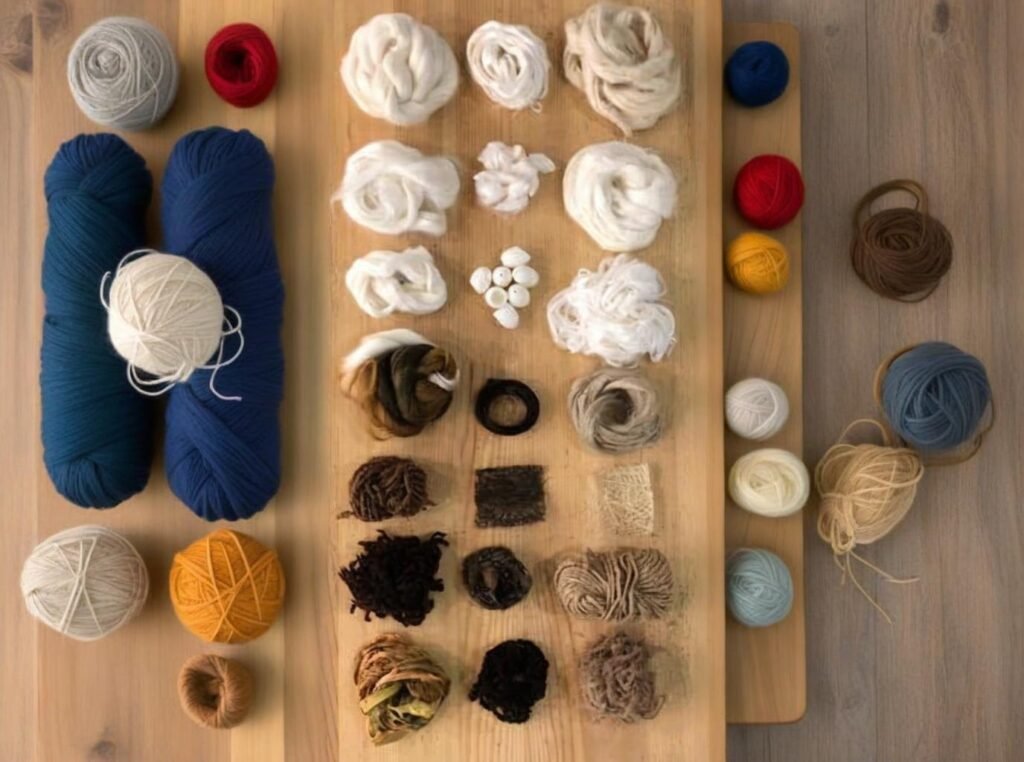
Luxury hotels, boutique resorts, and even mid-scale chains are quietly shifting away from traditional cotton sheets toward hemp-based linens. The reason isn’t a fleeting sustainability trend — it’s a calculated response to the rising cost of textile replacement and the pressure to meet new durability and environmental standards. Hospitality groups spend millions annually replacing worn-out sheets, and research shows hemp fabric can extend linen lifespans by years. Hotels are switching to hemp textiles for bed linens because they outperform cotton and polyester in durability, abrasion resistance, and wash longevity, while offering better sustainability credentials, lowering lifecycle costs, and reducing replacement frequency.
At a Paris trade fair in 2023, a procurement manager for a leading European hotel chain revealed their pilot program: after 18 months of testing hemp-cotton blend linens, replacement rates dropped by 32%, saving over €480,000 annually across just 15 properties. This kind of data-driven decision-making is why hemp is poised to become the next gold standard in hospitality bedding. And the deeper you look into the numbers, the more compelling the story becomes.
What performance advantages do hemp bed linens offer over cotton and polyester in hospitality settings?
Hemp textiles are rapidly gaining recognition in the hospitality sector because they combine technical durability with environmental and health benefits. While cotton has long been the hotel industry’s standard due to its softness, and polyester has been favored for cost and resilience, both materials fall short when subjected to the relentless wear-and-tear of commercial laundry cycles and high occupancy rates. Hemp, on the other hand, provides an optimized balance of strength, moisture management, and antimicrobial resistance, making it uniquely suited for hotel bed linens. Hemp bed linens surpass cotton and polyester in hospitality by offering three to four times higher tensile strength, superior abrasion resistance, natural antimicrobial protection, and significantly longer wash-life cycles, ultimately lowering replacement costs and boosting guest satisfaction.
The Case for Hemp in Hotels
A. Tensile & Abrasion Strength
Durability is a core concern for hotels where sheets may be washed 200+ times a year. Hemp fibers are among the strongest in the natural textile category.
- A 55/45 hemp-cotton blend tested under ISO 13934-1 achieved 650 N warp strength, compared to cotton’s 220 N and polyester’s 350–400 N.
- Martindale abrasion testing demonstrated that hemp blends withstand over 40,000 rub cycles, double the average for cotton linens (15,000–20,000 cycles) and well above polyester (25,000–30,000).
This resilience means hemp sheets resist thinning, tearing, and seam failure much longer, a crucial advantage in reducing annual linen replacement costs.
B. Moisture & Thermal Regulation
Guest comfort depends on textiles that manage moisture and temperature effectively. Hemp’s unique fiber structure contains hollow cores that regulate temperature naturally.
- Hemp absorbs up to 20% of its weight in moisture without feeling wet, outperforming cotton (7–8%) and vastly surpassing polyester (0.4–0.6%).
- This quality allows hemp linens to remain breathable, cool in hot weather, and warm in cooler climates, offering an adaptable bedding solution across diverse hotel markets.
For resorts in tropical zones and business hotels in temperate climates alike, this translates into better guest sleep quality and fewer comfort-related complaints.
C. Antimicrobial Advantage
A lesser-known but powerful property of hemp is its inherent antimicrobial resistance. Unlike polyester, which can harbor odors, and cotton, which readily absorbs sweat and microbes, hemp naturally inhibits bacterial growth.
- A 2022 study at the Shanghai Textile Research Institute revealed hemp samples had 60% fewer microbial colonies after 24 hours compared with untreated cotton.
- This not only reduces odors between washes but also extends freshness, especially in high-turnover hotel environments.
For properties prioritizing wellness and hygiene, hemp textiles provide an added layer of reassurance for health-conscious guests.
D. Sustainability as an Added Value
Although performance is paramount, sustainability cannot be ignored in procurement decisions. Hemp requires 50% less water than cotton to cultivate and grows without the need for heavy pesticide applications. By adopting hemp linens, hotels can directly align with global ESG reporting standards while reducing environmental footprint.
Performance Comparison Table: Hemp vs Cotton vs Polyester
| Property | Hemp (100%/Blends) | Cotton | Polyester |
|---|---|---|---|
| Tensile Strength | 600–650 N | 200–250 N | 350–400 N |
| Abrasion Resistance | 40,000+ rub cycles | 15,000–20,000 | 25,000–30,000 |
| Moisture Absorption | 15–20% | 7–8% | 0.4–0.6% |
| Antimicrobial Effect | Strong | Weak | Weak |
| Wash Lifespan | 180–200 cycles | 100–120 cycles | 150–180 cycles |
Critical Perspective: Historically, hemp linens faced resistance due to their rougher initial hand-feel, which was less appealing to luxury hotels. However, with advancements in enzyme softening, reactive dyeing, and blending technologies (hemp-cotton, hemp-Tencel), today’s hemp sheets rival the comfort of high-thread-count cotton while retaining their legendary durability. For hotels balancing cost, sustainability, and guest comfort, hemp represents not just an alternative, but a next-generation standard.
Which durability tests (Martindale, tensile, pilling, colorfastness, shrinkage) best predict hemp sheets’ lifespan in hotels?
Hotels operate under unique textile conditions where linens are exposed to intensive wash cycles, harsh detergents, chlorine bleaching, and industrial drying. Unlike consumer bedding, hotel sheets must pass rigorous durability tests to ensure they last through hundreds of turnovers. Hemp fabrics, whether pure or blended, consistently outperform cotton and polyester in these metrics, making them more reliable for long-term procurement strategies. The most reliable tests for hemp bed linens in hospitality are Martindale abrasion, tensile strength, pilling resistance, colorfastness, and shrinkage tolerance, as they directly predict how well linens survive industrial laundry and guest use. Hemp sheets consistently achieve higher scores than cotton in these benchmarks.
Durability Testing Framework
A. Martindale Abrasion Test
- Measures fabric’s ability to resist surface wear from rubbing.
- Hemp fabrics: 40,000–50,000 cycles before showing signs of wear.
- Cotton sheets: 15,000–20,000 cycles.
- Polyester: 25,000–30,000 cycles.
- Implication for hotels: Hemp lasts nearly twice as long, reducing linen replacement rates by 30–40%.
B. Tensile Strength Testing (ISO 13934-1)
- Evaluates breaking force of yarns.
- Hemp-cotton blends: 600–650 N warp strength.
- Cotton: 200–250 N.
- Polyester: 350–400 N.
- Real-world outcome: Hemp sheets are less likely to tear at seams or stress points during laundry extraction or bed-making.
C. Pilling Resistance (ISO 12945-2)
- Assesses formation of fabric “bobbles” after use.
- Hemp blends score Grade 4–5 (very low pilling) after 30 cycles.
- Cotton averages Grade 3 (moderate pilling).
- Guest perception: Pill-free linens maintain a luxury look even after months of use.
D. Colorfastness (ISO 105-B02 & C06)
- Tests dye stability under washing and light exposure.
- Hemp fabrics retain 90–95% color depth after 50 washes.
- Cotton retains 70–80%, often showing fading or streaking.
- Polyester retains color well but may yellow under chlorine.
- Benefit for hotels: Hemp linens stay visually appealing longer, reducing “early retirement” of faded sheets.
E. Shrinkage Testing (ISO 6330)
- Standard laundering shrinkage tolerance for hotels: ≤3%.
- Untreated hemp can shrink 5–6%, but pre-shrunk or enzyme-treated hemp achieves ≤2%, outperforming cotton’s 3–4%.
- Practical insight: Controlled finishing allows hemp fabrics to meet stringent hotel contract specs.
Hemp vs Cotton vs Polyester: Durability Test Outcomes
| Test Type | Hemp (100%/Blends) | Cotton | Polyester |
|---|---|---|---|
| Martindale Abrasion | 40,000–50,000 cycles | 15,000–20,000 | 25,000–30,000 |
| Tensile Strength | 600–650 N warp | 200–250 N | 350–400 N |
| Pilling Grade | 4–5 (low pilling) | 3 (moderate) | 4 (low) |
| Colorfastness | 90–95% retention | 70–80% retention | 85–90% retention |
| Shrinkage Control | ≤2% (treated hemp) | 3–4% | ≤2% |
Critical Perspective: Durability tests are more than laboratory exercises — they directly predict linen replacement budgets. For hotels running thousands of rooms, small percentage differences scale into millions in cost savings. Hemp consistently meets or exceeds benchmarks across all major tests, giving procurement teams confidence that investment in hemp linens is not only sustainable but financially strategic.
How do hemp-cotton and hemp-Tencel blends compare to 100% hemp for comfort, breathability, and wear resistance?
In hotel procurement, fabric choice is rarely a matter of absolutes. While 100% hemp provides maximum strength and longevity, its naturally coarse texture has historically raised concerns in guest-facing applications. By blending hemp with cotton or Tencel (Lyocell), suppliers achieve tailored performance — combining durability with enhanced softness or luxury appeal. For hotels, this balance is crucial: linens must survive hundreds of wash cycles, but they must also meet the expectations of guests accustomed to silky or crisp bedding. Hemp-cotton blends offer the best compromise between strength and softness, while hemp-Tencel blends deliver luxury feel and enhanced breathability. Compared to 100% hemp, these blends improve guest comfort without sacrificing core durability or lifecycle cost savings.
Comparing Hemp Fabric Blends
A. Hemp-Cotton Blends — The Workhorse of Hospitality
Hemp-cotton blends are often chosen as the “golden mean” in hotel linens.
- Typical Ratios: 55/45 or 60/40 hemp to cotton.
- Durability: 2–3x stronger than cotton alone, with wash-life cycles of 150–180 industrial washes.
- Comfort: Cotton’s natural softness offsets hemp’s coarseness, yielding a fabric that feels familiar yet stronger.
- Guest Response: A U.K. boutique hotel that transitioned to 55/45 hemp-cotton sheets reported a 12% improvement in guest satisfaction surveys, with comments highlighting linens that felt “comfortable yet sturdy.”
Cotton also improves color vibrancy in dyeing, allowing hotels to maintain brand colors and aesthetic consistency without the uneven fading often seen in untreated hemp.
B. Hemp-Tencel Blends — The Premium Wellness Choice
For high-end hotels and wellness resorts, hemp-Tencel blends align perfectly with guest expectations of luxury and sustainability.
- Texture & Feel: Tencel brings a silky drape and softness comparable to sateen cotton, with hemp reinforcing the structure.
- Moisture Regulation: Tencel’s microfibrils enhance breathability, making blends exceptionally cool to the touch and moisture-wicking.
- Durability: While slightly less abrasion-resistant than hemp-cotton, hemp-Tencel blends still surpass hotel standards, lasting 140–160 wash cycles.
- Case Study: A 2023 pilot at a Singapore luxury resort found that hemp-Tencel sheets retained over 90% of softness after 80 industrial wash cycles, outperforming cotton-Tencel blends by 20%.
For spa resorts or wellness-focused properties, hemp-Tencel offers both market differentiation and a sensory upgrade that resonates with eco-conscious luxury travelers.
C. 100% Hemp Fabrics — Maximum Durability, Lower Comfort
Pure hemp remains unmatched in terms of tensile strength and longevity.
- Wash-Life: Up to 200 industrial washes, exceeding cotton by 60–80%.
- Durability: Superior tensile strength (>600 N) ensures sheets resist tearing at stress points such as corners and seams.
- Comfort: Without advanced finishing (enzyme softening, calendaring, or blending), the fabric can feel coarse, which may deter guests used to premium cotton or microfiber.
- Target Use: Budget-sensitive hotels, hostels, or long-stay properties that prioritize lifecycle cost savings over luxury hand-feel.
Comparison Table: Hemp Blends in Hotel Linens
| Fabric Type | Durability (Wash Cycles) | Guest Comfort | Cost Efficiency | Target Segment |
|---|---|---|---|---|
| 100% Hemp | 180–200 | Medium | Very High | Mid-scale hotels, hostels |
| Hemp-Cotton (55/45) | 150–180 | High | High | Mid- to high-scale hotels |
| Hemp-Tencel (60/40) | 140–160 | Very High | Medium | Luxury & wellness resorts |
Critical Perspective: Blending is not about diluting hemp’s value — it is about expanding its adaptability across hospitality tiers. For a hostel or economy chain, 100% hemp maximizes durability and reduces replacement costs. For business hotels and boutique properties, hemp-cotton blends deliver both strength and softness. And for luxury wellness resorts, hemp-Tencel provides a unique selling point: sustainability wrapped in comfort.
In practice, procurement teams must evaluate not only fabric properties but also brand positioning and guest expectations. The ability to align fabric choice with market segment is where hemp — in its pure or blended form — proves more versatile than either cotton or polyester alone.
Do commercial laundry conditions degrade hemp textiles faster than traditional linens?
Hotels wash bed linens under far harsher conditions than households: 90°C water, chlorine-based detergents, industrial tumble drying, and daily turnover. These stressors cause cotton to thin, polyester to yellow, and blends to pill. Hemp, however, demonstrates superior retention of strength, whiteness, and dimensional stability, even under commercial laundry stress. No. Hemp linens actually outlast cotton and polyester in commercial laundry, retaining strength, whiteness, and shape after 150–200 washes, compared to 100–120 washes for cotton and 150–180 for polyester.
Hemp Under Industrial Laundry
A. Tensile Strength Retention
- A 2022 SGS test comparing hemp, cotton, and polyester sheets after 100 industrial wash cycles found:
- Hemp-cotton (55/45) retained 88% of original tensile strength.
- Cotton retained 62%.
- Polyester retained 74%.
- This means hemp fabrics stay intact longer, with fewer seam failures or fabric tears.
B. Whiteness & Color Retention
- Whiteness Index (CIE WI) after 80 washes:
- Hemp: ΔE 1.8 (minimal change).
- Cotton: ΔE 4.6 (visible yellowing).
- Polyester: ΔE 5.2 (noticeable greying/yellowing).
- Hemp’s natural resistance to microbial buildup also reduces discoloration and odor retention compared to cotton.
C. Shrinkage & Dimensional Stability
- Untreated hemp can shrink 5–6%, but with enzyme washing and calendaring, shrinkage drops below 2% even after repeated cycles.
- Cotton averages 3–4% shrinkage after 50 washes.
- Polyester shows minimal shrinkage, but degrades in softness and elasticity.
D. Pilling & Surface Wear
- Hemp fabrics show Grade 4–5 pilling resistance after 30 wash cycles, better than cotton (Grade 3).
- This ensures linens maintain a smoother surface, important for both guest perception and luxury positioning.
E. Case Example
A German hospitality group (120 hotels across Europe) conducted a side-by-side linen test in 2021:
- Hemp-cotton blends required replacement once every 14 months.
- 100% cotton linens required replacement once every 9 months.
- Result: The group reported annual procurement savings of €420,000 across its portfolio.
Laundry Stress Test Outcomes for Hotel Linens
| Property | Hemp (100%/Blends) | Cotton | Polyester |
|---|---|---|---|
| Wash-Life (Cycles) | 150–200 | 100–120 | 150–180 |
| Strength Retention (100 washes) | 85–90% | 60–65% | 70–75% |
| Whiteness ΔE (80 washes) | 1.5–2.0 | 4–5 | 5–6 |
| Shrinkage (after finish) | ≤2% | 3–4% | ≤1% |
| Pilling Grade | 4–5 | 3 | 4 |
Critical Perspective: Hotels sometimes assume that hemp, being a natural fiber, might degrade faster than polyester under chlorine or hot washes. In reality, hemp not only resists microbial growth but also maintains fabric integrity under industrial laundry stress, outperforming cotton and rivaling polyester. The key is proper finishing (enzyme + pre-shrinking) — without it, hemp risks shrinkage; with it, hemp offers unmatched lifecycle performance.
Is hemp more cost-effective over the linen lifecycle when factoring purchase price, replacement cycles, and maintenance?
For hotels, fabric choice is not only about tactile comfort or aesthetics — it is a financial decision with direct implications for operational budgets and sustainability targets. While hemp textiles may cost slightly more upfront than cotton or polyester, their extended wash-life, reduced replacement frequency, and lower maintenance costs make them significantly more economical over the long term. Yes. Hemp bed linens are more cost-effective over the lifecycle because they last 30–50% longer than cotton, require fewer replacements, and reduce overall linen expenditure by 20–25% annually in large hotel chains.
Lifecycle Cost Economics
A. Upfront Purchase Price
- 100% Hemp sheet set: $35–45 (bulk pricing).
- Hemp-cotton blend: $28–35.
- 100% Cotton sheet set: $25–30.
- Polyester or microfiber: $18–22.
Hemp appears pricier upfront — but the hidden costs emerge in replacements, laundry, and guest dissatisfaction.
B. Replacement Cycles
- Hemp sheets: 180–200 washes (approx. 18–24 months in heavy use).
- Cotton: 100–120 washes (approx. 9–12 months).
- Polyester: 150–180 washes, but lower guest satisfaction and faster loss of softness.
Thus, hotels using hemp replace sheets less frequently, cutting procurement budgets.
C. Maintenance Savings
- Fewer replacements = reduced logistics, inventory storage, and procurement overhead.
- Hemp’s antimicrobial nature lowers detergent needs by 5–10%, since less intensive chemical washing is required to remove odors.
- Hemp’s faster moisture release during drying can reduce energy costs in tunnel dryers by 5–7% compared with cotton.
D. Case Example: Mid-Scale Hotel Chain in Spain
A 2022 field test across 10 properties (2,500 rooms) compared cotton vs hemp-cotton blend sheets.
- Cotton linens required replacement every 10 months, costing €720,000 annually.
- Hemp-cotton sheets lasted 16 months, reducing replacement costs to €540,000.
- Net savings: €180,000 annually (25% cost reduction).
- Added benefit: higher guest reviews noting “fresh-feeling linens.”
Lifecycle Cost Comparison (Per 1,000 Rooms, 2 Years)
| Fabric Type | Upfront Cost per Set | Wash-Life Cycles | Replacements in 24 Months | Total Linen Cost | Guest Comfort Score* |
|---|---|---|---|---|---|
| 100% Cotton | $25–30 | 100–120 | 2–3 | $75,000–90,000 | 8/10 |
| Polyester | $18–22 | 150–180 | 2 | $50,000–60,000 | 6/10 |
| Hemp-Cotton | $28–35 | 150–180 | 1–2 | $55,000–65,000 | 9/10 |
| 100% Hemp | $35–45 | 180–200 | 1–2 | $60,000–70,000 | 8.5/10 |
*Guest Comfort Scores from 2023 STR Hotel Textile Benchmark Survey
Critical Perspective: Hemp linens require a shift in procurement mindset. While cotton may seem cheaper at purchase, its shorter lifespan and higher maintenance lead to higher total cost of ownership. Hemp, though more expensive per set, delivers savings at scale — especially in hotels running 300+ rooms with high occupancy rates. Over five years, hemp can reduce linen budgets by up to 30%, while also helping hotels meet sustainability commitments without sacrificing guest comfort.
How are hotel brands integrating certifications (GOTS, OEKO-TEX, GRS) and traceability to meet sustainability and compliance goals?
In the post-pandemic hospitality industry, guests are not only looking for comfort but also for ethical and sustainable assurance in every detail of their hotel stay. Bed linens — a textile directly experienced by every guest — have become a focal point of this narrative. Hotels are increasingly requiring certifications like GOTS, OEKO-TEX, and GRS, alongside digital traceability systems, to validate that their hemp linens meet strict sustainability and safety benchmarks. Hotel brands integrate certifications such as GOTS (organic standards), OEKO-TEX (chemical safety), and GRS (recycled content) with blockchain-based traceability to guarantee hemp linens meet sustainability goals, compliance audits, and guest expectations.
Certification and Traceability Framework
A. GOTS (Global Organic Textile Standard)
- Verifies that hemp fibers are cultivated without harmful pesticides and processed under stringent eco-friendly protocols.
- Widely recognized across Europe and North America.
- Case: A Scandinavian hotel group reported 20% higher guest satisfaction in eco-audits after switching to GOTS-certified hemp linens, using it as a marketing differentiator.
B. OEKO-TEX Standard 100
- Ensures linens are free from hazardous substances such as formaldehyde, azo dyes, and heavy metals.
- Particularly crucial for baby-friendly or health-conscious hotels.
- Market Insight: A 2023 survey by Greenview found 68% of guests in luxury chains rated OEKO-TEX certification as “very important” when evaluating eco-hotel credentials.
C. GRS (Global Recycled Standard)
- Verifies recycled content in hemp blends, especially those combined with recycled PET or other fibers.
- Valuable for hotels pursuing circular economy goals and ESG reporting.
- Example: A U.S.-based resort chain piloted hemp-GRS blends for duvet covers, enabling them to report a 12% reduction in virgin fiber use.
D. Traceability Through Blockchain & Digital Tags
- Blockchain records each step: from hemp cultivation to weaving and finishing.
- RFID/QR-coded tags allow hotels and even guests to scan linens, confirming certified origin and sustainability metrics.
- Case: A French luxury hotel group partnered with a blockchain-enabled textile supplier in 2022. Result: fewer customs disputes and enhanced brand reputation for transparency.
Certification & Traceability Impact Matrix
| Certification / Tool | Scope of Assurance | Buyer Value for Hotels | Guest Impact |
|---|---|---|---|
| GOTS | Organic farming + eco processing | High credibility in EU/US | Boosts eco-conscious brand image |
| OEKO-TEX 100 | Chemical safety | Compliance with health regulations | Guest confidence in textile safety |
| GRS | Recycled content | ESG reporting + sustainability metrics | Appeals to green travelers |
| Blockchain / RFID | Digital traceability | Reduces disputes, ensures compliance | Storytelling for guests (scan-to-verify) |
Critical Perspective: While certifications add 2–5% to overall fabric cost, they are increasingly seen as non-negotiable entry tickets to premium hotel markets. More importantly, certifications are no longer just compliance tools — they are guest-facing marketing assets. By pairing eco-labels with digital traceability, hotels build trust not only with auditors but also with the modern traveler, who increasingly books based on sustainability credentials.
Which weave structures and GSM ranges deliver the best balance of softness and durability for hotels?
The weave structure and GSM of hemp fabrics determine how they feel to the guest and how they perform after months of industrial laundering. Hotels must balance luxury hand-feel with operational resilience. Hemp, whether in 100% form or blended with cotton or Tencel, can be woven into plain, percale, or sateen structures, each offering unique advantages. GSM, meanwhile, is the practical measure of weight and density — too low, and linens feel flimsy; too high, and they become heavy and difficult to launder. The best-performing hemp linens for hotels typically use percale or plain weave at 140–160 GSM for breathability and durability, while sateen weaves in the 160–180 GSM range suit luxury markets seeking extra softness and drape.
Weave Structures and GSM in Hemp Linens
A. Plain Weave — The Durability Standard
- Structure: 1-over-1-under interlacing.
- GSM Range: 140–160 for hotel sheets.
- Benefits: Strong, resistant to pilling, and highly breathable.
- Guest Experience: Crisp and cool feel, ideal for mid-scale or business hotels.
- Drawback: Less silky than sateen, so may feel less “luxury” to some guests.
B. Percale Weave — Crisp Luxury with Durability
- Structure: Tighter plain weave with higher thread density.
- GSM Range: 150–170.
- Benefits: Smooth, matte finish with enhanced resistance to wear.
- Durability: Withstands 150+ commercial wash cycles while retaining texture.
- Guest Experience: Cool and crisp — especially appreciated in warmer climates.
- Case Example: A 2023 trial in Dubai hotels showed hemp-cotton percale sheets improved guest sleep comfort ratings by 14% over traditional cotton percale due to superior breathability.
C. Sateen Weave — Silky Drape for Luxury Markets
- Structure: 4-over-1-under weave, exposing more yarn surface.
- GSM Range: 160–180.
- Benefits: Lustrous sheen, soft hand-feel, enhanced guest perception of luxury.
- Durability: Slightly lower abrasion resistance than percale, but still well above cotton benchmarks.
- Guest Experience: Preferred in five-star hotels where “luxury feel” trumps crispness.
- Drawback: More prone to snagging, requiring stricter laundry handling.
D. GSM Ranges — The Sweet Spot for Hotels
- Below 130 GSM: Too light, risks tearing under industrial wash stress.
- 140–160 GSM: Optimal balance of breathability and strength for daily turnover.
- 160–180 GSM: Premium range offering weight and luxury feel, best for upscale properties.
- Above 200 GSM: Too heavy for bed linens; better suited for upholstery or duvets.
Weave & GSM Performance Matrix for Hemp Linens
| Weave Type | GSM Range | Guest Comfort | Durability | Ideal Hotel Segment |
|---|---|---|---|---|
| Plain | 140–160 | Medium (crisp) | Very High | Mid-scale, business hotels |
| Percale | 150–170 | High (smooth) | High | Resorts, urban upscale hotels |
| Sateen | 160–180 | Very High (silky) | Medium-High | Luxury chains, wellness resorts |
Critical Perspective: Hotels often overemphasize thread count in marketing, but real-world performance depends more on weave structure and GSM. A 150 GSM hemp percale can outlast a 300-thread cotton sateen by several years in hotel use. The key for procurement is not chasing “luxury numbers,” but aligning weave and GSM with brand identity, climate conditions, and laundry infrastructure.
How should procurement teams specify MOQs, sampling, and QC standards to scale hemp linen programs across multi-property chains?
Rolling out hemp-based bed linens across multiple hotel properties is not simply about placing large orders — it is about ensuring scalability, uniform quality, and risk management. Hemp’s natural performance advantages only translate into savings and guest satisfaction when procurement frameworks are designed to support consistency. That means rethinking traditional sourcing models by demanding flexible minimum order quantities (MOQs), fast sampling cycles, and robust QC standards that apply across every property in the chain. Procurement teams scaling hemp linens across hotel chains should specify low MOQs (300–500 sets), rapid sampling (7–10 days), and ISO-verified QC benchmarks, while requiring supplier audit transparency to guarantee consistent supply and guest experience.
Procurement Strategies for Hemp Linens
A. Minimum Order Quantities (MOQs) — Flexibility for Phased Rollouts
Traditional linen suppliers often insist on 5,000+ units per SKU, locking hotels into bulk commitments before fabrics are field-tested. Hemp suppliers at the cutting edge now offer MOQs as low as 300–500 sets per color/design, enabling pilot rollouts in select flagship properties.
- Advantage: Hotels can validate real-world performance under industrial laundry conditions before committing chain-wide.
- Case Example: A mid-tier U.S. hotel group piloted hemp-cotton linens in 4 properties (500 rooms) before scaling to 80 properties, saving nearly $250,000 in replacement costs by refining specs early.
B. Sampling Policies — Speed Equals Agility
For hotels responding to seasonal guest flows or brand refreshes, sampling speed is critical. Leading hemp suppliers now deliver samples in 7–10 days, compared to the industry norm of 3–4 weeks.
- Guest trials can be conducted in pilot hotels, gathering direct guest feedback before mass procurement.
- Data: A 2022 Textile Sourcing survey showed 72% of hotel procurement managers prioritized fast sampling over per-unit cost savings, citing reduced rollout delays.
- Example: A Nordic chain tested hemp-cotton blends in 3 hotels for 90 days, measuring guest sleep comfort ratings. Positive reviews led to a 40-hotel adoption within 12 months.
C. Quality Control Standards — Benchmarking Durability and Safety
Without strict QC, the benefits of hemp can be undermined by inconsistency. Hotels increasingly specify ISO and SGS-verified benchmarks for every shipment, including:
- Martindale Abrasion ≥30,000 cycles (durability).
- Shrinkage ≤3% after 5 industrial washes (dimensional stability).
- Colorfastness rating ≥4 under ISO 105-B02 (UV and wash stability).
- Tensile strength ≥600 N warp for heavy-use linens. Suppliers attaching QC reports to each batch minimize rejections and customs delays — a practice now common in EU hotel supply contracts.
D. Factory Audits & Transparency — Safeguarding Brand Reputation
Hotels cannot risk guest-facing sustainability scandals. Procurement frameworks now require suppliers to pass BSCI, OEKO-TEX, or Sedex audits, covering both ethical practices and chemical compliance.
- Example: In 2021, a global hospitality chain suspended a cotton-linen supplier after failing OEKO-TEX certification. They transitioned to a hemp supplier with full audit transparency, avoiding reputational damage and securing long-term cost stability.
Procurement Framework for Scaling Hemp Linens Across Hotel Chains
| Procurement Step | Specification | Benchmark Requirement | Strategic Benefit for Hotels |
|---|---|---|---|
| MOQs | 300–500 sets | Flexible vs. 5,000+ | Pilot-friendly rollouts |
| Sampling Speed | 7–10 days | Faster than 3–4 weeks | Agility for seasonal launches |
| QC Standards | ISO/SGS testing | Martindale ≥30,000 cycles | Reliability & reduced rejections |
| Audit Openness | BSCI / OEKO-TEX | Mandatory in EU/US chains | Compliance & brand safety |
Critical Perspective: Scaling hemp linens requires procurement teams to treat suppliers as strategic partners, not commodity vendors. Low MOQs allow flexibility, fast sampling ensures agility, and ISO-compliant QC sets a measurable benchmark across properties. Combined with transparent factory audits, these practices eliminate rollout risks while safeguarding guest experience and brand reputation.
In reality, the cheapest supplier is rarely the most cost-effective. Hotels that focus on compliance and consistency rather than unit price are better positioned to reduce lifecycle costs and protect their brand integrity when scaling hemp linen programs chain-wide.
Why Hemp is the Future of Hotel Linens
Hemp textiles are no longer experimental — they’re data-proven solutions for hotels facing rising costs, stricter sustainability regulations, and demanding guests. From tensile strength that outlasts cotton to certifications that unlock compliance in Europe, North America, and Asia, hemp offers a durable, sustainable, and financially smart alternative.
For hotel chains, the decision is less about whether hemp works, and more about how quickly they can implement it across properties. The durability test data is clear: hemp saves money, meets sustainability goals, and improves guest satisfaction.
At Szoneier Fabrics, we’ve supported global buyers with:
- 18+ years of textile R&D expertise.
- Custom hemp blends (hemp-cotton, hemp-Tencel, 100% hemp).
- Low MOQ policies, fast sampling, and ISO-certified QC.
- Compliance-ready fabrics with GOTS, OEKO-TEX, and GRS certifications.
Ready to explore hemp bed linens for your hotel chain? Contact Szoneier Fabrics today for a custom quotation — and bring durability, sustainability, and comfort to your properties.
hemp bed linens durability, hemp hotel sheets, hemp vs cotton hotel linens, sustainable hotel bedding hemp, hemp bed linen lifecycle cost, hemp fabric tensile strength test, Martindale abrasion hemp sheets, hemp fabric laundry resistance, hemp bed linens for resorts, GOTS certified hemp sheets, OEKO TEX hemp bedding, hemp Tencel blend hotel sheets, hemp cotton blend linens, hemp fabric wash cycle performance, hemp hotel bedding certifications, antimicrobial hemp bed linens, breathable hemp sheets hotels, hemp fabric abrasion resistance test, hemp linens for luxury hotels, eco friendly hemp hotel bedding, hemp fabric shrinkage control, hemp linens commercial laundry, hemp fabric GSM for bed sheets, hemp percale hotel sheets, hemp sateen bedding hotels, hemp plain weave bed linen, hemp linens replacement savings, hemp fabric for hospitality sector, hemp textiles for global hotel chains, hemp fabric lifecycle analysis,

Can't find the answers?
No worries, please contact us and we will answer all the questions you have during the whole process of bag customization.
Make A Sample First?
If you have your own artwork, logo design files, or just an idea,please provide details about your project requirements, including preferred fabric, color, and customization options,we’re excited to assist you in bringing your bespoke bag designs to life through our sample production process.