 Skip to content
Why is polyester controversial?
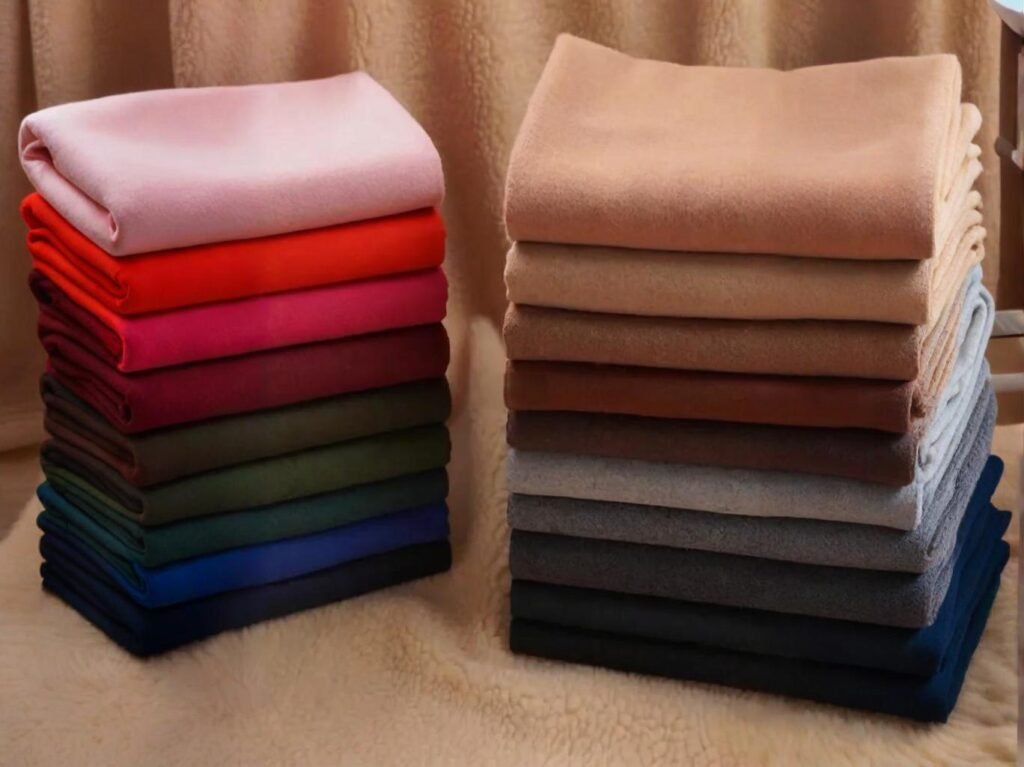
Polyester is everywhere—from your yoga pants to your bedsheets, from corporate uniforms to baby clothes. It’s the most used textile fiber on the planet. And yet, it’s also one of the most debated. While manufacturers praise it for durability and affordability, sustainability advocates raise serious concerns about its environmental and ethical footprint. Is polyester a miracle of modern materials—or a ticking time bomb of plastic pollution?
So, why is polyester controversial?Polyester is controversial because, while it offers benefits like low cost, wrinkle resistance, and fast production, it also raises environmental and ethical issues—especially around microplastic pollution, fossil fuel dependency, recyclability limits, and questionable labor practices in parts of its supply chain. These factors have made polyester the center of global debate around responsible manufacturing and sustainable sourcing.
This article explores the multiple dimensions of the polyester debate. We’ll examine not just the raw data but also the conflicting perspectives behind it—from the realities of global fashion sourcing to innovation in recycled PET fiber. And to keep things practical, we’ll also show what this means for B2B buyers looking to balance cost, quality, and corporate responsibility.
1. What Are the Environmental Issues Associated with Polyester?
Polyester poses serious environmental issues due to its dependence on non-renewable fossil fuels, high energy-intensive production, and non-biodegradable waste footprint, which contributes to long-term pollution.
Breaking Down Polyester’s Environmental Burden
a) Fossil Fuel Dependency
Polyester is made from PET (polyethylene terephthalate), a plastic derived from petroleum. According to the Textile Exchange (2023):
- Over 98% of global polyester fiber comes from virgin petrochemical feedstocks.
- Polyester production consumes 70 million barrels of oil per year globally.
| Material | Renewable Source? | Derived From |
|---|---|---|
| Cotton | ✅ | Agricultural crops |
| Polyester (Virgin) | ❌ | Petroleum (PX, MEG) |
| rPET (Recycled) | ♻️ (Partially) | Used plastic bottles |
b) High Energy and Water Use
While polyester uses less water than cotton in fiber production, it is more energy-intensive:
| Environmental Metric | Polyester (per kg) | Cotton (per kg) |
|---|---|---|
| Water Usage | \~25L | \~10,000L |
| Energy Consumption | \~125 MJ | \~55 MJ |
| CO₂ Emissions | \~5.5 kg | \~2.0 kg |
Polyester appears “dry” but is energy- and emissions-heavy during polymerization and processing.
c) Waste Accumulation and Landfill Impact
- Polyester is not biodegradable; it takes 400+ years to break down.
- Clothing waste dominated by polyester blends is clogging landfills globally.
According to the Ellen MacArthur Foundation, 73% of global clothing ends up in landfills or incinerators, and polyester is the dominant fiber in those waste streams.
2. Why Do Sustainability Advocates Criticize Polyester Despite Its Popularity?
Sustainability advocates criticize polyester because its environmental cost is disproportionately high compared to its market ubiquity. It dominates fast fashion, contributes to textile overproduction, and challenges circular economy goals due to low recyclability rates.
The Disconnect Between Affordability and Accountability
a) Fast Fashion’s Reliance on Polyester
Brands like SHEIN, Zara, and Primark rely on polyester for:
- Low material costs
- Wrinkle resistance
- Fast manufacturing cycles
But the downside is:
- Overproduction (millions of units weekly)
- Short product life cycles (2–7 wears on average)
- Difficult end-of-life management (poly-cotton blends are nearly unrecyclable)
b) Barriers to Circularity
Although recycled polyester (rPET) is growing, it still represents only \~14% of all polyester fiber (Textile Exchange, 2023). Moreover:
- Most rPET comes from bottle-to-fiber, not fiber-to-fiber
- Polyester blended with other fibers (like elastane or cotton) is almost impossible to recycle with current tech
| Recyclability Factor | Virgin Polyester | Blended Polyester | rPET |
|---|---|---|---|
| Recyclable at Scale? | Yes (bottle-to-fiber) | Rarely | Partially |
| Biodegradable? | No | No | No |
| Commercially Circular? | No (currently) | No | Emerging |
c) Emissions from End-of-Life
When burned, polyester releases:
- Volatile organic compounds (VOCs)
- Heavy metals (from dyes)
- Greenhouse gases (CO₂, methane)
This contrasts with cotton, which—although water-intensive—biodegrades naturally.
d) Patagonia’s Shift Toward rPET
Patagonia, once a heavy polyester user, now sources 100% of its new polyester from recycled sources. However, even they acknowledge limitations:
“We’re still far from a fully circular polyester system. Most of our rPET is made from bottles, not garments.” — Patagonia Sustainability Report
3. How Does Polyester Contribute to Microplastic Pollution?
Polyester contributes significantly to global microplastic pollution, especially through washing and wearing garments made from synthetic fibers. Tiny plastic particles shed from these fibers pollute waterways, food chains, and even the air we breathe.
Polyester’s Invisible Footprint
a) What Are Microplastics?
Microplastics are plastic particles smaller than 5mm, and they’re classified as:
- Primary: Manufactured particles (e.g., microbeads in cosmetics)
- Secondary: Resulting from the breakdown of larger plastics—including polyester textiles
b) How Polyester Sheds Microfibers
Each time polyester clothes are washed, they release hundreds of thousands of microfibers into wastewater.
| Washing Load (5kg) | Avg. Microfiber Release (Particles) |
|---|---|
| Virgin Polyester Garment | 700,000 – 1,000,000+ |
| Recycled Polyester | 500,000 – 900,000 |
| Cotton | \~0 (natural cellulose) |
Even high-performance recycled polyester fabrics still shed microplastics—although slightly less than virgin ones.
c) Where Do These Microplastics Go?
- Enter municipal wastewater
- Often bypass filtration at treatment plants
- Flow into rivers, lakes, and oceans
- Are consumed by plankton, fish, and eventually humans
The UN Environment Programme estimates that synthetic textiles contribute \~35% of ocean microplastics, making them the largest single source globally.
d) Human Exposure Risks
Studies now show that microplastics:
- Are found in human blood, lungs, and even placenta
- May carry toxic additives and endocrine disruptors
e) Microfiber Pollution in the Arctic
A 2022 study by Nature Communications found polyester microfibers in 96 of 97 snow samples taken from the Arctic—confirming that synthetic textiles contribute to global airborne pollution.
f) Efforts to Mitigate Shedding
- Washing machine filters (e.g., XFilter, PlanetCare)
- Guppyfriend laundry bags
- Fiber engineering to reduce shedding (early stage)
4. Is Polyester Recyclable or Truly Sustainable in the Long Run?
Polyester can be recycled, but current recycling systems are limited, mostly reliant on bottle waste (not fabric), and often result in downcycled products. This makes polyester only partially sustainable at scale and not yet truly circular.
What Sustainability Really Means for Polyester
a) Mechanical vs. Chemical Recycling
- Mechanical Recycling: PET bottles → Flakes → rPET fiber ✅ Affordable ❌ Degrades over cycles ❌ Limited to clear bottles, not mixed fabrics
- Chemical Recycling: Depolymerizes polyester to monomers for re-polymerization ✅ Retains fiber quality ❌ Costly and energy-intensive ❌ Still in pilot stage in most countries
| Type of Recycling | Source Material | End Product Quality | Cost | Scalability |
|---|---|---|---|---|
| Mechanical (rPET) | Bottles | Medium | Low | High |
| Chemical (e.g., Carbios, Worn Again) | Fabric blends | High | High | Low |
b) Barriers to Fiber-to-Fiber Recycling
- Blended fabrics (poly-cotton, poly-elastane) cannot currently be separated efficiently
- Dyes and coatings interfere with chemical breakdown
- Limited infrastructure globally for collecting and sorting used polyester garments
c) Greenwashing Risks
Many brands market “recycled polyester” products made from plastic bottles, not old clothing. While technically accurate, this still:
- Competes with bottle-to-bottle recycling (which has a closed loop)
- Doesn’t solve the problem of textile waste ending up in landfills
d) Sustainable Alternatives within Polyester
- Bio-based polyester (derived from plant-based ethylene glycol)
- Cradle-to-cradle certified polyester (still rare)
- Monomaterial garments (easier to recycle)
e) Adidas x Parley for the Oceans
Adidas uses ocean-recovered plastics to produce Parley Shoes, marketed as sustainable:
- Made with \~11 plastic bottles per pair
- Positive PR, but critics argue this doesn’t address overproduction or lifecycle circularity
5. Do Polyester Production Methods Pose Health or Ethical Risks?
Yes, polyester production raises health and ethical concerns, including exposure to toxic chemicals during manufacturing, air and water pollution in factory zones, and poor labor conditions in low-wage countries producing raw polyester.
Hidden Human Costs in Polyester’s Supply Chain
a) Chemical Exposure During Manufacturing
The production of polyester involves hazardous chemicals such as:
- Antimony trioxide: A known carcinogen used as a catalyst in PET production
- Volatile organic compounds (VOCs): Released during polymerization and dyeing
- Disperse dyes: Often used for polyester, many are allergens or endocrine disruptors
Health impact on factory workers may include:
- Respiratory issues
- Skin irritation
- Long-term cancer risk (with chronic exposure)
| Chemical | Risk Classification | Common Usage in Polyester |
|---|---|---|
| Antimony trioxide | IARC Group 2B (possible carcinogen) | Catalyst in PET fiber |
| VOCs | Respiratory hazard | Emitted during melt & dye |
| Disperse dyes | Skin sensitizer, allergen | Dyeing polyester fabrics |
b) Air and Water Pollution in Production Regions
Regions with heavy polyester production (e.g., parts of China, India, and Southeast Asia) face:
- Untreated wastewater discharge into rivers
- High PM2.5 levels from polyester melt spinning
- Textile dyeing chemicals contaminating soil and groundwater
The Xintang textile zone in China—a hub for synthetic fiber dyeing—was flagged in multiple environmental reports for benzidine-based dye exposure in river systems.
c) Labor Rights and Supply Chain Transparency
Low-cost polyester production often relies on:
- Underpaid, overworked factory labor
- Lack of unionization
- Minimal chemical safety enforcement
Major concerns arise when buyers rely on low-MOQ suppliers or sourcing agents with poor traceability protocols.
d) Ethical Failures in Synthetic Fiber Plants
In 2021, investigative journalists uncovered poor labor conditions in certain textile finishing units in Tamil Nadu, India, where workers handled polyester dye baths without gloves, masks, or ventilation—violating both OSHA and ILO standards.
6. Are There Eco-Friendly Alternatives That Compete with Polyester?
Yes, several eco-friendly fiber alternatives are gaining traction, including organic cotton, TENCEL™ lyocell, hemp, and mechanically recycled polyester. While none are perfect substitutes in every application, they offer viable options for reducing environmental impact.
Evaluating Sustainable Substitutes by Function
a) Organic Cotton
- Grown without synthetic pesticides or fertilizers
- Requires significantly more water than polyester, but biodegradable and chemical-free
- Ideal for T-shirts, baby clothes, casualwear
| Feature | Organic Cotton | Polyester |
|---|---|---|
| Biodegradable | ✅ | ❌ |
| Moisture Wicking | ❌ | ✅ (engineered) |
| Production Cost | Higher | Lower |
b) TENCEL™ Lyocell
- Derived from wood pulp
- Uses a closed-loop solvent process with low toxicity
- Naturally breathable and soft
- Best suited for underwear, fashionwear, and bedding
c) Hemp
- Grows quickly, with little water or pesticides
- Strong, durable, naturally antimicrobial
- Coarse handfeel, but improving with modern blending
- Great for bags, uniforms, casualwear, and home textiles
| Material | Water Use | Growth Time | End-of-Life Impact |
|---|---|---|---|
| Hemp | Low | \~90 days | Biodegradable |
| Polyester | Low | N/A | 400+ years in landfill |
d) Recycled Polyester (rPET)
- Reduces need for virgin petrochemicals
- Reuses post-consumer plastic bottles
- Widely adopted by sports and fashion brands
- Still sheds microfibers, but better than virgin polyester
e) Emerging Biopolymers
- PLA (Polylactic Acid): Made from corn starch or sugarcane
- Bio-PET: PET partially derived from renewable feedstocks (used by Coca-Cola)
- Still in early-stage for apparel; cost and performance challenges remain
f) Levi’s Fiber Reduction Strategy
Levi’s, aiming to reduce polyester dependence, now includes:
- TENCEL™ blends in its premium denim
- Hemp-cotton blends in its Wellthread™ line Result: \~20% lower carbon footprint per unit, without sacrificing fabric performance
7. What Are the Misconceptions About Polyester in the Textile Industry?
Despite widespread criticism, several misconceptions about polyester persist—both in defense of it and against it. While polyester is not inherently “evil,” oversimplified narratives often mislead buyers and consumers about its actual risks and potential improvements.
Sorting Fact from Fiction
a) Misconception 1: Polyester Is Always Unsustainable
Fact: Not all polyester is equal.
- Virgin polyester = high environmental impact
- rPET (recycled) = reduced carbon footprint
- Bio-based PET = early but promising solution
Some forms of polyester perform better than natural fibers in energy and water use. The sustainability profile depends on the source, manufacturing method, and end-of-life plan.
b) Misconception 2: Polyester Is Low Quality
Fact: Polyester ranges from cheap filament to high-end performance yarn.
- Outdoor brands like Patagonia and The North Face use engineered polyester
- Luxury labels now blend polyester into wrinkle-resistant suiting
| Grade of Polyester | Application Example | Perceived Quality |
|---|---|---|
| Low-grade POY | Fast fashion T-shirts | Low |
| DTY + Lycra Blend | Leggings, gymwear | Medium |
| Microfilament FDY | High-end fashion & lining | High |
c) Misconception 3: It Can’t Be Part of a Circular Economy
Fact: New technologies like chemical recycling, mono-material design, and fiber-to-fiber recycling are advancing fast—though not yet mainstream. Companies like Carbios, Worn Again, and Ambercycle are developing fiber renewal systems to close the polyester loop.
d) Misconception 4: Natural Fibers Are Always Better
Fact: Natural ≠ Sustainable.
- Cotton: High water and pesticide use
- Wool: High methane emissions
- Silk: Labor- and energy-intensive
A hybrid sourcing strategy—choosing the right fiber for each end-use—is smarter than any one-size-fits-all solution.
8. How Should B2B Buyers Evaluate Polyester for Ethical Sourcing?
B2B buyers should evaluate polyester sourcing based on environmental impact, traceability, certifications, labor conditions, and product longevity. A well-informed strategy balances cost with compliance and brand values.
A Practical Framework for B2B Sourcing Decisions
a) Key Evaluation Criteria
| Factor | What to Look For | Why It Matters |
|---|---|---|
| Source | Virgin, rPET, bio-based | Impacts sustainability and PR |
| Certification | GRS, OEKO-TEX, bluesign®, ISO 14001 | Ensures safety and traceability |
| Supplier Transparency | Can they provide fiber origin and processing details? | Reduces compliance risk |
| Worker Welfare | Audits, SA8000, or ILO compliance | Reduces brand reputation risk |
| Fiber Performance | Durability, pilling, shrinkage, colorfastness | Affects final product quality |
b) Choosing Between Suppliers
Ask these questions:
- Can the supplier provide GRS-certified recycled yarn?
- Are their dyeing and finishing processes bluesign® approved?
- Is their labor force protected by ethical codes?
- Do they support custom low-MOQ solutions for testing and prototyping?
c) MOQ, Speed, and Design Support
Brands and manufacturers looking to test polyester alternatives should seek suppliers offering:
- Low minimum order quantities (e.g., 300 kg)
- Free design consultation
- Fast sampling (under 7 days)
d) Ethical Activewear Sourcing
An Australian startup brand wanted to launch a sustainable yoga apparel line:
- Rejected virgin polyester
- Chose rPET from a GRS-certified supplier in China
- Used mono-material design (100% rPET garments for recyclability)
- Partnered with a vertically integrated mill for speed and transparency
Achieved a 70% repeat customer rate and earned sustainability press coverage that boosted organic sales.
Polyester Is Complex—But Manageable with Smart Sourcing
Polyester is controversial not because it’s universally harmful, but because its production and use often lack accountability. For brands and B2B buyers, the challenge isn’t to avoid polyester entirely—but to source it responsibly, balance environmental performance with functionality, and embrace transparency and innovation.
There’s no doubt that polyester will remain part of the textile ecosystem. The real opportunity lies in rethinking how it’s made, used, and reused.
Ready to Source Certified or Recycled Polyester Fabrics?
At SzoneierFabrics, we help forward-thinking brands and manufacturers develop high-performance, low-impact polyester solutions with:
- 100% Quality Assurance
- Custom Fabric Development (rPET, DTY, FDY, blends)
- GRS- and OEKO-TEX Certified Yarn Options
- Free Design Consultation
- Low MOQ & Fast Sampling
- Global B2B Shipping Support
Whether you’re building a sustainable fashion collection, functional sportswear, or durable workwear, we offer flexible solutions tailored to your sourcing needs.



Can't find the answers?
No worries, please contact us and we will answer all the questions you have during the whole process of bag customization.
Make A Sample First?
If you have your own artwork, logo design files, or just an idea,please provide details about your project requirements, including preferred fabric, color, and customization options,we’re excited to assist you in bringing your bespoke bag designs to life through our sample production process.